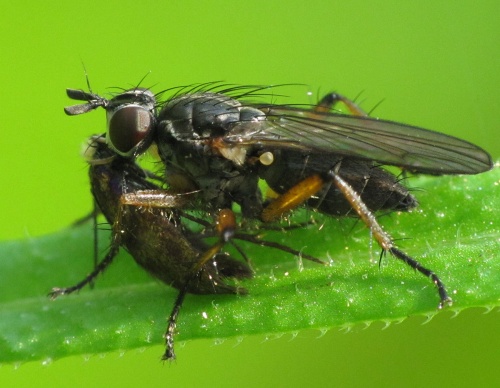
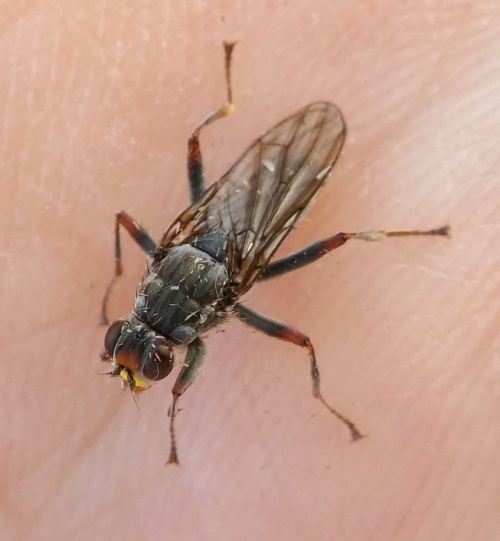
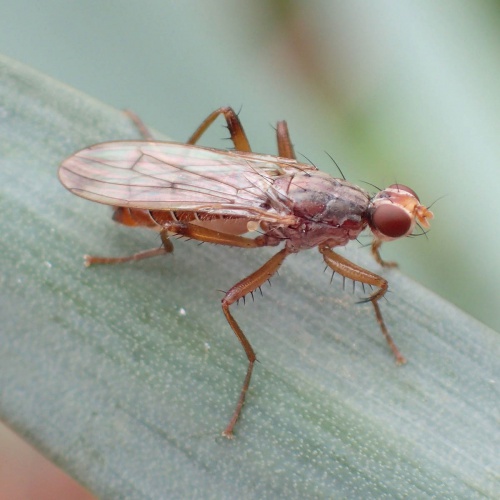
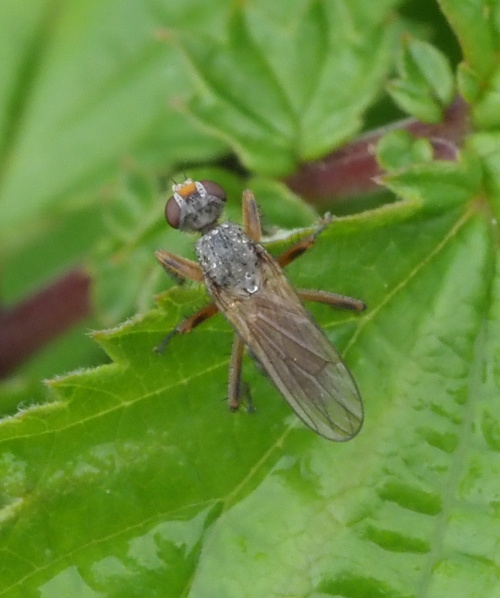
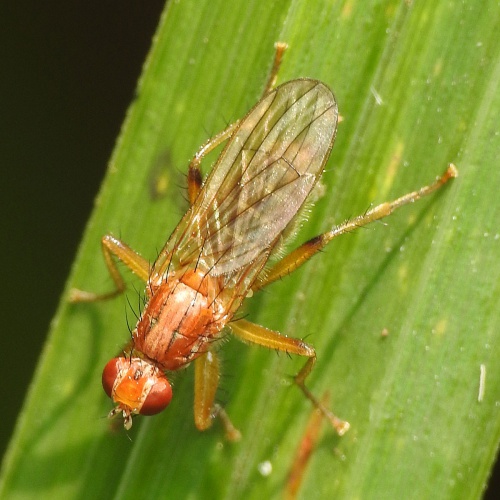
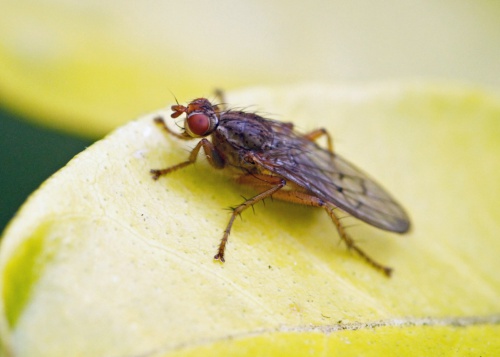
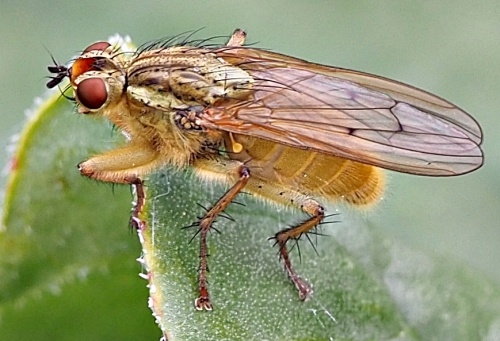
All images on this website have been taken in Leicestershire and Rutland by NatureSpot members. We welcome new contributions - just register and use the Submit Records form to post your photos. Click on any image below to visit the species page. The RED / AMBER / GREEN dots indicate how easy it is to identify the species - see our Identification Difficulty page for more information. A coloured rating followed by an exclamation mark denotes that different ID difficulties apply to either males and females or to the larvae - see the species page for more detail.
Flies
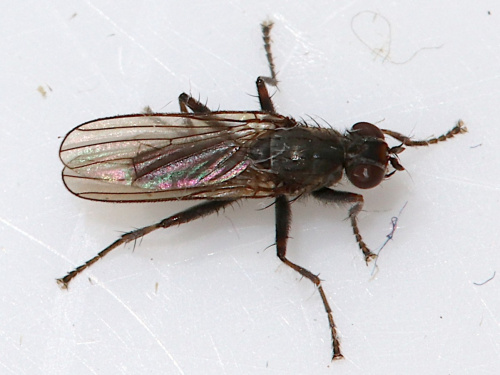
Opomyzidae
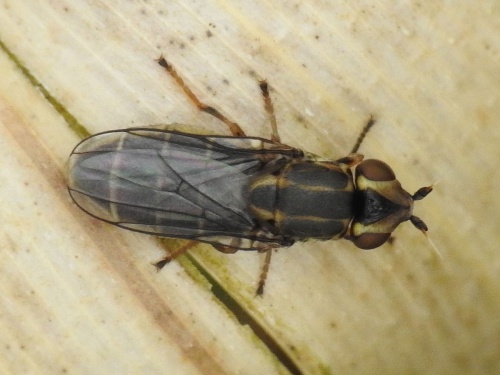
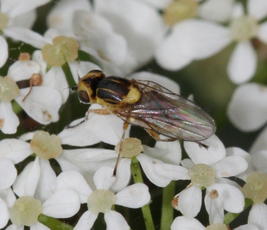
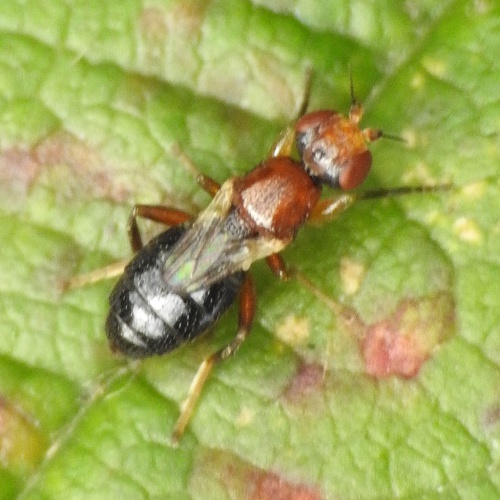
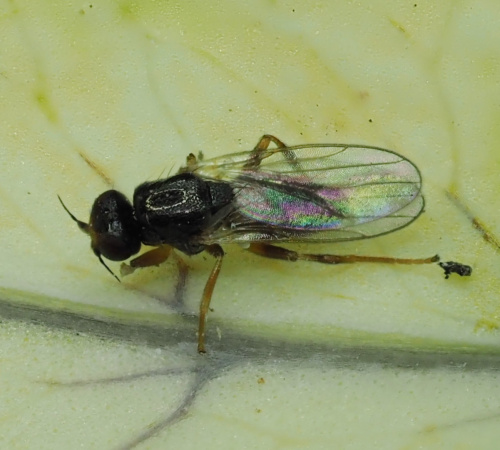
Generally small, slender, yellow, brown or black coloured flies. The larval food plants are grasses, including cereal crops, the adults are mainly found in open habitats.
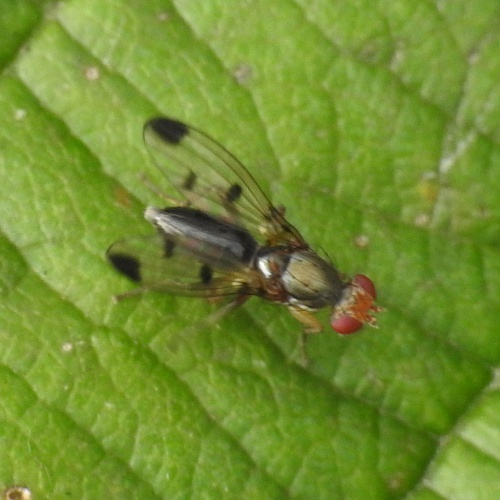


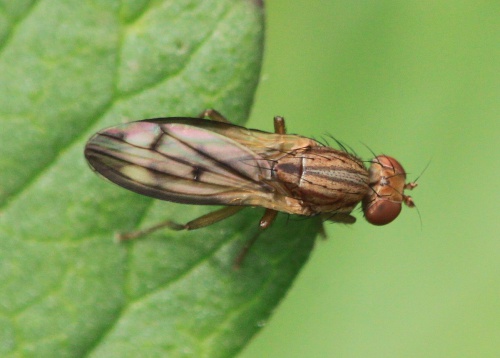


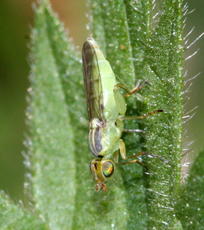
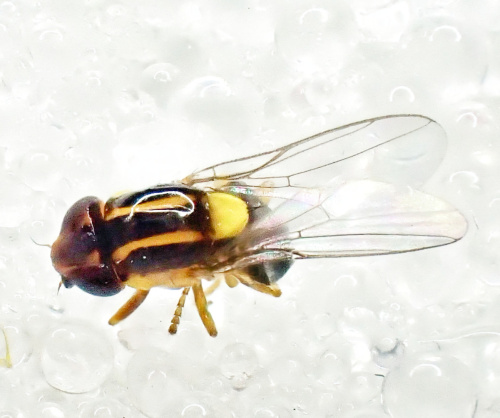
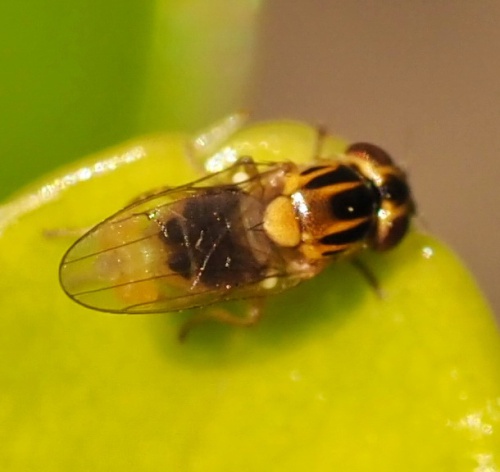
Chloropidae - Grass flies
These are usually very small flies, yellow or black and appearing shiny due to the virtual absence of any hairs. Most of the larvae of this genus feed on grasses.
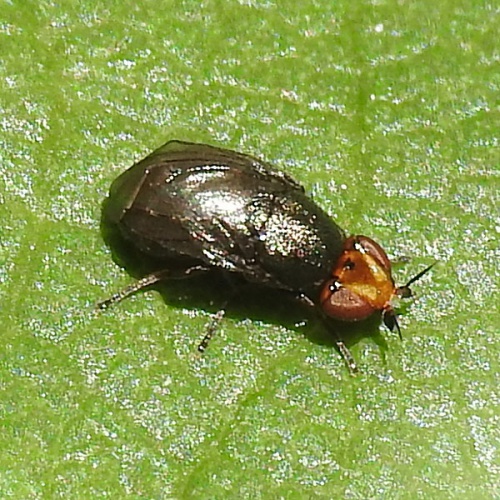
Heleomyzidae
A small family of flies whose larvae feed on decaying plant and animal matter.
Heleomyzid Recording Scheme - with an excellent illustrated key.
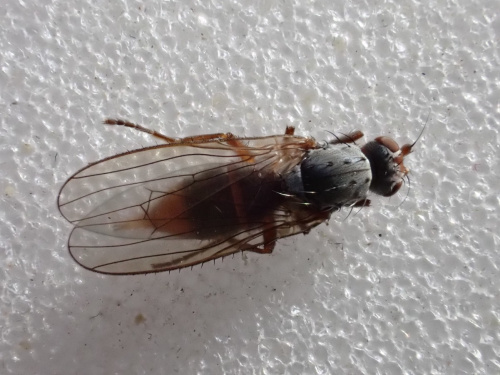
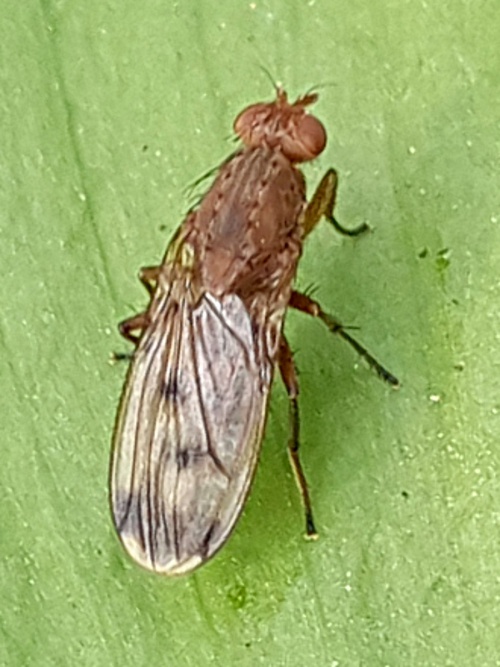
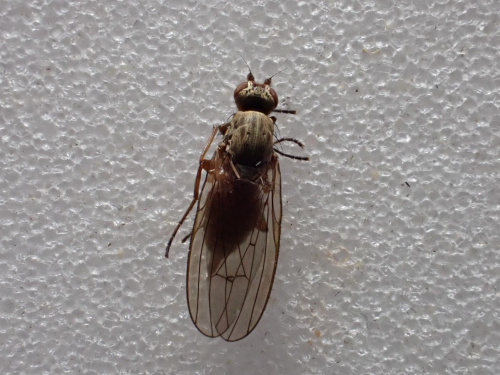
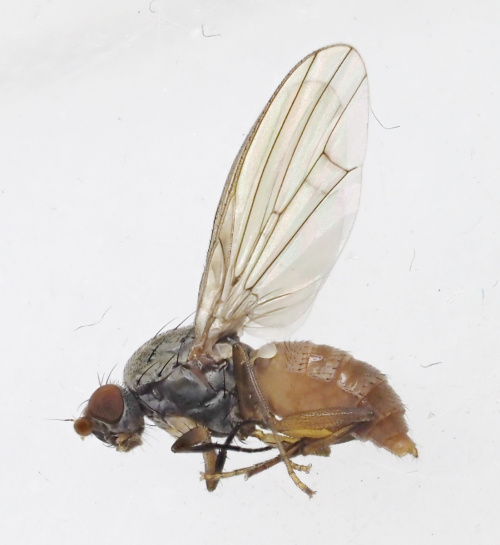
Sphaeroceridae
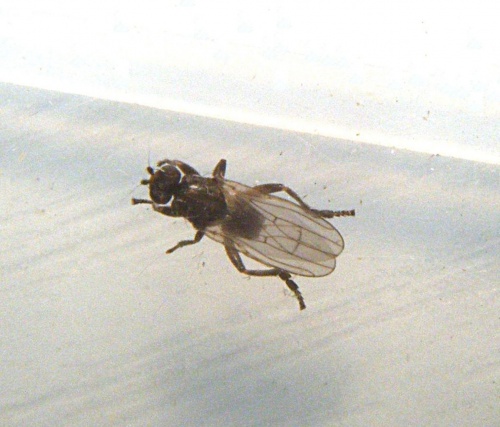
Drosophilidae


Ephydridae - Shore flies or Brine flies
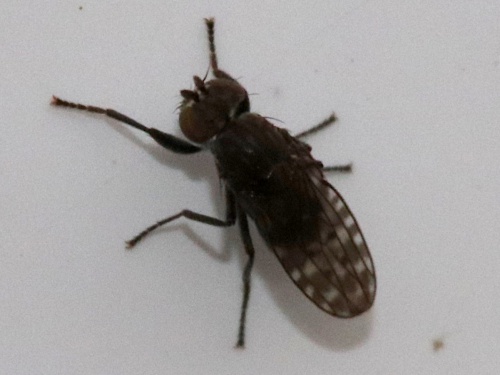
Hippoboscidae - Louse flies
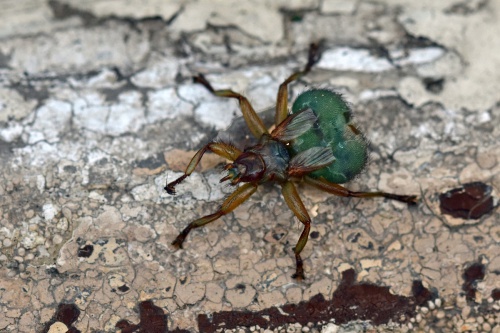
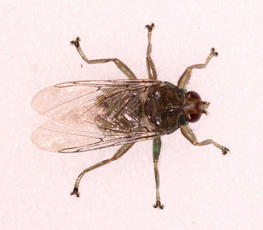
Scathophagidae - Dung flies
Only a few species of the genus Scathophaga pass their larval stages in animal dung. The name probably derives from the Common Yellow Dung-fly, S. stercoraria, which is one of the most abundant and ubiquitous flies in many parts of the northern hemisphere.
Further information and help for flies in this family can be found at the Scathophagidae National Recording Scheme website.