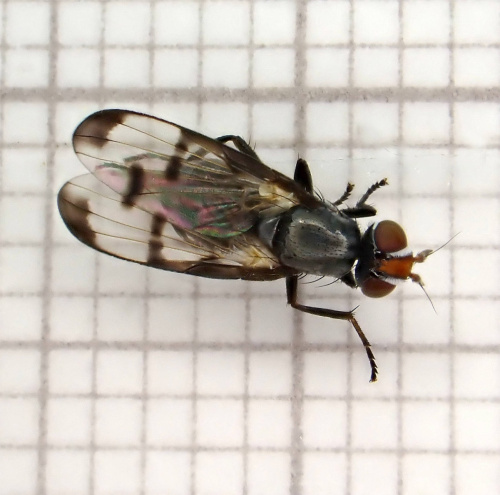
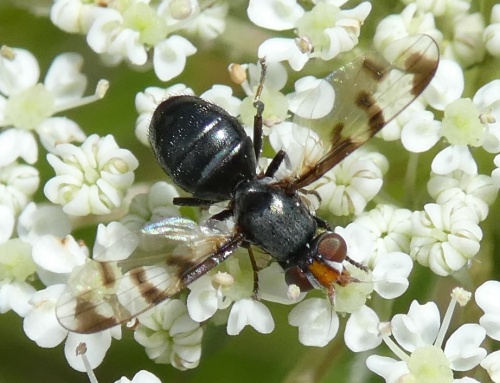
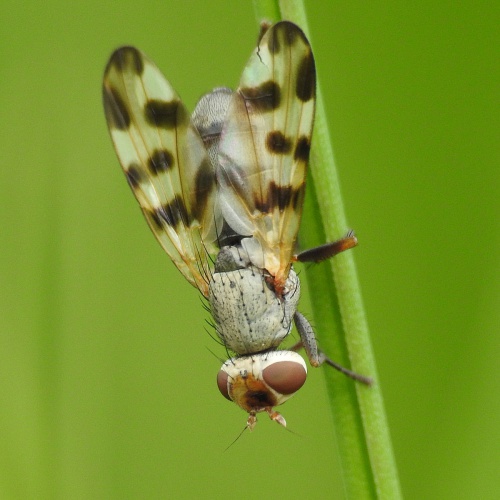
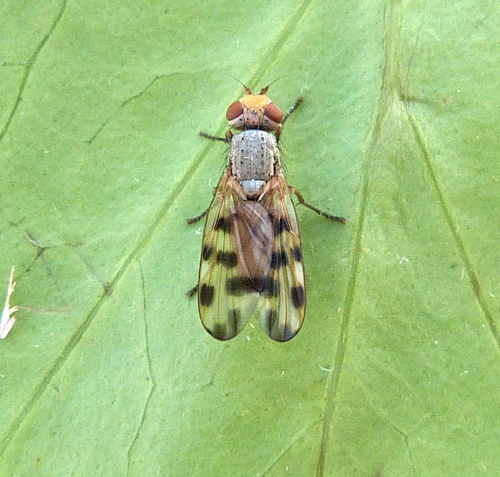
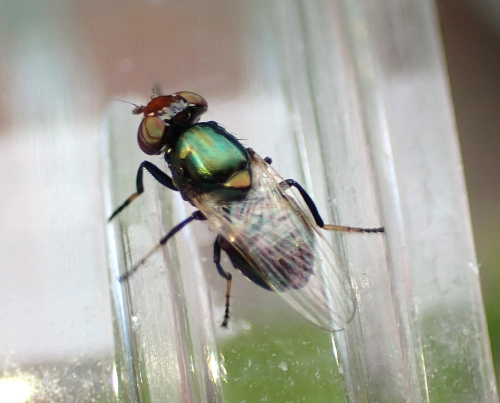
All images on this website have been taken in Leicestershire and Rutland by NatureSpot members. We welcome new contributions - just register and use the Submit Records form to post your photos. Click on any image below to visit the species page. The RED / AMBER / GREEN dots indicate how easy it is to identify the species - see our Identification Difficulty page for more information. A coloured rating followed by an exclamation mark denotes that different ID difficulties apply to either males and females or to the larvae - see the species page for more detail.
Flies
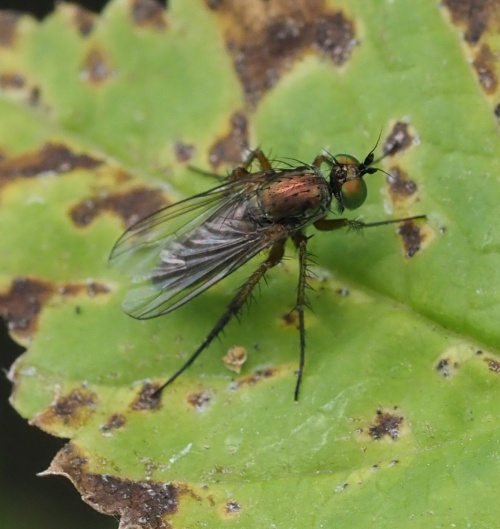
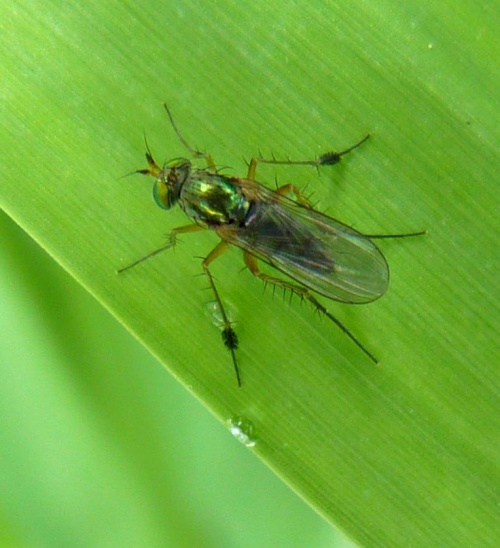
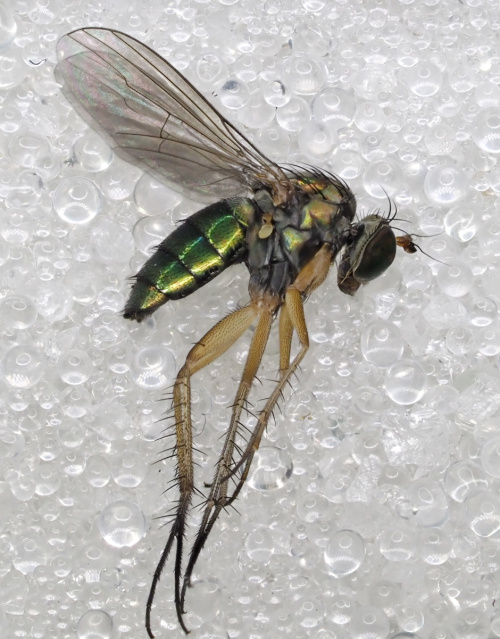
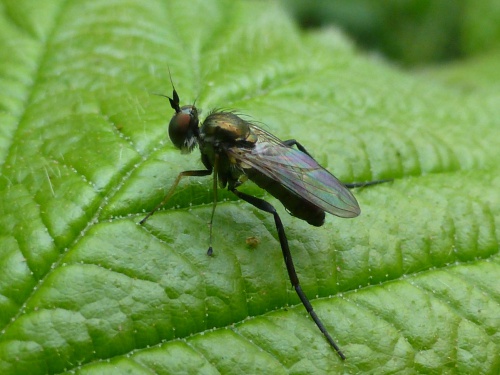
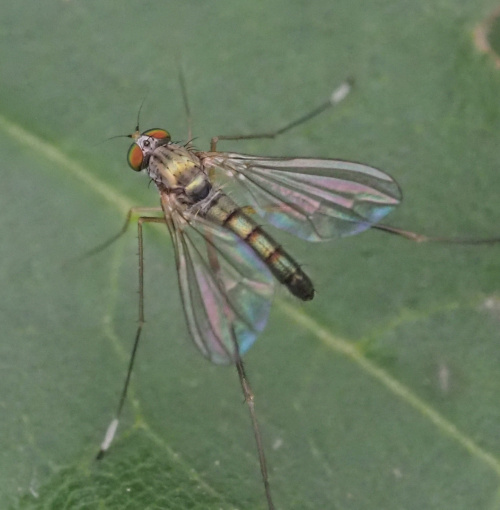
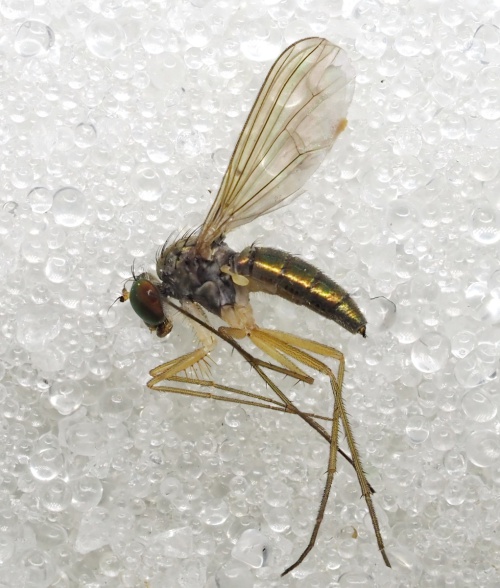
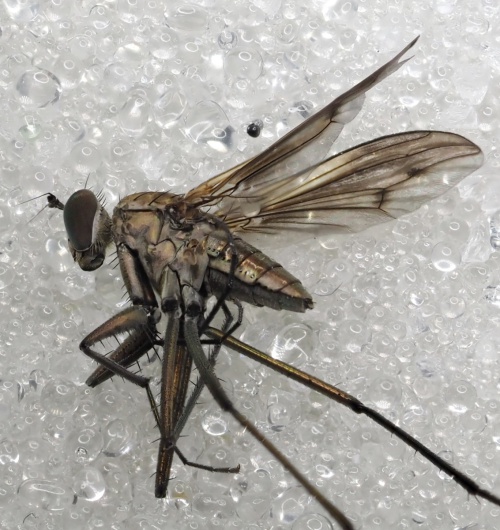
Dolichopodidae - Long-legged flies
LESOPS 50 - Dolichopodidae VC55 Status - Ray Morris




Platypezidae - Flat-footed flies
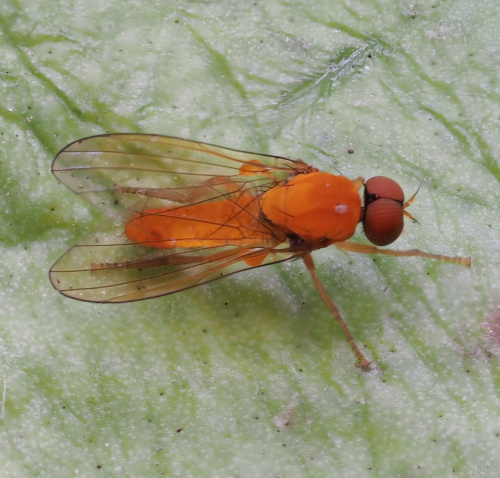
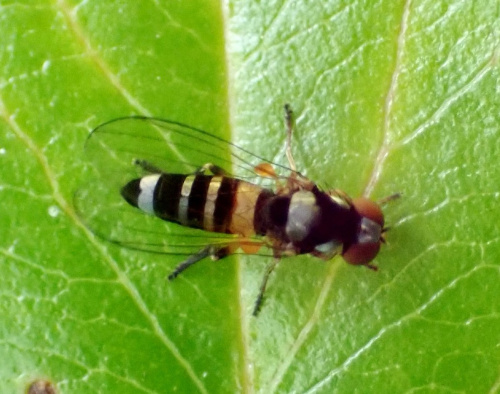
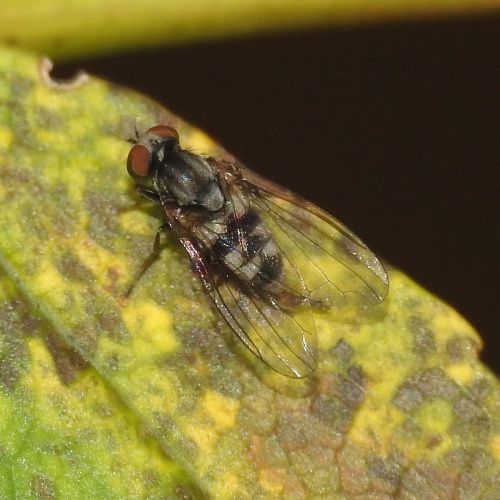
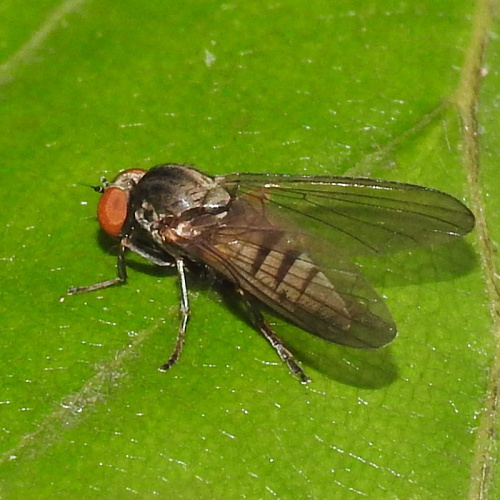
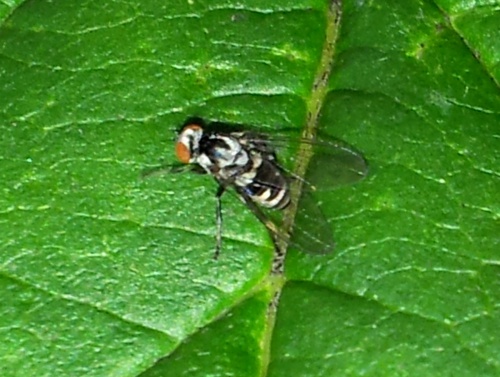
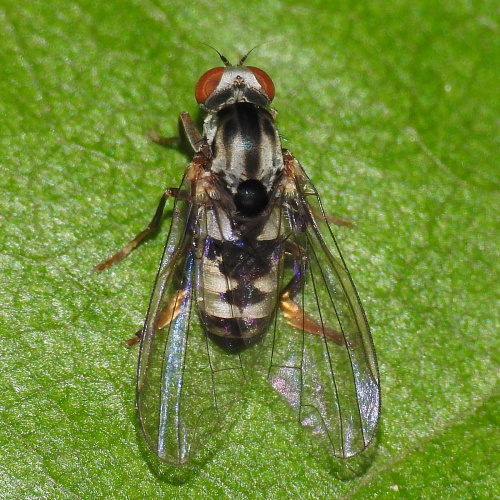
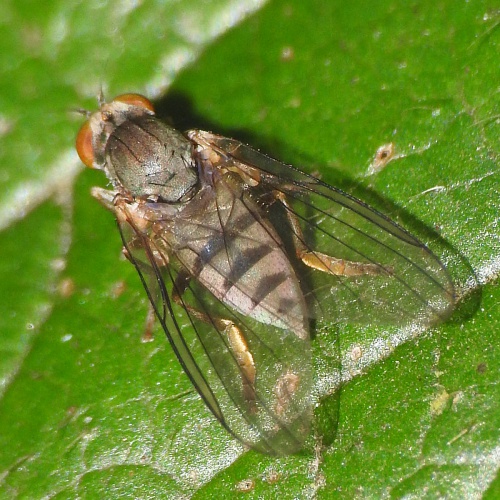
Most members of this family are woodland specialists associated with fungi. The best way to find them is to look out for their characteristic behaviour of running around quickly on leaves, often in circles. Search for them in autumn especially on Sycamore, but also Ivy, Oak and other species.
Phoridae - Hump-backed flies
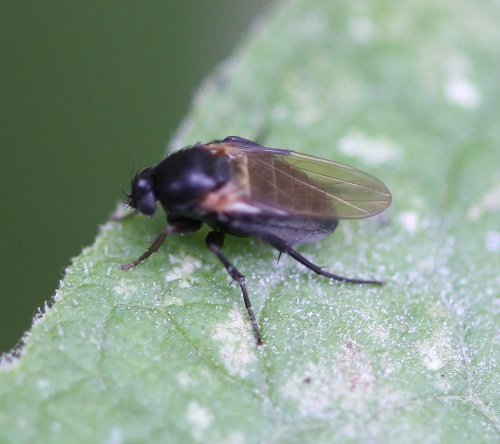
Lonchopteridae - Spear-winged Flies
Micropezidae - Stilt-legged flies
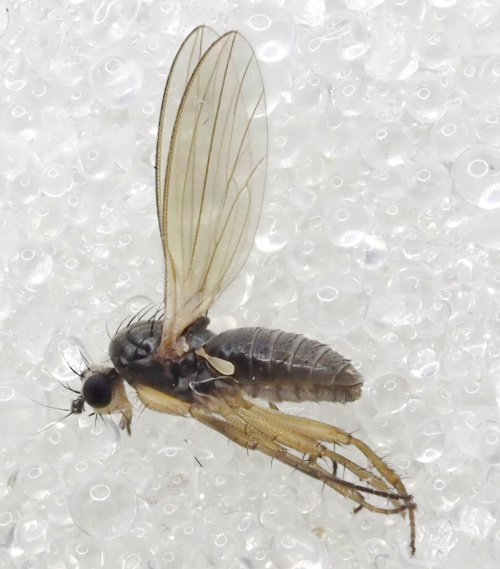
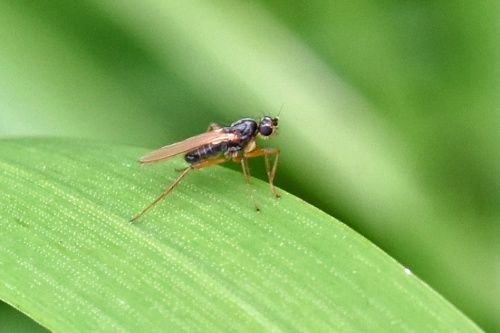
The fore legs are markedly smaller than the other pairs. Mostly they are long-bodied

Psilidae - Rust flies
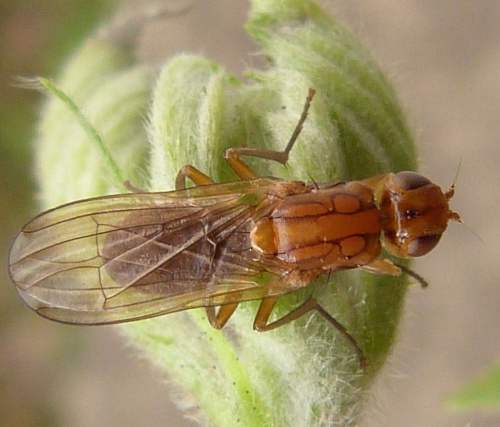
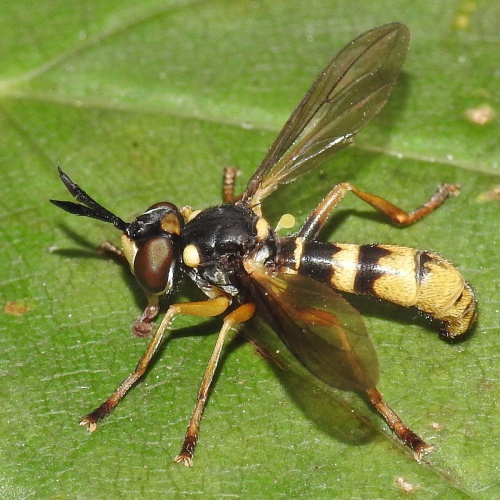
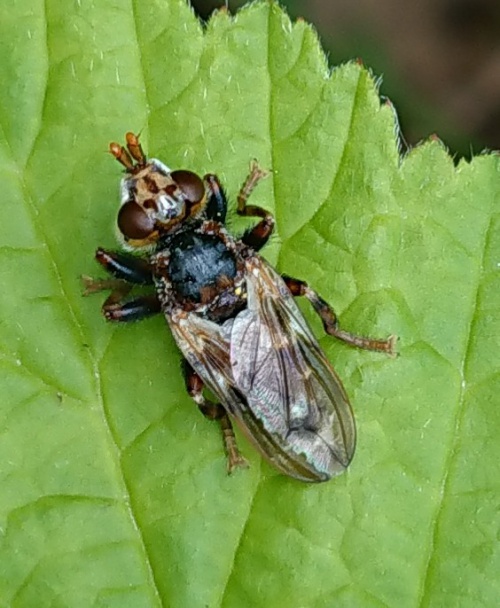
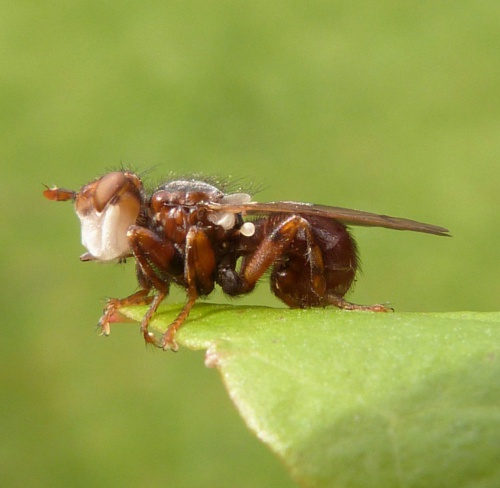
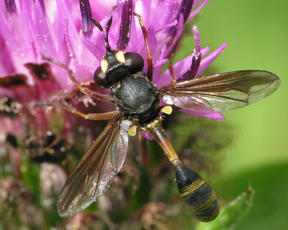
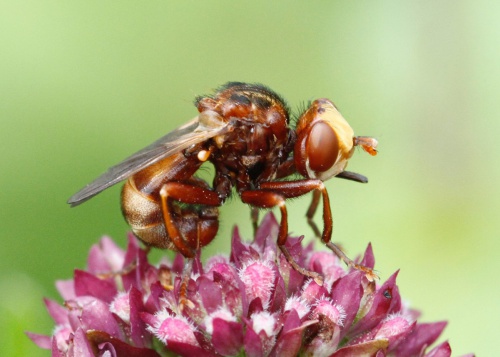
Conopidae - Thick-headed flies
Members of this family are often bee or wasp mimics. Those species that parasitise wasps are best searched for on large sunlit stands of flowering Ivy in the autumn.
LESOPS 38 - Conopidae VC55 Status - Ray Morris
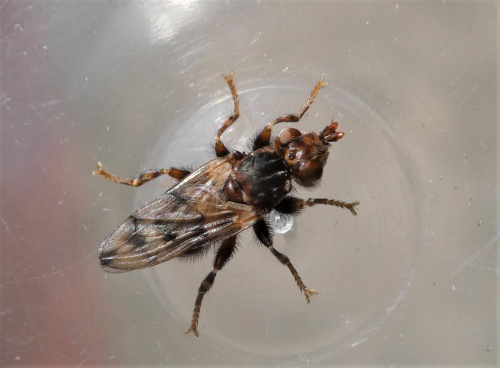
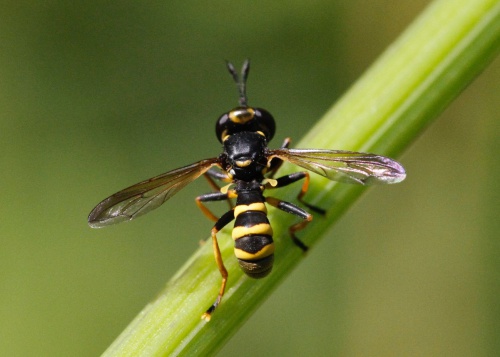
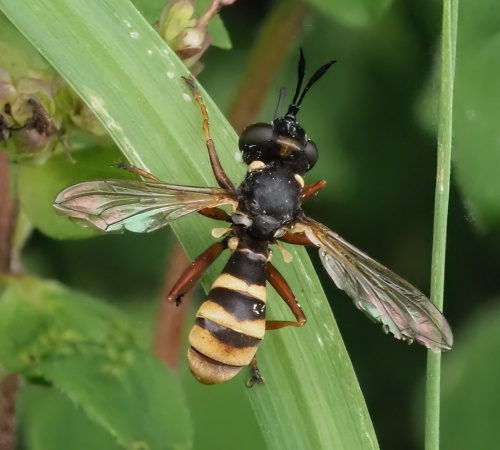
Lonchaeidae - Lance flies
Pallopteridae - Trembling-wing Flies
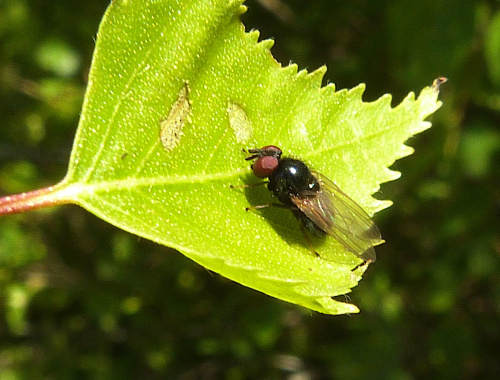
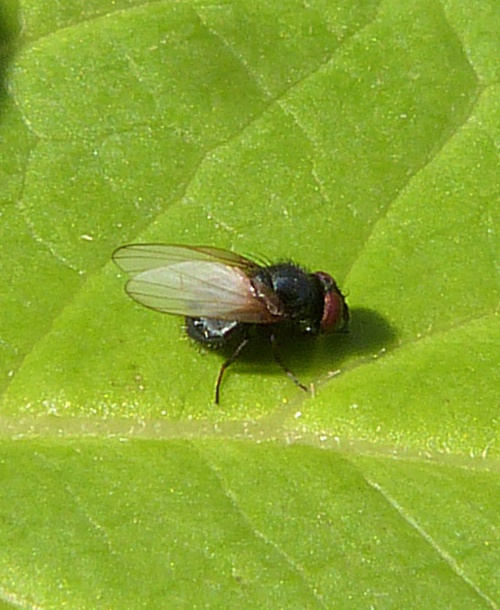
Members of this family are known as trembling-wing flies because of the striking vibration of the wings in many species.
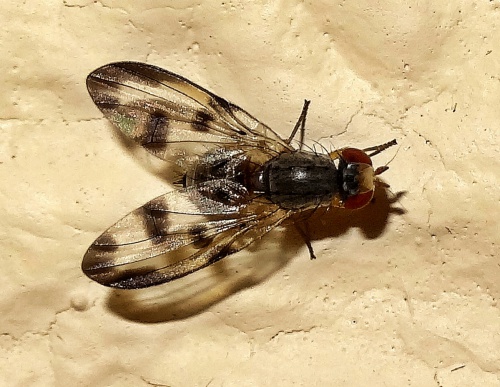
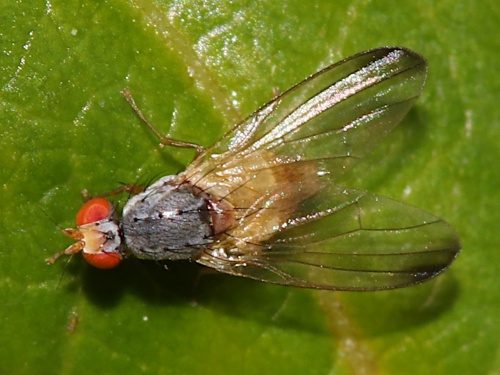
Piophilidae

Ulidiidae - Picture-winged flies
The larvae of most species in this family are scavengers on decaying organic matter. A few are plant feeders.