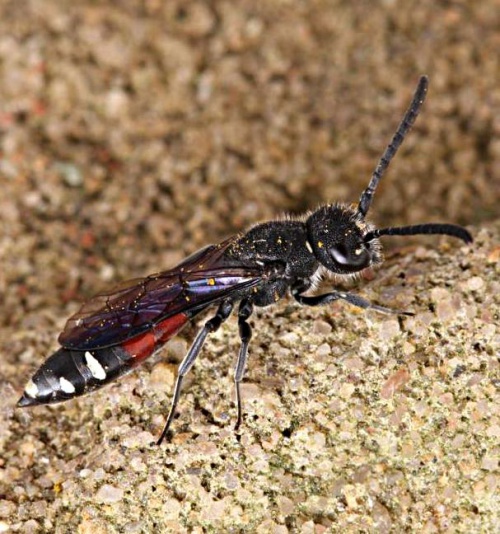
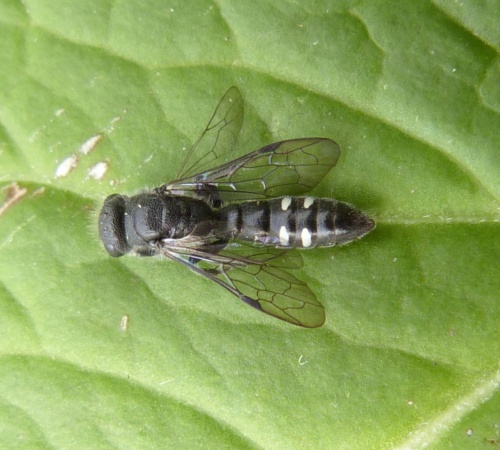
All images on this website have been taken in Leicestershire and Rutland by NatureSpot members. We welcome new contributions - just register and use the Submit Records form to post your photos. Click on any image below to visit the species page. The RED / AMBER / GREEN dots indicate how easy it is to identify the species - see our Identification Difficulty page for more information. A coloured rating followed by an exclamation mark denotes that different ID difficulties apply to either males and females or to the larvae - see the species page for more detail.
Bees, Wasps, Ants
Solitary wasps
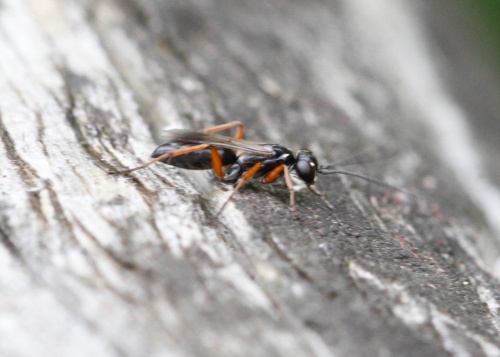
The familiar yellow and black social wasps are the outliers for the group - the vast majority of the world’s 100,000+ wasp species are solitary. The Chalcids, Ichneumonids and Braconids are particularly species-rich. For all their great ecological importance, most species are poorly studied and many of these are extremely difficult to identify.
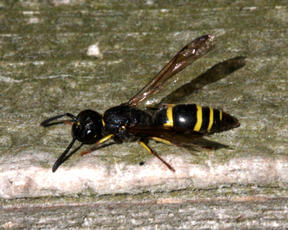
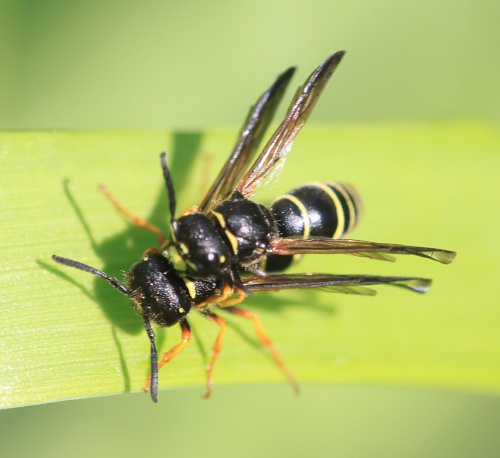
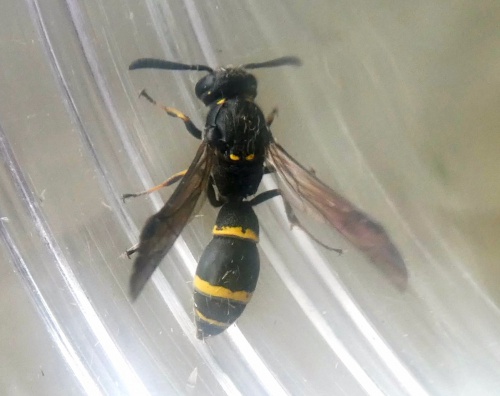
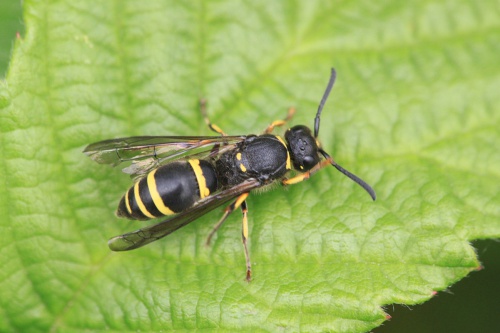
Eumeninae - Mason and Potter wasps
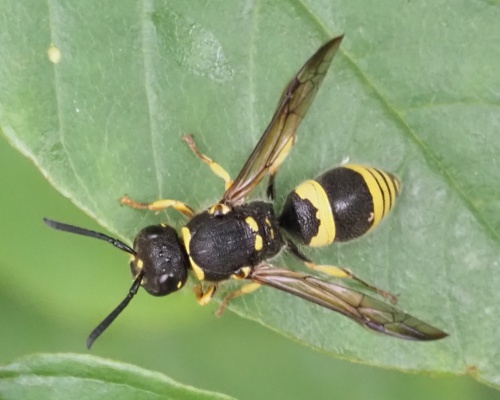
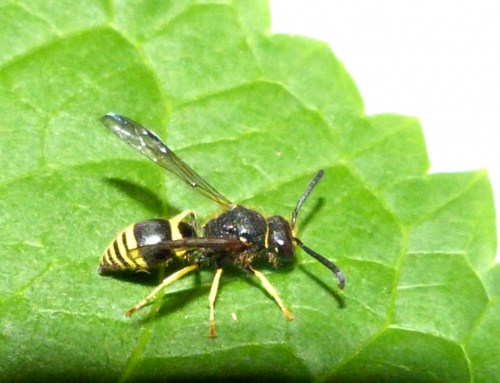
Michael Archer's key to the Potter and Mason wasps is available from BWARS. Eumeninae are a fascinating subfamily of wasps. Often called "Mason wasps" or "Potter wasps," they are the solitary cousins of the more famous yellow and black social wasps. They are actually some of the most beneficial (and architecturally gifted) insects , being predatory on many pest species which they use to stock the larders for their larvae.


Crabronidae - Sand wasps and Digger wasps
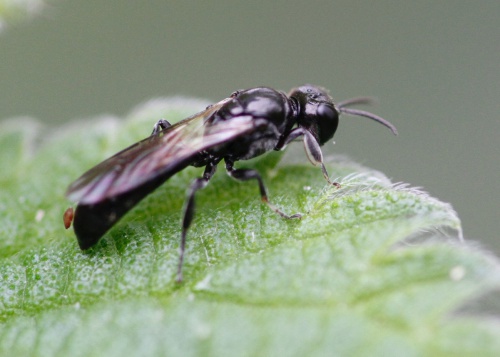
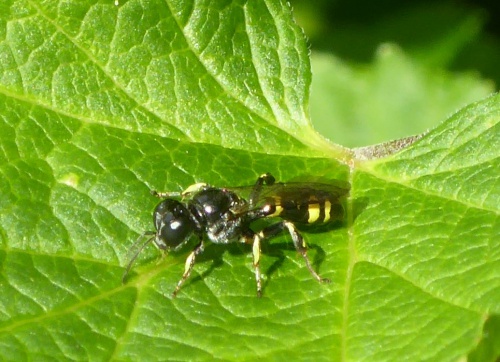
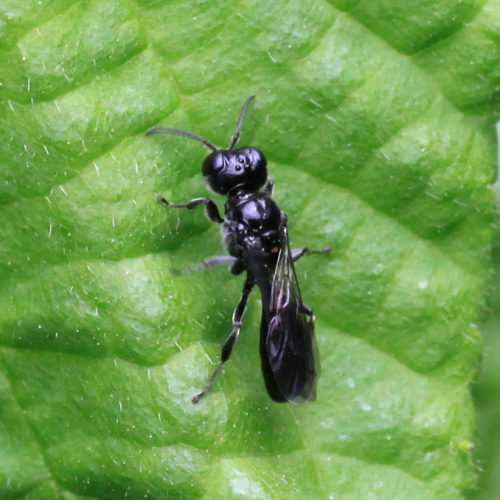
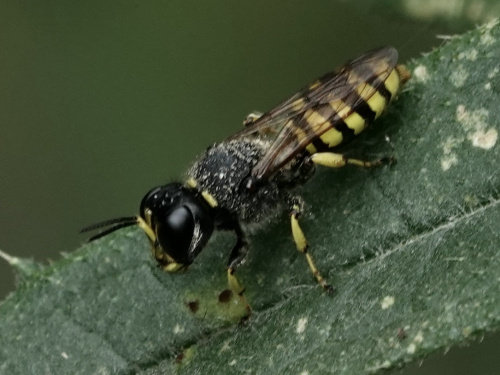
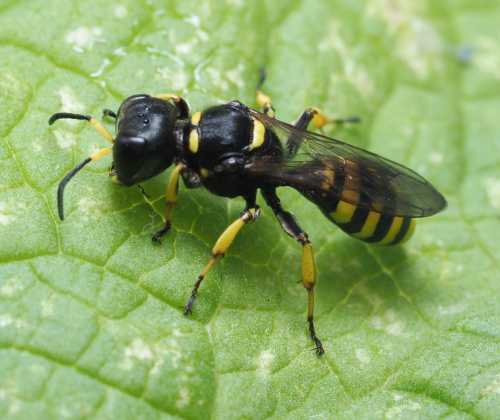
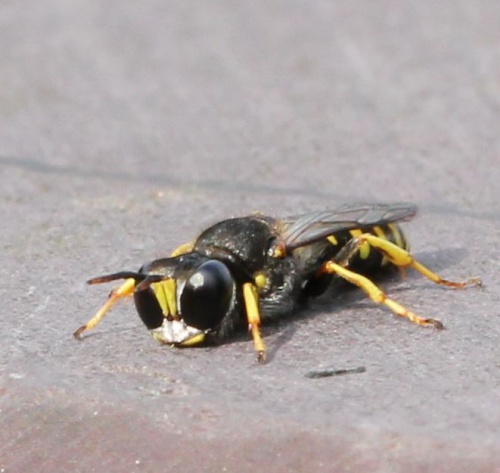
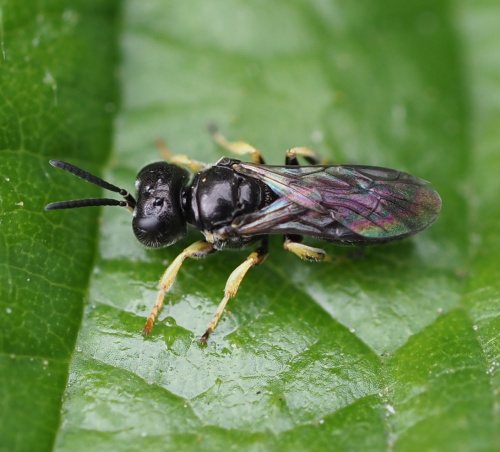
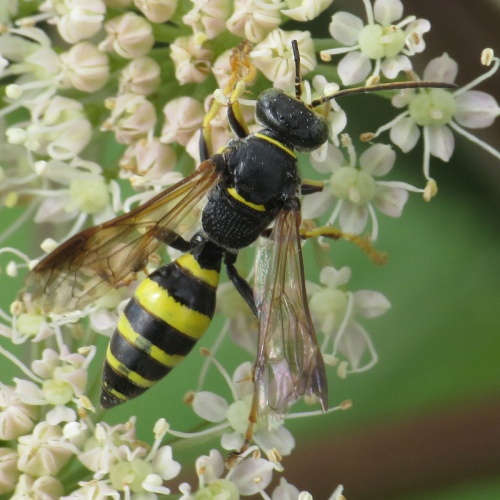
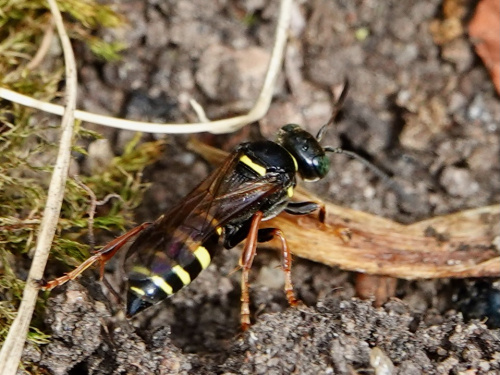
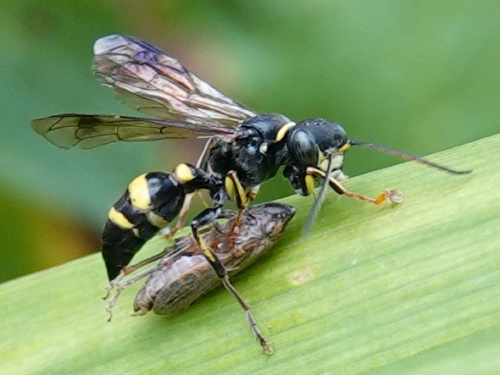
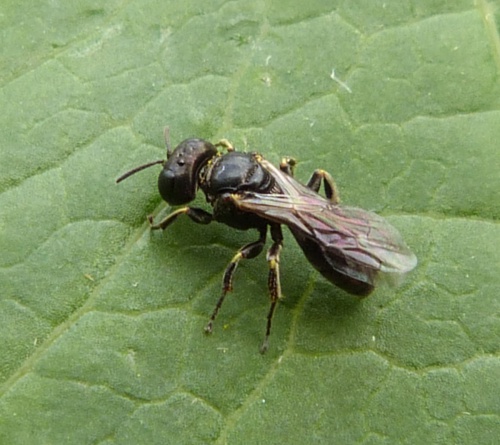
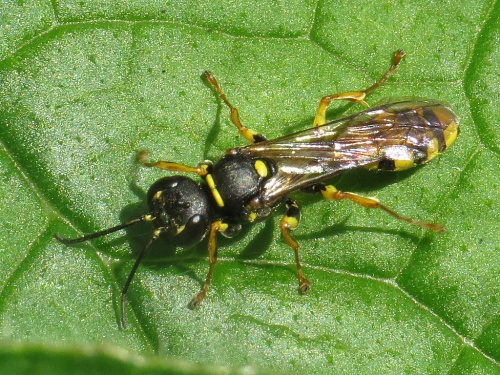
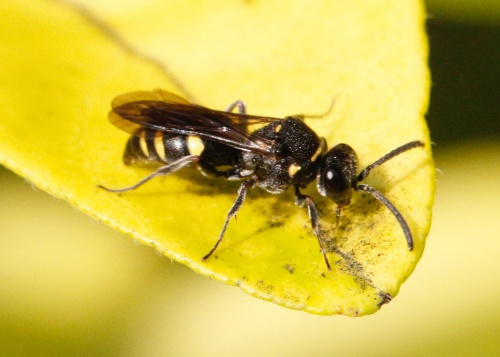
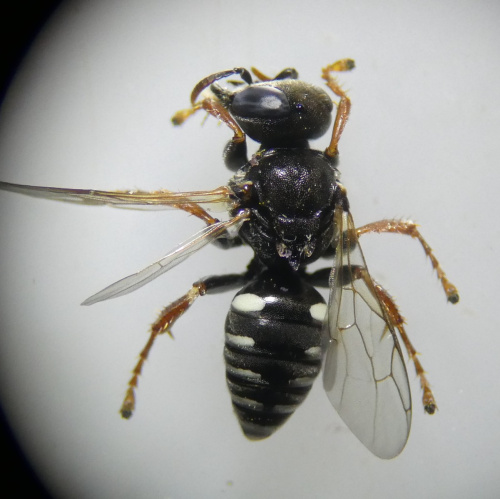
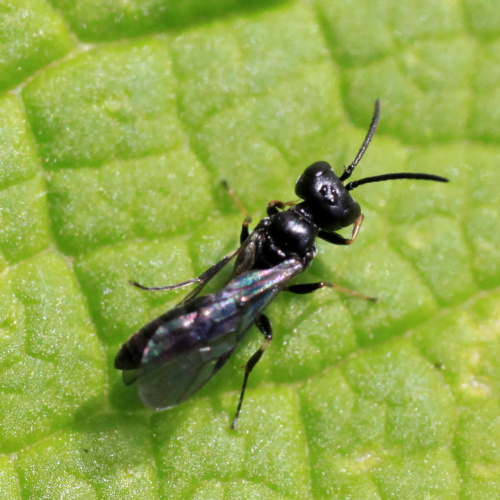
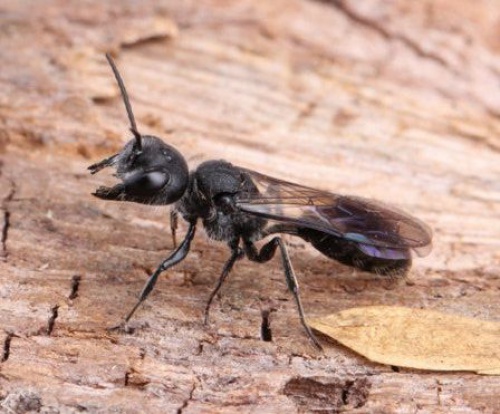
The Crabronidae are a group of solitary wasps which construct burrows in soil which they stock with paralysed insects to feed their larvae.
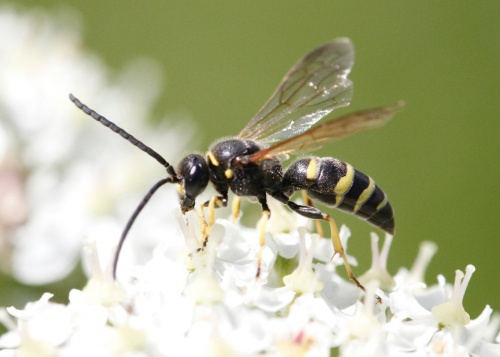
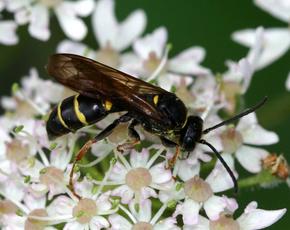
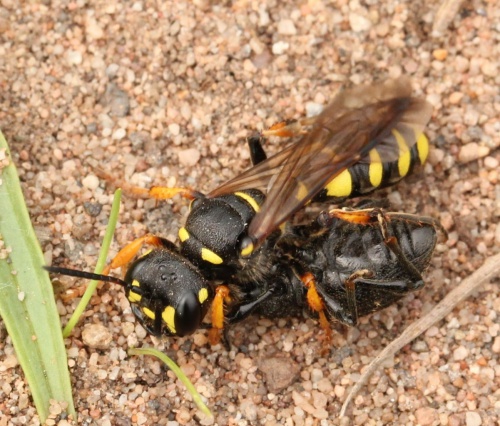

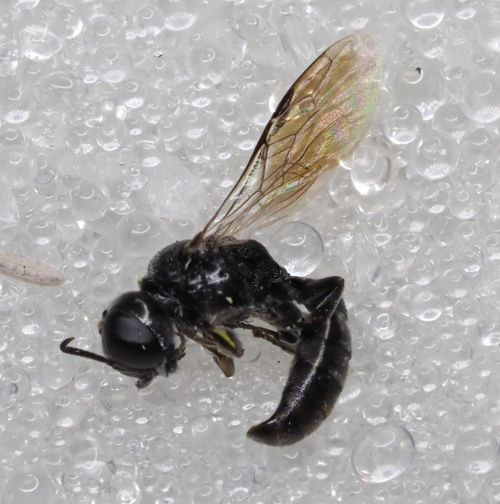



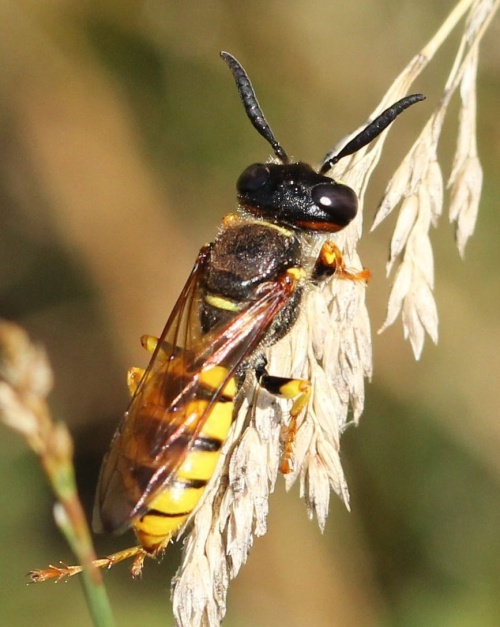
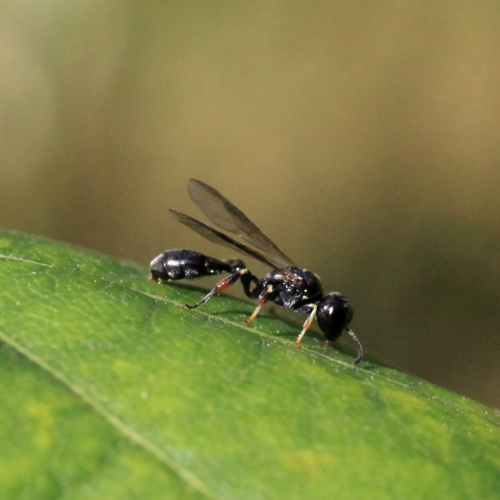
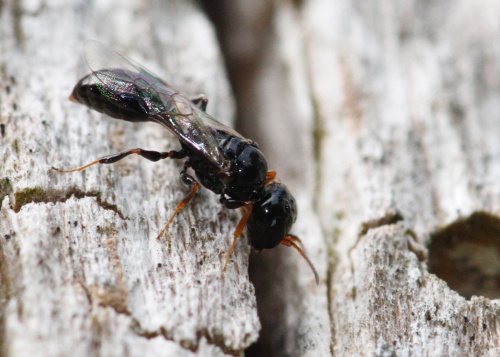
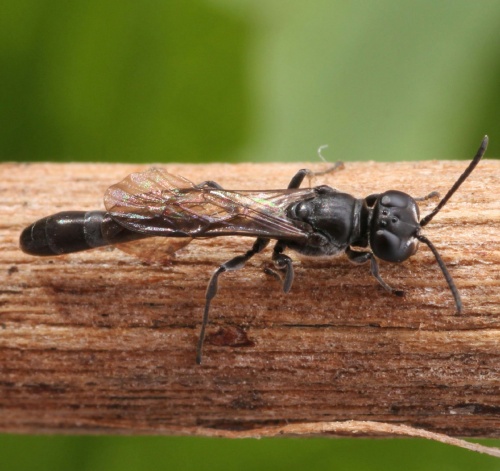
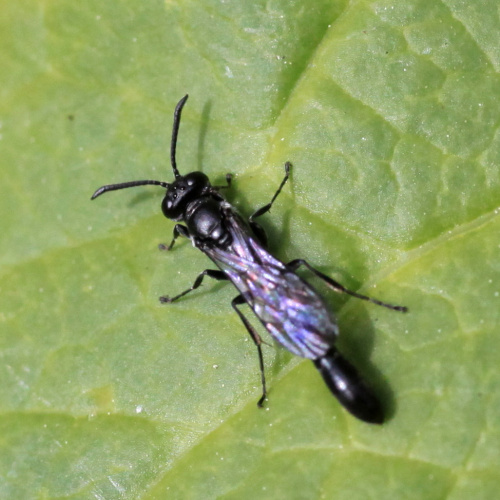
Sphecidae - Sand wasps
These solitary wasps get their name because most nest in the ground. The female digs her own hole and stocks it with paralysed prey, usually other insects or spiders, for her young to feed on.
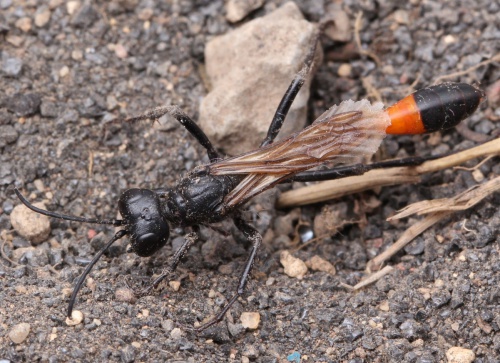
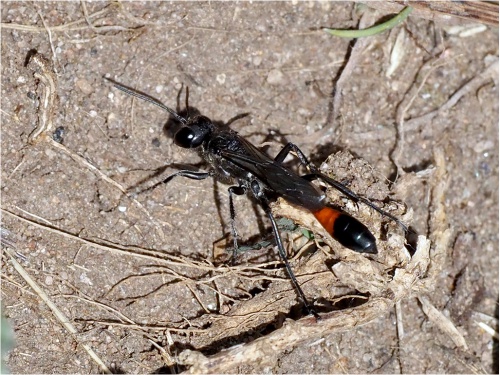
Pompilidae - Spider hunting wasps.
While many wasps are generalists, this family is dedicated to a single task - hunting spiders which they use as living larders for their offspring. Graham Collins' draft key to Pompilidae is on BWARS' website.
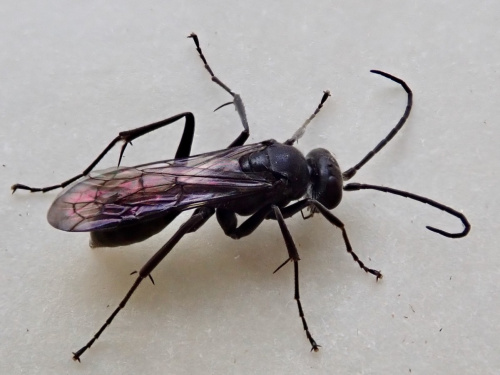

Sapygidae
The Sapygidae, "club-horned wasps", are primarily cleptoparasites (or "cuckoo wasps") which do not build their own nests. Instead, they sneak into the nests of solitary bees - specifically leafcutter bees and mason bees. The Sapygid larva usually hatches before the host's egg and uses its large mandibles to destroy the host egg or young larva., then consuming the pollen and nectar that the host bee gathered for her own offspring.