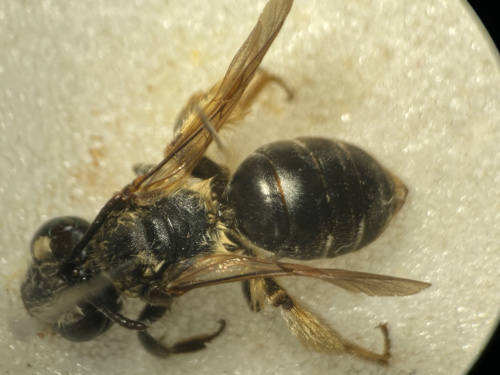
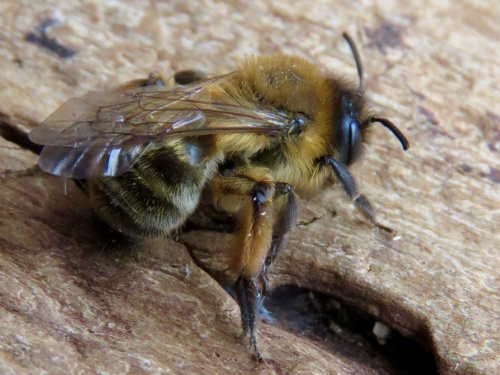
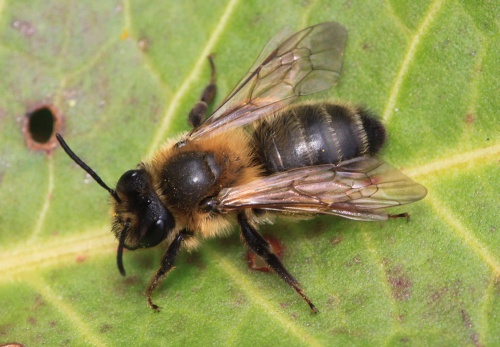
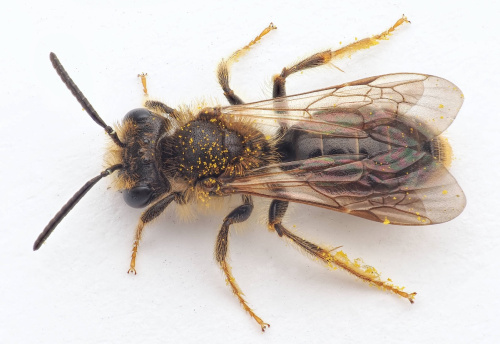
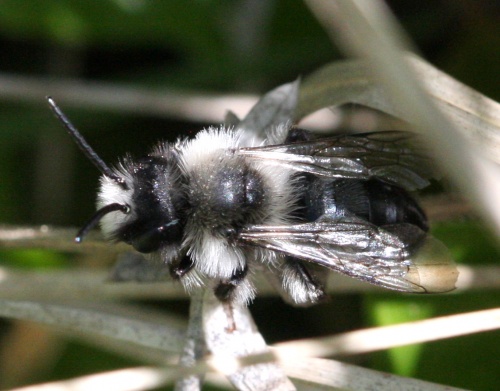
All images on this website have been taken in Leicestershire and Rutland by NatureSpot members. We welcome new contributions - just register and use the Submit Records form to post your photos. Click on any image below to visit the species page. The RED / AMBER / GREEN dots indicate how easy it is to identify the species - see our Identification Difficulty page for more information. A coloured rating followed by an exclamation mark denotes that different ID difficulties apply to either males and females or to the larvae - see the species page for more detail.
Bees, Wasps, Ants
Bumblebees, Cuckoo bees, Flower bees and Honeybees, etc.
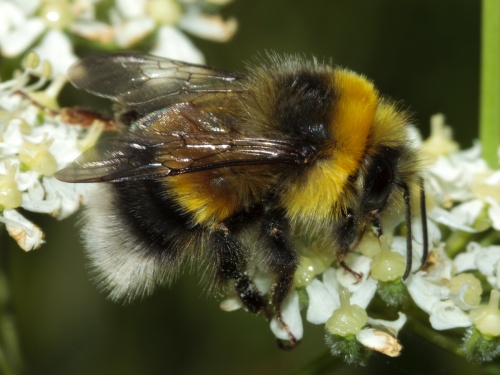
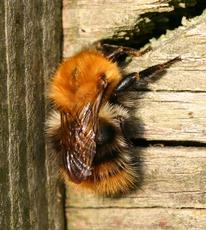
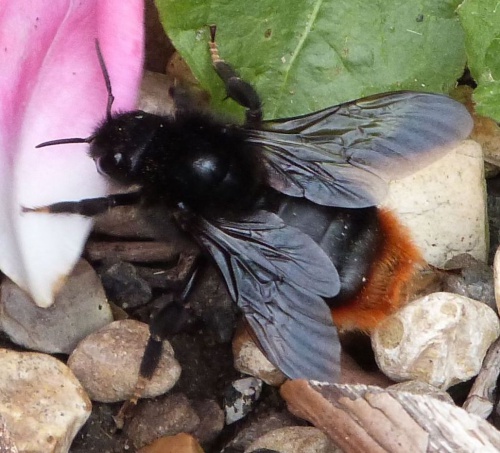
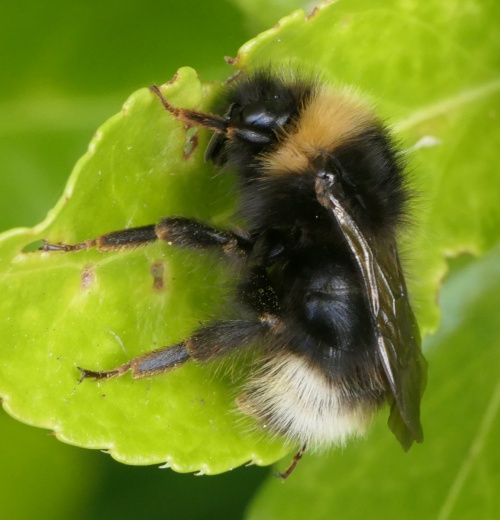
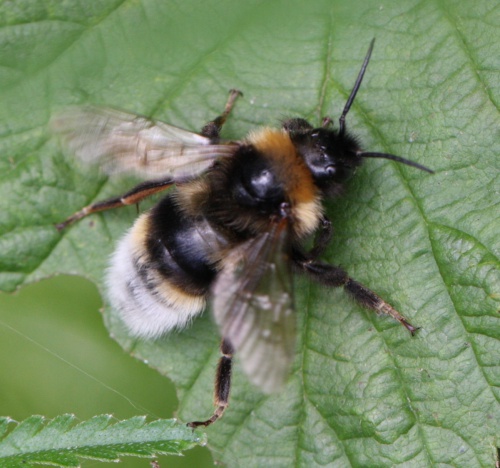
Bumblebees (some Bombus species) are true social bees, forming large nest colonies set up in spring by fertilised queen bees emerging from hibernation. The nests are populated mainly by sterile female worker bees, but later on in the season the queen produces eggs that develop into fertile males and new queens. The three 'castes' of bumblebee - queen, worker, male - usually have different sizes and appearances, which complicates identification to a species - and so it is important to note the caste in the comments box for your record.
Some species of Bombus are Cuckoo bees, all formerly placed in the Psithyrus genus. The queens take over the nest of a social bumblebee, killing or subduing the queen and commandeering all the workers. She pruoduces her own fertile males and new queens, but the job of foraging and caring for the grubs is done by the parasitised workers. Because of this, female Cuckoo bees don't have the familiar pollen baskets on their hind legs, although in other respects they look very similar.
Honeybees (Apis mellifera) also show highly developed social behaviour. The speces is probably an ancient introduction to Britain, possibly originating frm Africa. Honeybees are essentially a domesticated species; most of the UK population is kept and maintained in hives by beekeepers. Occasionally they establish nests in hollow trees, for example, and can survive in a feral state in the wild. Some bee experts have expressed concern that high densities of managed honeybees may adversely affect native wild bees by competing for pollen and nectar or carrying diseases. See Dave Goulson's presentation 'No more beewashing! Why beekeeping doesn't help conserve bees' on YouTube
Flower bees (Anthrophora) are not true social bees, but live in colonies, sometimes very large. There are no worker bees.
The Bumblebee Species Guide is a useful summary and guide from the Bumblebee Conservation Trust, covering most UK species of Bombus.
Steve Falk's has produced some crib-sheets for BWARS, covering some of the more difficult species
- Cuckoo Bee females with white or cream tails
- Banded Red-tails
- 'Midriffed' white-tails and their dark forms
- Two-banded white/buff tails
- Bombus vestalis and Bombus bohemicus
- Distinguishing male Cuckoo bees
- Distinguishing Brown Carder Bees in the field
- Distinguishing black-bodied red-tails
Apidae - bumblebees, etc.


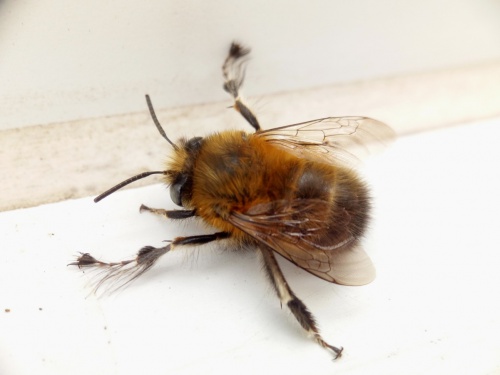

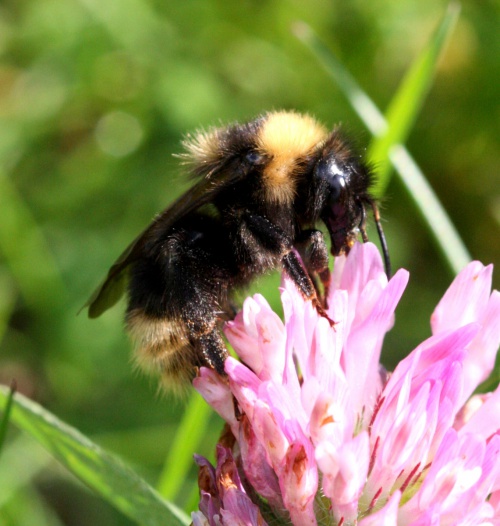
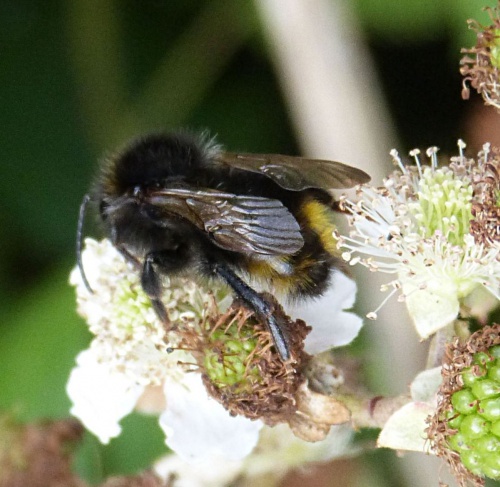
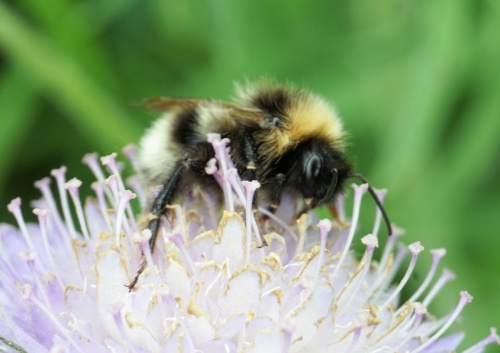

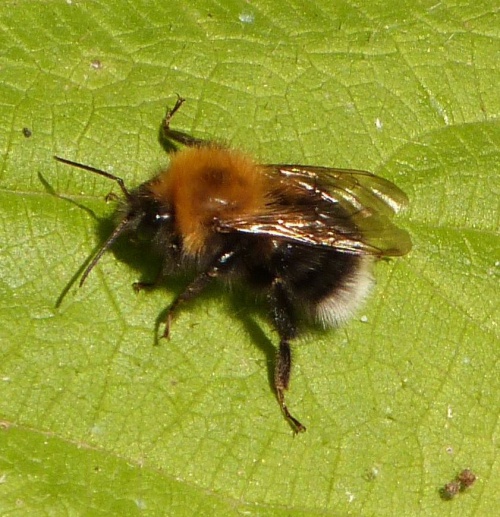

 Field near Grace Road Sapcote SP 4920 9356 (taken 20.7.2009).JPG)
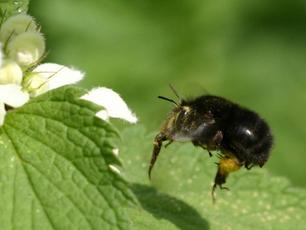
 Queen Harecroft Crescent Sapcote SP4901 9371 (taken 26.3.2010).JPG)
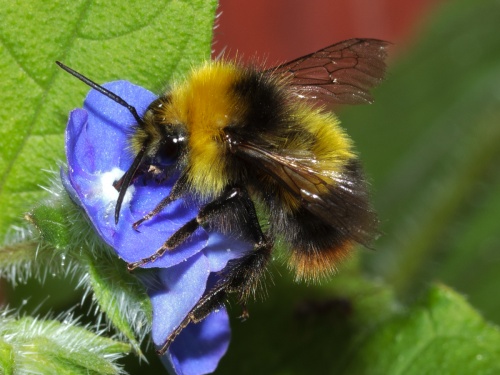
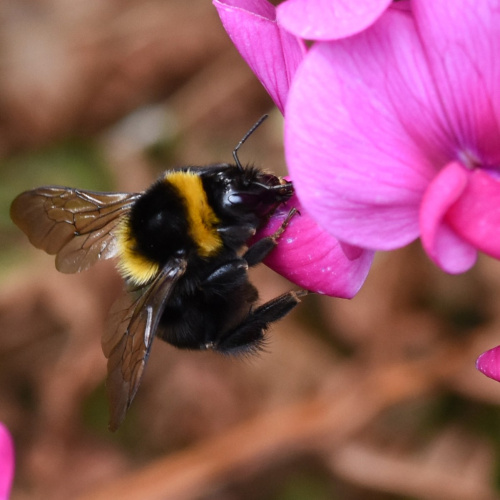
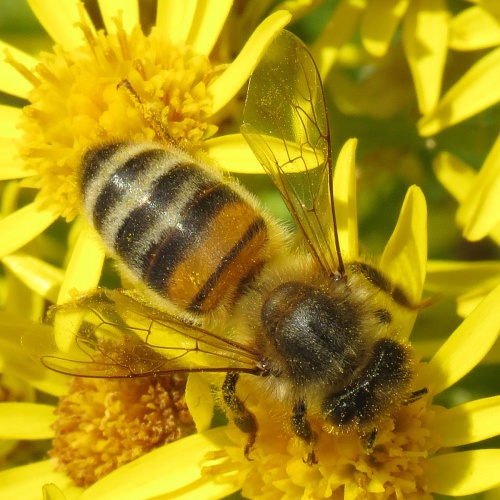
 Granitethorpe Sapcote SP 4944 9358 (taken 8.4.2010)..JPG)
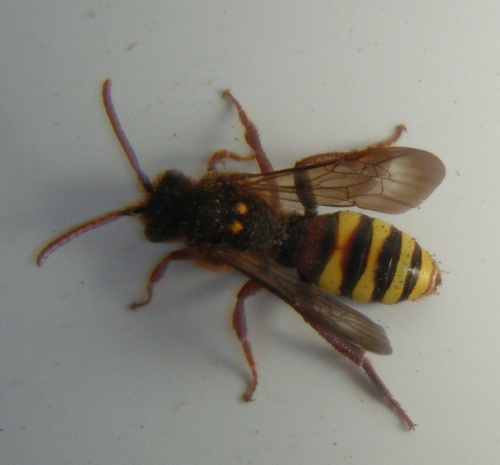
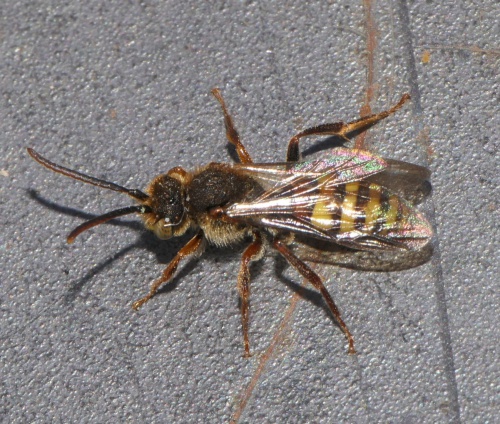
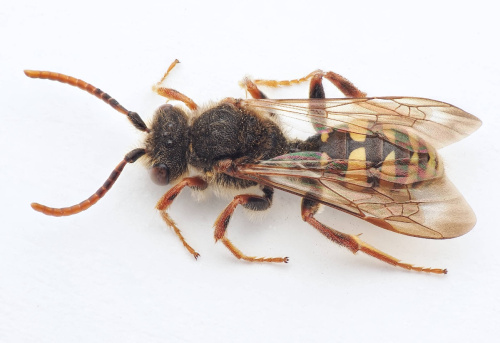
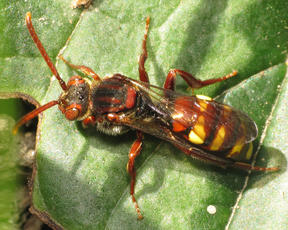
Nomad bees
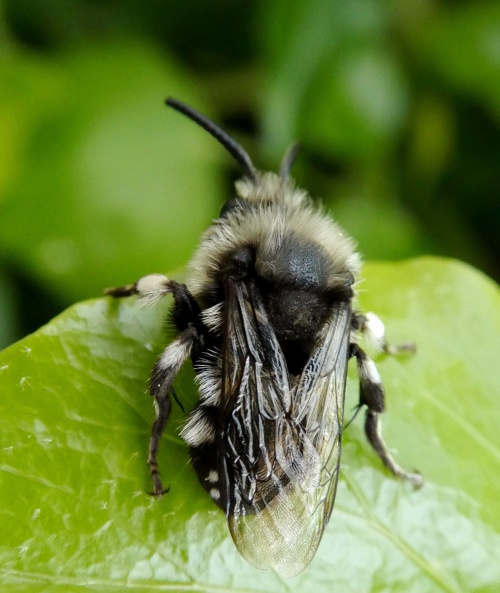
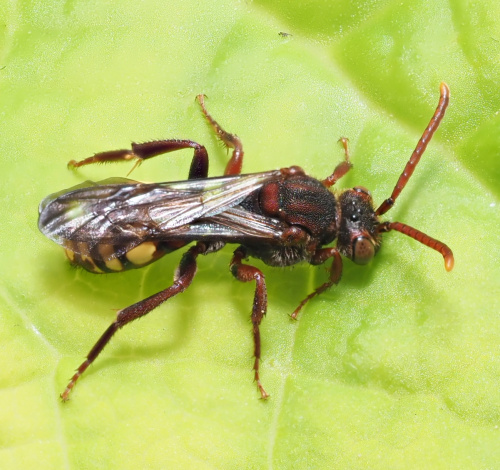
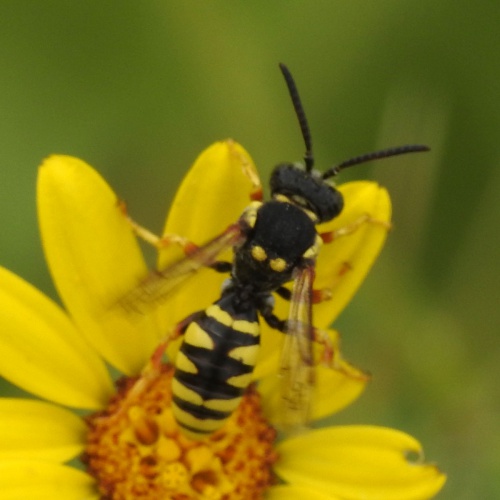
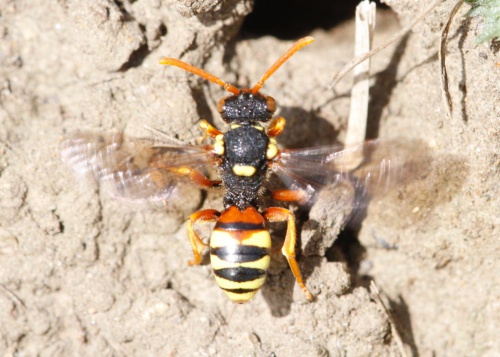
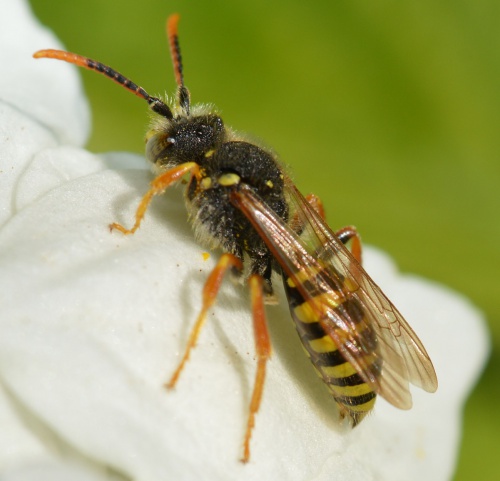
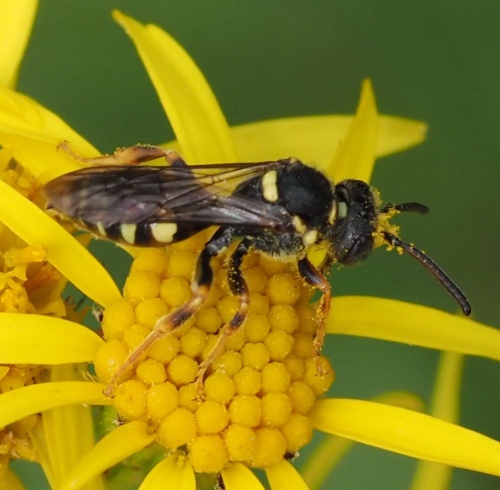
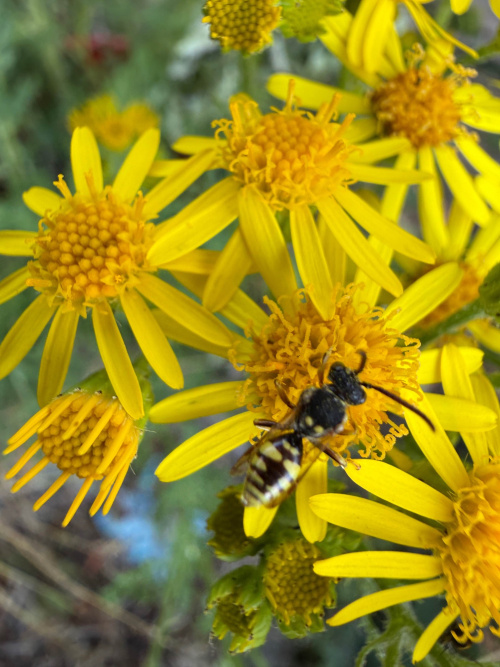
These species are also in the Apidae family along with bumblebees, etc., but have a very different appearance to the furry bumblebees, sometimes being mistaken for wasps. They are all cleptoparasites of solitary bees, usually Andrena species. The females enter the burrow or nest cell, and lay an egg inside. When this hatches, it kills the egg or grub and feeds on the stored food. They have specific hosts and so may often be recorded around the entrances of their host species' burrow or nest-site. Identification can be difficult, and males and females often have different appearances; always note the sex of your specimen in the comments box.
A revised account of British nomad bees (Apidae: Nomada) by Steven Falk, 2024 is available on BWARS website
Apidae (Nomad bees)
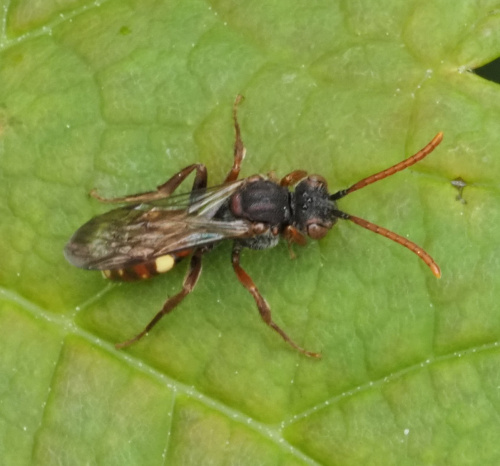
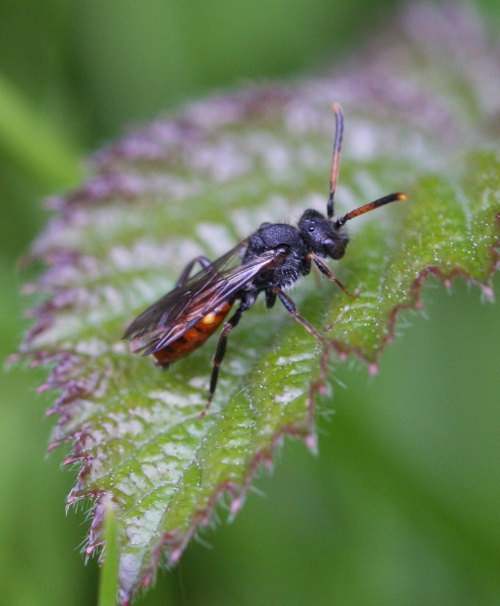
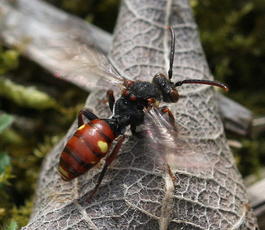
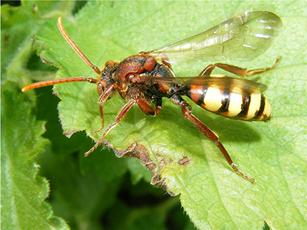
 Church Walk Sapcote SP 4895 9327 (taken 3.5.2009).JPG)
Solitary bees
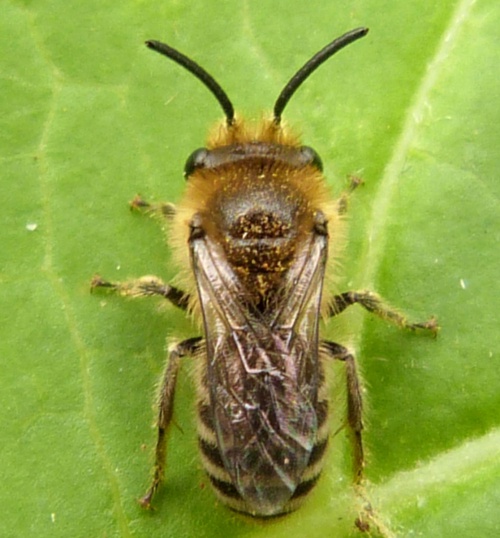
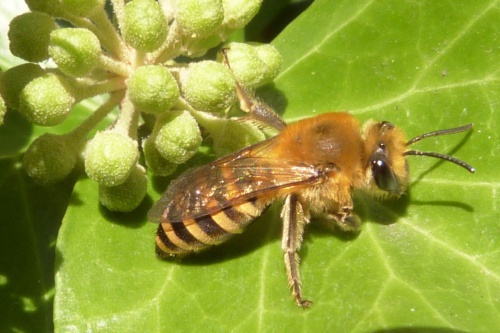
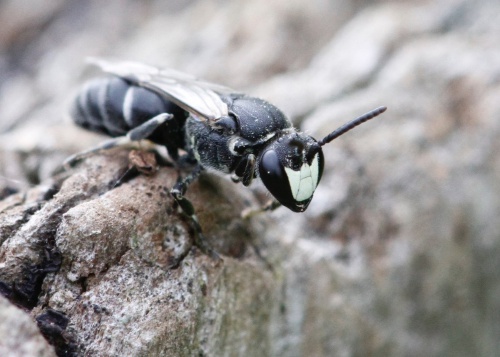
Colletidae - Plasterer and Yellow-face bees
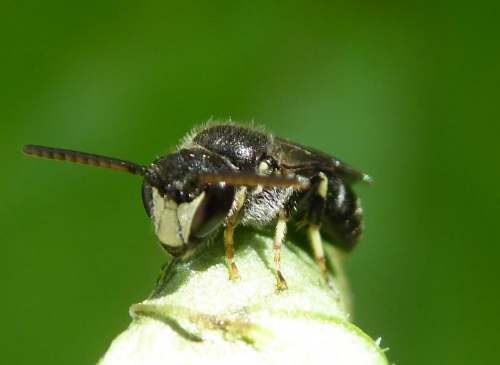

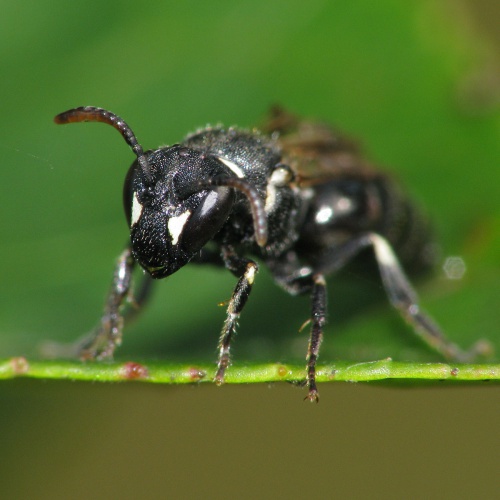
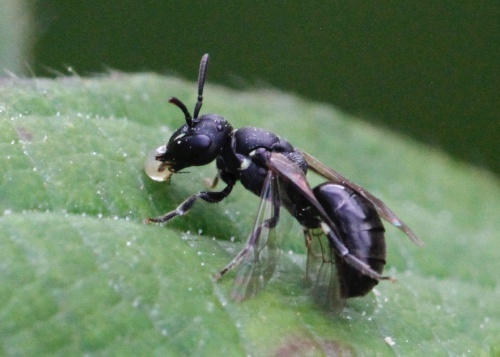
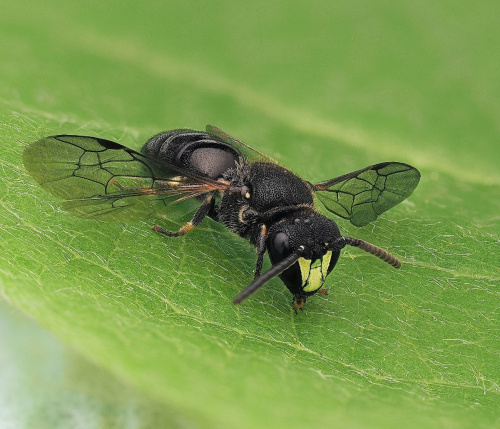


Andrenidae - Mining bees
Andrena is the largest genus of bees found in the UK, in a diverse range of sizes from the tiny 'mini-miners' in the subgenus Micrandrena to species the size of honeybees. They all have 3 submarginal cells in the forewing, and the females have pollen-baskets on their hind-legs and the sides of the propodaeum at the rear end of the thorax.
Identification of some species is difficult. Male and females are often different in appearance, and are keyed out separately - and therefore you should always record sex in your comments for your record. Nests are usualy made in soil, sometimes singly but often in colonies - but none are true social bees.
The nests are attacked by many different cleptoparasites and parasitoids, including including Nomad bees (Nomada), Blood bees (Sphecodes), Bee-flies (Bombylius), Conopid flies in the Myopa genus (e.g.see M testacea) and the Anthomyiidae flies Leucophora. Species are frequently parasitised by Stylops, in the order Strepsiptera - the pupae of the parasite may be seen as a triangular structure protruding from between the abdominal tergites of a bee.