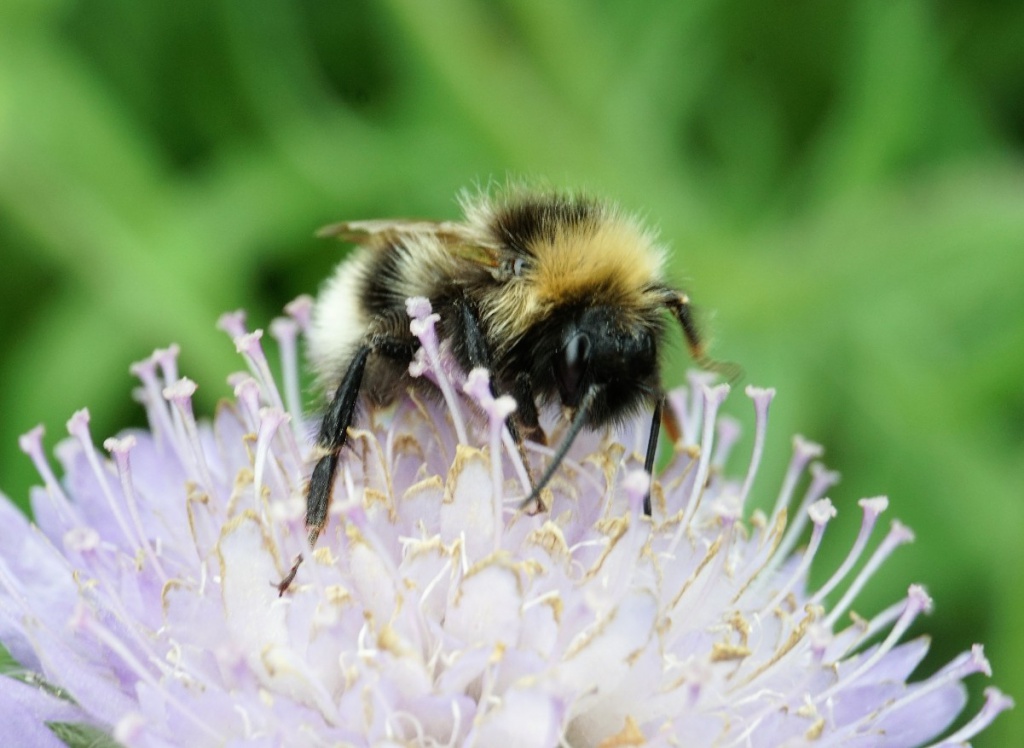
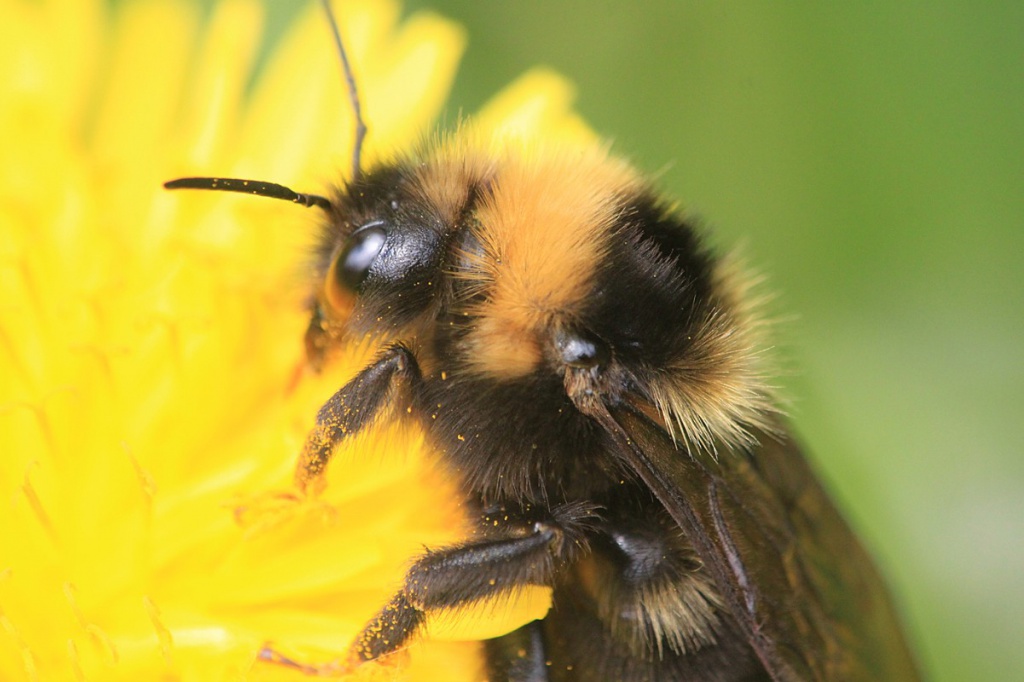
Barbut's Cuckoo Bee - Bombus barbutellus
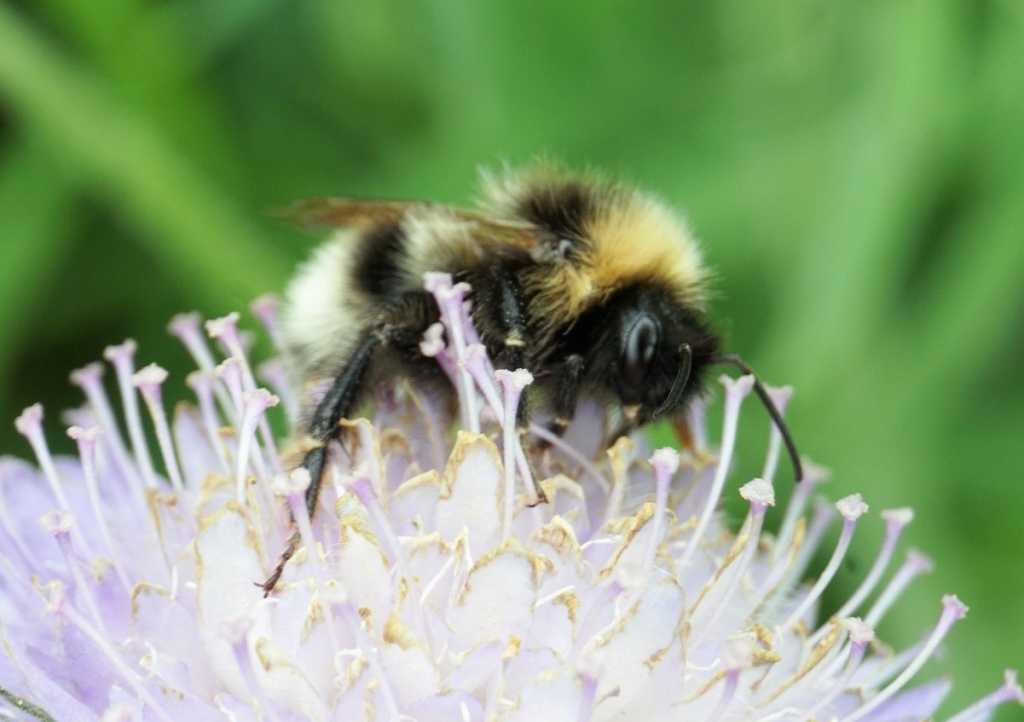
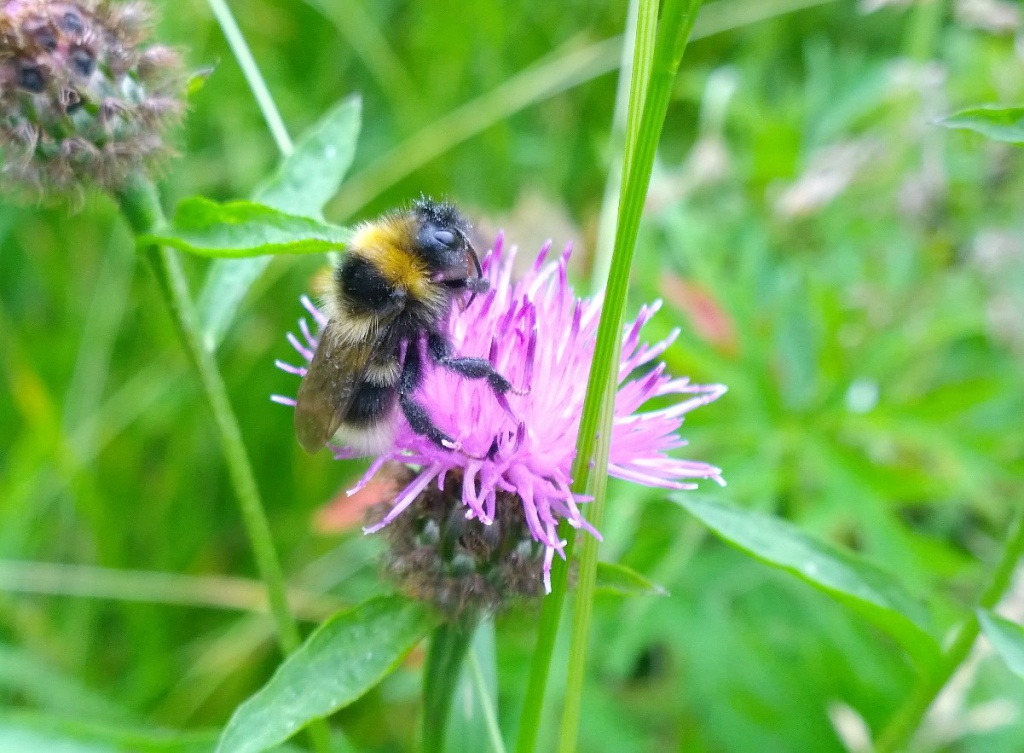
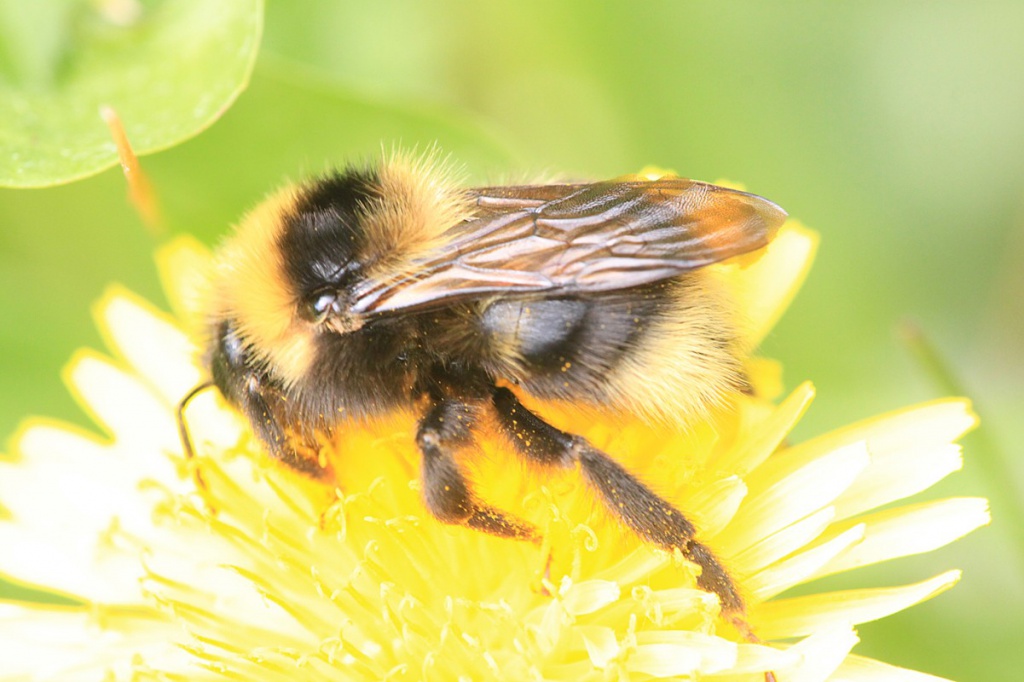
It bears a close resemblance to its host, Bombus hortorum, but has an almost circular face, most unlike the very elongated face of Bombus hortorum.

All red-rated records should include a photo, or set of photos, showing the key characters, which may require the specimen. Please include a face shot, side, top and wings. Note whether male or female, explain how the specimen met the key characters and the key used. We will accept records identified by a recognised local or national expert, or that have been identified via the BWARS’ Facebook noting the name of the person/organisation identifying the record (e.g. ‘Stuart Roberts, BWARS Facebook’).
Occurs in a wide variety of habitats and visits are made to a wide variety of flowers.
Over-wintered females can be found from late April onwards, males and new females in July to September.
During spring the over-wintered, fertilised female Bombus barbutellus searches for a small nest of the host bumblebee, Bombus hortorum. It enters the nest and eventually dominates, or kills the host queen. The parasite female then lays eggs which will develop into either males or females of Bombus barbutellus. All foraging and nest duties are carried out by the host workers. It is likely that this species will also attack Bombus ruderatus.
This species is distributed widely throughout most of Britain but is infrequently encountered.
Uncommon in Leicestershire and Rutland where there were only three confirmed records prior to 2016.
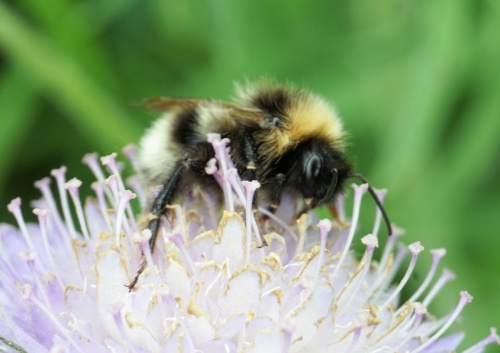 JCGardener
Gartree Rd
04 June 2017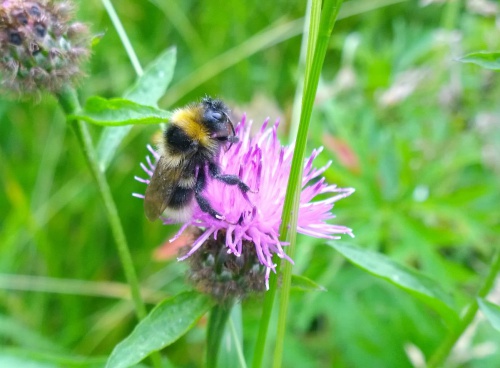 JamieG
Brocks Hill Country Park
28 June 2016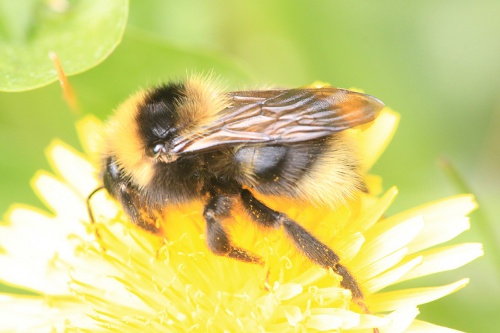 Paul Ruddoch
Melton Country Park
30 April 2015
Leicestershire & Rutland Map
Enter a town or village to see local records
MAP KEY:
Yellow squares = NBN records (all known data)
Coloured circles = NatureSpot records: 2025+ | 2020-2024 | pre-2020
UK Map
Species profile
- Common names
- Barbut's Cuckoo Bee, Barbut's Cuckoo Bumblebee
- Species group:
- insect - hymenopteran
- Kingdom:
- Animalia
- Order:
- Hymenoptera
- Family:
- Apidae
- Records on NatureSpot:
- 5
- First record:
- 30/04/2015 (Ruddoch, Paul)
- Last record:
- 01/08/2022 (Sexton, Timothy)
Total records by month
% of records within its species group
10km squares with records
The latest images and records displayed below include those awaiting verification checks so we cannot guarantee that every identification is correct. Once accepted, the record displays a green tick.
In the Latest Records section, click on the header to sort A-Z, and again to sort Z-A. Use the header boxes to filter the list.
Latest images
Latest records
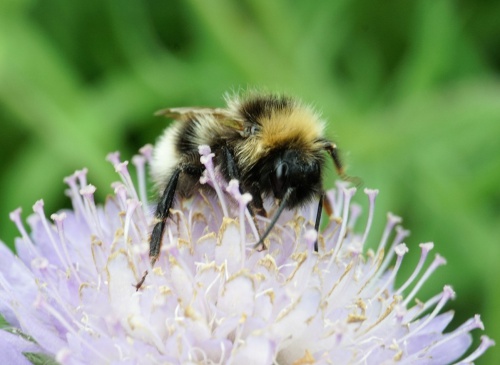 JCGardener
Gartree Rd
04 June 2017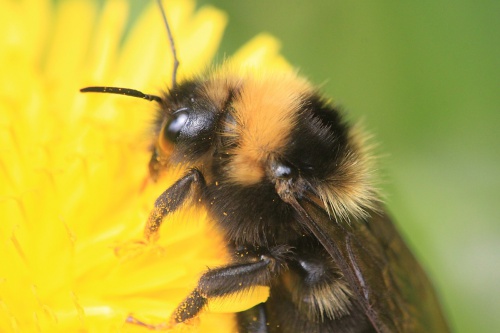 Paul Ruddoch
Melton Country Park
30 April 2015