

Large Yellow-face Bee - Hylaeus signatus
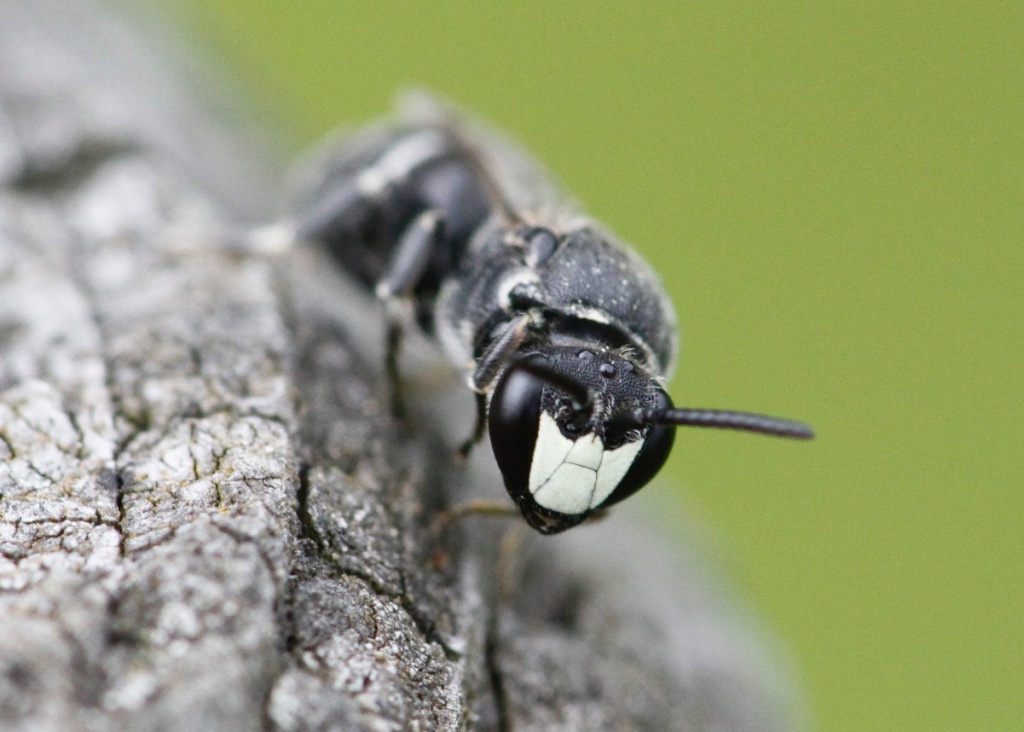
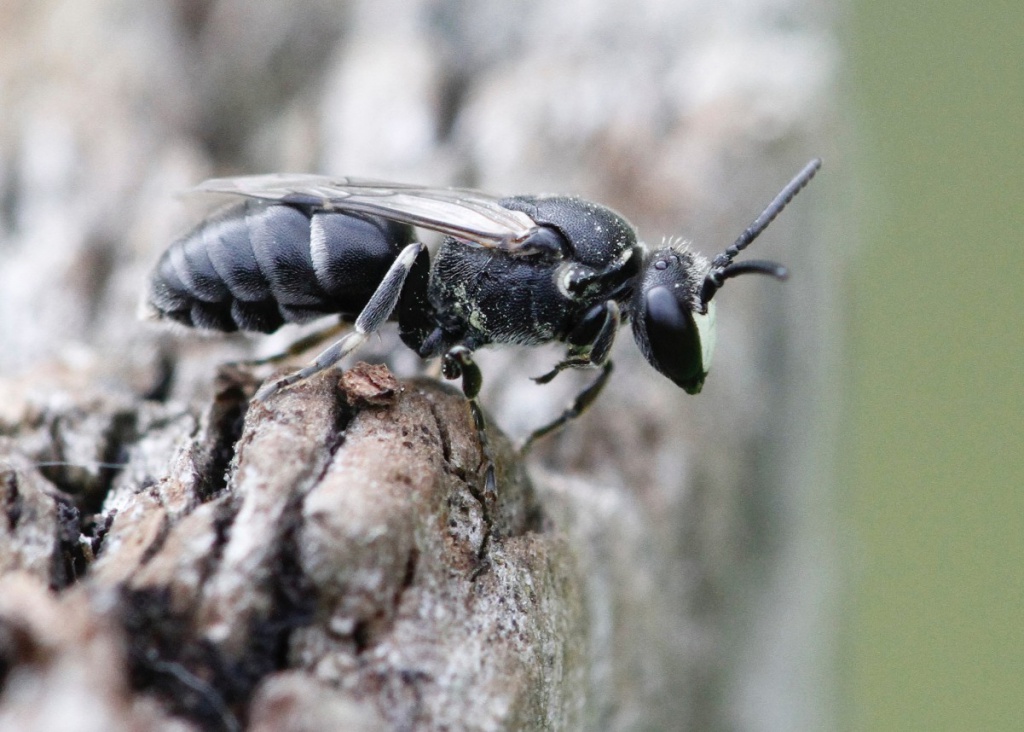
A largely black species, the males with a striking pale yellow face.

Most solitary bees and wasps are difficult to identify, and can rarely be identified from photos taken in the field. All red-rated records should include a photo, or set of photos, showing the key characters, which may require the specimen. Please include a face shot, side, top and wings. Note whether male or female, explain how the specimen met the key characters and the key used. We will accept records identified by a recognised local or national expert, or that have been identified via the BWARS’ Facebook noting the name of the person/organisation identifying the record (e.g. ‘Stuart Roberts, BWARS Facebook’).
Generally open habitats, including calcareous grassland, quarries, coastal marshes and beaches, post-industrial sites and private gardens. Most often found at flowers of mignonette and weld.
Univoltine; mid-June to August or September.
Nests have been found in burrows in the vertical faces of compacted soil (both sand and clay), dead woody stems (such as bramble) and in vacated nests of Colletes daviesanus.
Widely distributed throughout much of southern and central Britain but very local and classed as nationally scarce.
Status in Leicestershire and Rutland not known.
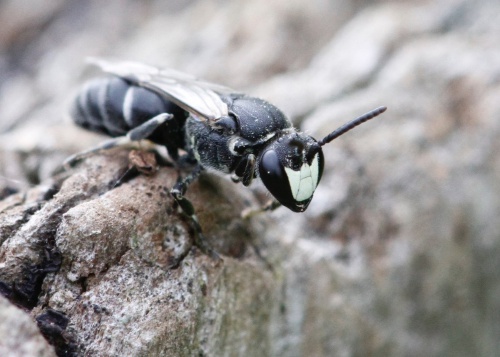 Matthew Berriman
Ketton Quarry NR
21 June 2019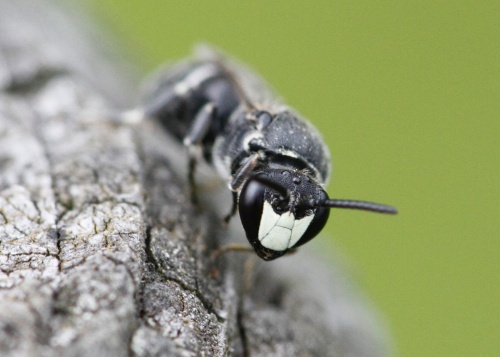 Matthew Berriman
Ketton Quarry NR
21 June 2019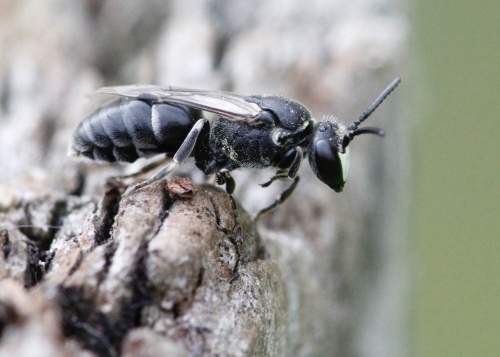 Matthew Berriman
Ketton Quarry NR
21 June 2019
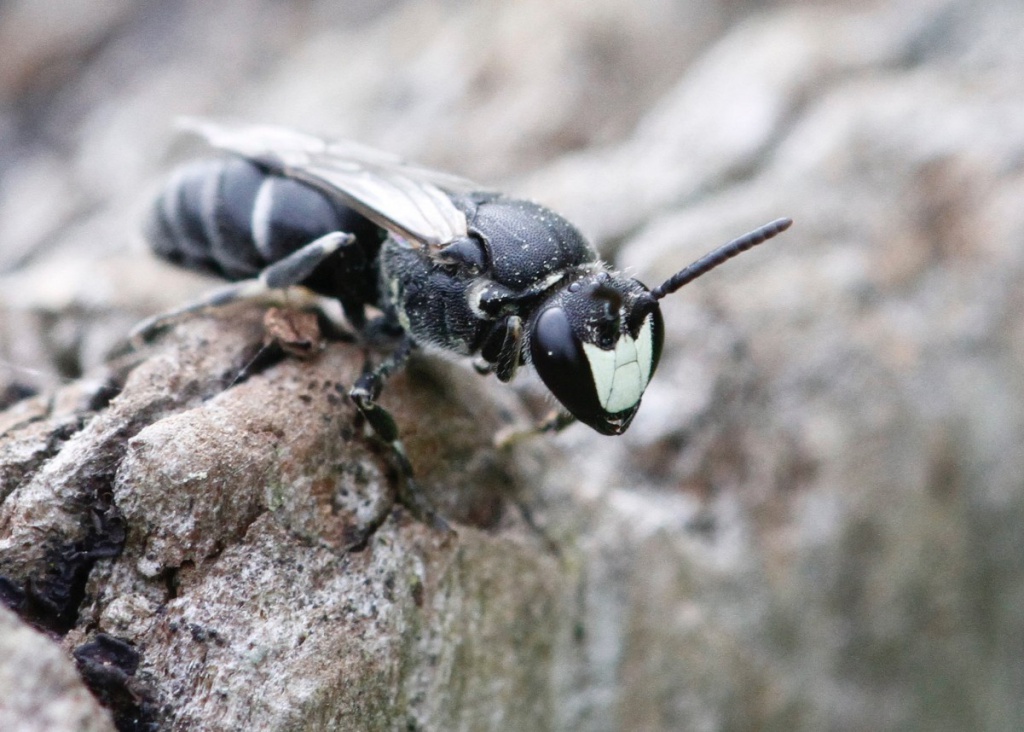
Leicestershire & Rutland Map
Enter a town or village to see local records
MAP KEY:
Yellow squares = NBN records (all known data)
Coloured circles = NatureSpot records: 2025+ | 2020-2024 | pre-2020
UK Map
Species profile
- Common names
- Large Yellow-face Bee, Large Yellow-Faced Bee
- Species group:
- insect - hymenopteran
- Kingdom:
- Animalia
- Order:
- Hymenoptera
- Family:
- Colletidae
- Records on NatureSpot:
- 1
- First record:
- 21/06/2019 (Berriman, Matthew)
- Last record:
- 21/06/2019 (Berriman, Matthew)
Total records by month
% of records within its species group
10km squares with records
The latest images and records displayed below include those awaiting verification checks so we cannot guarantee that every identification is correct. Once accepted, the record displays a green tick.
In the Latest Records section, click on the header to sort A-Z, and again to sort Z-A. Use the header boxes to filter the list.