

Hawthorn - Crataegus monogyna
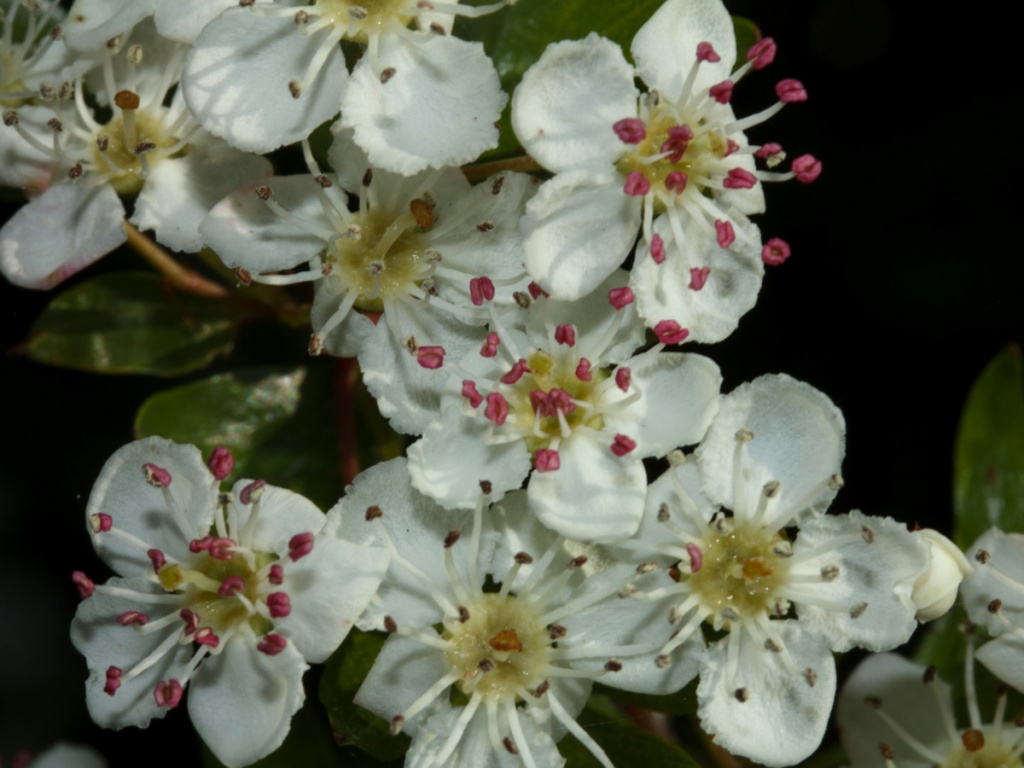
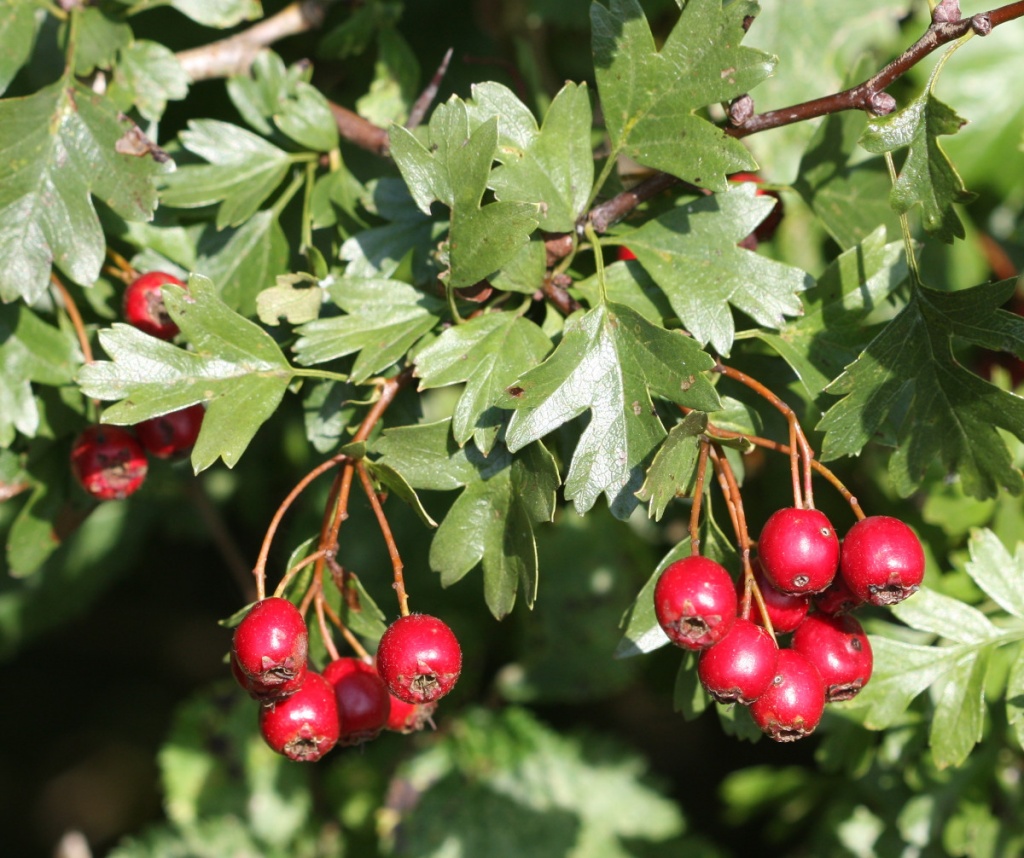
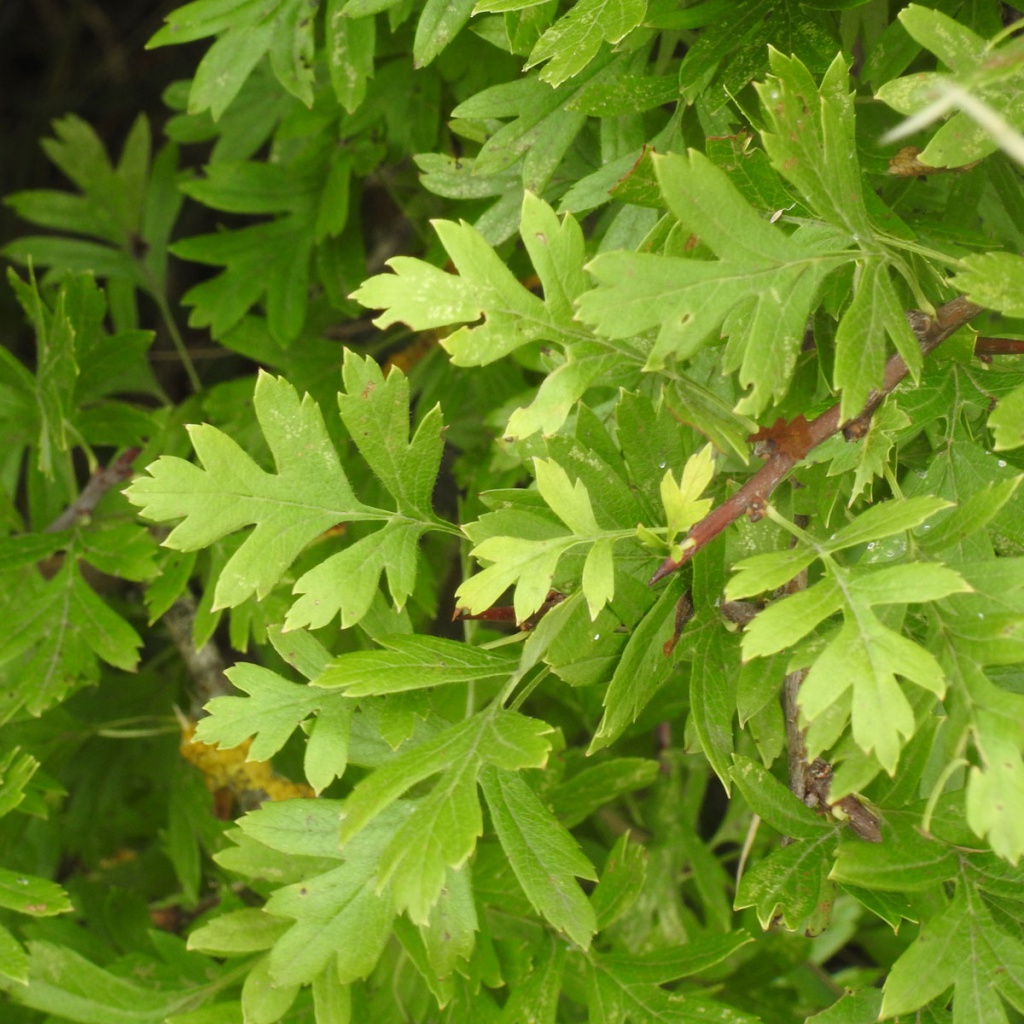
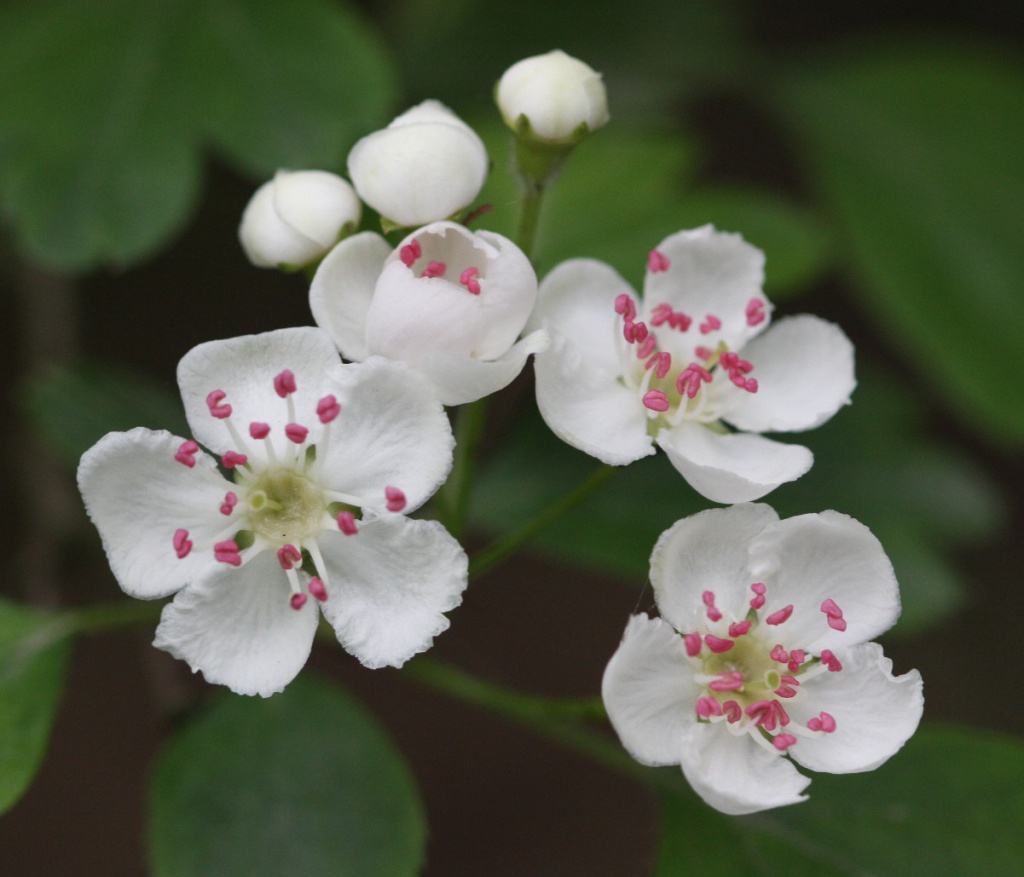
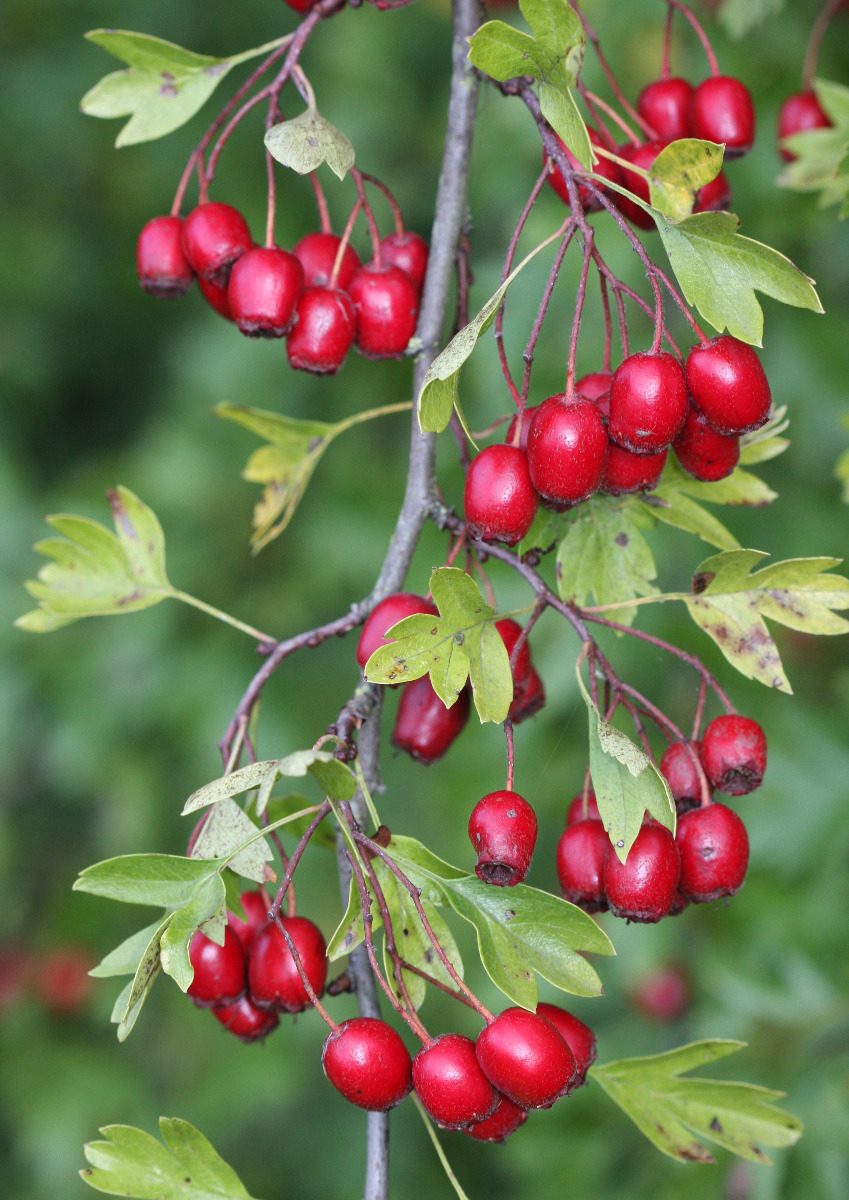
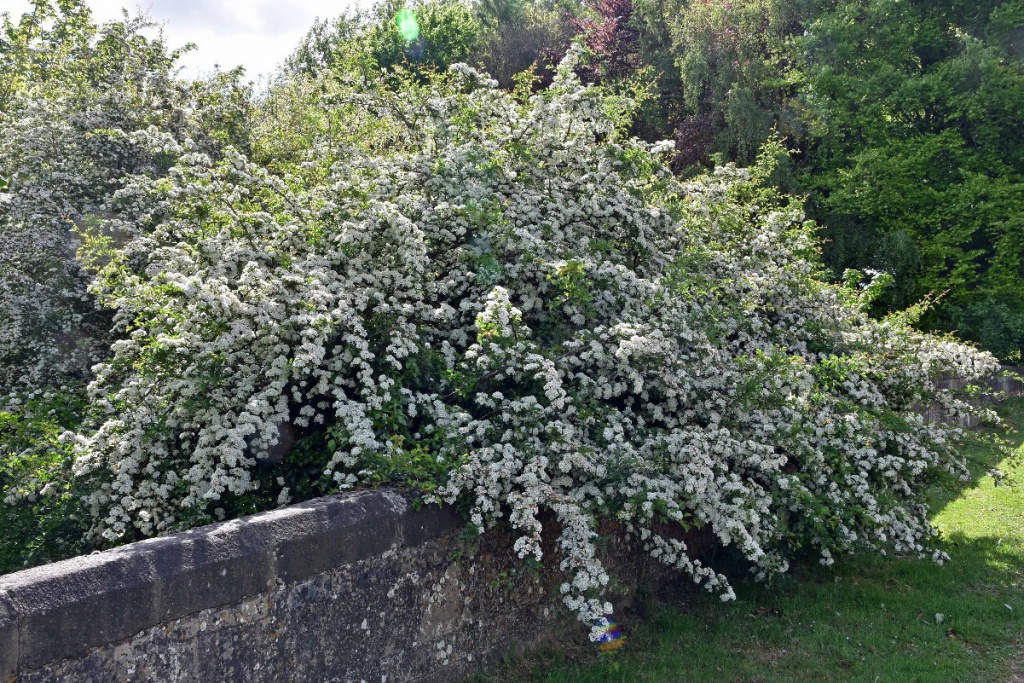
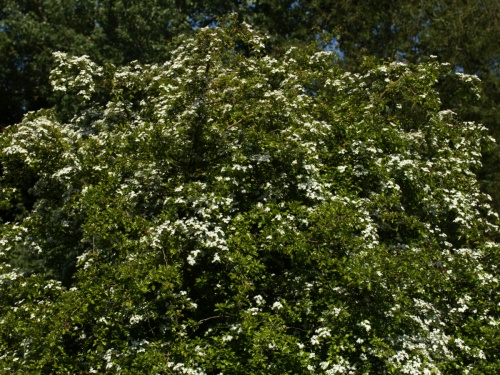
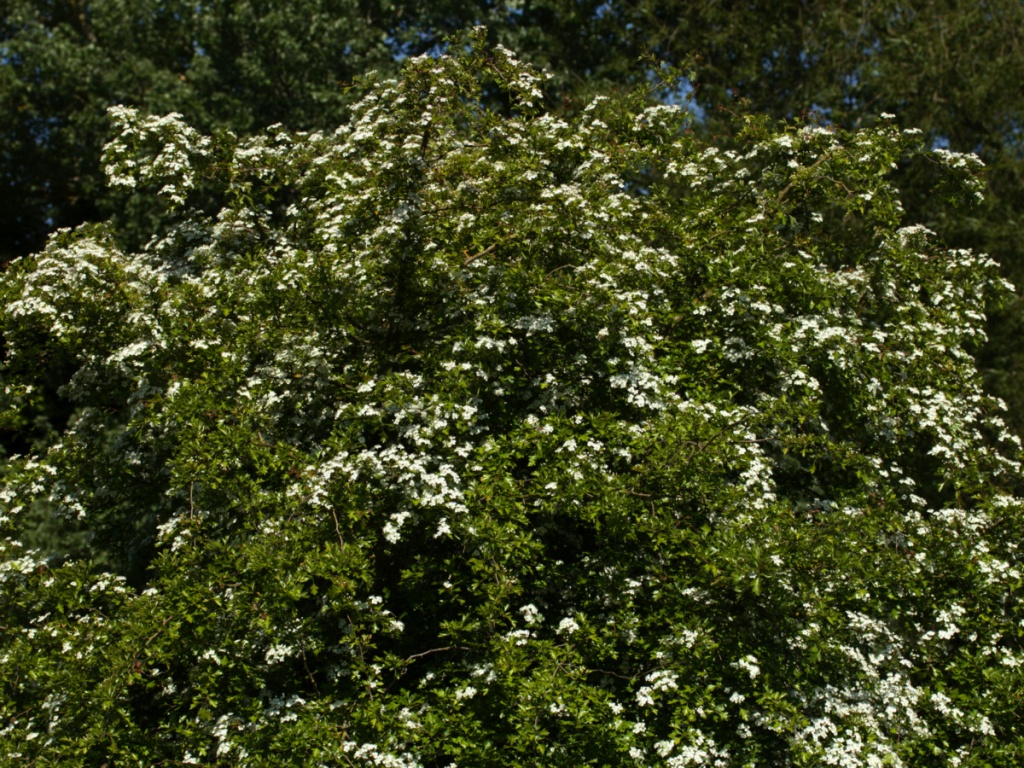
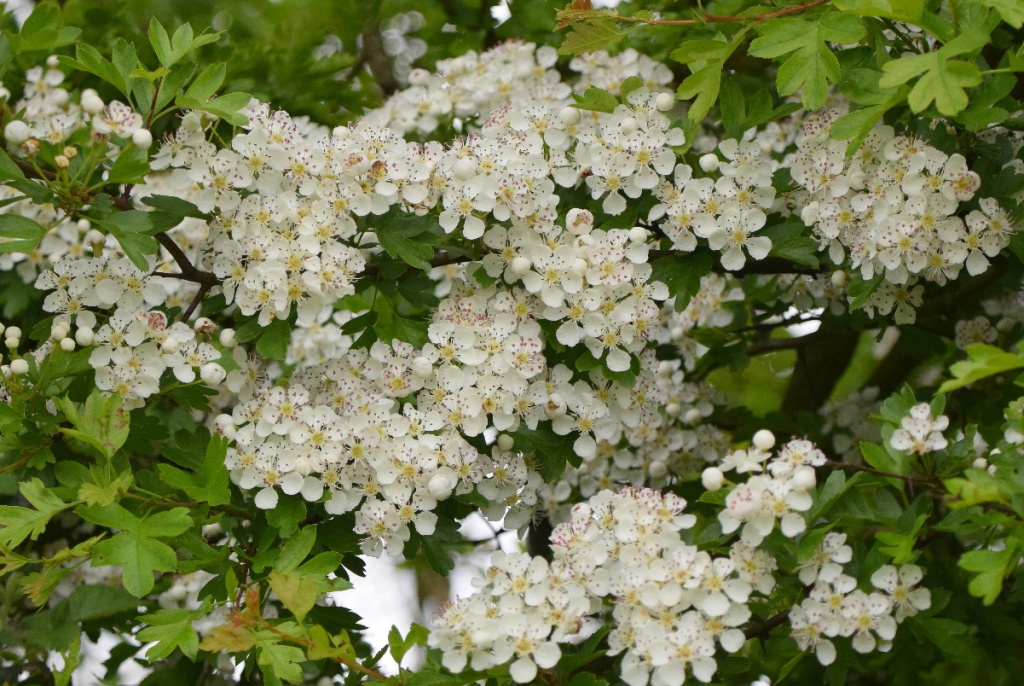
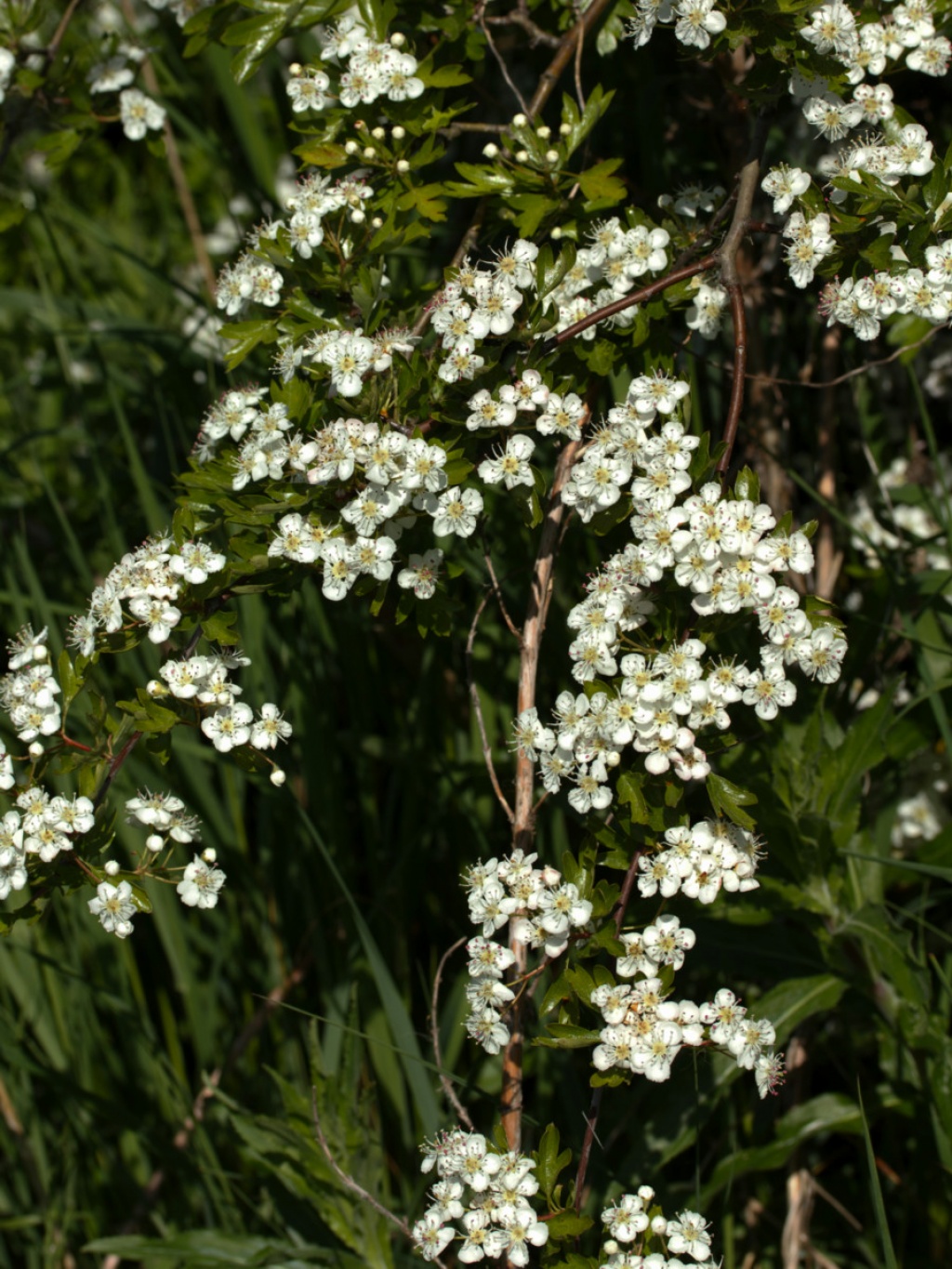
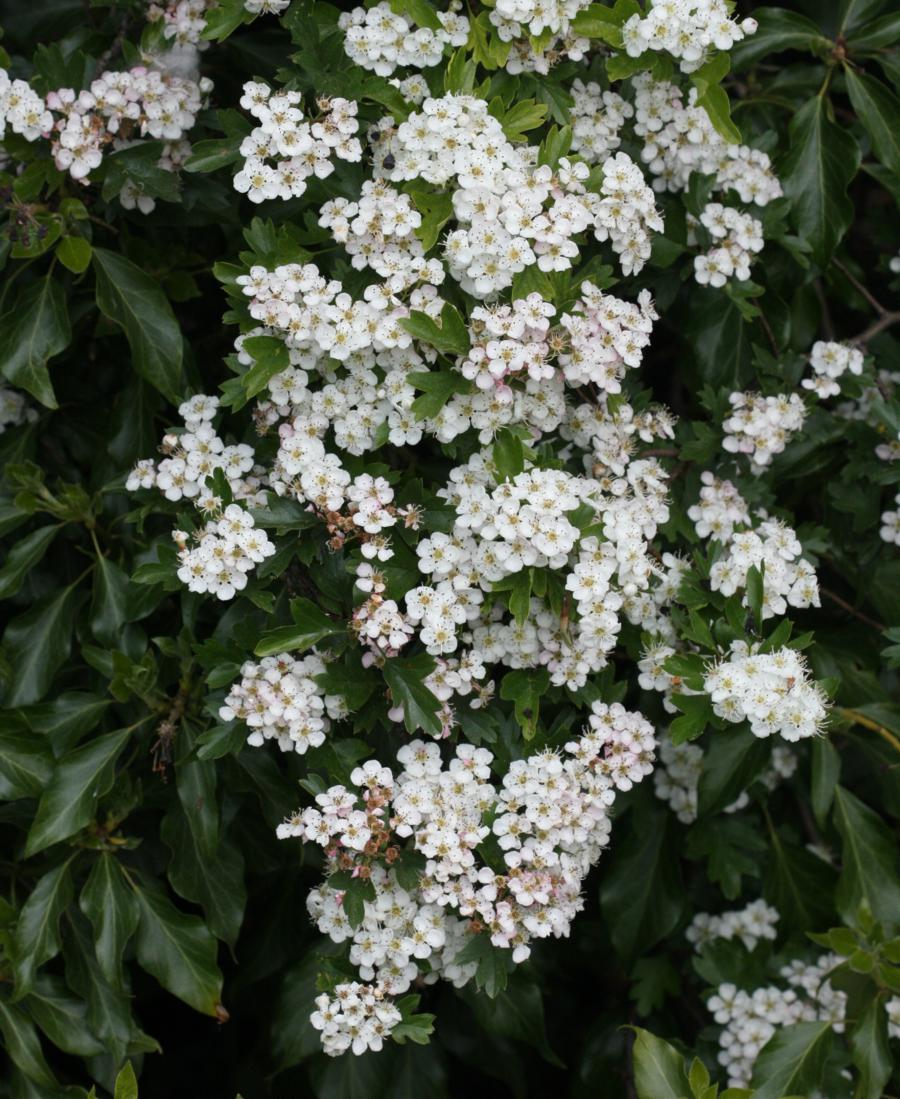
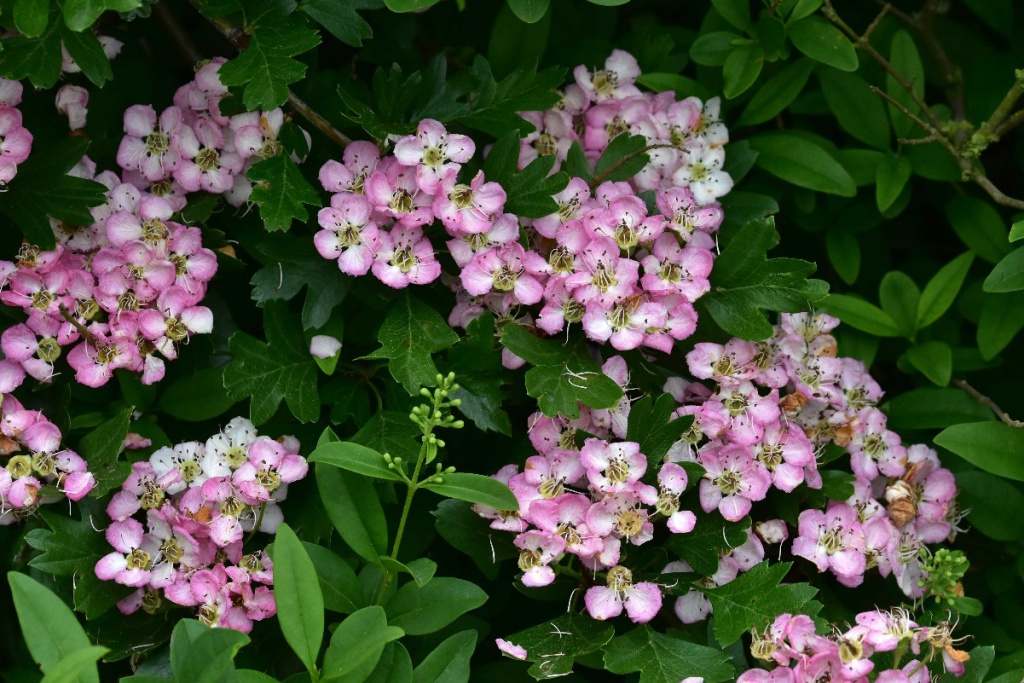
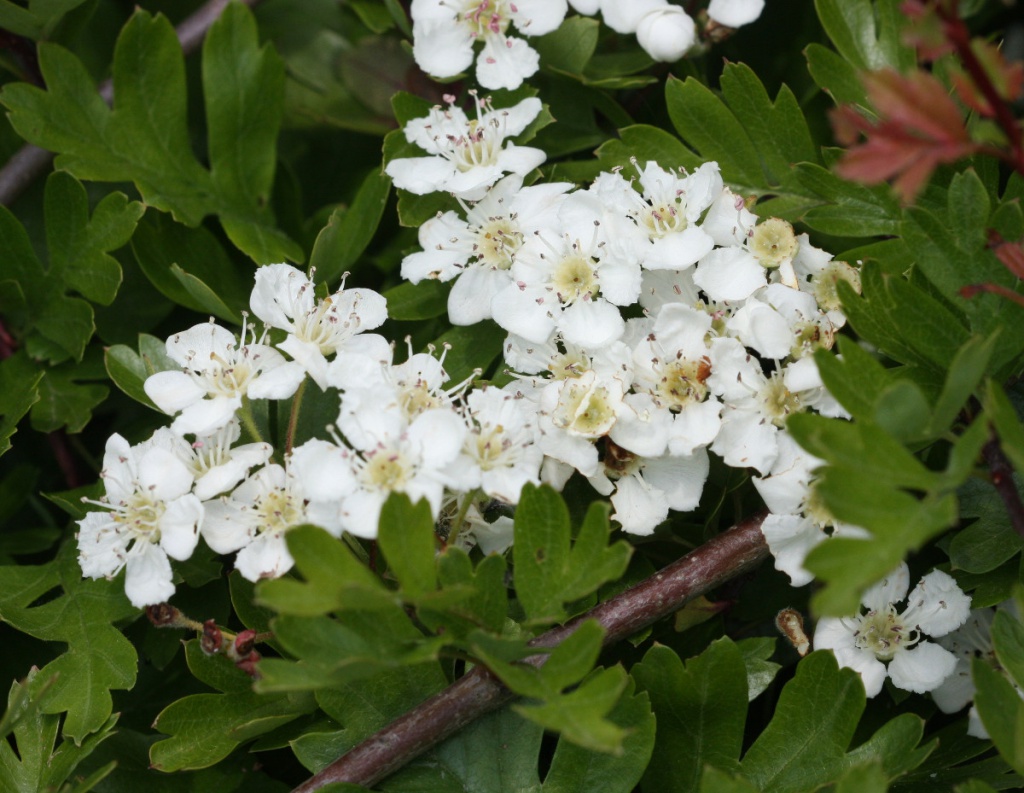
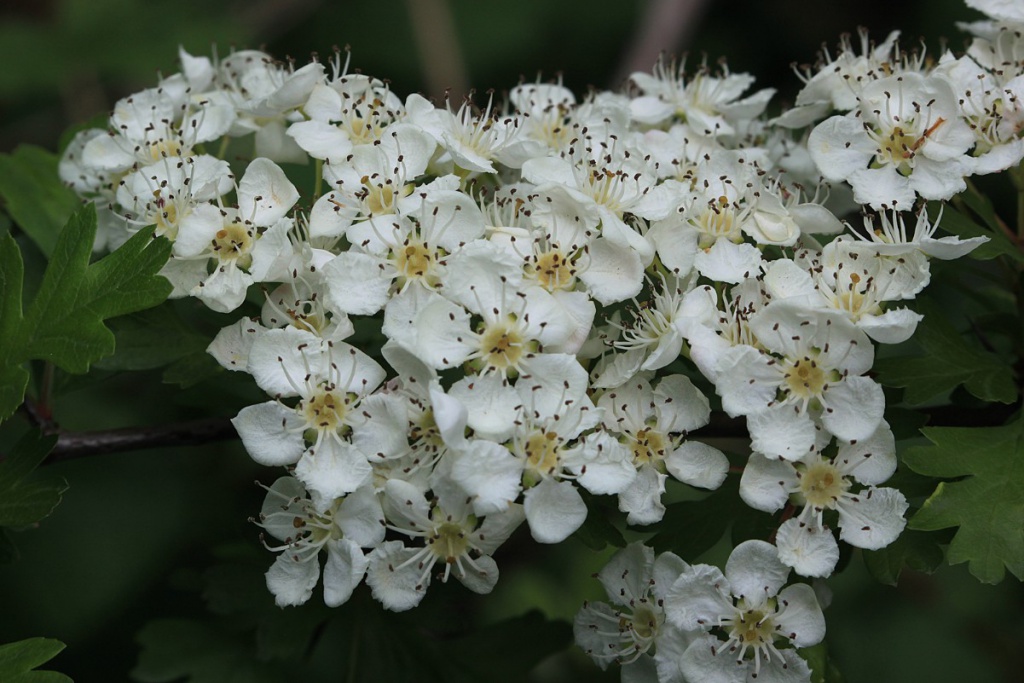
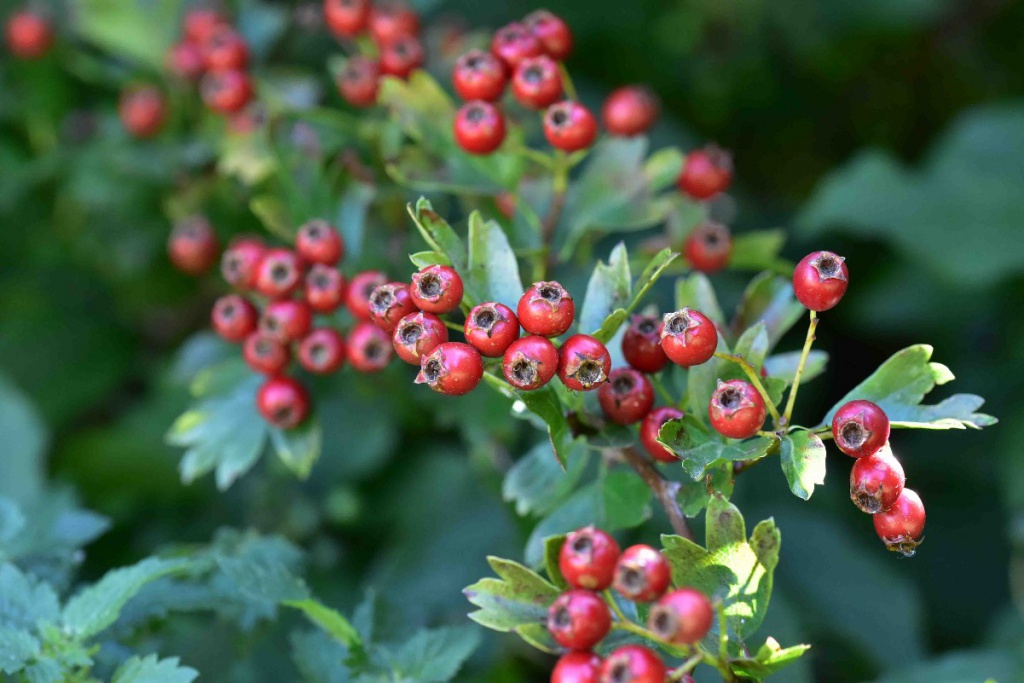
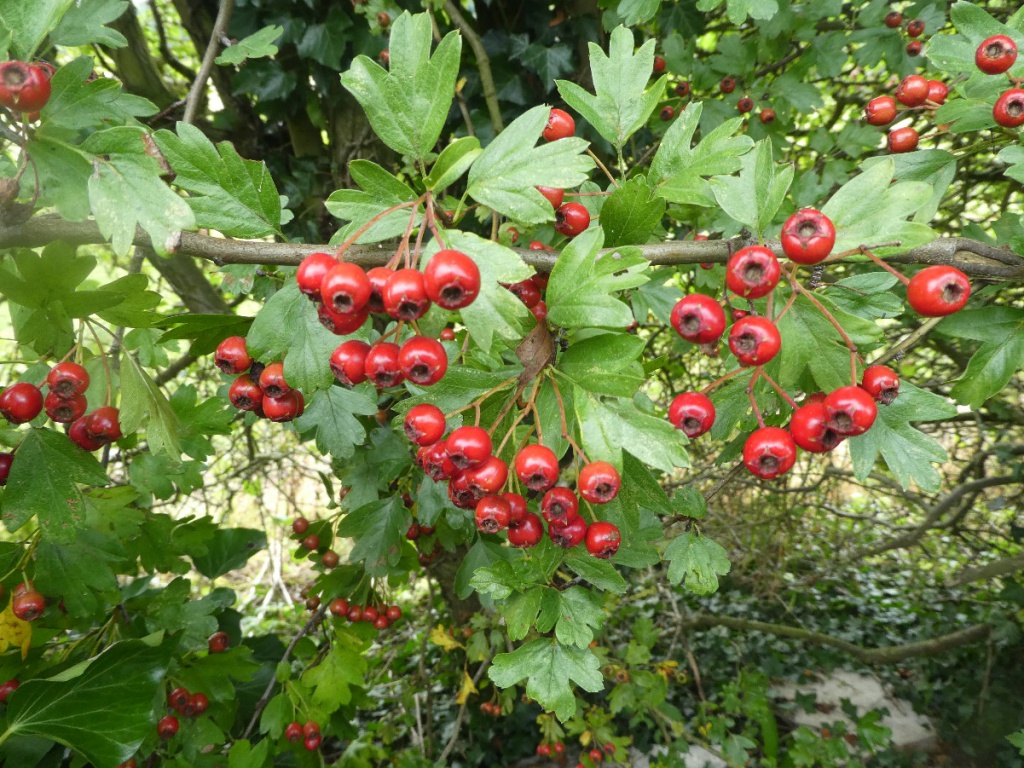
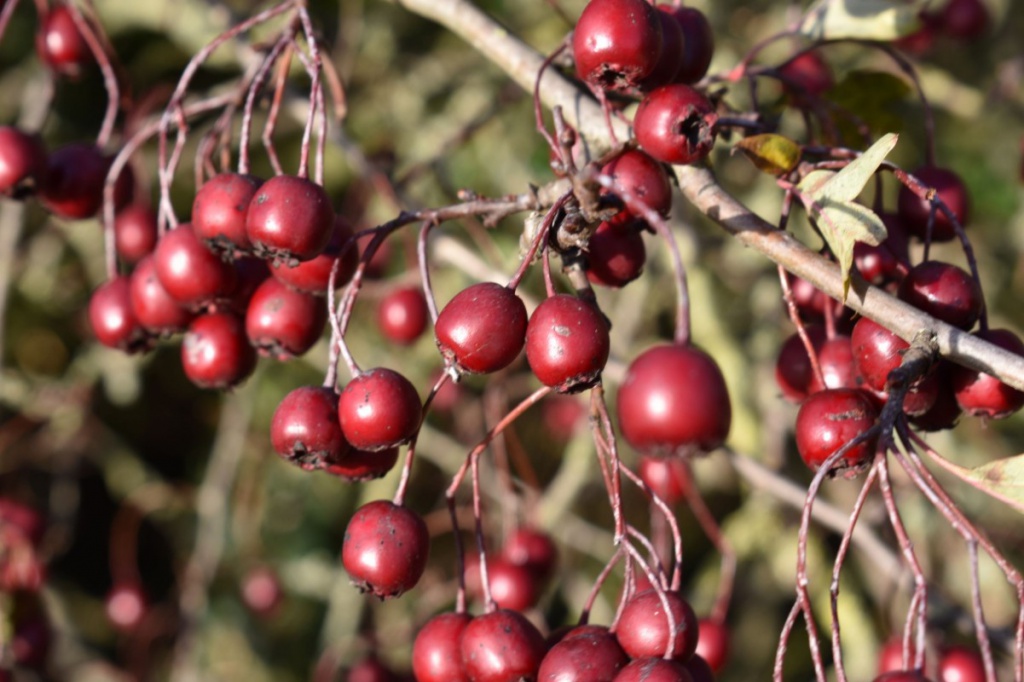
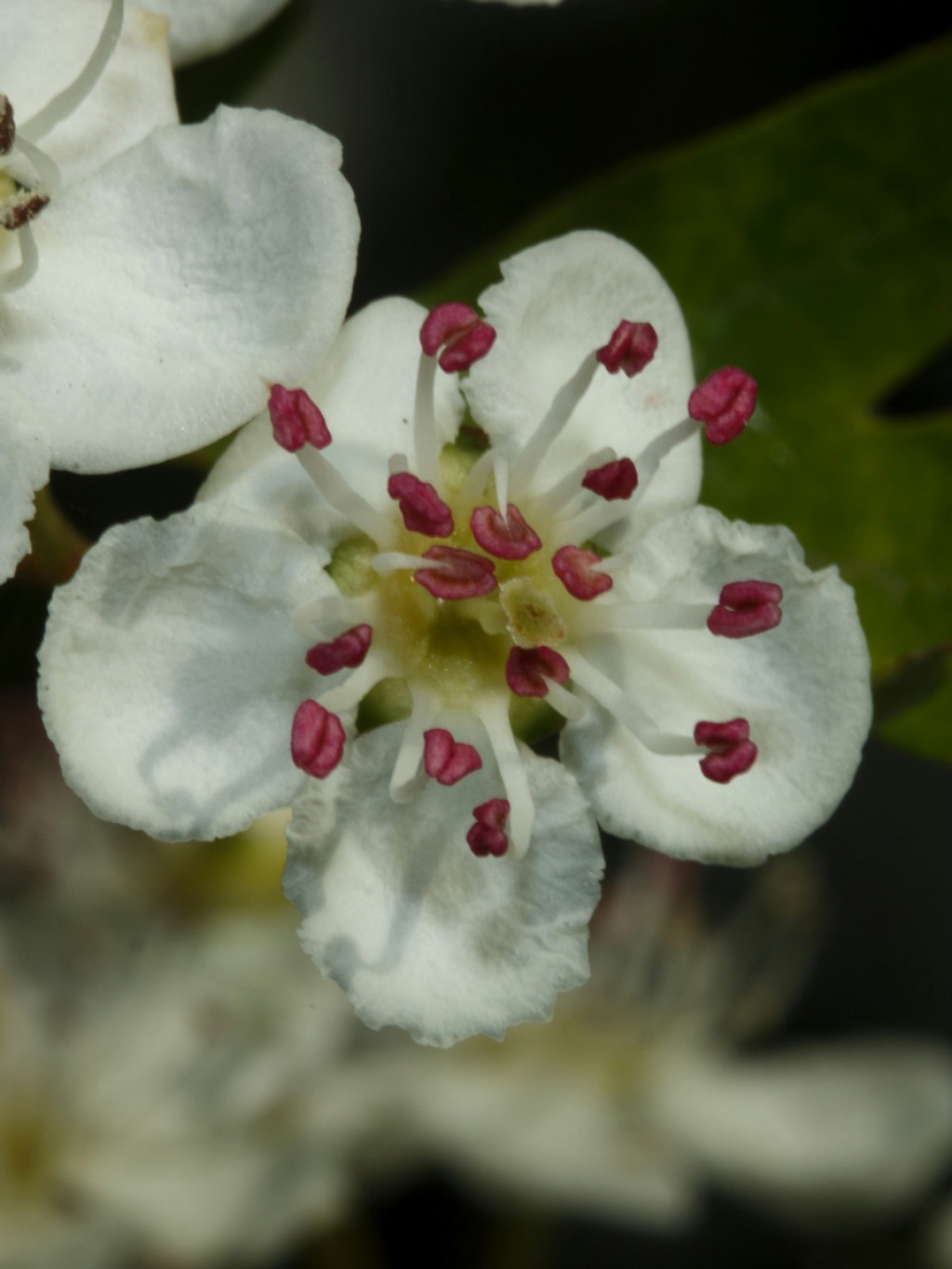
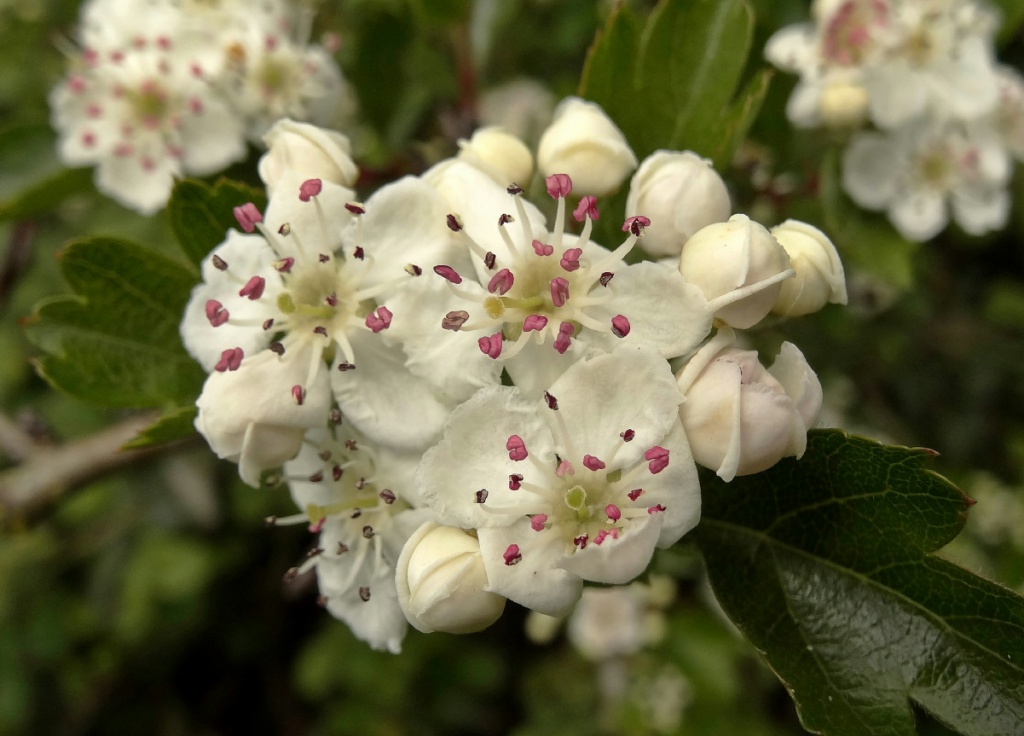
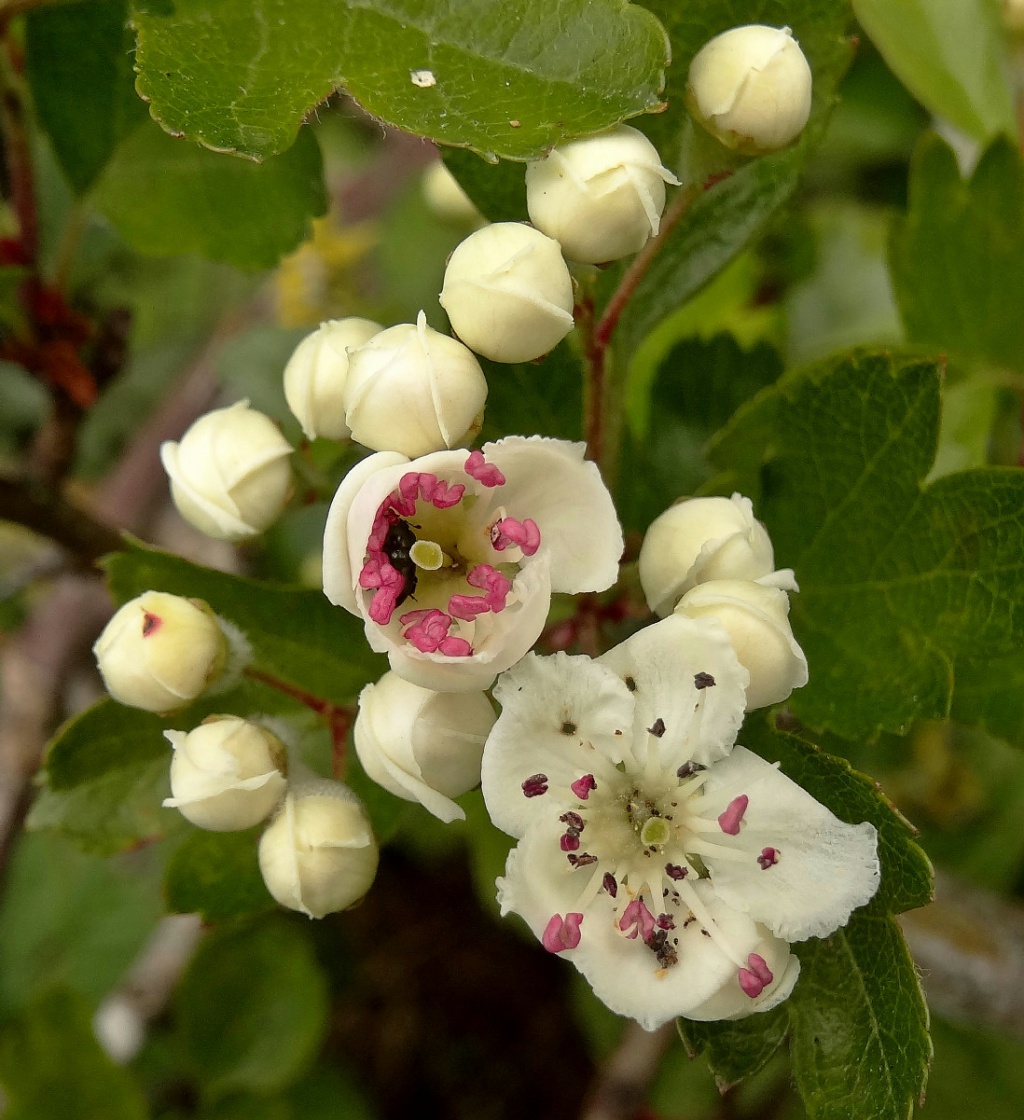
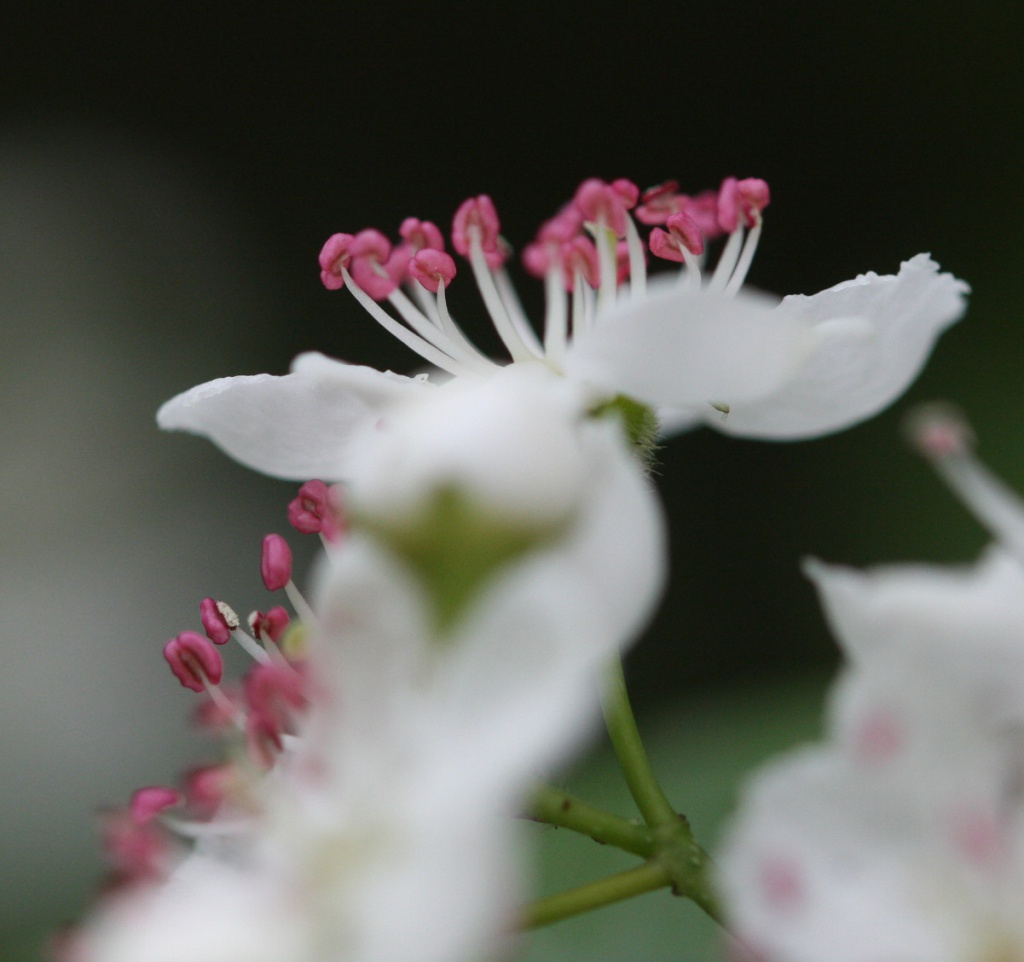
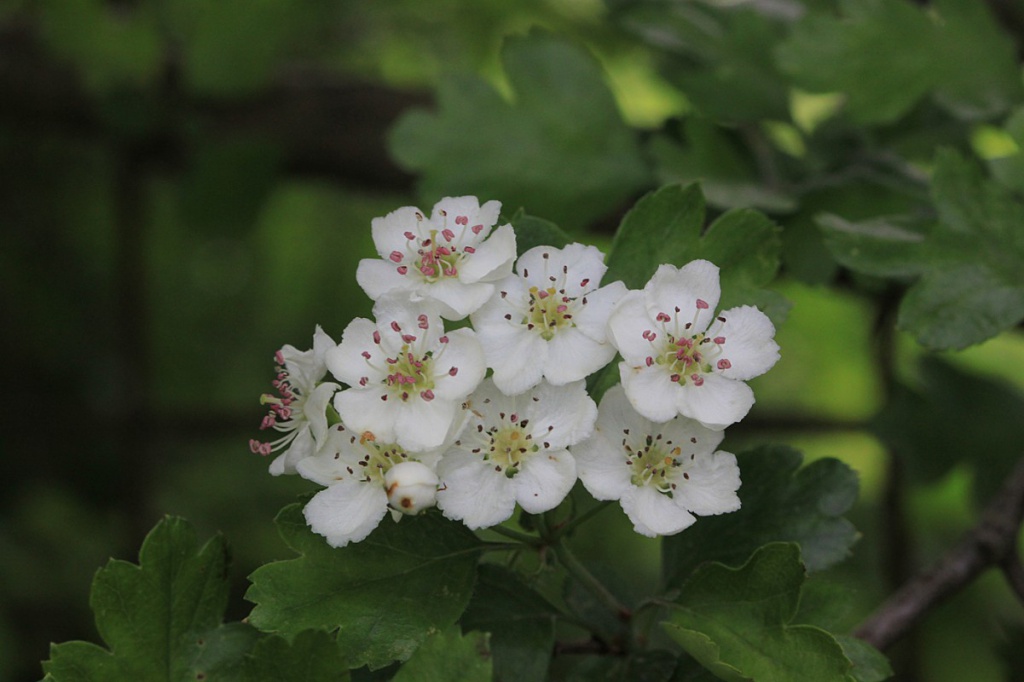
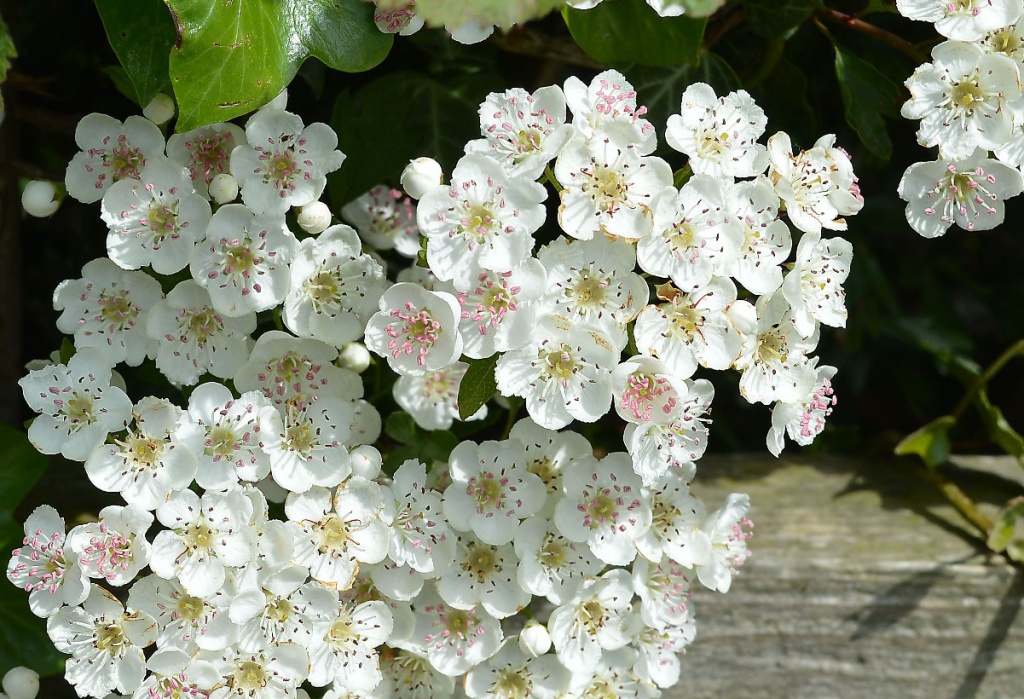
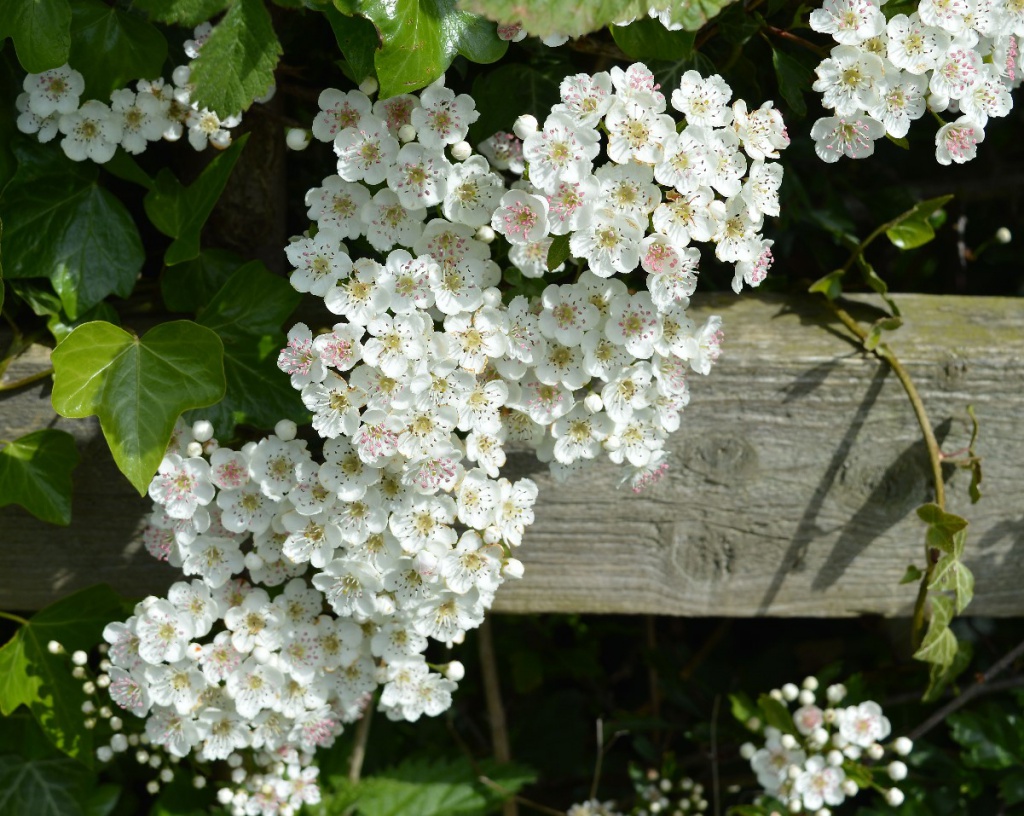
Shrub or small tree from 2 to 10 metres. Branches spiny, leaves wedge shaped and deeply 3 to 7 lobed. Flowers white (sometimes pinkish) 8 to 15 mm fragrant with rounded petals and usually 1 style. Berry red containing a single stone.

Hedgerows, thickets, woodland.
May and June.
Deciduous.
Very common throughout Britain except in the extreme north.
Very common in Leicestershire and Rutland. In the 1979 Flora survey of Leicestershire it was found in 606 of the 617 tetrads.
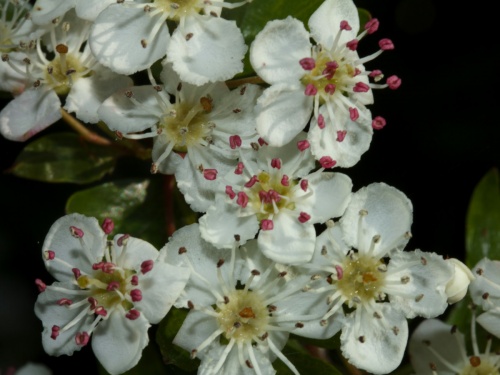 HAPeacock
River Soar - St Mary's Mill
25 May 2012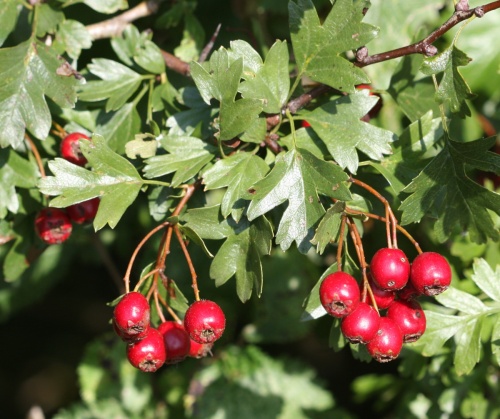 David Nicholls
Ashby Canal, Shackerstone
15 September 2012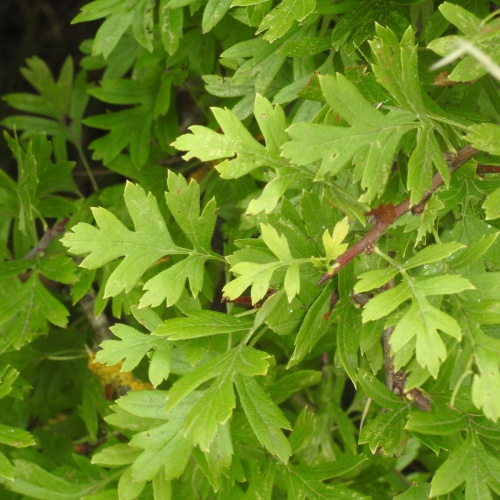 David Gould
The Spearwort Fields
19 August 2018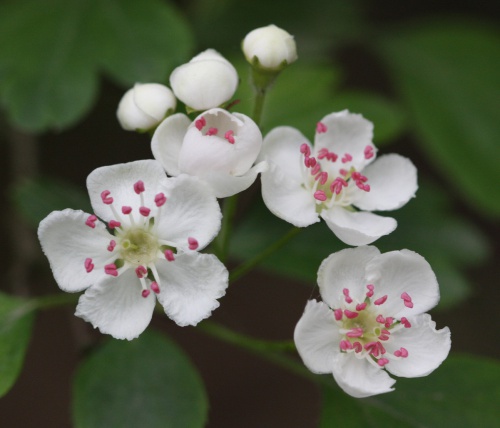 David Nicholls
Sheet Hedges Wood
02 May 2014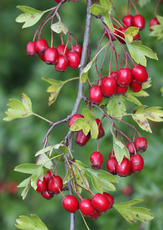 David Nicholls
Bagworth Heath
17 September 2011
fruit - 'haws'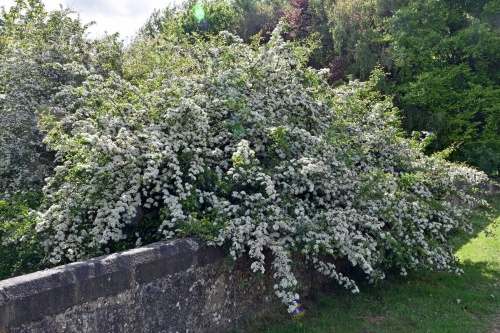 Andy's Rutland
A606-River Gwash to Empingham Church
14 May 2020
Leicestershire & Rutland Map
Enter a town or village to see local records
MAP KEY:
Yellow squares = NBN records (all known data)
Coloured circles = NatureSpot records: 2025+ | 2020-2024 | pre-2020
UK Map
Species profile
- Common names
- Hawthorn
- Species group:
- flowering plant
- Kingdom:
- Plantae
- Order:
- Rosales
- Family:
- Rosaceae
- Records on NatureSpot:
- 1005
- First record:
- 01/01/1979 (Patricia Evans)
- Last record:
- 01/06/2026 (Nicholls, David)
Total records by month
% of records within its species group
10km squares with records
The latest images and records displayed below include those awaiting verification checks so we cannot guarantee that every identification is correct. Once accepted, the record displays a green tick.
In the Latest Records section, click on the header to sort A-Z, and again to sort Z-A. Use the header boxes to filter the list.
Latest images
Latest records
 HAPeacock
River Soar - St Mary's Mill
25 May 2012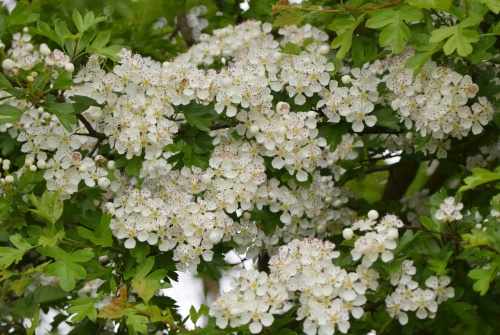 Steve Mathers
Grantham Canal (Easthorpe to Muston bridges)
19 May 2016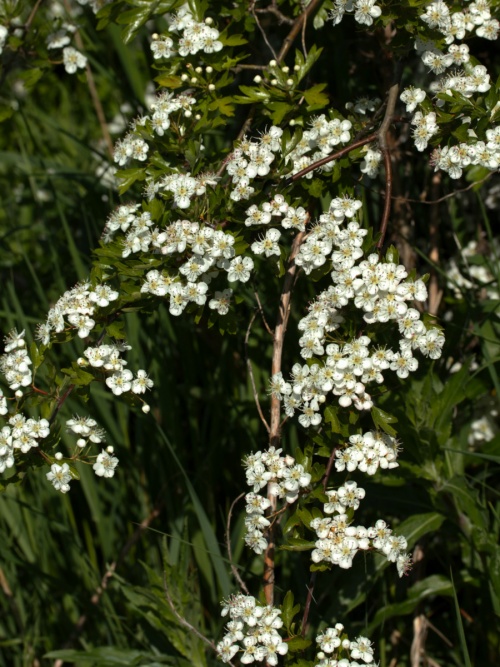 HAPeacock
River Soar - St Mary's Mill
25 May 2012 David Nicholls
Ratby Village Pond
05 May 2011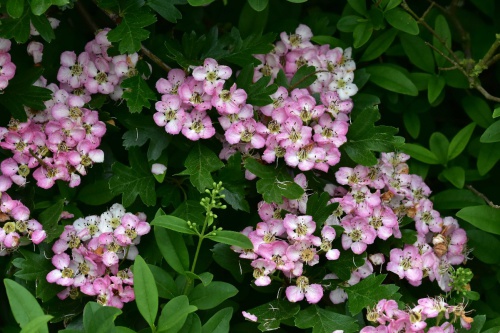 Andy's Rutland
Horn Lane-west
01 June 2018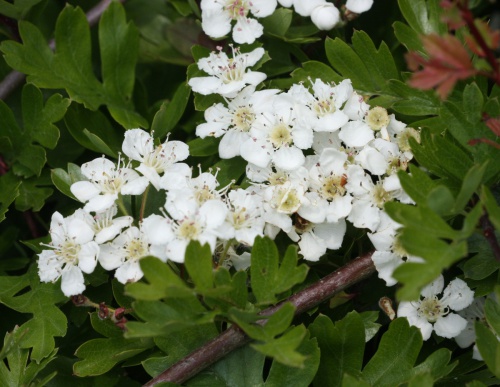 David Nicholls
Burroughs Road, Ratby
31 May 2013 Freeholt Wood Sapcote SP 4606 9403 (taken 17.5.2006)..JPG) Graham Calow
Graham Calow
Sapcote
17 May 2006
flowers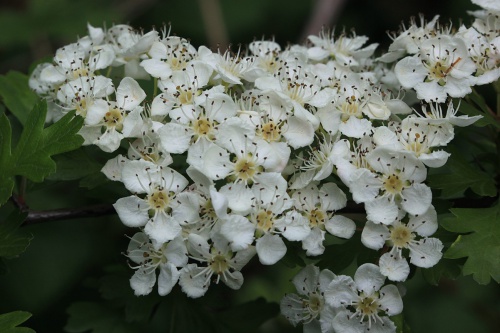 Paul Ruddoch
Wymondham Rough
30 May 2015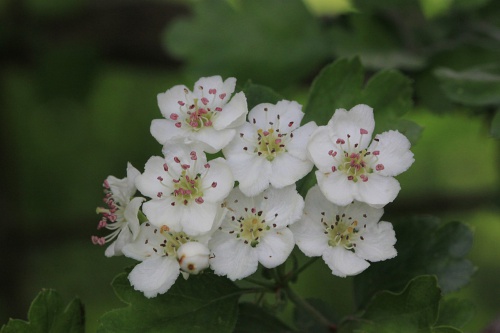 Paul Ruddoch
Melton Country Park
10 May 2015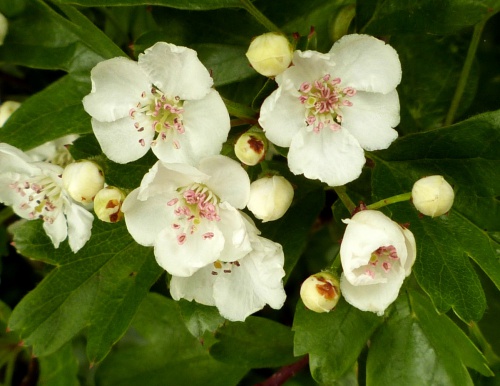 Graham Calow
Sapcote
28 April 2014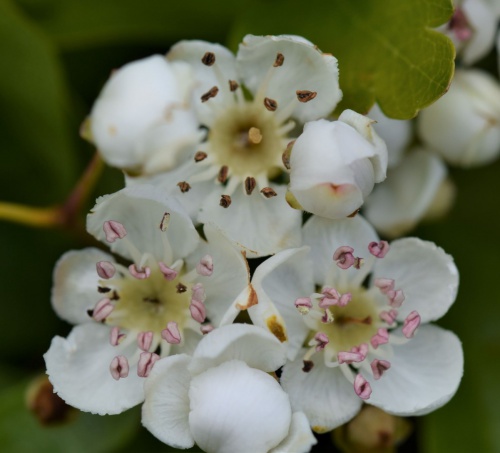 stepgray4
Semi-improved field behind Wymeswold Woodland
07 May 2021
Flowers have one style each. Fosse Meadows (taken 8.10.2007).JPG) Graham Calow
Graham Calow
Fosse Meadows, Sharnford
08 October 2007
fruits -' Haws'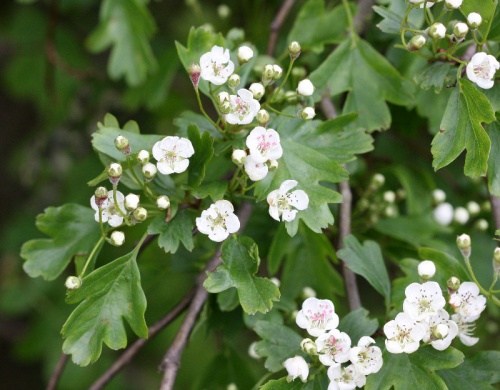 David Nicholls
Burroughs Road, Ratby
05 May 2012.. berries near Back Brook behind Ramsdale Farm Sapcote SP 4967 9217 (taken 10.9.2006).JPG) Graham Calow
Graham Calow
Sapcote
10 September 2006
fruits -' Haws'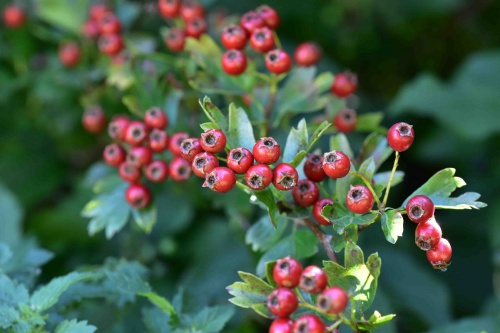 Andy's Rutland
Wing Churchyard
05 September 2019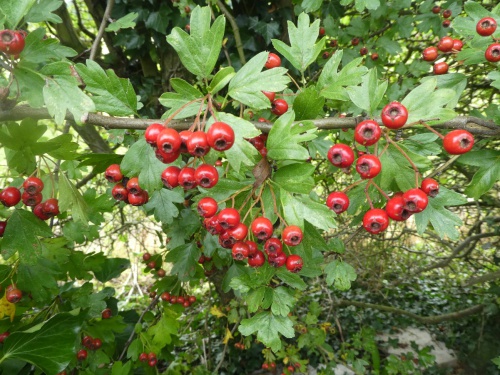 Melinda Bell
Ashby Canal,Market Bosworth
26 August 2021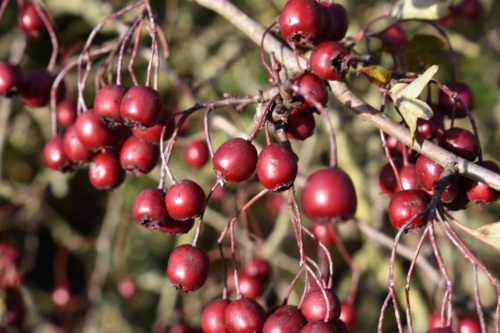 stepgray4
Bridleway near Wymeswold
15 November 2020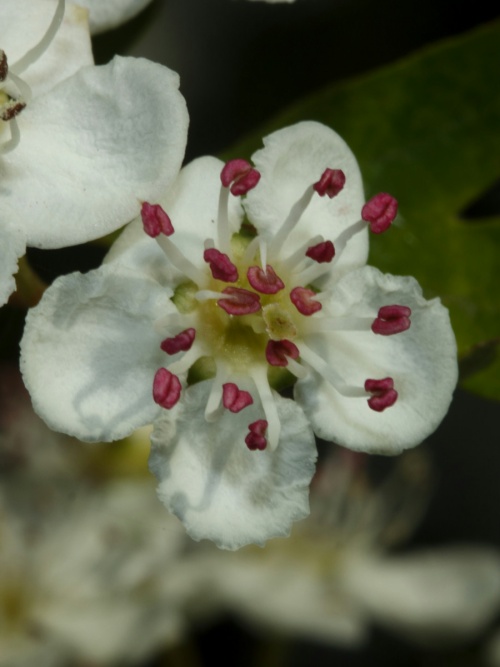 HAPeacock
River Soar - St Mary's Mill
25 May 2012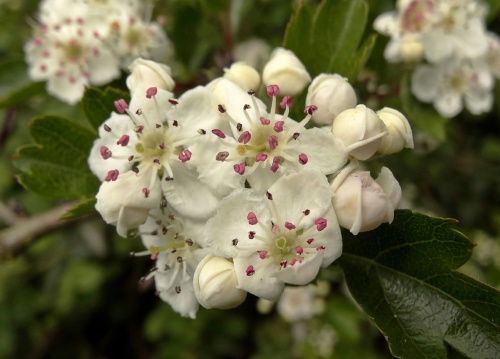 Lostash
Whetstone Fields
18 April 2014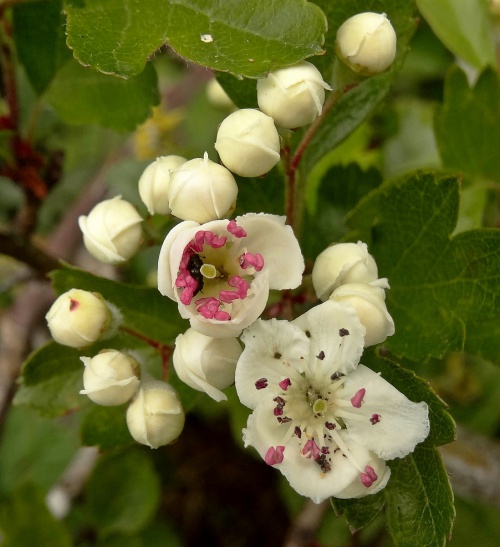 Lostash
Whetstone Fields
18 April 2014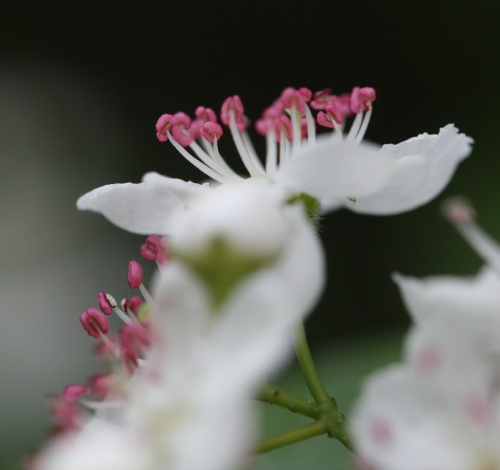 David Nicholls
Sheet Hedges Wood
02 May 2014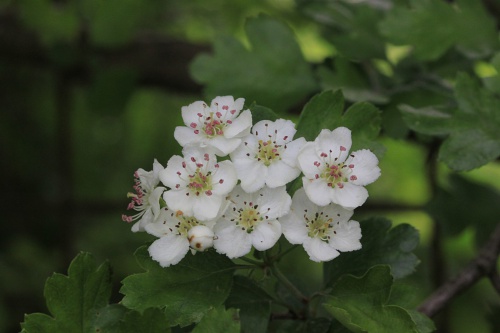 Paul Ruddoch
Melton Country Park
10 May 2015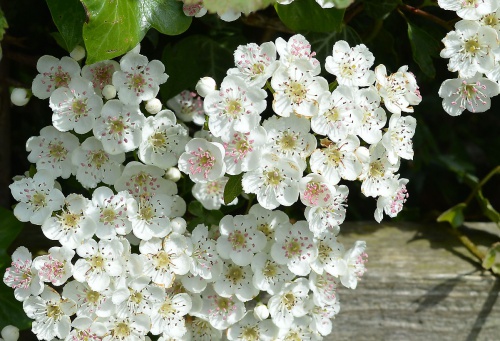 Barbara Cooper
Foxton Locks
22 May 2015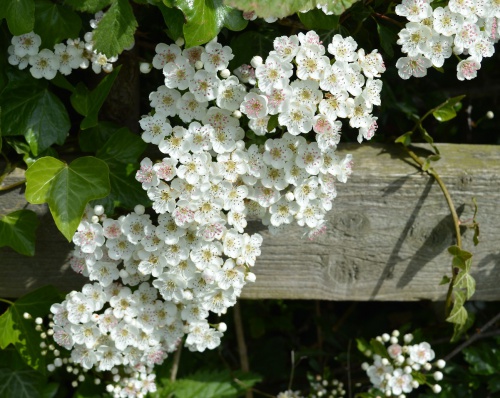 Barbara Cooper
Foxton Locks
22 May 2015 Old Cricket Field Sharnford Road Sapcote SP 4932 9309 (taken 20.5.2006).JPG) Graham Calow
Graham Calow
Sapcote
20 May 2006
 Freeholt Wood Sapcote SP 4606 9403 (taken 17.5.2006)..JPG)
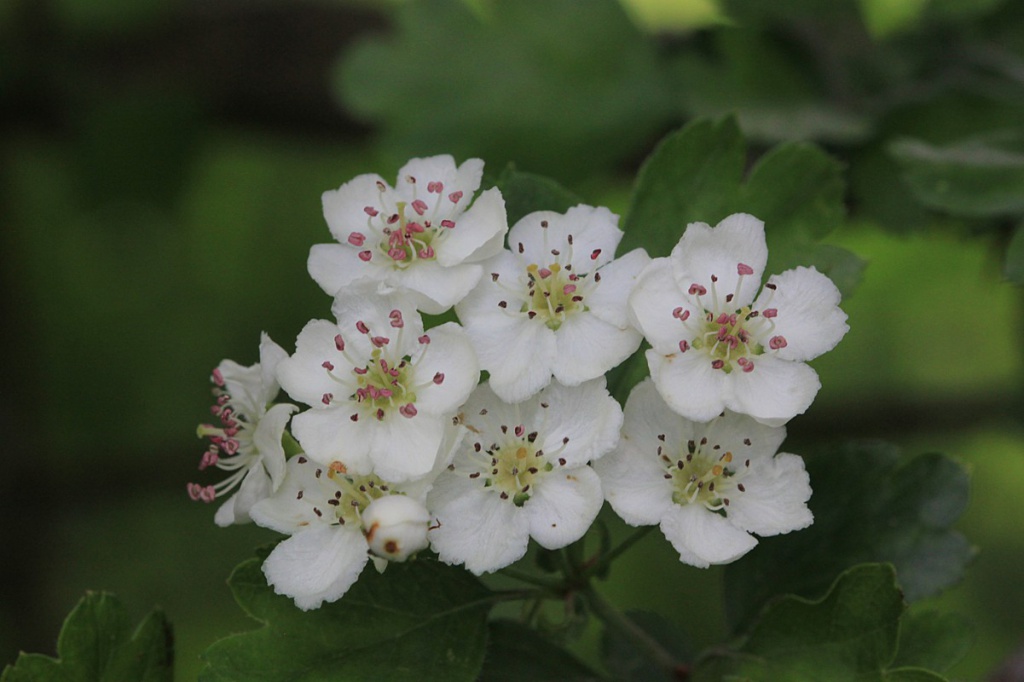
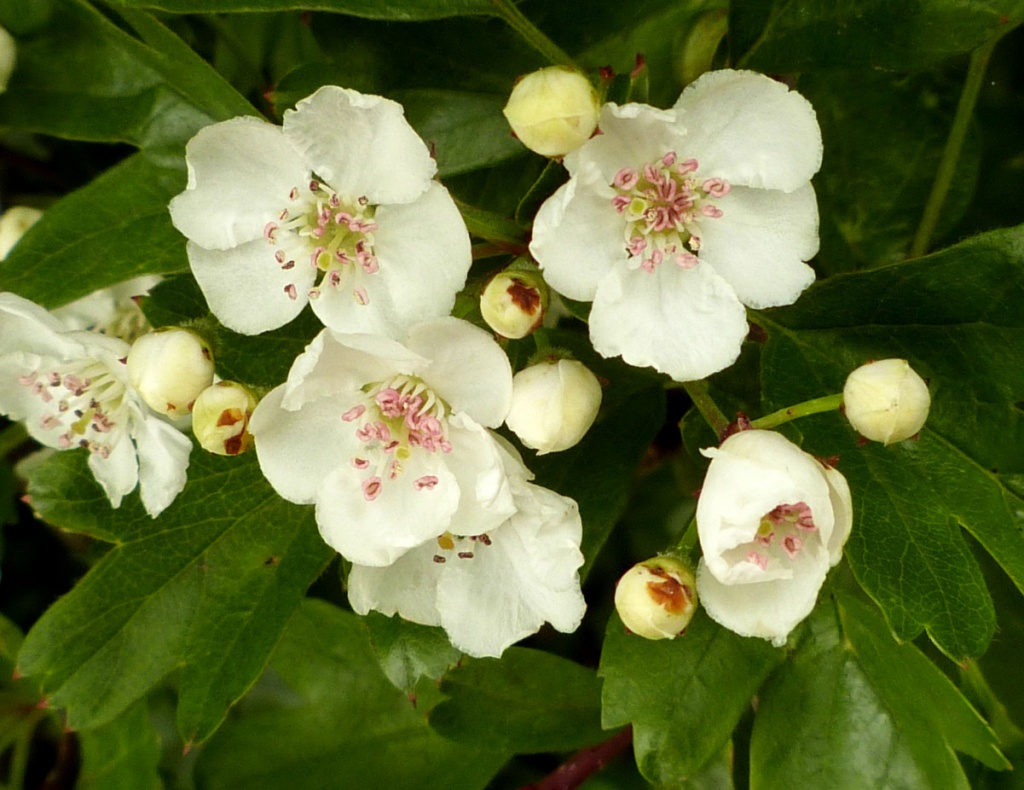
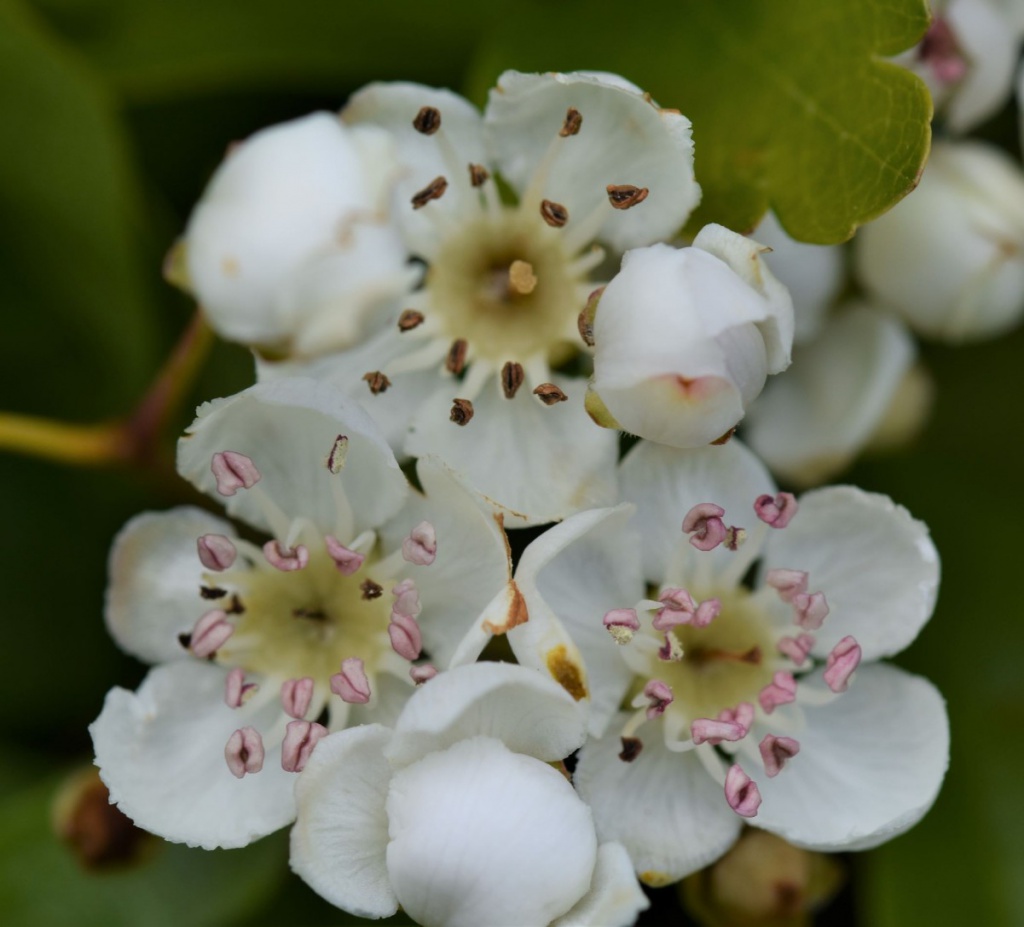
. Fosse Meadows (taken 8.10.2007).JPG)
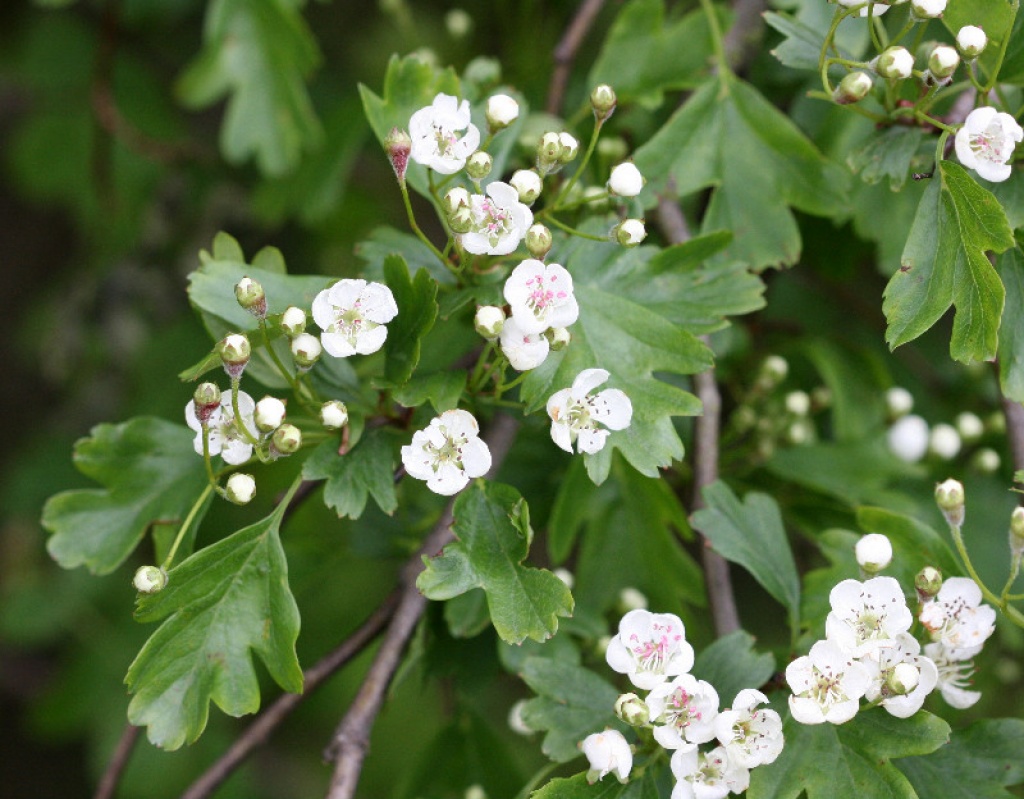
.. berries near Back Brook behind Ramsdale Farm Sapcote SP 4967 9217 (taken 10.9.2006).JPG)
 Old Cricket Field Sharnford Road Sapcote SP 4932 9309 (taken 20.5.2006).JPG)
If you've recognised Hawthorn Crataegus monogyna, look out for these other species that rely on this plant for all or part of their lifecycle.

Stigmella regiella
The larvae of Stigmella regiella mine the leaves of Hawthorn. The initial gallery is narrow and is filled with red-brown coiled frass. It then turns abruptly to form a blotch with a thin line of blackish frass, which may be coiled or irregular. The larva is yellow with a pale brown head and has two diagnostic dark spots. The egg is found on the underside of leaf, close by or on a leaf margin.
Pistol Case-bearer
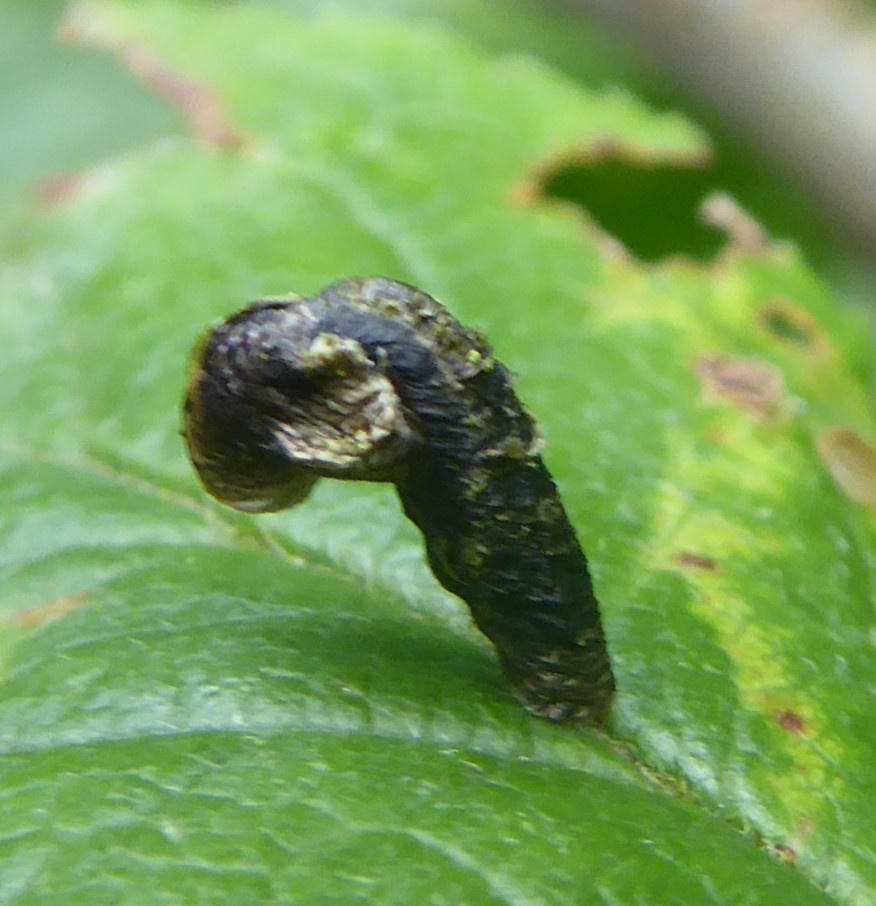
The cased larva of the moth Coleophora anatipennella feeds on Blackthorn as well as other species such as Hawthorn and Apple. It is sometimes called a Pistol Case-bearer, so named from the resemblance of the larval case to an old flintlock pistol in shape.
Hawthorn Moth
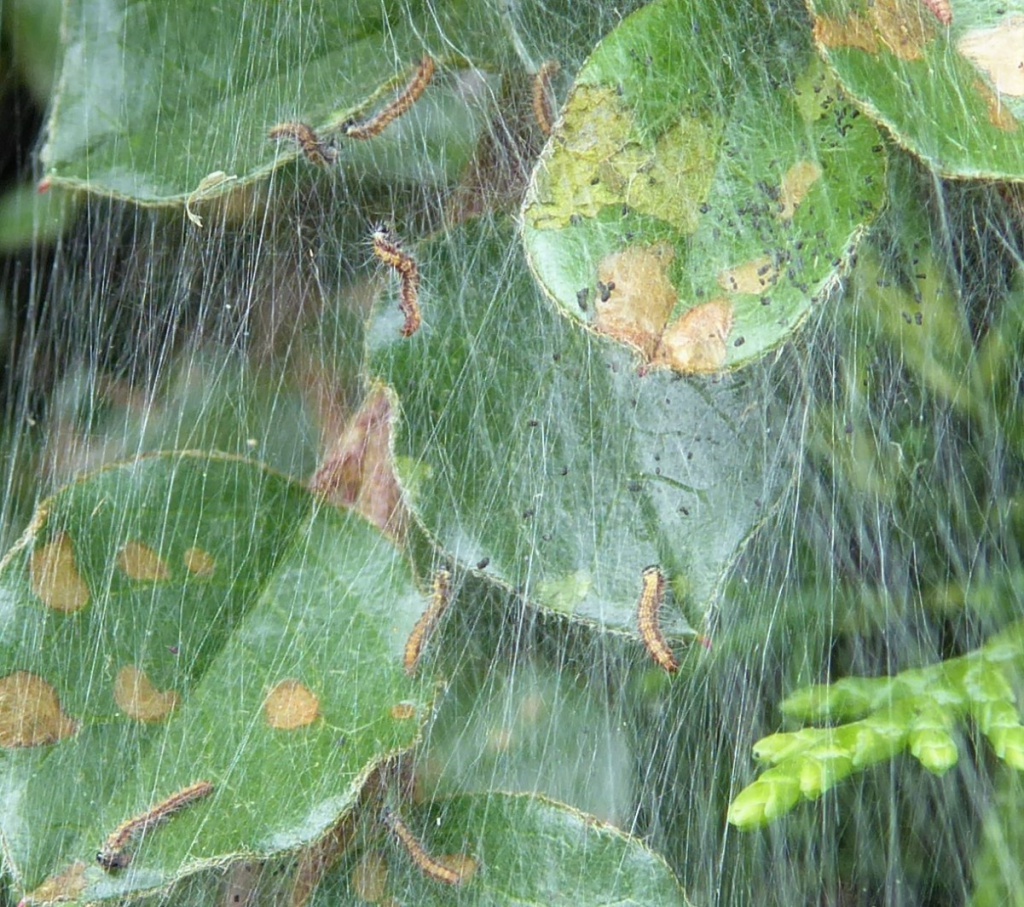
The larvae of the moth Scythropia crataegella feed communally in a silken web spun on Hawthorn after initially mining the leaves. Other foodplants include Blackthorn and Cotoneaster.

Mistletoe
Mistletoe (Viscum album) is a yellowish green shrub, regularly branched, hairless forming rounded clumps up to one metre across on tree branches. Leaves oblong, leathery, opposite and untoothed. Flowers inconspicuous, unisexual with male and female on separate plants, 4 parted in small stalkless clusters. Fruit a white berry during winter.
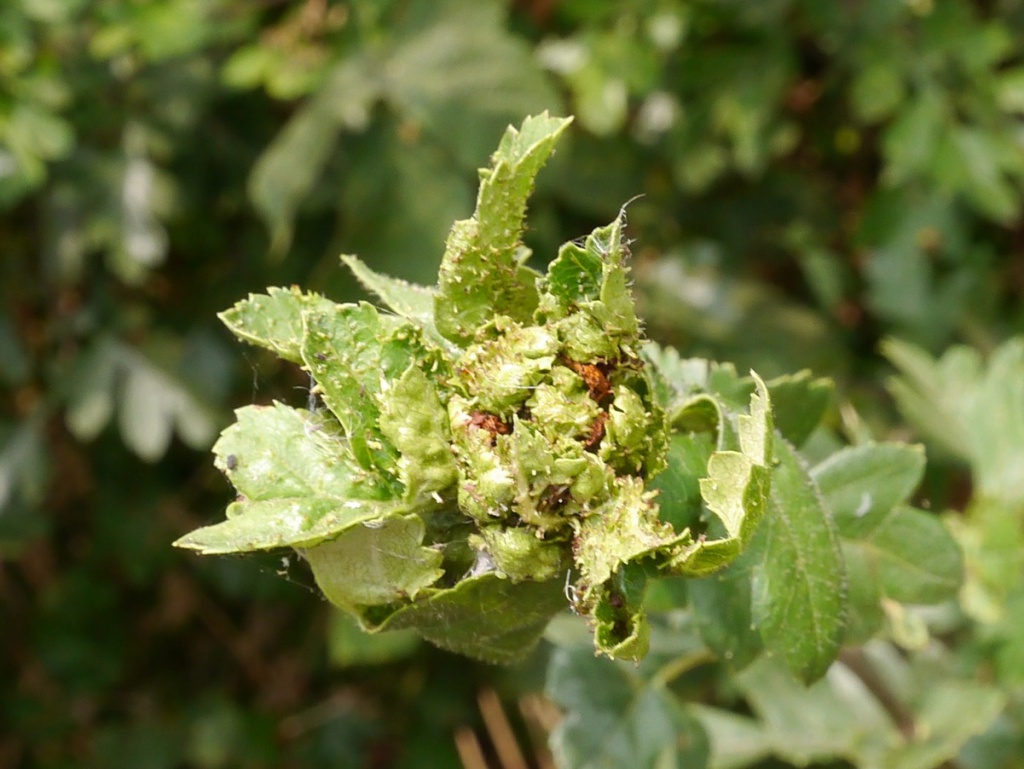
Hawthorn Button-top Gall
The larva of the gall midge Dasineura crataegi causes galls to form on the tips of hawthorn shoots causing the terminal shoot to be stunted and distorted into an irregular bunch of many slightly thickened deformed leaves with small red or green projections. It contains many orange-red larvae.
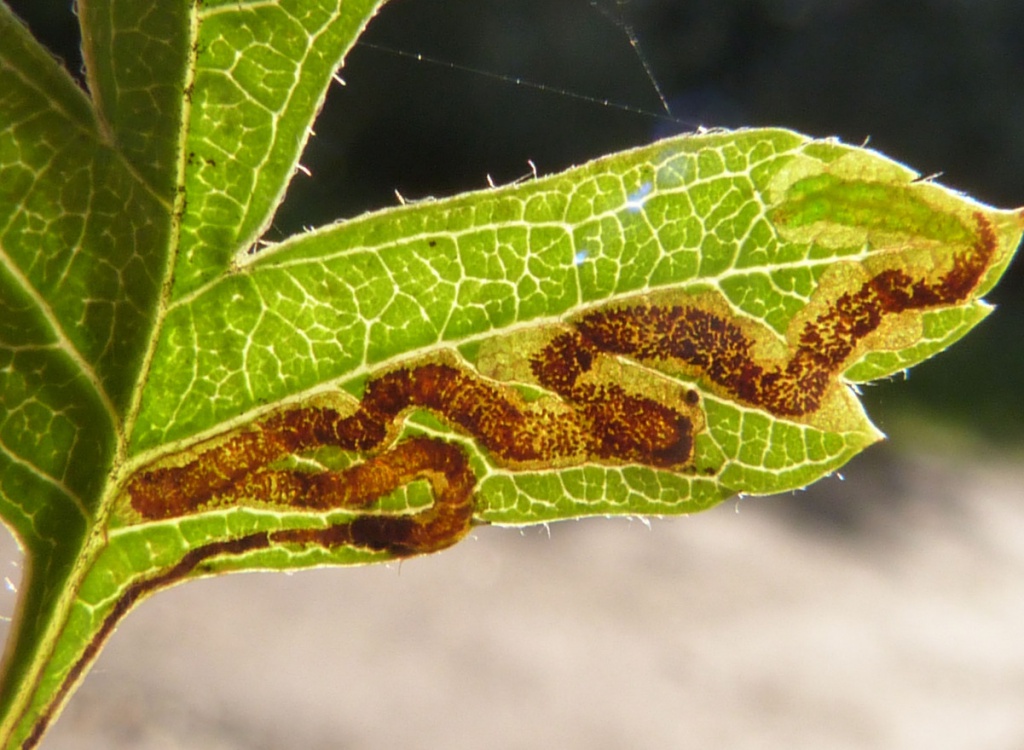
Stigmella oxyacanthella
The larva of the moth Stigmella oxyacanthella mies the leaves of Hawthorn, and also on Apple, Rowan and Pear. The mine has coiled frass and the larva is bright green with a pale brown head (re. Smart, 2018)
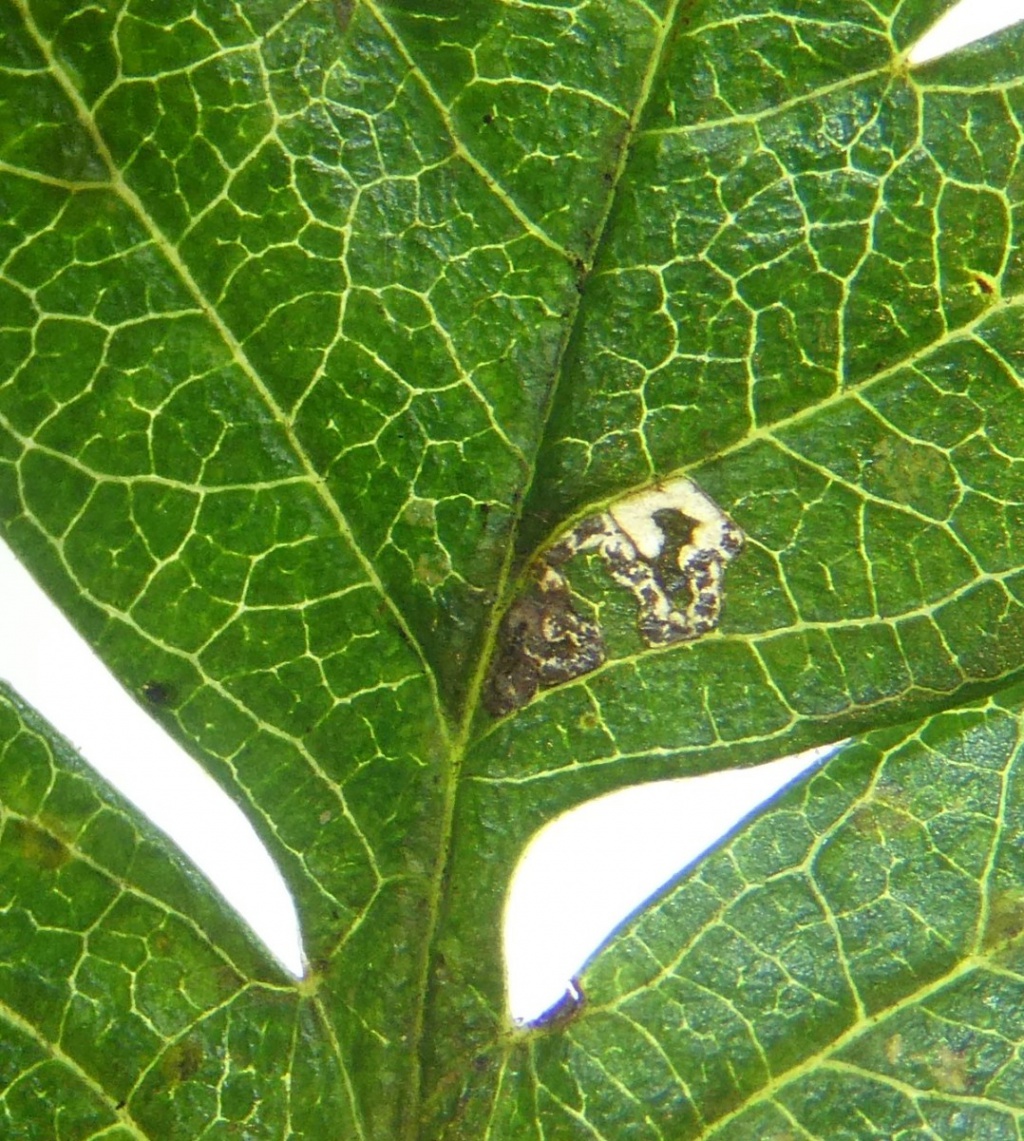
Bucculatrix bechsteinella
Bucculatrix bechsteinella is a small moth with a wingspan of 7 to 9 mm. It is pale buff with brown markings. The leafmine produced by the larva is usually on Hawthorn, and is small and in a vein axil, with blackish frass. The exit gallery is clear, and angular in shape.

Firethorn Leaf Miner
The larva of the Firethorn Leaf Miner moth (Phyllonorycter leucographella) mine the leaves of a number of species including Firethorn (Pyracantha coccinea), Apple, London Plane and Hawthorn. The mine is usually on the upper side, silvery in appearance and over the midrib.
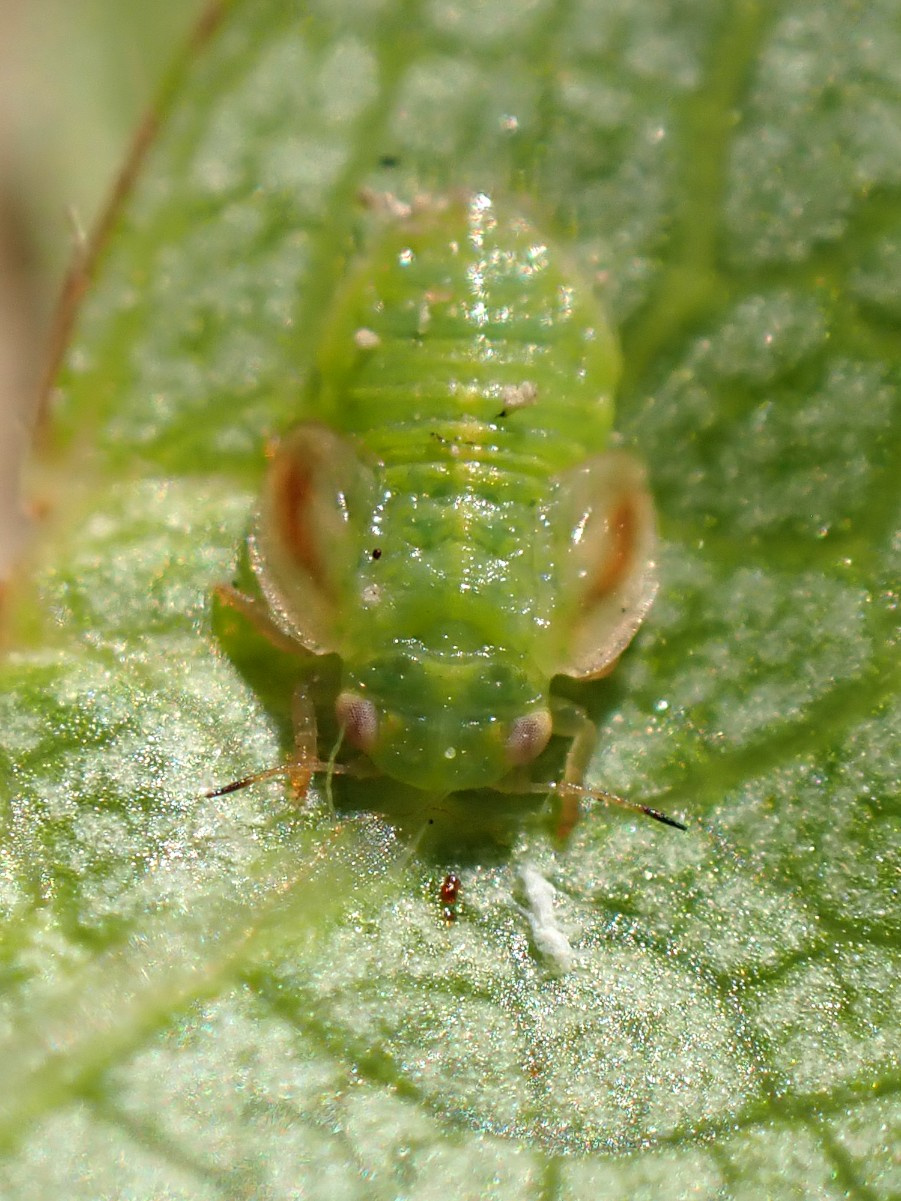
Cacopsylla peregrina
Cacopsylla peregrina is a common psyllid found on Hawthorn. Initially green in spring, it becomes orange, brown and black as the season changes to summer, Adults are hard to identify, but the nymphs have a brown streak on the wing-buds.
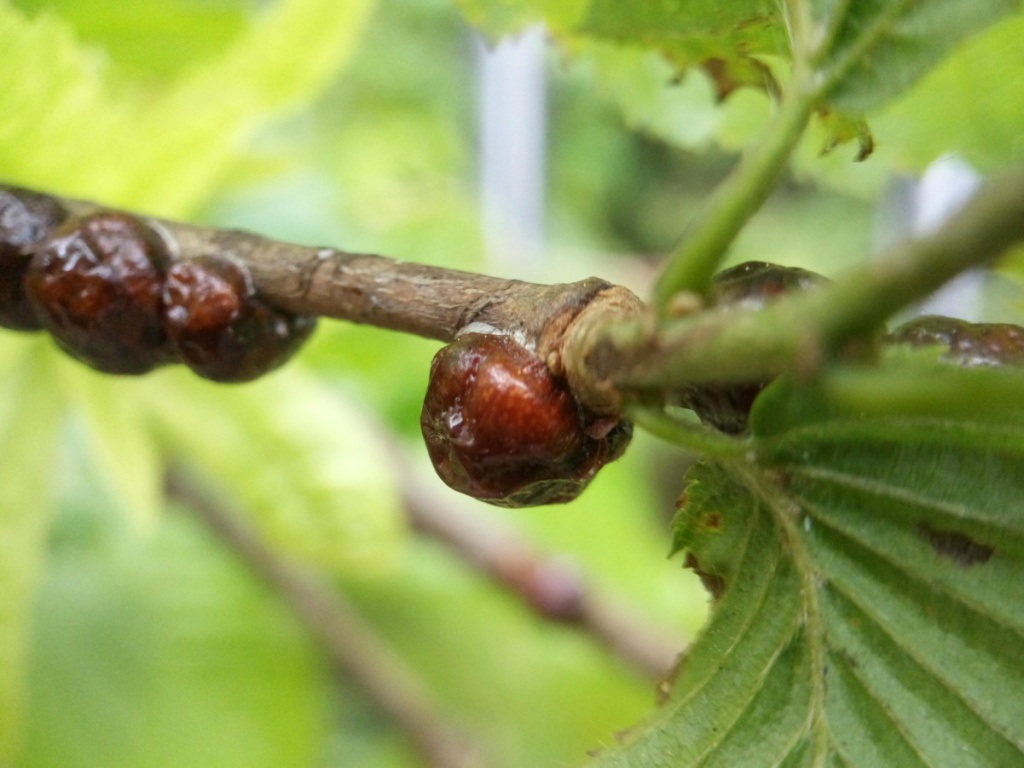
Nut Scale
Nut Scale (Eulecanium tiliae) affects various woody plants including trees and shrubs such as Hawthorn, Oak, Ash, Hornbeam, Field Maple and fruit trees such as Apple and Pear.
Mistletoe
Mistletoe is a yellowish green shrub, regularly branched, hairless forming rounded clumps up to one metre across on tree branches. Leaves oblong, leathery, opposite and untoothed. Flowers inconspicuous, unisexual with male and female on separate plants, 4 parted in small stalkless clusters. Fruit a white berry during winter. It is parasitic on deciduous trees, especially Apple, Lime, Hawthorn and Poplar.
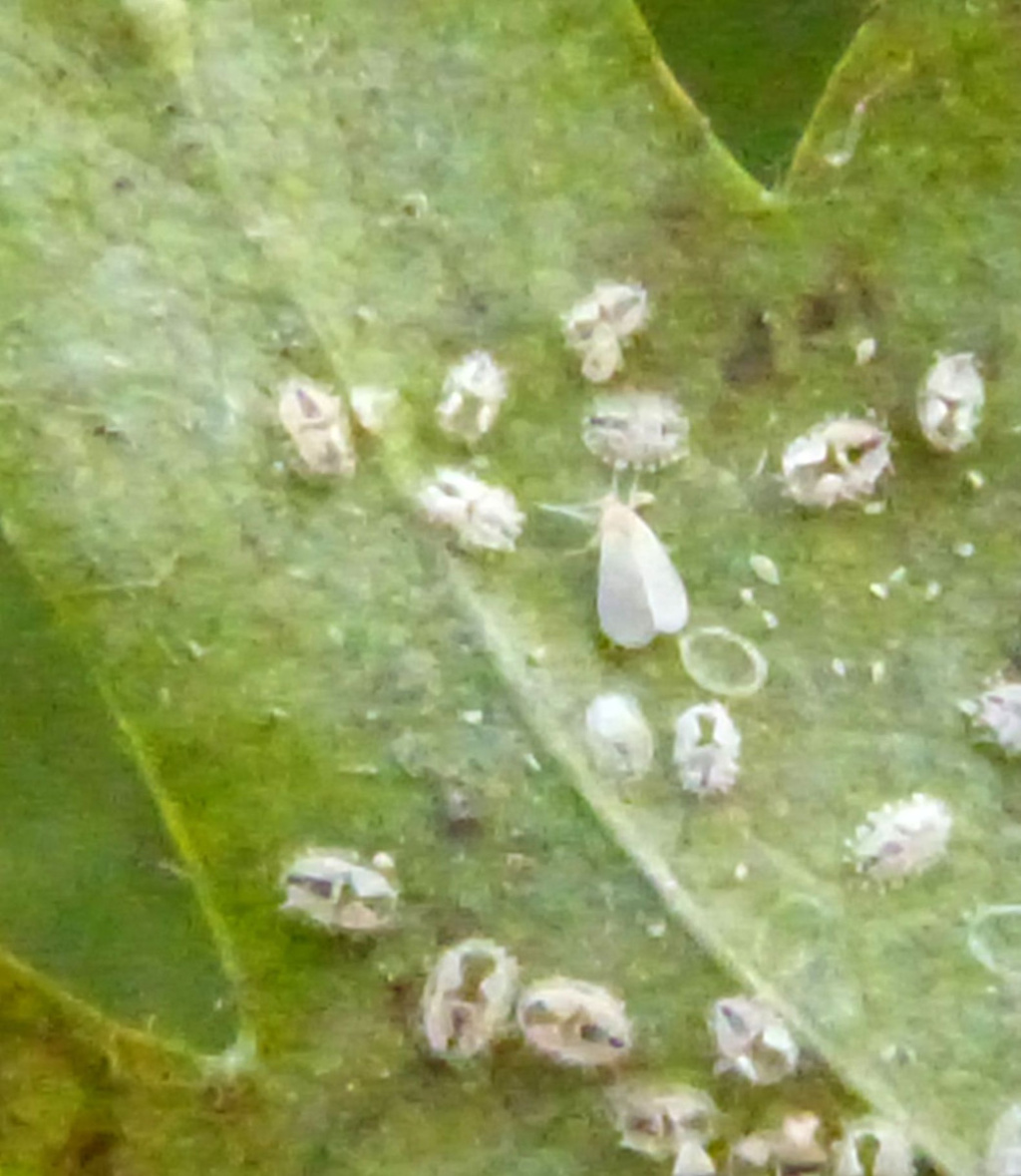
Siphoninus phillyreae
Puparia of the whitefly Siphoninus phillyreae are about 1 mm, oval, yellowish white, often medially with an elongated dark spot; dorsally a number of tubular filaments, each with a clear drop of honeydew at its tip and can be found on the undersides of the leaves of vaious trees and shrubs, but has been most frequently recorded locally on Hawthorn.

Pear Slug Sawfly
The larva of Pear Slug Sawfly (Caliroa cerasi) regularly feeds on Hawthorn, and sometimes other deciduous trees including Pear, Cherry. The larvae are black, slug-like and covered in mucus.
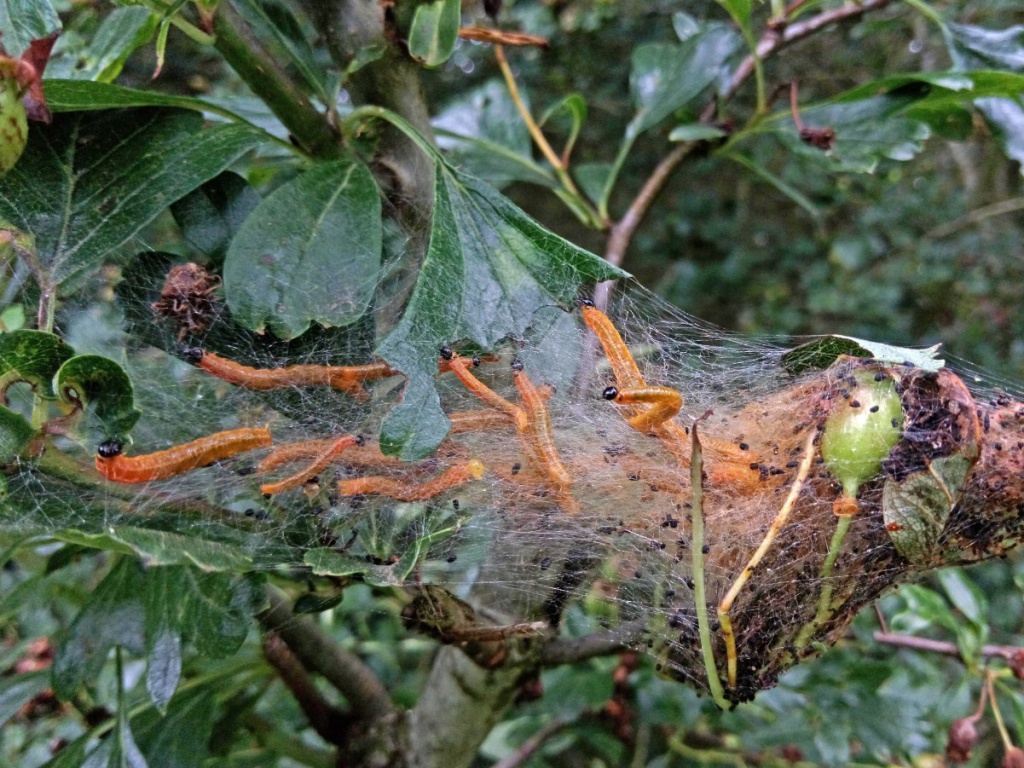
Social Pear Spinner
The larvae of the Social Pear Sawfly (Neurotoma saltuum) feed in communal webs of up to 60 individuals on a variety of rosaceous plants including Hawthorn, Pear and Plum.
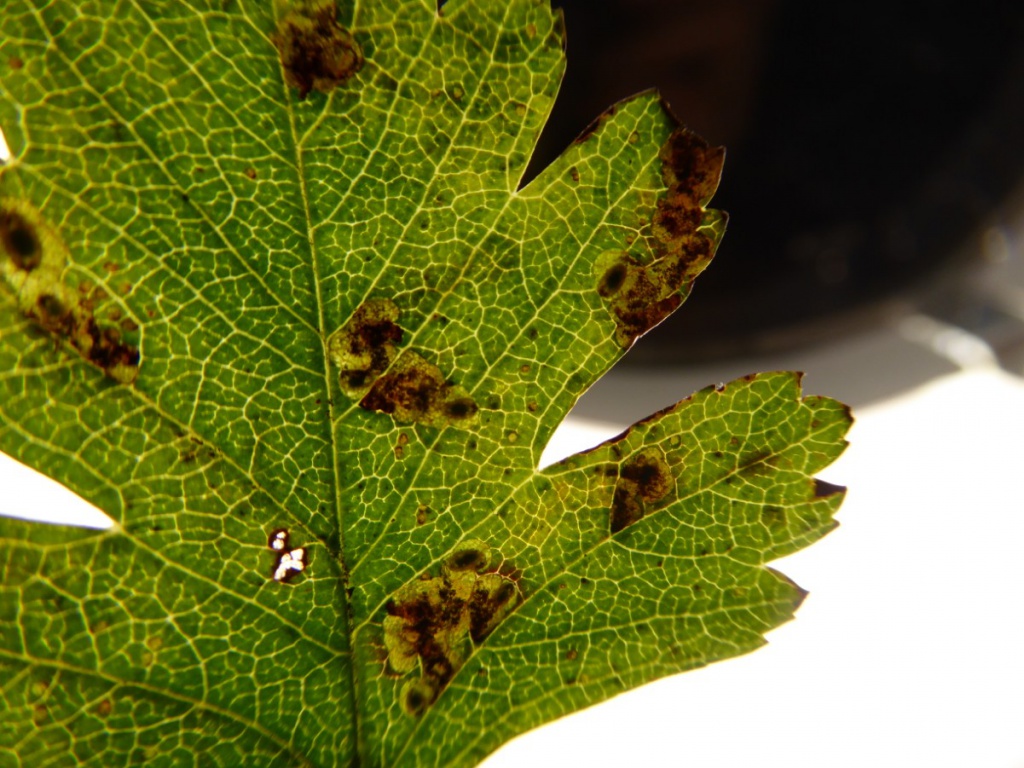
Rhamphus oxyacanthae
The larvae of the small, black weevil Rhamphus oxyacanthae usually mine Hawthorn leaves (but will ocasionally use other members of the Rosaceae family). The mines are usually small upper surface blotches, but later in the year on Hawthorn the mines may be larger - like a broad gallery or blotch - wth dispersed frass. In this form they can look like a moth leafmine, but have a squat bright yellow larva, with a black head.
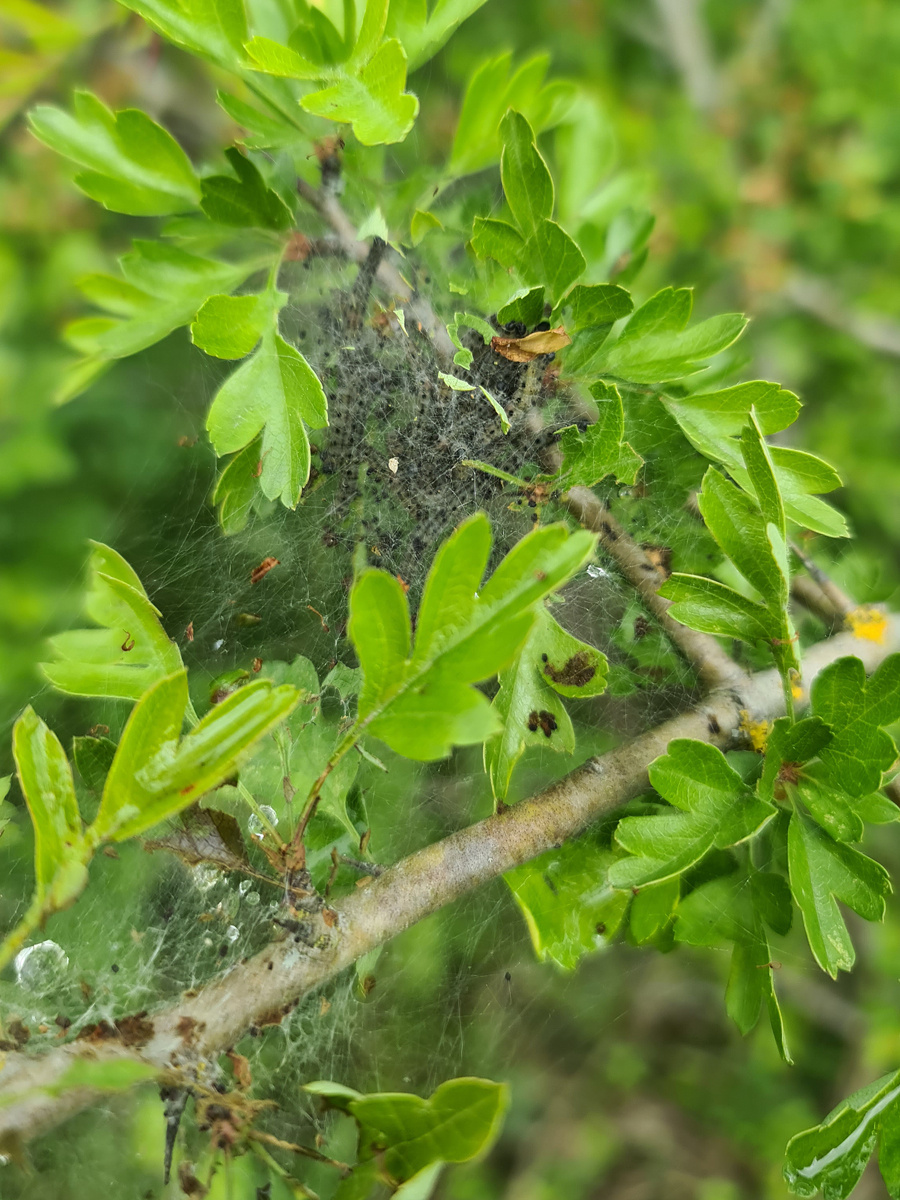
Orchard Ermine
The larvae of the Orchard Ermine moth (Yponomeuta padella) live in a larval web spun on Hawthorn, Blackthorn or Cherry.
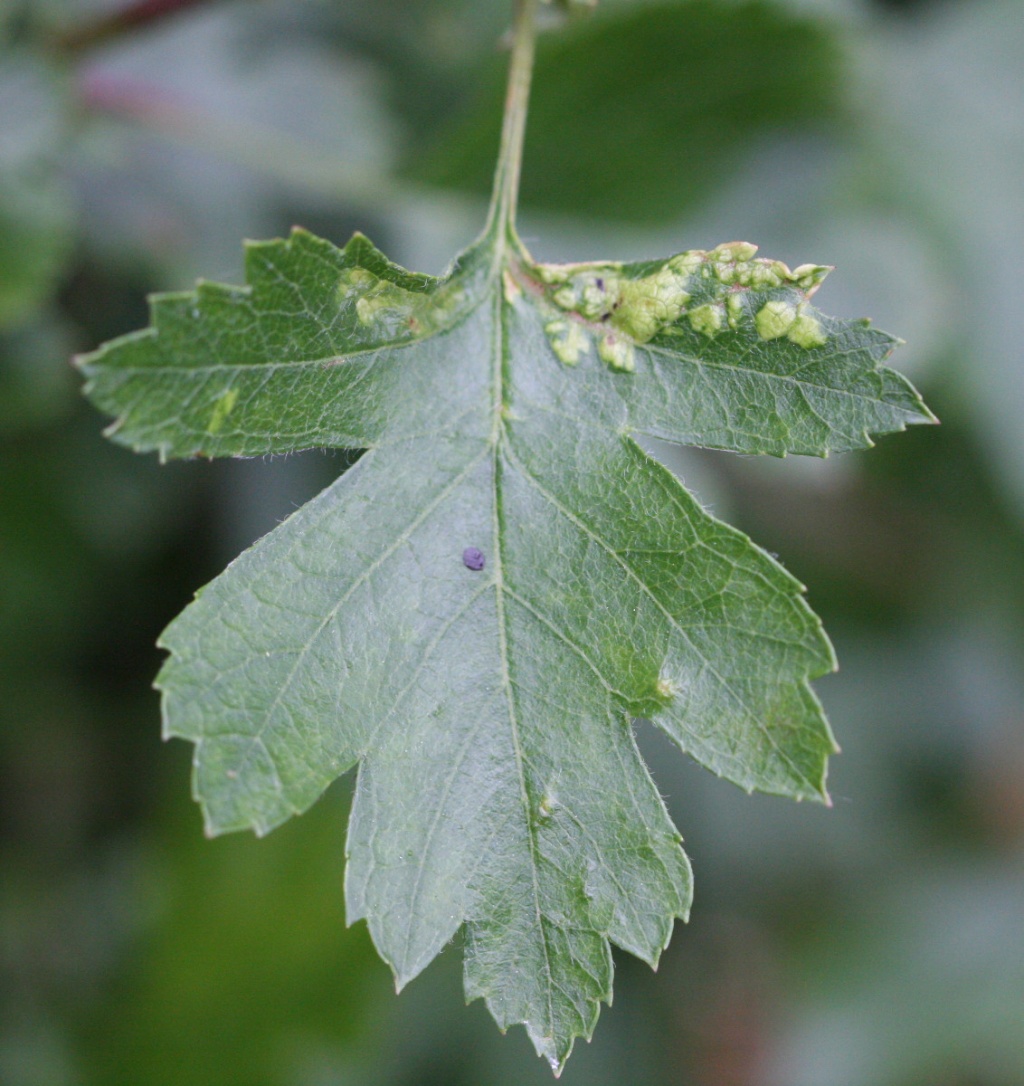
Eriophyes crataegi
These small, pale green patches on Hawthorn leaves are galls caused by the mite Eriophyes crataegi. Each blister contains numerous mites.
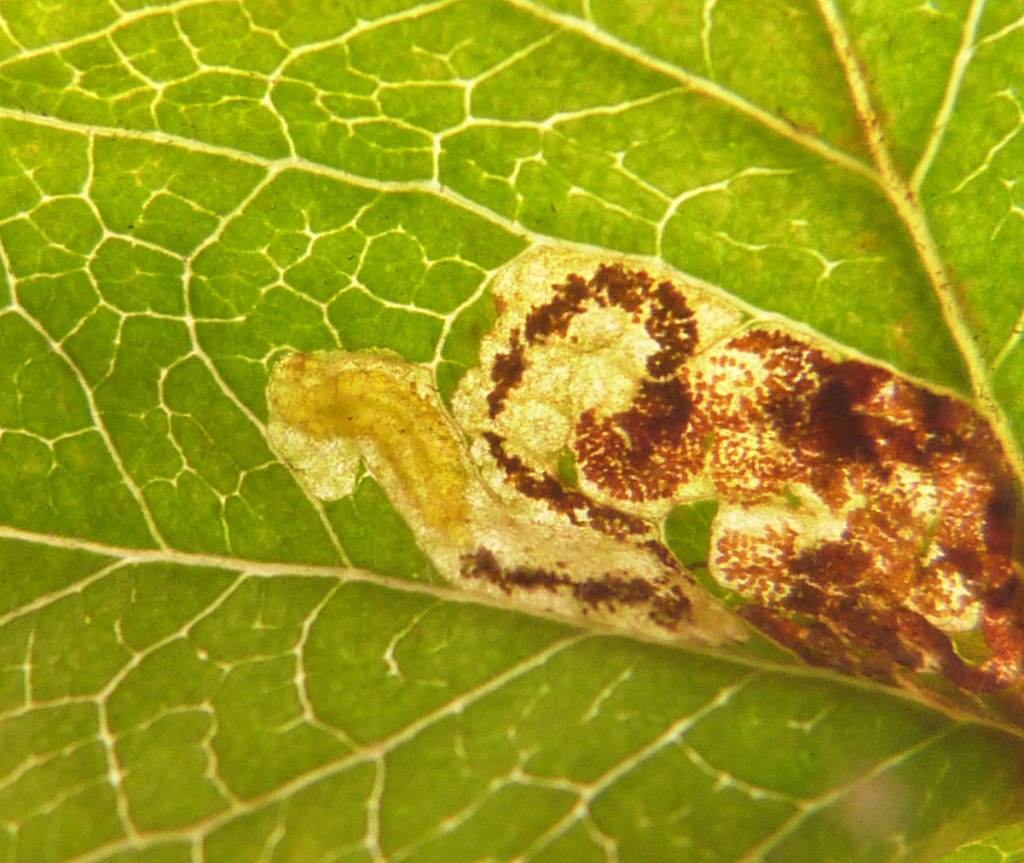
Stigmella perpygmaeella
The larvae of Stigmella perpygmaeella feed on Hawthorn mining the leaf and forming a compact twisting gallery that usually becomes a 'false blotch' - where the gallery twists back on itself and touches the sides of the earlier part of the gallery. The larva is yellow.
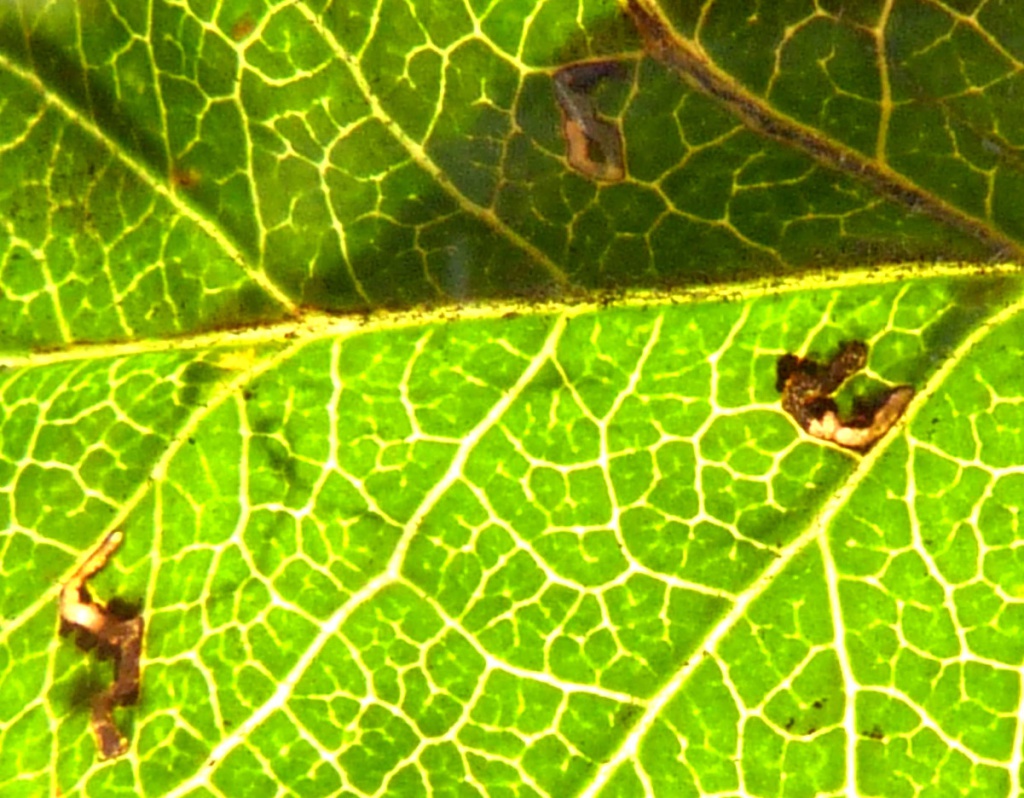
Paraswammerdamia nebulella
The Paraswammerdamia nebulella larva mines the leaves of Hawthorn, Rowan and Dog Rose, forming a small full depth mine.
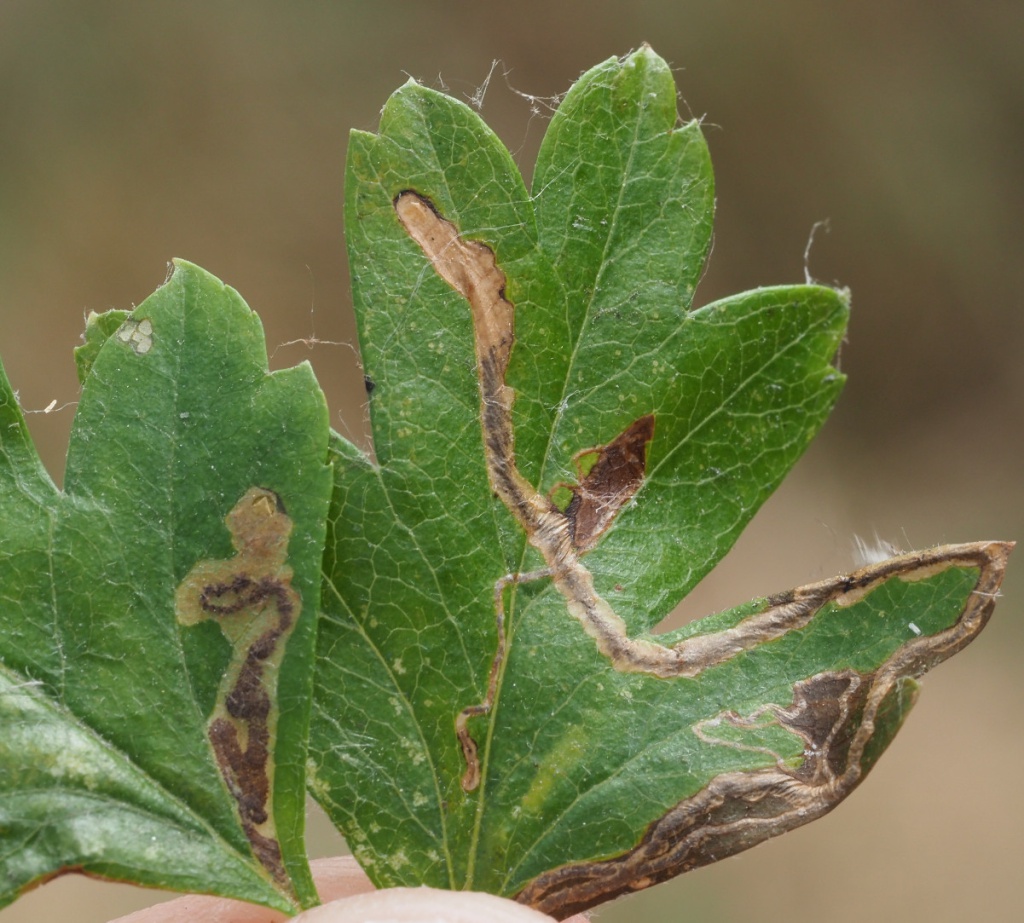
Apple Leaf Miner
The larva of the Apple Leaf Miner moth (Lyonetia clerkella) produces a leafmine on a number of species, especially Cherry, Apple, Rowan, Hawthorn, Blackthorn and other trees and shrubs in the Rosaceae family. It is also commonly found on Birch. The mine is long, smoothly curved gallery with frass in a central line; older mines look whitish. The larva is long and slender. It has a segmented body and 6 dark feet.
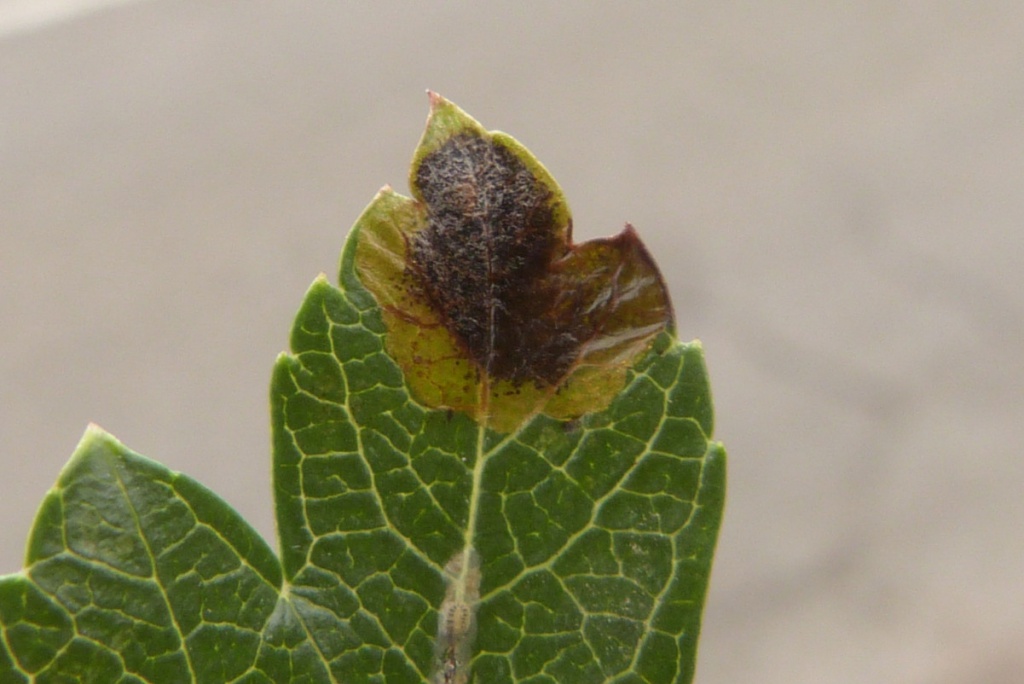
Stigmella paradoxa
The larvae of Stigmella paradoxa mine the leaves of Hawthorn. A blotch mine is formed on the on leaf-lobe with central frass. The egg is found on the underside of leaf at the tip of a lobe (it is important to note this as part of your record).
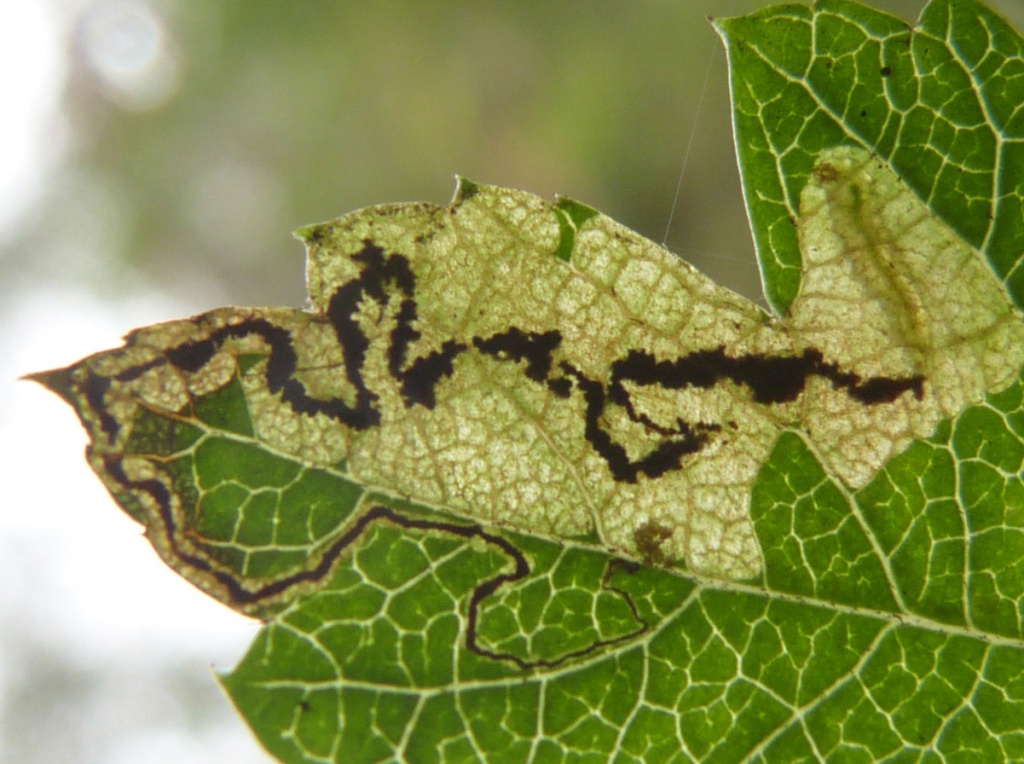
Stigmella hybnerella
The larvae of the tiny moth Stigmella hybnerella mine the leaves of Hawthorn. The leaf mine begins as a narrow gallery with frass in a central line, then becomes a blotch with scattered frass, although the linear pattern can usually still be seen. The larva is pale yellow with a pale brown head.
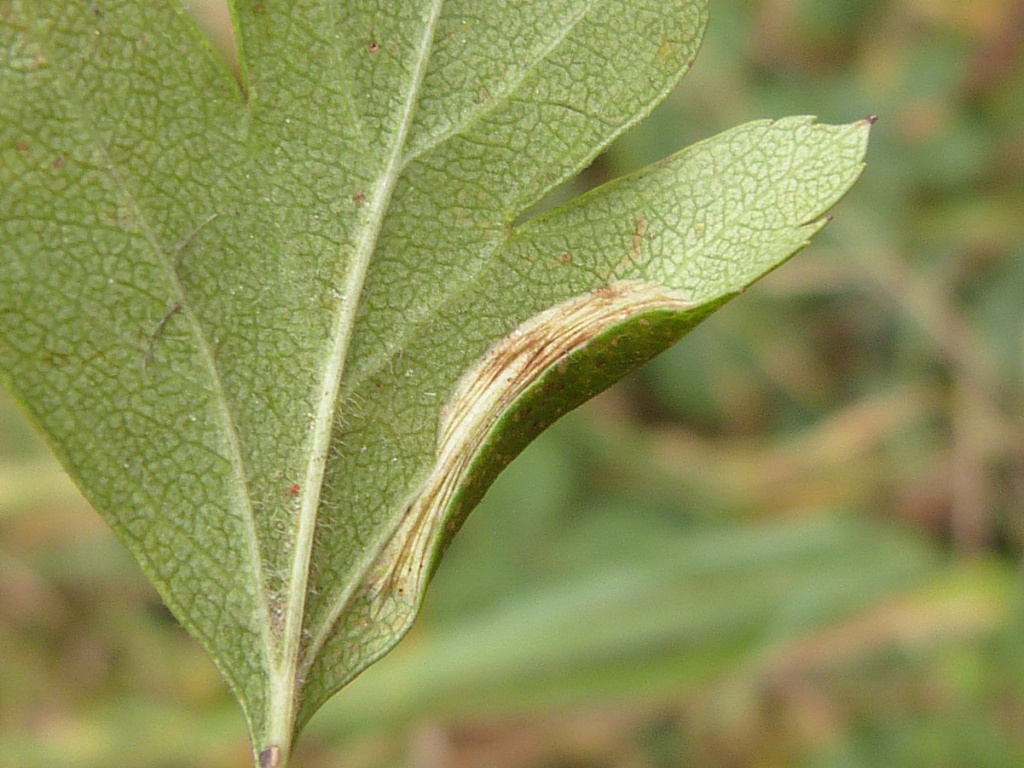
Phyllonorycter oxyacanthae
The larva produce a leafmine on the underside of a leaf, the mine is a blotch often causing the edges of a lobe to curl under.
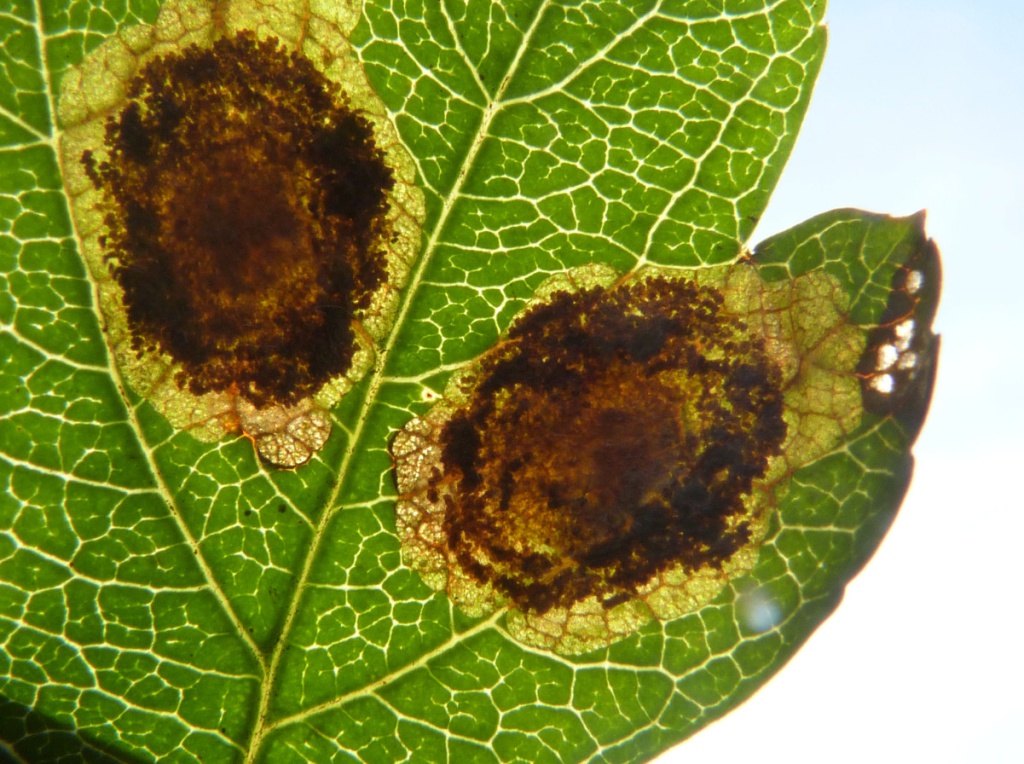
Pear Leaf Blister Moth
The larva of the Pear Leaf Blister Moth (Leucoptera malifoliella) makes a distinctive round blotch leafmine in a leaf of Apple, Hawthorn or Pear with a spiral frass pattern in concentric rings, sometimes several mines in one leaf.
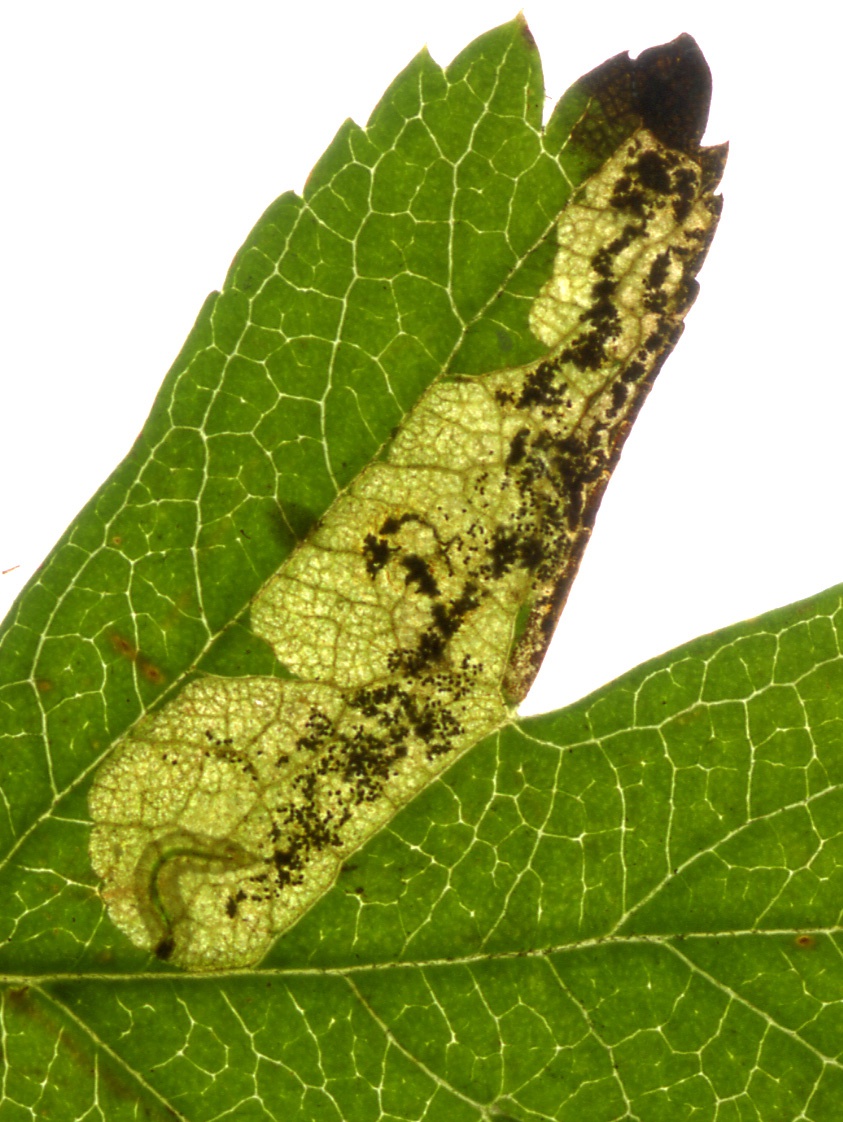
Ectoedemia atricollis
The larvae of the moth Ectoedemia atricollis mine the leaves of Hawthorn, Apple and other Rosaceae species. Initially, the larvae form galleries along the edge of the leaf, leading to a large blotch on the leaf margin. The larva has a distinctive black head, usually visible in the mine without being dissected out.
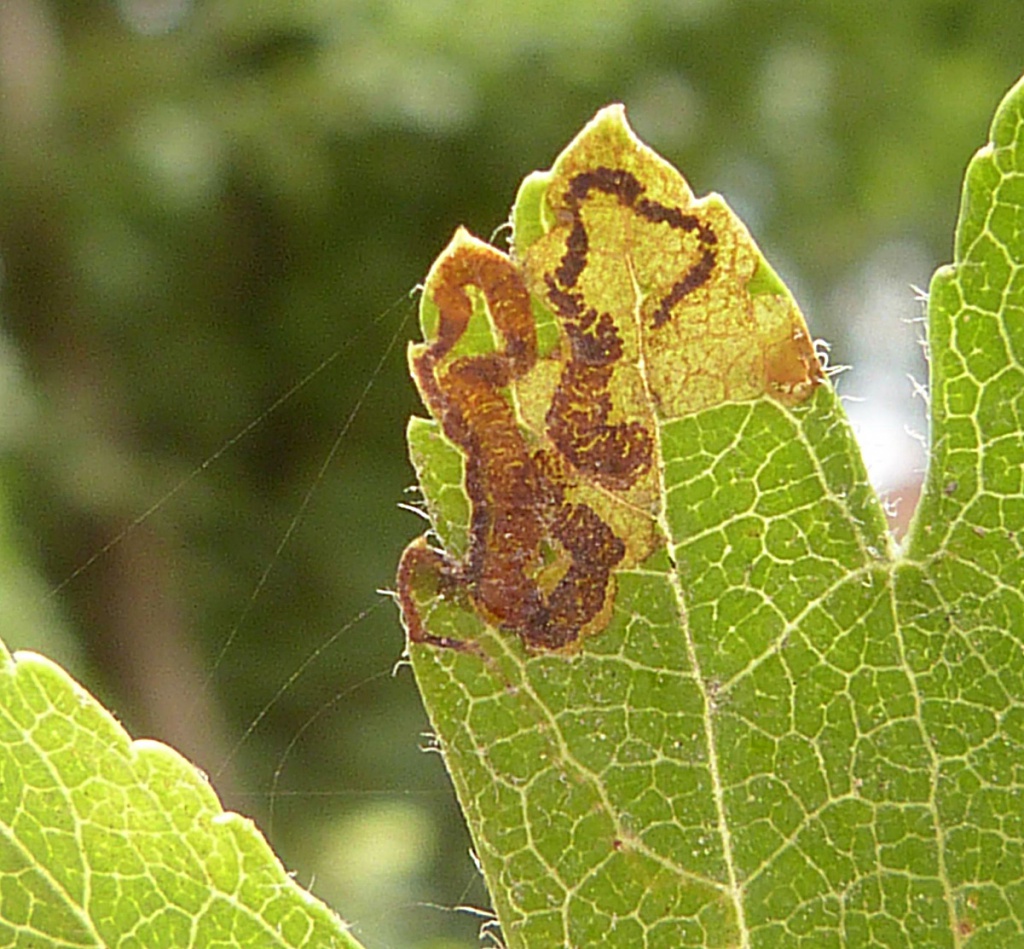
Stigmella crataegella
The larvae of the moth Stigmella crataegella mine the leaves of Hawthorn (Crataegus), creating a gallery which begins narrowly with linear frass. The mine then widens, and the frass is laid in distinct arcs, finally becoming irregular and central near the end. Larvae feed from June till August.
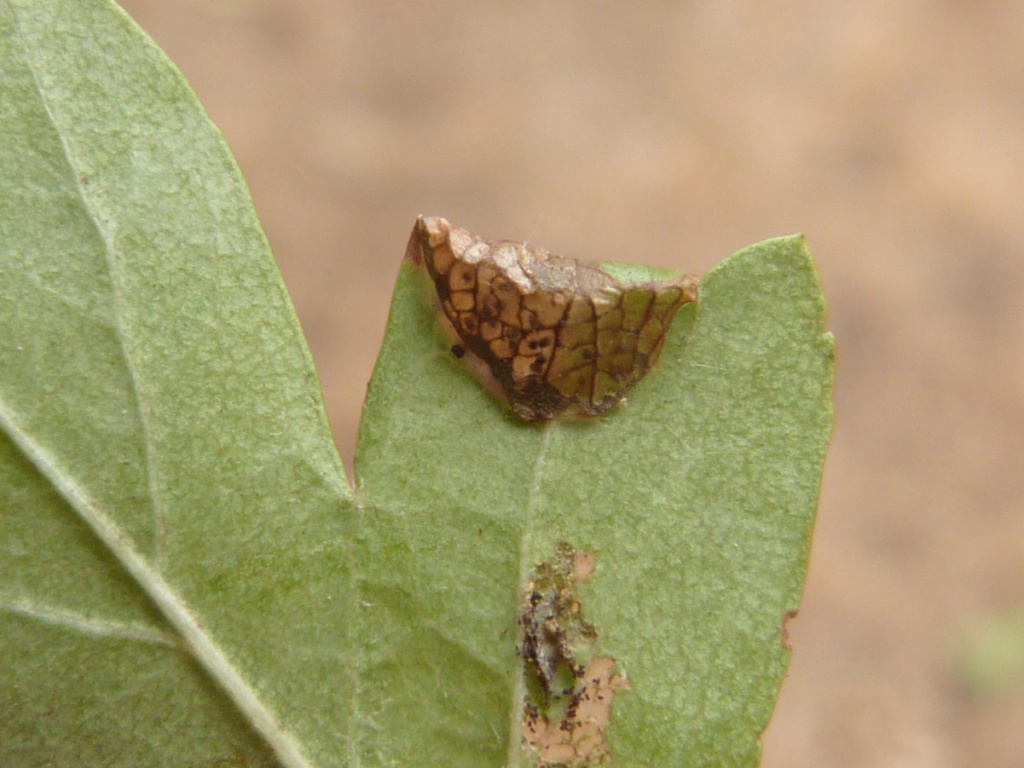
Parornix anglicella
The larval foodplant of the moth Parornix anglicella is Hawthorn, and the mine characteristics it produces are quite distinctive. In its later stages, the larva folds over a leaf lobe to form a diagnostic cone or flat fold.
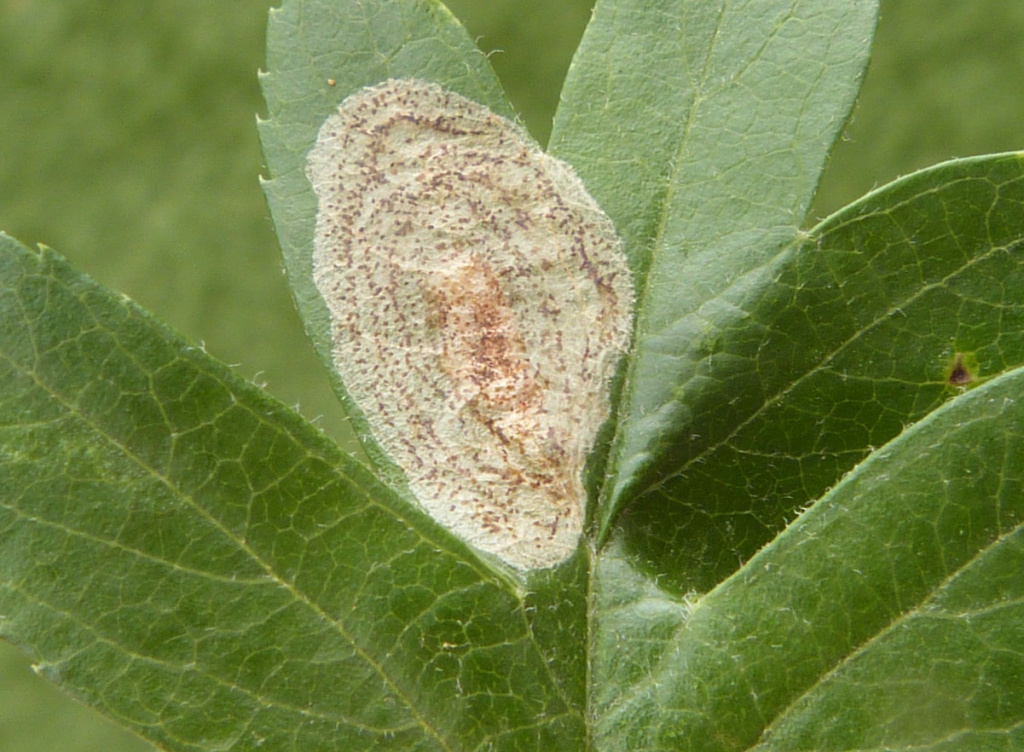
Phyllonorycter corylifoliella
The orangey coloured adult is weakly marked in comparison to some of its congeners. The larva mines the leaves of Hawthorn (and also on Apple, Cherry and others), creating an upper-surface mine, usually over the midrib or vein; the mine is rounded in shape and flecked with blackish-brown frass when mature.
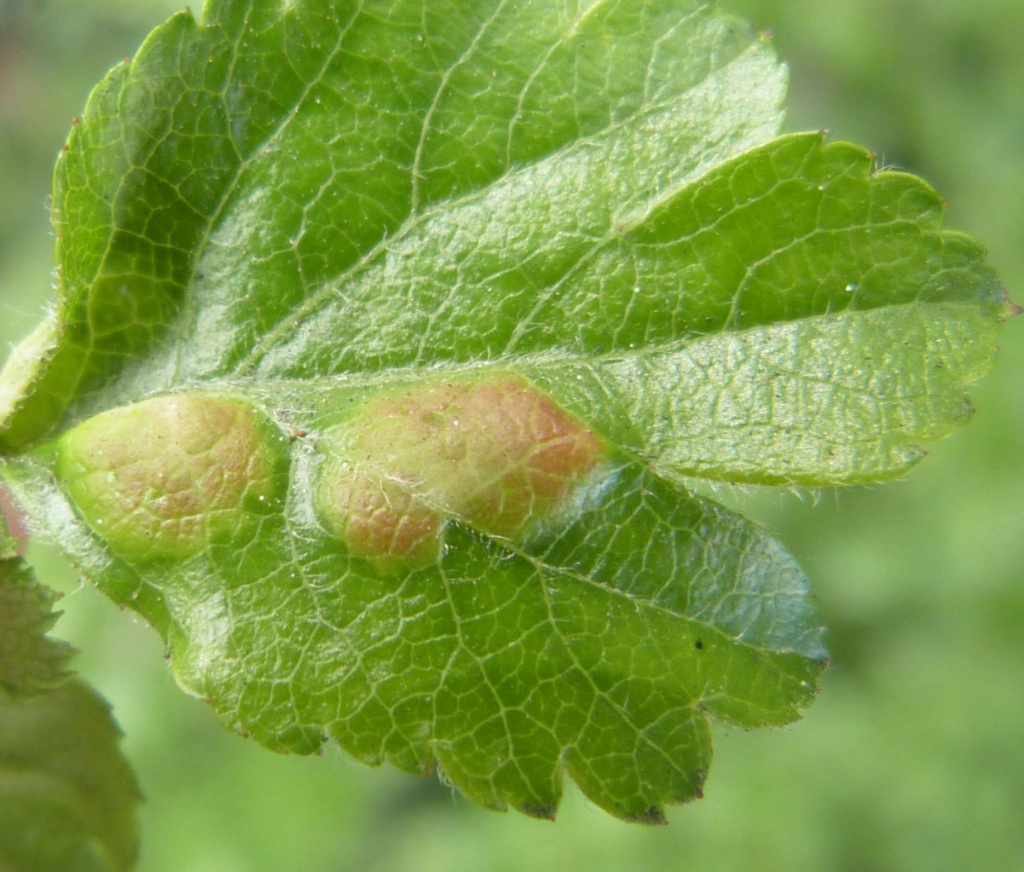
Taphrina crataegi
Taphrina crataegi is a fungus which causes pale green, yellowish or reddish galls on Hawthorn. The galls are blisters, folds or bulges in the leaf, and often several leaves together are affected. The galls are often flushed pink.
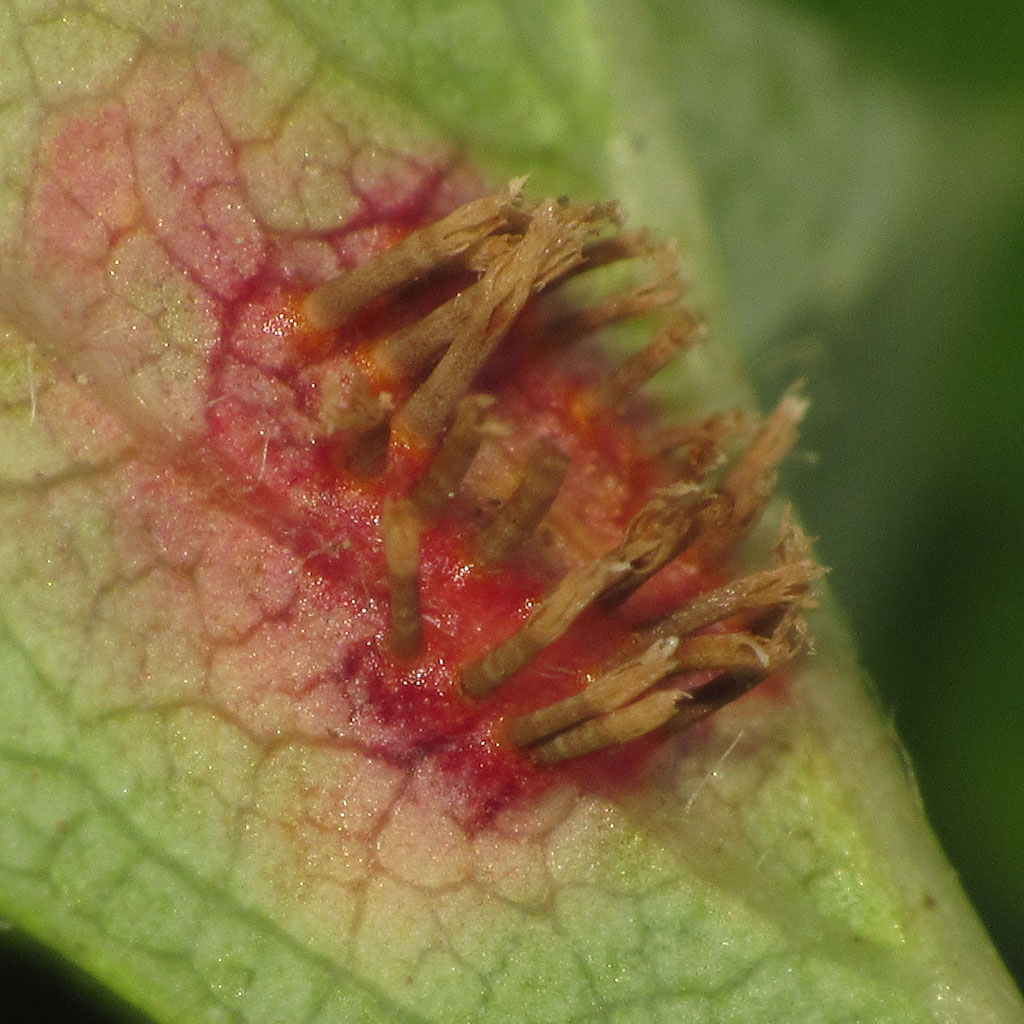
Gymnosporangium
Hawthorn is the alternate host for two gall-causing rust species in the genus Gymnosporangium. Aecia are produced on reddish swollen spots on leaves, fruits, petioles and shoot. The aecia have long fringes (peridia) so the aecia have a pale brown whiskery appearance. The aecial stages are very similar and species cannot be distinguished from field photos in this stage.

Hawthorn-Buttercup Aphid
The Hawthorn-Buttercup Aphid (Dysaphis ranunculi) causes a gall on the leaves of Hawthorns. These yellowish galls cause the leaf to turn down like an upturned boat, and contain deep grey waxy aphids. The galls may be flushed rosy pink. It alternates its host between Hawthorns and Ranunculus species but is most often recorded on Hawthorn.
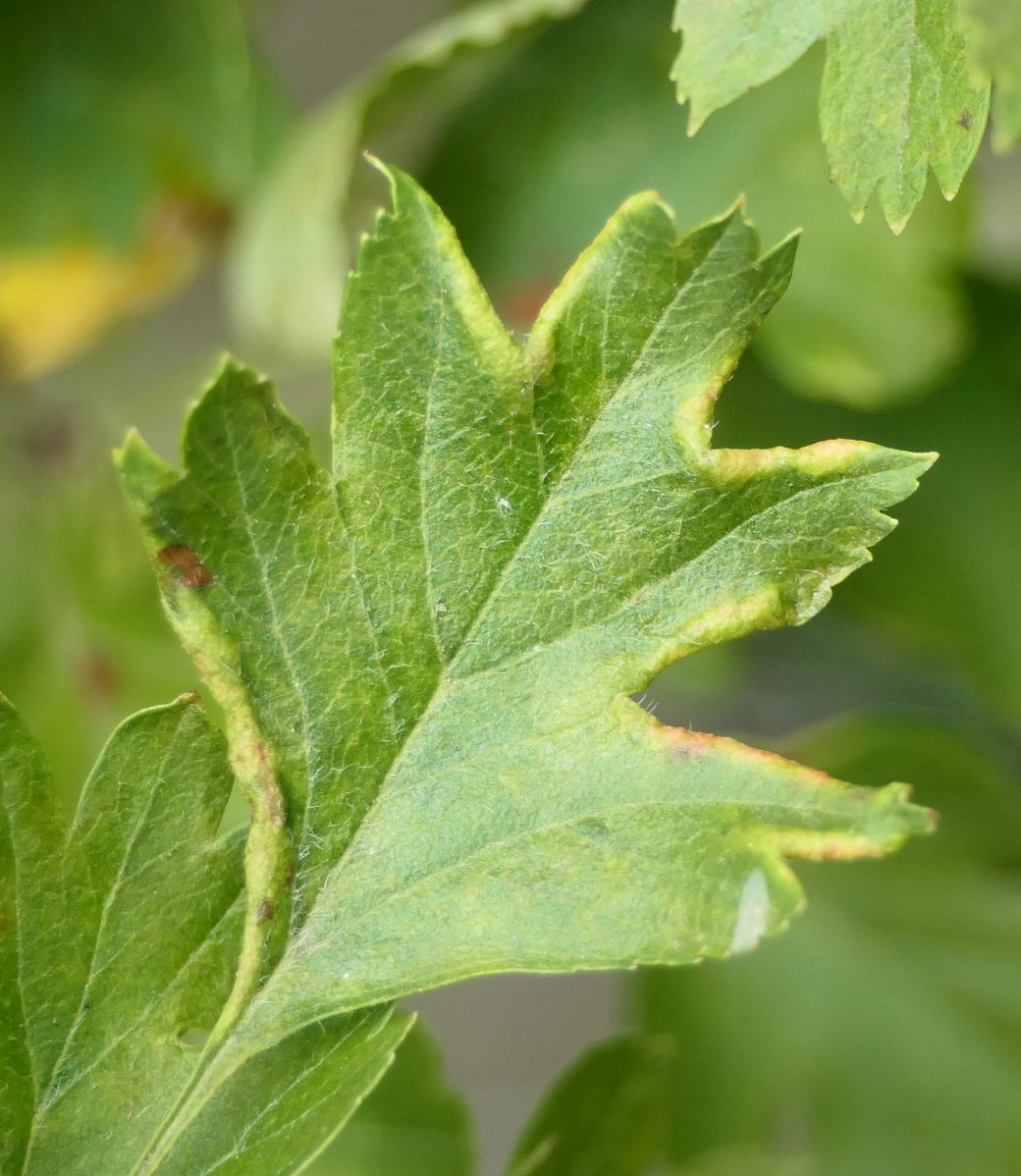
Phyllocoptes goniothorax
Pale, curled edges on Hawthorn leaves are galls caused by the mite Phyllocoptes goniothorax. The rolls are only 2mm in diameter but can extend along most of the leaf margin, and affect lots of leaves.