

Meadowsweet - Filipendula ulmaria
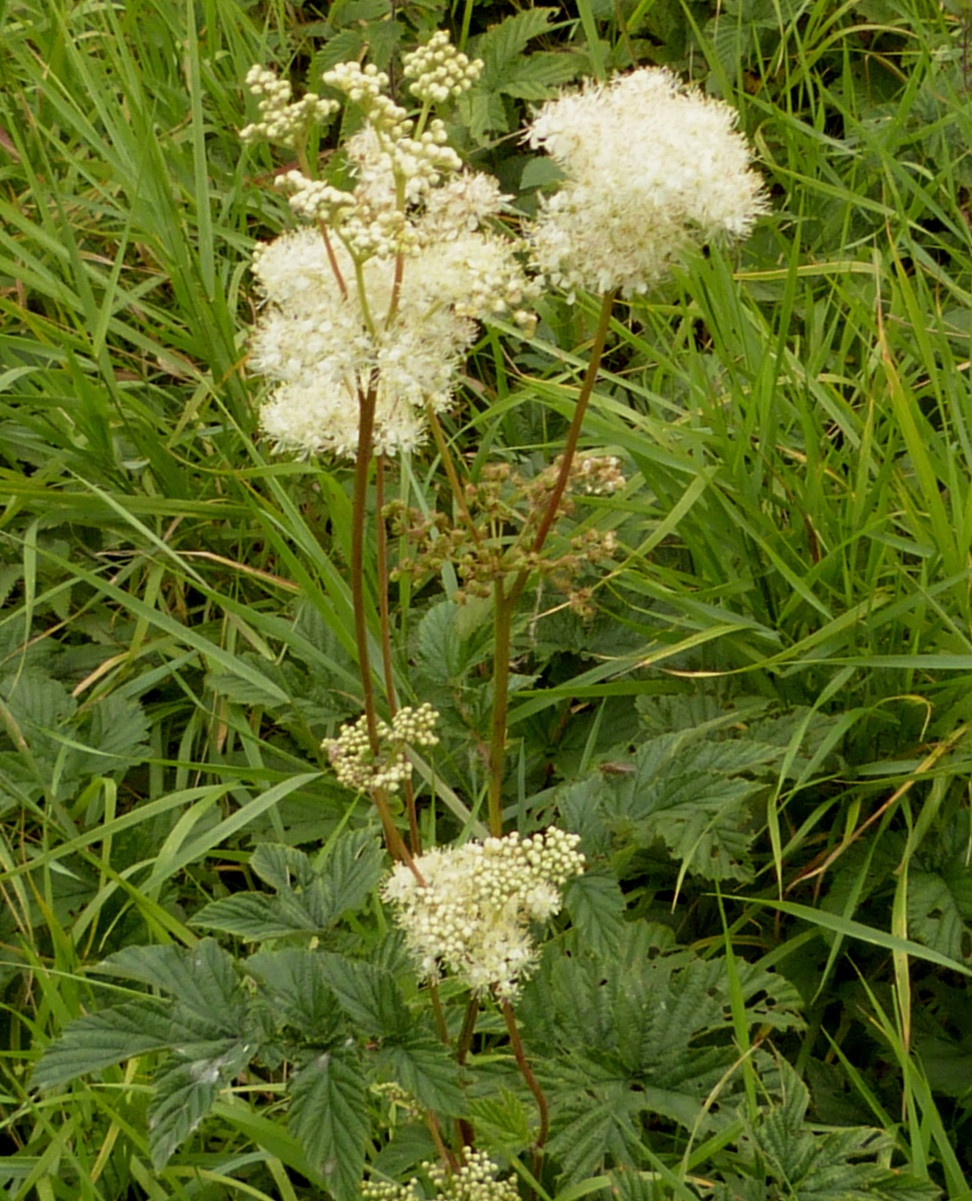
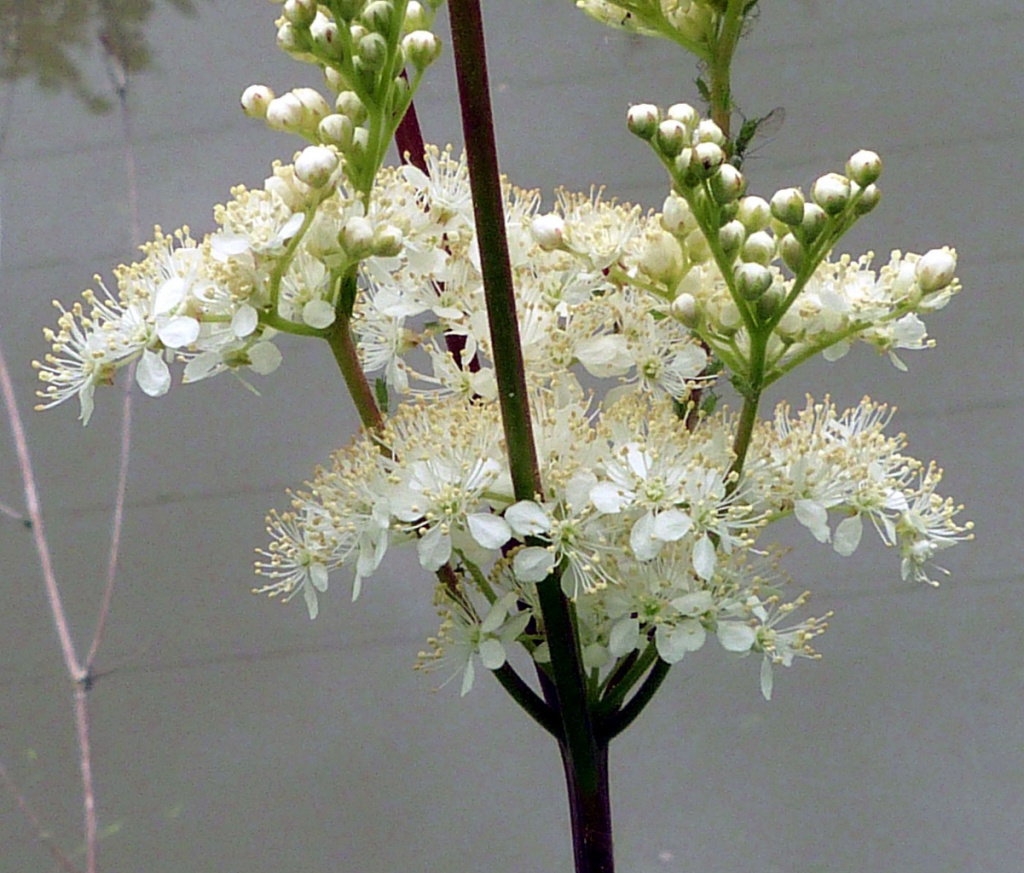
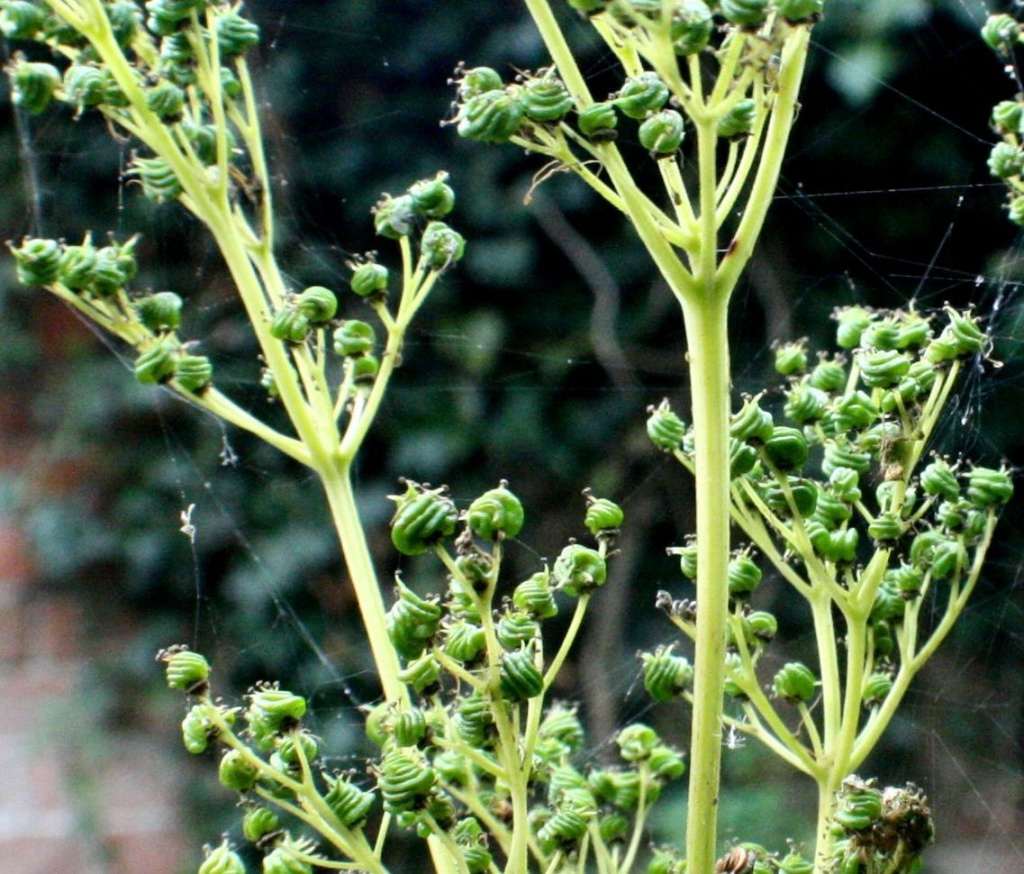
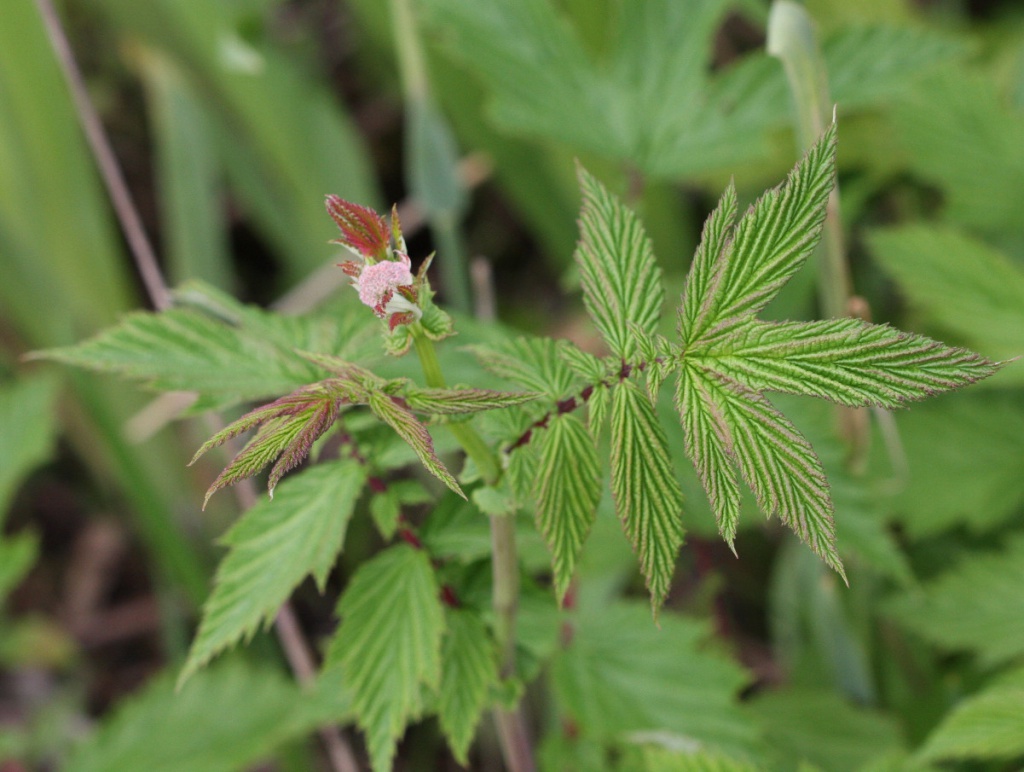
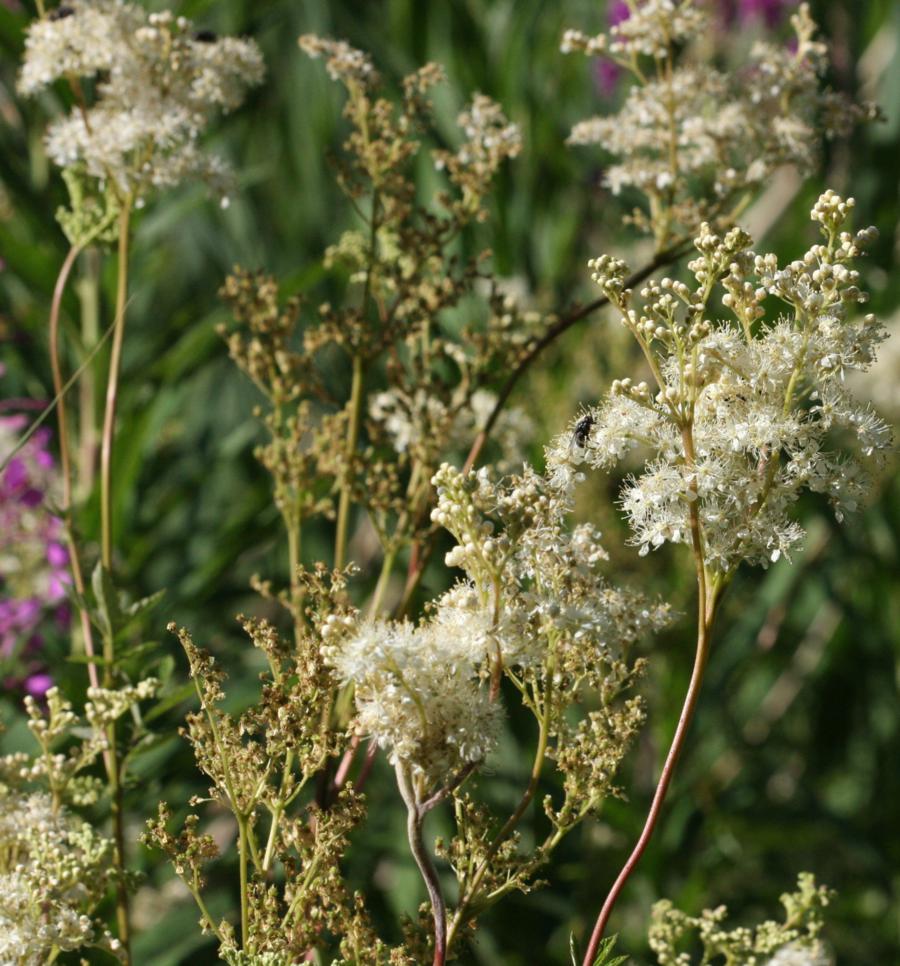
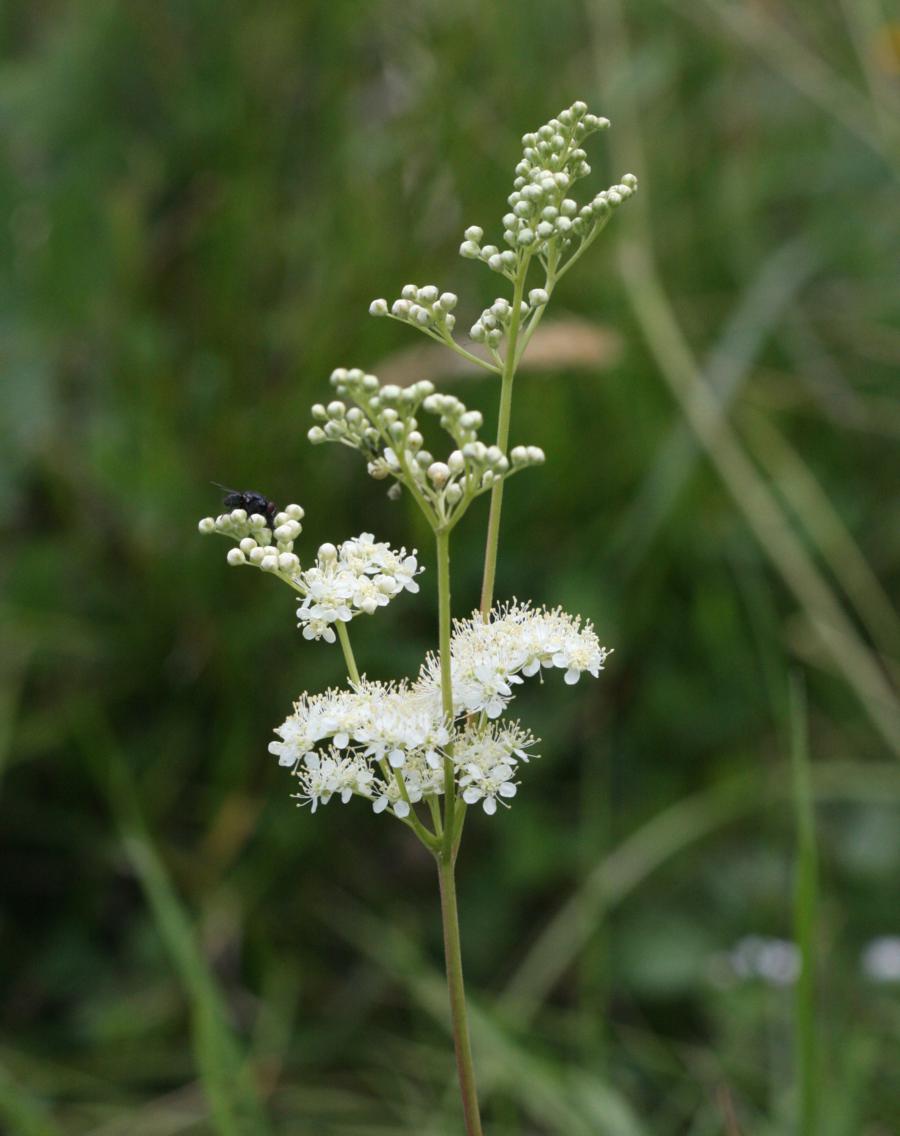
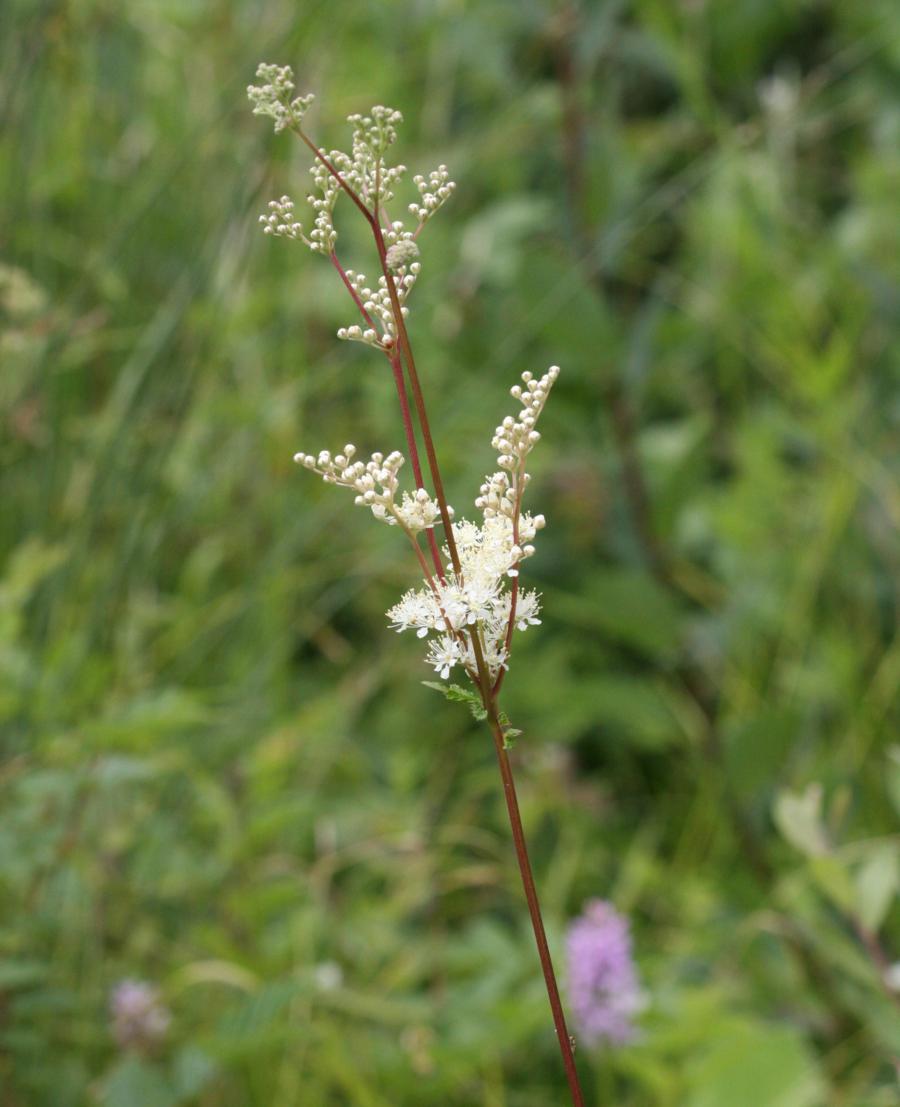
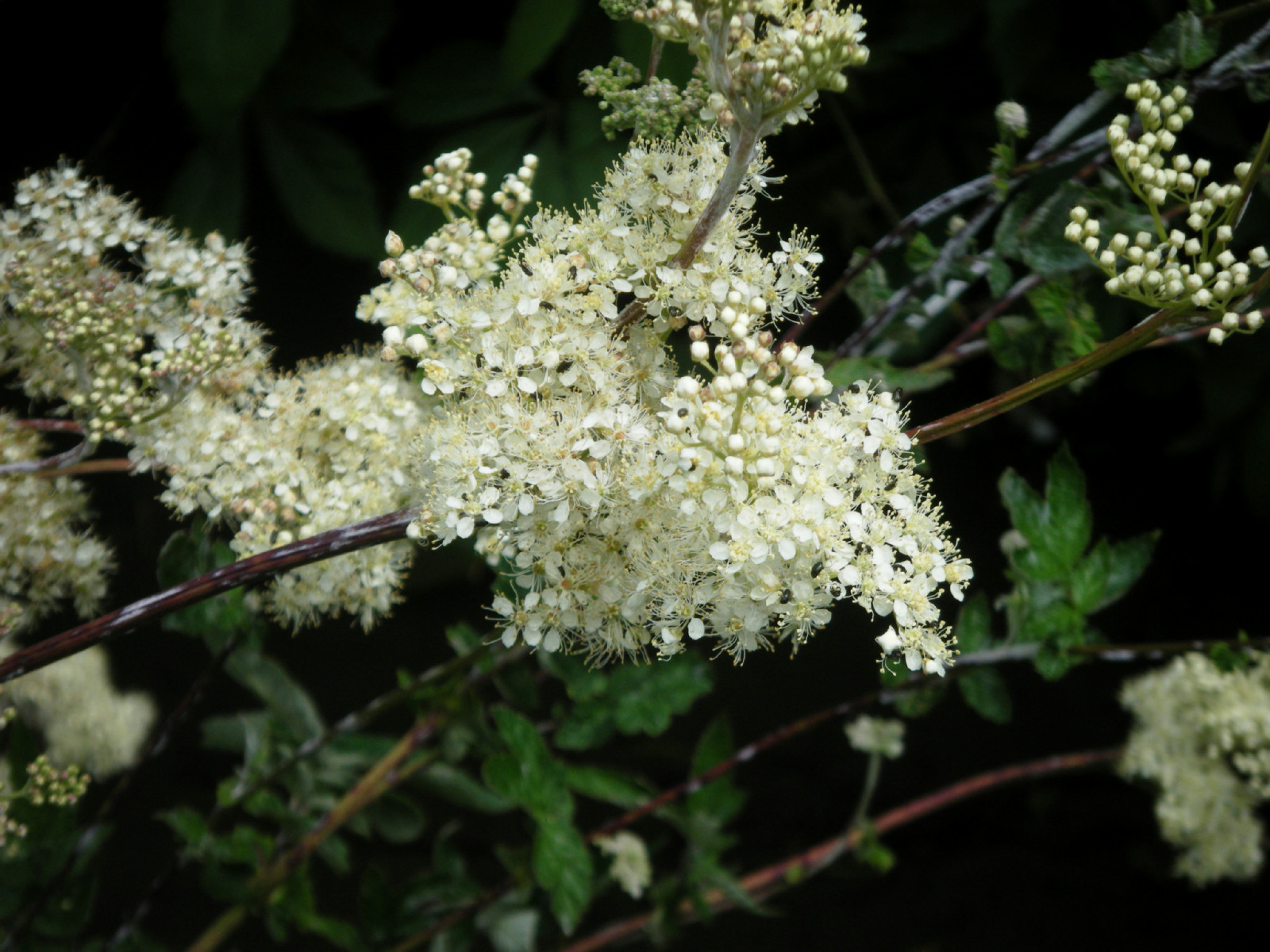
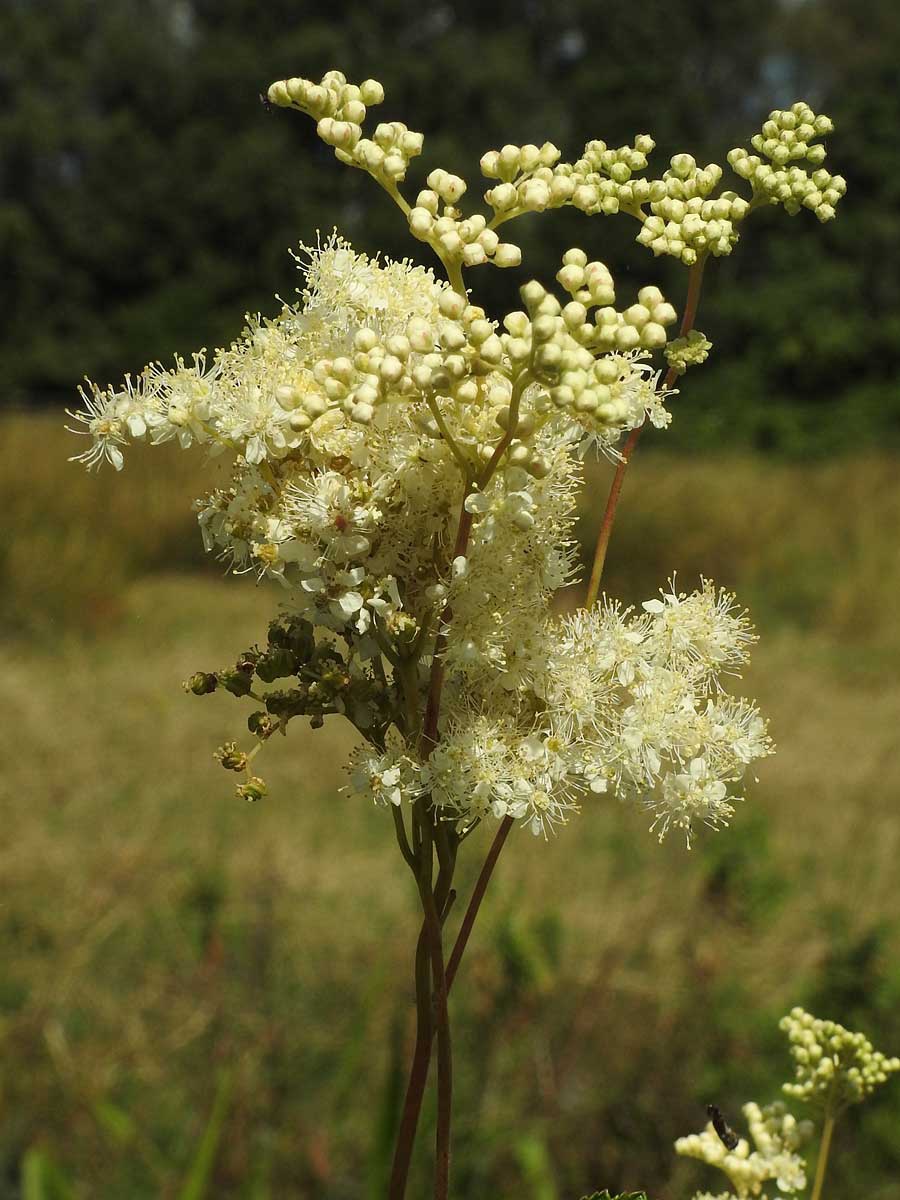
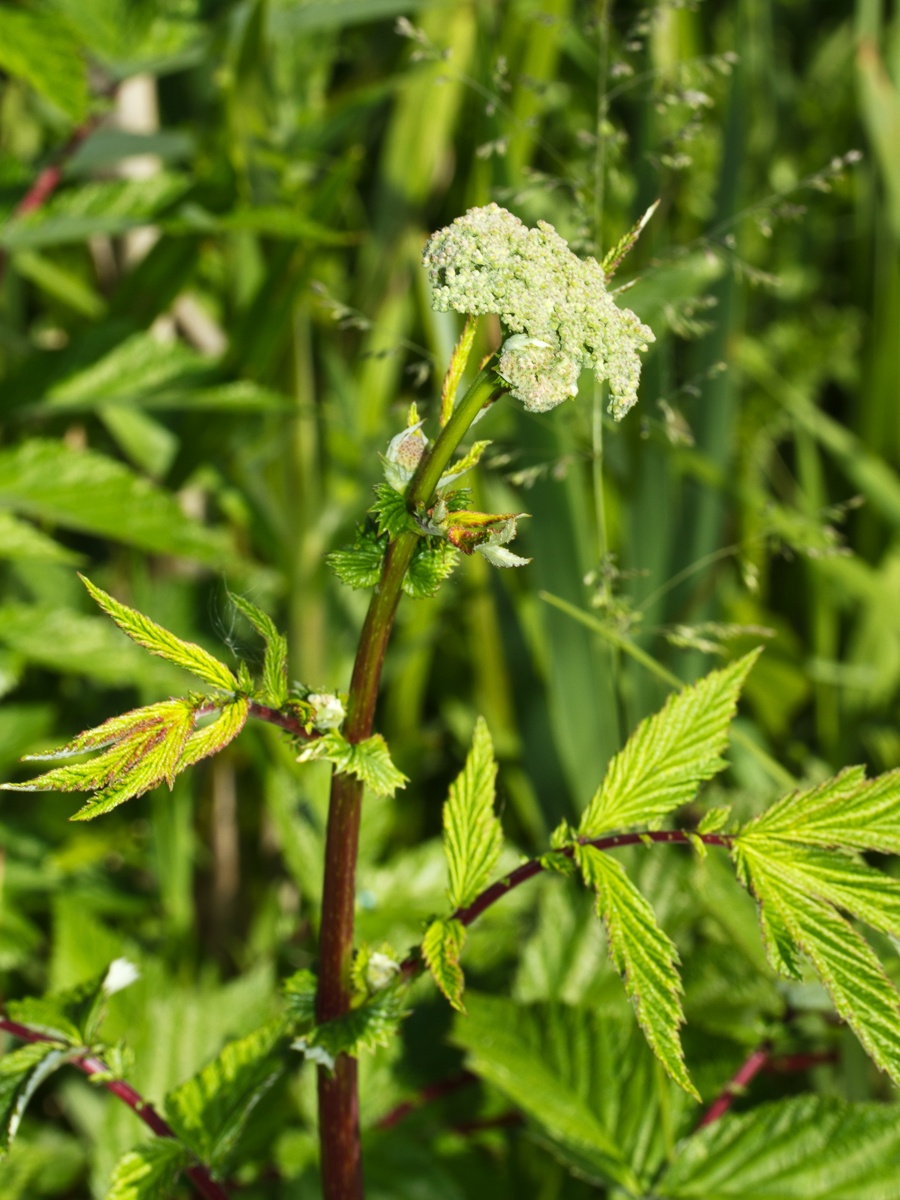
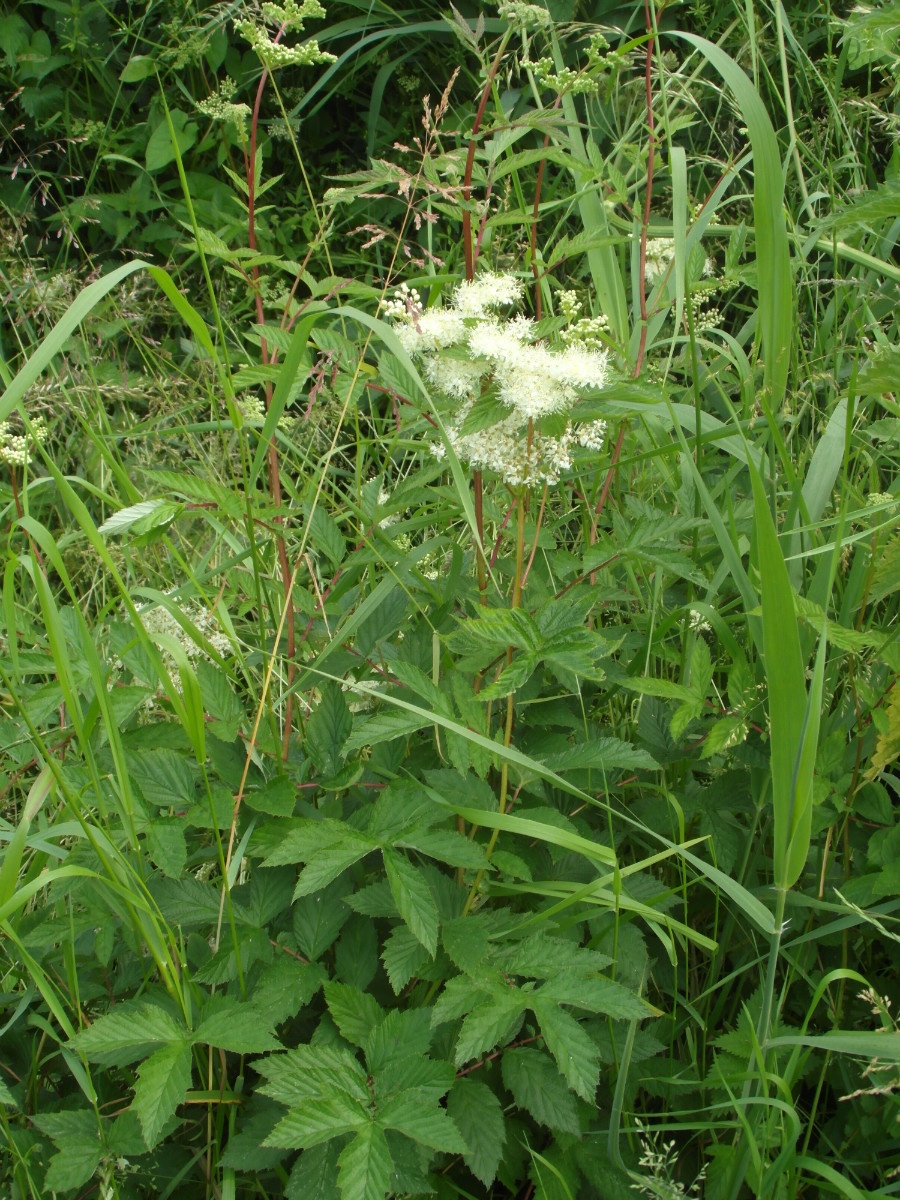
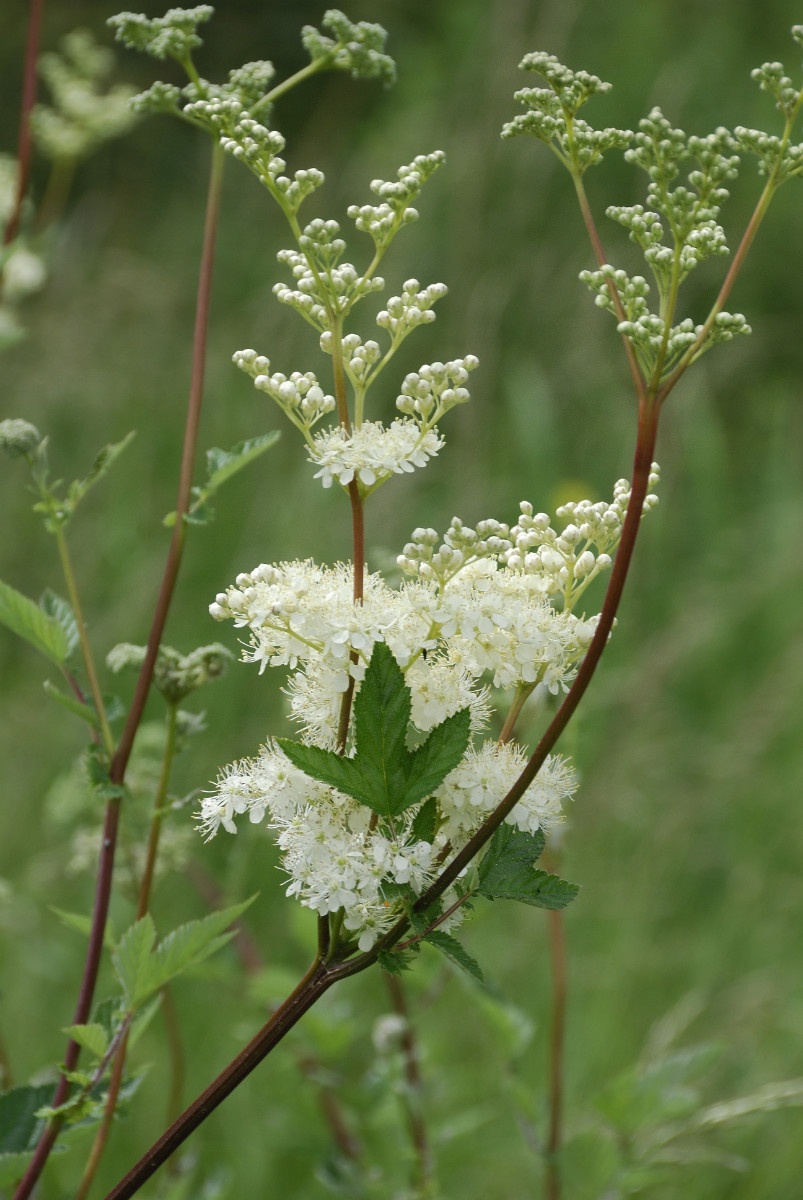
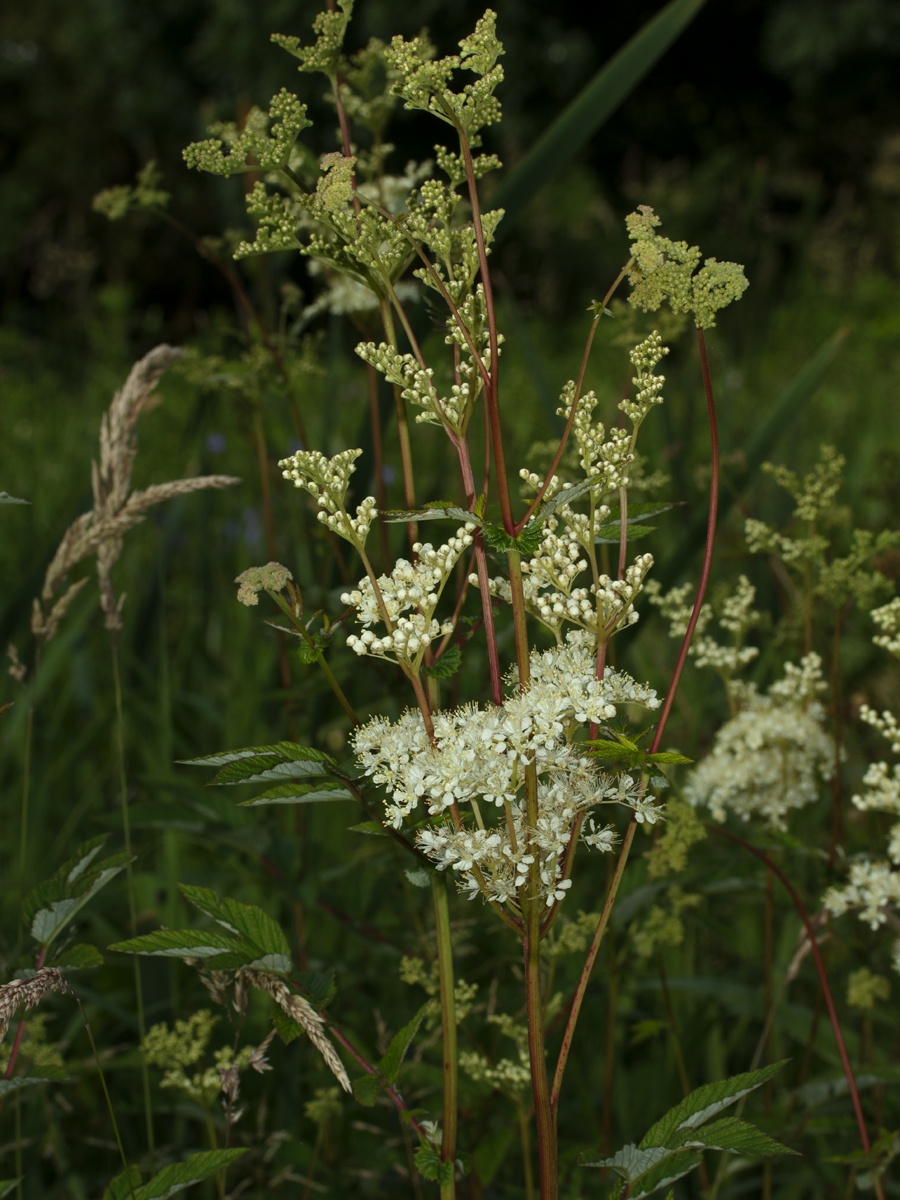
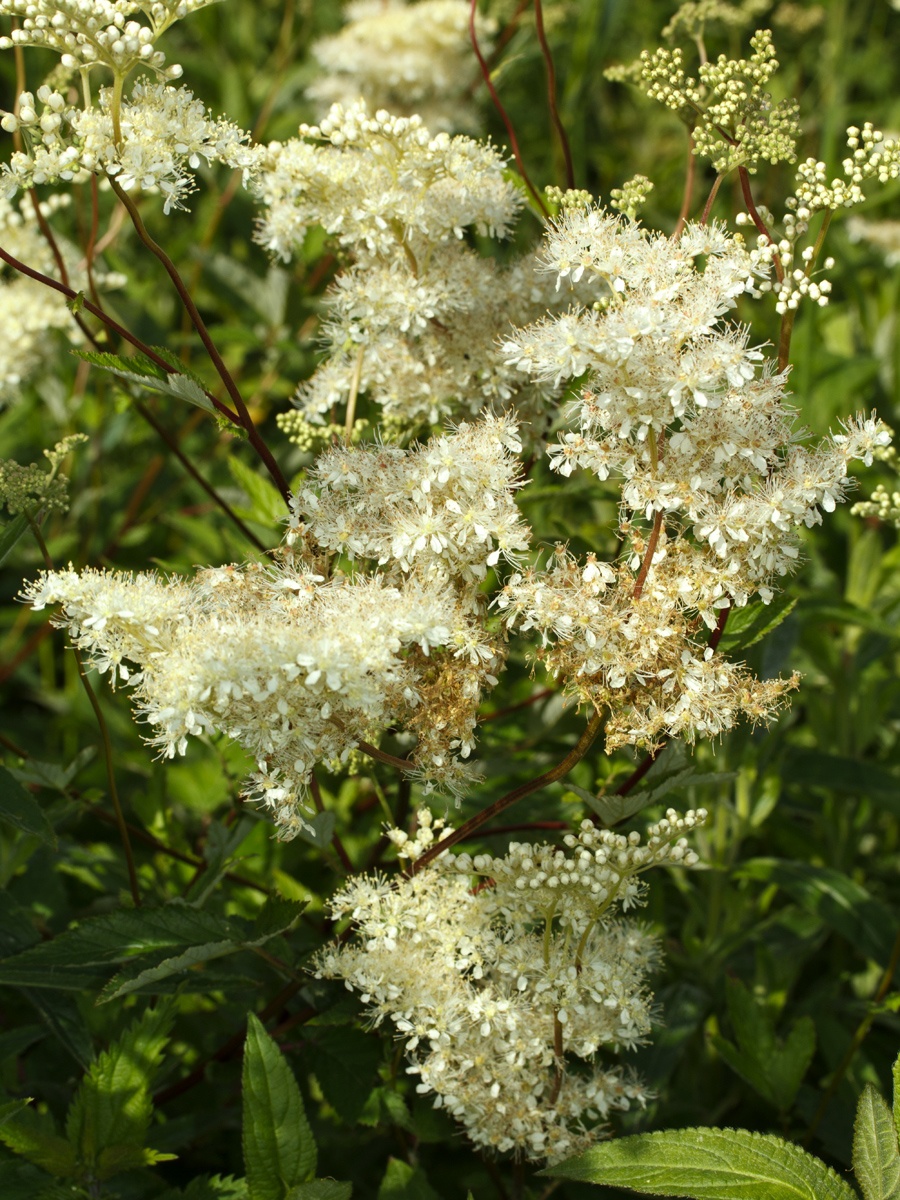
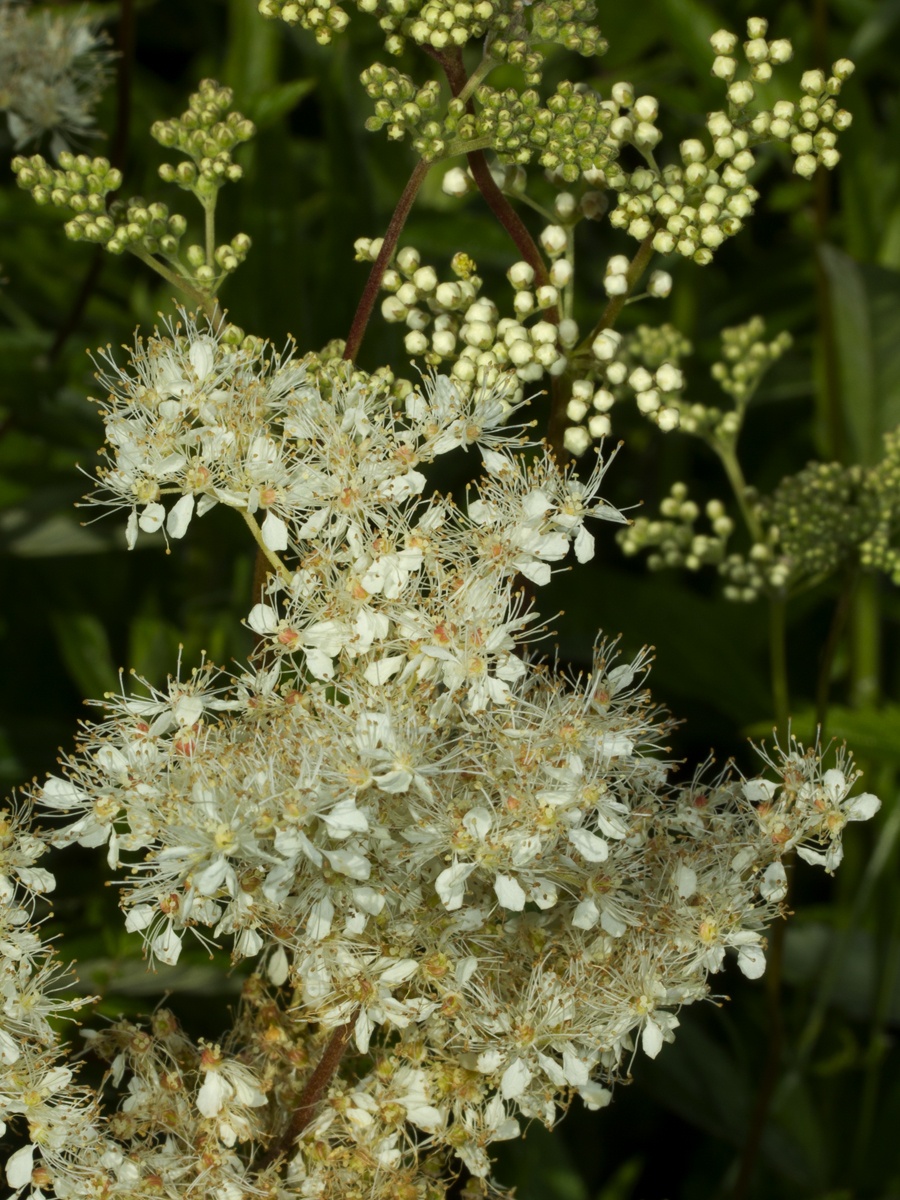
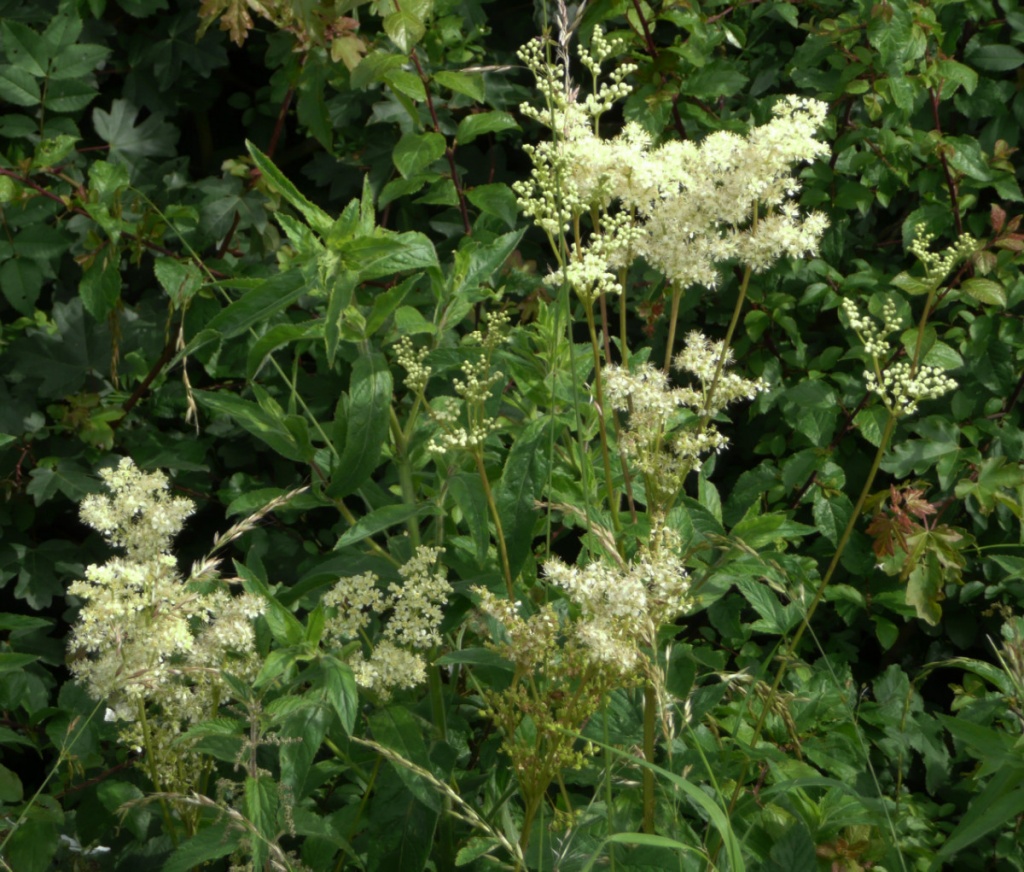
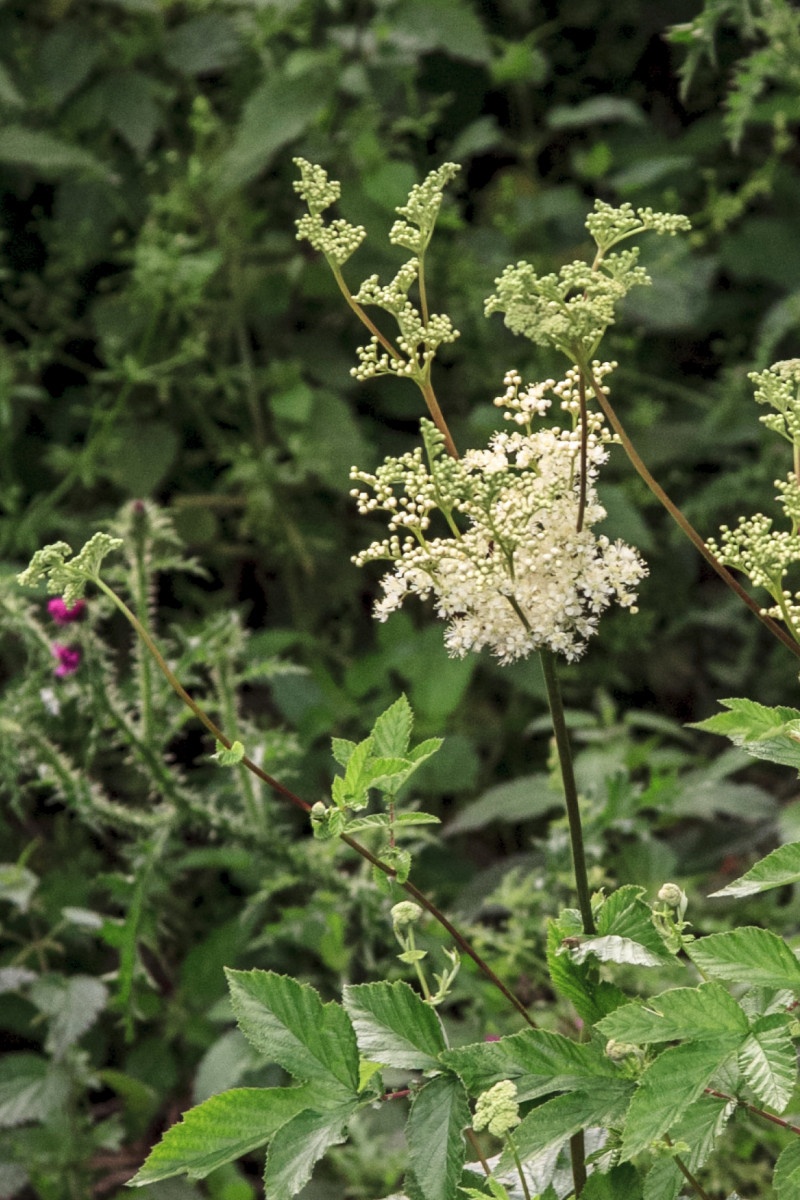
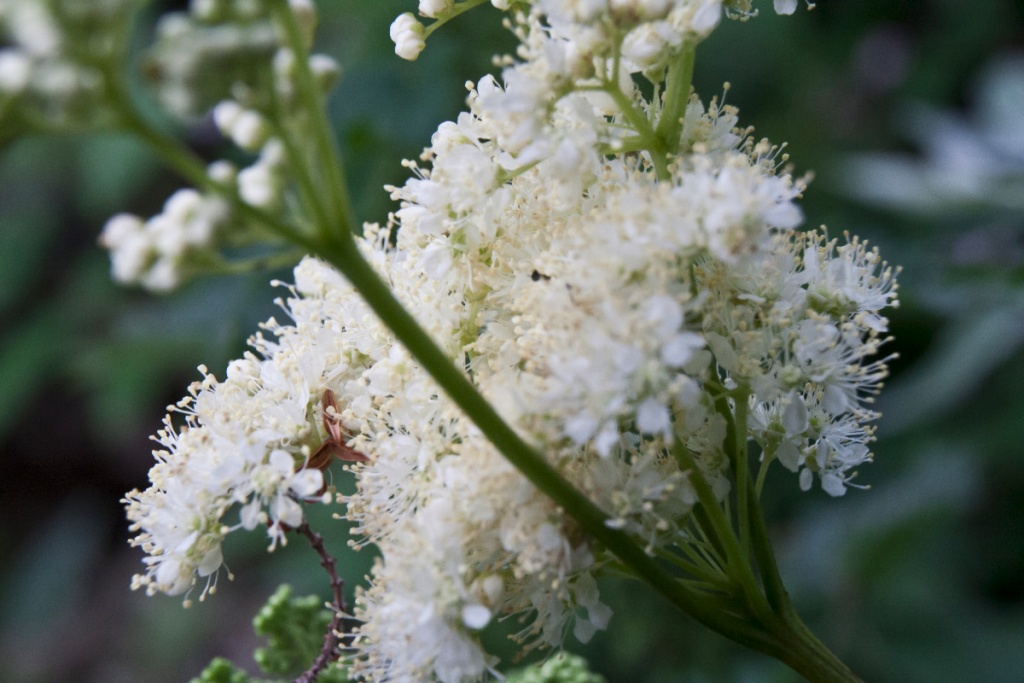
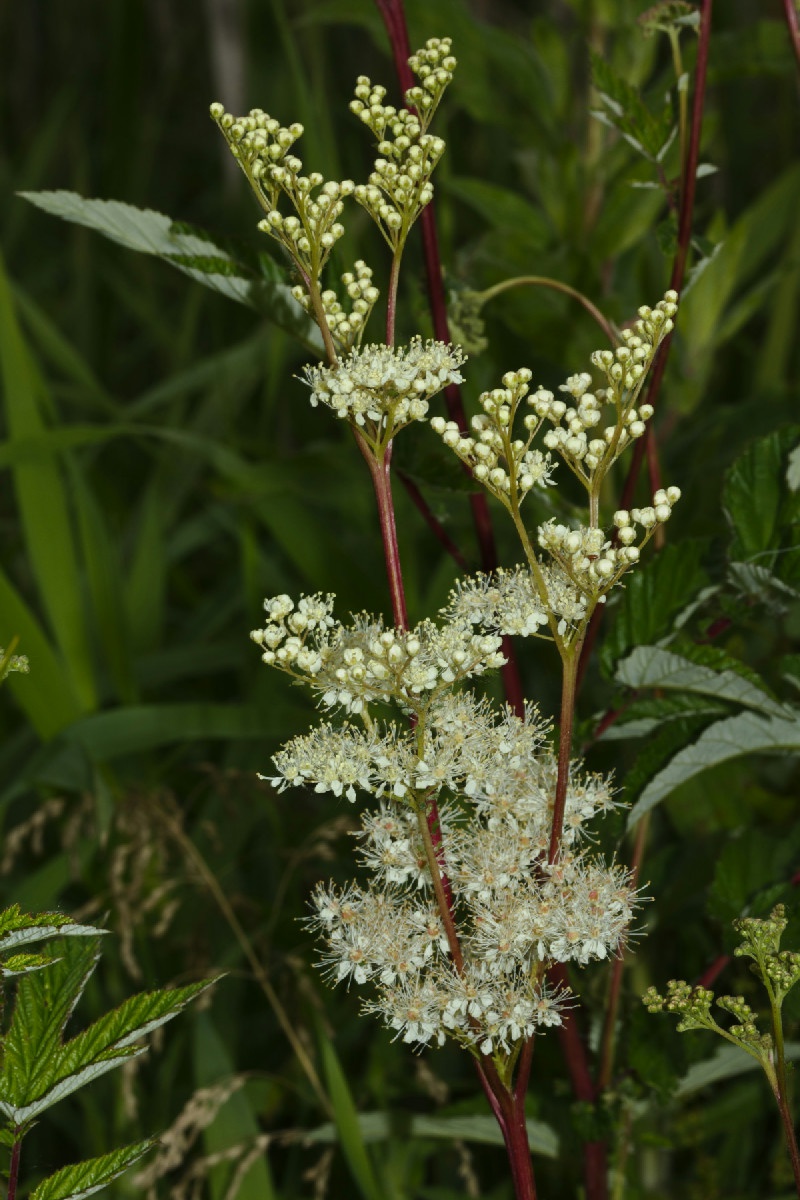
Fairly tall erect plant to 1.5 metres. Often forming large clumps. Large heads of small (4 to 8 mm) creamy white, sweetly scented flowers, usually with 5 petals and many stamens. Fruits twisted, in clusters. Leaves with up to 5 pairs of leaflets, greyer beneath.

Damp habitats, wet ditches, river and stream margins.
June to September.
Perennial.
Common throughout Britain.
Very common in Leicestershire and Rutland. In the 1979 Flora survey of Leicestershire it was found in 571 of the 617 tetrads.
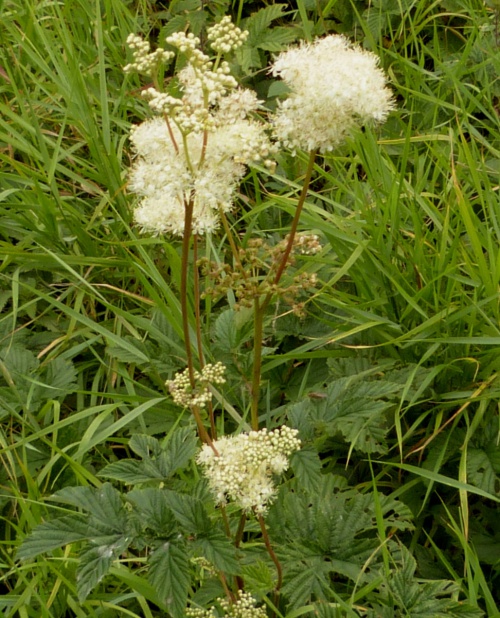 Graham Calow
Foot of Croft Hill
29 August 2014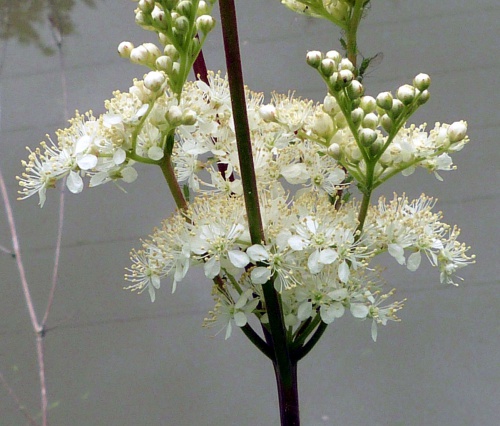 Graham Calow
Wykin Canal Towpath
26 June 2015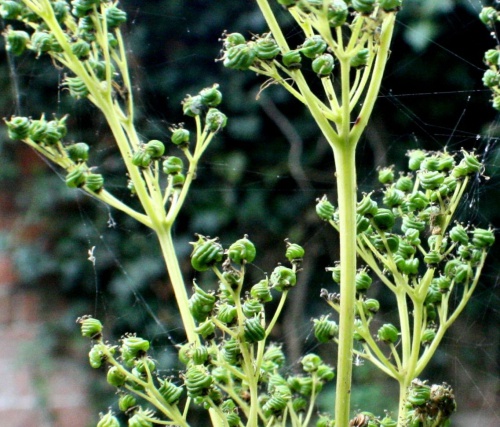 Craig Mabbett
Broughton Astley brook
23 September 2014
fruits are twisted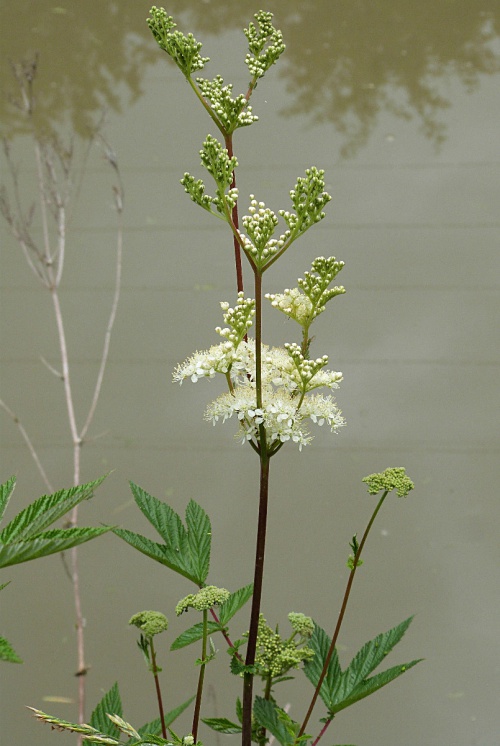 Graham Calow
Wykin Canal Towpath
26 June 2015 Back Brook near Ramsdale Farm Sapcote SP 4975 9220 (taken 30.6.2008).JPG) Graham Calow
Graham Calow
Sapcote
30 June 2008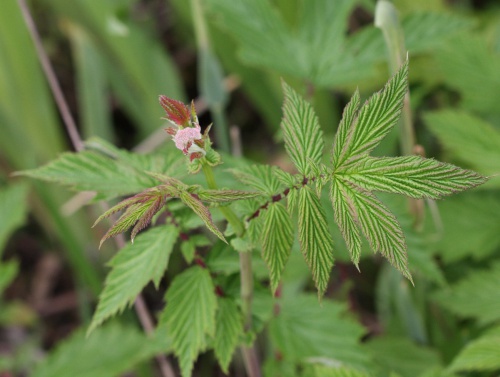 David Nicholls
Ratby Balancing Pond
24 May 2014
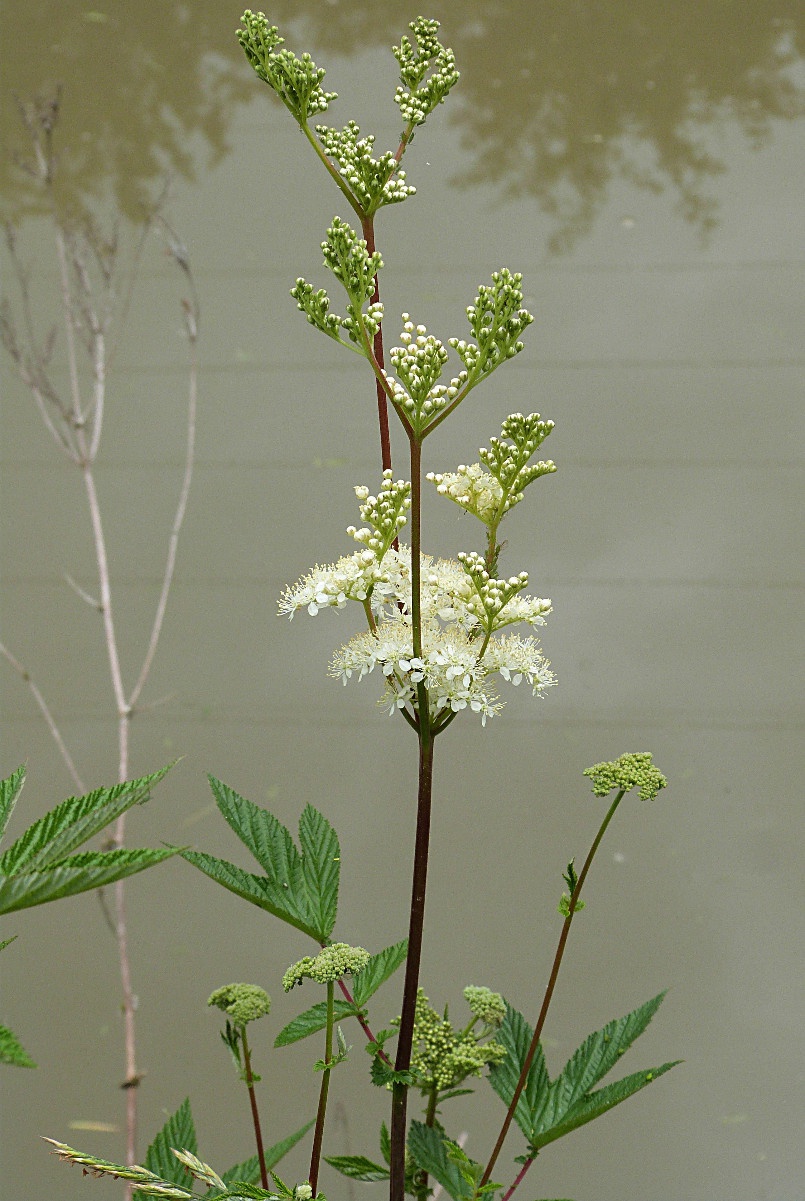
 Back Brook near Ramsdale Farm Sapcote SP 4975 9220 (taken 30.6.2008).JPG)
Leicestershire & Rutland Map
Enter a town or village to see local records
MAP KEY:
Yellow squares = NBN records (all known data)
Coloured circles = NatureSpot records: 2025+ | 2020-2024 | pre-2020
UK Map
Species profile
- Common names
- Meadowsweet
- Species group:
- flowering plant
- Kingdom:
- Plantae
- Order:
- Rosales
- Family:
- Rosaceae
- Records on NatureSpot:
- 604
- First record:
- 01/01/1979 (Patricia Evans)
- Last record:
- 21/06/2026 (Pugh, Dylan)
Total records by month
% of records within its species group
10km squares with records
The latest images and records displayed below include those awaiting verification checks so we cannot guarantee that every identification is correct. Once accepted, the record displays a green tick.
In the Latest Records section, click on the header to sort A-Z, and again to sort Z-A. Use the header boxes to filter the list.
Latest images
Latest records
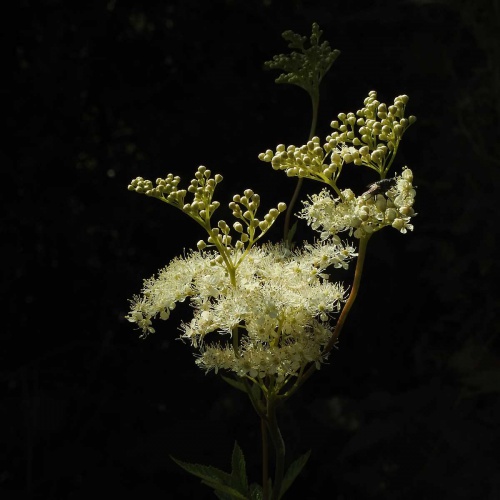 David Gould
The Spearwort Fields
06 August 2016 Old Fosse Sapcote SP 5012 9260 (taken 2.7.2006).JPG) Graham Calow
Graham Calow
Sapcote
02 July 2006 David Nicholls
Ratby Disused Railway
09 July 2011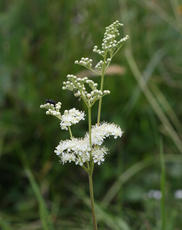 David Nicholls
Lea Meadows
07 July 2011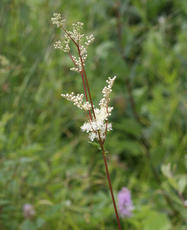 David Nicholls
Cloud Wood
24 June 2011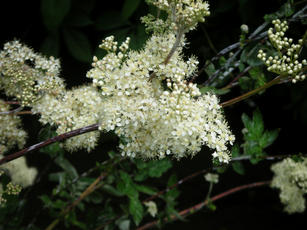 Graham Calow
Broughton Astley
24 June 2011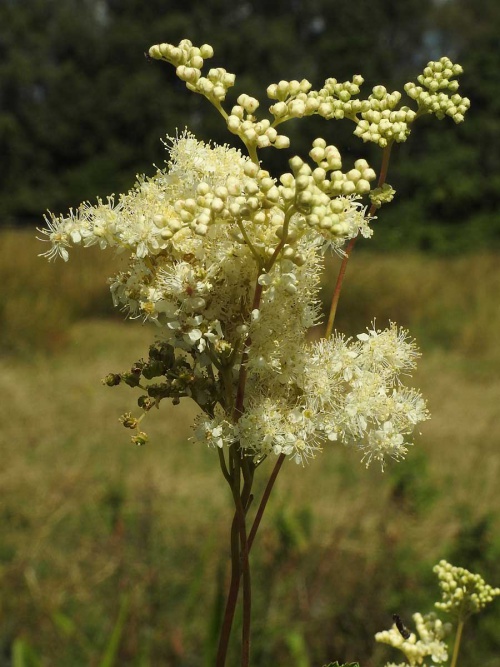 David Gould
The Spearwort Fields
06 August 2016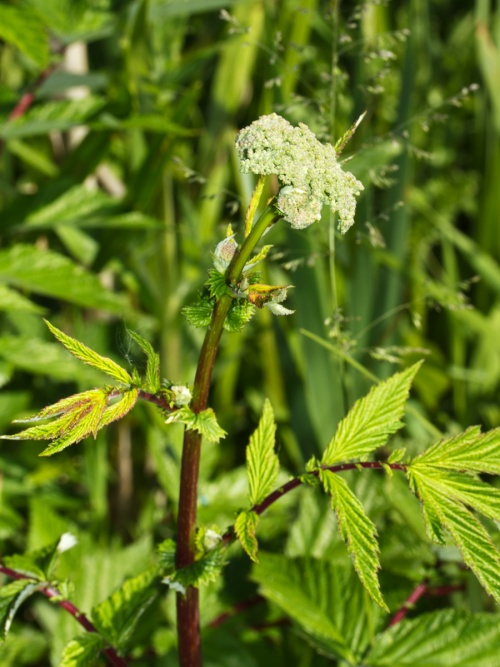 HAPeacock
River Soar - St Marys Mill
14 June 2012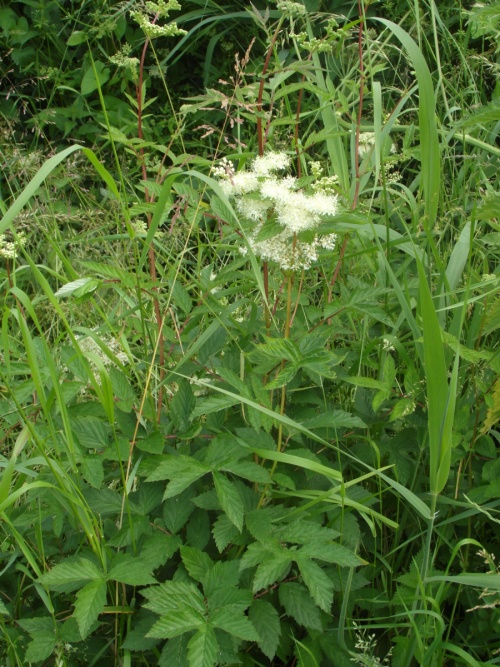 Alan Semper
Harby, canal
25 June 2012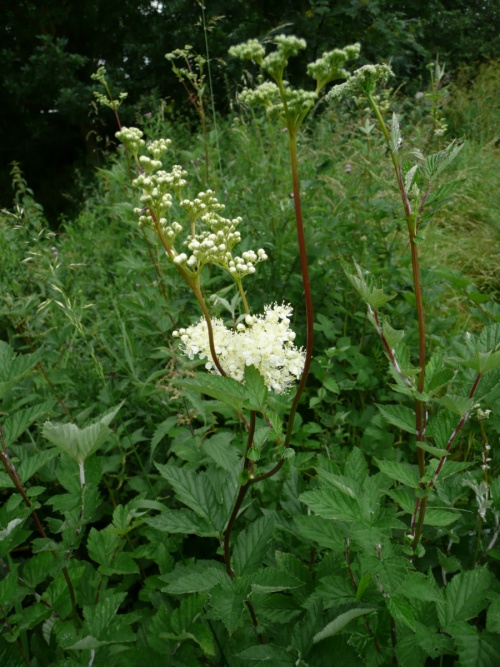 Barbara Cooper
Long Clawson
04 July 2012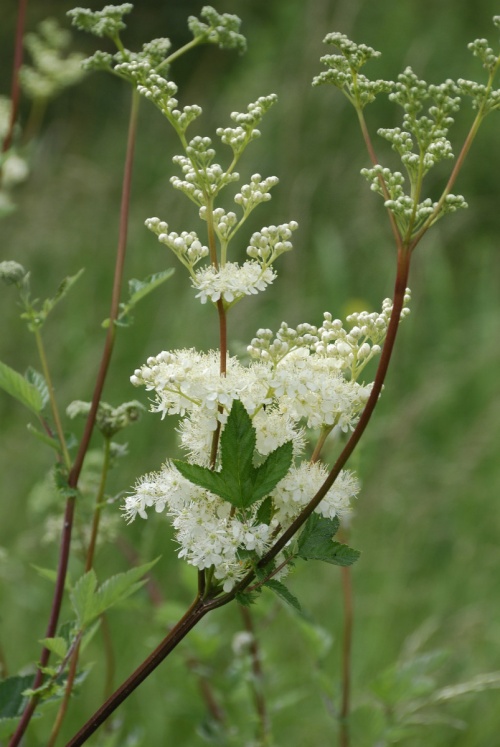 Barbara Cooper
LOng Clawson
07 July 2012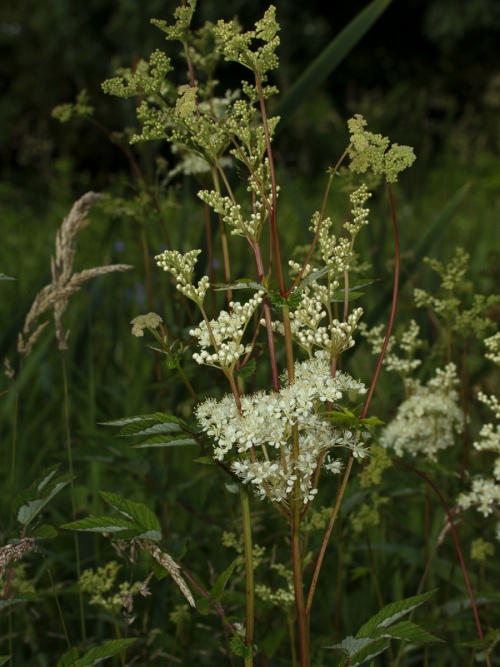 HAPeacock
River Soar - St Marys Mill
12 July 2012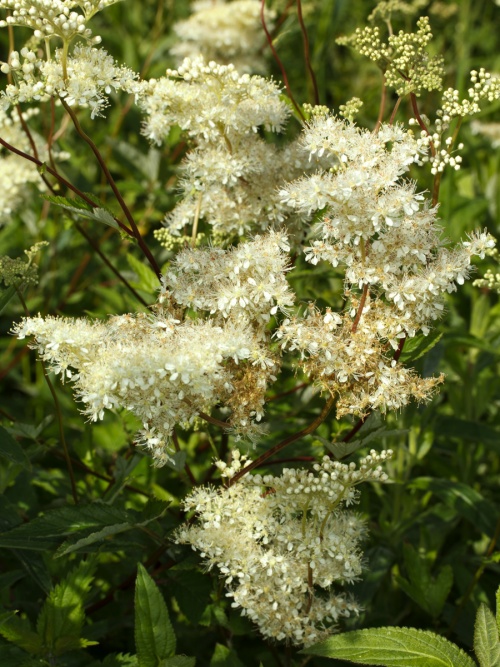 HAPeacock
River Soar - St Marys Mill
12 July 2012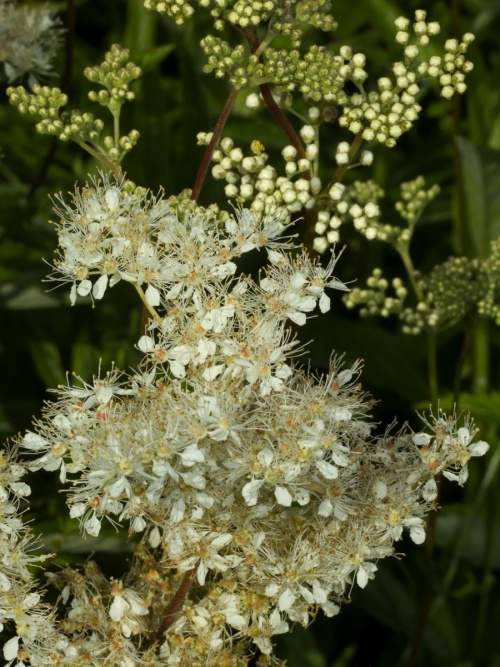 HAPeacock
River Soar - St Marys Mill
12 July 2012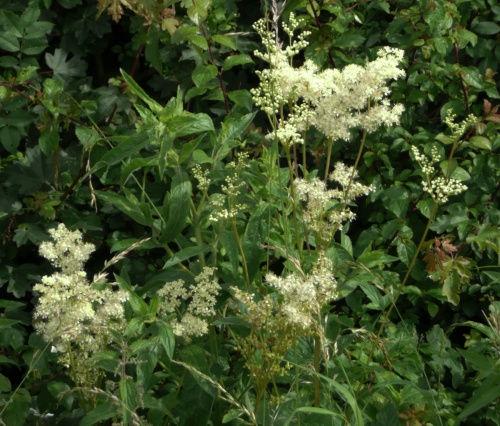 Barbara Cooper
Clawson Hill
12 July 2012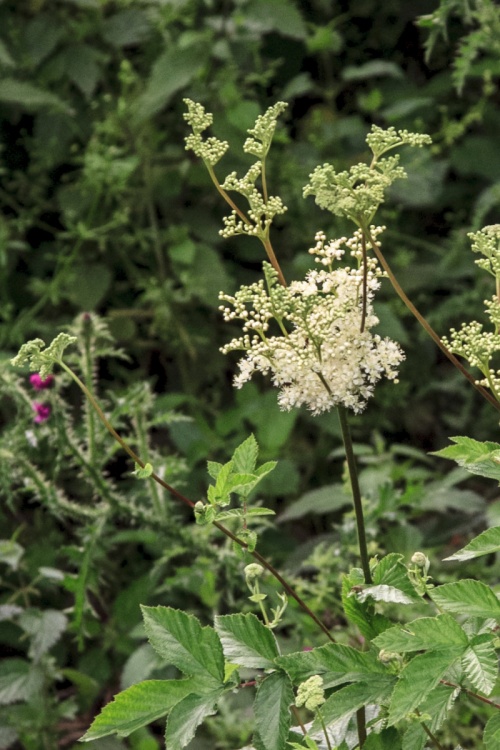 kthgodw
Field rear St Mary's Church BA
17 July 2012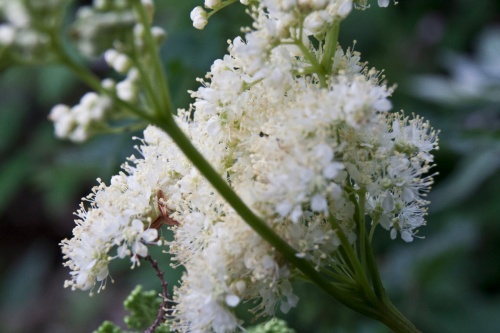 Fran Marsland
Broughton Astley
17 July 2012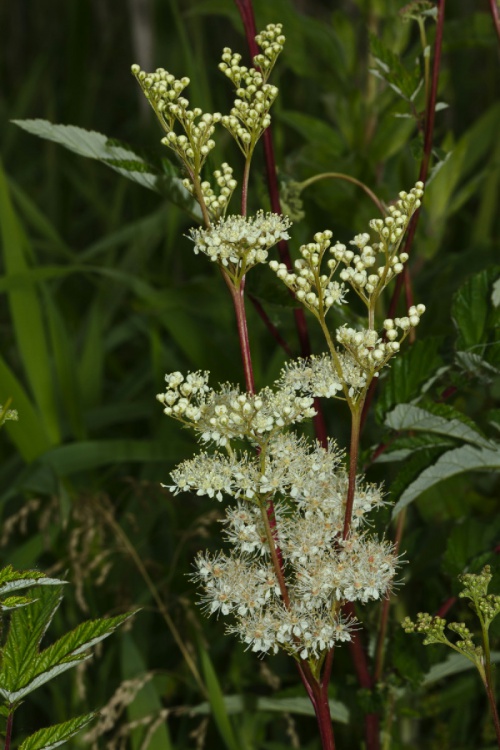 HAPeacock
River Soar - St Mary's Mills
02 July 2013
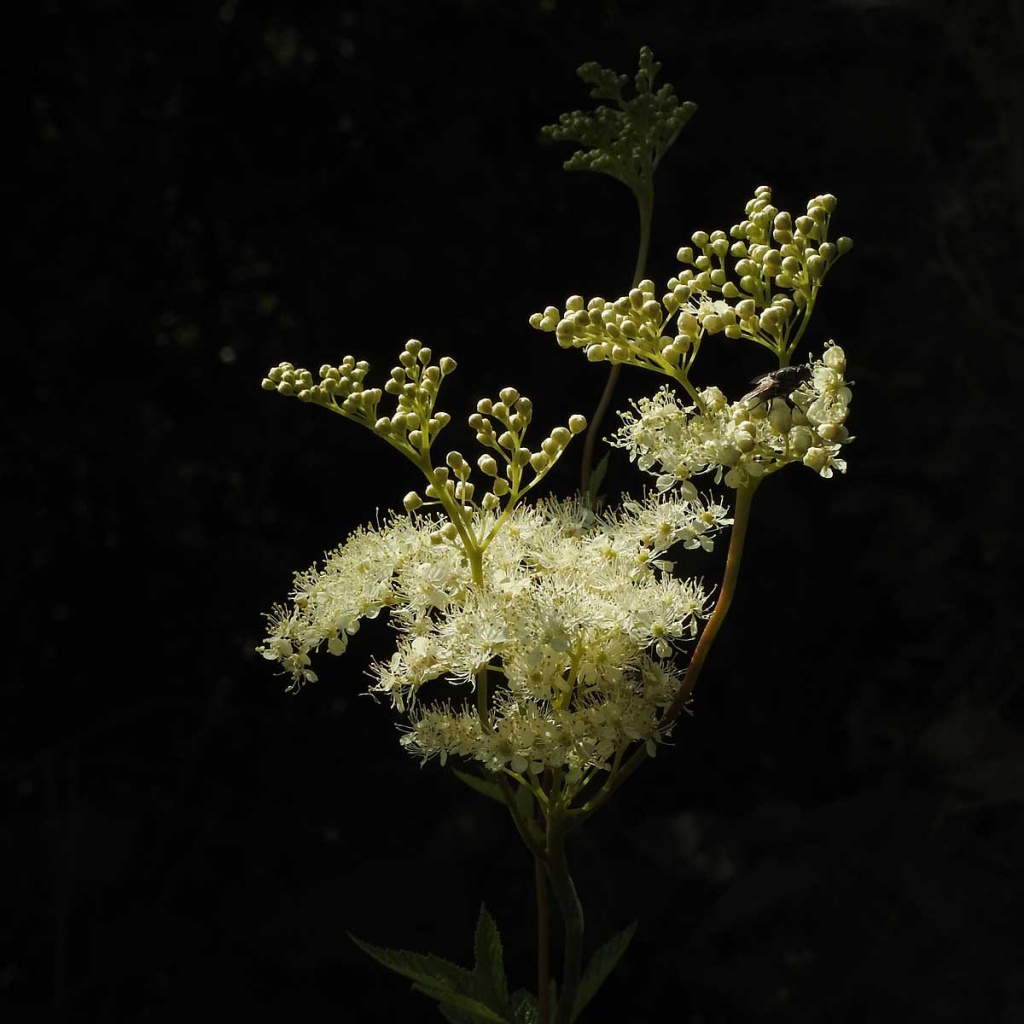
 Old Fosse Sapcote SP 5012 9260 (taken 2.7.2006).JPG)

Aphis ulmariae
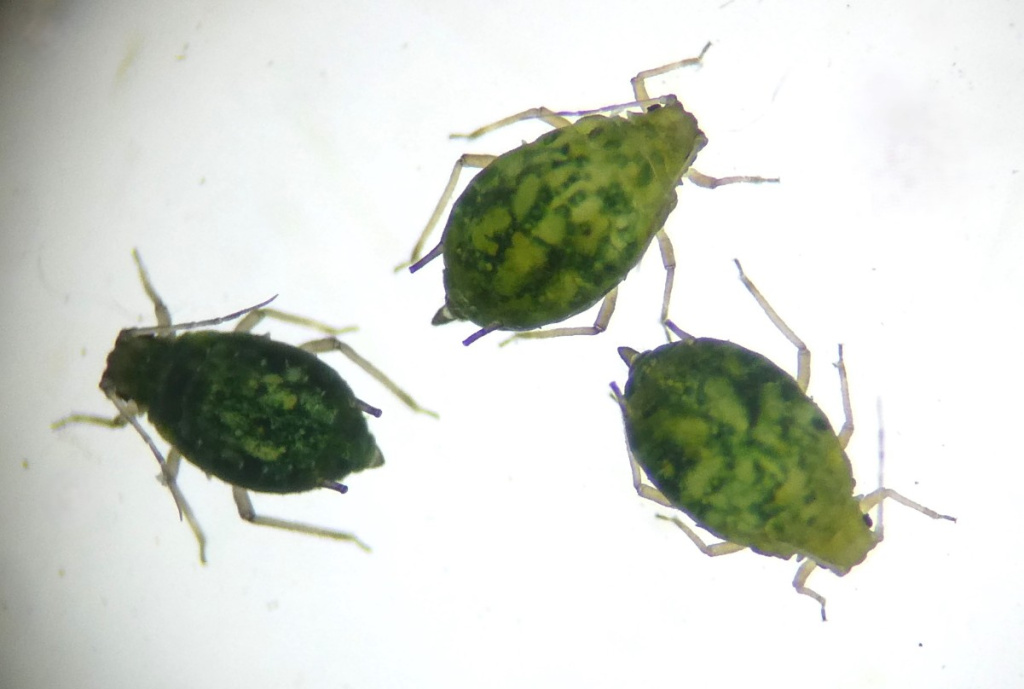
Aphis ulmariae also knows as the Small Meadowsweet Aphid live in the curled terminal leaves of Meadowsweet and other Filipendula species. Adult apterae are generally described as mottled dark green in life but some are yellow mottled with green, similar to the colour variation shown by its closest relative Aphis ruborum.
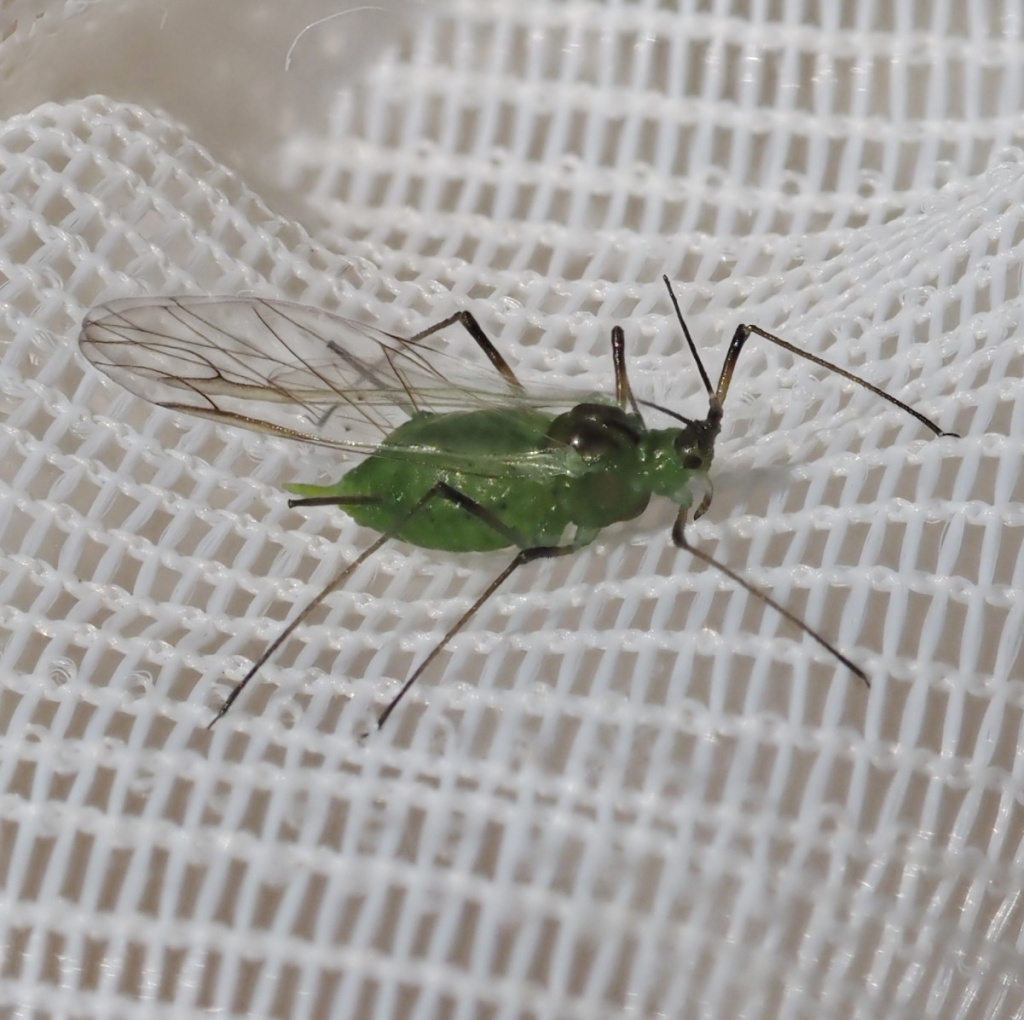
Meadowsweet Aphid
Macrosiphum cholodkovskyi also known as the Meadowsweet Aphid is a large aphid associated with Meadowsweet. Alates are green with a brownish head and brown patches on the thorax. Antennae are long, pale at the base but then darkening. the siphunculi are similarly pale at the base then darkening. Apterae are similar but can also be a coral-red colour, as well as green.
%20%20on%20host%20(Filipendula%20ulmaria)%20Old%20Fosse%20Sapcote%20SP%205031%209290%20(taken%2028.5.2009)_gall.JPG)
Meadowsweet Rust Fungus
Meadowsweet Rust Fungus (Triphragmium ulmariae) causes galls on the host plant. The aecia are orange and mainly on the underside leaf-veins and petioles.

Agromyza filipendulae
The larvae of the Agromyzid fly Agromyza filipendulae mine the leaves of various plants including Meadowsweet and related species in the Rosaceae family. The mine is a long linear mine, never widening into a blotch at the end. Frass occurs in discrete grains.
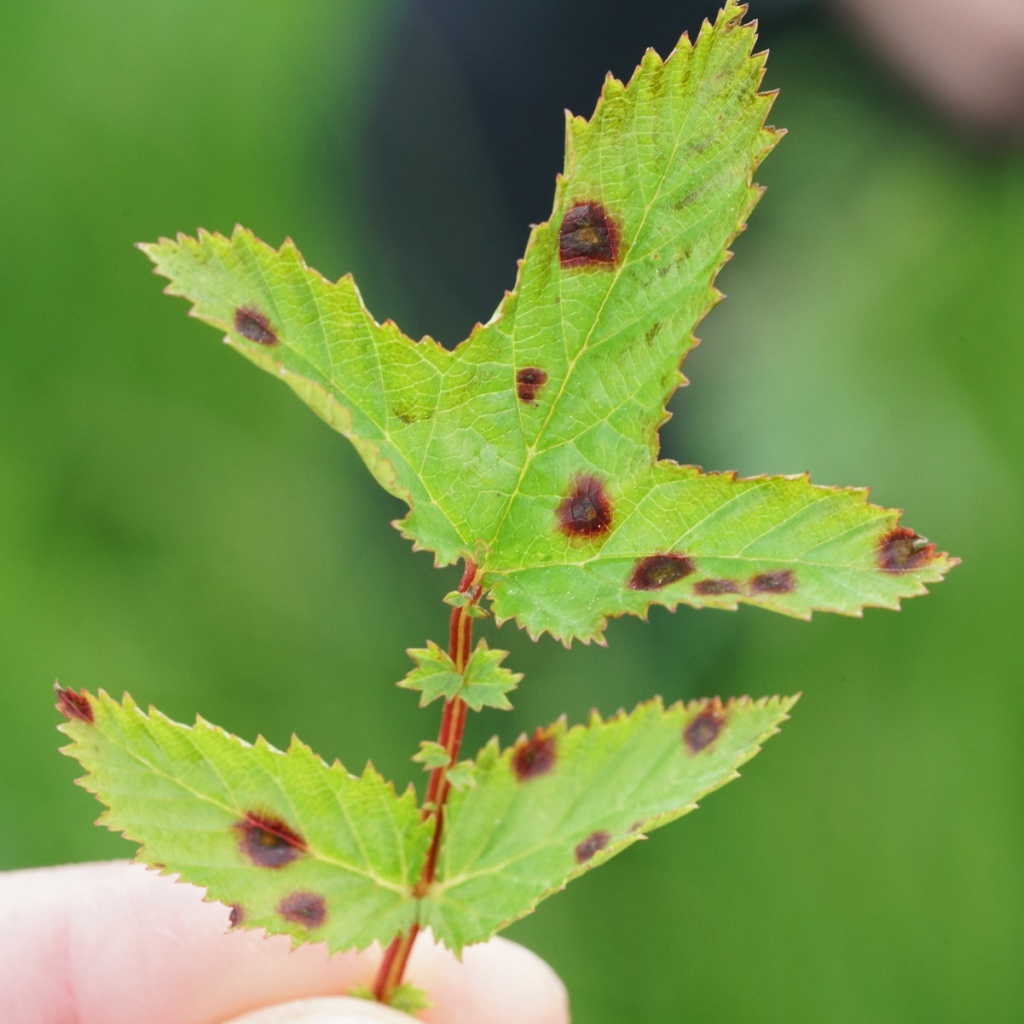
Ramularia ulmariae
The fungal gall causer Ramularia ulmariae causes purple spots to appear on the leaves of Meadowsweet.
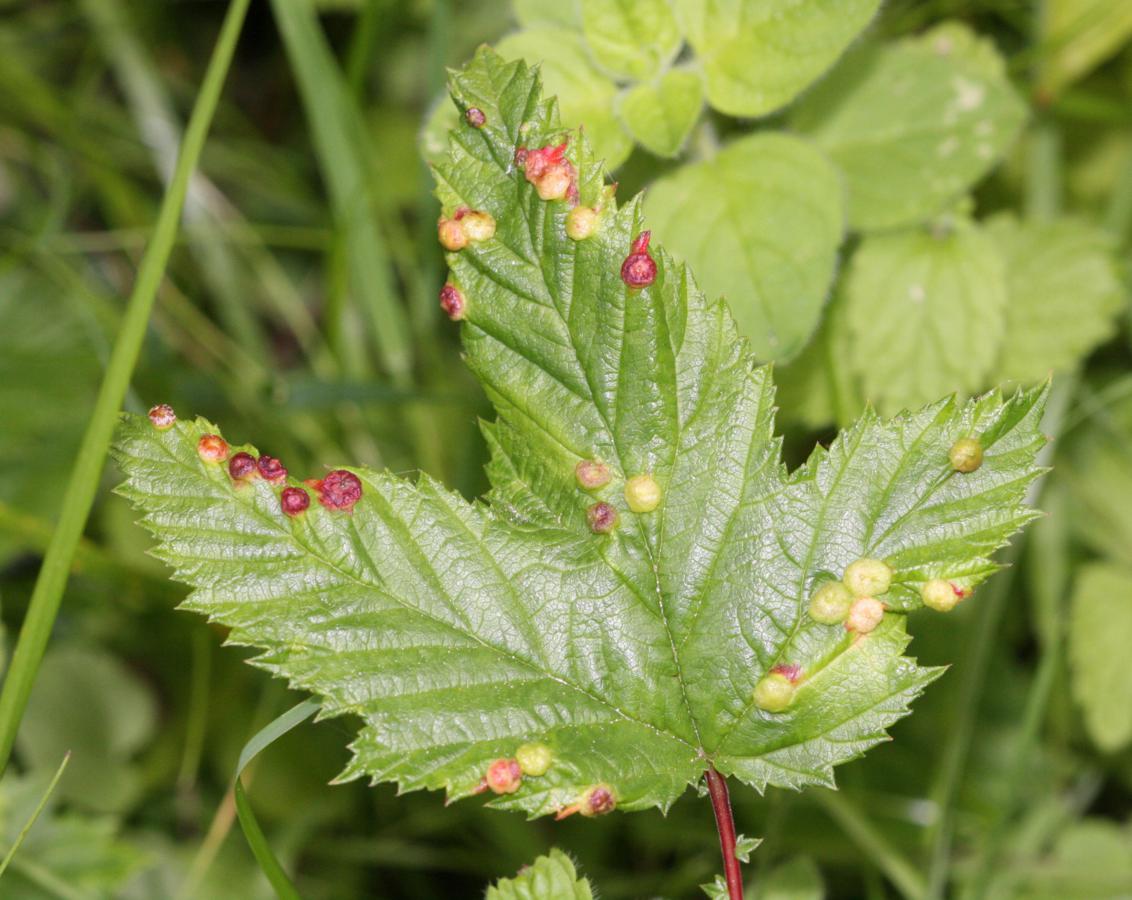
Dasineura ulmaria
The larva of gall midge Dasineura ulmaria causes galls to form on Meadowsweet. The upper leaf surface has smooth reddish rounded swellings, 1 to 2 mm across, with pale yellow, hairy, conical projections below that are between 2 and 4 mm long; usually on veins. The larva is pale yellow.
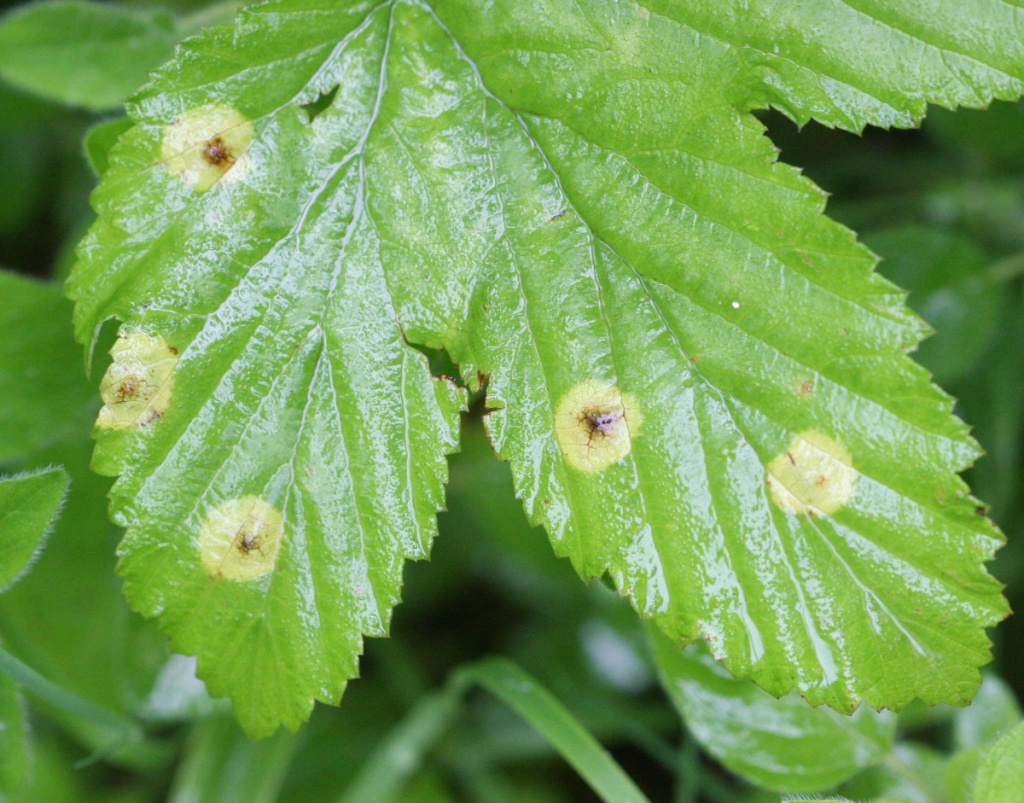
Dasineura pustulans
The larva of the gall midge Dasineura pustulans causes galls to form on the leaves of Meadowsweet. The galls are small swellings/pustules, about 1mm across. The shallow dimple below is surrounded by a yellowish patch; with a single larva in each dimple.
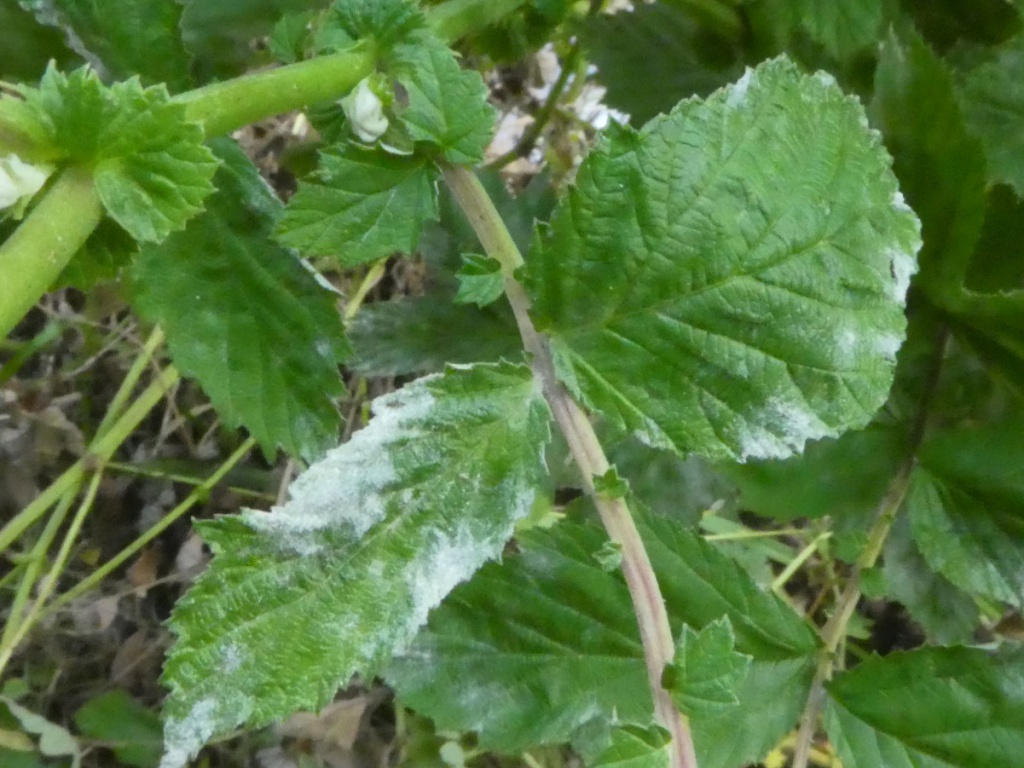
Podosphaera spiraeae
The white powdery mildew Podosphaera spiraeae attacks Meadowsweet affecting most parts of the plant.
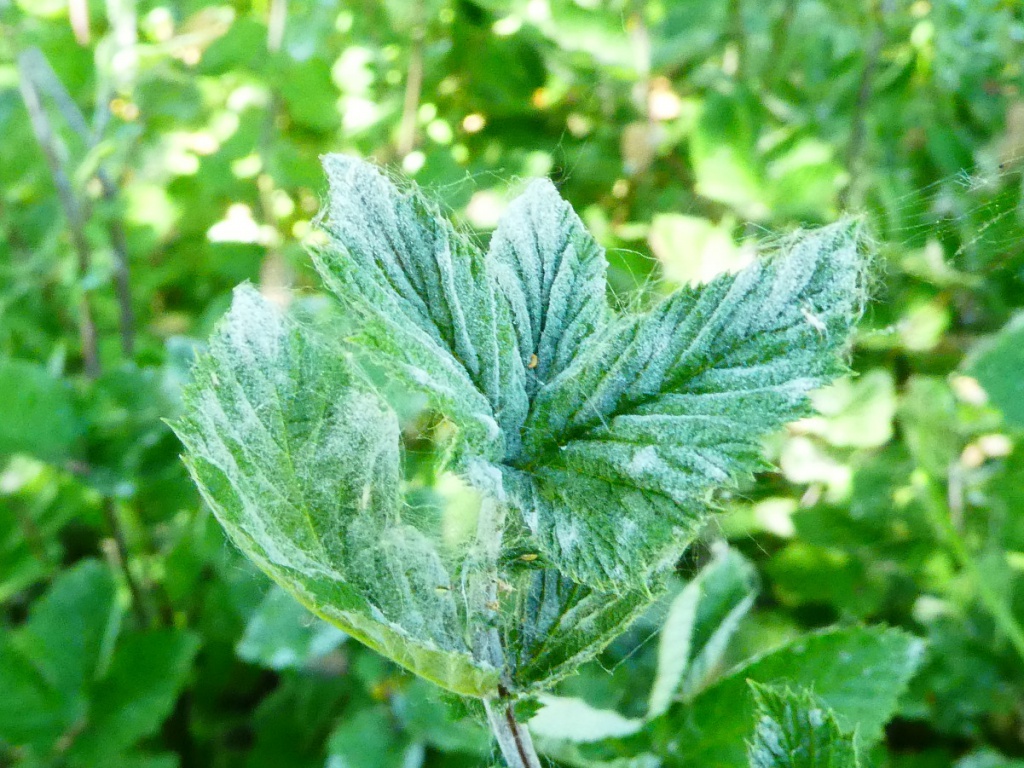
Podosphaera filipendulae
This white powdery mildew affects several plant species but most commonly Meadowsweet.
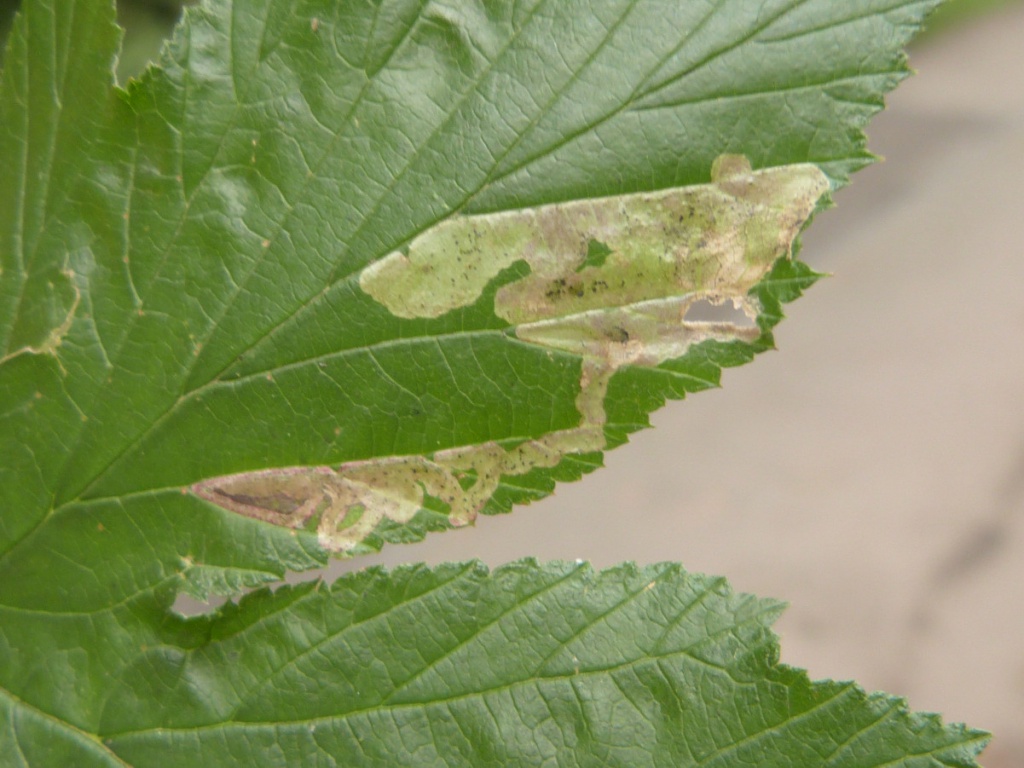
Agromyza idaeiana
The larvae of the fly Agromyza idaeiana often mine the leaves of plants in the Rosaceae family. Although Creeping Cinquefoil is most commonly used, Meadowsweet is also used at times. The mine is variable; it may be linear, with frass in a double row, or develop into a blotch obscuring the initial corridor.
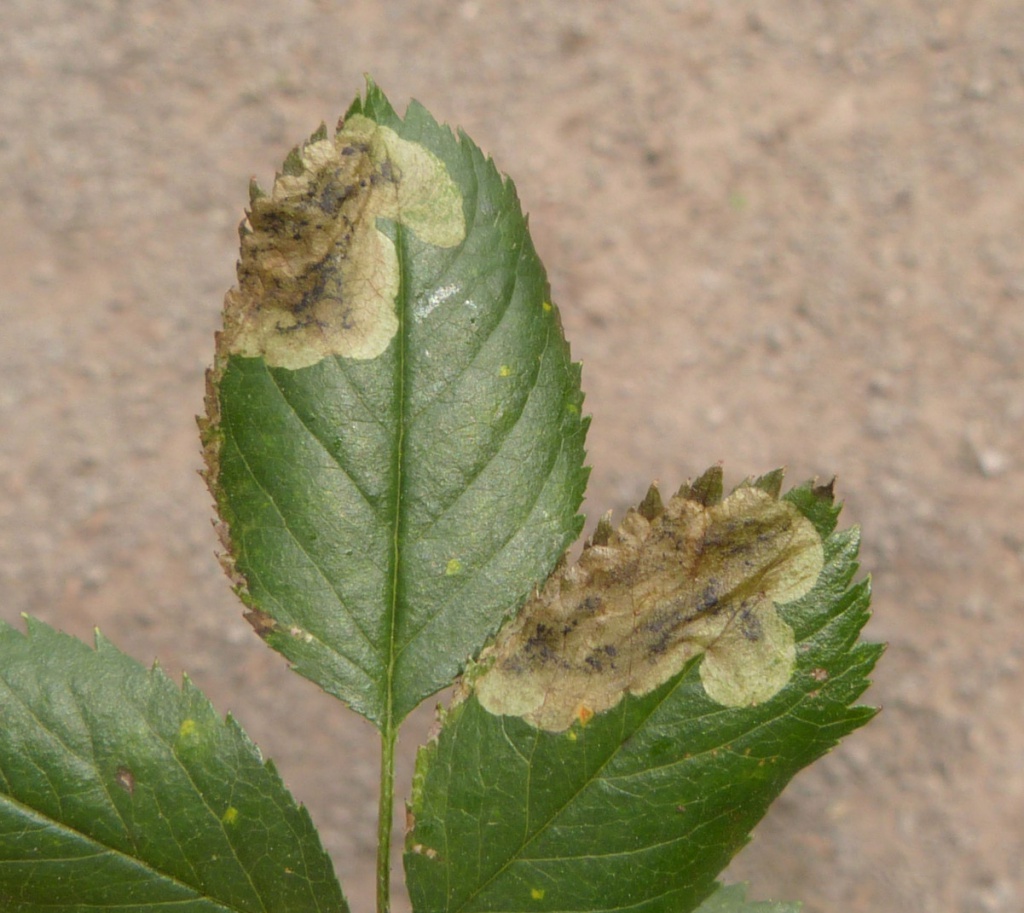
Agromyza sulfuriceps
The larva of the Agromyzid fly Agromyza sulfuriceps mines the leaves of various species in the Rosaceae family including Roses, Meadowsweet, Strawberry, Silverweed, Cinquefoil, Raspberry and Burnets. The mine starts as a long corridor, its initial part often along the leaf margin or a thick vein. Rather suddenly the corridor widens into a broad blotch. The corridor contains much frass, often in two distinct patches or lines.