

Broom - Cytisus scoparius
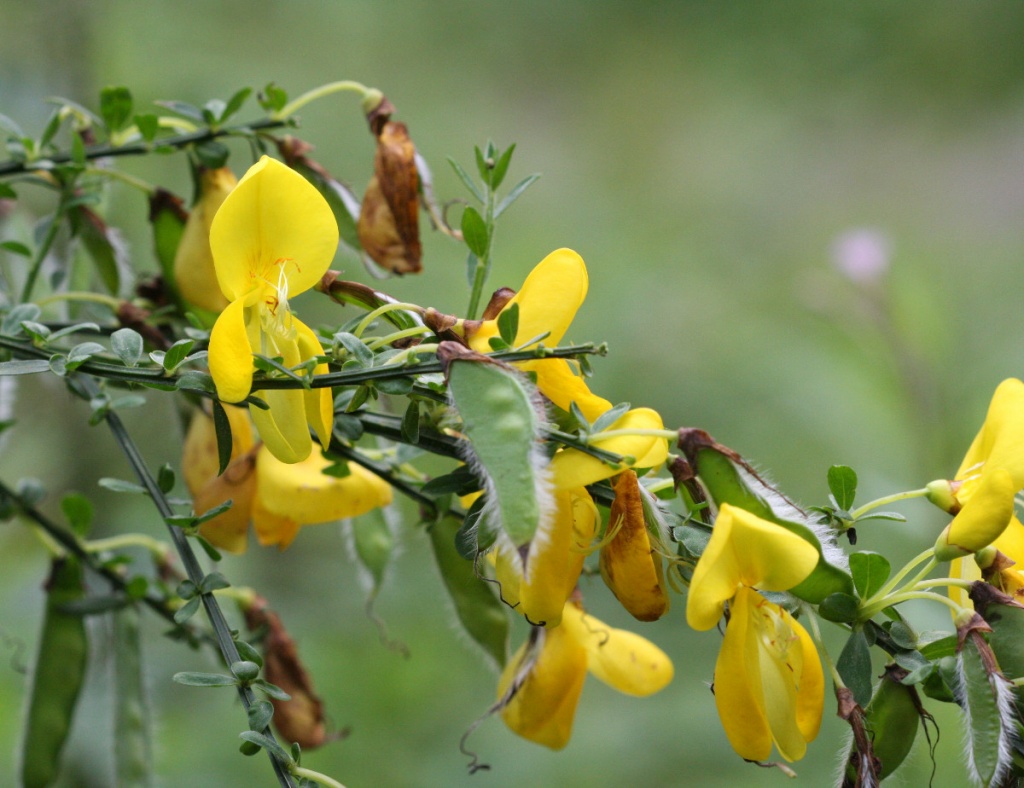
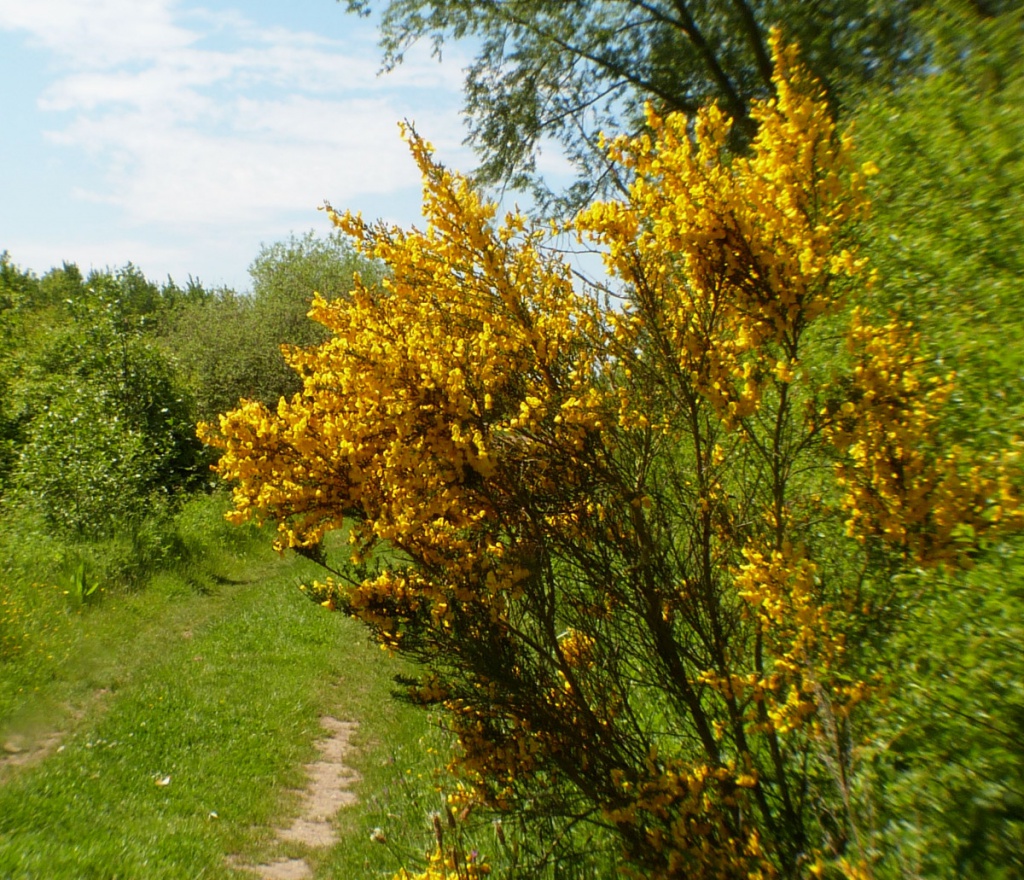
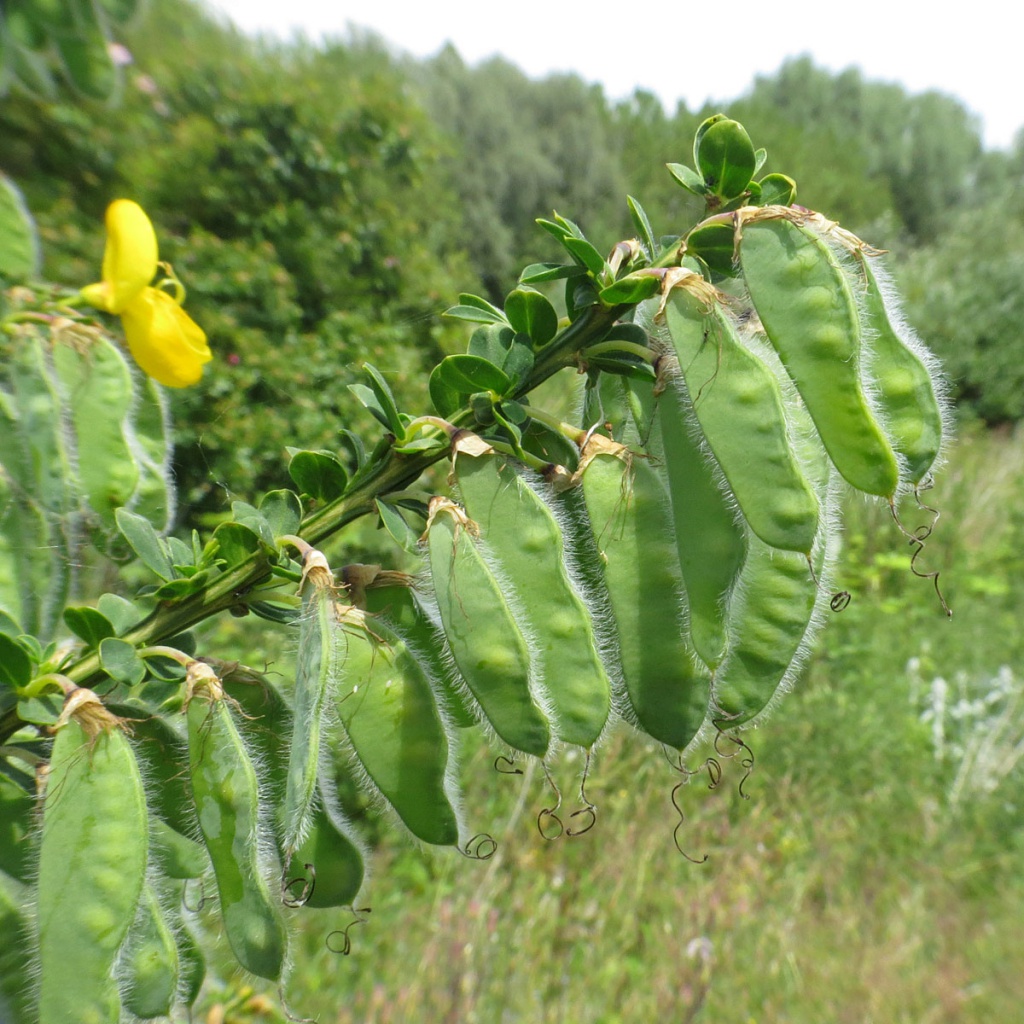
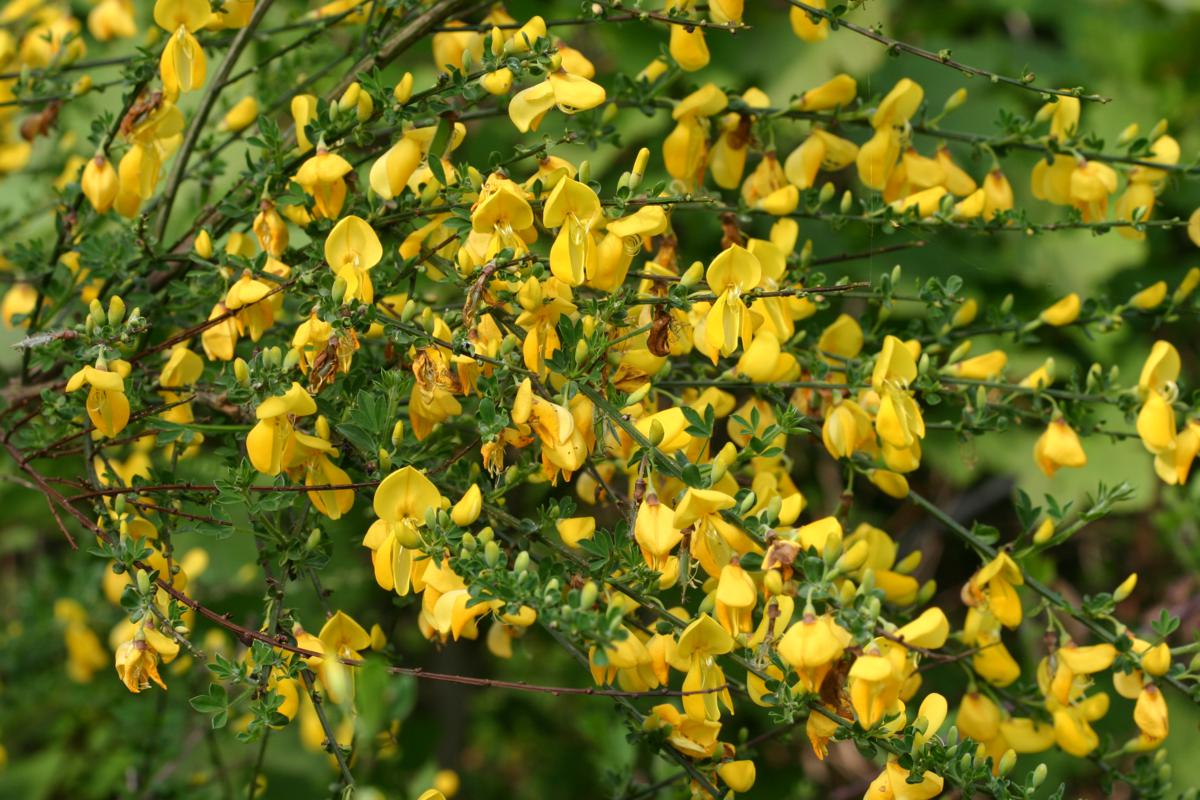
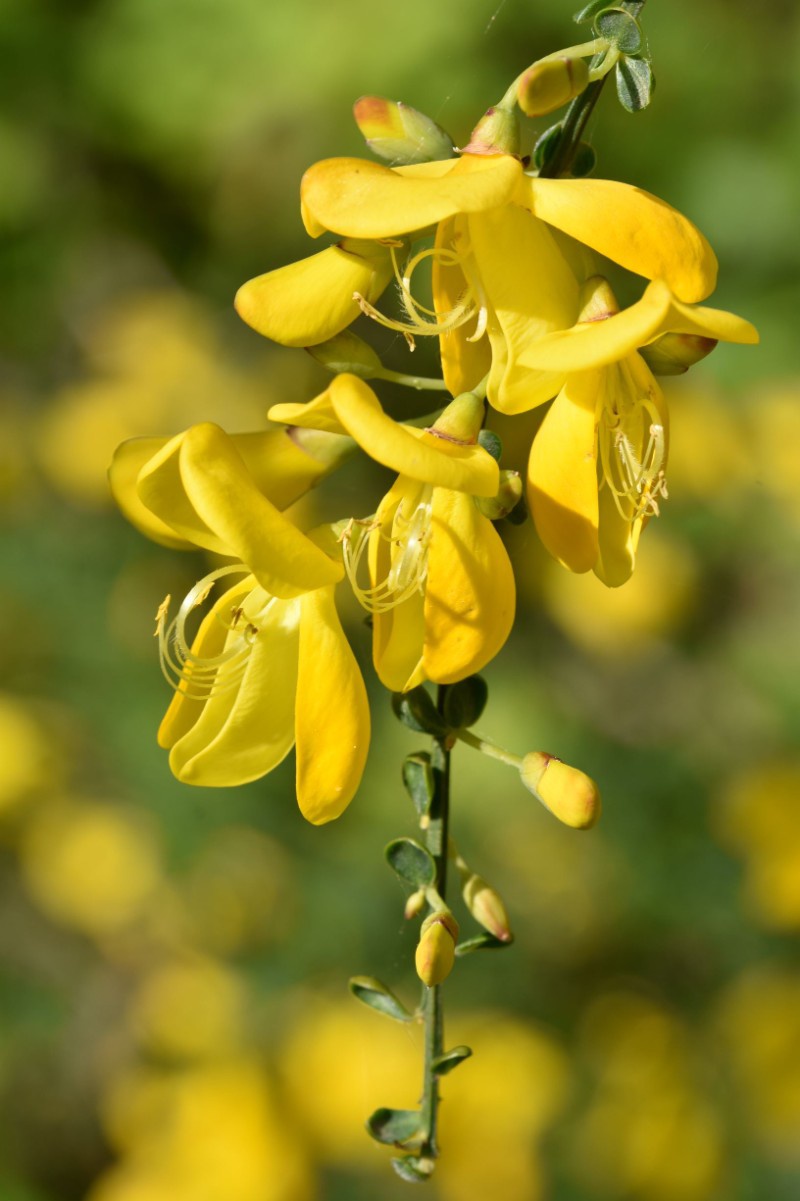
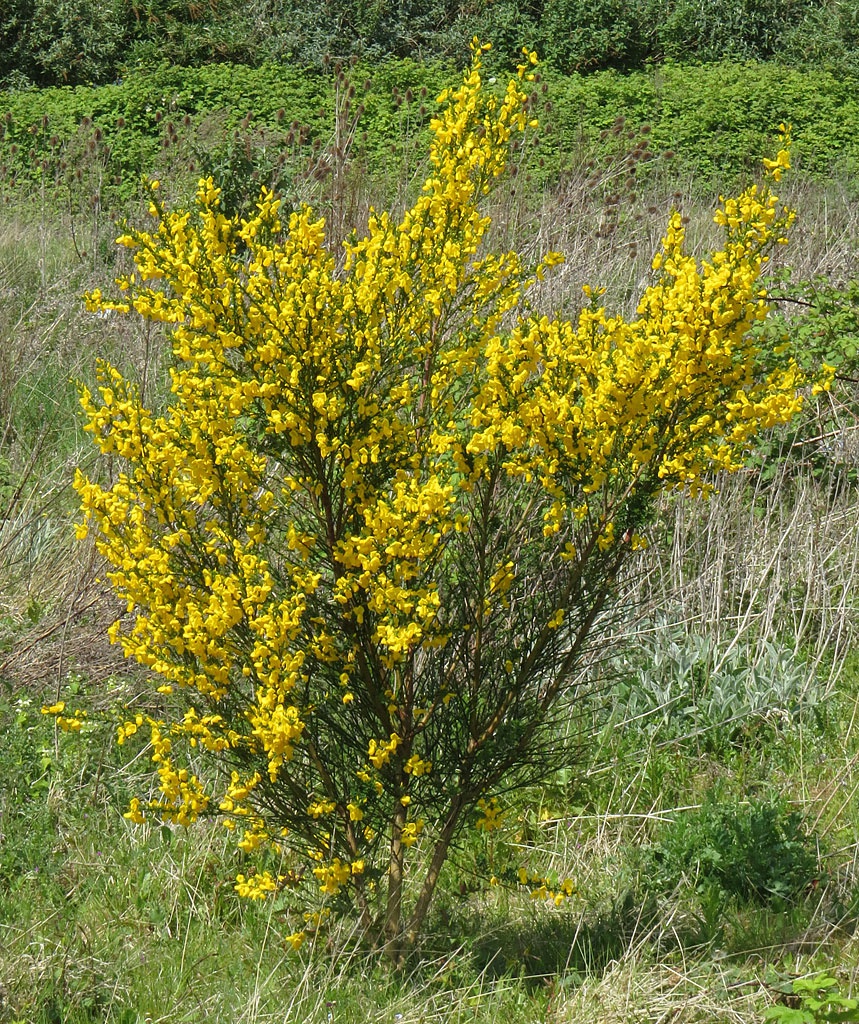
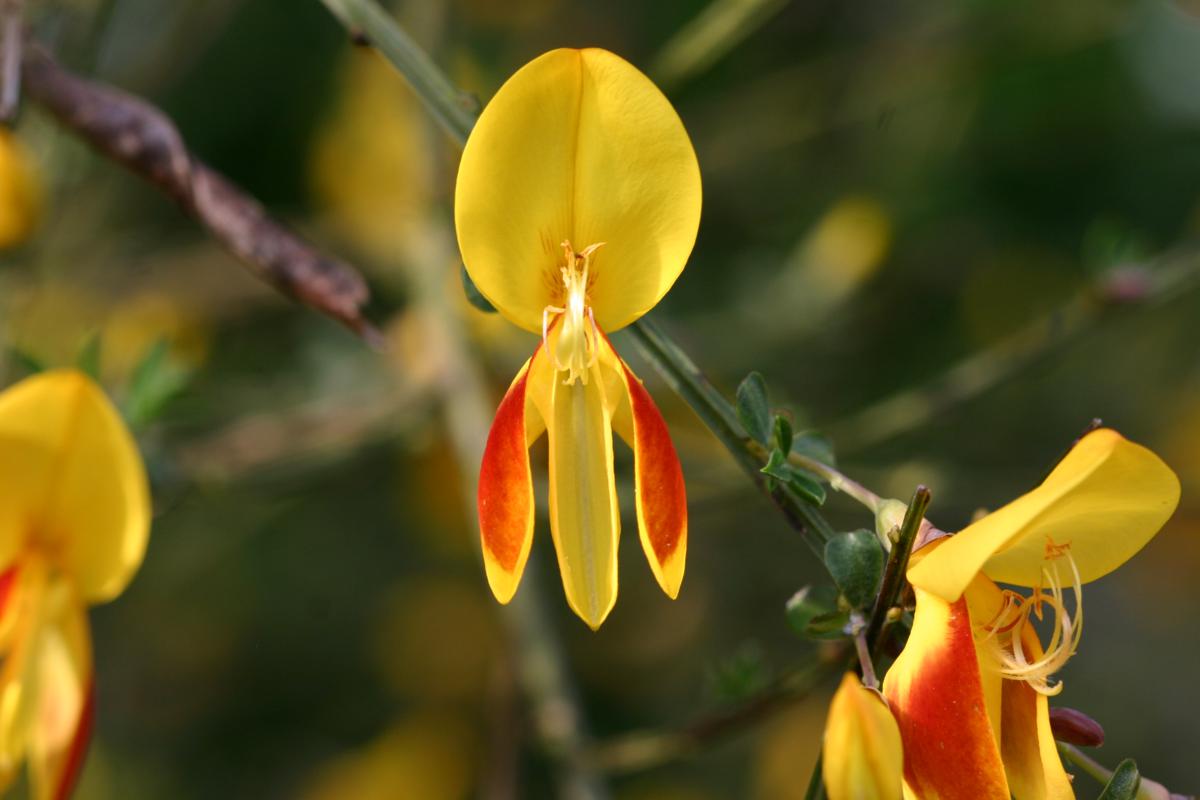
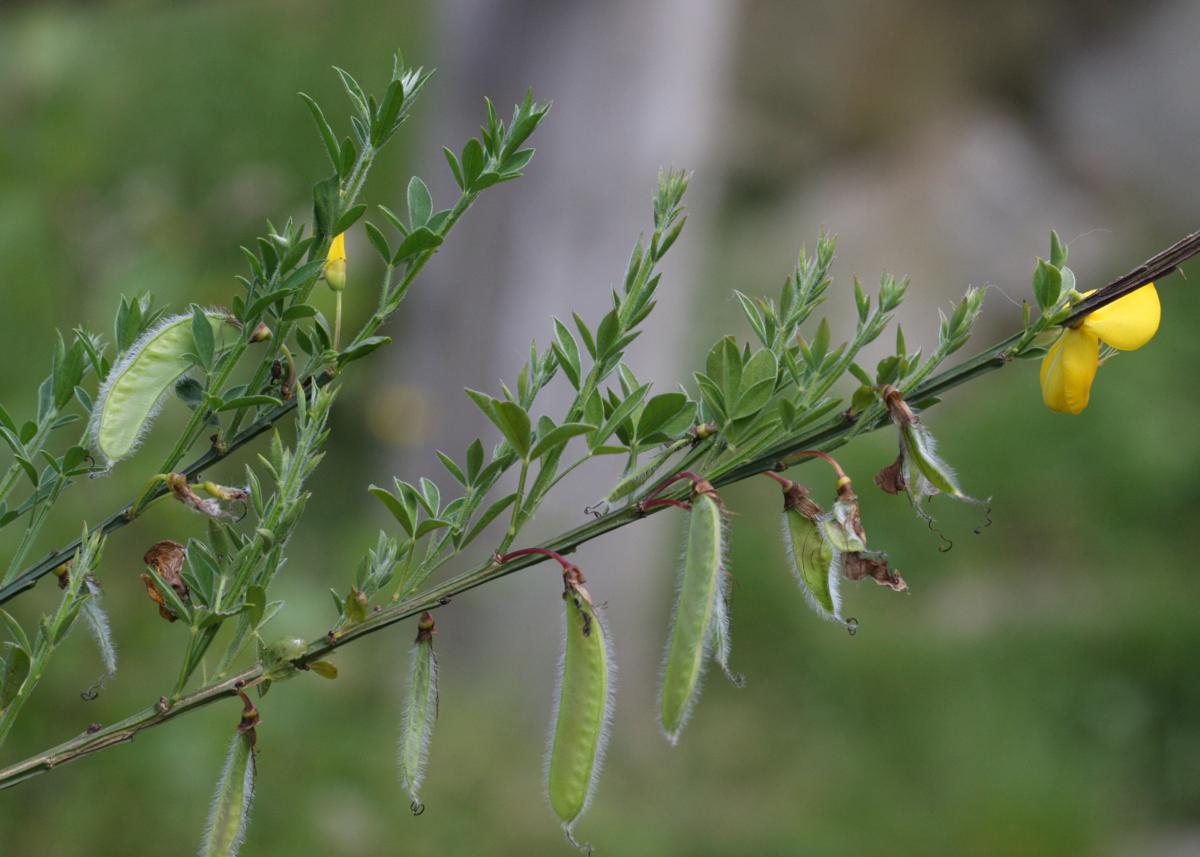
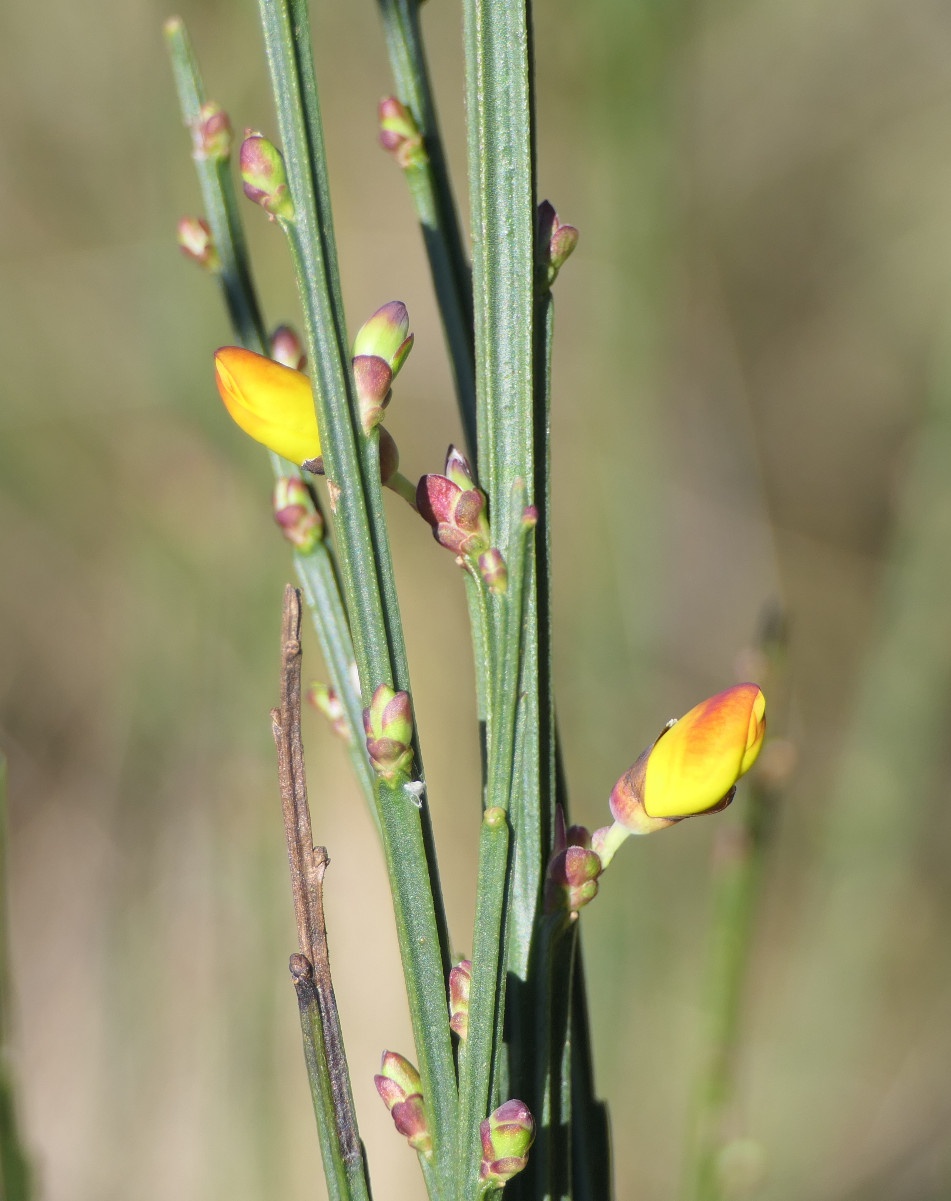
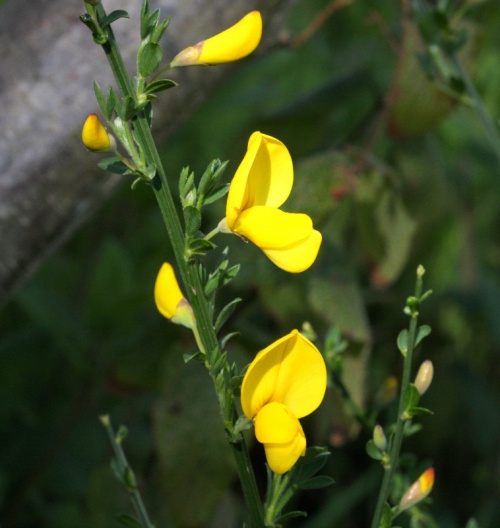
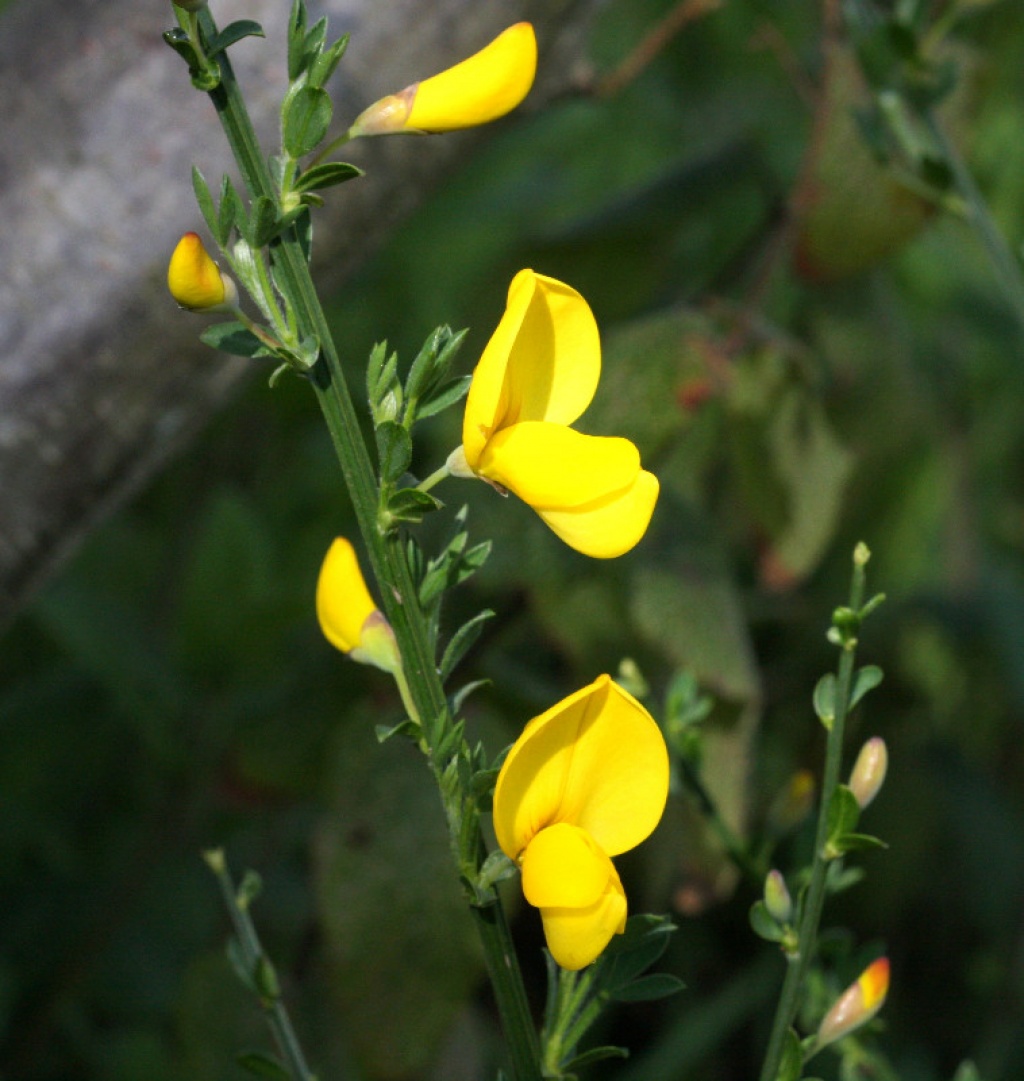
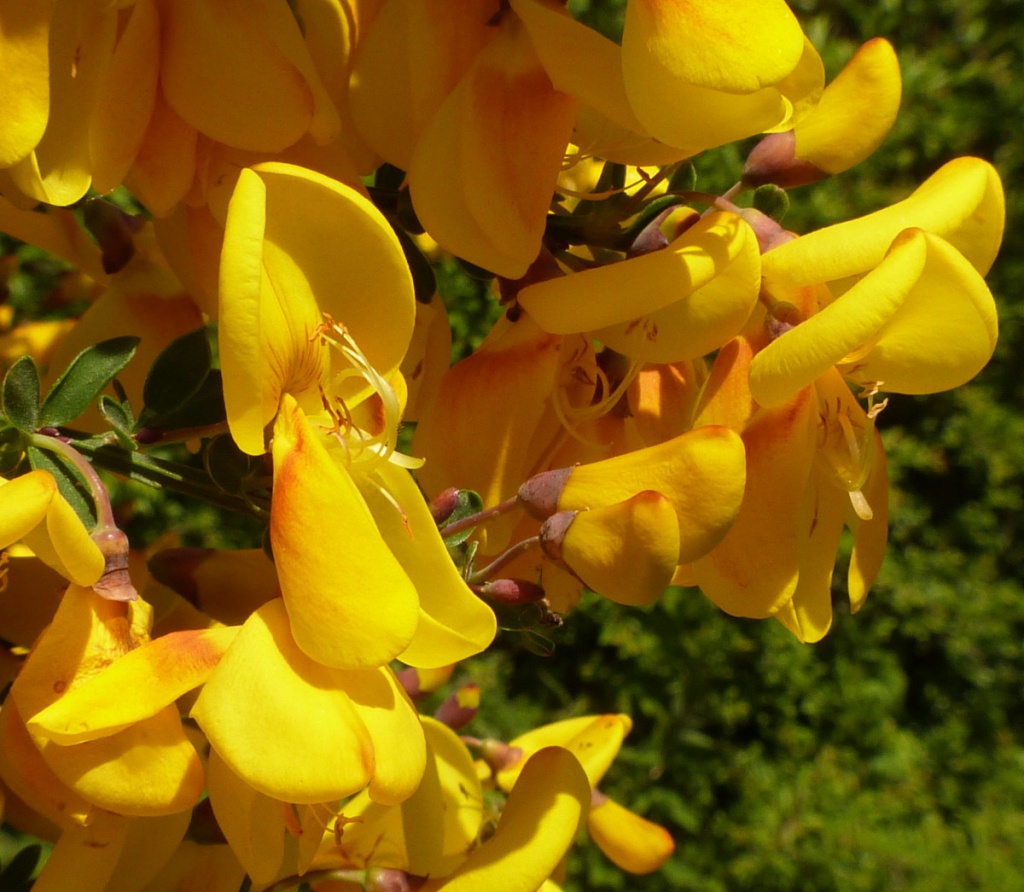
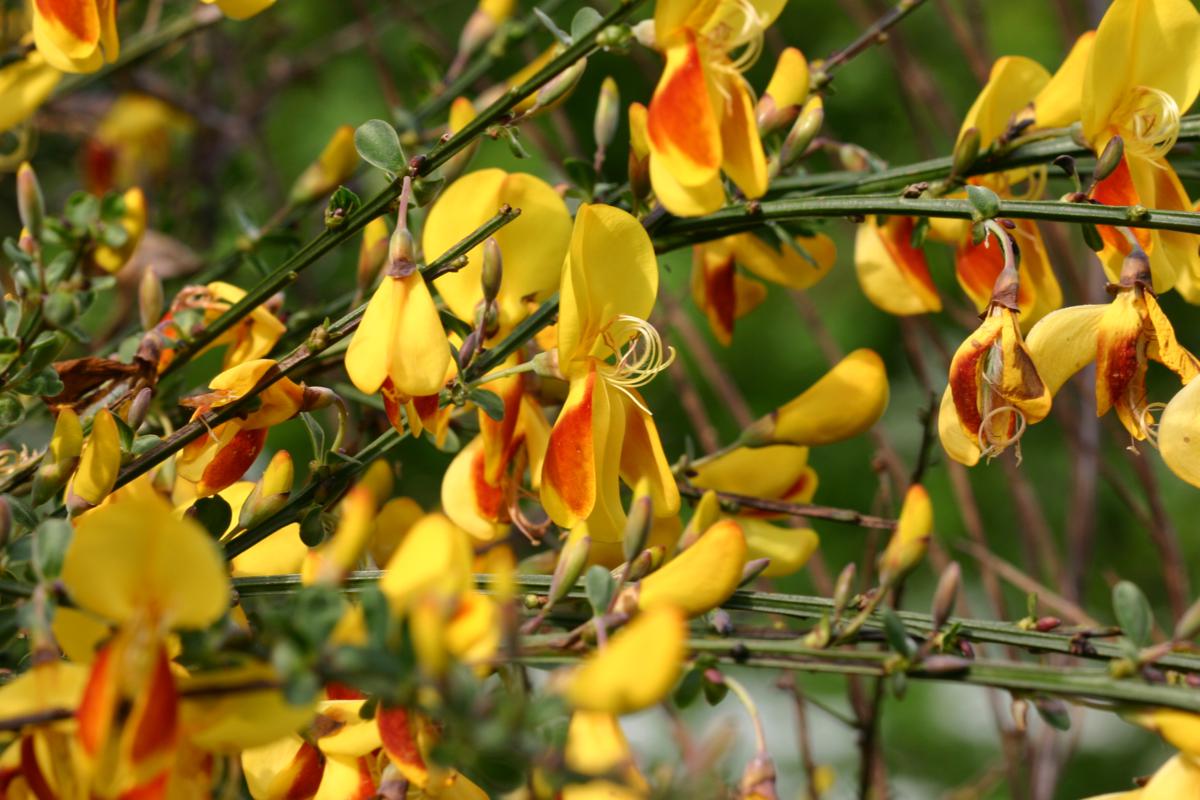
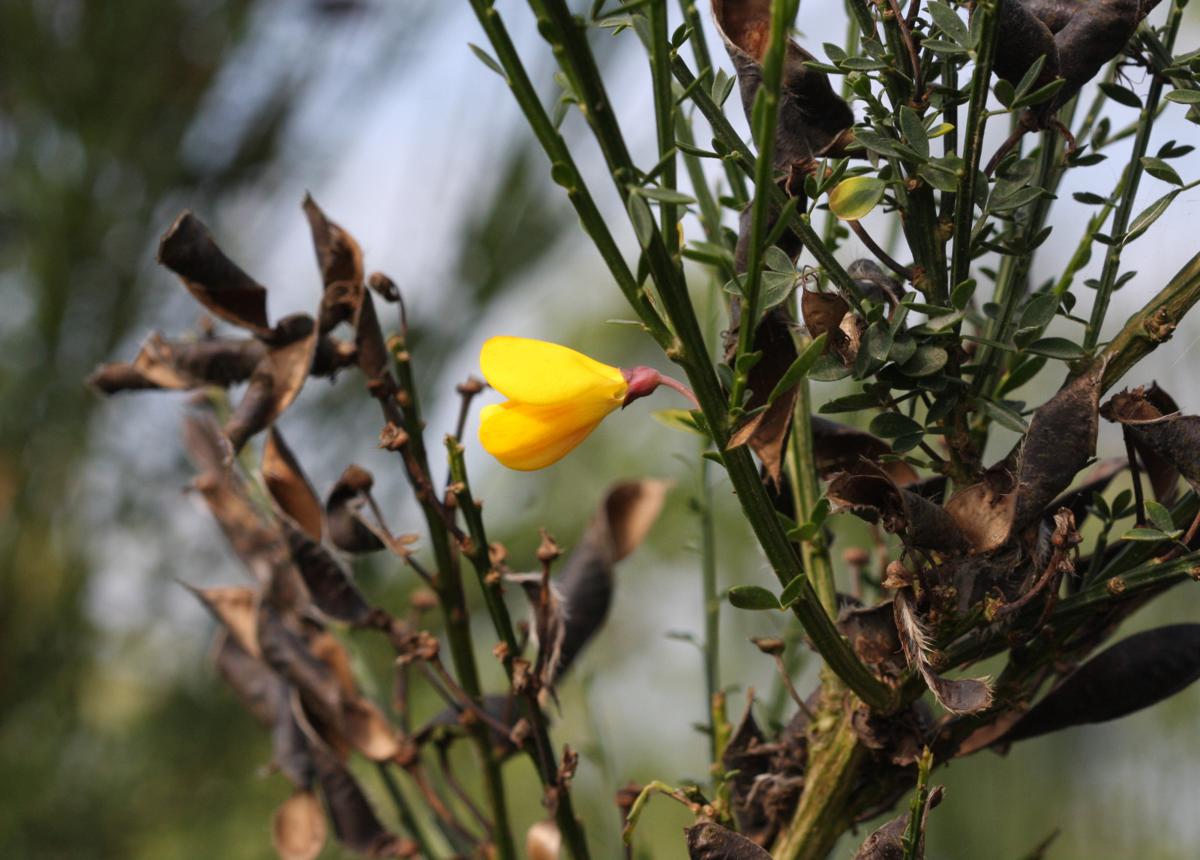
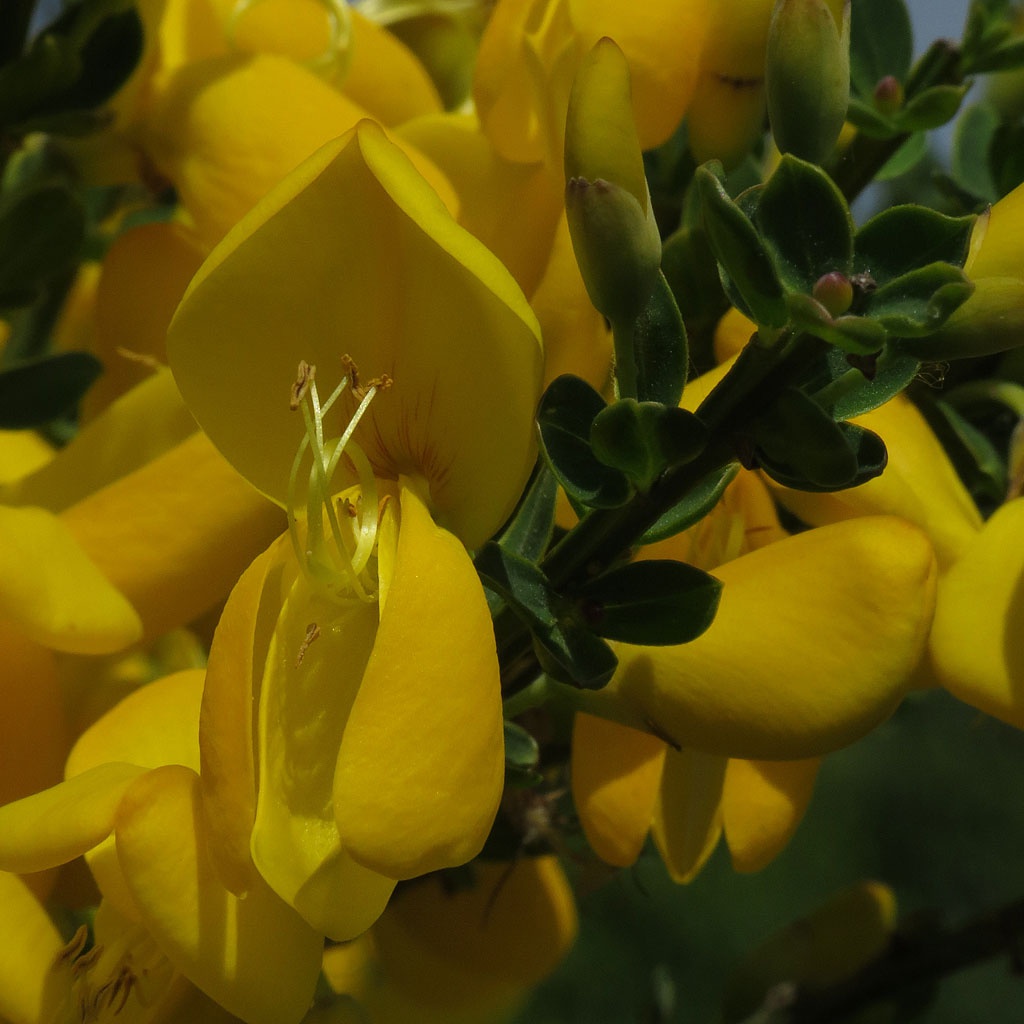
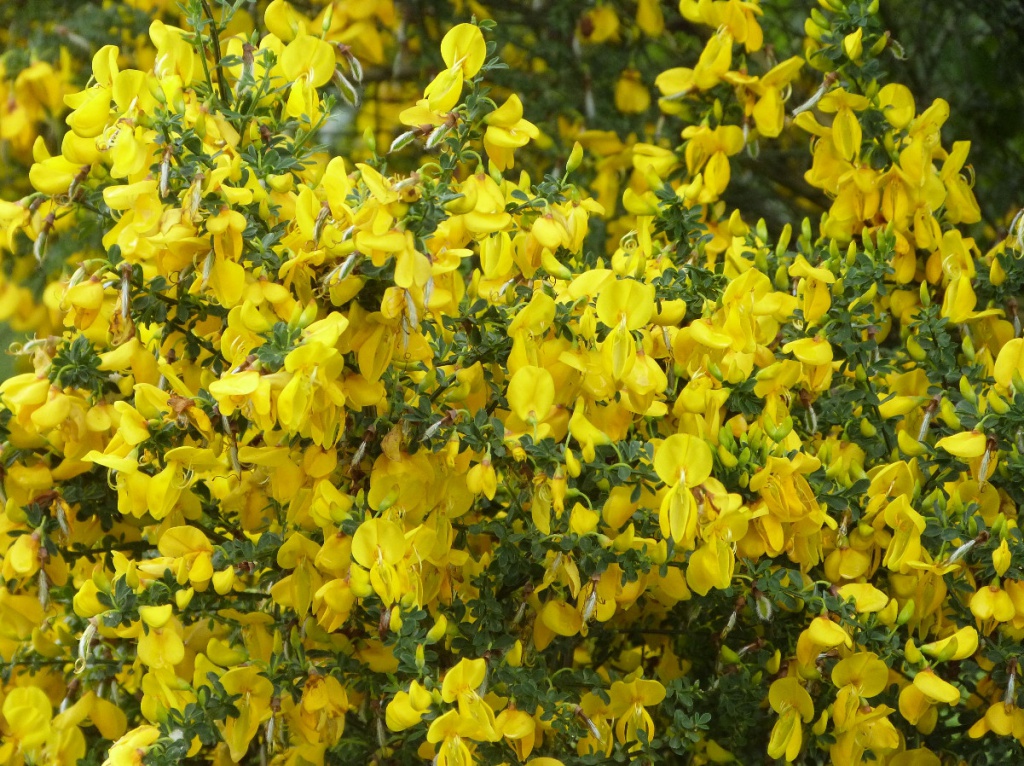
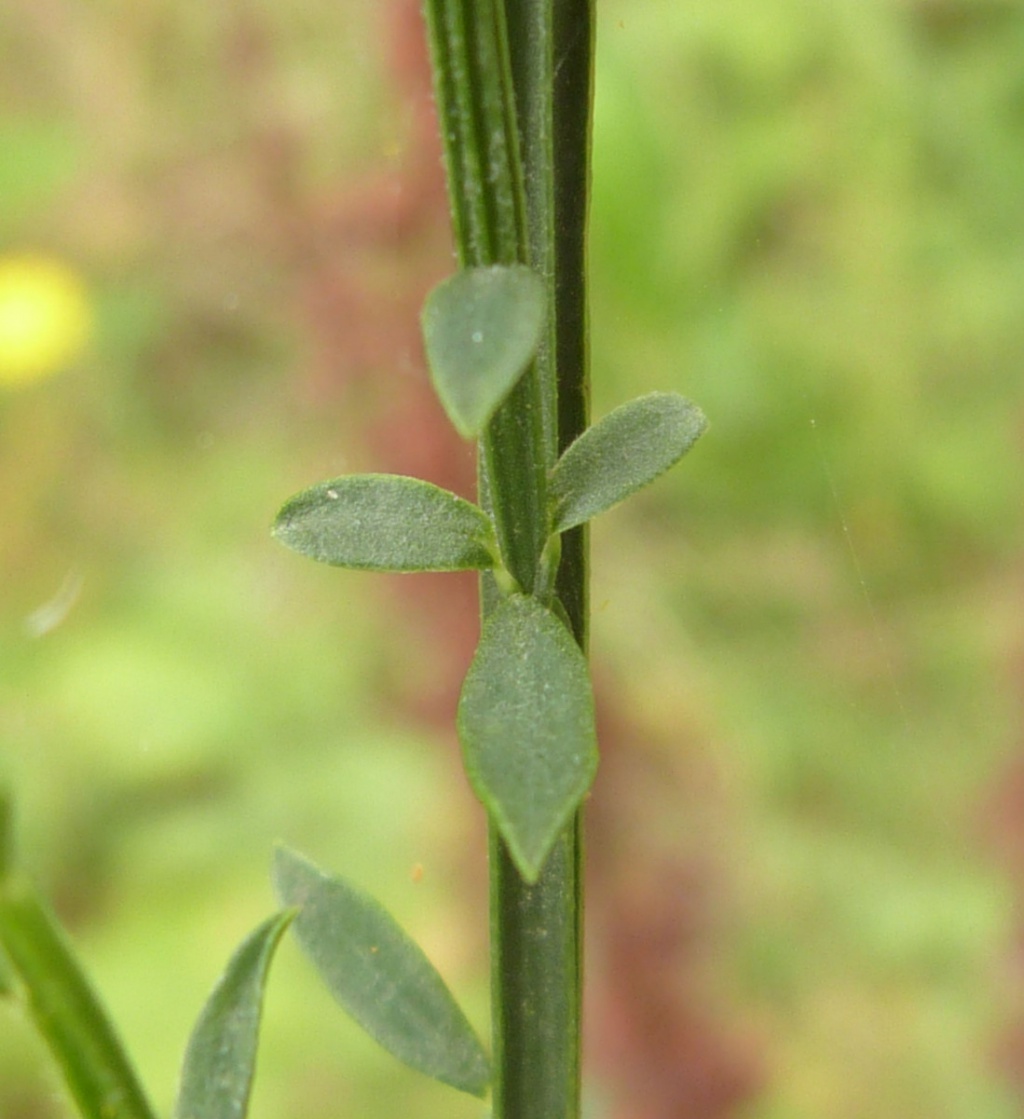
Much branched erect shrub to 2 metres with angled slender green branches and no spines. Flowers golden yellow 16 to 18 mm in leafy spikes and scented; some forms have mauve, reddish to dark red areas on the flowers. Seed pod 25 to 40 mm black when ripe.

Dry sunny habitats, usually at low altitude.
April to June.
Deciduous.
Quite common nationally.
Fairly frequent in Leicestershire and Rutland. In the 1979 Flora survey of Leicestershire it was found in 124 of the 617 tetrads.
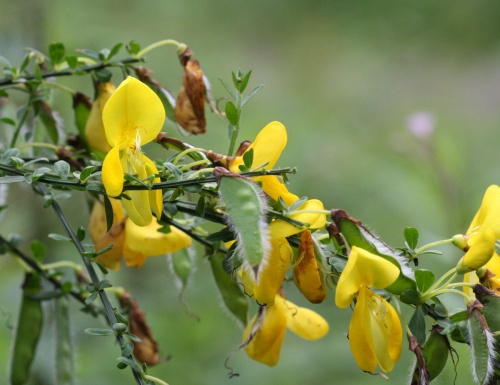 David Nicholls
Martinshaw Wood
05 July 2012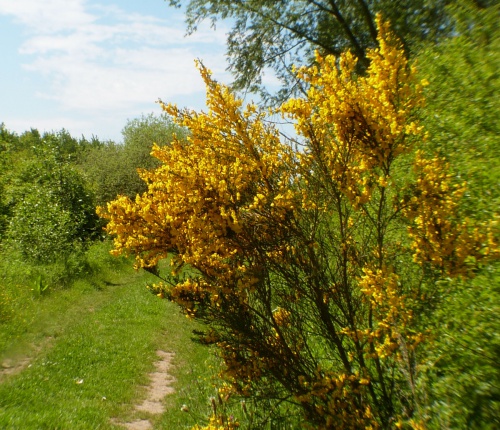 Graham Calow
Ullesthorpe Stewardship Farm
07 June 2013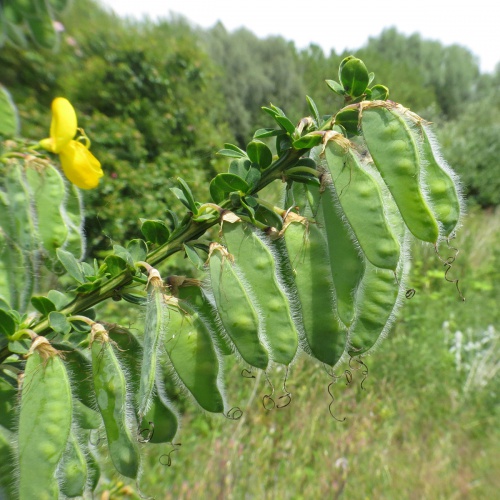 David Gould
Wolsey Island, Leicester
24 June 2015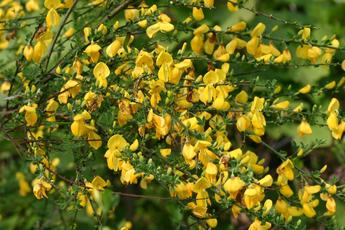 David Nicholls
Groby Pool
10 May 2008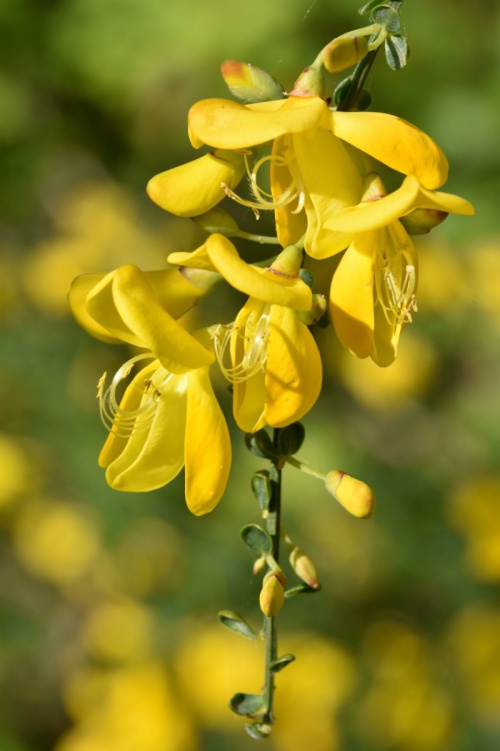 stepgray4
New Lount Nature Reserve
27 May 2021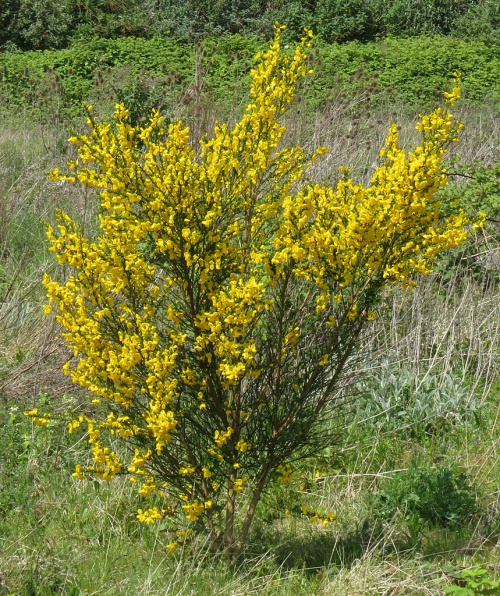 David Gould
Wolsey Island, Leicester
15 May 2015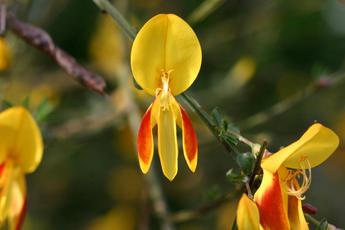 David Nicholls
Groby Pool
10 May 2008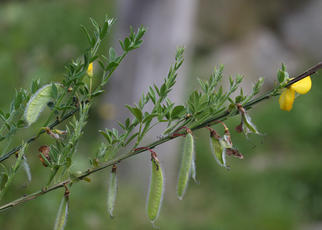 David Nicholls
Hill Hole Quarry
02 June 2011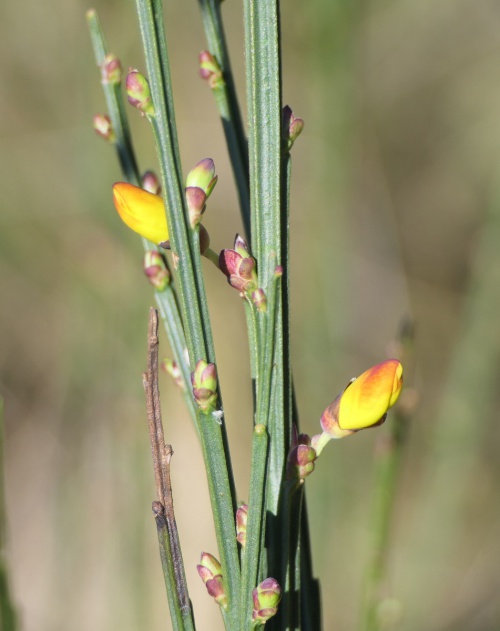 David Nicholls
Fosse Meadows
05 April 2018
Leicestershire & Rutland Map
Enter a town or village to see local records
MAP KEY:
Yellow squares = NBN records (all known data)
Coloured circles = NatureSpot records: 2025+ | 2020-2024 | pre-2020
UK Map
Species profile
- Common names
- Broom
- Species group:
- flowering plant
- Kingdom:
- Plantae
- Order:
- Fabales
- Family:
- Fabaceae
- Records on NatureSpot:
- 110
- First record:
- 01/01/2007 (Harry Ball)
- Last record:
- 20/05/2026 (Calow, Graham)
Total records by month
% of records within its species group
10km squares with records
The latest images and records displayed below include those awaiting verification checks so we cannot guarantee that every identification is correct. Once accepted, the record displays a green tick.
In the Latest Records section, click on the header to sort A-Z, and again to sort Z-A. Use the header boxes to filter the list.
Latest images
Latest records
 David Nicholls
Groby Pool Quarry
21 April 2012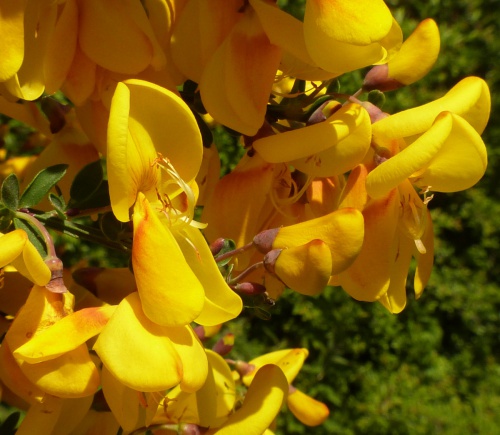 Graham Calow
Ullesthorpe Stewardship Farm
07 June 2013 Fosse Meadows Sharnford SP48859125 (taken 8.10.2007).JPG) Graham Calow
Graham Calow
Fosse Meadows, Sharnford
08 October 2007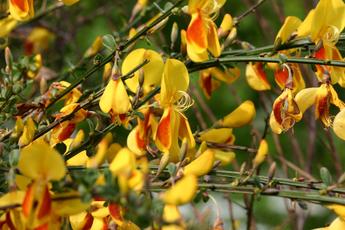 David Nicholls
Groby Pool
10 May 2008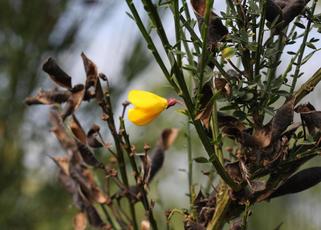 David Nicholls
Ullesthorpe Stewardship Farm
02 September 2011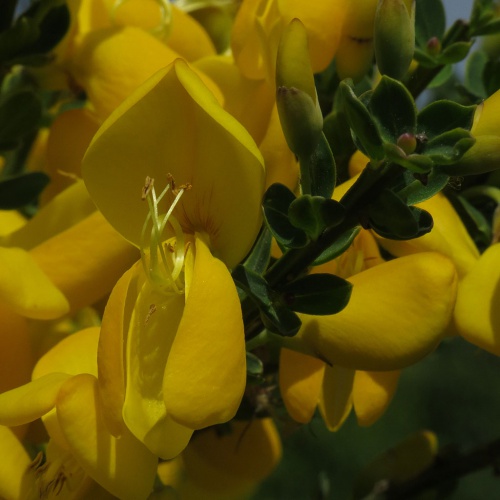 David Gould
Wolsey Island, Leicester
15 May 2015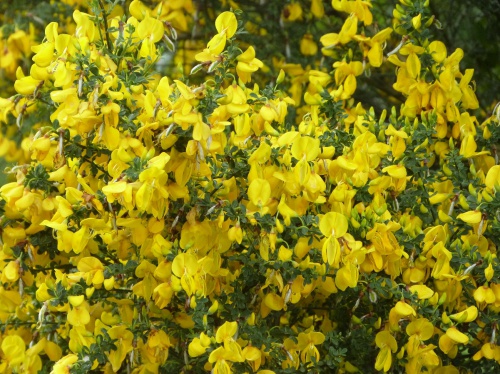 Graham Calow
B4114 Sapcote
30 May 2017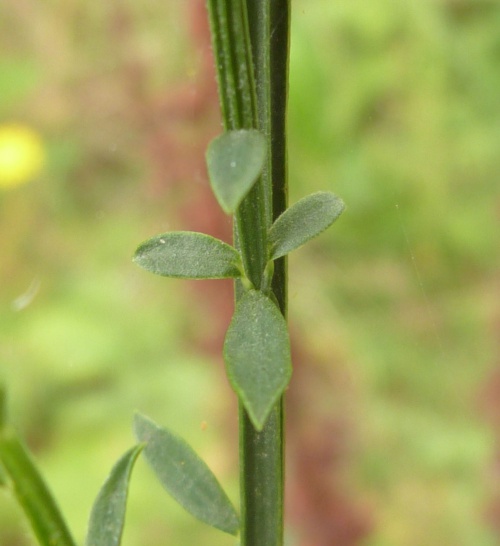 Graham Calow
Sapcote
05 September 2014
 Fosse Meadows Sharnford SP48859125 (taken 8.10.2007).JPG)
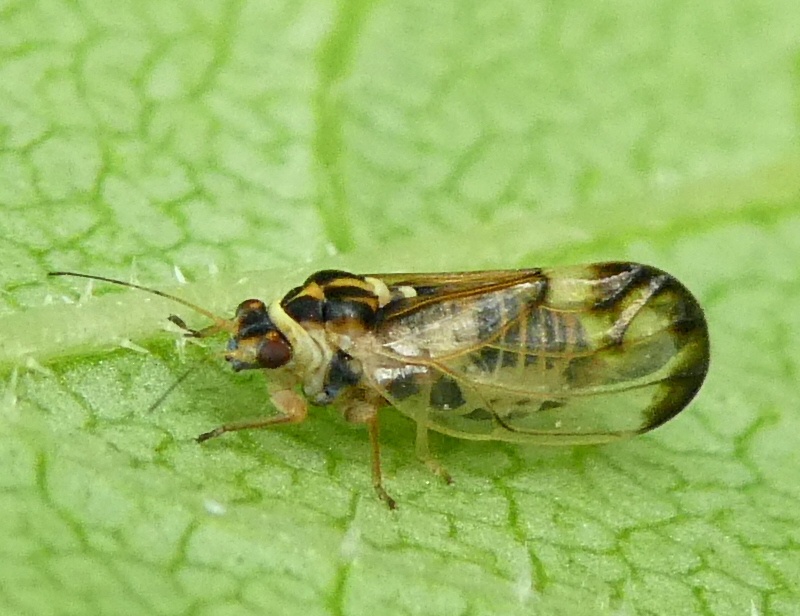
Broom Psyllid
Broom Psyllid (Arytaina genistae) is usually found on Broom but it will also overwinter on conifers. Length 3.5 mm. This species has wing-venation similar to Cacopsylla species but the pterostigma is virtually absent. The dark streaks in the wing cells are diagnostic although their strength is variable.
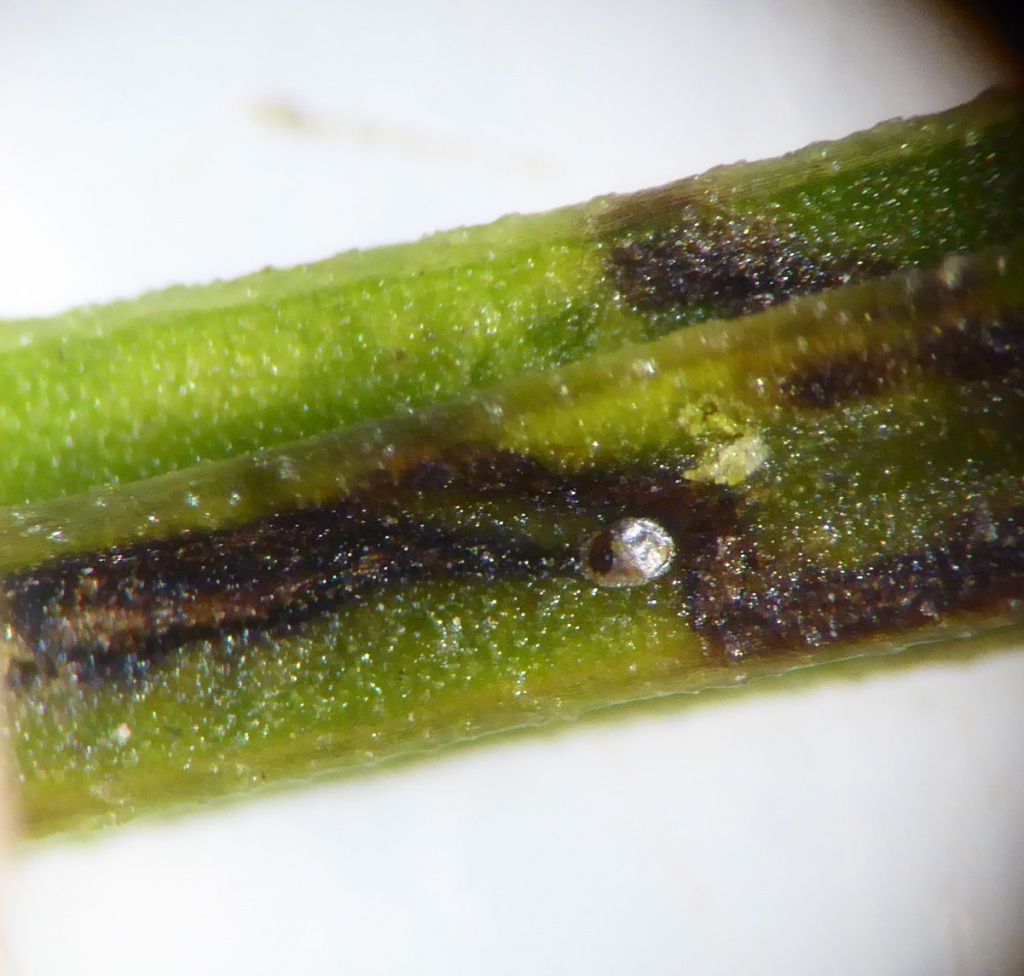
Trifurcula immundella
The larva of the moth Trifurcula immundella mines the stems of Broom. In this species the egg remains conspiuous at the start of the mine. The mine is a long black straight gallery, which passes down the twig initially (which enables distinction with the similar mine of Leucoptera spartifoliella). The mine then changes direction and the spaces between the ridges stain black as the mine fills them. The branches may appear stained black as the mines develop.
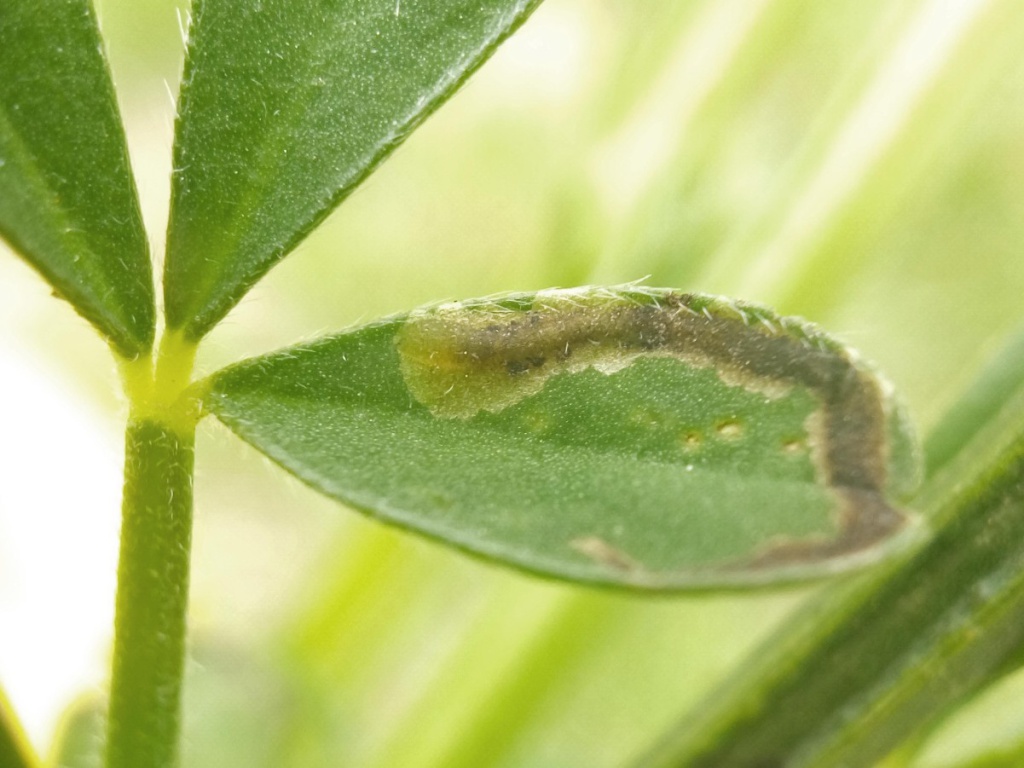
Agromyza johannae
The larva of the Agromyzid fly Agromyza johannae mines the leaves of Broom and related plants. The mine is hook-like, usually along the leaf-margin and running towards the leaf apex, then turning and widening into a blotch over the mid-rib.
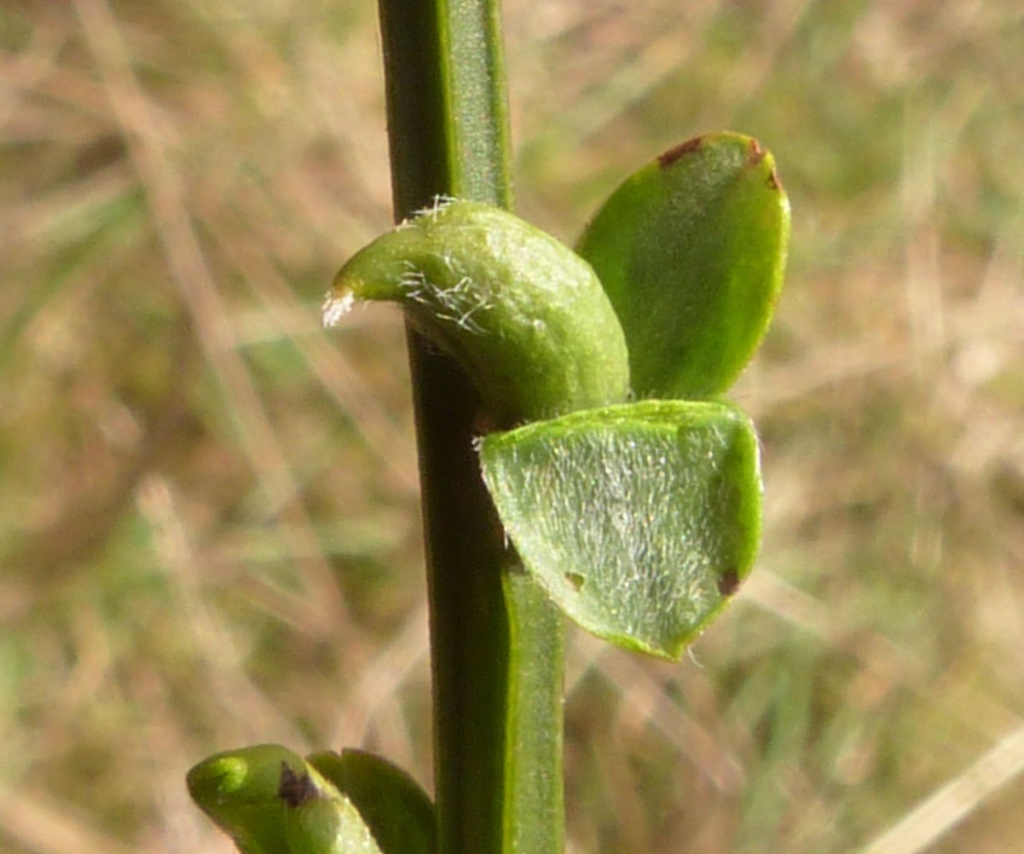
Asphondylia sarothamni
Asphondylia sarothamni is a midge that causes galls to form on Broom. It is an example of an 'Ambrosia gall', where a fungus is introduced into the host plant by the midge. The inside of the gall is lined with mycelium, which is the actual larval food.
There are two generations per year, each galling the Broom in a different way. Early in the year the 1st generation galls form on the developing lateral flower buds of Broom. The adult midges that emerge from these galls go on to produce pod galls (2nd generation galls) - these may be quite variable. The midges emerge from the pod galls in June or July and oviposit into rudimentary buds, thus starting the cycle again. The eggs remain dormant in the buds until the following February or March.
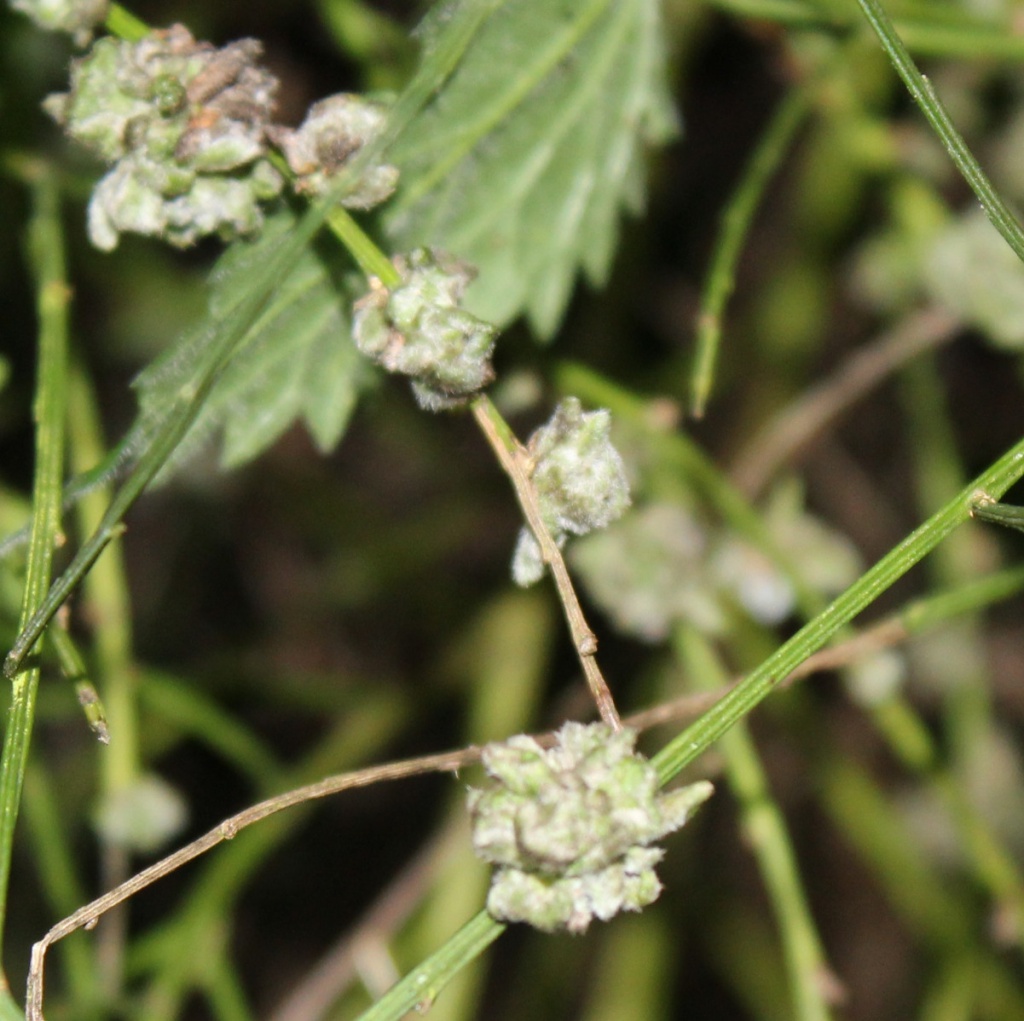
Aceria genistae
The mite Aceria genistae causes galls to form on the buds of Broom. The galls take the form of an irregular mass, 5 to 40mm across, formed of miniature distorted leaves covered with greyish pubescence. These galls conceal and nourish the mites.