Asphondylia sarothamni
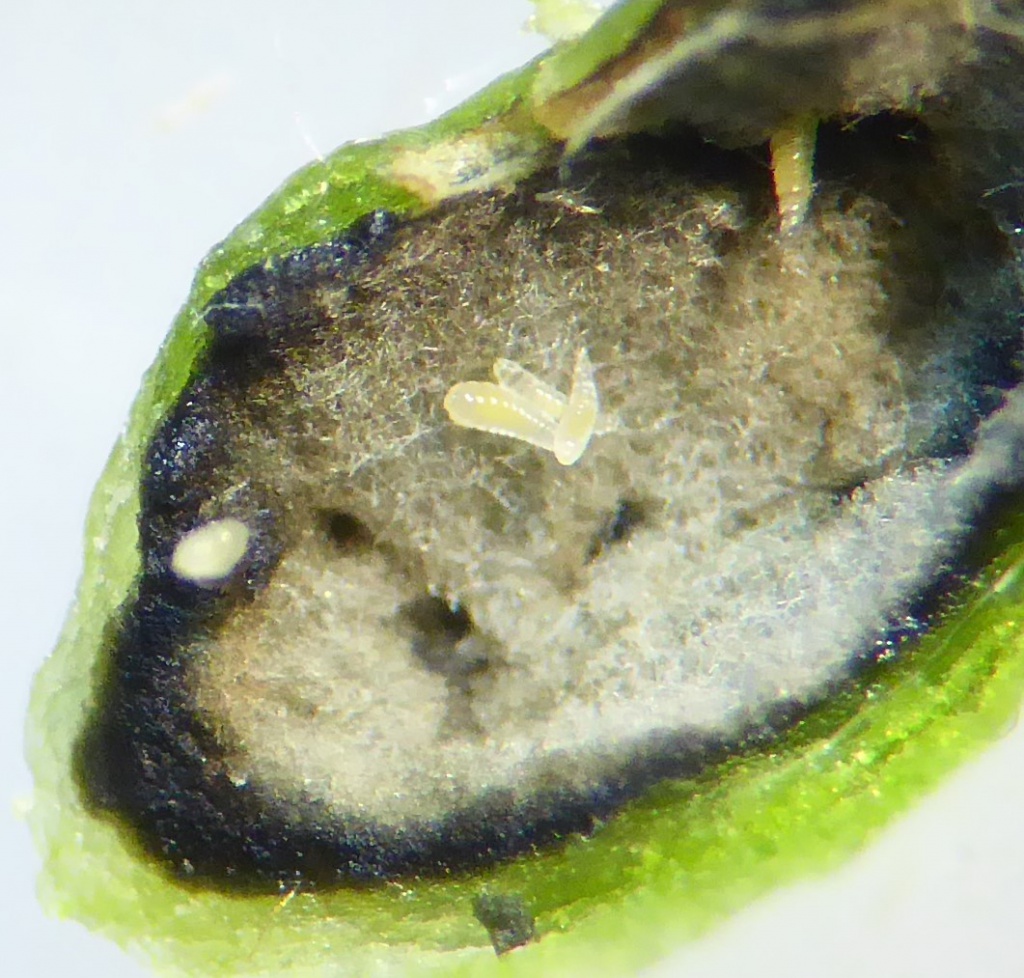
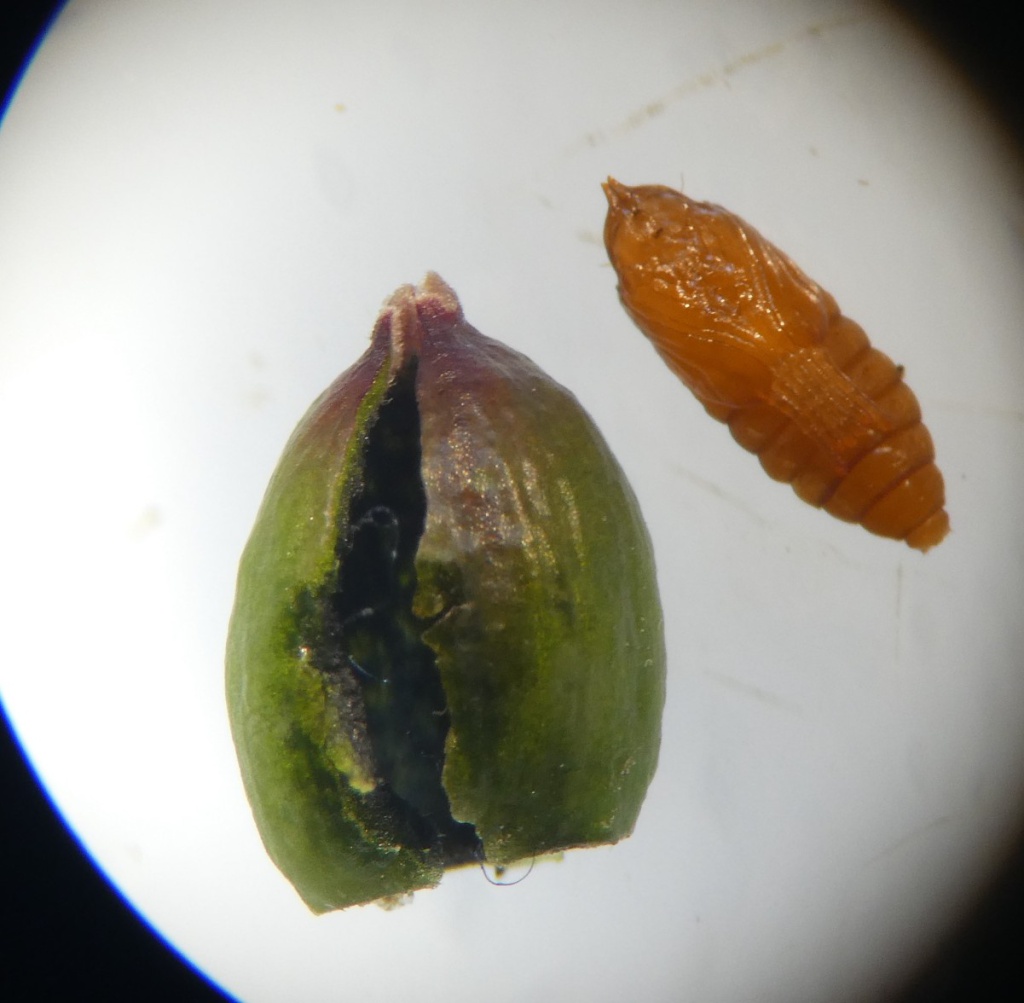
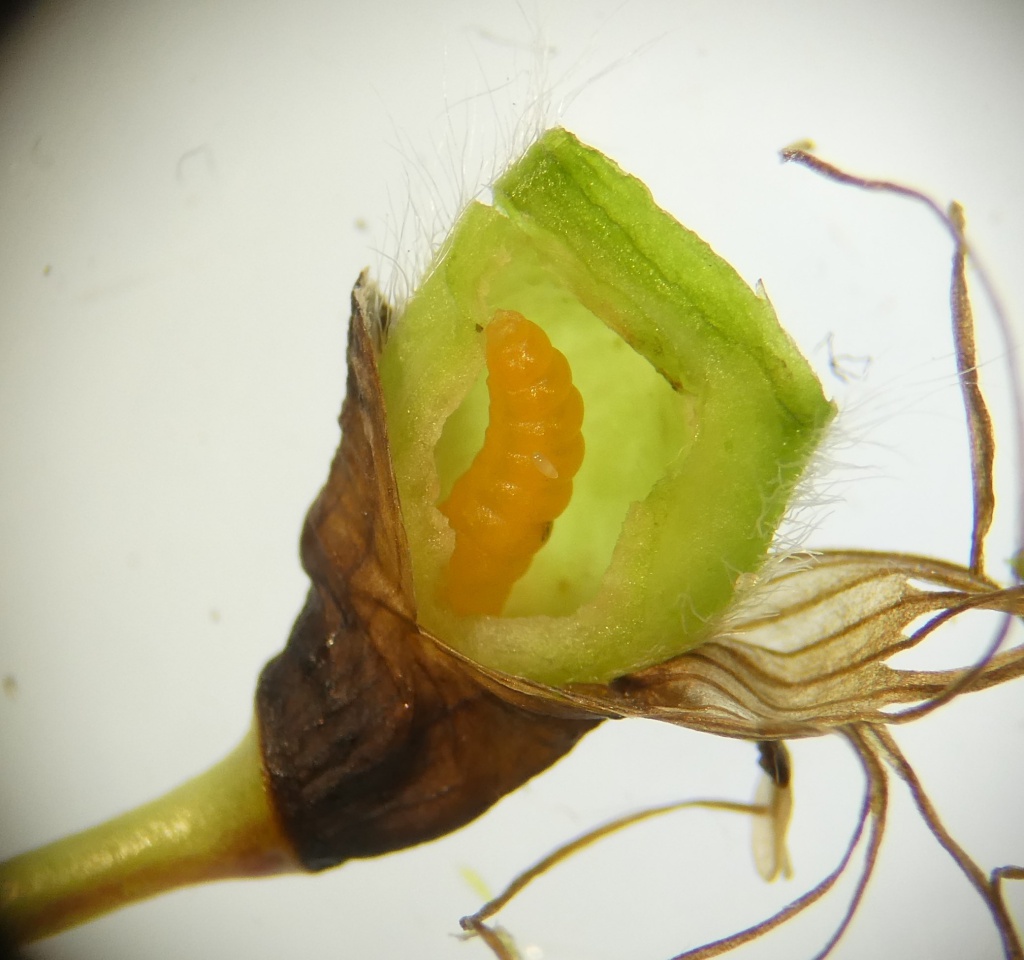
Asphondylia sarothamni is a midge that causes galls to form on Broom (Cytisus scoparius). It is an example of an 'Ambrosia gall', where a fungus is introduced into the host plant by the midge. The inside of the gall is lined with mycelium, which is the actual larval food.
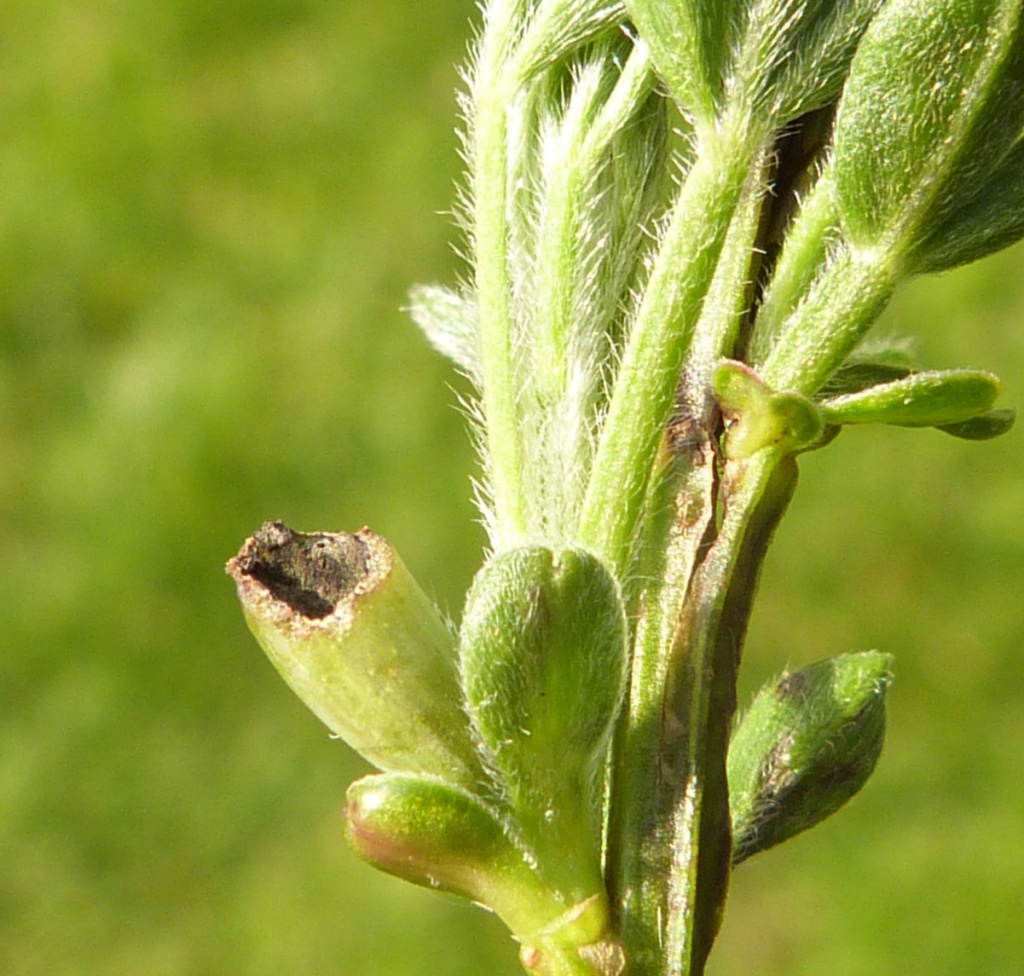
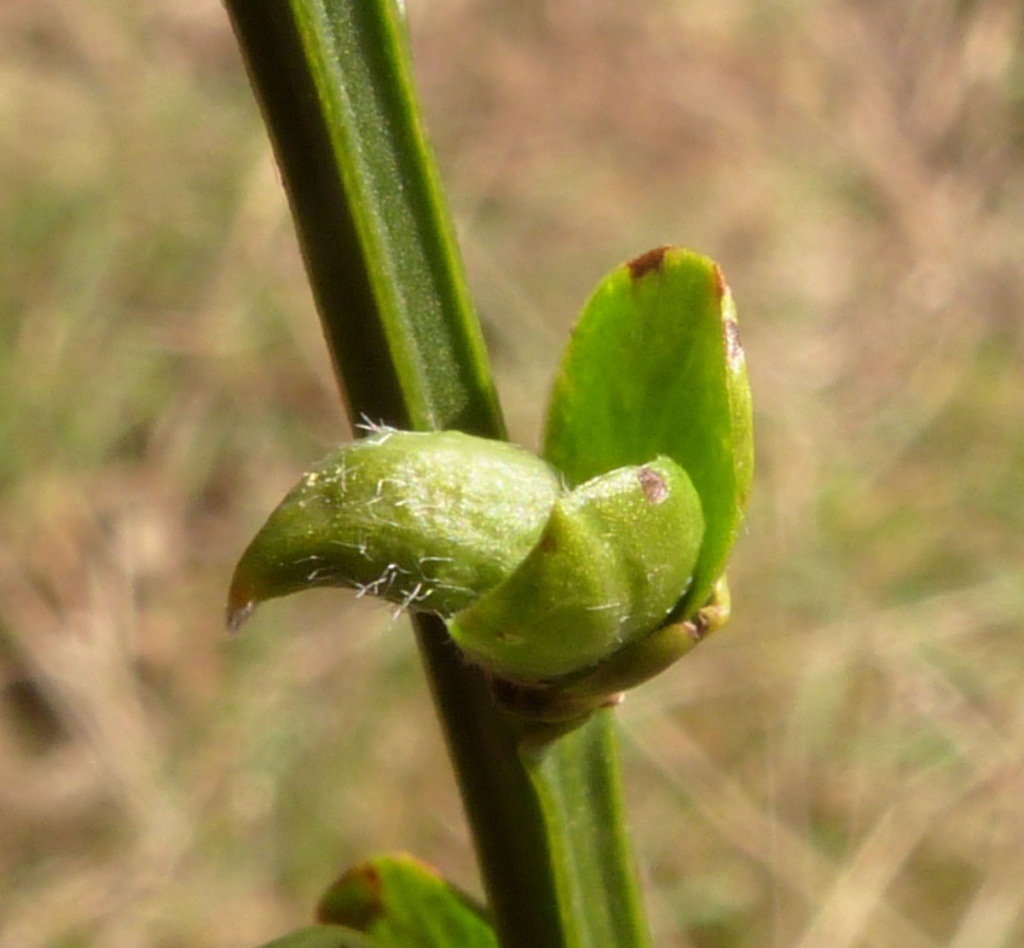
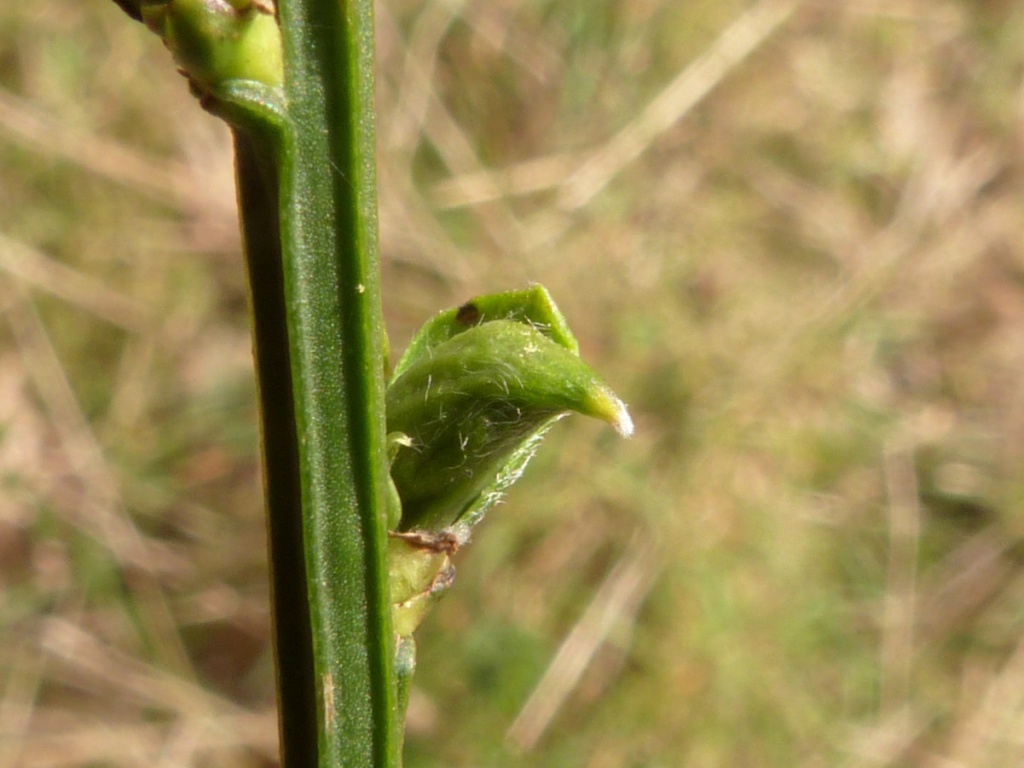
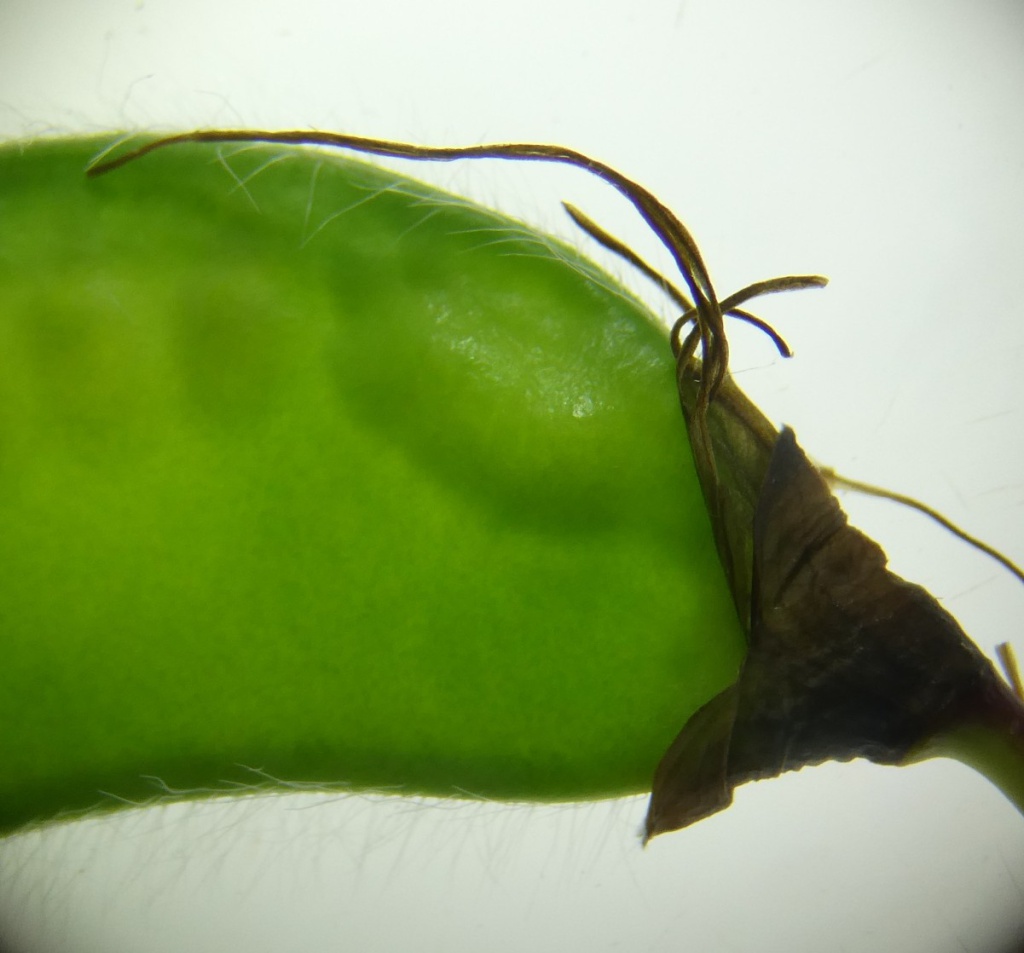
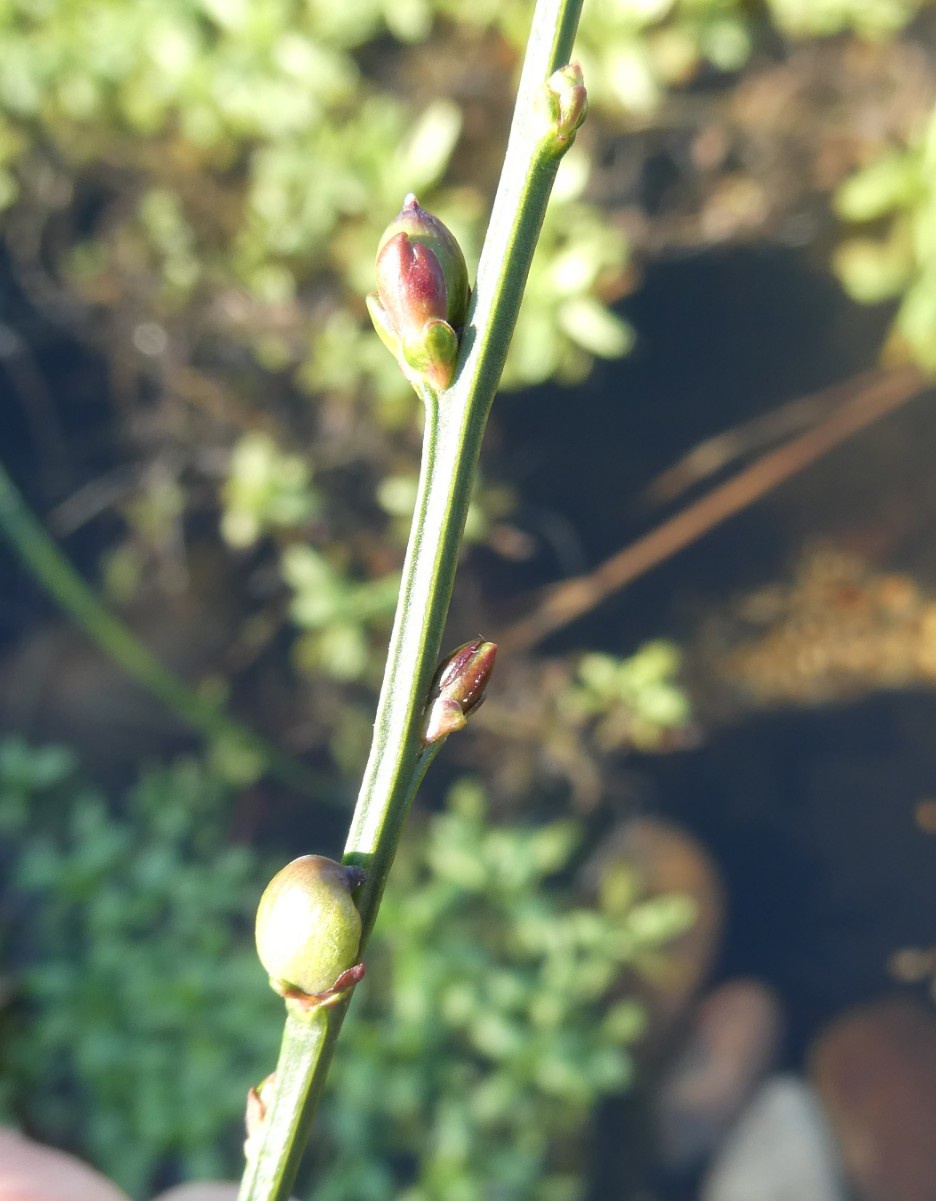
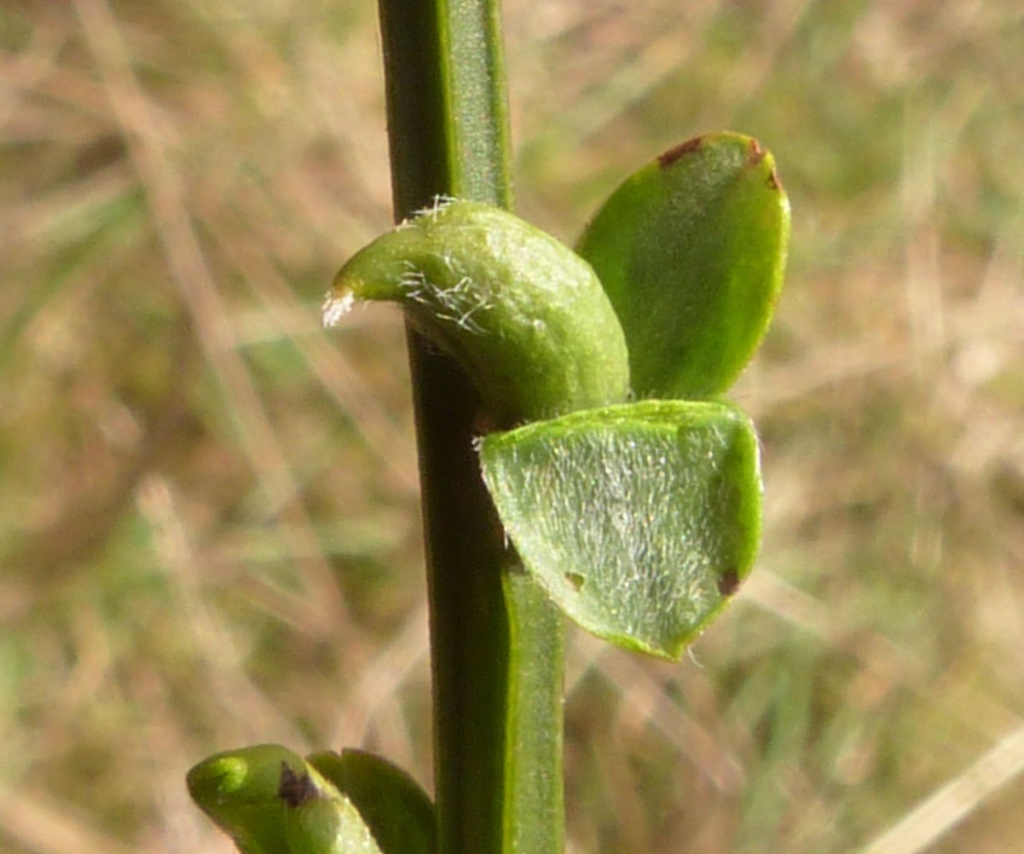
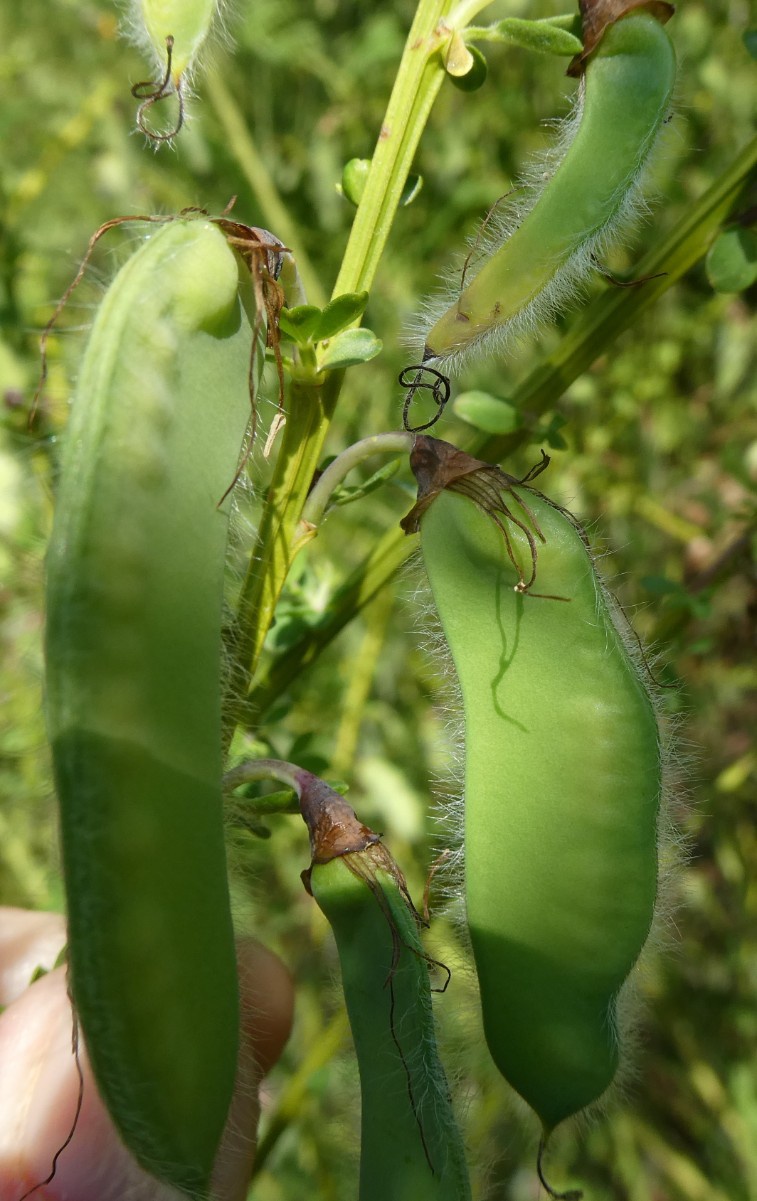
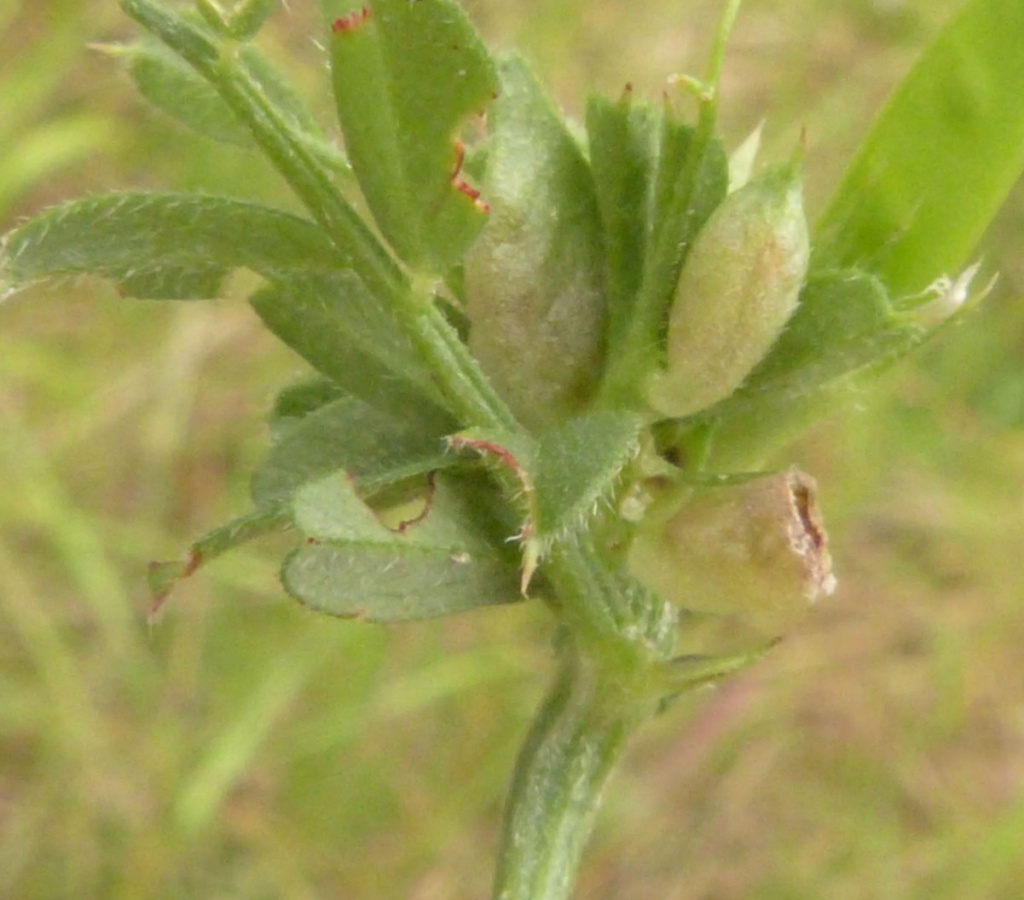
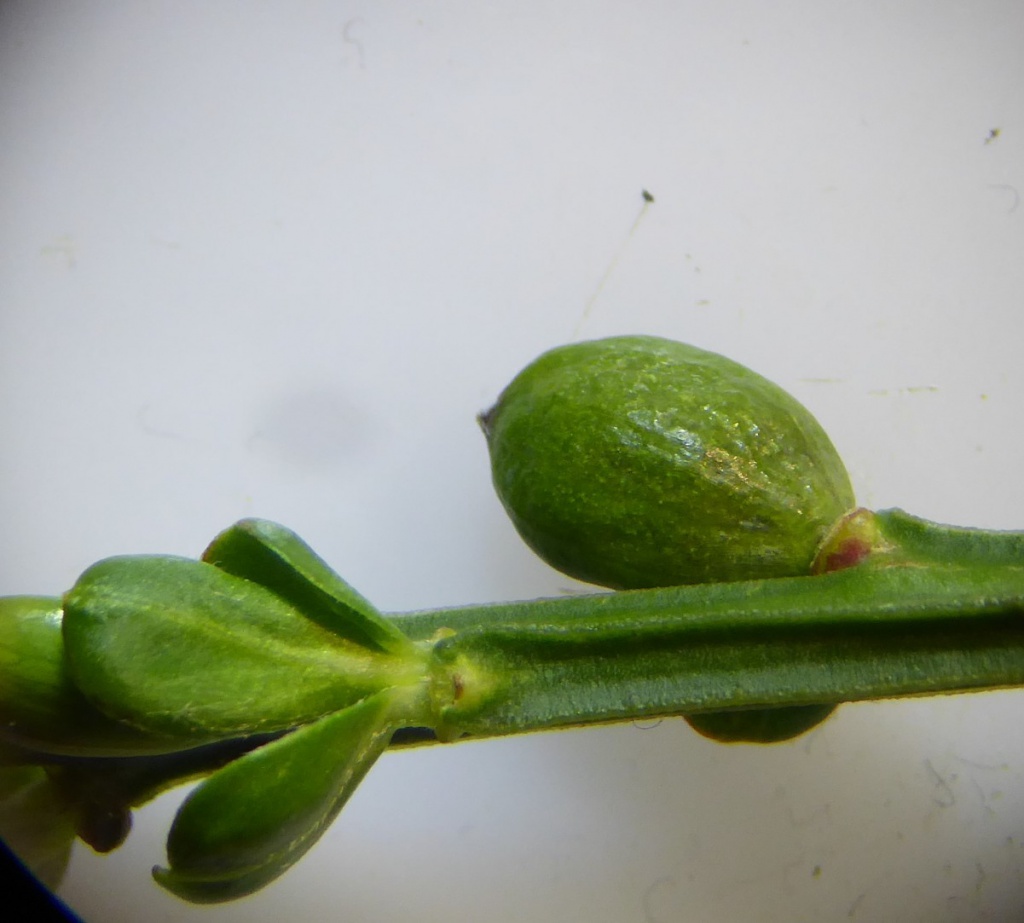
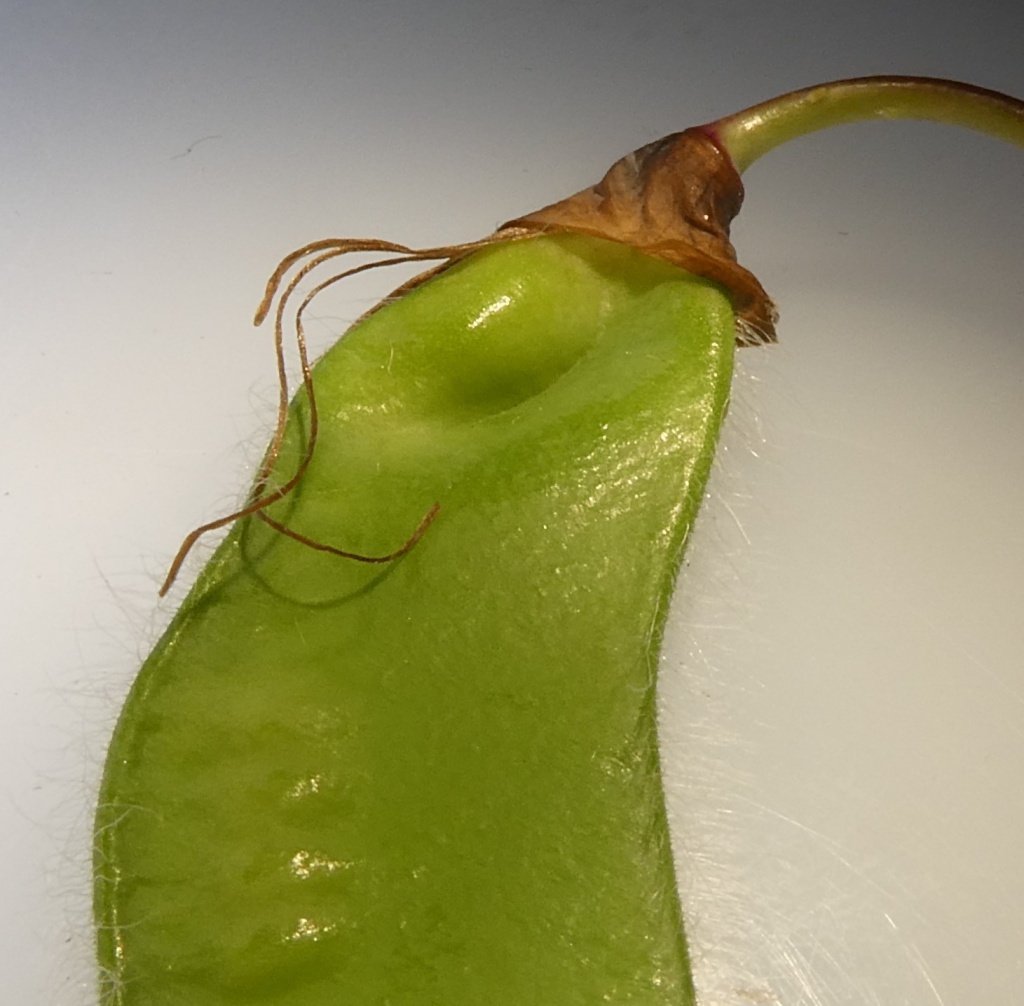
There are two generations per year, each galling the Broom in a different way. Early in the year the 1st generation galls form on the developing lateral flower buds of Broom. The adult midges that emerge from these galls go on to produce pod galls (2nd generation galls) - these may be quite variable. The midges emerge from the pod galls in June or July and oviposit into rudimentary buds, thus starting the cycle again. The eggs remain dormant in the buds until the following February or March.
The galls are seen more frequently than the midges.
Several species cause galls in the buds or pods of Broom.
Gall  Adult
Adult 
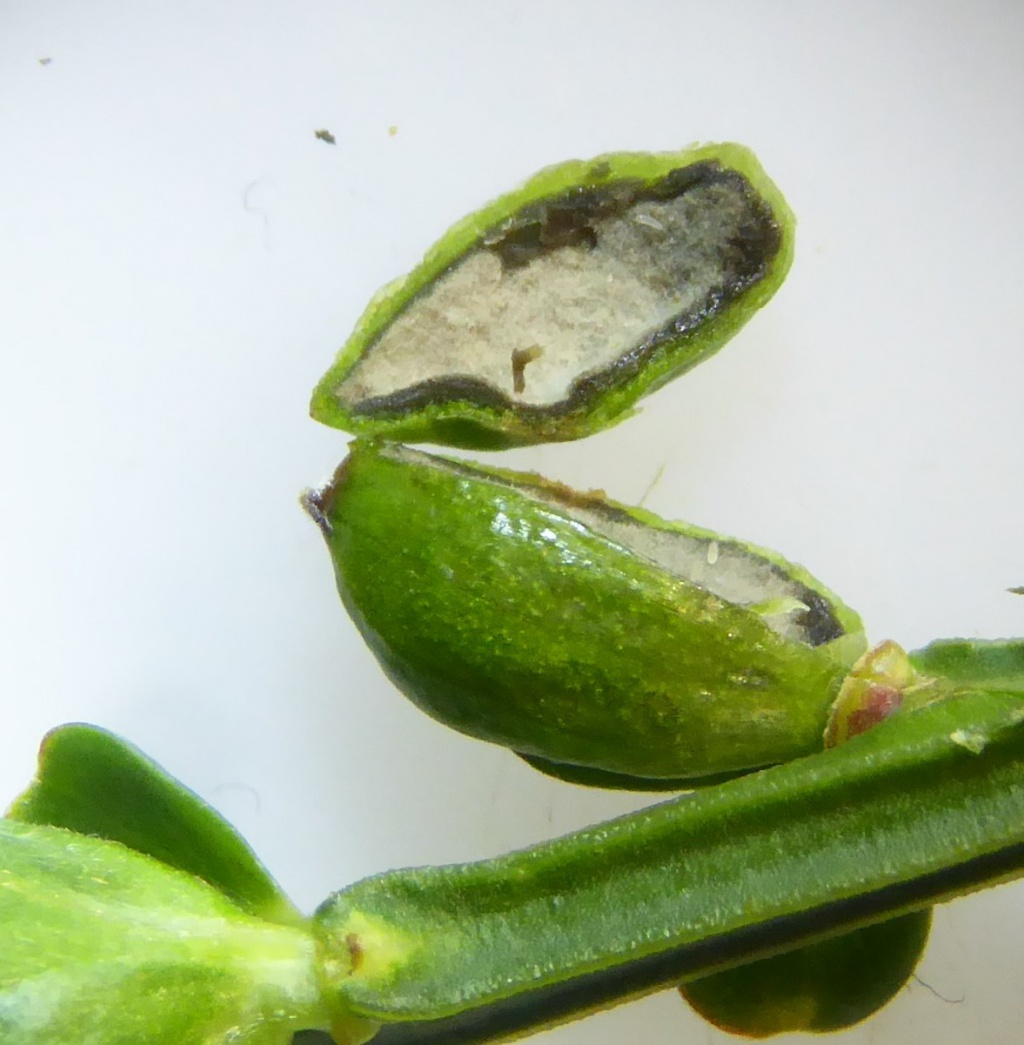
Checking for the presence of fungal mycelium inside an opened gall indicates an Ambrosia gall.
Photographs of gall in situ. Recommend that the gall is opened as well, to check for fungal hyphae.
Wherever Broom (Cytisus scoparius) is found.
Generation 1 (bud galls) - Spring
Generation 2 (pod galls) - Summer (full-sized in June)
Widespread but not well recorded in Britain.
Uncommon or under recorded in Leicestershire and Rutland.
 Graham Calow
Sharnford, Fosse Meadows
26 March 2019
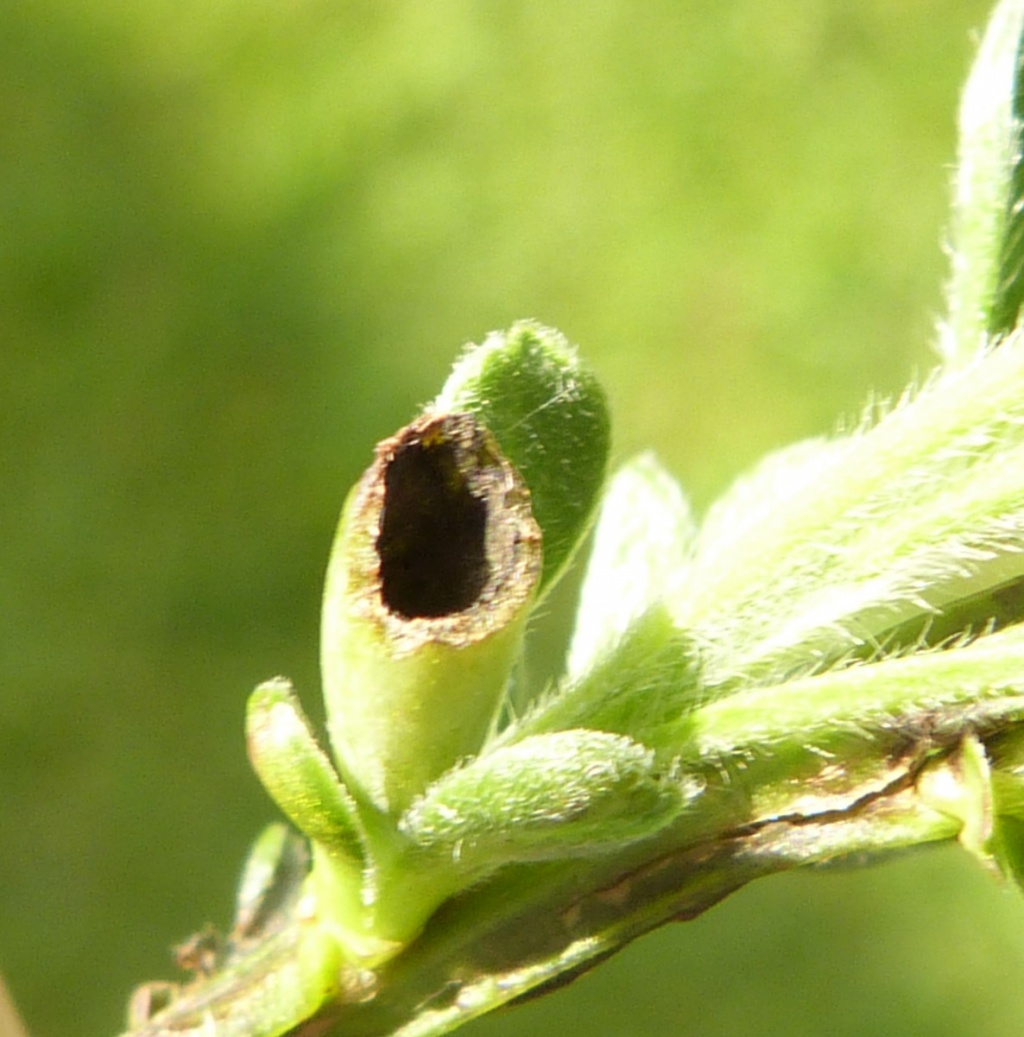
1st generation gall on Broom sue
sue
Loughborough, the Outwoods (N), outcrop
13 June 2023
2nd generation galls in broom pods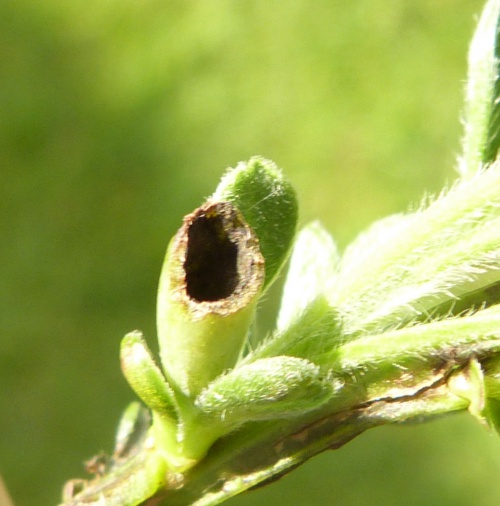 Graham Calow
Fosse Meadows, Sharnford
30 April 2014
on Broom - 1st VC55 record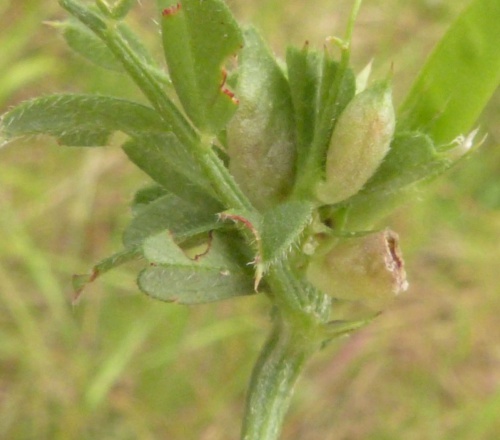 Graham Calow
Broughton Astley Brick Quarry
16 June 2014
1st generation gall on Broom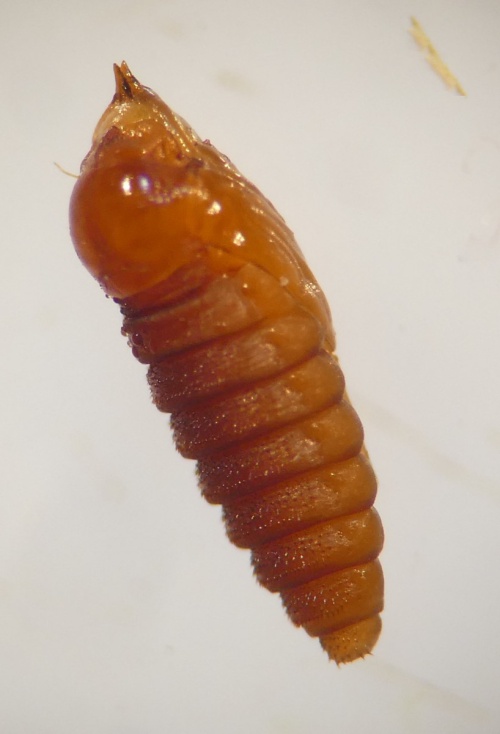 sue
sue
Moira, by Ashby Canal near Moira Furnace
03 April 2023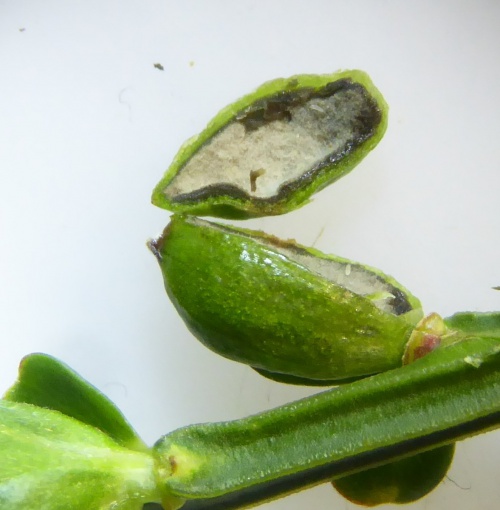 sue
sue
Bagworth Beacon
09 May 2021
Fungal hyphae inside gall sue
sue
Bagworth Beacon
09 May 2021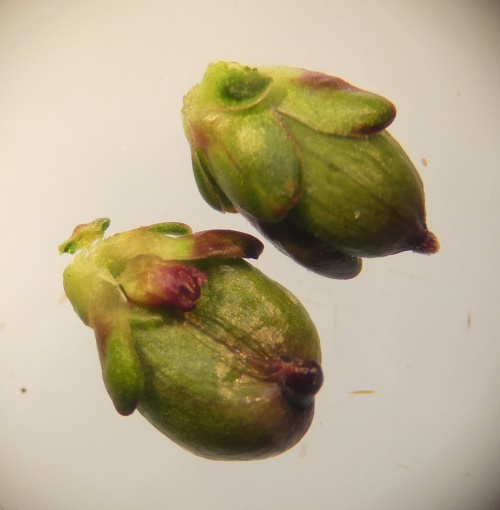 sue
sue
Moira, by Ashby Canal near Moira Furnace
03 April 2023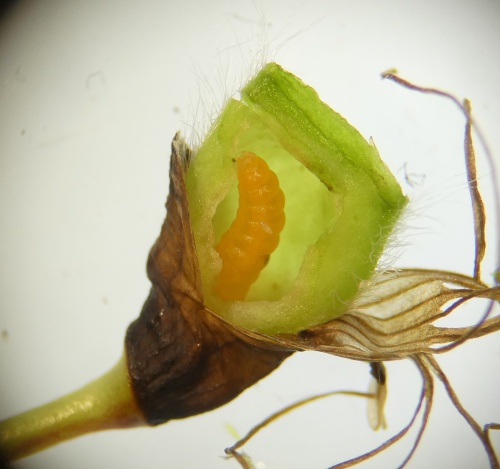 sue
sue
Loughborough, the Outwoods (N), outcrop
13 June 2023
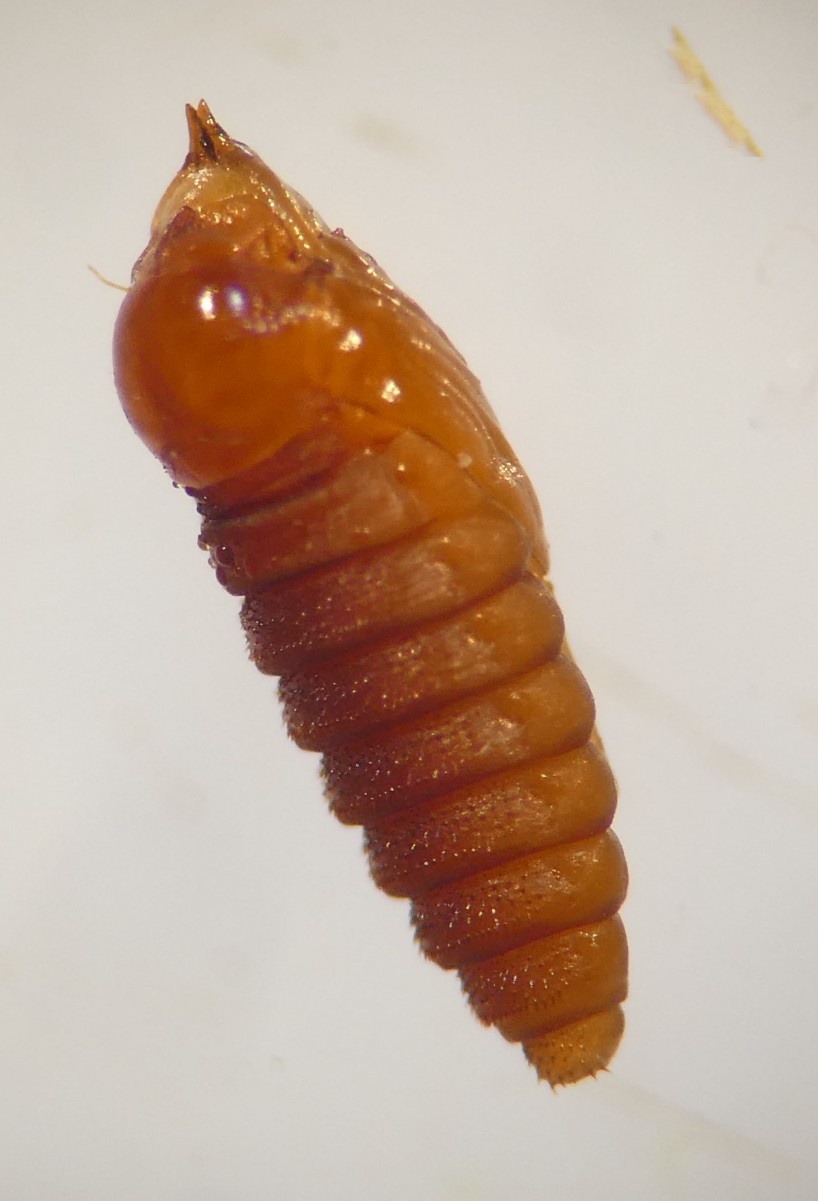
orange larva inside broom pod gall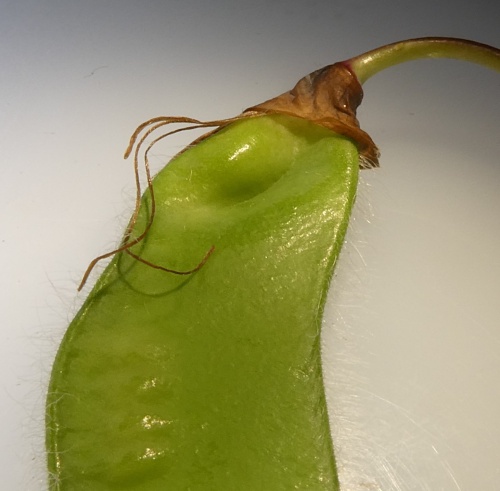 sue
sue
Loughborough, the Outwoods (N), outcrop
13 June 2023

Leicestershire & Rutland Map
Enter a town or village to see local records
MAP KEY:
Yellow squares = NBN records (all known data)
Coloured circles = NatureSpot records: 2025+ | 2020-2024 | pre-2020
UK Map
Species profile
- Species group:
- insect - true fly (Diptera)
- Kingdom:
- Animalia
- Order:
- Diptera
- Family:
- Cecidomyiidae
- Records on NatureSpot:
- 8
- First record:
- 30/04/2014 (Calow, Graham)
- Last record:
- 11/07/2024 (Bell, Melinda)
Total records by month
% of records within its species group
10km squares with records
The latest images and records displayed below include those awaiting verification checks so we cannot guarantee that every identification is correct. Once accepted, the record displays a green tick.
In the Latest Records section, click on the header to sort A-Z, and again to sort Z-A. Use the header boxes to filter the list.
Latest images
Latest records
 Graham Calow
Fosse Meadows, Sharnford
30 April 2014
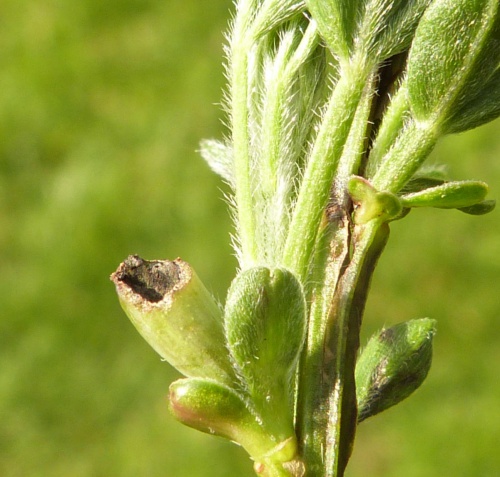
1st generation gall on Broom -top probably removed by bird feeding on larva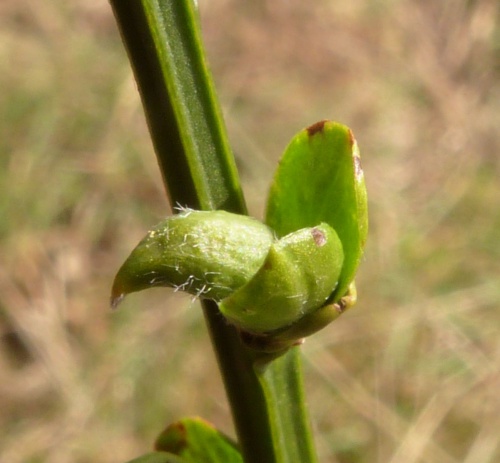 Graham Calow
Sharnford, Fosse Meadows
26 March 2019
gall on Broom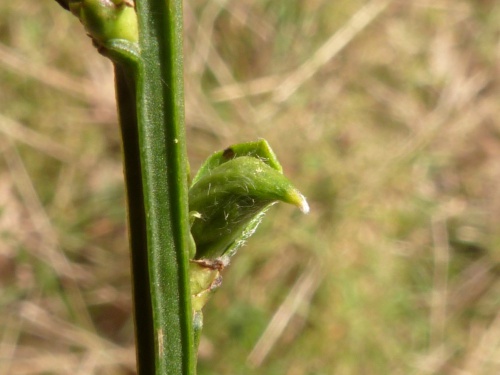 Graham Calow
Sharnford, Fosse Meadows
26 March 2019
gall on Broom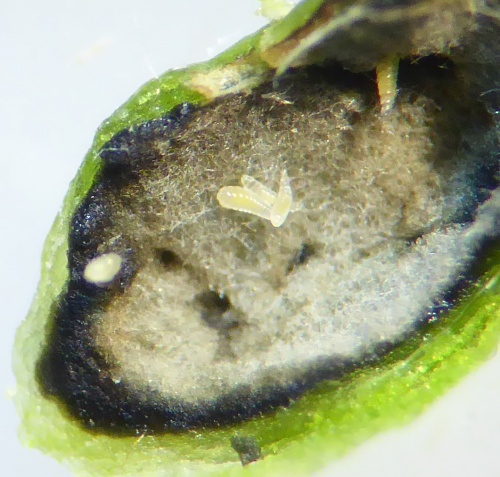 sue
sue
Bagworth Beacon
09 May 2021
Fungal mycelium inside gall (larvae appear to be parasitoids)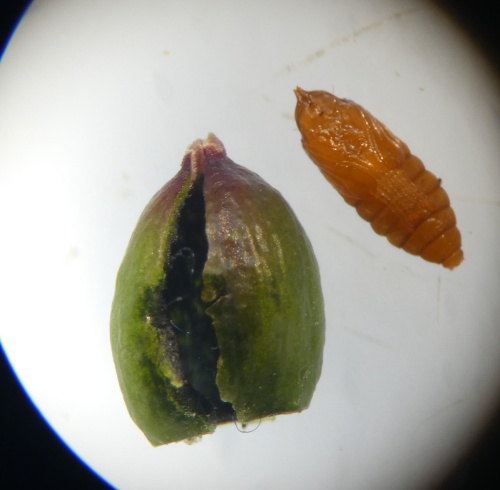 sue
sue
Moira, by Ashby Canal near Moira Furnace
03 April 2023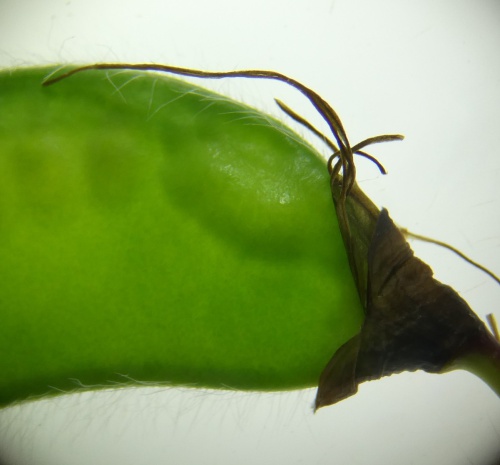 sue
sue
Loughborough, the Outwoods (N), outcrop
13 June 2023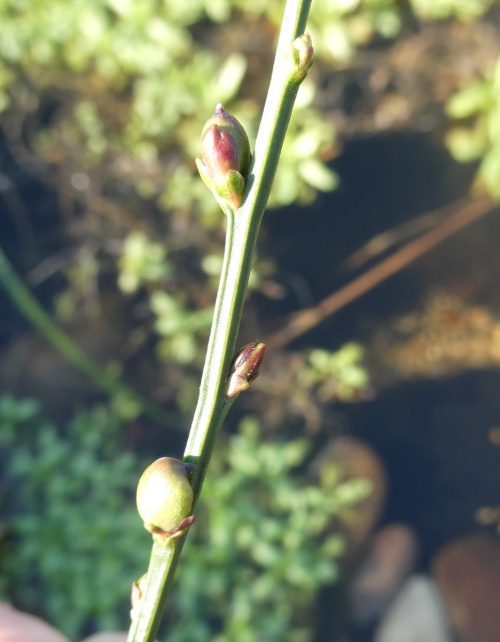 sue
sue
Moira, by Ashby Canal near Moira Furnace
03 April 2023