

Beech - Fagus sylvatica
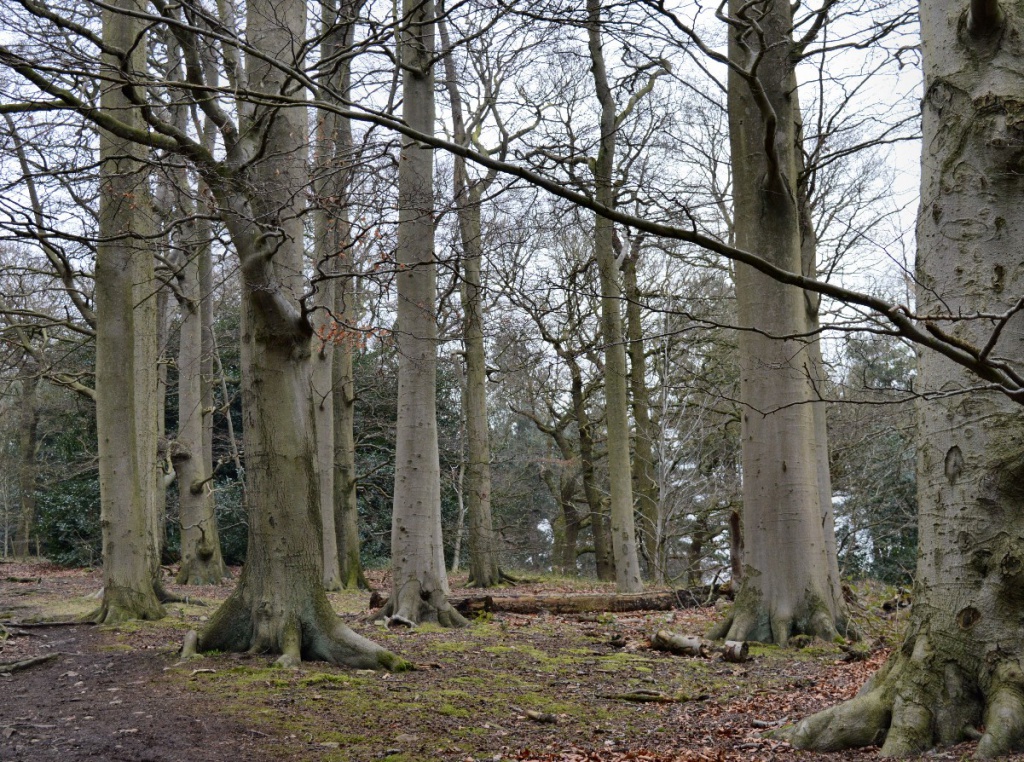
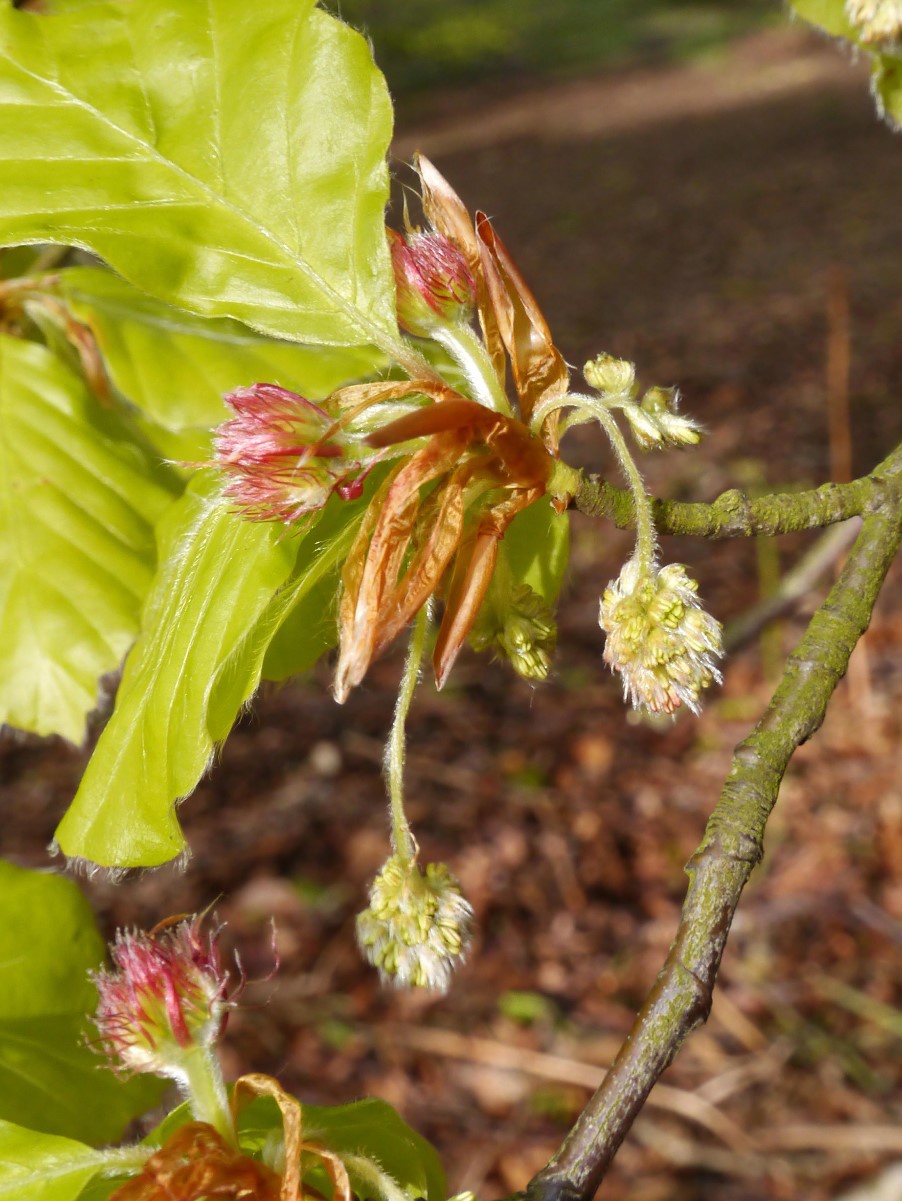
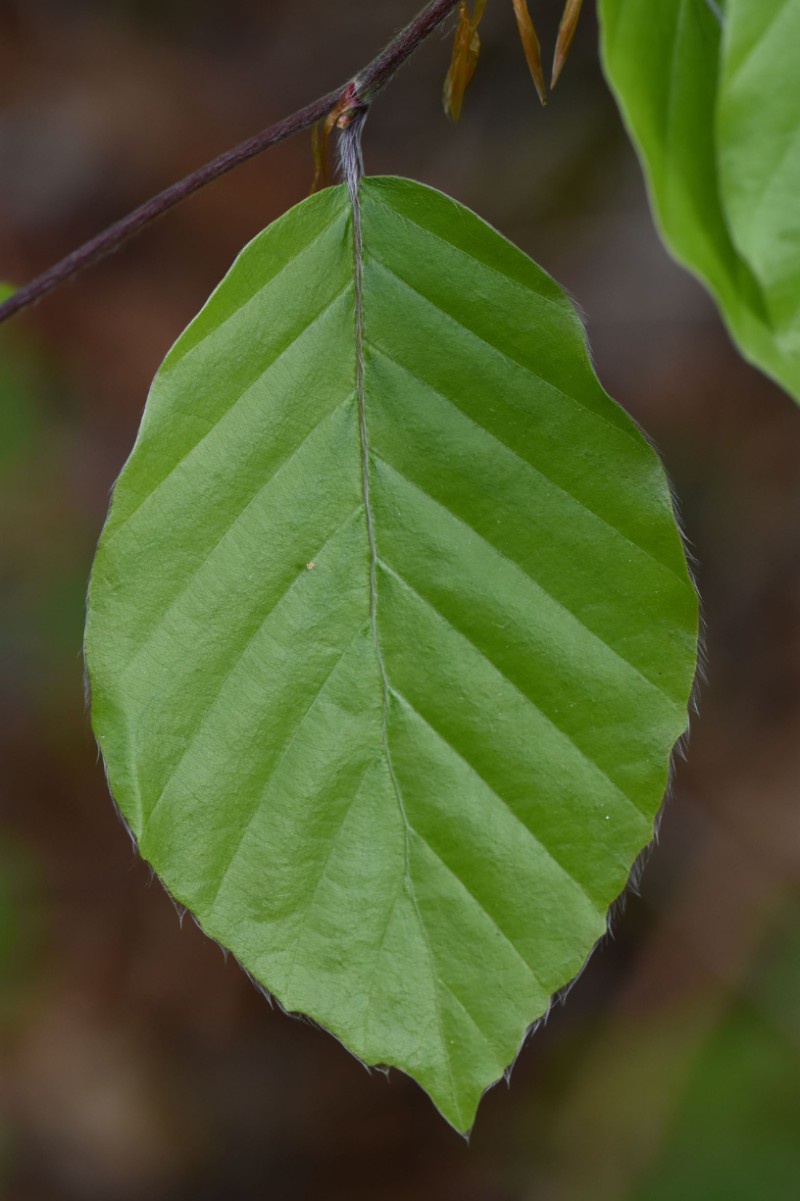
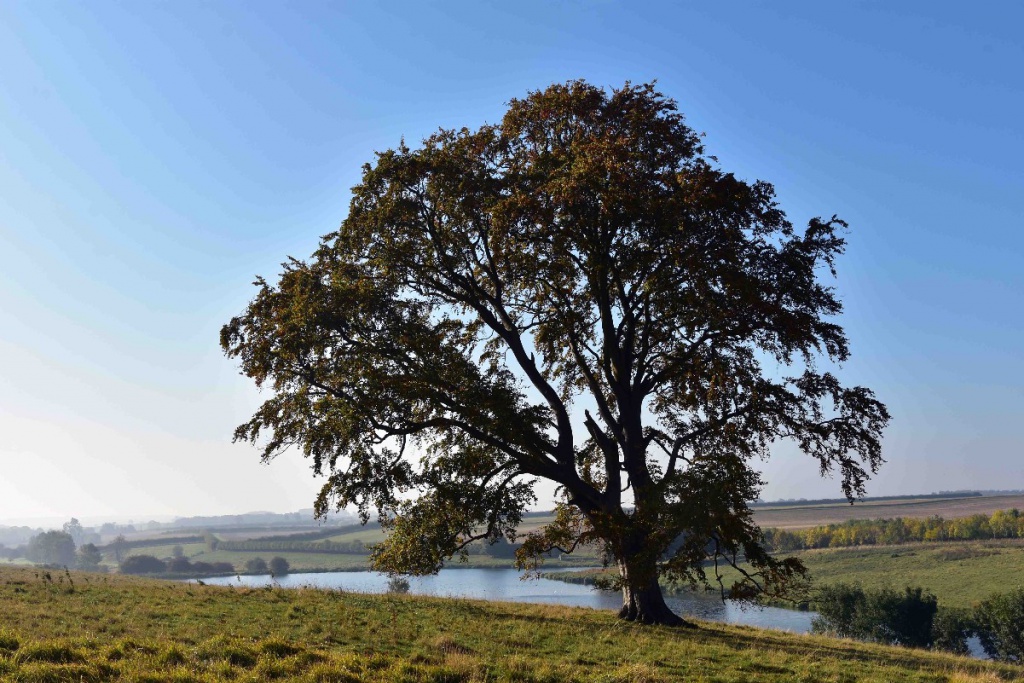
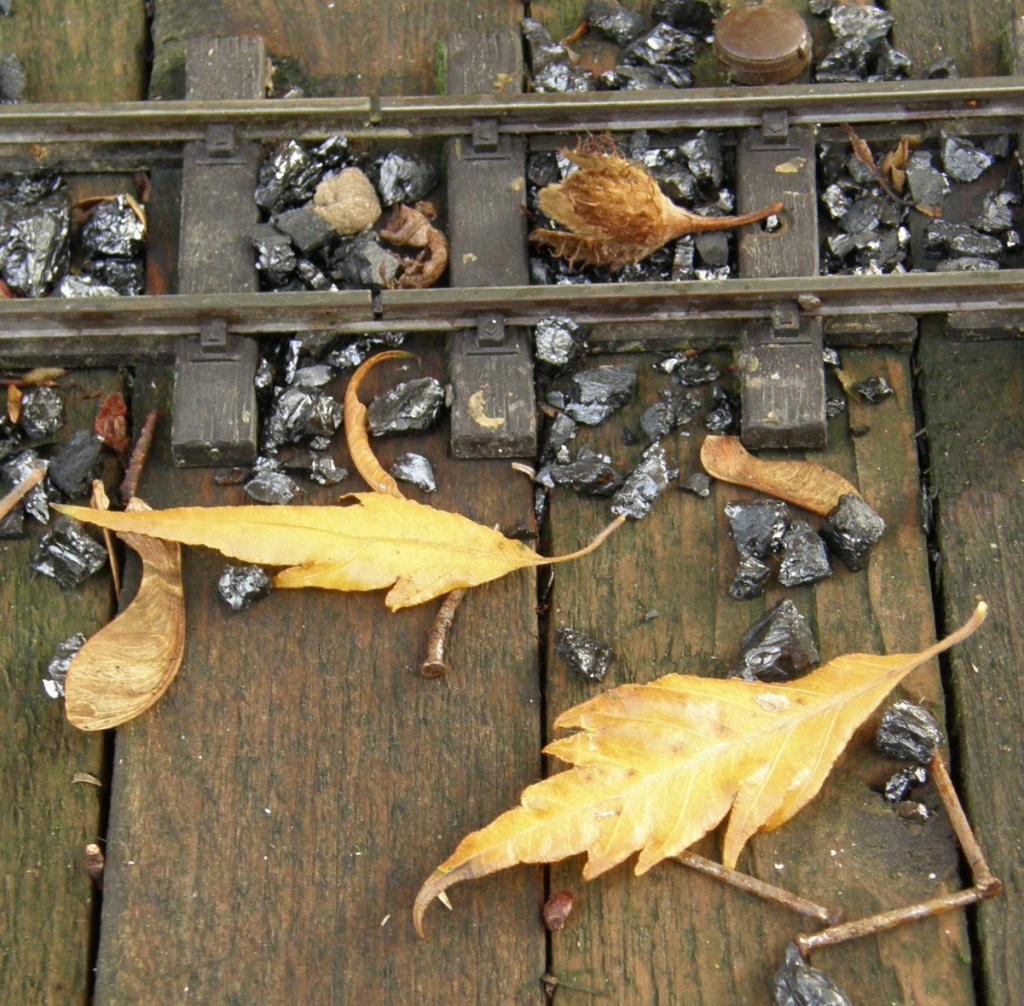
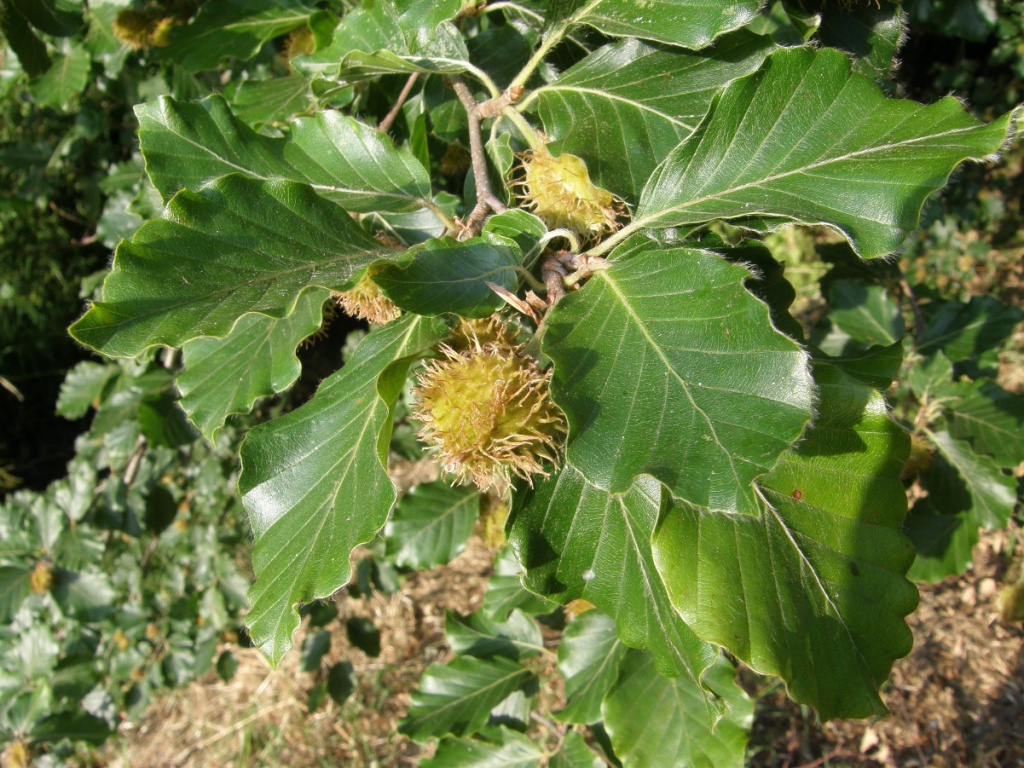
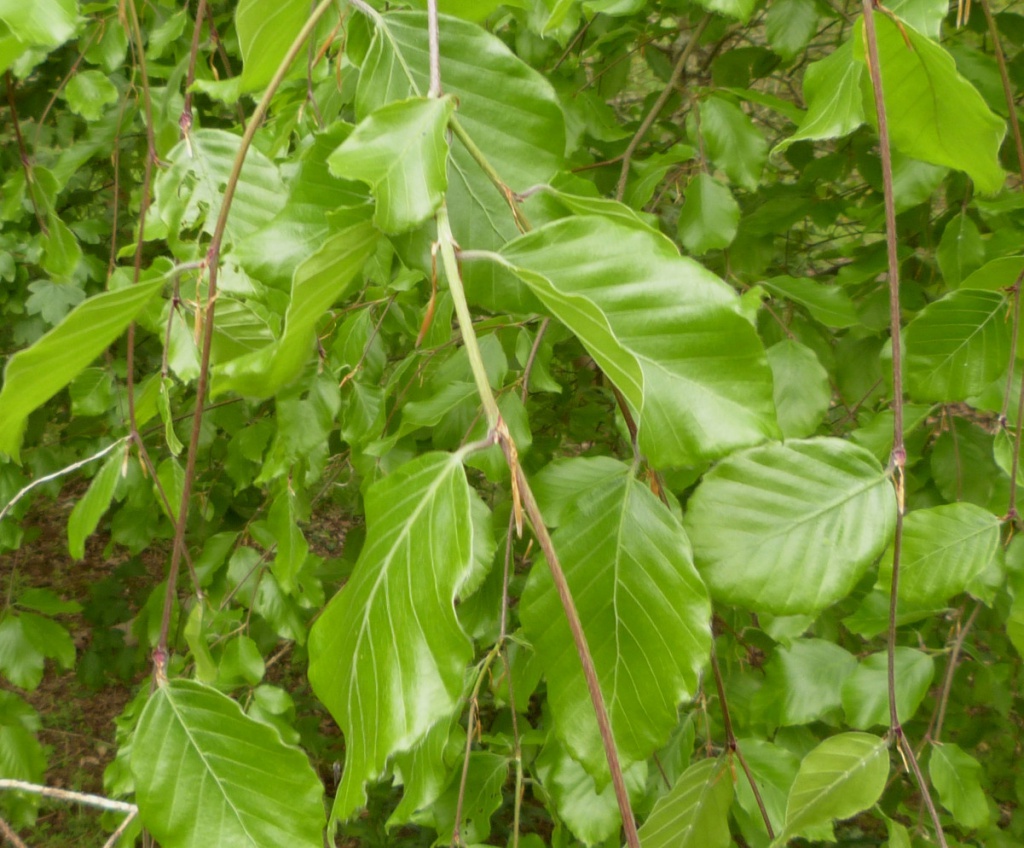
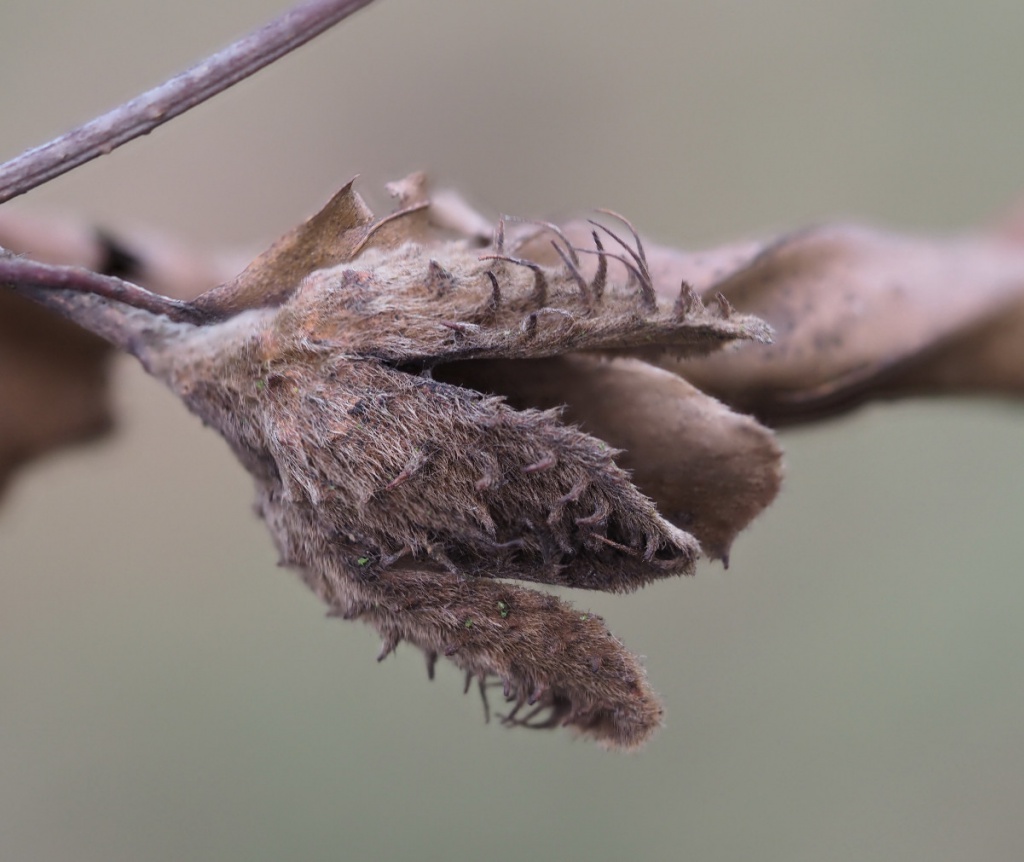
Large spreading tree to 30 metres. Leaves shallowly toothed with parallel veins. Flowers appearing with the young leaves. Male in drooping tassels, female separate and erect. Fruit known as 'Beech mast' is a triangular nut in a bristly woody splitting husk.

Woods, and sometimes on sandy soils. Not native to Leicestershire.
April and May.
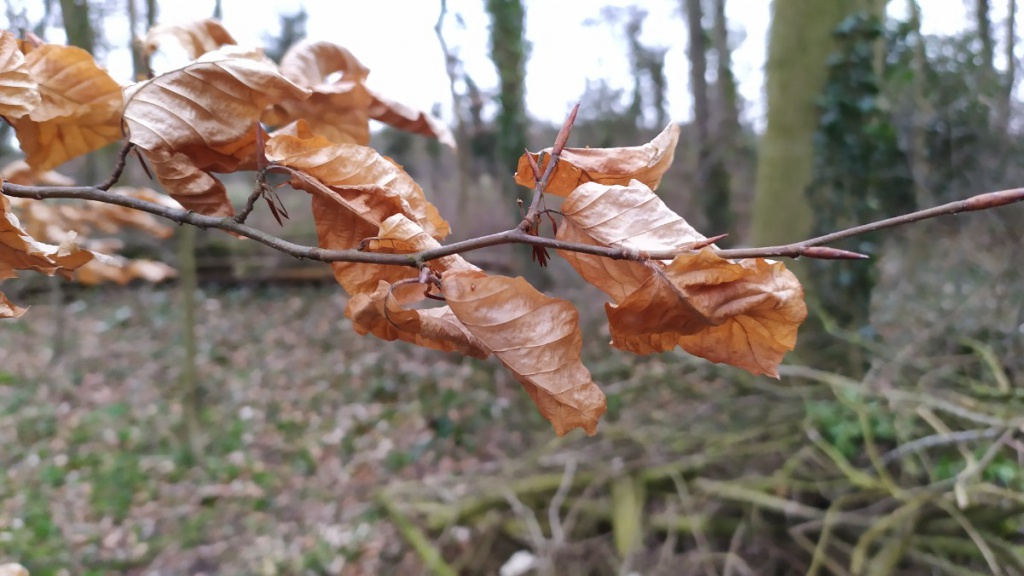
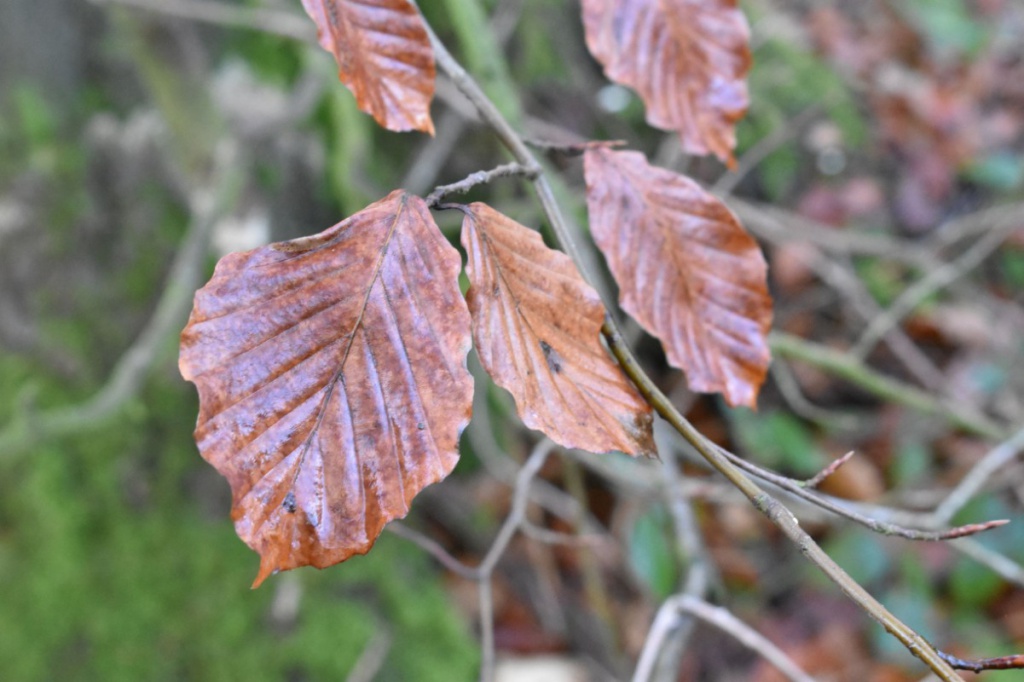
Deciduous, but brown dead leaves often remain on the branches for a long time. Much planted - isolated trees found in various locations as well as in woodland.
Fairly frequent in most of Britain.
Fairly frequent in Leicestershire and Rutland. In the 1979 Flora survey of Leicestershire it was found in 326 of the 617 tetrads.
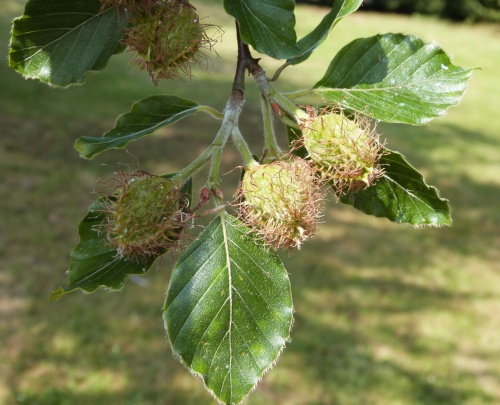 Graham Calow
Near High Cross
09 June 2016 David Nicholls
Swithland Wood
25 August 2011
alternate leaves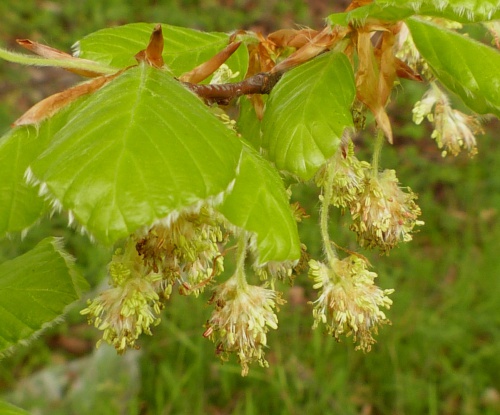 Graham Calow
Sapcote
28 April 2014
flowers and leaf. B4114 Leicester Road Junction Sapcote SP 5031 9306 (taken 5.10..2007).JPG) Graham Calow
Graham Calow
Sapcote
05 October 2007
ripe fruit splitting open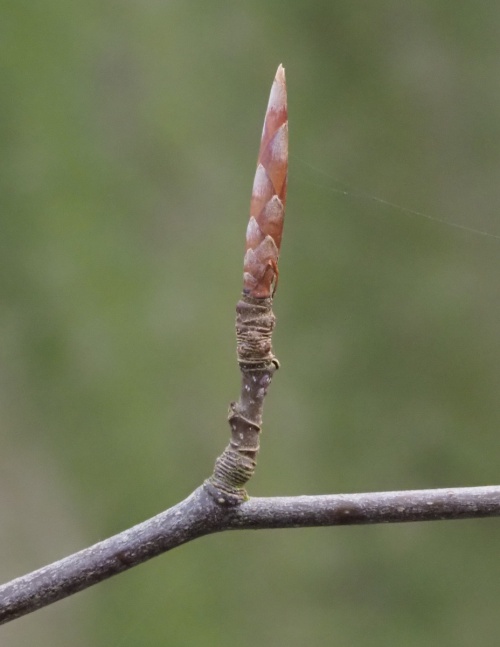 David Nicholls
Burbage Wood
28 February 2022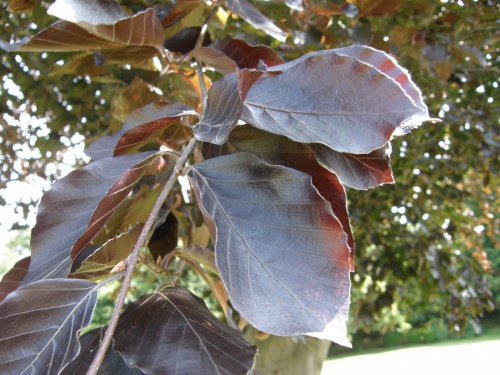 Saharima Roenisch
Abbey Park
06 July 2017
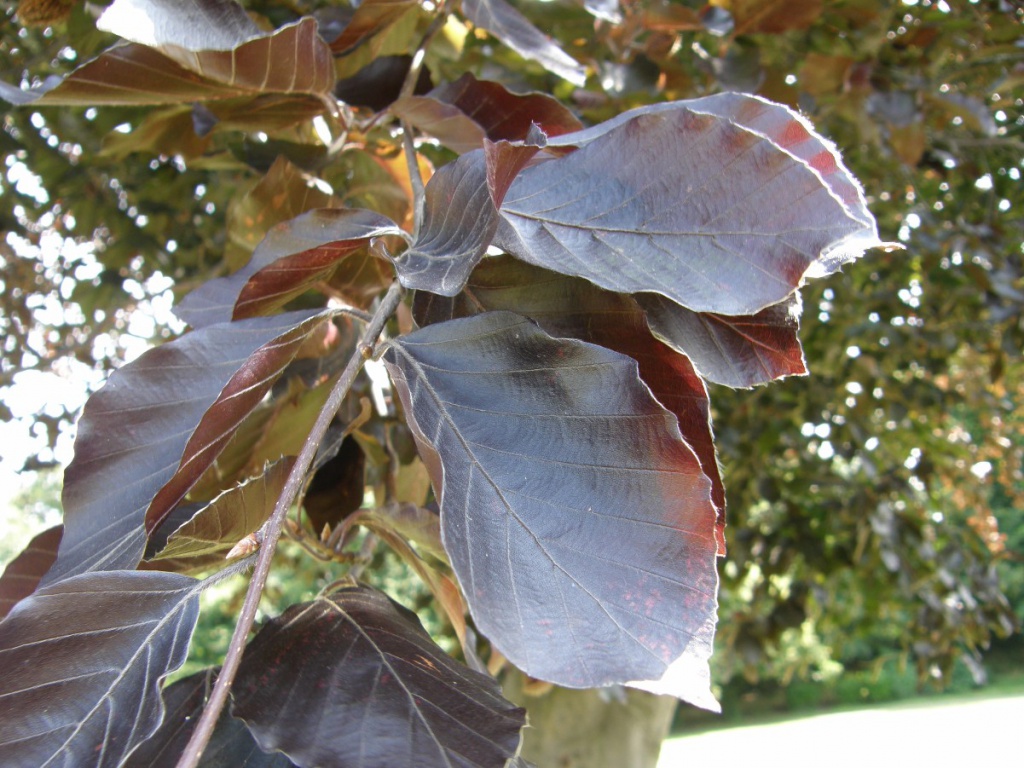
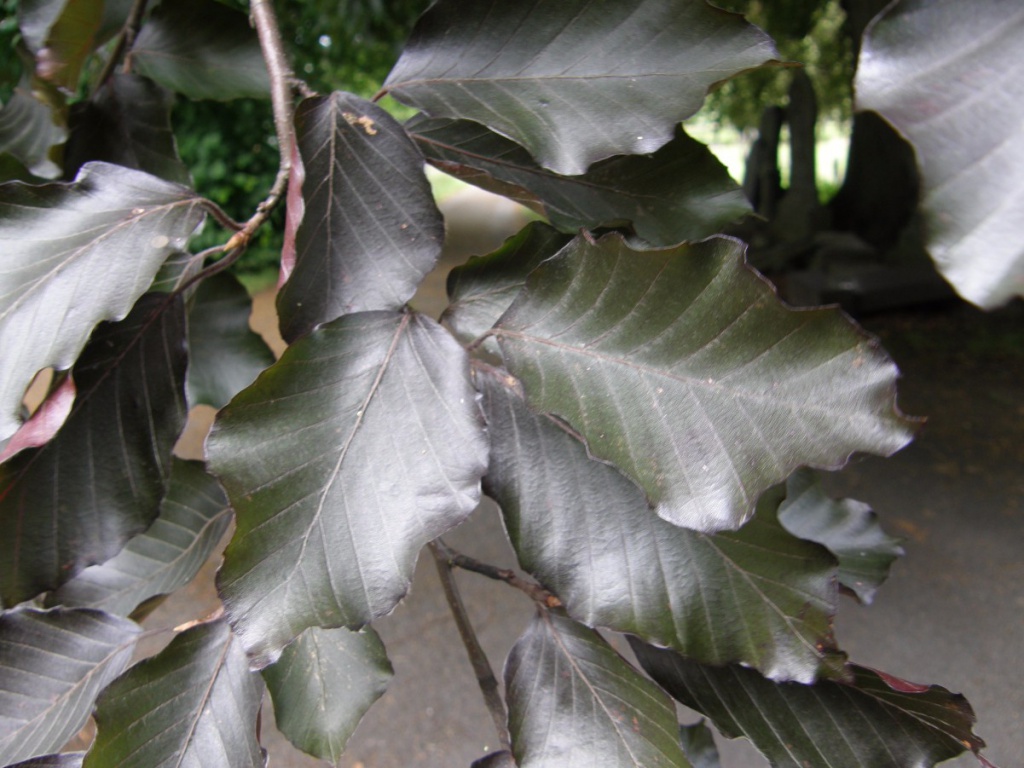
Copper Beech David Nicholls
Martinshaw Wood
12 November 2011 David Nicholls
Burbage Wood
28 February 2022


. B4114 Leicester Road Junction Sapcote SP 5031 9306 (taken 5.10..2007).JPG)
Leicestershire & Rutland Map
Enter a town or village to see local records
MAP KEY:
Yellow squares = NBN records (all known data)
Coloured circles = NatureSpot records: 2025+ | 2020-2024 | pre-2020
UK Map
Species profile
- Common names
- Beech
- Species group:
- flowering plant
- Kingdom:
- Plantae
- Order:
- Fagales
- Family:
- Fagaceae
- Records on NatureSpot:
- 215
- First record:
- 25/04/2007 (Dave Wood)
- Last record:
- 18/04/2026 (Calow, Graham)
Total records by month
% of records within its species group
10km squares with records
The latest images and records displayed below include those awaiting verification checks so we cannot guarantee that every identification is correct. Once accepted, the record displays a green tick.
In the Latest Records section, click on the header to sort A-Z, and again to sort Z-A. Use the header boxes to filter the list.
Latest images
Latest records
 stepgray4
Orchard Way, Wymeswold
04 August 2021 sue
sue
Ulverscroft, along track leading down to grazed fields
25 April 2023
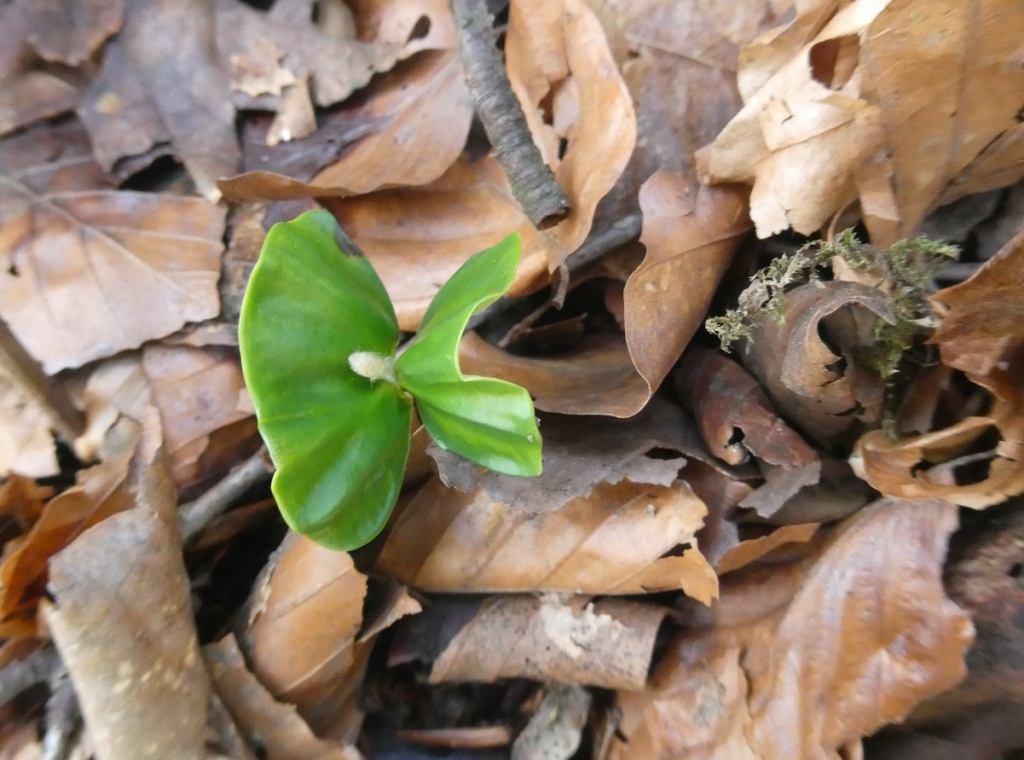
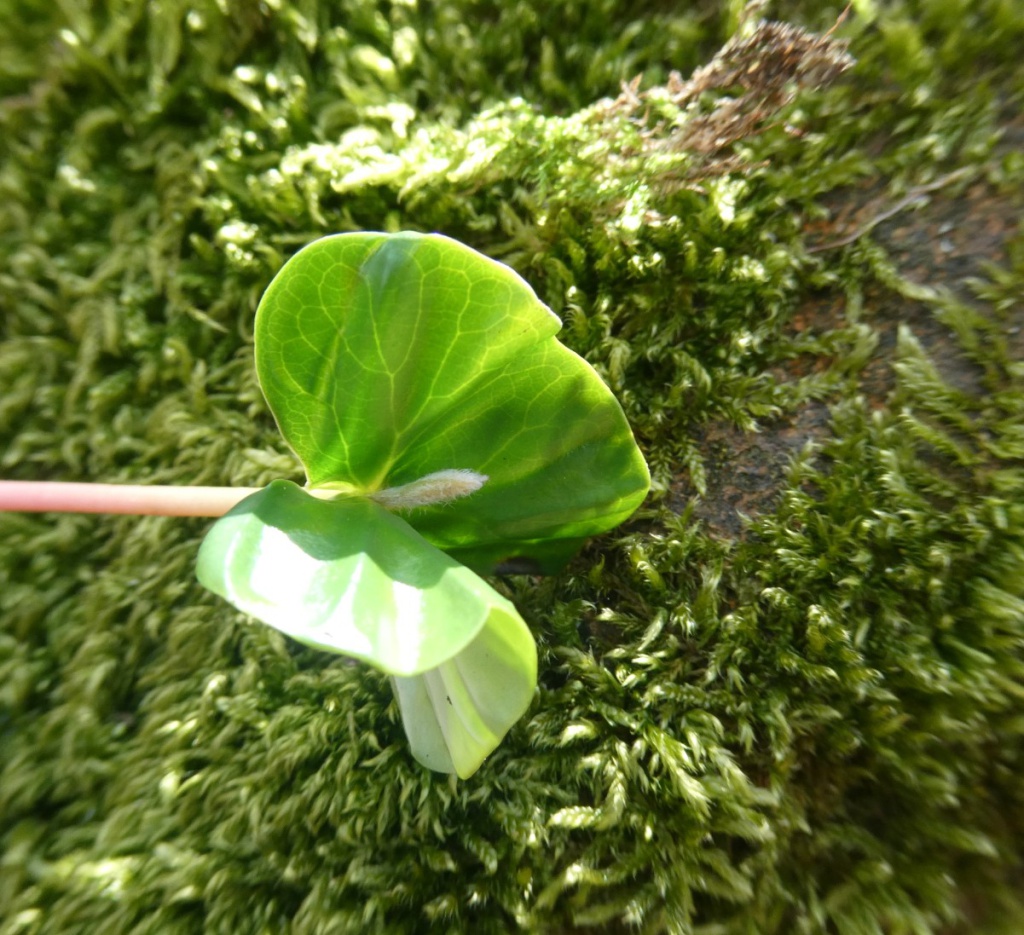
seedling steven lewis
Stathern woods
20 May 2019
'Aspleniifolia' Fern-leaved beech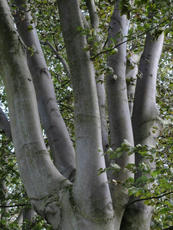 Peter Smith
Cropston
17 September 2011
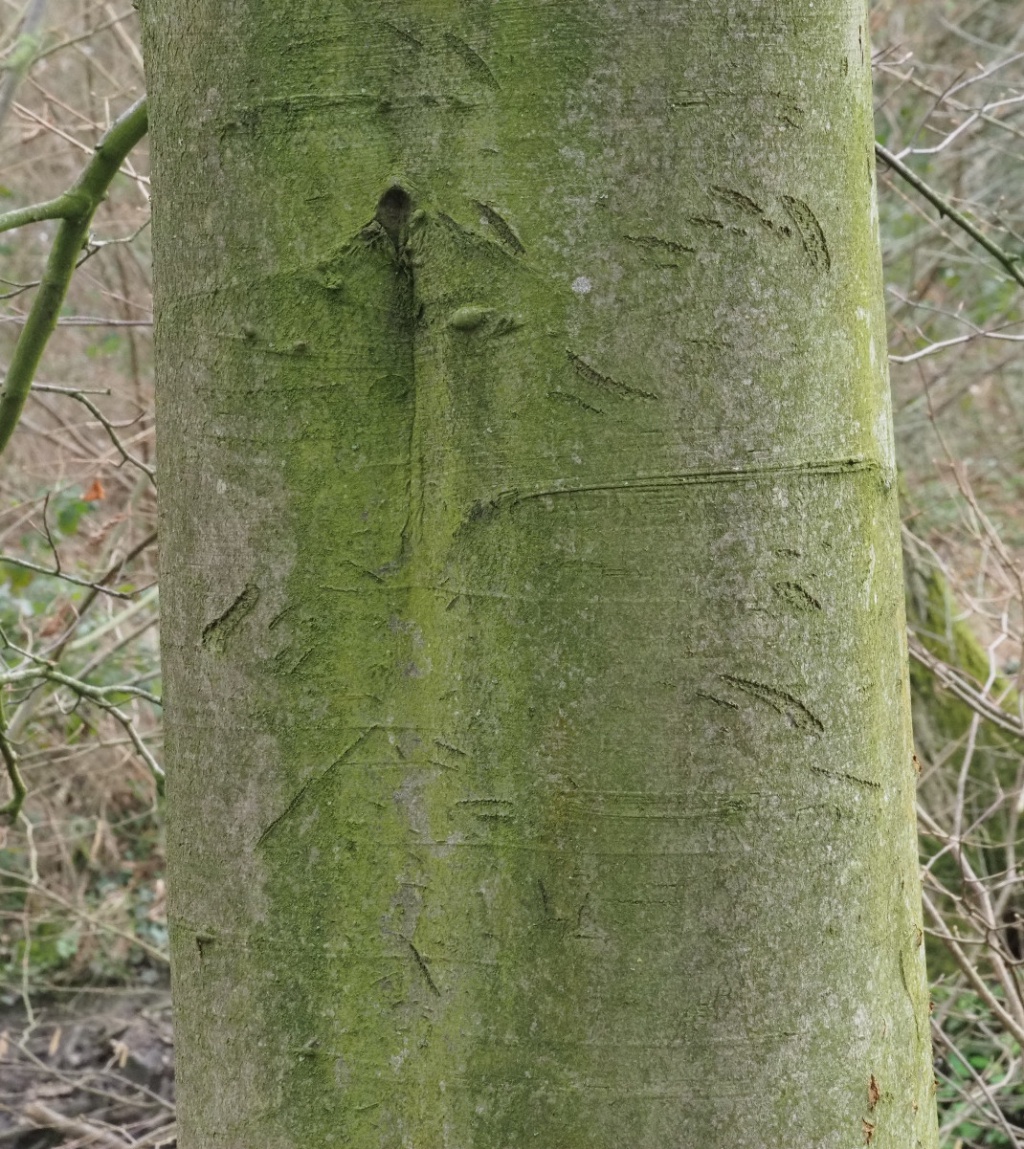
Smooth, grey bark. (Pollarded specimen.)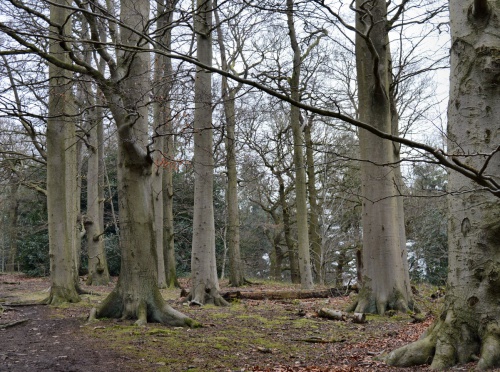 Barbara Cooper
Felicity's Wood
22 February 2018 Peter Smith
Bradgate Park
01 May 2016
Male and female flowers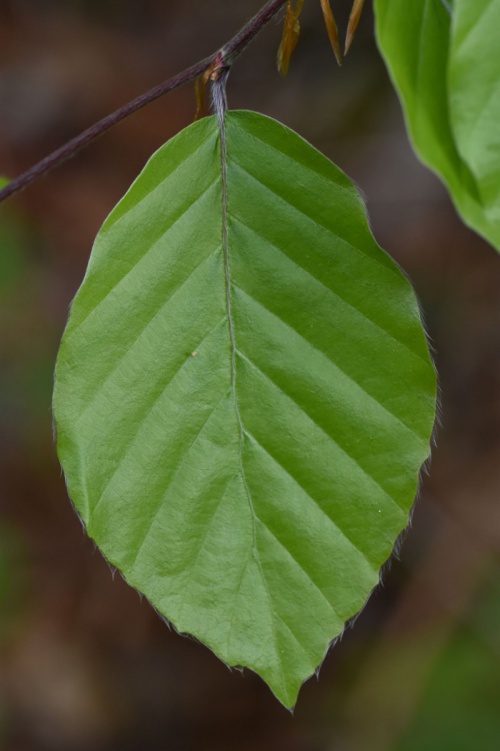 stepgray4
Ulverscroft NR
16 May 2021 stepgray4
Burton Plantation
21 February 2021 Andy's Rutland
A606-River Gwash to Empingham Church
14 May 2020 Andy's Rutland
Lower Lake-Exton Estate
10 October 2018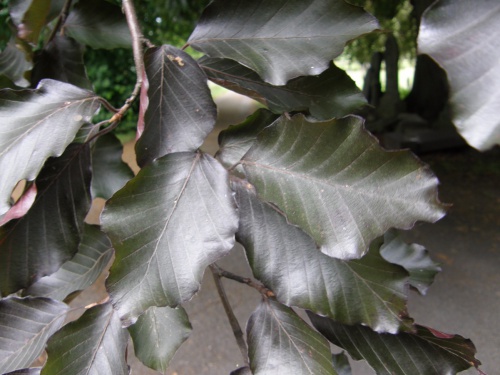 Saharima Roenisch
Welford Road Cemetery
03/07/2017
f. purpurea - Copper Beech stepgray4
Charnwood Lodge
22 November 2020
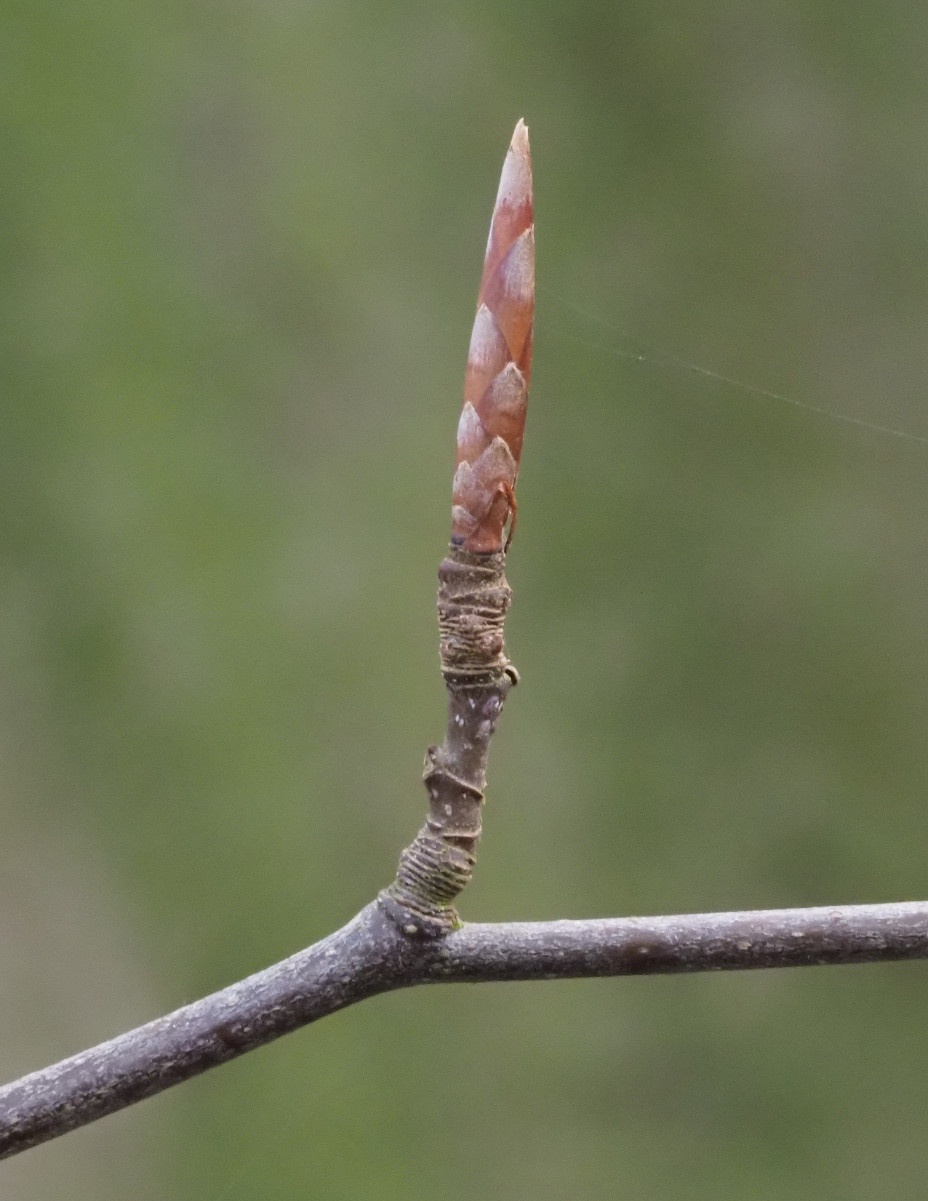
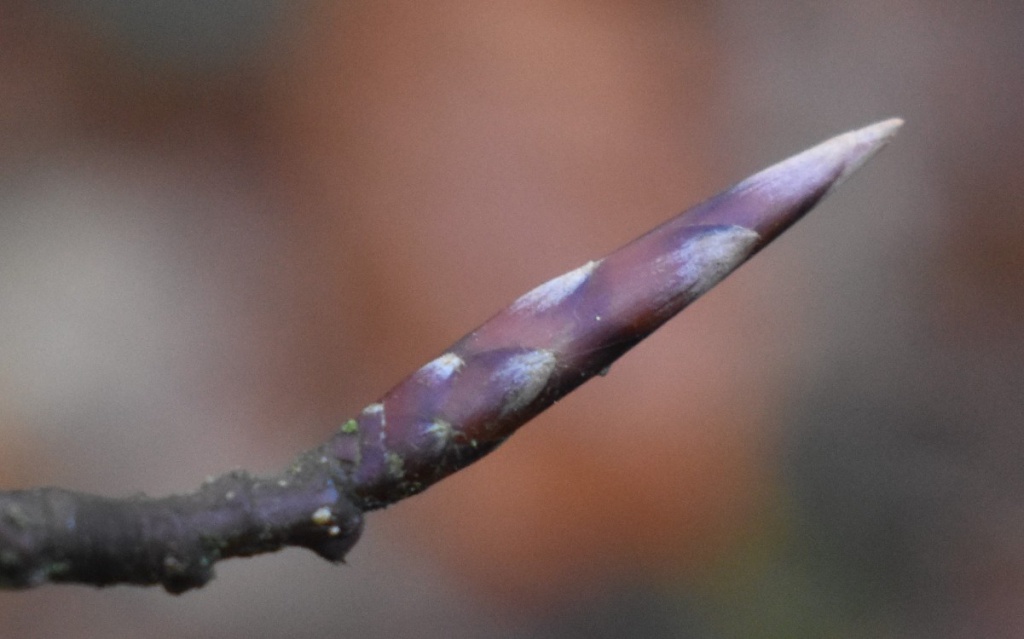
Long and thin bud. Saharima Roenisch
Spinney Hill Park
01 July 2017
Copper Beech (Fagus sylvatica f. purpurea)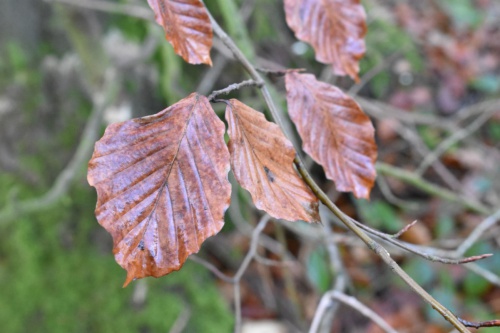 stepgray4
Charnwood Lodge
22 November 2020
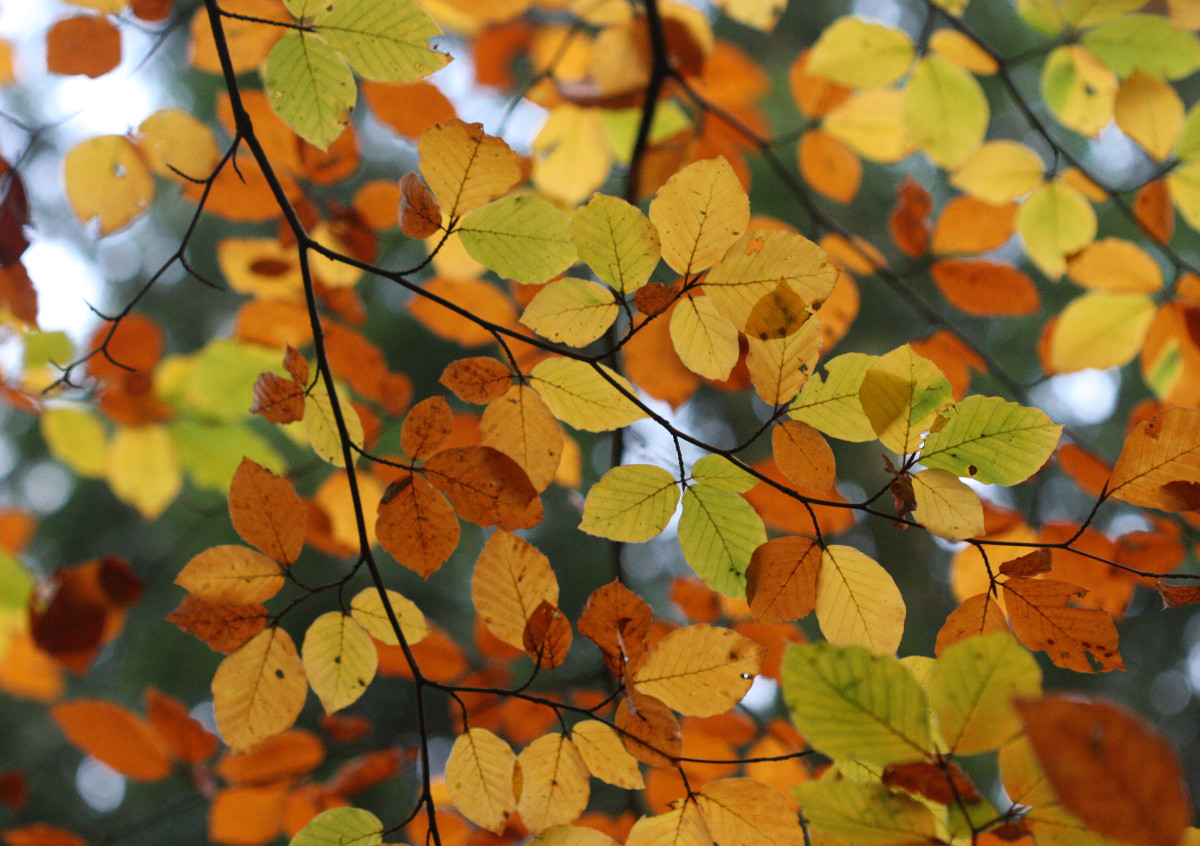
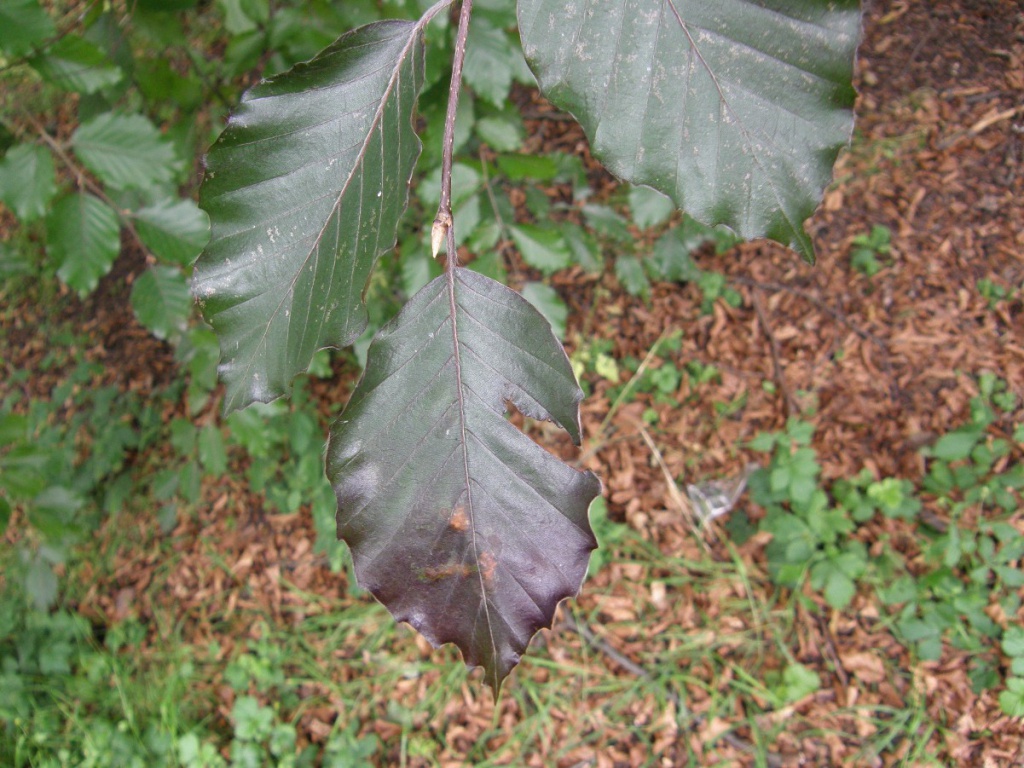
Leaves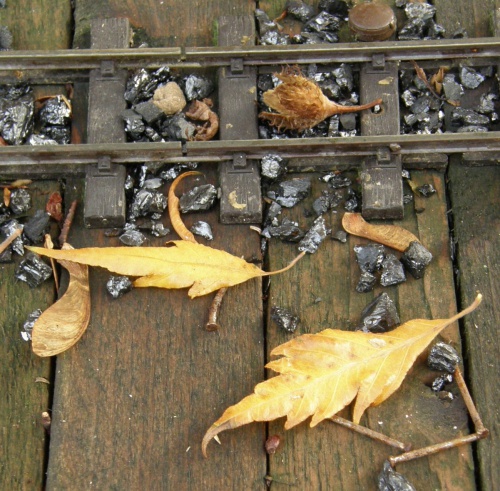 Saharima Roenisch
Abbey Park
07 November 2018
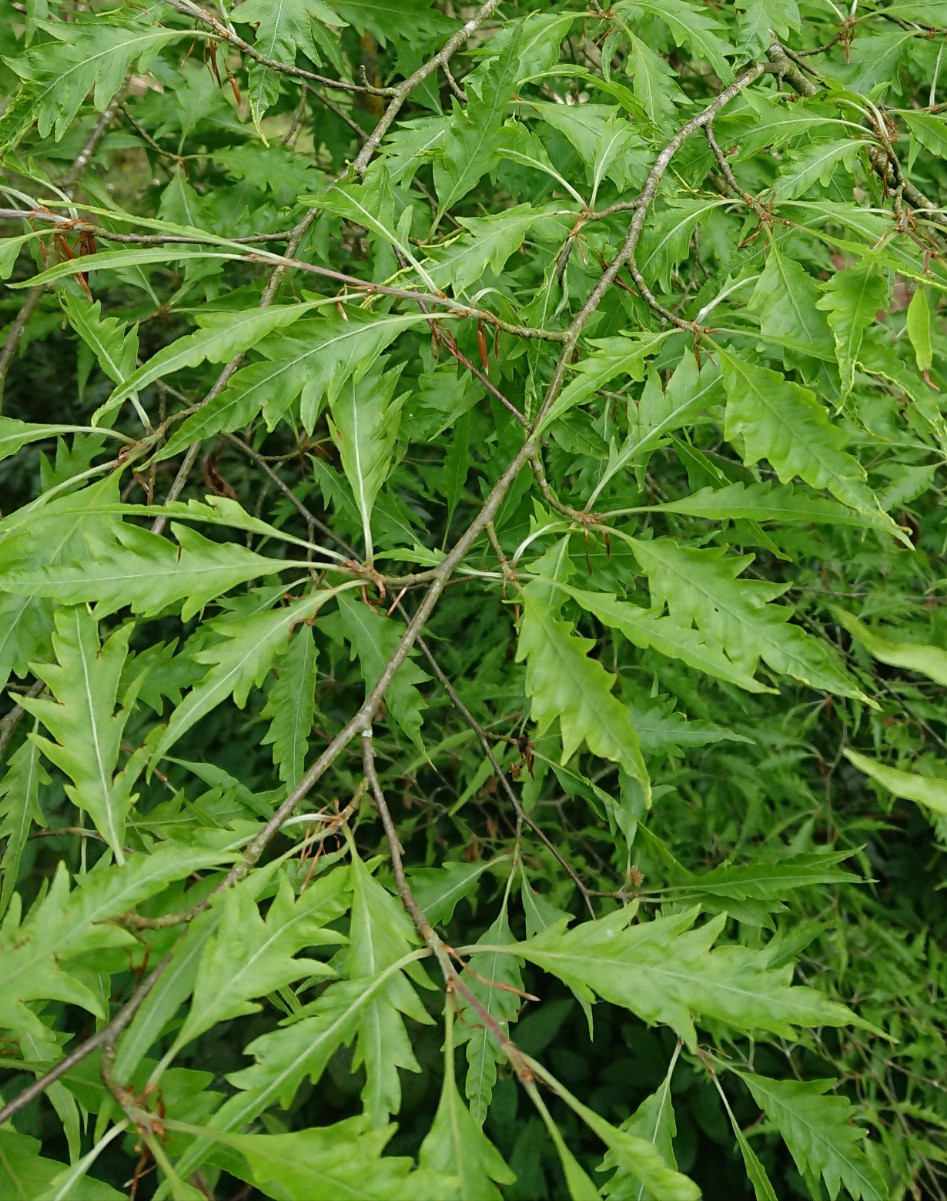
var. laciniata - Cut-leaf Beech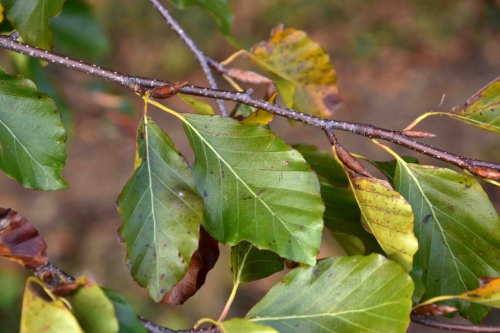 Andy's Rutland
Footpath-River Gwash-Empingham
21 October 2018 B4114 Leicester Road Junction Sapcote SP 5031 9306 (taken 27.8.2007).JPG) Graham Calow
Graham Calow
Sapcote
27 August 2007
fruiting branch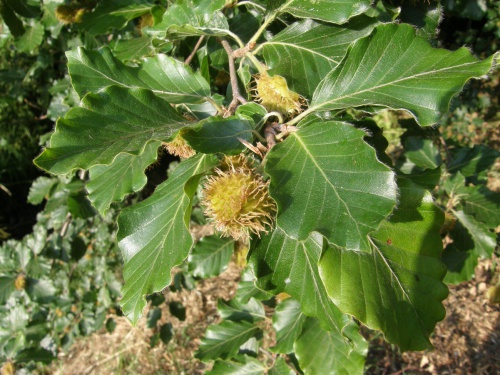 Saharima Roenisch
The Leicestershire Golf Club
07 July 2018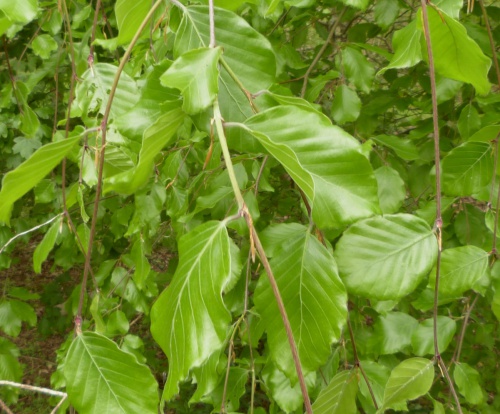 Graham Calow
Frolesworth
11 May 2015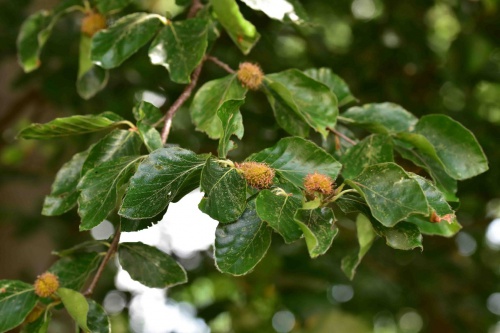 Andy's Rutland
Headland/Footpath-Love's Lane to Gunnel Lane Meadow-Empingham
17 July 2018 B4114 Leicester Road Junction Sapcote SP 5031 9306 (taken 29.6.2007).JPG) Graham Calow
Graham Calow
Sapcote
29 June 2007
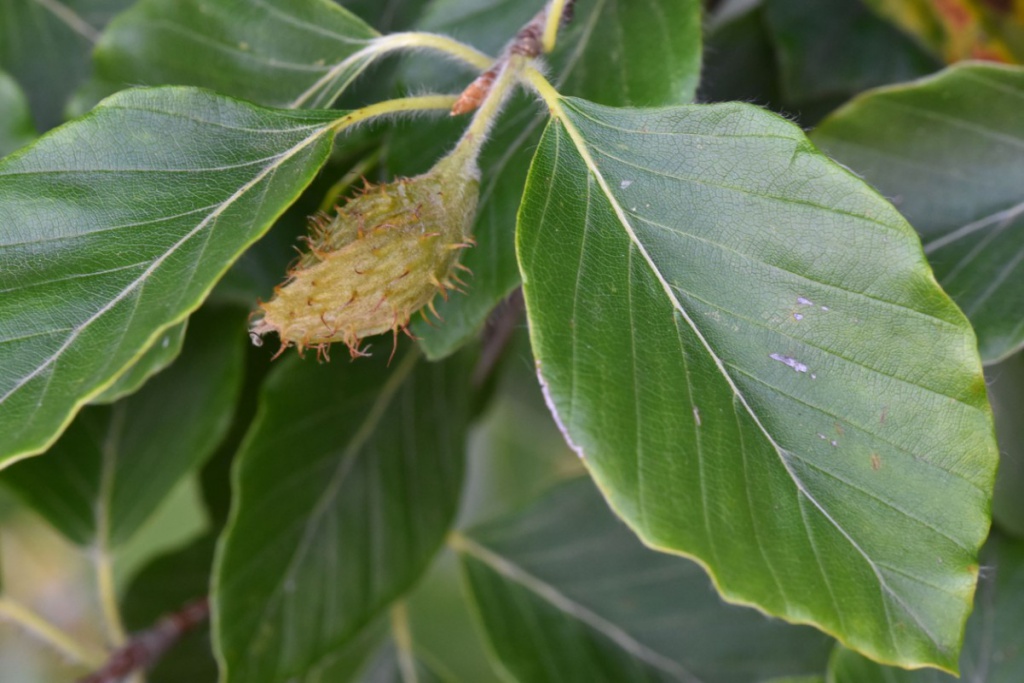
fruit - a nut ('Beech-mast')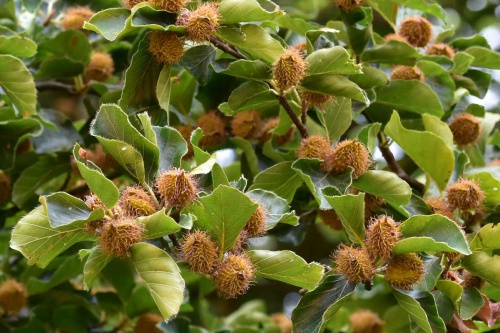 Andy's Rutland
Headland/Footpath-Love's Lane to Gunnel Lane Meadow-Empingham
17 July 2018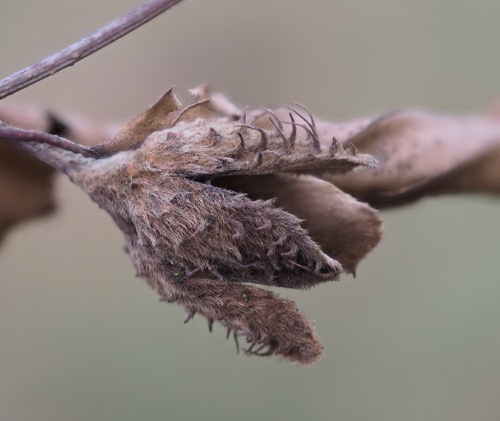 David Nicholls
Warren Hills
17 January 2021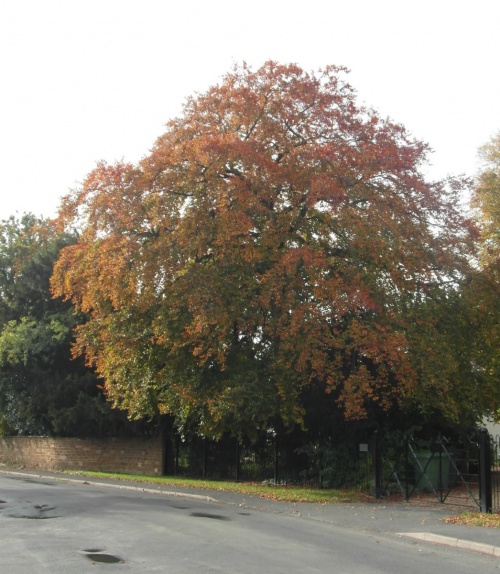 Alan Semper
Harby garden
20 October 2012 sue
sue
Ulverscroft, along track leading down to grazed fields
25 April 2023



 B4114 Leicester Road Junction Sapcote SP 5031 9306 (taken 27.8.2007).JPG)

 B4114 Leicester Road Junction Sapcote SP 5031 9306 (taken 29.6.2007).JPG)


Beech
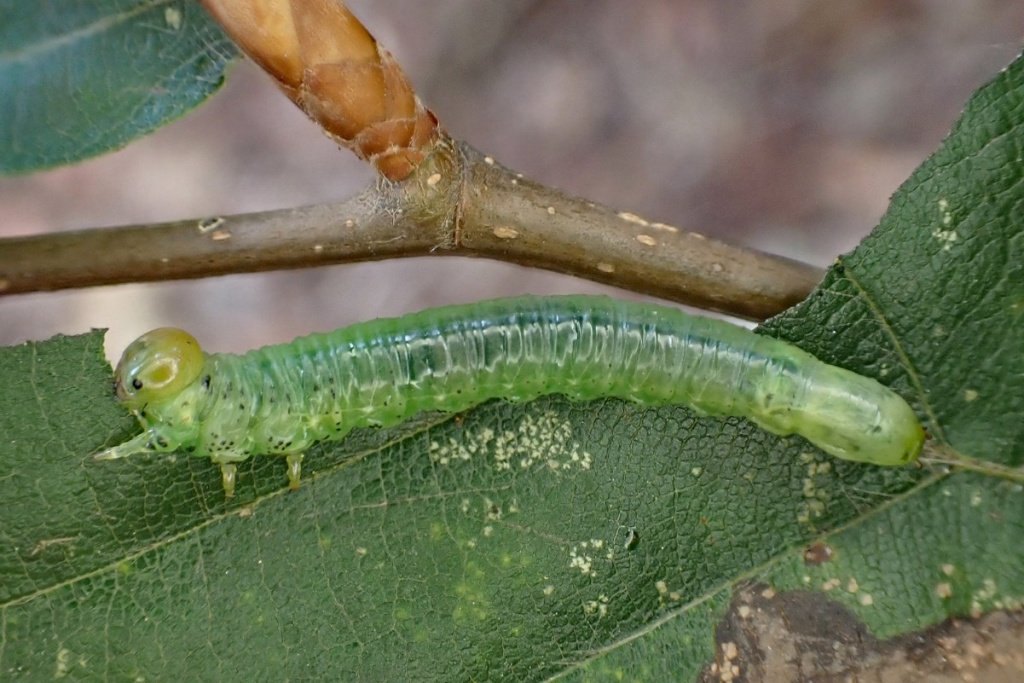
The larvae of the sawfly Euura fagi feeds on Beech feeding along the edge of the leaf. The larva is green with a yellow-brown head.
Woolly Beech Aphid
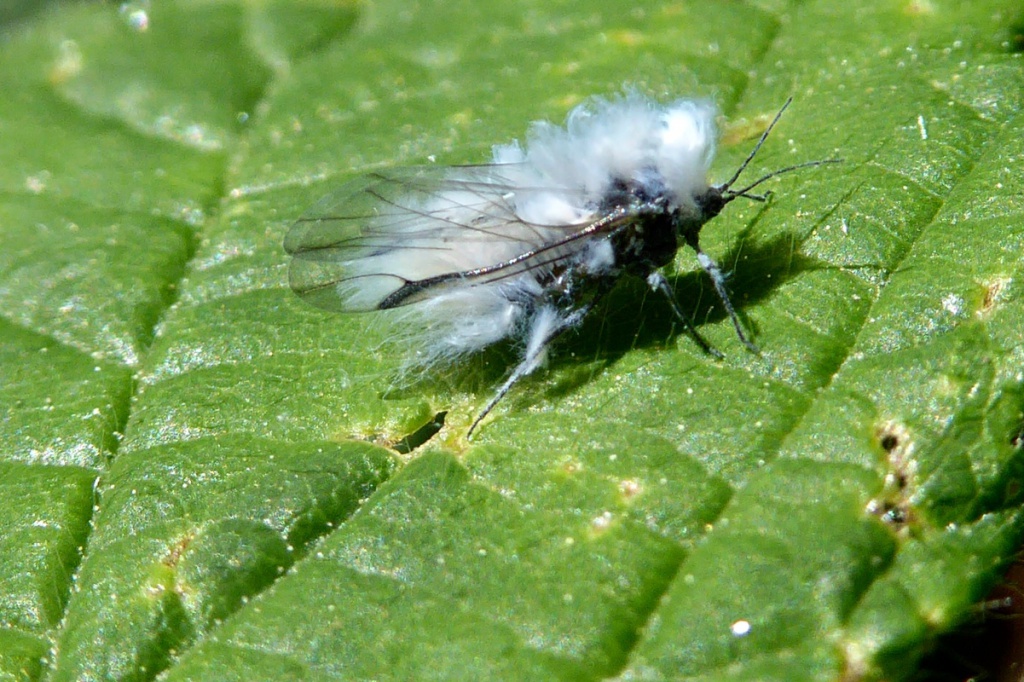
The Woolly Beech Aphid (Phyllaphis fagi) lives on Beech and causes irregular upward bulges on the leaves, with the aphids living in shallow depressions underneath and causing the leaf to curl downwards. The aphids are covered entirely by white waxy filaments that are secreted from its body.
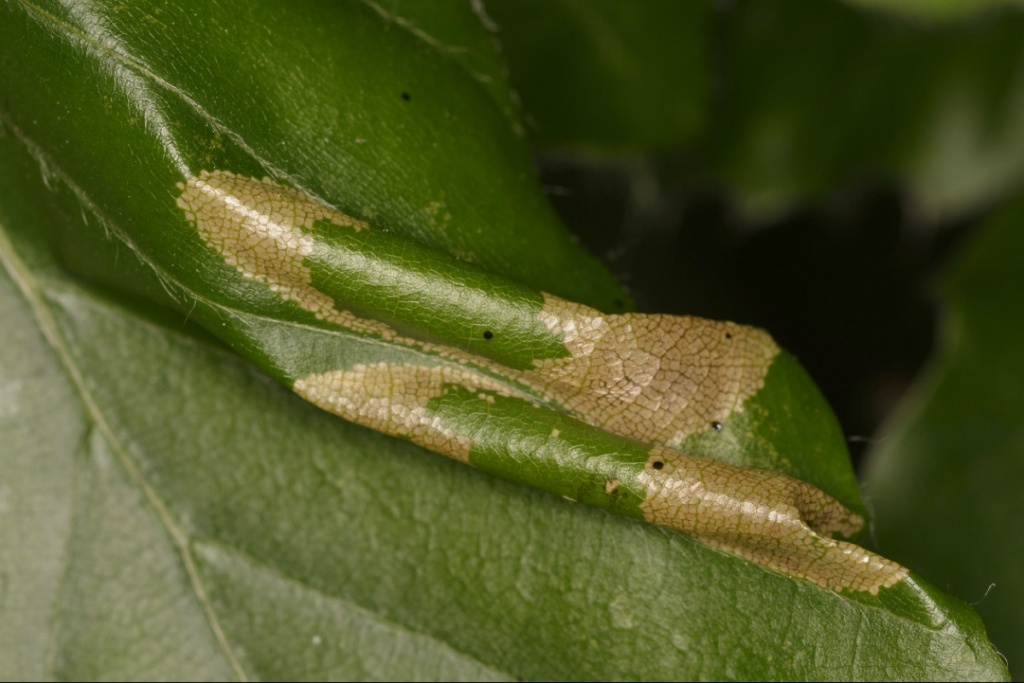
Phyllonorycter maestingella
The llarva of the moth Phyllonorycter maestingella creates a long blotch mine on the underside of leaves of Beech, usually between two veins from midrib almost to leaf edge.
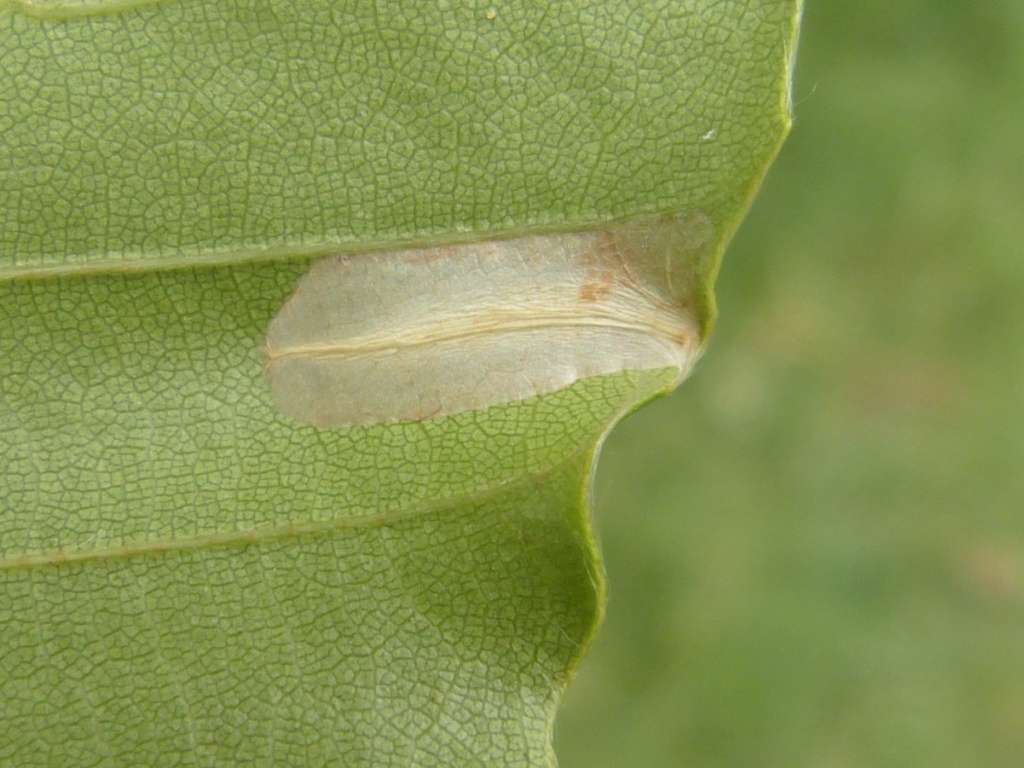
Phyllonorycter messaniella
The larva of the moth Phyllonorycter messaniella mines the leaves of Oak, Hornbeam, Beech or Sweet Chestnut, and sometimes on other tree species. The leaf mines caused by the larvae are usually found on the underside and have a typical 'tented' appearance with a crease line across the surface. The frass is characteristically arranged in a U-shape around the cocoon.
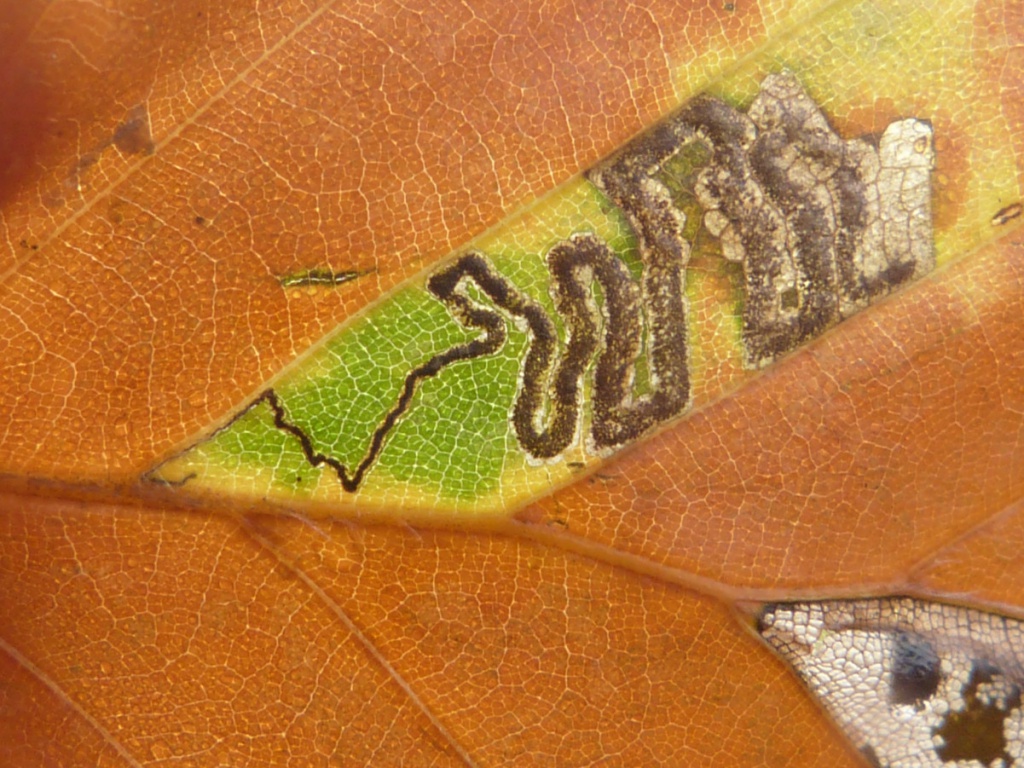
Stigmella tityrella
The larva of the moth Stigmella tityrella mines the leaves of Beech creating an S-shaped mine that starts at a leaf axil and heads outwards, usually within the confines of two veins.
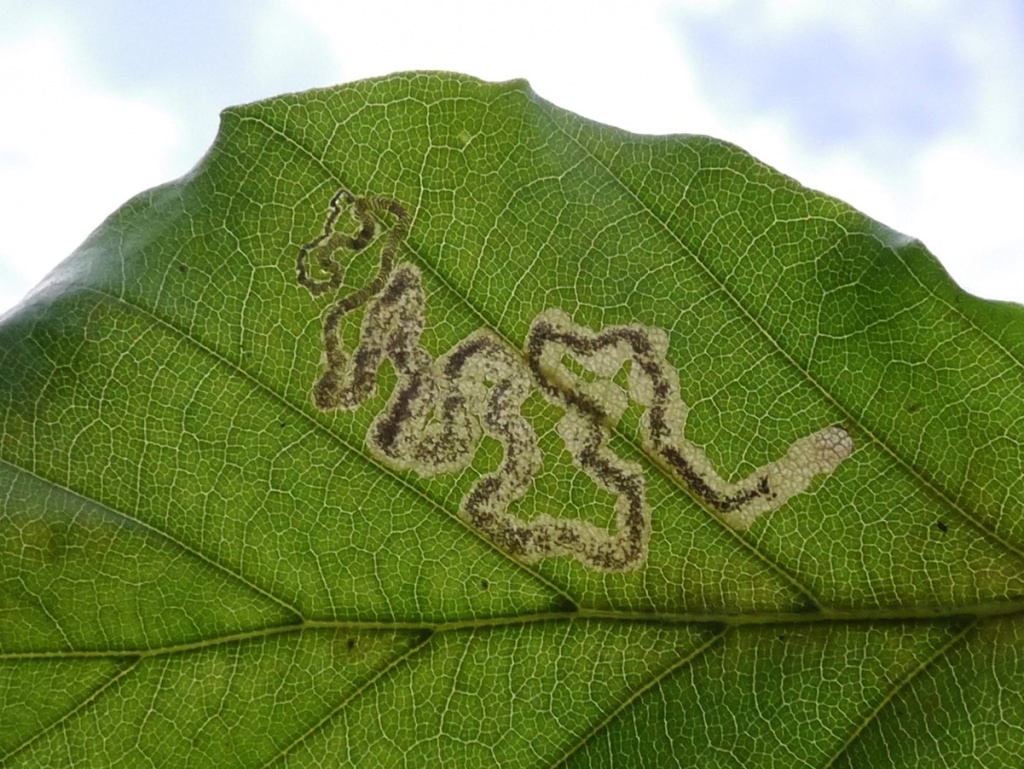
Stigmella hemargyrella
The larva of the moth Stigmella hemargyrella mines the leaves of Beech producing a sinuous gallery with the frass forming a coil part way through the mine. In contrast to Stigmella tityrella, the mine usually starts near the edge of the leaf and winds towards the centre.
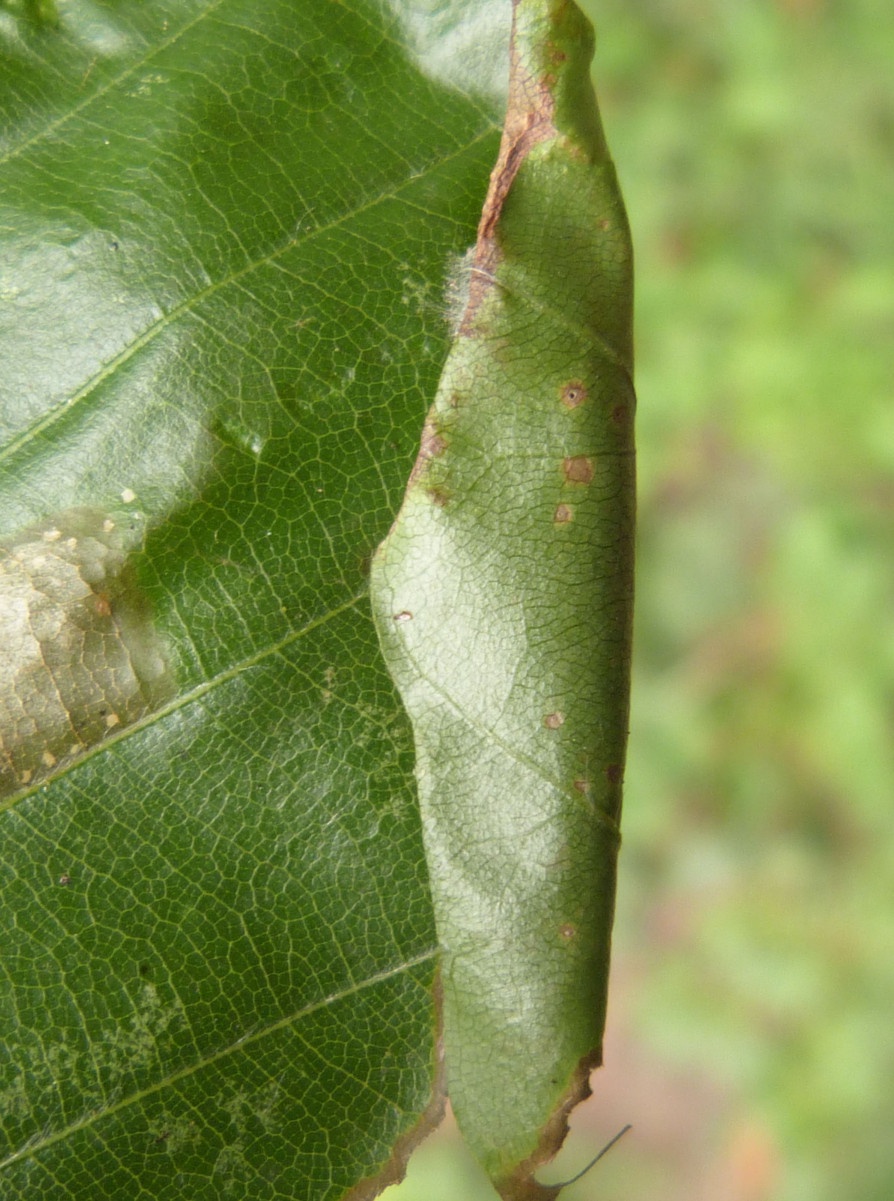
Parornix fagivora
The larva of the moth Parornix fagivora mines the leaves of Beech. The early mine is a blotch with upper epidermis turning brown. Then a fold at the leaf edge or tip of the leaf.

Hairy Beech Gall
The larva of the gall midge Hartigiola annulipes causes galls to form on the leaves of beech. Young galls develop early in the season as a small circular pustule or flattened dome which is visible on both leaf surfaces. Mature gall is cylindrical, hairy or smooth and up to 6 mm high when mature in late August or September. The gall is pale green and any hairs either pale or reddish brown. The larva is white. When the gall falls in autumn, a circular hole is left.
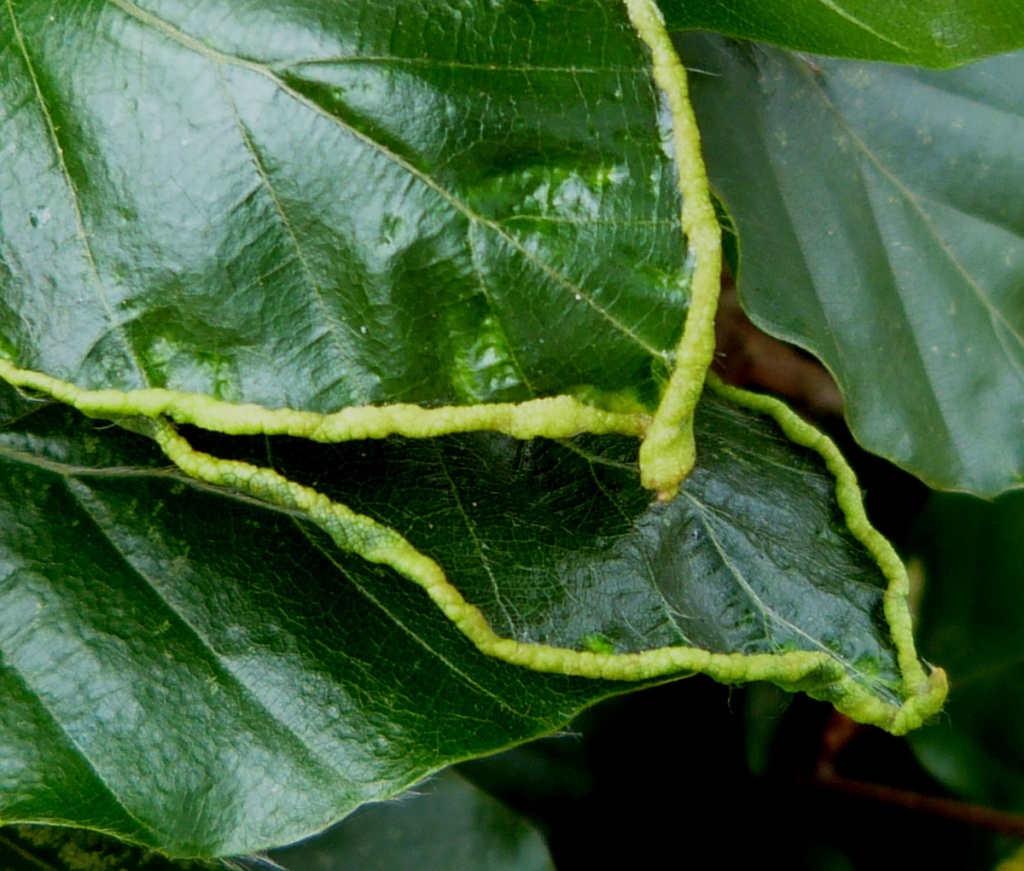
Acalitus stenaspis
Acalitus stenaspis is a mite that causes a leaf roll gall to form on beech leaves. The gall is a tight upward marginal roll that extends along the leaf edge. This roll is lined with hairs and contains mites in summer.
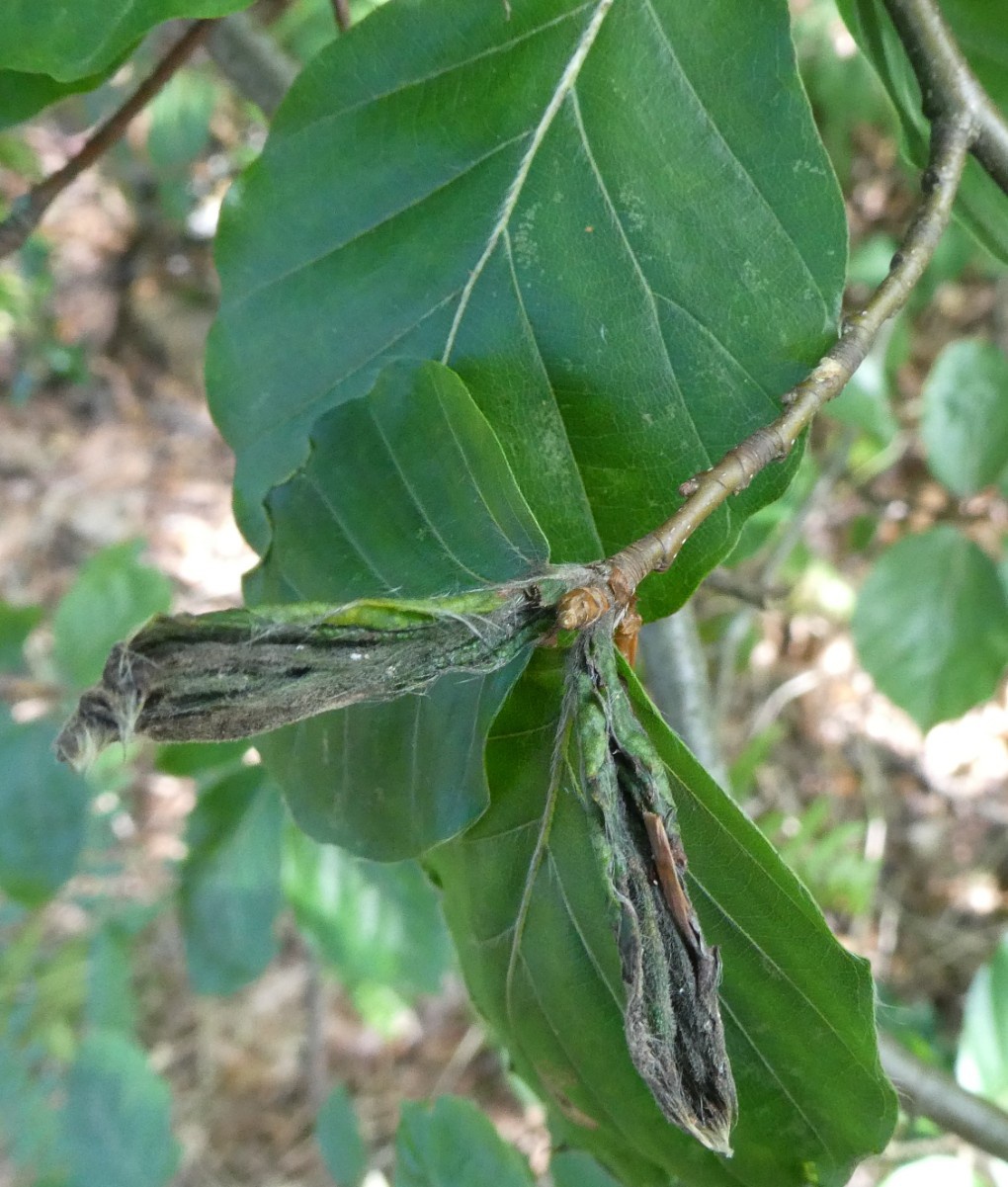
Acalitus plicans
The mite Acalitus plicans causes galls in the leaves of Beech. The leaf or distal part of the leaf is stunted in growth, folded or pleated, and feels stiff. The mites live between the folds.
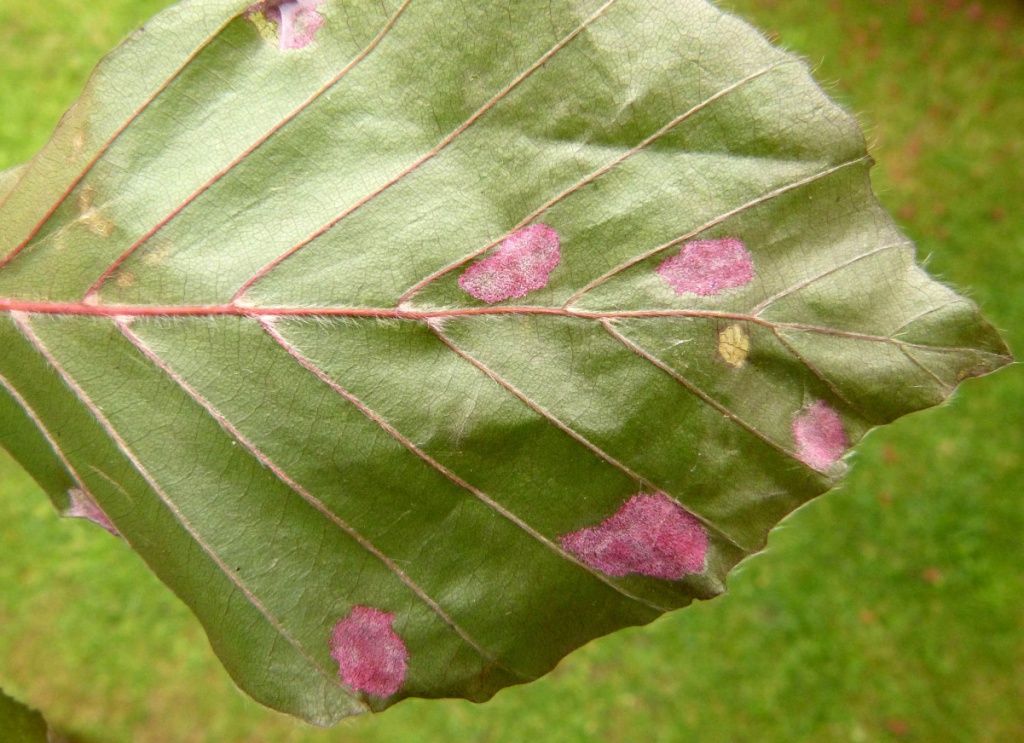
Aceria nervisequa
Aceria nervisequa is a mite that galls the leaves of Beech. The galls normally take the form of pink tufts of hairs (erineum) between the veins on the underside of the leaf, but sometimes they appear as white erineum which run along the veins on the upper surface of the leaf.