

Wild Plum agg. - Prunus domestica
Stace places plums, damsons, bullaces and greengages under P. domestica, but notes that "they have been so much hybridised that character-correlation has partly broken down and the subspecies are scarcely discernible." We have decided to treat Prunus domestica as an aggregate to include subspecies such as subsp. insititia, subsp. italica and subsp. domestica.
Prunus spinosa and Prunus cerasifera

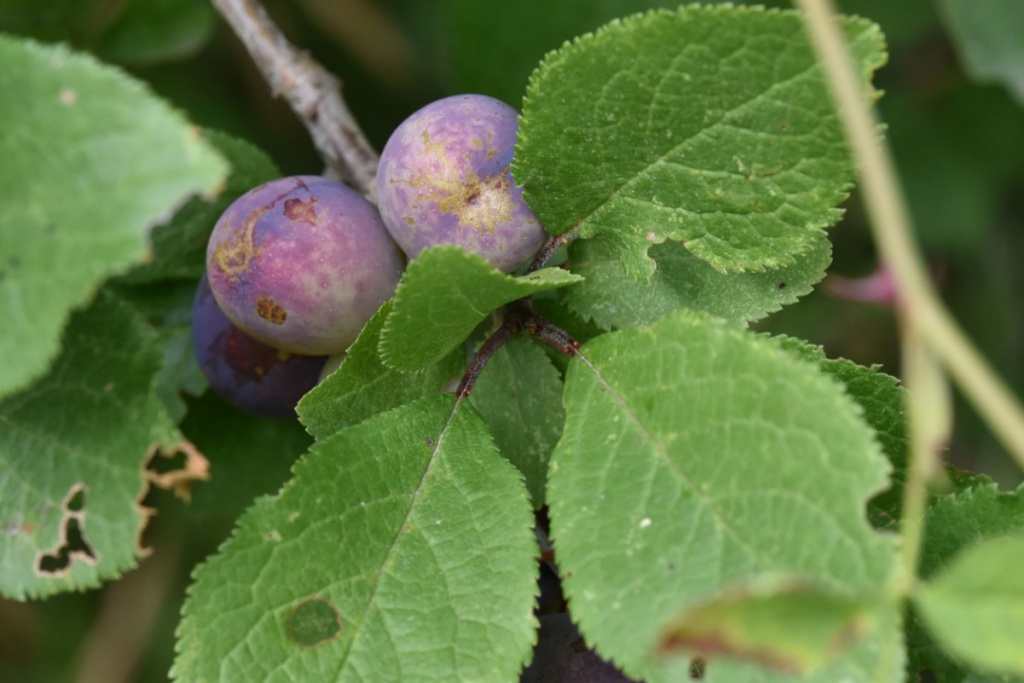
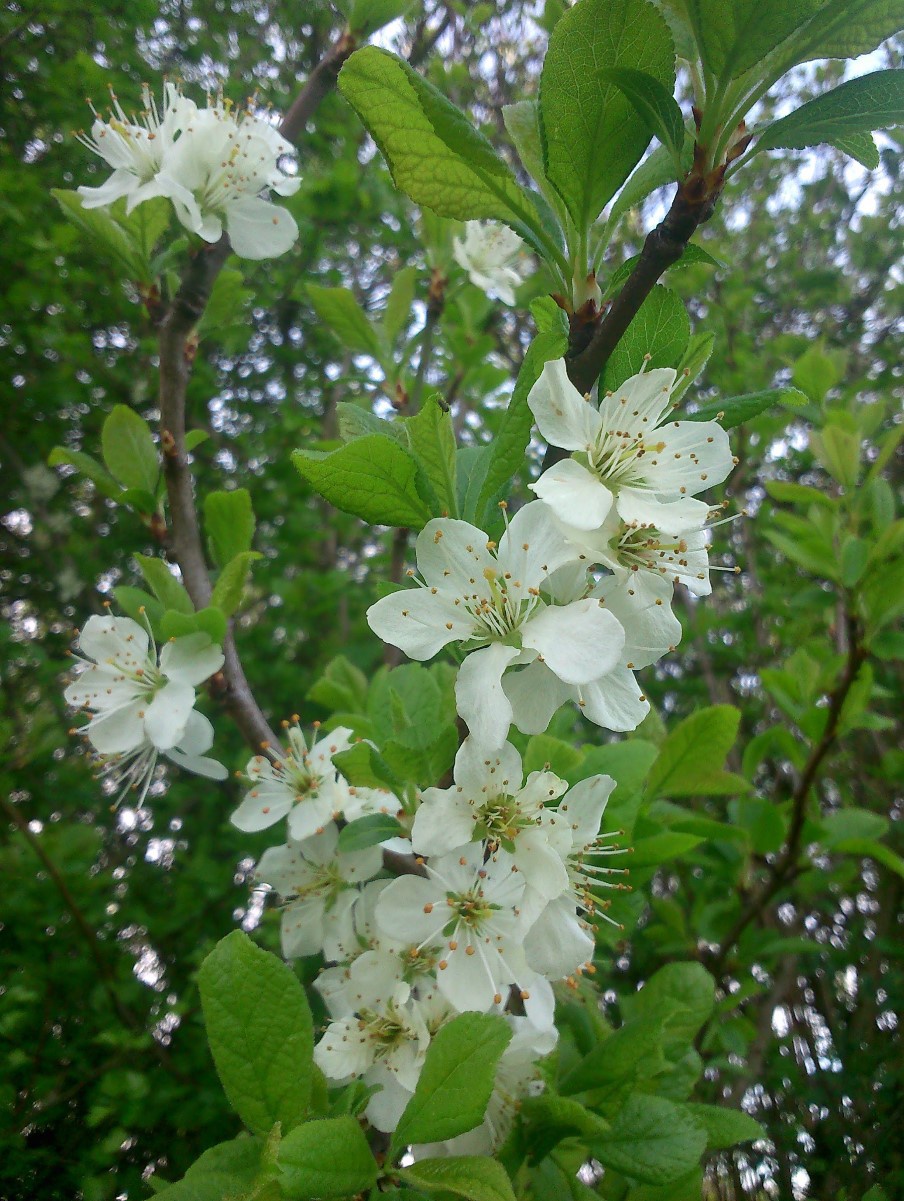
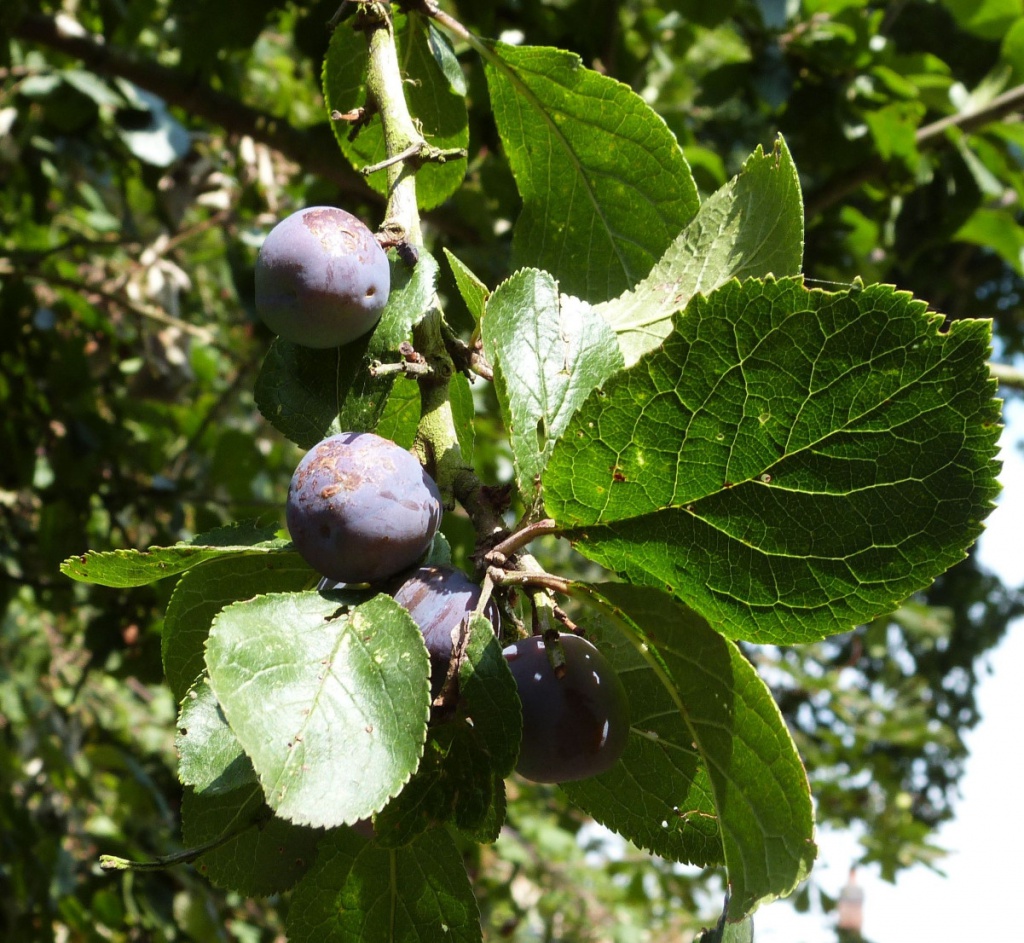
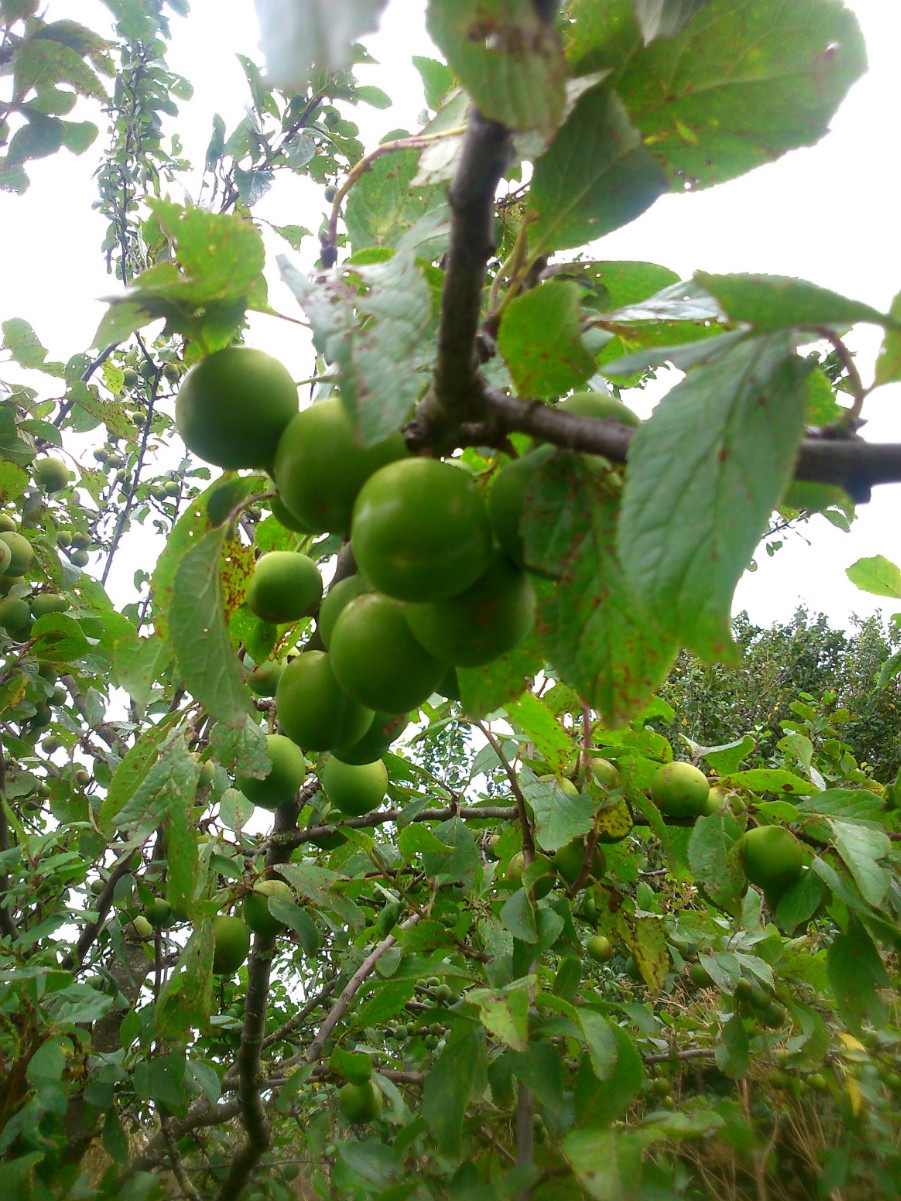
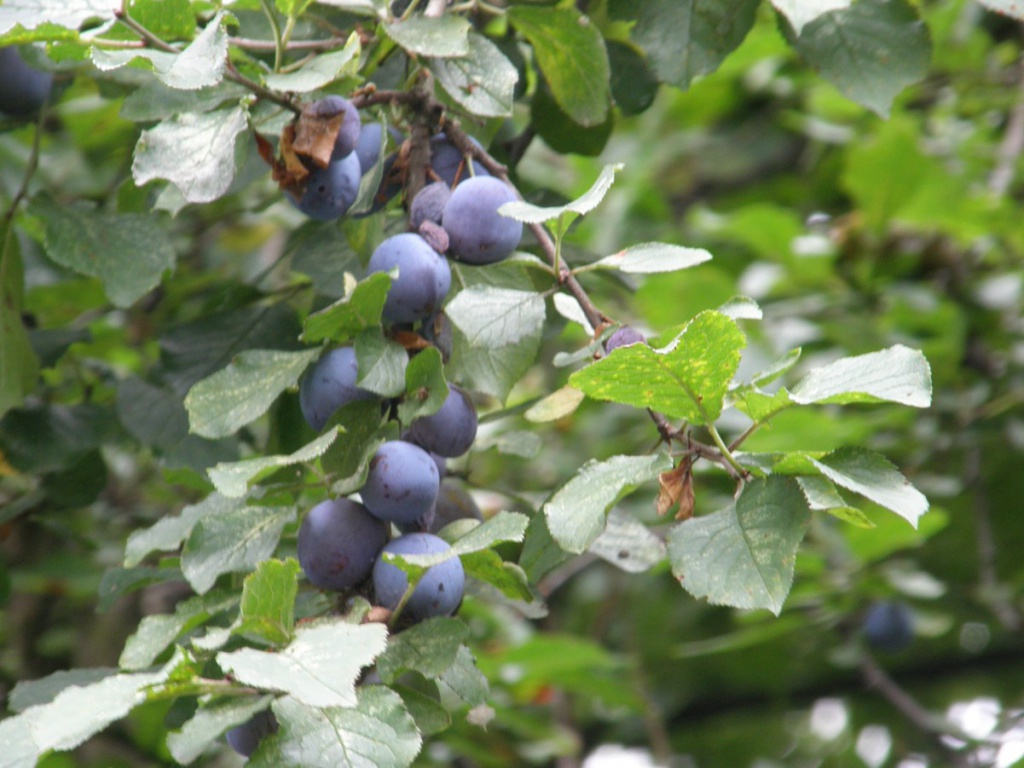
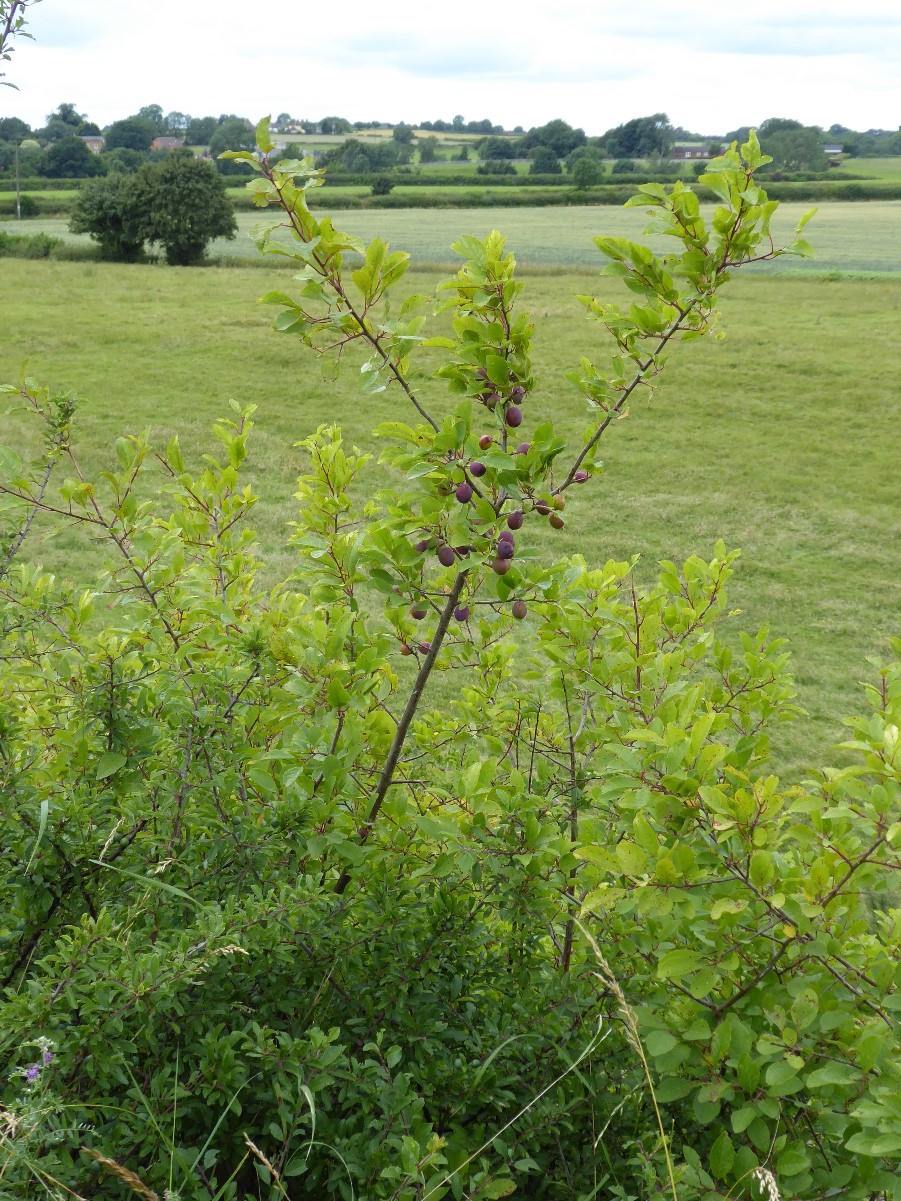
Fruit usually >2cm, with flattened stone, often strongly so (Bullace, P domestica subsp. insititia has moderately flattened stone). Flowers appearing with leaves. 1st year twigs brown/grey, often hairy. Not usually spiny - may be sparsely so.
Photo of shoot/twig, and fruit/fruit-stone, if possible. It is not possible to verify this from photos of the flowers alone
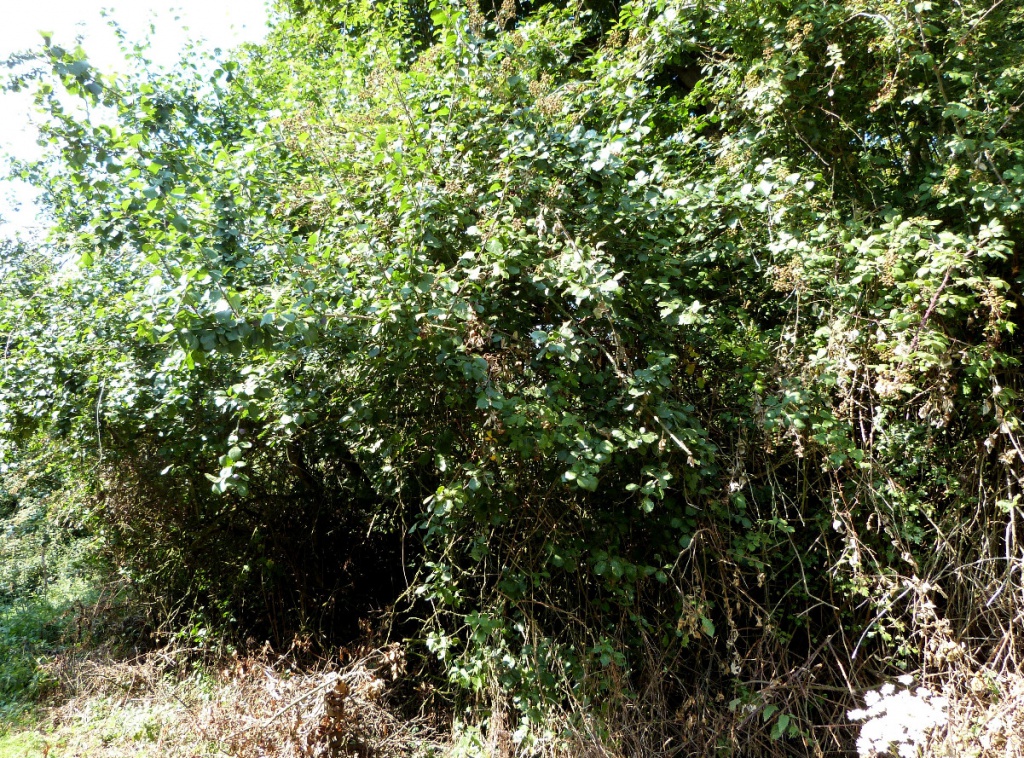
Woodlands and hedgerows often found close to habitation.
Flowers in April and May.
Deciduous.
Widespread in Britain except in the far north.
Occasional, though possibly under recorded in Leicestershire and Rutland.
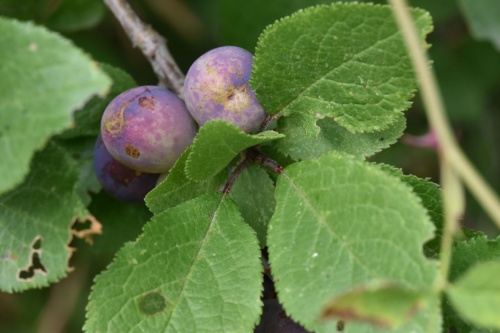 stepgray4
Kettton Quarry NR
15 August 2021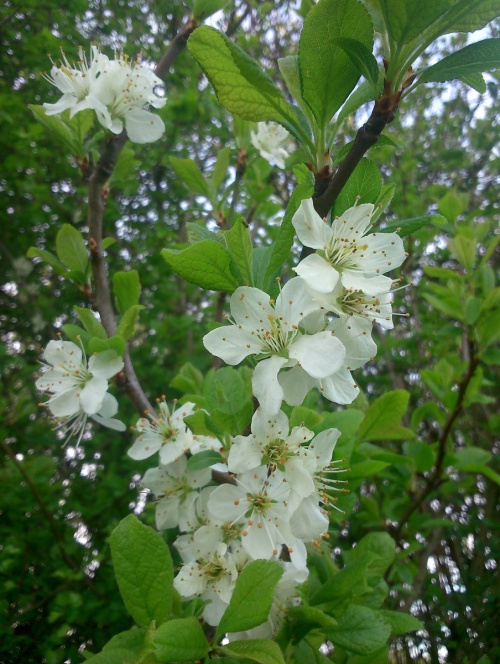 steven lewis
welby
01 April 2017
Damson blossom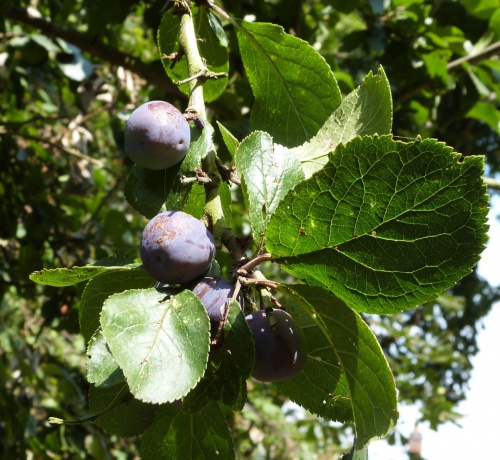 Graham Calow
High Cross Road, Claybrooke Magna
18 August 2016
subsp. insititia (Damson) stepgray4
Kettton Quarry NR
15 August 2021 Steven Lewis
Welby
18 August 2015 Saharima Roenisch
Leicester Ellis Meadows
20 July 2019


Leicestershire & Rutland Map
Enter a town or village to see local records
MAP KEY:
Yellow squares = NBN records (all known data)
Coloured circles = NatureSpot records: 2025+ | 2020-2024 | pre-2020
UK Map
Species profile
- Common names
- Wild Plum
- Species group:
- flowering plant
- Kingdom:
- Plantae
- Order:
- Rosales
- Family:
- Rosaceae
- Records on NatureSpot:
- 34
- First record:
- 21/09/1998 (Anthony Fletcher)
- Last record:
- 02/09/2025 (Pugh, Dylan)
Total records by month
% of records within its species group
10km squares with records
The latest images and records displayed below include those awaiting verification checks so we cannot guarantee that every identification is correct. Once accepted, the record displays a green tick.
In the Latest Records section, click on the header to sort A-Z, and again to sort Z-A. Use the header boxes to filter the list.
Latest images
Latest records
 Graham Calow
Donkey Lane, Sapcote
17 September 2018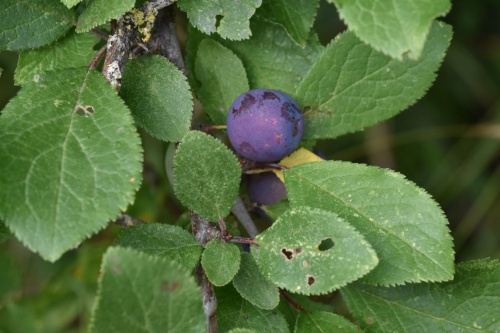 stepgray4
Kettton Quarry NR
15 August 2021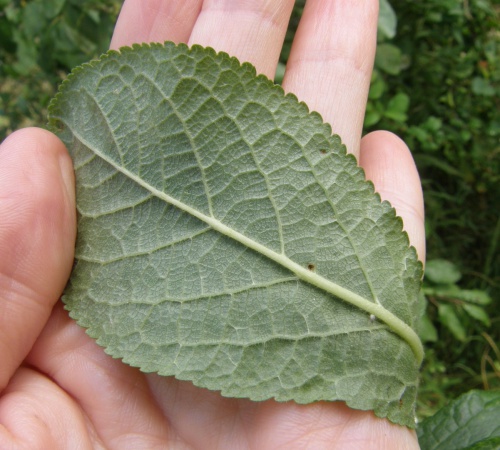 Saharima Roenisch
Leicester Ellis Meadows
20 July 2019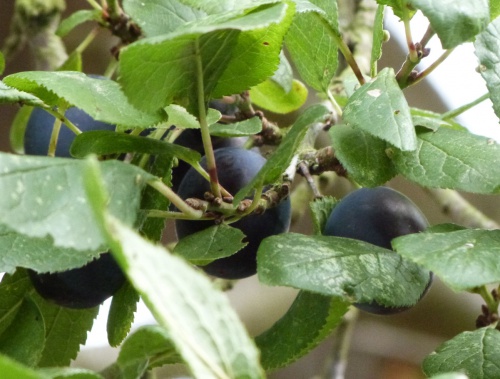 Graham Calow
Church Lane, Wigston Parva
12 September 2016
Damson - subsp. insititia Graham Calow
Donkey Lane, Sapcote
17 September 2018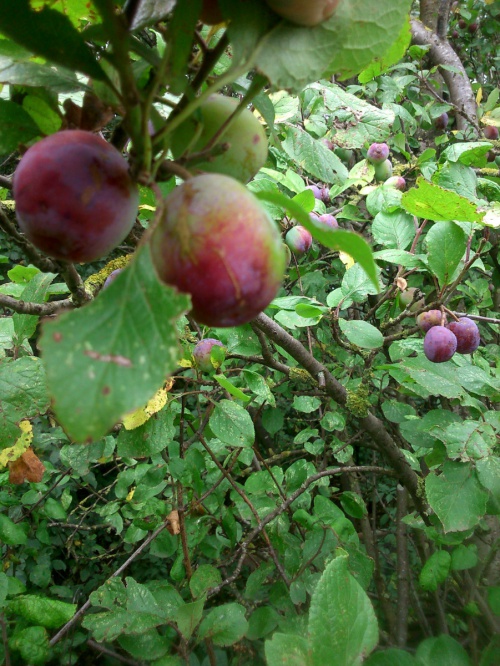 steven lewis
welby
18 August 2015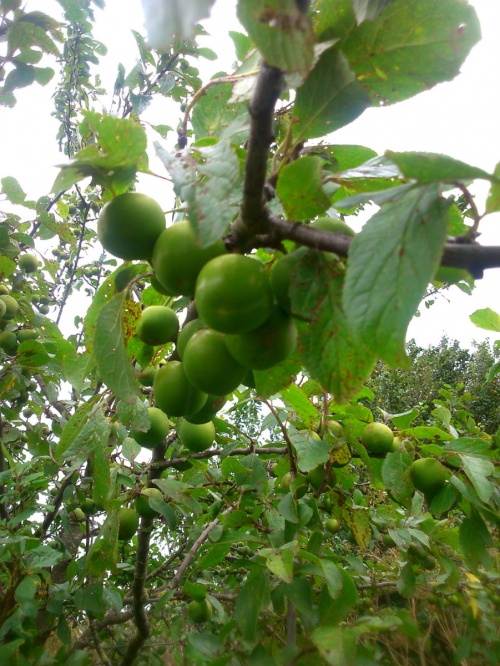 steven lewis
welby
18 August 2015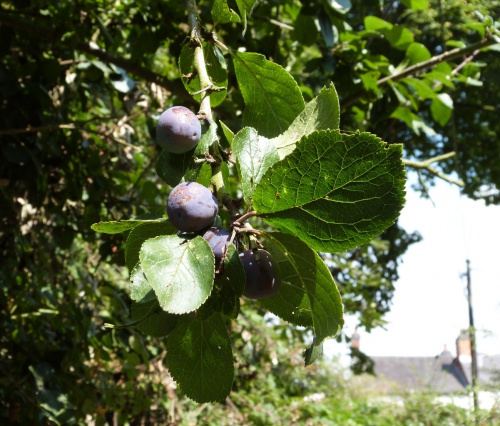 Graham Calow
High Cross Road, Claybrooke Magna
18 August 2016
subsp. insititia (Damson)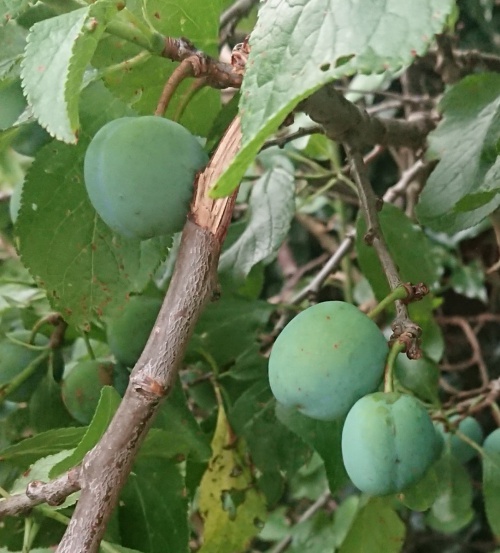 steven lewis
Scalford
16 July 2019
Greengage Graham Calow
High Cross Road, Claybrooke Magna
18 August 2016
subsp. insititia (Damson)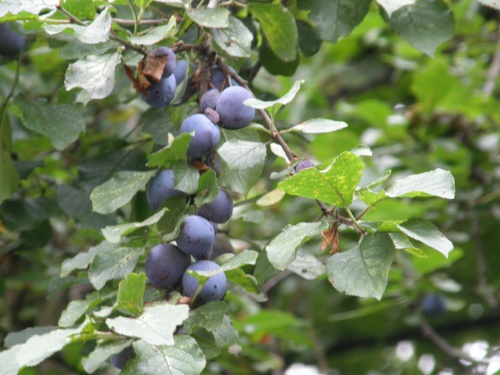 Saharima Roenisch
Spinney Hill Park
12 August 2018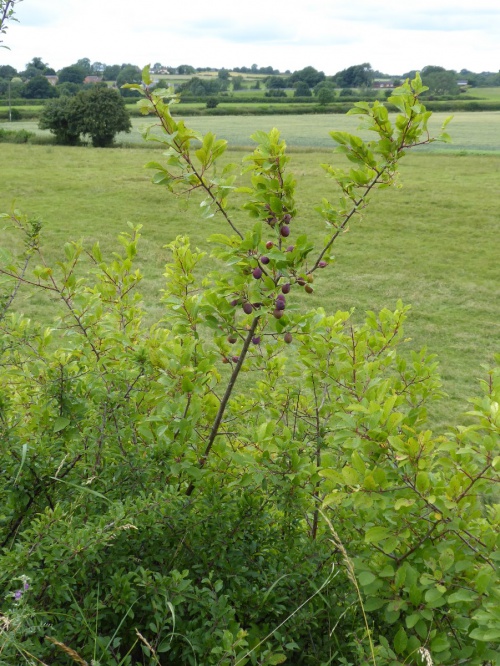 Alan Semper
Holwell North Quarry Nature Reserve_
14 July 2020


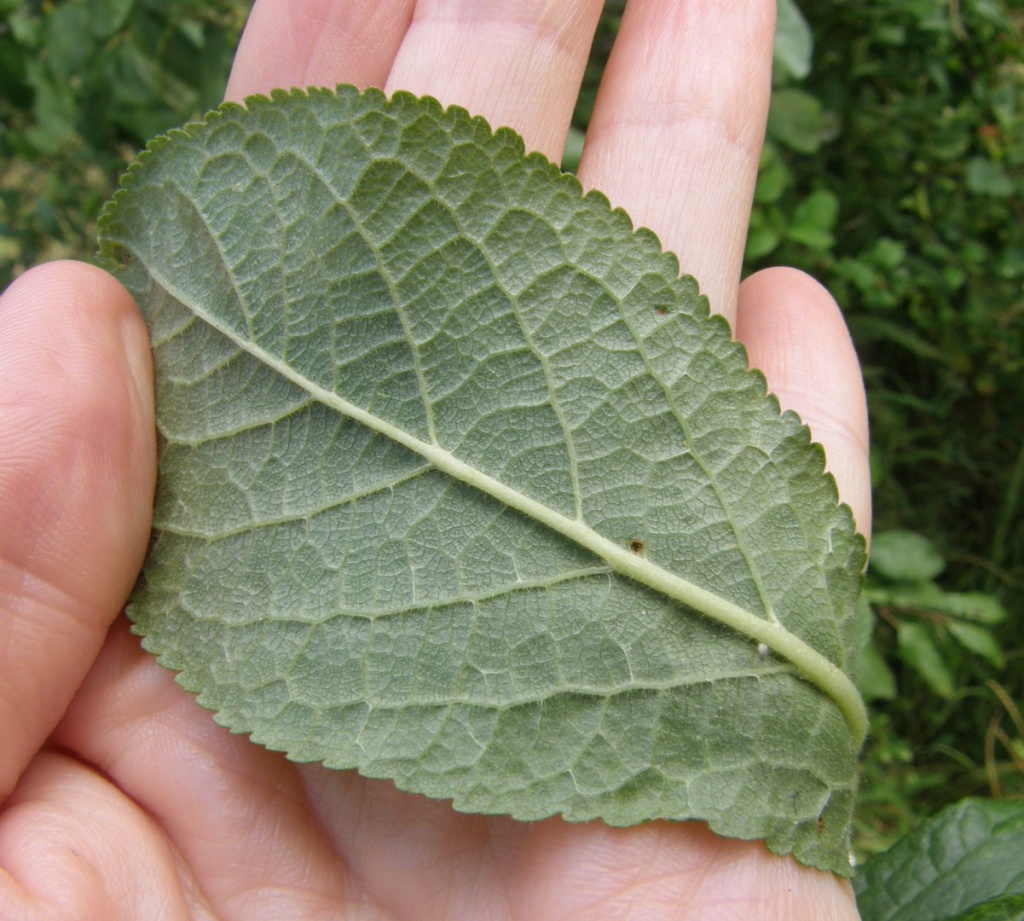




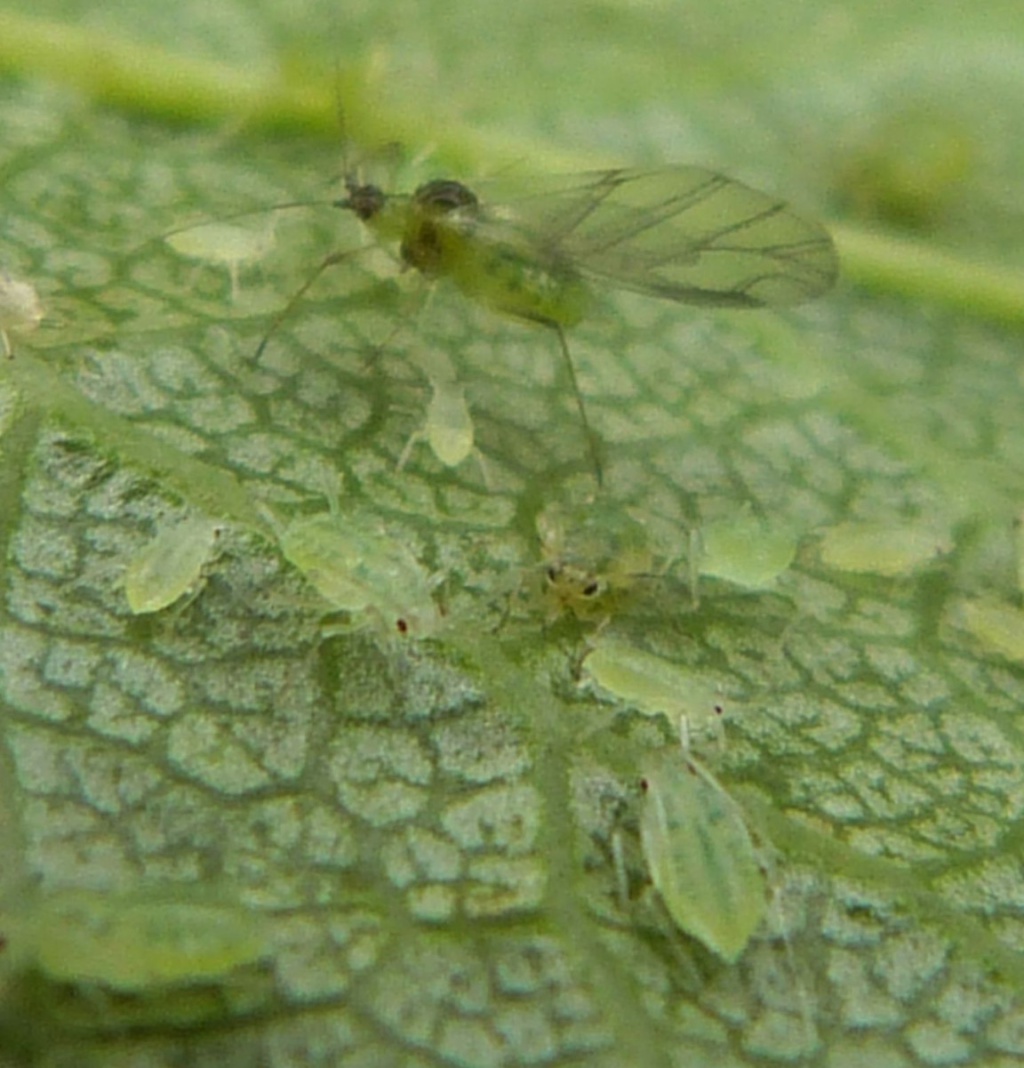
Damson-hop aphid
The Damson-hop Aphid (Phorodon humuli) host alternates from Blackthorn or Plum species (Prunaceae) to Hops. Phorodon humuli apterae are small to medium sized, whitish to pale yellowish green and relatively shiny. The abdomen is marked with three dark green longitudinal stripes.
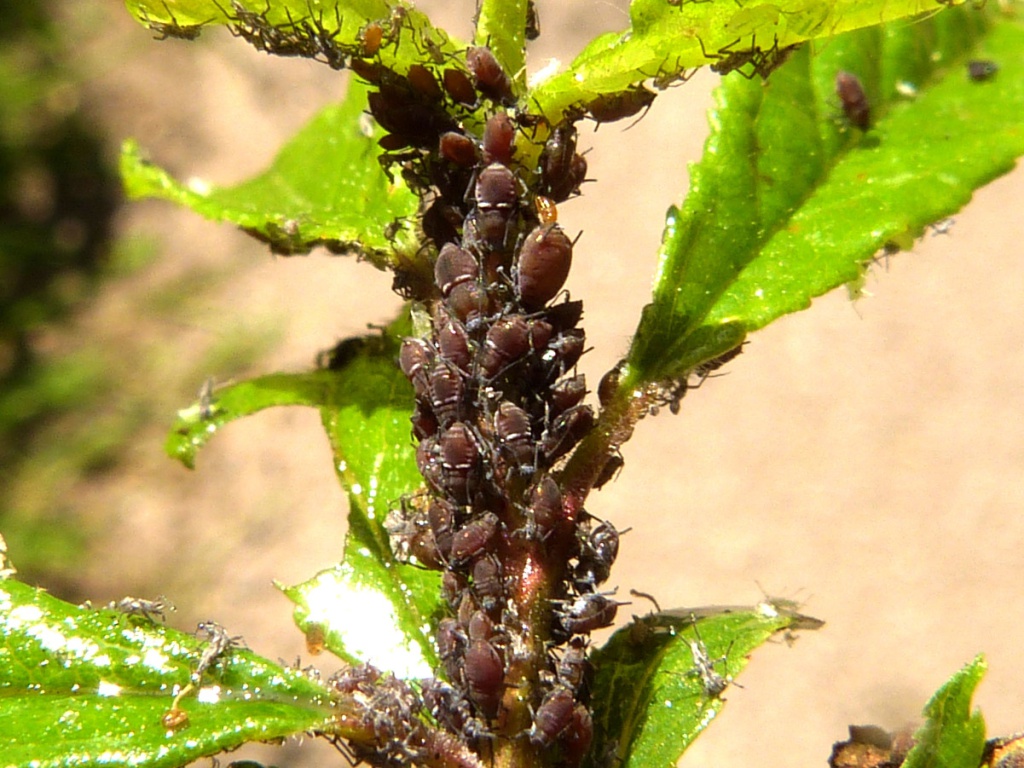
Water Lily Aphid
The primary host for the Water Lily Aphid (Rhopalosiphum nymphaeae) are Prunus species such as Blackthorn and Plum. On these primary host species the apterae are reddish-brown. On Water-lily, the secondary host they may be shiny reddish-brown to dark olive. The Alates are shining brown, sometimes with white dorsal wax markings. The Rhopalosiphum nymphaeae aptera body length is 1.6 to 2.6 mm.
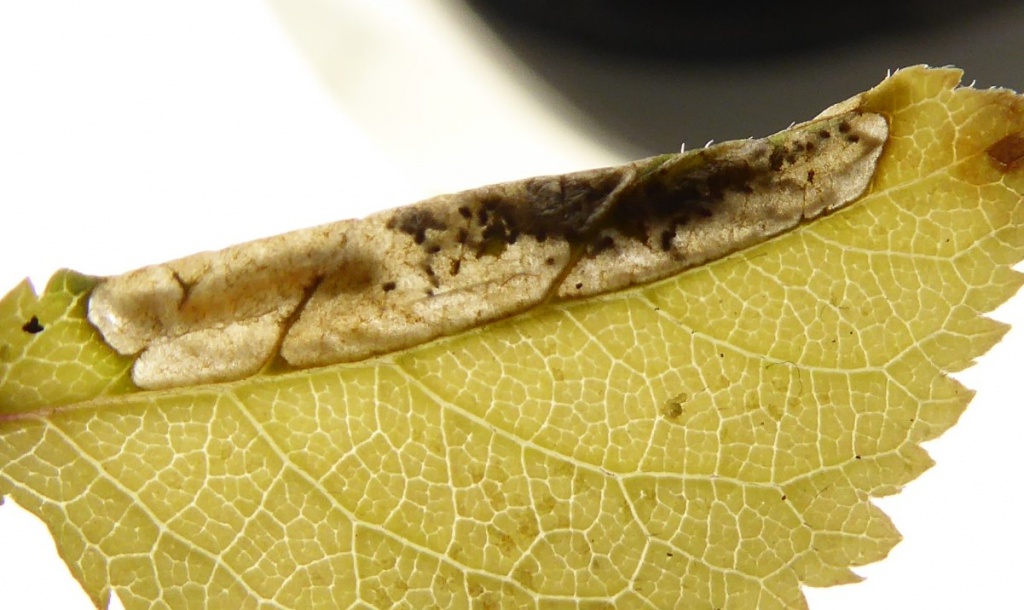
Parornix finitimella
The larva of the moth Parornix finitimella mines the leaves of Blackthorn. The mine is initially a lower epidermal gallery leading to a grey or whitish blotch which contorts the leaf strongly. Then at least two folds on the leaf margin, consuming the upper epidermis. The larval foodplant, Blackthorn is shared with the similar Parornix torquillella and the mines cannot be distinguished unless larvae are examined. Parornix finitimella is greyish with black rings on the legs, whereas Parornix torquillella is usually pale green with concolorous legs.
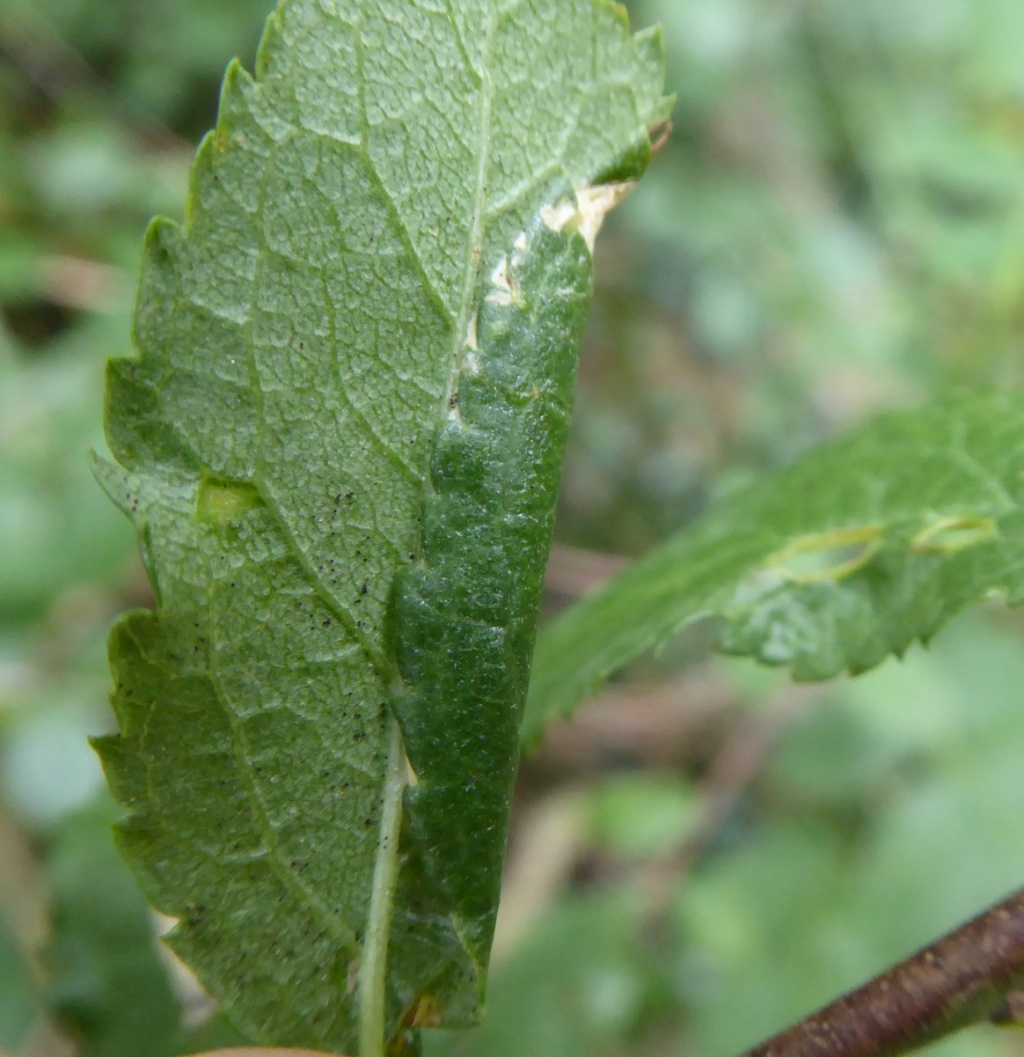
Parornix torquillella
The larva of the moth Parornix torquillella mines the leaves of Blackthorn and Wild Plum. The initial mine is a blotch type. It then leaves this and makes folds on the leaf edge. The larval foodplant, Blackthorn is shared with the similar Parornix finitimella and the mines cannot be distinguished unless larvae are examined. Parornix finitimella is greyish with black rings on the legs, whereas Parornix torquillella is usually pale green with concolorous legs.
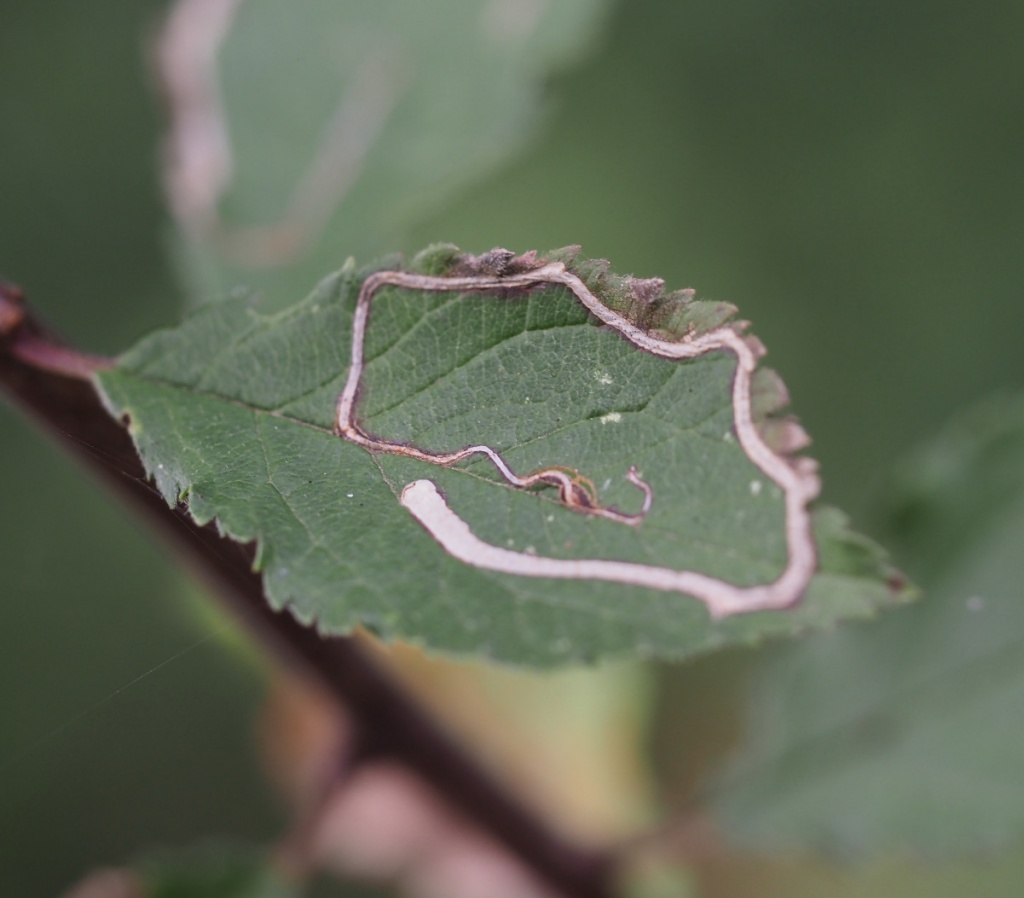
Apple Leaf Miner
The Apple Leaf Miner (Lyonetia clerkella) is a tiny moth (wingspan 7 to 9 mm) with a silvery appearance but very attractively patterned when seen under magnification.
The larva produces a leafmine on a number of species, especially Cherry, Apple, Rowan, Hawthorn, Blackthorn and other trees and shrubs in the Rosaceae family. It is also commonly found on Birch. The mine is long smoothly curved gallery with frass in a central line; older mines look whitish. The larva is long and slender. It has a segmented body and 6 dark feet.
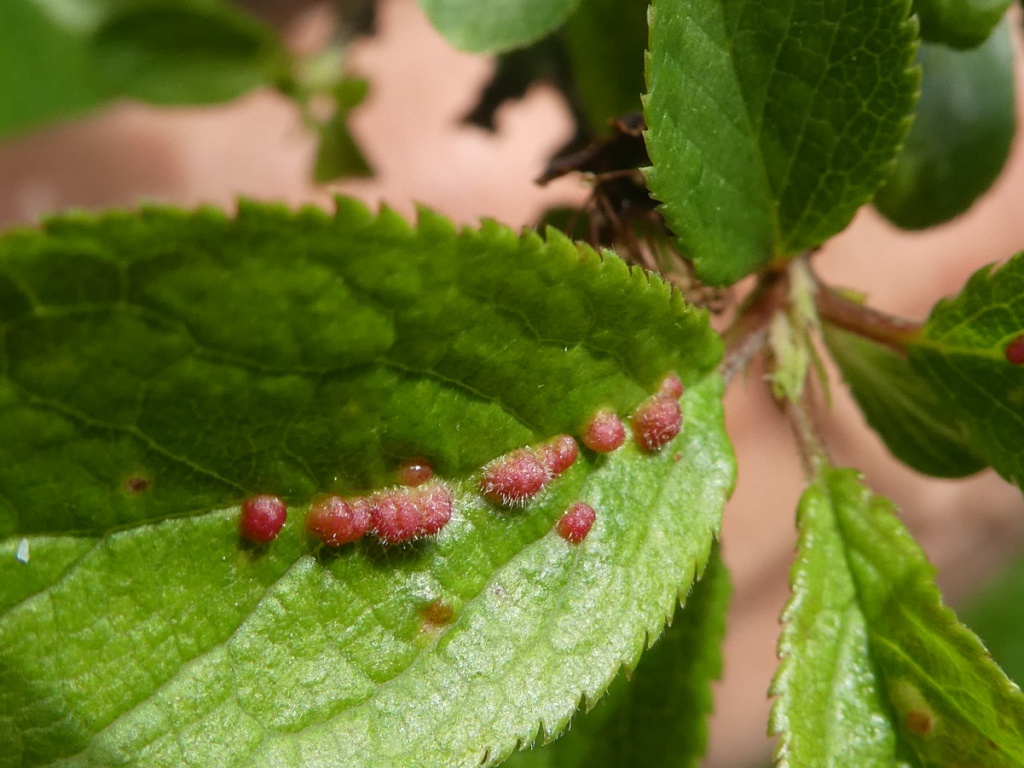
Eriophyes homophyllus
The gall mite Eriophyes homophyllus produces rounded hairy galls on Blackthorn and Plums/Damsons/Bullace etc. (Prunus domestica). The galls are found mainly along the midrib on the leaf upperside. There is small hairy opening o nthe leaf underside. The galls are often flushed pink.
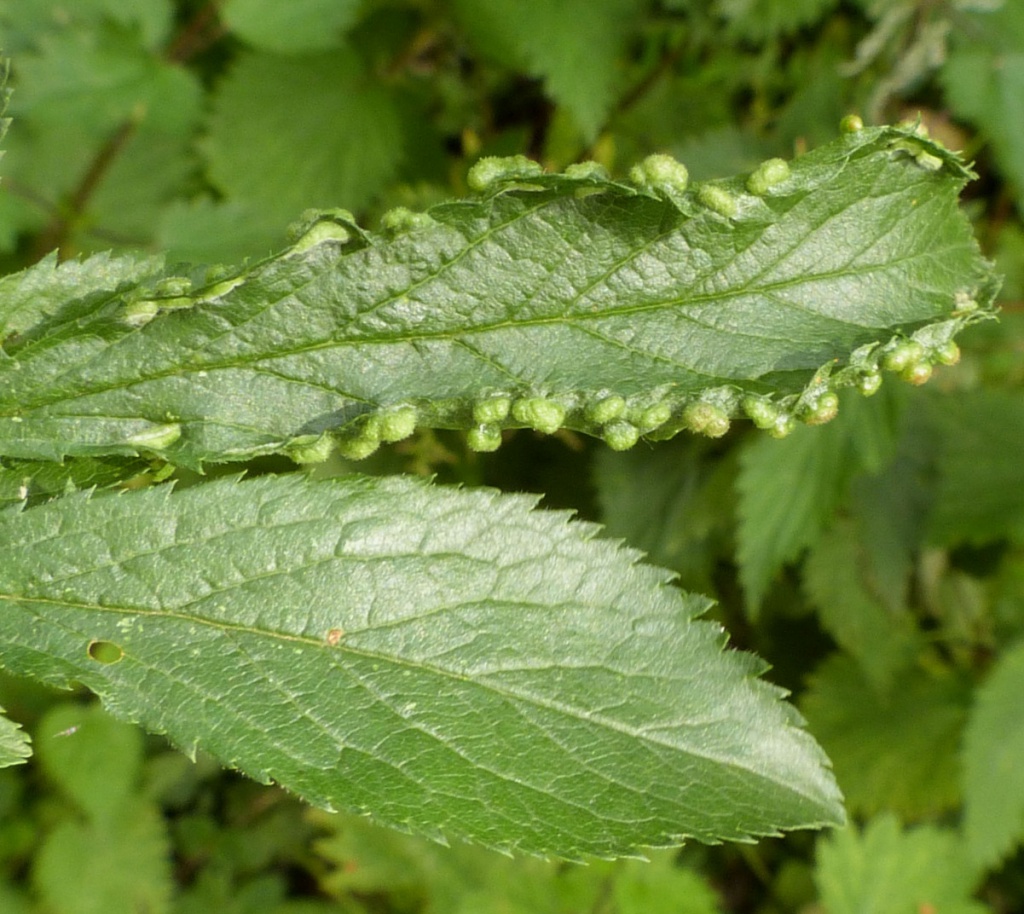
Eriophyes similis
The mite Eriophyes similis causes galls to form on the leaves of Prunus species, usually Blackthorn, but also on plums and damsons. The galls are elongated ovals, usually heaviest around the leaf margins. The galls are usually with a large protrusion on the underside the leaf and a smaller protrusion with an elongated slit opening on the upperside. However they can be found in a reversed position with the larger protrusion on the upperside.

Pocket Plum
Taphrina pruni is a fungal plant pathogen that gives rise to the Pocket Plum or Bladder Plum gall. The fruit is swollen and deformed. Affected fruits have no stone. The shoots may also be swollen and stunted, and reddish or yellowed.