

Pear - Pyrus communis
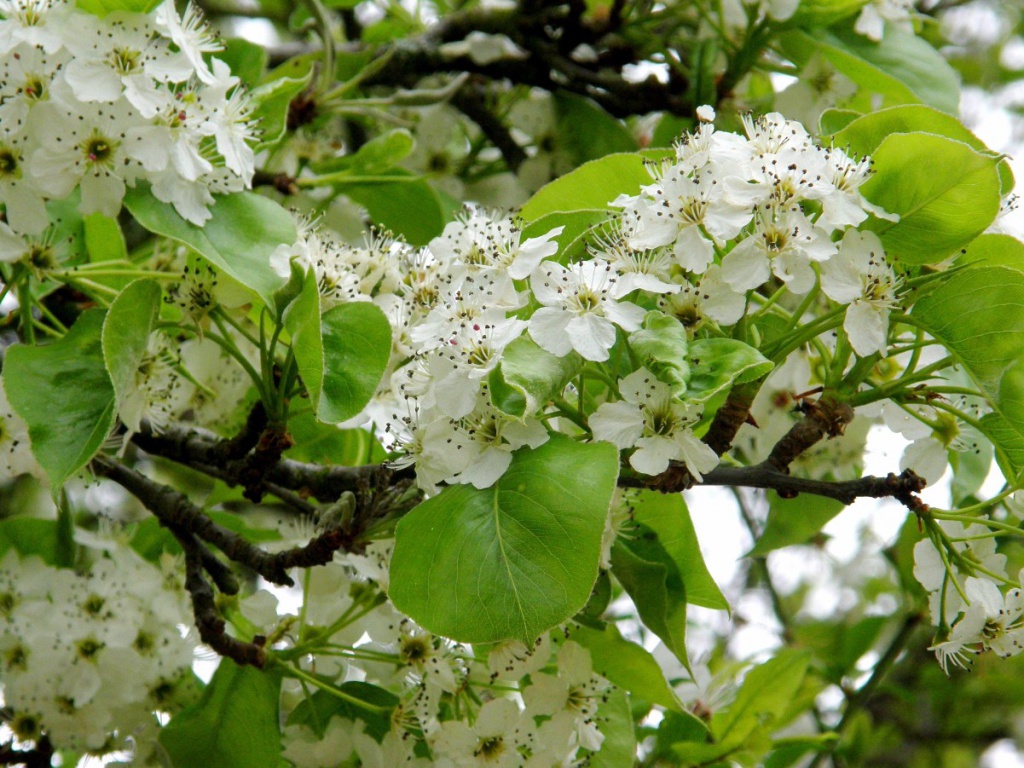
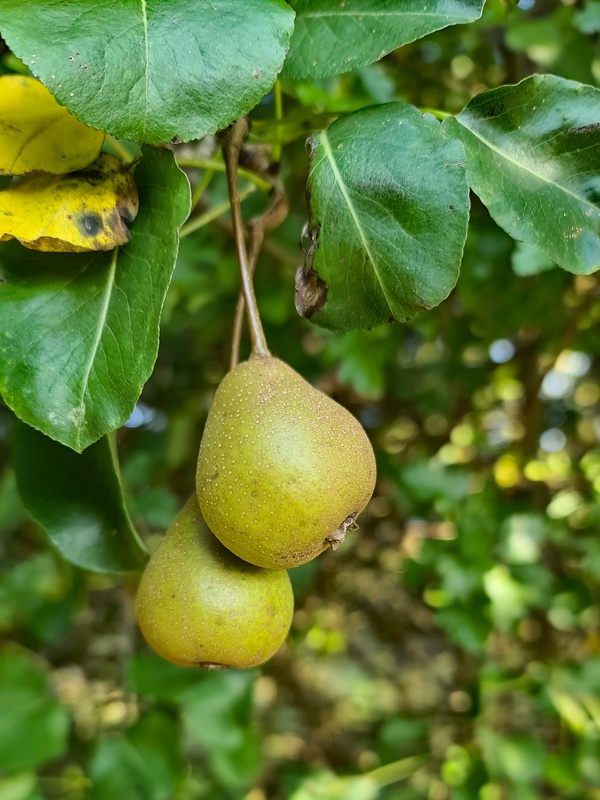
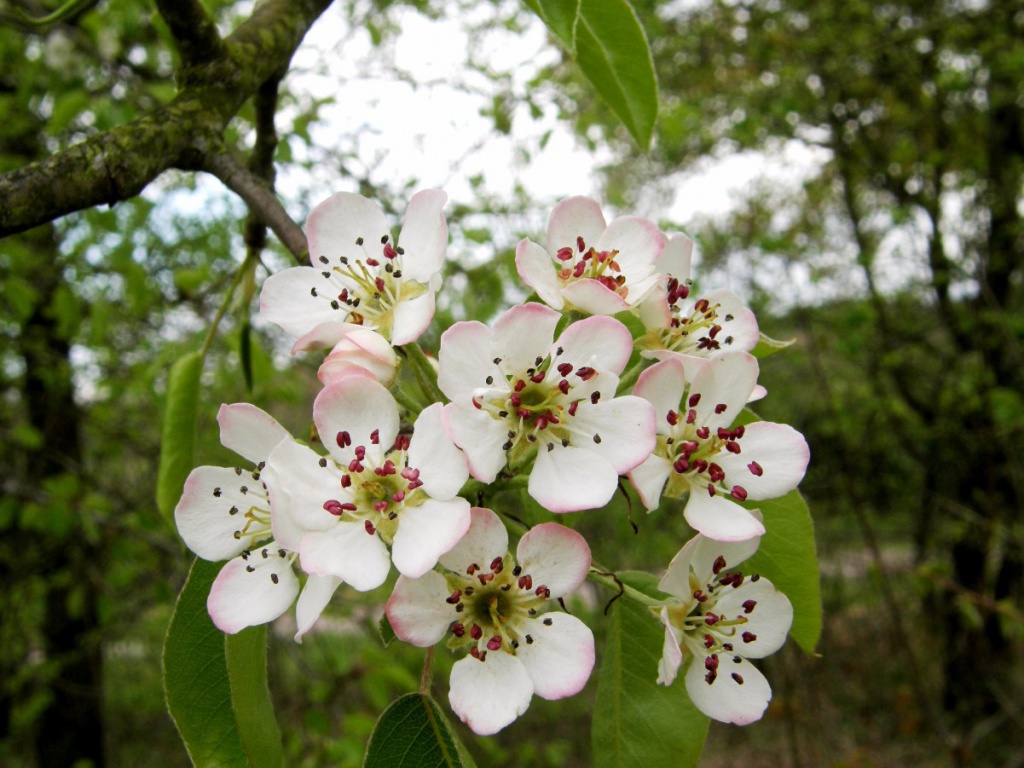
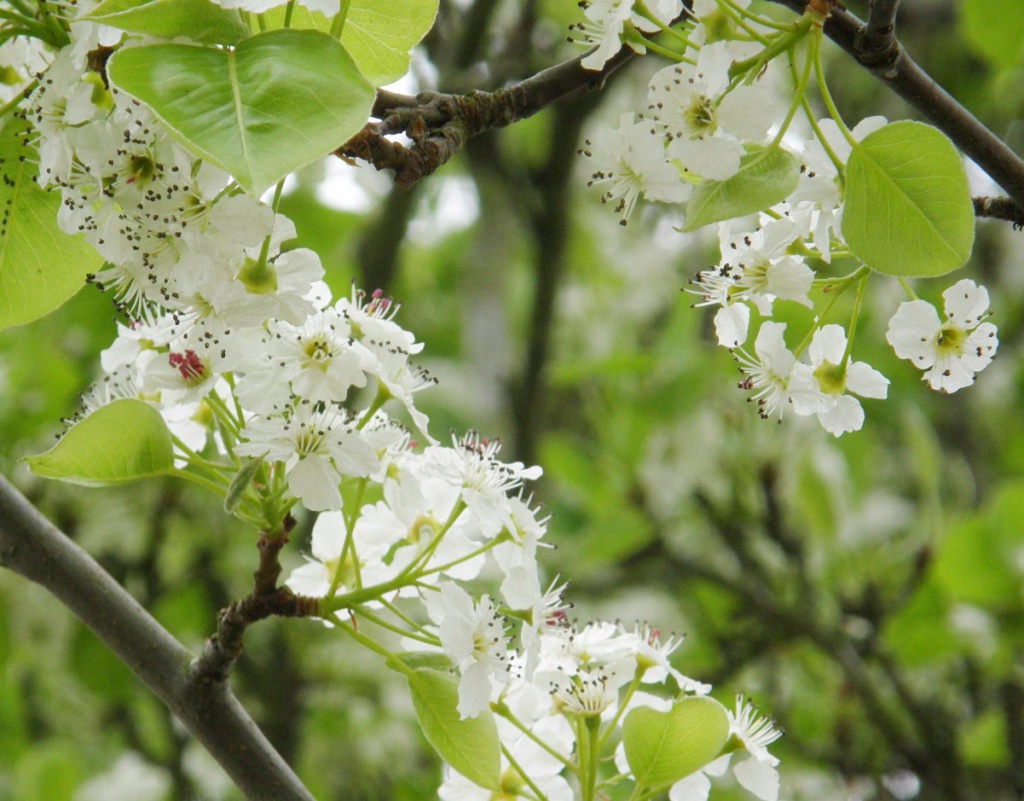
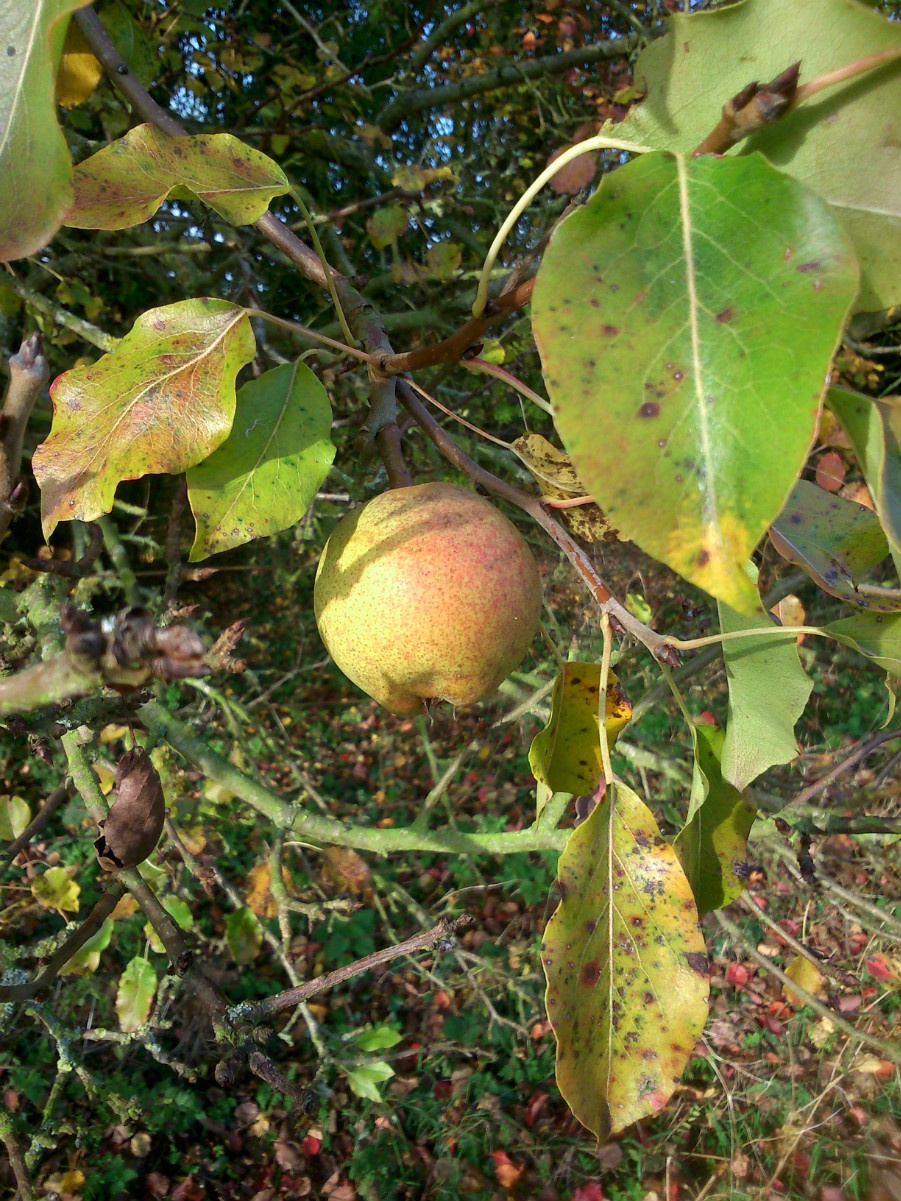
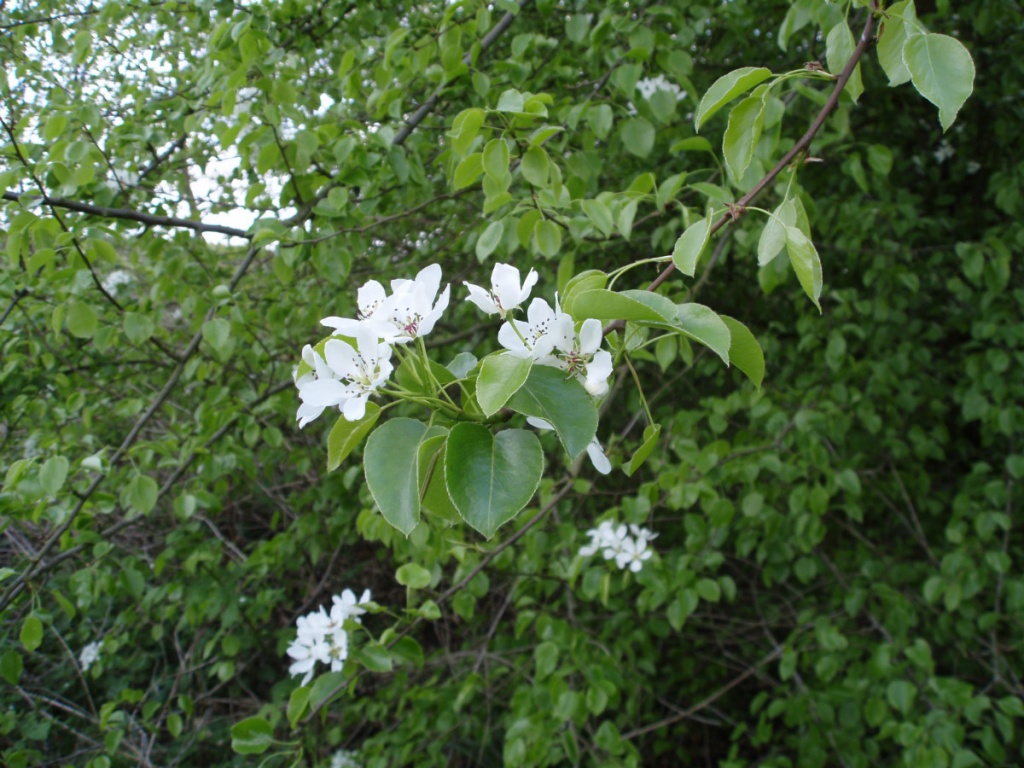
Leaves rounded, shiny, toothed near tip. Flowers white, long stalked with 5 petals.

Woodland edge and hedgerows.
Flowers in April and May.
Perennial.
Occasional but fairly widespread.
Occasional in Leicestershire and Rutland. In the 1979 Flora survey of Leicestershire it was found in 13 of the 617 tetrads.
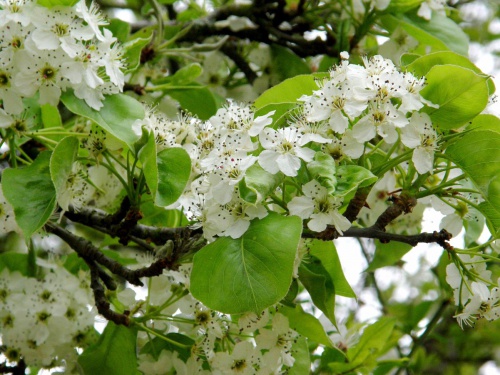 Saharima Roenisch
Spinney Hill Park
04 April 2017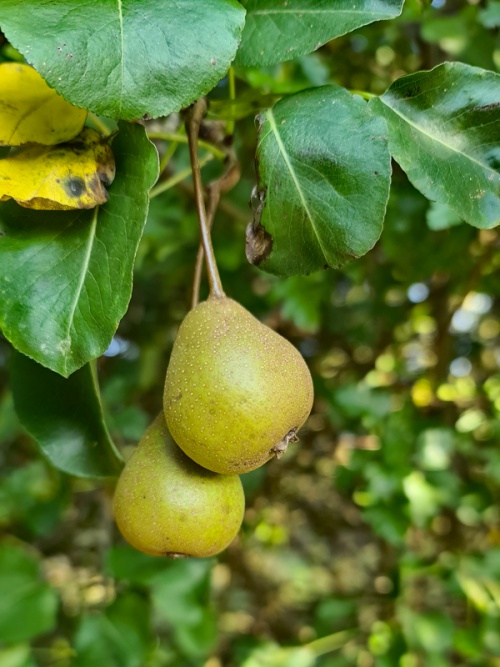 Mark Skevington
Croft Hill
14 September 2020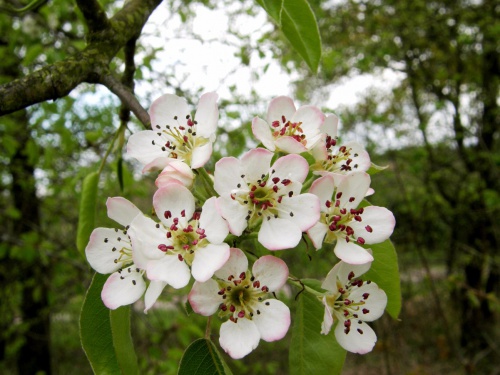 Saharima Roenisch
Beacon Hill Country Park
15 April 2017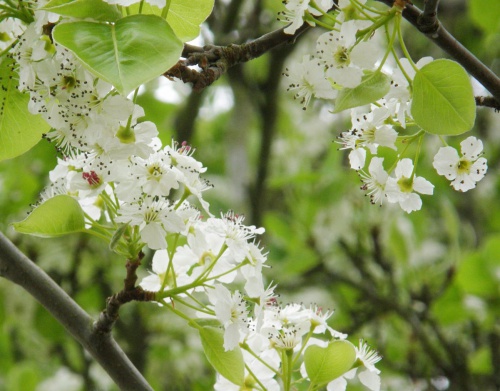 Saharima Roenisch
Spinney Hill Park
04 April 2017
Leicestershire & Rutland Map
Enter a town or village to see local records
MAP KEY:
Yellow squares = NBN records (all known data)
Coloured circles = NatureSpot records: 2025+ | 2020-2024 | pre-2020
UK Map
Species profile
- Common names
- Pear
- Species group:
- flowering plant
- Kingdom:
- Plantae
- Order:
- Rosales
- Family:
- Rosaceae
- Records on NatureSpot:
- 23
- First record:
- 26/04/2009 (Semper, Alan)
- Last record:
- 19/08/2025 (axon, kaye)
Total records by month
% of records within its species group
10km squares with records
The latest images and records displayed below include those awaiting verification checks so we cannot guarantee that every identification is correct. Once accepted, the record displays a green tick.
In the Latest Records section, click on the header to sort A-Z, and again to sort Z-A. Use the header boxes to filter the list.
Latest images
Latest records
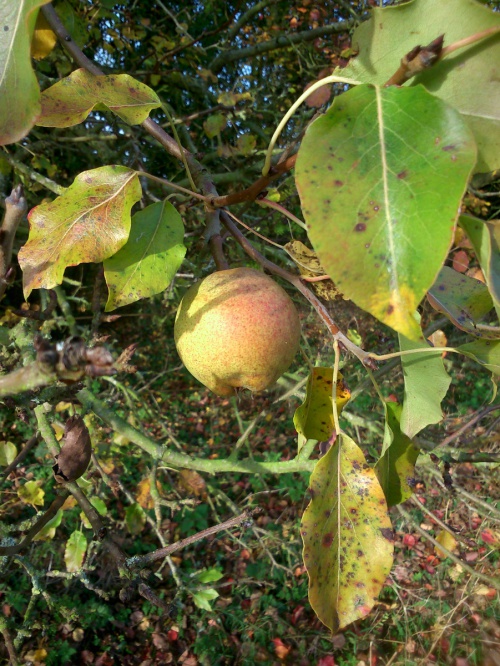 steven lewis
welby
20 October 2015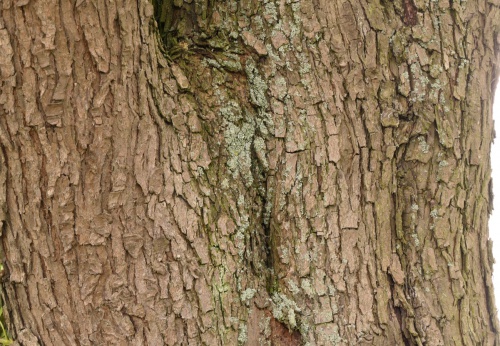 David Nicholls
Oakthorpe
04 May 2019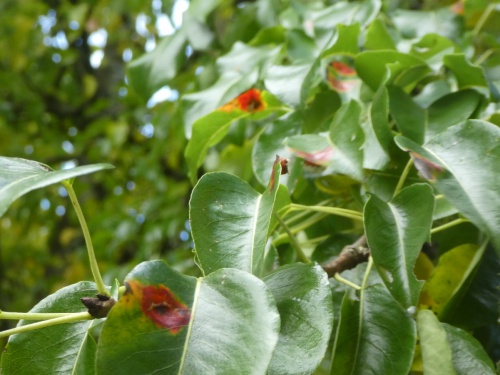 Melinda Bell
Loughborough,Beacon Hill
07 October 2020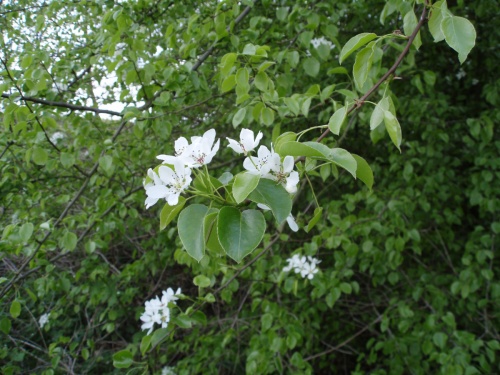 Alan Semper
Melton Country Park
26 April 2009

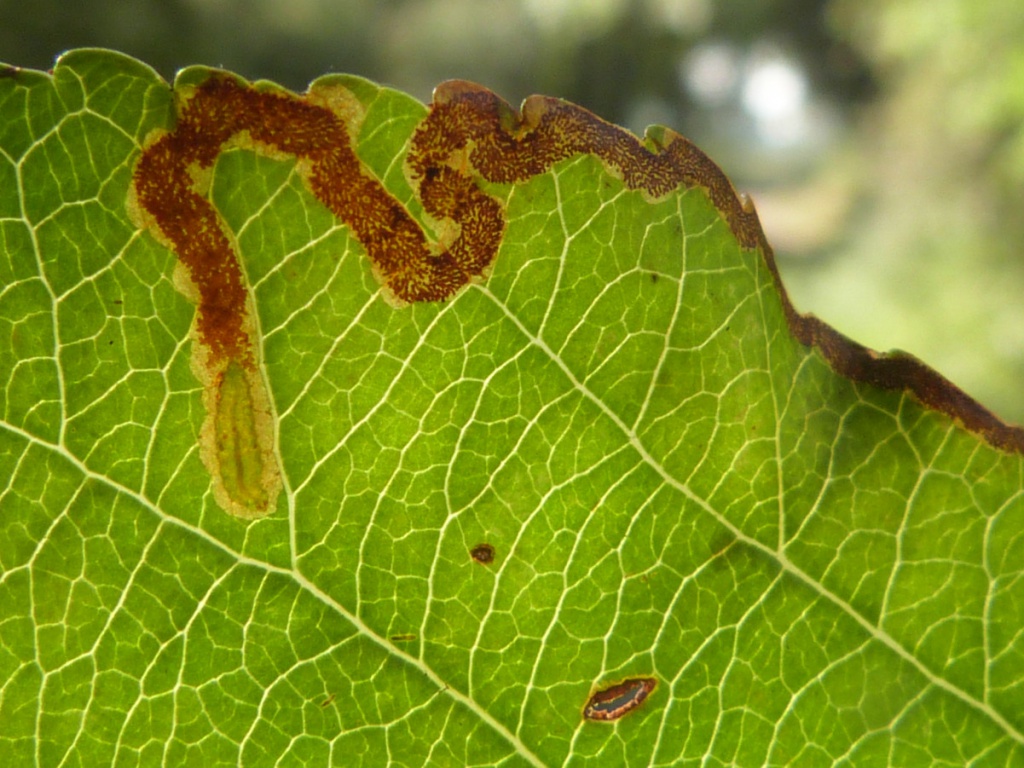
Ectoedemia atricollis
The larvae of the moth Ectoedemia atricollis mine the leaves of Apple, Hawthorn and other Rosaceae species. It has a distinctive black head, usually visible in the mine without being dissected out. Initially, the larvae form galleries along the edge of the leaf, leading to a large blotch on the leaf margin.
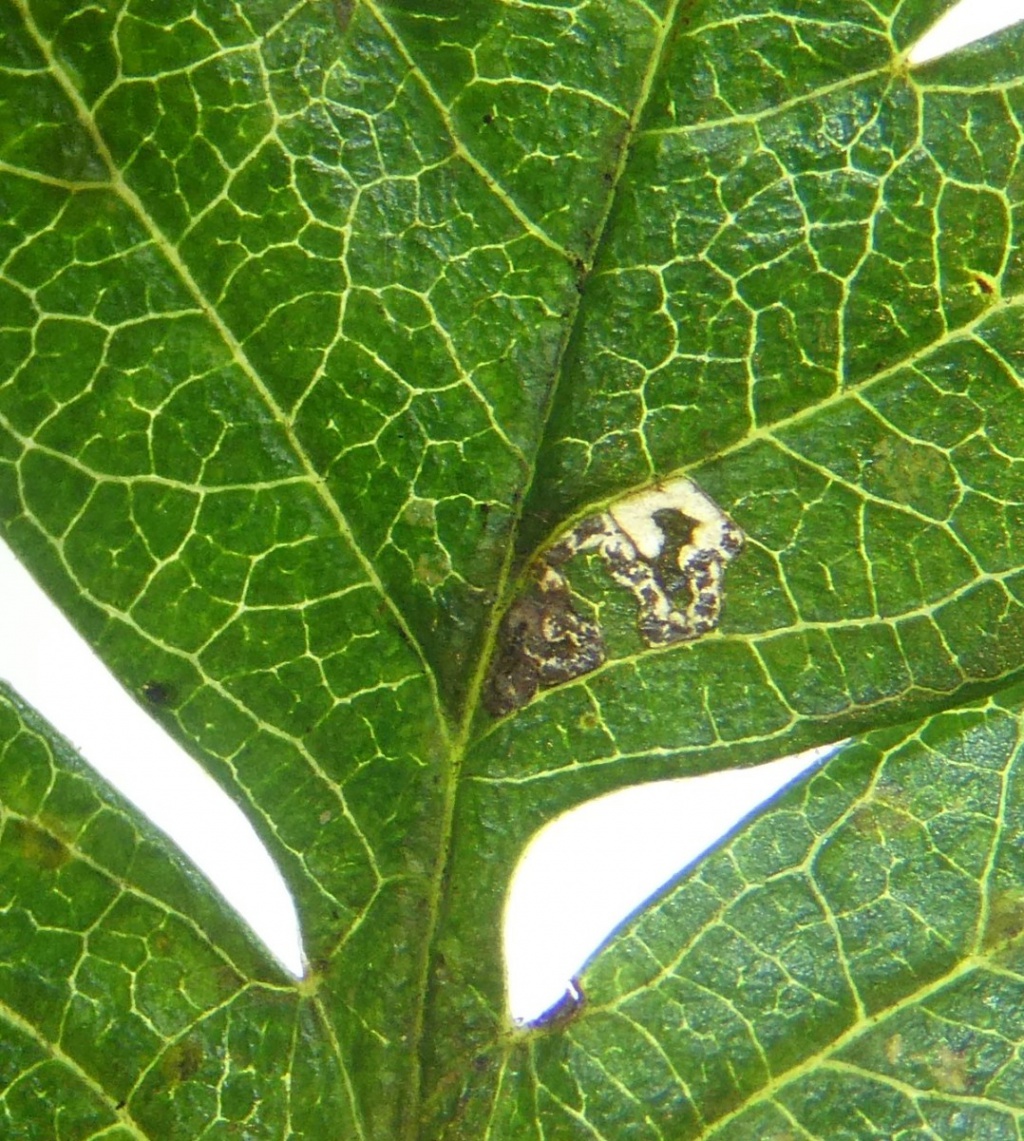
Stigmella oxyacanthella
The larva of the moth Stigmella oxyacanthella mies the leaves of Hawthorn, and also on Apple, Rowan and Pear. The mine has coiled frass and the larva is bright green with a pale brown head (re. Smart, 2018)
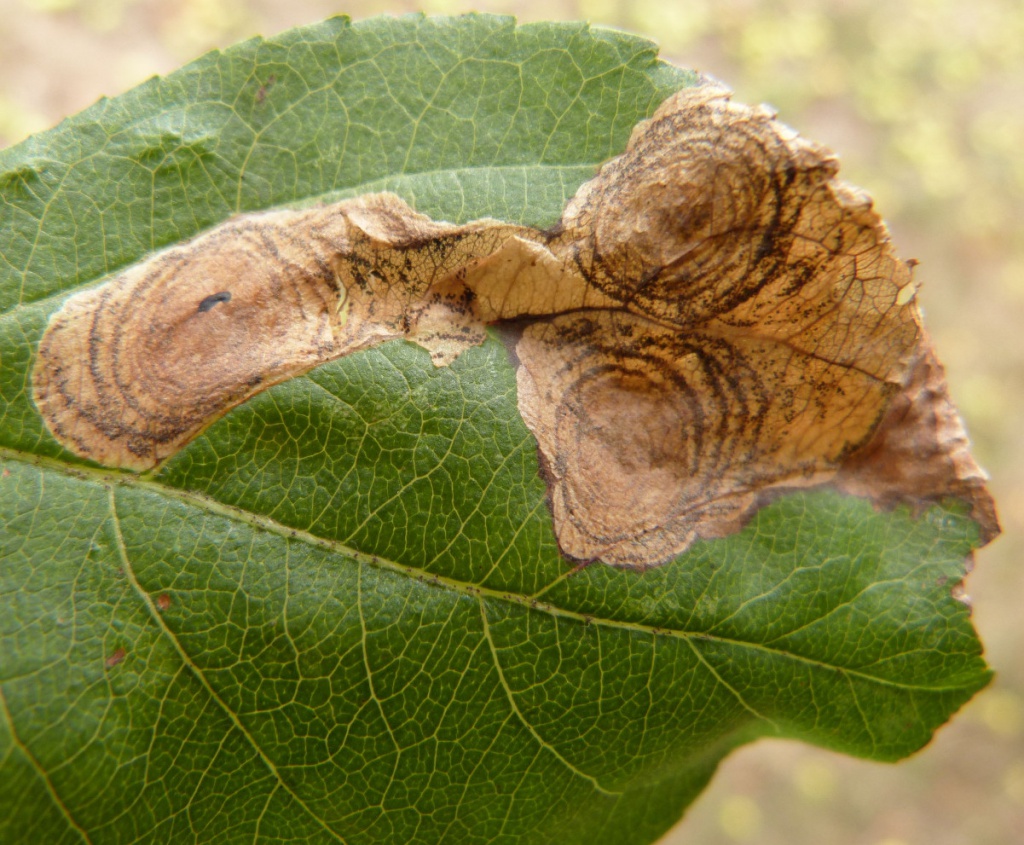
Bucculatrix bechsteinella
Bucculatrix bechsteinella is a small moth with a wingspan of 7 to 9 mm. It is pale buff with brown markings. The leafmine produced by the larva is usually on Hawthorn, and is small and in a vein axil, with blackish frass. The exit gallery is clear, and angular in shape.
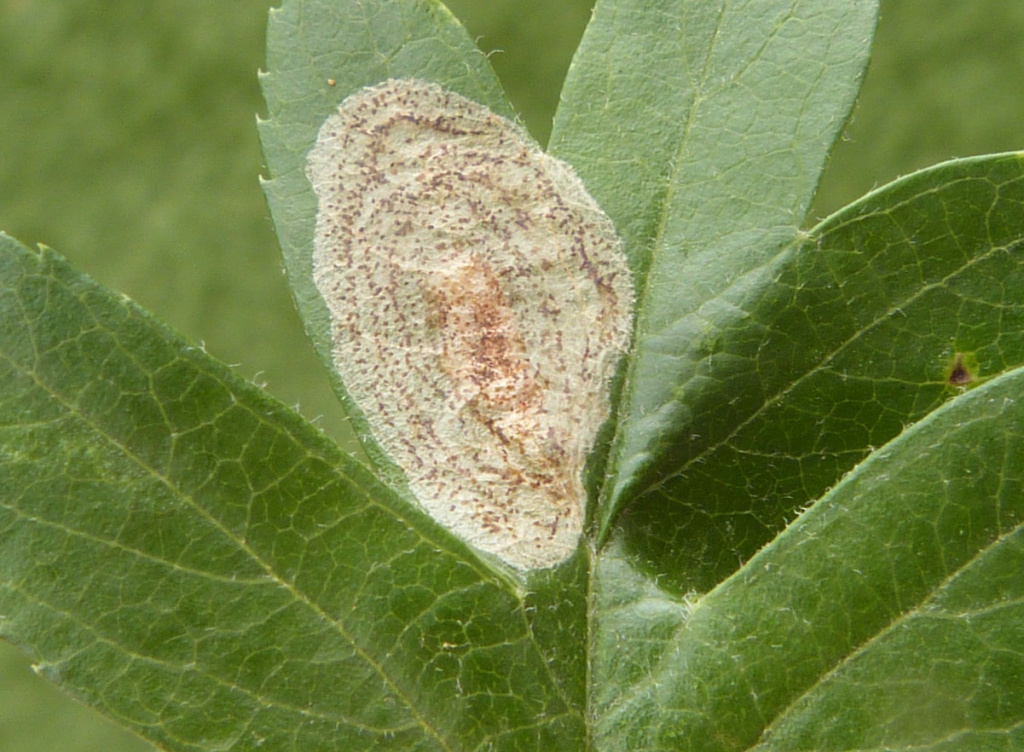
Pear Leaf Blister Moth
The larva of the Pear Leaf Blister Moth (Leucoptera malifoliella) makes a distinctive round blotch leafmine in a leaf of Apple, Hawthorn or Pear with a spiral frass pattern in concentric rings, sometimes several mines in one leaf. Occupied mines can be found in August and September.
Phyllonorycter corylifoliella
The orangey coloured adult is weakly marked in comparison to some of its congeners. The larva mines the leaves of Hawthorn (and also on Apple, Cherry and others), creating an upper-surface mine, usually over the midrib or vein; the mine is rounded in shape and flecked with blackish-brown frass when mature.
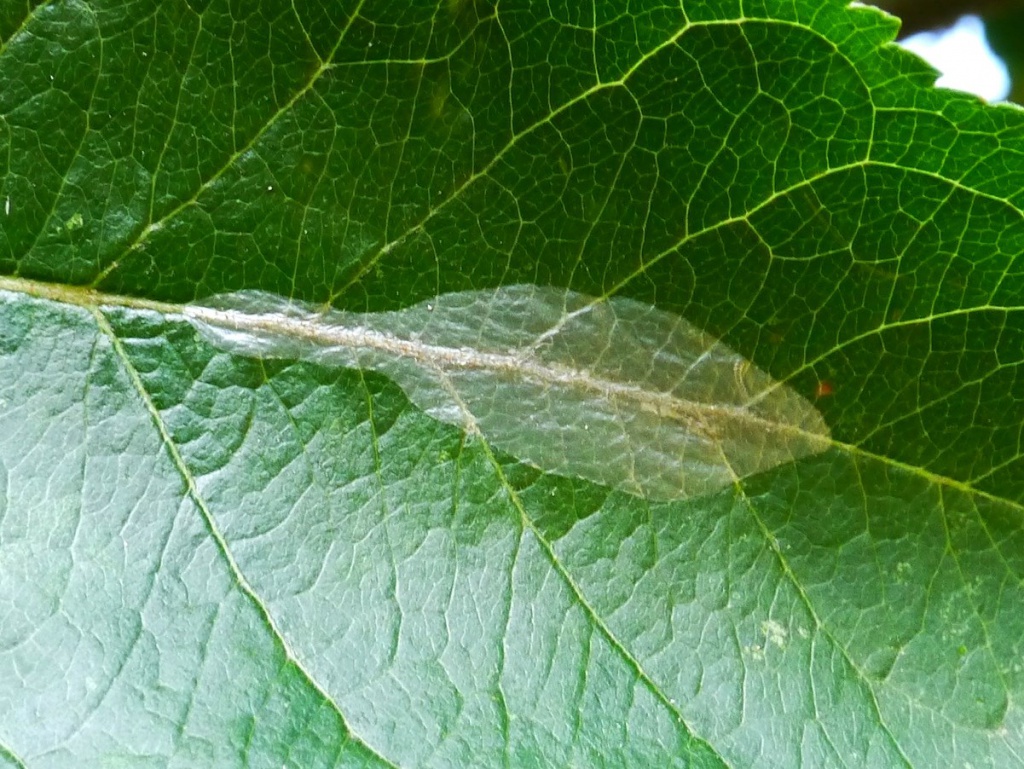
Firethorn Leaf Miner
The larva of the Firethorn Leaf Miner moth (Phyllonorycter leucographella) mine the leaves of a number of species including Firethorn (Pyracantha coccinea), Apple, London Plane and Hawthorn. The mine is usually on the upper side, silvery in appearance and over the midrib.
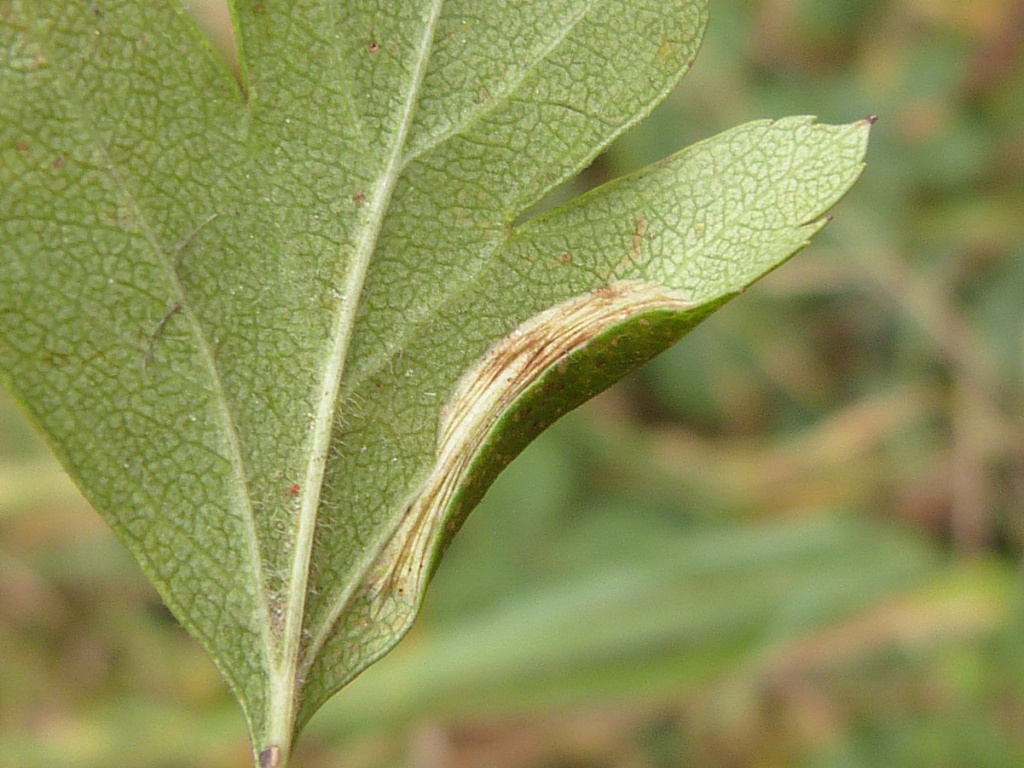
Phyllonorycter oxyacanthae
The larva produce a leafmine on the underside of a leaf, the mine is a blotch often causing the edges of a lobe to curl under.
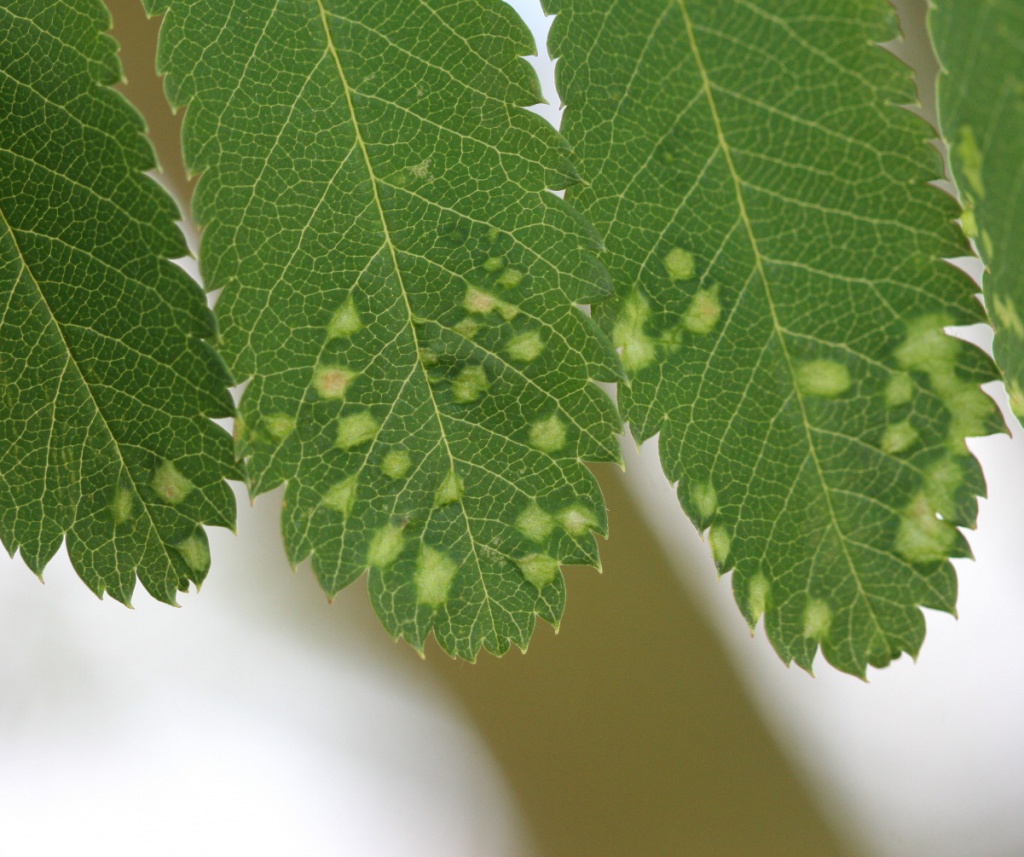
Eriophyes pyri
Eriophyes pyri is a tiny mite that causes galls to form on the leaves of Rowan and Pear, and some other members of the rose family. The mite causes domed pustules with openings, on both leaf surfaces - green/yellow at first but turning brown.
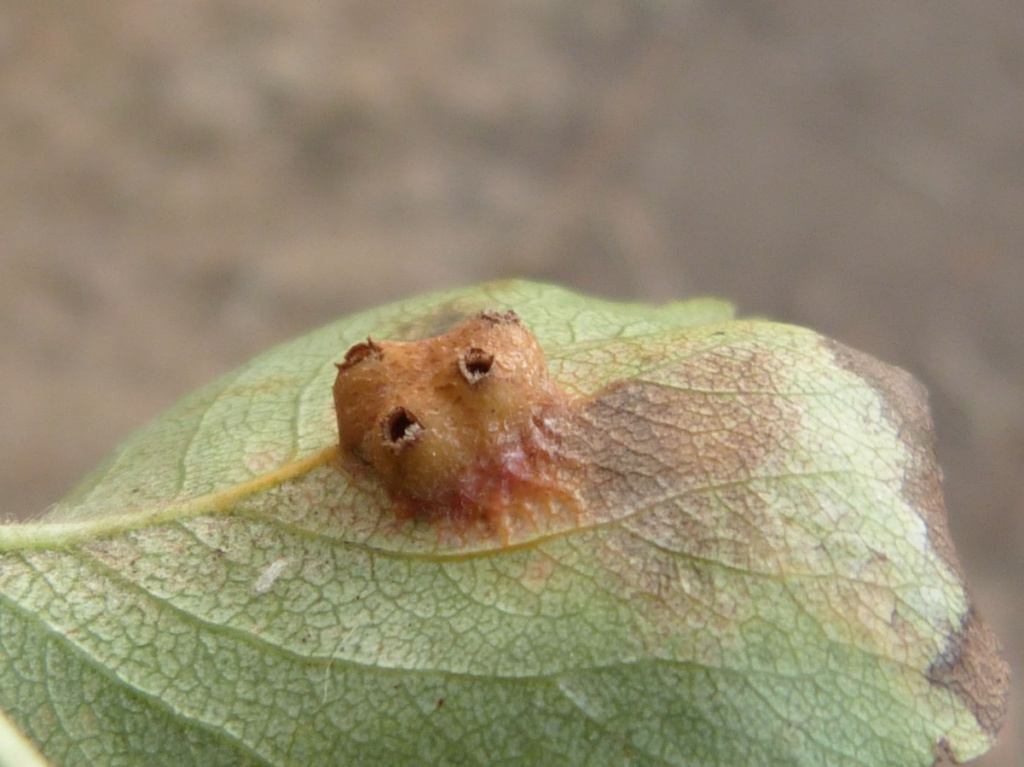
Pear Rust
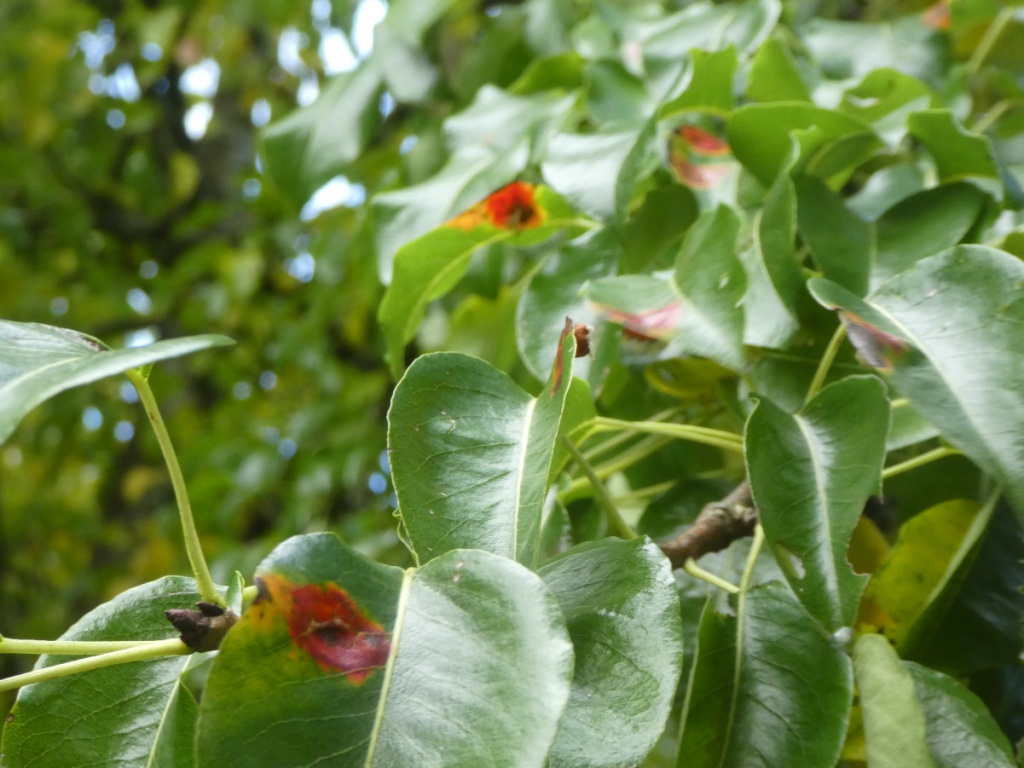
The aecial stage of Pear Rust (Gymnosporangium sabinae) is on Pear. Small spermogonia pustules appear on leaf surfaces in Spring, followed by aecia on leaf undersides. These are swollen galls, bearing large orange-brown aecia which open to release spores through longitudinal slits. These remain as skeletons after the spores are shed. There are corresponding bright orange-red blotches on the leaf uppersides.