

Ash - Fraxinus excelsior
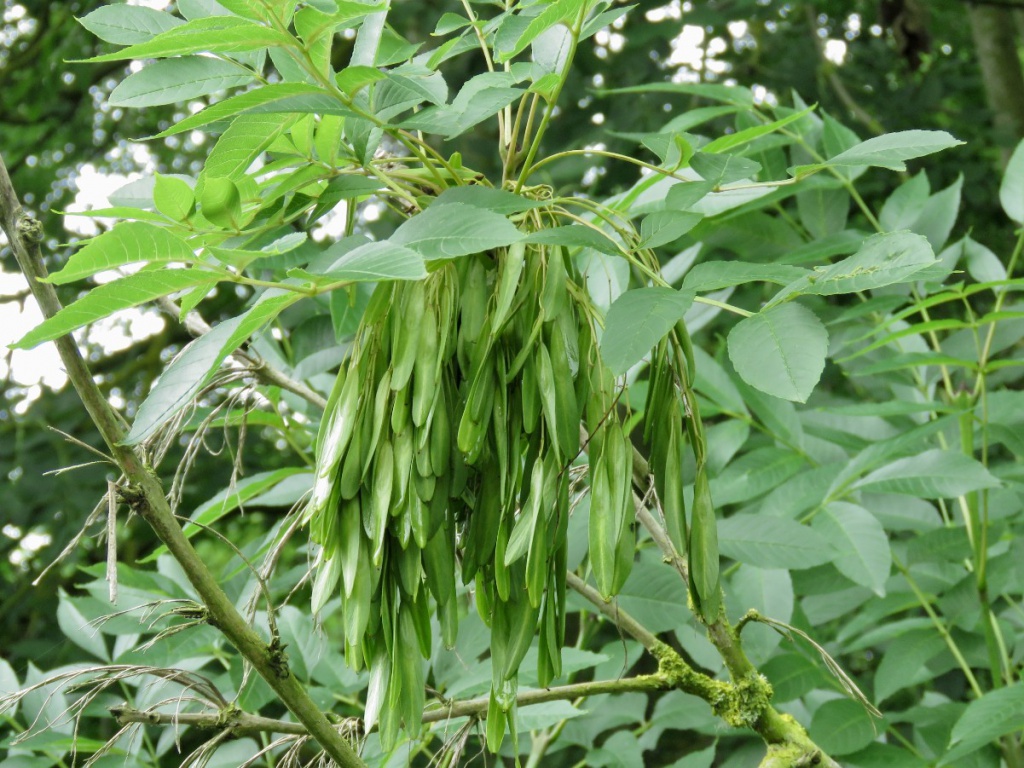
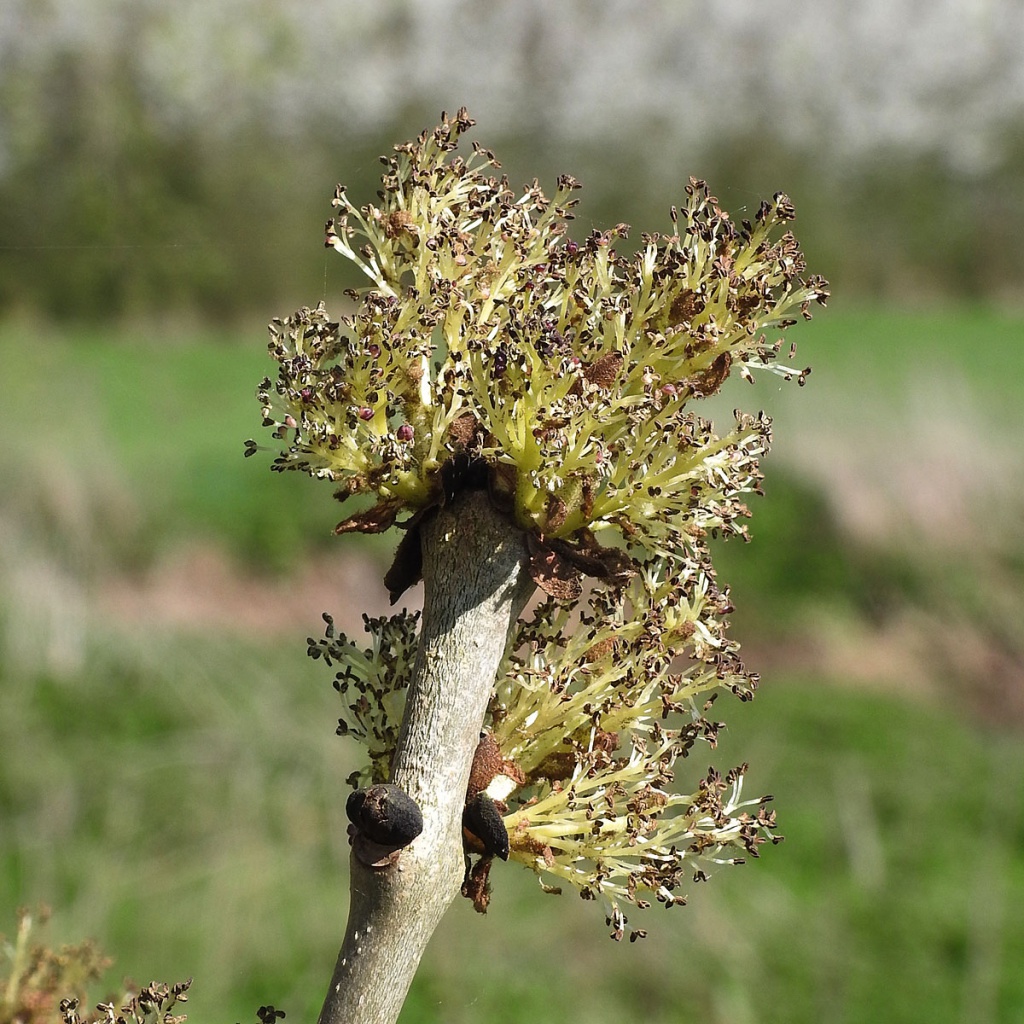
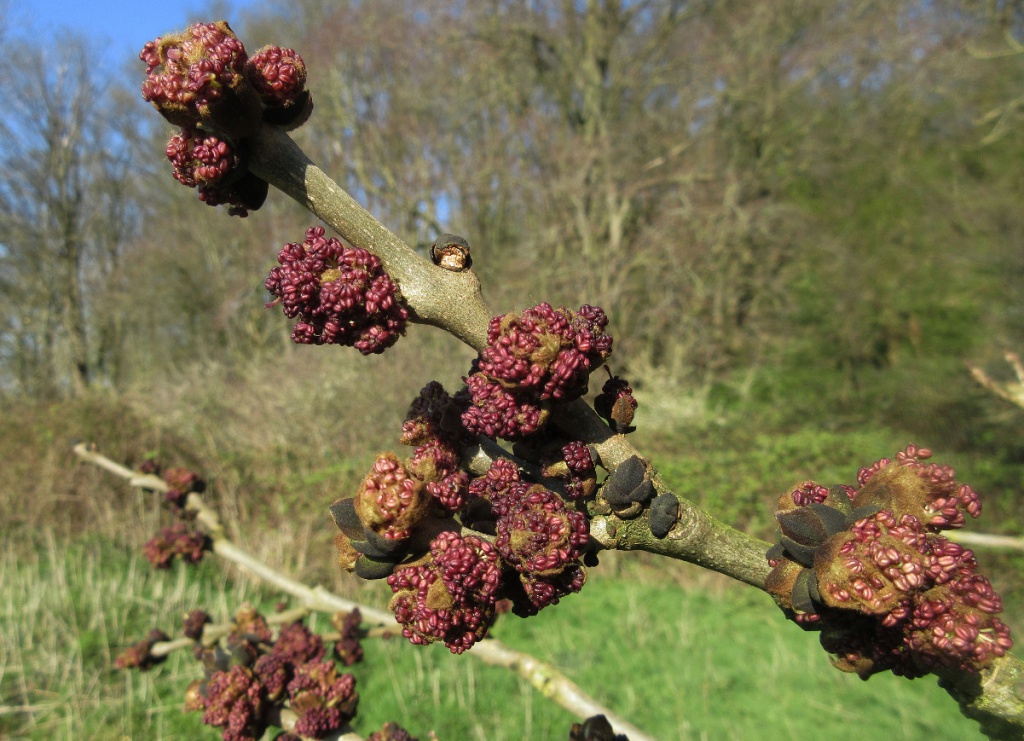
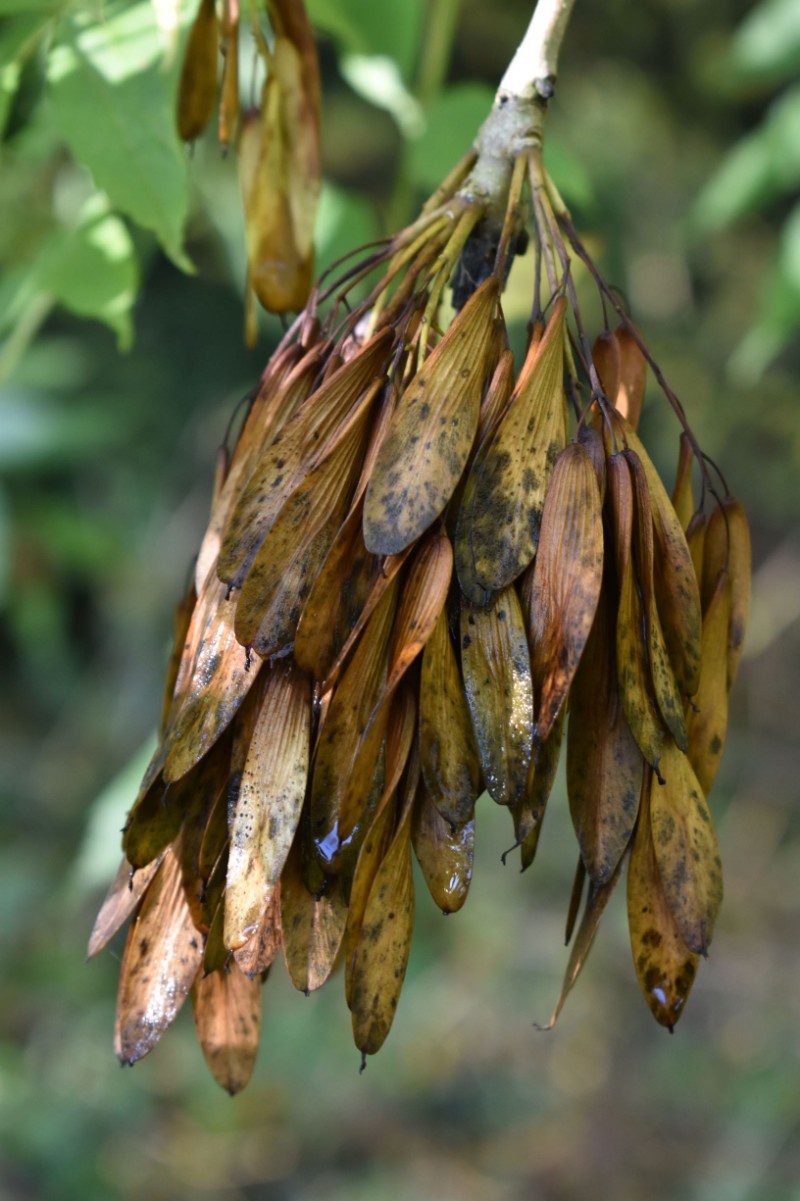
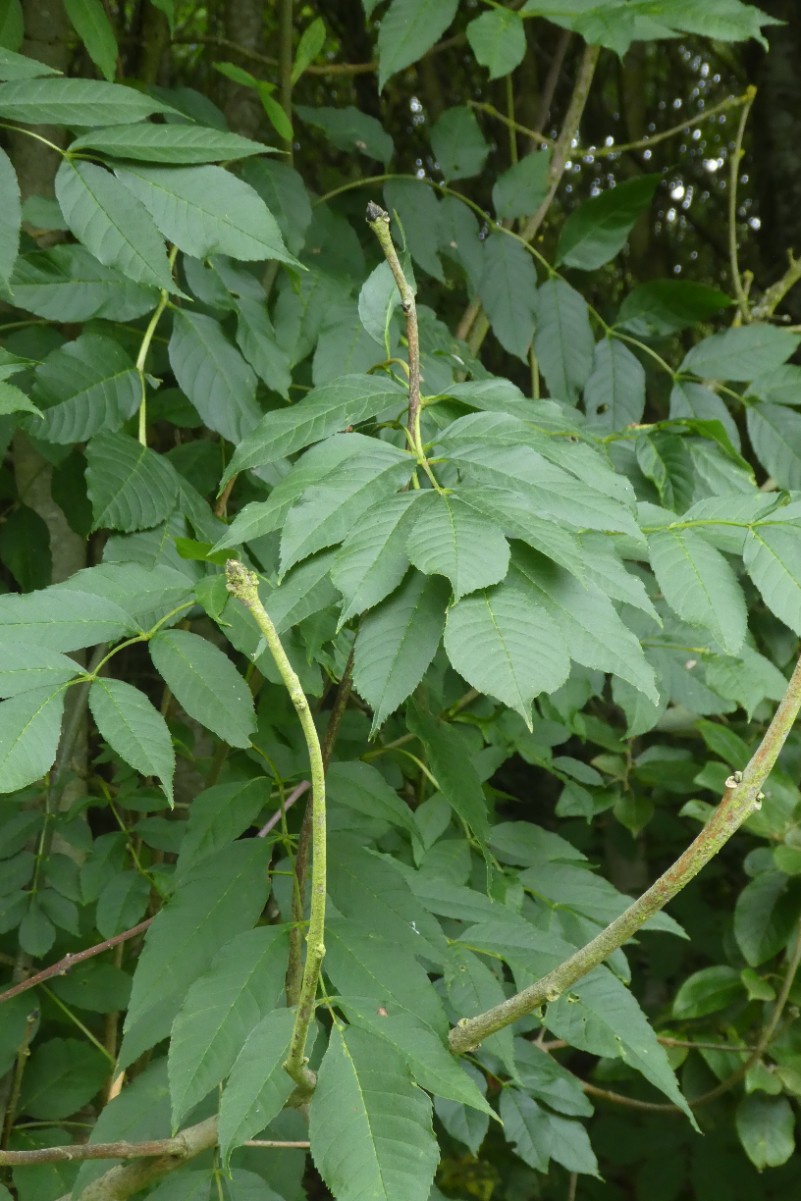
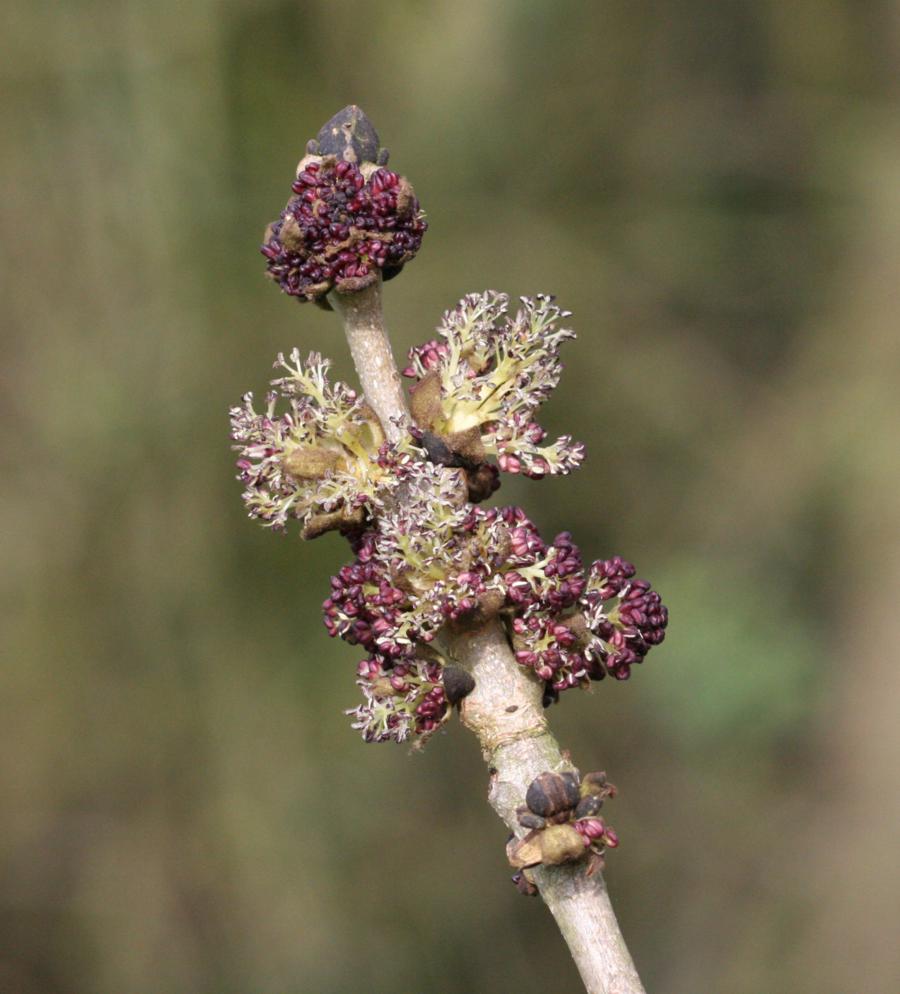
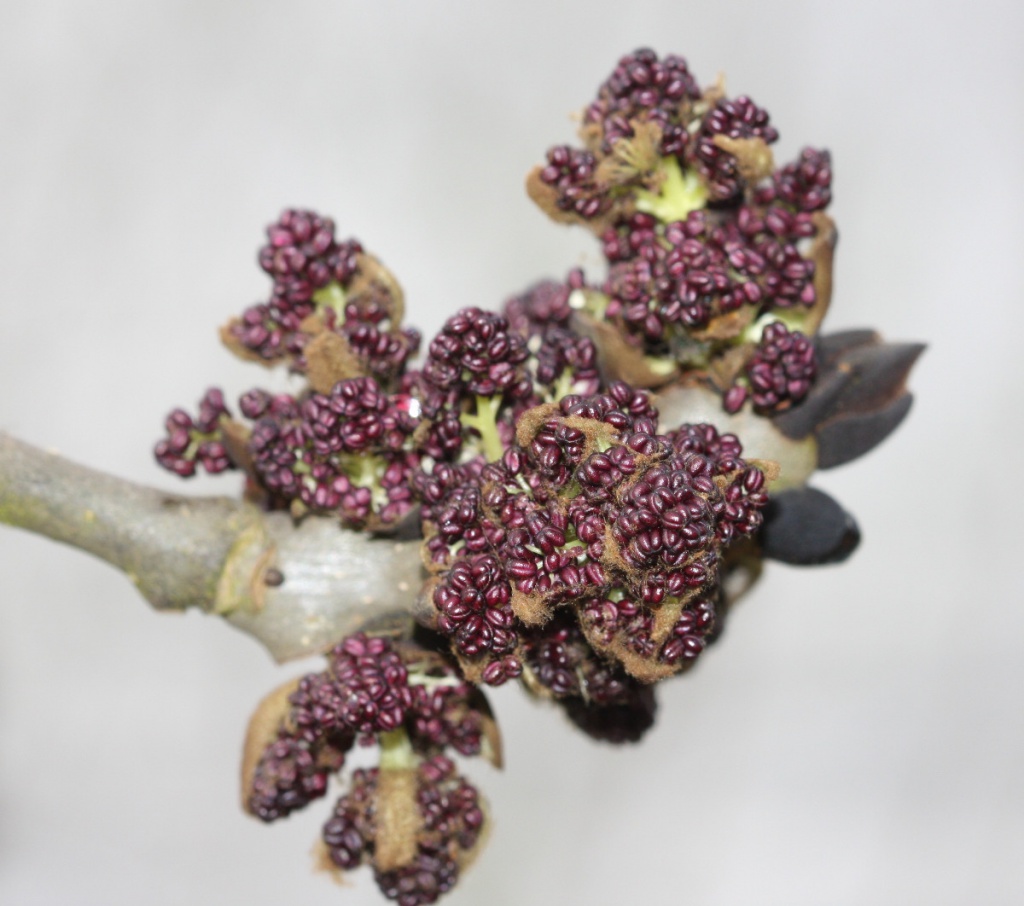
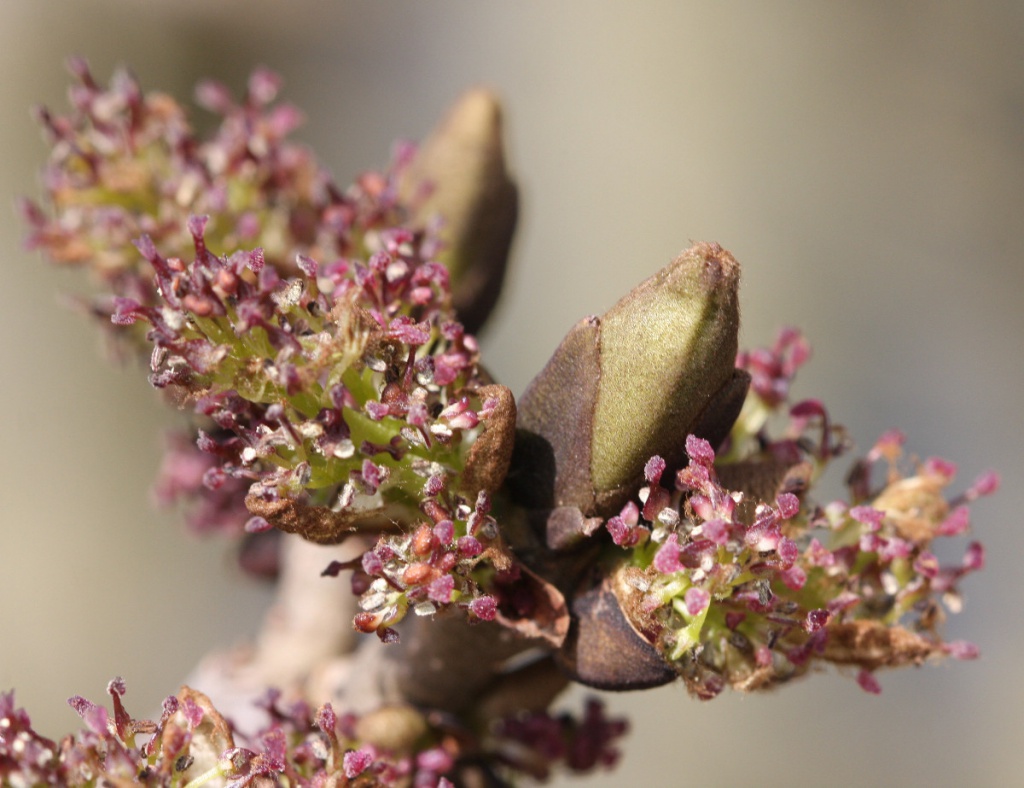
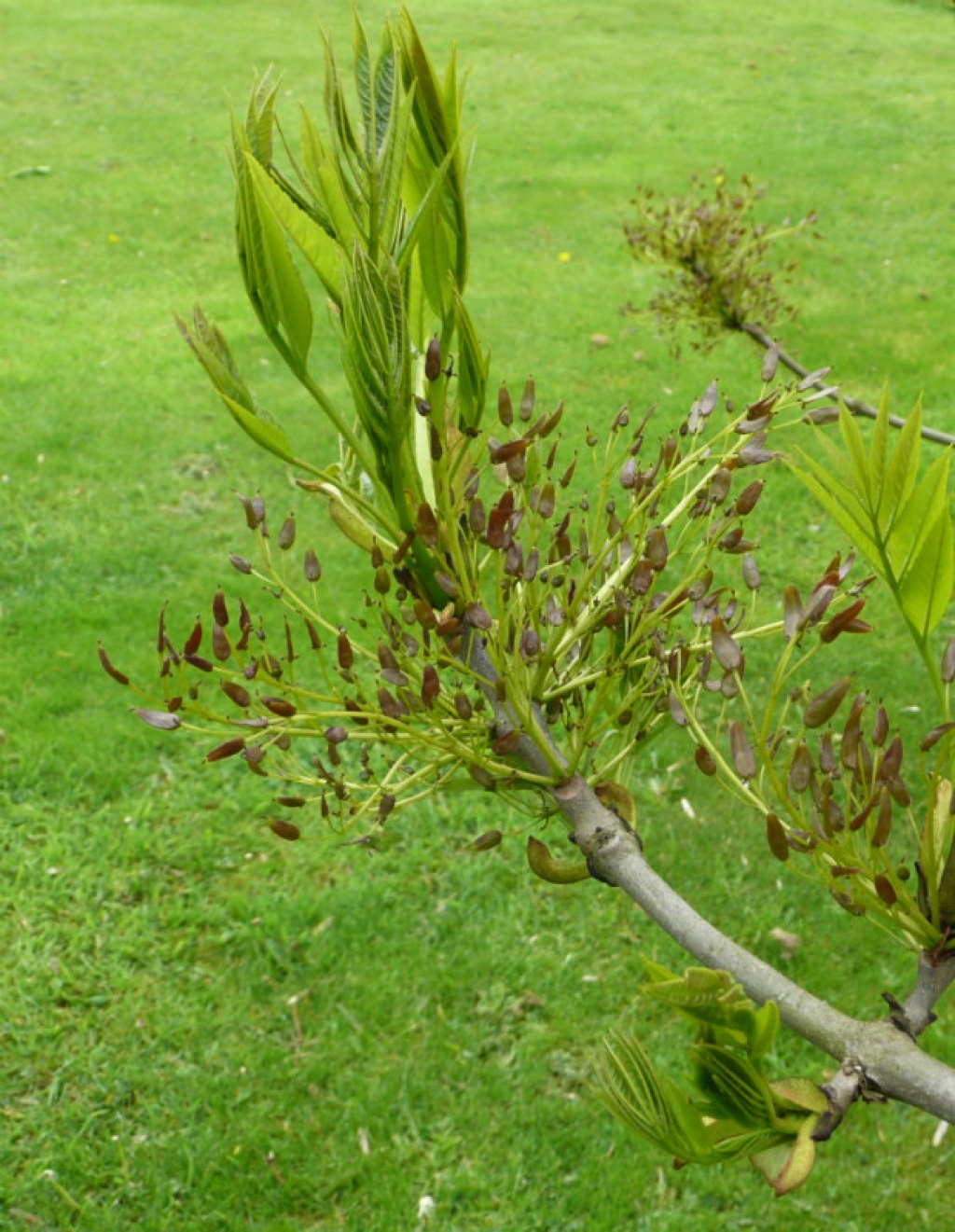
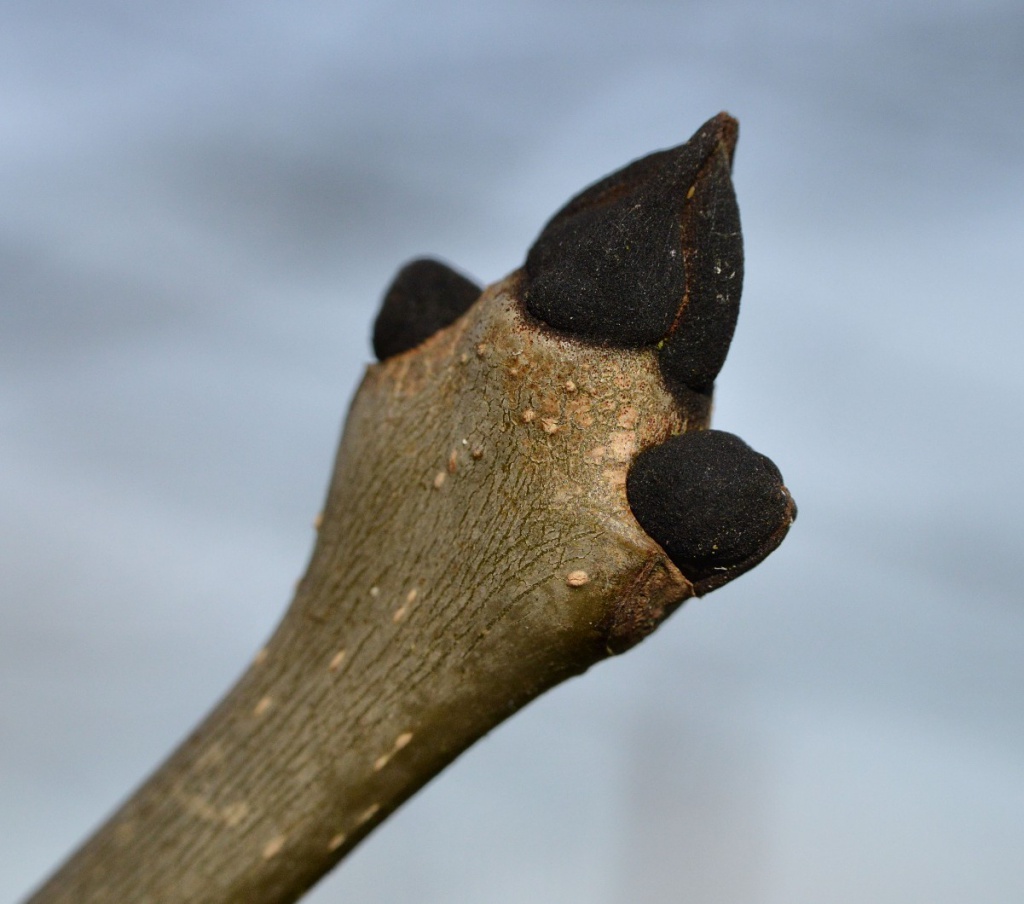
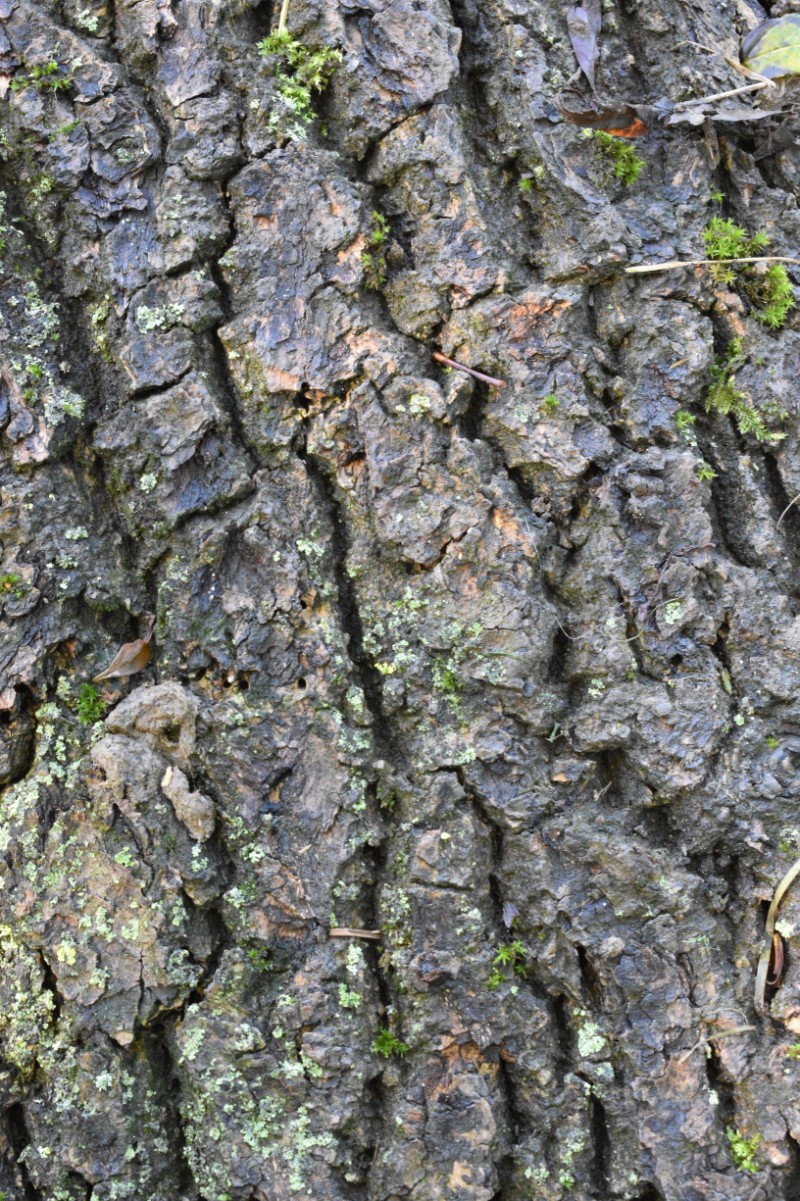
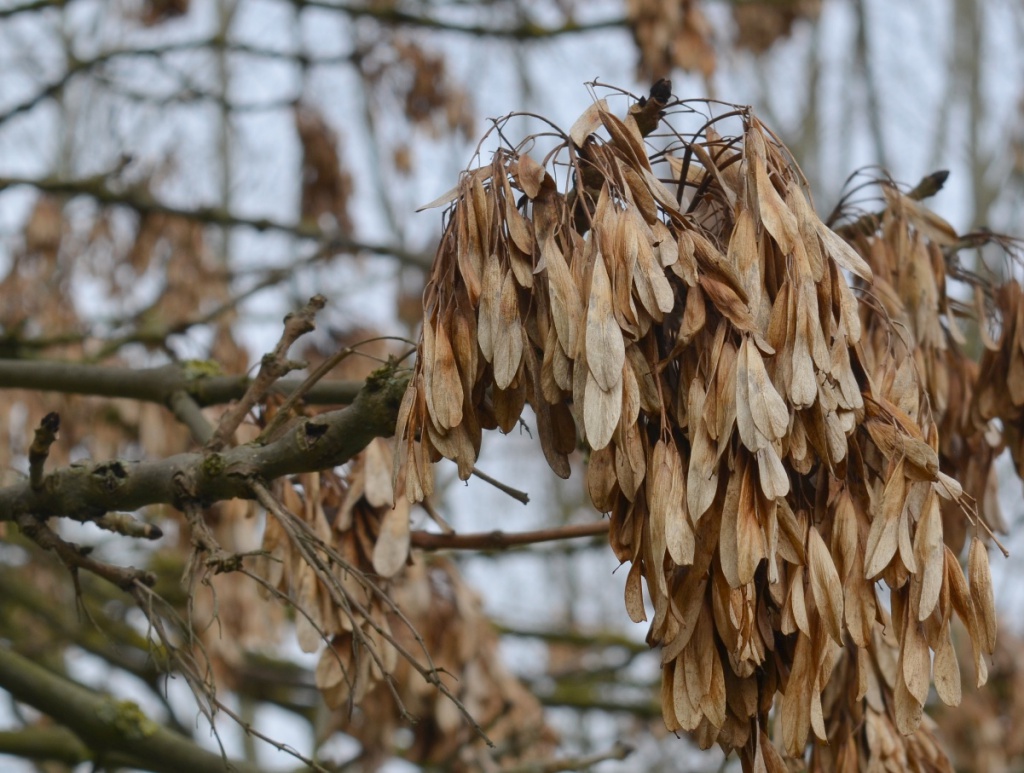
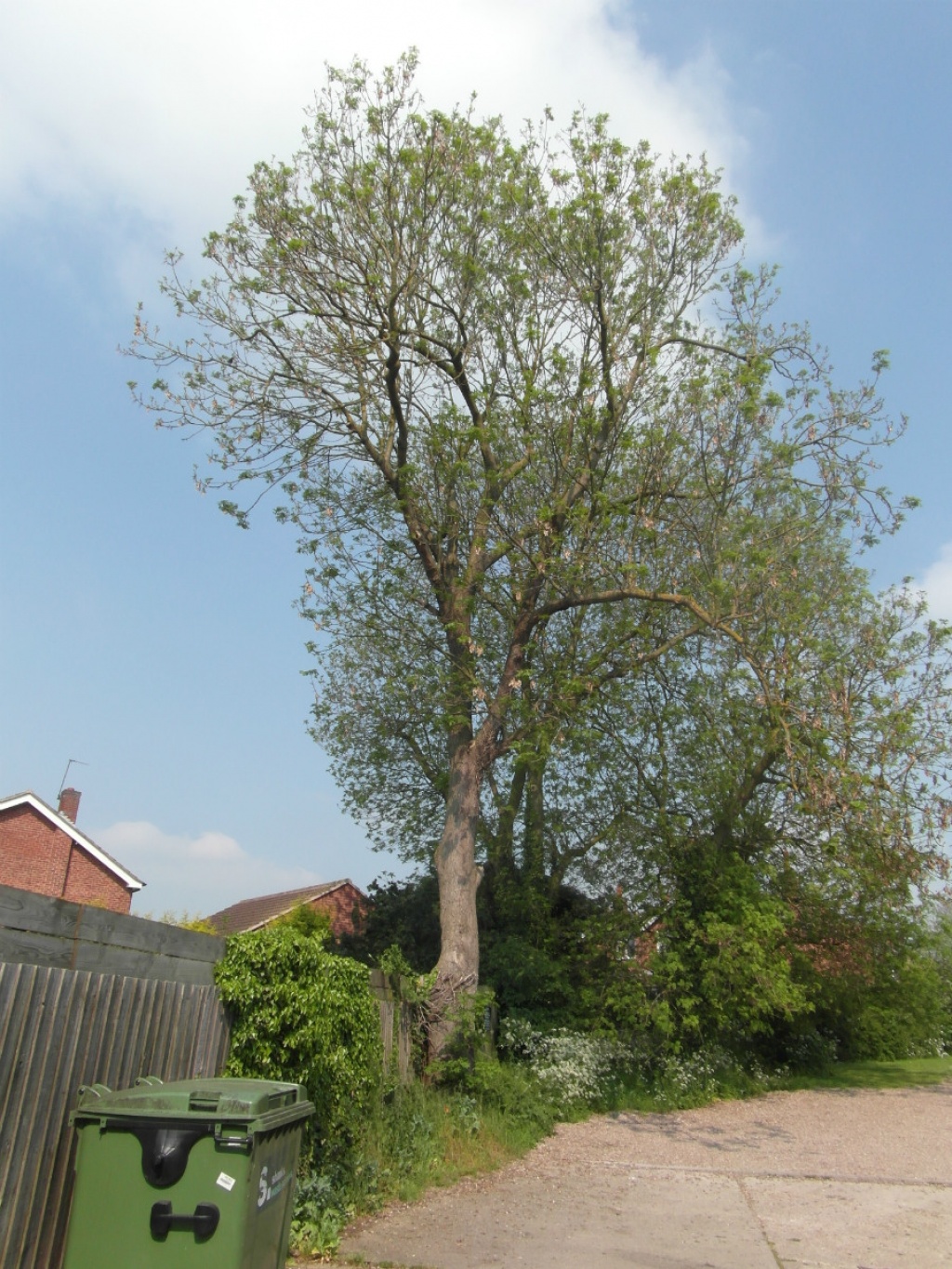
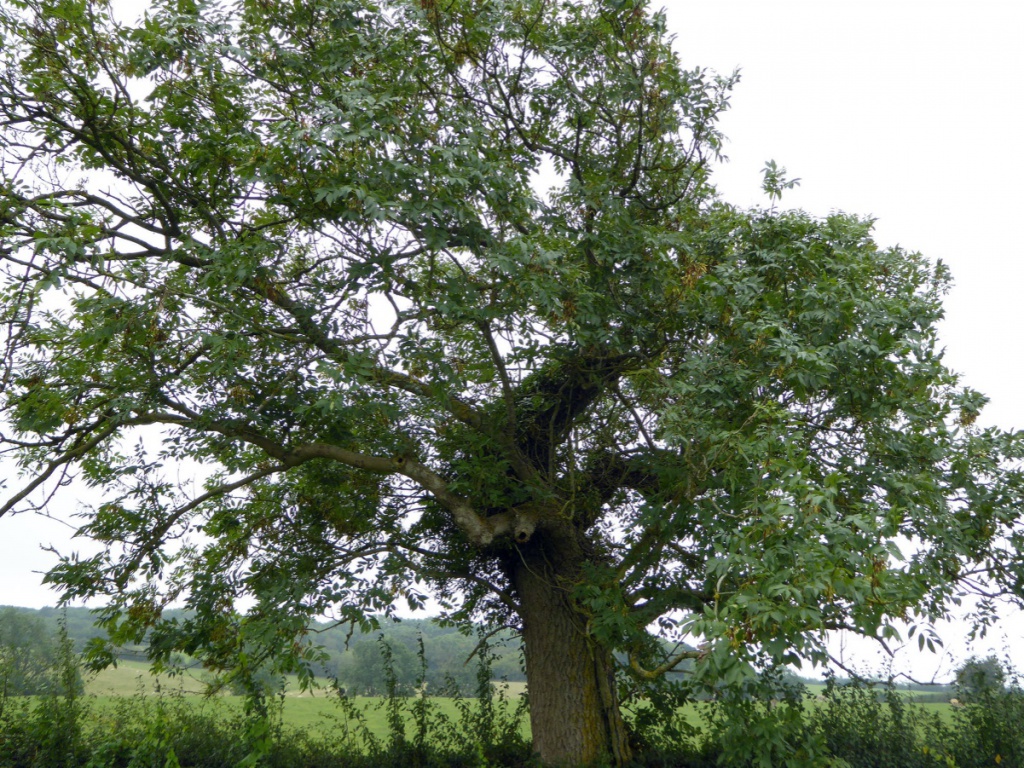
Large tree to 40 metres with black winter buds. Leaves pinnate and opposite. Flowers with tufts of dark purplish brown stamens, becoming greenish without sepals or petals, borne in terminal or lateral clusters. Produces bunches of dangling seeds - 'keys'.

Woodland, scrub and hedgerows.
April to May.
Deciduous.
Very common and widespread throughout Britain.
Very common in Leicestershire and Rutland. In the 1979 Flora survey of Leicestershire it was found in 606 of the 617 tetrads.
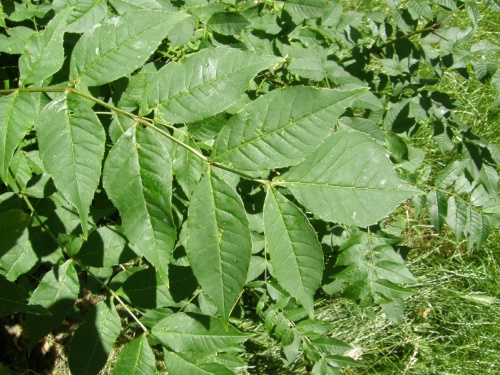 Saharima Roenisch
Spinney Hill Park
26 June 2018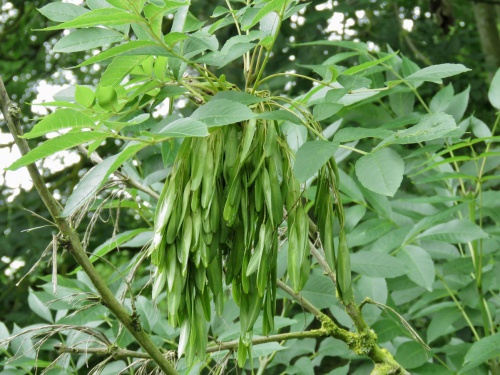 egaten
Croft Hill Nature Trail
12 June 2020
In fruit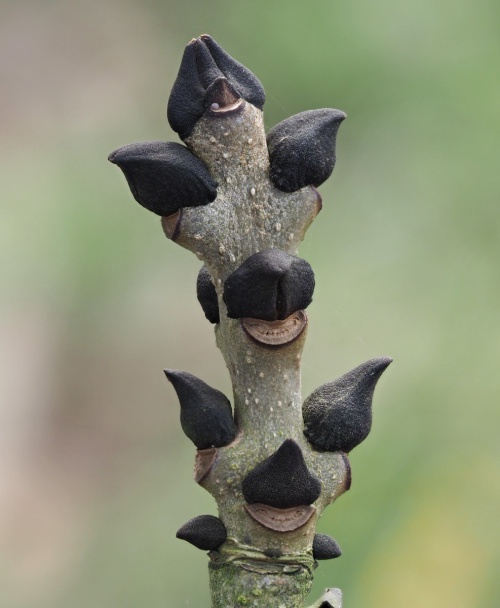 David Nicholls
Groby Lodge Estate Wood
07 March 2023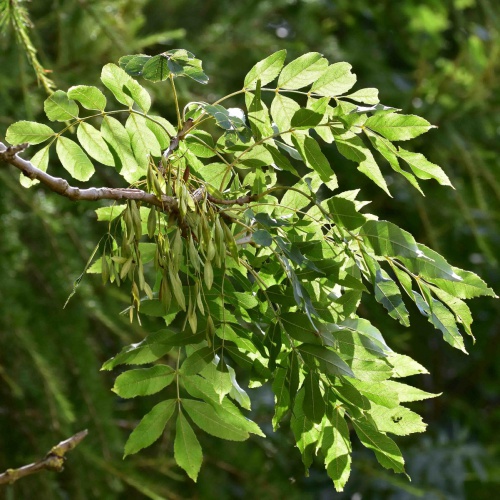 Andy's Rutland
Gunnel Lane Meadow-Empingham
17 July 2018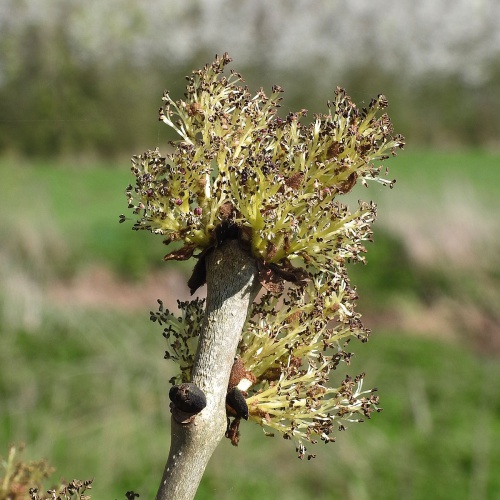 David Gould
nr Ratby Meadow, Enderby
08 April 2017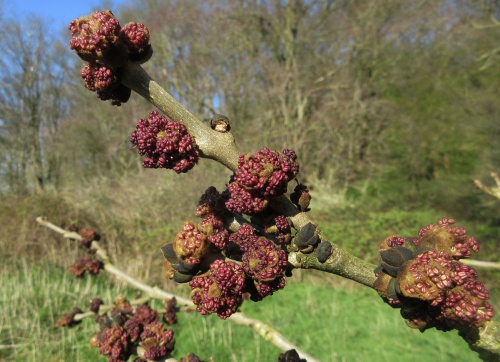 Pete Leonard
Harby Hill Wood SSSI (S)
26 March 2020 stepgray4
Wymeswold Woodland
22 October 2020
Ash 'keys'



Leicestershire & Rutland Map
Enter a town or village to see local records
MAP KEY:
Yellow squares = NBN records (all known data)
Coloured circles = NatureSpot records: 2025+ | 2020-2024 | pre-2020
UK Map
Species profile
- Common names
- Ash
- Species group:
- flowering plant
- Kingdom:
- Plantae
- Order:
- Lamiales
- Family:
- Oleaceae
- Records on NatureSpot:
- 849
- First record:
- 01/01/1979 (Patricia Evans)
- Last record:
- 01/06/2026 (Nicholls, David)
Total records by month
% of records within its species group
10km squares with records
The latest images and records displayed below include those awaiting verification checks so we cannot guarantee that every identification is correct. Once accepted, the record displays a green tick.
In the Latest Records section, click on the header to sort A-Z, and again to sort Z-A. Use the header boxes to filter the list.
Latest images
Latest records
, with 'keys' Old Fosse Sapcote SP 5035 9296 (taken 25.5.2006).JPG) Graham Calow
Graham Calow
Sapcote
25 May 2006
In fruit - Ash 'keys'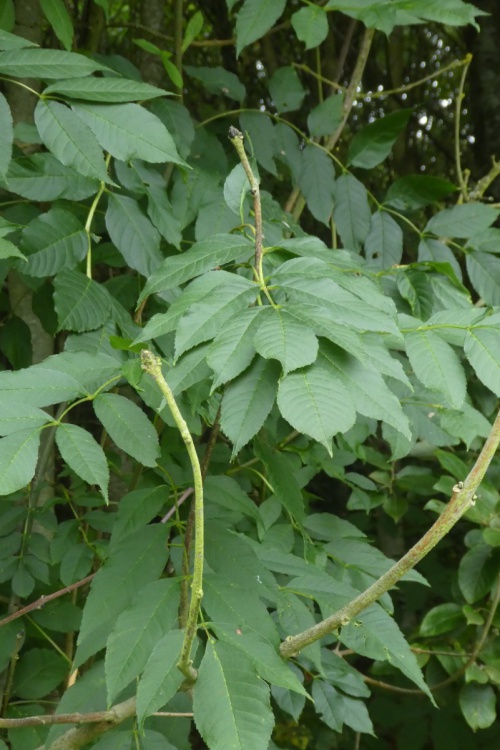 Frank Bedford
Ashby de la Zouch, Ingles Hill Woodland
25 September 2021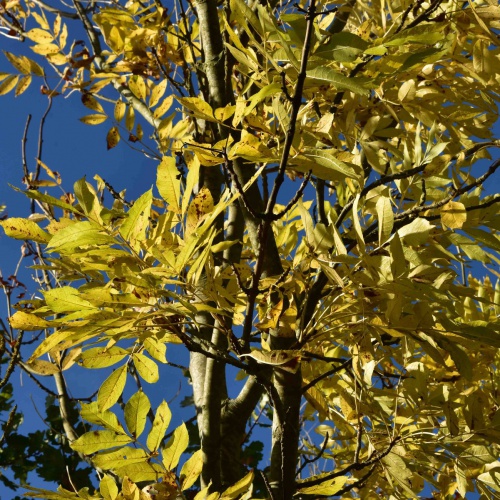 Andy's Rutland
Exton Estate
19 October 2018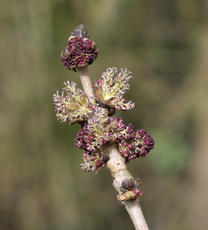 David Nicholls
Wirlybones Wood, Ratby
02 April 2011
in flower. Marsh near to Old Fosse Sapcote SP 4950 9207 (taken 6.4.2008).JPG) Graham Calow
Graham Calow
Marsh near Old Fosse, Sapcote
06 April 2008
In flower. Old Fosse Sapcote SP 5035 9296 (taken 20.4.2009).JPG) Graham Calow
Graham Calow
Sapcote
20 April 2009
In flower - with buds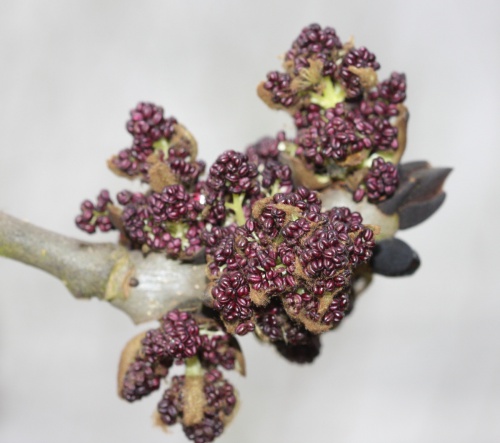 David Nicholls
Thornton Reservoir
27 April 2013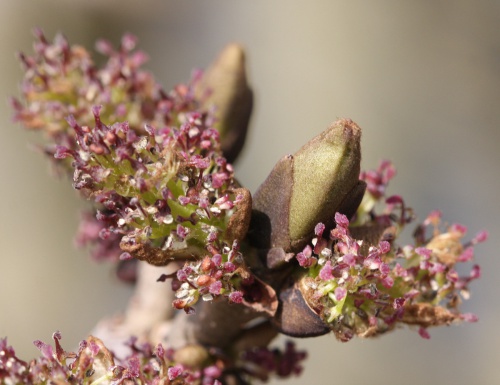 David Nicholls
Thornton Reservoir
27 April 2013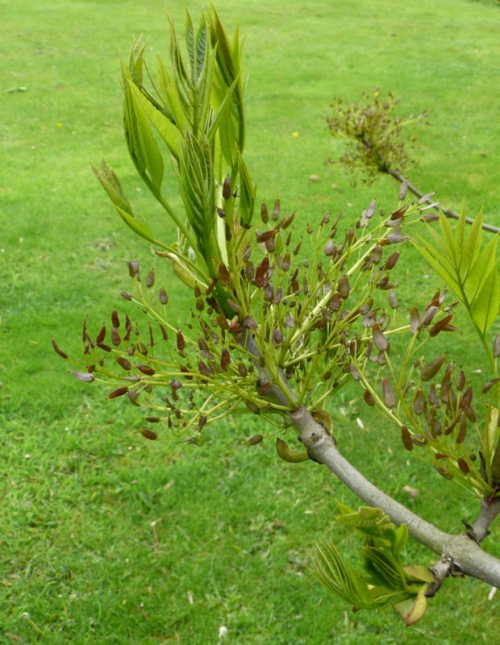 Barbara Cooper
Long Clawson
16 May 2012 stepgray4
Wymeswold Woodland
26 February 2021
Black buds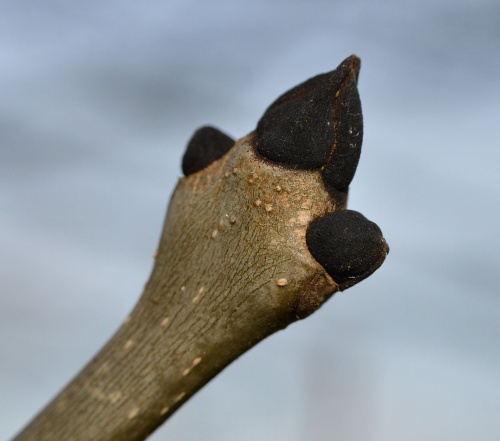 Barbara Cooper
Long Clawson
16 February 2018
Black buds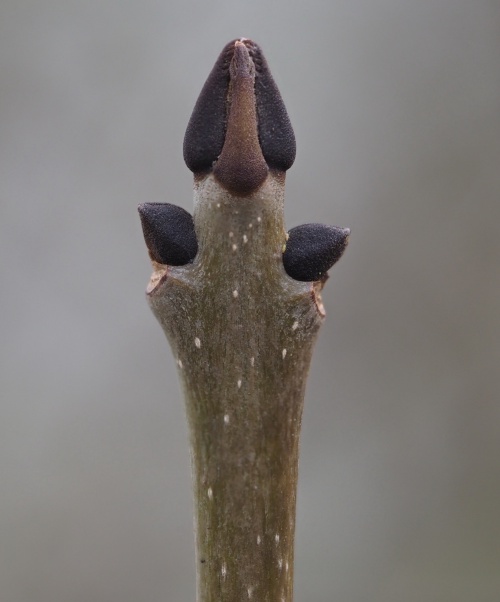 David Nicholls
Thornton reservoir
08 February 2022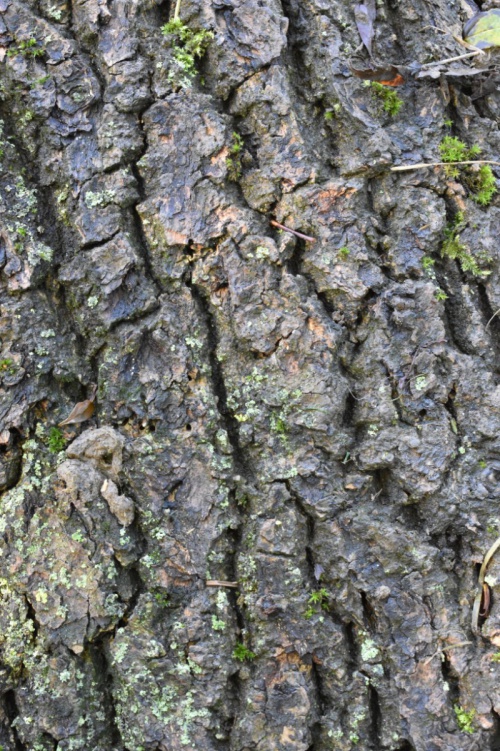 stepgray4
Wymeswold Woodland
22 October 2020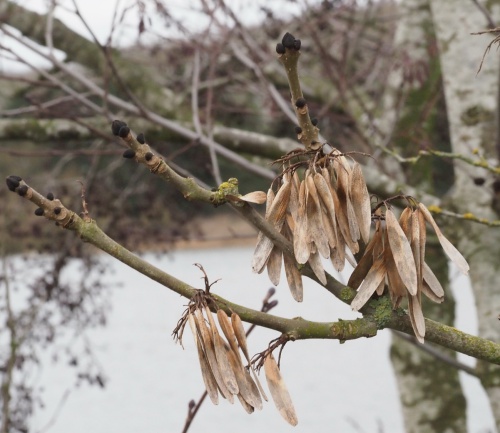 David Nicholls
Thornton reservoir
08 February 2022 Steve Mathers
Watermead Park (North)
14 March 2017
Ash keys Alan Semper
Harby, pub car park
24 May 2012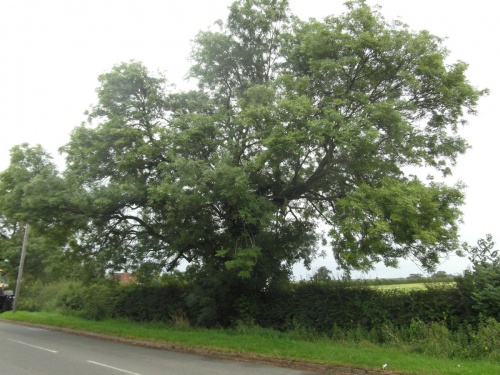 Alan Semper
Harby roadside
05 August 2012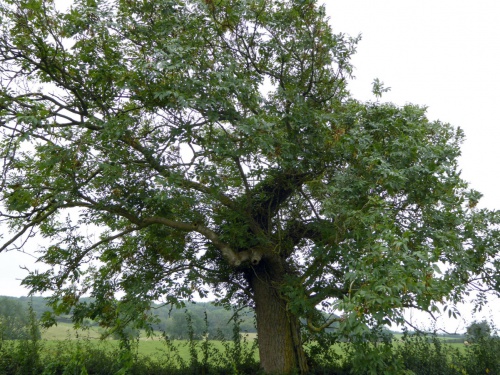 AJ Cann
Cold Overton
17 September 2021 stepgray4
Bridleway near Wymeswold
15 November 2020 Graham Calow
Sapcote
16 September 2008
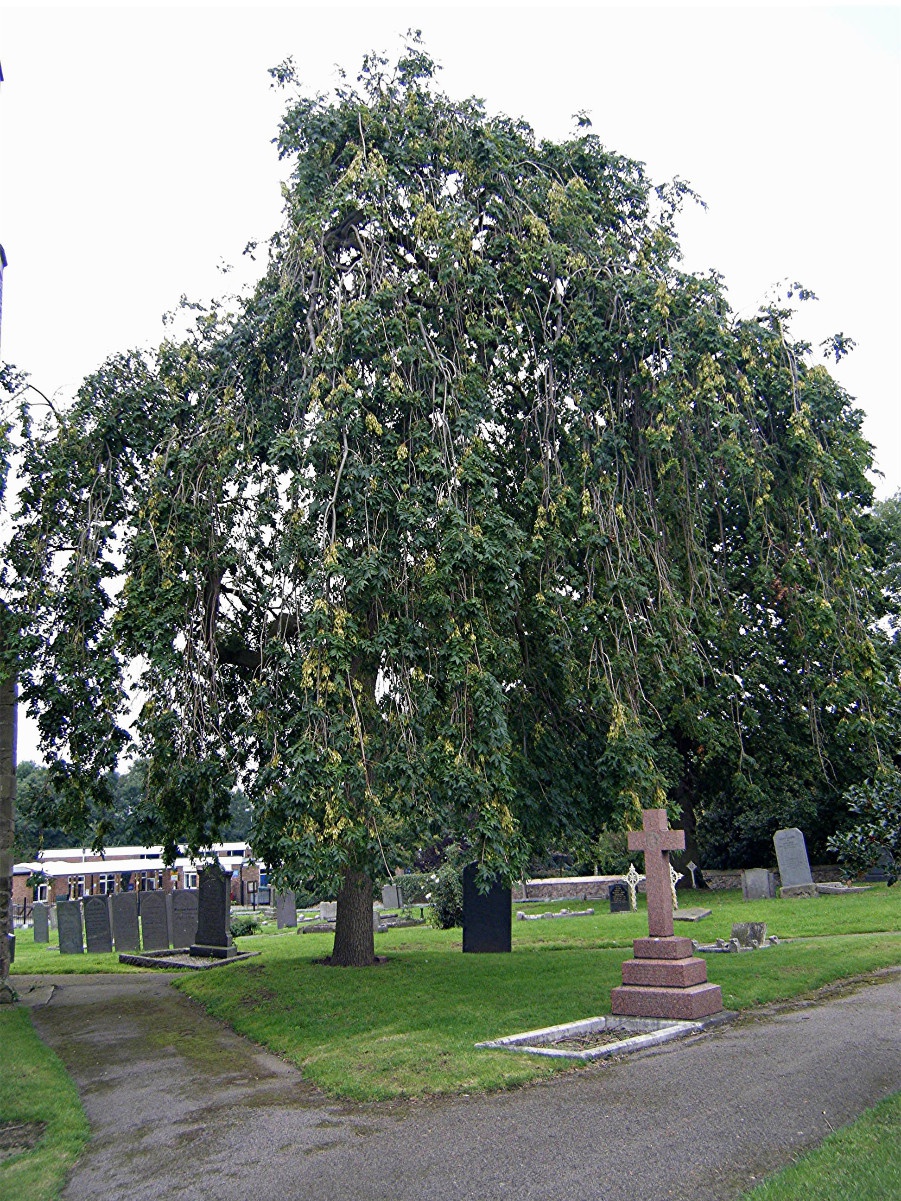
Weeping Ash (Fraxinus excelsior 'Pendula')
, with 'keys' Old Fosse Sapcote SP 5035 9296 (taken 25.5.2006).JPG)

. Marsh near to Old Fosse Sapcote SP 4950 9207 (taken 6.4.2008).JPG)
. Old Fosse Sapcote SP 5035 9296 (taken 20.4.2009).JPG)





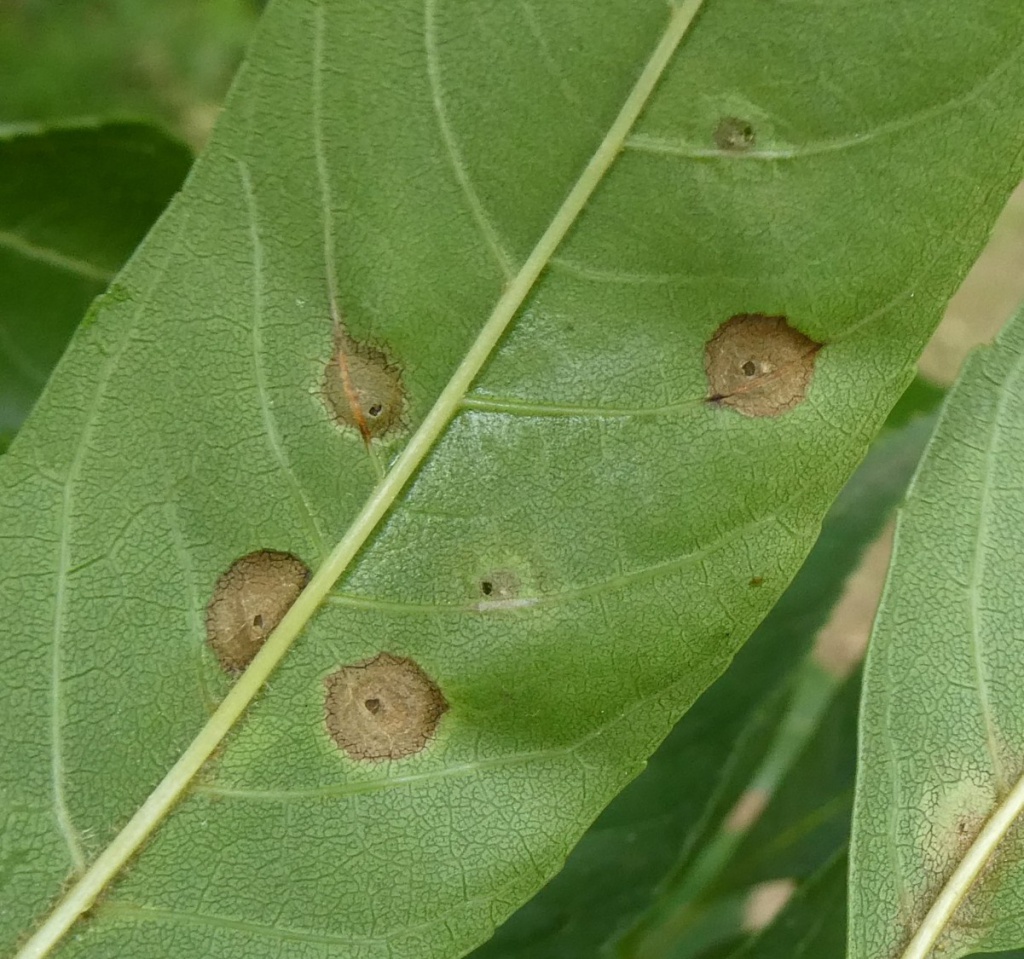
Dasineura fraxinea
The larva of the gall midge Dasineura fraxinea causes galls to form on Ash. The galls are in the leaf blade, 3 to 8 mm diameter with an irregular opening at the underside; often several in a leaflet. Larva solitary, white.

Phyllactinia fraxini
Phyllactinia fraxini is a powdery mildew occurring primarily on Ash (Fraxinus) species, but can also affect other members of the family Oleaceae (Olive and Lilac family).
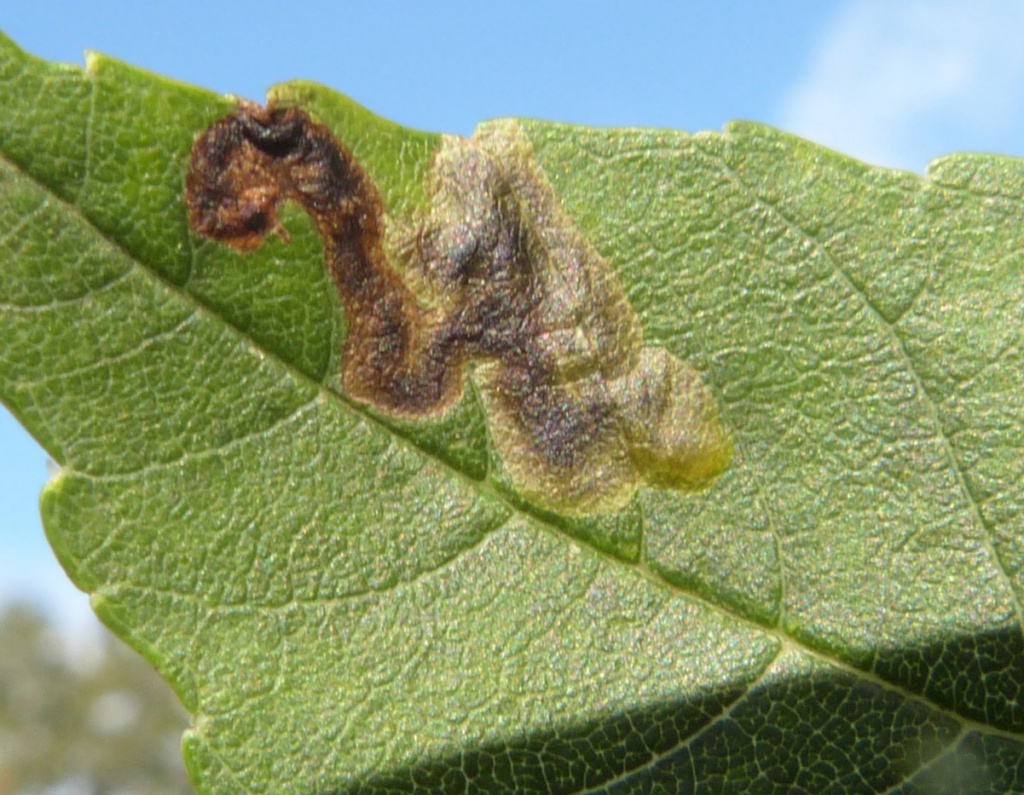
Aulagromyza heringii
The larva of the Agromyzid fly Aulagromyza heringii mines the leaves of Ash producing an upper surface, long corridor or irregular blotch mine, beginning with a small yellowish-brown pustule.
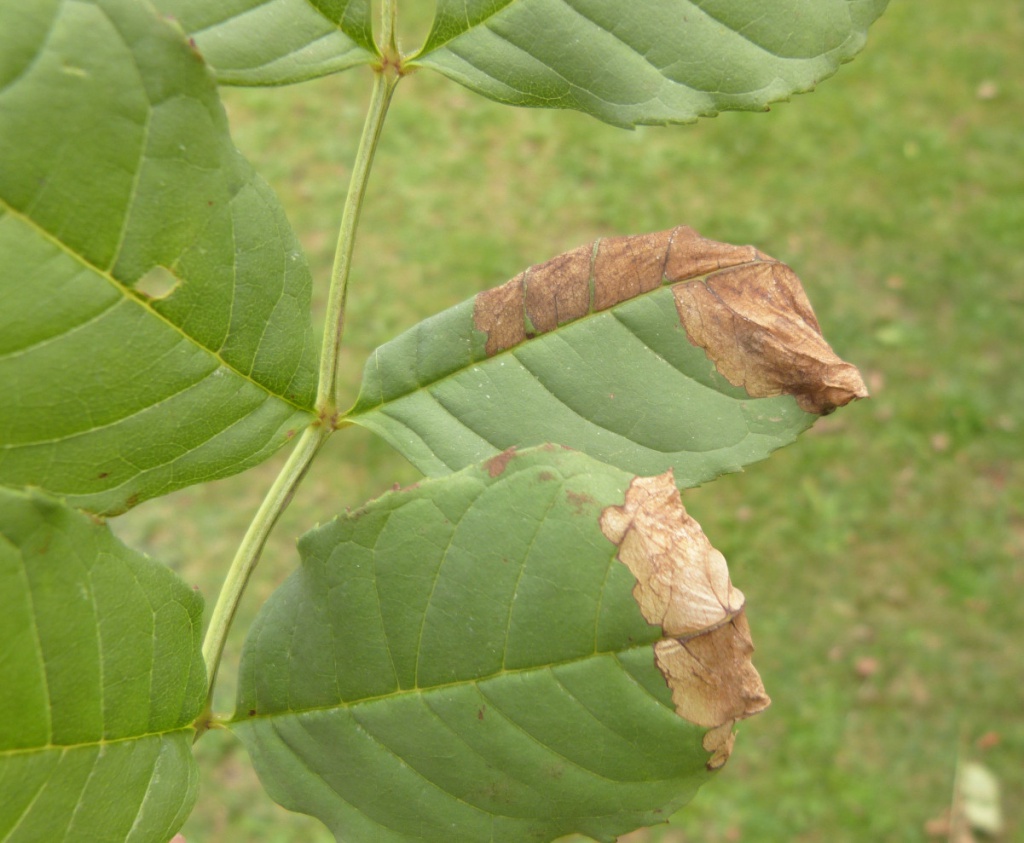
Gracillaria syringella
The larvae of the moth Gracillaria syringella mine the leaves of Lilac, Ash, Privet and Jasmine, often gregariously, in a large blotch mine.
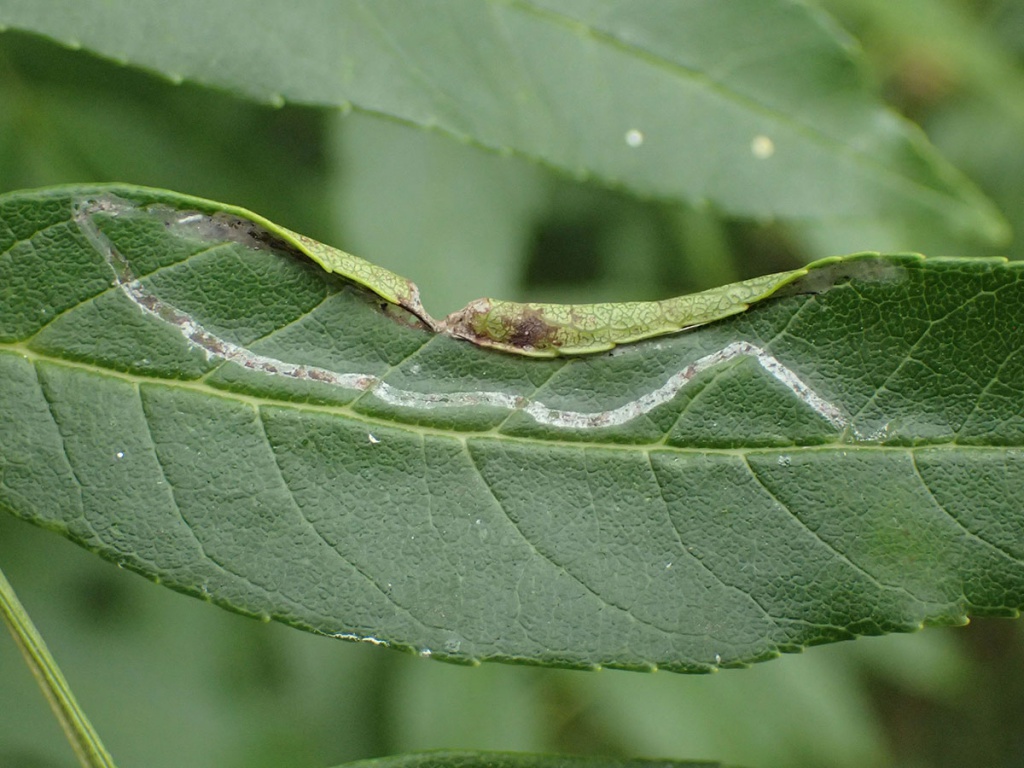
Caloptilia cuculipennella
The larva of the moth Caloptilia cuculipennella mines the leaves of Ash and Privet. On Ash, the larva makes a thin silvery gallery mine on the upper leaf surface which causes a slight upward fold of the leaf-edge. It then leaves the mine and feeds inside a cone caused by a double leaf-fold at the tip, eventually pupating inside.
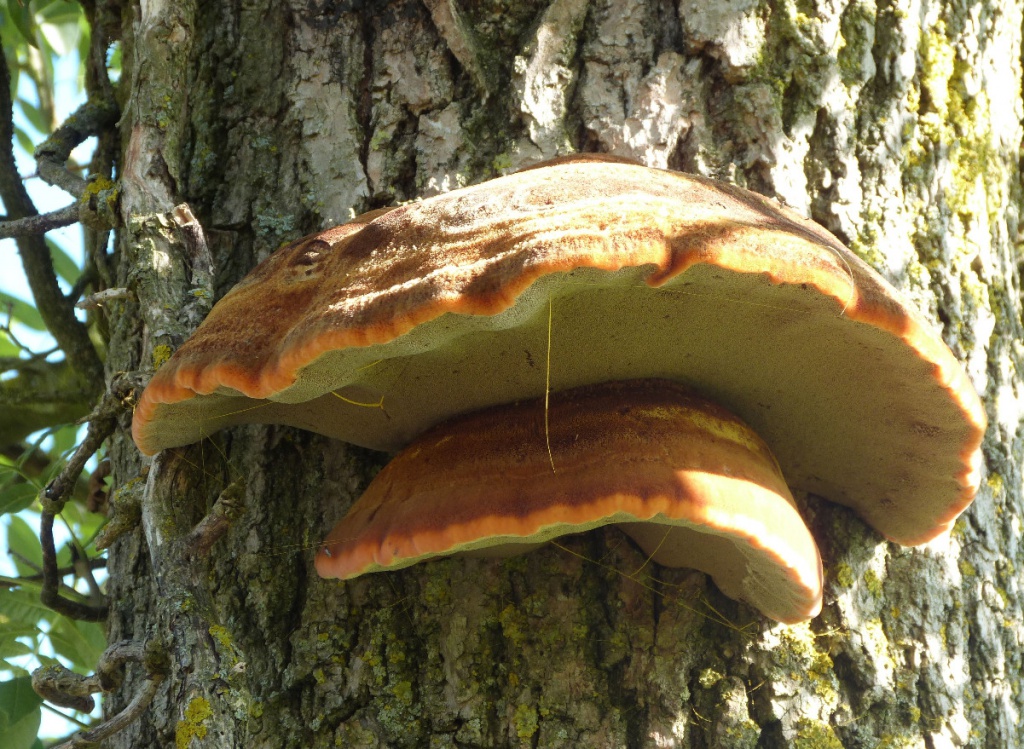
Shaggy Bracket
The Shaggy Bracket fungus (Inonotus hispidus) is usually found on Ash but sometimes found on Poplar, Beech and Oak.
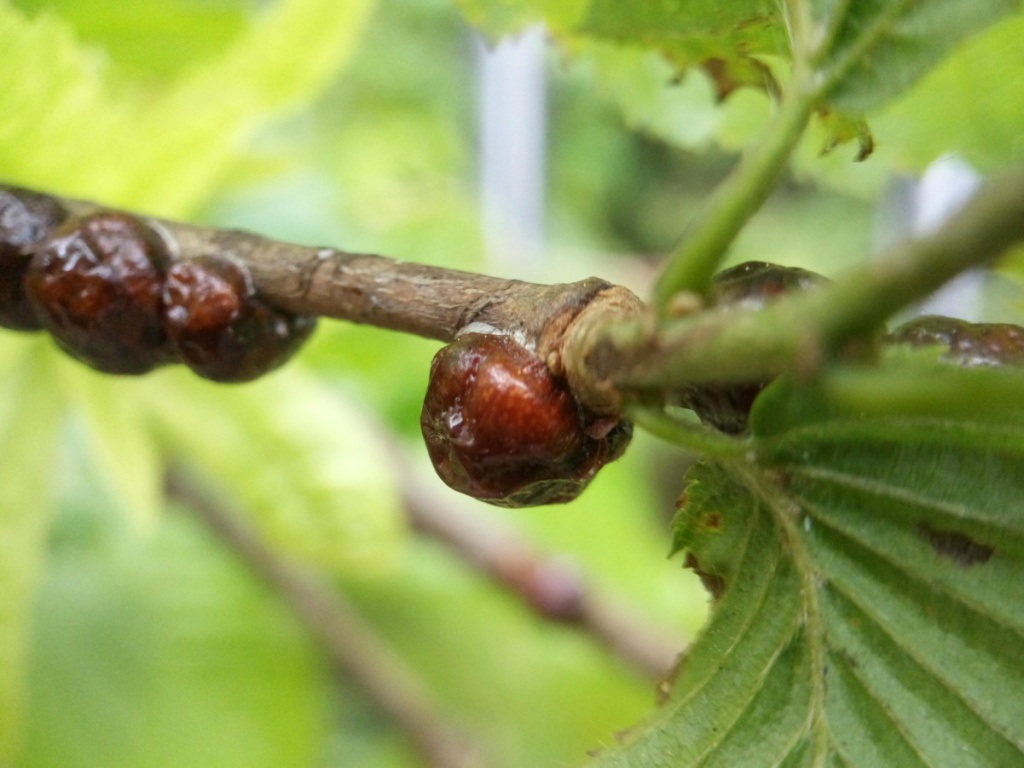
Nut Scale
Nut Scale (Eulecanium tiliae) affects various woody plants including trees and shrubs such as Hawthorn, Oak, Ash, Hornbeam, Field Maple and fruit trees such as Apple and Pear.
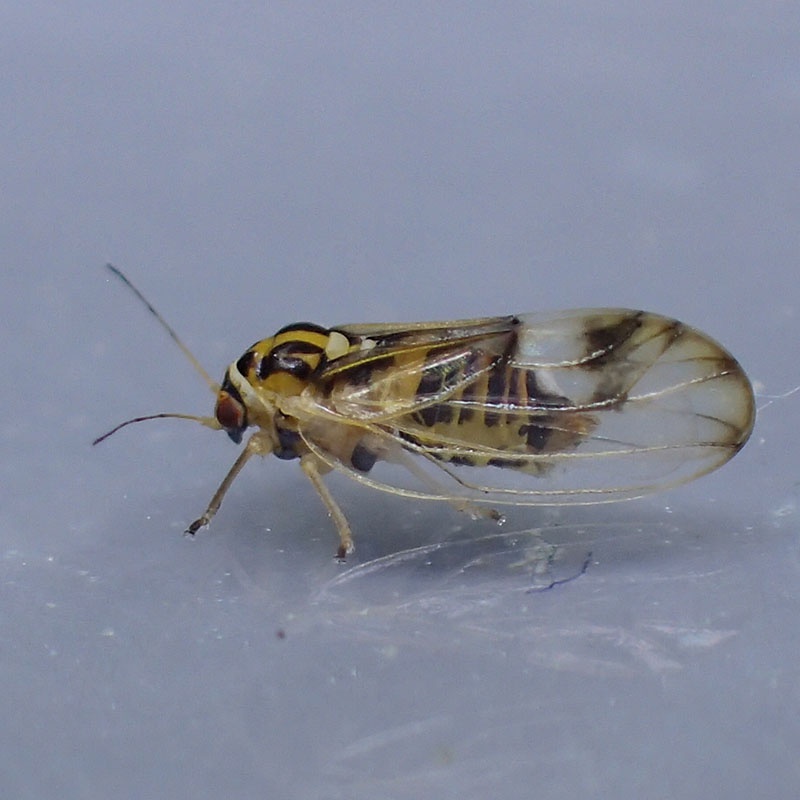
Cottony Ash Psyllid
The Cottony Ash Psyllid (Psyllopsis discrepans) is very similar to P. fraxini but with less intense wing markings. It causes marginal leaf-fold galls on ash leaves, which are pale with reddish/violet marking; the galls cannot be distinguished from others in the Psyllopsis fraxini species aggregate. The nymphs inside the galls are pale green with black markings and white wax.
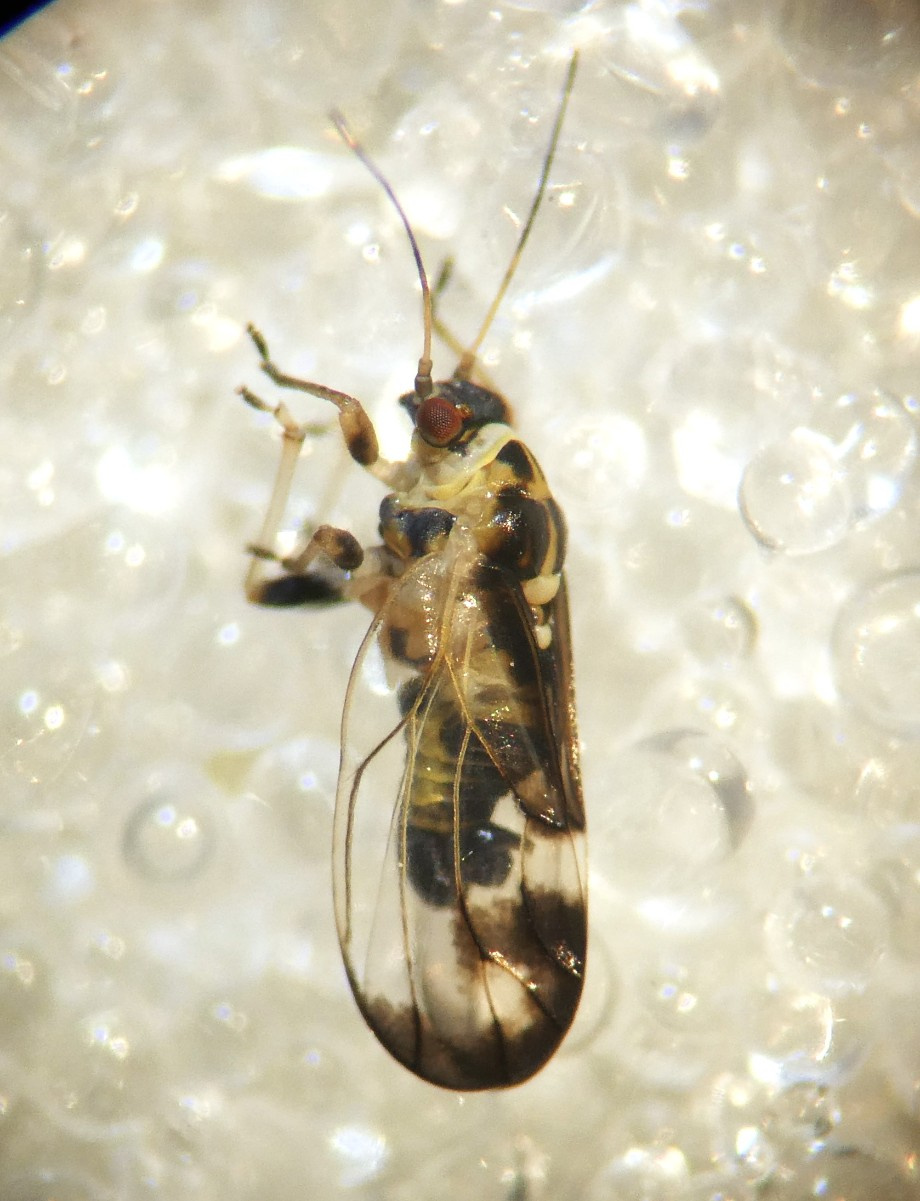
Psyllopsis fraxini
The adult males are found on Ash, and can be identifed to species by examination of external genitalia (terminalia) - see RES guide to Psylloidea.
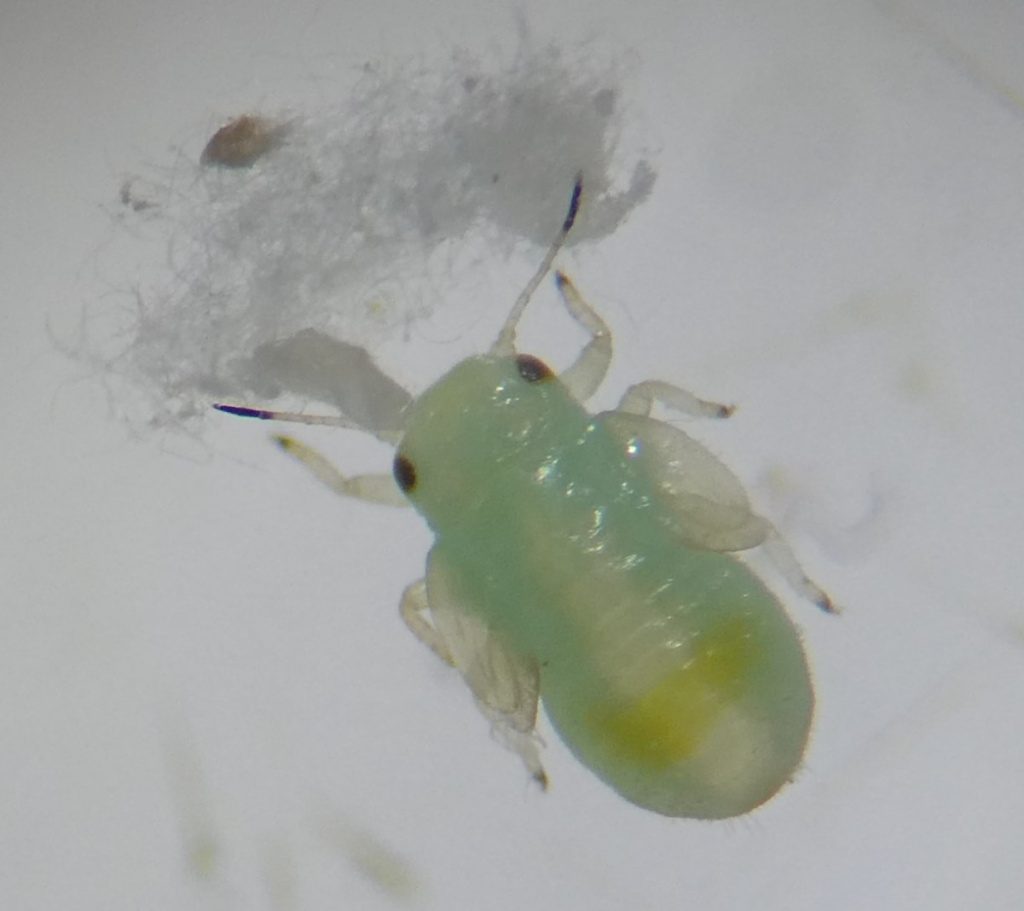
Psyllopsis fraxinicola
Psyllopsis fraxinicola is an inquiline in galls of Psyllopsis fraxini agg. on Ash. The nymphs are green without black markings.
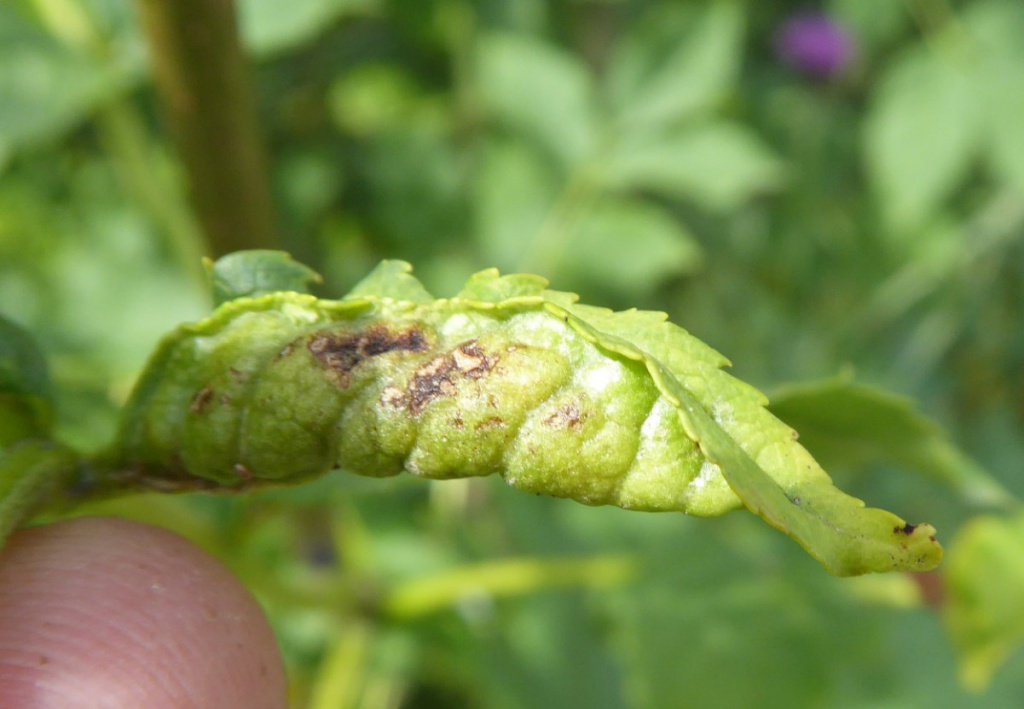
Dasineura acrophila
This species galls the leaves of Ash with many white larvae in a pod formed by partial or complete thickening and upfolding of leaflet over the midrib
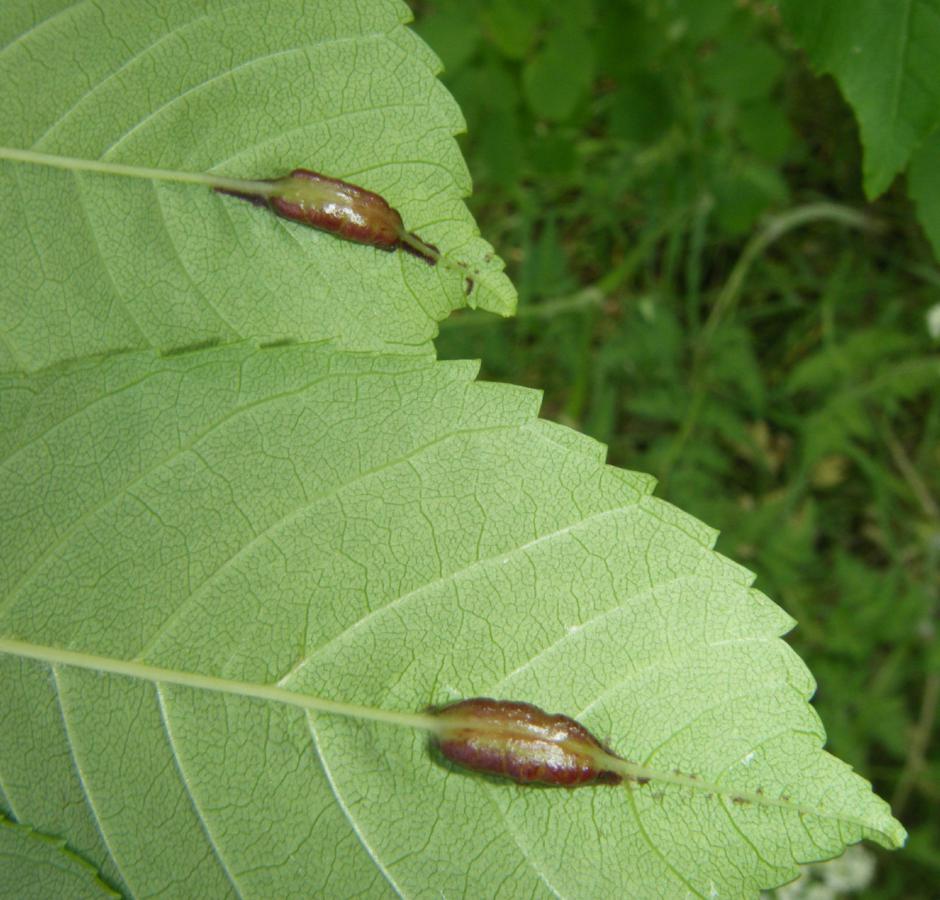
Dasineura fraxini
The larva of the gall midge Dasineura fraxini causes a gall to form on the underside of the main vein of Ash leaves. The area becomes swollen to form one or more pouches with a slit-like opening on the upperside, 5 to 30 mm long.
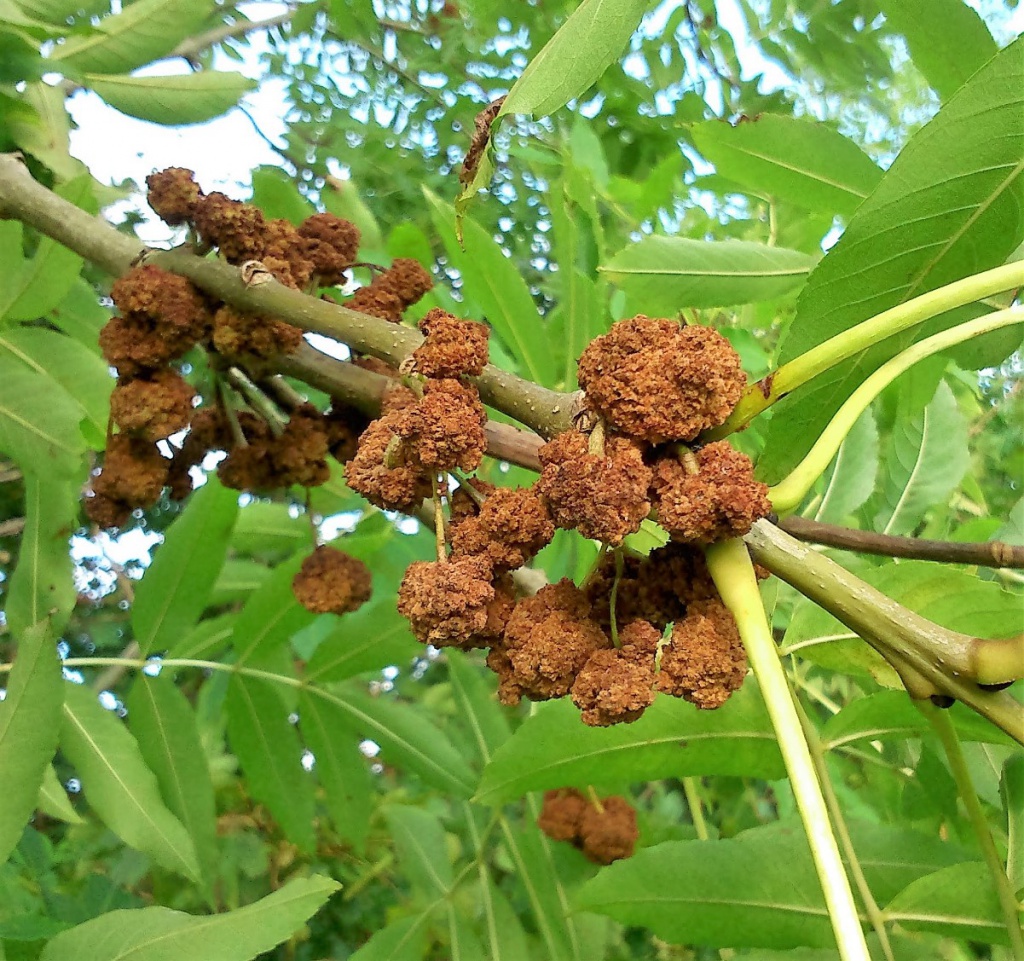
Cauliflower Gall Mite
The Cauliflower Gall Mite (Aceria fraxinivora) causes galls to form on the inflorescences of Ash trees.These galls are irregular, woody encrustations, green at first and gradually turning to brown and black, which remain on the tree for up to two years; sometimes called Cauliflower Galls.
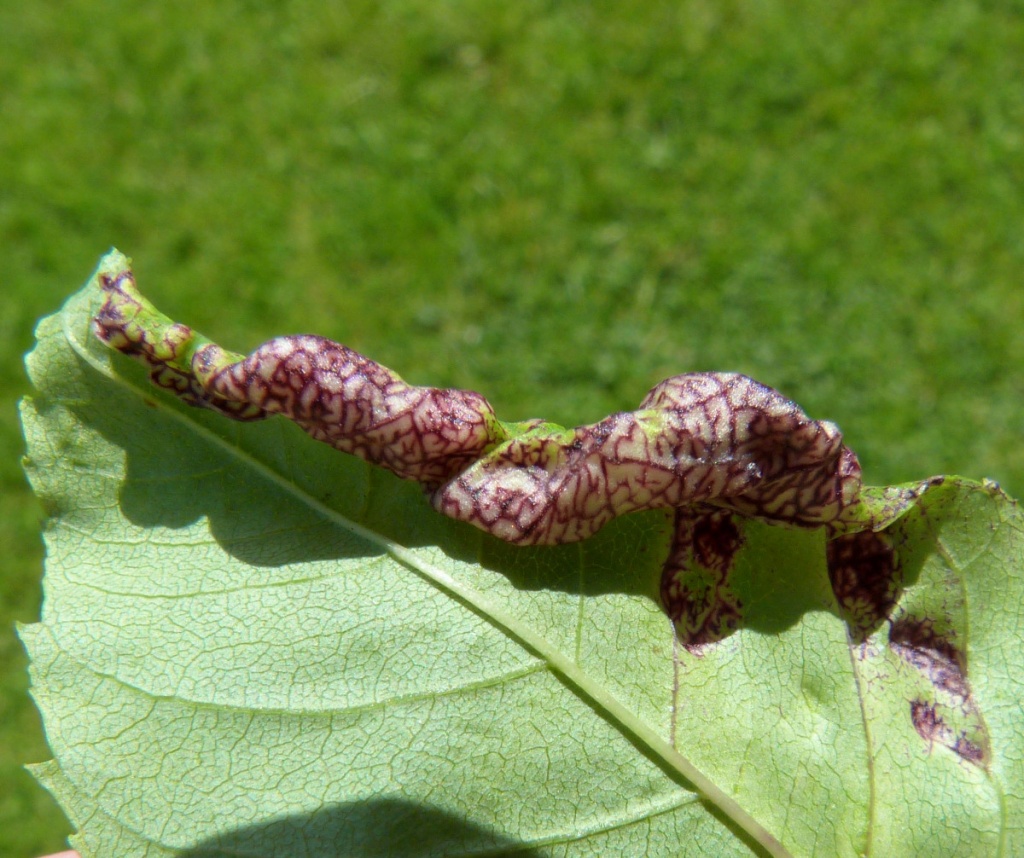
Psyllopsis fraxini agg.
The jumping plant louse Psyllopsis fraxini causes a gall to form on the leaves of Ash. The gall is usually on the leaf edge causing it to swell and roll. It starts green but gradually becomes redder with age, often with a chequer-board pattern.
Psyllopsis fraxini galls on Ash are indistinguishable from those produced by P. discrepans and P. distinguenda and have been treated as an aggregate for our recording purposes.