

Common Ragwort - Jacobaea vulgaris
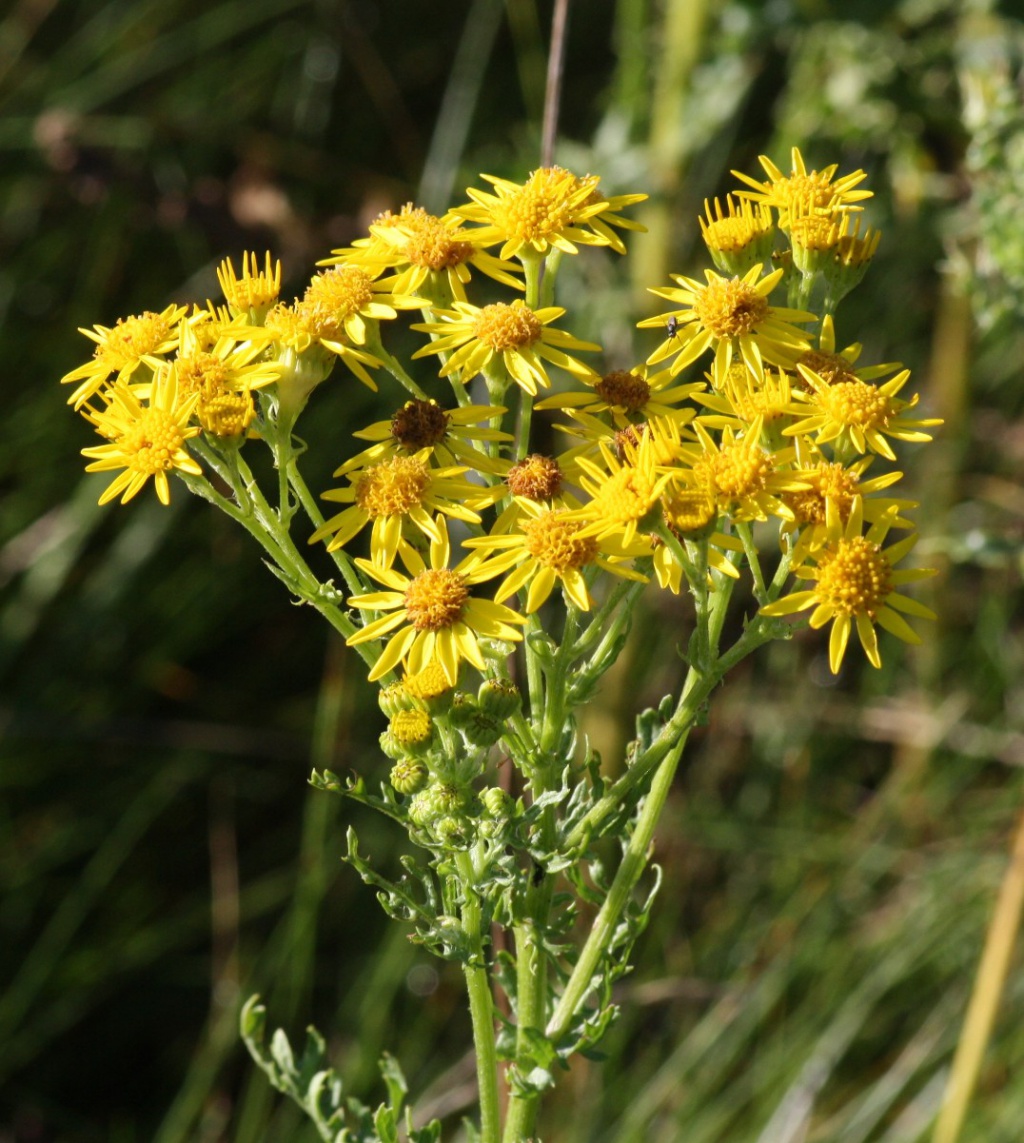
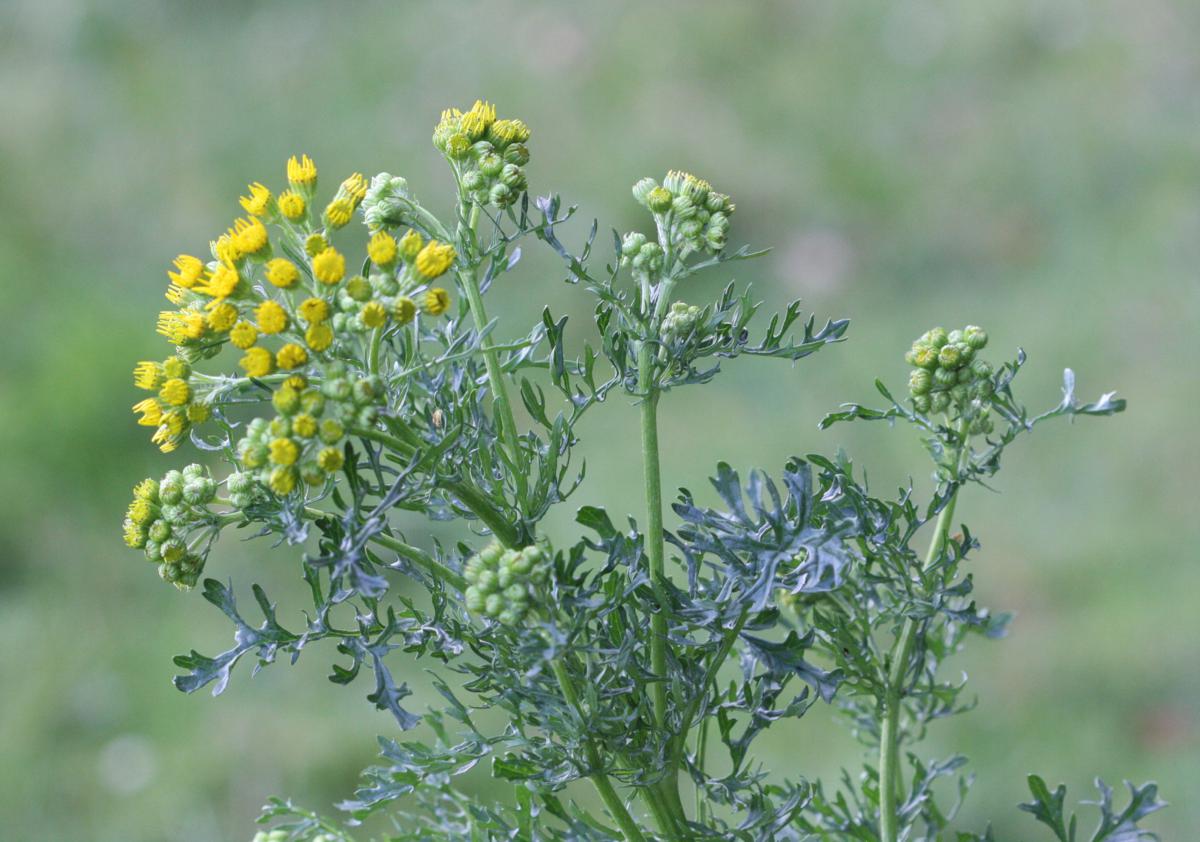
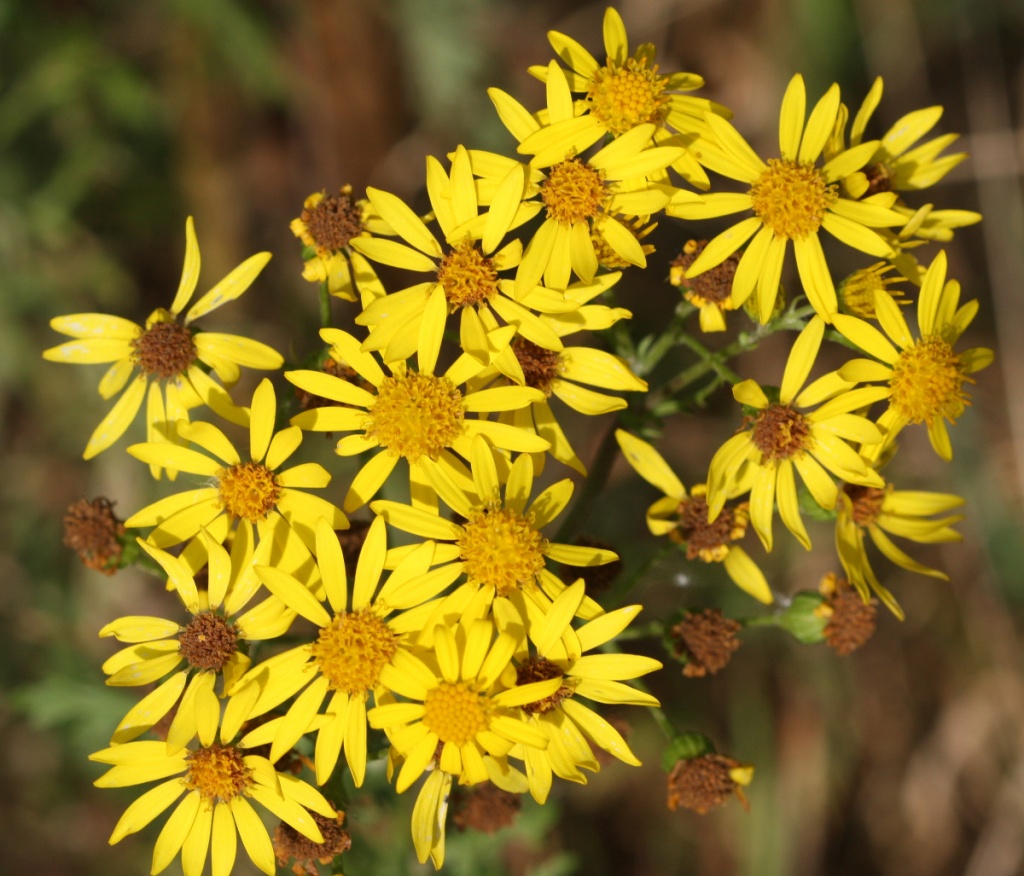
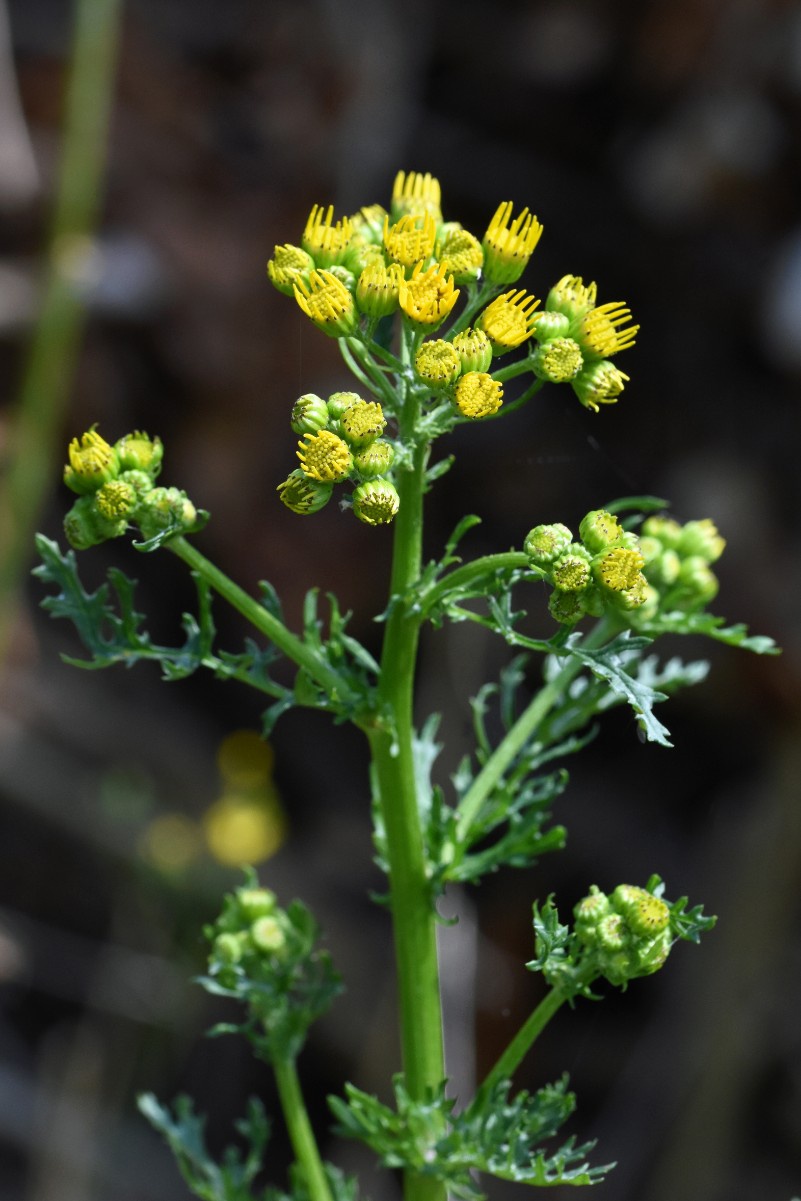
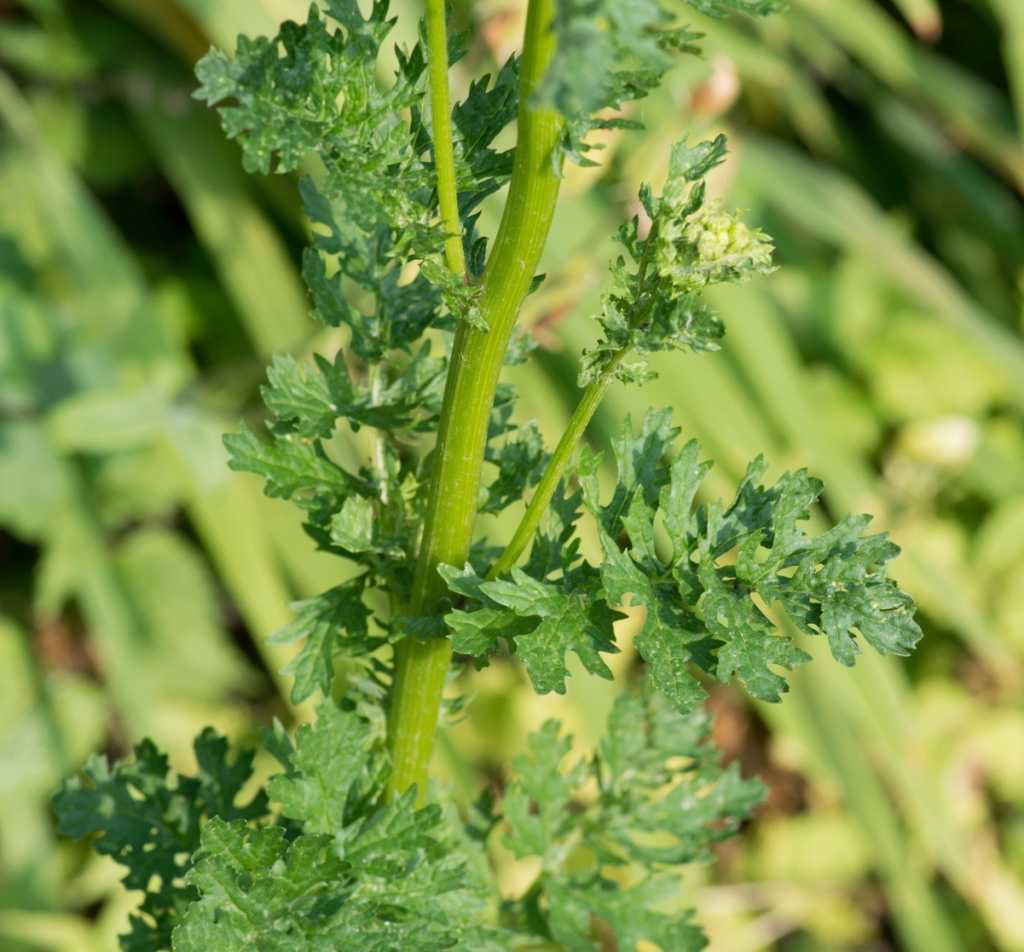
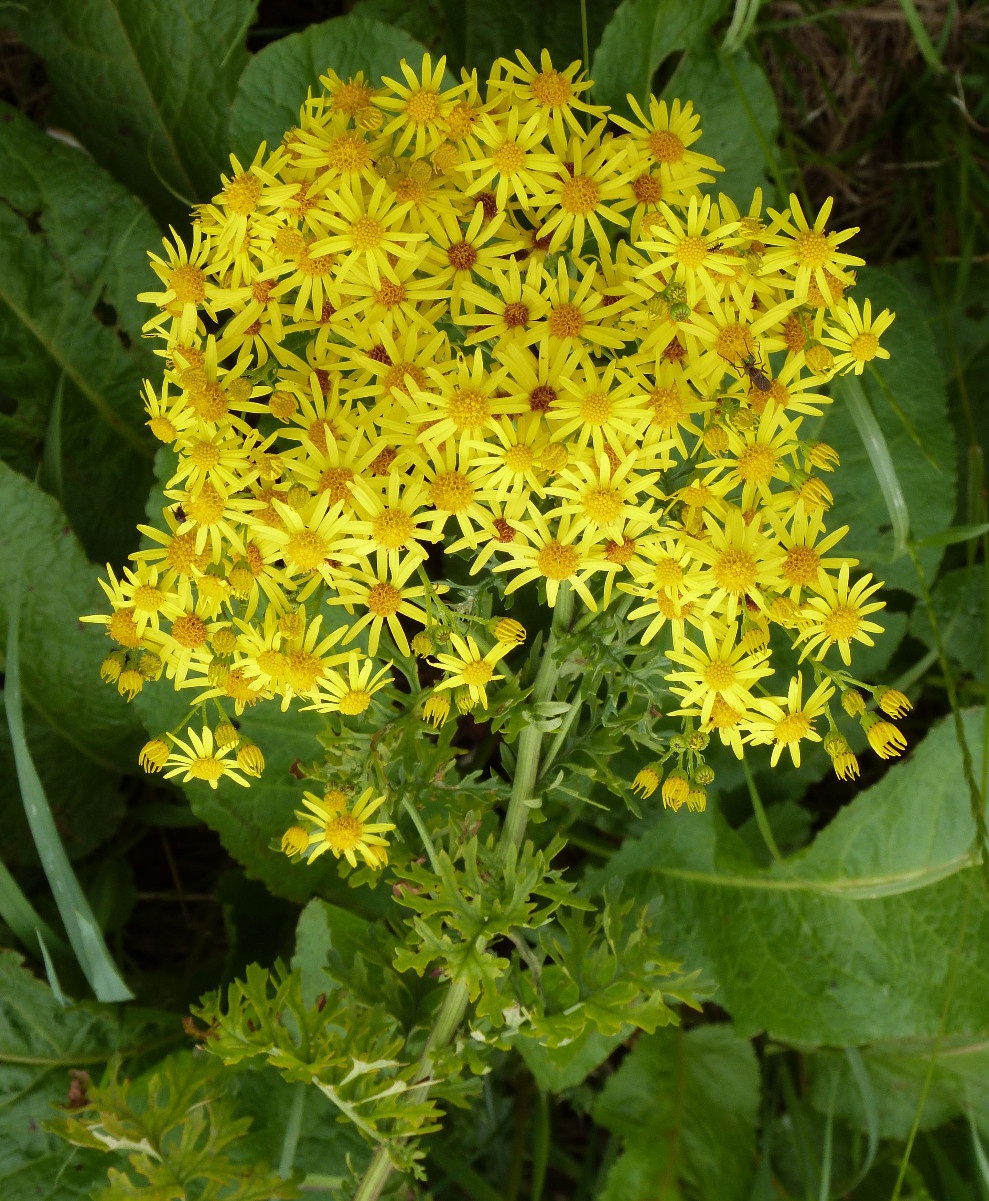
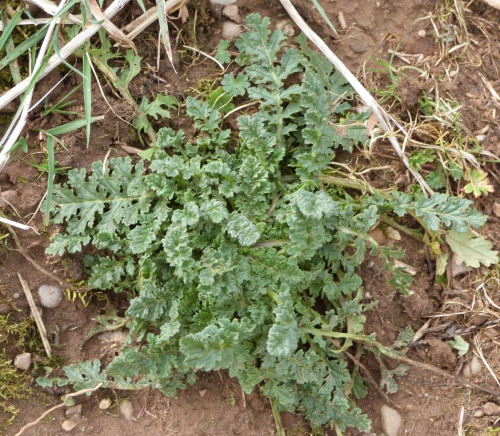
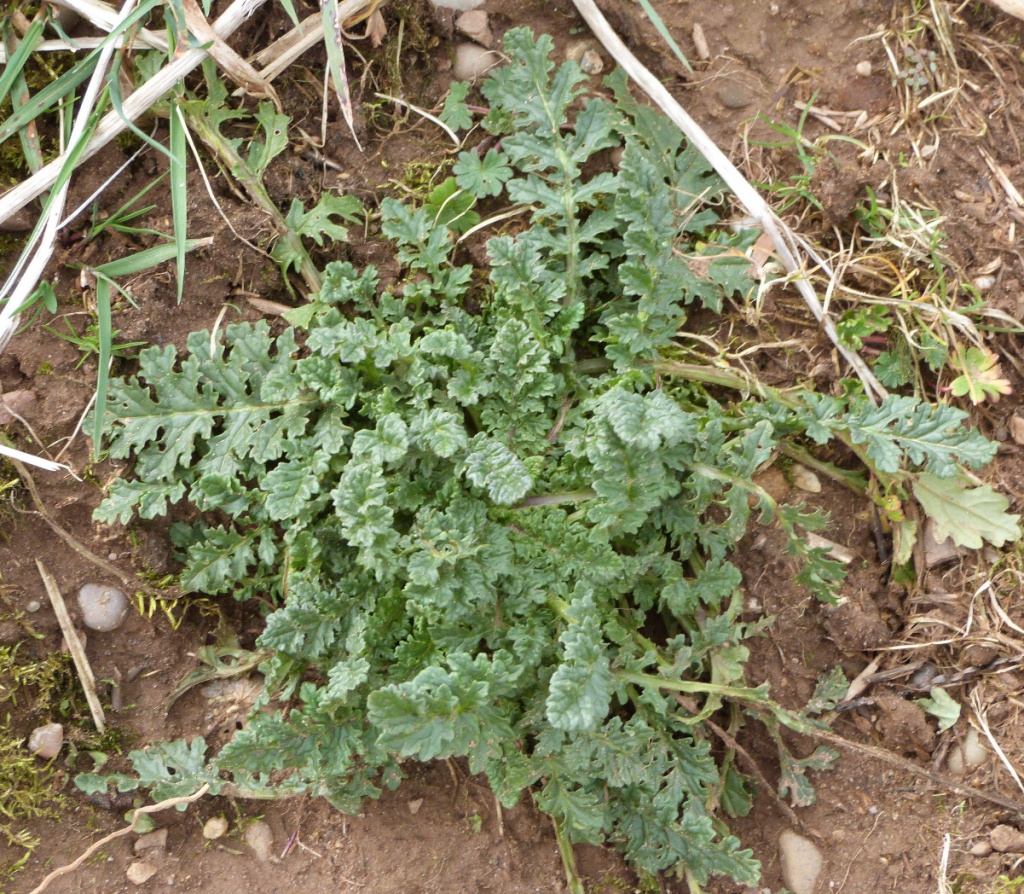
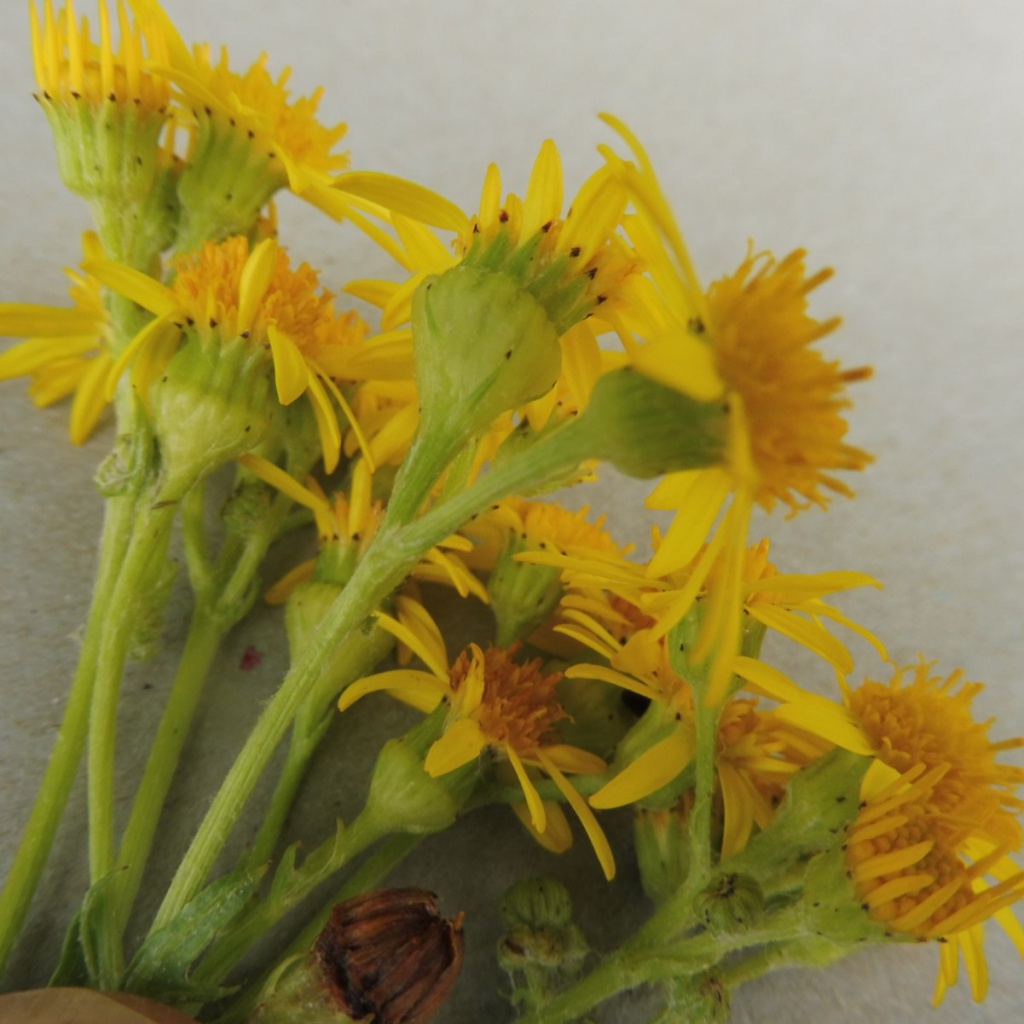
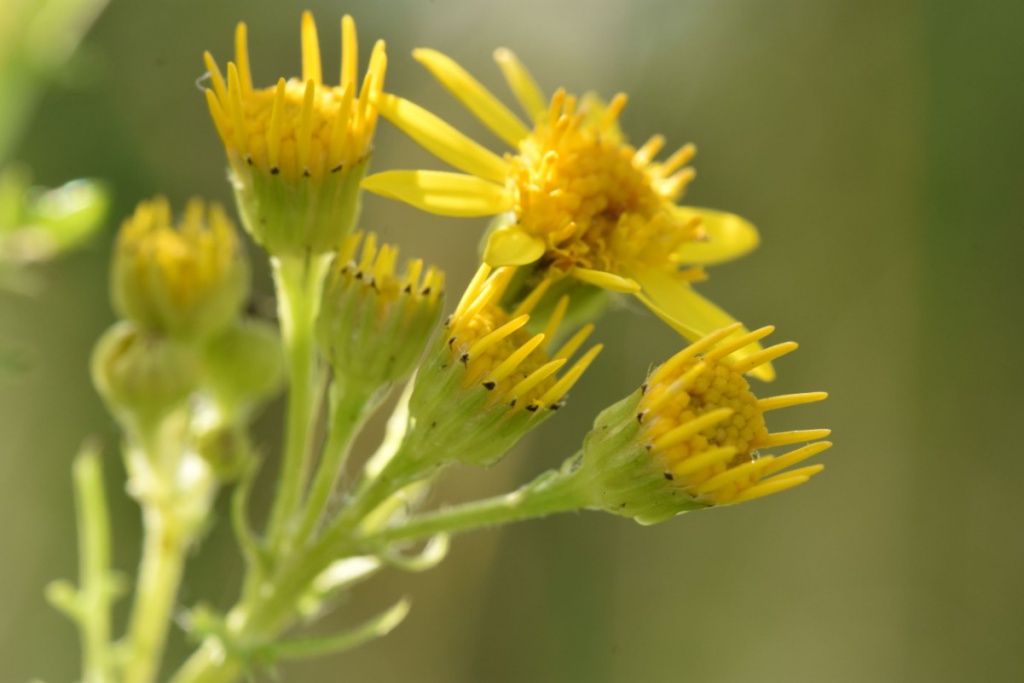
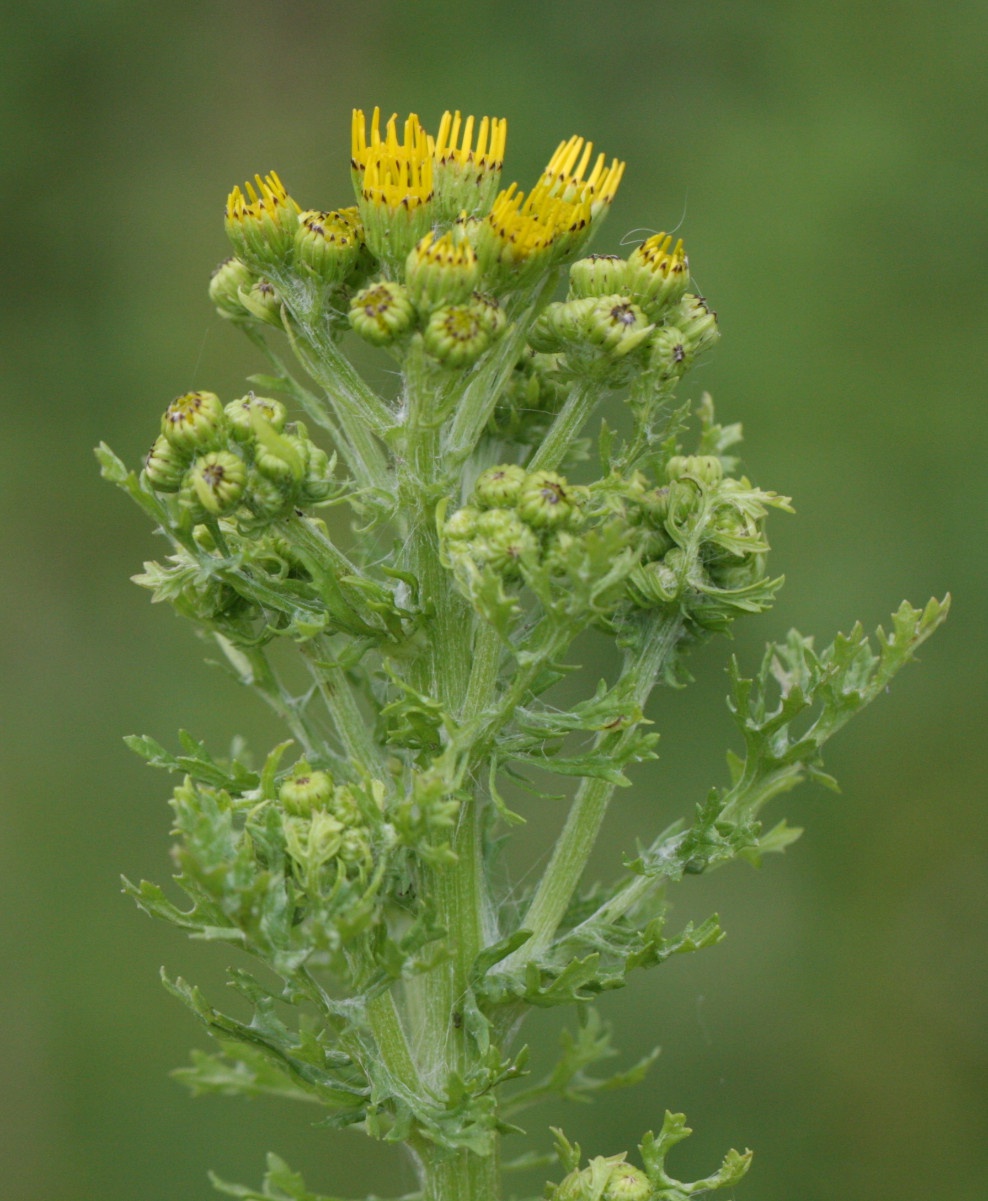
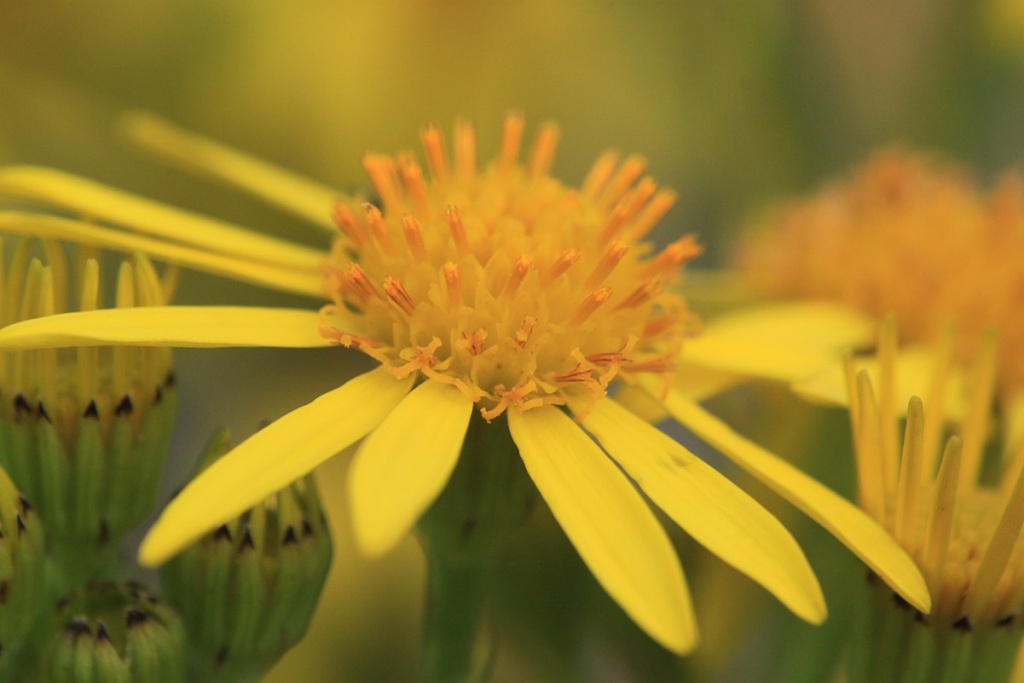
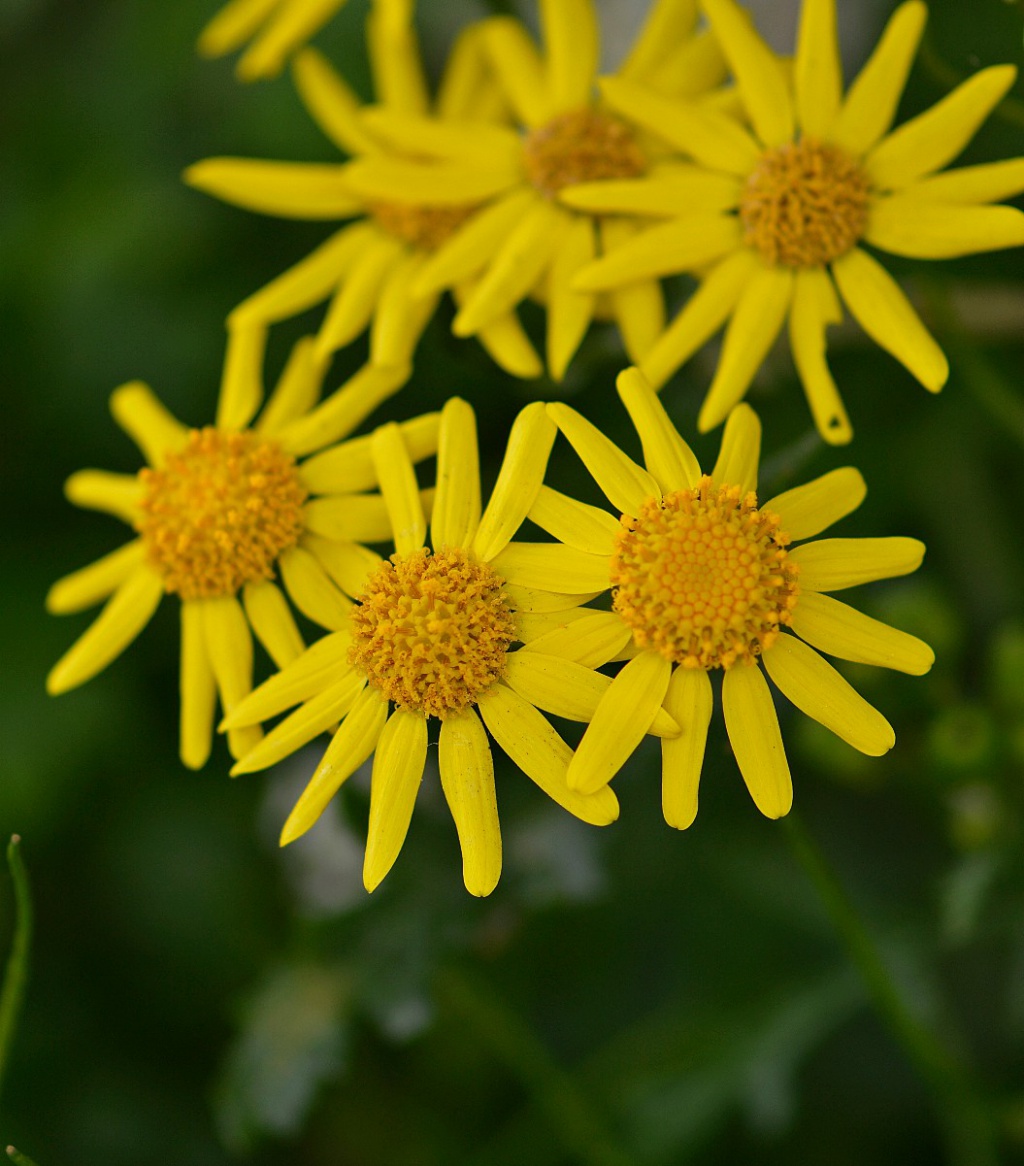
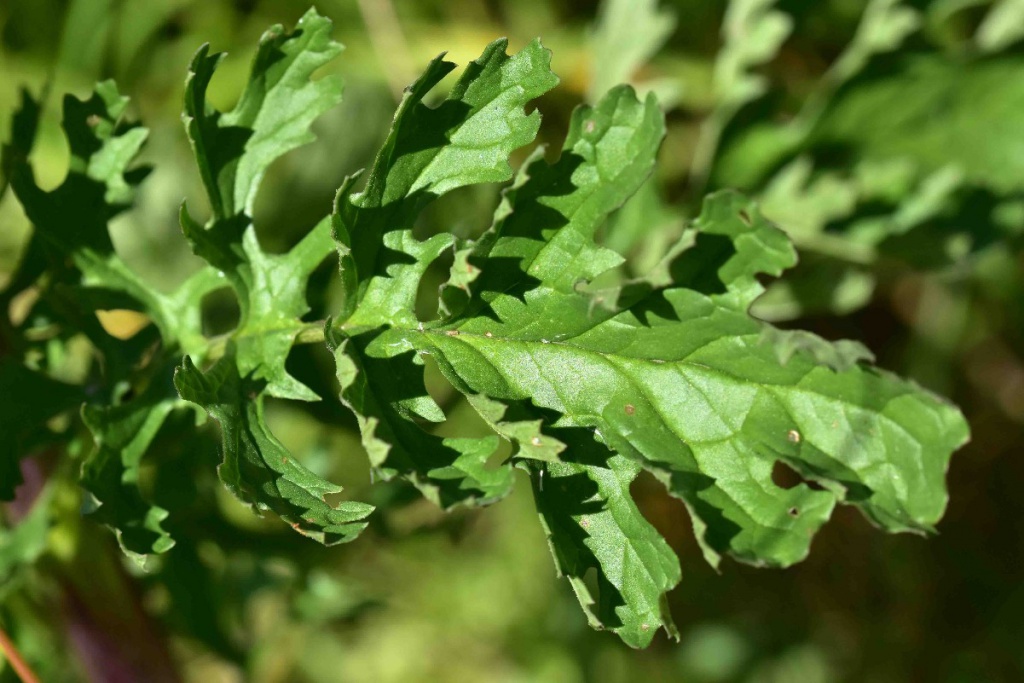
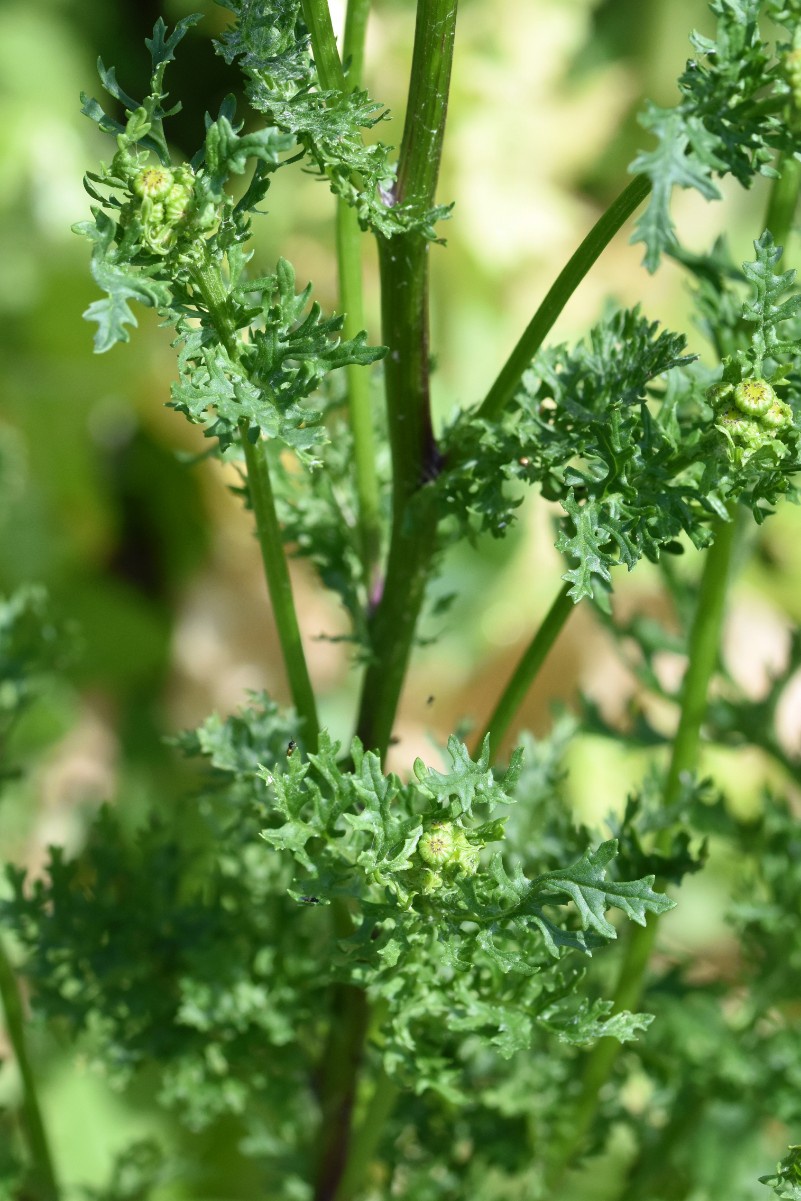
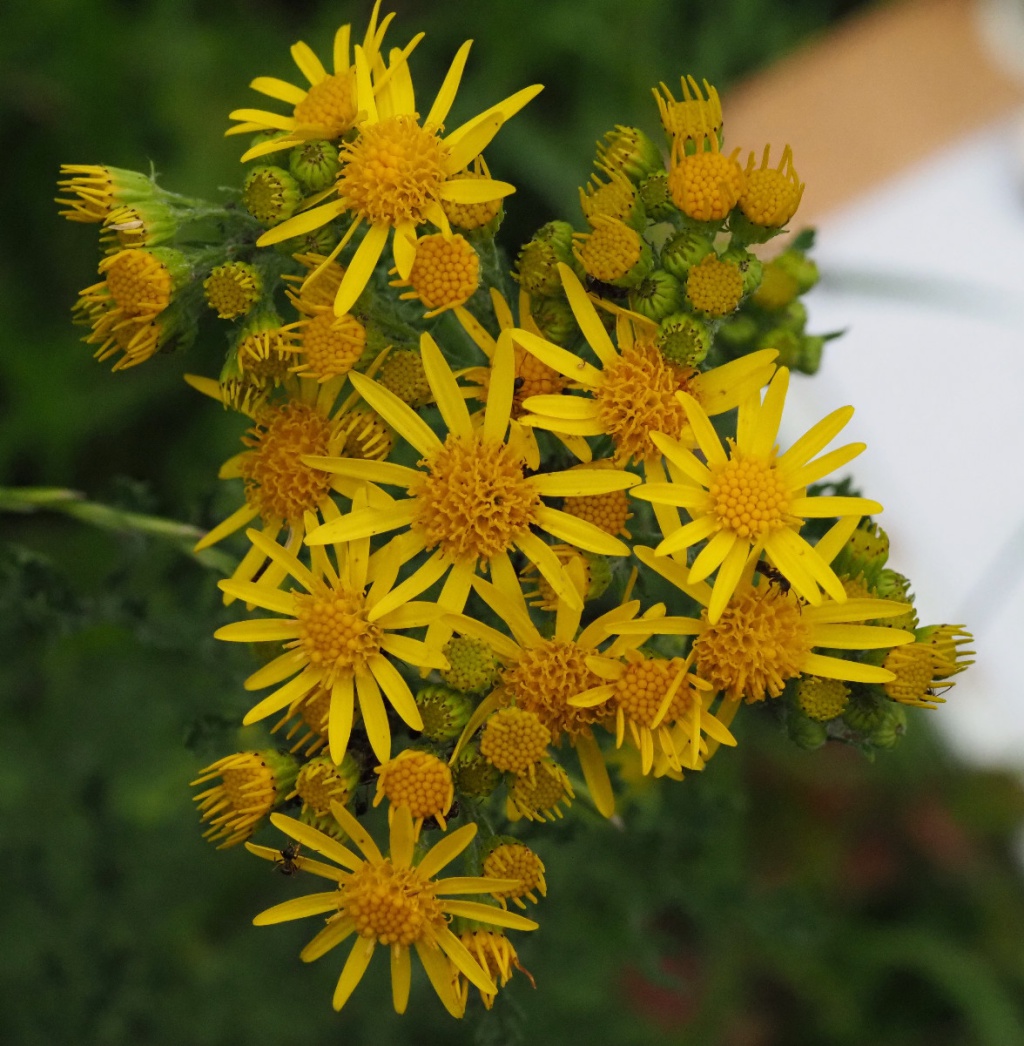
Medium to tall plant, stems erect to 1.5 metres, branched above. Basal and lower leaves pinnately lobed, with a small end lobe, withering by flowering time. Upper leaves 1 to 2 pinnately lobed, half clasping the stem. Flowerheads bright golden yellow, 15 to 25 mm with 12 to 15 rays, borne in large, flat topped, branched clusters.
Oxford Ragwort, Hoary Ragwort and Marsh Ragwort

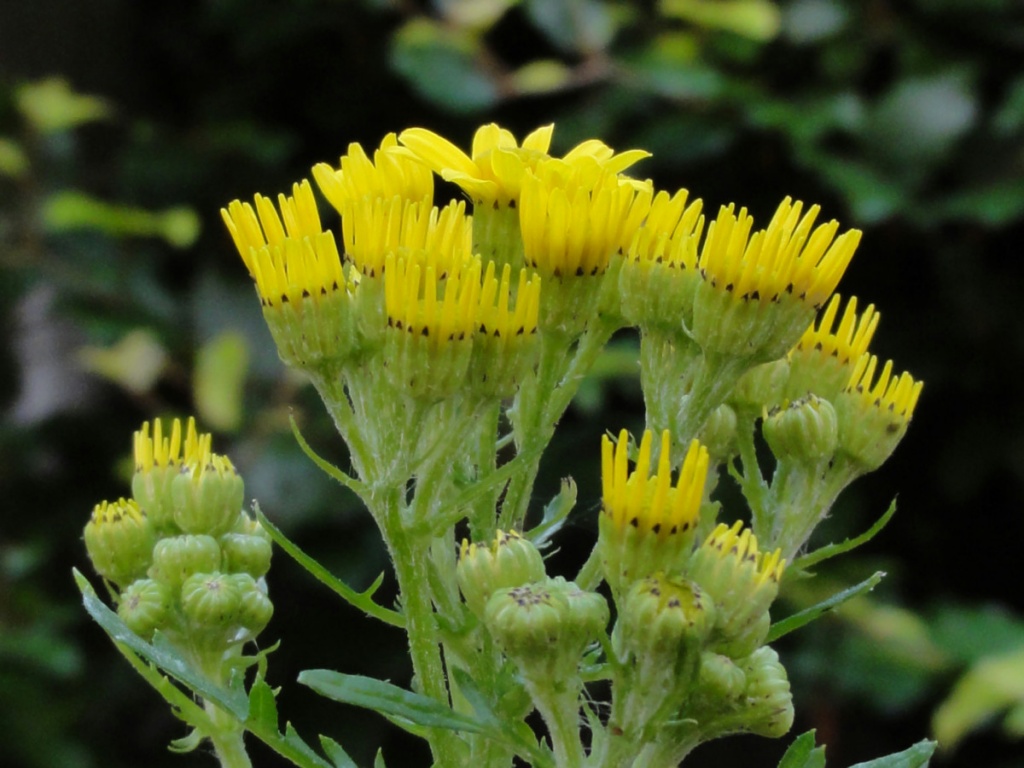
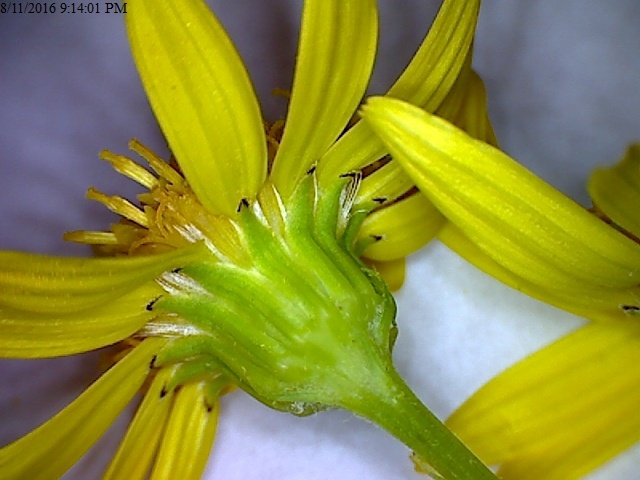
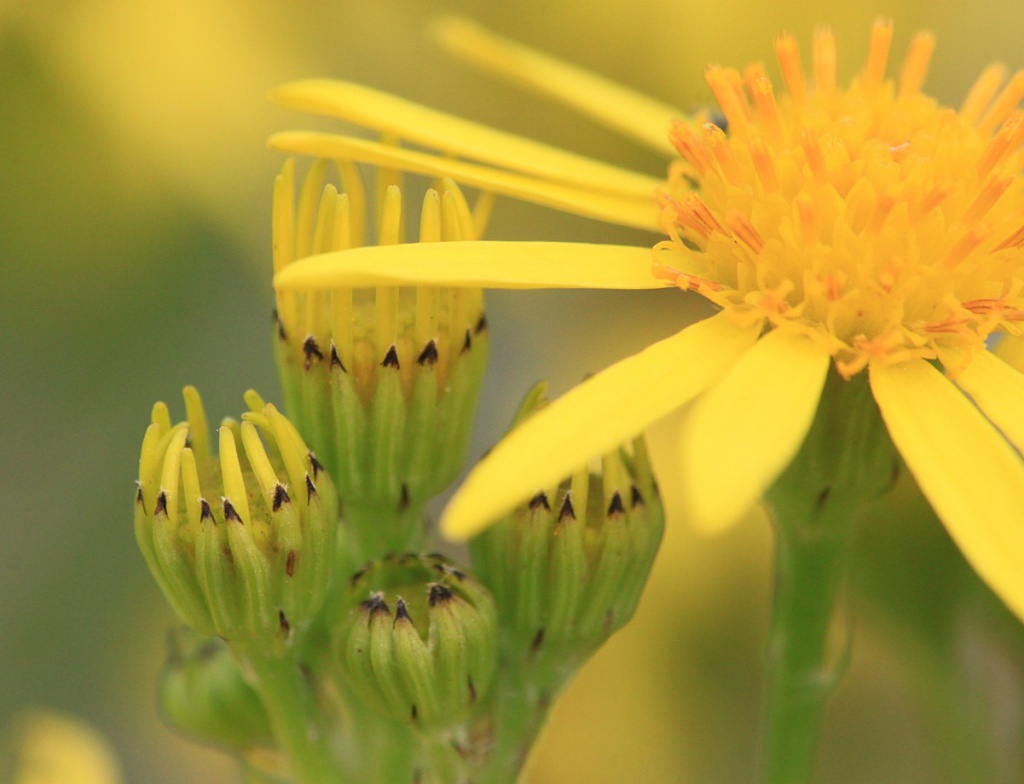
Dense flat-topped corymbs; terminal lobe of leaf not much larger than lateral lobes (much larger in Marsh Ragwort); supplementary phyllaries (bracts under flower head) less than half as long as main ones. Oxford Ragwort has looser corymbs and black-tipped phyllaries. Hoary Ragwort has leaves with dense greyish cottony hairs underneath, narrow lobes and longer supplementary phyllaries (about half as long as main ones).
Phyllaries often stated to be black-tipped, but this is not a key characteristic.
Check the leaf-shape and general growth habit
Waste and poor land, rough grassland, roadsides and banks.
June to November.
Biennial or perennial.
Common throughout Britain.
Common in Leicestershire and Rutland.
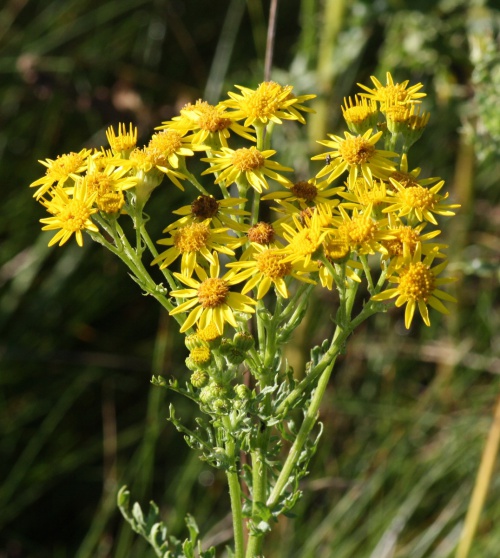 Craig Mabbett
Clump Hill Field, Broughton Astley
03 August 2014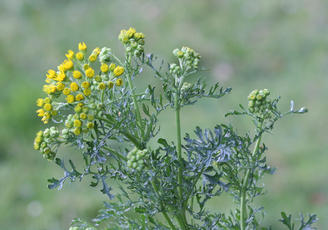 David Nicholls
Lea Meadows
07 July 2011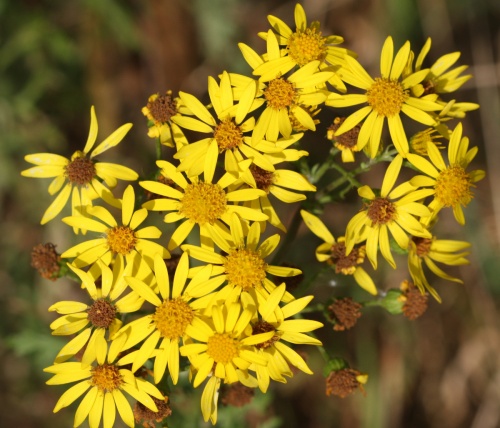 David Nicholls
Ashby Canal, Shackerstone
15 September 2012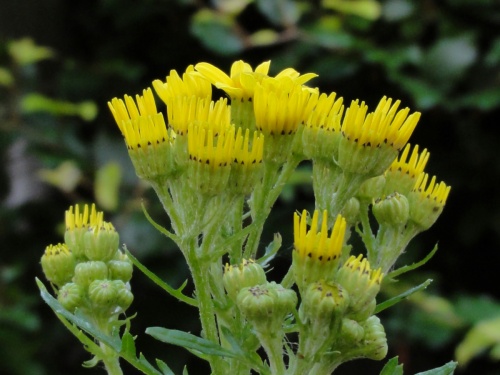 Peter Smith
Cropston garden
21 July 2012
phyllary bracts black tipped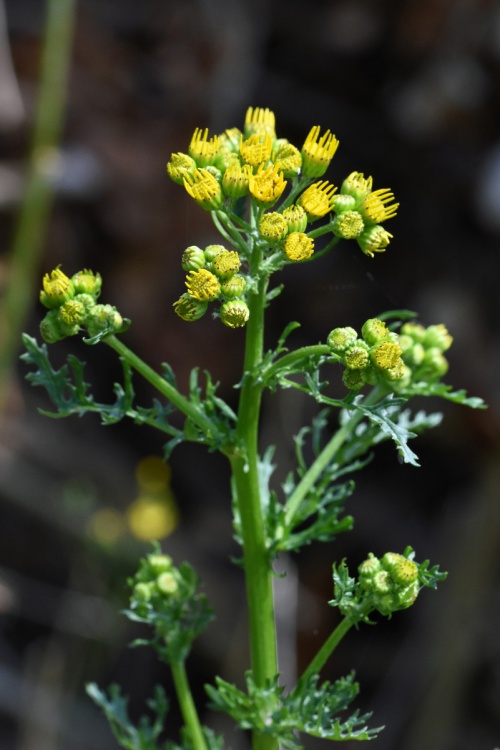 Andy's Rutland
Empingham gardenCree
03 July 2022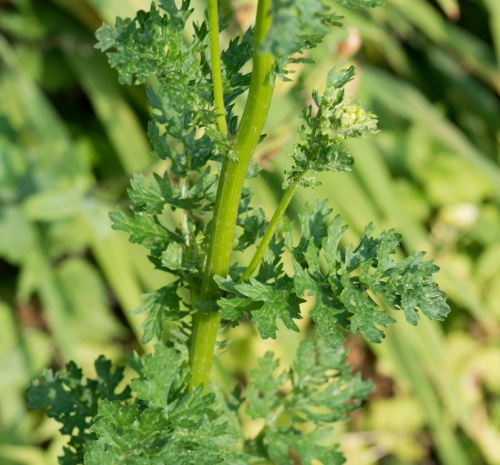 AJ Cann
Knighton
17 July 2015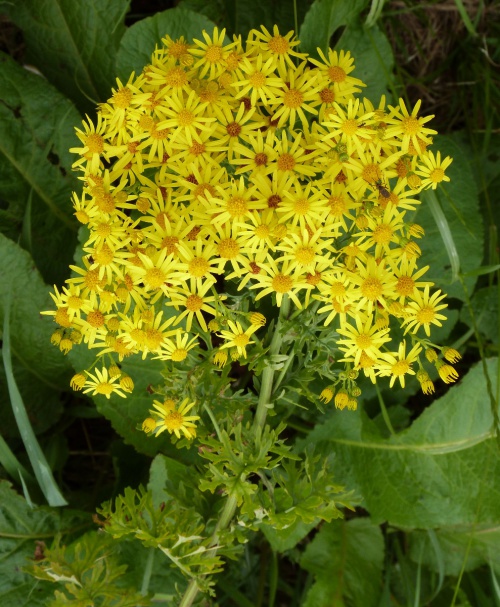 Graham Calow
Springwell Lane, near Whetsone
29 July 2016
Leicestershire & Rutland Map
Enter a town or village to see local records
MAP KEY:
Yellow squares = NBN records (all known data)
Coloured circles = NatureSpot records: 2025+ | 2020-2024 | pre-2020
UK Map
Species profile
- Common names
- Common Ragwort
- Species group:
- flowering plant
- Kingdom:
- Plantae
- Order:
- Asterales
- Family:
- Asteraceae
- Records on NatureSpot:
- 700
- First record:
- 11/05/1992 (John Mousley;Steve Grover)
- Last record:
- 07/05/2026 (Mabbett, Craig)
Total records by month
% of records within its species group
10km squares with records
The latest images and records displayed below include those awaiting verification checks so we cannot guarantee that every identification is correct. Once accepted, the record displays a green tick.
In the Latest Records section, click on the header to sort A-Z, and again to sort Z-A. Use the header boxes to filter the list.
Latest images
Latest records
 Graham Calow
Wigston Parva Footpath
28 March 2016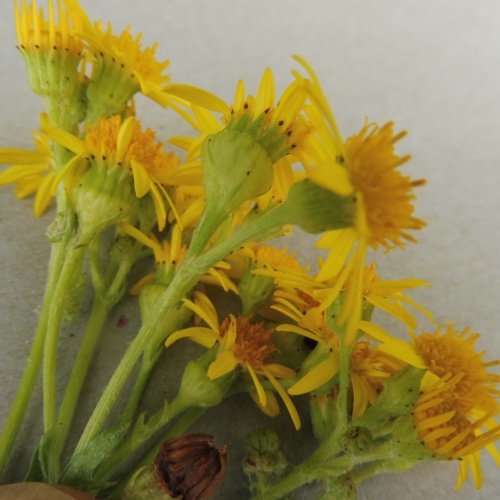 martindgrimes
Clipsham
16 July 2017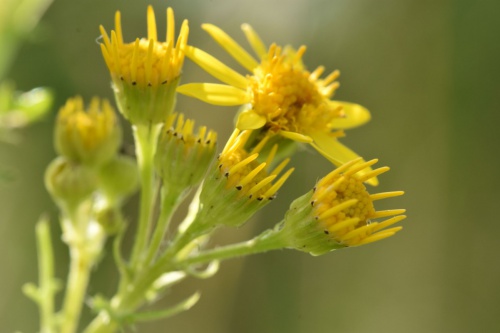 stepgray4
Wymeswold Burton Lane Verge
18 July 2021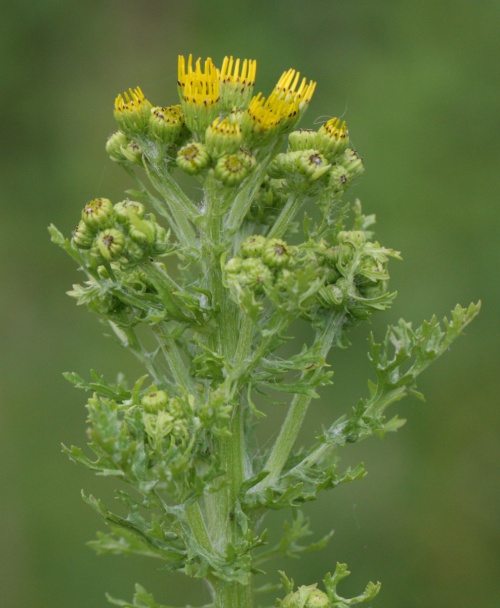 David Nicholls
Blaby Cemetary
24 June 2016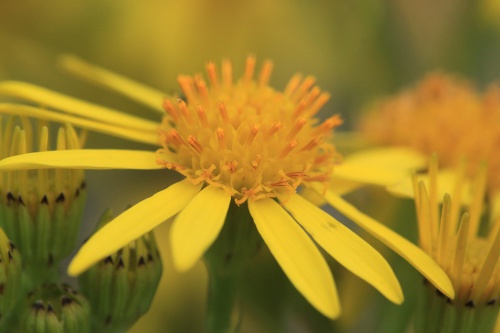 Paul Ruddoch
Asfordby Hill
08 October 2015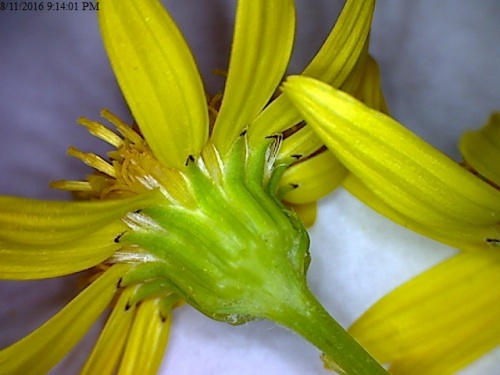 Bob Sheridan
Langham field
11 August 2016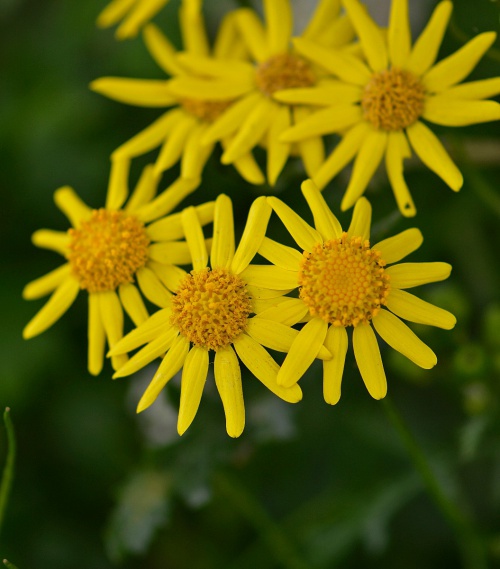 Lostash
Lutterworth Field
23 May 2015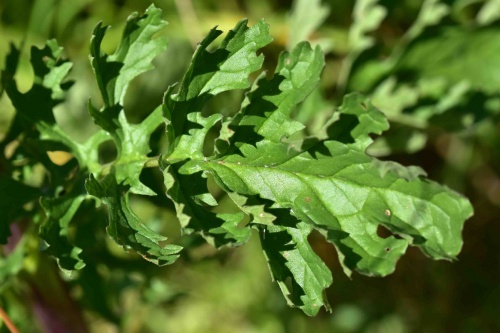 Andy's Rutland
Footpath/Headland-Love's Lane to Gunnel Lane Meadow
26 June 2018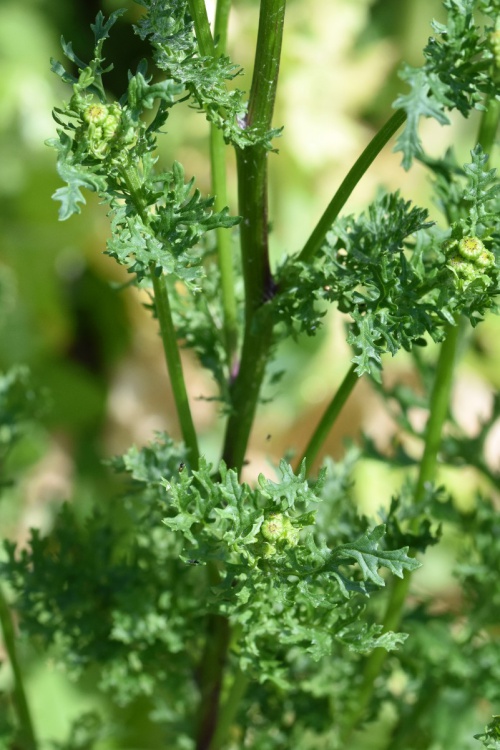 Andy's Rutland
Empingham gardenCree
03 July 2022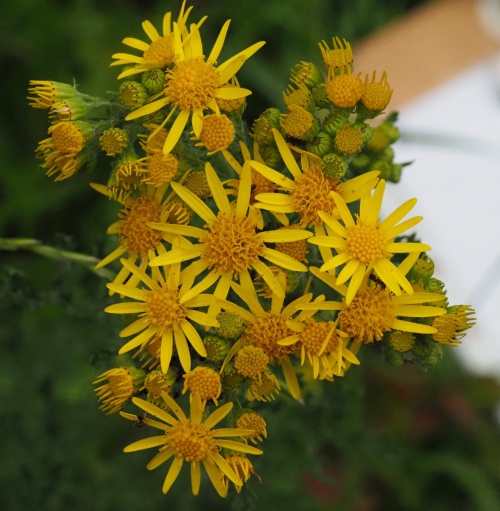 David Nicholls
Desford, Hunts Lane Verge
27 June 2023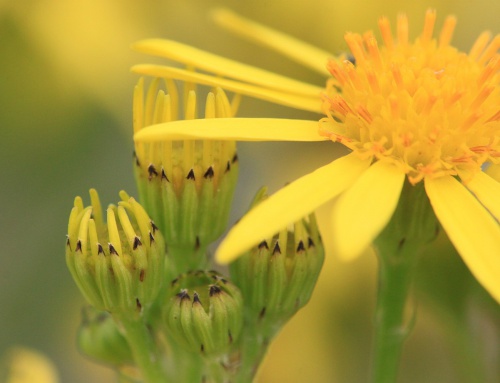 Paul Ruddoch
Asfordby Hill
08 October 2015
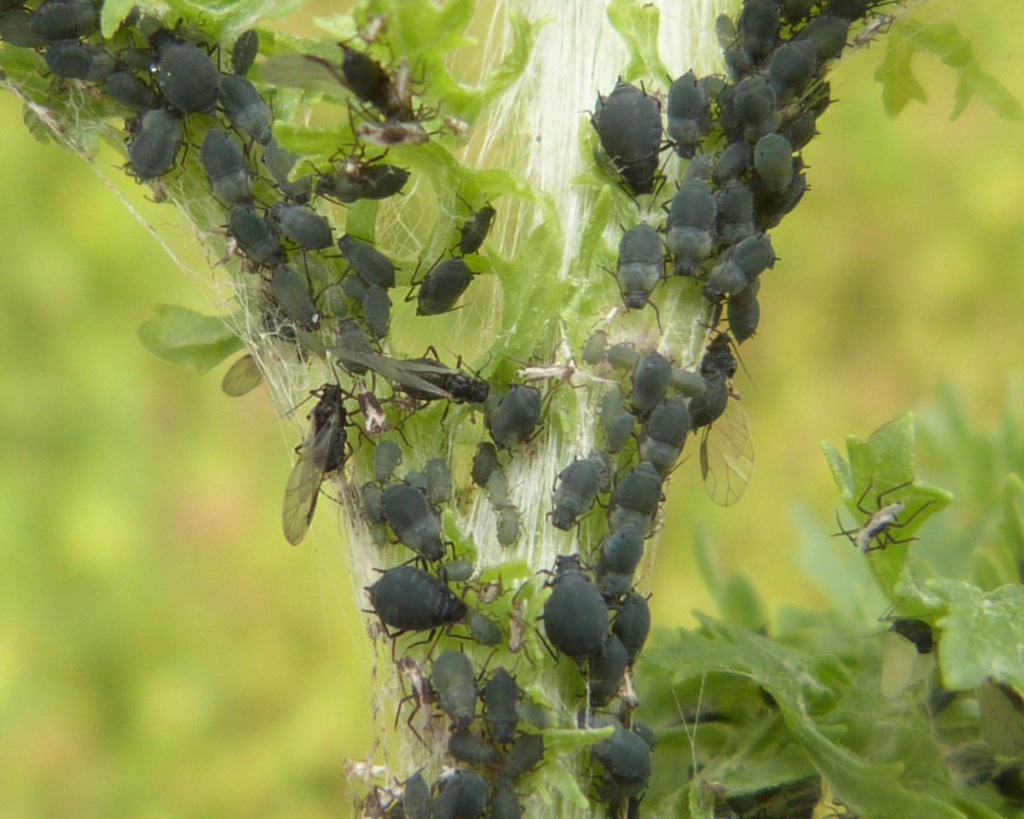
Aphis jacobaeae
The aphid feed mainly on Ragwort species, although Groundsel may be used. The body length of Aphis jacobaeae apterae is 1.8 to 2.2 mm. Immatures and adults are greeny-black - all segments of the antennae are dark. The legs are dark except for the extreme bases of their femora.
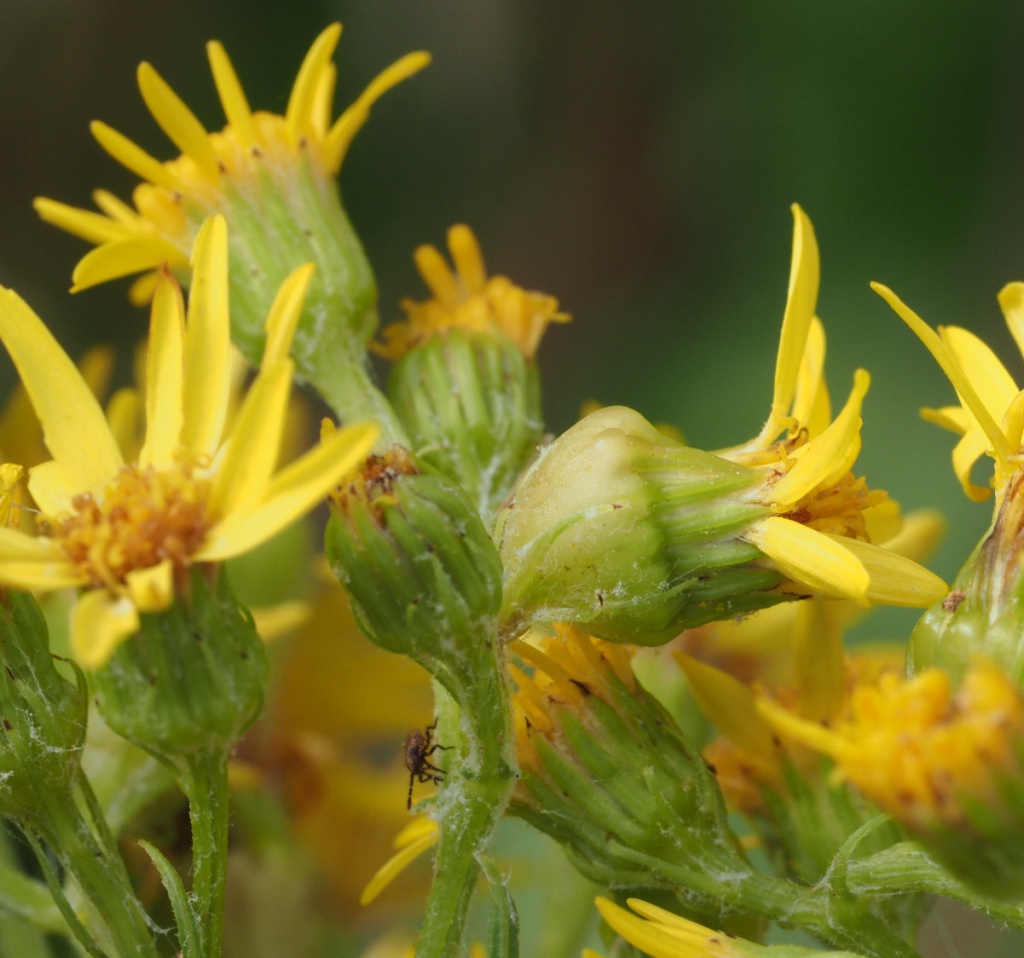
Sphenella marginata
The larvae of the fly Sphenella marginata mine flowers of Ragworts and Groundsels. The flower head widens at is base, resulting in a cone shape; the bracts are widened. The affected flower heads contain one white maggot, or a brown puparium.
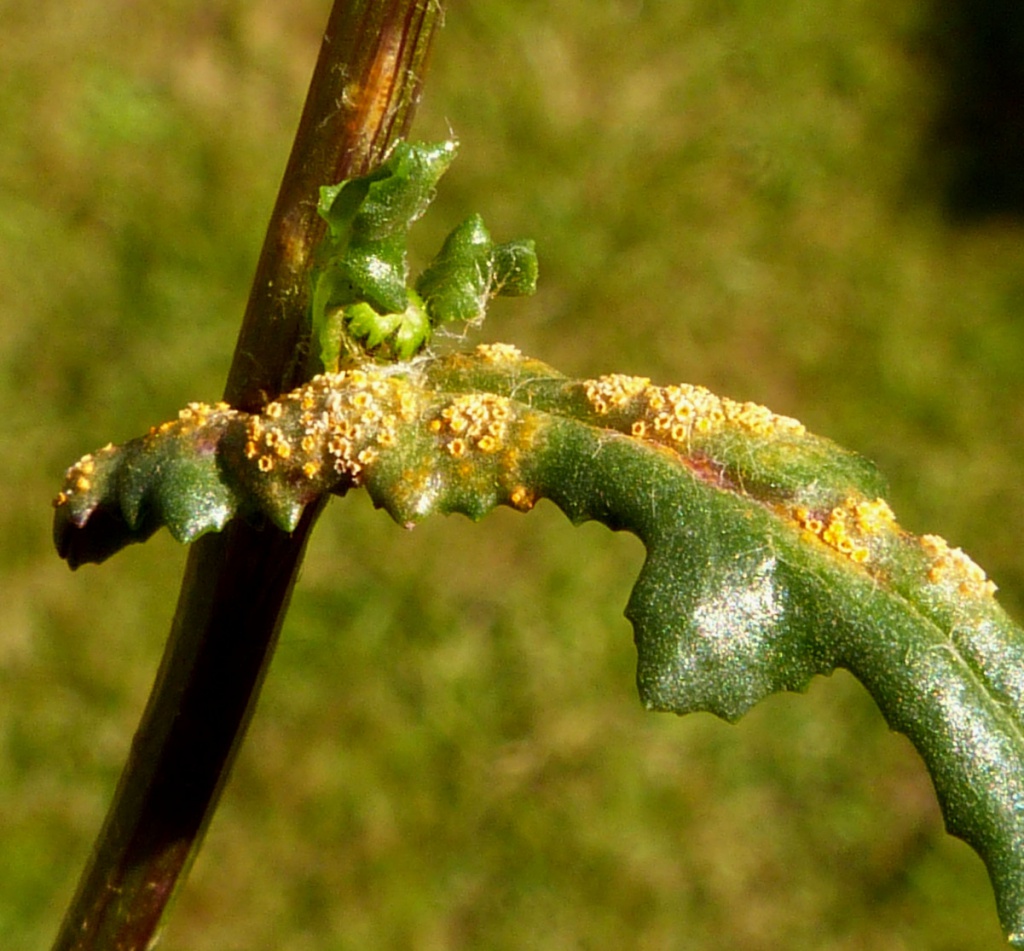
Puccinia lagenophorae
Puccinia lagenophorae is a gall-causing rust affecting stems and leaves of Common Groundsel, and occasionally Oxford Ragwort (Senecio squalidus) and Common Ragwort (Jacobaea vulgaris). It causes swelling and distortion of stems and leaves, with bright orange aecia. There are no uredinia or spermogonia, and the blackish-brown telia are rarely seen.
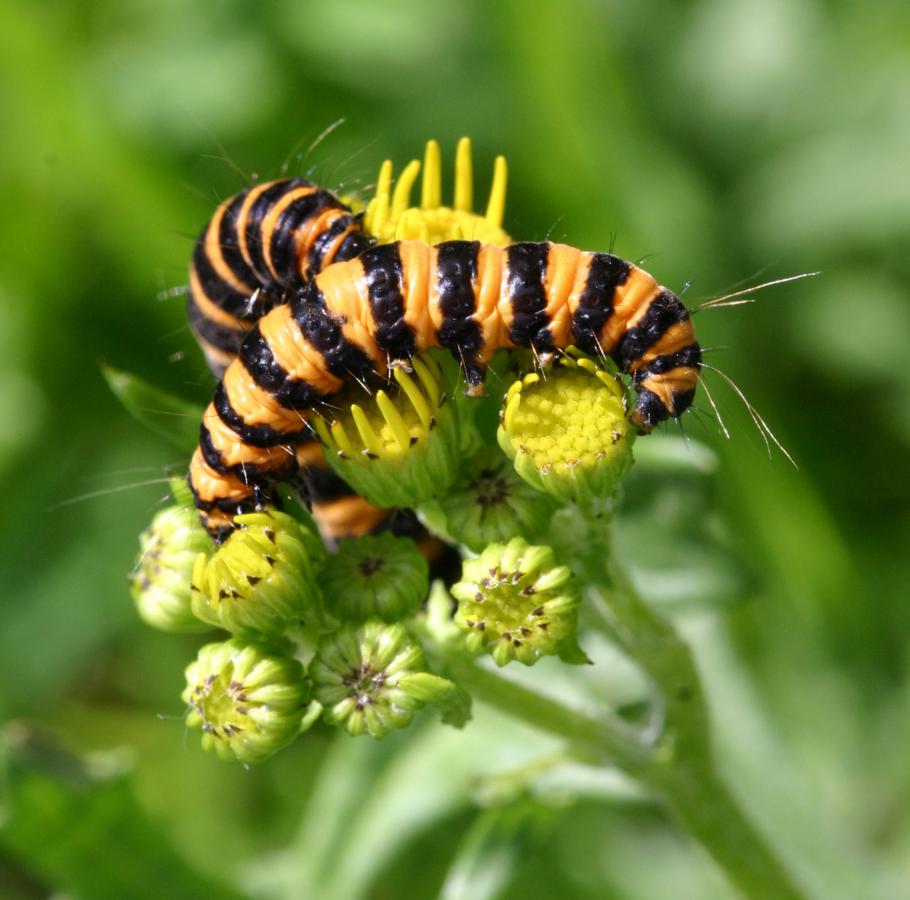
Cinnabar
The caterpillars of the Cinnabar moth feed on the leaves and flowers of Common Ragwort (Senecio jacobaea). Occasionally they are found on other ragworts and groundsels.
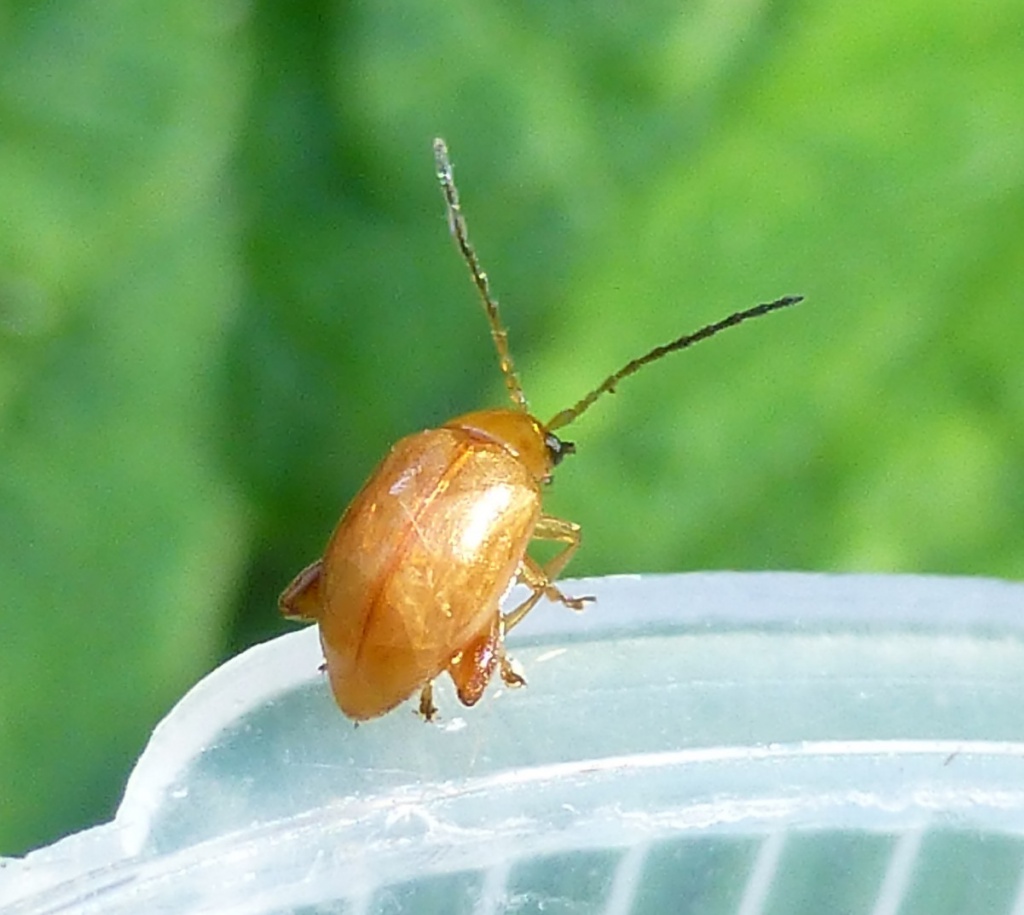
Ragwort Flea Beetle
2-4mm long, this golden brown beetle feeds on the leaves of Ragwort, particularly Common Ragwort. It can be found from June to October.