

You can help NatureSpot improve the biodiversity of road verges in Leicestershire.
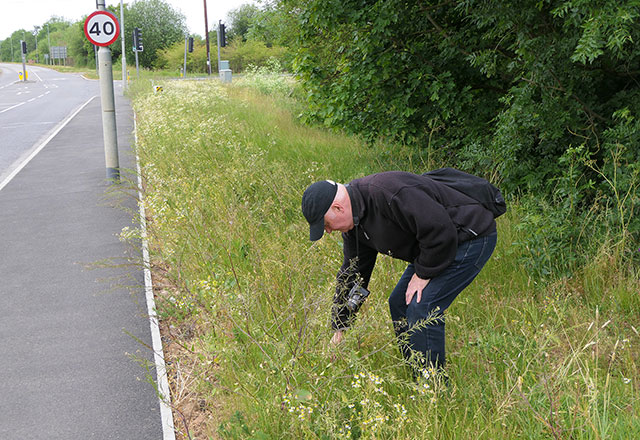
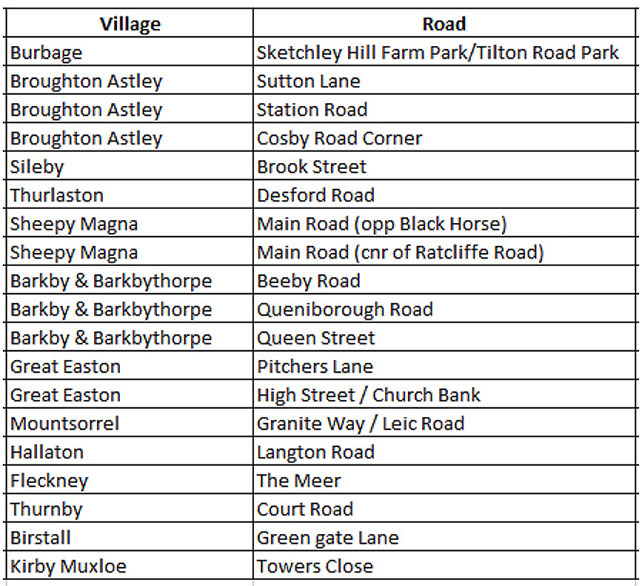
NatureSpot is helping Leicestershire County Council and a number of parish councils with a project to improve the biodiversity value of selected road verges in Leicestershire. The project is a trial to change the mowing regime, remove the cuttings and possibly add new wildflower seed or plants, and then to monitor the success of these actions on the biodiversity of the verge. We are seeking volunteers to visit one (or more) of these verges to record the wildflowers and grasses, plus any other species seen on the site. There should be one visit this month and a follow up visit in August to look for later flowering species. The selected verges are not very large and are located around villages across Leicestershire (see the list below). We can offer help with identification and if you would like, we can try to match you up with another volunteer who can work with you. Full guidance will be provided. If you think you might be able to help, then please get in touch: dnicholls@naturespot.org
Importance of road verges
In the UK we have lost 99% of traditional wildflower meadows and in many areas road verges now represent the only remaining habitat of this type. They are therefore vital refuges for many wildflower and grass species. As they flower they provide important feeding sites for pollinators and other invertebrates. The taller vegetation structure also offers a vital habitat for yet more species, providing food, shelter and the appropriate micro-climate.
Verge management
The management of road verges in Leicestershire is the responsibility of Leicestershire County Council. A 1m ‘visibility’ strip is regularly mown along the carriageway and a wider area mown at key junctions. The remainder is managed less frequently and with grass cuttings left in place. Whilst leaving grassland to ‘nature’ can have some benefits, without any cutting it gradually becomes swamped by the more vigorous and robust species, squeezing out many of the smaller plants. Ideally the verges would be left to flower and set seed between April and August, then cut in September with the cuttings removed to prevent the build up of nutrients which favour the larger species.
The Verge Improvement Project
One of the aims of the County Council’s revised Environment Strategy is to improve the biodiversity value on Council managed land and the road verges offer an opportunity to do this. As the first step, two trials are being organised of different management regimes for selected verges – some in rural locations and others in more urban settings where parish councils have been invited to get involved in taking over the management. So far 13 parishes have agreed to manage verges in their area with the aim of improving their biodiversity value, with verges left to grown between April and August and then the cuttings removed after a late mowing. Where appropriate, wildflower seeding will be considered. With the help of local naturalists and NatureSpot, the verges will be surveyed, both before and after the new management regime begins. The first cut and removal of the arisings will take place in September this year, so we want to know what the verge habitat is like now before the change in management, and then see if there is any change next year. We also want this information shared with the local communities to make people aware of the project and the benefits. A key aim is to help educate the wider public about the importance of local land that can provide a sanctuary for our struggling species.