

Tufted Vetch - Vicia cracca
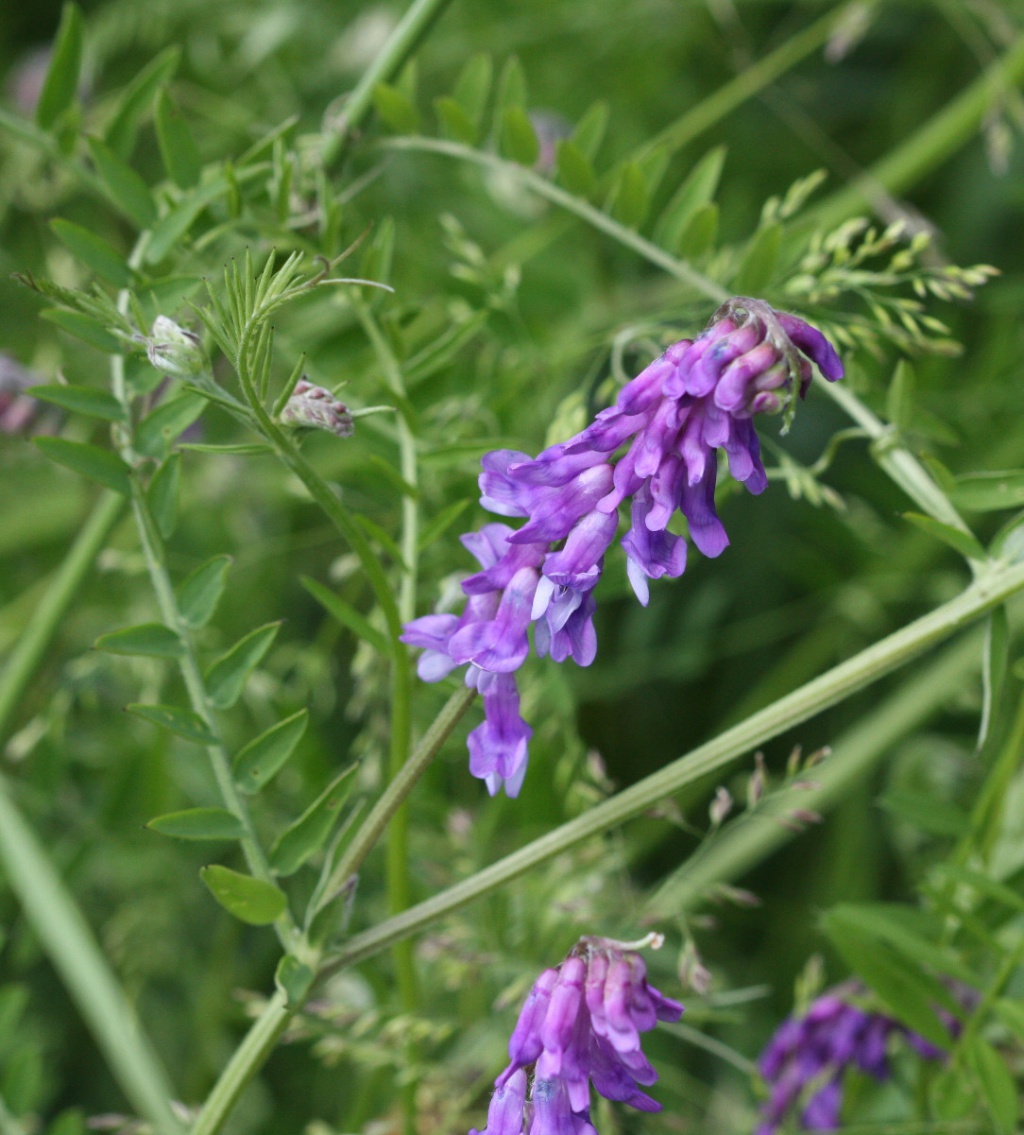
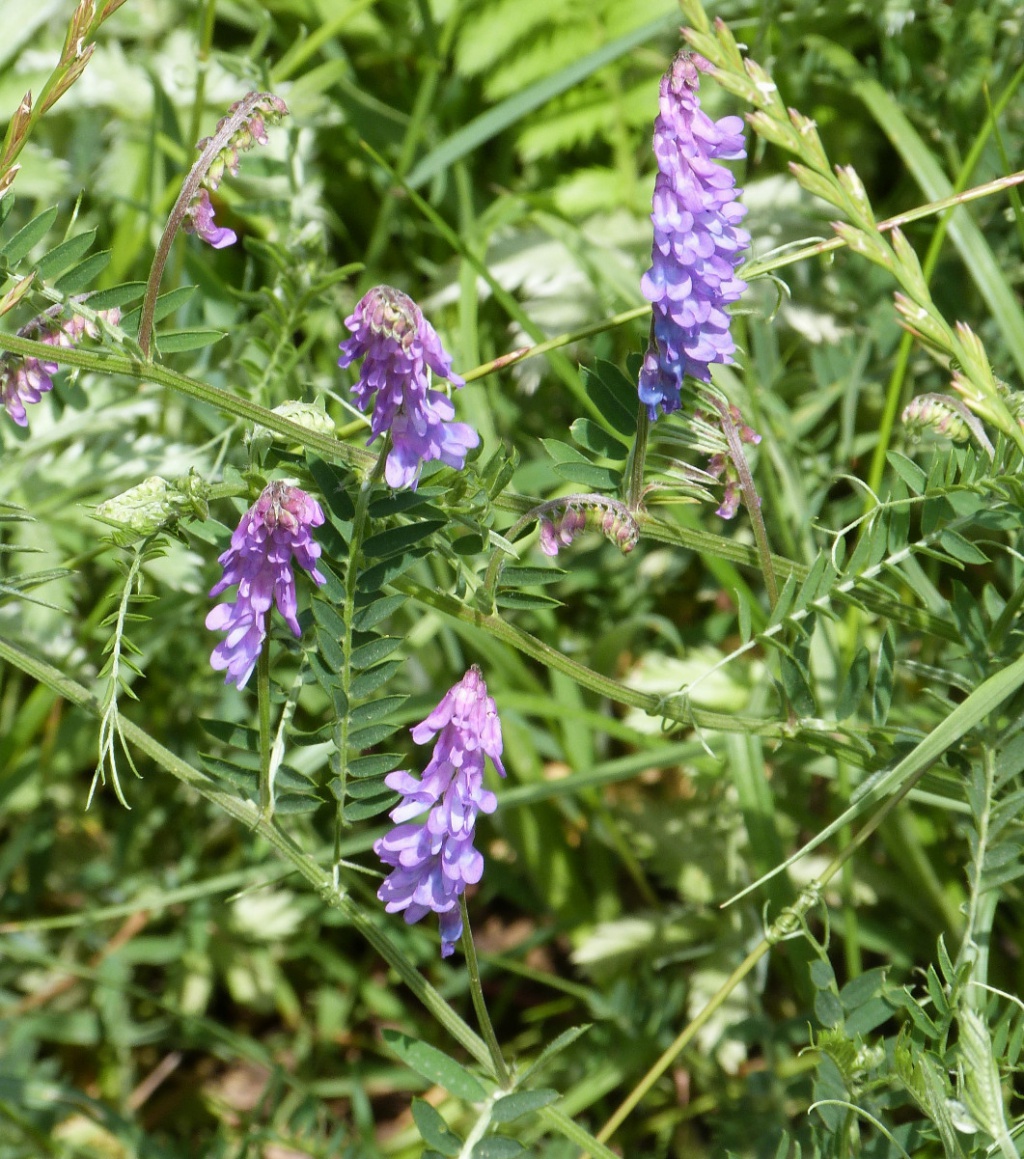
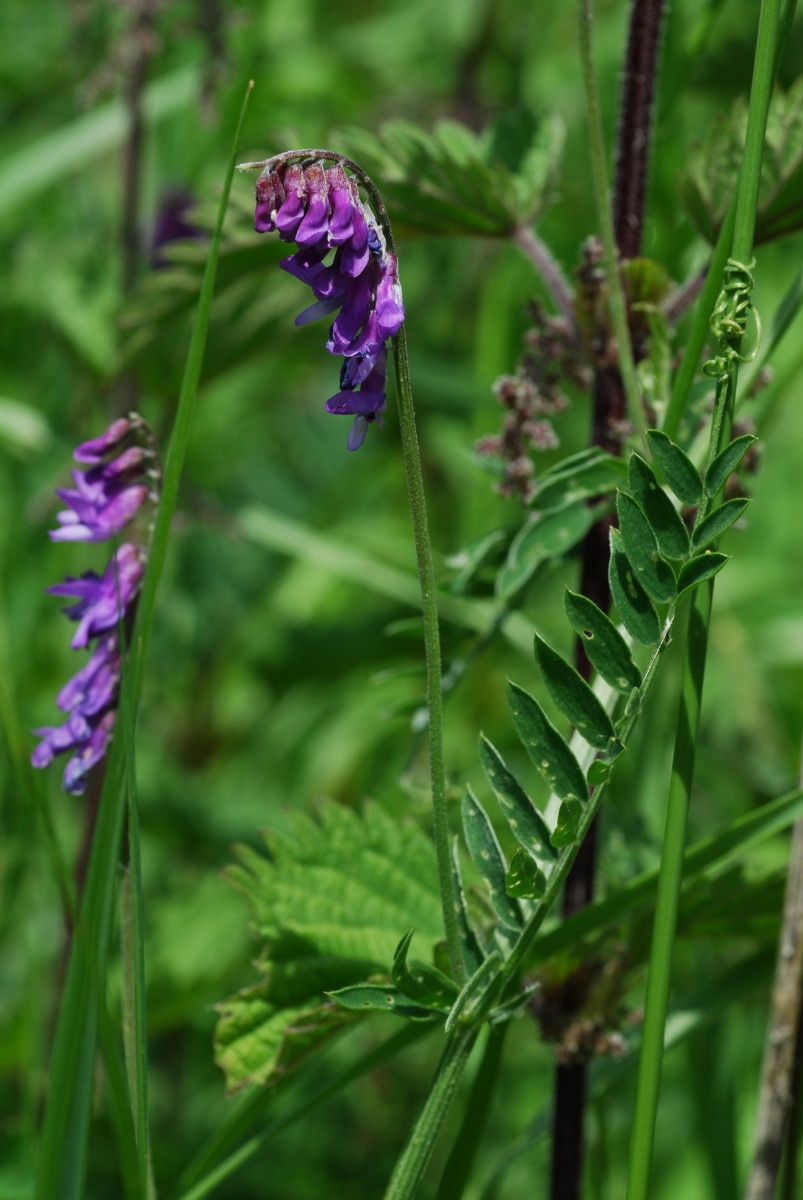
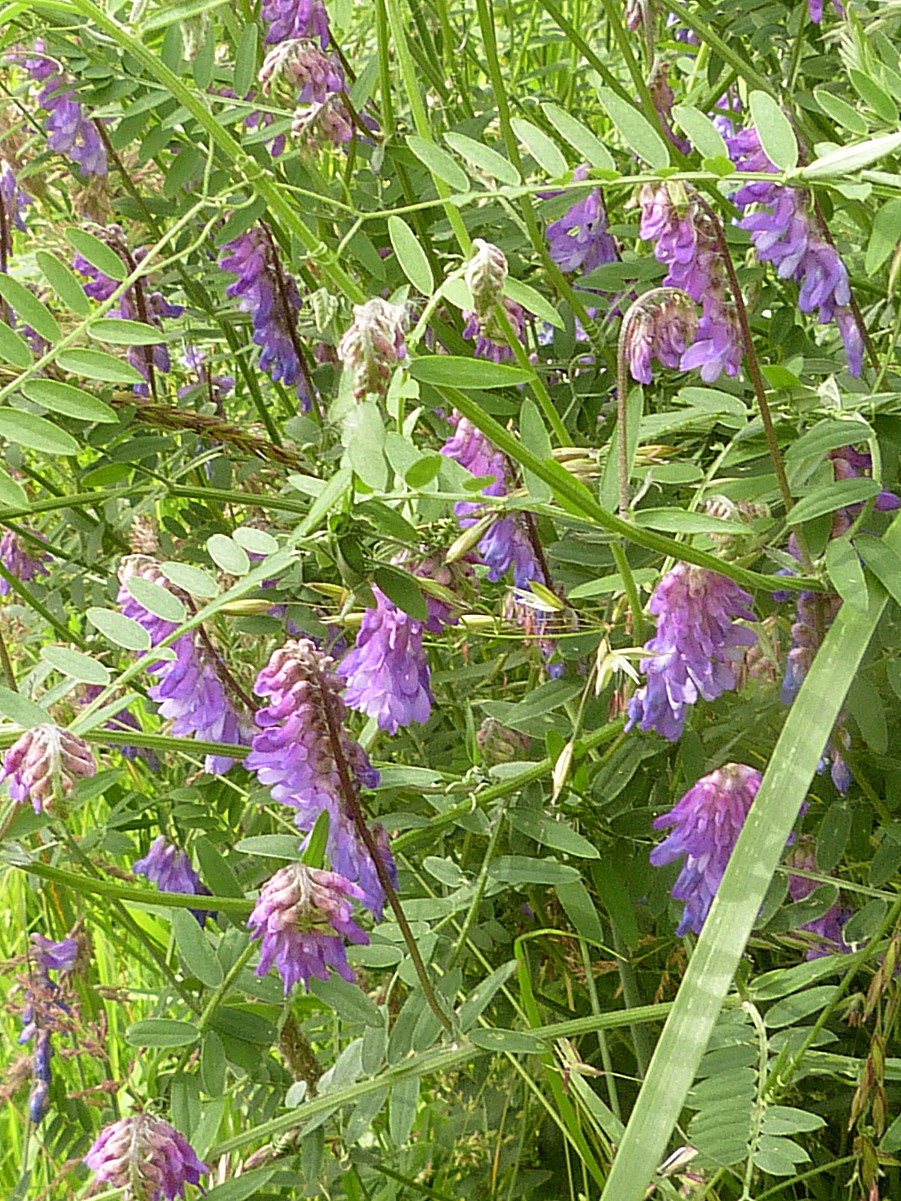
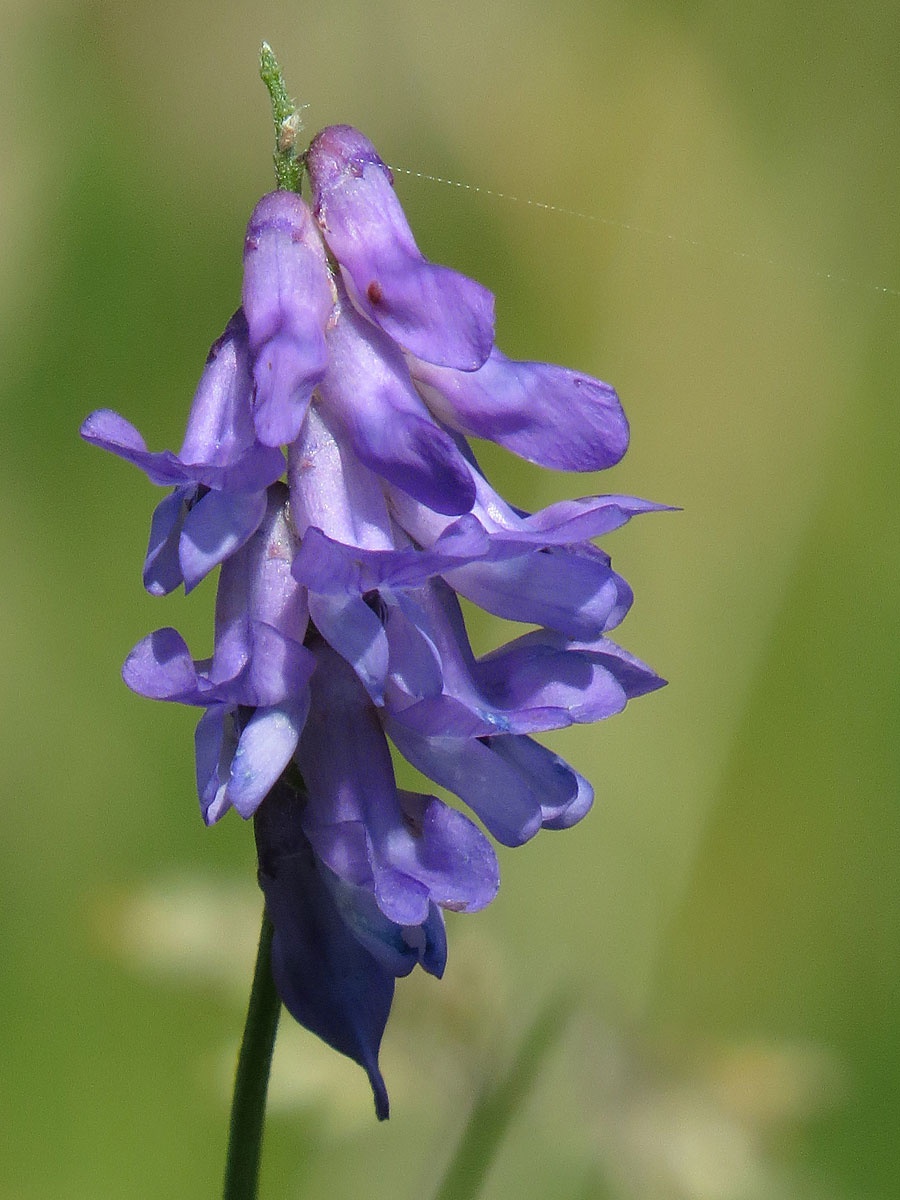
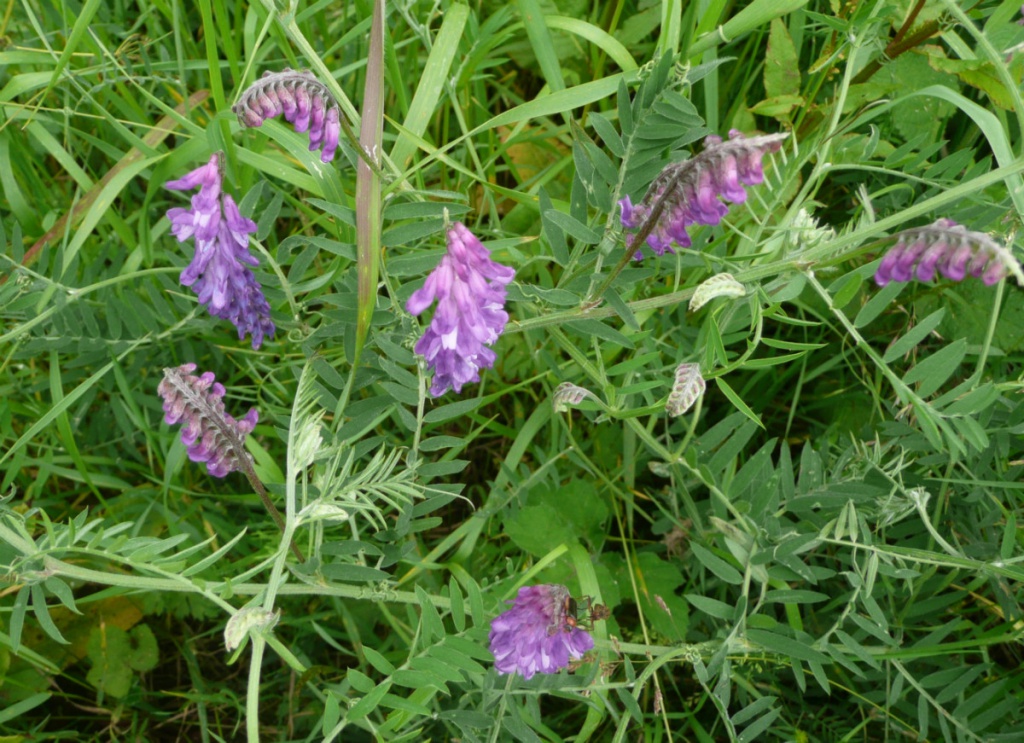
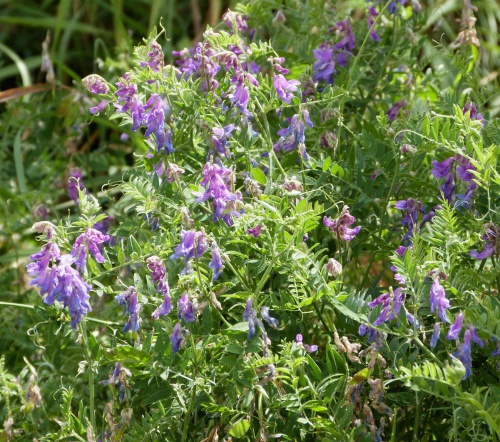
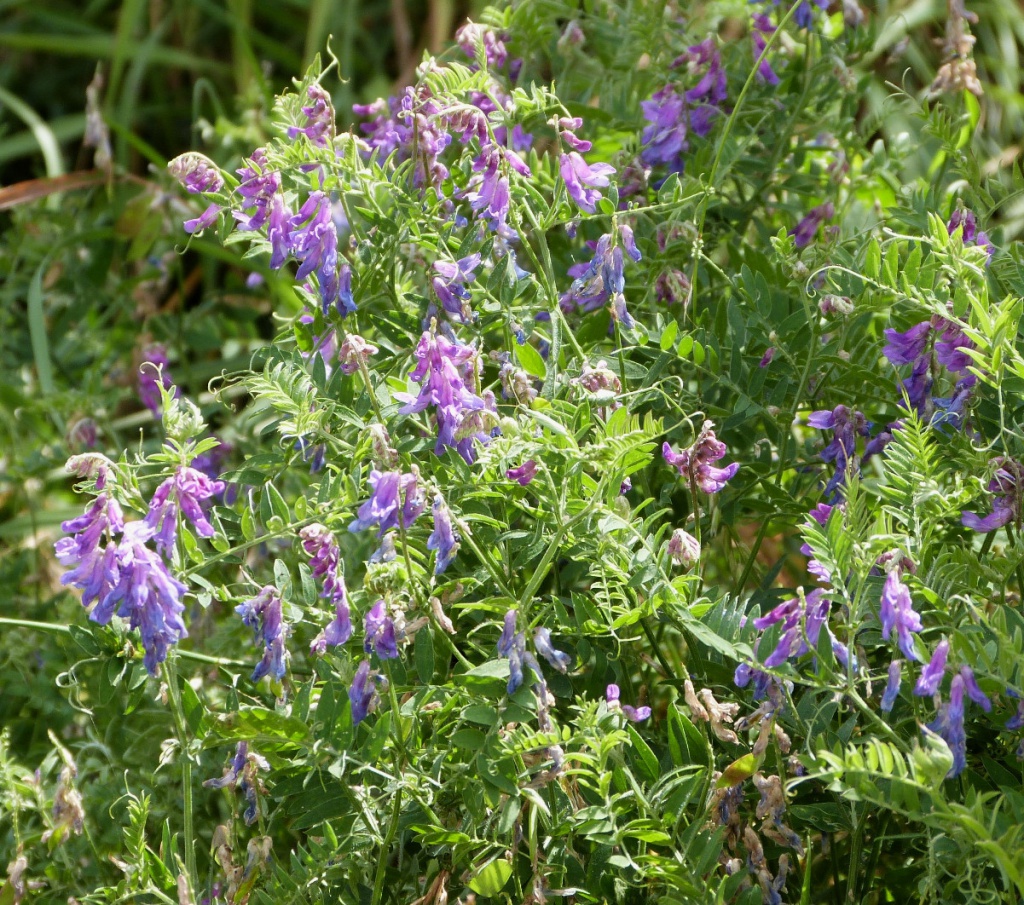
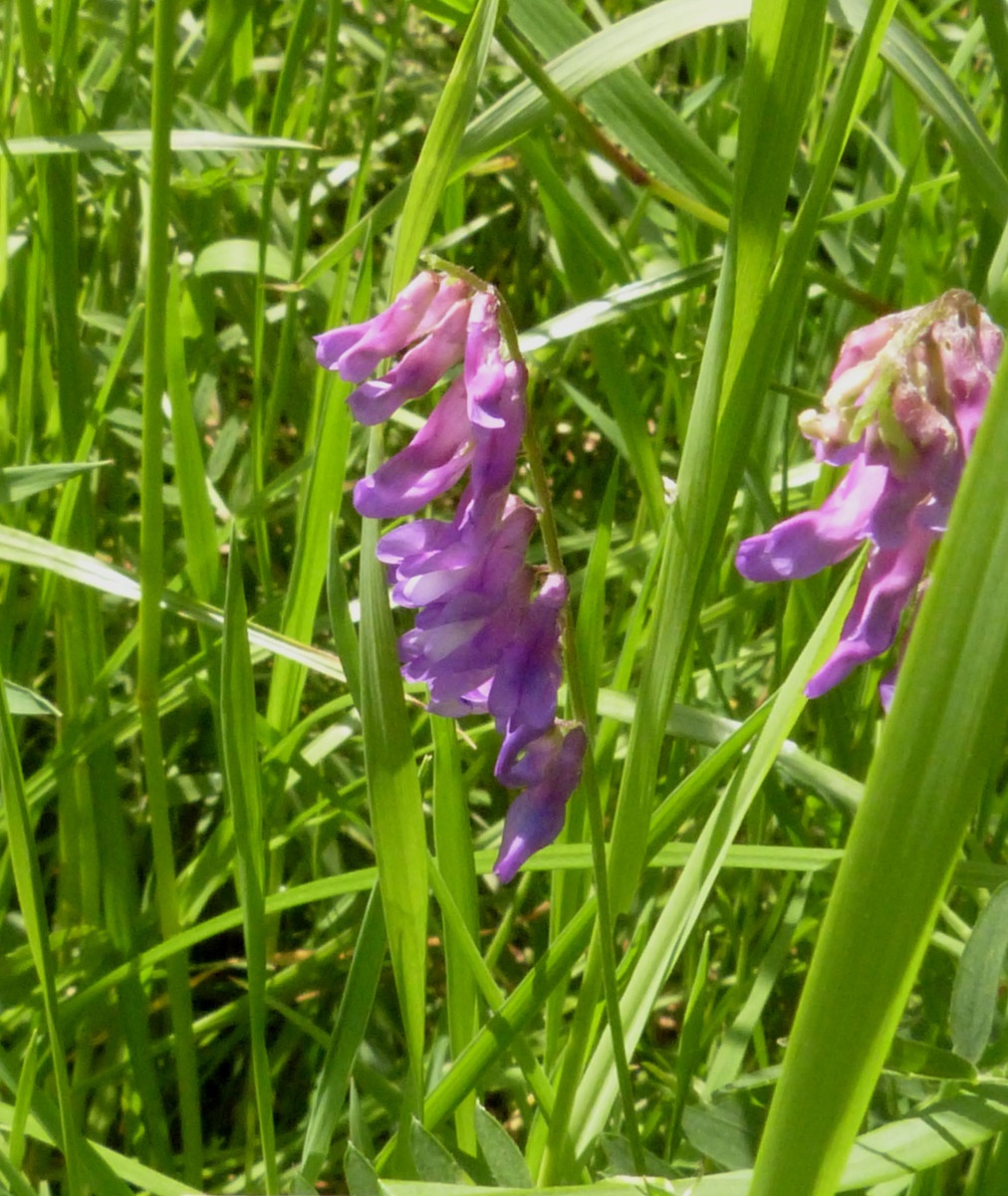
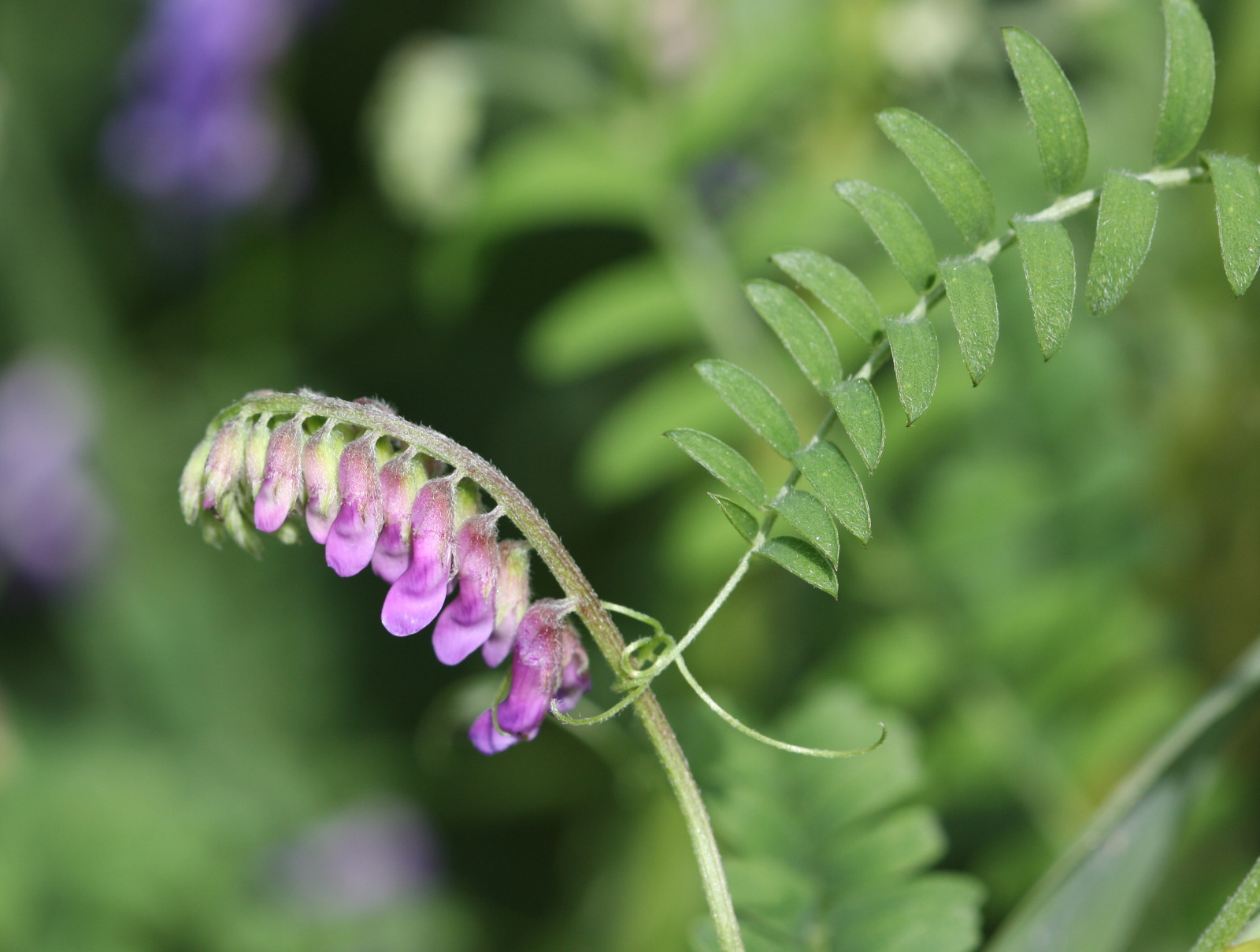
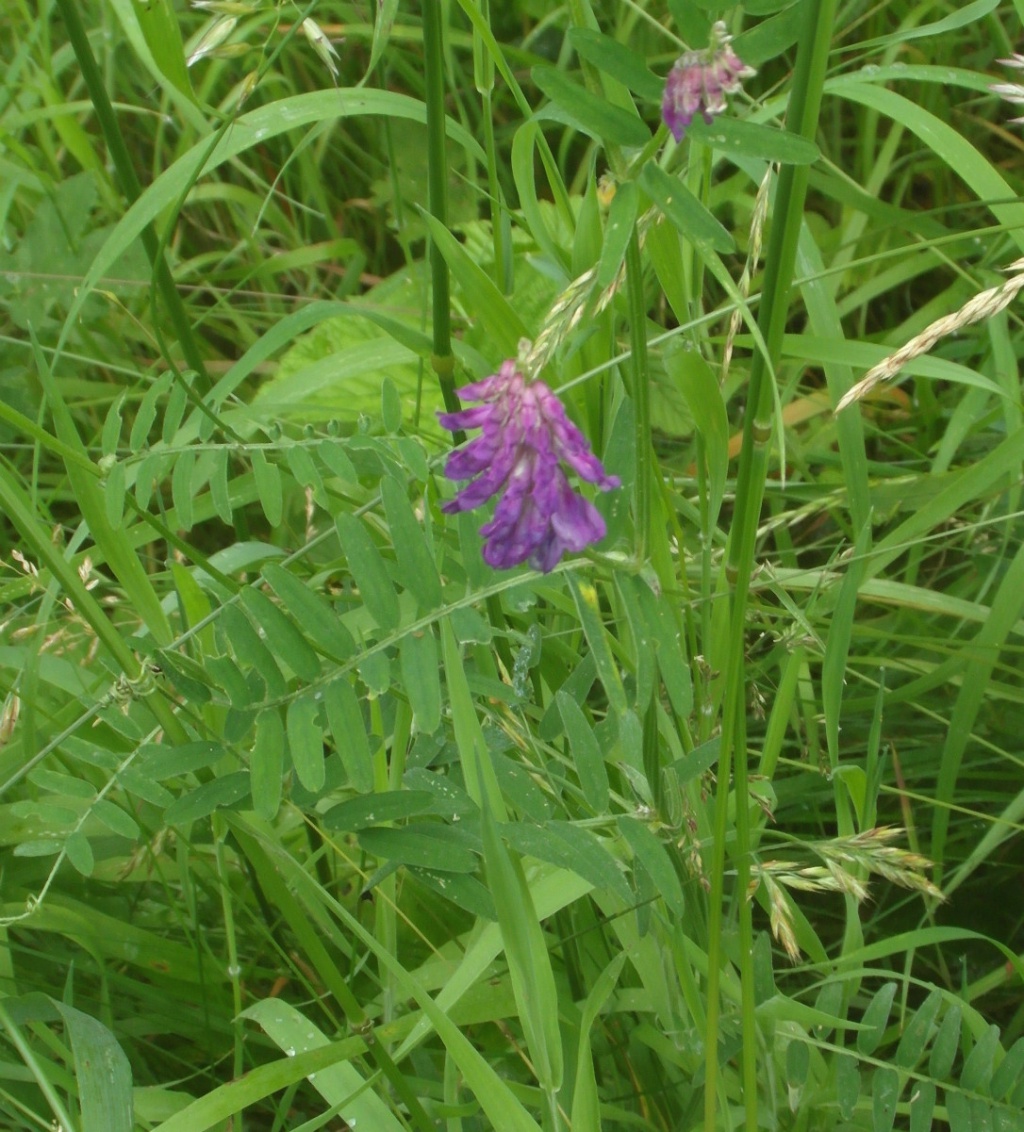
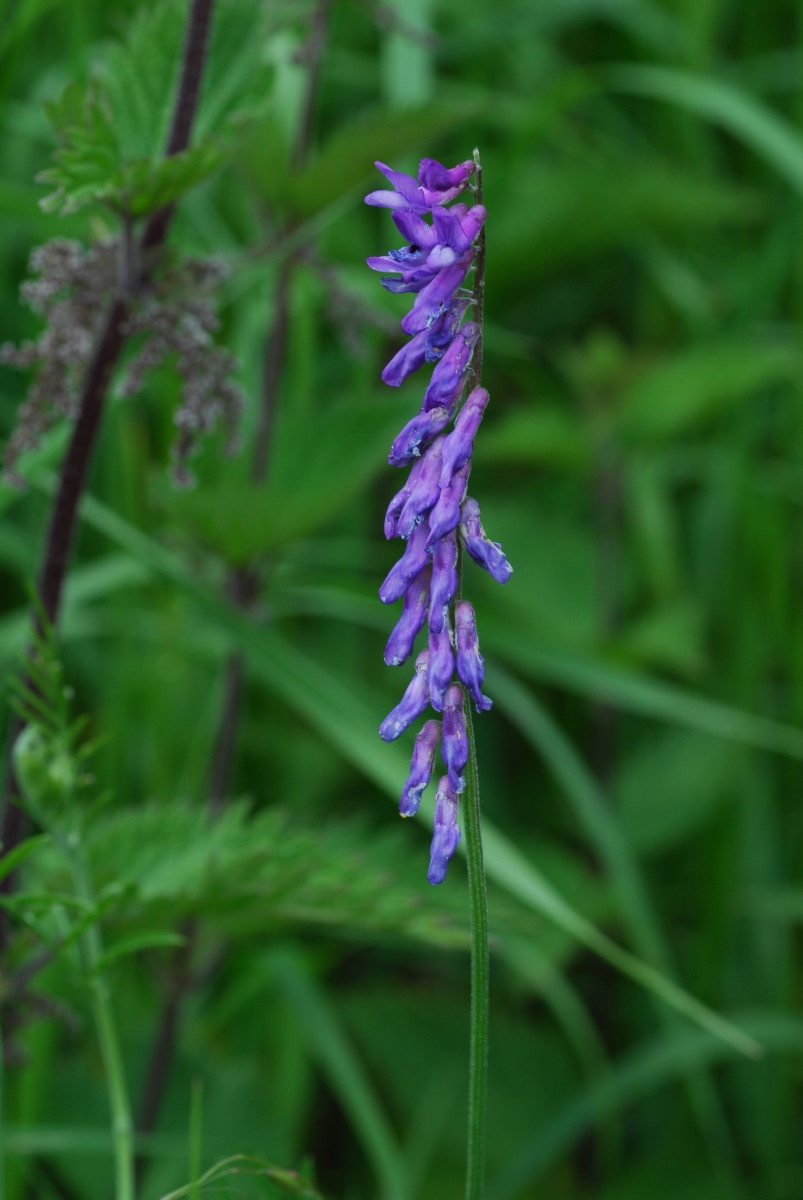
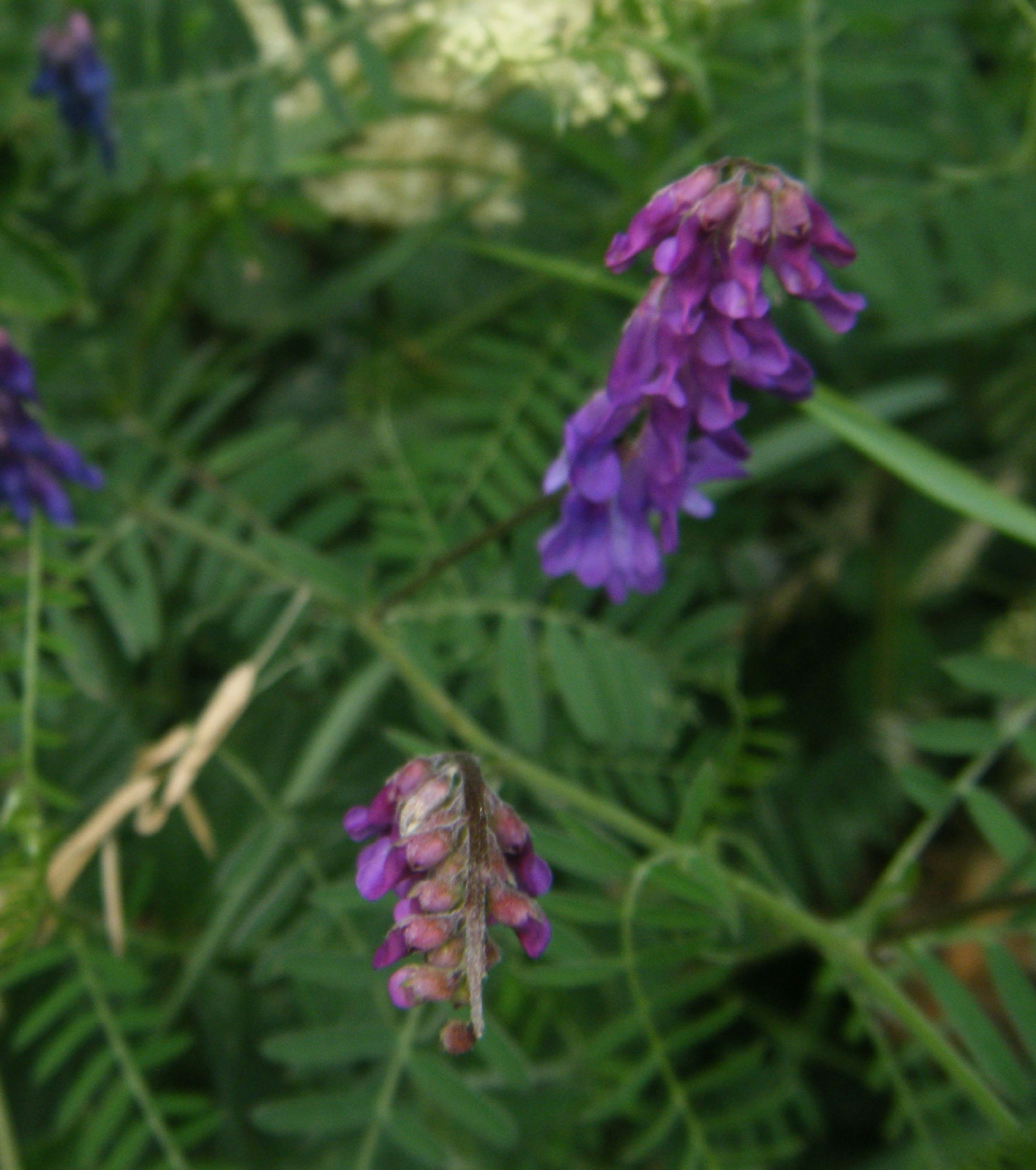
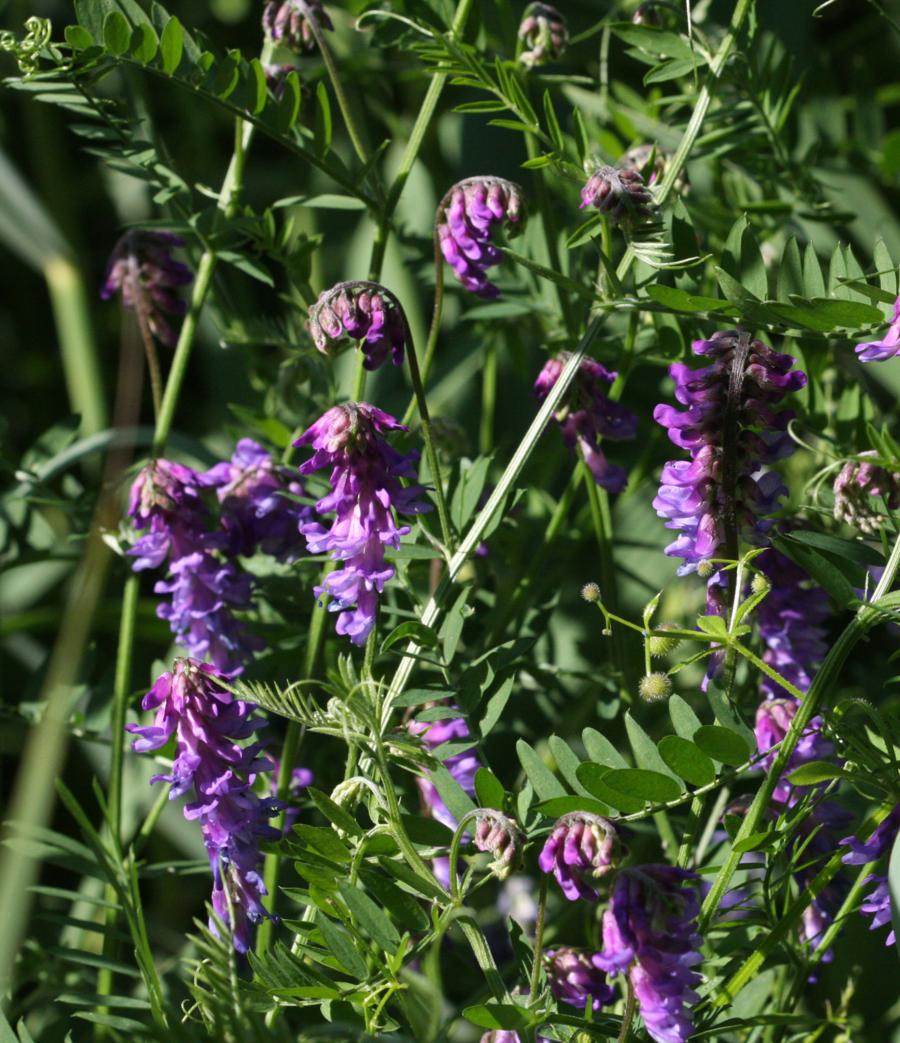
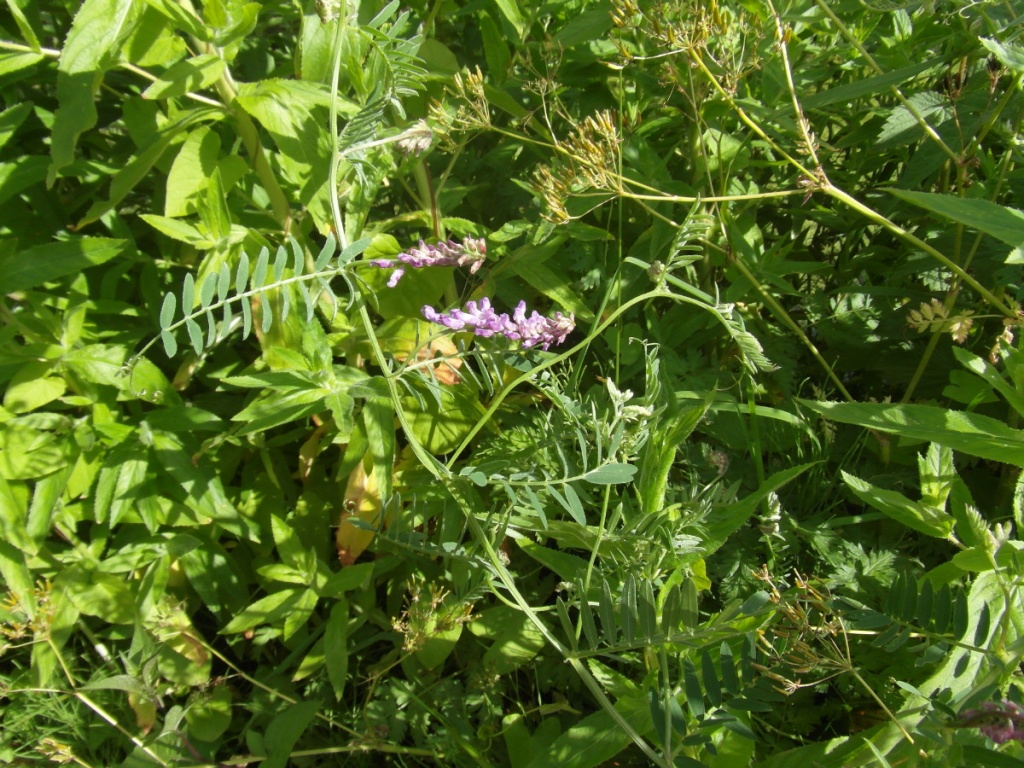
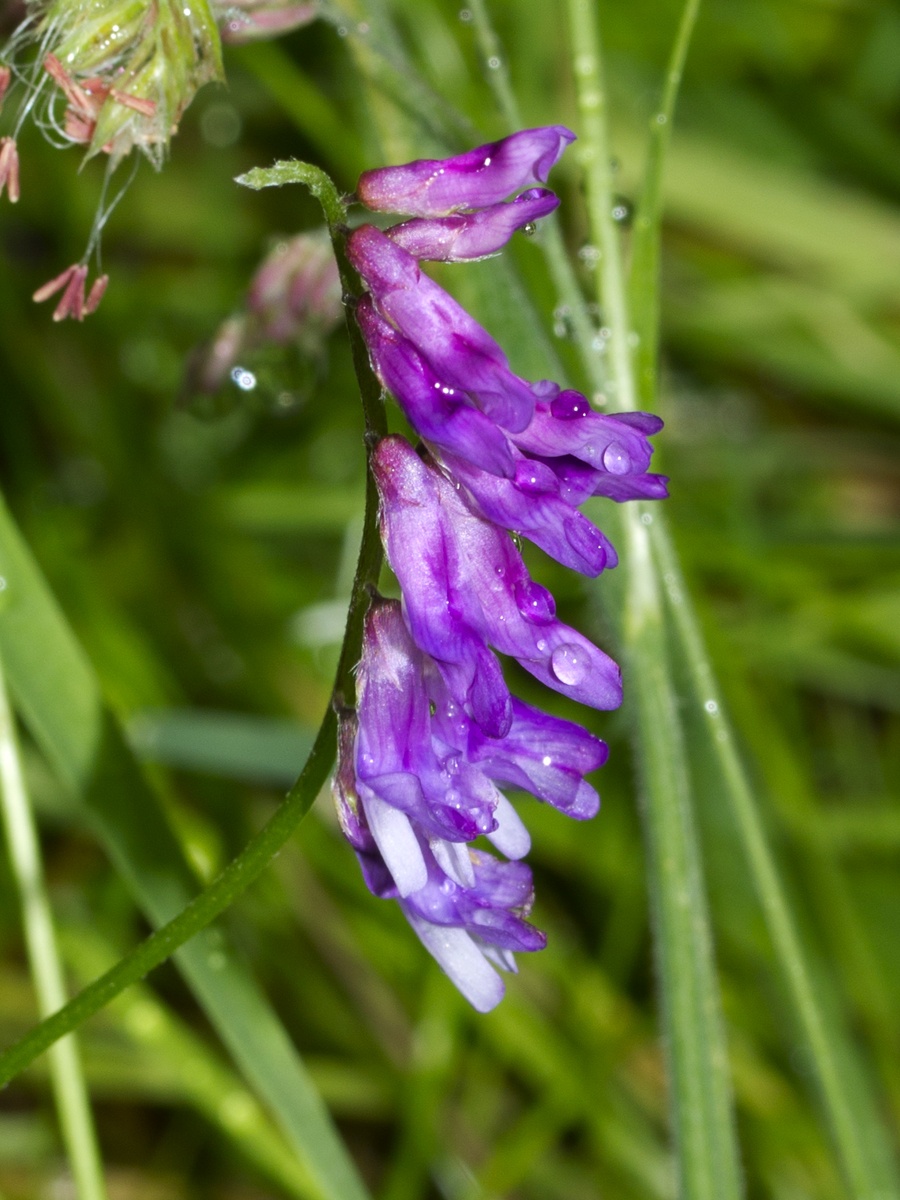
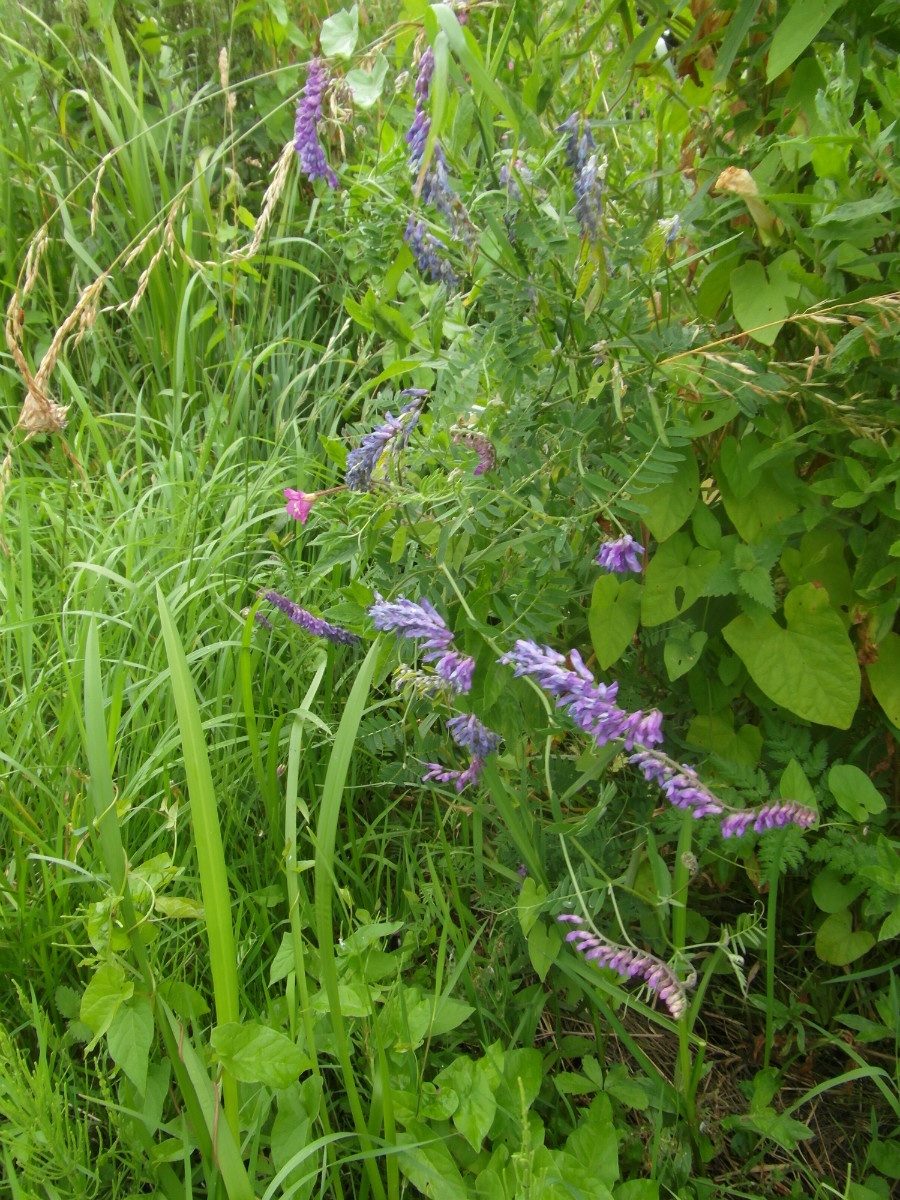
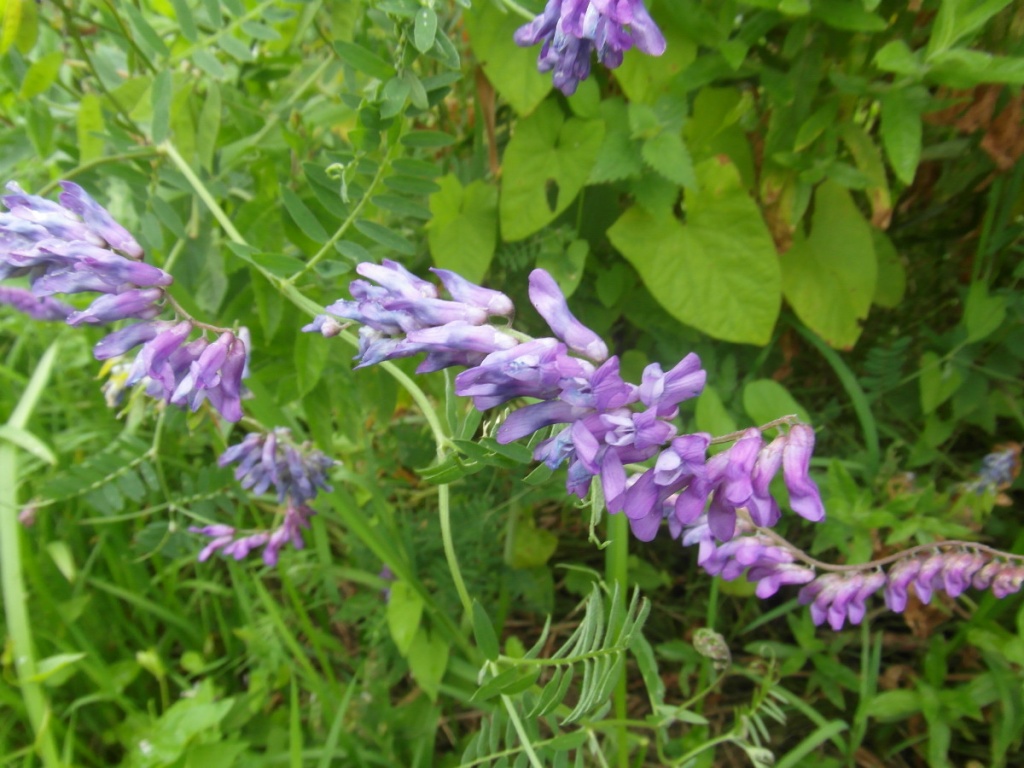
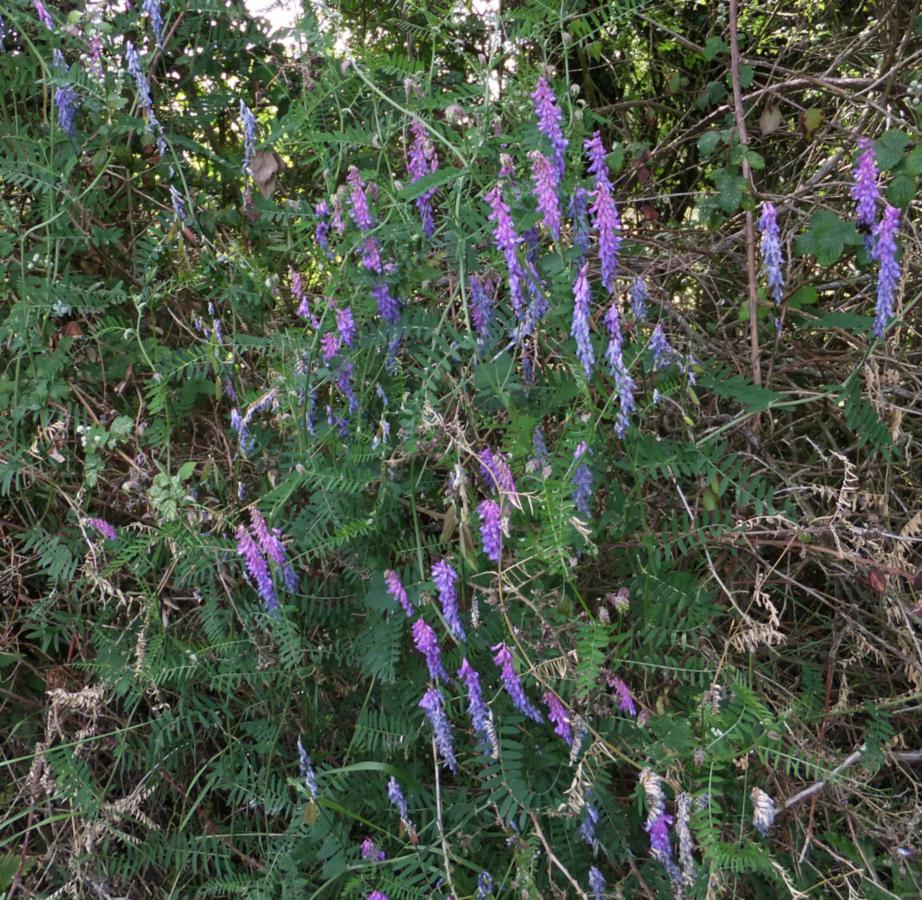
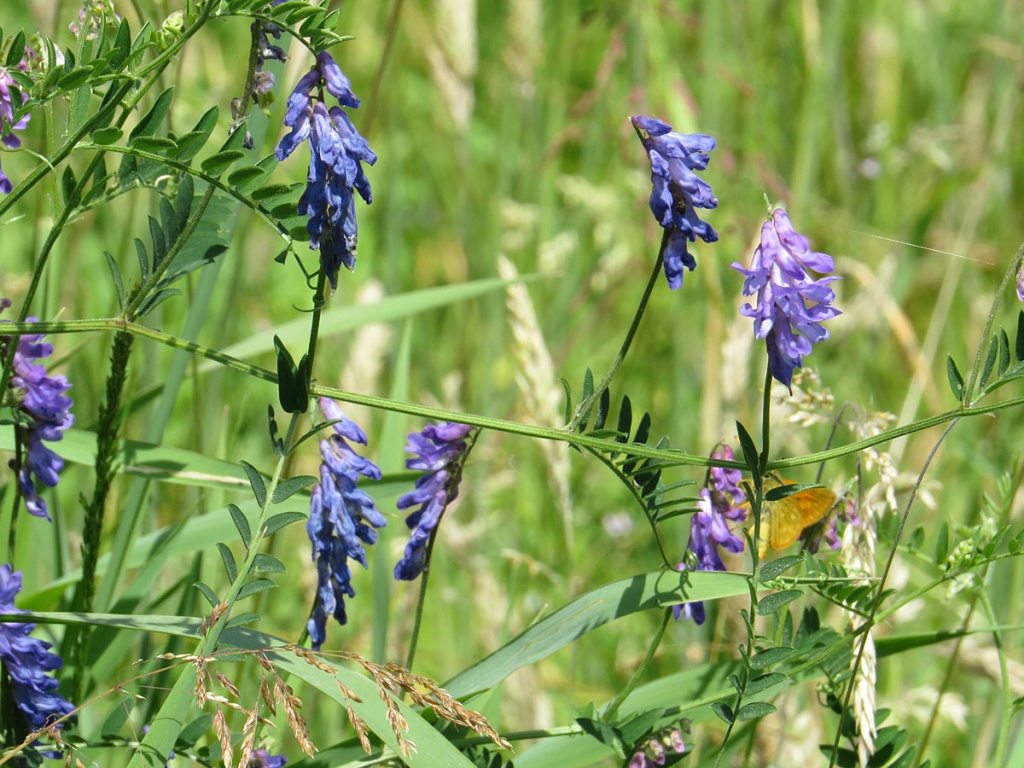
Clambering plant to 2 metres though often less. Leaflets 6 to 15 linear to oblong. Flowers bluish violet, 10 to 12 mm in a one sided, long stalked raceme.

Rough grassy places, roadside verges, etc.
June to August, sometimes later.
Perennial.
Common throughout most of Britain.
Common in Leicestershire and Rutland. In the 1979 Flora survey of Leicestershire it was found in 474 of the 617 tetrads.
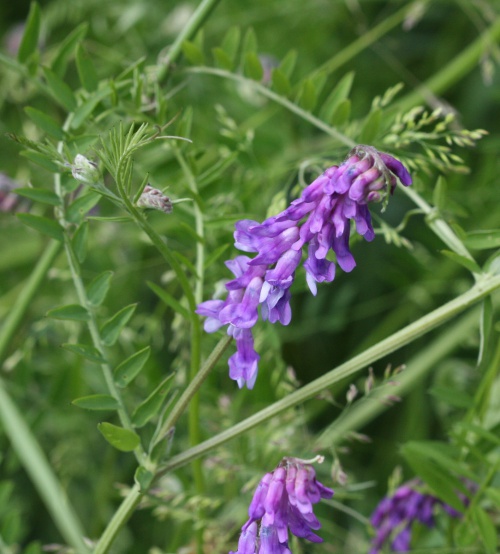 David Nicholls
Ratby
05 June 2014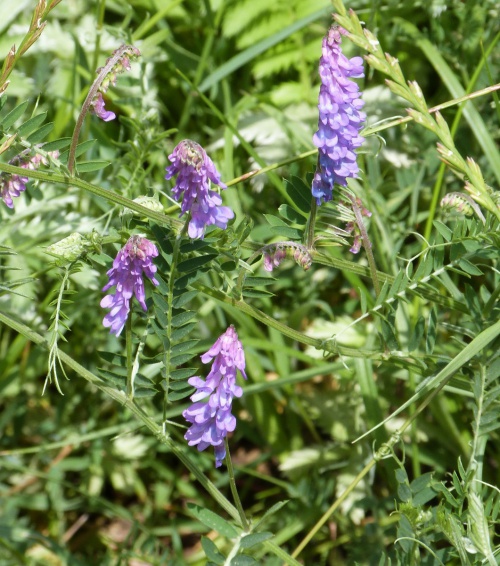 Graham Calow
Hinckley Lane, Wykin
04 July 2015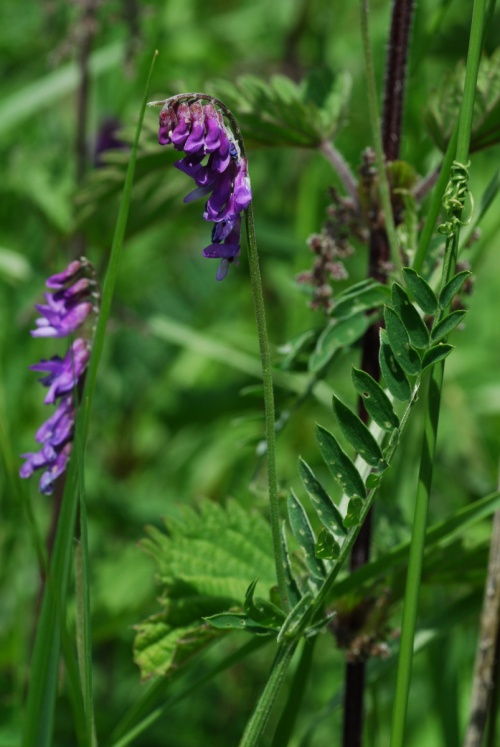 Barbara Cooper
Holwell Nature Reserve
20 June 2012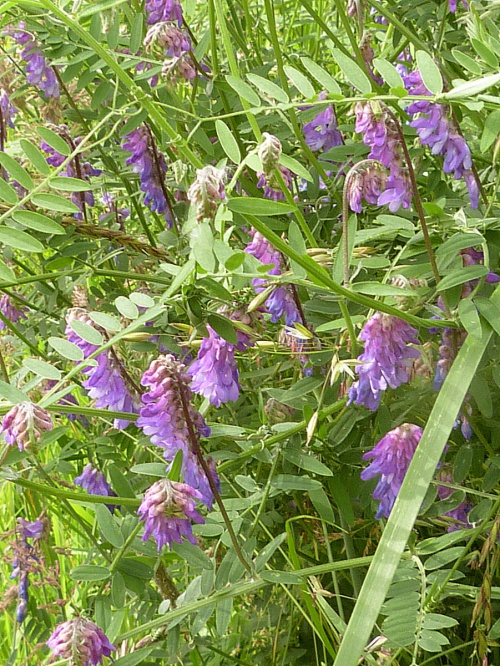 Graham Calow
Wykin
26 June 2015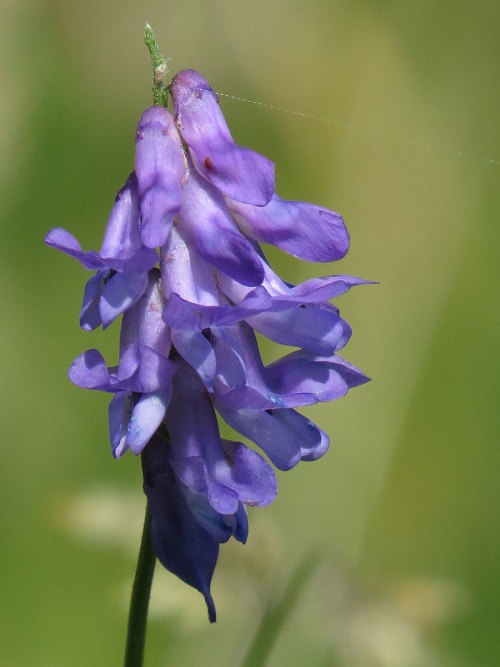 David Gould
Croft Hill, Leics
03 July 2015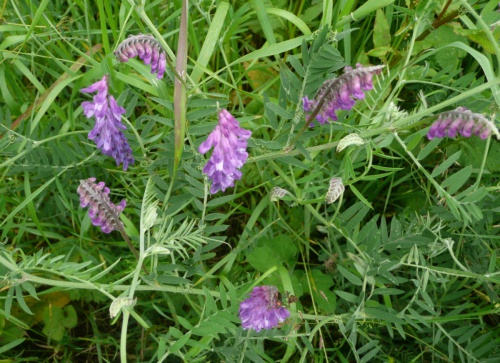 Barbara Cooper
Clawson Hill
03 July 2013
Leicestershire & Rutland Map
Enter a town or village to see local records
MAP KEY:
Yellow squares = NBN records (all known data)
Coloured circles = NatureSpot records: 2025+ | 2020-2024 | pre-2020
UK Map
Species profile
- Common names
- Tufted Vetch
- Species group:
- flowering plant
- Kingdom:
- Plantae
- Order:
- Fabales
- Family:
- Fabaceae
- Records on NatureSpot:
- 300
- First record:
- 01/01/1979 (Patricia Evans)
- Last record:
- 16/08/2025 (Graves, Hazel)
Total records by month
% of records within its species group
10km squares with records
The latest images and records displayed below include those awaiting verification checks so we cannot guarantee that every identification is correct. Once accepted, the record displays a green tick.
In the Latest Records section, click on the header to sort A-Z, and again to sort Z-A. Use the header boxes to filter the list.
Latest images
Latest records
 Graham Calow
Footpath alongside M69 Sapcote
27 July 2016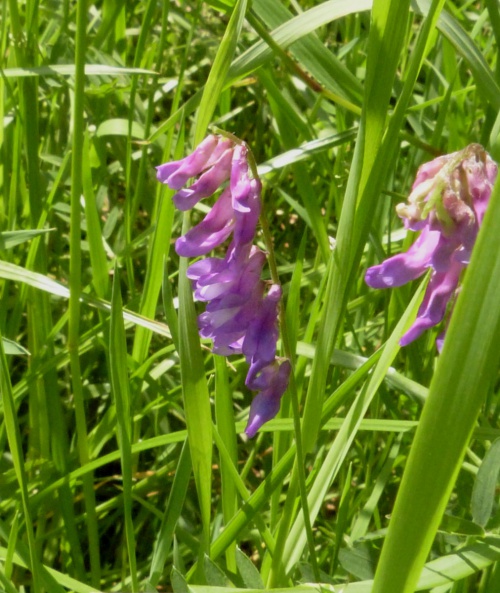 Graham Calow
Burbage Common
20 June 2014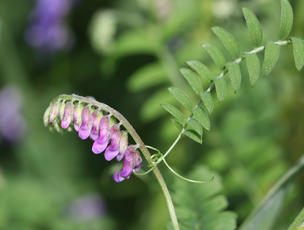 David Nicholls
Barrow Upon Soar
15 July 2011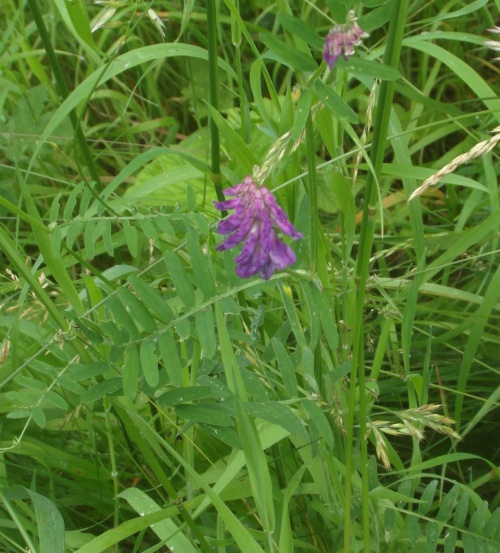 Alan Semper
Holwell disused mineral line
25 June 2014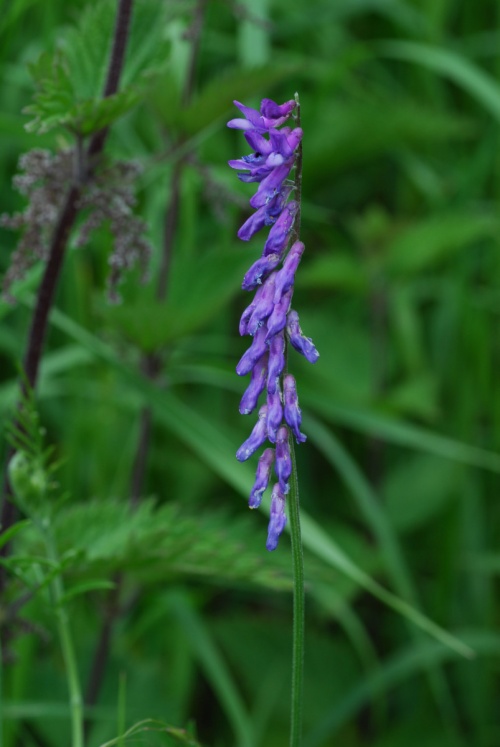 Barbara Cooper
Holwell Nature Reserve
20 June 2012 Near M69 Island Sapcote SP 4645 9371 (taken 27.7.2008).JPG) Graham Calow
Graham Calow
M69 Island, Sapcote
27 July 2008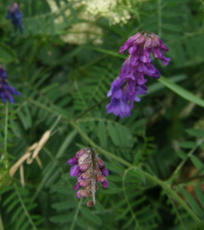 Graham Calow
Broughton Astley
24 June 2011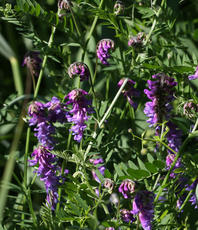 David Nicholls
Ratby Disused Railway
09 July 2011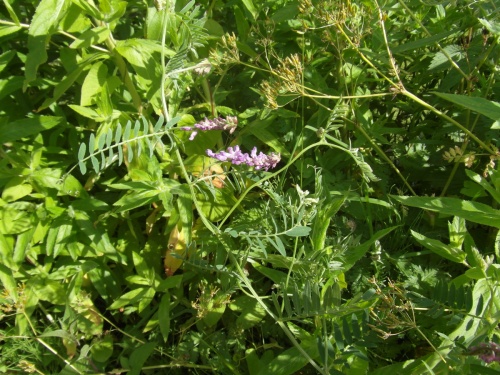 Alan Semper
Harby, canal nr bridge 42
01 July 2012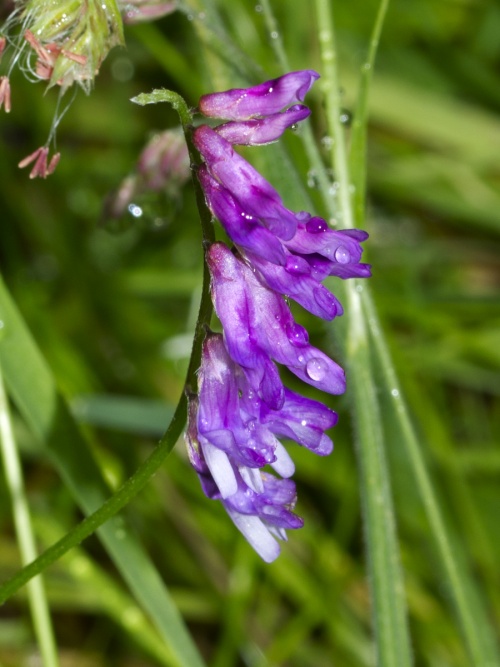 HAPeacock
Gilroes Spinney
05 July 2012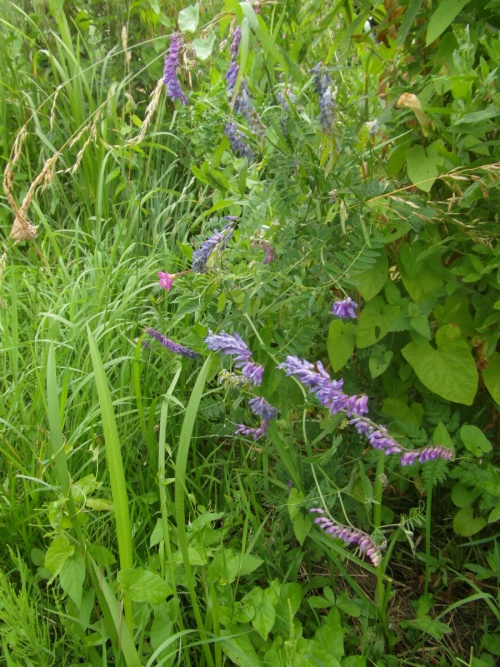 Alan Semper
Harby canalside
01 August 2012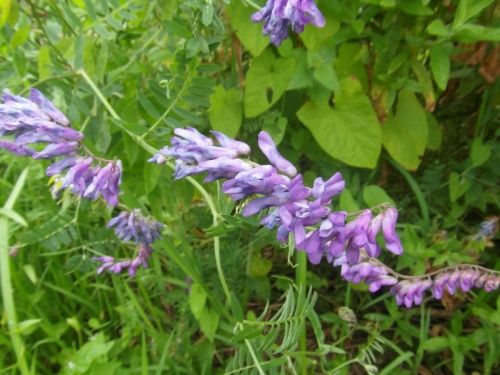 Alan Semper
Harby canalside
01 August 2012 Near M69 Island Sapcote SP 4645 9371 (taken 9.11.2006).JPG) Graham Calow
Graham Calow
M69 Island, Sapcote
09 November 2006 Old Fosse Sapcote SP 5008 9255 (taken 3.8.2007).JPG) Graham Calow
Graham Calow
Sapcote
03 August 2007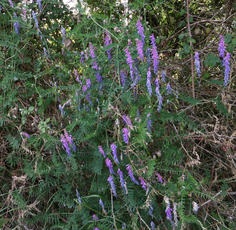 Ron.stevens
Broughton Astley
02 July 2011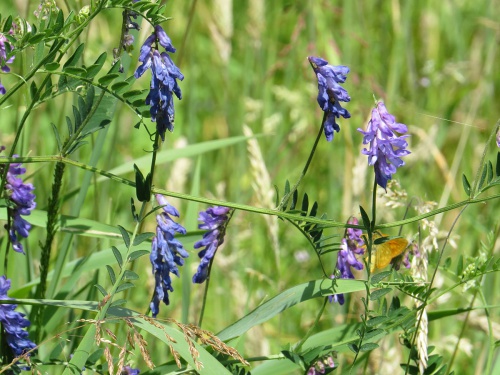 David Gould
Croft Hill, Leics
03 July 2015
 Near M69 Island Sapcote SP 4645 9371 (taken 27.7.2008).JPG)
 Near M69 Island Sapcote SP 4645 9371 (taken 9.11.2006).JPG)
 Old Fosse Sapcote SP 5008 9255 (taken 3.8.2007).JPG)
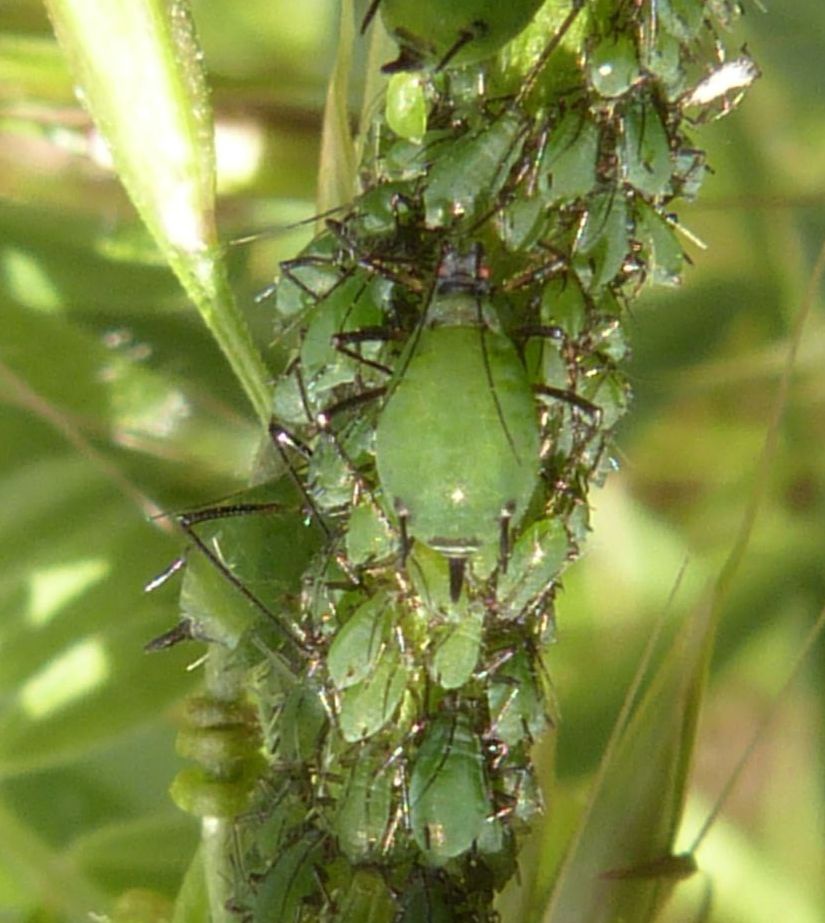
Vetch Aphid
The Vetch Aphid (Megoura viciae) feeds on various species of vetch. The leaves at the tip of the shoot become crumpled and may be true galls. It is a large shiny green globular bodied aphid with black head, legs and antennae. It also has startling red eyes.
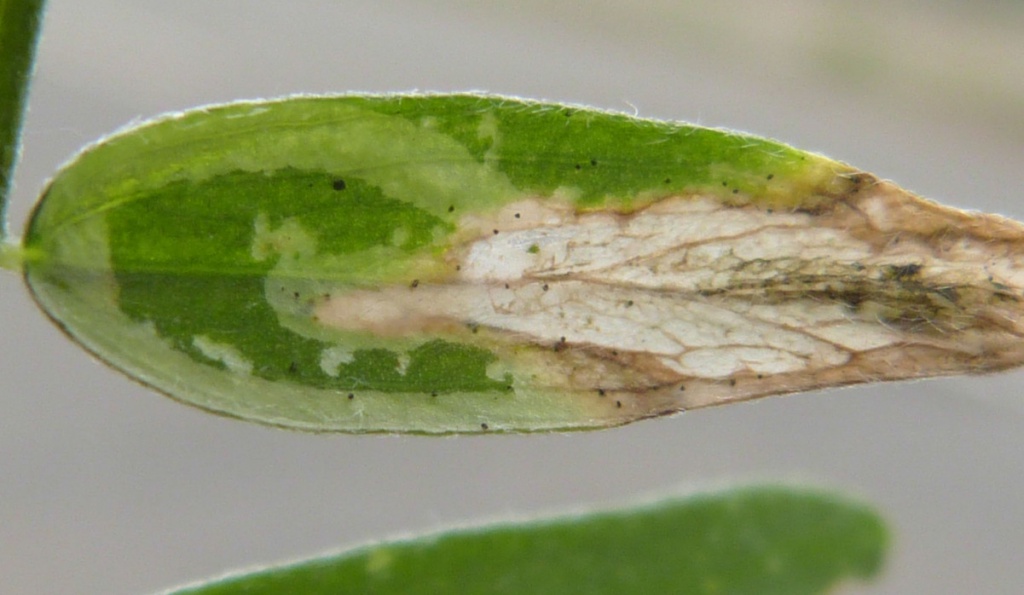
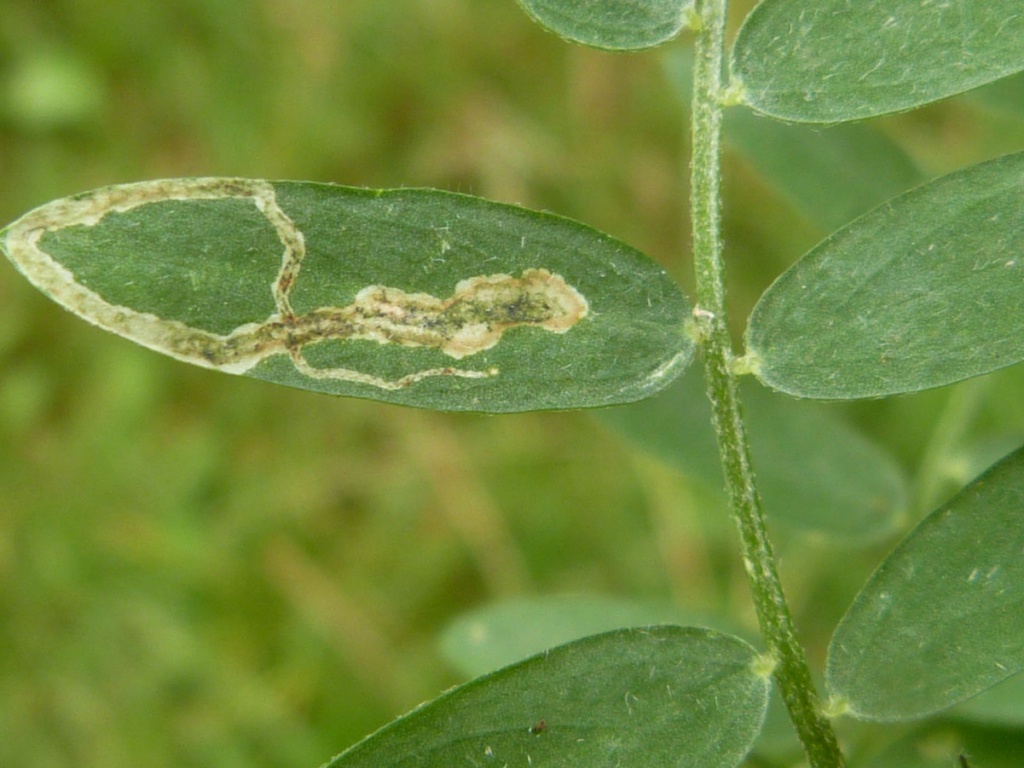
Agromyza vicifoliae
The larva of the Agromyzif fly Agromyza vicifoliae mines the leaves of various vetch species forming a blotch, preceded by a gallery along the leaf margin. The blotch is over the midrib of the leaflet. Frass occurs very sparingly in the gallery, and in the blotch as a few large lumps.
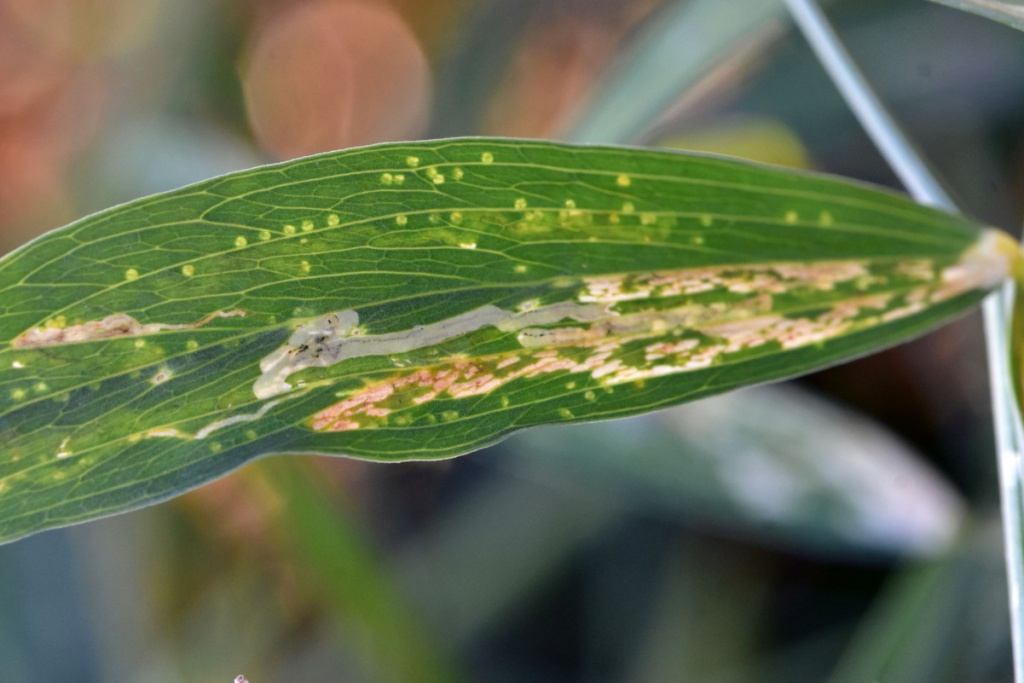
Liriomyza congesta
The larva of the Agromyzid fly Liriomyza congesta mines the leaves of various Legumes such as Peas, Medicks, Lucernes and Vetches. The mine is on the upper surface of the leaf and the frass shows in a green strips.
Liriomyza pisivora
The larva of the Agromyzid fly Liriomyza pisivora mines the leaves of species in the pea family, including Garden Pea, Broad-leaved Everlasting-pea and Tufted Vetch. They create a long linear mine which starts on the lower surface of the leaf but then penetrates to the upper surface, giving the leaf looking mottled. Several larvae can be found on affected leaves. The frass appears in thin threads, alternating along the gallery.