

Turkey Oak - Quercus cerris
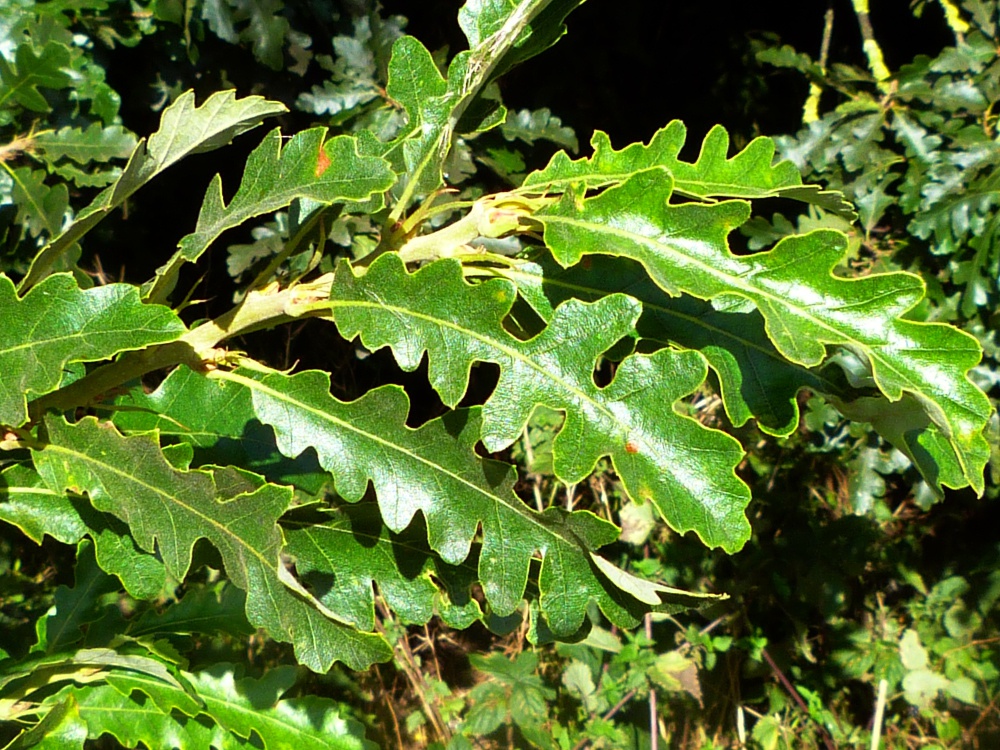
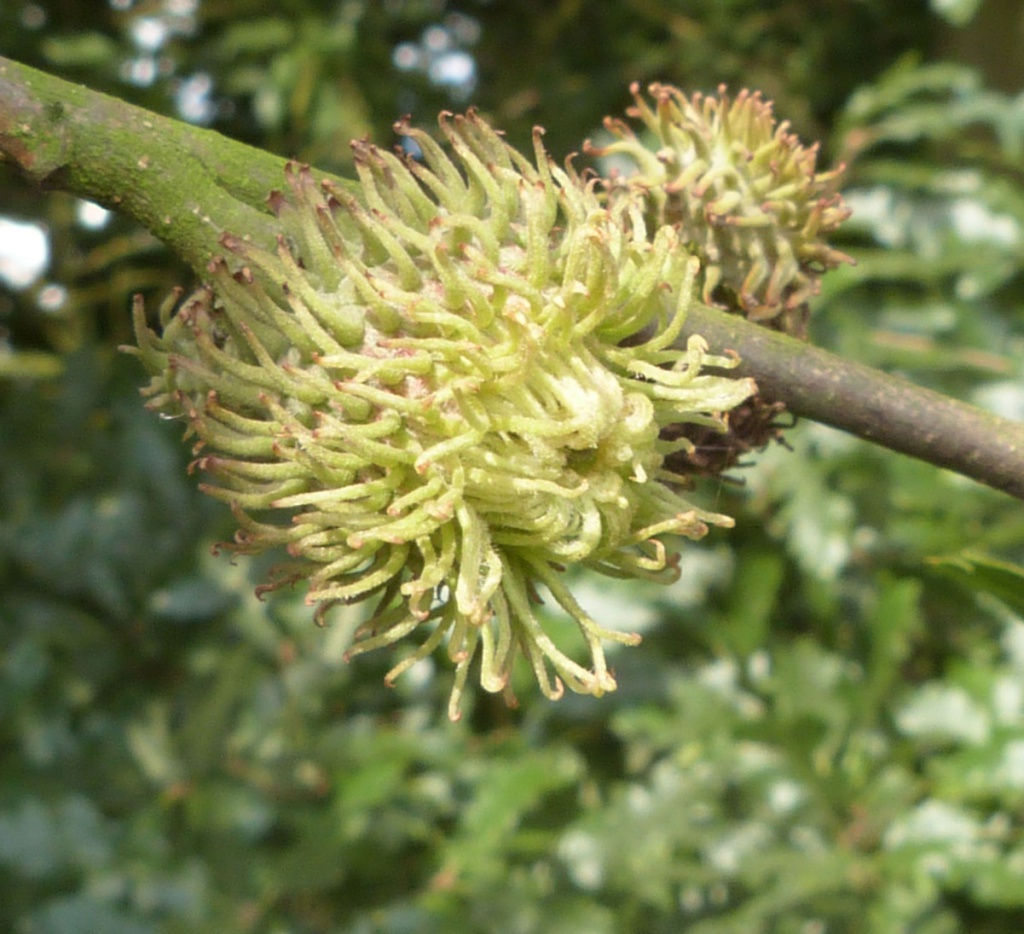
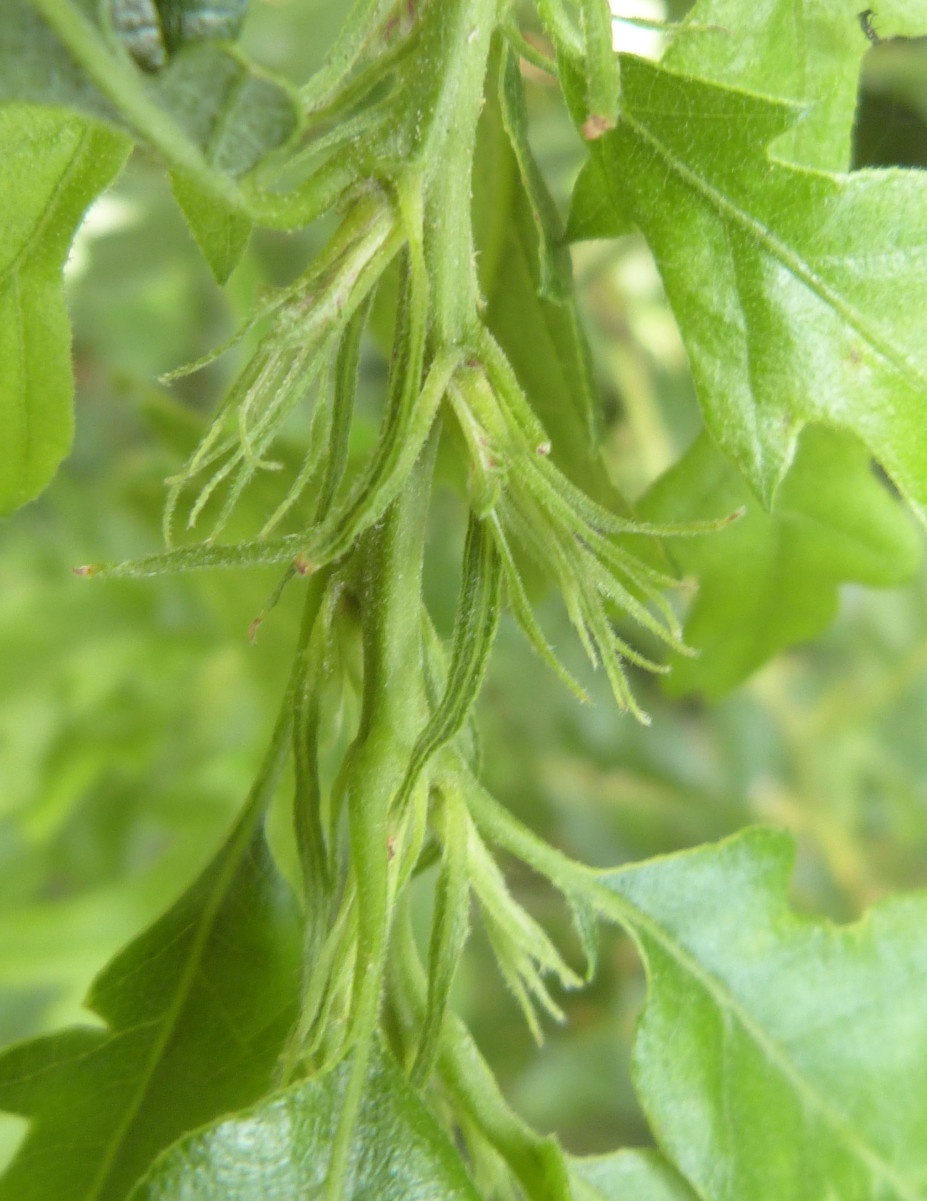
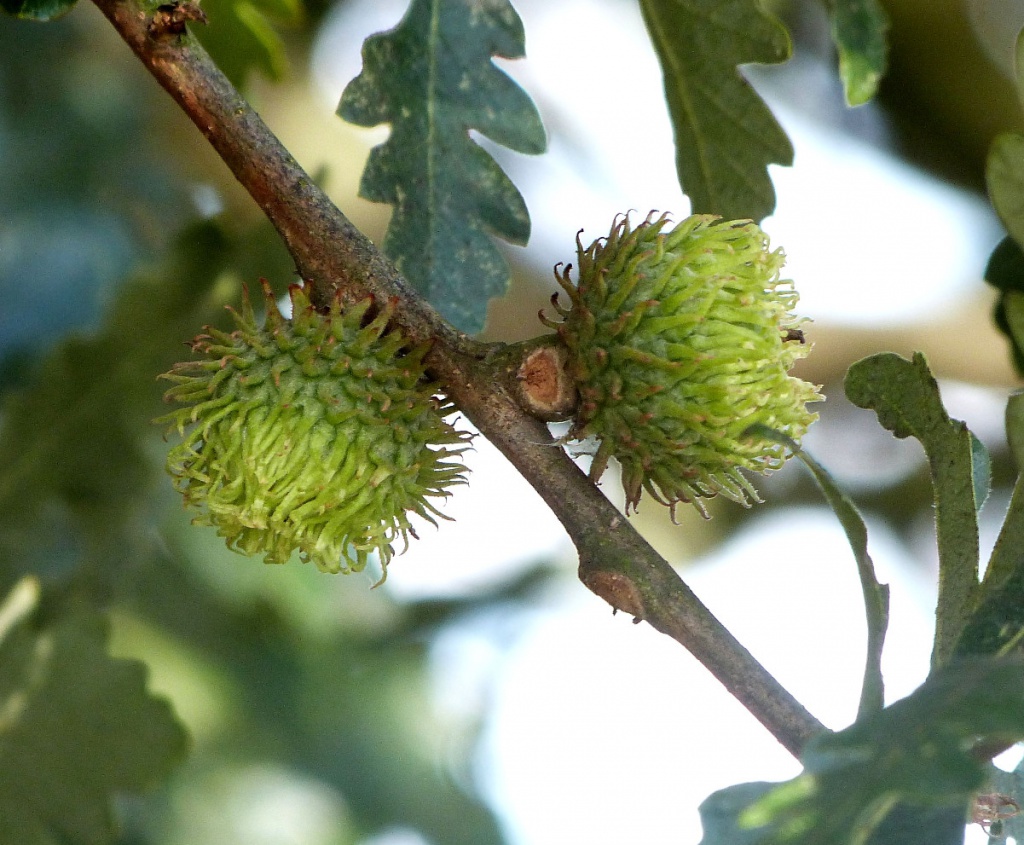
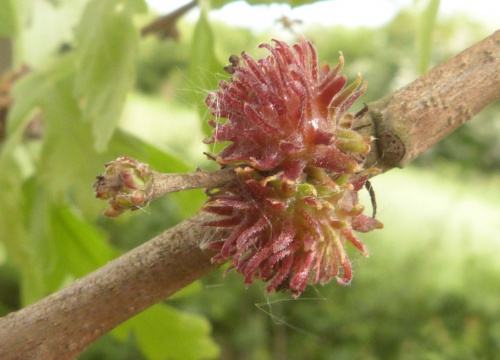
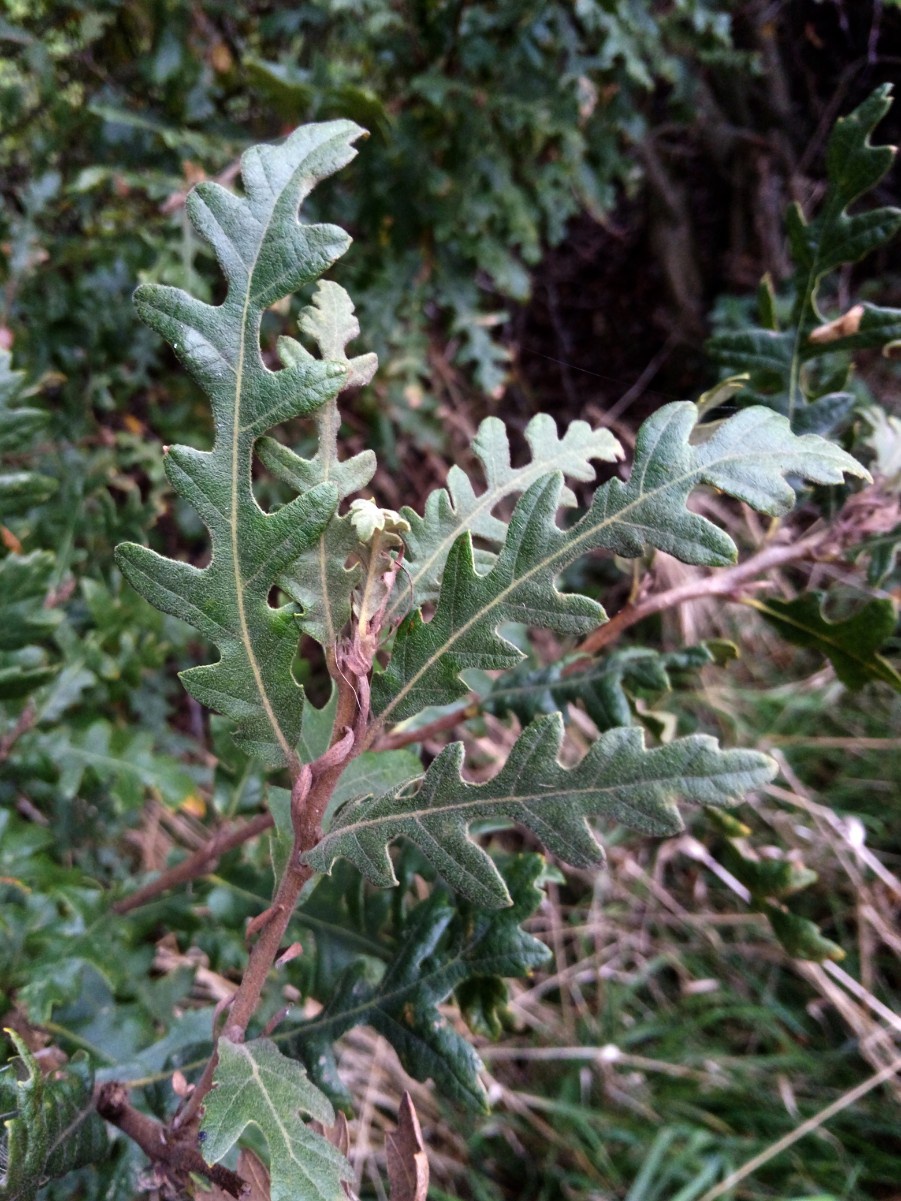
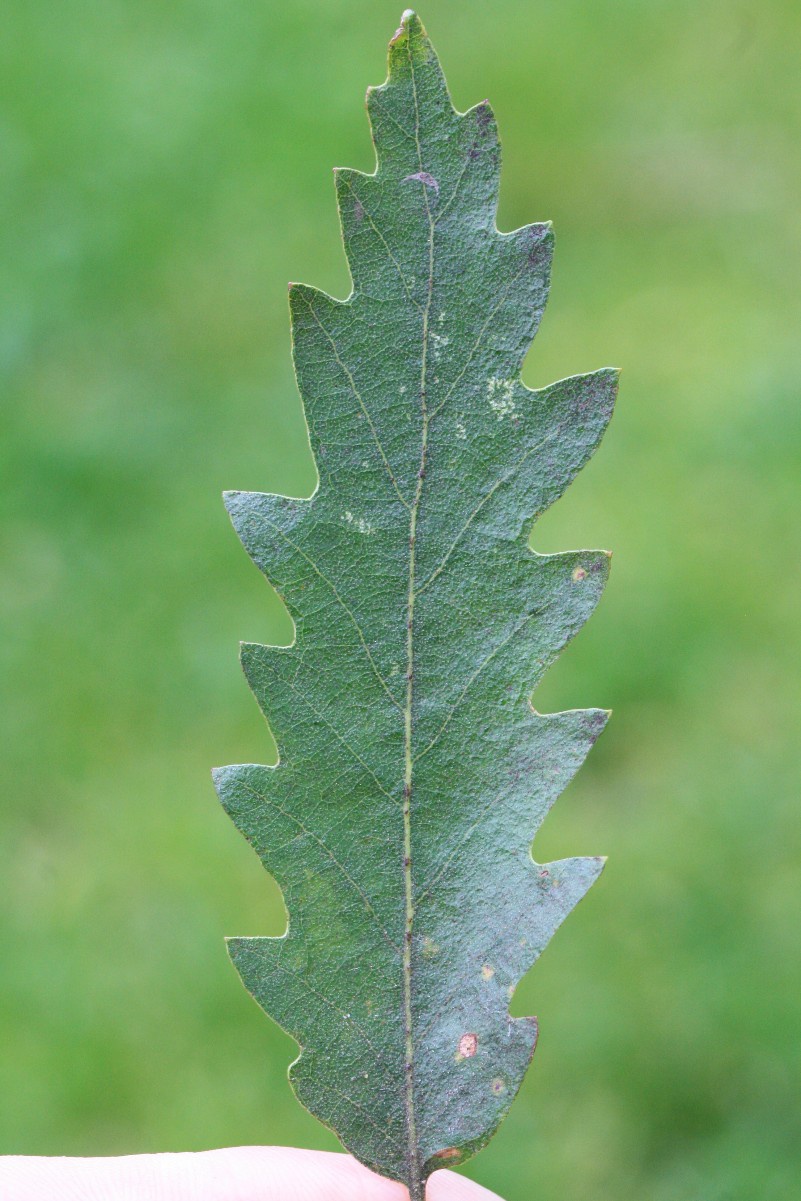
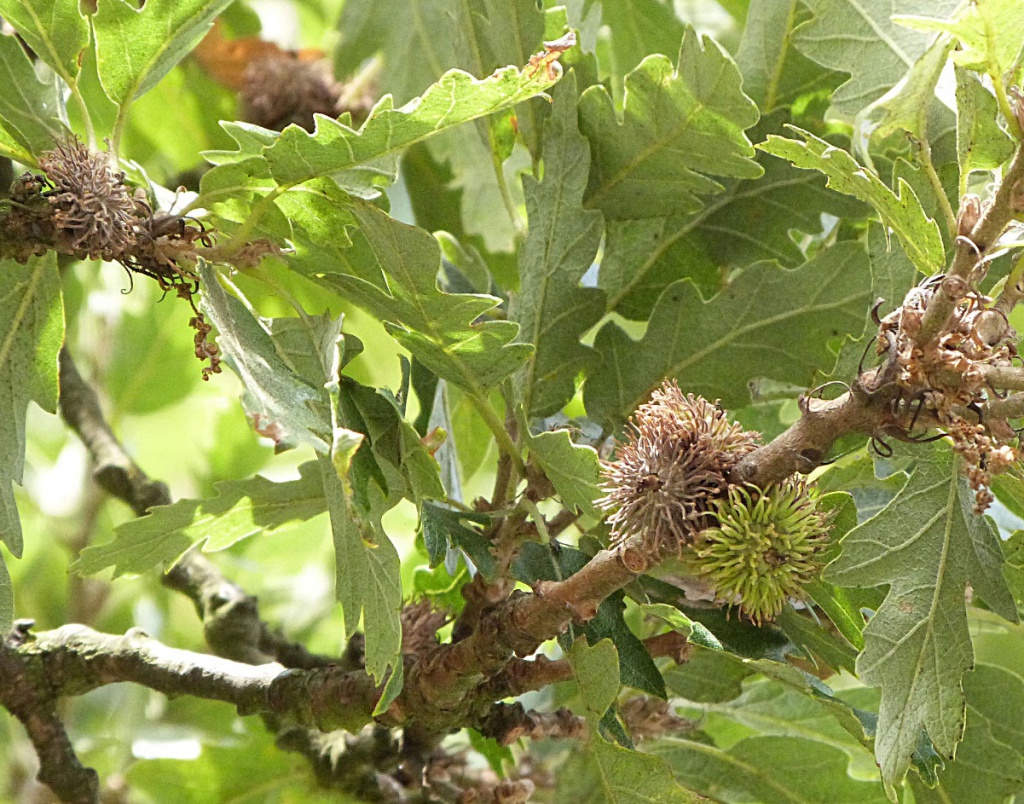
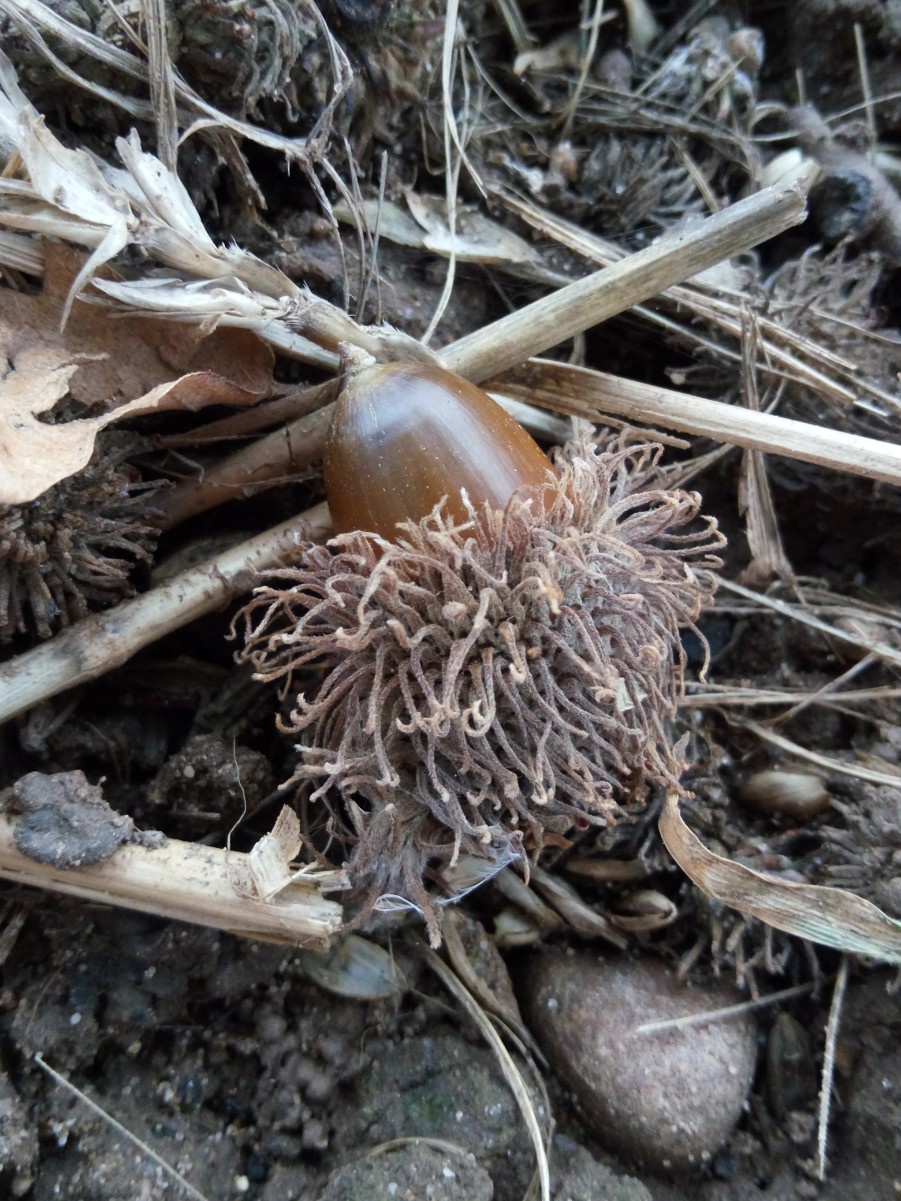
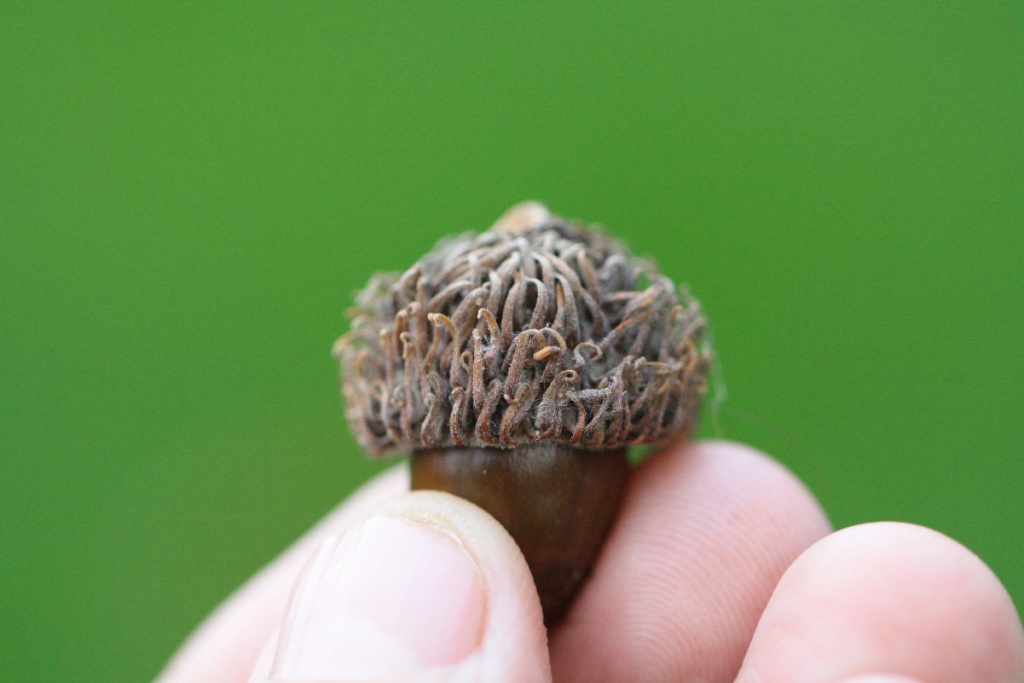
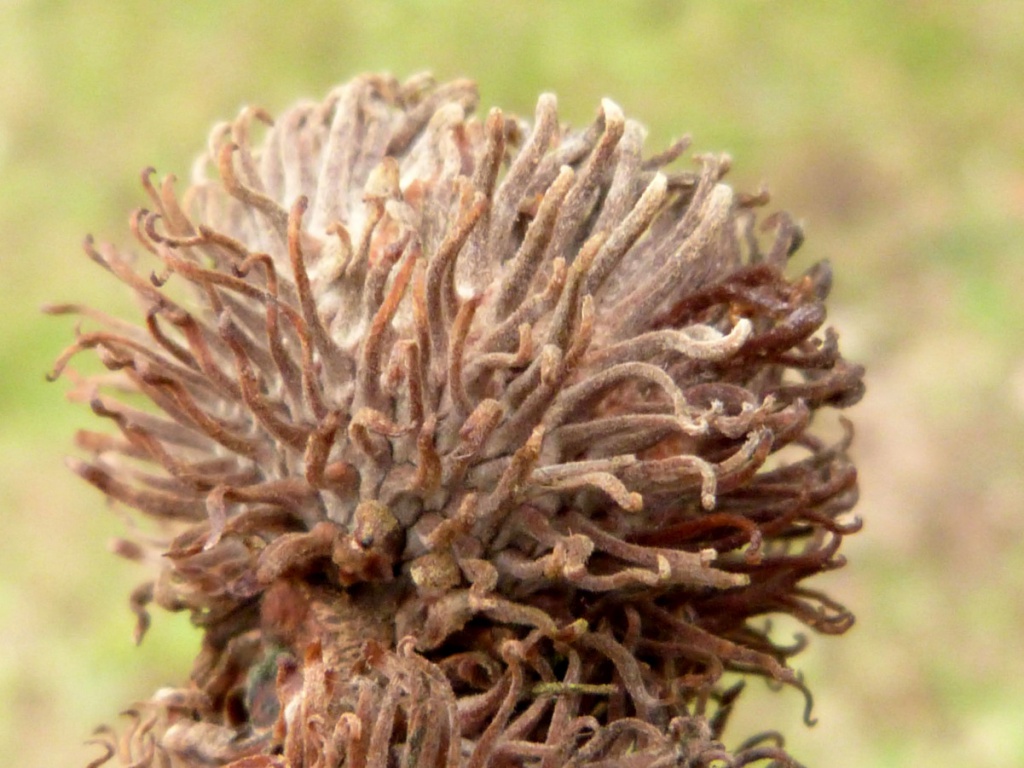
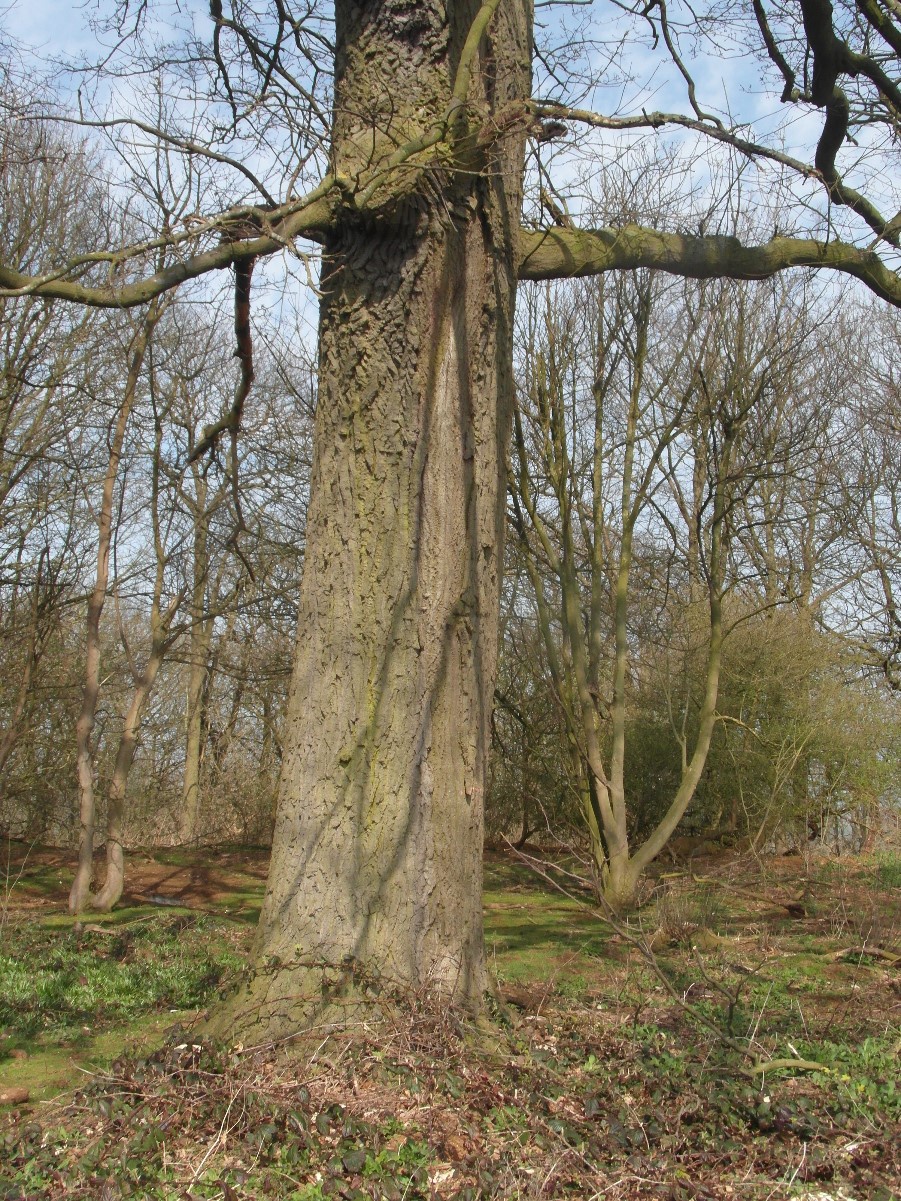
A large deciduous tree up to 37m tall with a trunk diameter up to 2 metres. The terminal bud of the twigs is protected by numerous stipules which persist, even on mature leaves. Leaves rather unevenly lobed, dull green and slightly rough above, downy beneath and stalked. The very short stalked acorns ripen in the second year, the acorn cup is surrounded by tassel like scales.

Roadside verges, parks and woodland.
Flowering May to June.
Deciduous Tree.
Not particularly common in Britain but widely spread in most of England and Wales with fewer records from northern England and Scotland.
Occasional in Leicestershire and Rutland. In the 1979 Flora survey of Leicestershire it was found in 57 of the 617 tetrads.
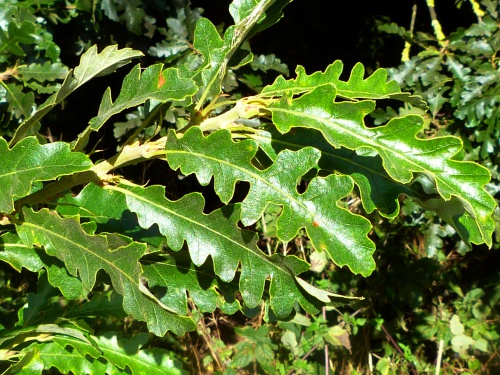 Graham Calow
Ullesthorpe Stewrdship Farm
29 August 2016
leaves Graham Calow
Ullesthorpe
29 August 2016
acorn David Nicholls
Ratby, Burroughs Wood
24 August 2020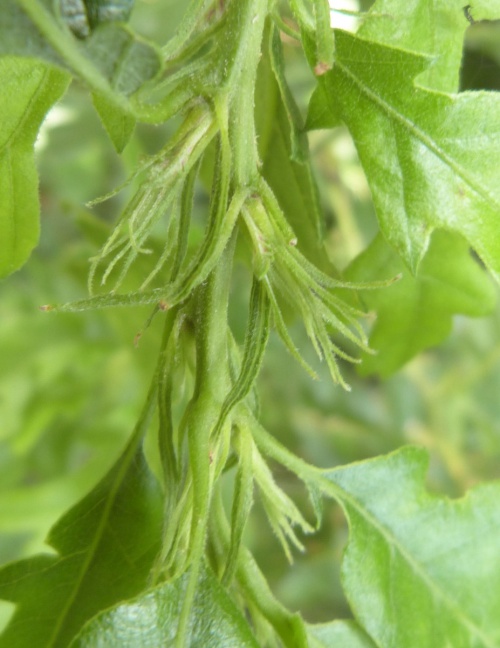 Graham Calow
Burbage, Tilton Road Park
15 June 2020
persistent stipules that form around the buds Graham Calow
Sapcote, Lay-by on B4114
17 May 2020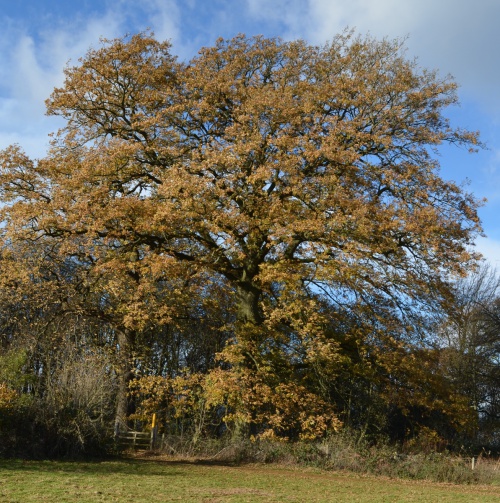 Steve Mathers
Jubilee Way (Terrace Hills to Belvoir)
18 November 2016
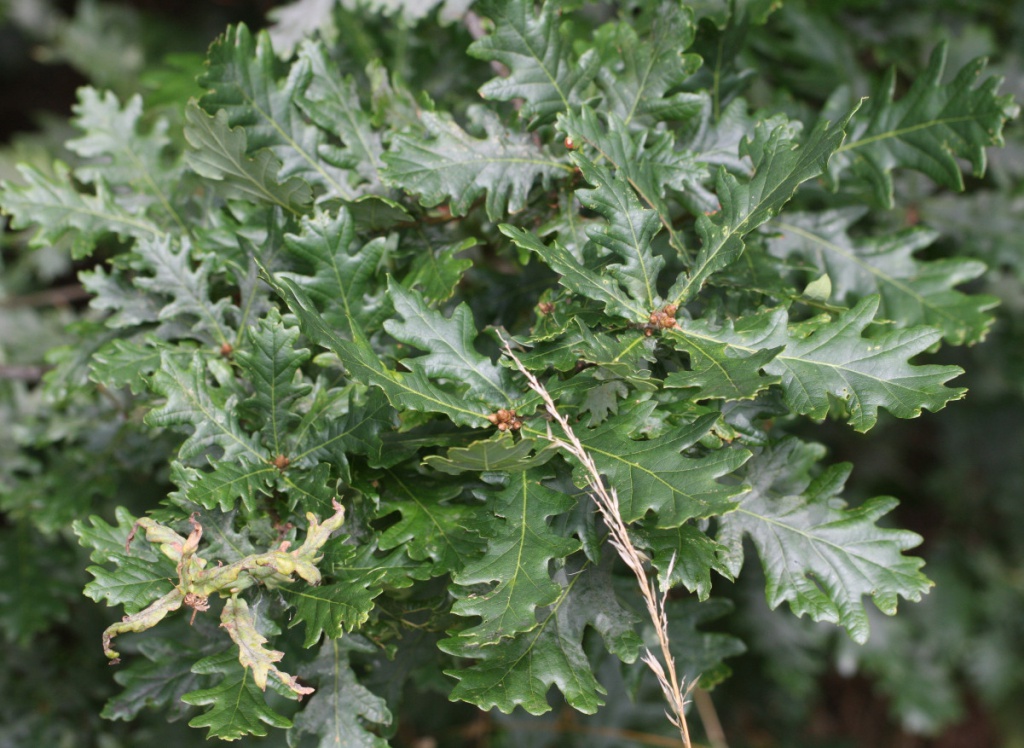
overall form 20m high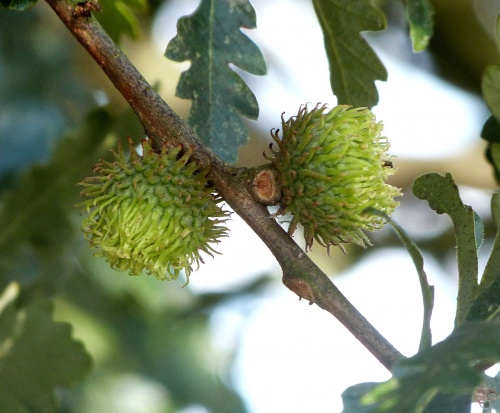 Graham Calow
Ullesthorpe Stewrdship Farm
29 August 2016
acorns


Leicestershire & Rutland Map
Enter a town or village to see local records
MAP KEY:
Yellow squares = NBN records (all known data)
Coloured circles = NatureSpot records: 2025+ | 2020-2024 | pre-2020
UK Map
Species profile
- Common names
- Turkey Oak
- Species group:
- flowering plant
- Kingdom:
- Plantae
- Order:
- Fagales
- Family:
- Fagaceae
- Records on NatureSpot:
- 57
- First record:
- 15/07/2010 (Calow, Graham)
- Last record:
- 31/10/2025 (Smith, Peter)
Total records by month
% of records within its species group
10km squares with records
The latest images and records displayed below include those awaiting verification checks so we cannot guarantee that every identification is correct. Once accepted, the record displays a green tick.
In the Latest Records section, click on the header to sort A-Z, and again to sort Z-A. Use the header boxes to filter the list.
Latest images
Latest records
 Graham Calow
Sapcote, Lay-by on B4114
17 May 2020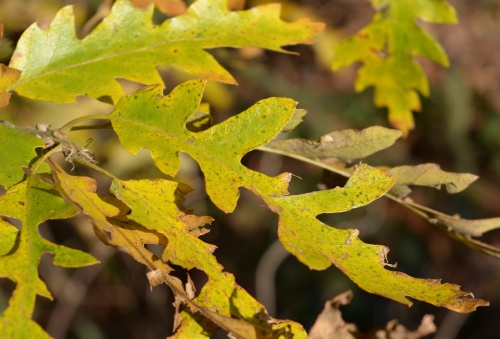 Steve Mathers
Jubilee Way (Terrace Hills to Belvoir)
18 November 2016
leaves turning Lay-By near Leicester Road junction of B4114 Sapcote SP 5041 9306 (taken 2.7.2010).JPG) Graham Calow
Graham Calow
Sapcote
15 July 2010
leaves Peter Smith
Osbaston
18 October 2020 Craig Mabbett
Roman Road Sapcote
21 October 2016 Graham Calow
Frolesworth
29 July 2015
acorns Lay-By near Leicester Road junction of B4114 Sapcote SP 5041 9306 (taken 2.7.2010),,,.JPG) Graham Calow
Graham Calow
Sapcote
15 July 2010
acorns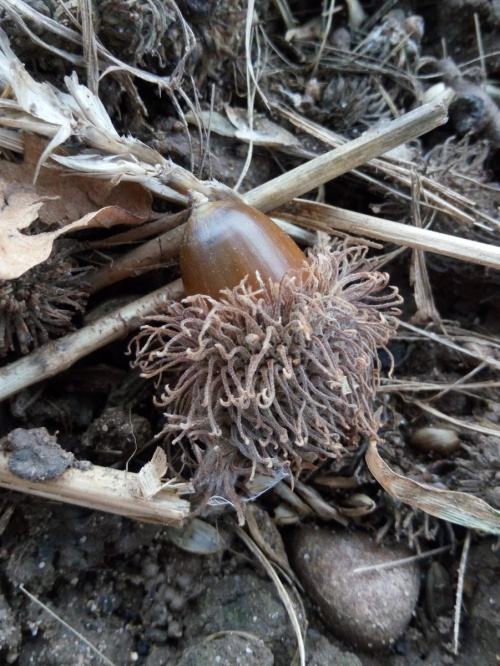 Peter Smith
Osbaston
18 October 2020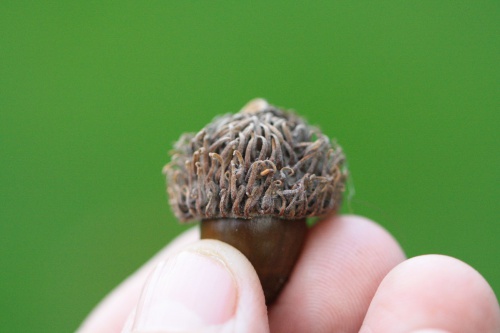 Craig Mabbett
Roman Road Sapcote
21 October 2016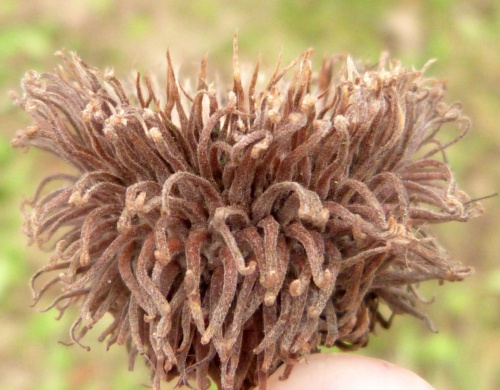 Graham Calow
Sapcote
15 October 2014
old acorn cup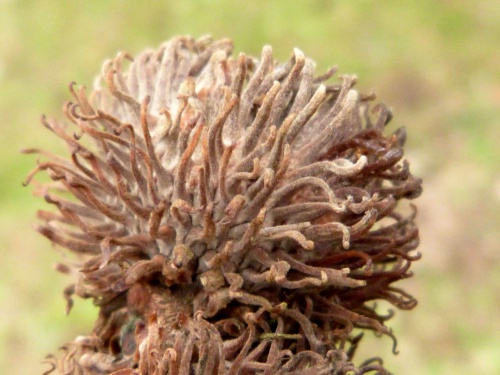 Graham Calow
Sapcote
15 October 2014
old acorn cup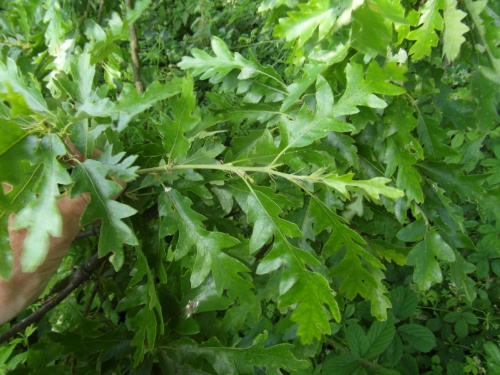 Alan Semper
Belvoir, path G24A
24 June 2015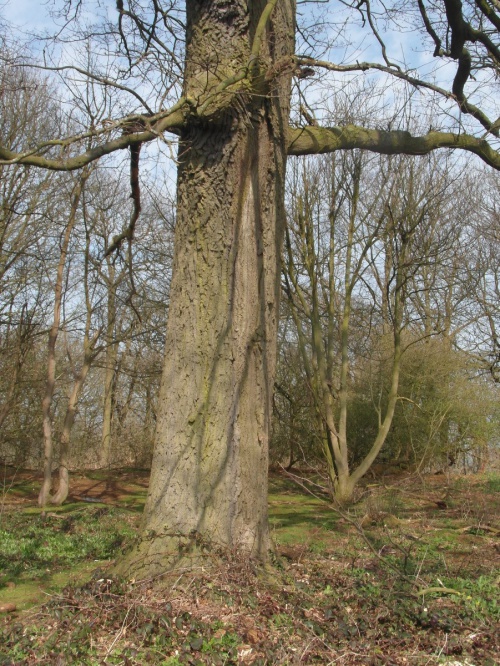 Alan Semper
Belvoir, Old Park Wood
08 April 2015 Steve Mathers
Jubilee Way (Terrace Hills to Belvoir)
18 November 2016
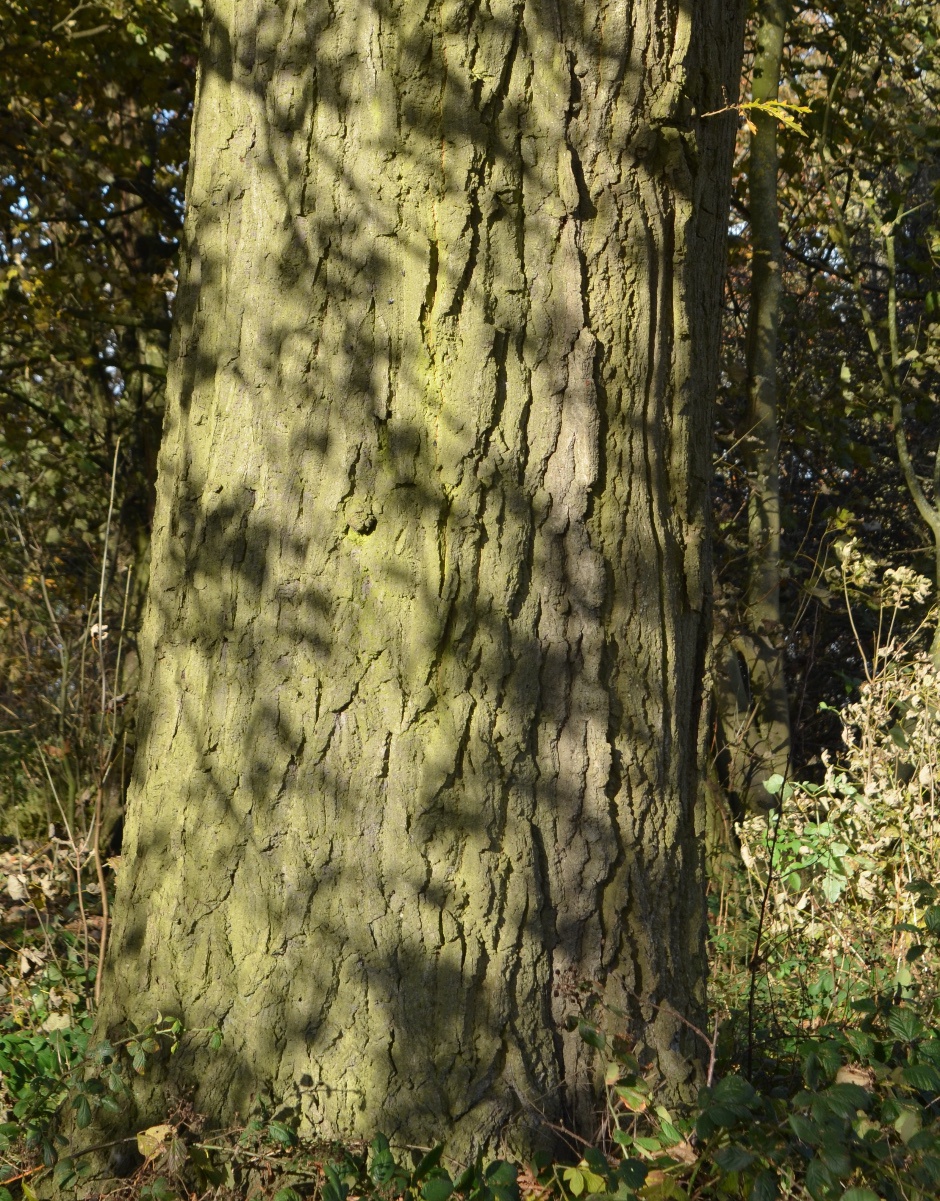
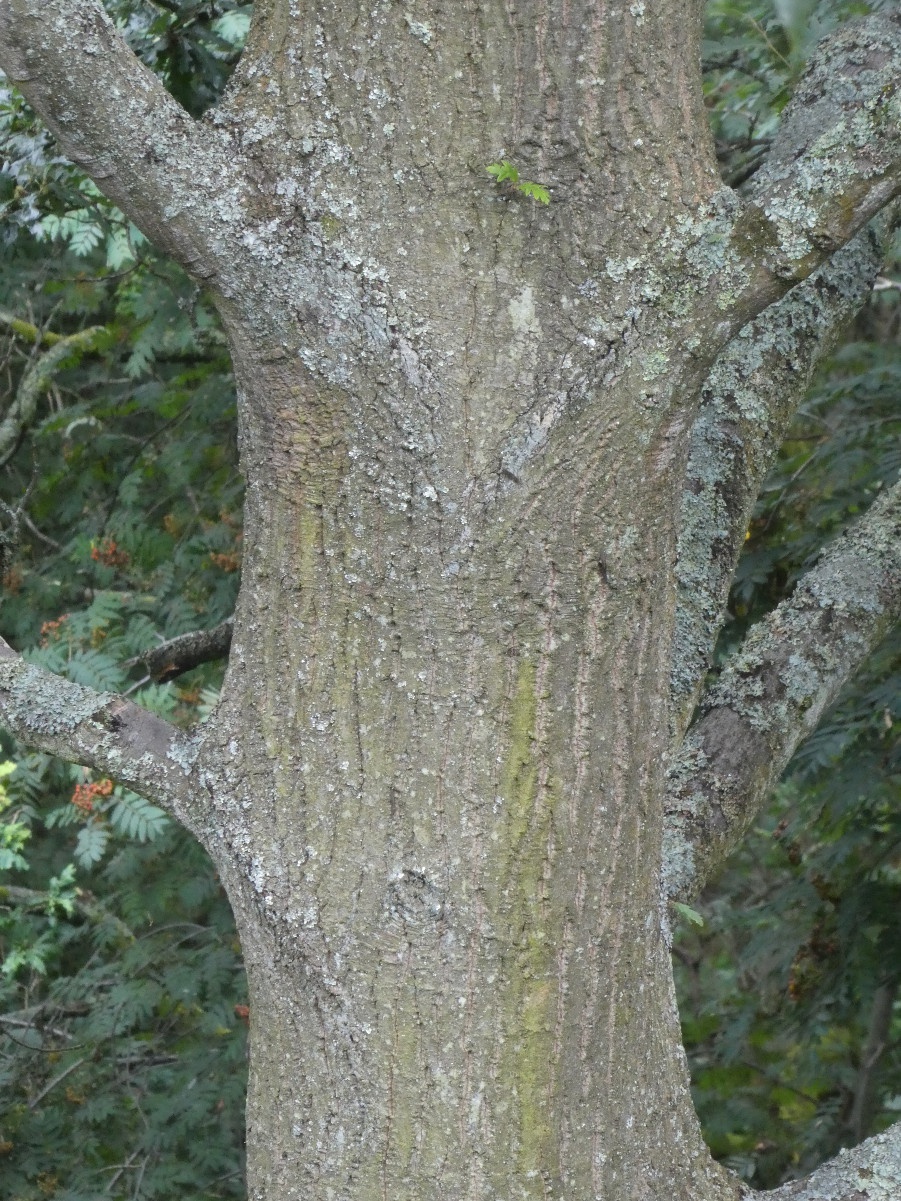
trunk and bark Melinda Bell
Whitwick, Swannymote Wood
28 July 2021 Lay-By near Leicester Road junction of B4114 Sapcote SP 5041 9306 (taken 15.7.2010).JPG) Graham Calow
Graham Calow
Sapcote
15 July 2010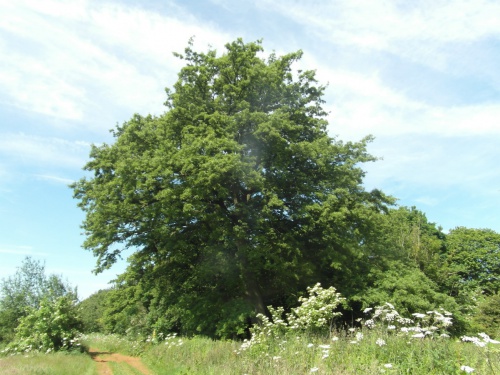 Alan Semper
Belvoir, path G24A
24 June 2015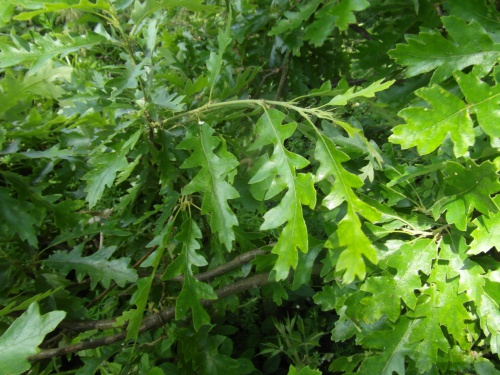 Alan Semper
Belvoir, path G24A
24 June 2015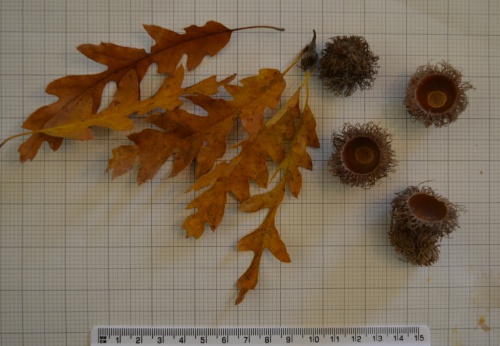 Steve Mathers
Jubilee Way (Terrace Hills to Belvoir)
18 November 2016
leaves and acorn cups


 Lay-By near Leicester Road junction of B4114 Sapcote SP 5041 9306 (taken 2.7.2010).JPG)
 Lay-By near Leicester Road junction of B4114 Sapcote SP 5041 9306 (taken 2.7.2010),,,.JPG)


 Lay-By near Leicester Road junction of B4114 Sapcote SP 5041 9306 (taken 15.7.2010).JPG)


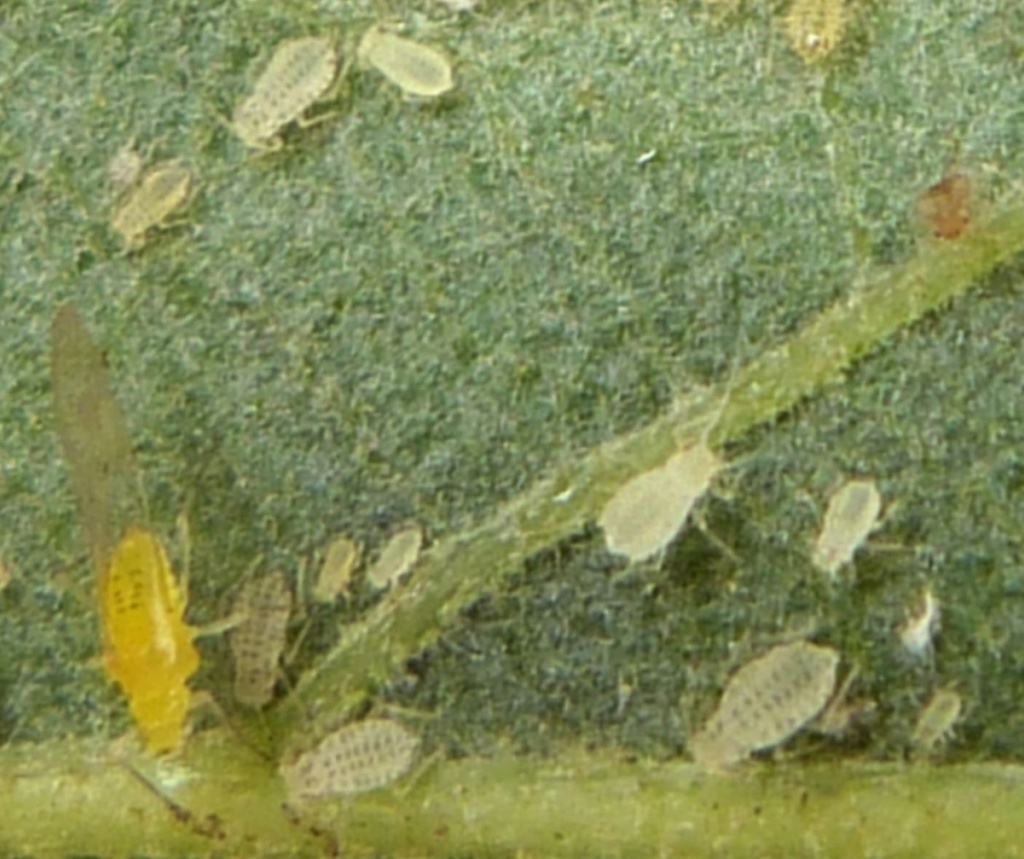
Turkey Oak Aphid
In Britain The Turkey Oak Aphid (Myzocallis boerneri) lives mainly on the undersides of leaves of Turkey Oak. Abroad some additional Oak species are also used. The body length of the alatae is 1.3 to 2.2 mm. For most of the year, immature Myzocallis boerneri are very pale yellow, or whitish with paired dusky spinal and marginal spots and many capitate hairs on the dorsum. Adult viviparous alatae of Myzocallis boerneri are yellowish, with the head and thorax sometimes partly dusky. The dorsal abdomen has a paired row of dark flat-elliptical spinal spots and variably developed marginal spots.
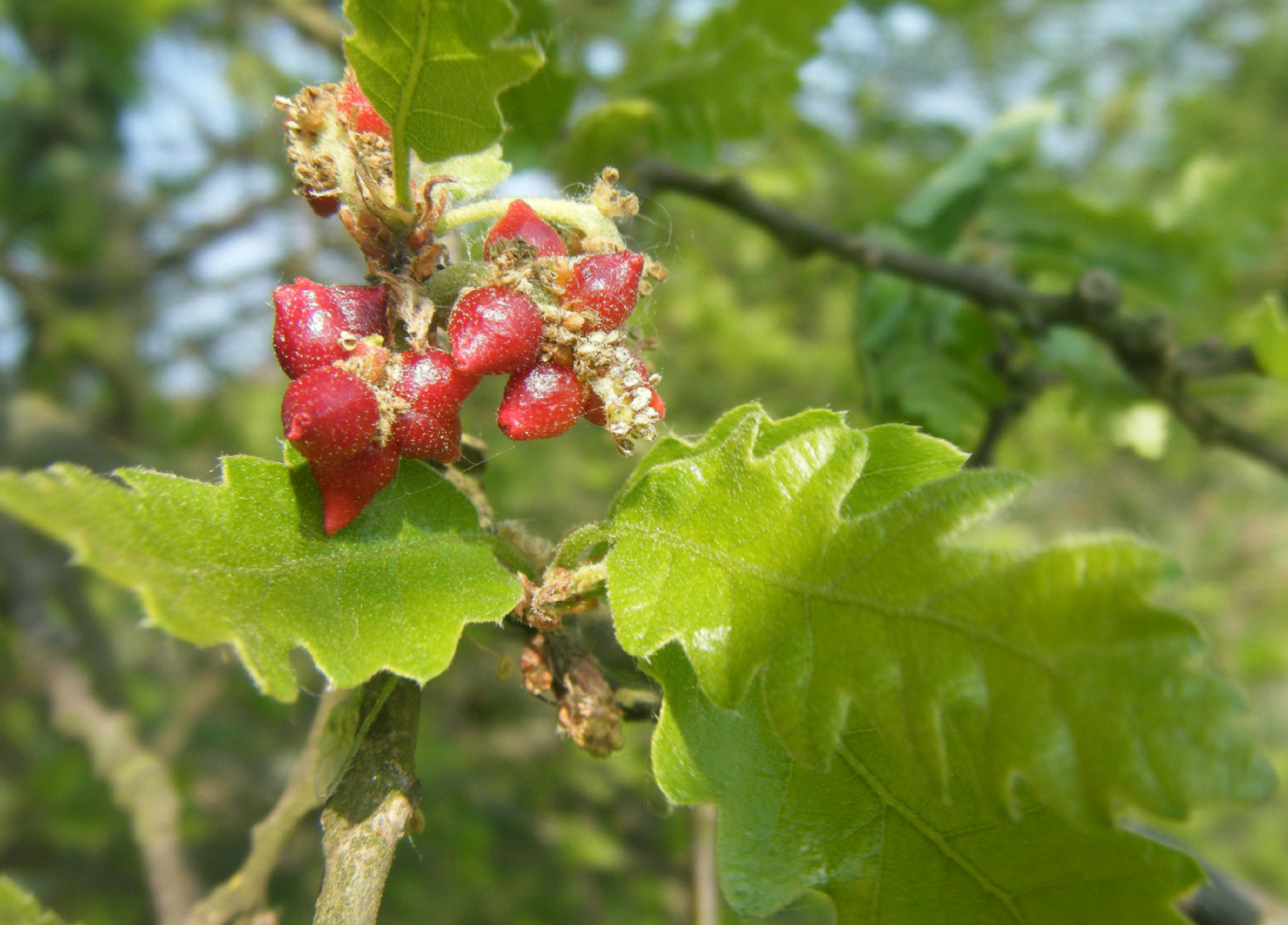
Andricus grossulariae f. sexual
The sexual generation of the gall wasp Andricus grossulariae causes galls on the catkins of Turkey Oak in Spring. These galls grow to about 6mm and shaped like pointed peas; green at first, then becoming bright red. The vacated brown galls often persist into autumn.
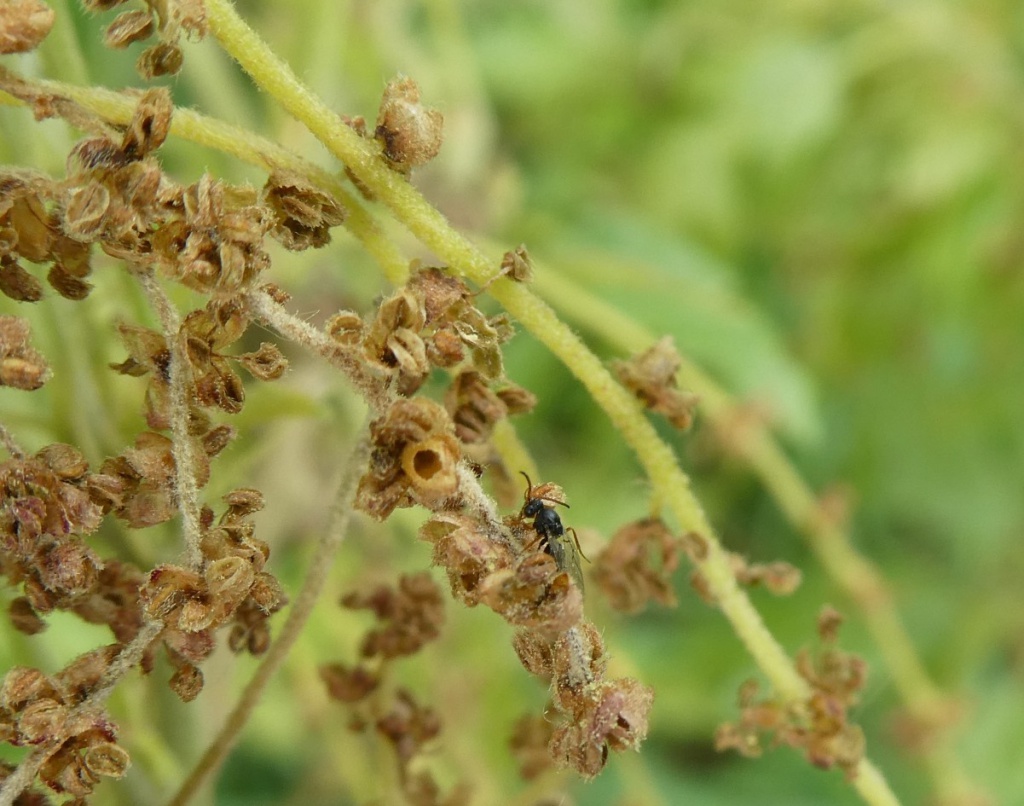
Andricus quercuscalicis f. sexual
Inconspicuous sexual generation galls are caused by the gall wasp Andricus quercuscalicis on the catkins of Turkey Oak. They are small (1.5mm - 2mm) and rounded/cone-shaped; green at first and then brown.
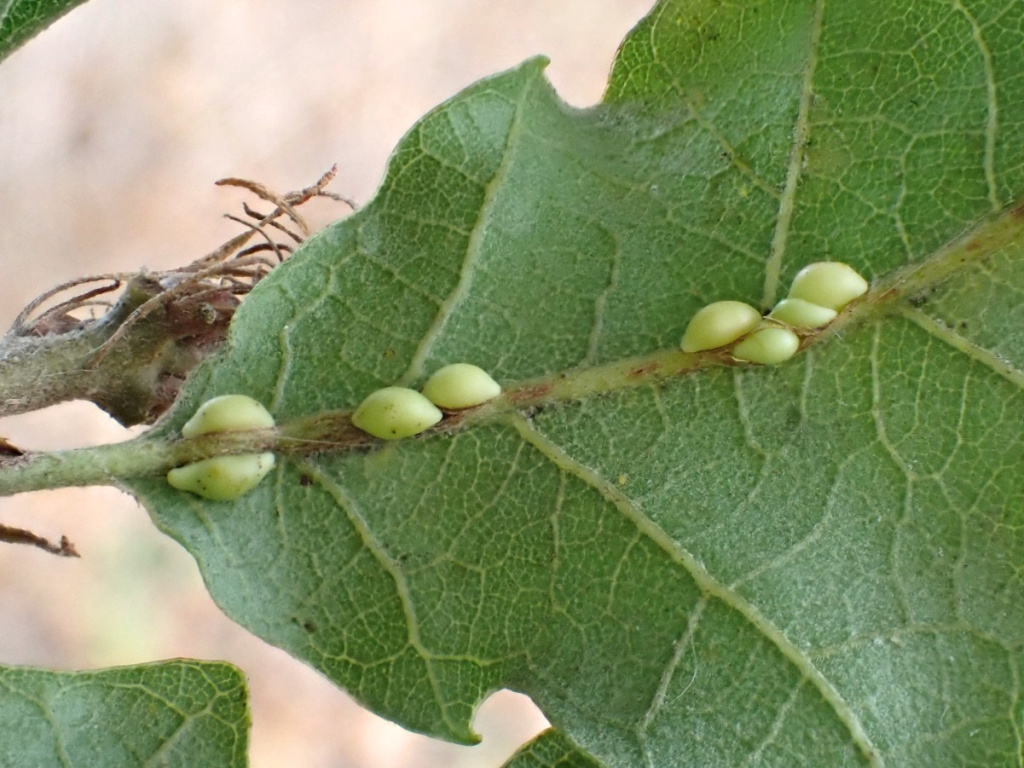
Pseudoneuroterus saliens f. agamic
The larva of the Cynipid gall wasp produces galls on Turkey Oak or Lucombe Oak (a hybrid between Turkey Oak and Cork Oak). The spindle-shaped agamic gall (like a slender cowrie shell or Cornish pasty) is attached to a twig, petiole or midrib, often several in a row. The gall is up to 3 mm long, hard, shiny, sometimes with a few length ridges, green at first becoming reddish brown and spotted, or brown later.
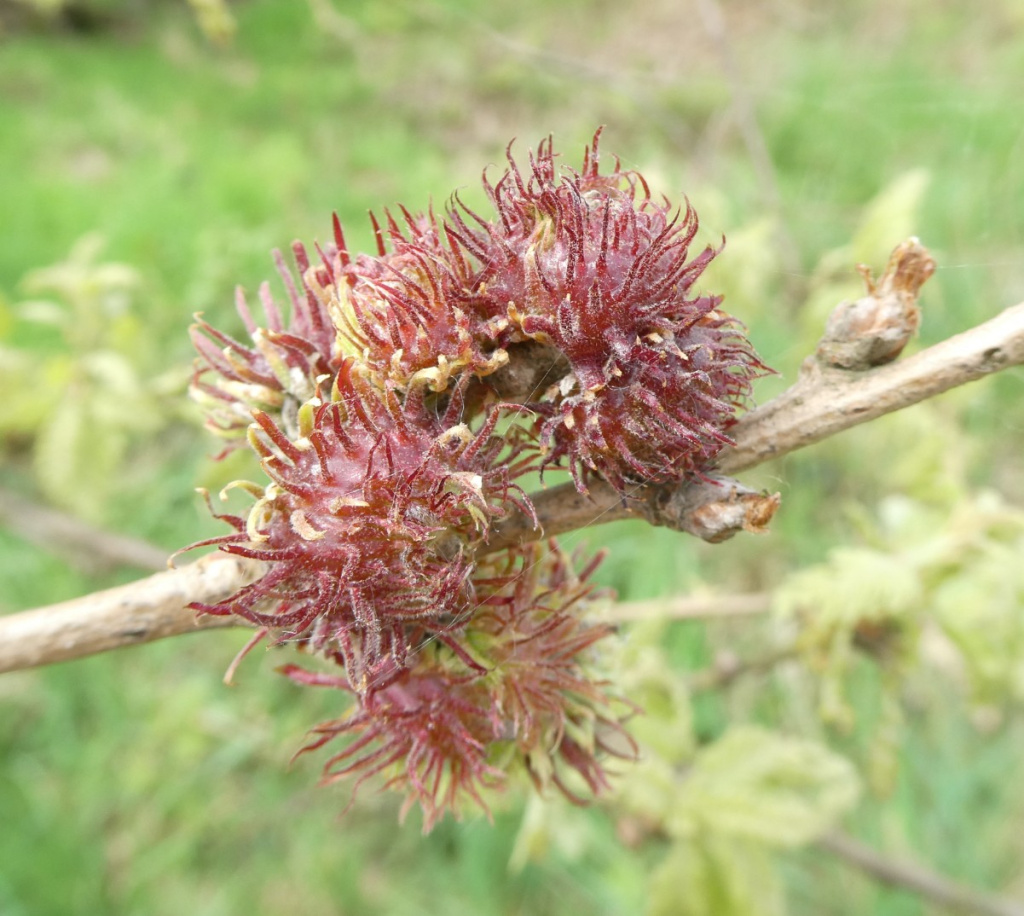
Pseudoneuroterus saliens f. sexual
The larva of the Cynipid gall wasp produces galls on Turkey Oak or Lucombe Oak (a hybrid between Turkey Oak and Cork Oak). The sexual gall is on Turkey Oak acorns; the acorn is slightly swollen and may be flushed red or with red 'tentacles'.
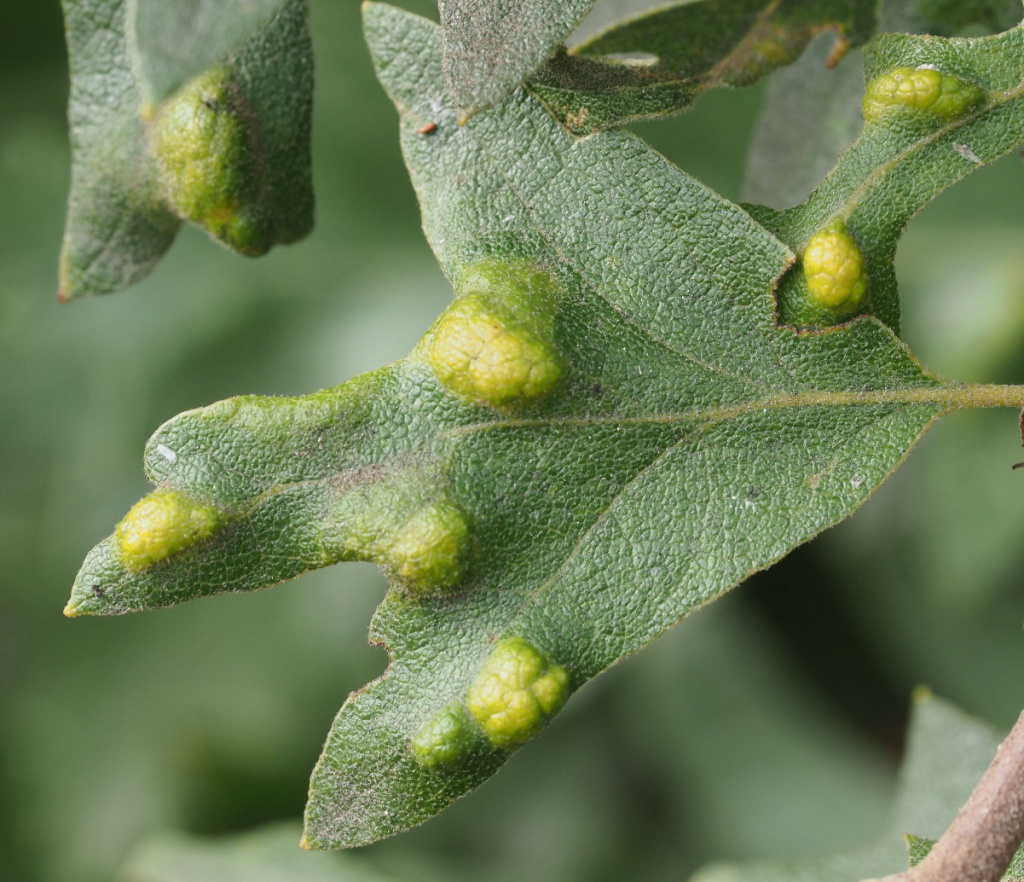
Aceria cerrea
Aceria cerrea mites cause galls on the leaves of Turkey Oak. These take the form of blister like bulges with a corresponding depression below which is felted with erineum hairs, some long.