

Green Alkanet - Pentaglottis sempervirens
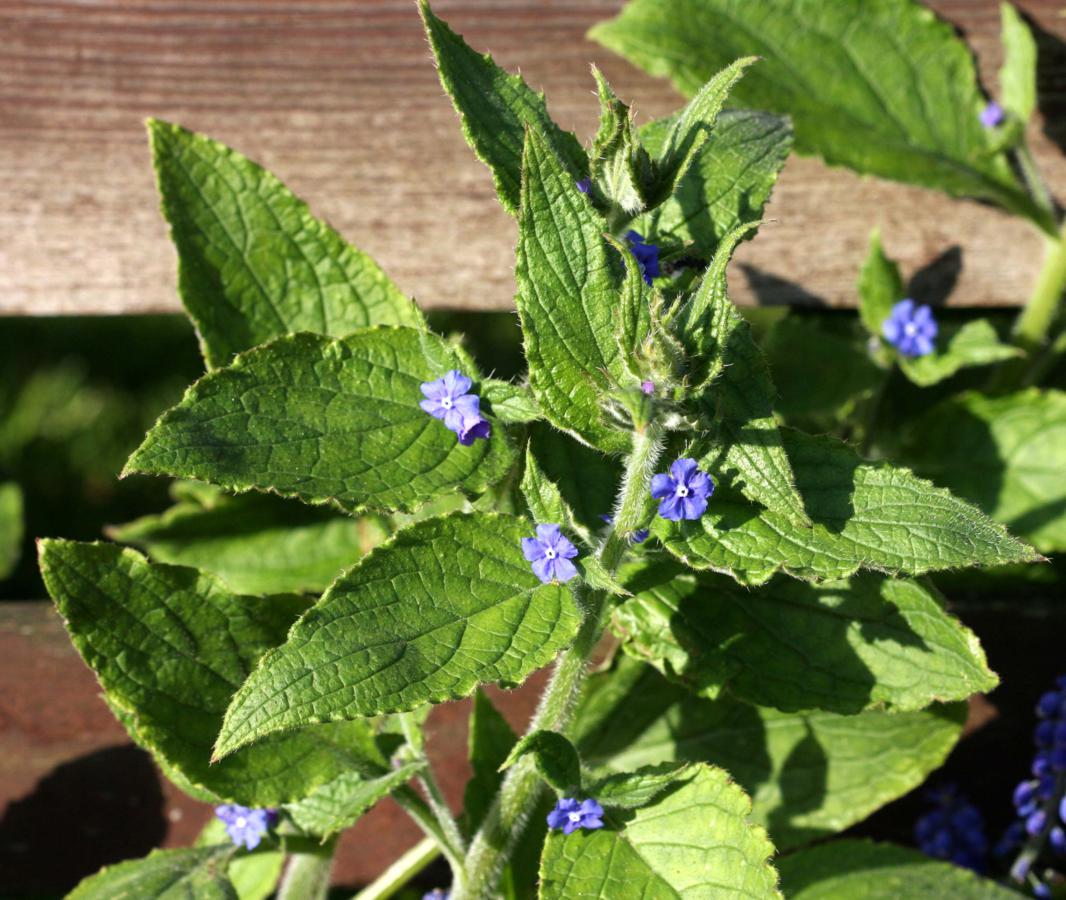
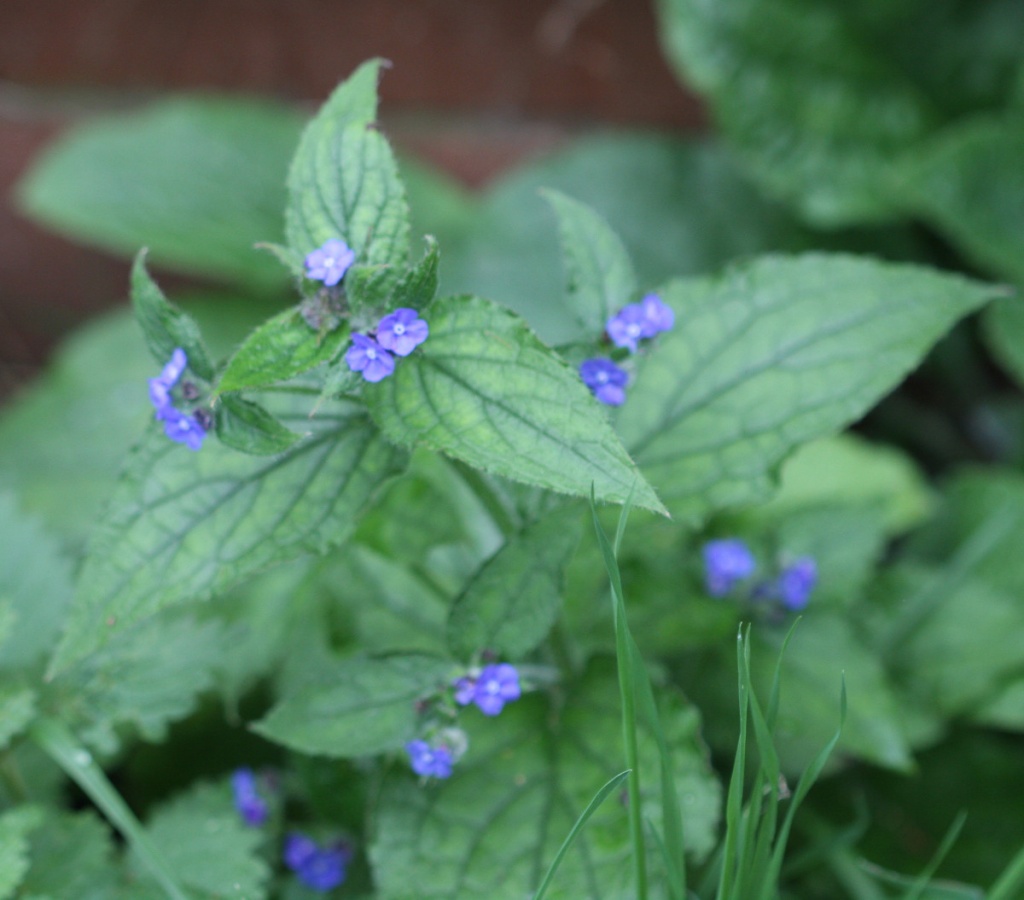
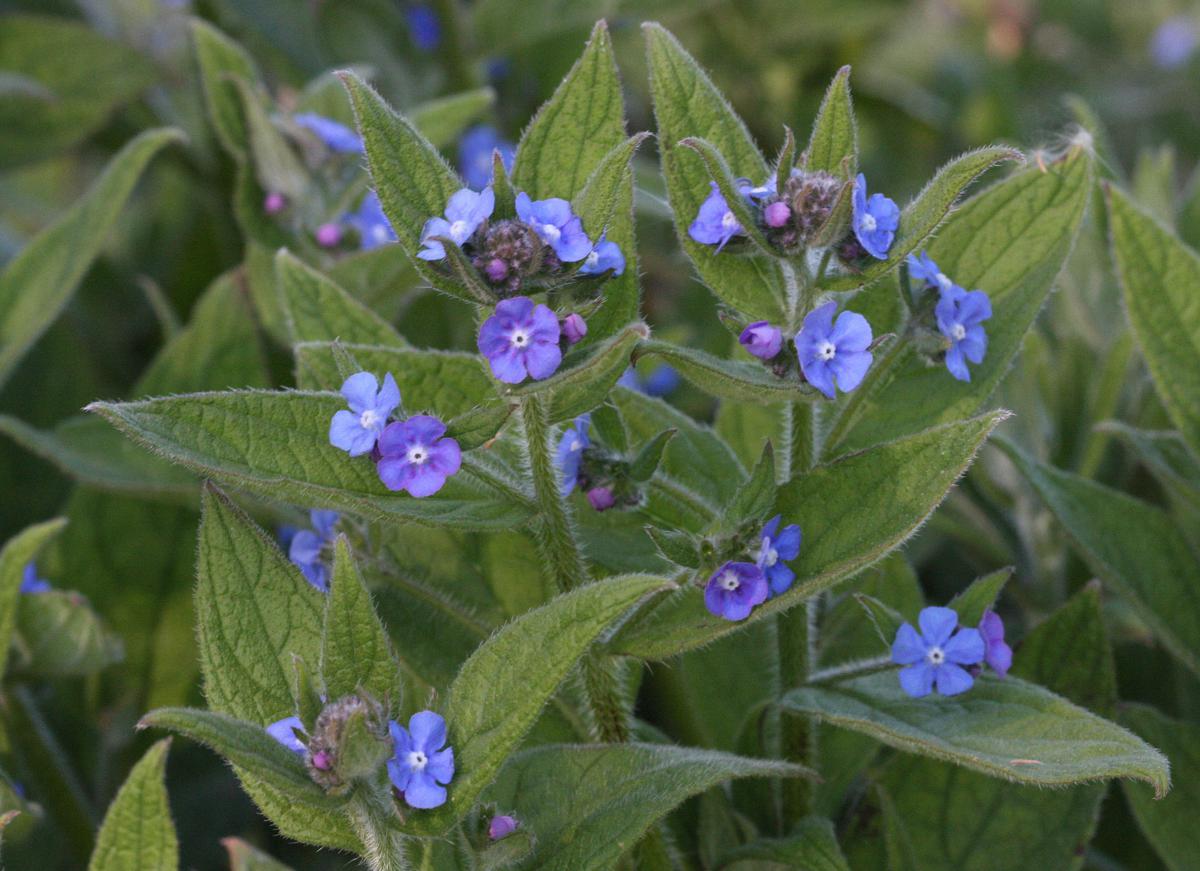
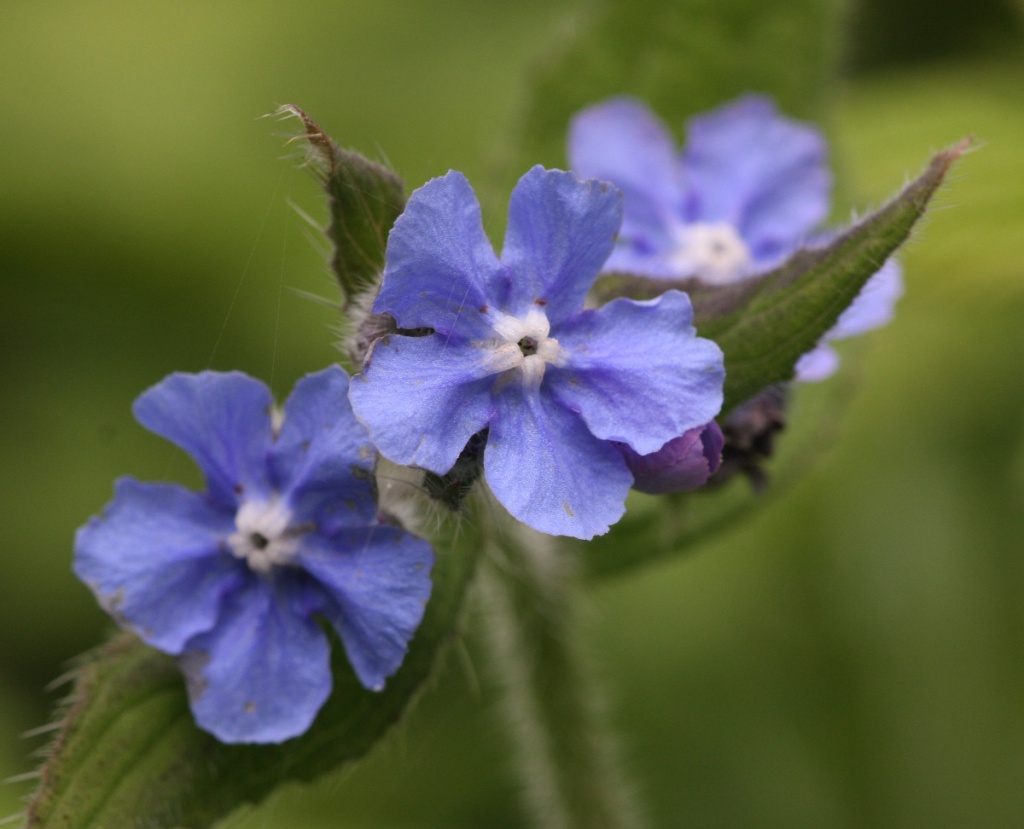
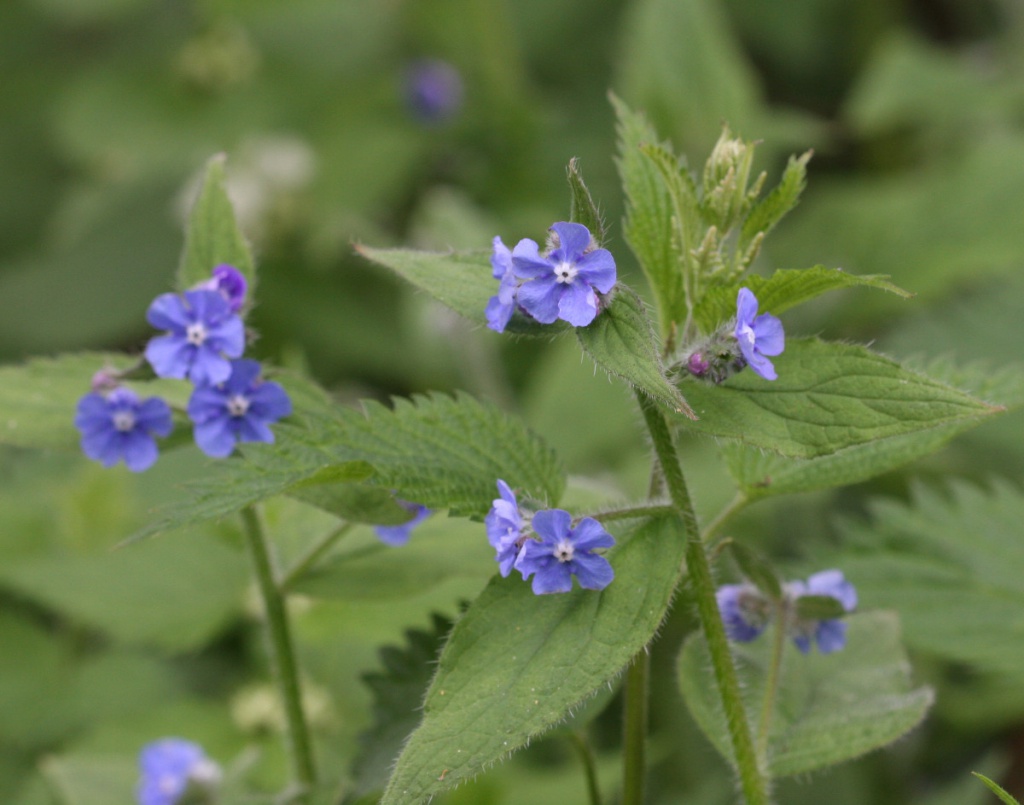
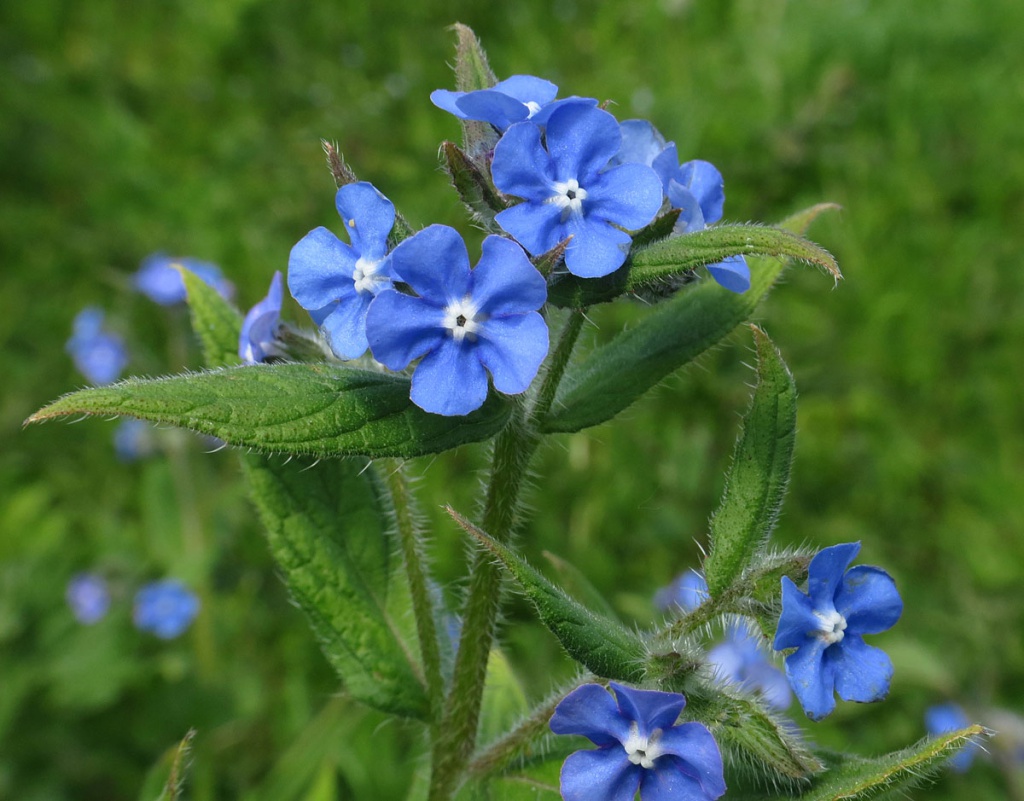
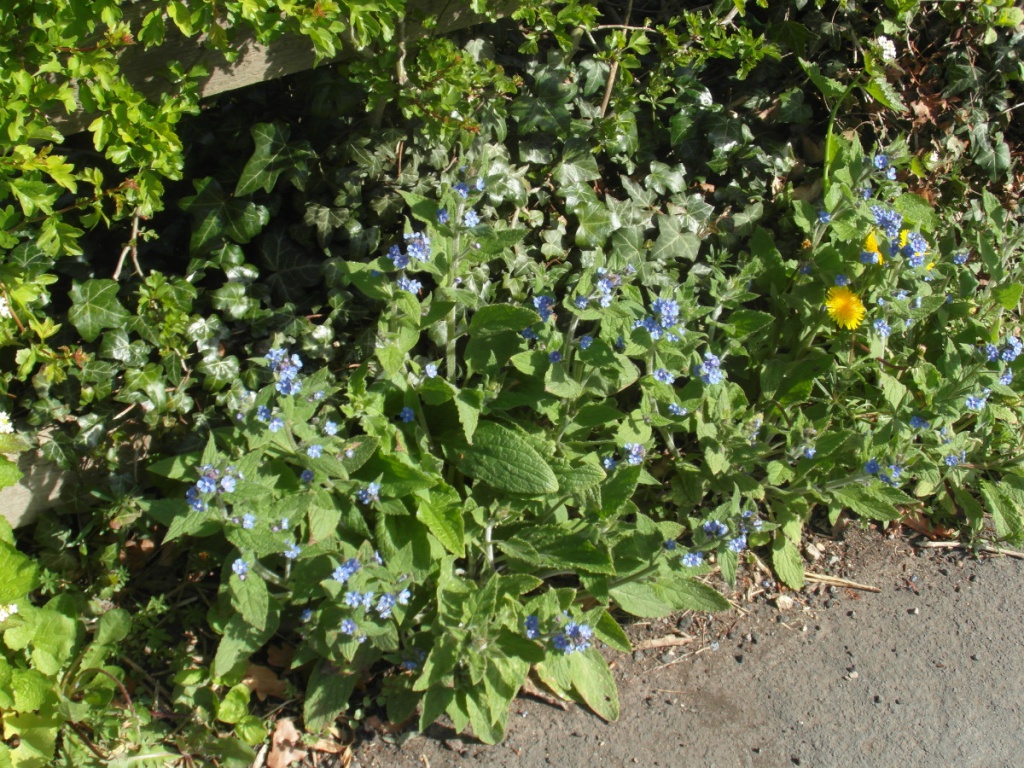
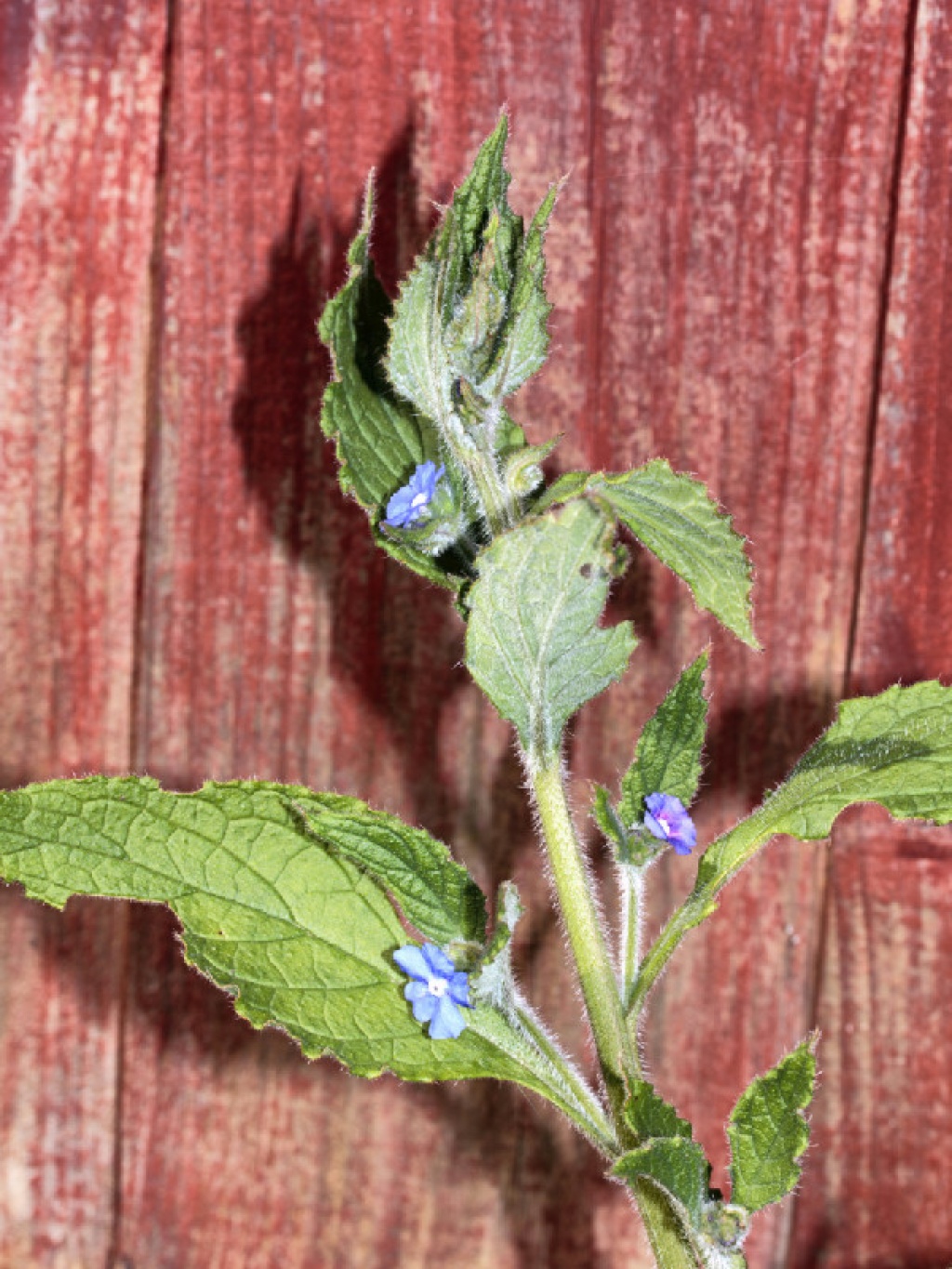
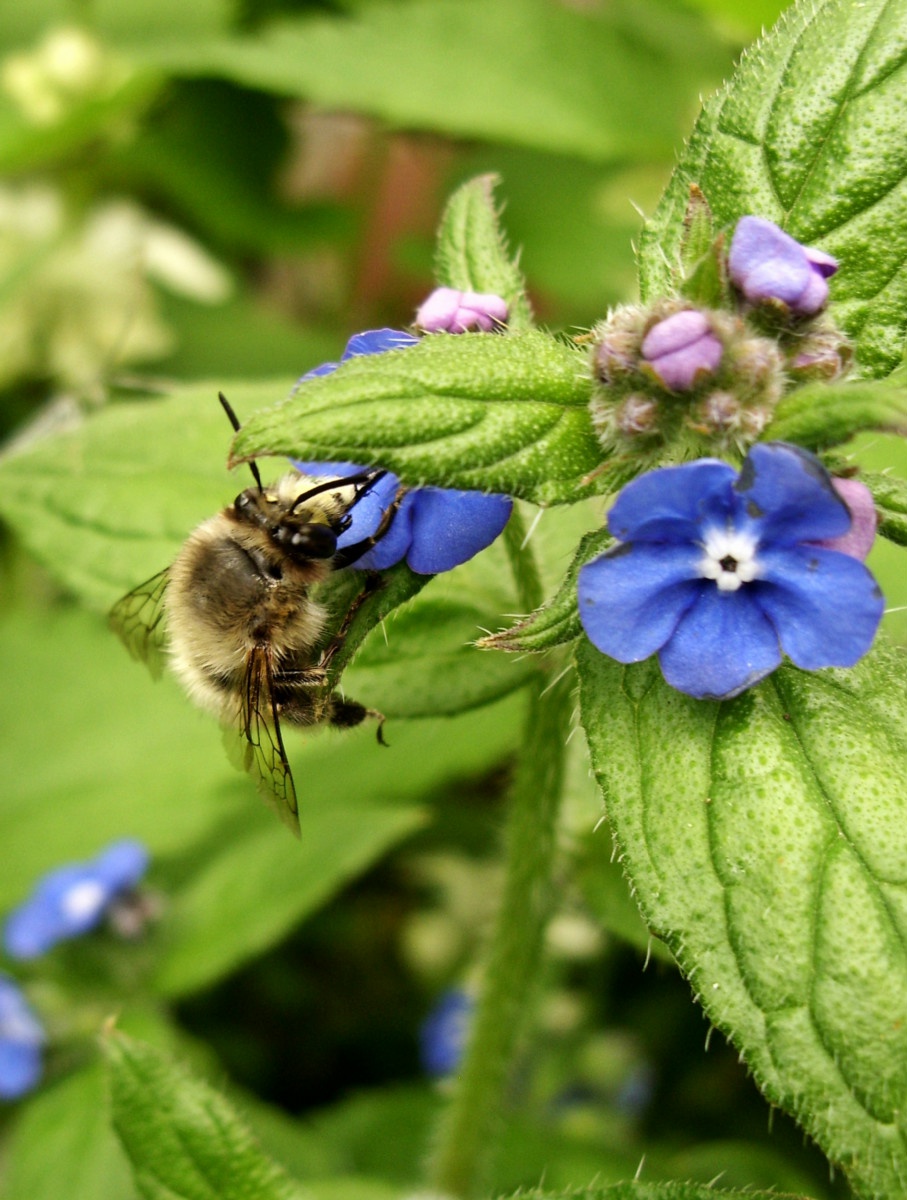
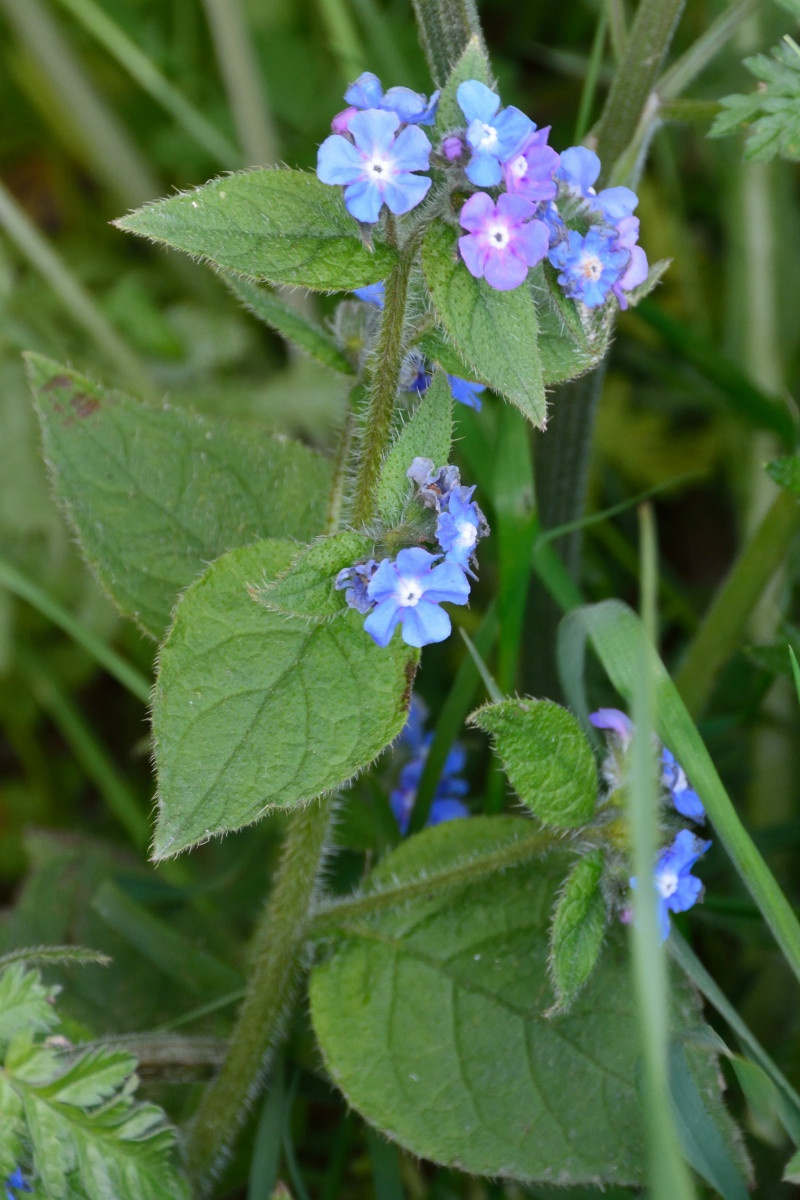
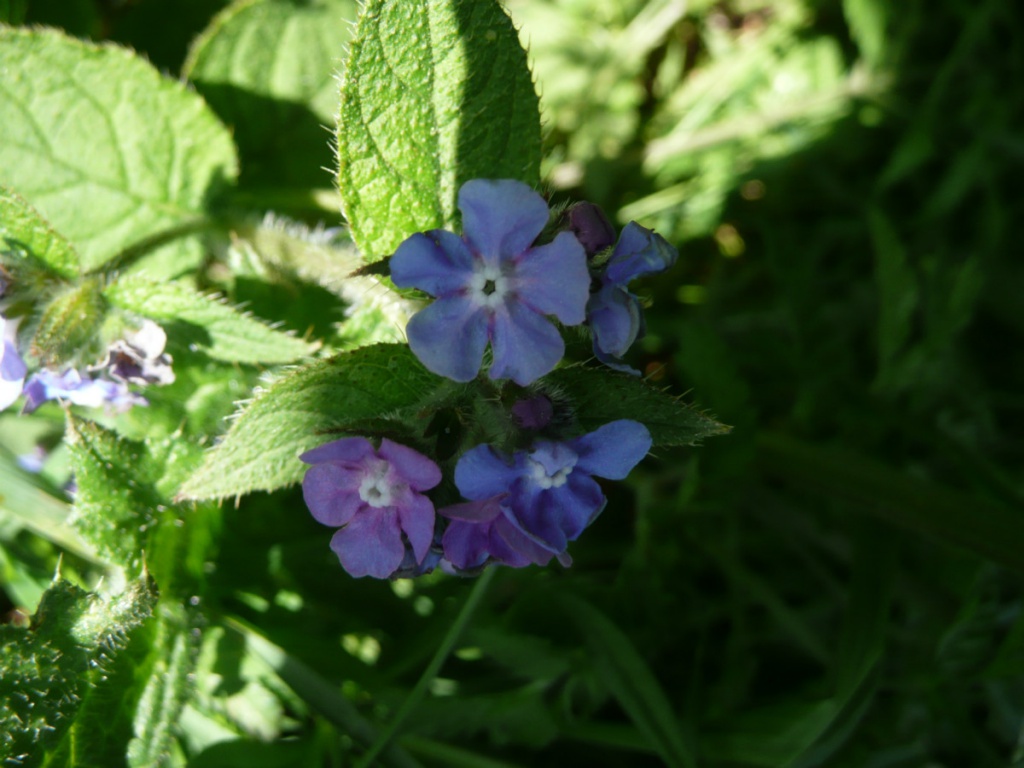
A bristly plant usually of 30 to 60 cm in height. Stems branched, stem leaves unstalked. Flowers bright blue with a white scaly throat 8 to 10 mm in small long-stalked leafy cymes.

Damp or shady habitats, woodland margins, hedgebanks and cultivated land.
April to July.
Perennial.
Frequent and widespread throughout most of Britain except the extreme north.
Now common in Leicestershire and Rutland. In the 1979 Flora survey of Leicestershire it was found in just 50 of the 617 tetrads.
 Church Walk Sapcote SP 4894 9321 (taken 19.5.2007).JPG) Graham Calow
Graham Calow
Sapcote
19 May 2007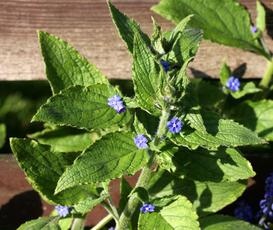 David Nicholls
Wirlybones Wood, Ratby
18 April 2009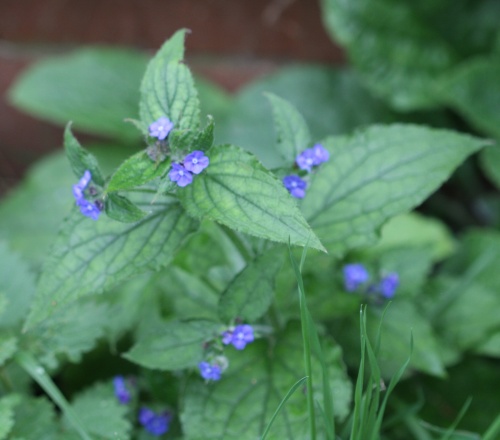 David Nicholls
Ratby Church
19 October 2012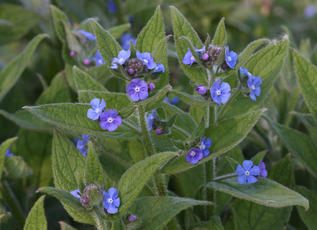 David Nicholls
Narborough Bog
02 May 2011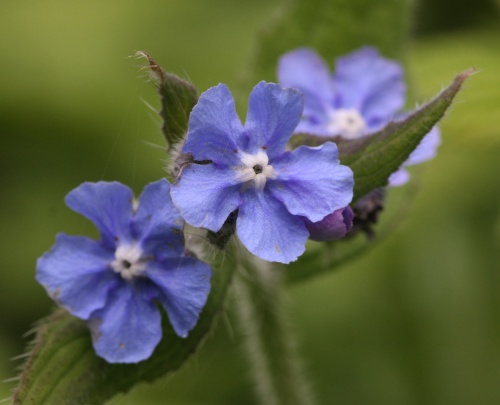 David Nicholls
Aylestone Meadows
18 May 2013
 Church Walk Sapcote SP 4894 9321 (taken 19.5.2007).JPG)
Leicestershire & Rutland Map
Enter a town or village to see local records
MAP KEY:
Yellow squares = NBN records (all known data)
Coloured circles = NatureSpot records: 2025+ | 2020-2024 | pre-2020
UK Map
Species profile
- Common names
- Green Alkanet
- Species group:
- flowering plant
- Kingdom:
- Plantae
- Order:
- Family:
- Boraginaceae
- Records on NatureSpot:
- 330
- First record:
- 19/05/2007 (Calow, Graham)
- Last record:
- 13/04/2026 (Gaten, Ted)
Total records by month
% of records within its species group
10km squares with records
The latest images and records displayed below include those awaiting verification checks so we cannot guarantee that every identification is correct. Once accepted, the record displays a green tick.
In the Latest Records section, click on the header to sort A-Z, and again to sort Z-A. Use the header boxes to filter the list.
Latest images
Latest records
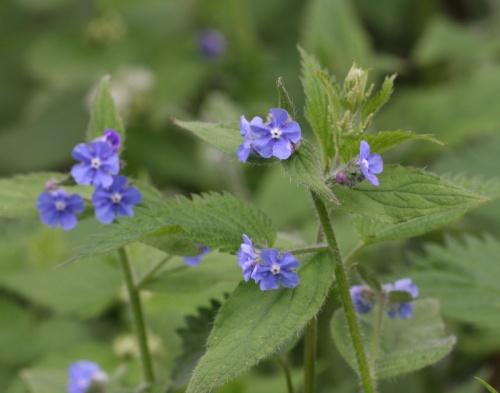 David Nicholls
Aylestone Meadows
18 May 2013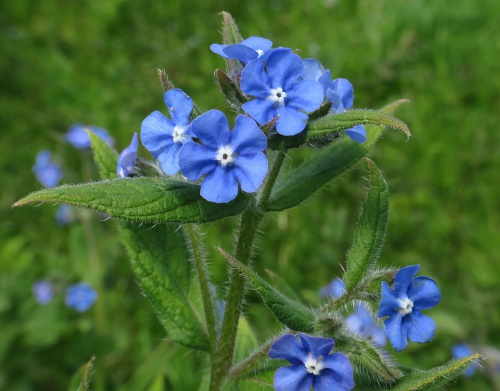 David Gould
Narborough Bog, Leics
21 May 2015 Near Granitethorpe Quarry Sapcote SP 4950 9364 (taken 1.5.2008).JPG) Graham Calow
Graham Calow
Sapcote
19 May 2007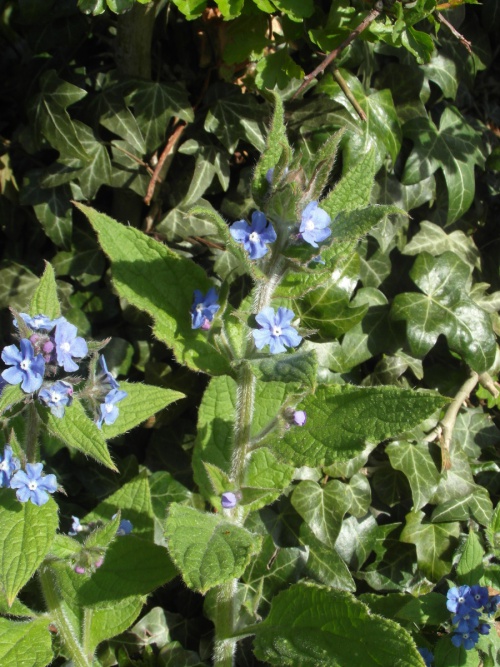 Alan Semper
Bottesford, hedge bottom
03 May 2013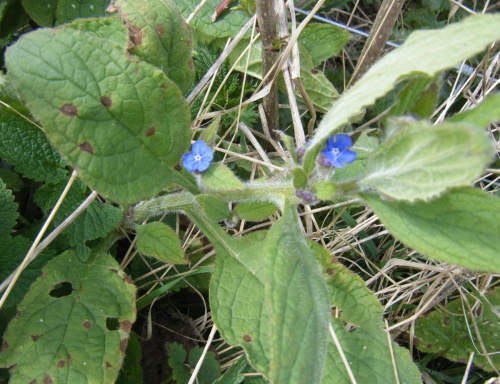 Graham Calow
Sapcote
15 April 2013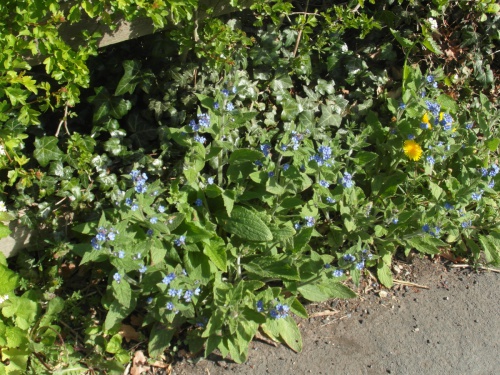 Alan Semper
Bottesford, hedge bottom
03 May 2013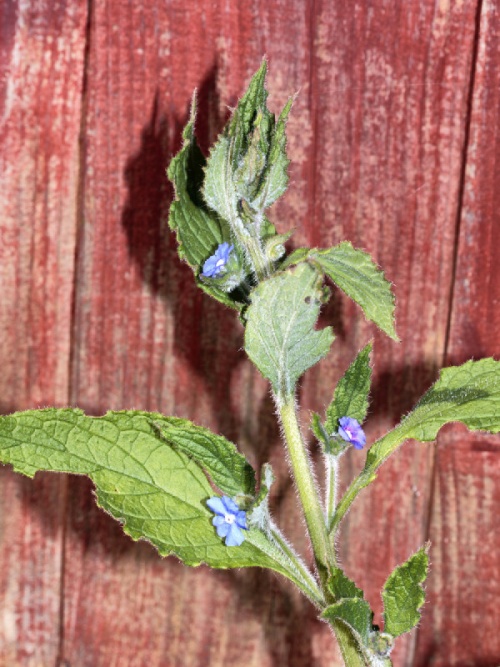 HAPeacock
Leicester Garden
29 March 2012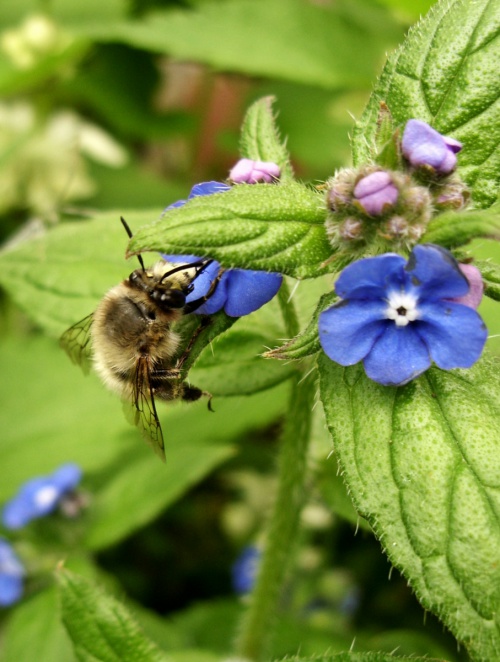 Lostash
Station Street Track, Whetstone
17 May 2013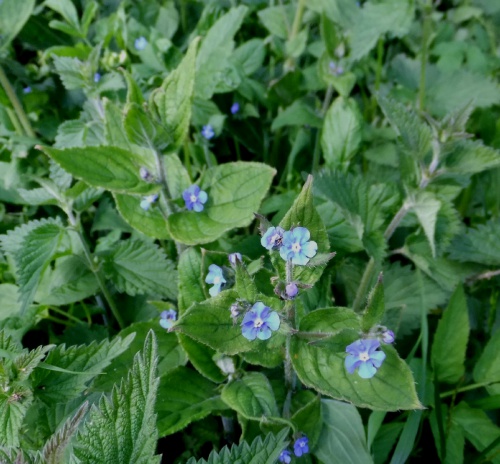 Ron.stevens
Ullesthorpe Stewardship Farm
27 May 2013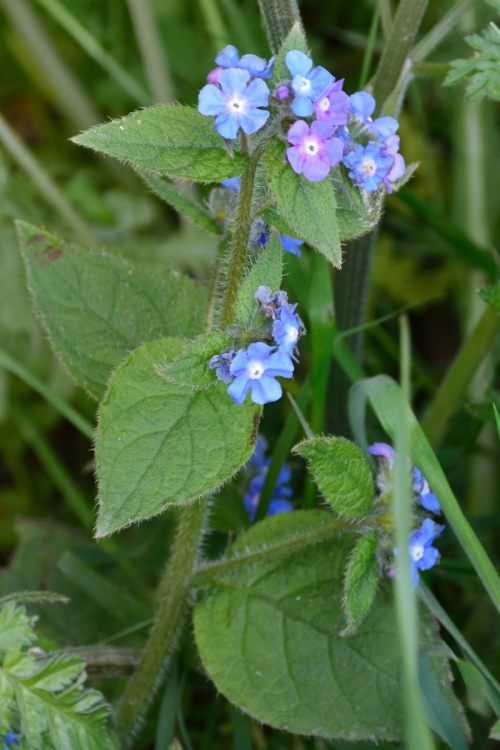 Barbara Cooper
Grantham canal, Hose
27 May 2013 Barbara Cooper
Grantham canal, Hose
27 May 2013
 Near Granitethorpe Quarry Sapcote SP 4950 9364 (taken 1.5.2008).JPG)


Agromyza abiens/myosotidis/lithospermi agg.
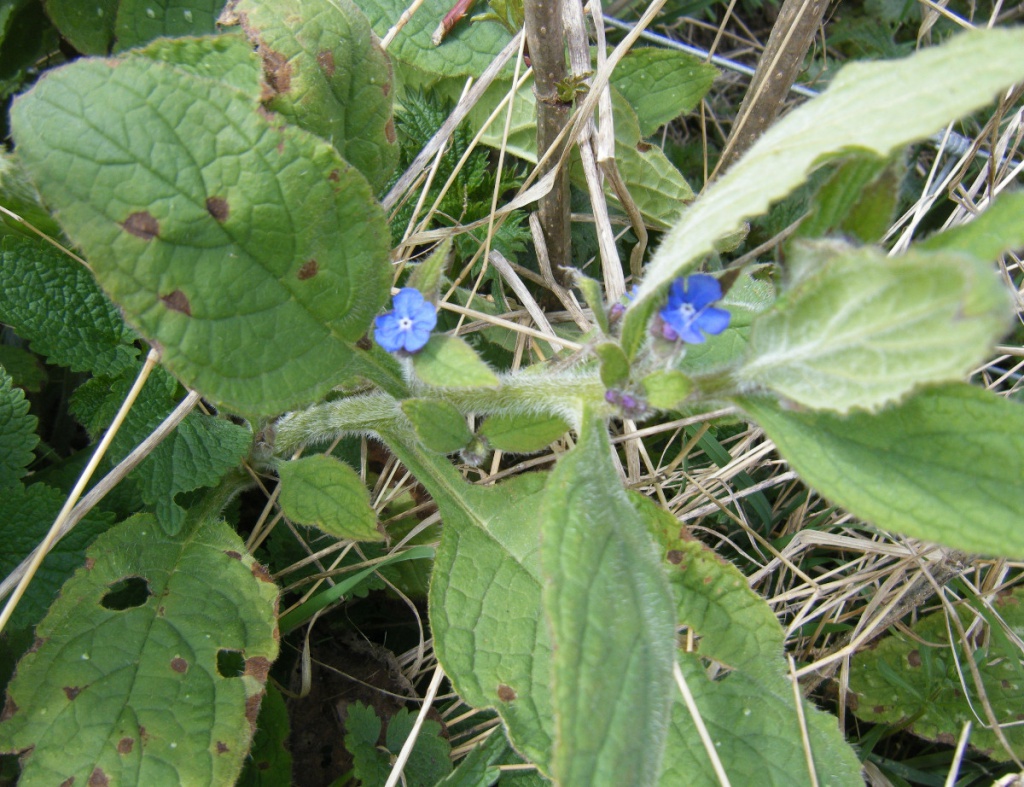
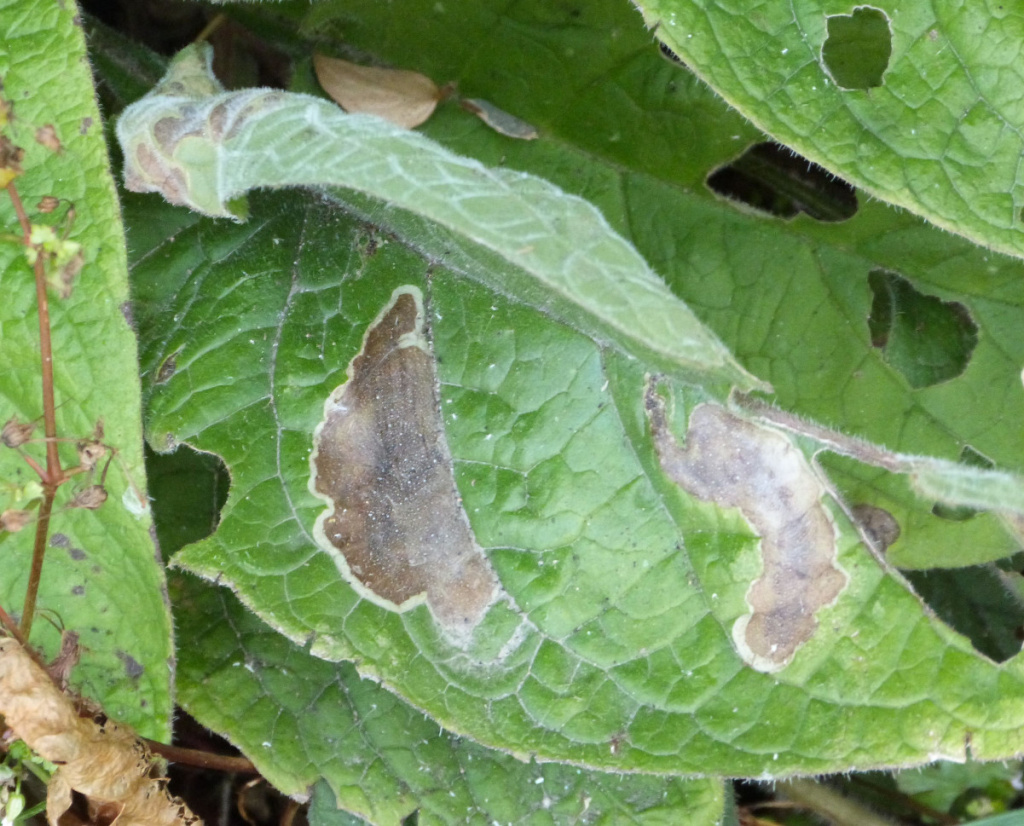
The larvae of the Agromyzid flies Agromyza abiens, Agromyza myosotidis and Agromyza lithospermi produce identical mines on the leaves of several food plants in the Boraginaeceae family, such as Borage, Comfrey and Green Alkanet plus a number of other host plants. The initial narrow gallery contains frass in a double line, which it then expands to form a blotch mine. Several larvae may occupy a leaf to form a large blotch. Because the mines on these plants cannot be reliably separated to species level we treat them as an aggregate.