

Wayfaring-tree - Viburnum lantana
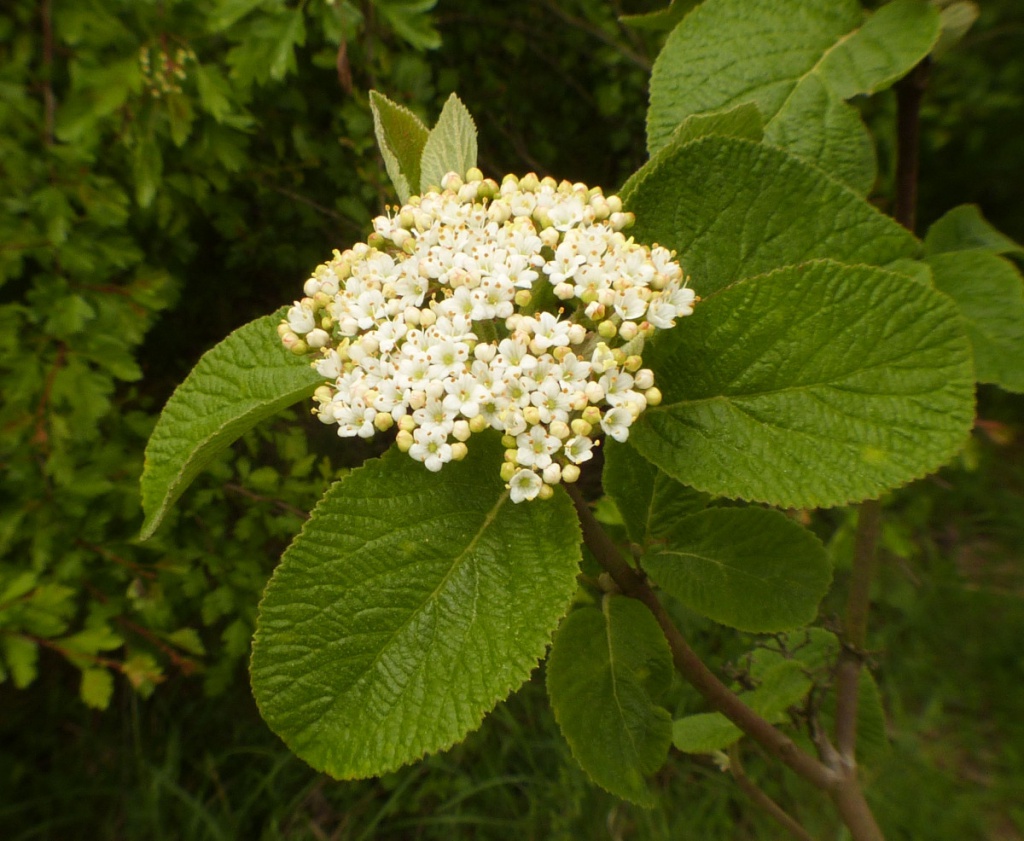
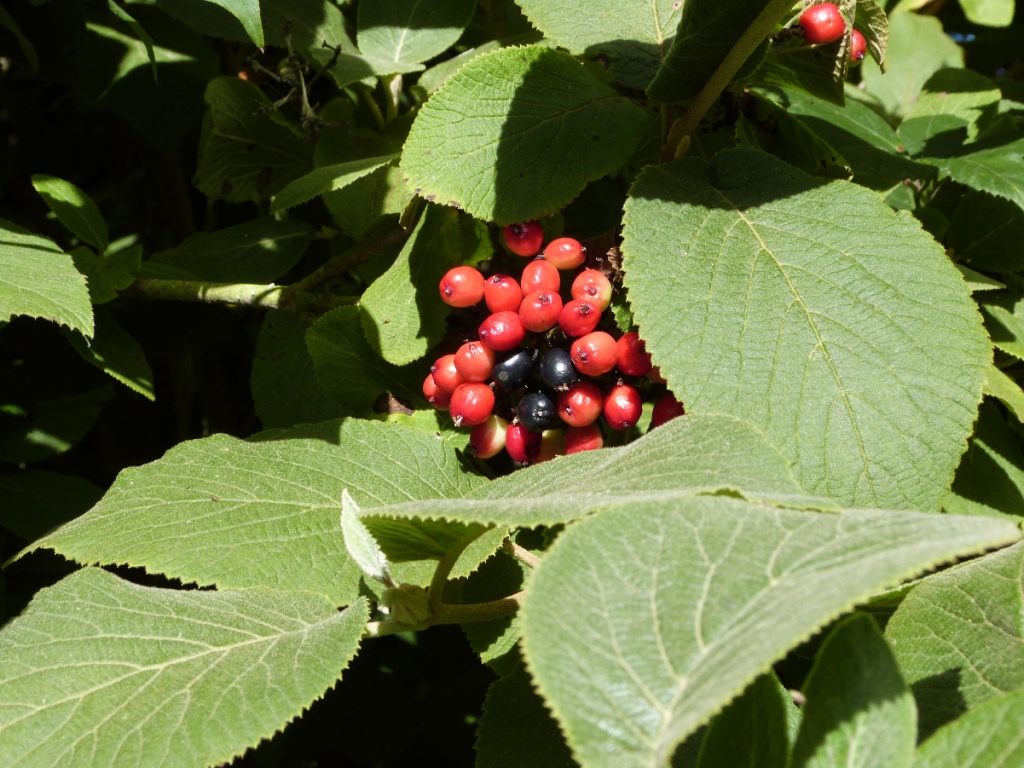
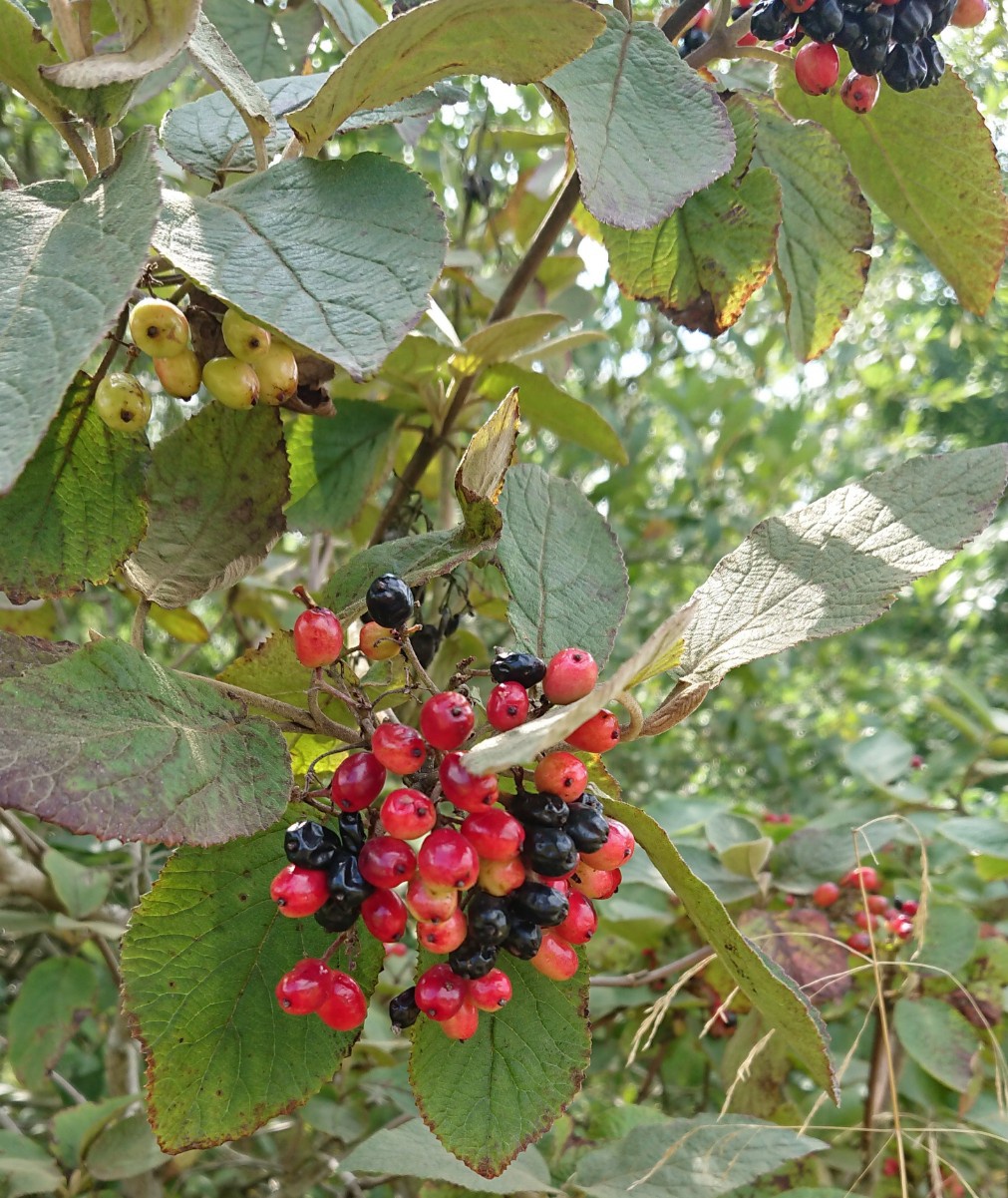
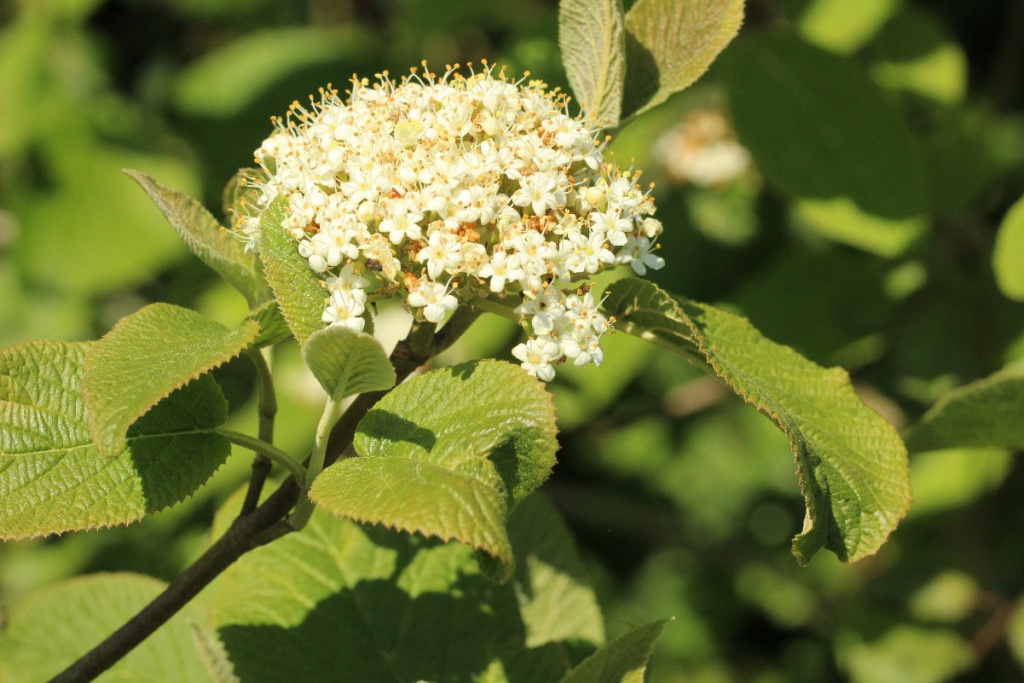
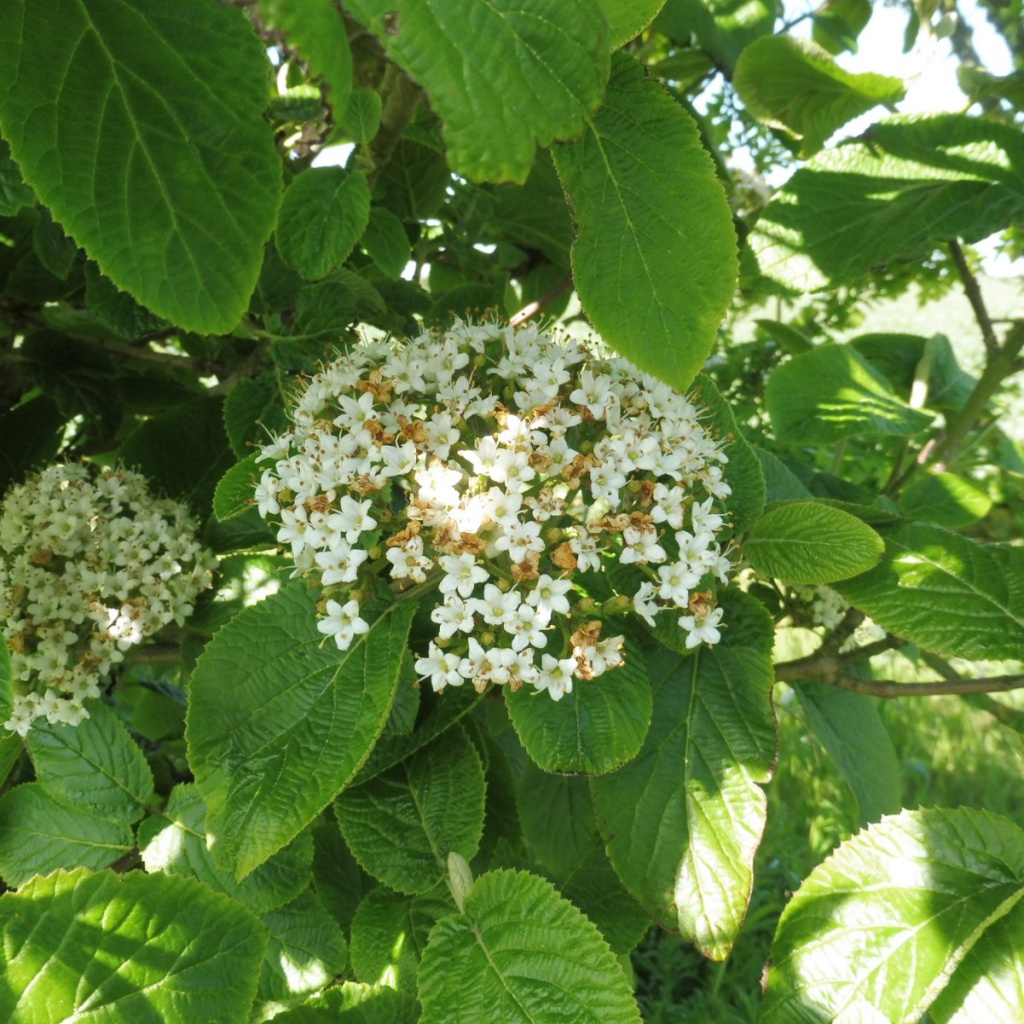
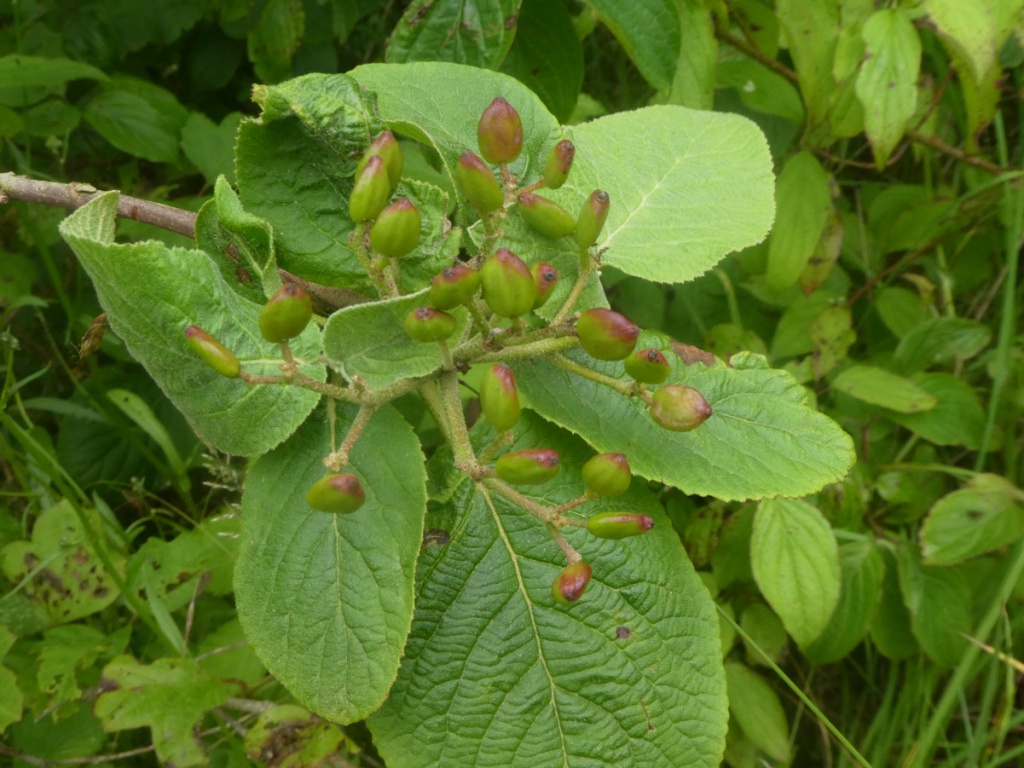
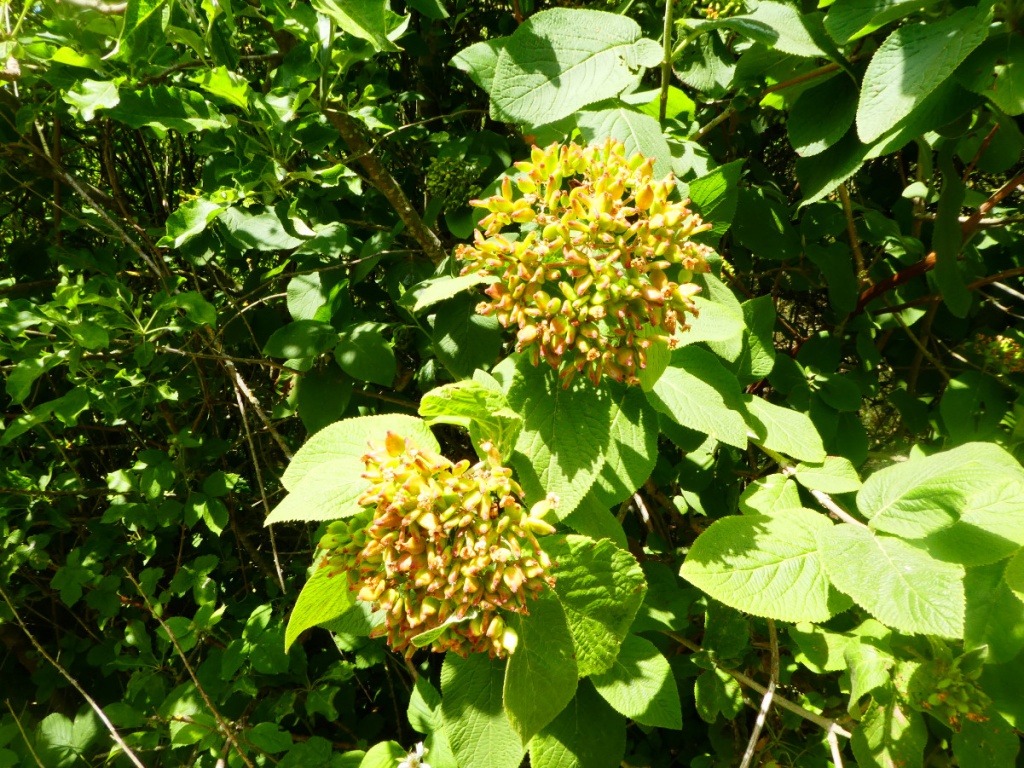
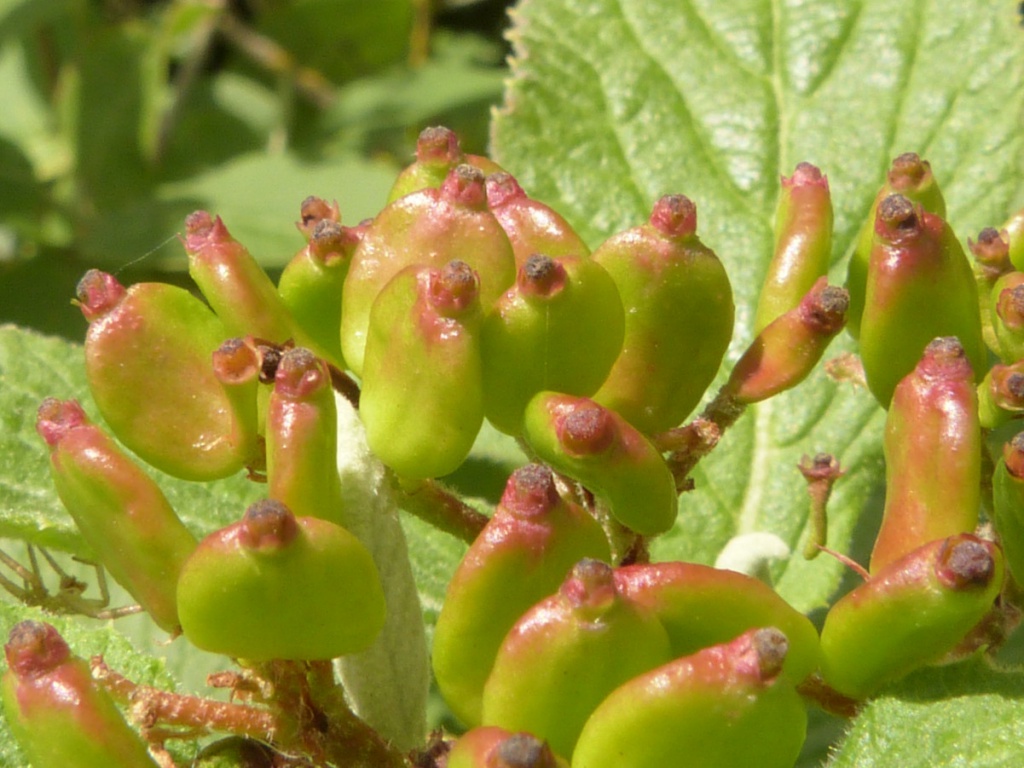
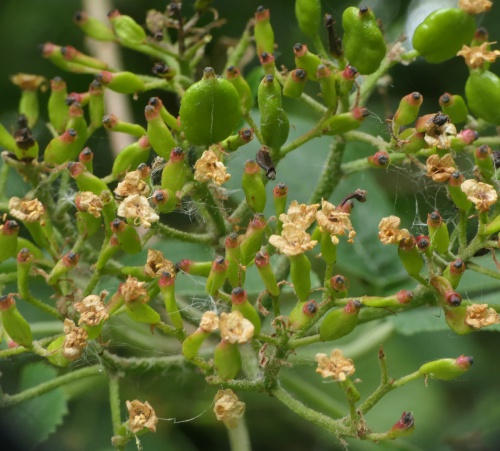
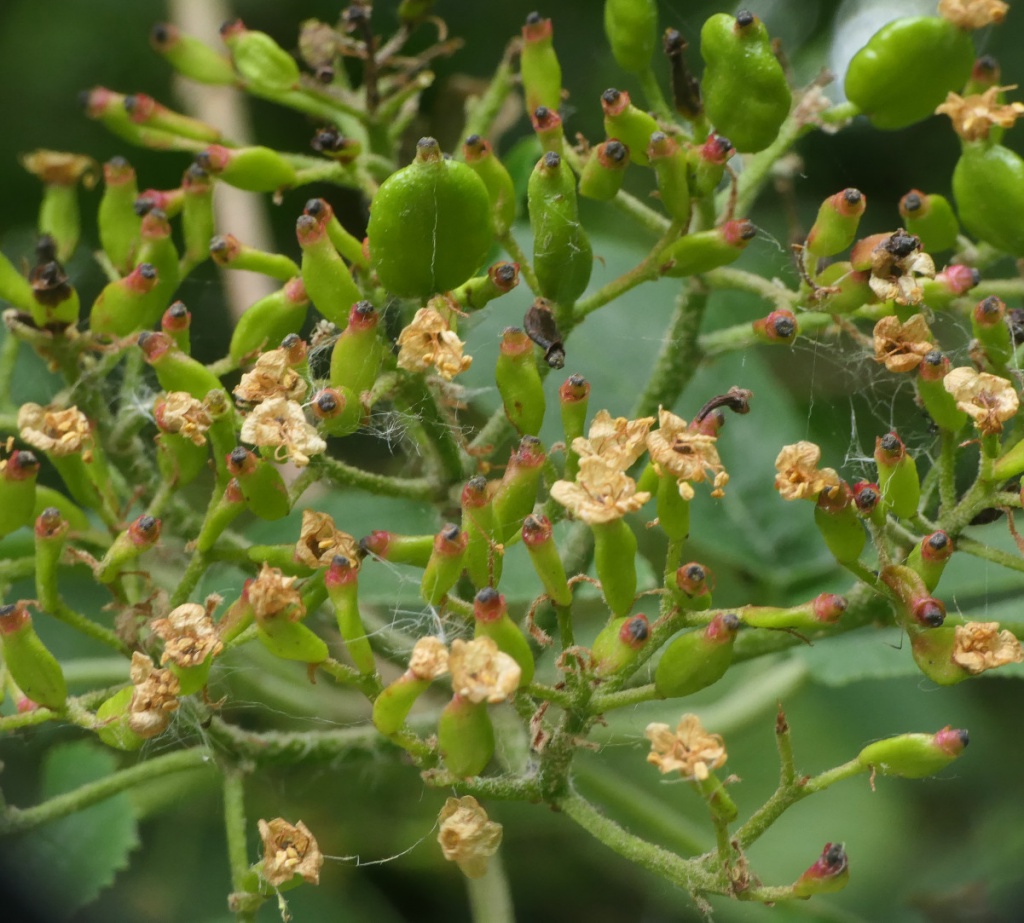
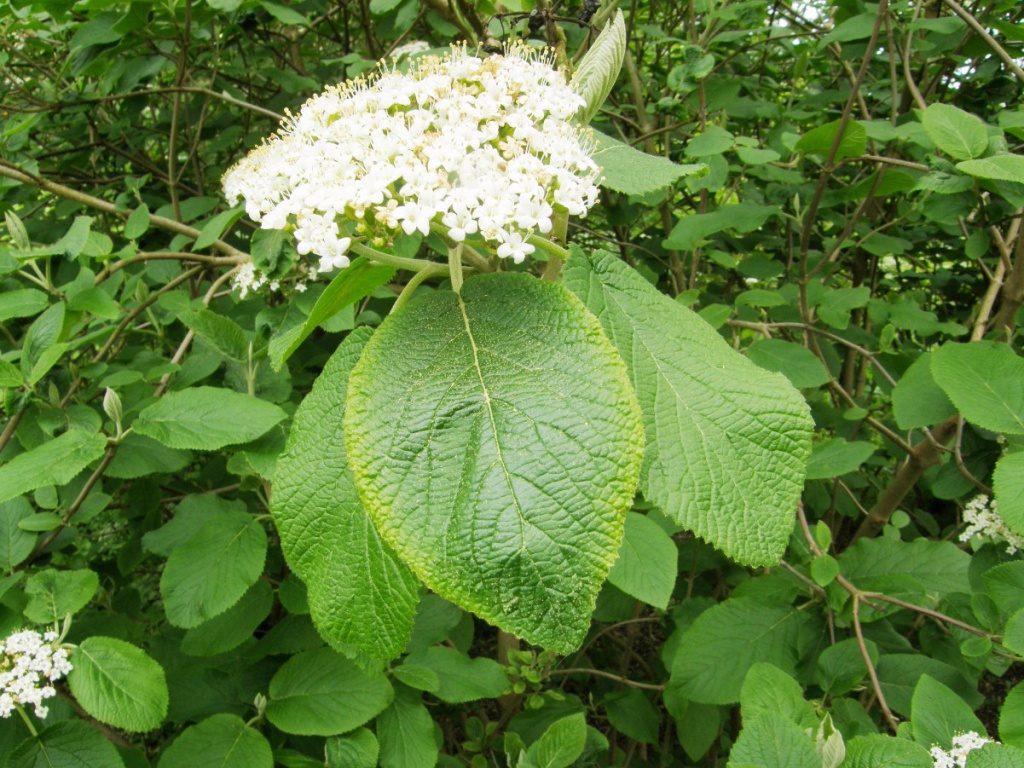
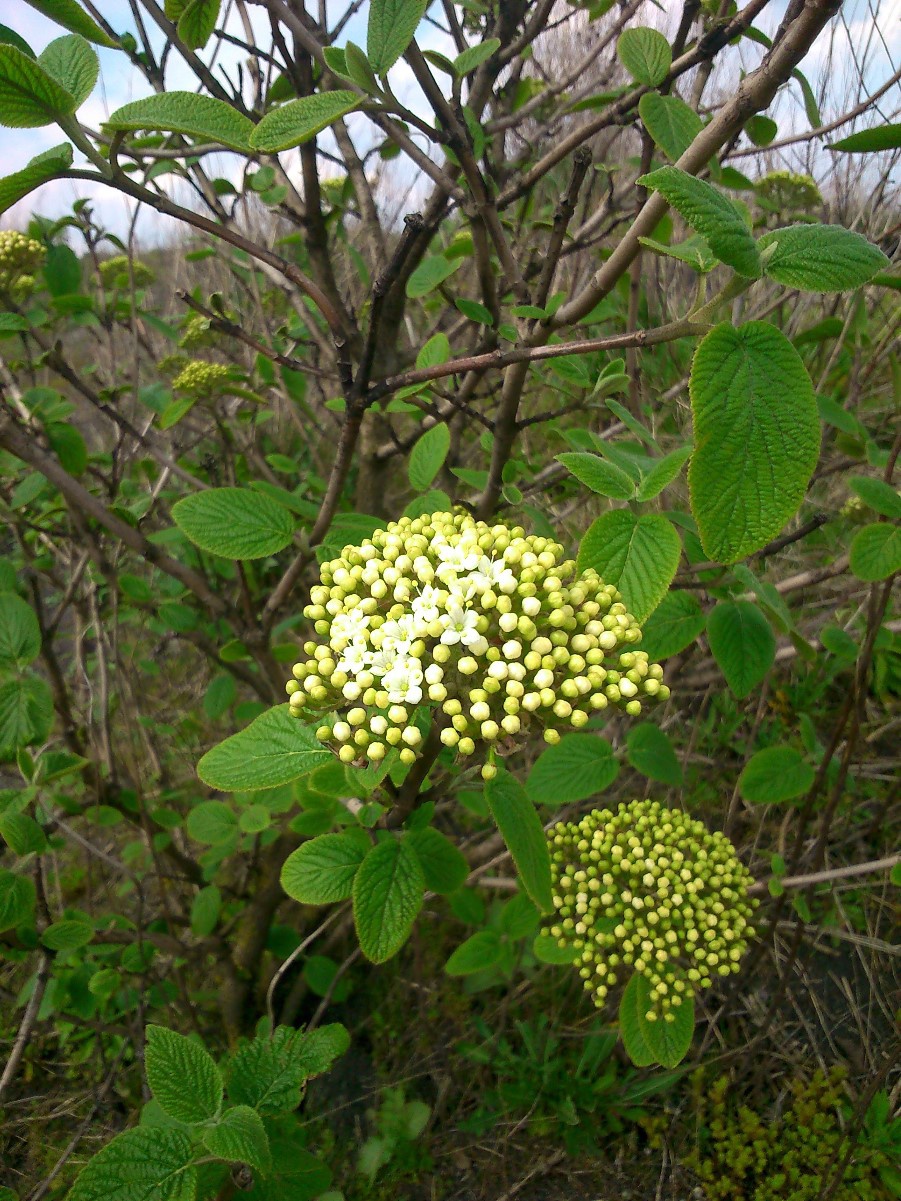
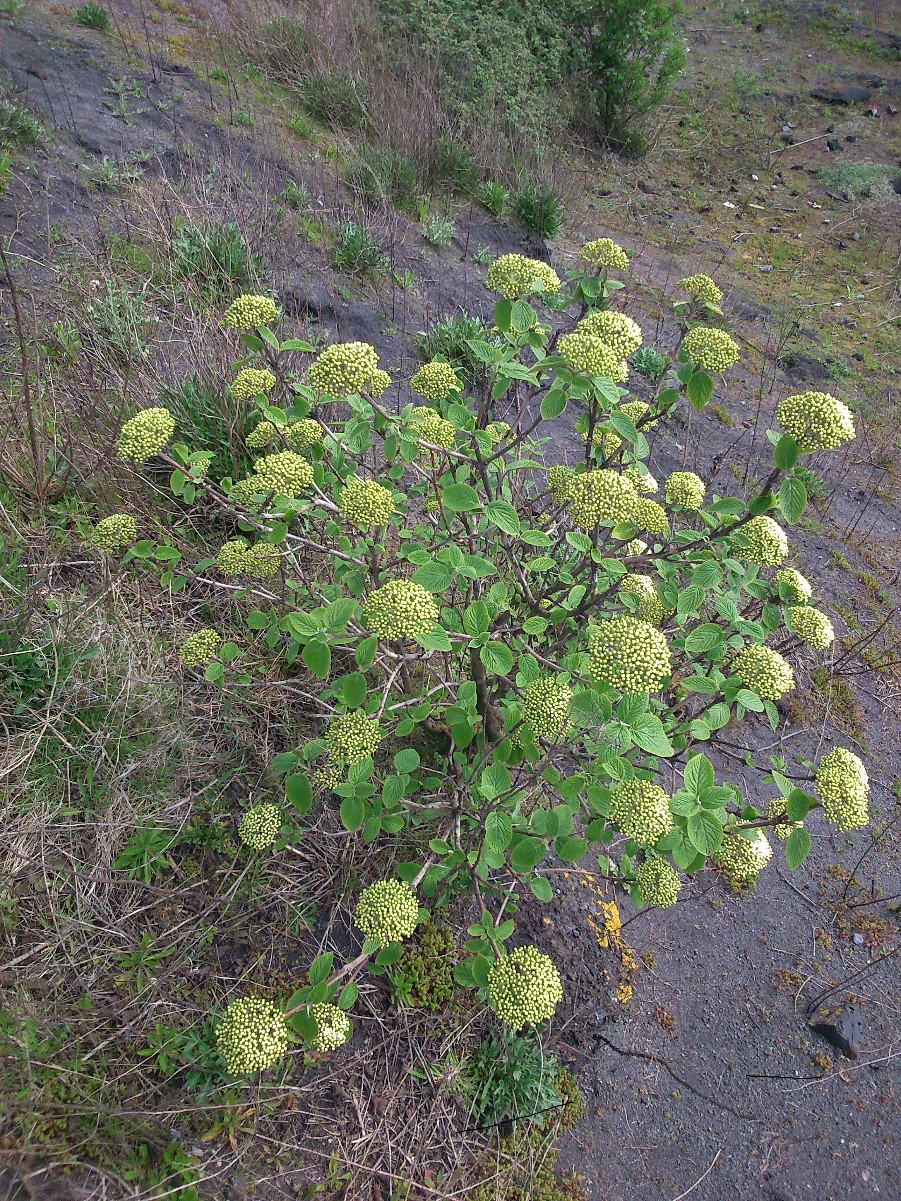
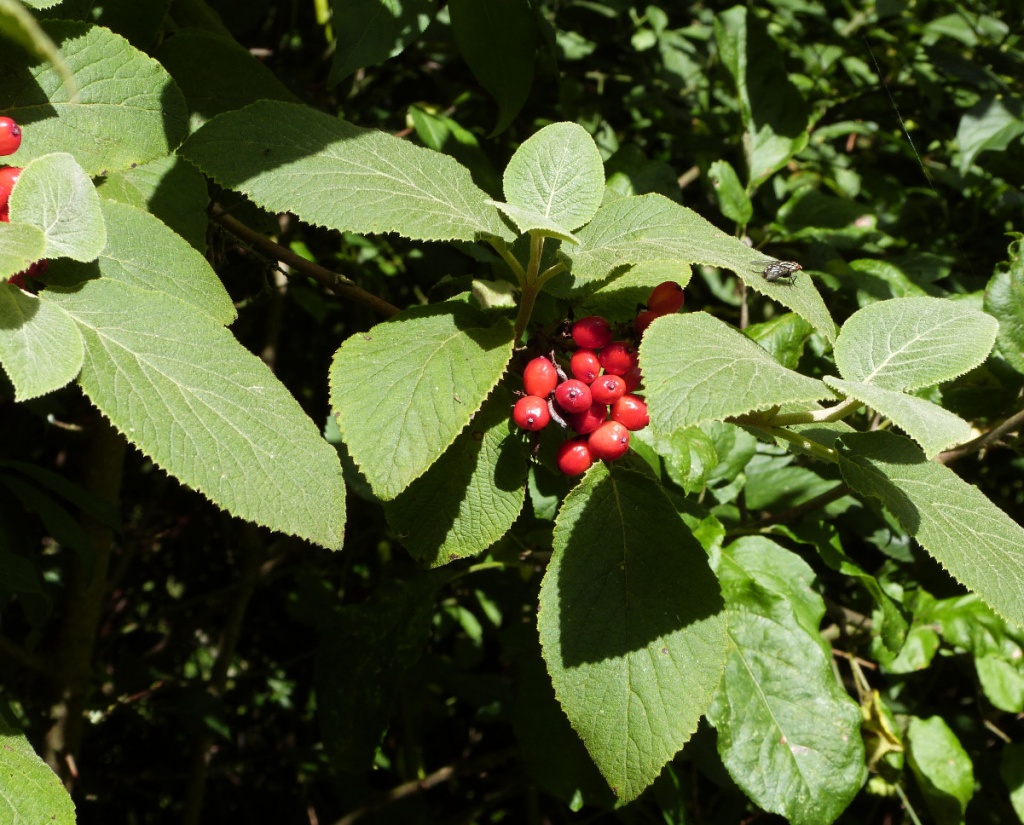
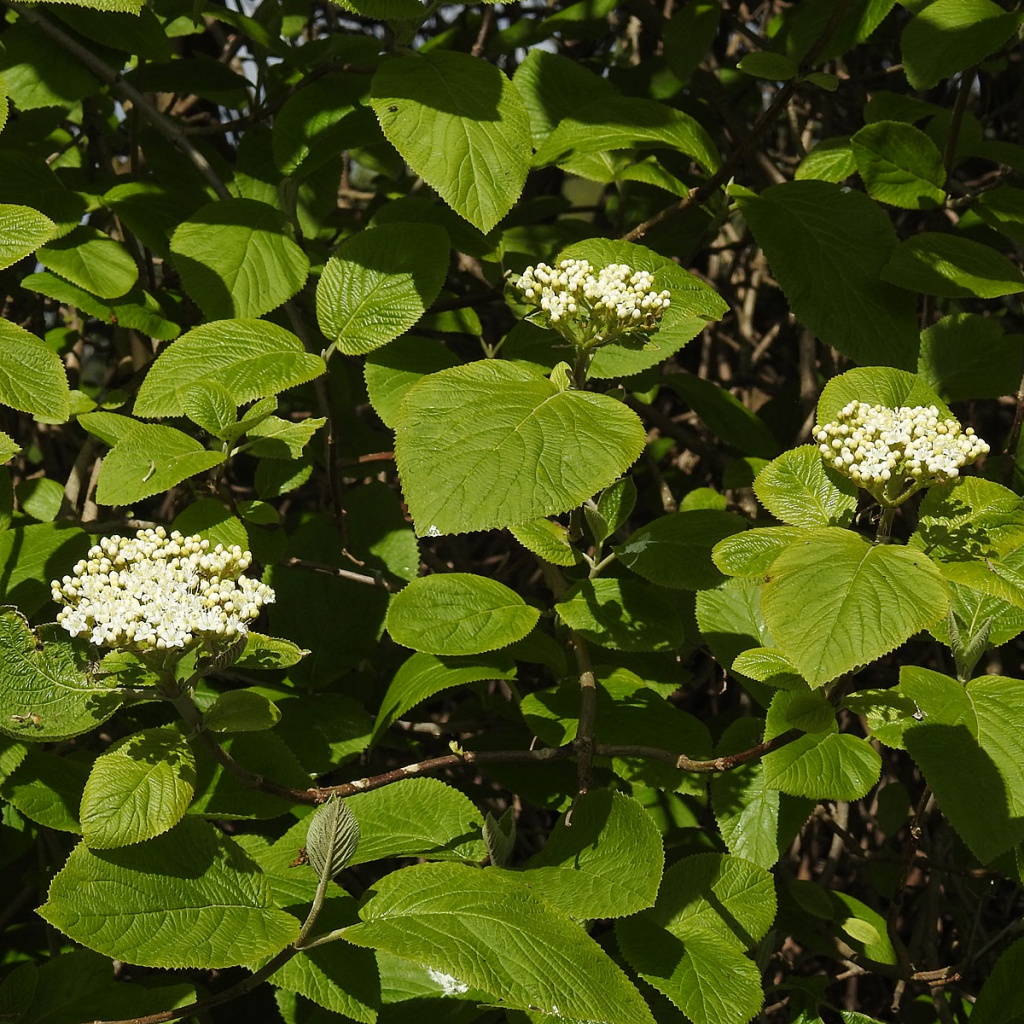
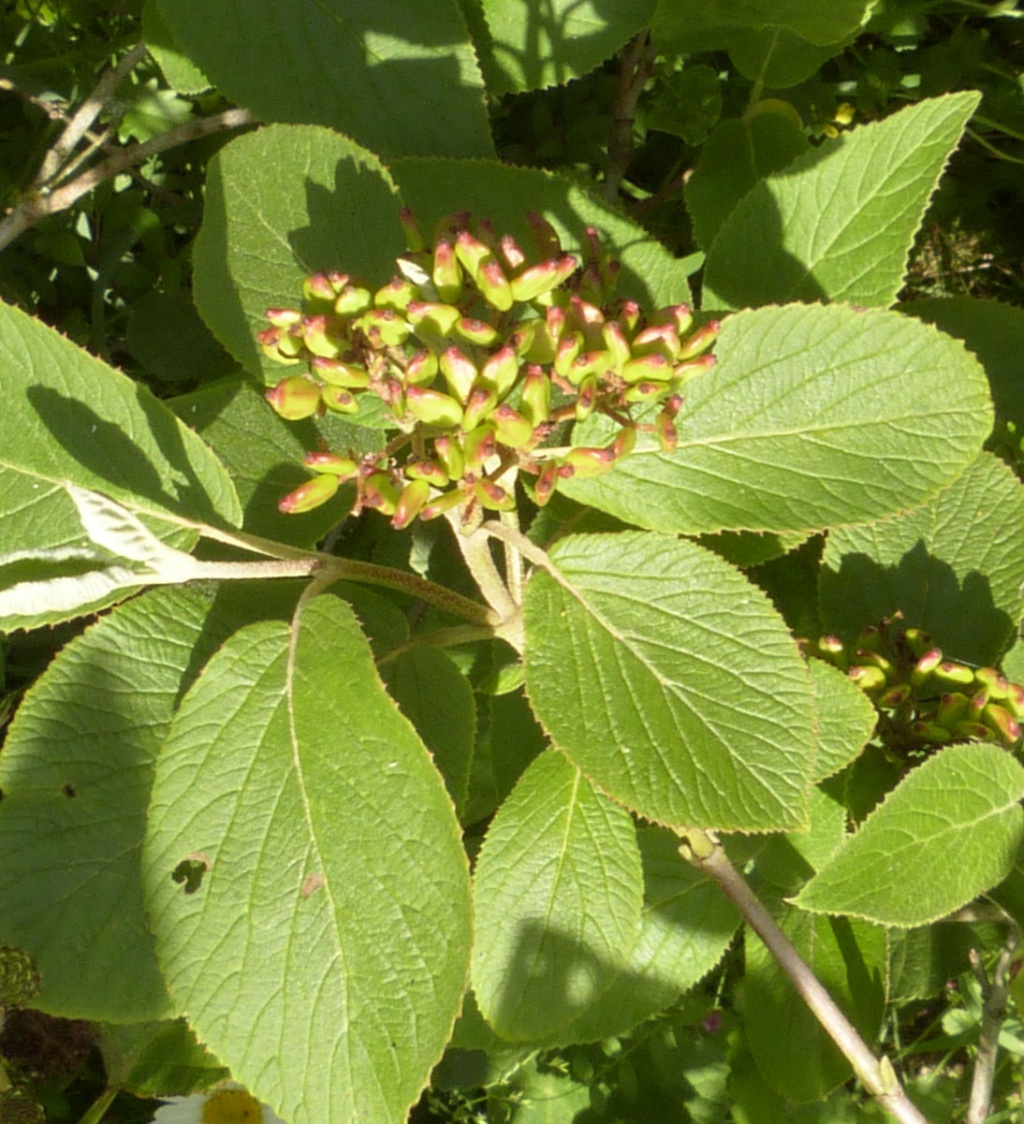
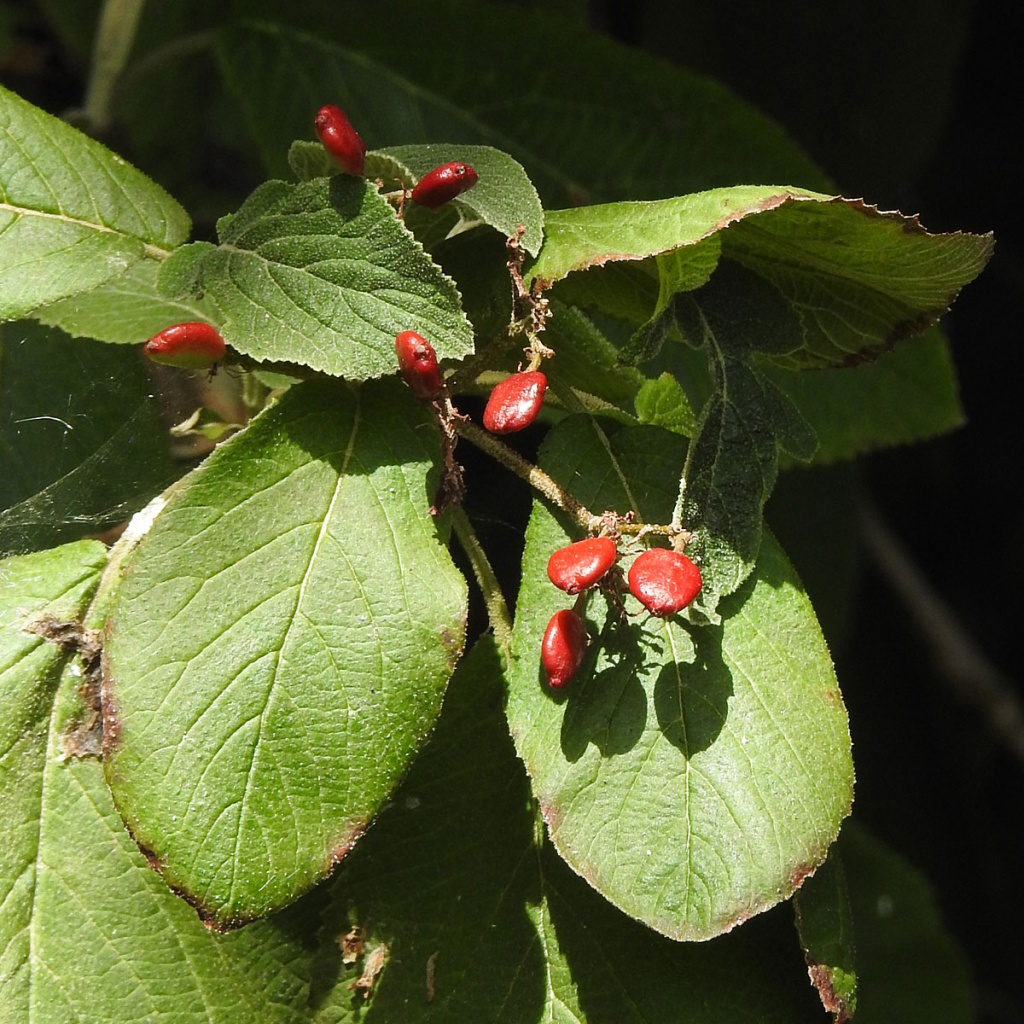
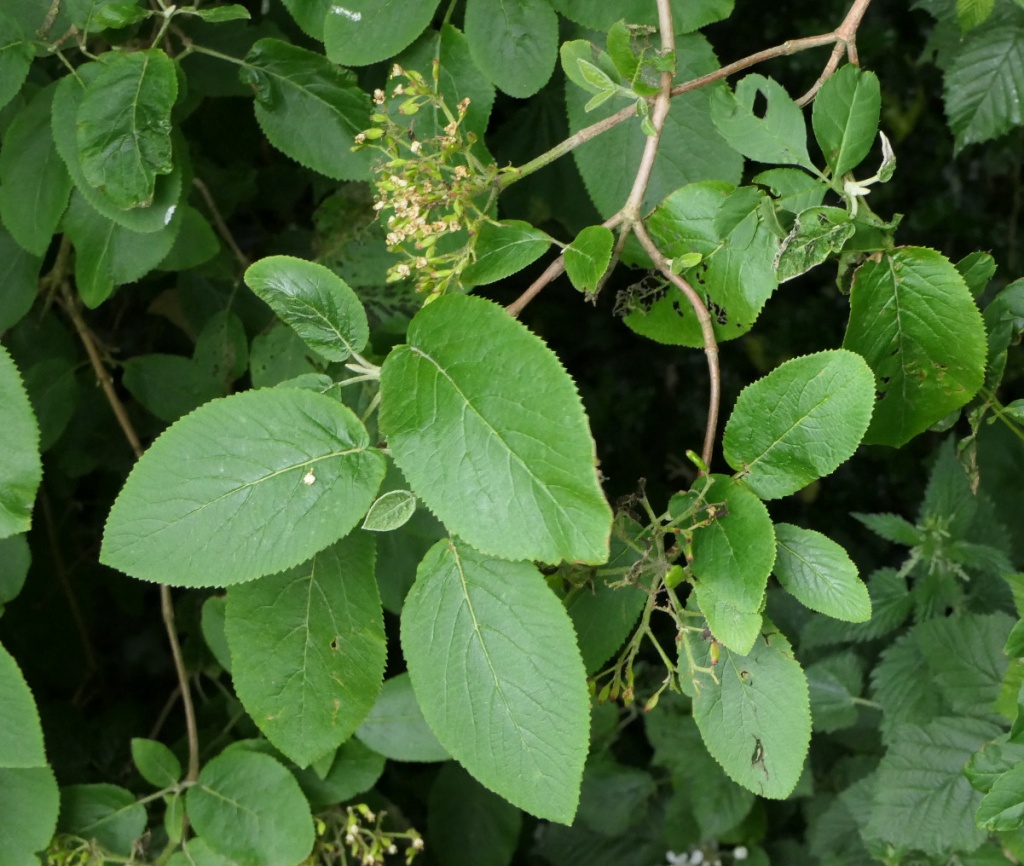
An attractive shrub with large heads of attractive creamy flowers, red, then red and black berries. It has rather rounded, simple toothed leaves.

Will do well on most soils, but is especially good on chalk.
The fragrant flower heads can be seen in spring and early summer.
Perennial.
Fairly frequent in central and southern England but more scattered elsewhere.
Occasional in Leicestershire and Rutland. In the 1979 Flora survey of Leicestershire it was found in 10 of the 617 tetrads.
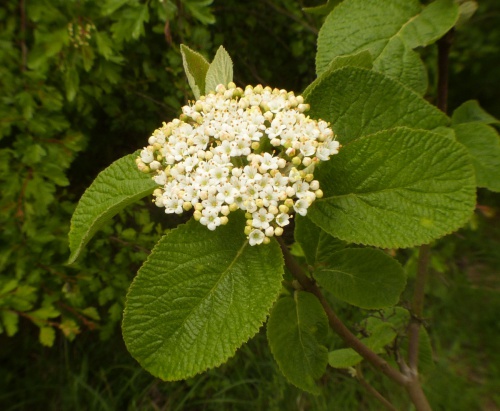 Graham Calow
Ullesthorpe Stewardship Farm
14 May 2013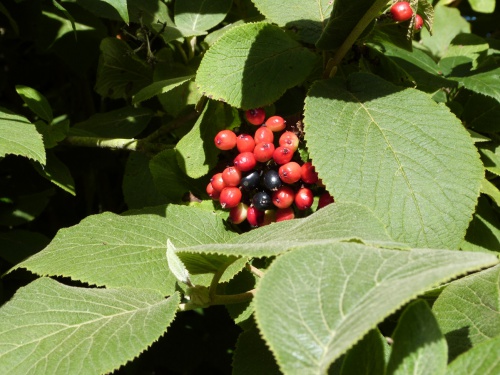 Graham Calow
Ullesthorpe Stewrdship Farm
29 August 2016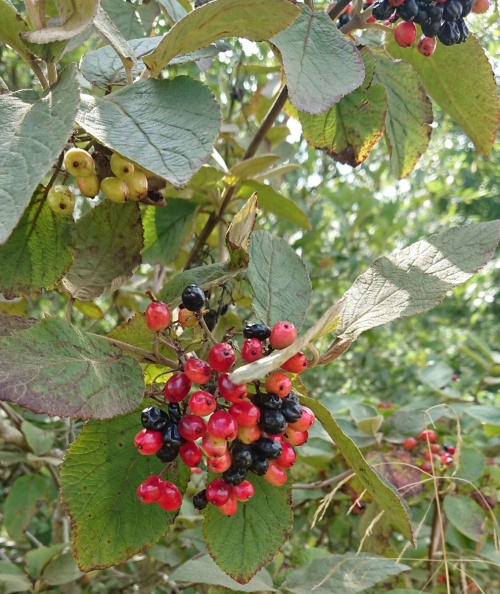 steven lewis
Bardon Hill
21 August 2019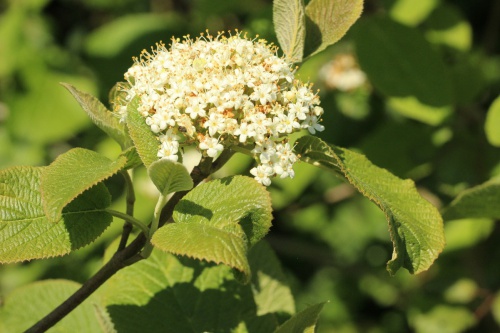 Ron.stevens
Ullesthorpe Stewardship Farm
07 May 2017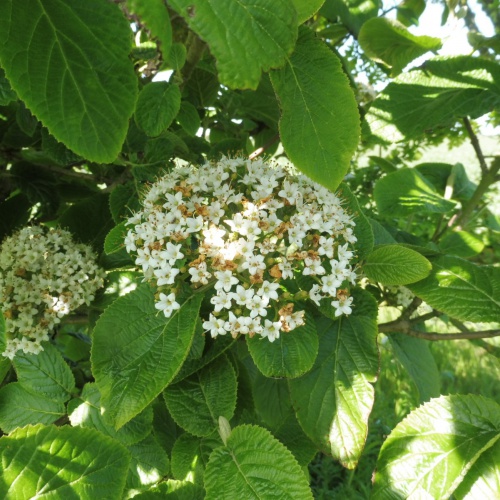 martindgrimes
Pickworth FP to south
14 May 2019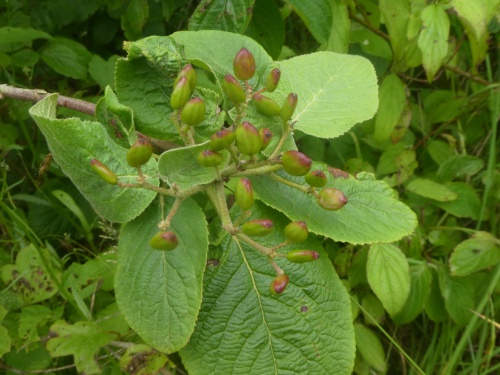 Melinda Bell
Ibstock,Sence valley
26 June 2019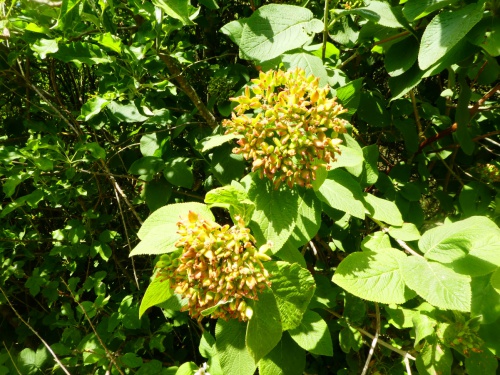 Melinda Bell
Ibstock,Sence valley
31 May 2020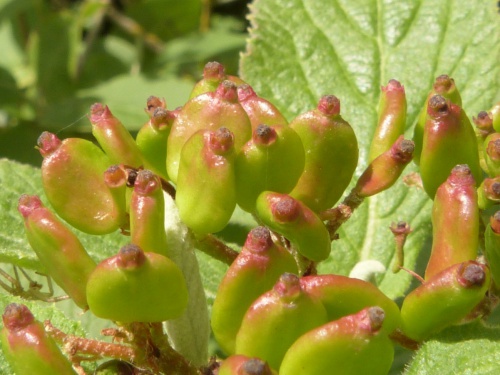 Graham Calow
Ullesthorpe Stewardship Farm
15 June 2015
seeds
Leicestershire & Rutland Map
Enter a town or village to see local records
MAP KEY:
Yellow squares = NBN records (all known data)
Coloured circles = NatureSpot records: 2025+ | 2020-2024 | pre-2020
UK Map
Species profile
- Common names
- Wayfaring-tree
- Species group:
- flowering plant
- Kingdom:
- Plantae
- Order:
- Dipsacales
- Family:
- Adoxaceae
- Records on NatureSpot:
- 49
- First record:
- 14/05/2013 (Calow, Graham)
- Last record:
- 27/04/2026 (David Wright)
Total records by month
% of records within its species group
10km squares with records
The latest images and records displayed below include those awaiting verification checks so we cannot guarantee that every identification is correct. Once accepted, the record displays a green tick.
In the Latest Records section, click on the header to sort A-Z, and again to sort Z-A. Use the header boxes to filter the list.
Latest images
Latest records
 David Nicholls
Broughton Astley, Broughton Way
08 June 2020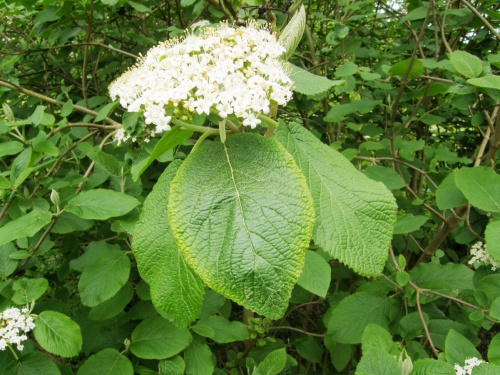 Saharima Roenisch
Knighton Park
07/05/2017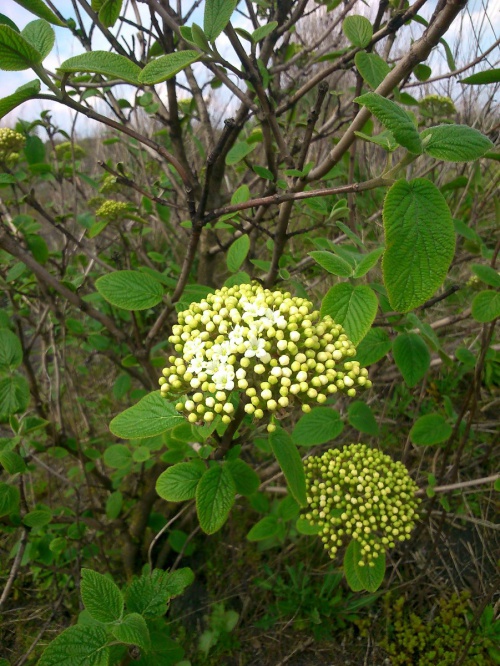 steven lewis
welby
09 May 2016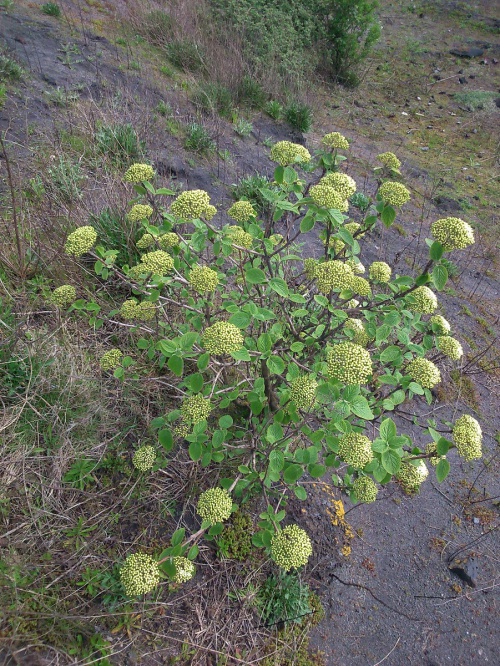 Steven Lewis
Welby
09 May 2016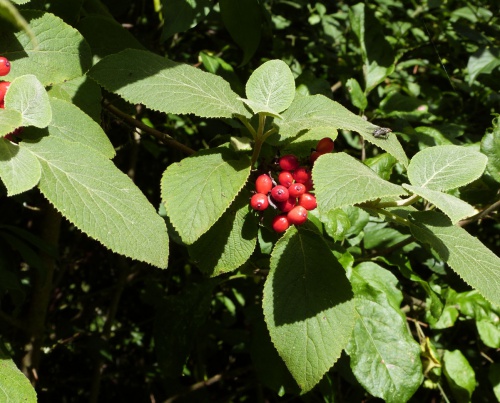 Graham Calow
Ullesthorpe Stewrdship Farm
29 August 2016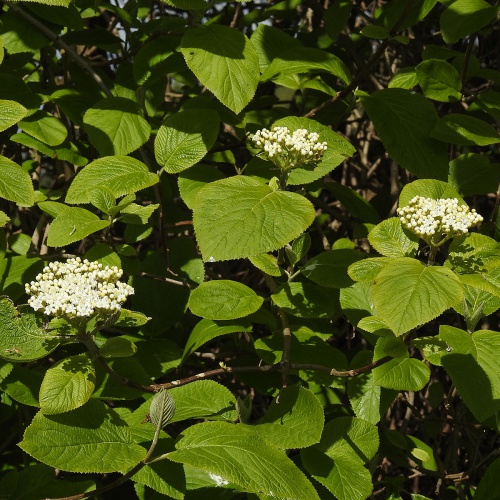 David Gould
The Spearwort Fields
23 April 2017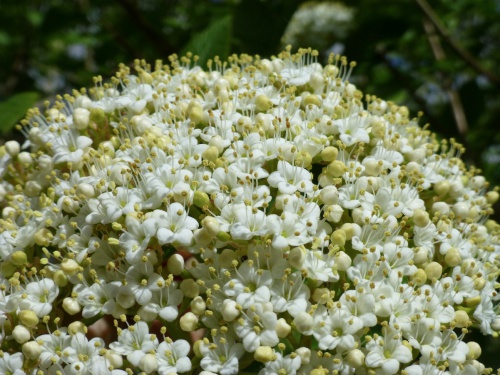 JamieG
Brocks Hill Country Park
25 April 2017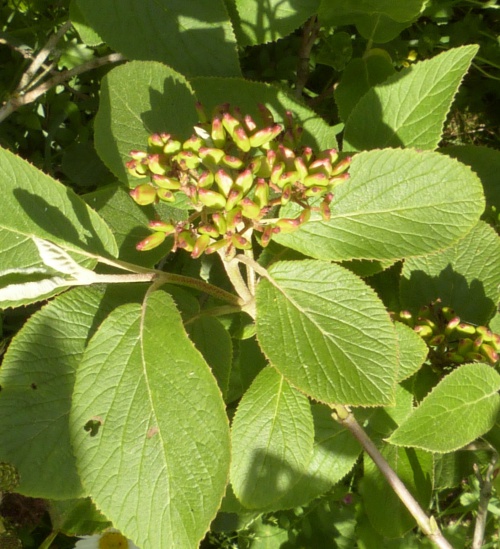 Graham Calow
Ullesthorpe Stewardship Farm
15 June 2015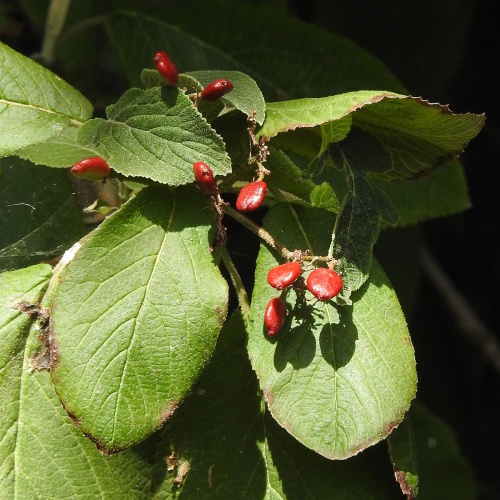 David Gould
The Spearwort Fields
11 August 2018
flattened fruits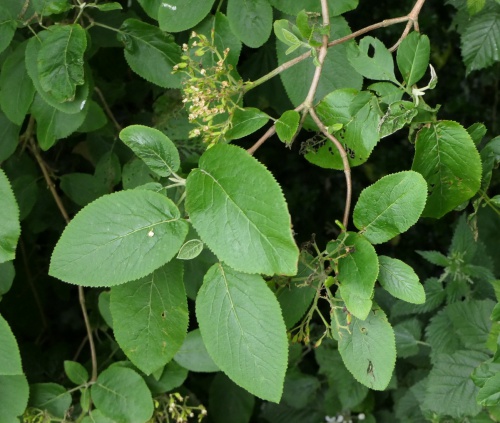 David Nicholls
Broughton Astley, Broughton Way
08 June 2020


Phyllonorycter lantanella
The larva of the moth Phyllonorycter lantanella mines the leaves of Wayfaring-tree and less frequently other Viburnum species such as Guelder-rose or Laurustinus (Viburnum tinus). The larval mine is on the underside of the leaf, causing a strong fold and distorting the leaf, sometimes more than one mine to a leaf.