

Walnut - Juglans regia
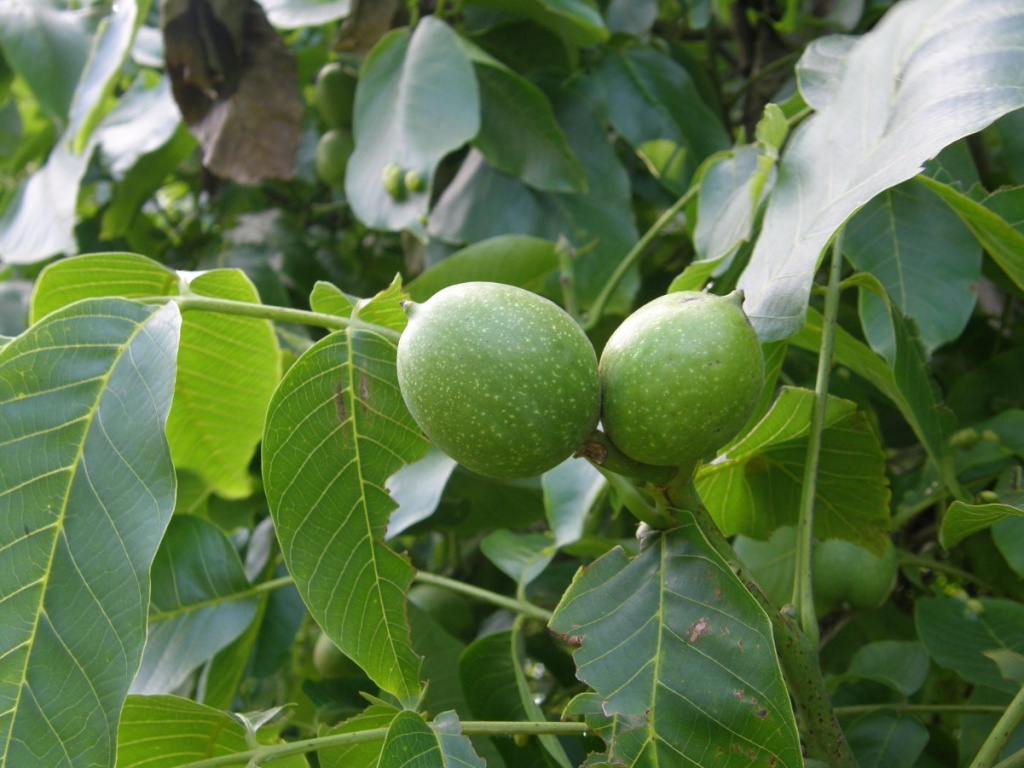
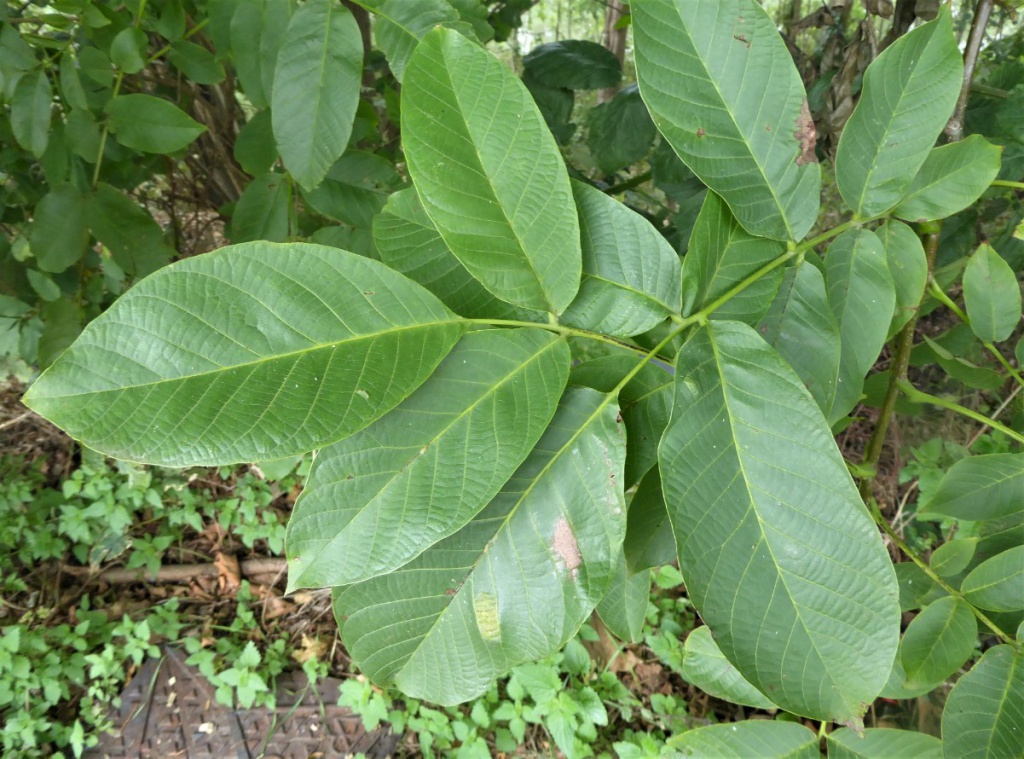
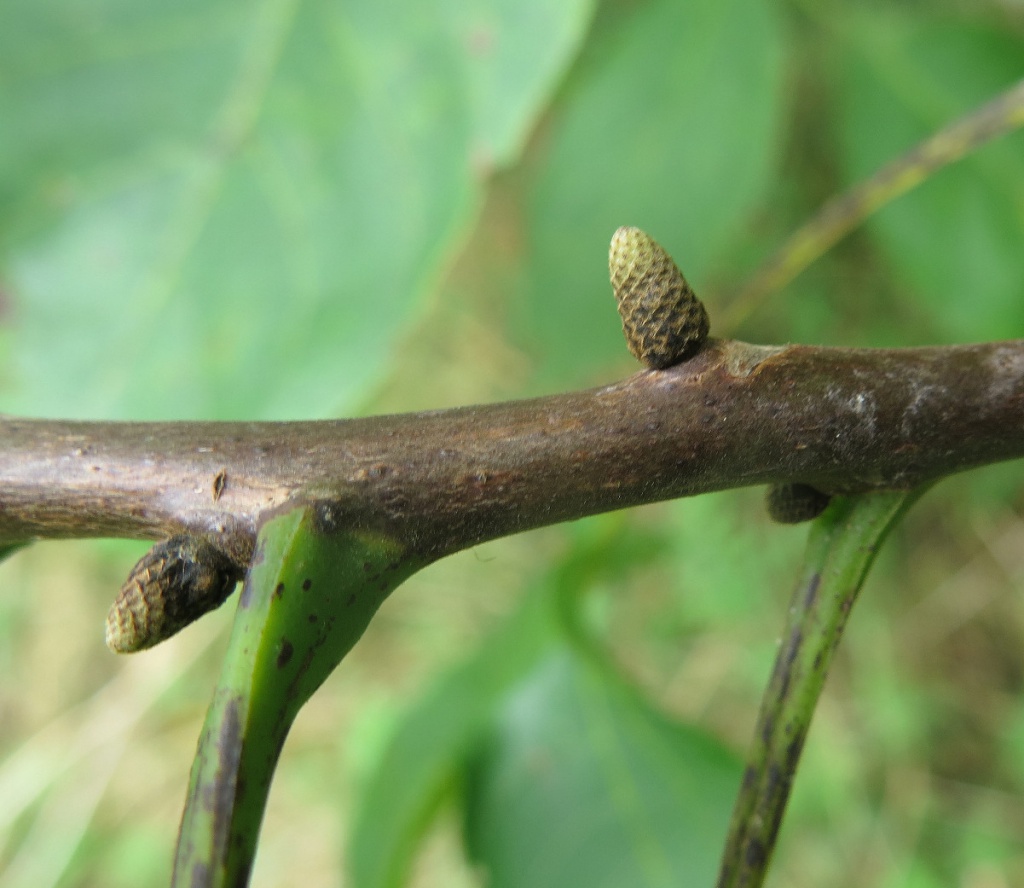
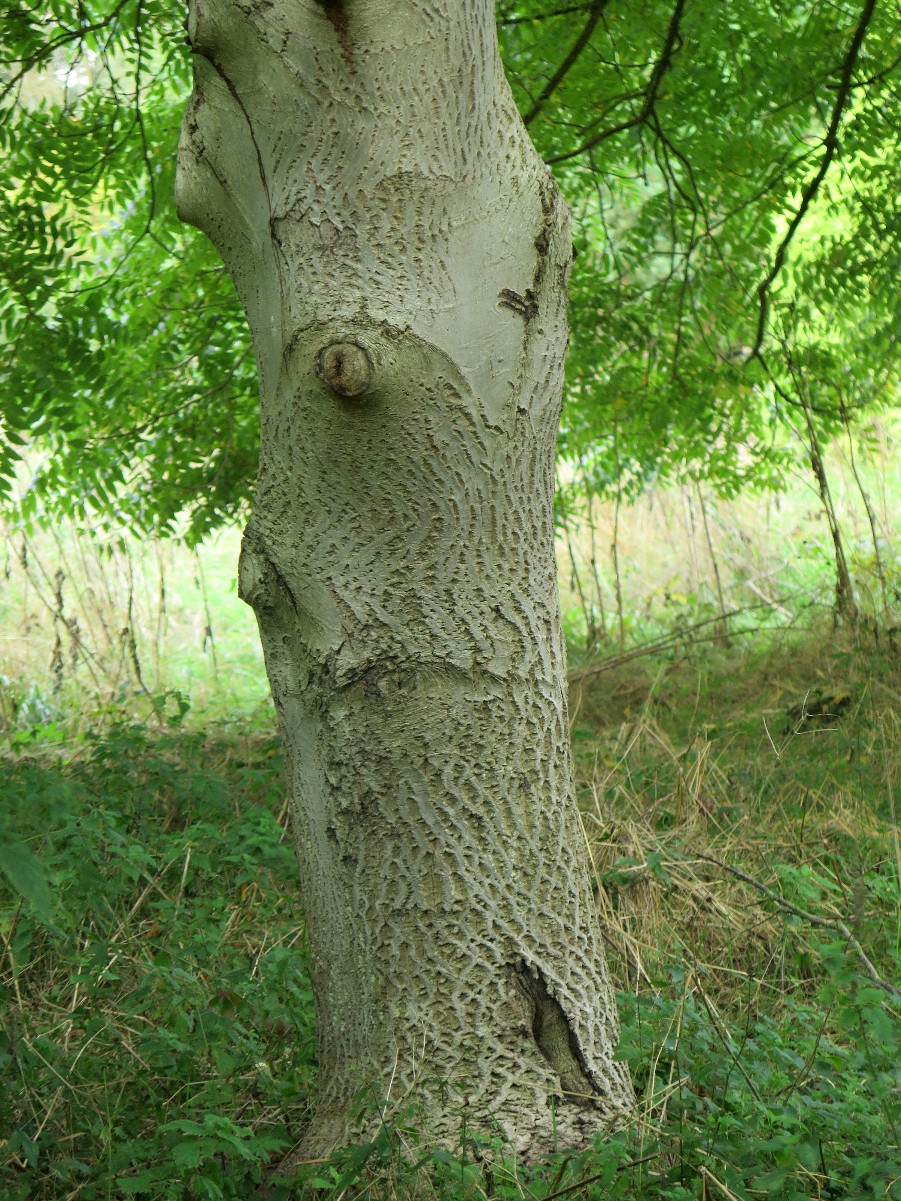
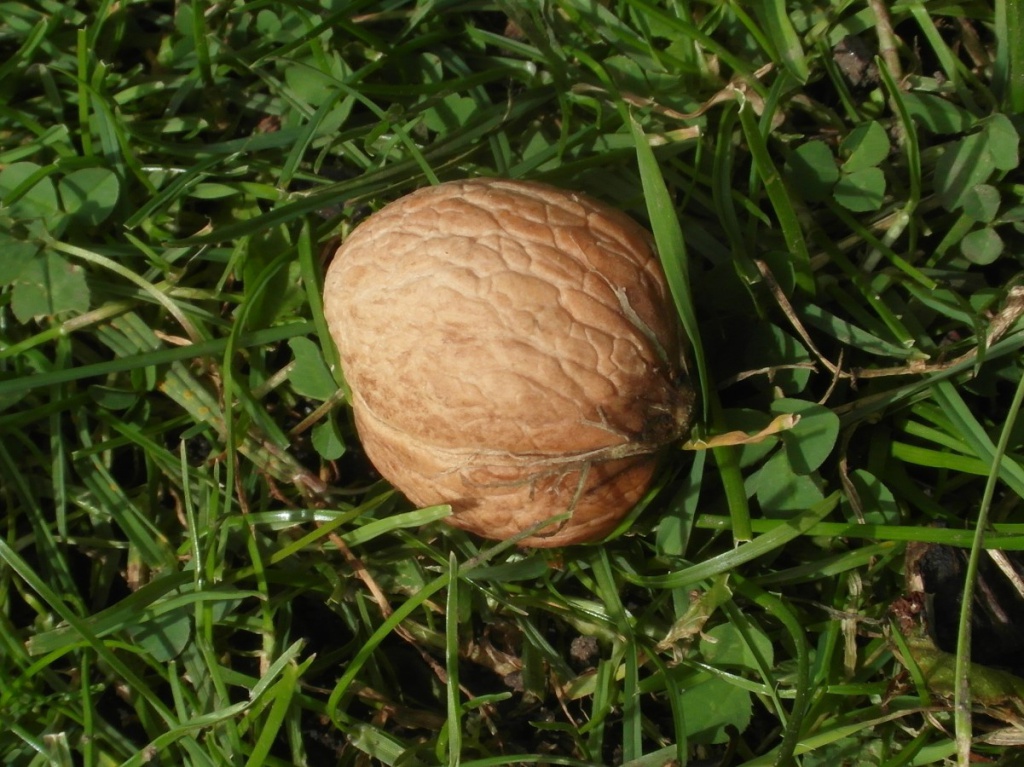
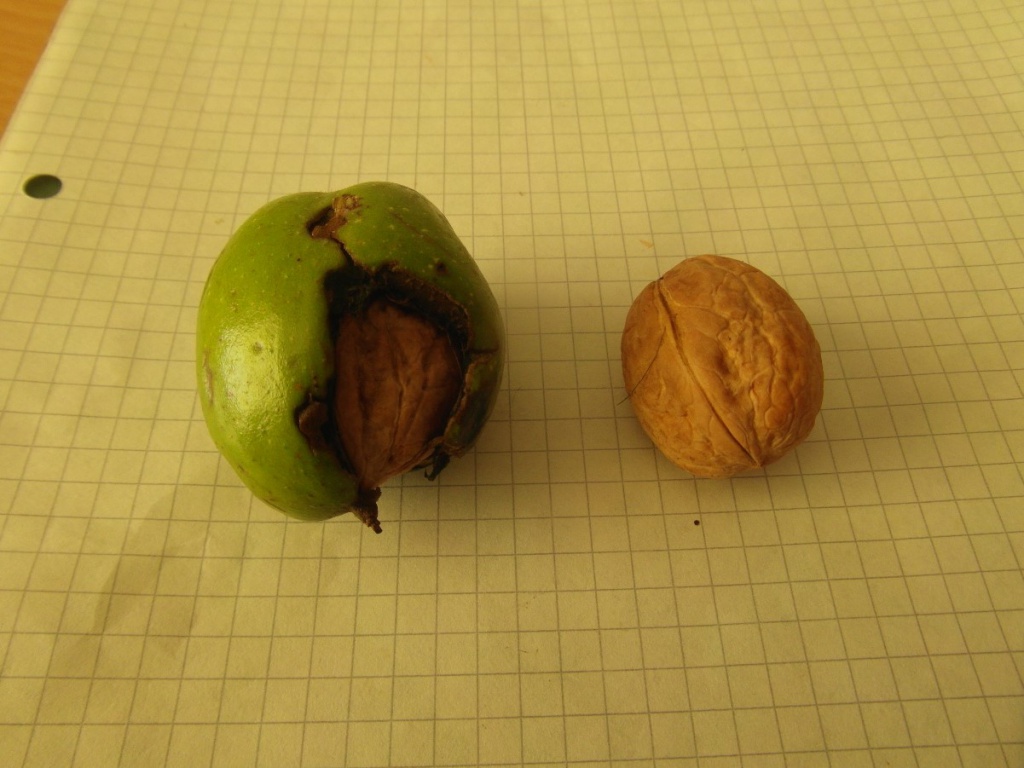
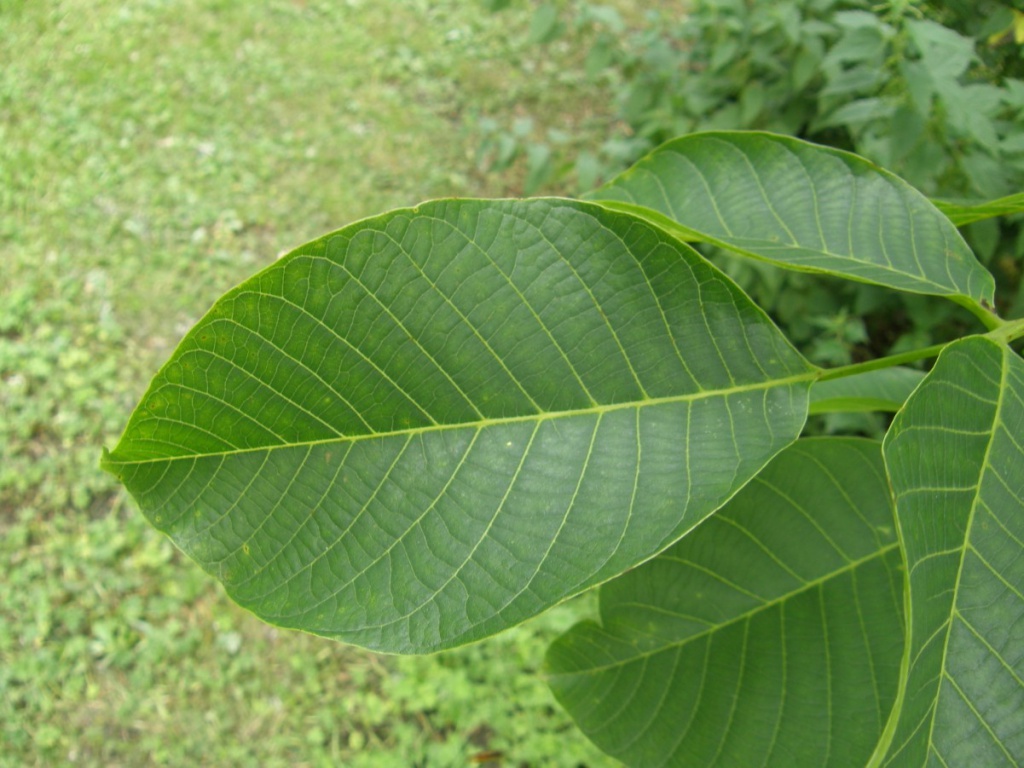
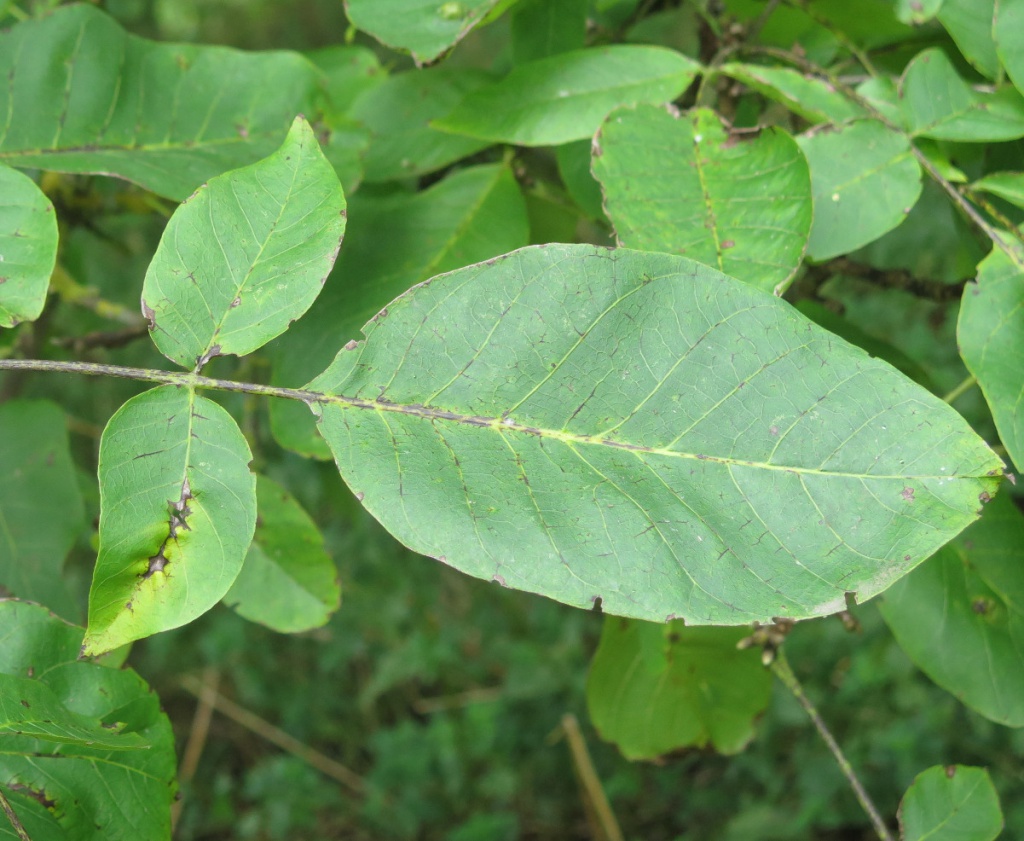
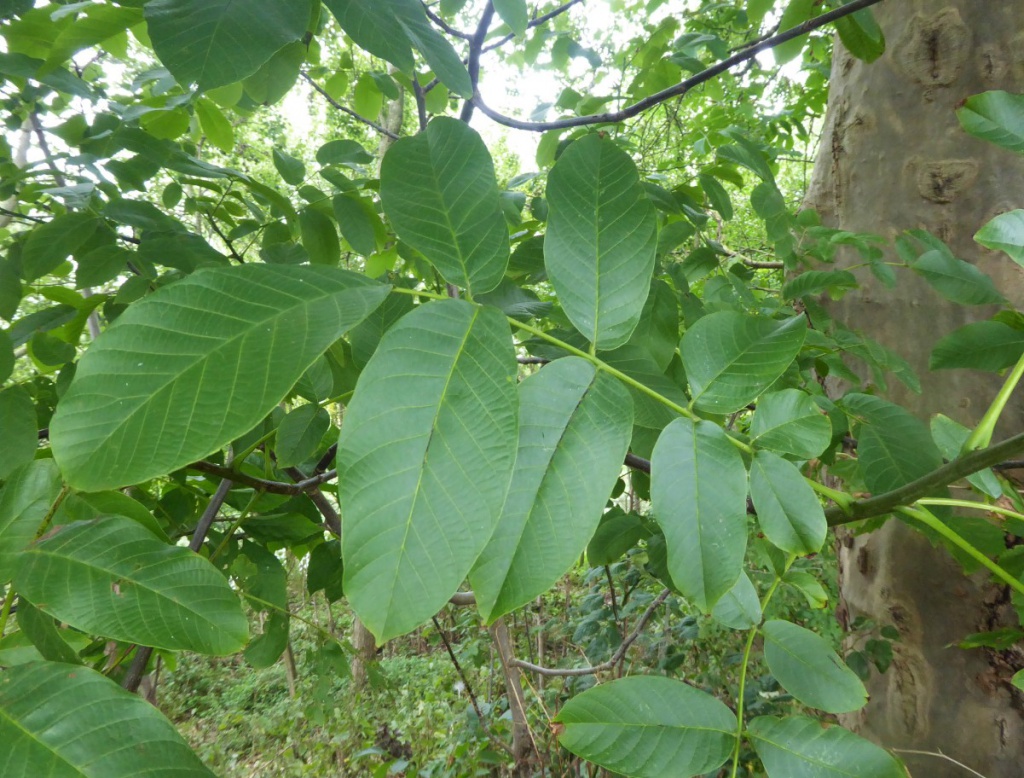
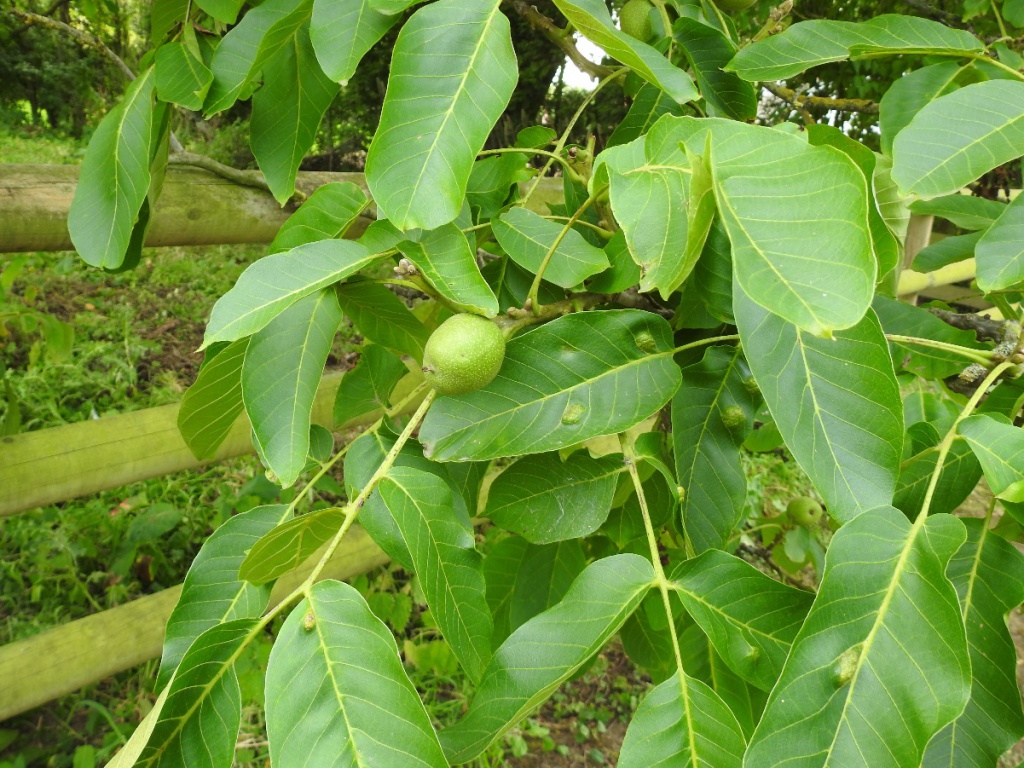
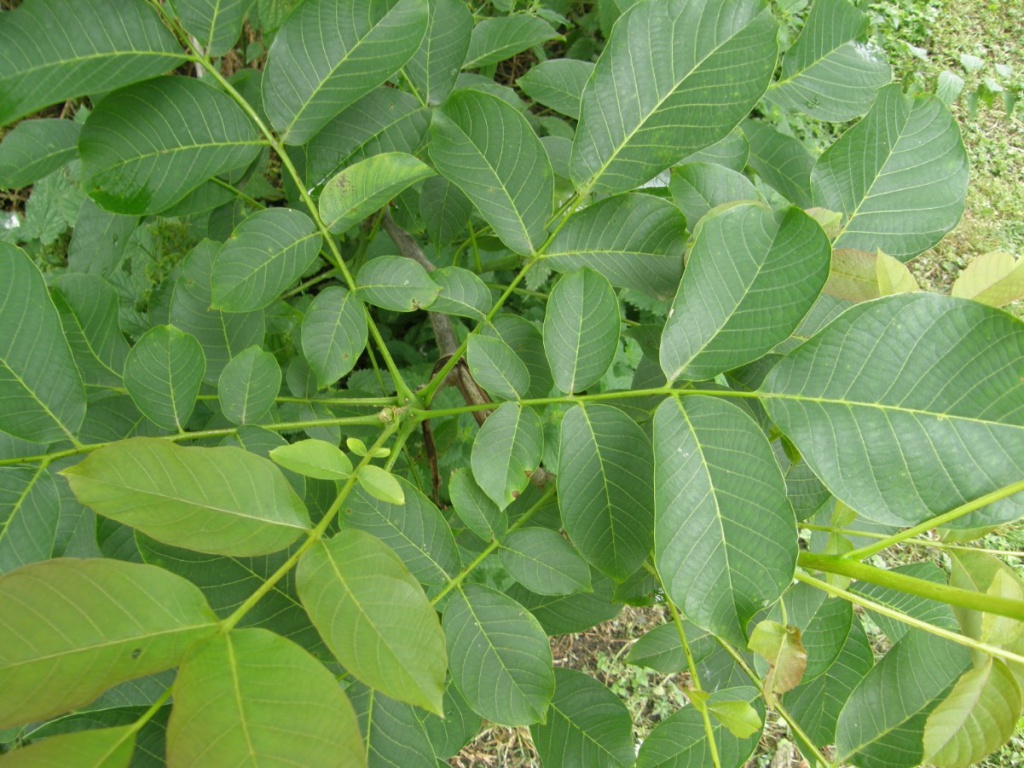
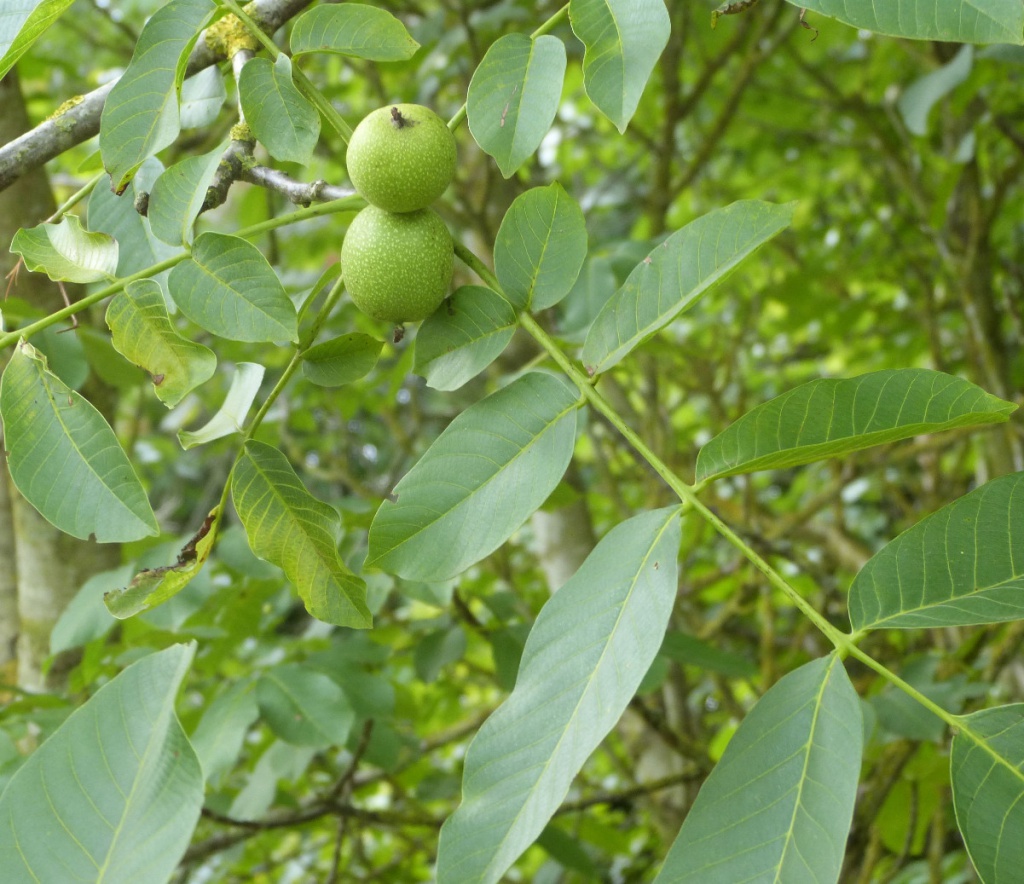
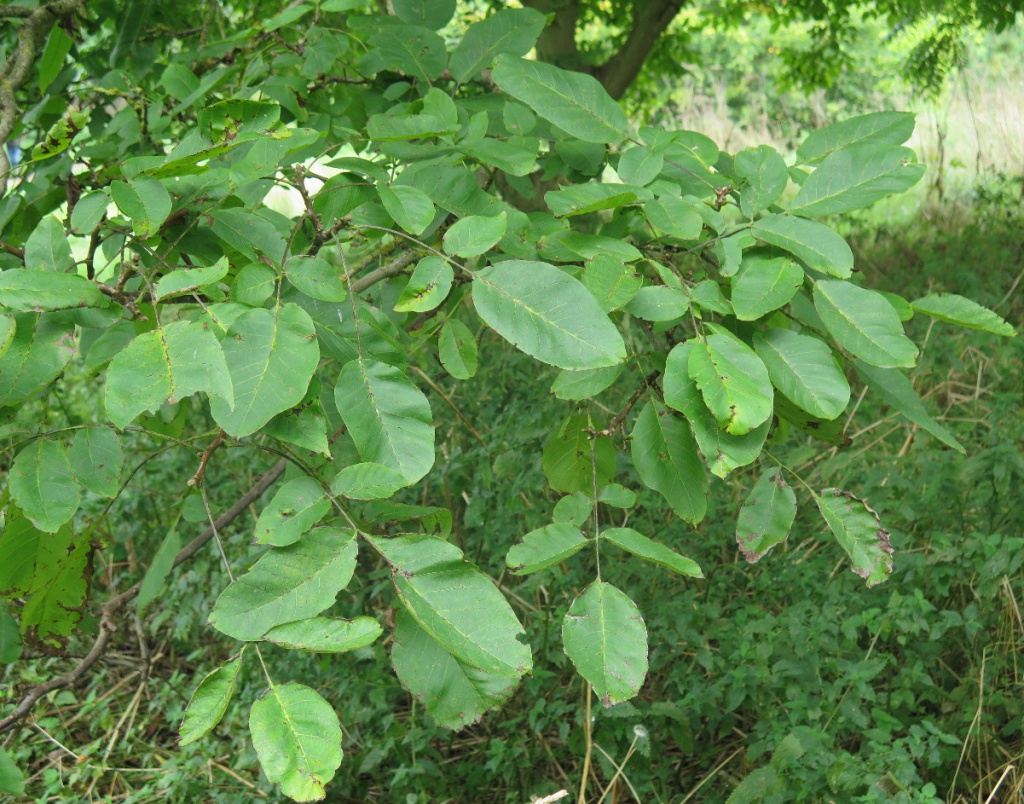
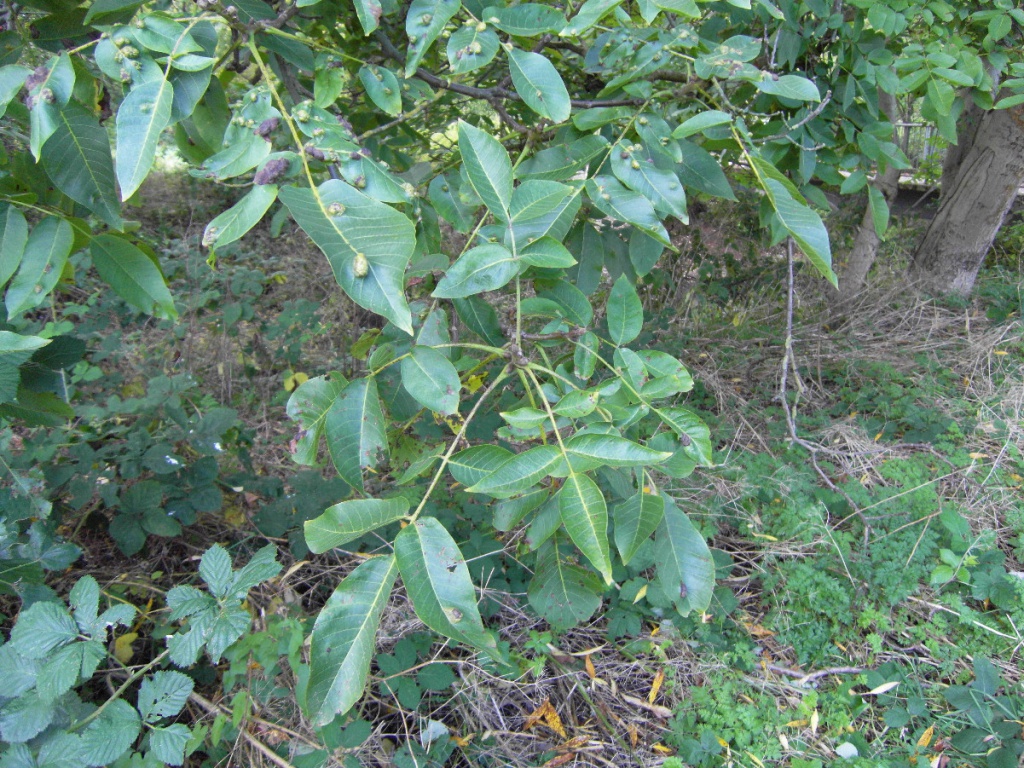
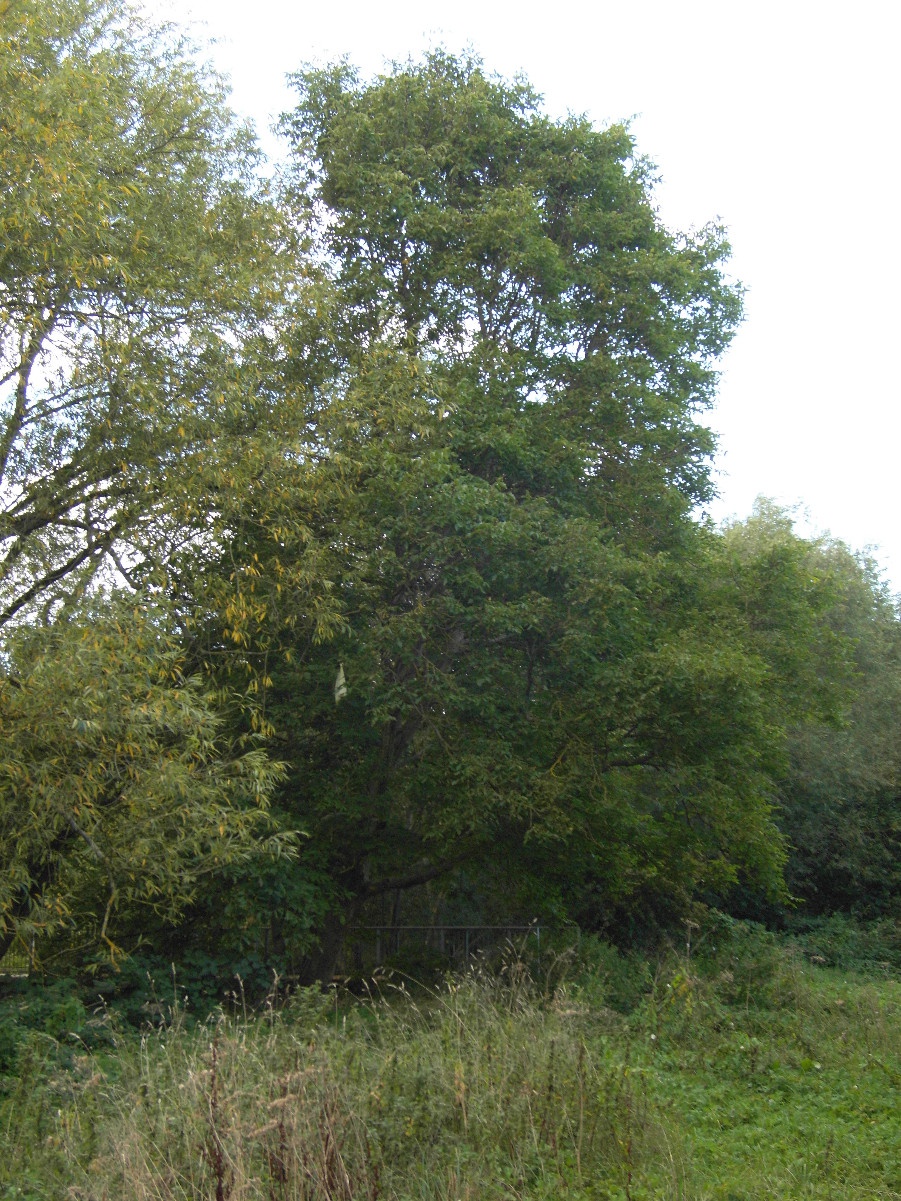
Spreading tree to 30 metres with smooth greyish bark eventually fissured. Leaves alternate, pinnate, with 7 to 9 elliptical untoothed leaflets, aromatic when crushed.

Often planted but sometimes naturalised.
Flowers April to May.
Deciduous.
Widespread and fairly frequent in England and Wales, mainly as a result of planting.
Occasional in Leicestershire and Rutland usually as a planted tree. In the 1979 Flora survey of Leicestershire it was found in 14 of the 617 tetrads but some specimens may not have been recorded at the time as planted trees were not always included depending on their location.
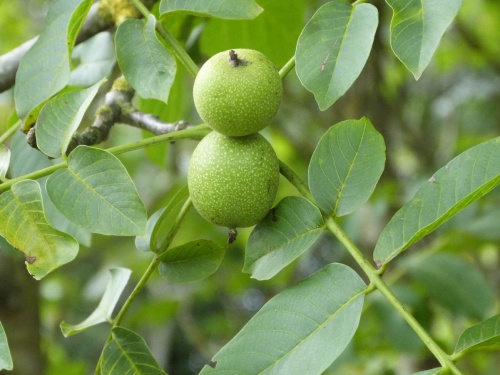 Graham Calow
Sharnford, Fosse Meadows
26 July 2020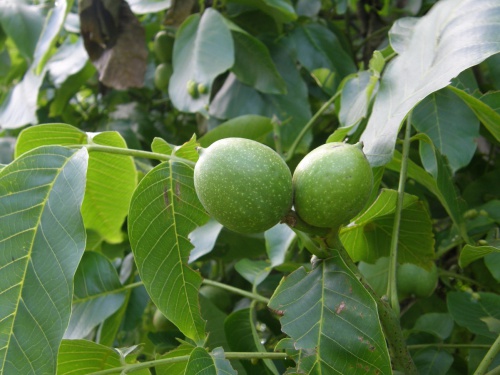 Saharima Roenisch
Abbey Park
07 July 2017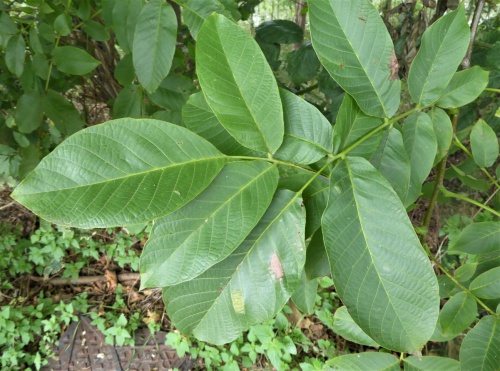 Saharima Roenisch
Soar-GUC, Abbey Park to Belgrave
10 September 2020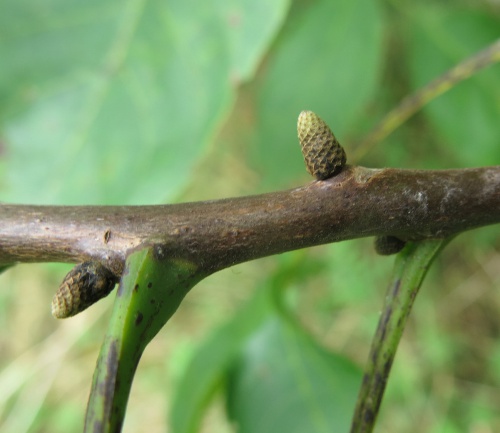 David Nicholls
Shady Lane Arboretum
22 September 2016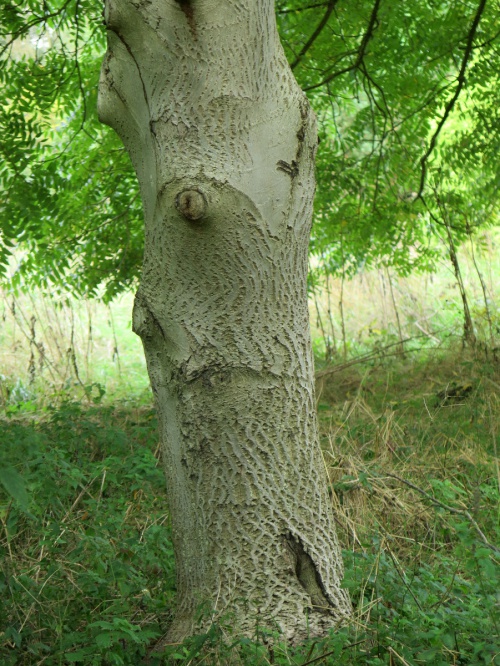 David Nicholls
Shady Lane Arboretum
22 September 2016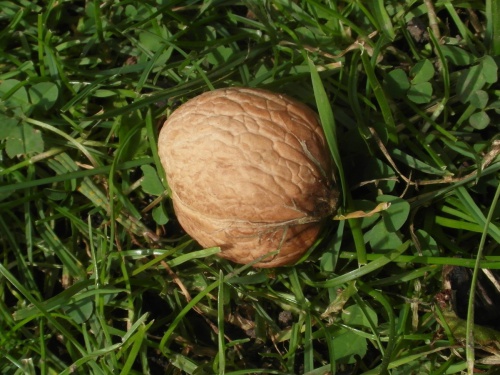 Alan Semper
Bradgate Park
19 September 2017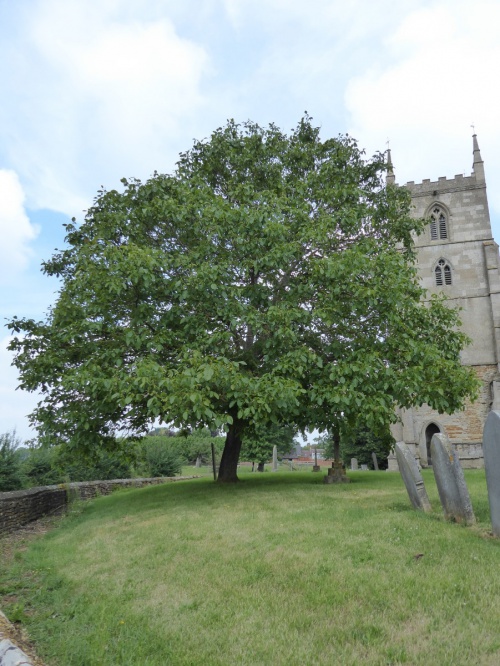 Alan Semper
Teigh churchyard
17 June 2020

Leicestershire & Rutland Map
Enter a town or village to see local records
MAP KEY:
Yellow squares = NBN records (all known data)
Coloured circles = NatureSpot records: 2025+ | 2020-2024 | pre-2020
UK Map
Species profile
- Common names
- Walnut
- Species group:
- flowering plant
- Kingdom:
- Plantae
- Order:
- Fagales
- Family:
- Juglandaceae
- Records on NatureSpot:
- 62
- First record:
- 06/08/2014 (Helen Ikin;Steve Woodward)
- Last record:
- 05/10/2025 (Hollingworth, Jane)
Total records by month
% of records within its species group
10km squares with records
The latest images and records displayed below include those awaiting verification checks so we cannot guarantee that every identification is correct. Once accepted, the record displays a green tick.
In the Latest Records section, click on the header to sort A-Z, and again to sort Z-A. Use the header boxes to filter the list.
Latest images
Latest records
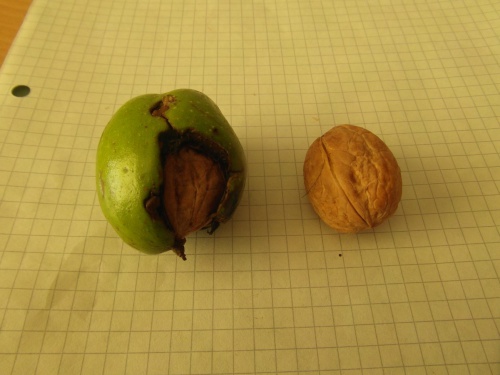 Alan Semper
Harby Nature Reserve
14 September 2017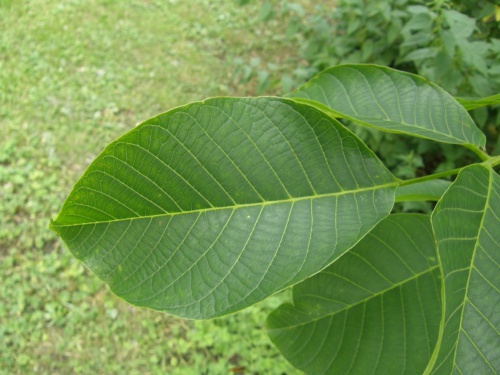 Saharima Roenisch
Leicester Ellis Meadows
24 July 2019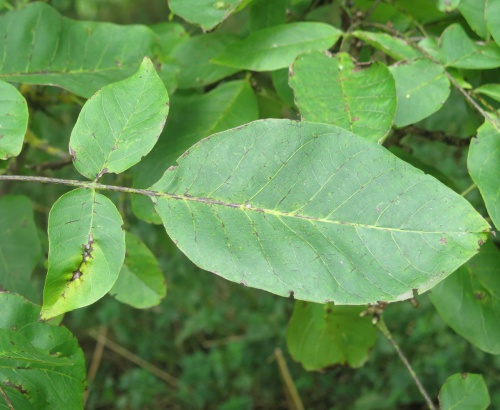 David Nicholls
Shady Lane Arboretum
22 September 2016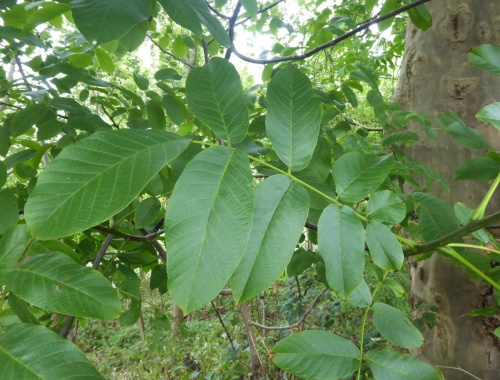 Saharima Roenisch
Soar-GUC, Abbey Park to Belgrave
10 September 2020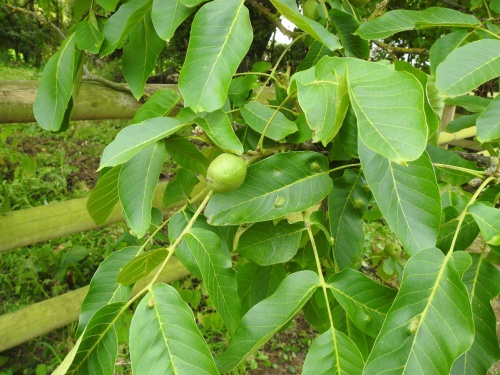 Steve Harris
Lychgate Lane, Burbage
26 August 2017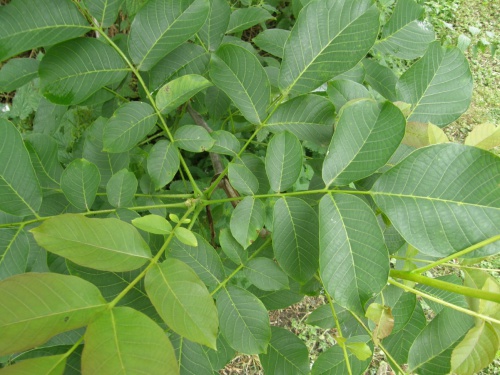 Saharima Roenisch
Leicester Ellis Meadows
24 July 2019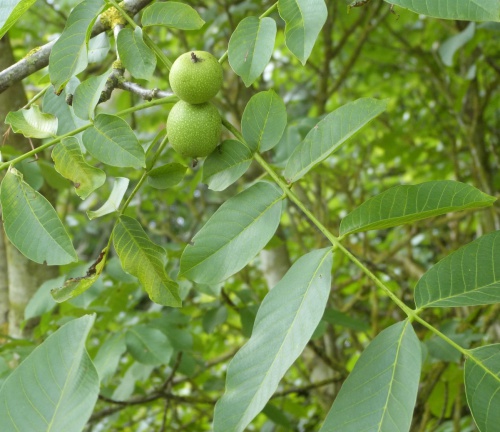 Graham Calow
Sharnford, Fosse Meadows
26 July 2020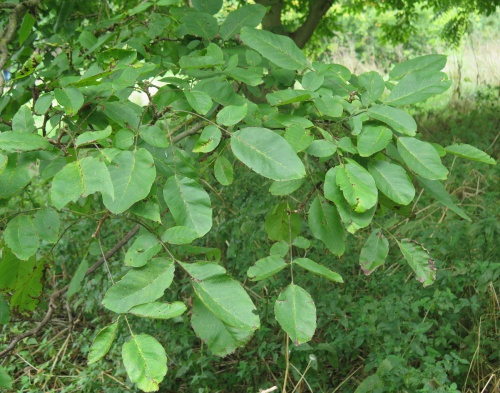 David Nicholls
Shady Lane Arboretum
22 September 2016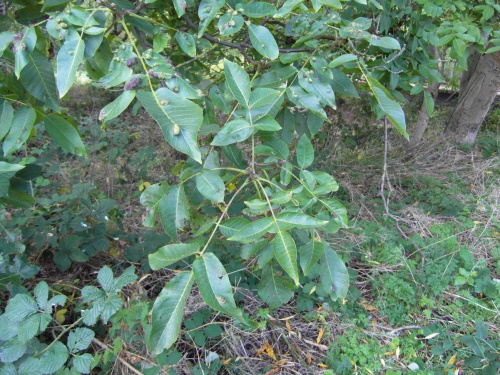 Simon Bennett
Wash Brook Nature Reserve
24 September 2015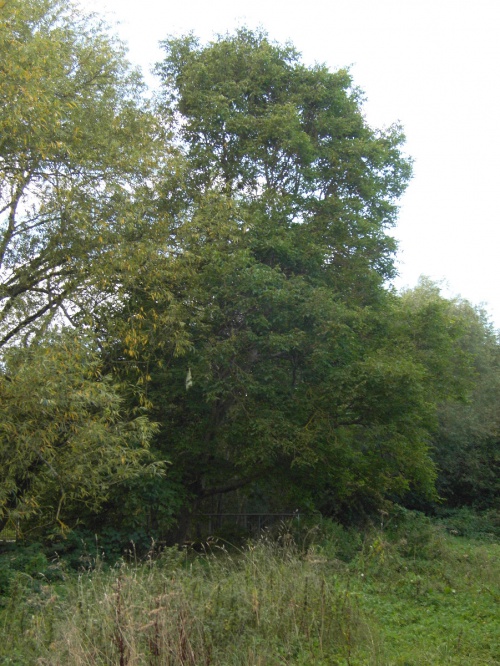 Simon Bennett
Wash Brook Nature Reserve
24 September 2015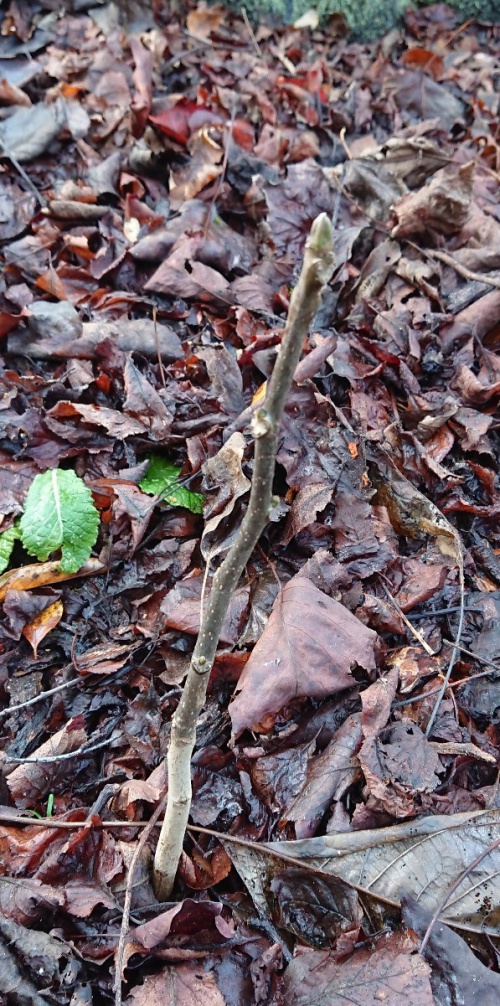 steven lewis
Edith Weston
20 December 2017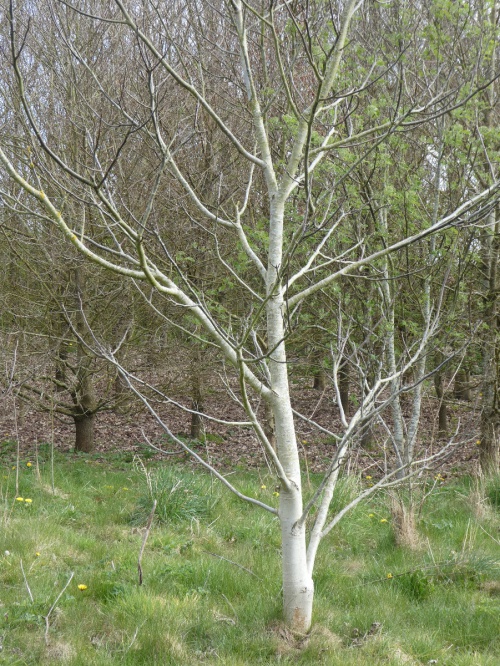 Melinda Bell
Swepstone,Church View and Wynn's Wood
21 April 2021
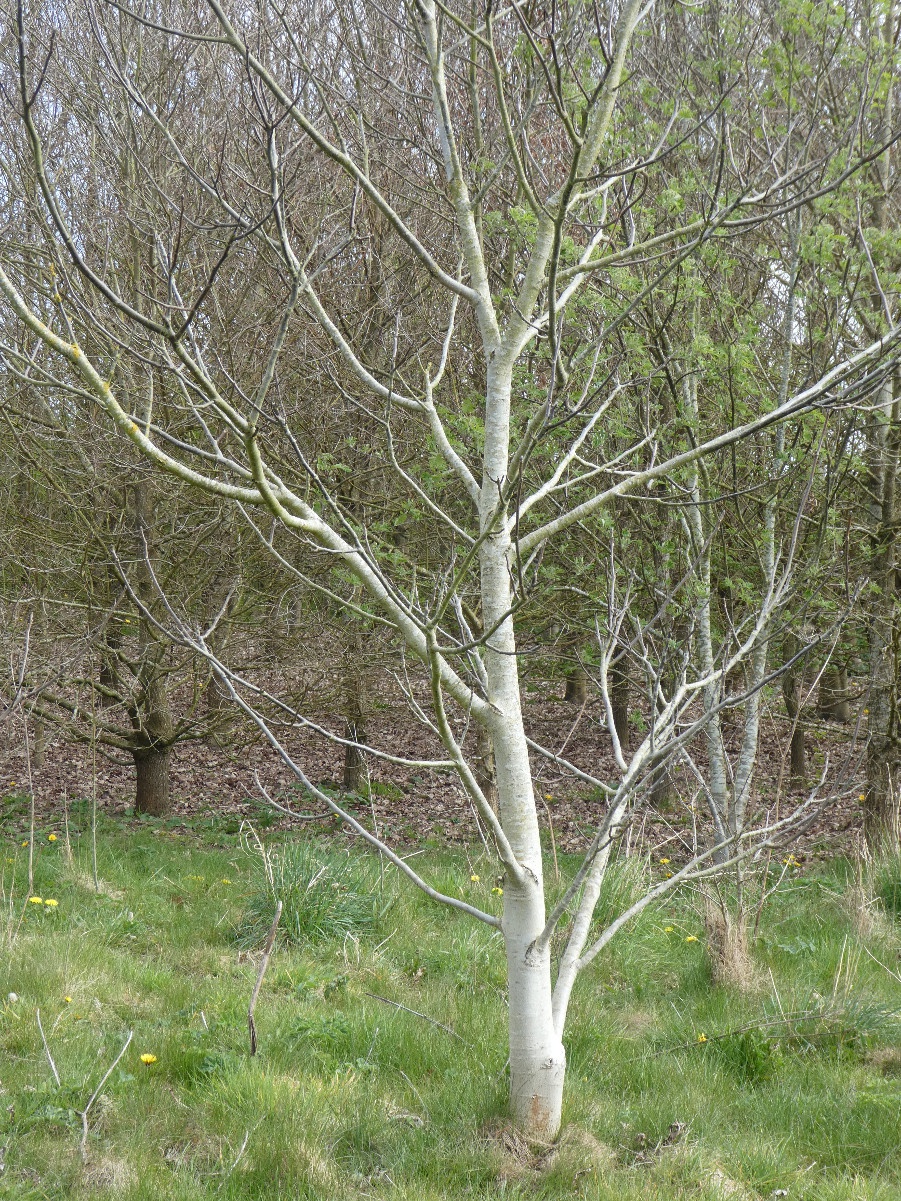

Large Walnut Aphid
The Large Walnut Aphid (Panaphis juglandis) lives on the upper sides of leaves of Walnut. The fourth-instar nymph has transverse rows of brown patches on the dorsal abdomen. The adult alate is large and stout-bodied. It has a darkened head and thorax, and a yellow abdomen with dark brown transverse bands. The forewing veins are fuscous-bordered.
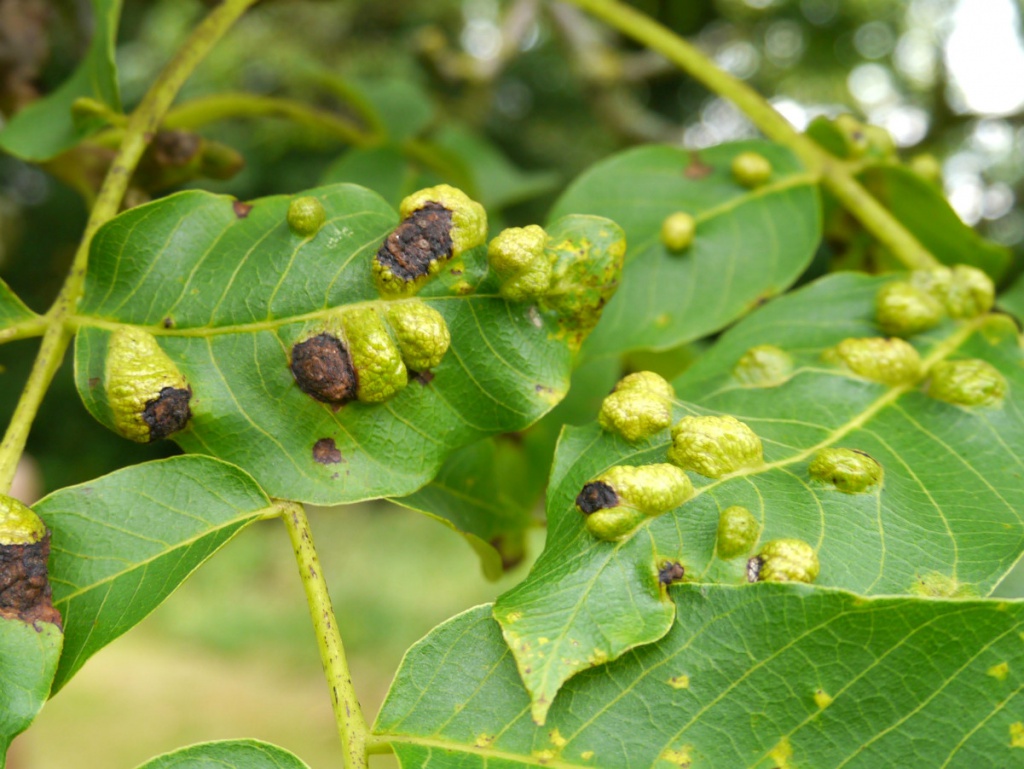
Walnut Leaf Gall Mite
The Walnut Leaf Gall Mite (Aceria erinea) causes galls to form on the leaves and occasionally the fruits of Walnut. Large yellowish blisters appear on the upper surface of the leaves with corresponding hollows on the underside which are lined with whitish or pale brown hairs among which the mites live and feed.
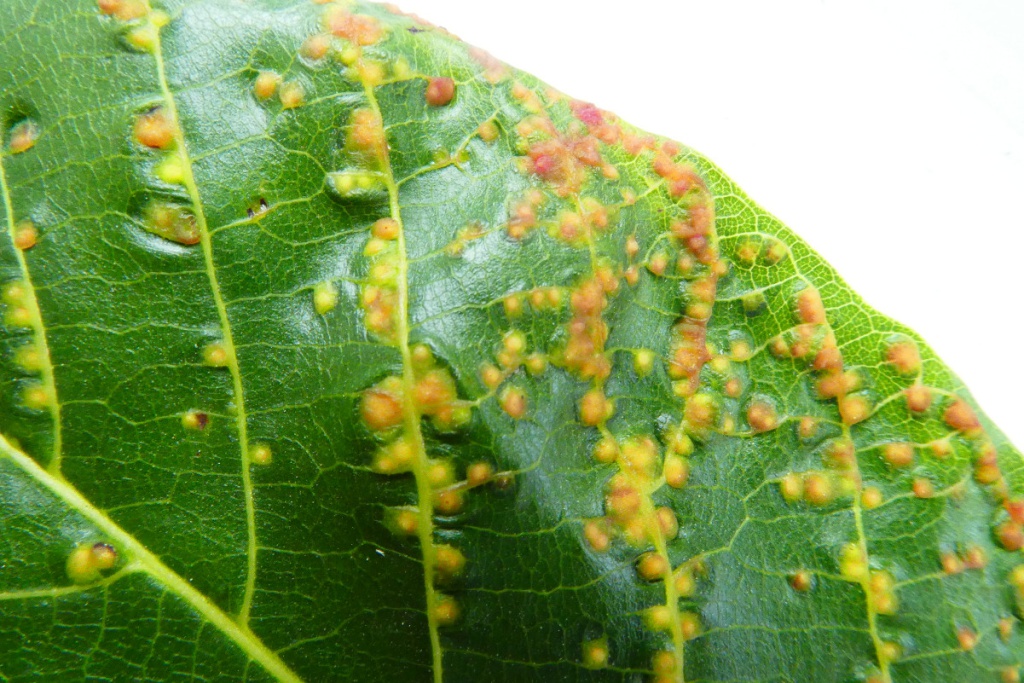
Walnut Blister Mite
The Walnut Blister Mite (Aceria tristriata) produces small blister like galls on the leaves of Walnut which often turn red. When a tree is severely affected the fruits may become galled as well.