

Wall Cotoneaster - Cotoneaster horizontalis
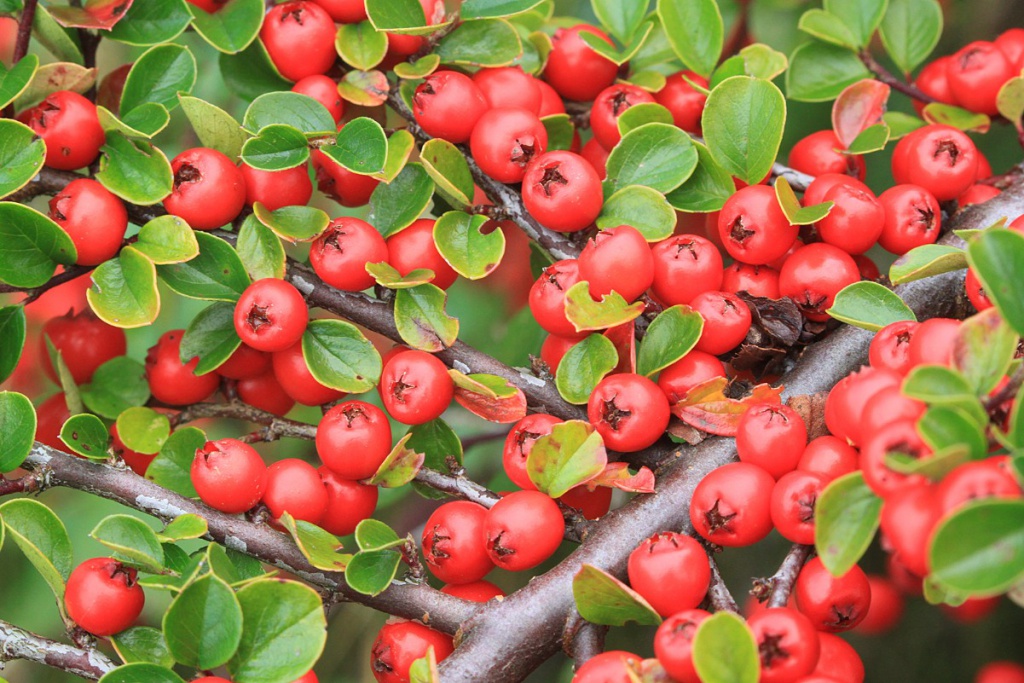
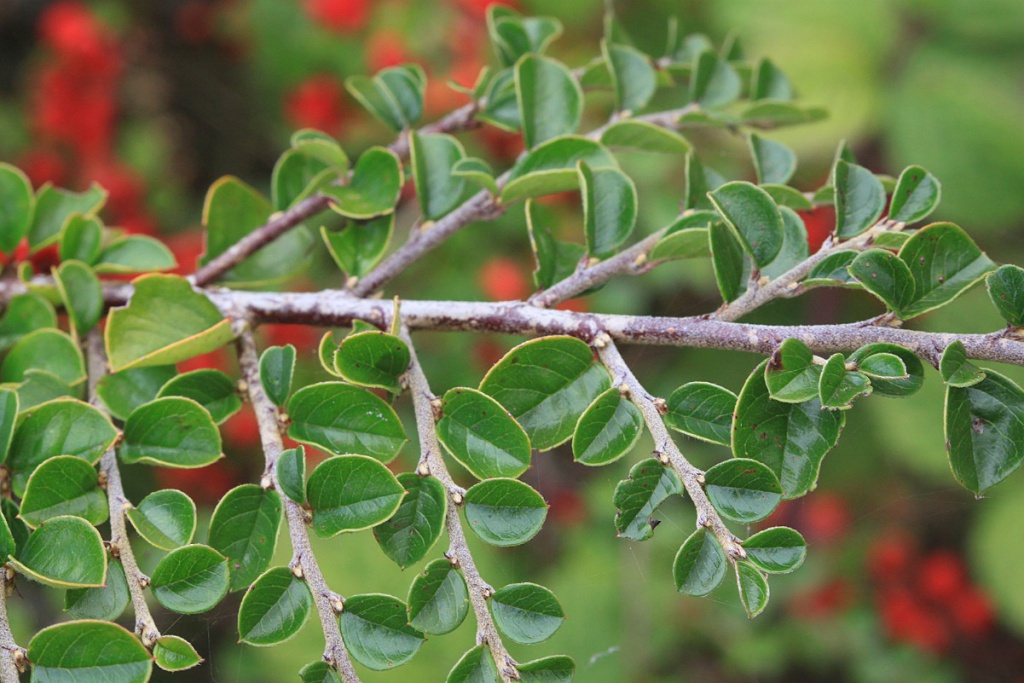
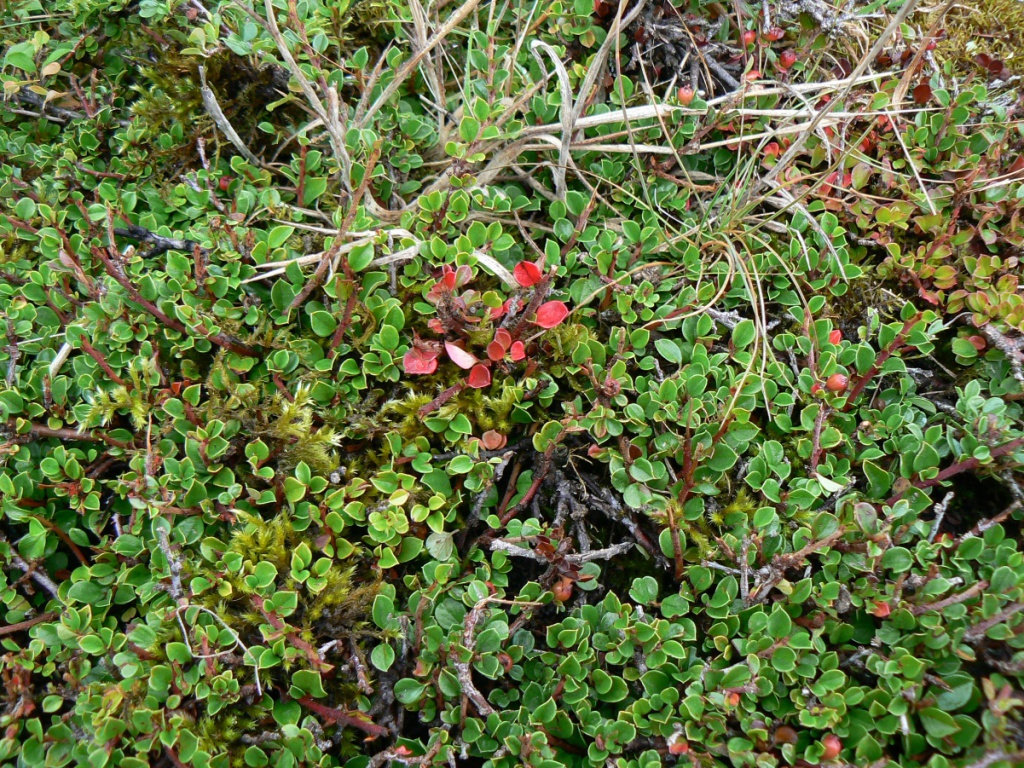
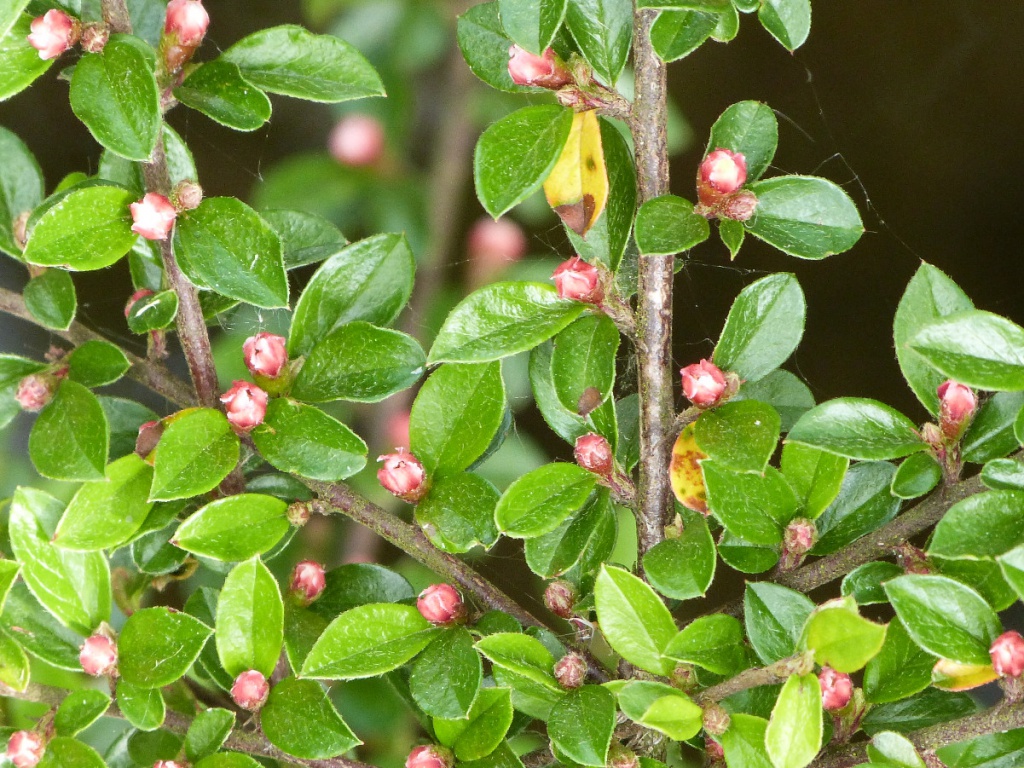
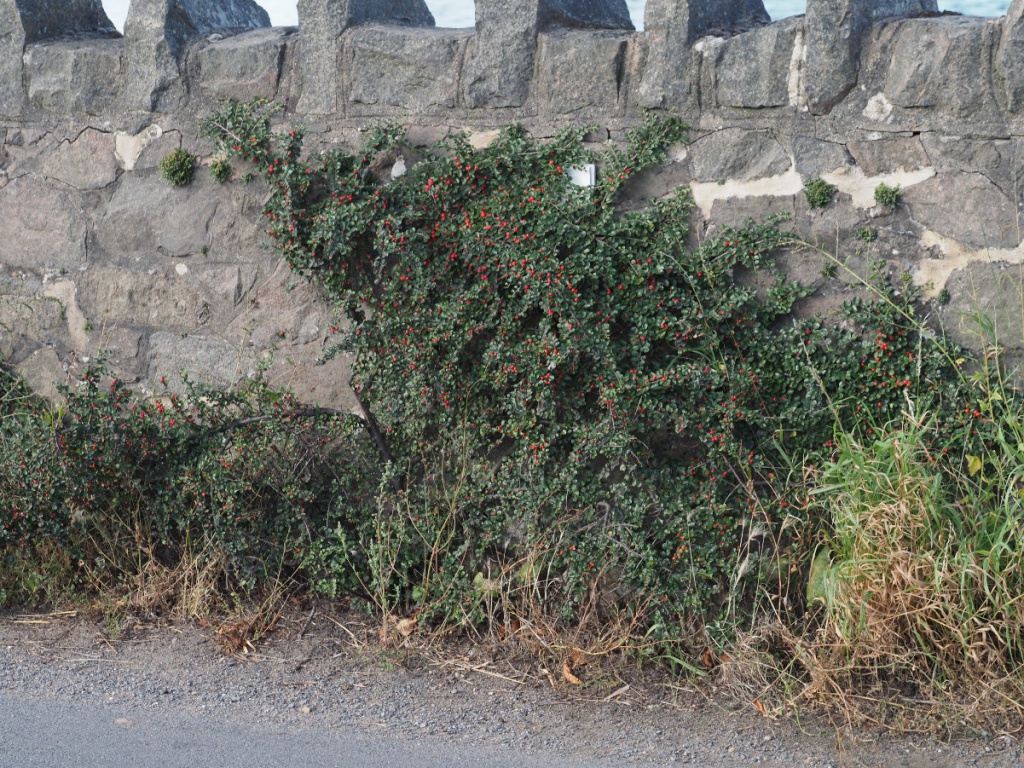
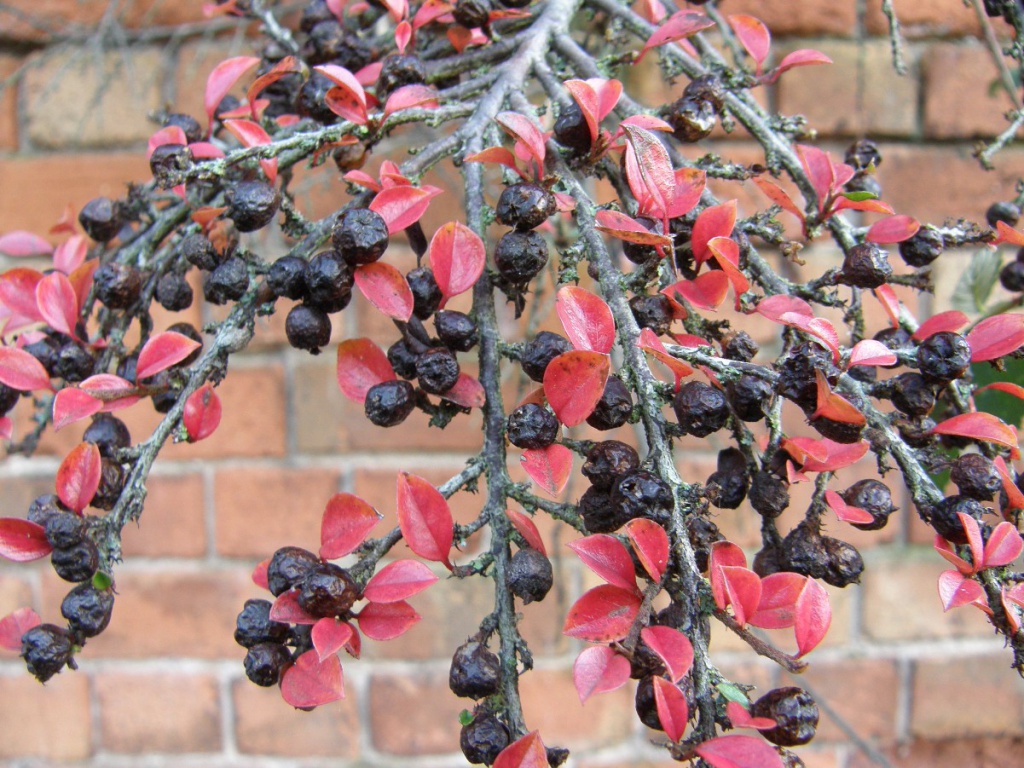
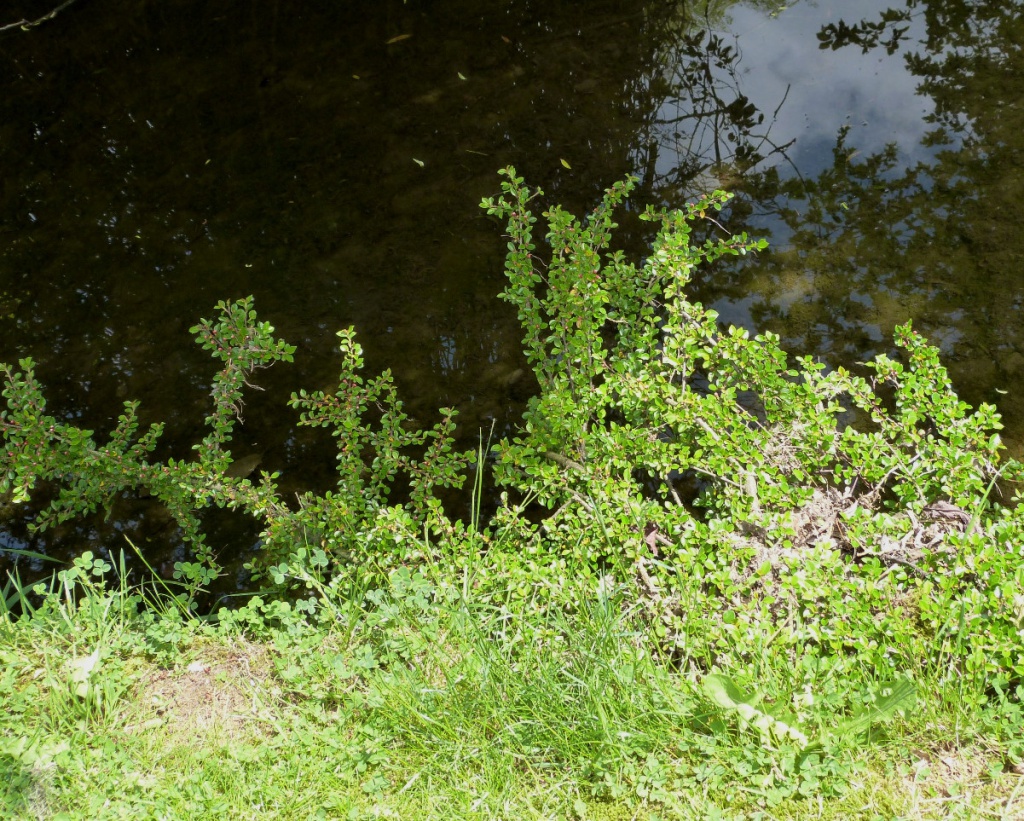
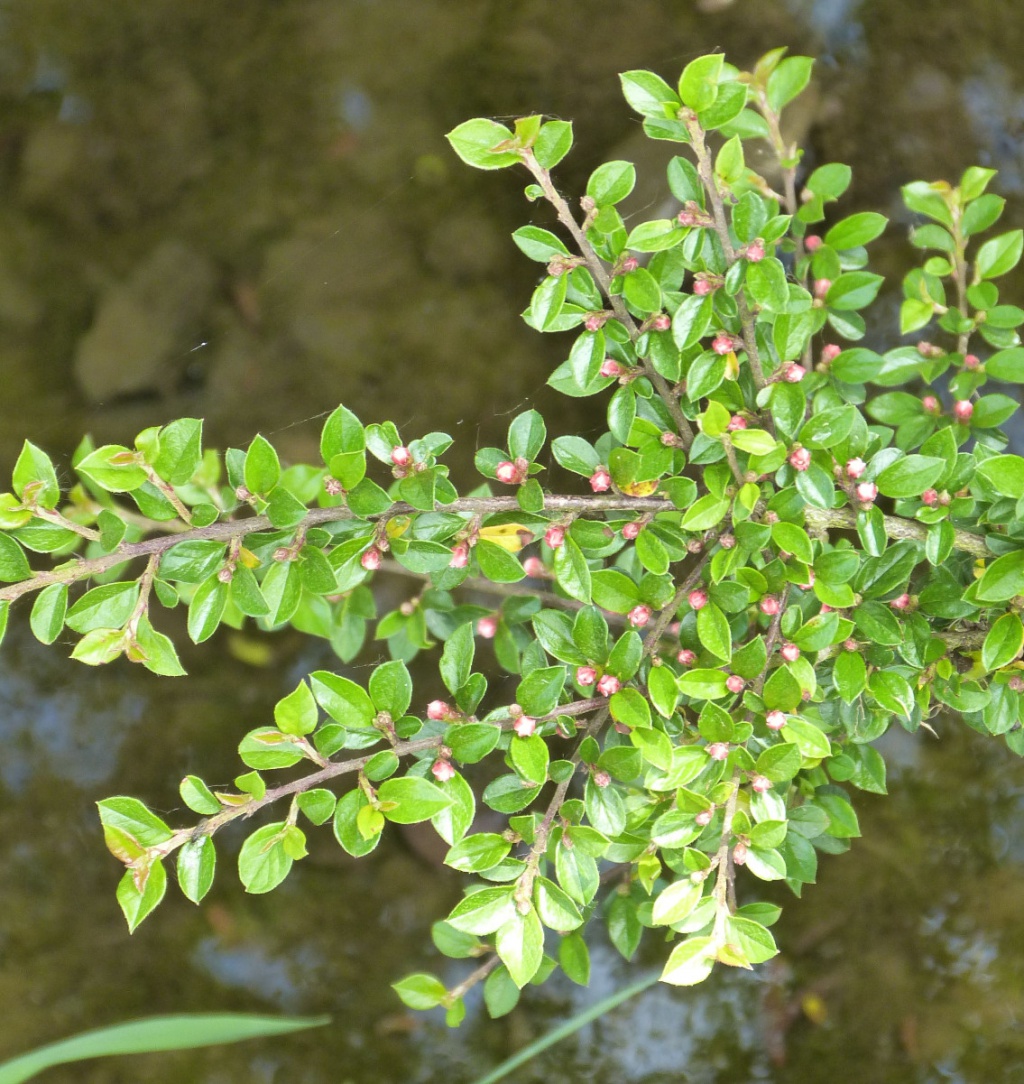
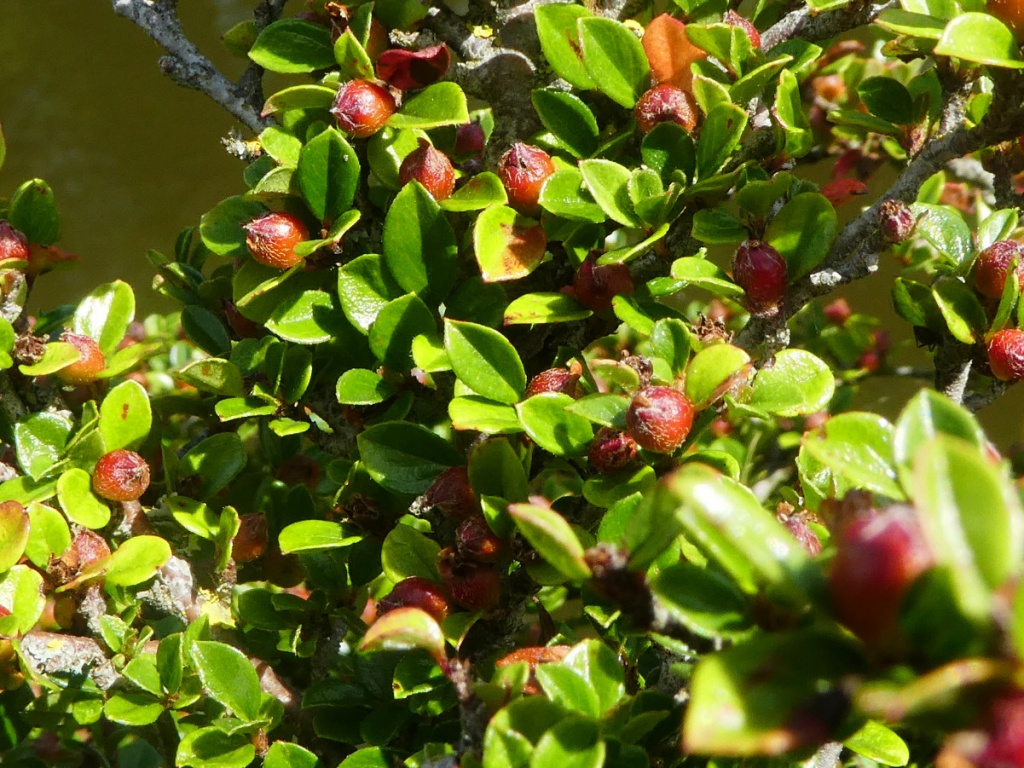
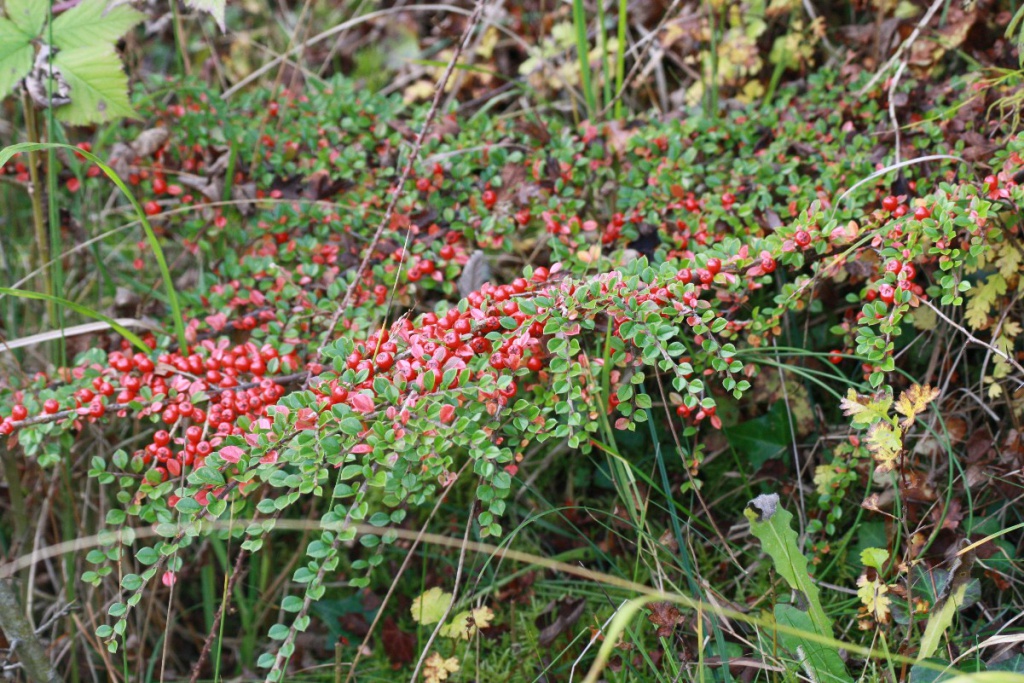
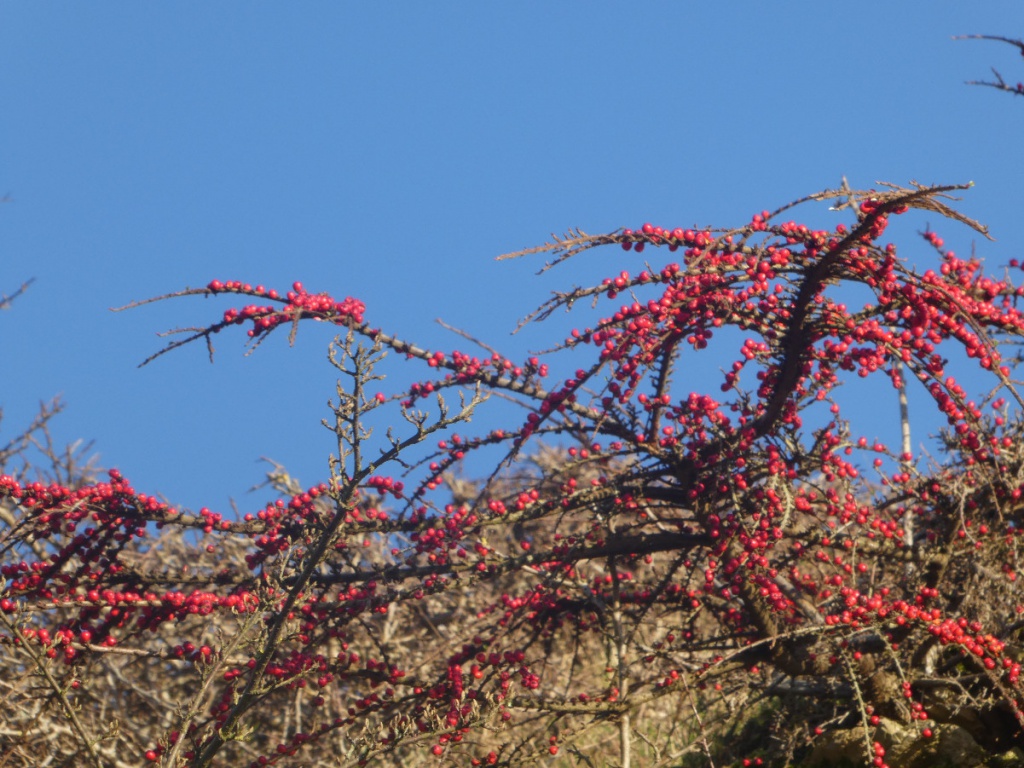
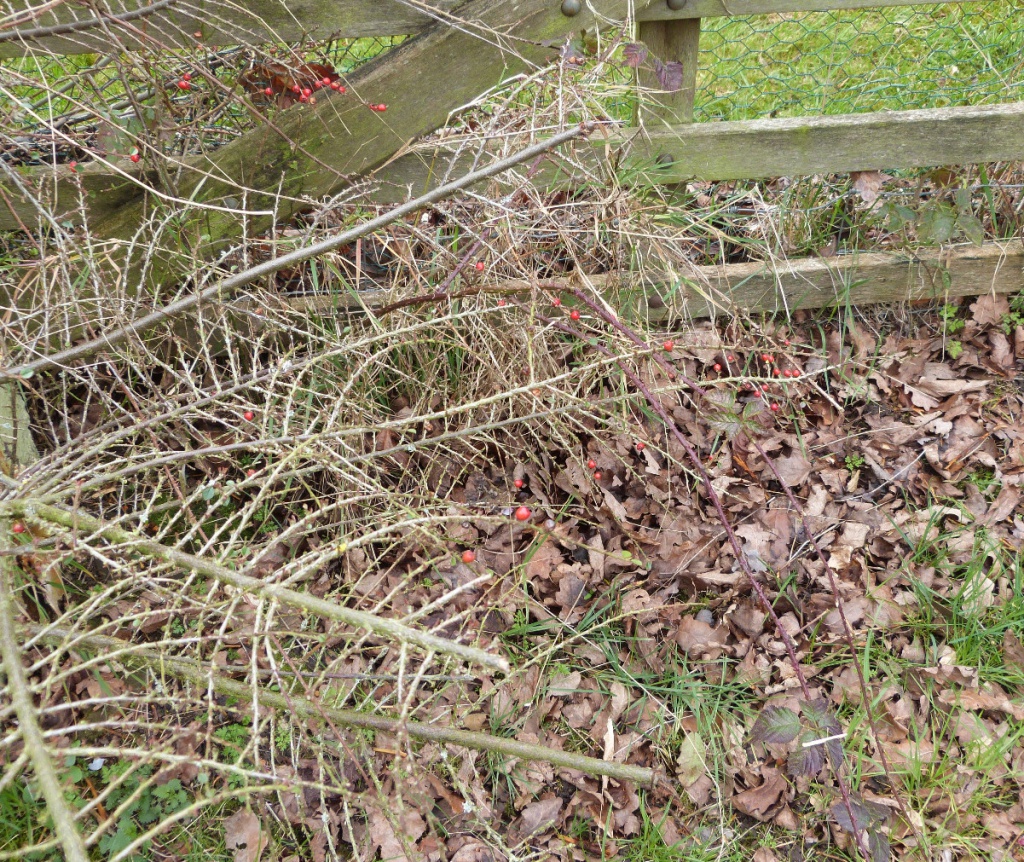
It is a short shrub with a spreading habit, growing to 1 metre tall by 1.5 metres wide. Leaves simple, untoothed. Flowers pink-tinged white in rounded clusters. Berries are red and rather leathery persisting into winter.

Disturbed places and stony ground.
Flowering late spring and early summer followed by red berries.
Deciduous.
Widespread in Britain.
Occasional in Leicestershire and Rutland. It was not recorded in the 1979 Flora survey of Leicestershire.
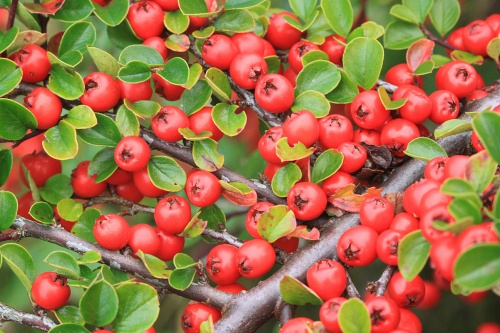 Paul Ruddoch
Asfordby Hill
08 October 2015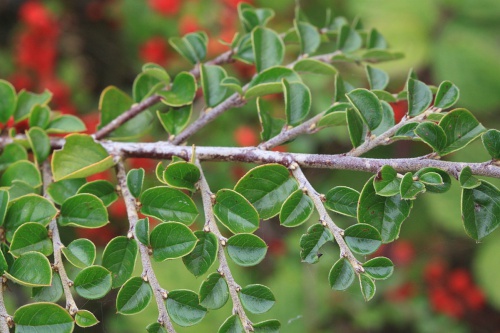 Paul Ruddoch
Asfordby Hill
08 October 2015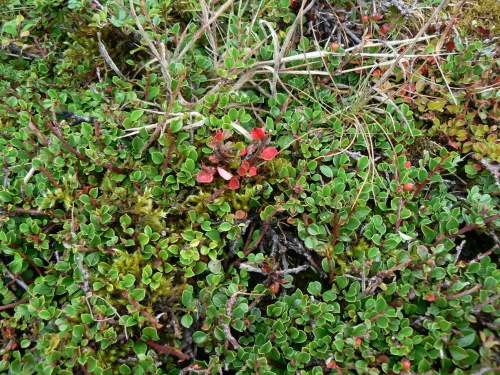 Ken Charity
Ketton Quarry NR
20 August 2015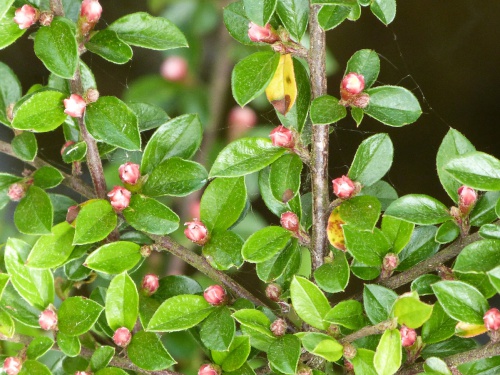 Graham Calow
Main Street, Cosby
16 May 2016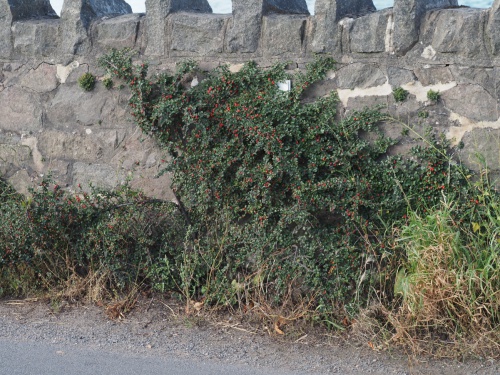 David Nicholls
Thornton reservoir
20 September 2021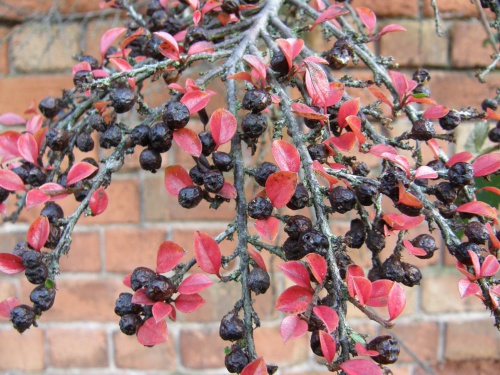 Saharima Roenisch
Abbey Park
24 November 2017
Leicestershire & Rutland Map
Enter a town or village to see local records
MAP KEY:
Yellow squares = NBN records (all known data)
Coloured circles = NatureSpot records: 2025+ | 2020-2024 | pre-2020
UK Map
Species profile
- Common names
- Wallspray, Wall Cotoneaster
- Species group:
- flowering plant
- Kingdom:
- Plantae
- Order:
- Rosales
- Family:
- Rosaceae
- Records on NatureSpot:
- 25
- First record:
- 11/01/2015 (Helen Ikin;Steve Woodward)
- Last record:
- 02/07/2025 (Pugh, Dylan)
Total records by month
% of records within its species group
10km squares with records
The latest images and records displayed below include those awaiting verification checks so we cannot guarantee that every identification is correct. Once accepted, the record displays a green tick.
In the Latest Records section, click on the header to sort A-Z, and again to sort Z-A. Use the header boxes to filter the list.
Latest images
Latest records
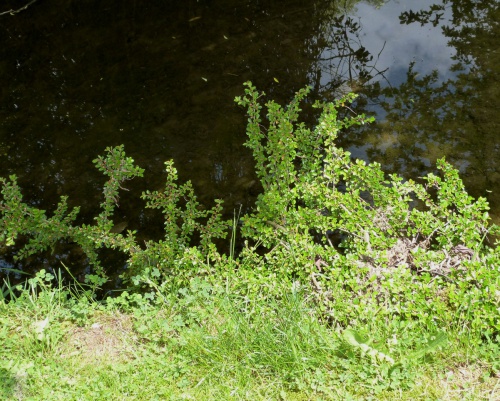 Graham Calow
Main Street, Cosby
16 May 2016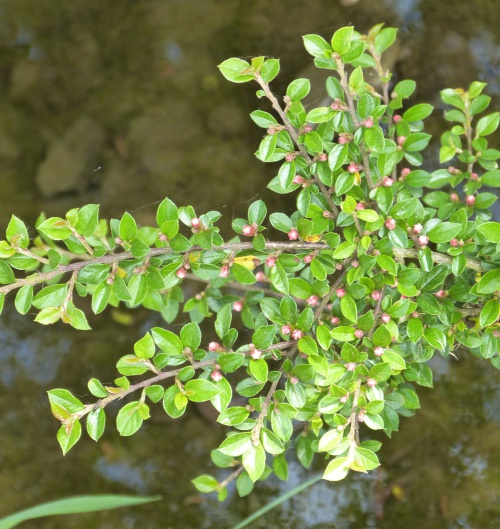 Graham Calow
Main Street, Cosby
16 May 2016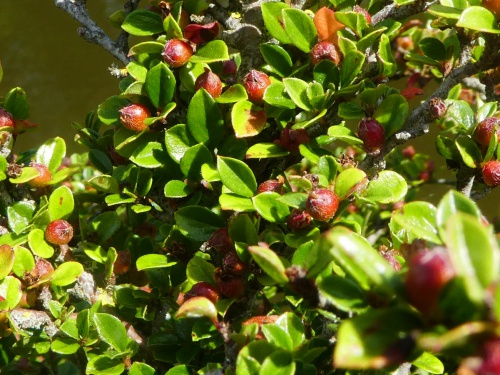 Melinda Bell
Kirby Muxloe, Castle
30 June 2019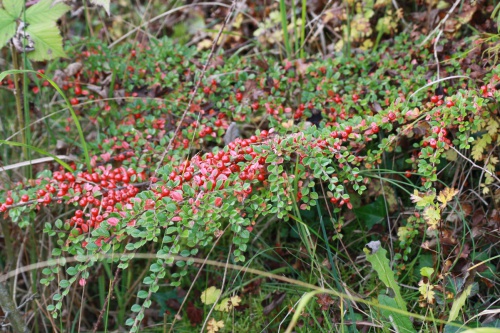 Craig Mabbett
Broughton Astley Brick Quarry
24 October 2015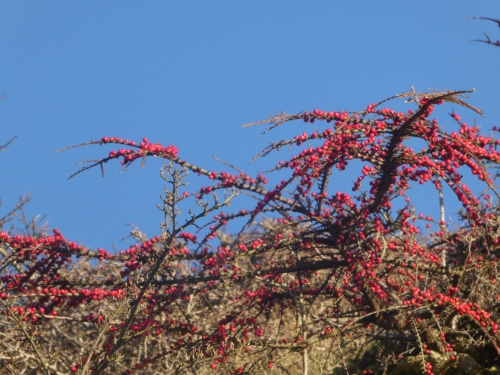 Melinda Bell
Breedon, Breedon Hill
27 December 2020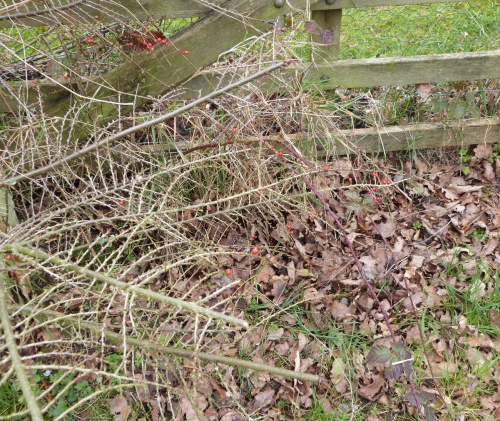 Graham Calow
Church Lane, Wigston Parva
28 March 2016
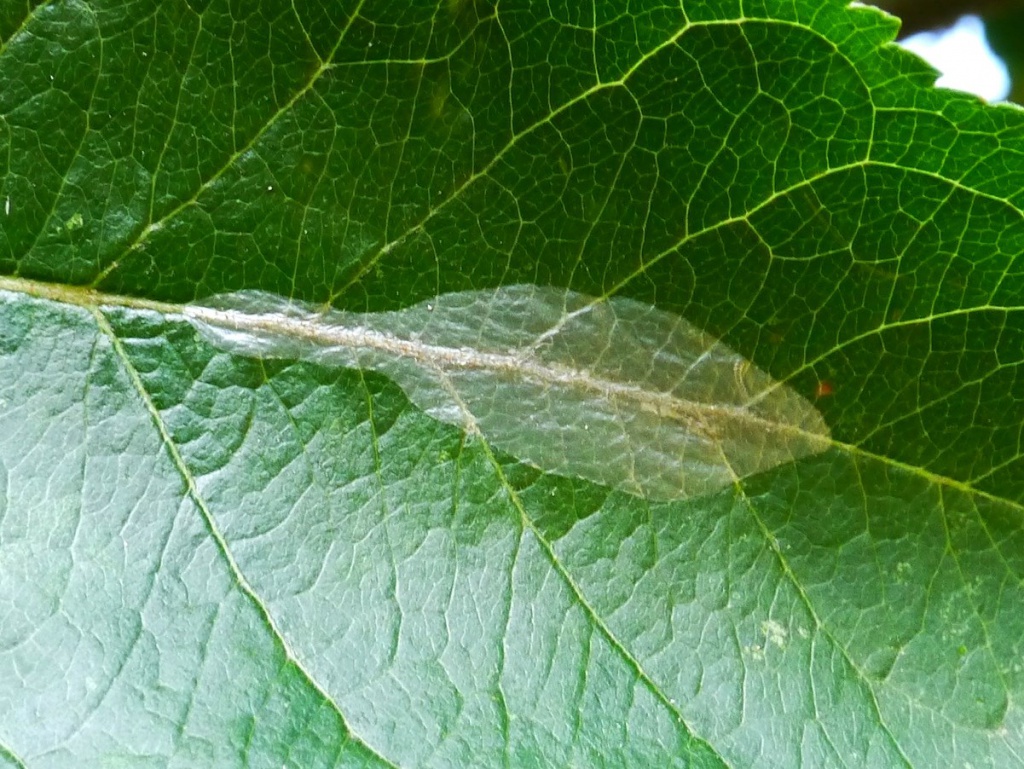
Firethorn Leaf Miner
The larva of the Firethorn Leaf Miner moth (Phyllonorycter leucographella) mine the leaves of a number of species including Firethorn (Pyracantha coccinea), Apple, London Plane and Hawthorn. The mine is usually on the upper side, silvery in appearance and over the midrib.
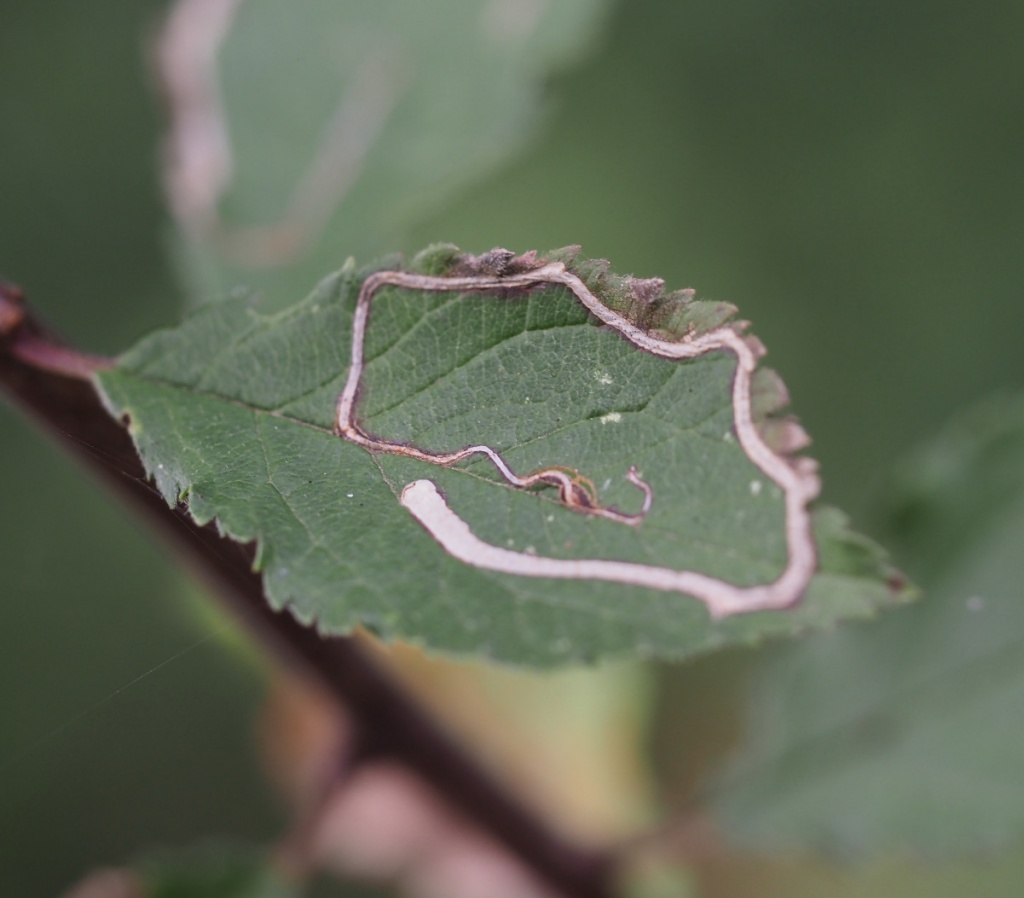
Apple Leaf Miner
The larva produces a leafmine on a number of species, especially Cherry, Apple, Rowan, Hawthorn, Blackthorn and other trees and shrubs in the Rosaceae family. It is also commonly found on Birch. The mine is long, smoothly curved gallery with frass in a central line; older mines look whitish. The larva is long and slender. It has a segmented body and 6 dark feet.
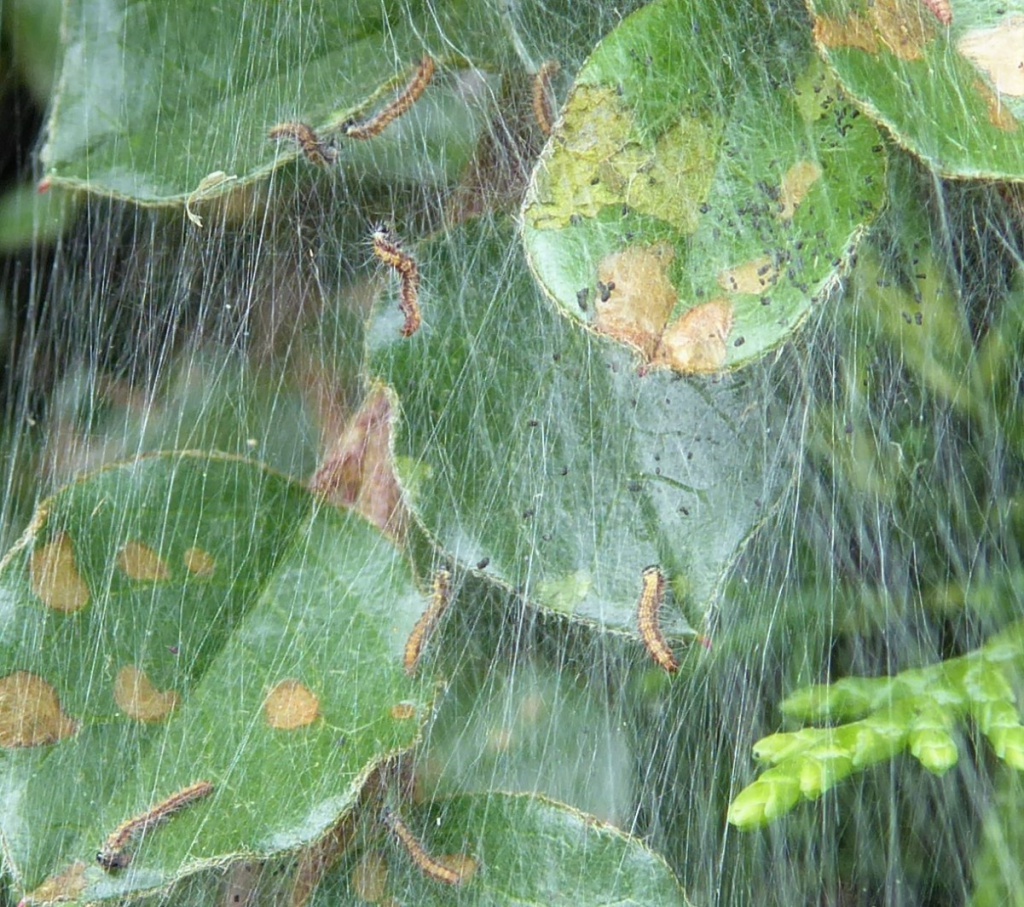
Hawthorn Moth
The larvae of the moth Scythropia crataegella feed communally in a silken web spun on Hawthorn after initially mining the leaves. Other foodplants include Blackthorn and Cotoneaster.