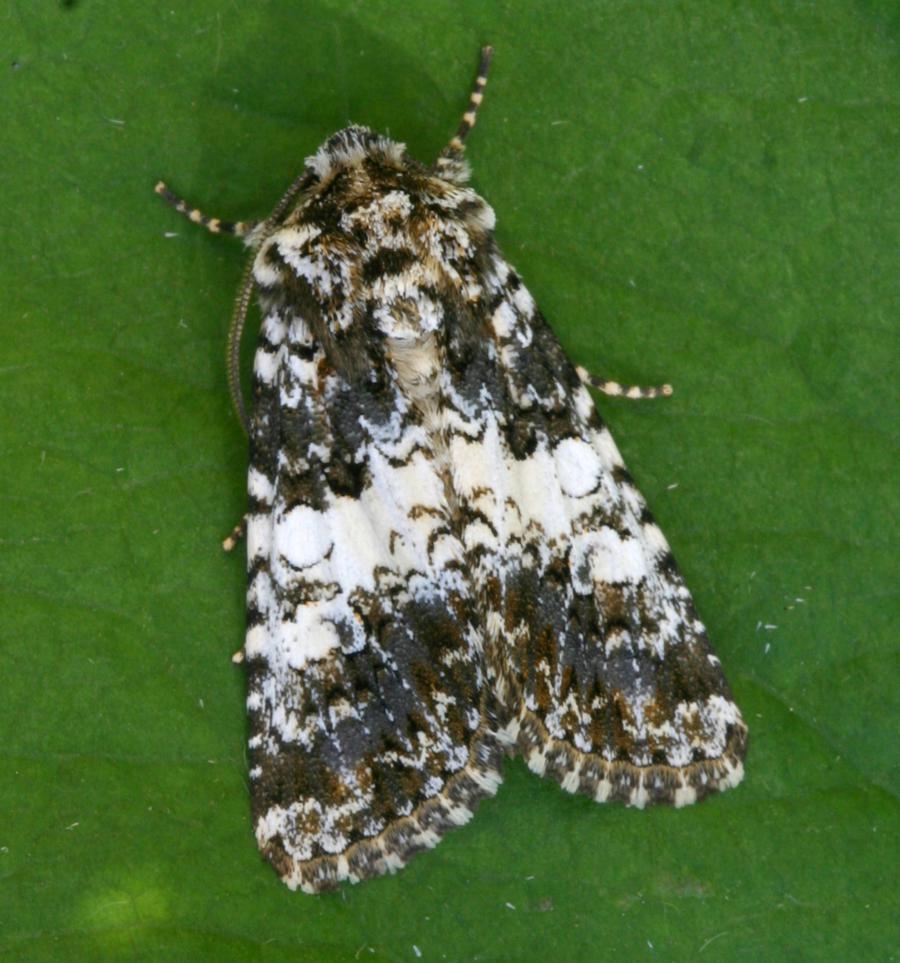
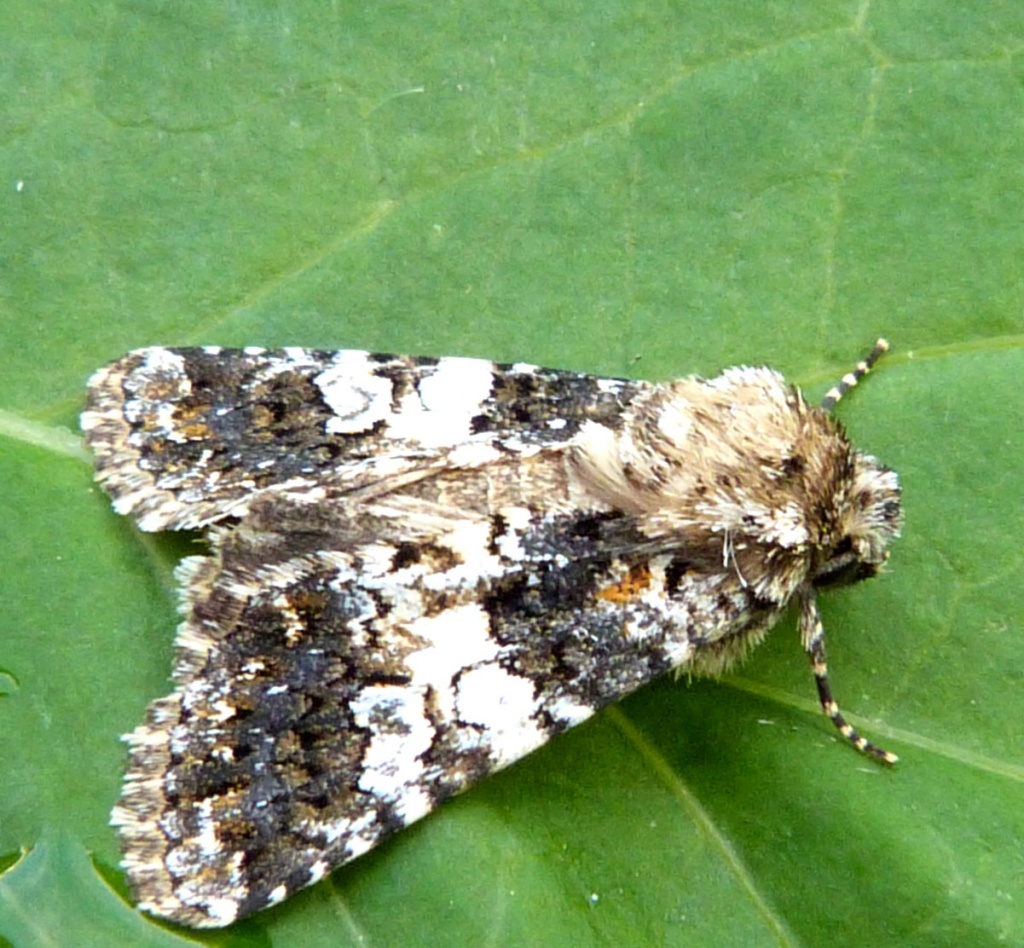
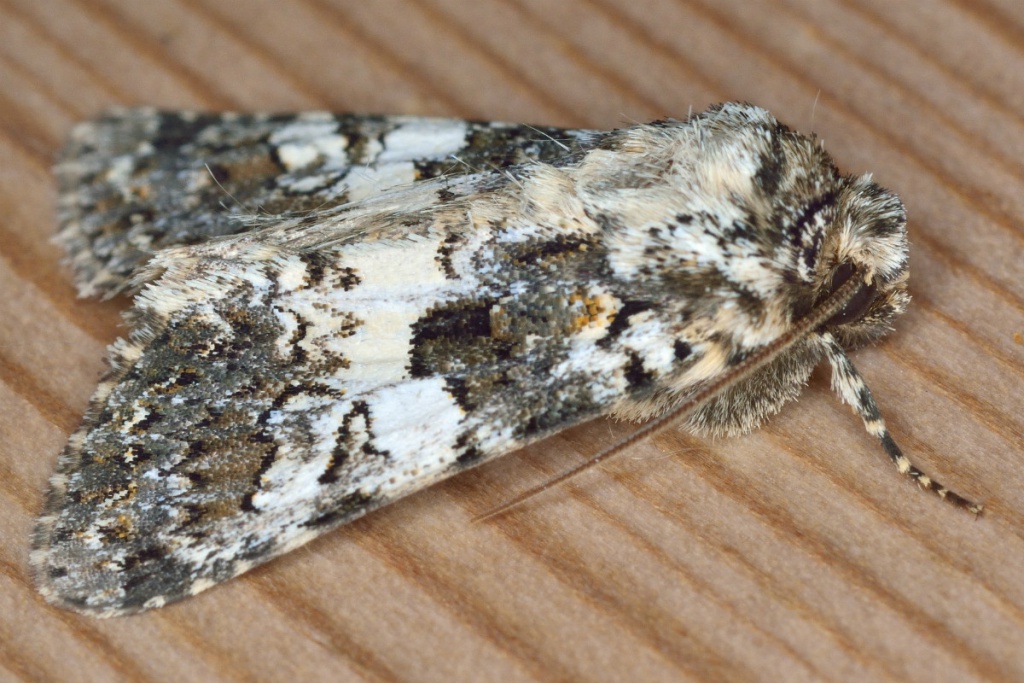
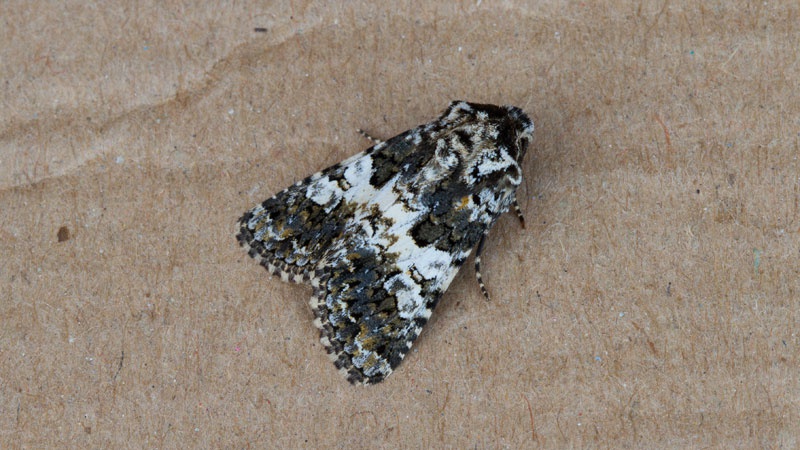
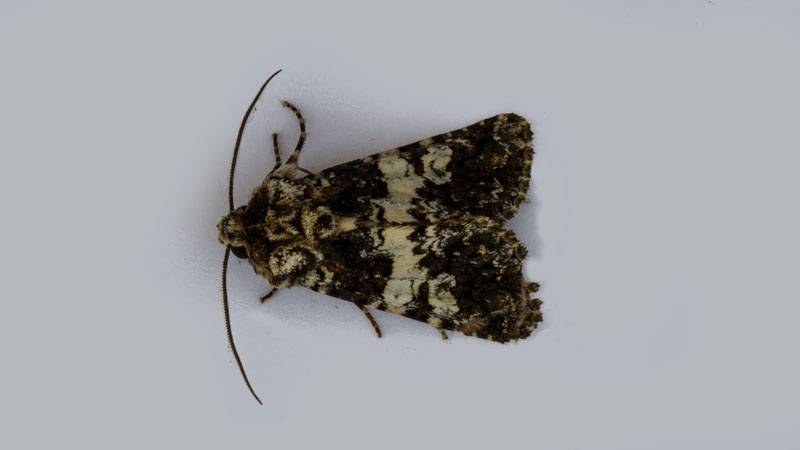
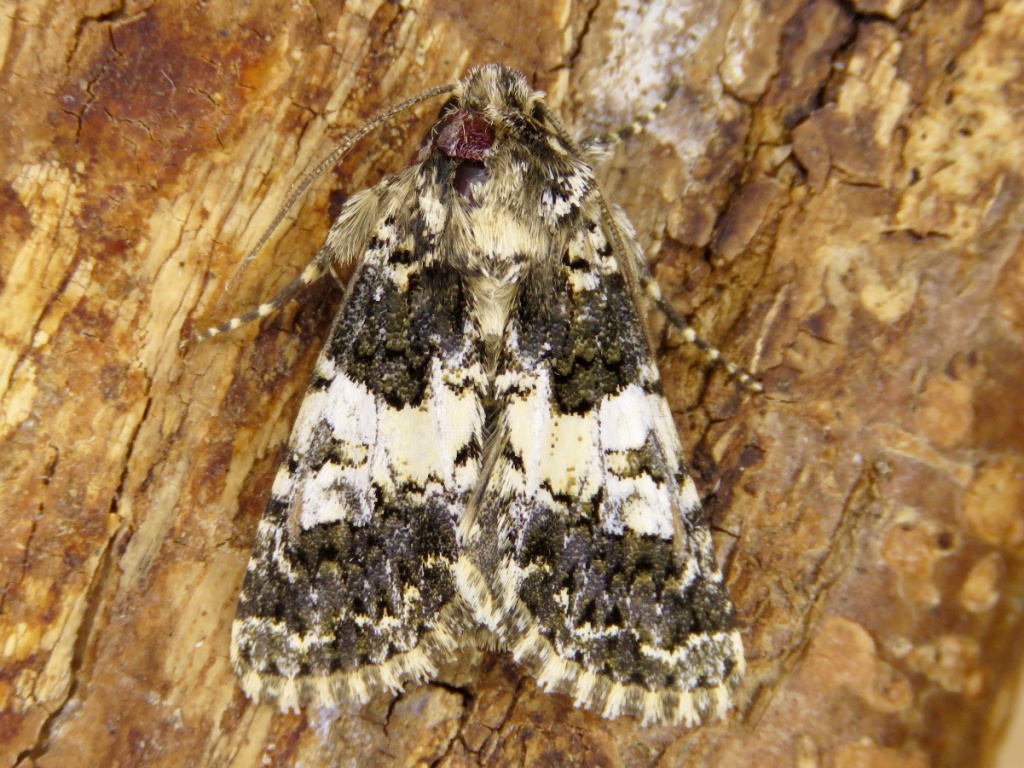
Varied Coronet - Hadena compta
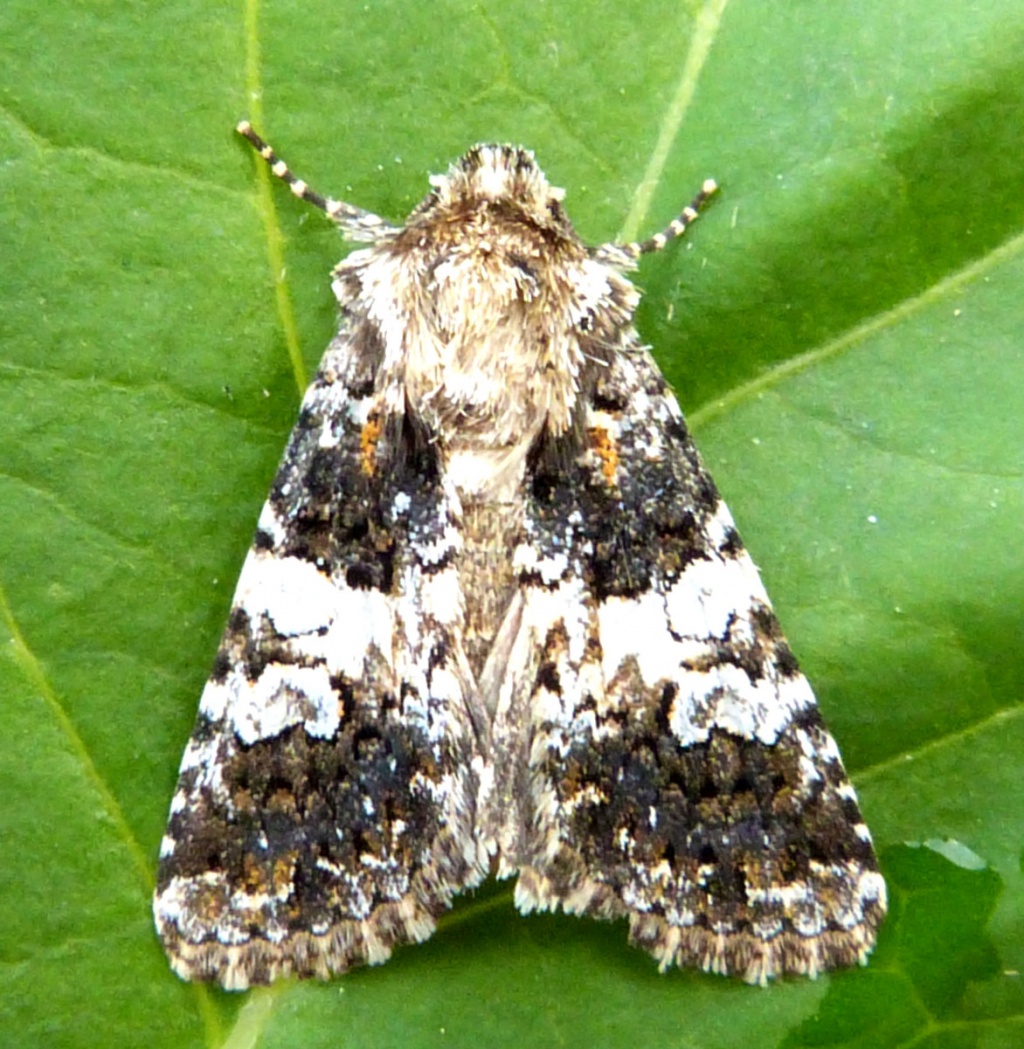
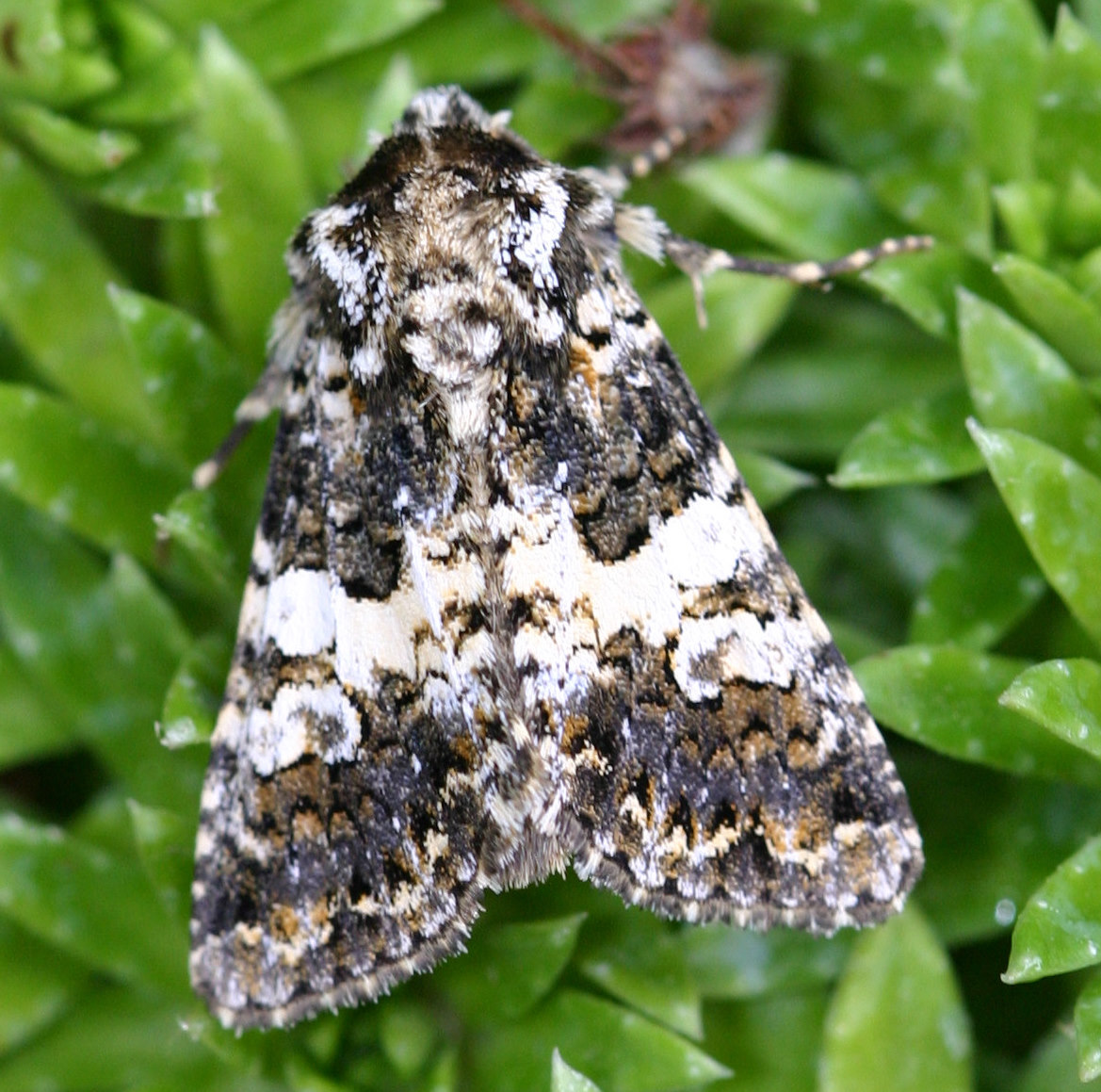
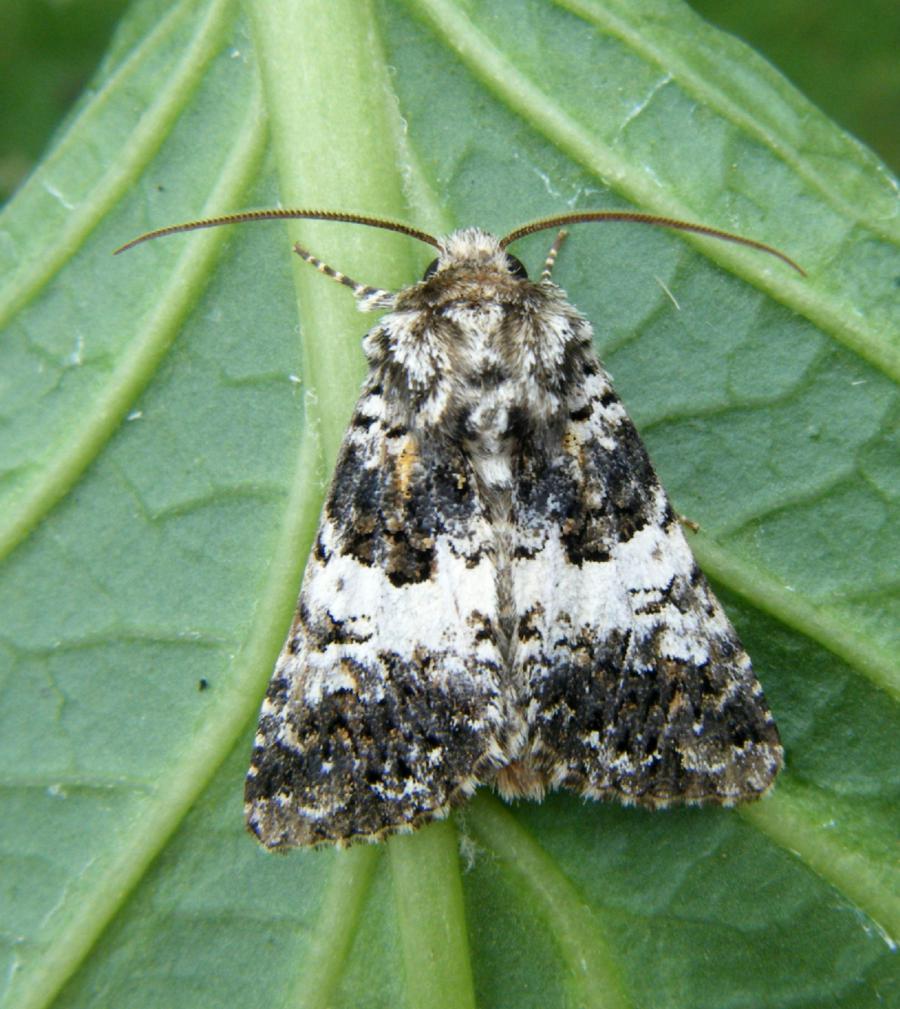
Wingspan 25-30 mm. Bold black and white forewing with cross band complete and meeting trailing edge about halfway along (not diagonal as in Marbled Coronet).

Calcareous grassland and gardens.
The main flight period is from June to July, when the species comes to light.
The main foodplant is Sweet William (Dianthus barbatus), and as a result it is often common in gardens, but it also feeds on Bladder Campion, in both cases consuming the seeds. It overwinters as a pupa.
An adventive colonist, being relatively unknown in the British Isles until the late 1940's when it started to appear in numbers in the south-east. Since then it has spread rapidly and now can be found as far north as Lincolnshire. In a recent survey to determine the status of all macro moths in Britain this species was classified as common.
Fairly common in Leicestershire and Rutland. L&R Moth Group status = A (common and resident)
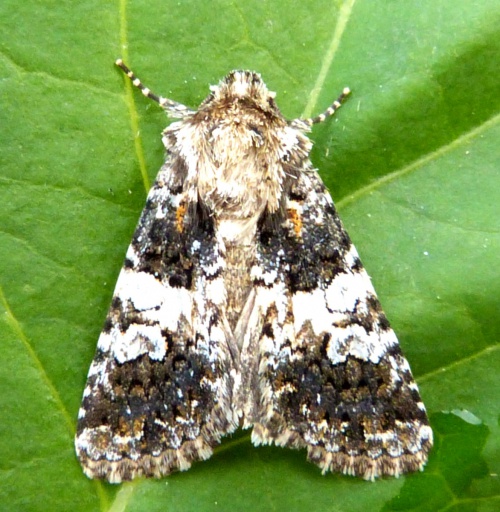 Graham Calow
Sapcote garden1
01 June 2014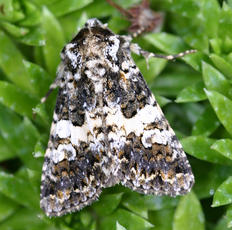 David Nicholls
Ratby garden1
23 July 2005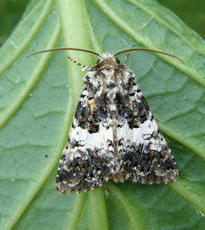 Graham Calow
Sapcote garden1
27 June 2011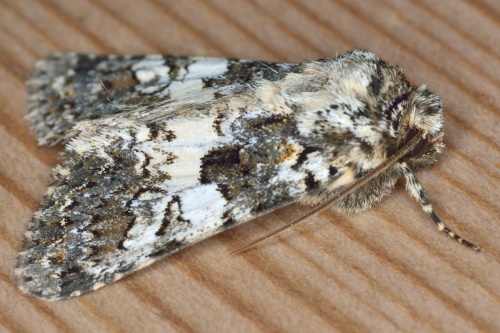 Barbara Cooper
Long Clawson
30 June 2013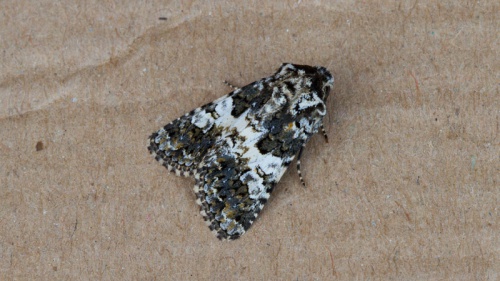 Rod Baker
Wigston
01 July 2013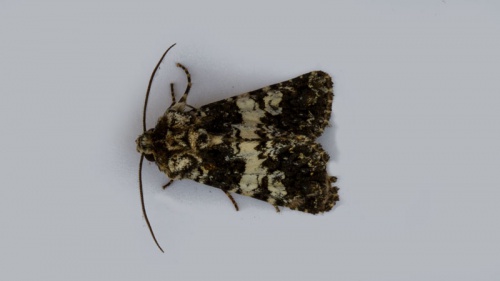 Rod Baker
Wigston Magna
12 June 2014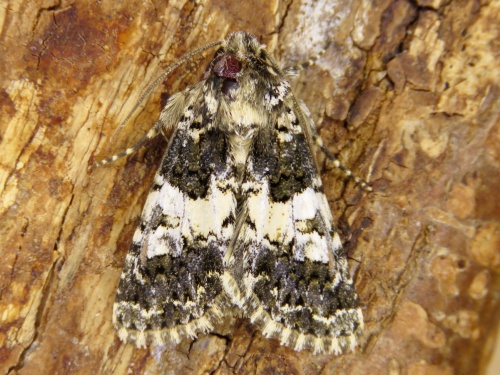 egaten
Thurlaston garden
26 June 2017
Leicestershire & Rutland Map
Enter a town or village to see local records
MAP KEY:
Yellow squares = NBN records (all known data)
Coloured circles = NatureSpot records: 2025+ | 2020-2024 | pre-2020
UK Map
Species profile
- Common names
- Varied Coronet
- Species group:
- insect - moth
- Kingdom:
- Animalia
- Order:
- Lepidoptera
- Family:
- Noctuidae
- Records on NatureSpot:
- 92
- First record:
- 08/06/2003 (Nicholls, David)
- Last record:
- 29/05/2026 (Higgott, Mike)
Total records by month
% of records within its species group
10km squares with records
The latest images and records displayed below include those awaiting verification checks so we cannot guarantee that every identification is correct. Once accepted, the record displays a green tick.
In the Latest Records section, click on the header to sort A-Z, and again to sort Z-A. Use the header boxes to filter the list.
Latest images
Latest records
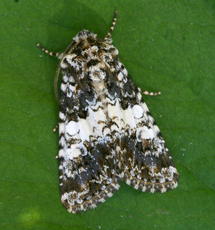 David Nicholls
Ratby garden1
25 May 2007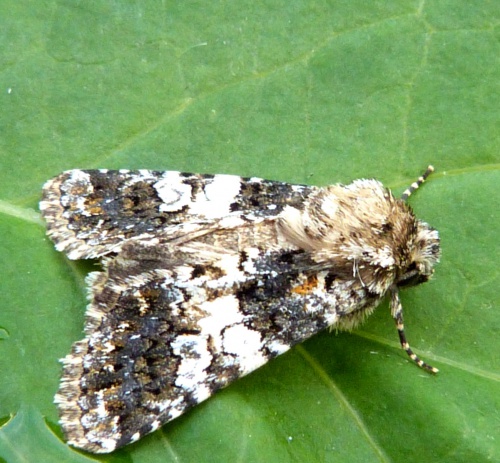 Graham Calow
Sapcote garden1
01 June 2014