

Tall Melilot - Melilotus altissimus
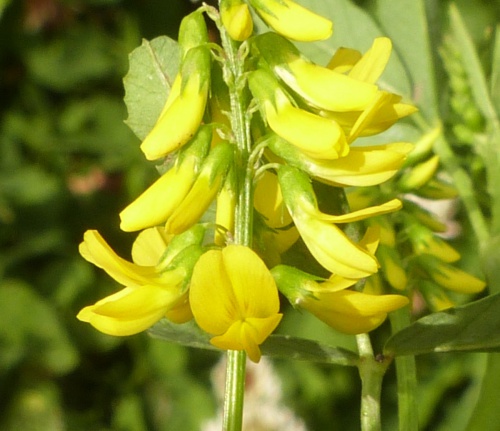
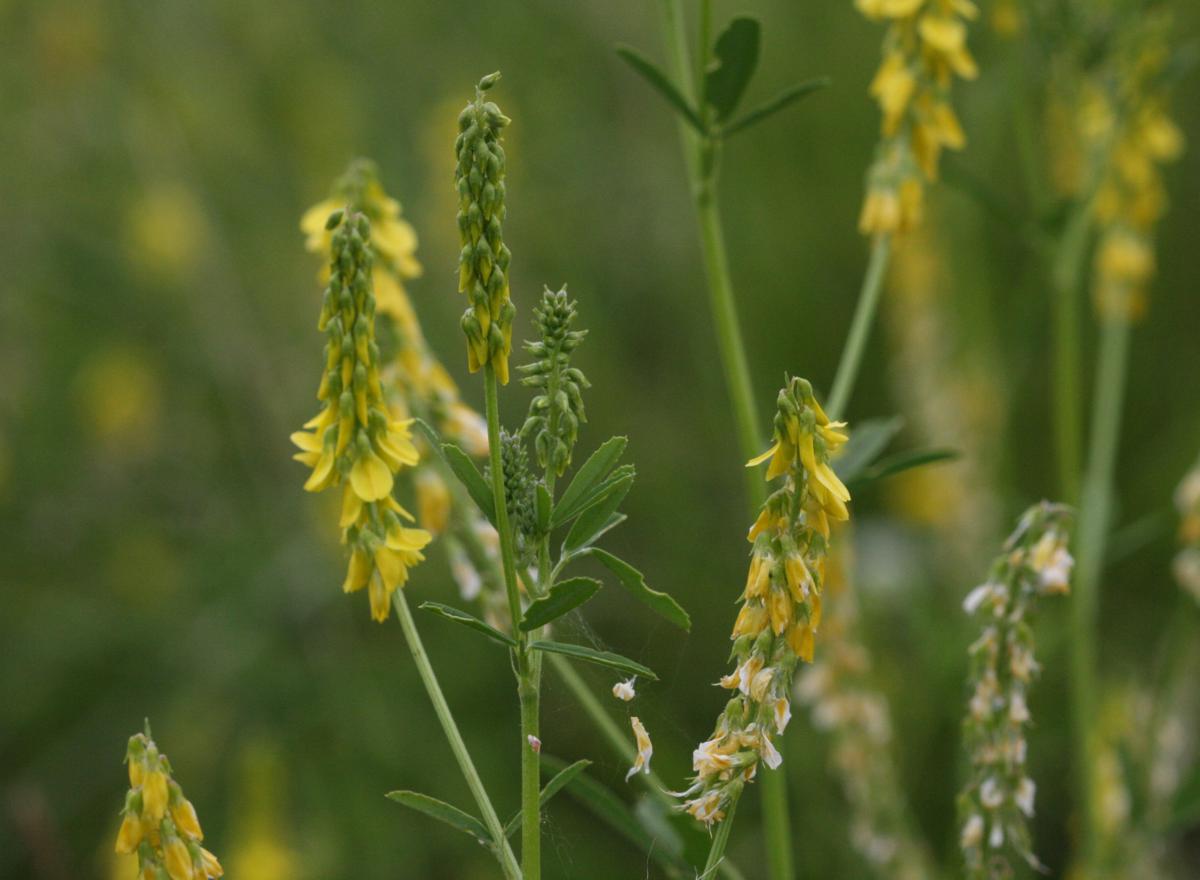
Medium to tall hairless plant to 1.5 metres, stems erect and branched. Leaves oblong, sharply toothed, stipules slender, untoothed. Flowers yellow, 5 to 7 mm long, in many-flowered racemes, the wings equalling the keel. Pod oval, 5 to 6 mm, hairy and net veined, black when ripe with a persistent style.
Ribbed Melilot (Melilotus officinalis)

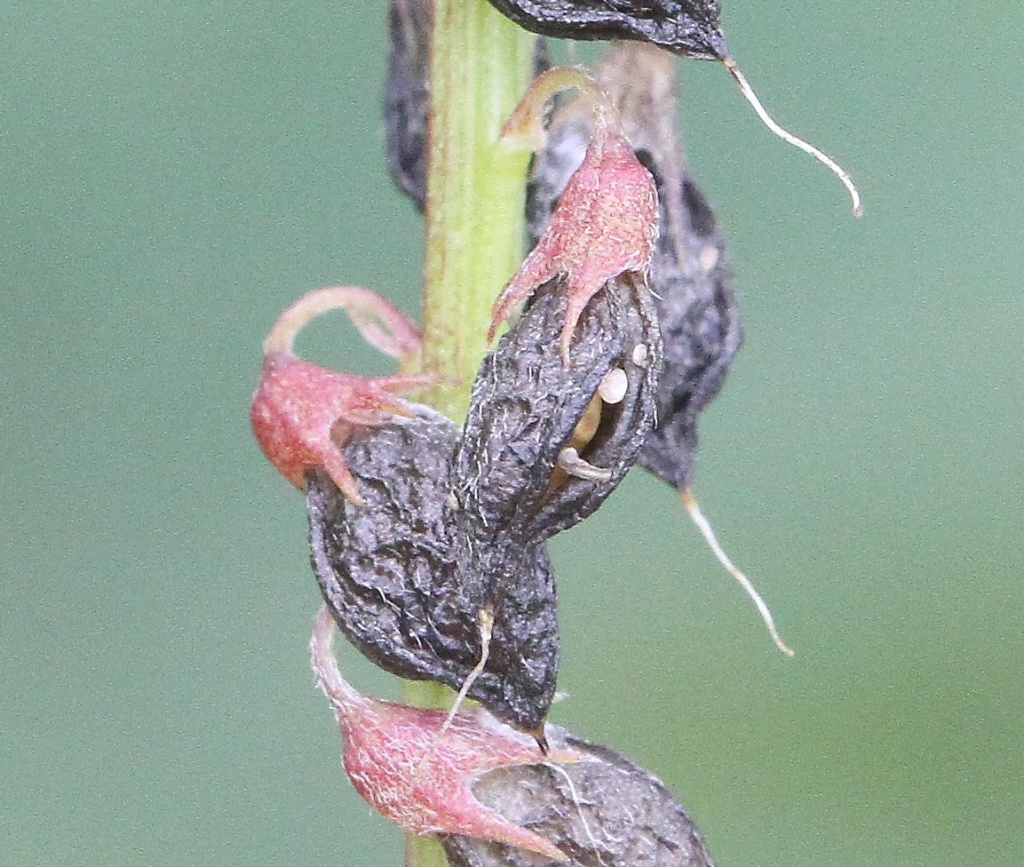
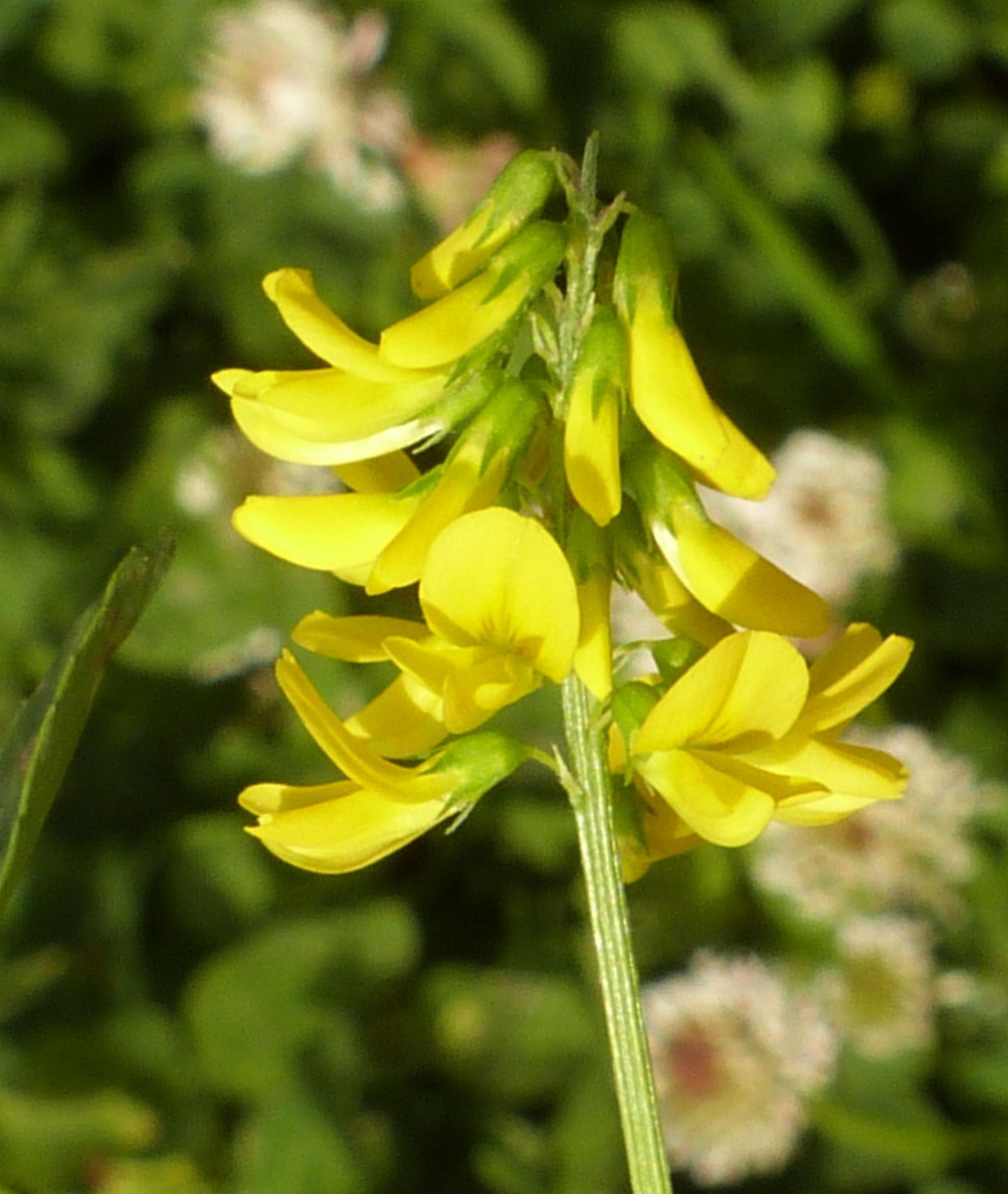
The keel (lowest petal) is about equal in length to the wings (side petals) and standard (top petal). Fruits black and hairy when ripe
A photo of the plant in its habitat, plus a side on view of flowers, or fruits.
Damp habitats, woodland margins, roadsides.
June to August.
Biennial or short lived perennial.
Widespread and quite common in England south of the Tyne, scarcer in the south west of England, Wales and Scotland.
Fairly frequent in Leicestershire and Rutland. In the 1979 Flora survey of Leicestershire it was found in 93 of the 617 tetrads.
 Graham Calow
Sapcote
29 June 2013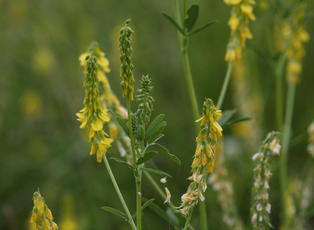 David Nicholls
Burbage Common
01 July 2011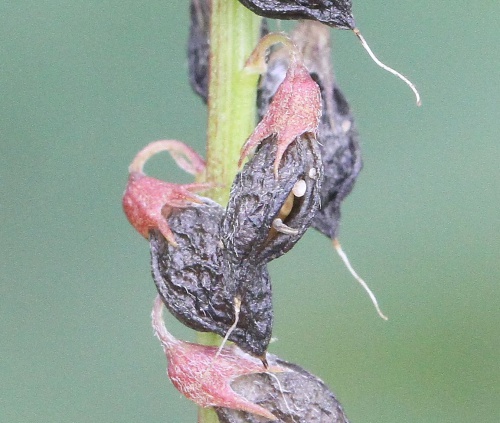 Craig Mabbett
Broughton Astley Brick Quarry
05/08/2017
seeds are black, hairy and with a persistent style
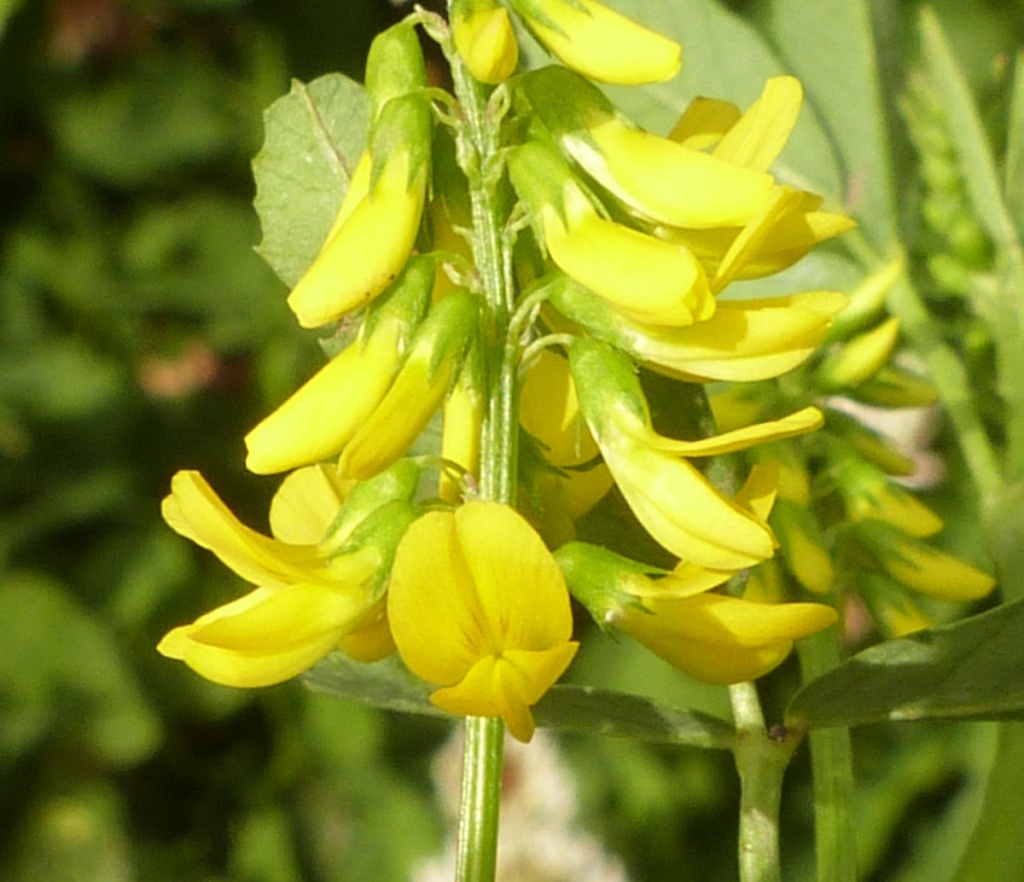
Leicestershire & Rutland Map
Enter a town or village to see local records
MAP KEY:
Yellow squares = NBN records (all known data)
Coloured circles = NatureSpot records: 2025+ | 2020-2024 | pre-2020
UK Map
Species profile
- Common names
- Tall Melilot
- Species group:
- flowering plant
- Kingdom:
- Plantae
- Order:
- Fabales
- Family:
- Fabaceae
- Records on NatureSpot:
- 17
- First record:
- 01/07/2011 (Nicholls, David)
- Last record:
- 18/06/2025 (Pugh, Dylan)
Total records by month
% of records within its species group
10km squares with records
The latest images and records displayed below include those awaiting verification checks so we cannot guarantee that every identification is correct. Once accepted, the record displays a green tick.
In the Latest Records section, click on the header to sort A-Z, and again to sort Z-A. Use the header boxes to filter the list.
Latest images
Latest records
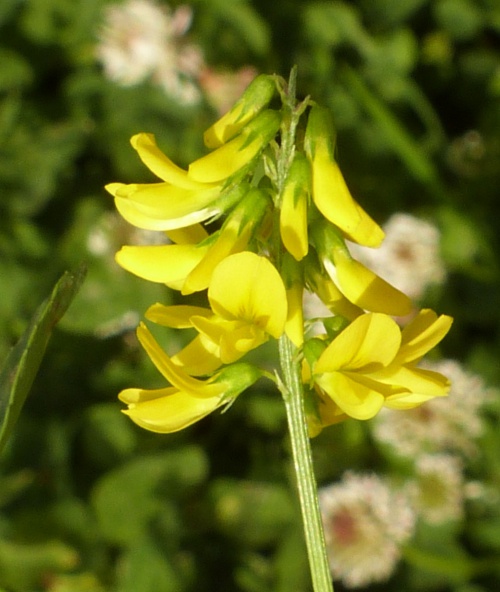 Graham Calow
Sapcote
29 June 2013
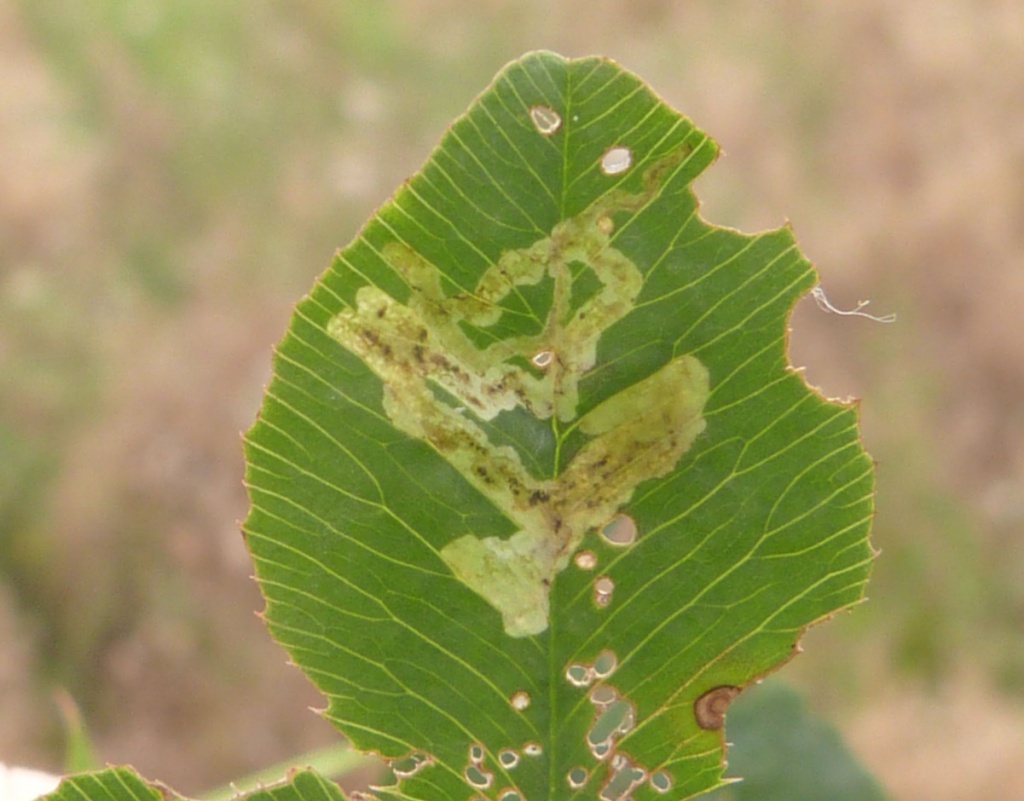
Agromyza frontella
The larva of the Agromyzid fly Agromyza frontella mines the leaves of various Leguminosae such as Clovers, Melilot and Lucerne. It starts as a linear mine. usually running towards the tip of the leaf then turning back a into a blotch in the midrib area. Frequently, no blotch is formed.
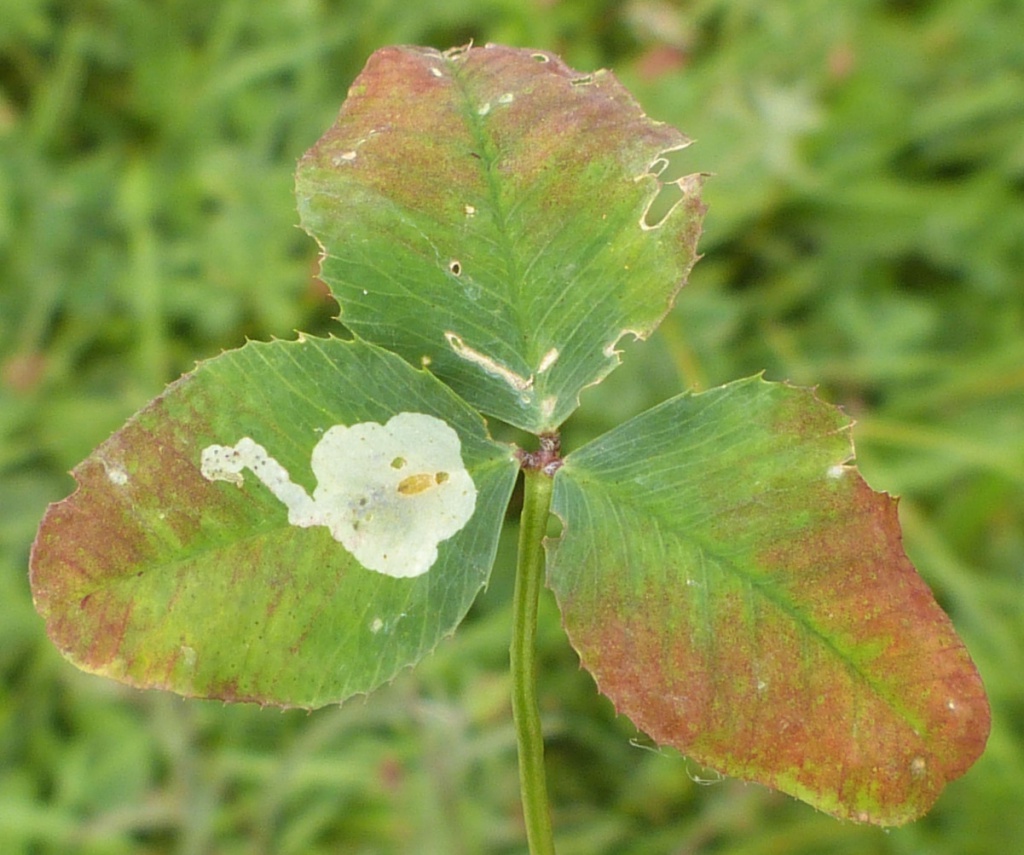
Agromyza nana
The larva of the Agromyzid fly Agromyza nana mines the leaves of Clovers and other species in the Leguminosae family. The mines have a short, broad gallery leading to a conspicuous, roundish white blotch in the centre of the leaf. The blotch is on the upper surface with some deep areas often containing frass.