

Sweet Violet - Viola odorata
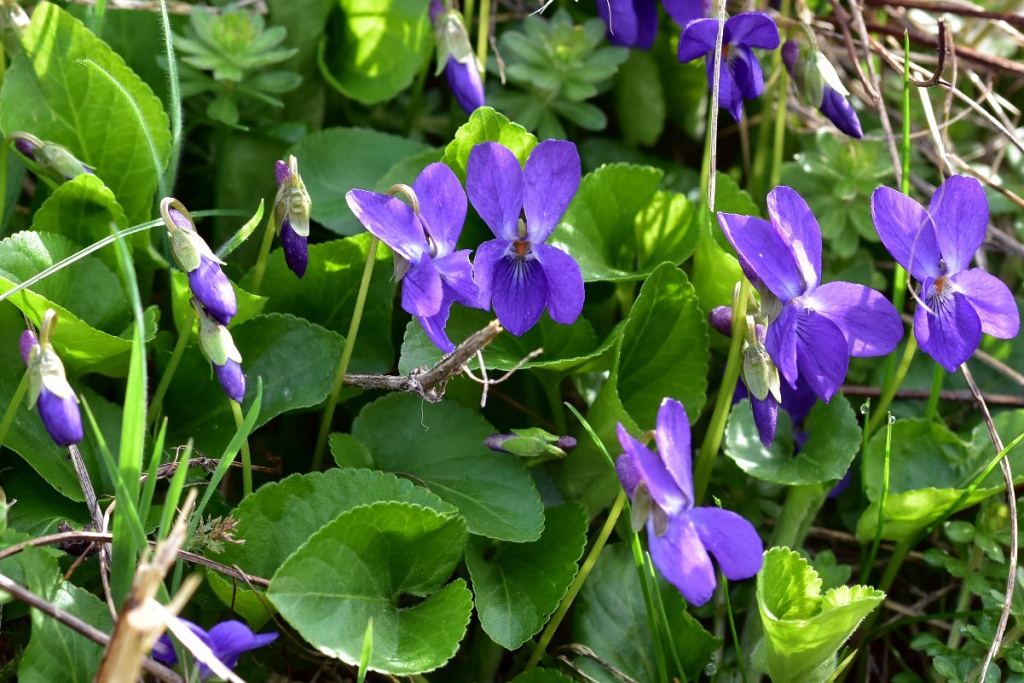
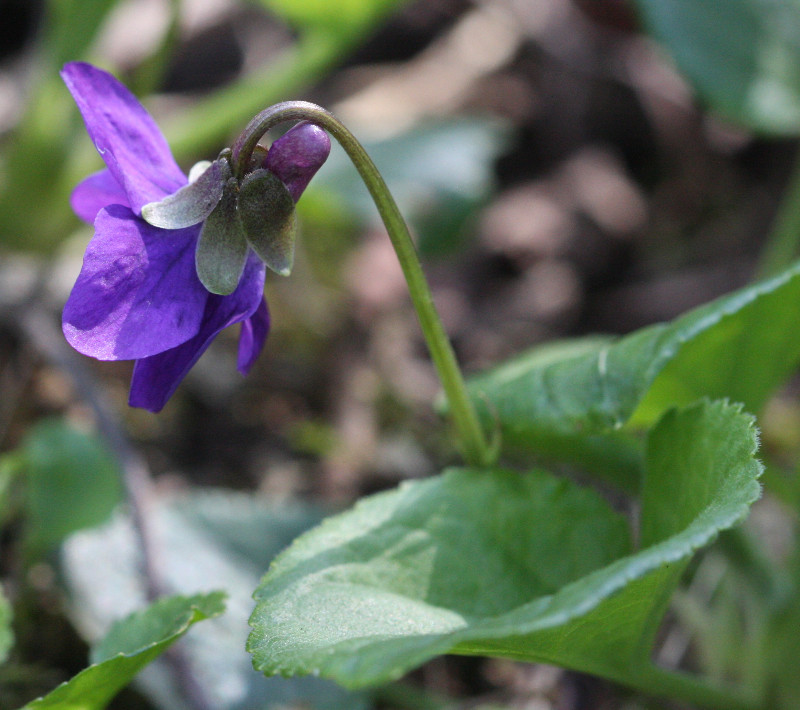
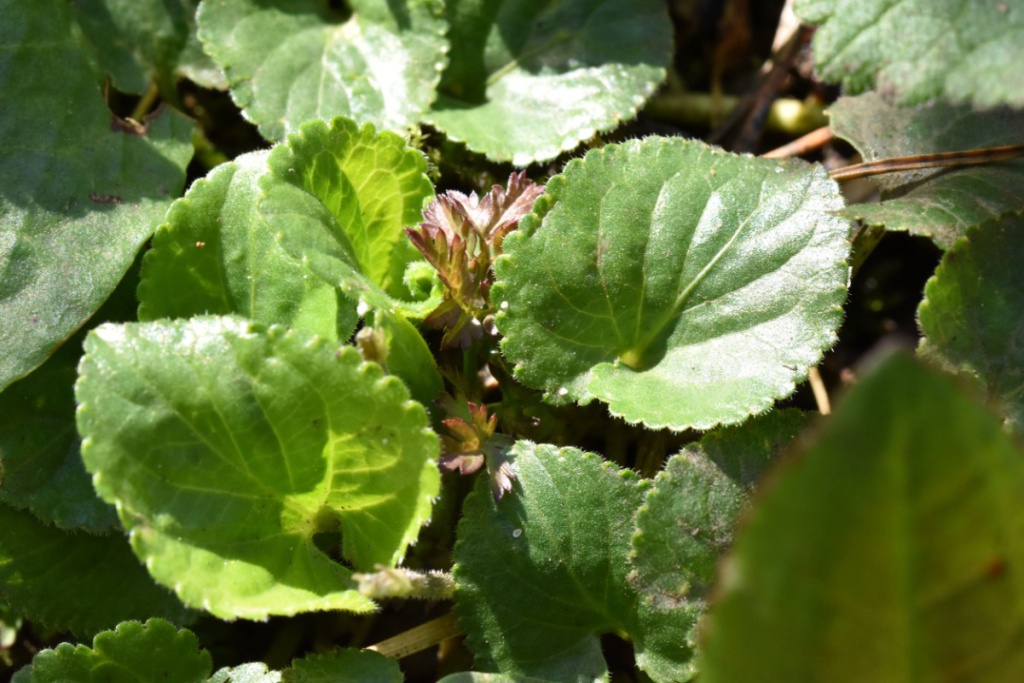
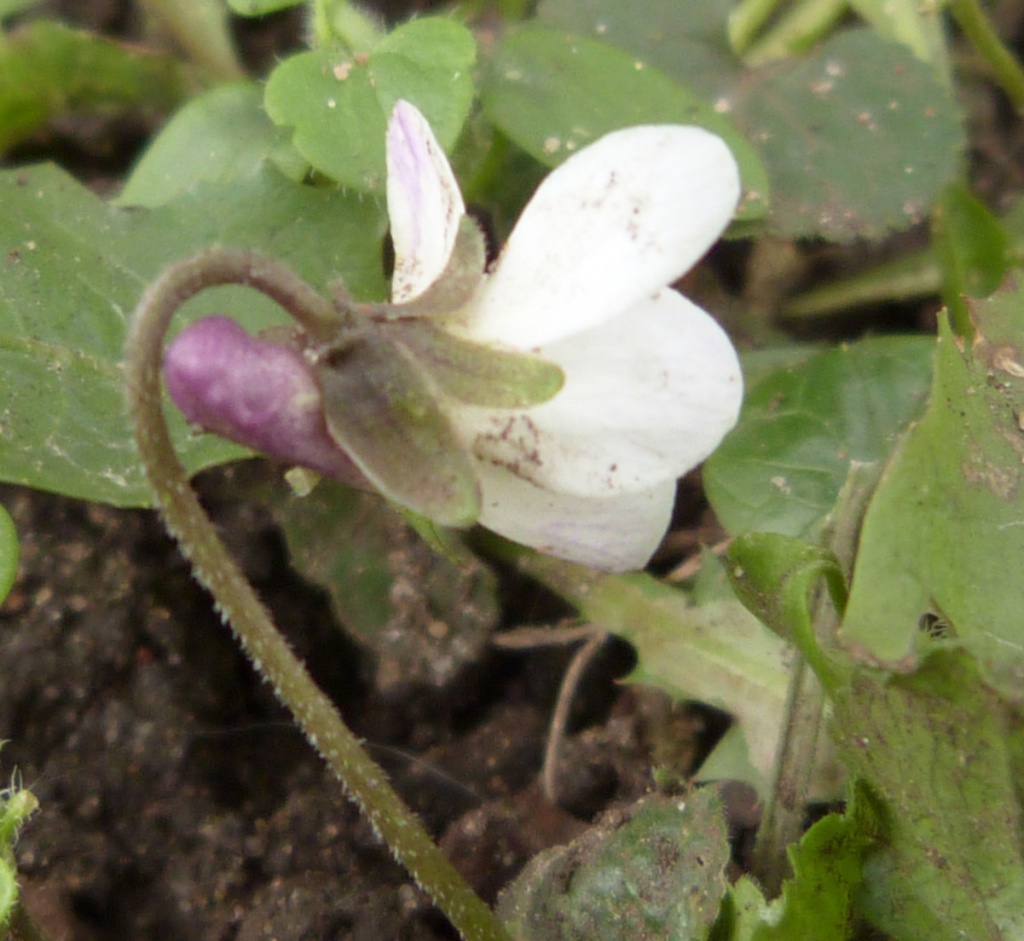
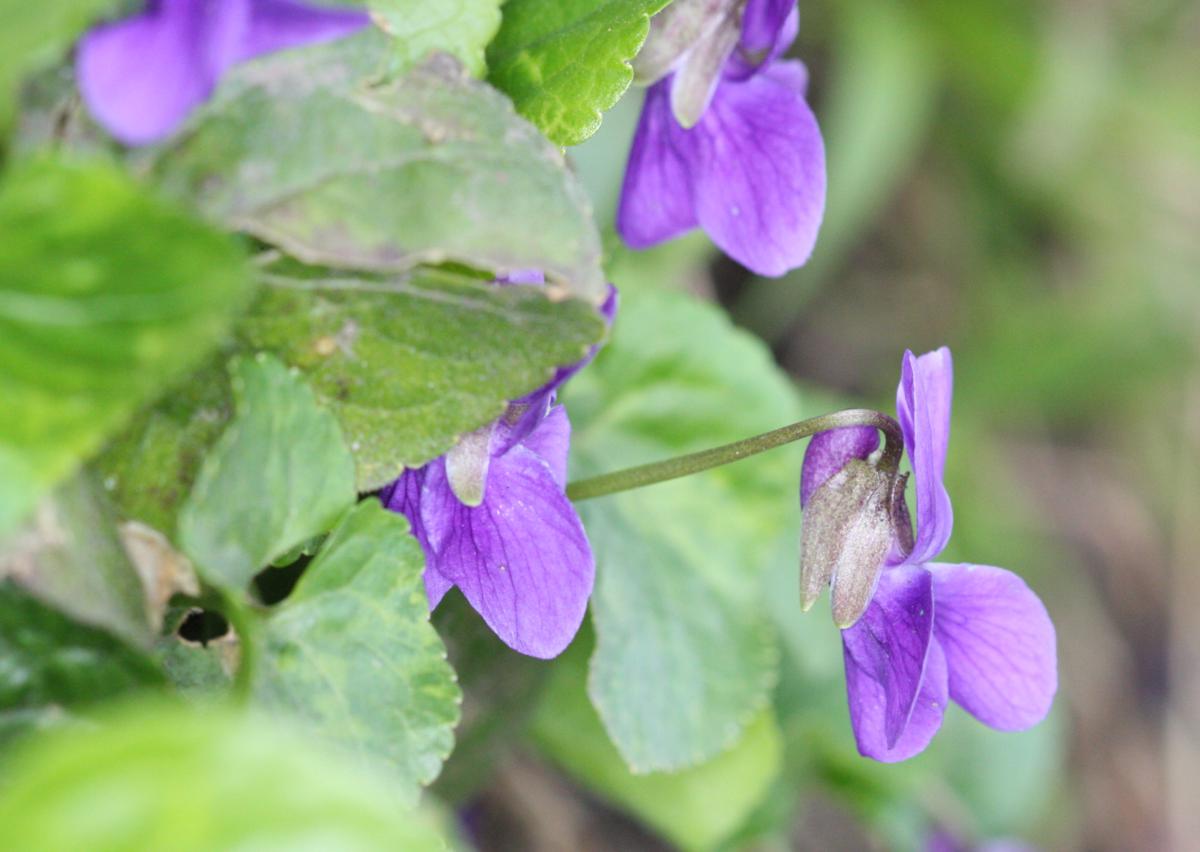
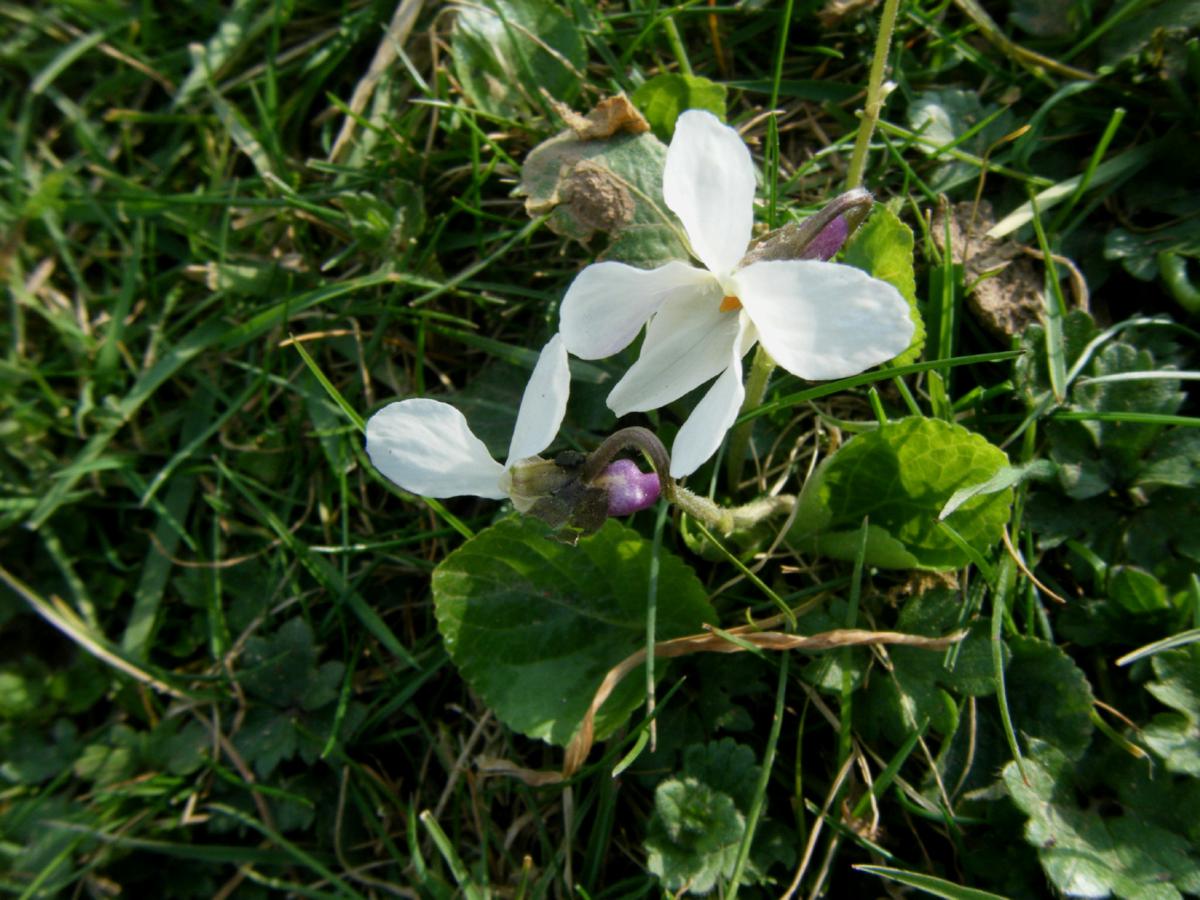
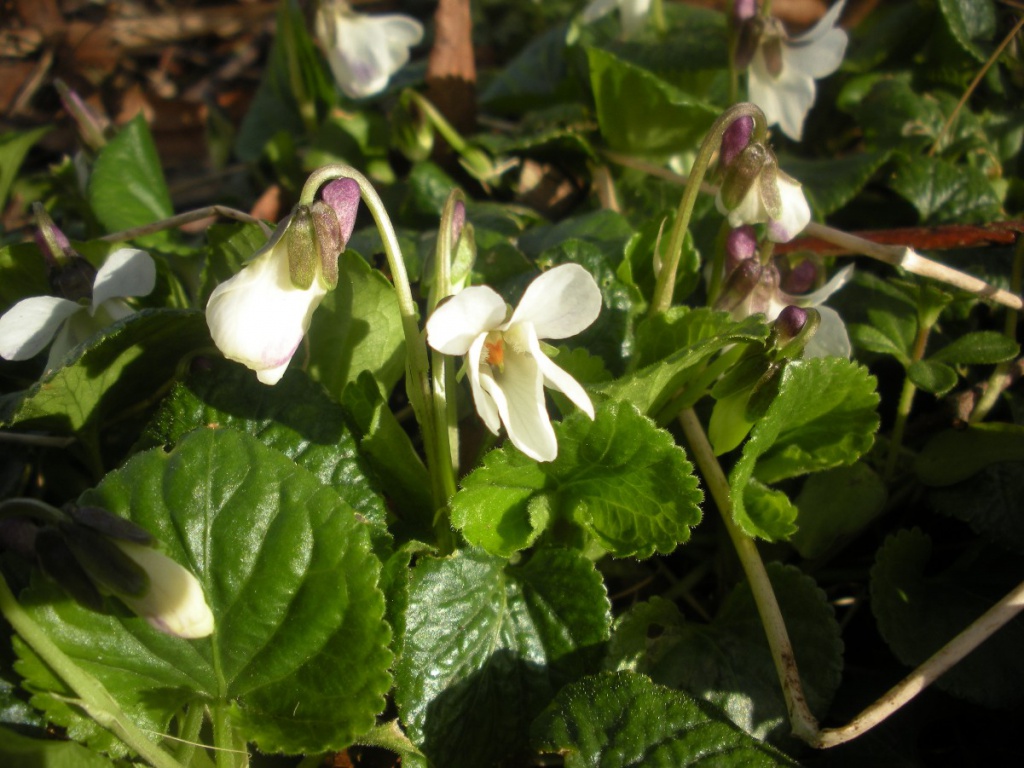
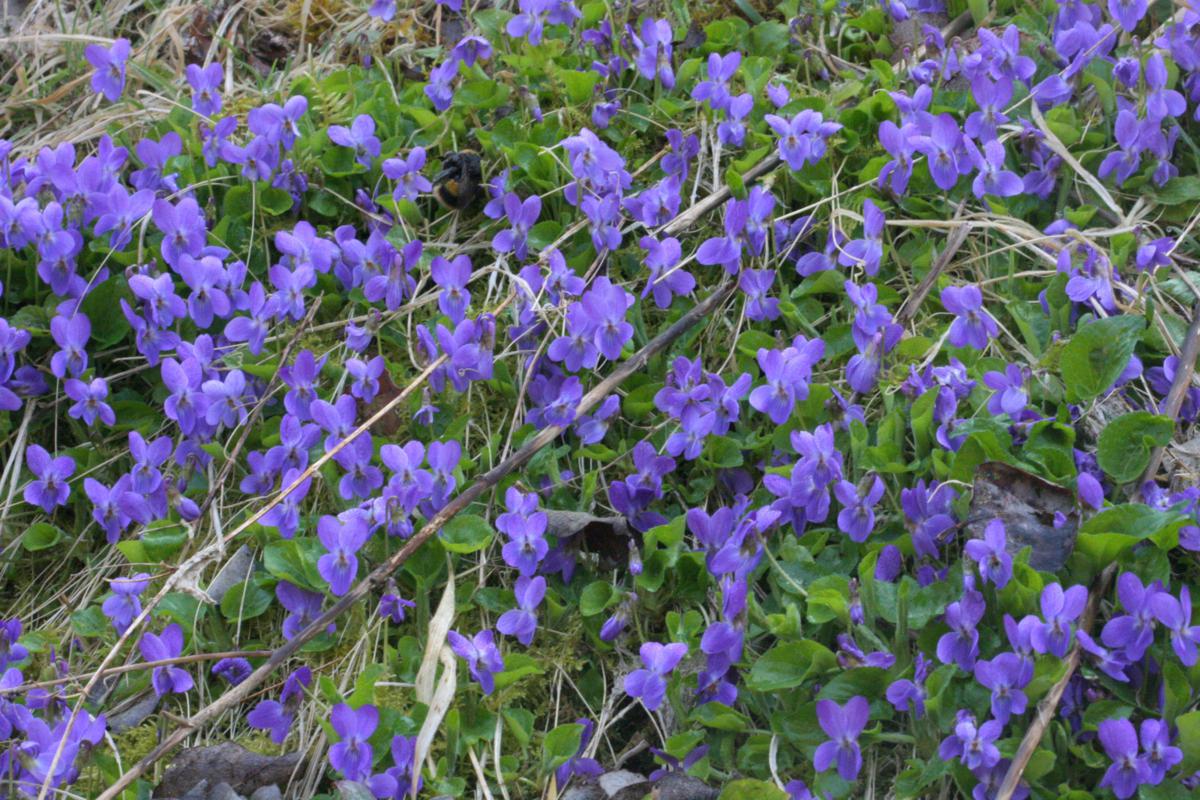
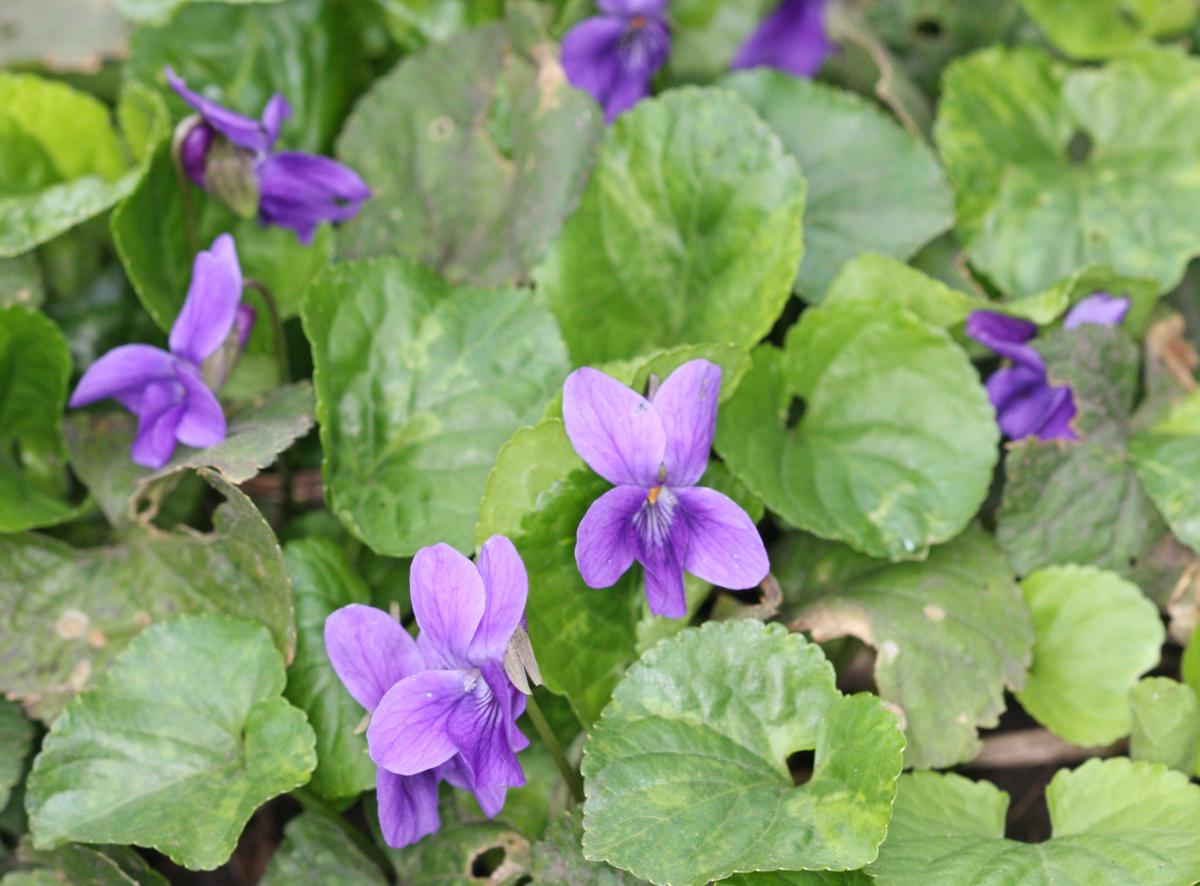
Low, somewhat hairy plant, with long rooting runners. Leaves oval, with a deeply heart shaped base in basal rosettes. Stipules blunt, usually fringed. Flowers, often dark violet with a short (6 mm) violet spur, but can be white with a violet spur, rarely pinkish. Fragrant. Flower stalks with bracts in the middle.
Viola hirta, riviniana, reichenbachiana

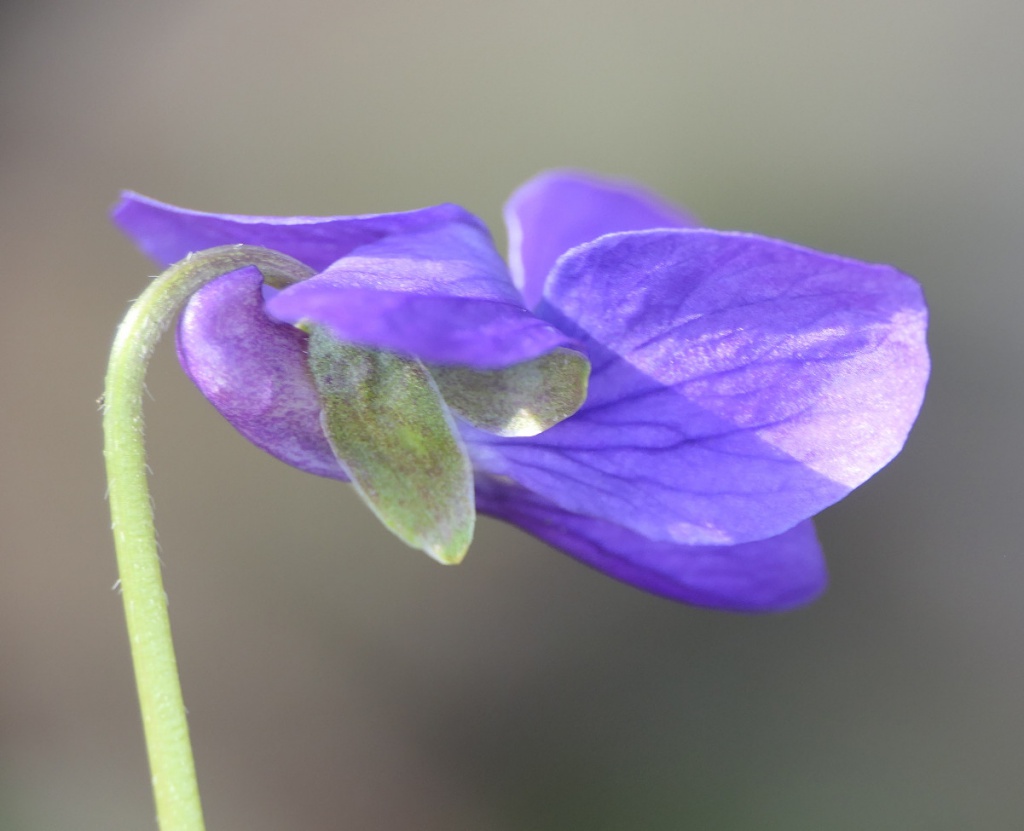
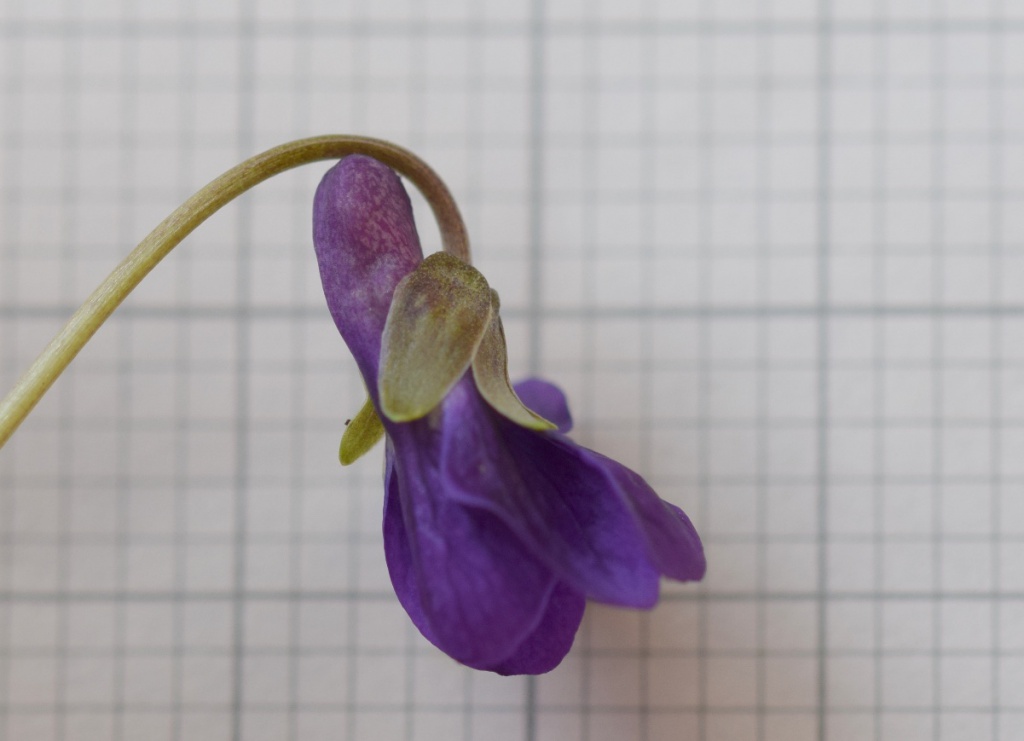
Sepals blunt, leaves (stalks and blades) and capsule hairy; hairs short (less than 0.3mm) and reflexed or apressed (i.e lying flat or bent down); plants with stolons or runners
This is not easy to identify from a photo of the flowers 'full-face'. A side-on photos of the flower showing sepals, plus appressed/reflexed hairs on leaves and capsules, or notes should give confirmation of this; photos showing runners.
Often in shaded places, woods, coppices, hedgerows. It is grown in gardens and often planted in churchyards; frequently escapes.
February to May, but occasionally August and September.
Perennial.
Fairly common throughout Britain except in the far north.
Fairly common in Leicestershire and Rutland. In the 1979 Flora survey of Leicestershire it was found in 296 of the 617 tetrads.
In the current Checklist (Jeeves, 2011) it is Native and Locally Frequent
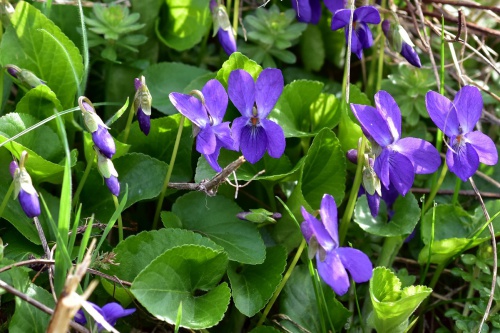 Andy's Rutland
Horn Lane near Empingham
20 March 2019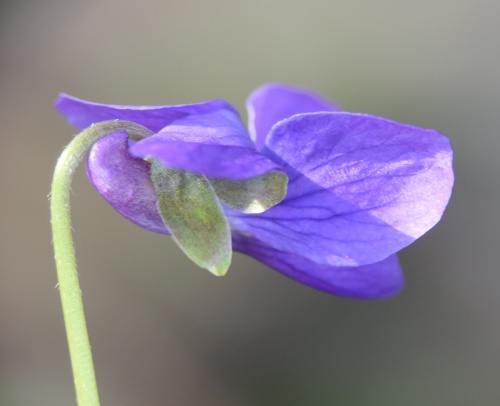 David Nicholls
Kirby Muxloe Castle
16 March 2020
blunt sepals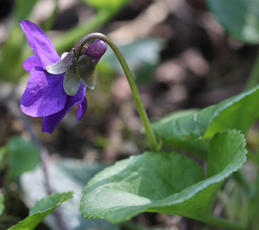 David Nicholls
Bagworth Heath Woods
20 March 2012
blunt sepals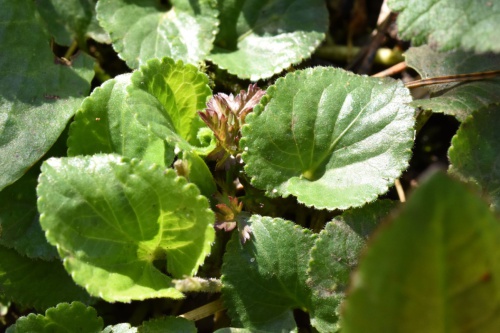 stepgray4
Woodland along A6006, Wymeswold
06 March 2022
Hairy leaves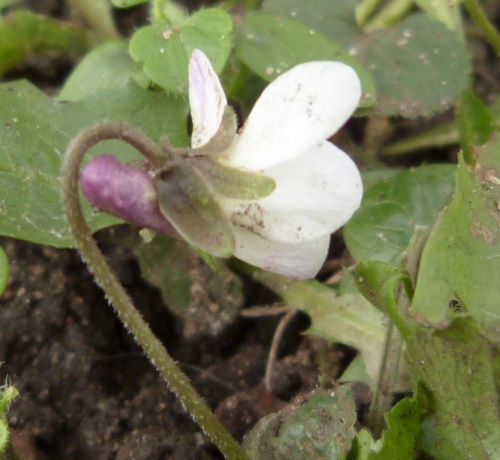 Graham Calow
St Michael and All Angels Churchyard, Cosby
05 February 2016
var. dumetorum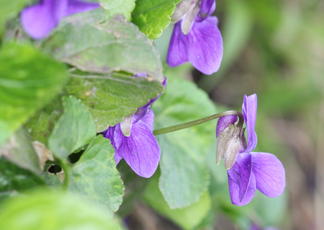 David Nicholls
Aylestone Meadows
31 March 2009
Leicestershire & Rutland Map
Enter a town or village to see local records
MAP KEY:
Yellow squares = NBN records (all known data)
Coloured circles = NatureSpot records: 2025+ | 2020-2024 | pre-2020
UK Map
Species profile
- Common names
- Sweet Violet
- Species group:
- flowering plant
- Kingdom:
- Plantae
- Order:
- Malpighiales
- Family:
- Violaceae
- Records on NatureSpot:
- 205
- First record:
- 29/03/2006 (Calow, Graham)
- Last record:
- 16/03/2026 (Hunt, Graham)
Total records by month
% of records within its species group
10km squares with records
The latest images and records displayed below include those awaiting verification checks so we cannot guarantee that every identification is correct. Once accepted, the record displays a green tick.
In the Latest Records section, click on the header to sort A-Z, and again to sort Z-A. Use the header boxes to filter the list.
Latest images
Latest records
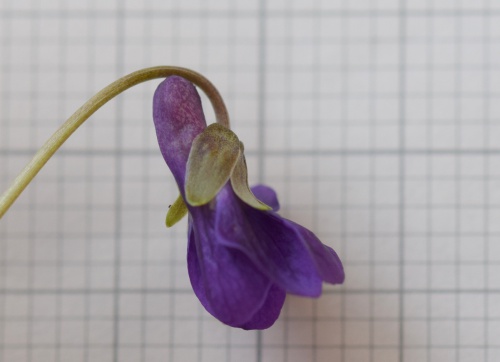 Steve Mathers
Watermead Park (North)
14 March 2017
blunt sepals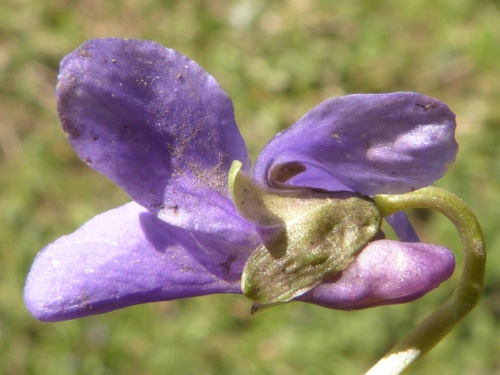 Graham Calow
Main Road, Claybrooke Magna
31 March 2016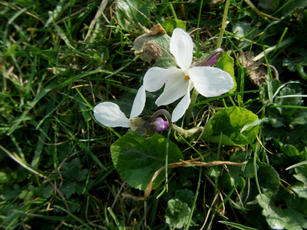 Graham Calow
Croft Hill
28 March 2011
var. dumetorum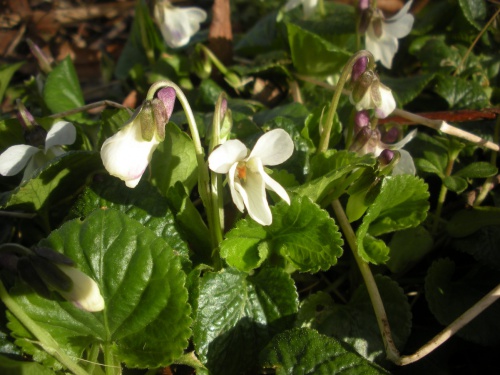 Craig Mabbett
stanford hall stanford on avon
28 March 2015
var. dumetorum Donkey Lane Sapcote SP 4860 9301 (taken 8.4.2006).JPG) Graham Calow
Graham Calow
Sapcote
08 April 2006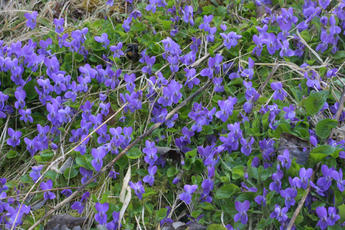 David Nicholls
Jubilee Walk, Leire
29 March 2011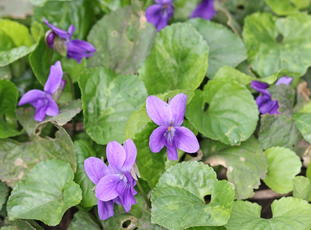 David Nicholls
Aylestone Meadows
31 March 2009
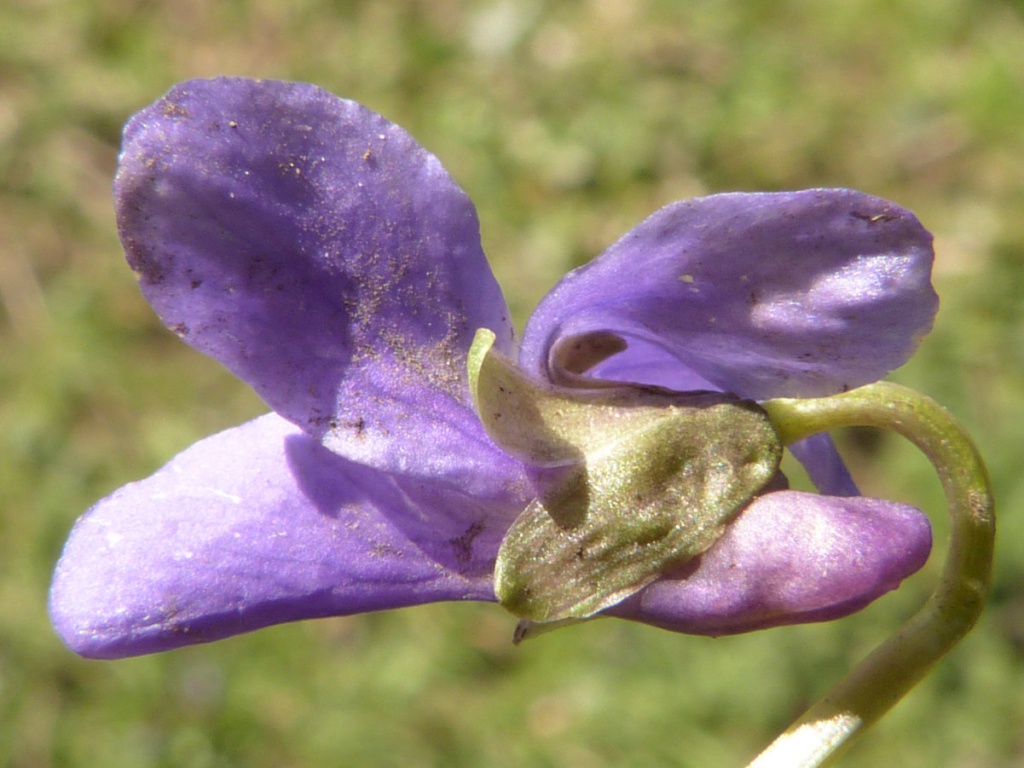
 Donkey Lane Sapcote SP 4860 9301 (taken 8.4.2006).JPG)
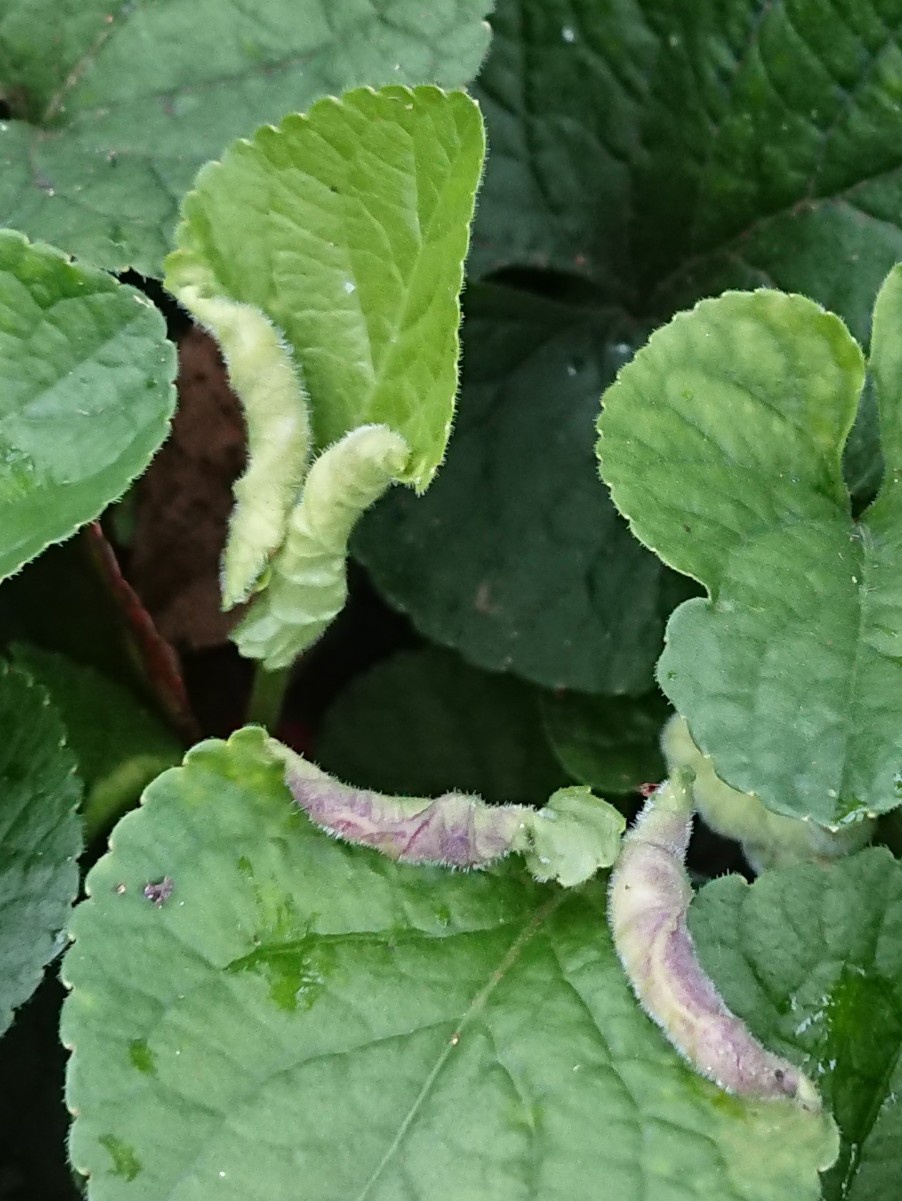
Dasineura odoratae
The larva of the gall midge Dasineura odoratae causes galls on Sweet Violet. The margins of the leaf are rolled upwards, and are hairy. White larvae, later orange-yellow, inside.
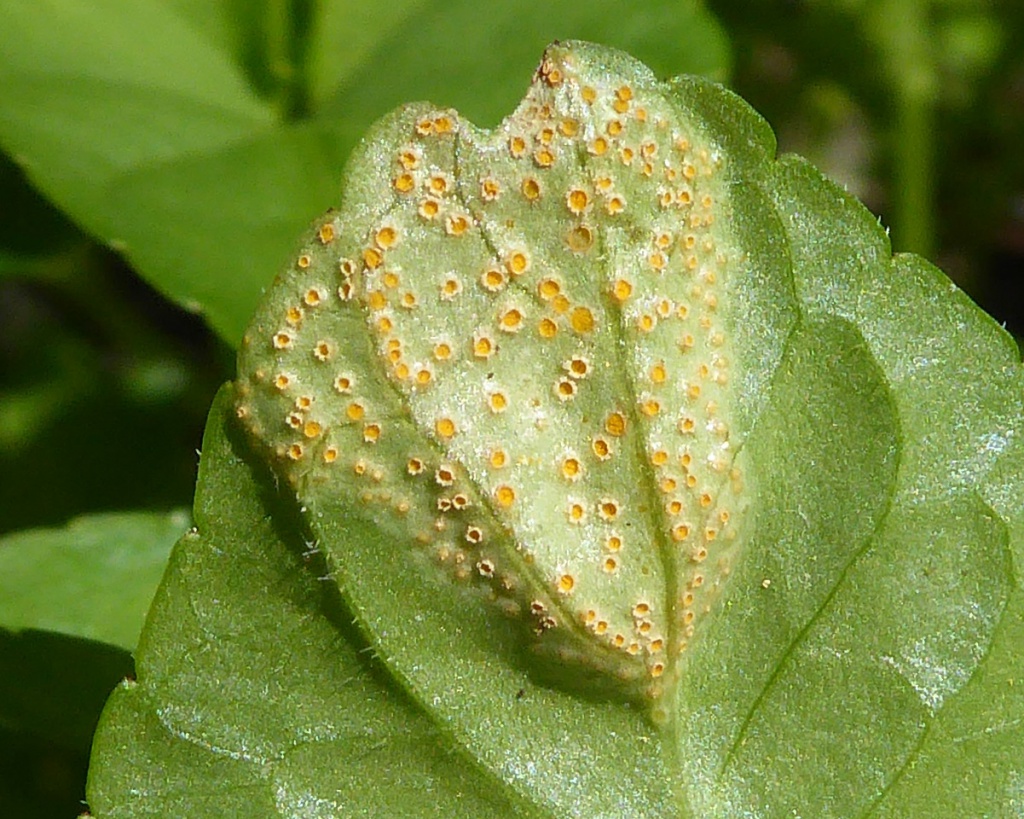
Puccinia violae
Puccinia violae is a rust that causes galls on members of the Viola family, including cultivated varieties. There is no host alternation. Orange aecia are borne on distorted, swollen areas on the leaves, stems and petioles. Uredinia and dark brown telia (non-galling) appear later.
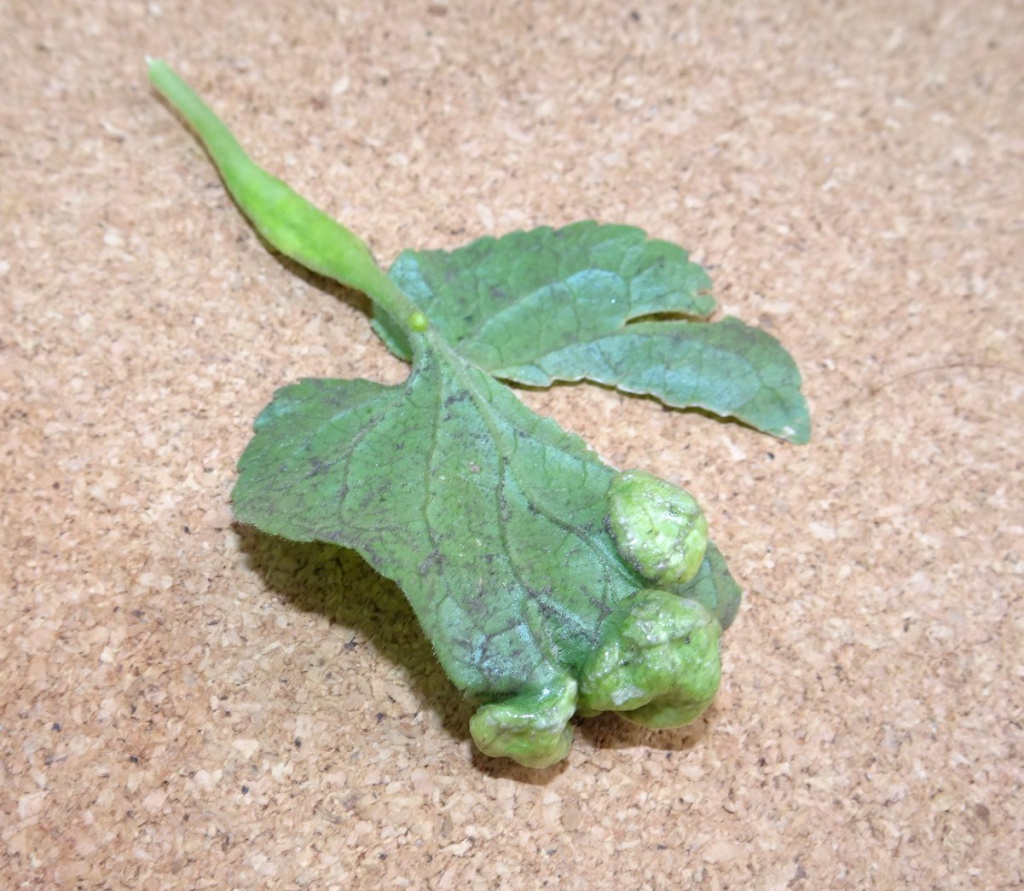
Violet Smut
The smut fungus Urocystis violae induces elongate swellings on the petioles and leaf veins, and/or leaves of Violet species (Viola sp.). Affected parts are usually swollen and strongly distorted and may also be recorded as a gall. The swellings open to release a black spore mass, composed of many individual balls of spores.