

Sweet Chestnut - Castanea sativa
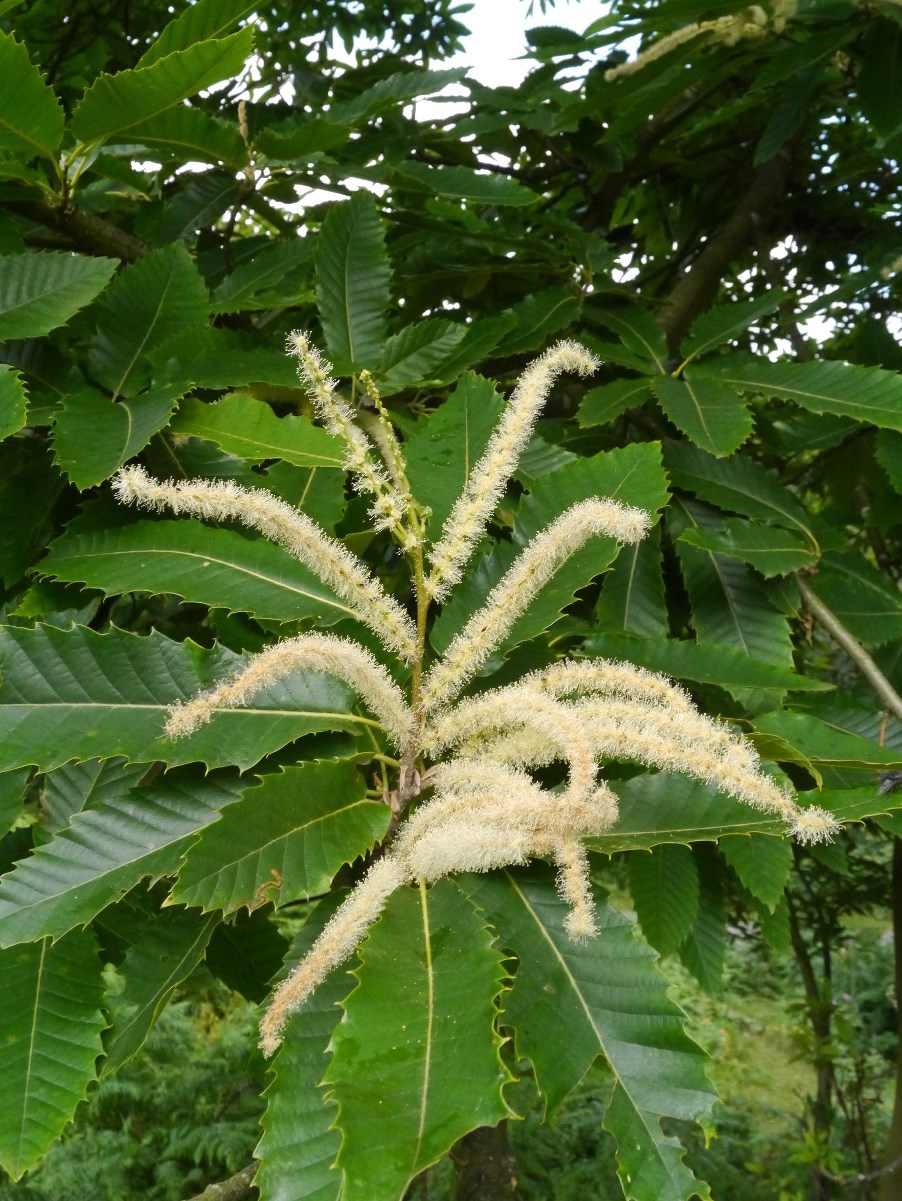
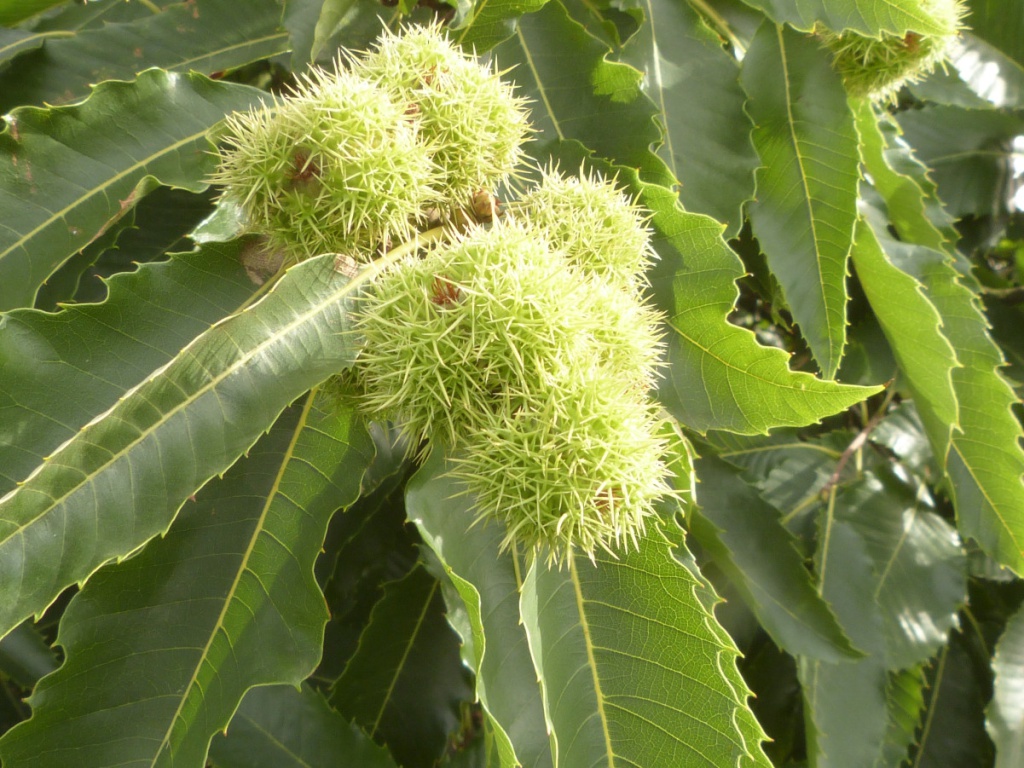
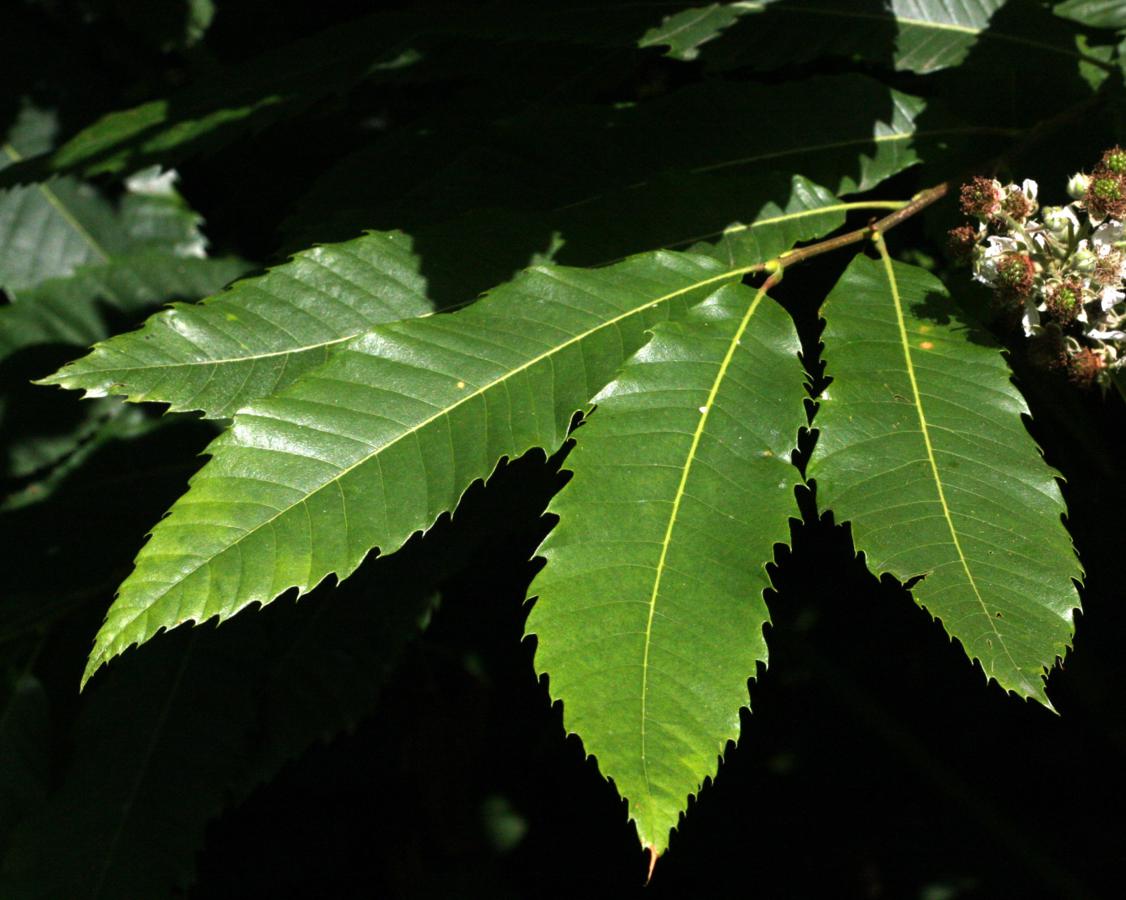
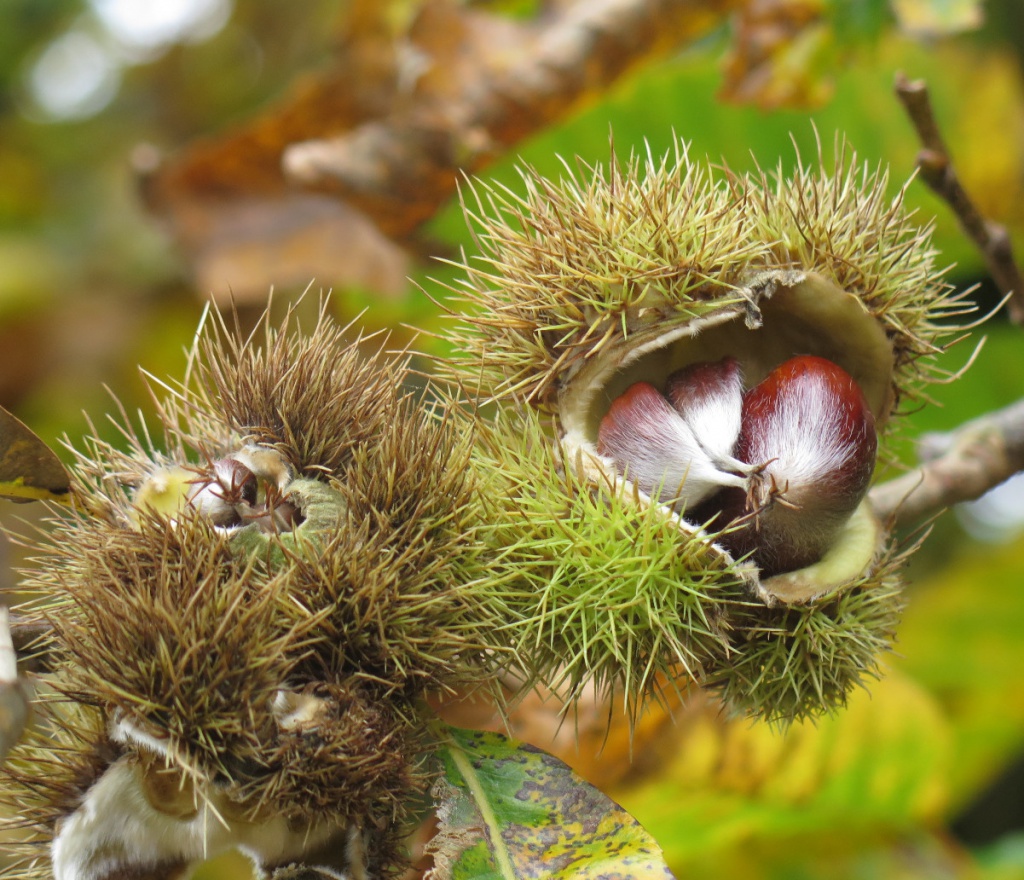
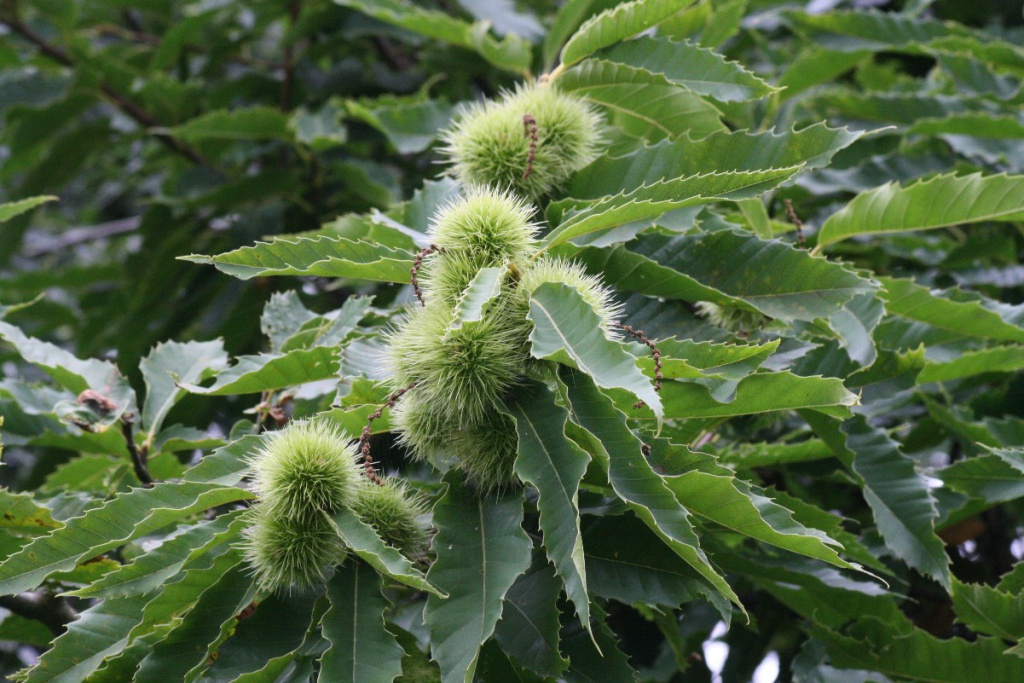
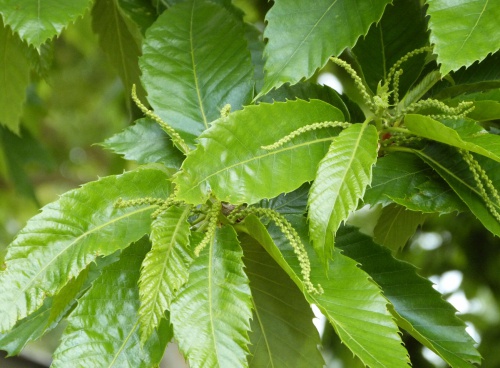
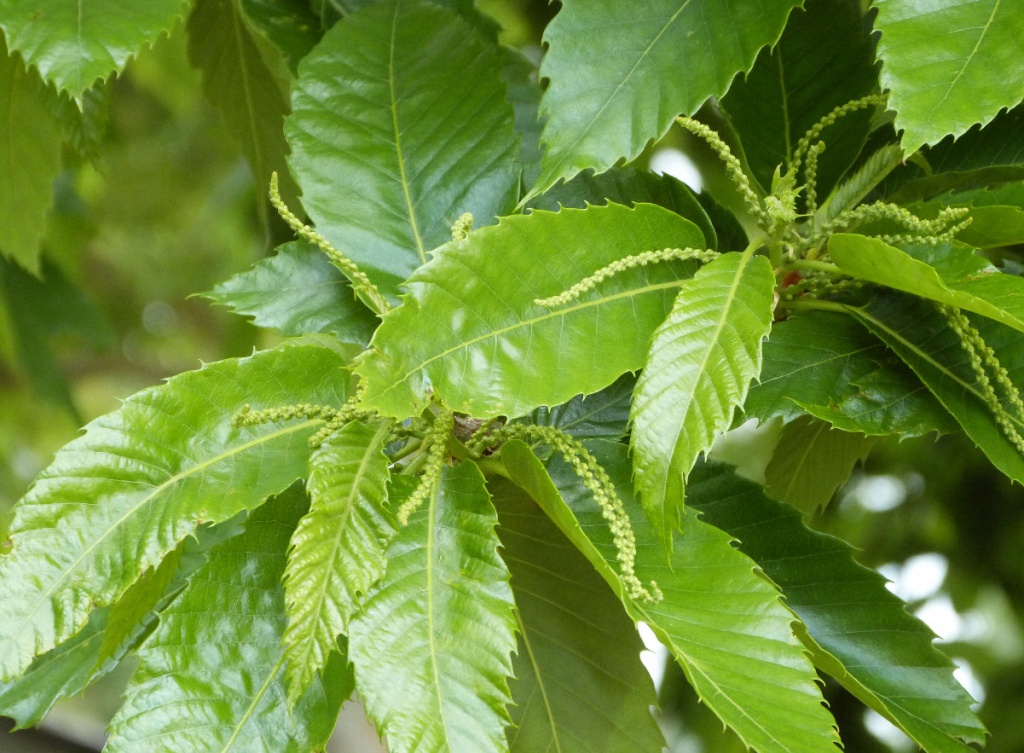
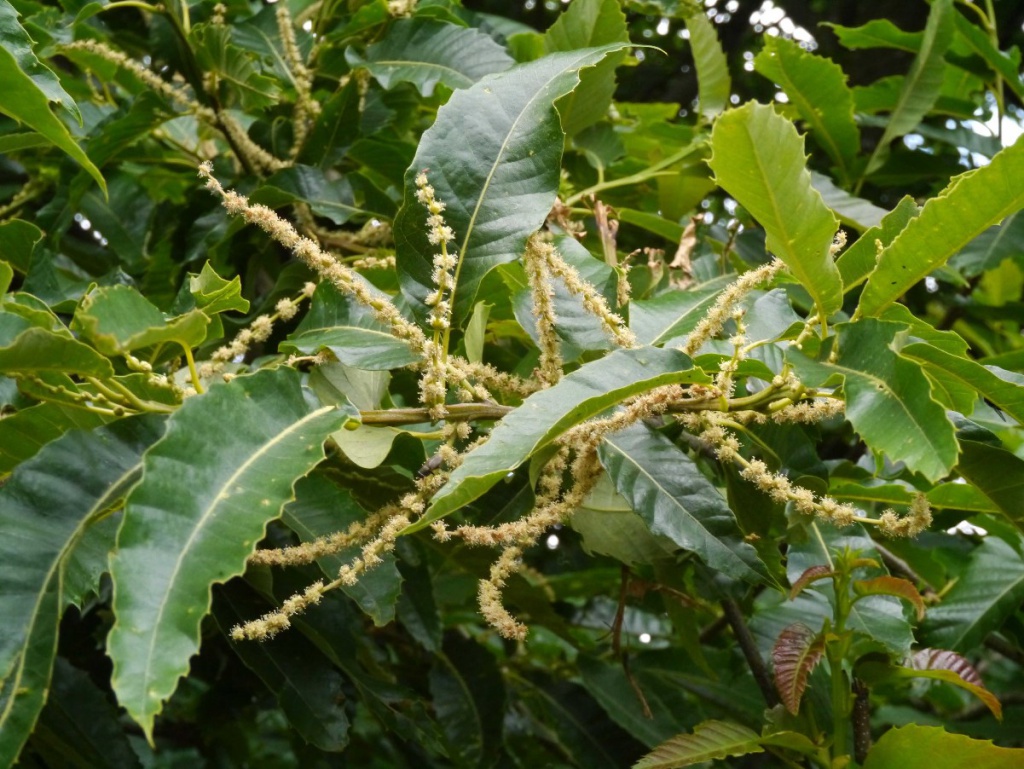
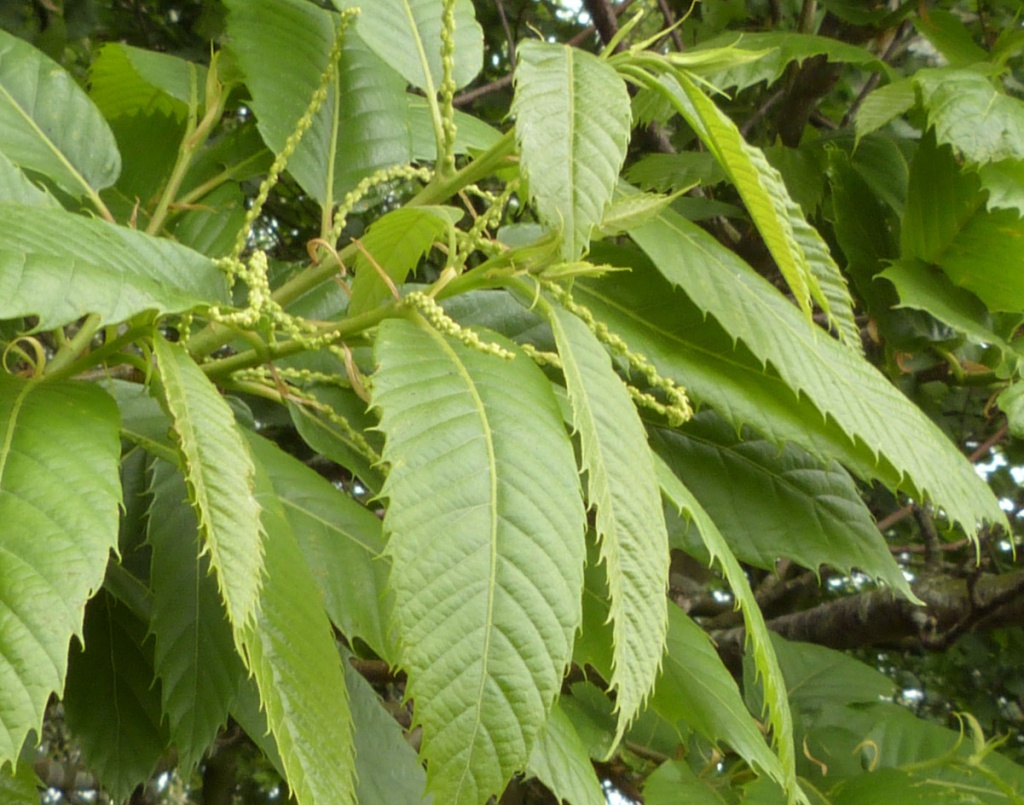
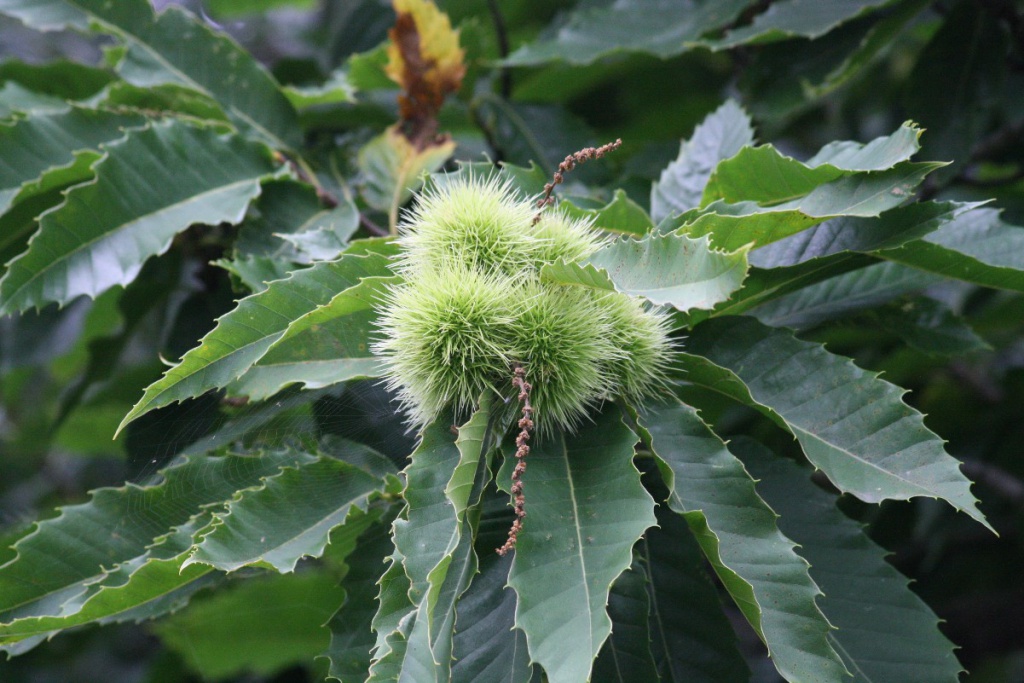
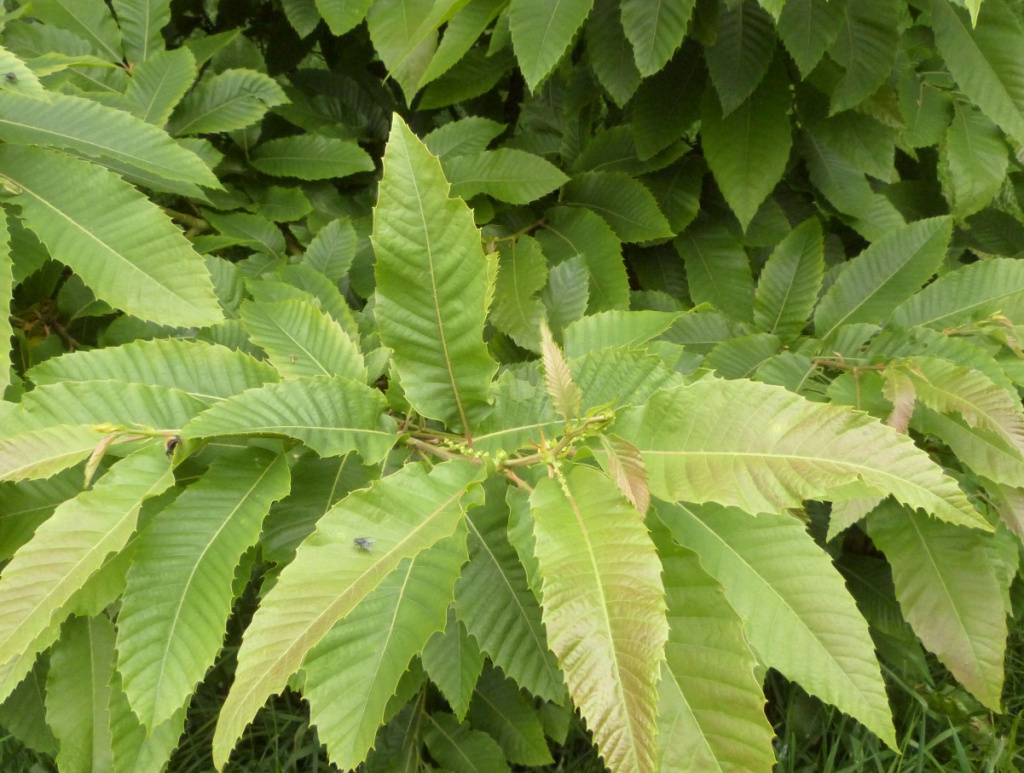
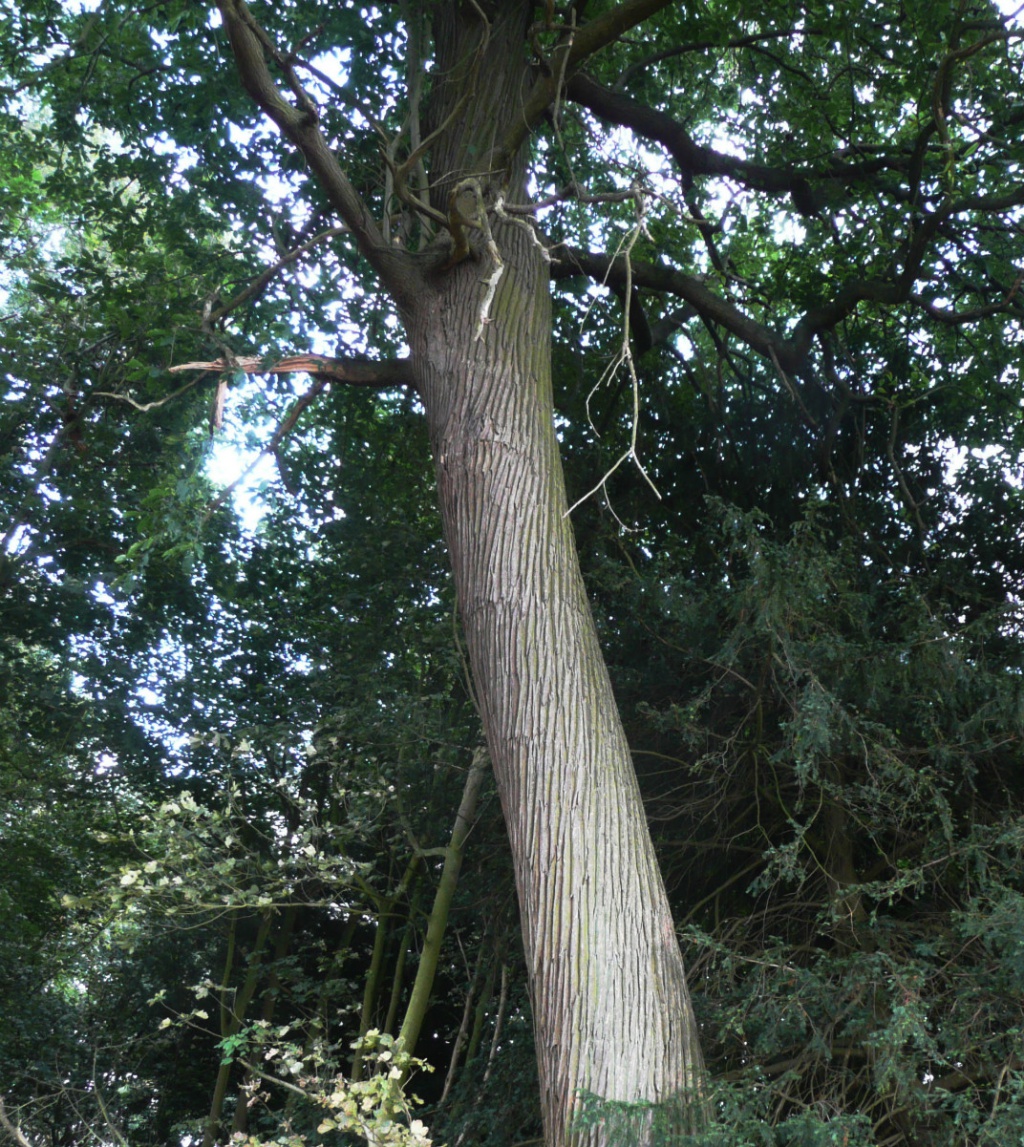
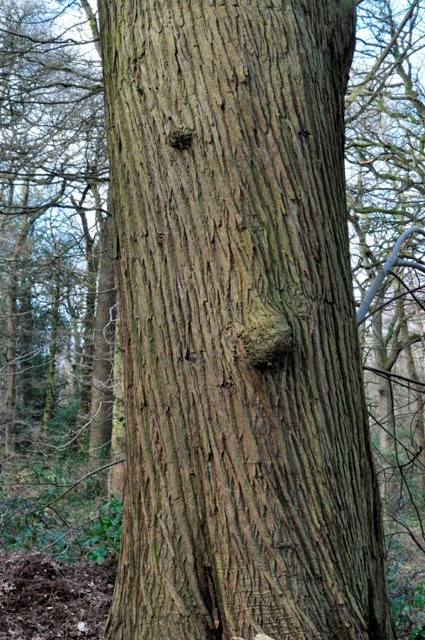
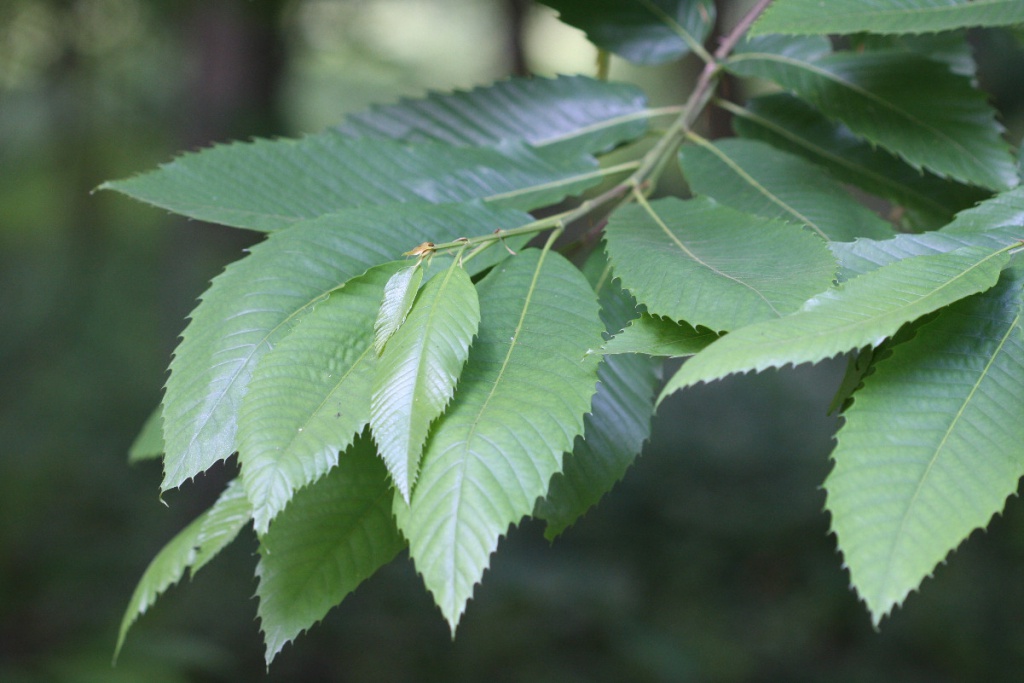
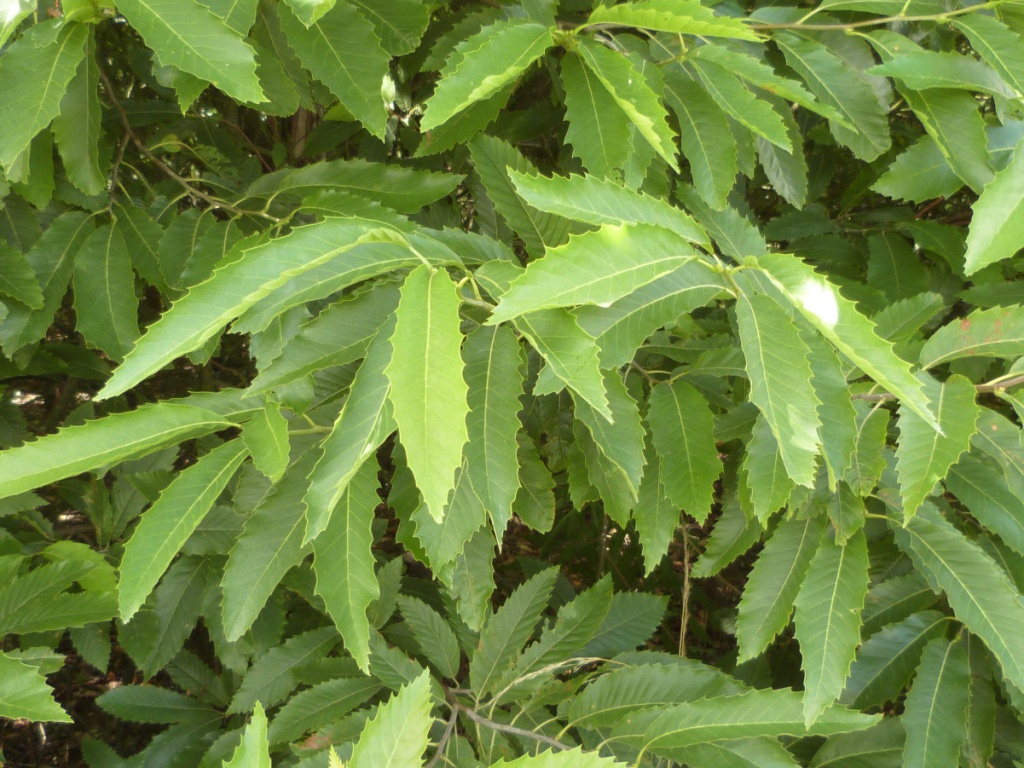
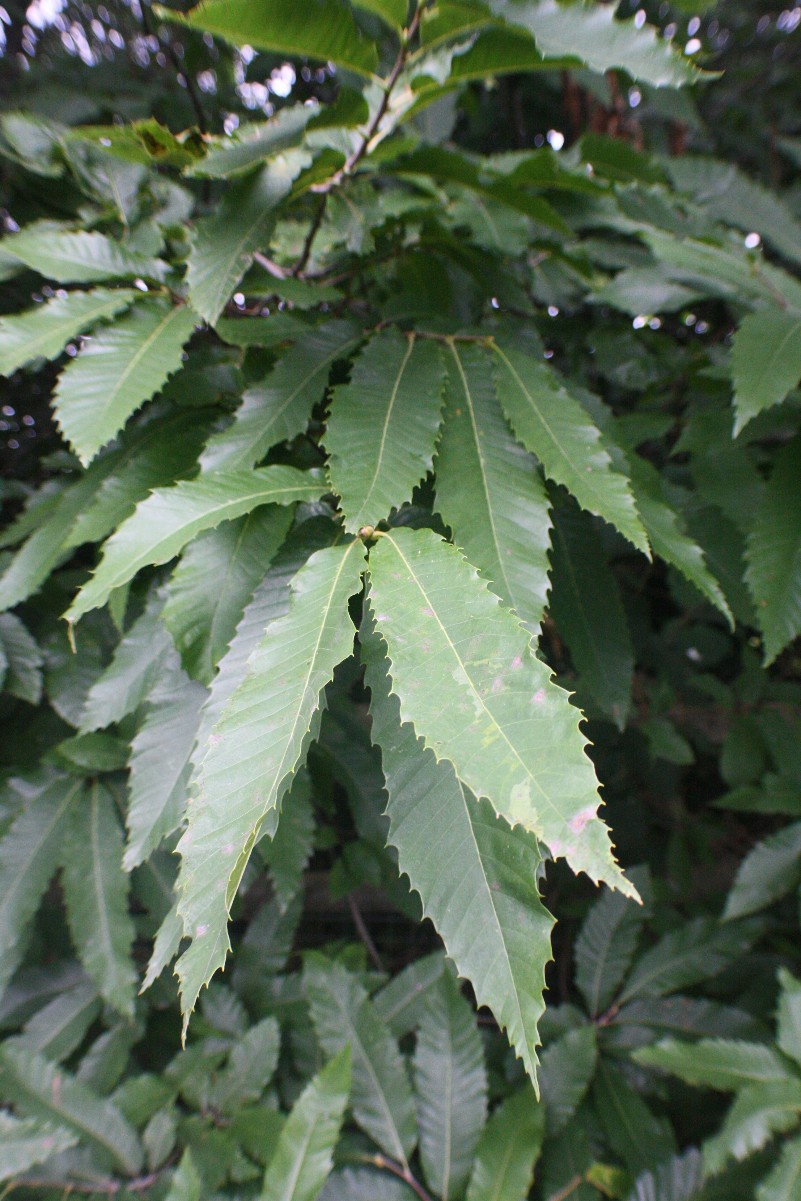
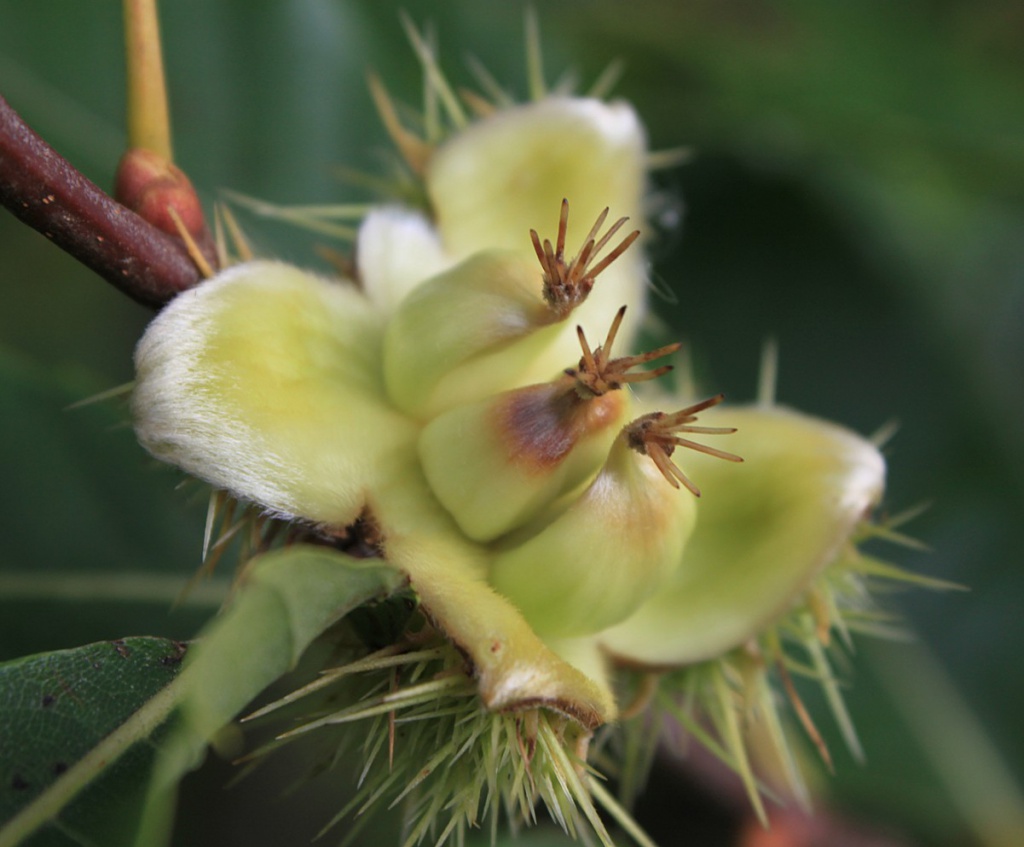
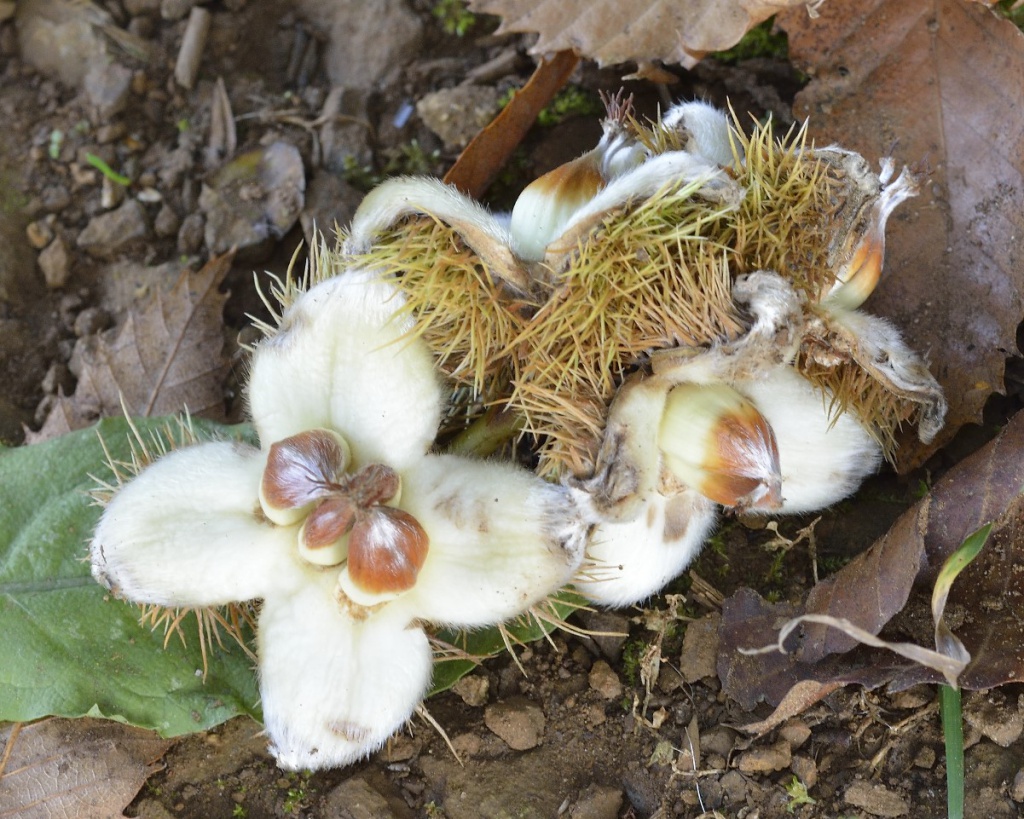
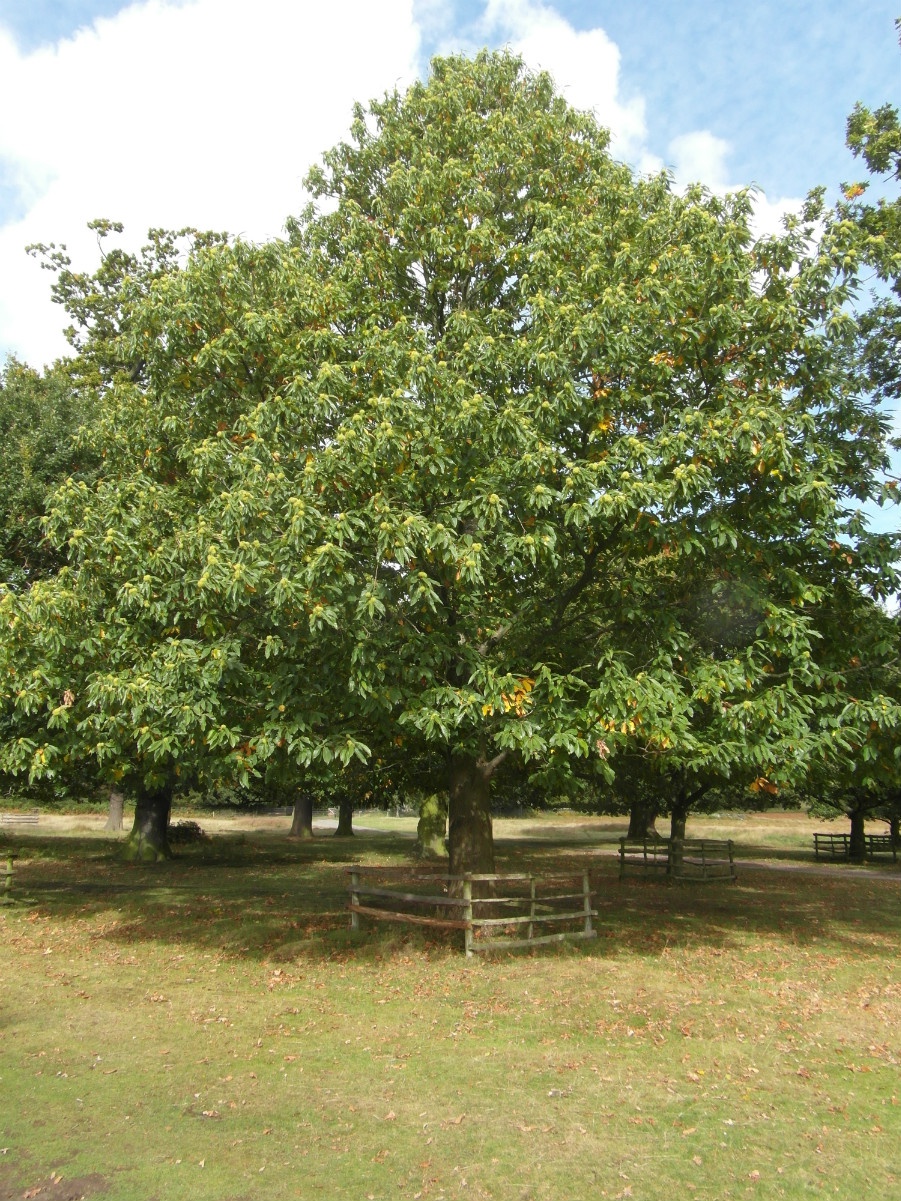
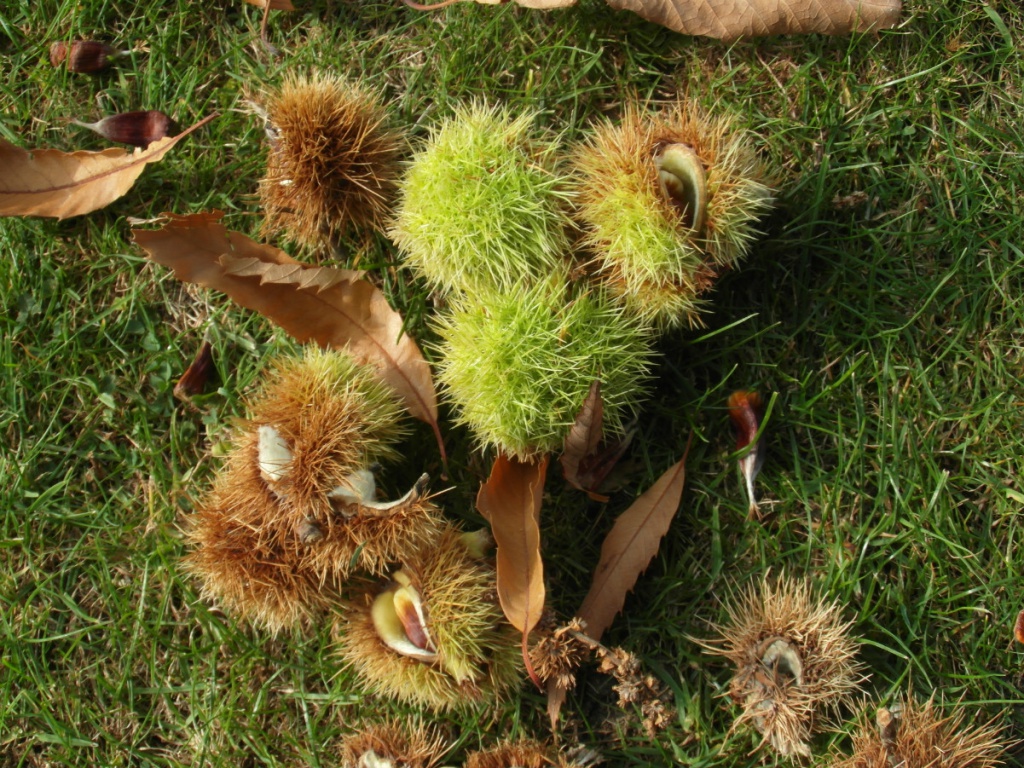
Large spreading tree to 30 metres. Leaves oblong, pointed and toothed, scaly beneath. Flowers yellowish green in erect or spreading catkins. Fruits 1 to 3 brown shiny nuts in a very spiny splitting husk.

Woodland, particularly on acid soils.
Flowers July.
Deciduous tree.
Widespread and fairly common in Britain.
Occasional in Leicestershire and Rutland. In the 1979 Flora survey of Leicestershire it was found in 73 of the 617 tetrads.
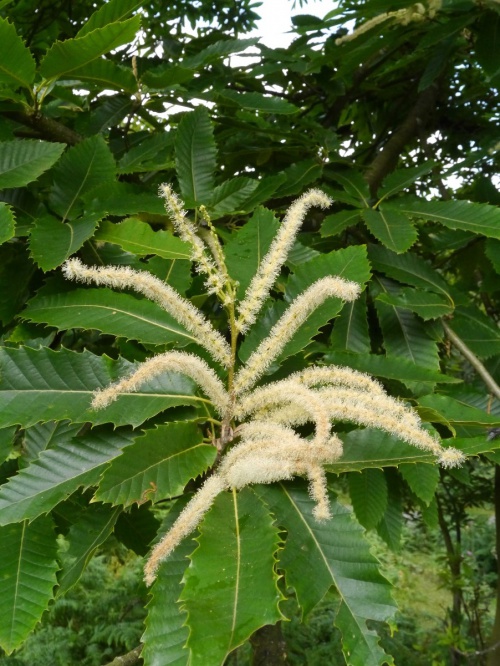 Peter Smith
Beacon Hill
15 July 2014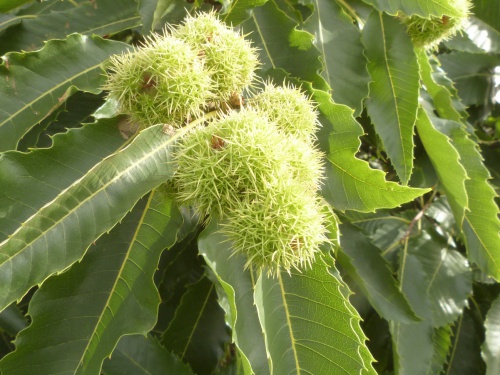 Graham Calow
Hinckley, Clarendon Park
03 October 2022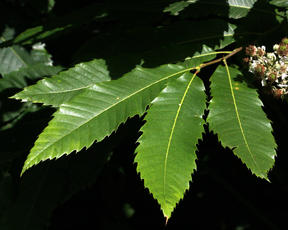 David Nicholls
Ulverscroft
14 July 2011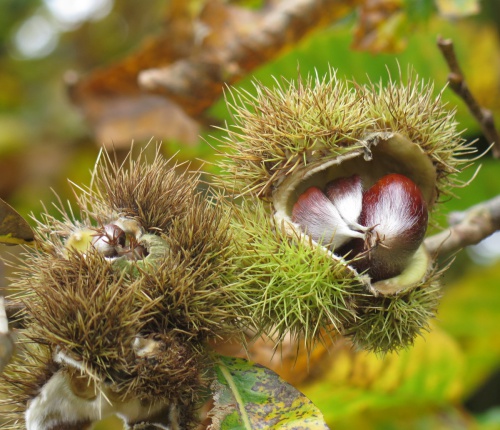 David Nicholls
Bradgate Park
29 October 2016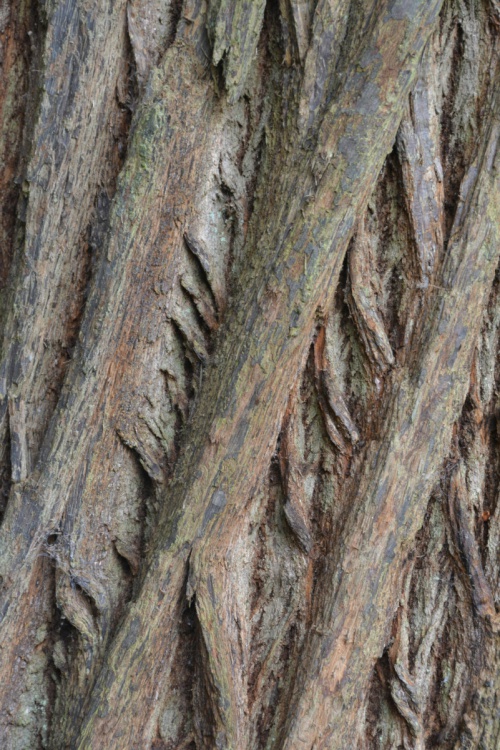 Barbara Cooper
Belvoir Woods
21 August 2013
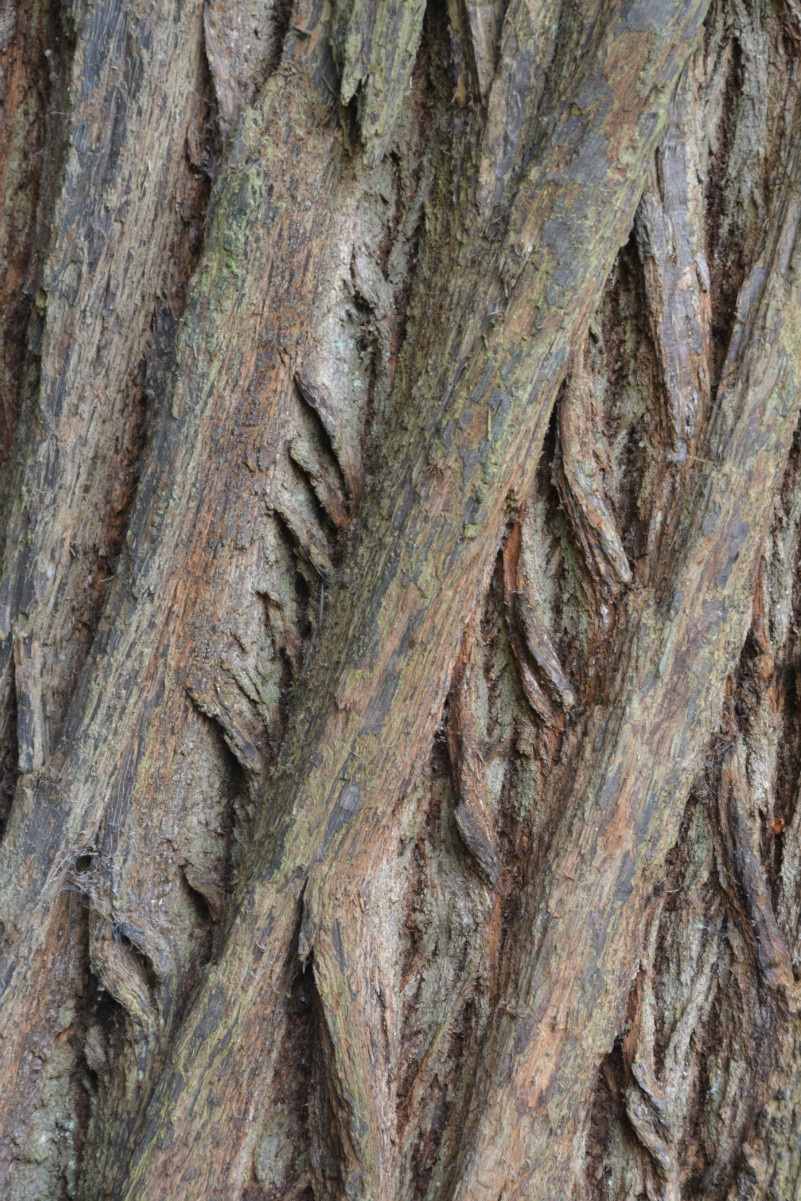
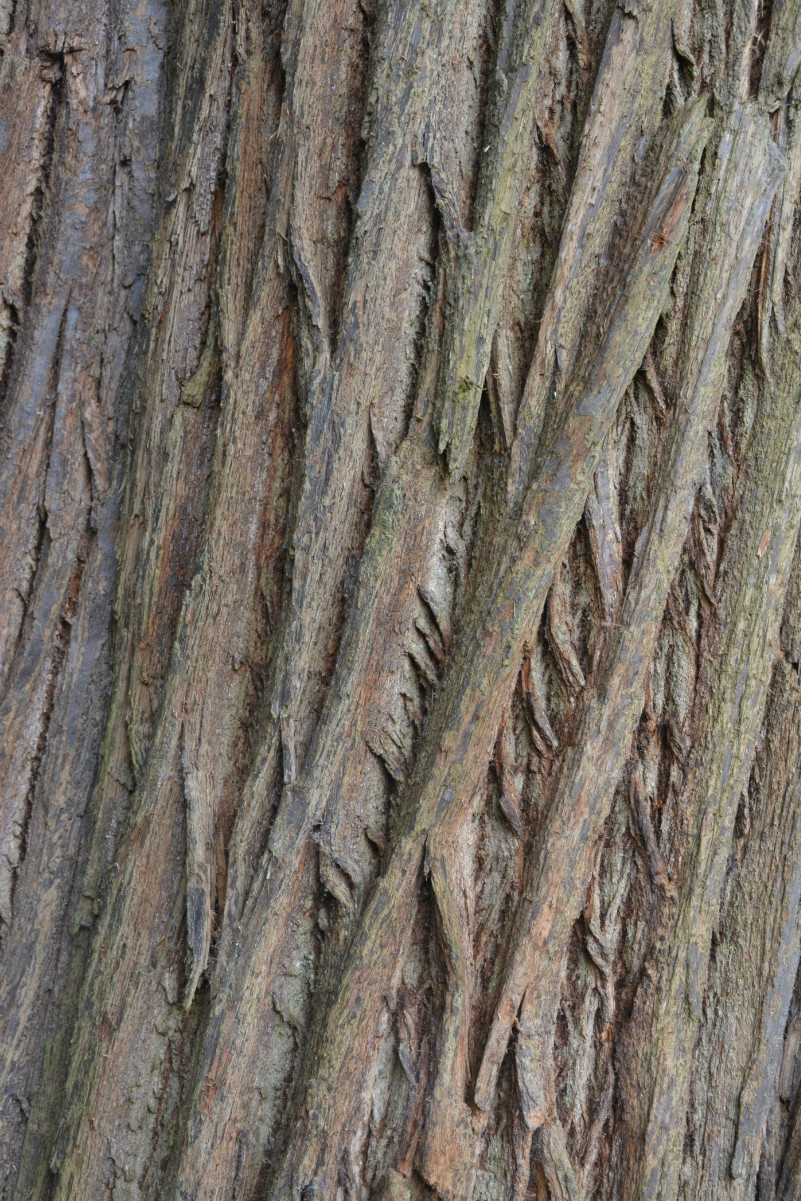
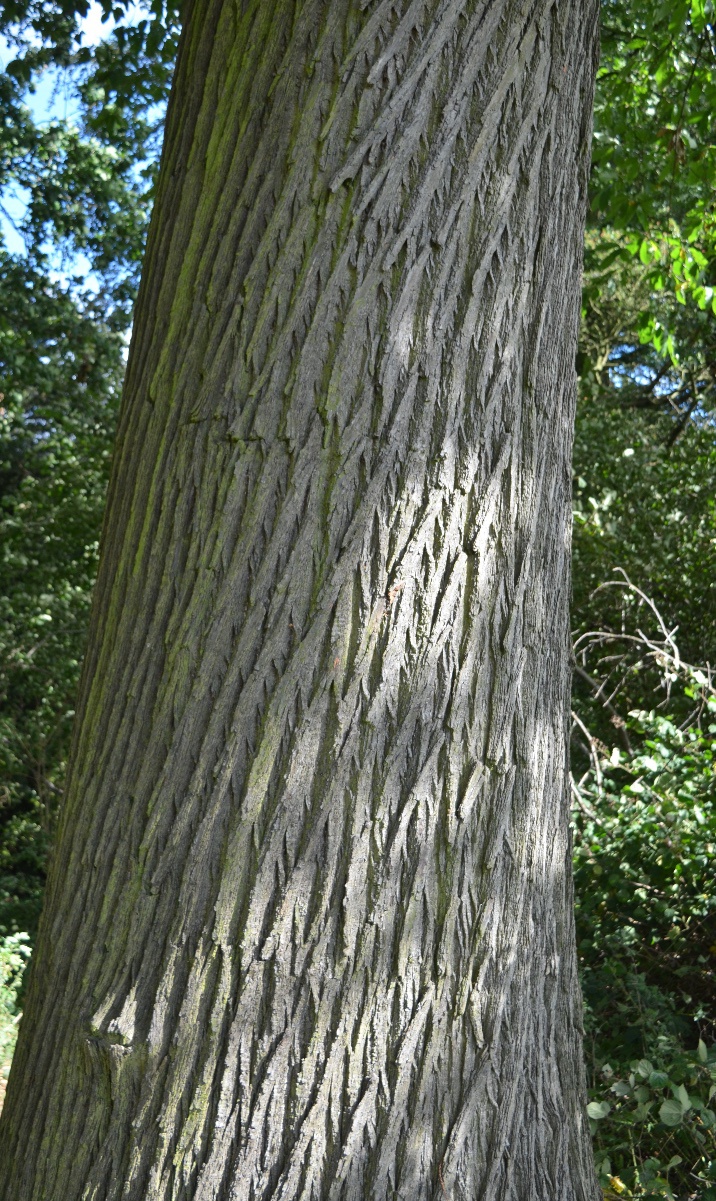
detail of spiral bark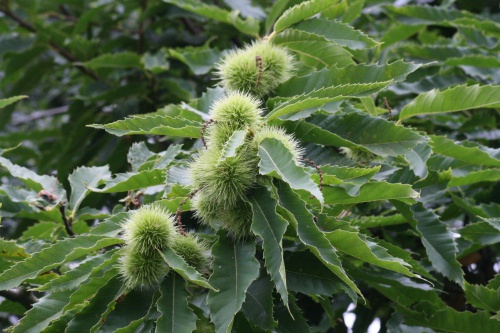 Craig Mabbett
Station Road Broughton Astley
04 September 2014
Leicestershire & Rutland Map
Enter a town or village to see local records
MAP KEY:
Yellow squares = NBN records (all known data)
Coloured circles = NatureSpot records: 2025+ | 2020-2024 | pre-2020
UK Map
Species profile
- Common names
- Sweet Chestnut, Spanish Chestnut
- Species group:
- flowering plant
- Kingdom:
- Plantae
- Order:
- Fagales
- Family:
- Fagaceae
- Records on NatureSpot:
- 138
- First record:
- 03/09/2007 (Dave Wood)
- Last record:
- 21/05/2026 (Mabbett, Craig)
Total records by month
% of records within its species group
10km squares with records
The latest images and records displayed below include those awaiting verification checks so we cannot guarantee that every identification is correct. Once accepted, the record displays a green tick.
In the Latest Records section, click on the header to sort A-Z, and again to sort Z-A. Use the header boxes to filter the list.
Latest images
Latest records
 Graham Calow
Frolesworth Churchyard
10 June 2015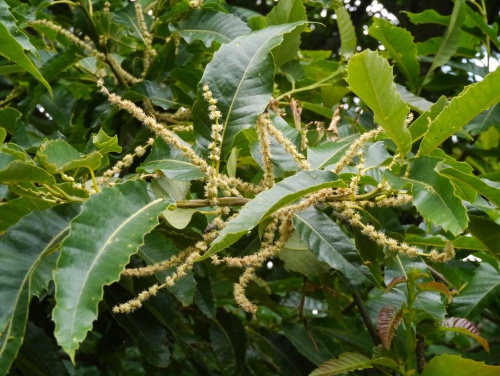 Peter Smith
Beacon Hill
15 July 2014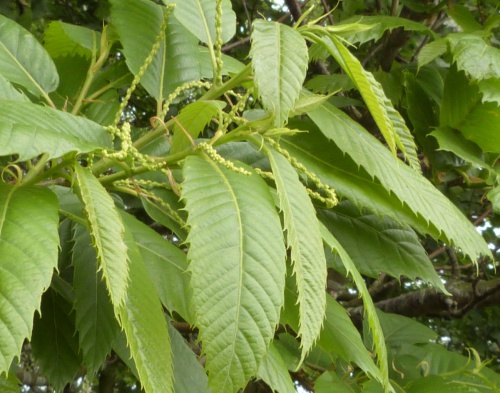 Graham Calow
Higham on the Hill
24 May 2015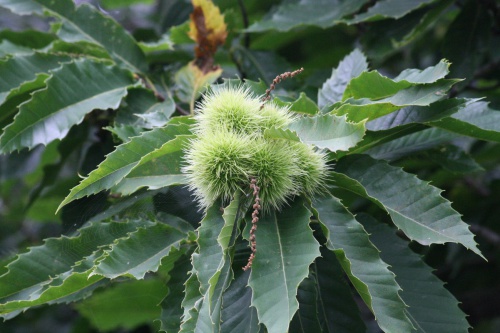 Craig Mabbett
station road broughton astley
04 September 2014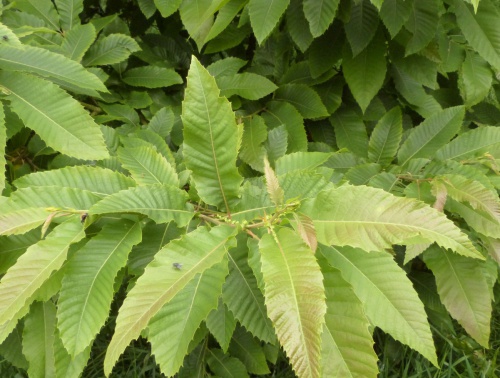 Graham Calow
Bradgate Park
15 June 2014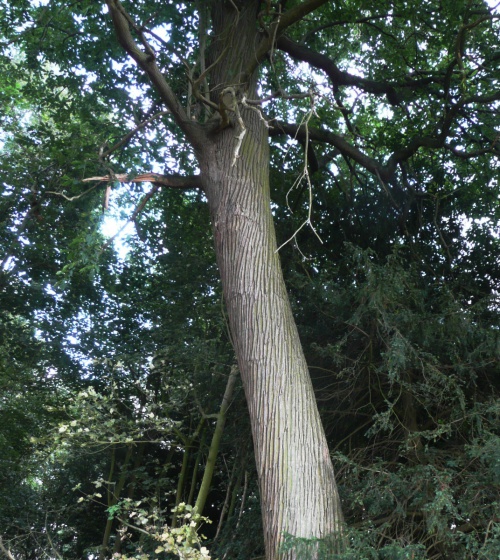 Barbara Cooper
Belvoir Woods
21 August 2013
showing spiral nature of bark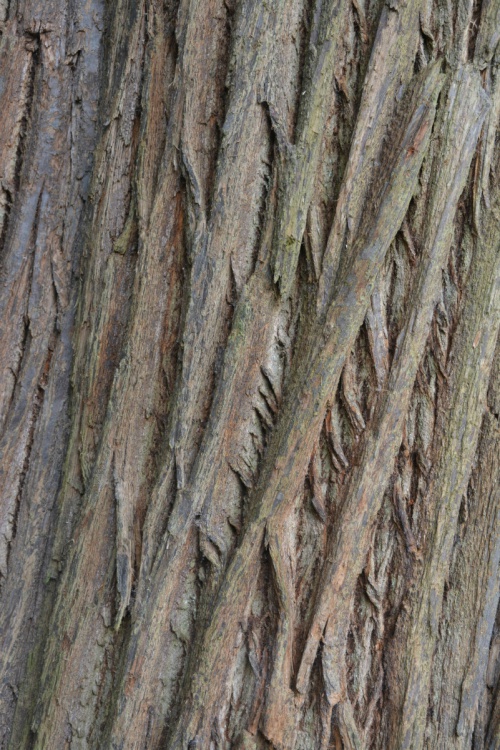 Barbara Cooper
Belvoir Woods
21 August 2013
spiral bark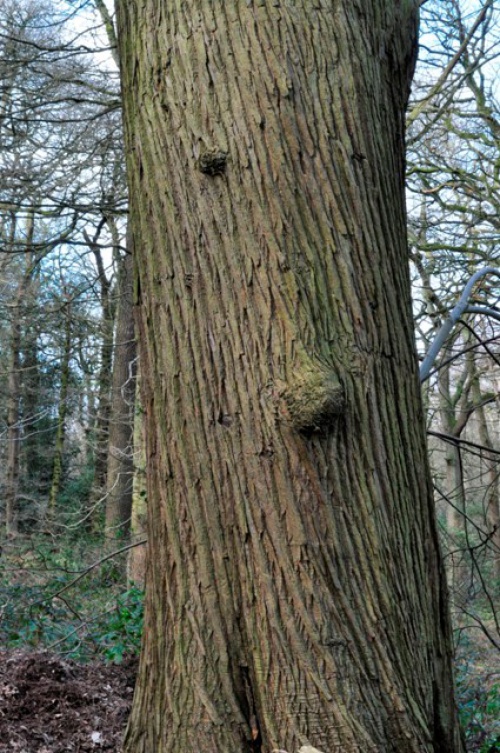 Nigel Judson
Charnwood Lodge
20 March 2016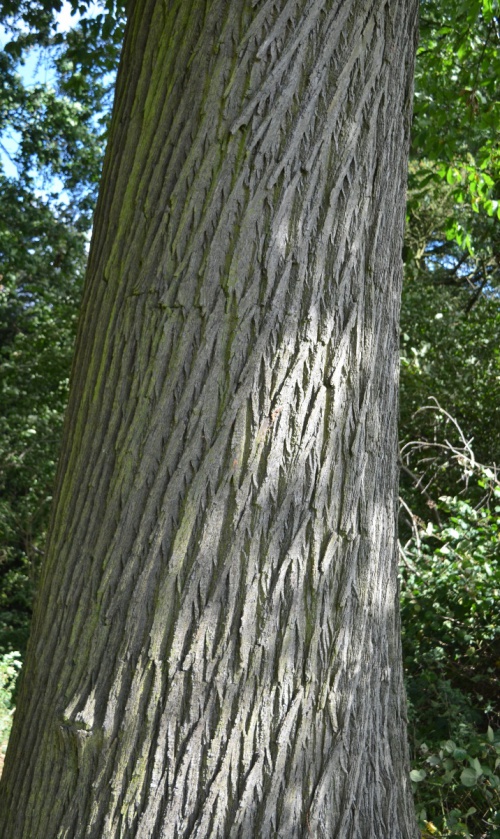 Steve Mathers
Jubilee Walk (Terrace Hills to Reeded Cottage)
30 September 2016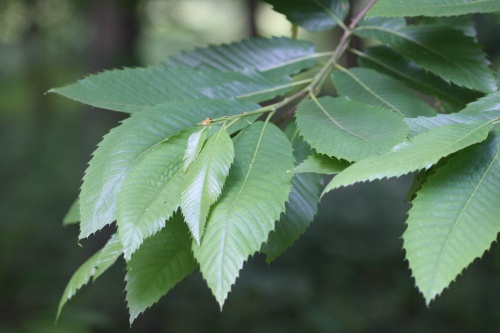 David Nicholls
Ulverscroft
21 June 2014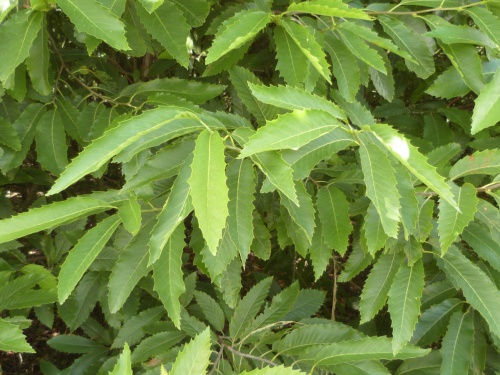 Graham Calow
Fosse Meadows, Sharnford
15 August 2014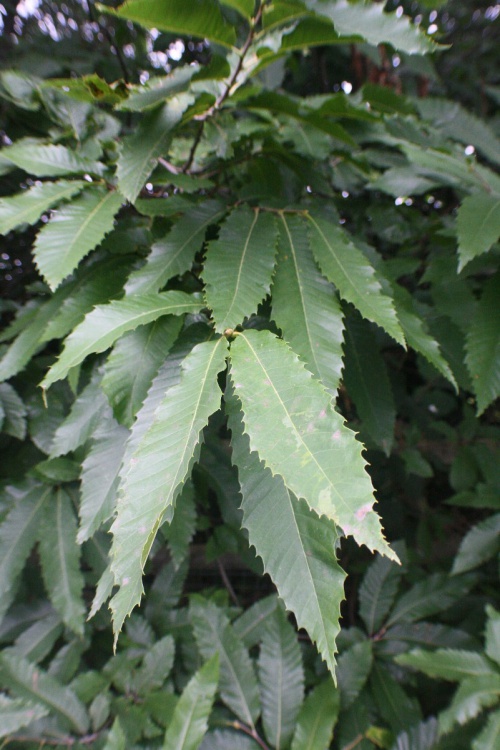 Craig Mabbett
station road broughton astley
04 September 2014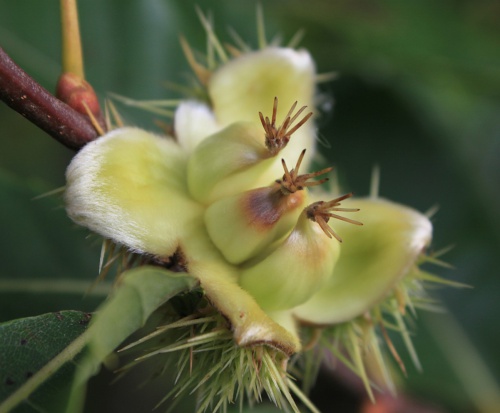 Paul Ruddoch
Melton Country Park
17 October 2015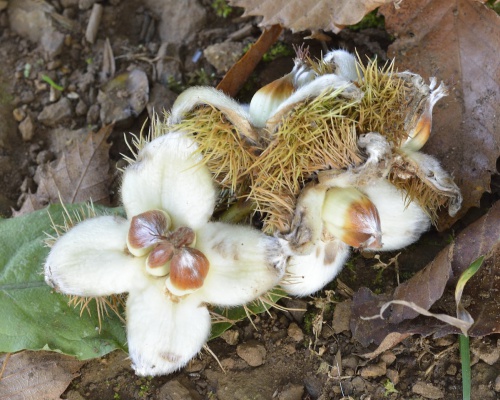 Barbara Cooper
Belvoir Woods
02 October 2015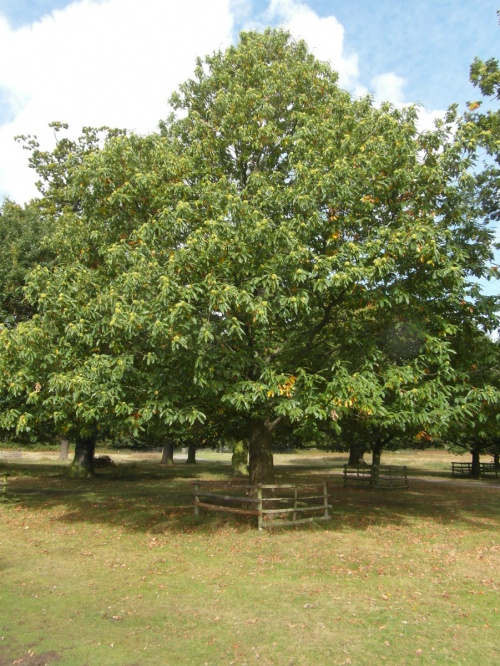 Alan Semper
Bradgate Park
08 October 2015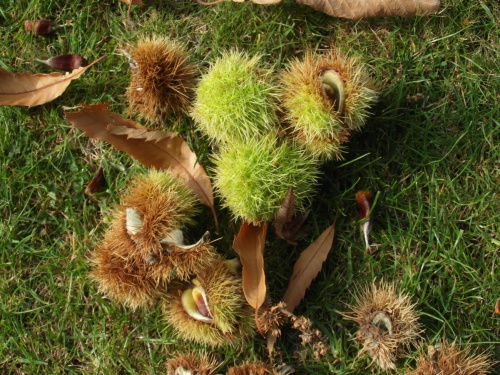 Alan Semper
Melton Town Park
04 October 2015
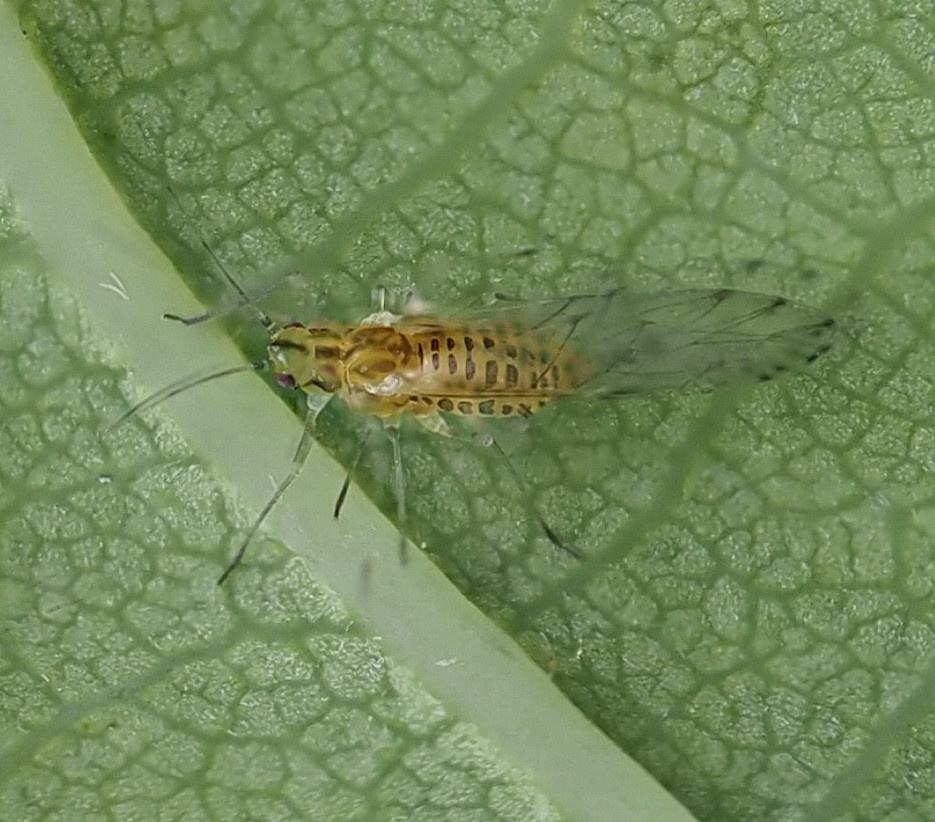
Myzocallis castanicola
Found on the undersides of leaves of many chestnut (Castanea) and oak (Quercus) species. It is often abundant on Sweet Chestnut. Immature Myzocallis castanicola are yellowish-white or greenish-white with some brown-black dorsal markings. All adults are winged, yellow with paired black spots on the abdomen and a central dark median line on the head. The wing venation distinctly outlined in brown and forewing veins ending in brown spots. The brown wing outline distinguishes it from other Oak feeding aphids in this genus.
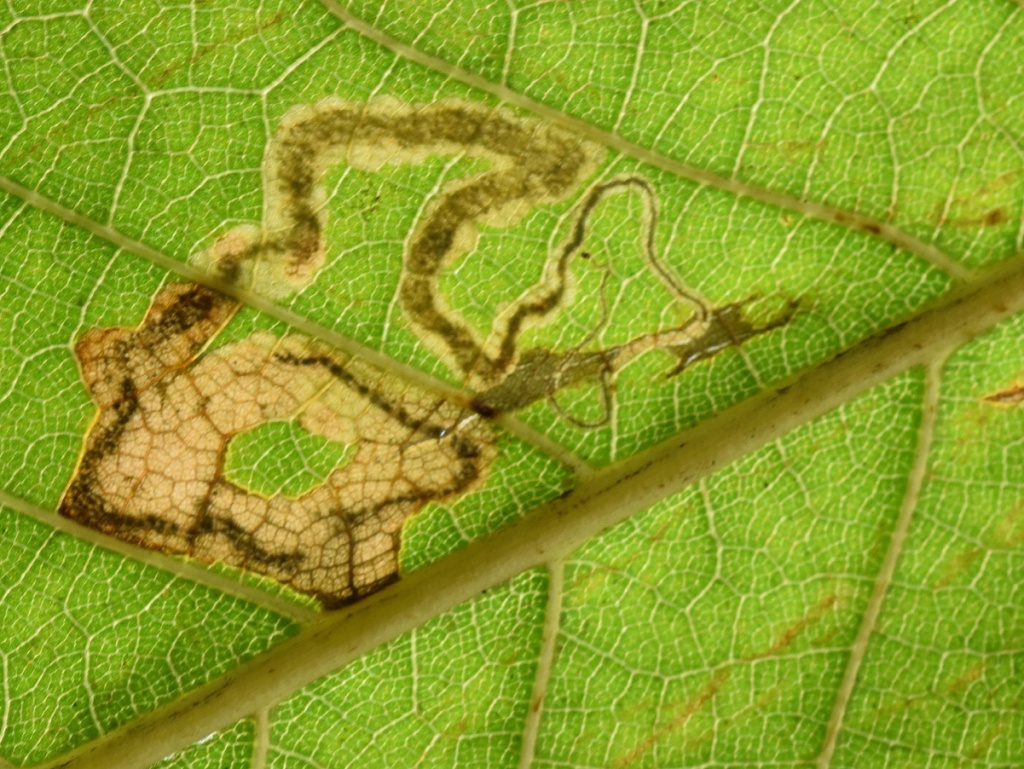
Stigmella samiatella
The larva of the moth Stigmella samiatella mines the leaves of Sweet Chestnut and Oak. The gallery is long and broad, frass dispersed in later part of mine. When the mine is on Oak it cannot be safely recorded from photographs.
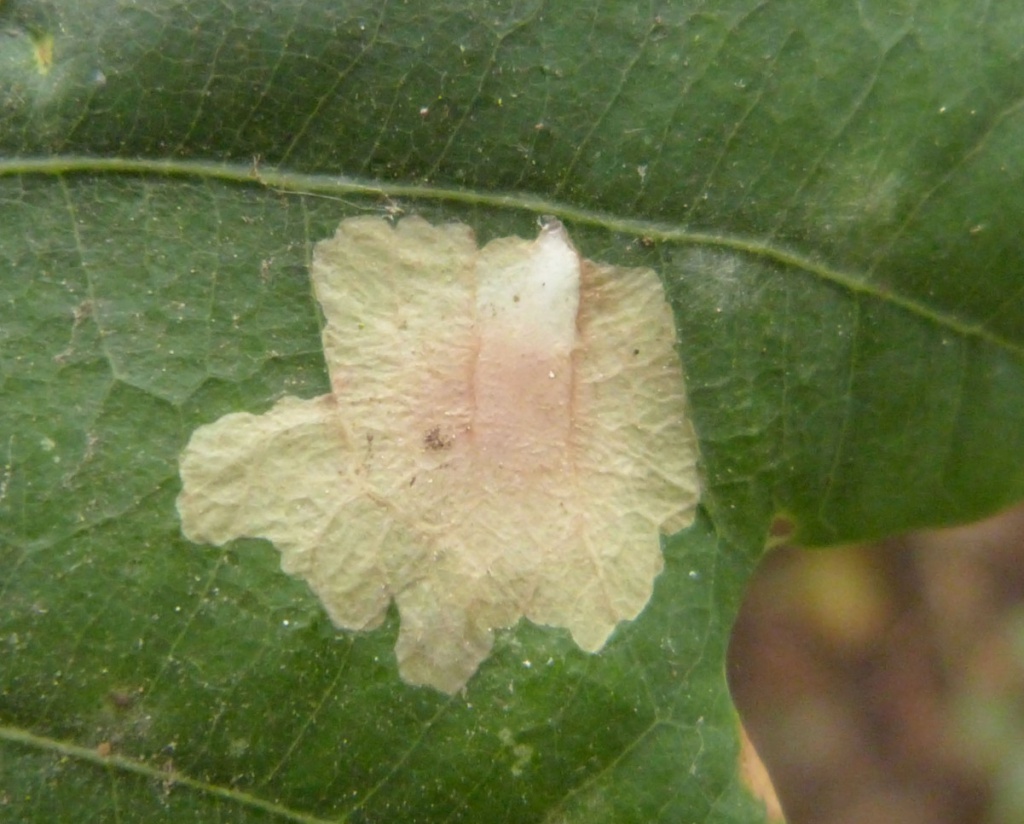
Tischeria ekebladella
The larva of the moth Tischeria ekebladella mines the leaves of Oak and occasionally Sweet Chestnut. The mines are distinctive creamy white blotches on upper leaf-surface, wih a darker centre as it matures.
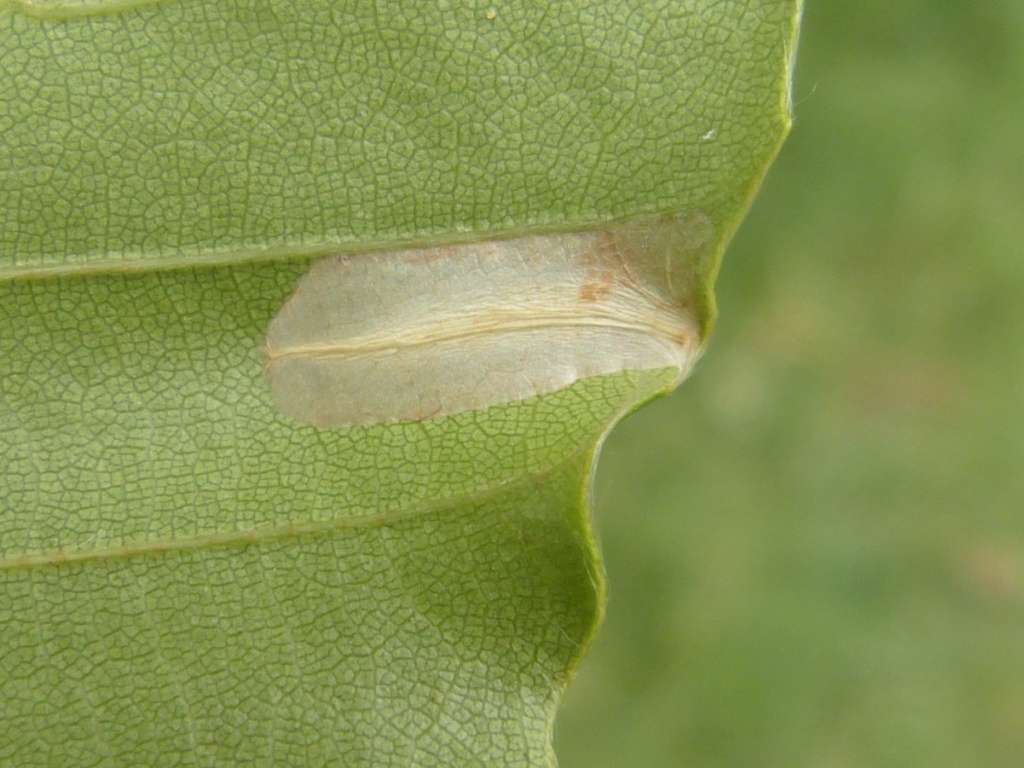
Phyllonorycter messaniella
The larva of the moth Phyllonorycter messaniella mines the leaves of Oak, Hornbeam, Beech or Sweet Chestnut, and sometimes on other tree species. The leaf mines caused by the larvae are usually found on the underside and have a typical 'tented' appearance with a crease line across the surface. The frass is characteristically arranged in a U-shape around the cocoon.
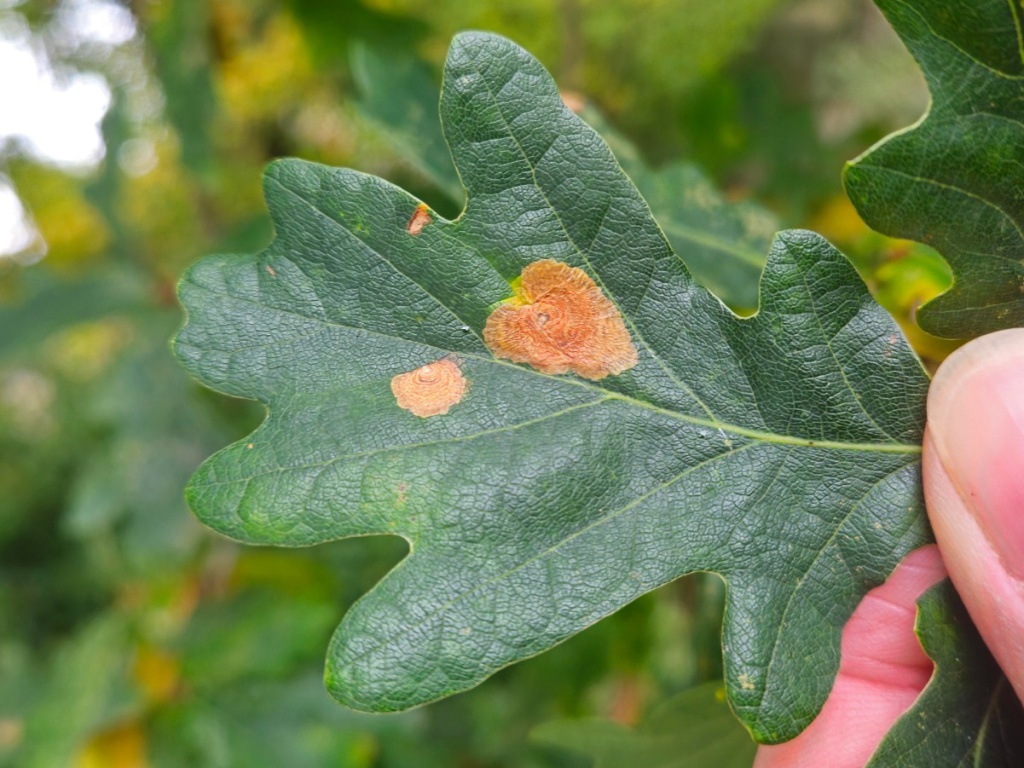
Tischeria dodonaea
The larva of the moth Tischeria dodonaea mines the leaves of Oak and Sweet Chestnut. The mine has a dark orangey blotch with a series of dark concentric rings or semicircles.