

Spear Thistle - Cirsium vulgare
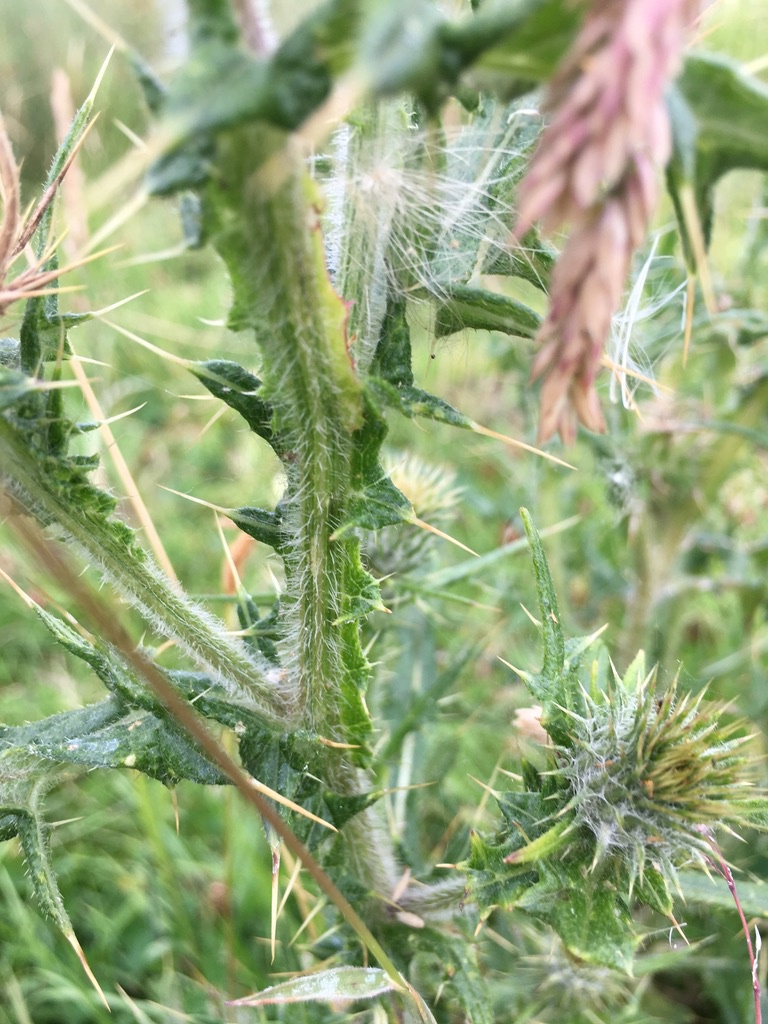
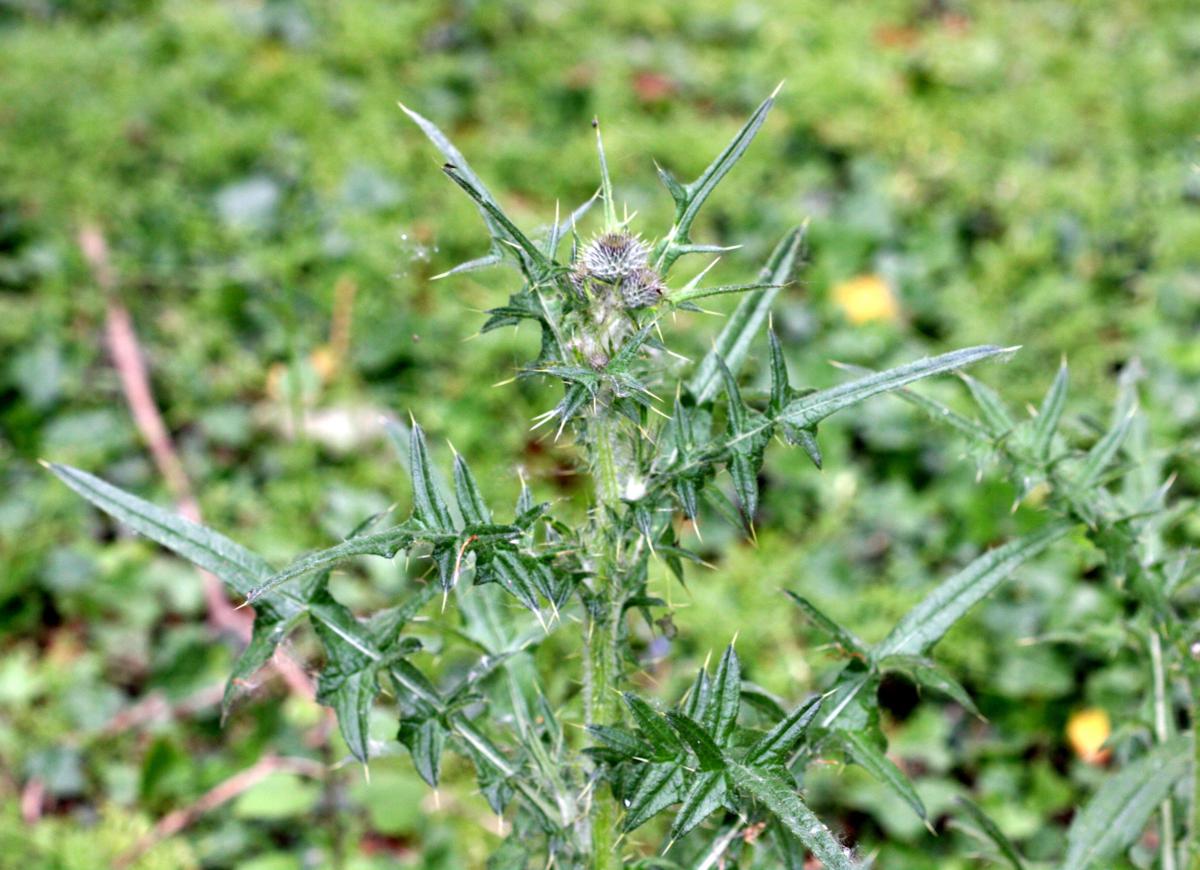
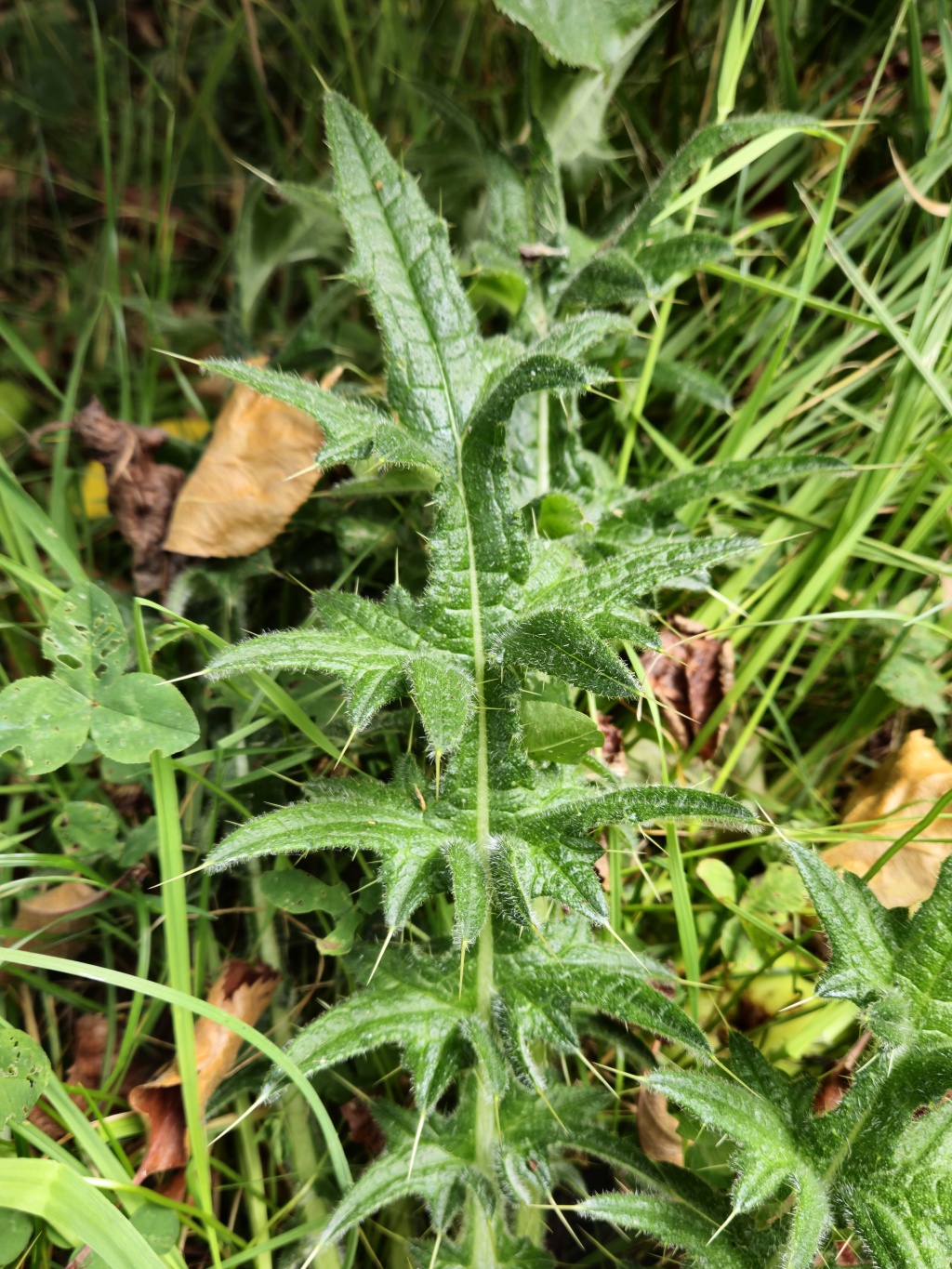
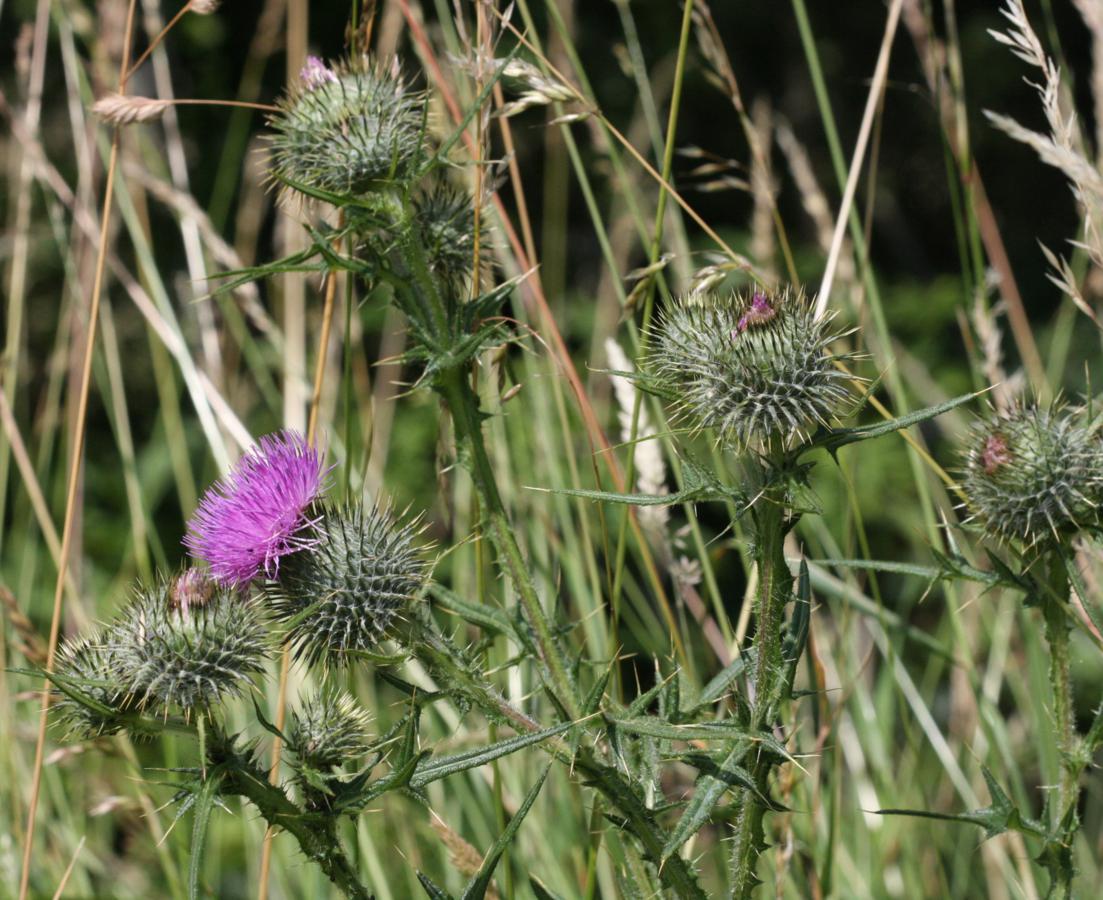
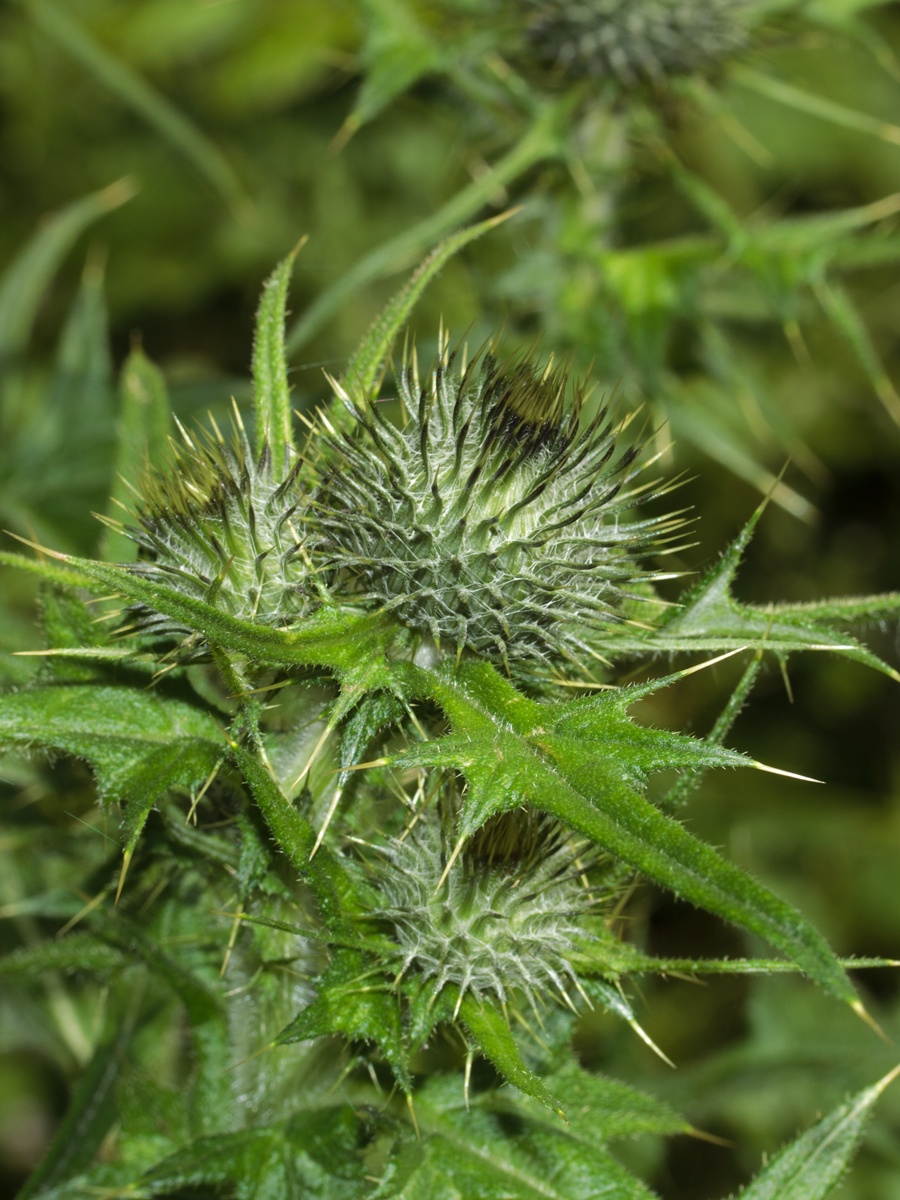
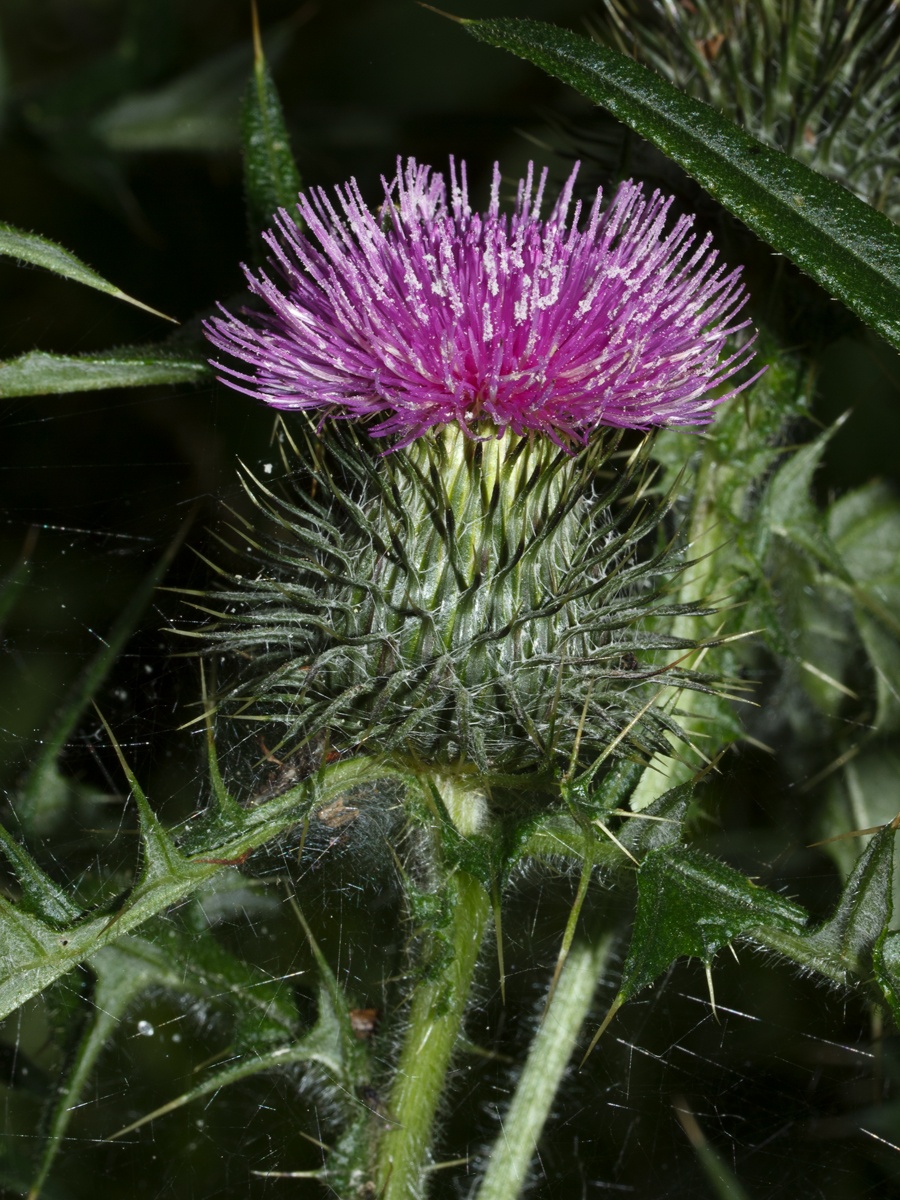
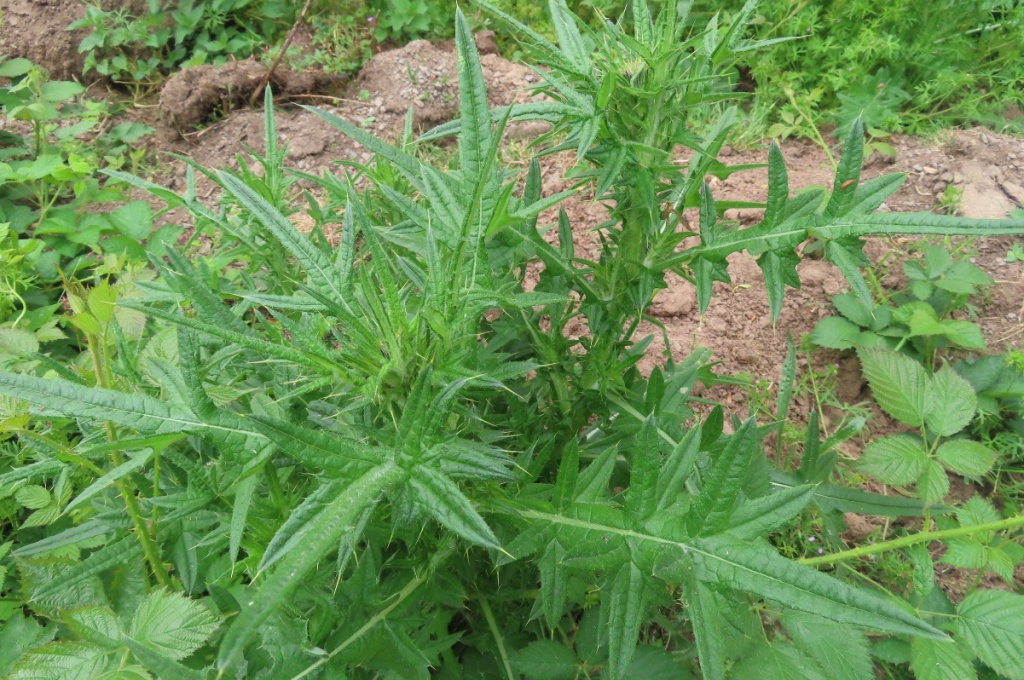
Tall plant to 1.5 metres, stem with sharp spiny wings to the top. Leaves lanceolate, pinnately lobed, sharply spiny margined, dull green and prickly-hairy on the upper surface. Flowerheads purple, 20 to 40 mm in a panicle or flat topped cluster. Flower bracts straight, with a yellow spine.

As with all Cirsium, the pappus-hairs (the silky white hairs attached to the seed - the thistledown) are individually feathery or branched.
Grassy and waste places, disturbed ground.
July to October.
Biennial.
Very common throughout Britain.
Very common in Leicestershire and Rutland. In the 1979 Flora survey of Leicestershire it was found in 604 of the 617 tetrads.
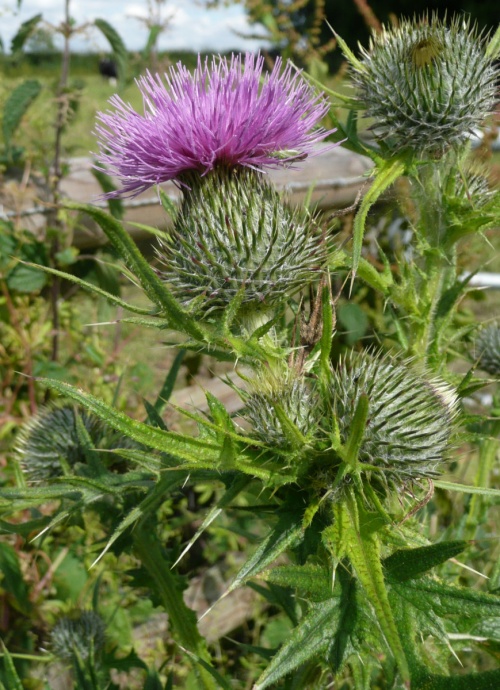 Barbara Cooper
Clawson Hill
12 July 2012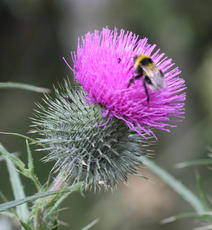 David Nicholls
Fosse Meadows
08 July 2011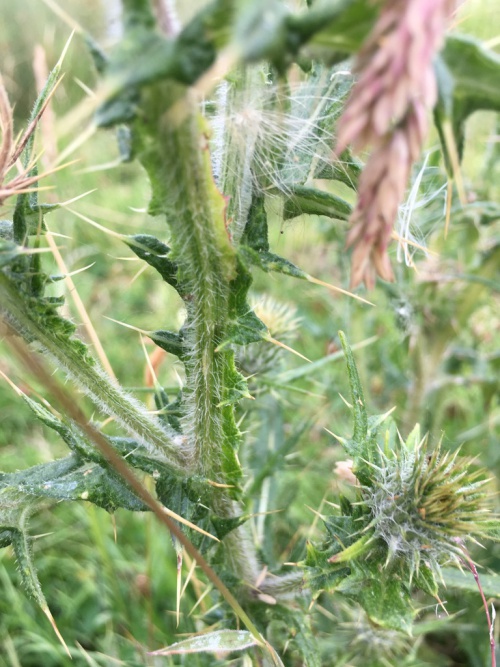 CAPochin
Saddington fields
05 August 2020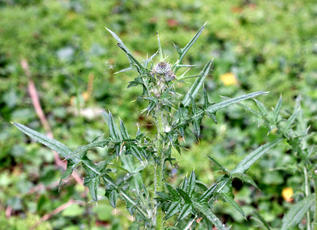 David Nicholls
Abbey Park, Leicester
20 May 2011 Field by Granitethorpe Footpath Sapcote SP 4949 9366 (taken 2.7.2006).JPG) Graham Calow
Graham Calow
Sapcote
02 July 2006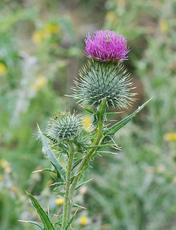 John Cranfield
Stanford Reservoir
28 July 2011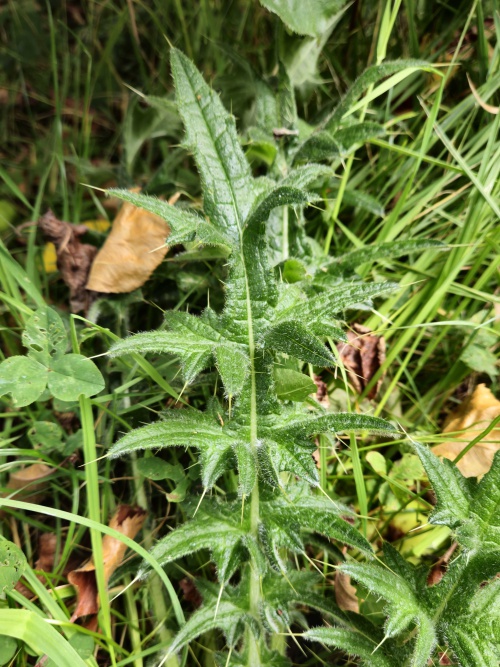 Peter Smith
Cropston garden
26 August 2023
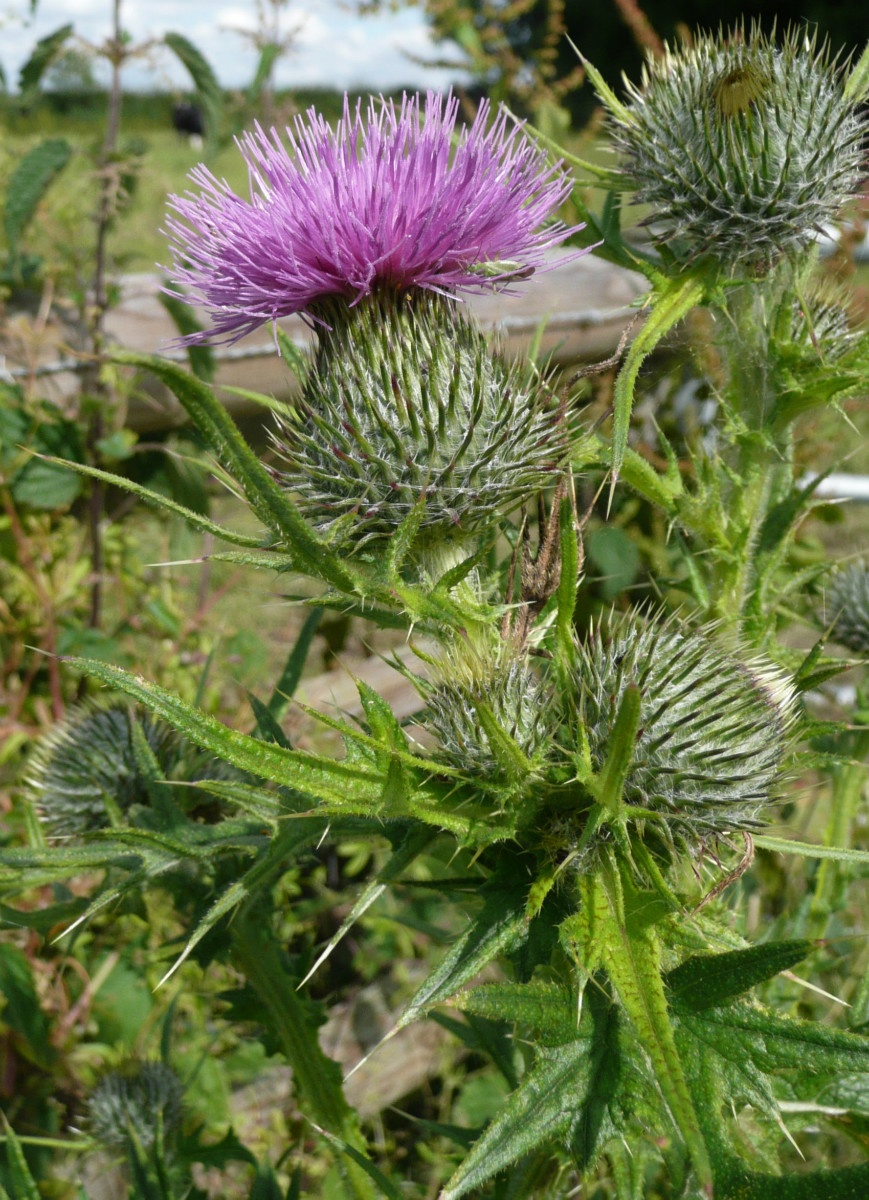
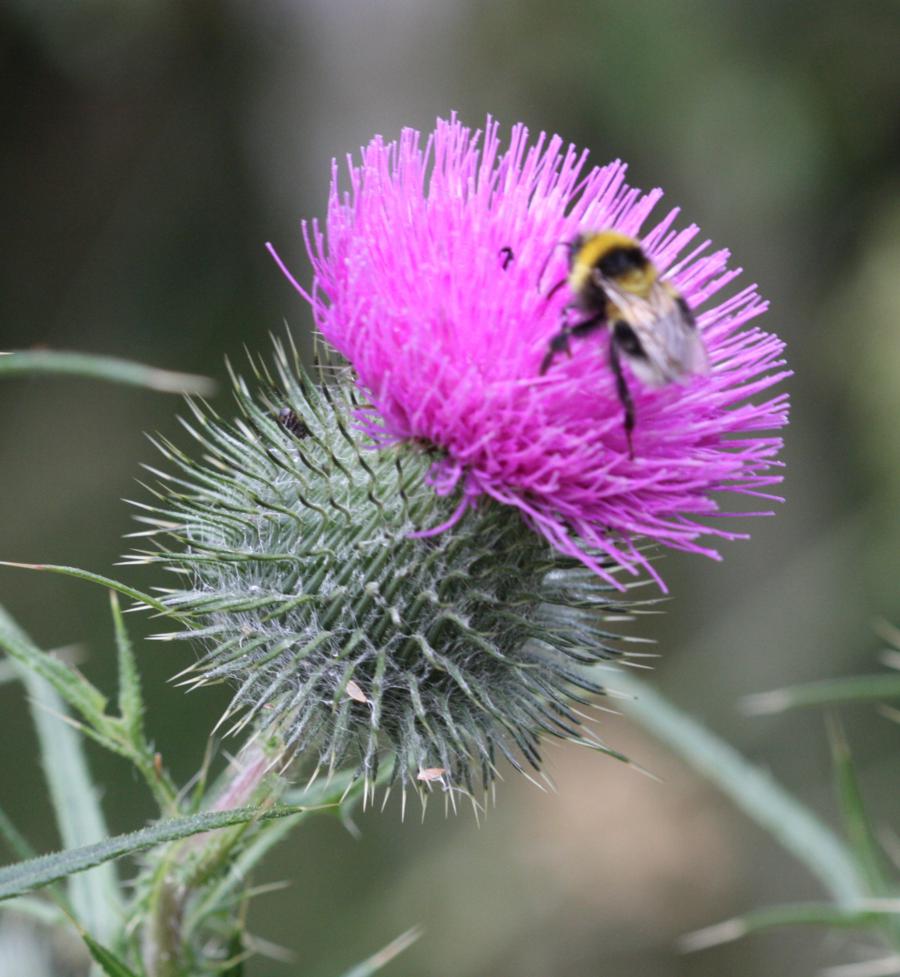
 Field by Granitethorpe Footpath Sapcote SP 4949 9366 (taken 2.7.2006).JPG)

Leicestershire & Rutland Map
Enter a town or village to see local records
MAP KEY:
Yellow squares = NBN records (all known data)
Coloured circles = NatureSpot records: 2025+ | 2020-2024 | pre-2020
UK Map
Species profile
- Common names
- Spear Thistle
- Species group:
- flowering plant
- Kingdom:
- Plantae
- Order:
- Asterales
- Family:
- Asteraceae
- Records on NatureSpot:
- 735
- First record:
- 11/05/1992 (John Mousley;Steve Grover)
- Last record:
- 17/06/2026 (Nicholls, David)
Total records by month
% of records within its species group
10km squares with records
The latest images and records displayed below include those awaiting verification checks so we cannot guarantee that every identification is correct. Once accepted, the record displays a green tick.
In the Latest Records section, click on the header to sort A-Z, and again to sort Z-A. Use the header boxes to filter the list.
Latest images
Latest records
 Field by Granitethorpe Footpath Sapcote SP 4949 9366 (taken 2.7.2006)...JPG) Graham Calow
Graham Calow
Sapcote
02 July 2006 David Nicholls
Ratby Village Pond
09 July 2011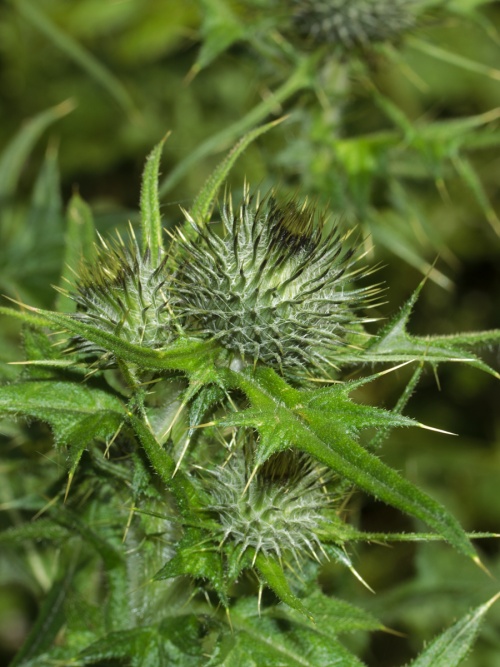 HAPeacock
Gilroes Spinney
05 July 2012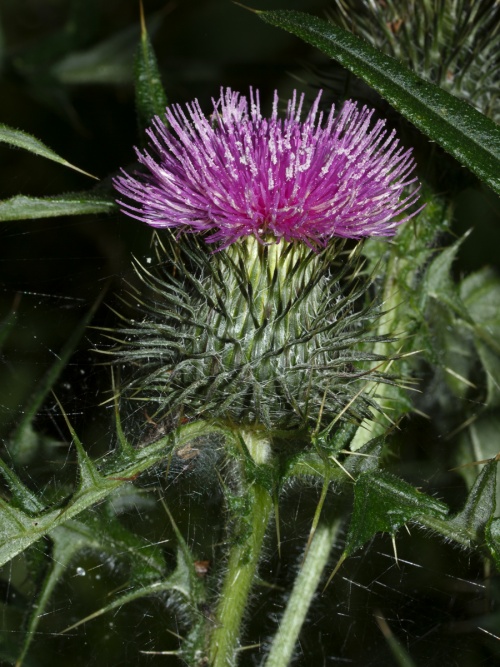 HAPeacock
River Soar - St Marys Mill
12 July 2012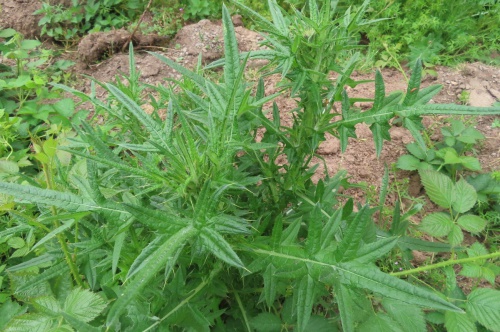 Groby John
Groby Pool
07 June 2023
 Field by Granitethorpe Footpath Sapcote SP 4949 9366 (taken 2.7.2006)...JPG)
Brachycaudus cardui
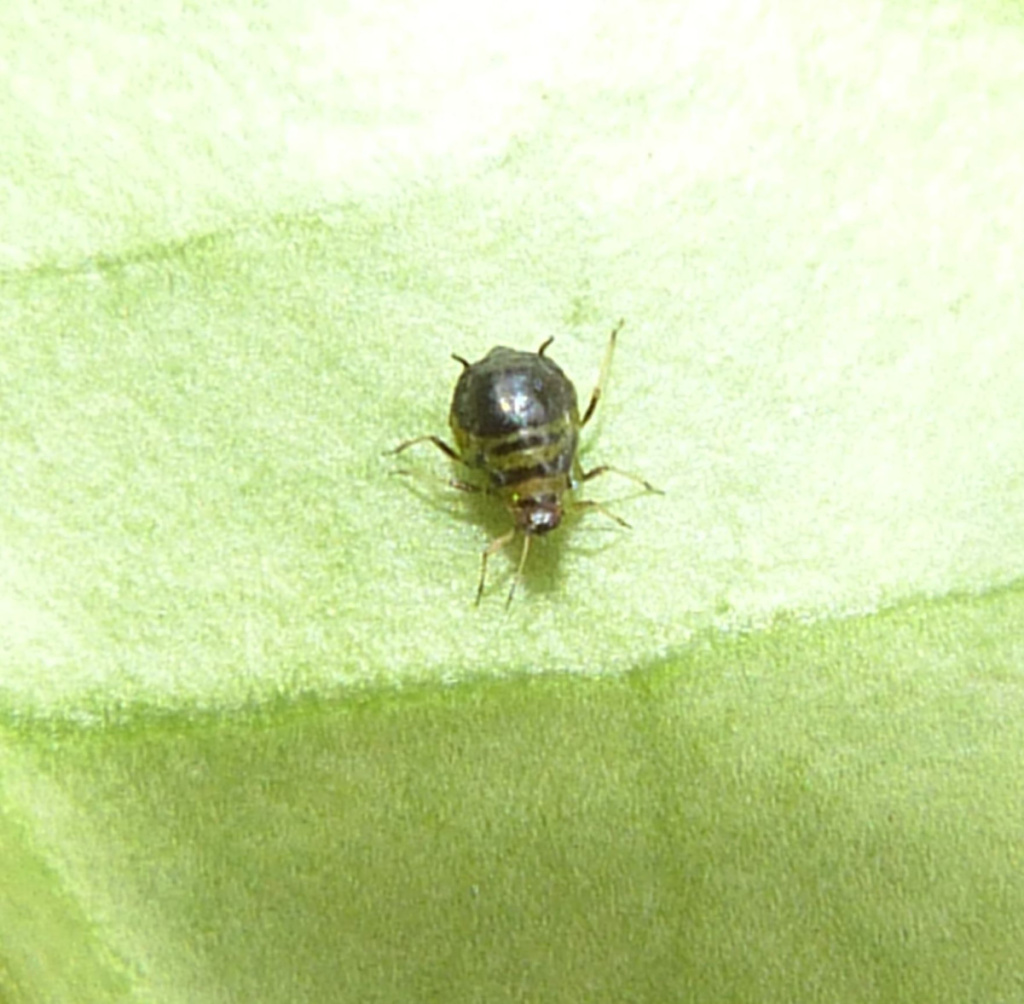
The aphid Brachycaudus cardui feeds on a number of plants in the Asteraceae group including Spear Thistle. Brachycaudus cardui apterae are brownish-yellow, pale green or brown, with separate cross bars on thoracic segments, a large shining black spot situated dorsally on the abdomen and 2 or 3 black stripes at the tip. The immatures are yellowish or reddish with green markings. The body length of apterae is 1.8 to 2.4 mm.
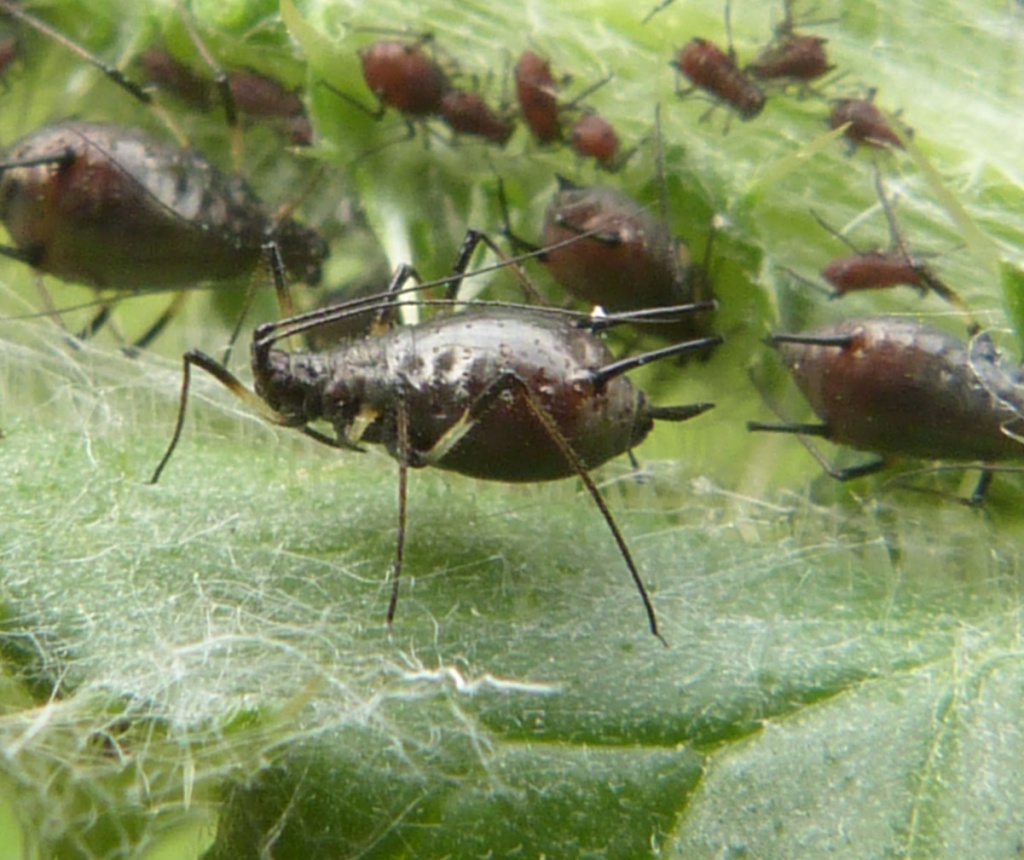
Uroleucon aeneum
The adult Uroleucon aeneum apterae has a body length of is 3.0 to 4.3 mm. The cauda (tail) in this species is black which helps to identify it. It is associated with Thistles.
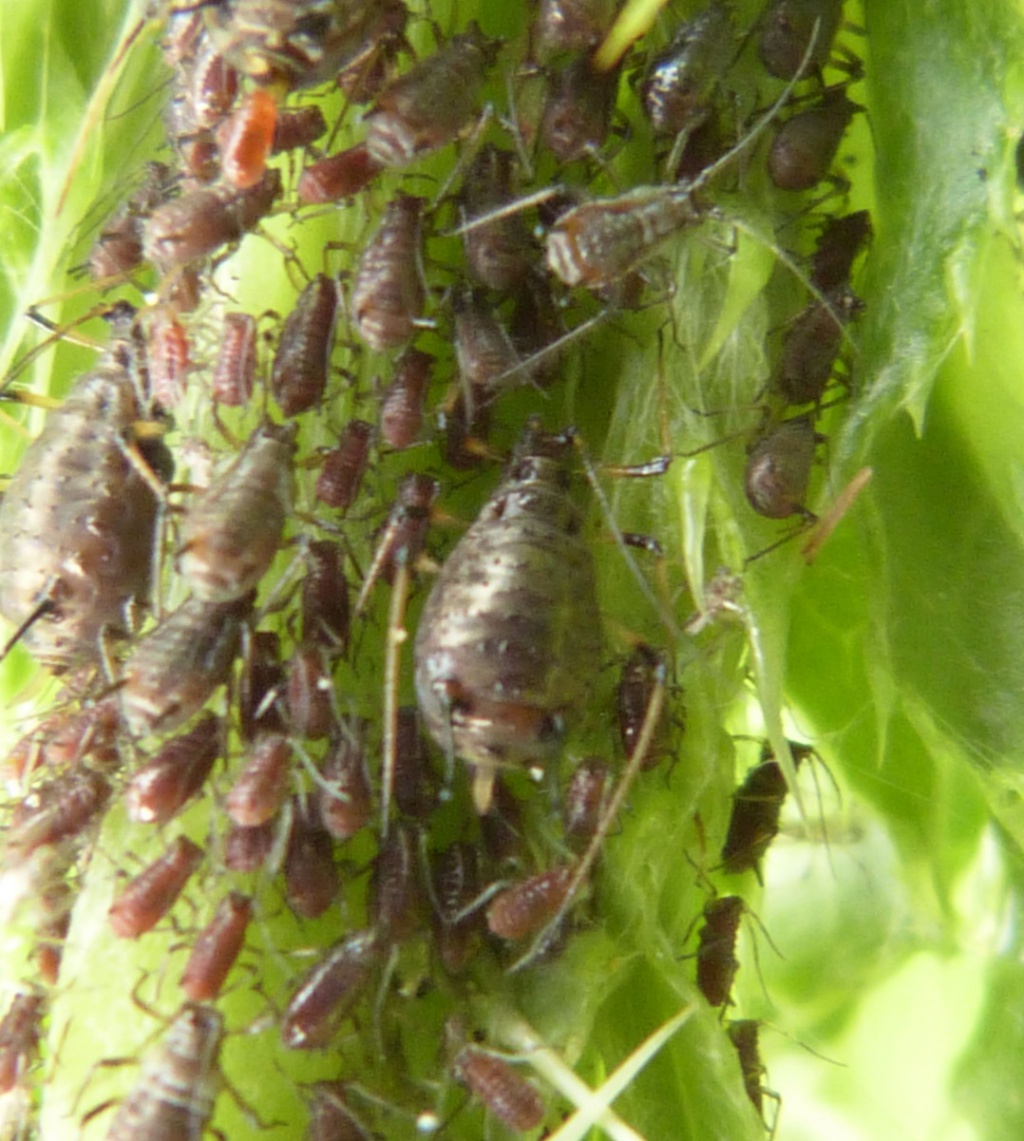
Large Thistle Aphid
The Large Thistle Aphid (Uroleucon cirsii) is found on Thistles, especially Creeping Thistle. It is between 4 and 5.2 mm in length and has characteristic two tone legs. The cauda (tail) is pale dusky yellow in this species which helps to distinguish it from other thistle feeding aphids.
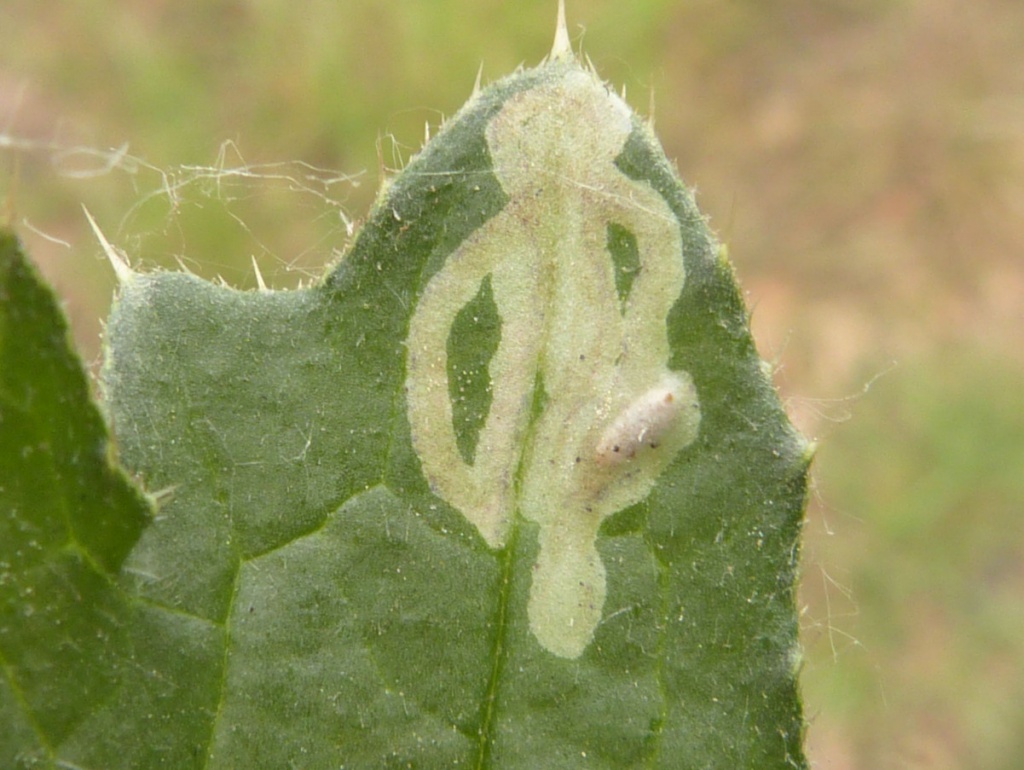
Chromatomyia spinaciae
The larvae of the fly Chromatomyia spinaciae form long narrow greenish mines in the leaves of various thistles, and also in the leaves of Knapweed and Perennial Cornflower. The puparium is white and forms at the end of the mine, underneath the leaf. The frass grains are large and scattered. The leafmine of this species is identical to that of Chromatomyia autumnalis and can only be separated by the puparium features. The puparium of Chromatomyia spinaciae is white whereas that of Phytomyza autumnalis is black.
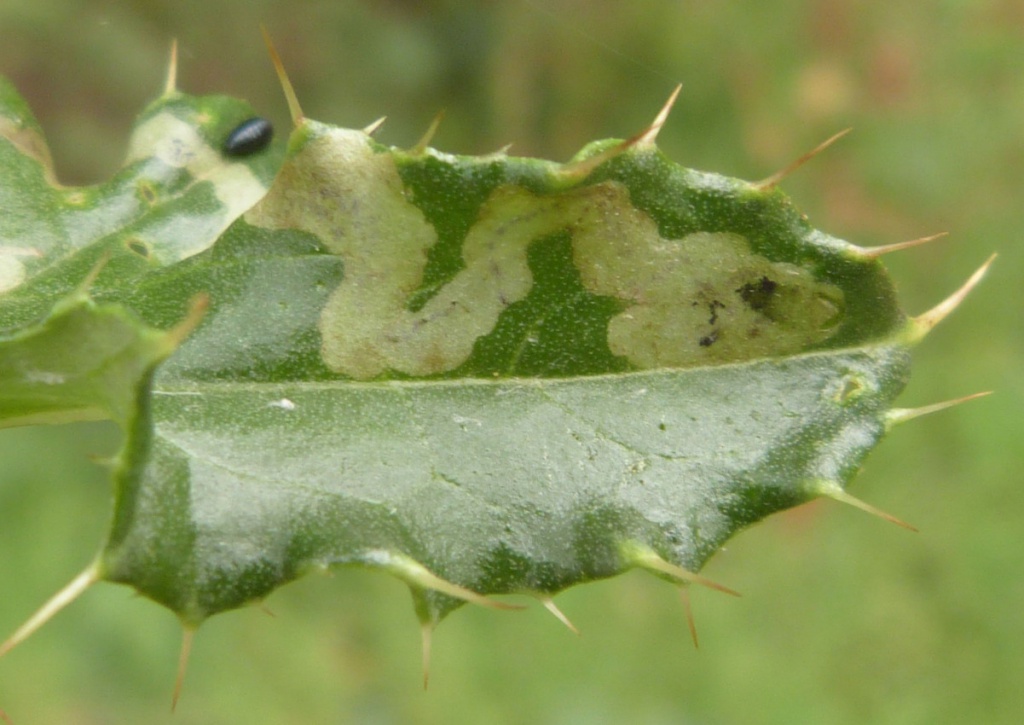
Phytomyza cirsii
The larva of the Agromyzid fly Phytomyza cirsii mines the leaves of various thistles (Cirsium) including Creeping Thistle and Spear Thistle, creating a long whitish upper surface mine. The frass grains are small and usually occur close together. Pupation is outside the mine. There are other very similar mines on these host species and care is needed when identifying the causer.