

Small Teasel - Dipsacus pilosus
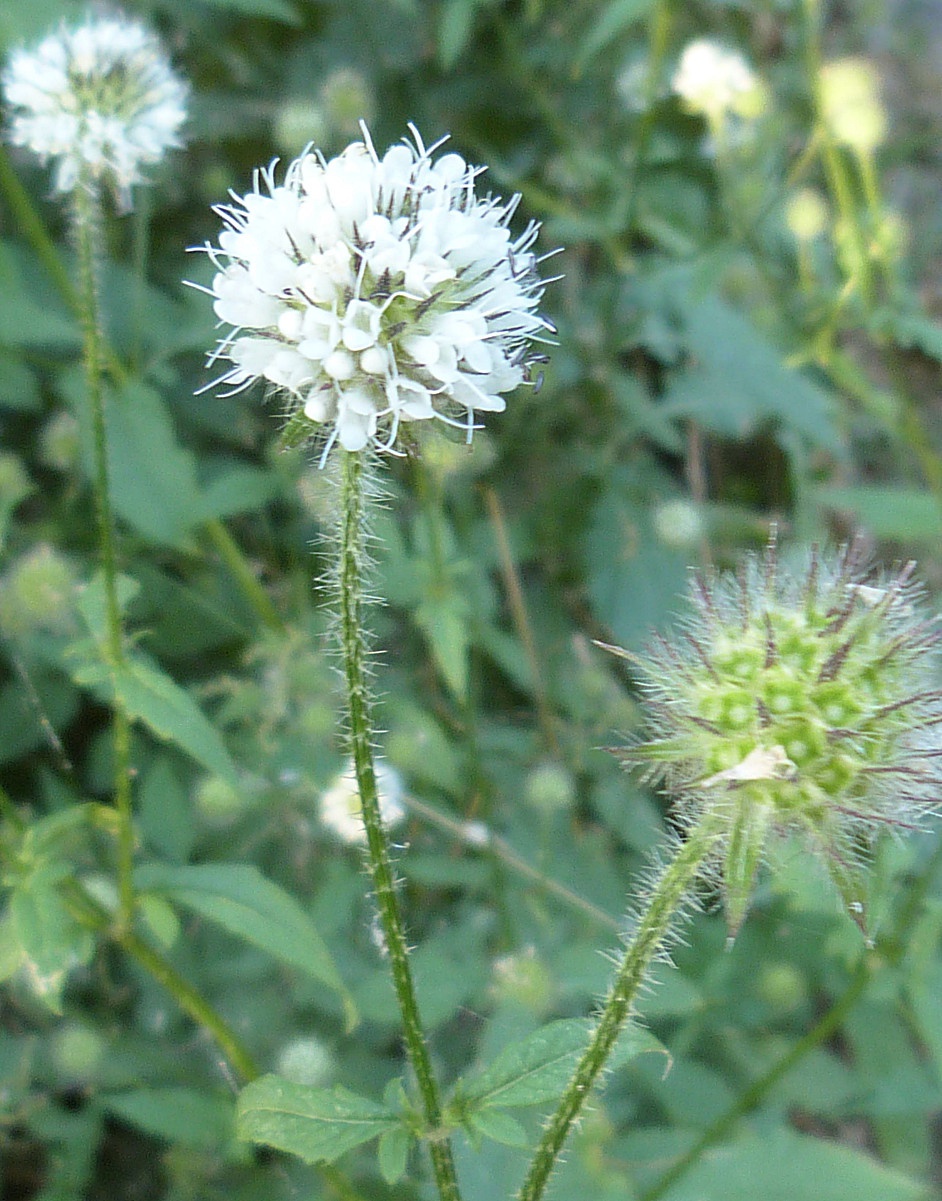
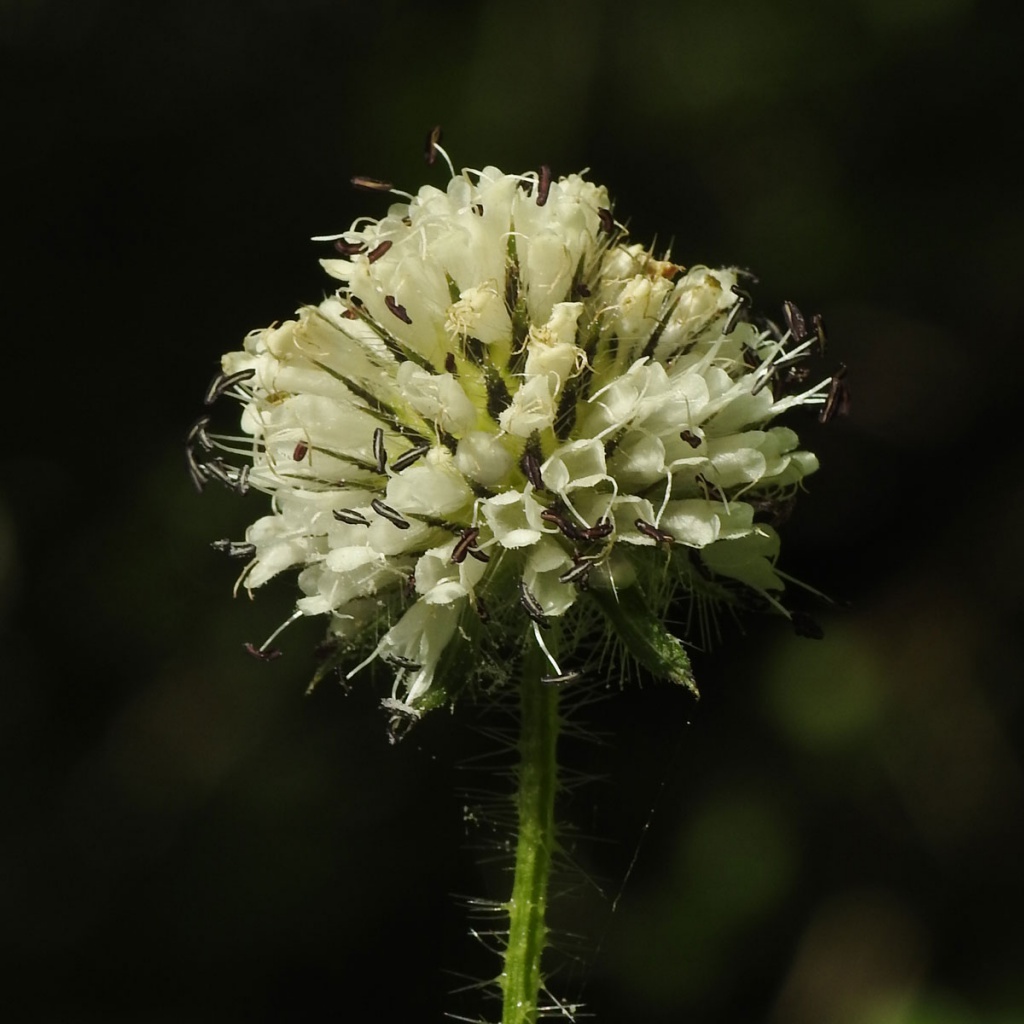
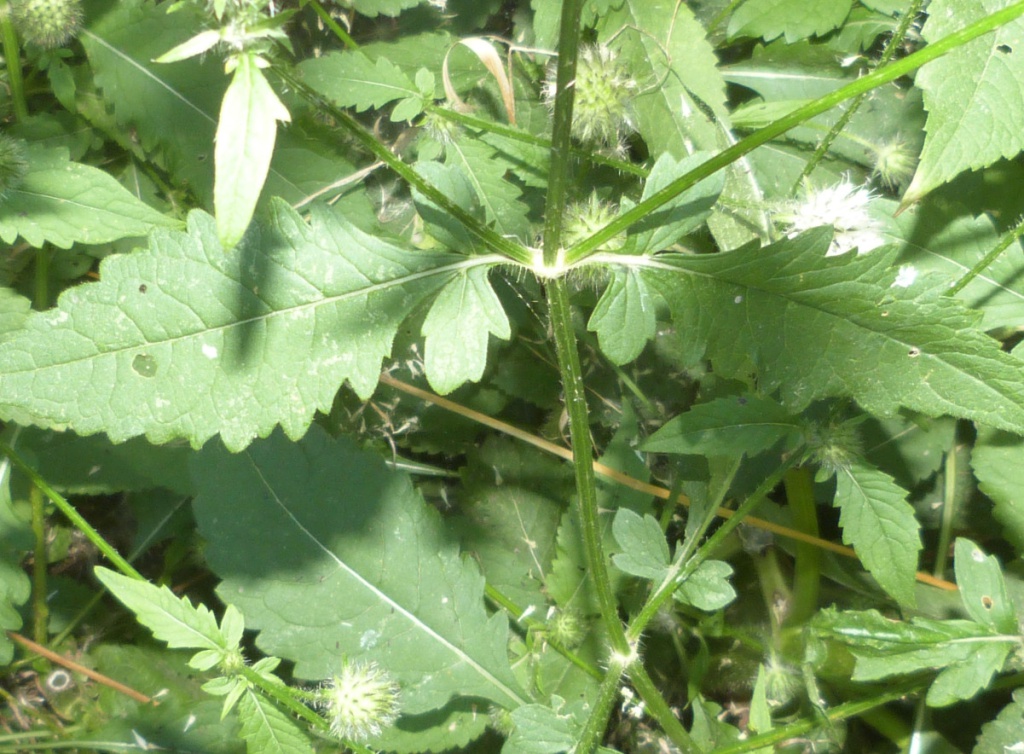
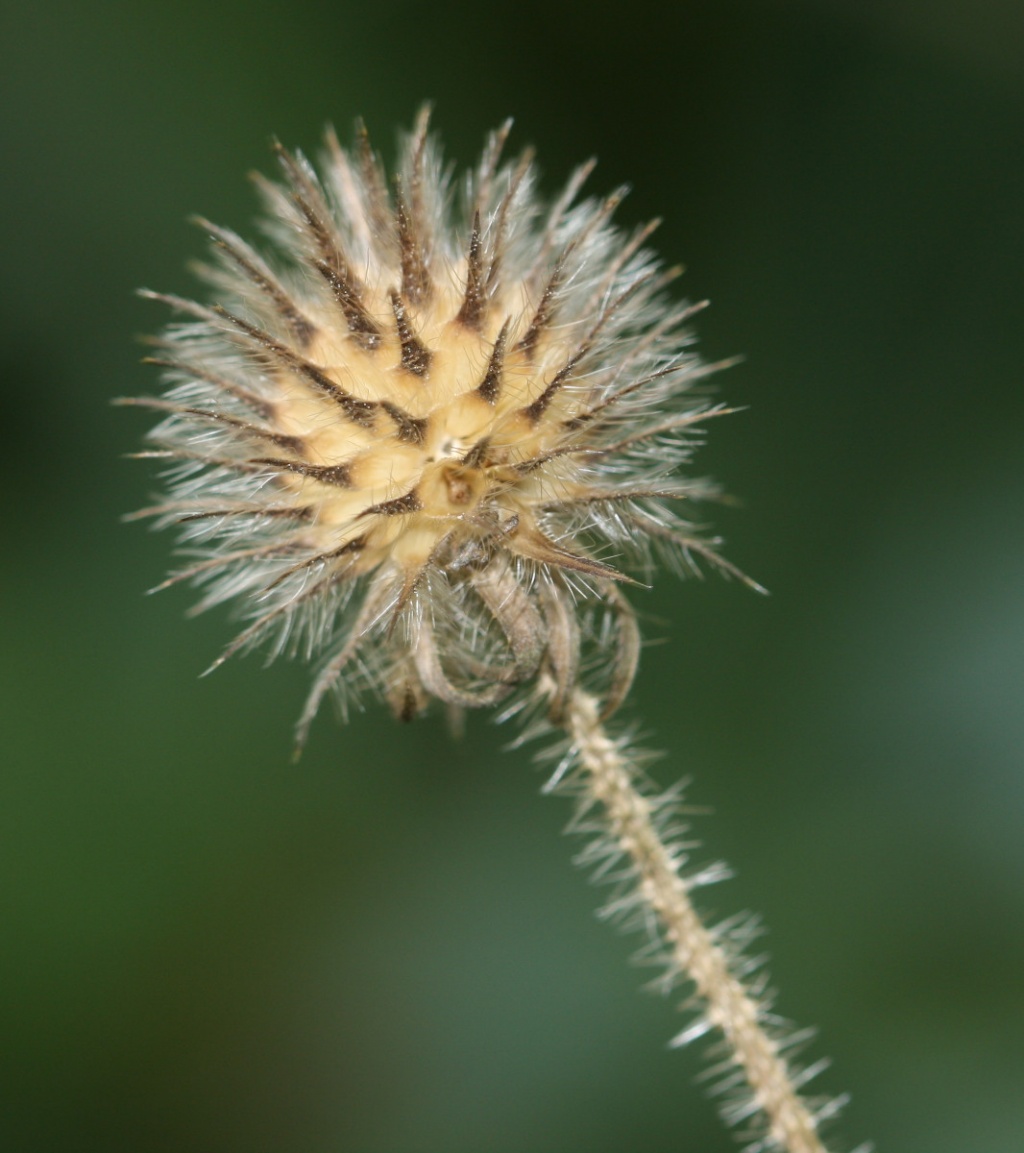
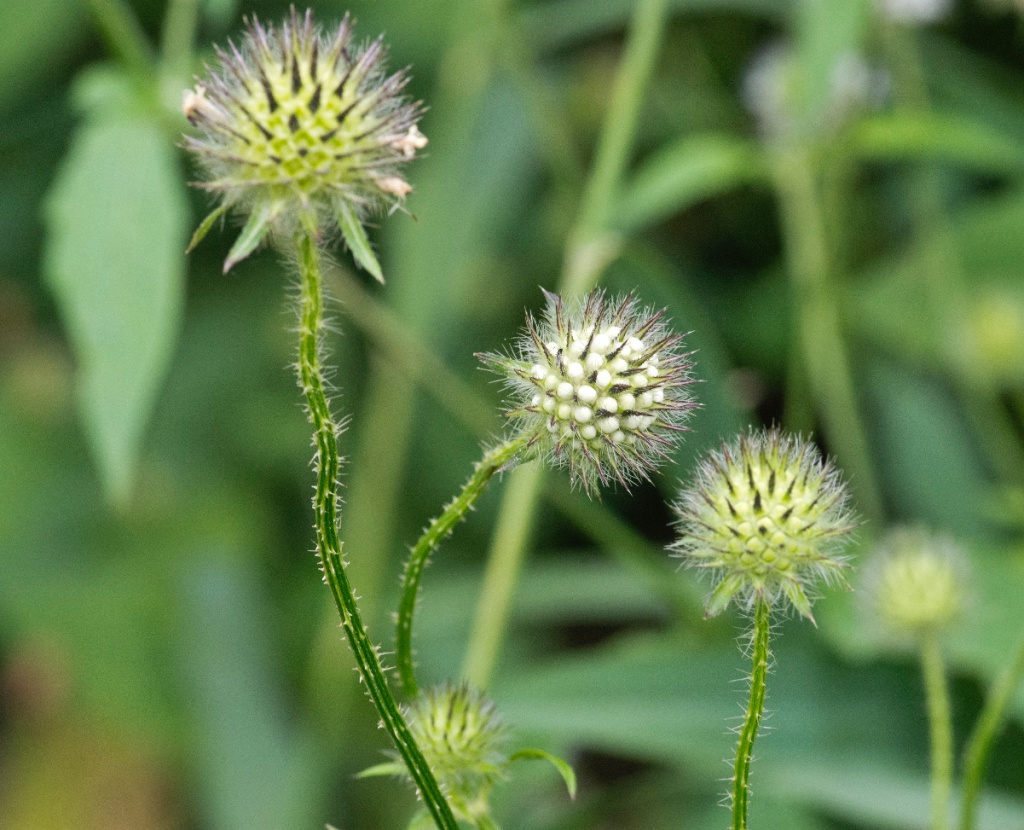
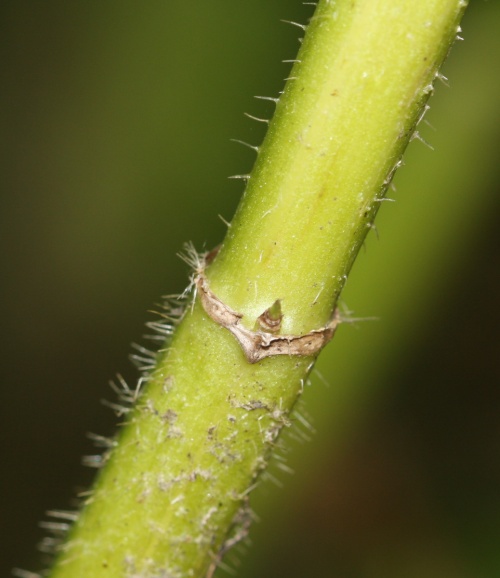
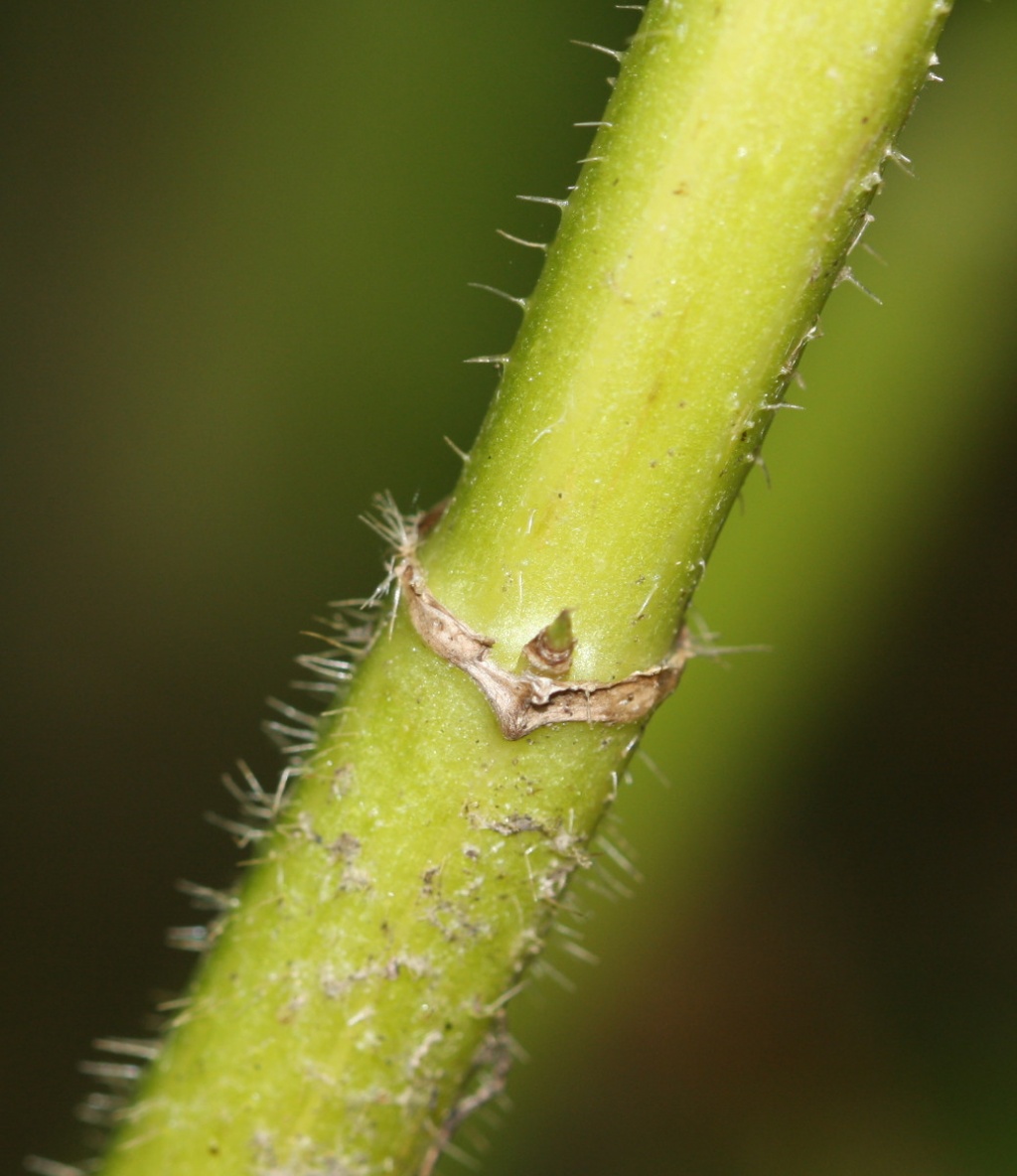
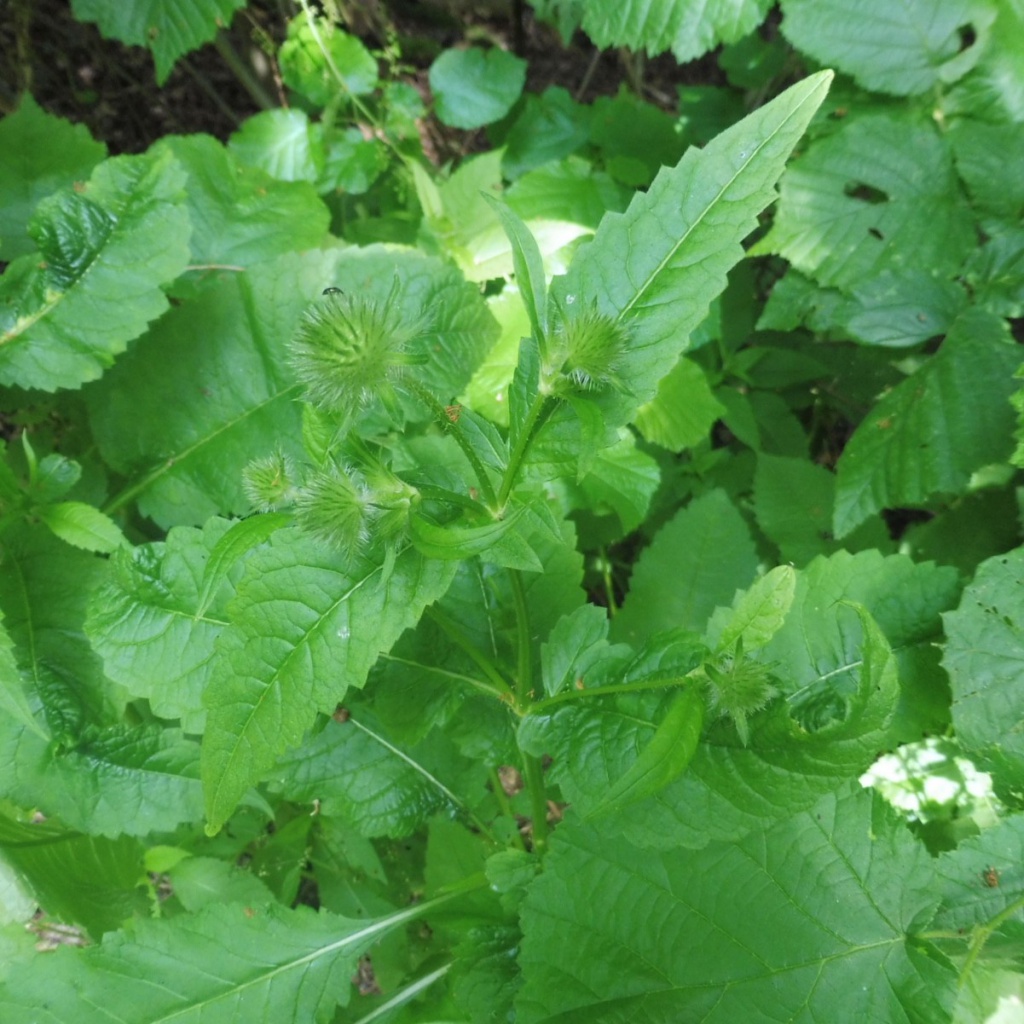
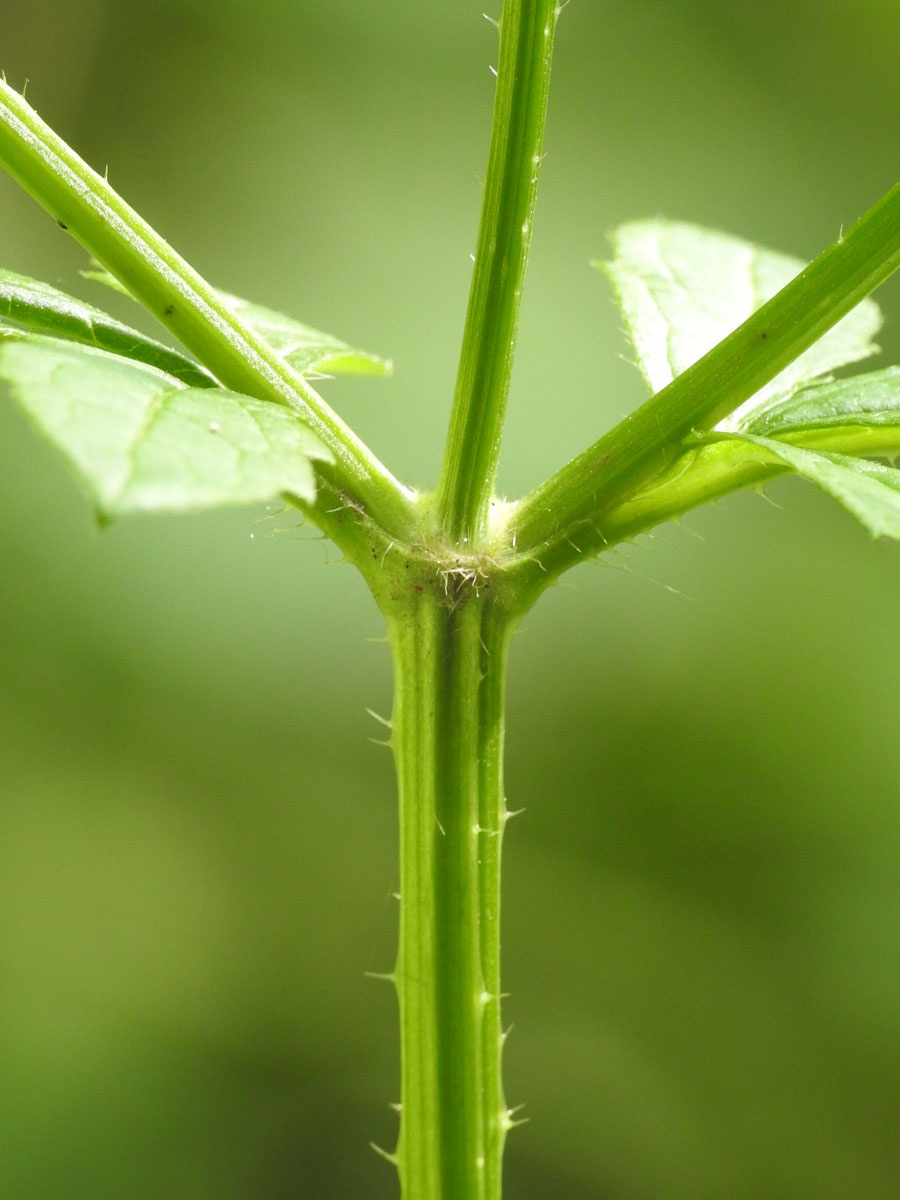
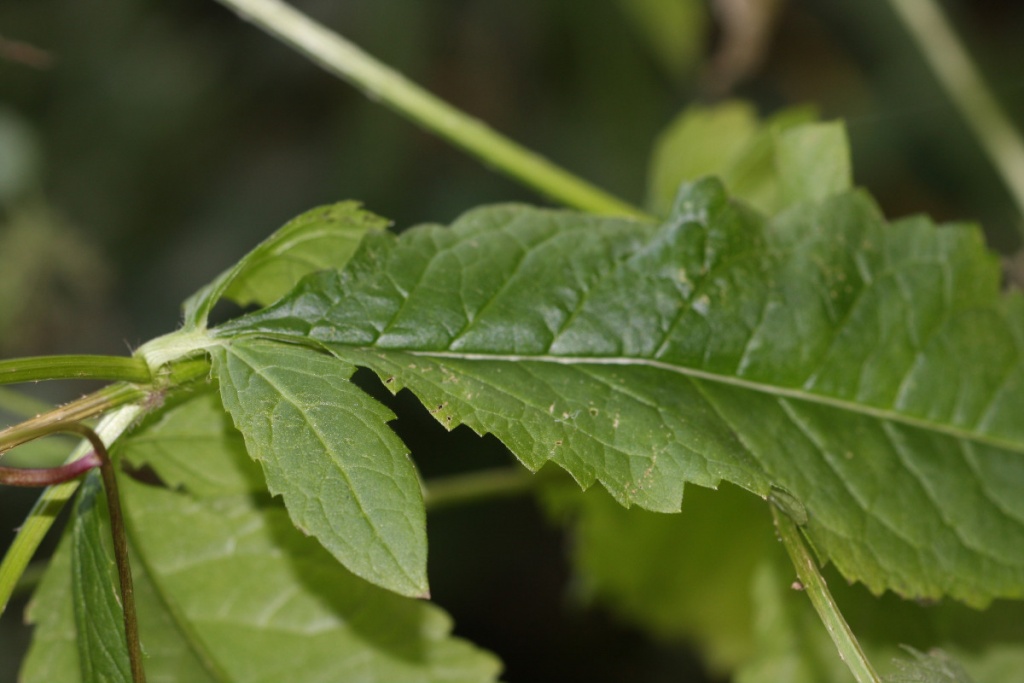
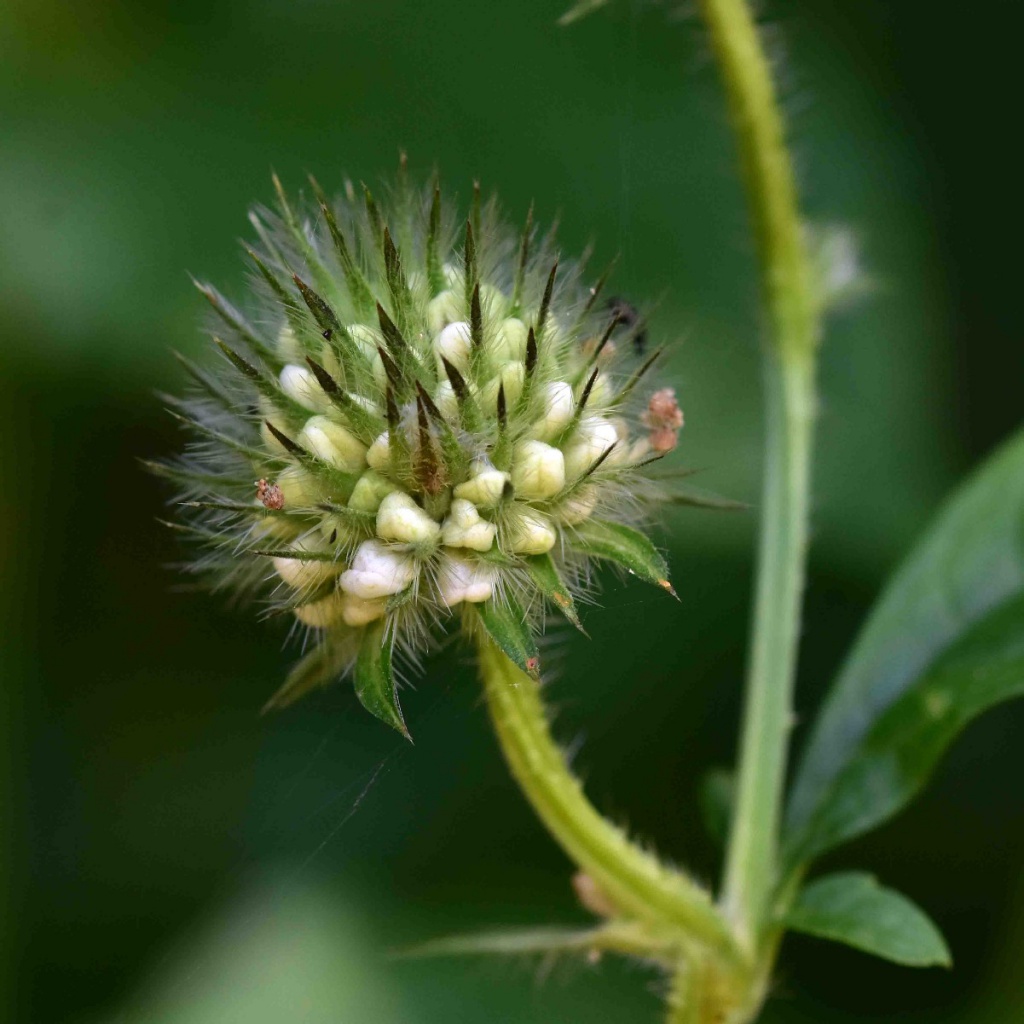
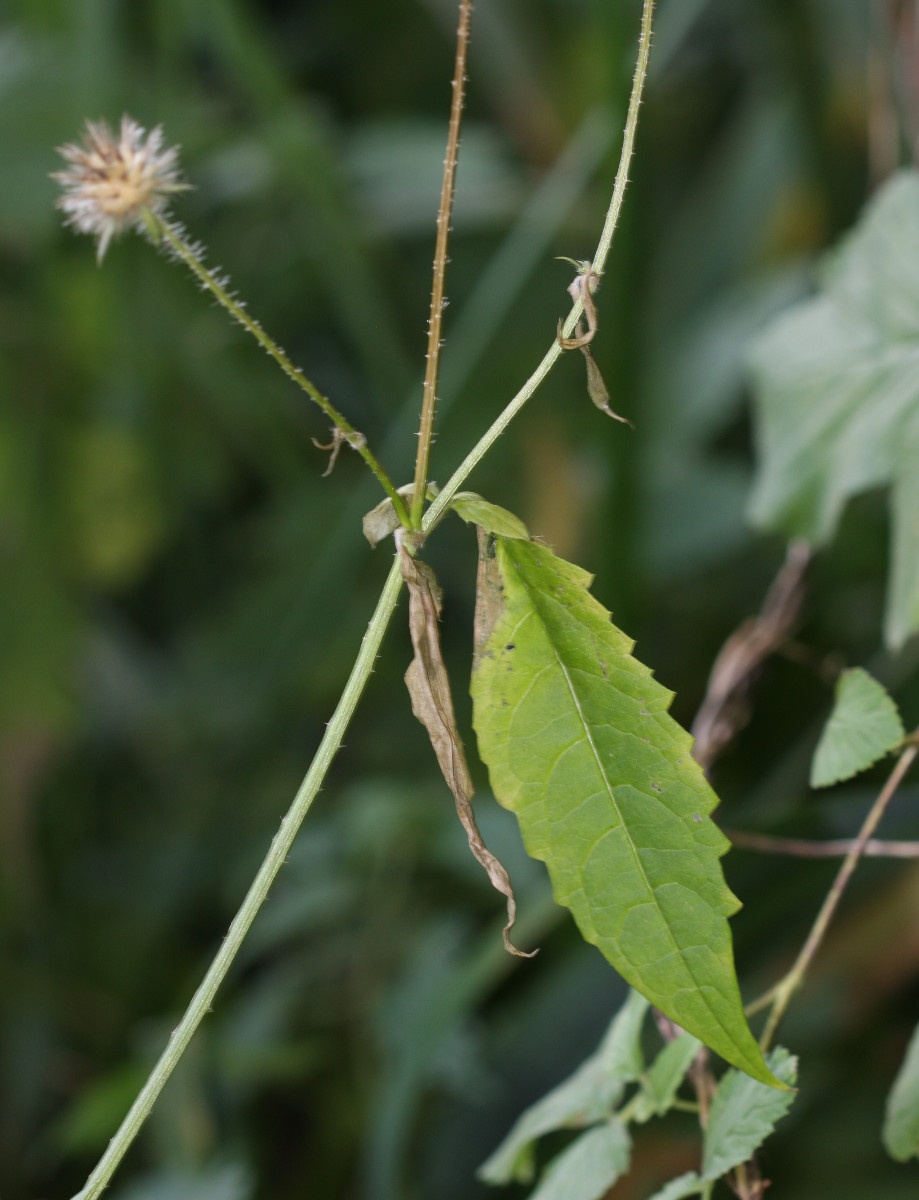
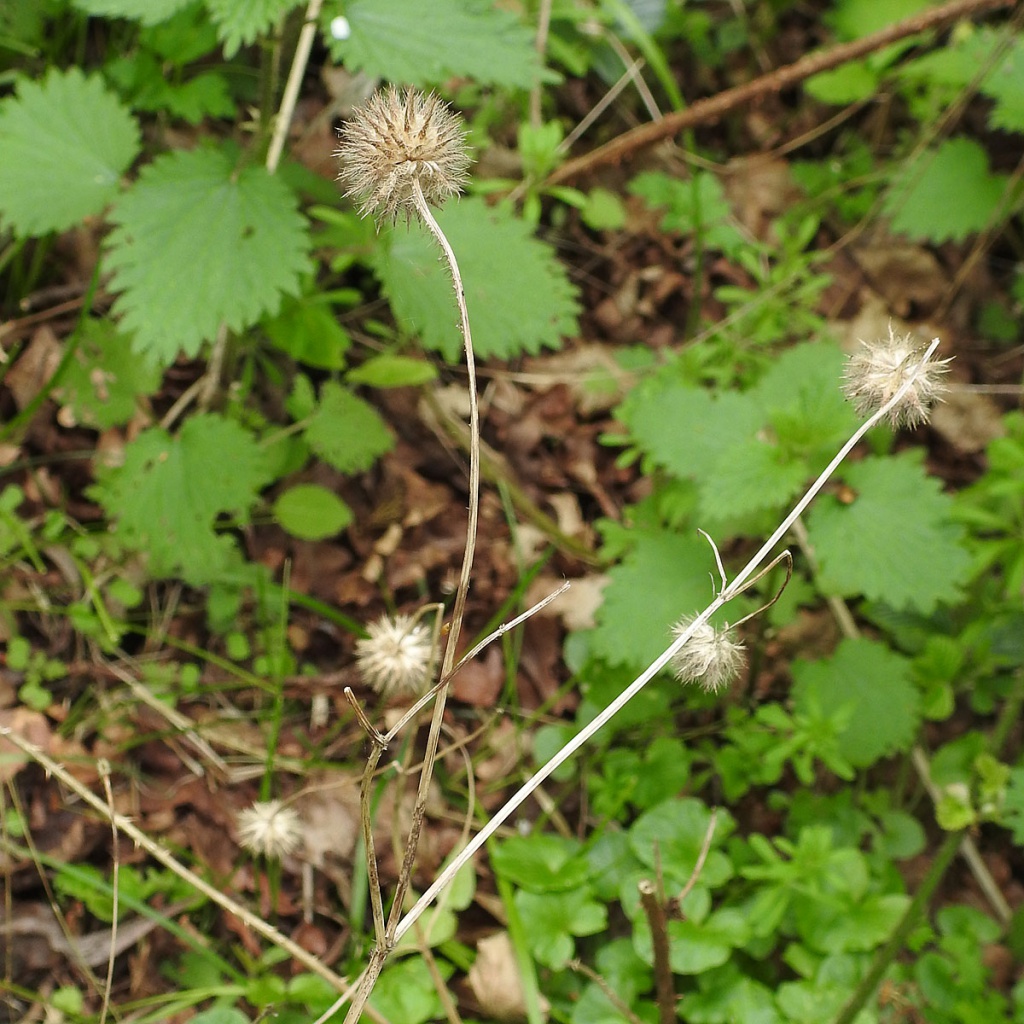
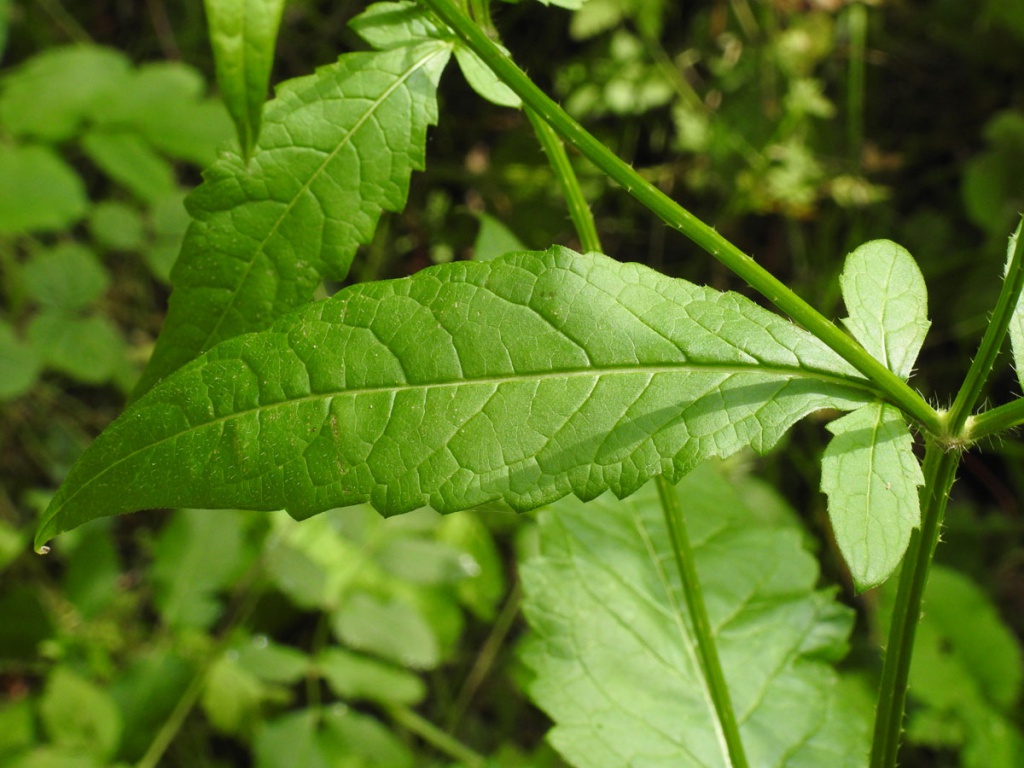
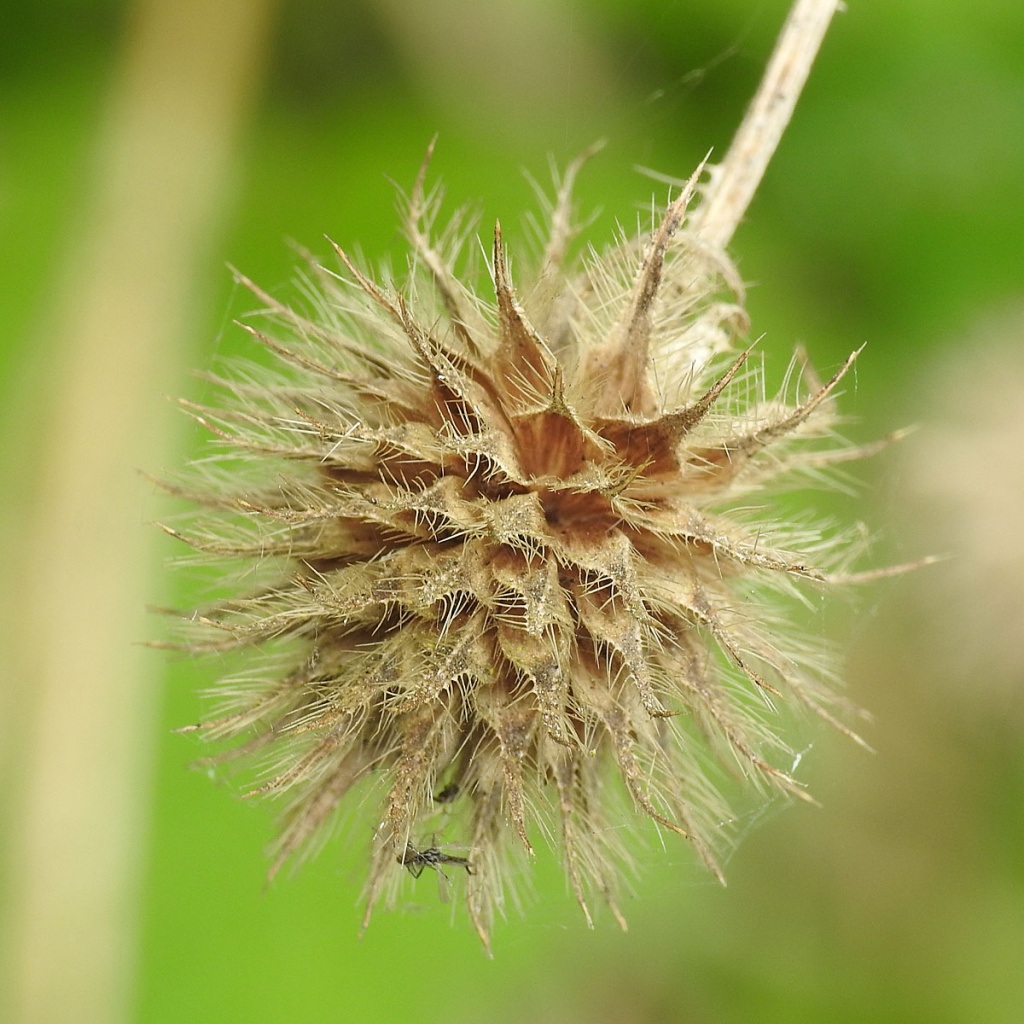
Medium to tall plant reaching 1.5 metres. Stems erect, sparsely prickly. Basal leaves form a rosette in the first year and are oval narrowing to a long stalk, hairy and toothed. Stem leaves are oval, short stalked with a basal pair of leaflets, often unequal. Flowerheads globose, 1.5 to 2 cm, the flowers whitish and with long, narrowly triangular bracts.

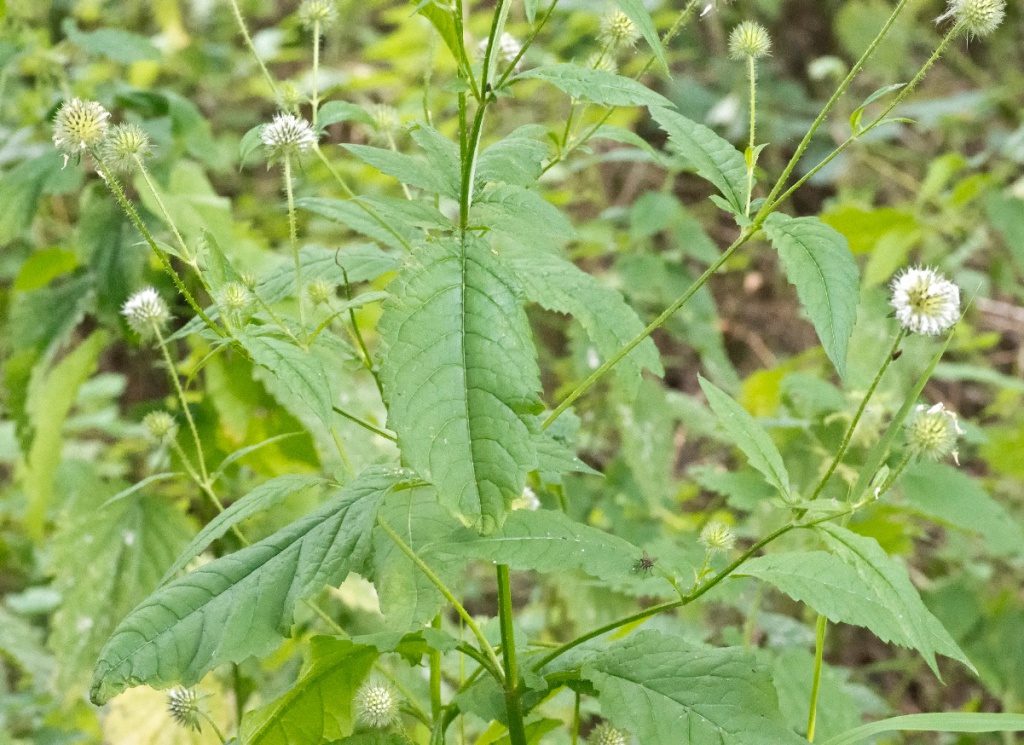
Prickly stems, small round flower heads, upper stem-leaves with stalks
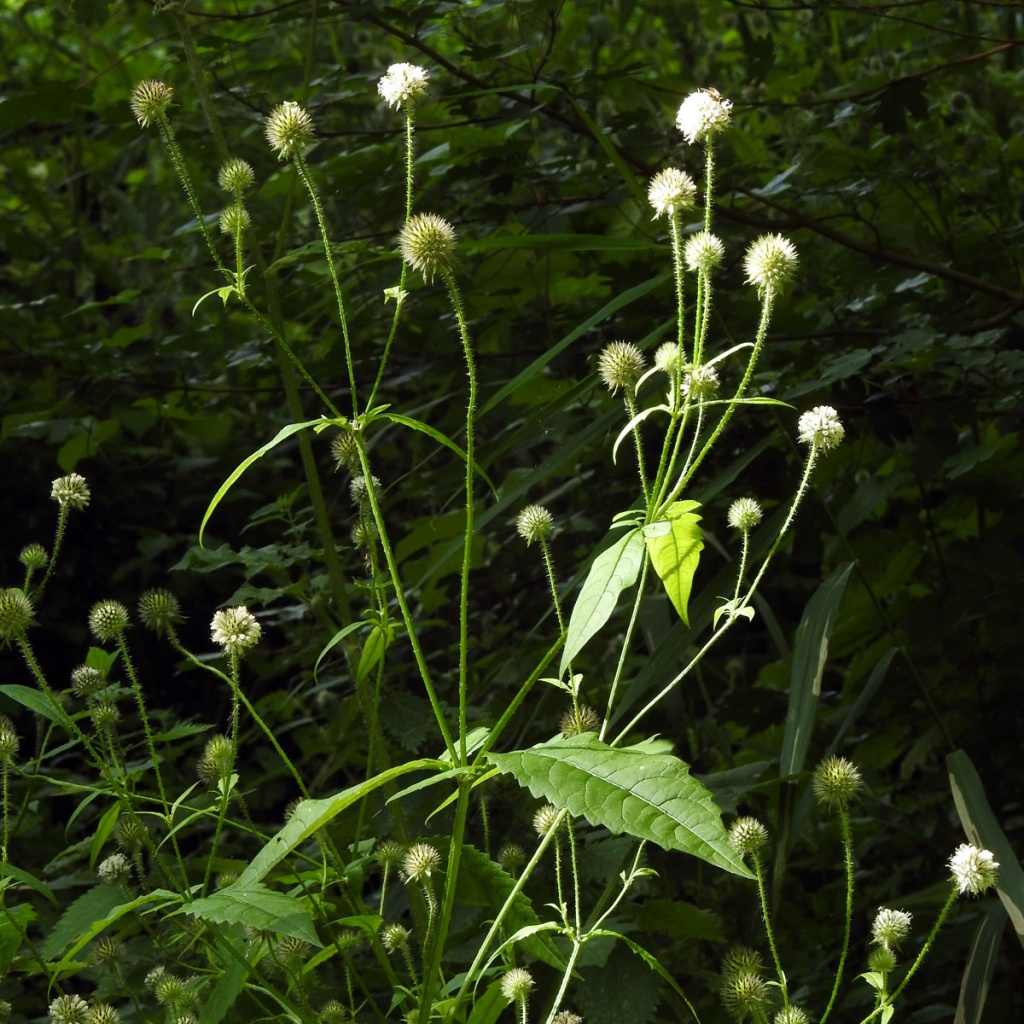
A photo of the whole plant in habitat, showing flowers and upper leaves
Damp, shady habitats.
Flowers August and September.
Biennial.
Found mainly in England and eastern Wales, though not particularly common.
Infrequent and local in Leicestershire and Rutland. In the Flora of Leicestershire (Primavesi and Evans 1988) it was found in 8 of the 617 tetrads.
In the current checklist (Jeeves 2011) it is listed as Native; woodlands and shady streamsides; now scarce and most sites that remain are in the Leighfield forest area
It was on the 2011 VC55 Rare Plant Register (Jeeves, 2011) but it does not meet the criteria for the current RPR (Hall and Woodward, 2022)
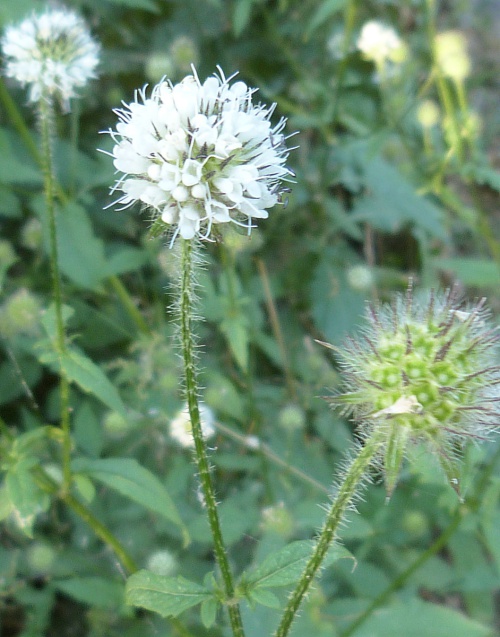 Graham Calow
Rutland Water, Lyndon Reserve
20 August 2022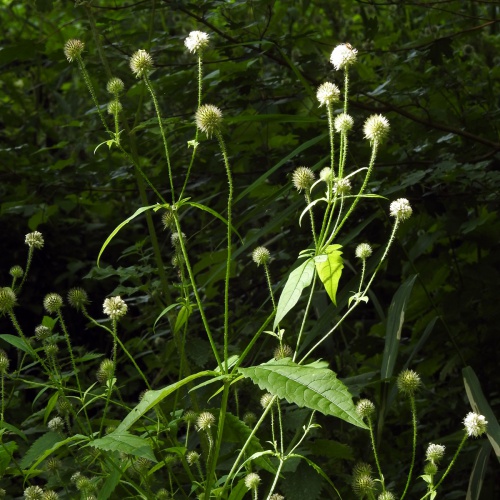 David Gould
Narborough Bog
11 August 2017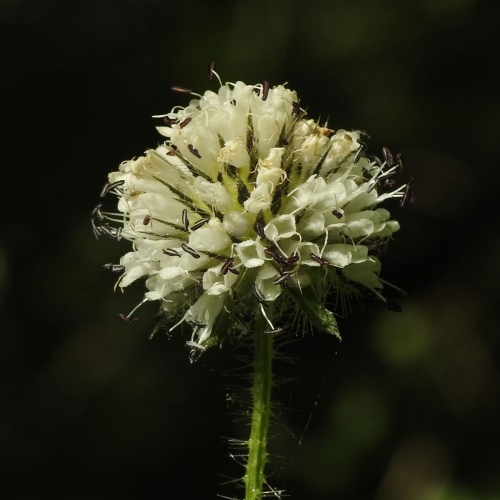 David Gould
Narborough Bog
11 August 2017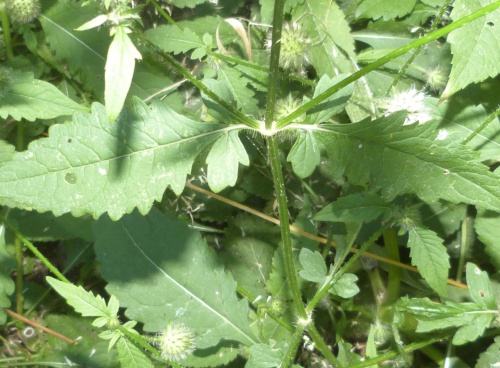 Graham Calow
Rutland Water, Lyndon Reserve
20 August 2022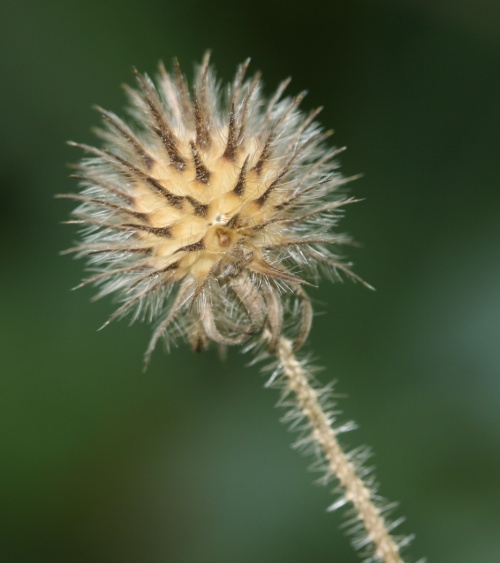 David Nicholls
Narborough Bog NR
13 October 2012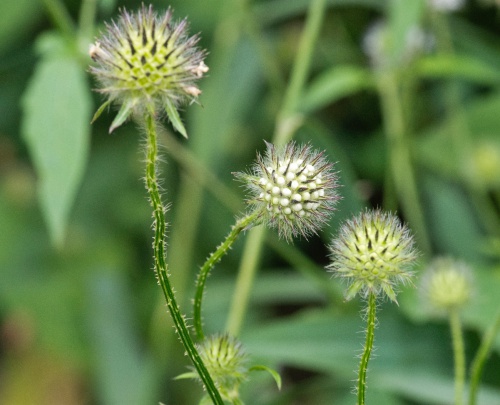 AJ Cann
Narborough Bog
14 August 2016
Leicestershire & Rutland Map
Enter a town or village to see local records
MAP KEY:
Yellow squares = NBN records (all known data)
Coloured circles = NatureSpot records: 2025+ | 2020-2024 | pre-2020
UK Map
Species profile
- Common names
- Small Teasel, Shepherd's Rod
- Species group:
- flowering plant
- Kingdom:
- Plantae
- Order:
- Dipsacales
- Family:
- Caprifoliaceae
- Records on NatureSpot:
- 20
- First record:
- 13/10/2012 (Nicholls, David)
- Last record:
- 07/08/2024 (Helen O'Brien)
Total records by month
% of records within its species group
10km squares with records
The latest images and records displayed below include those awaiting verification checks so we cannot guarantee that every identification is correct. Once accepted, the record displays a green tick.
In the Latest Records section, click on the header to sort A-Z, and again to sort Z-A. Use the header boxes to filter the list.
Latest images
Latest records
 David Nicholls
Narborough Bog NR
13 October 2012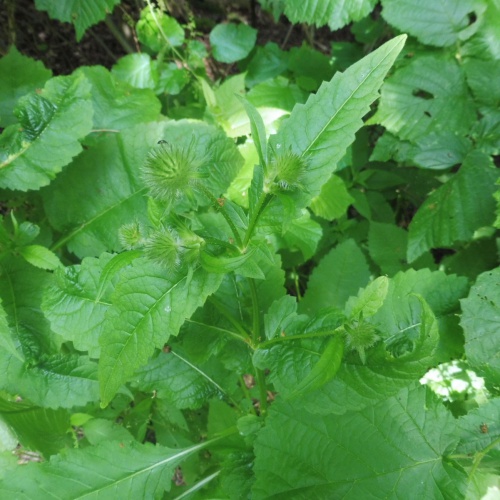 martindgrimes
Lyndon NR
20 July 2016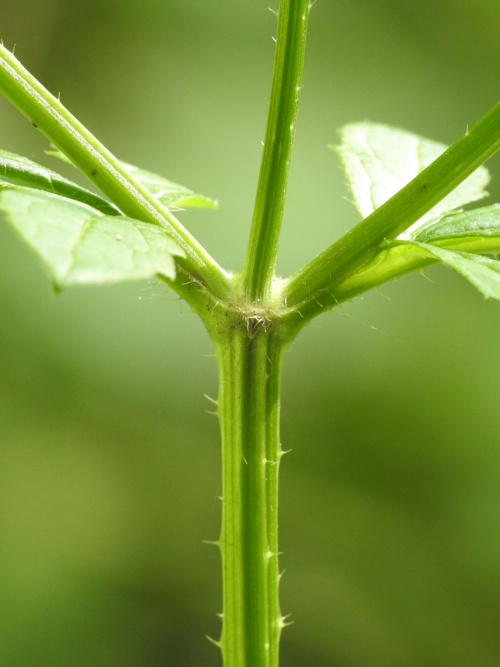 David Gould
Narborough Bog
11 August 2017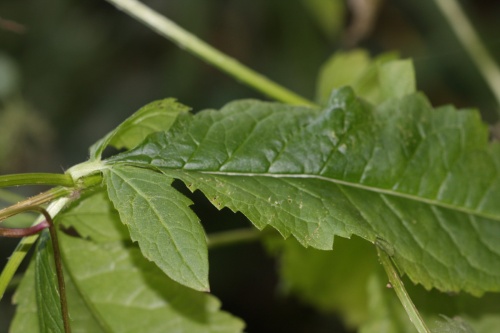 David Nicholls
Narborough Bog NR
13 October 2012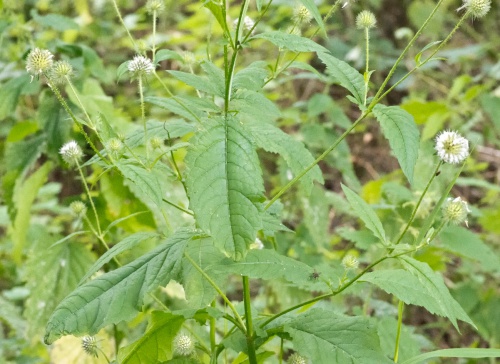 AJ Cann
Narborough Bog
14 August 2016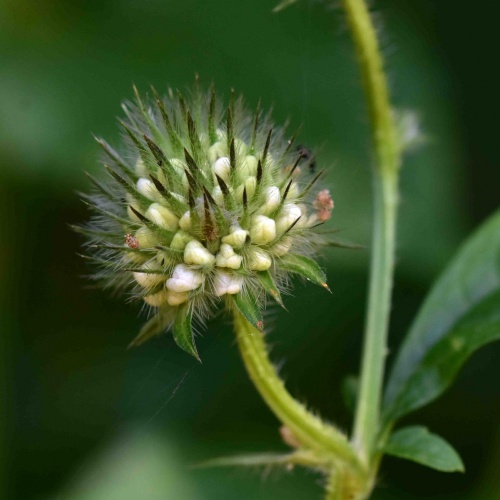 Andy's Rutland
Footpath/Headland-A606 to Mill Lane-Empingham
01 July 2018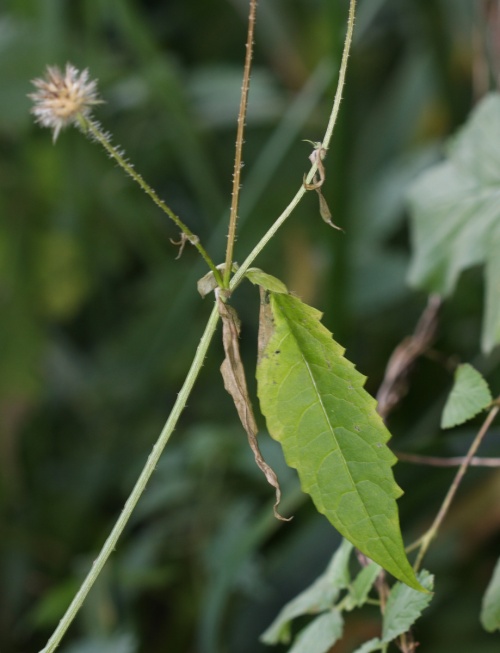 David Nicholls
Narborough Bog NR
13 October 2012 David Gould
Narborough Bog
14 April 2017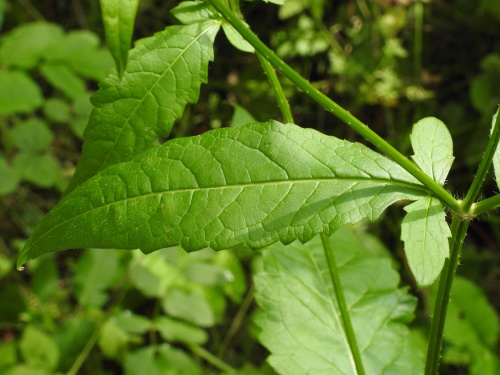 David Gould
Narborough Bog
11 August 2017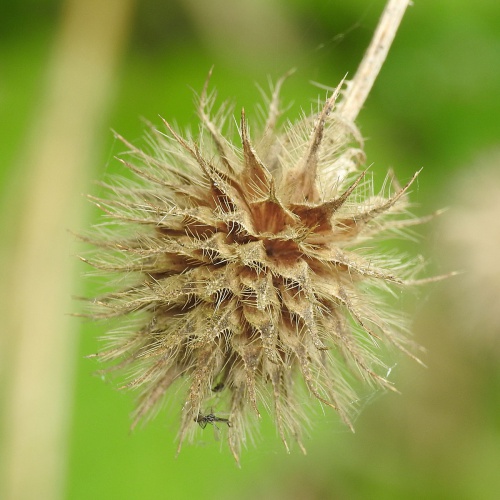 David Gould
Narborough Bog
14 April 2017
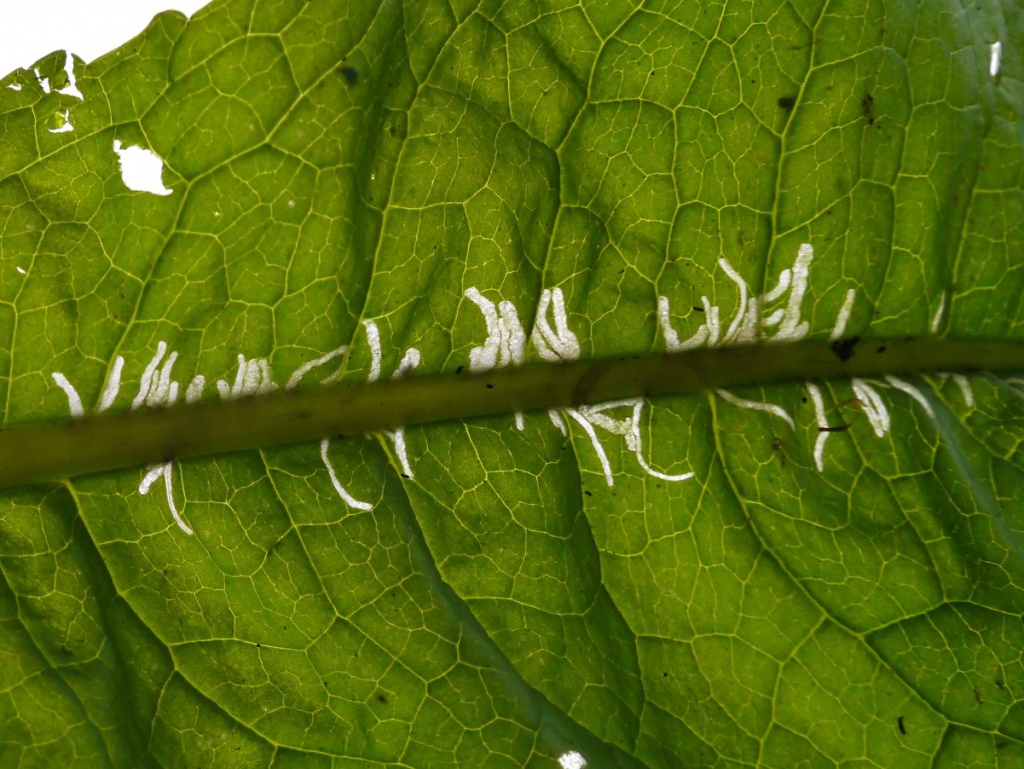
Chromatomyia ramosa
The larvae of the Agromyzid fly Chromatomyia ramosa mine the leaves of Teasel and Scabious species. They feed along the midrib but make short, narrow corridors into the leaf.