

Raspberry - Rubus idaeus
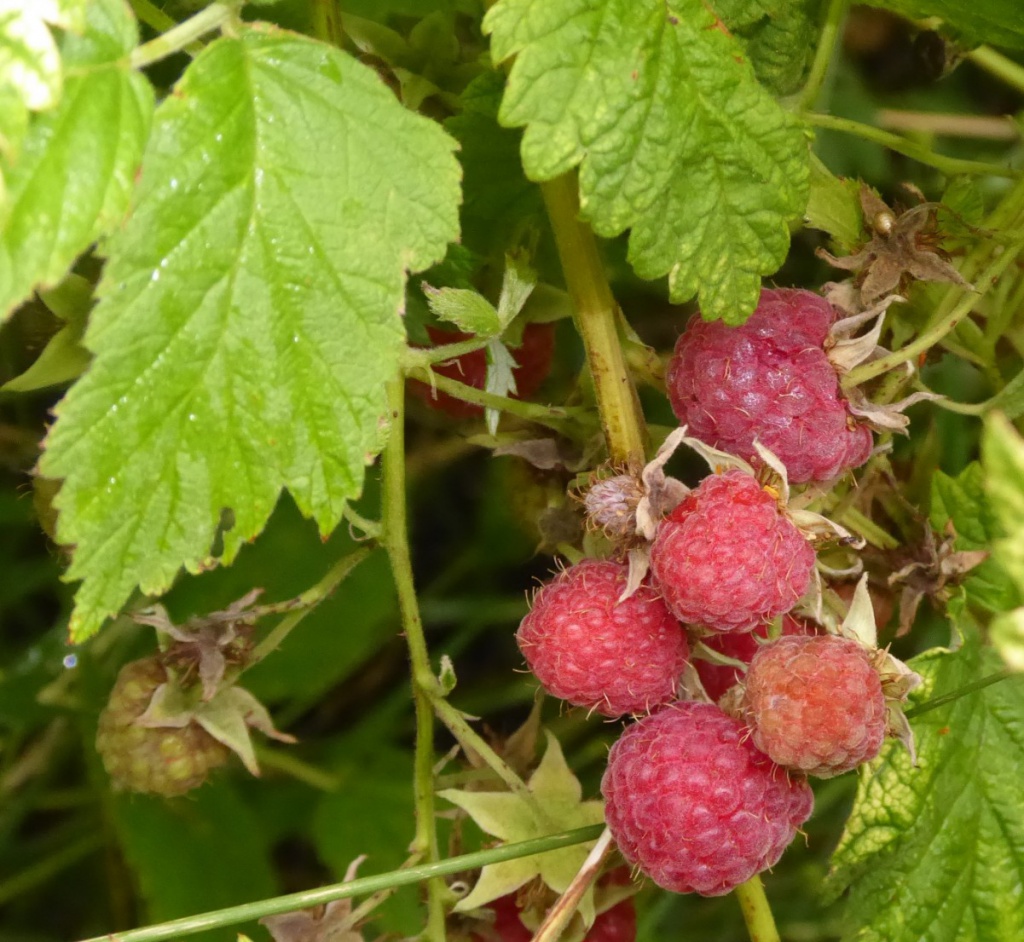
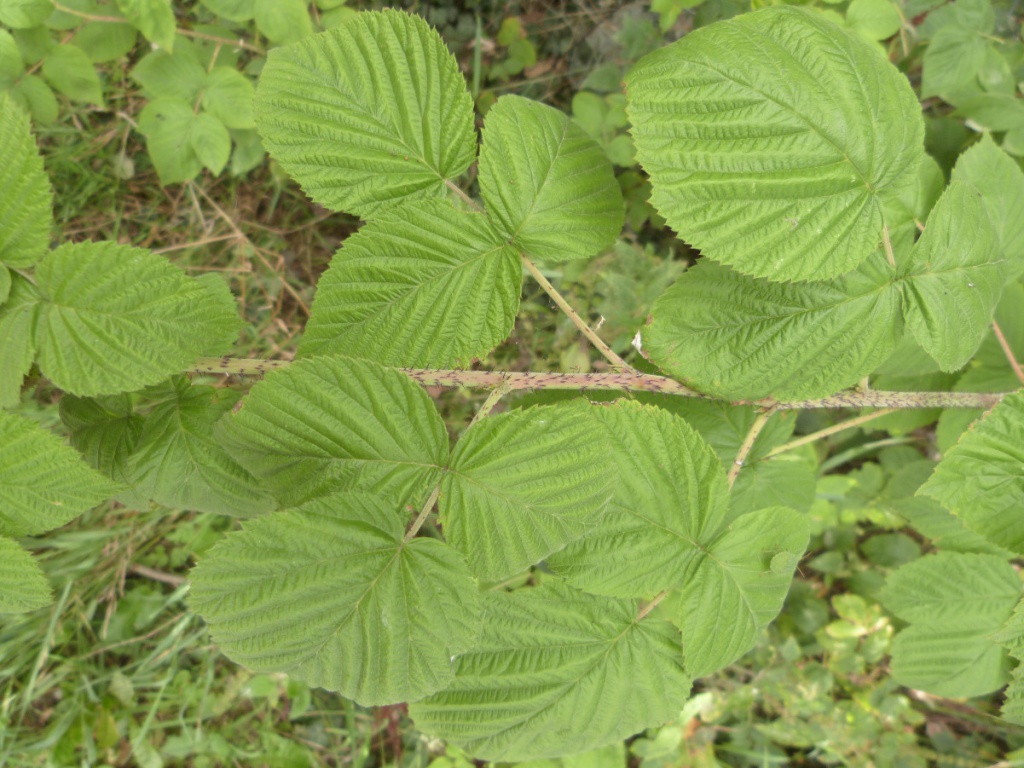
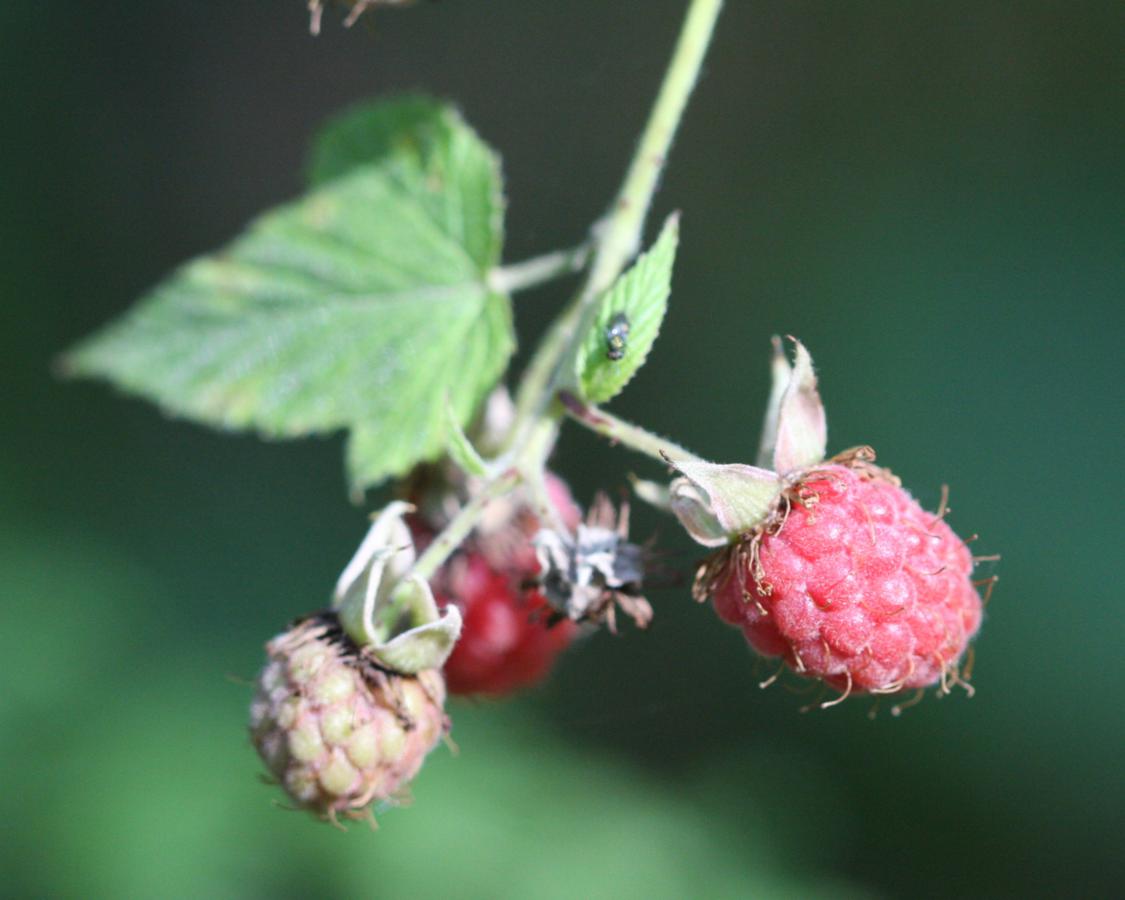
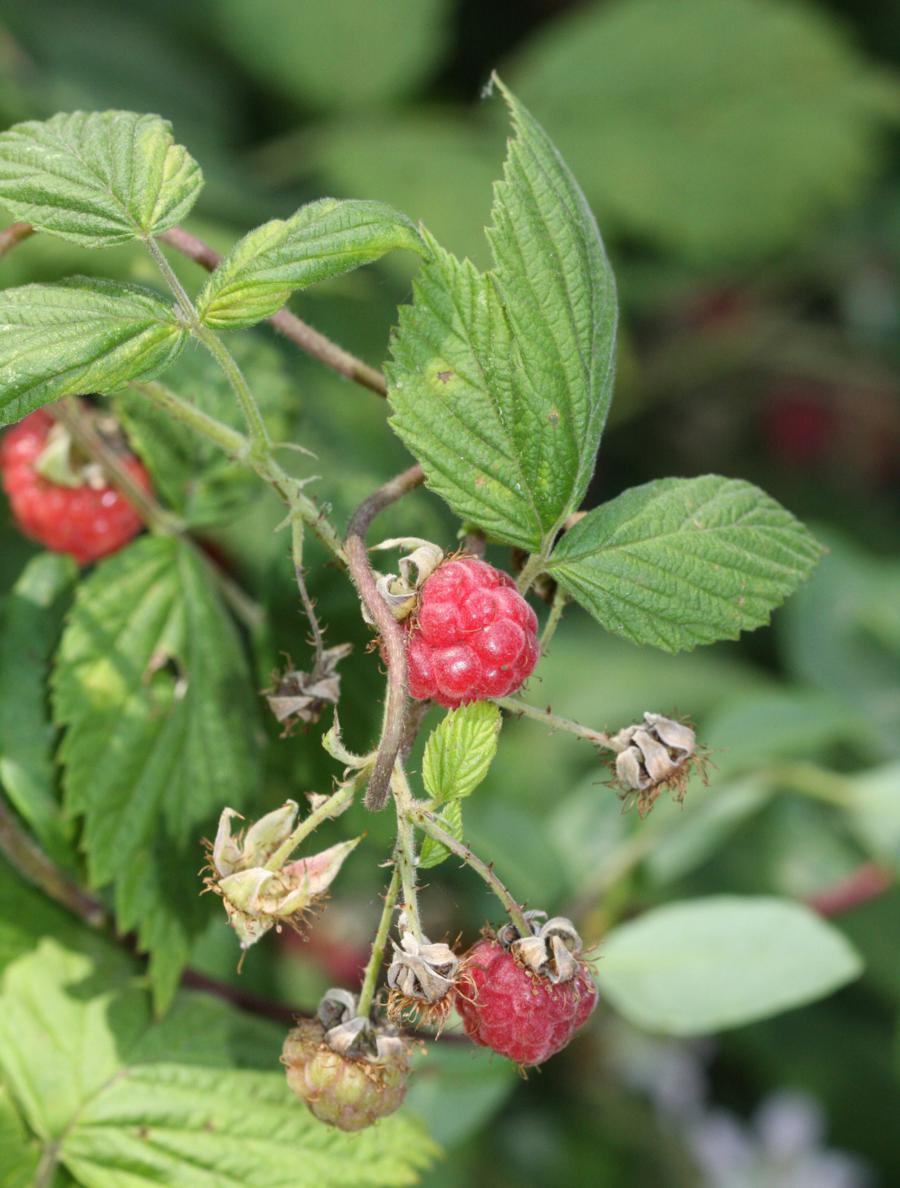
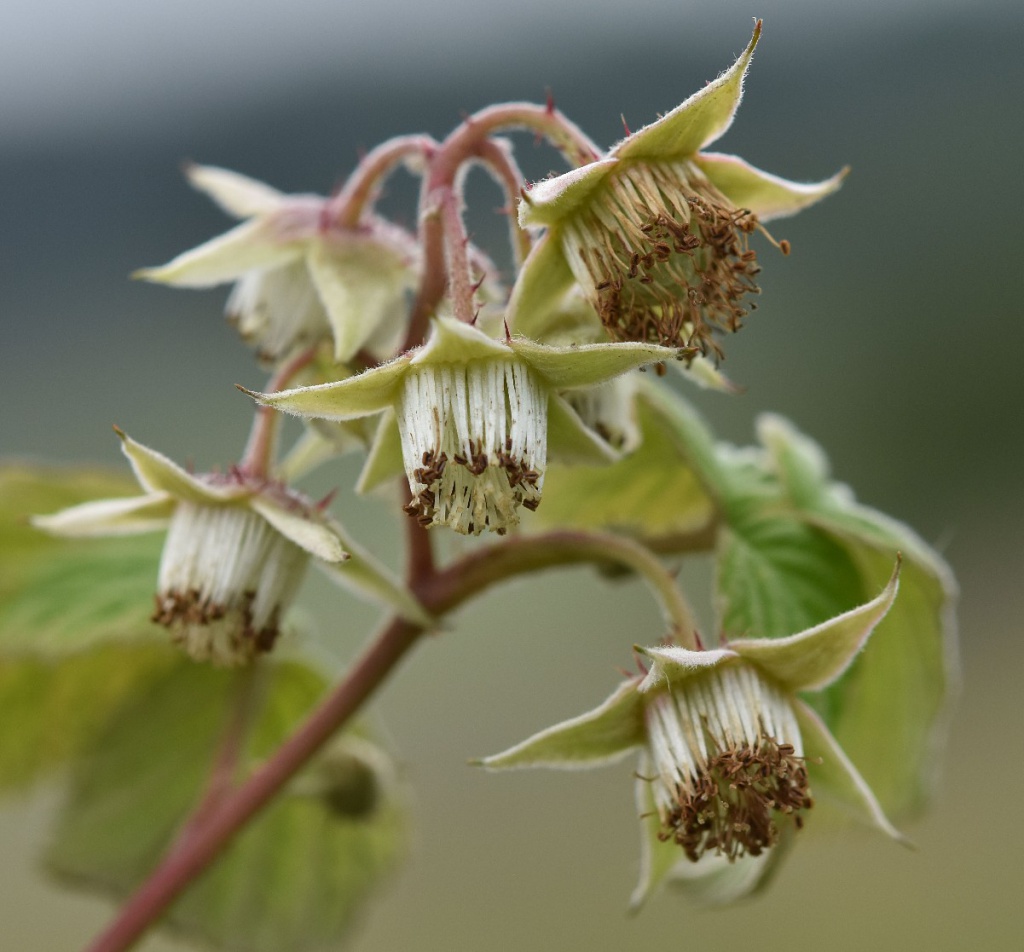
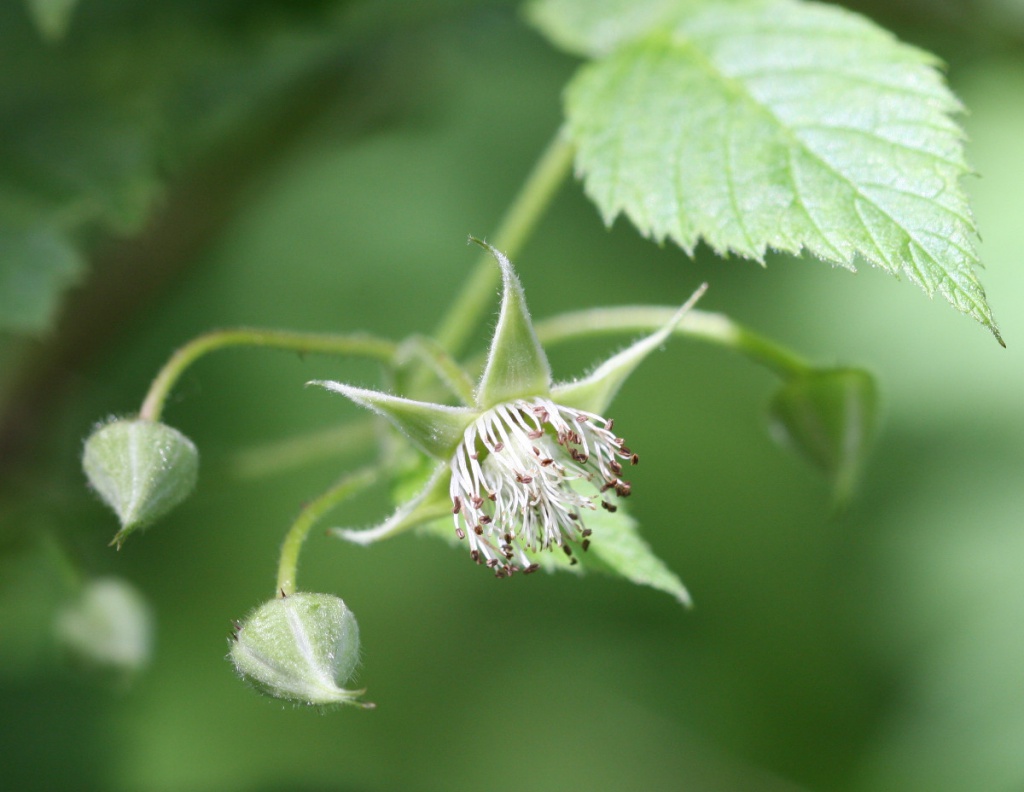
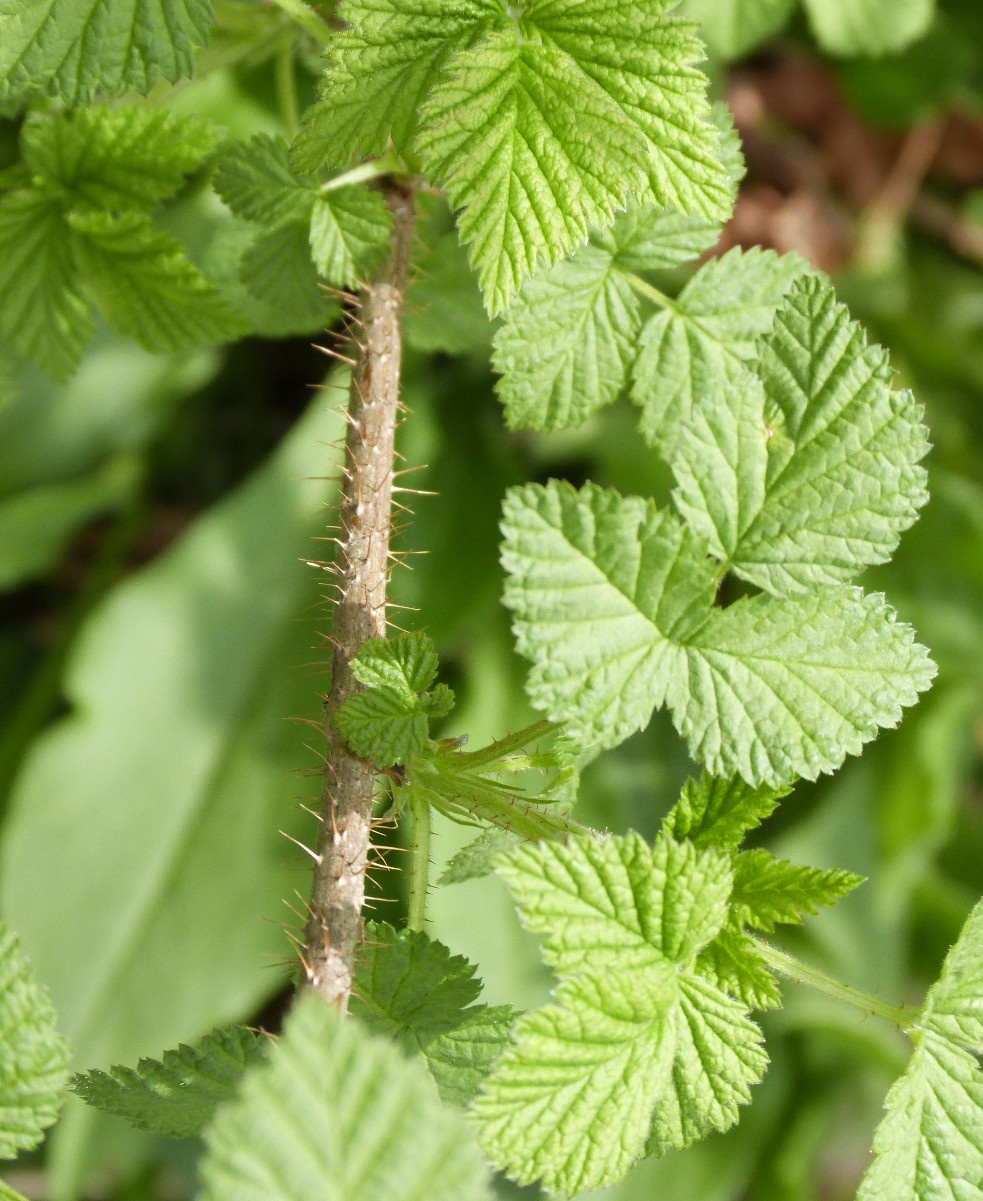
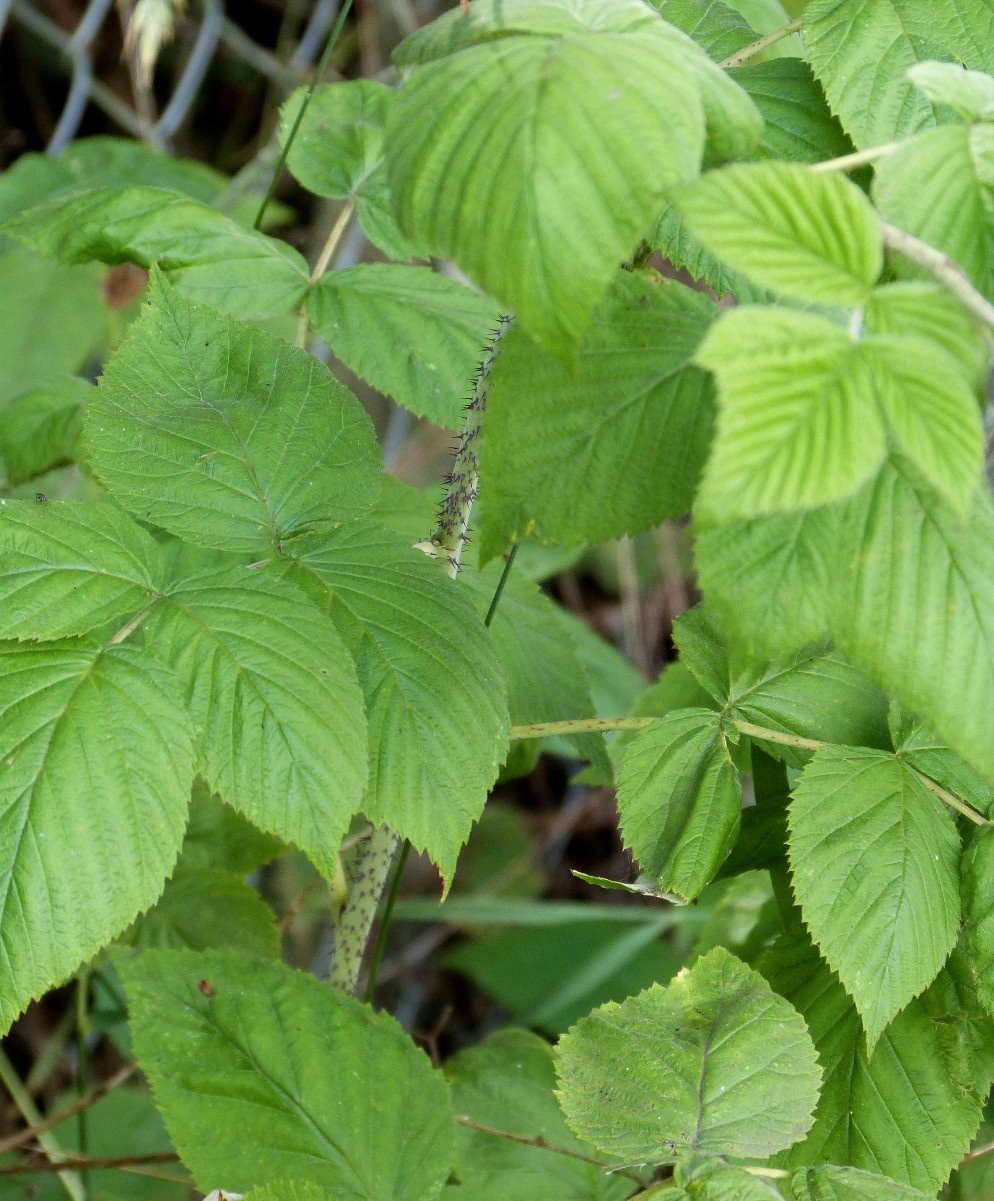
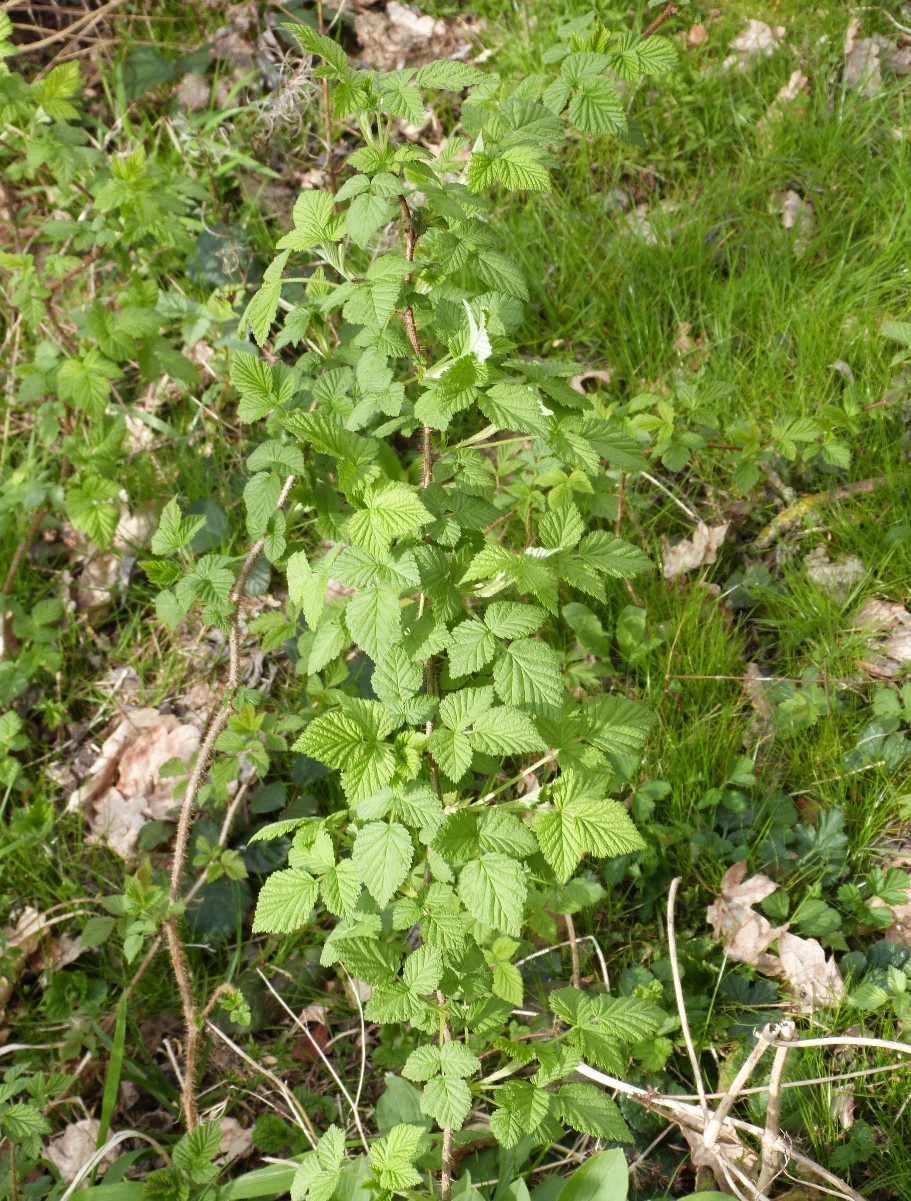
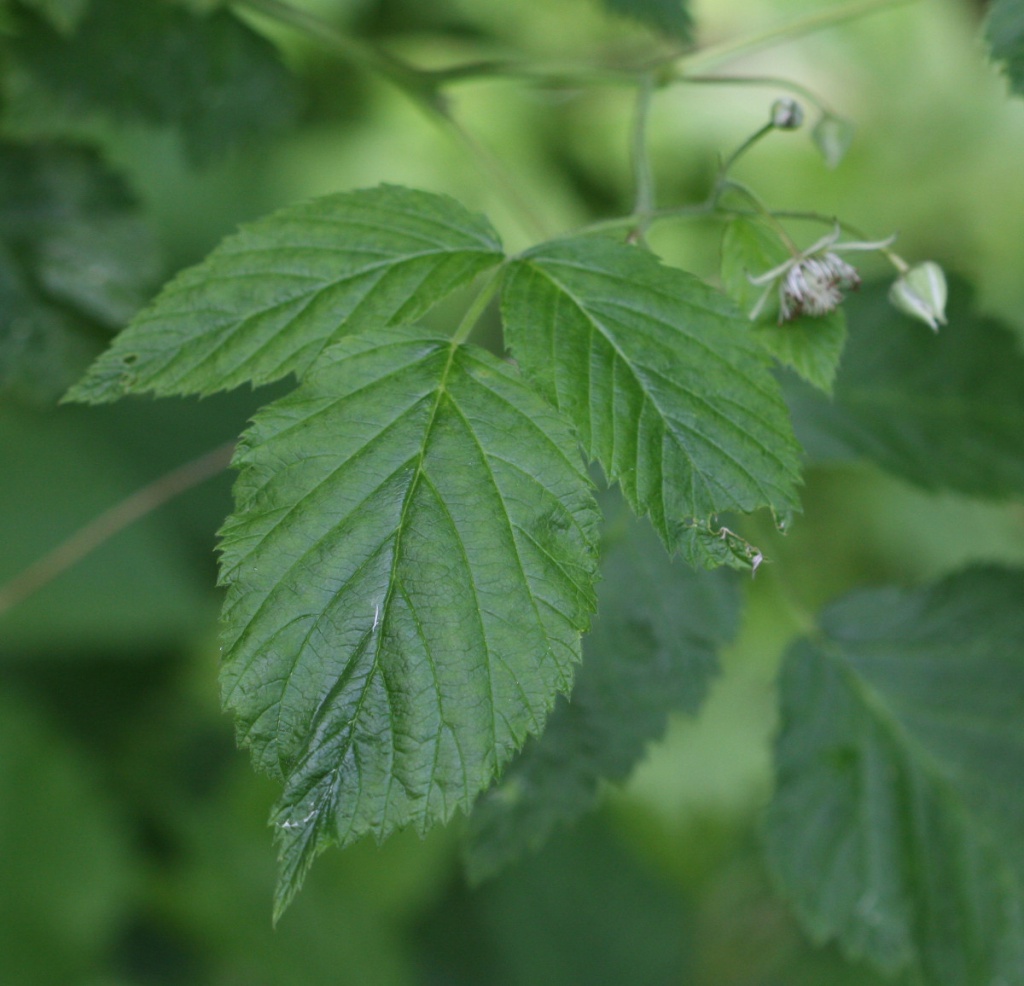
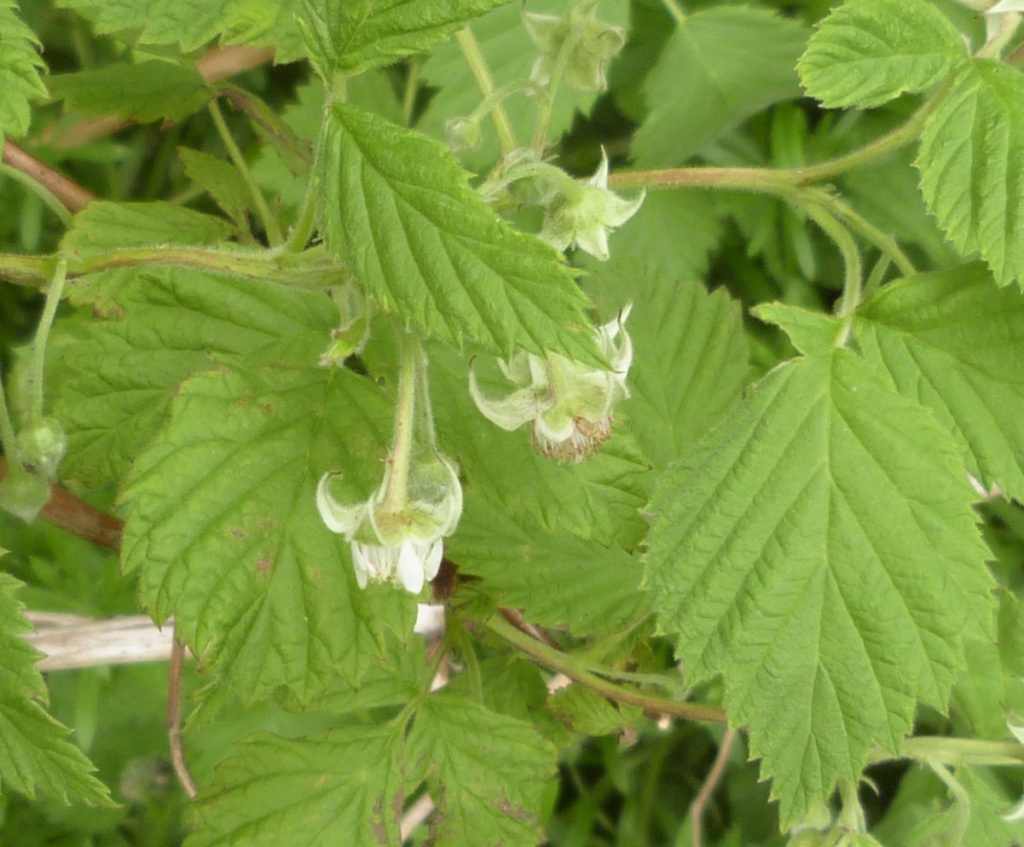
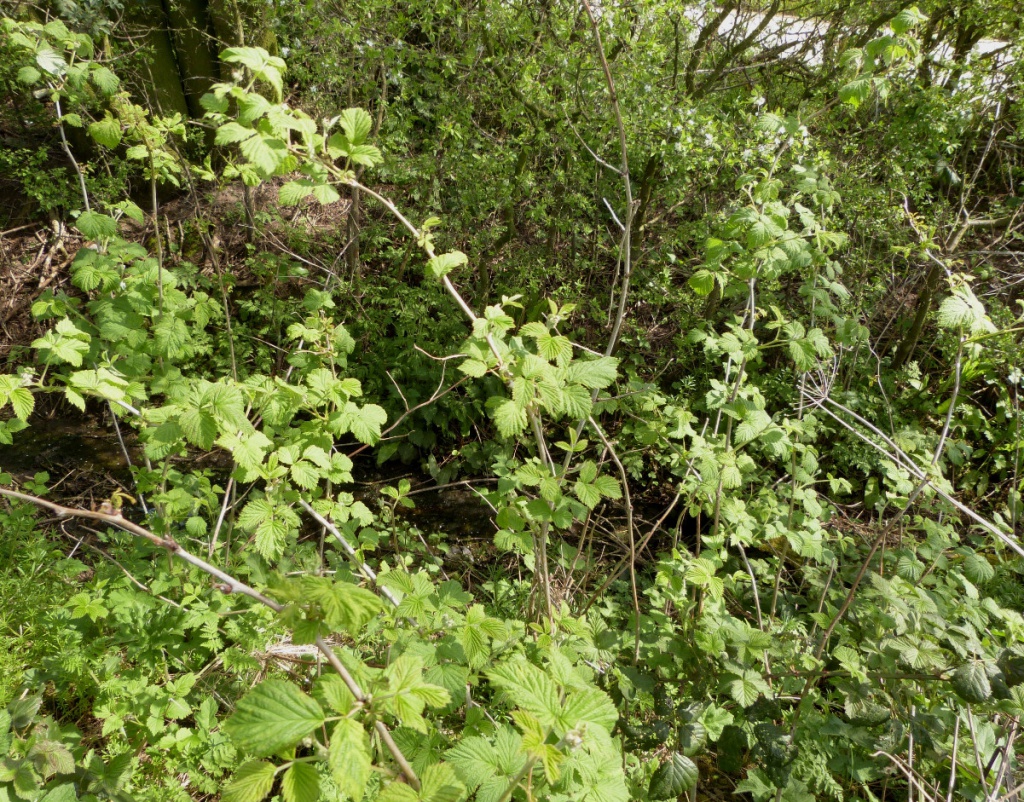
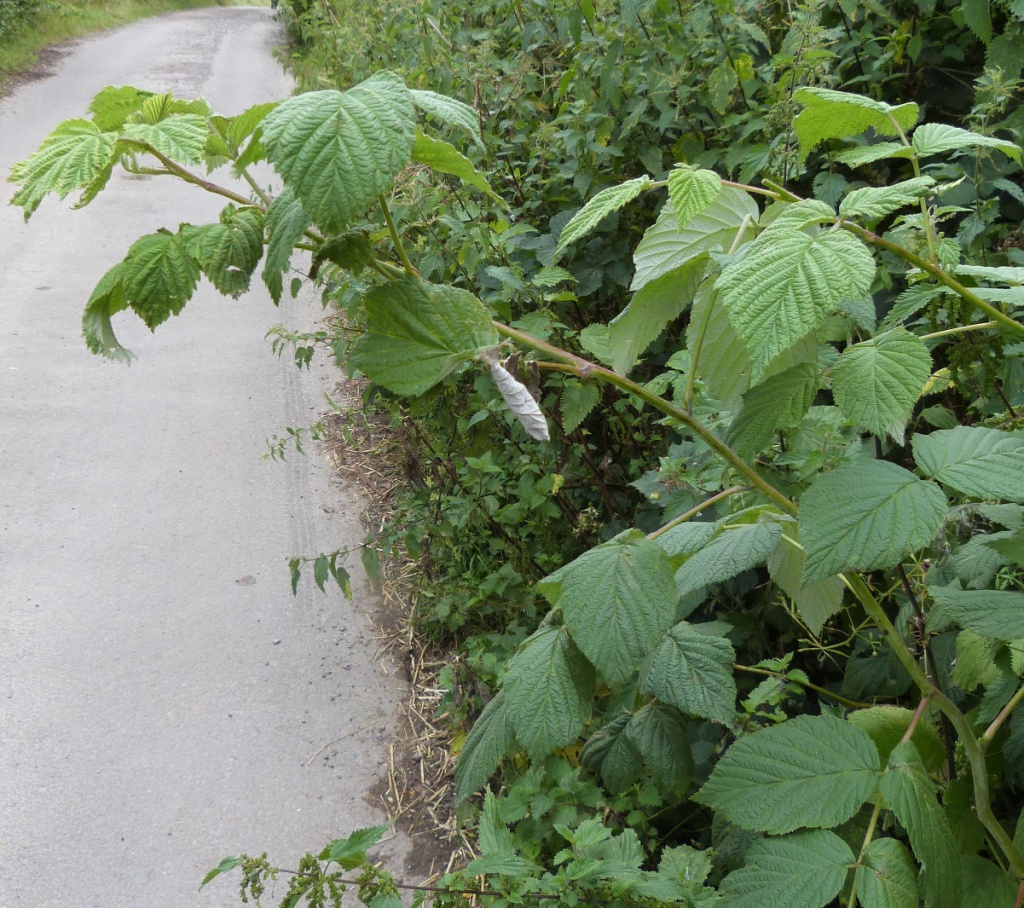
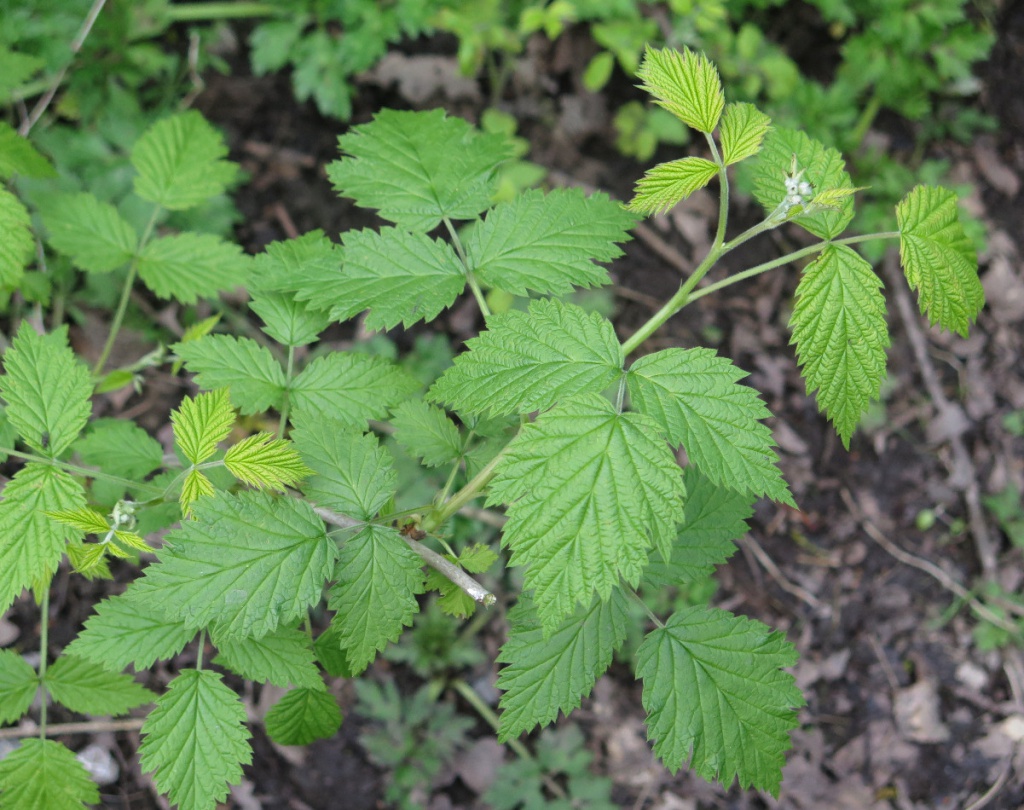
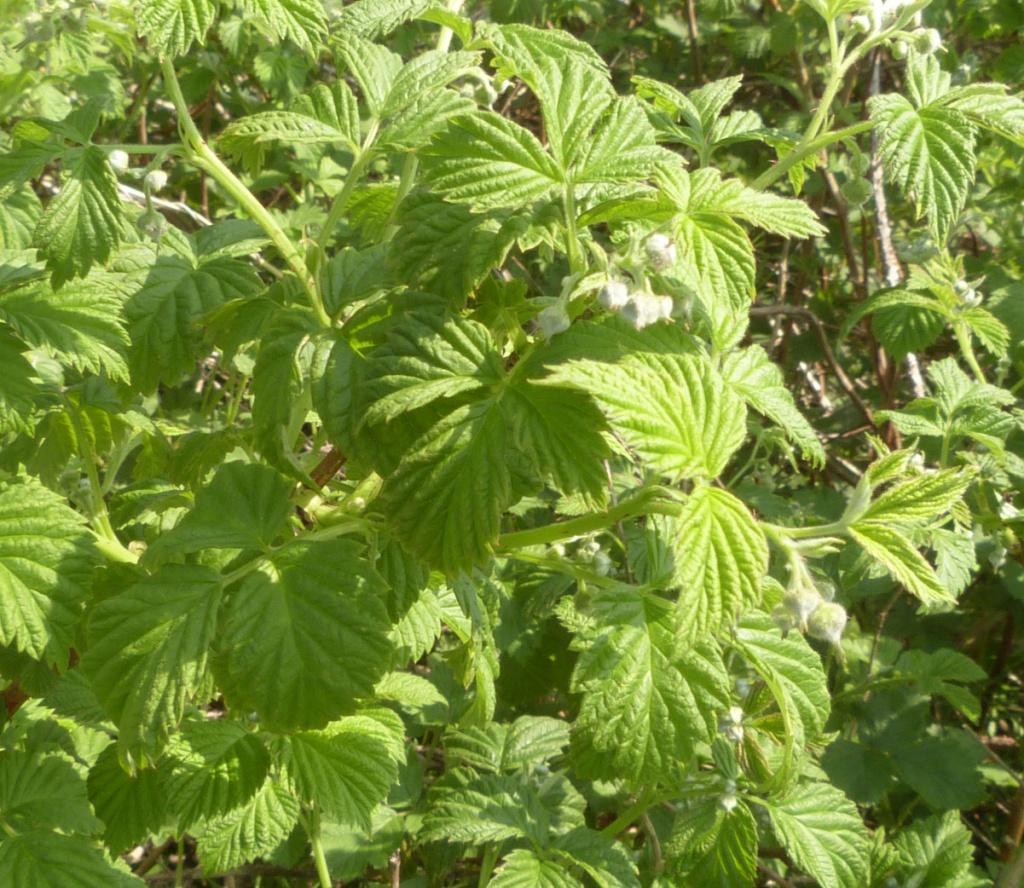
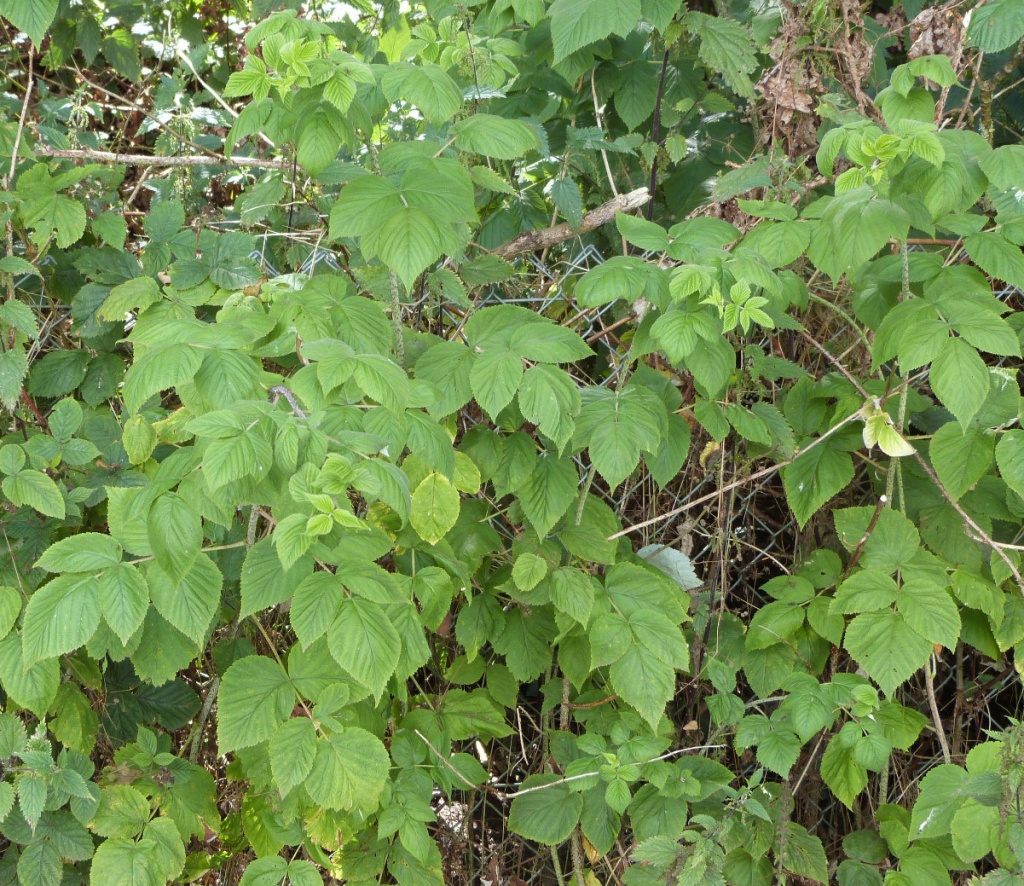
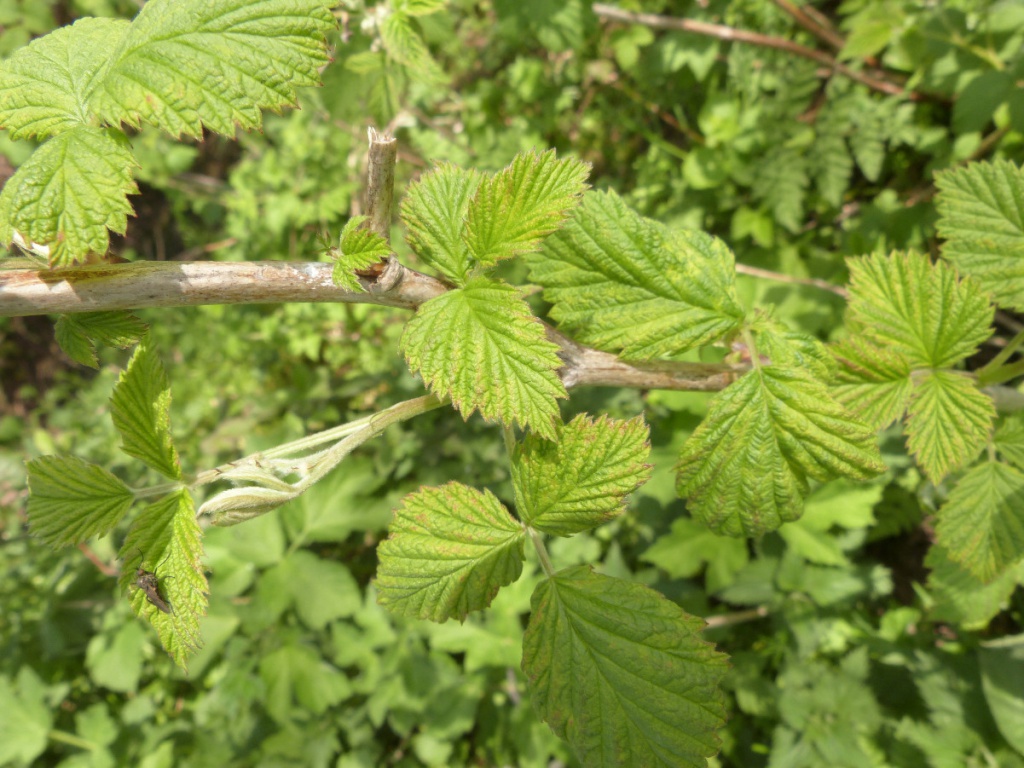
Tall suckering plant to 1.5 metres. Stems unbranched with weak prickles and a whitish bloom when young. Leaves pinnate, leaflets pinnate 5 to 7 oval, toothed, whitish beneath. Flowers white 9 to 11 mm long nodding in small clusters. Fruit red edible.

Open woodland, commons, embankments, heaths.
May to August.
Perennial.
Widespread and fairly frequent throughout Britain.
Surprisingly frequent in Leicestershire and Rutland as a wild plant. In the 1979 Flora survey of Leicestershire it was found in 235 of the 617 tetrads.
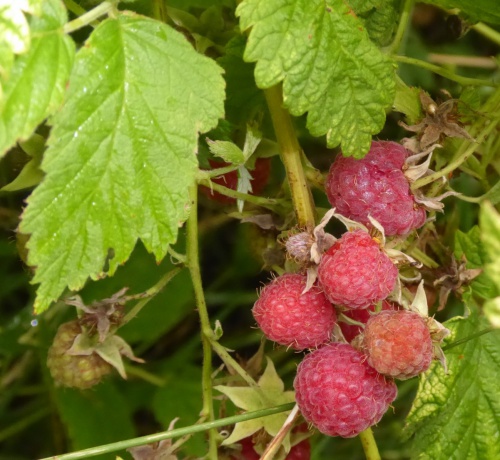 Saharima Roenisch
Leicester Shady Lane Arboretum (including Piggys Hollow)
13 July 2020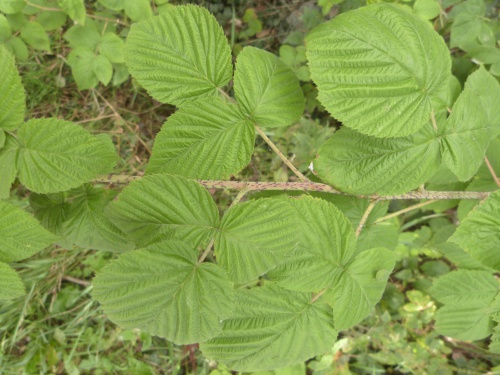 Graham Calow
Stoney Stanton, Footpath near Stoney Cove
24 August 2020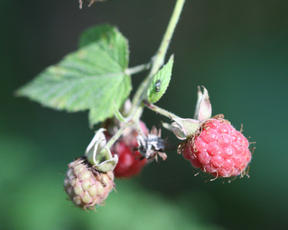 David Nicholls
Ulverscroft
14 July 2011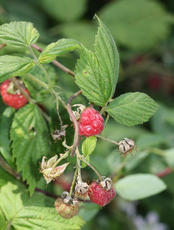 David Nicholls
Martinshaw Wood
30 June 2011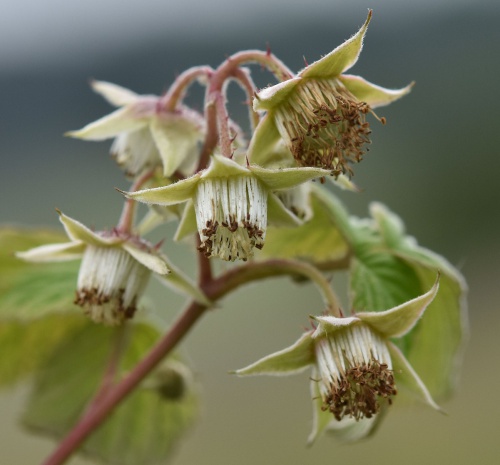 Barbara Cooper
Charnwood Lodge NR
07 June 2018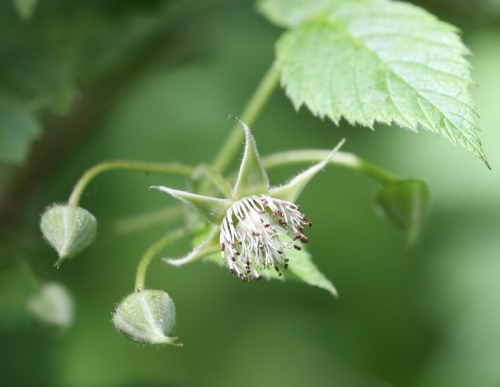 David Nicholls
The Brand, Woodhouse
15 June 2013
Leicestershire & Rutland Map
Enter a town or village to see local records
MAP KEY:
Yellow squares = NBN records (all known data)
Coloured circles = NatureSpot records: 2025+ | 2020-2024 | pre-2020
UK Map
Species profile
- Common names
- Raspberry
- Species group:
- flowering plant
- Kingdom:
- Plantae
- Order:
- Rosales
- Family:
- Rosaceae
- Records on NatureSpot:
- 120
- First record:
- 11/05/1992 (John Mousley;Steve Grover)
- Last record:
- 06/05/2026 (Higgott, Mike)
Total records by month
% of records within its species group
10km squares with records
The latest images and records displayed below include those awaiting verification checks so we cannot guarantee that every identification is correct. Once accepted, the record displays a green tick.
In the Latest Records section, click on the header to sort A-Z, and again to sort Z-A. Use the header boxes to filter the list.
Latest images
Latest records
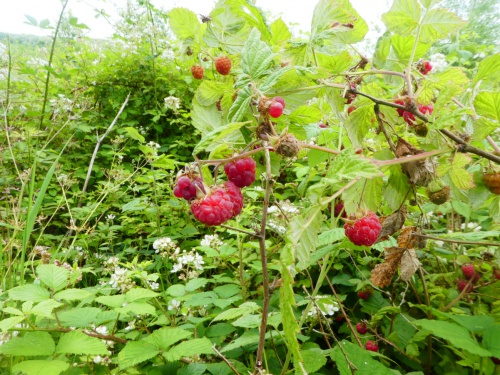 Melinda Bell
Heather, QEDJWood
30 June 2020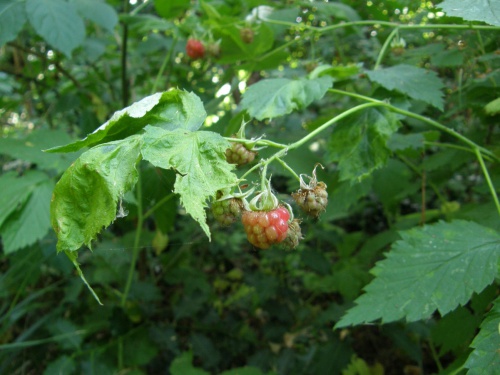 Saharima Roenisch
Shady Lane Arboretum
04 July 2018 Near Wash Pit Sapcote SP 4852 9368(taken 6.5.2006).JPG) Graham Calow
Graham Calow
Wash Pit, Sapcote
06 May 2006
flower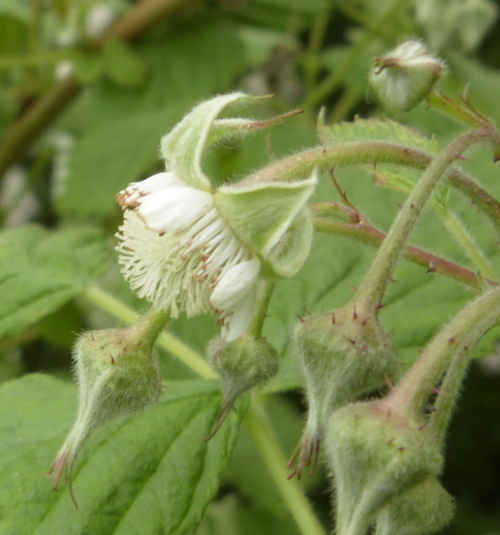 Graham Calow
Claybrooke Magna
30 May 2016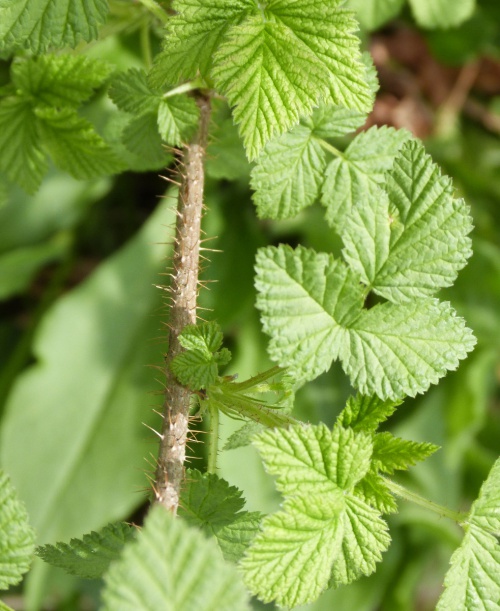 Graham Calow
Burbage Wood
28 March 2017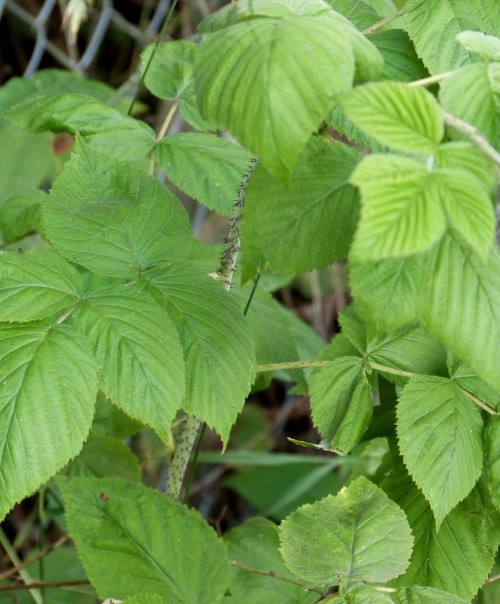 Graham Calow
Footpath behind Stoney Cove
03 August 2016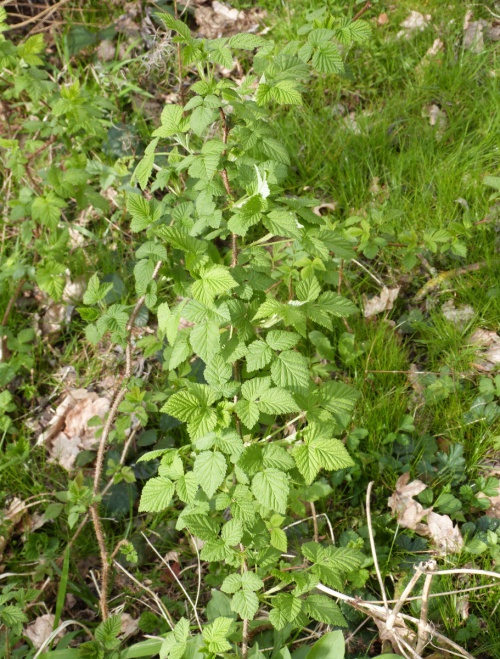 Graham Calow
Burbage Wood
28 March 2017 David Nicholls
The Brand, Woodhouse
15 June 2013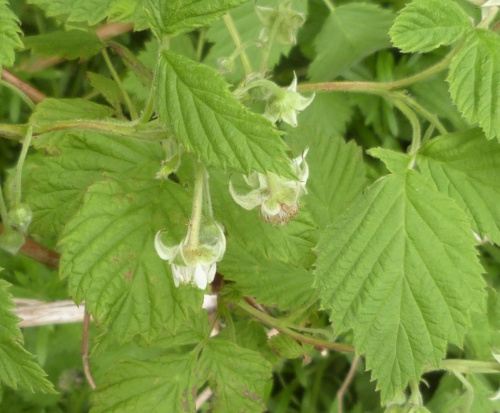 Graham Calow
Claybrooke Magna
30 May 2016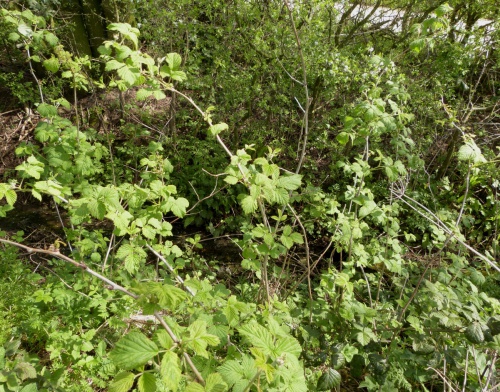 Graham Calow
Springwell Lane, near Whetsone
05 May 2016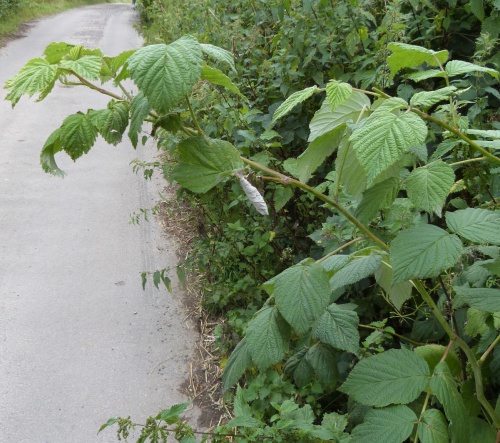 Graham Calow
Footpath behind Stoney Cove
03 August 2016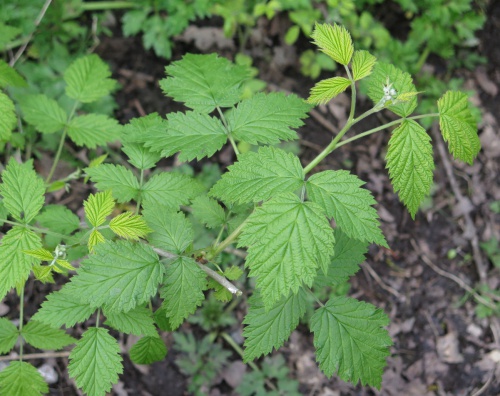 David Nicholls
Martinshaw Wood
30 April 2016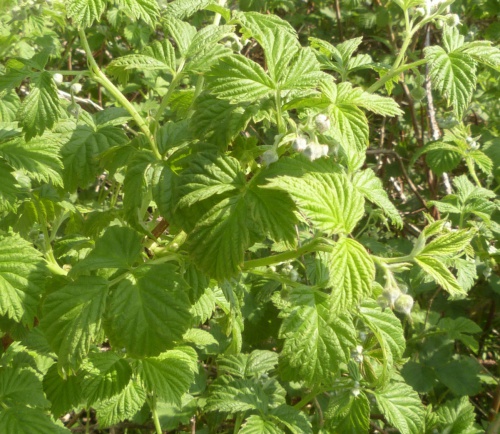 Graham Calow
Battram Road, Battram
12 May 2016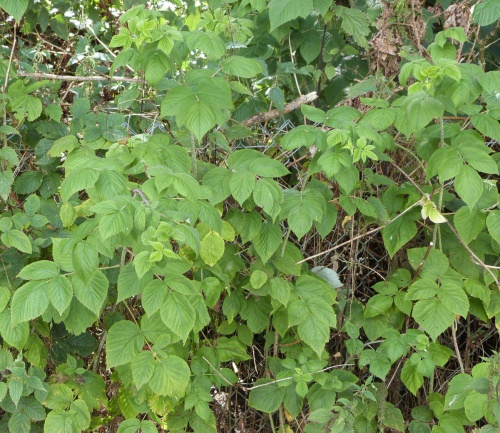 Graham Calow
Footpath behind Stoney Cove
03 August 2016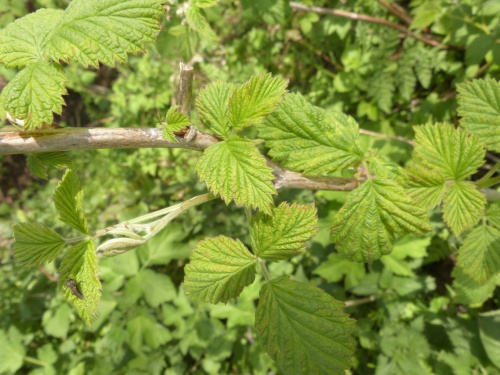 Graham Calow
Springwell Lane, near Whetsone
05 May 2016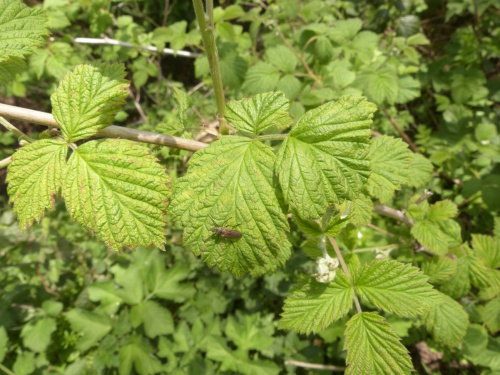 Graham Calow
Springwell Lane, near Whetsone
05 May 2016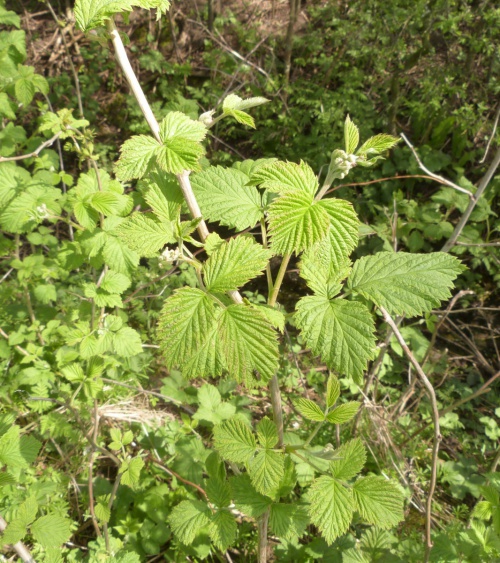 Graham Calow
Springwell Lane, near Whetsone
05 May 2016
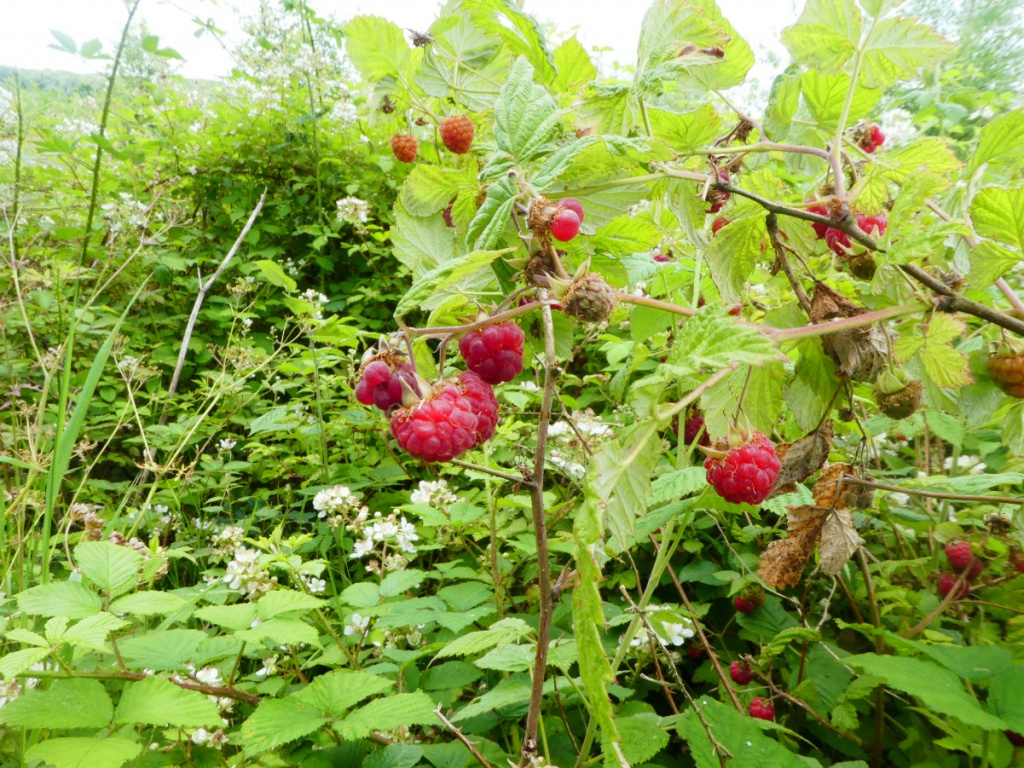
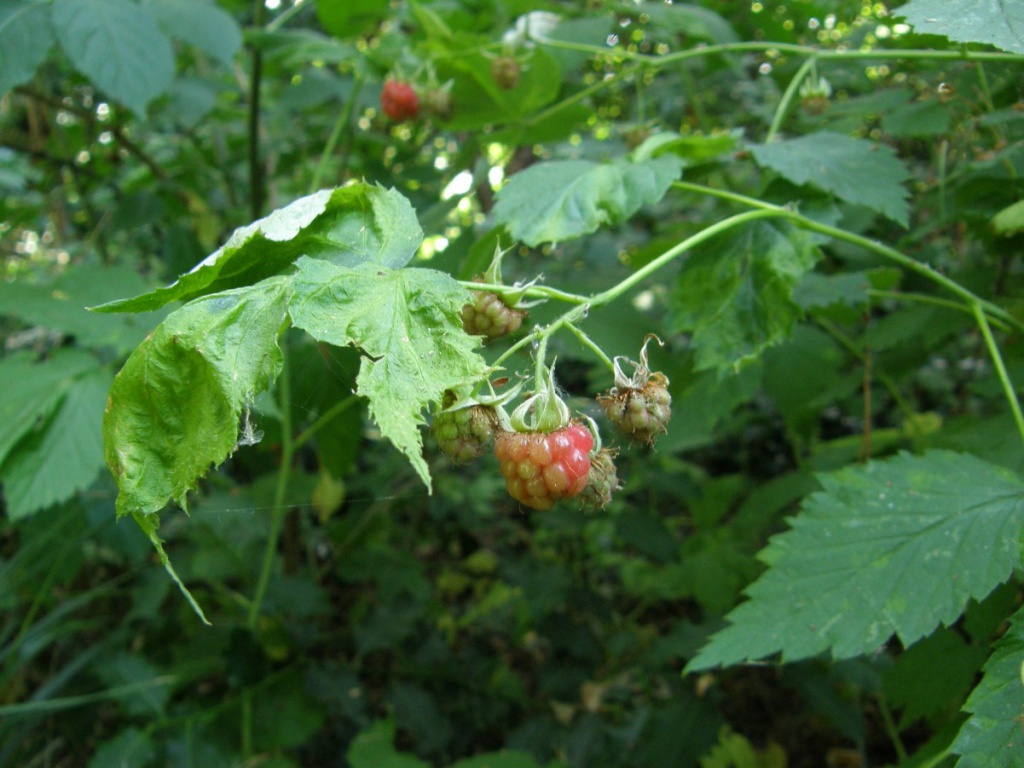
 Near Wash Pit Sapcote SP 4852 9368(taken 6.5.2006).JPG)

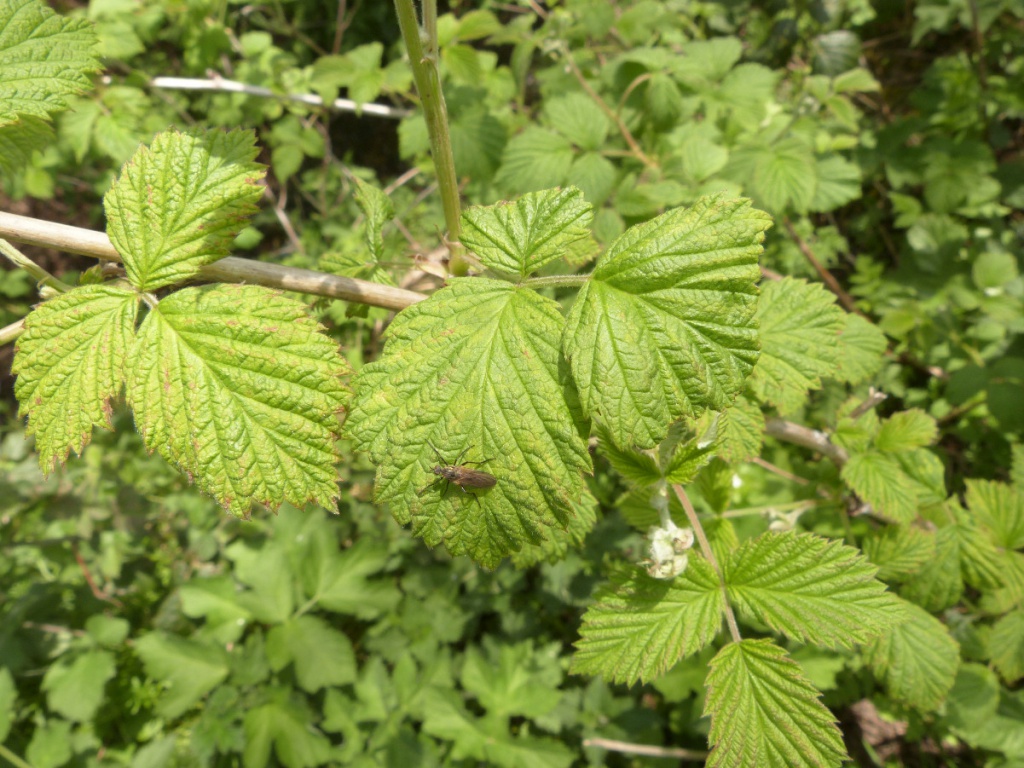
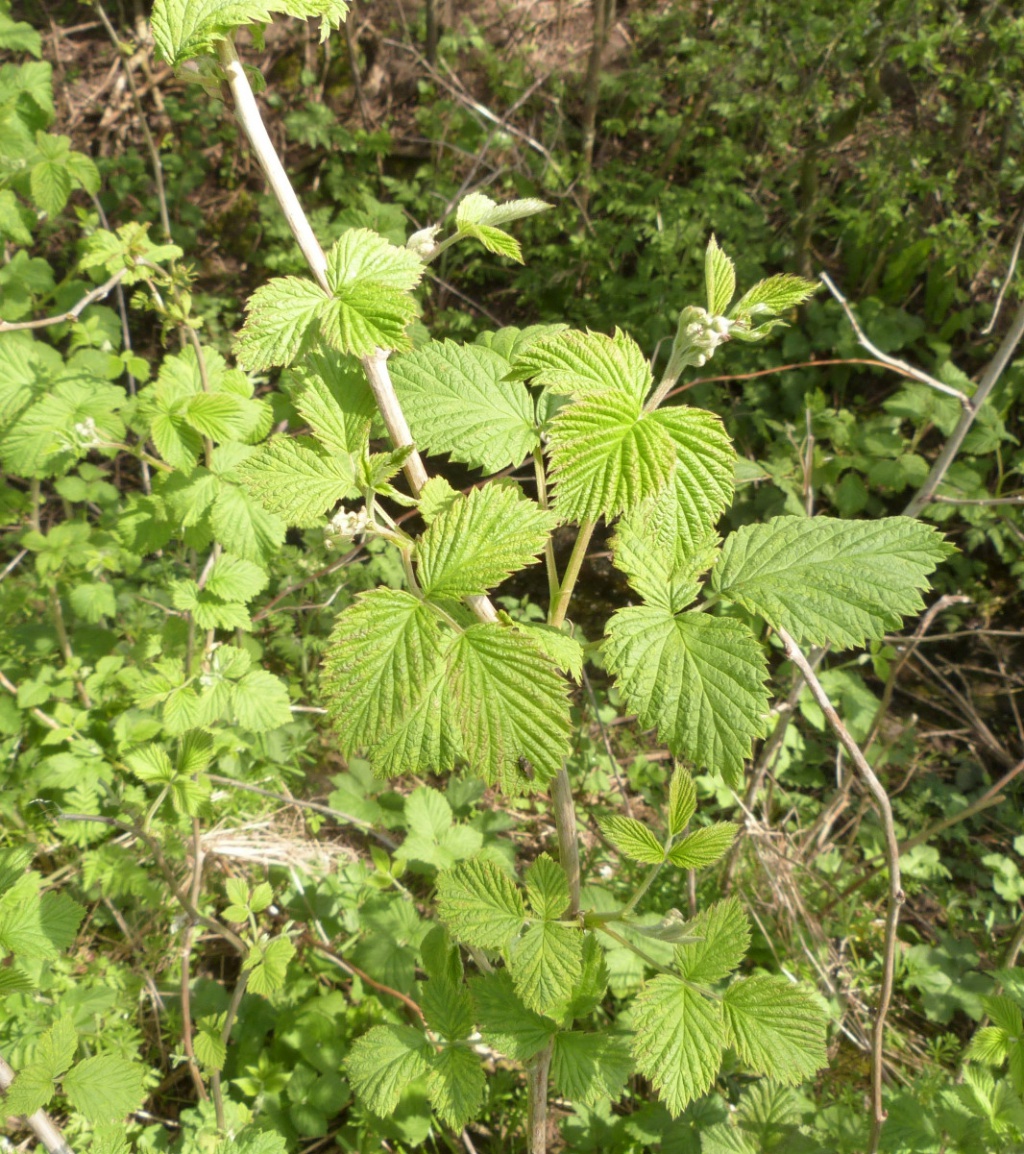

Metallus albipes
The larva of the sawfly Metallus albipes mines the leaves of Raspberry, producing a large, almost full depth blotch with scattered frass. The mine is identical to that of Metallus pumilus, but the larva is different so it can be identified to species if the larva is present.
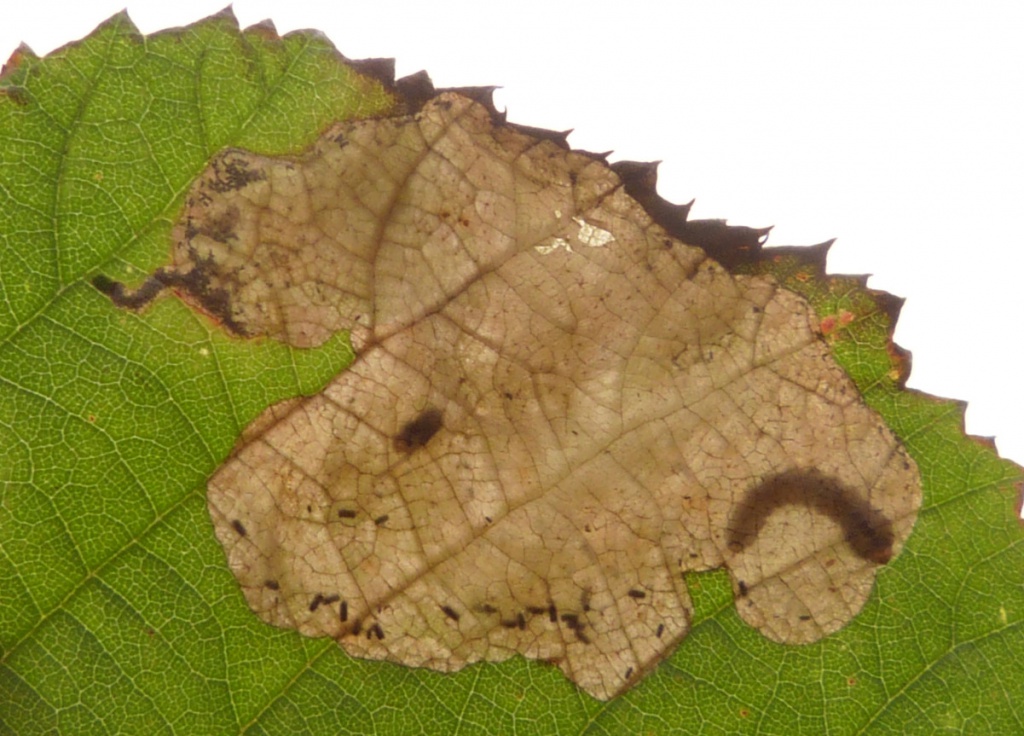
Metallus pumilus
The larva of the sawfly Metallus pumilus mines the leaves of various Rubus species including Brambles. The mine begins with a short, quickly widening corridor which opens into a large, very transparent, almost full depth blotch that often overruns the initial corridor. The larva has a large prothoracic plate, two further thoracic spots and one spot on the first abdominal segment (this distinguishes it from M.albipes). It is necessary to check the larva or rear through in order to identify to species level.

Cladius brullei
The larva of the sawfly Cladius brullei is a slightly hairy, black headed creature, grey brown and slightly speckled above, off white below. It feeds on the leaves of Rubus species such as Blackberry and Raspberry, but also on Rowan.
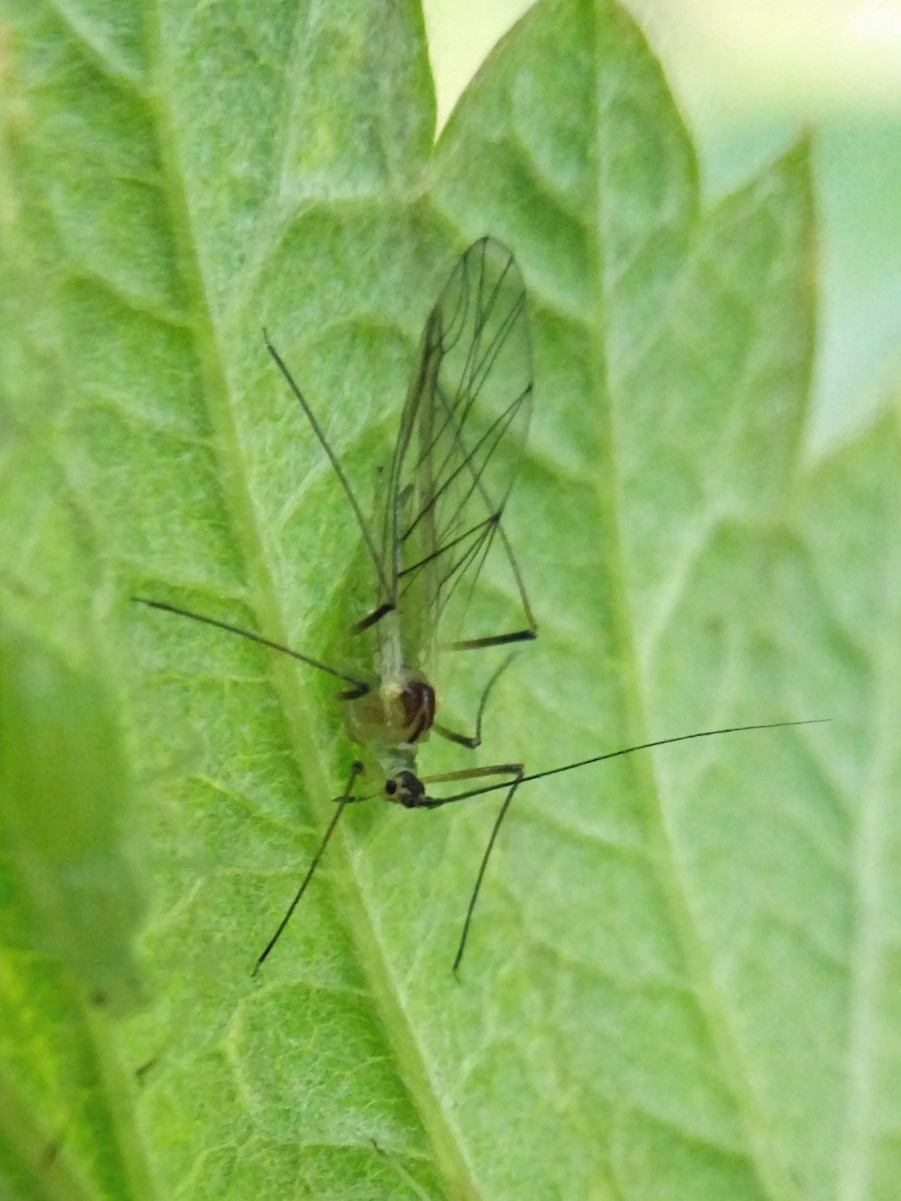
Large Raspberry Aphid
The Large Raspberry Aphid (Amphorophora idaei) feeds on the underside of the leaves of Raspberry bushes. This species only feeds on Raspberry (never on Blackberry). The apterae are usually greenish white or pale yellow. The alate Amphorophora idaei is of similar size but has a brown head and thorax, and has the distal half of the siphunculi darkened.
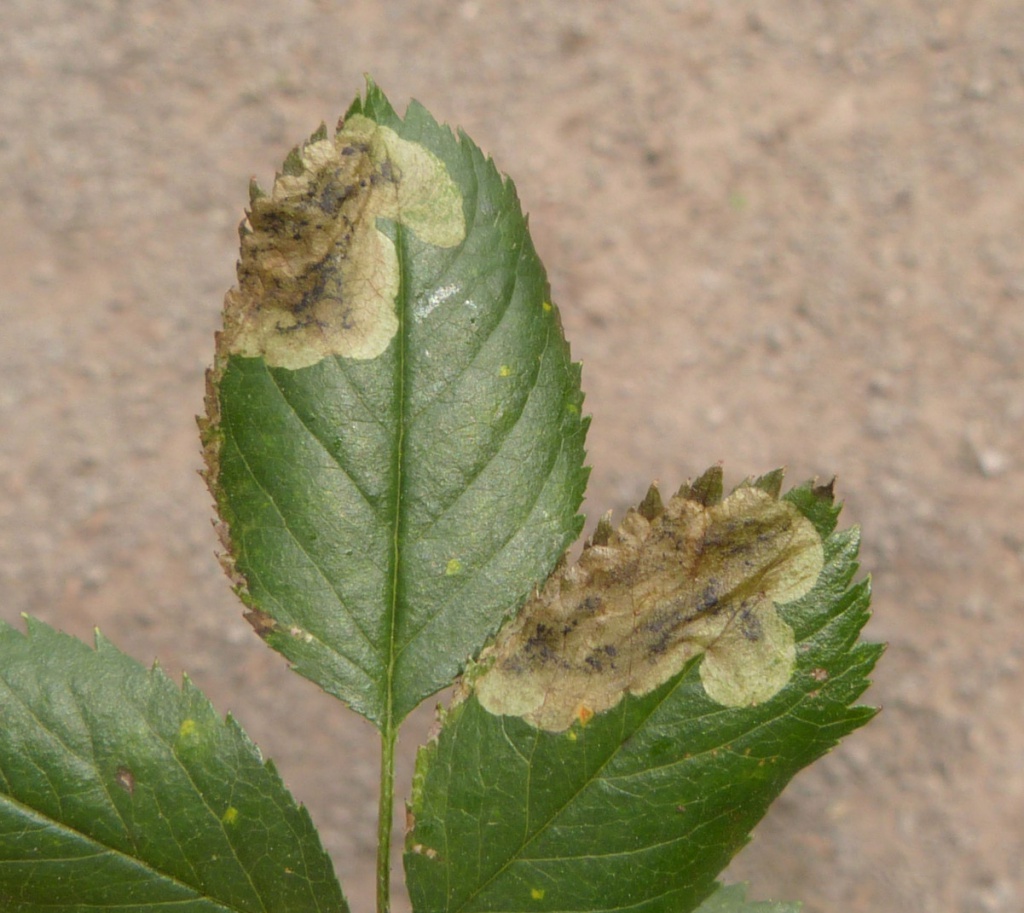
Agromyza sulfuriceps
The larva of the Agromyzid fly Agromyza sulfuriceps mines the leaves of various species in the Rosaceae family including Roses, Meadowsweet, Strawberry, Silverweed, Cinquefoil, Raspberry and Burnets. The mine starts as a long corridor, its initial part often along the leaf margin or a thick vein. Rather suddenly the corridor widens into a broad blotch. The corridor contains much frass, often in two distinct patches or lines.