Polecat - Mustela putorius
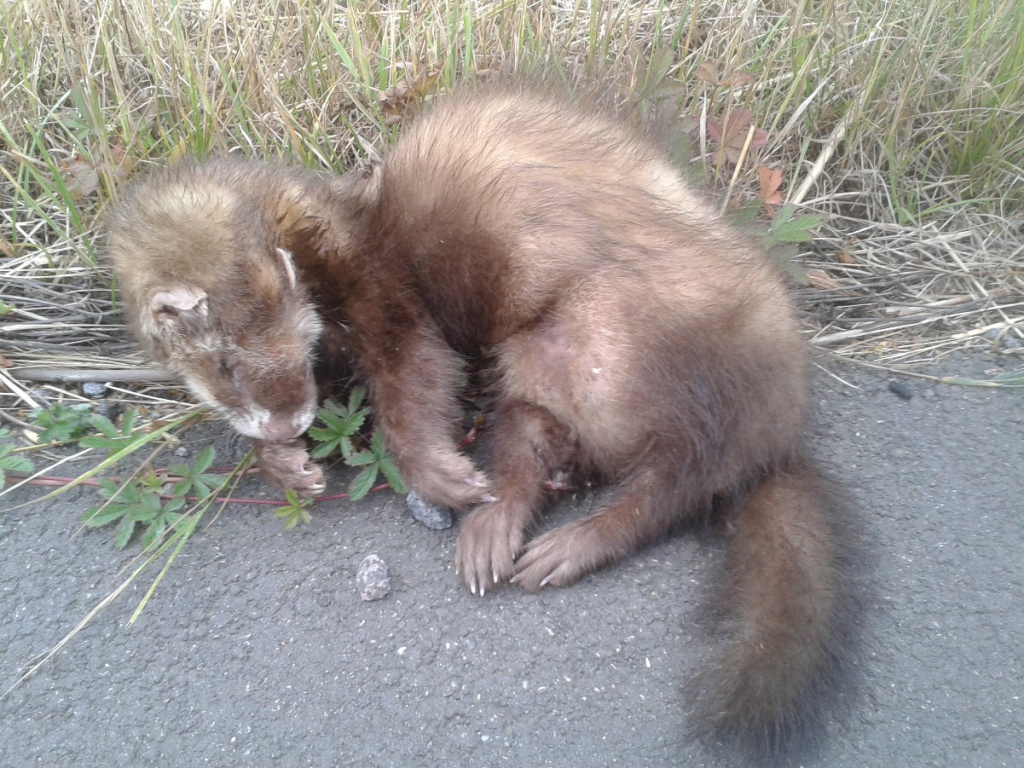
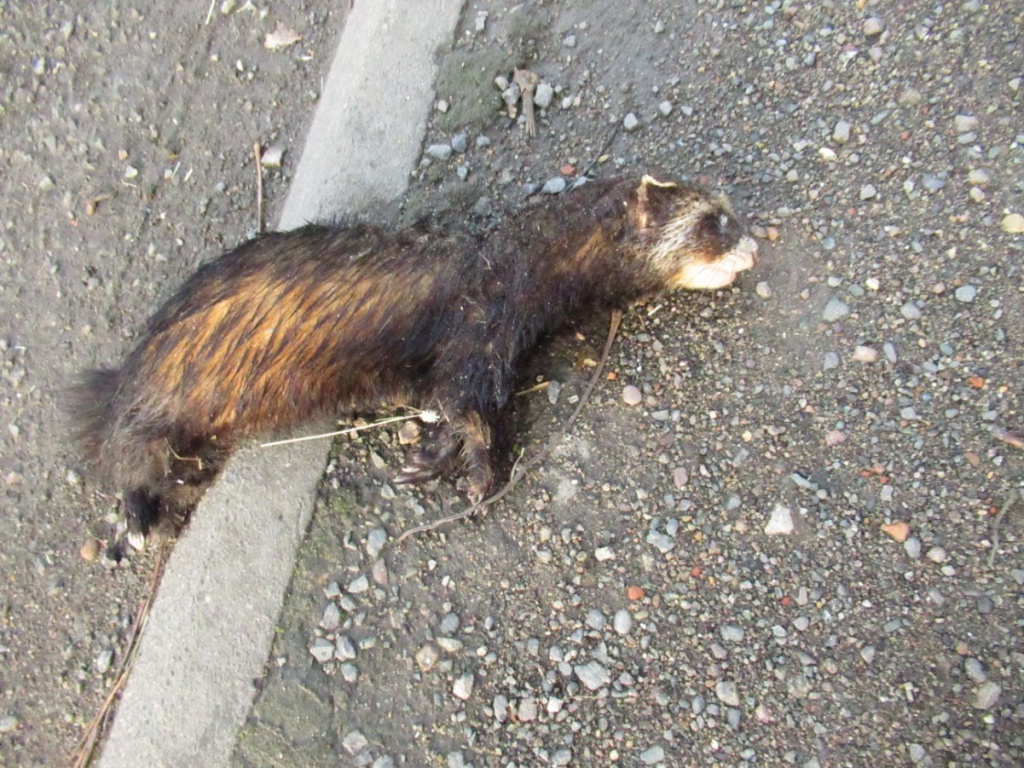
Males 33 to 45cm, females 32 to 39cm. It has blackish guard hairs (appearing as the outer coat) and yellow under fur on the body, giving a black and tan appearance. Banded "bandit" face, dark mask reaches to tip of nose with no white band. Tip of nose dark. Darker legs and belly with no white patches. Fluffy tail is 12 to 19cm long.
Leicestershire, Leicester & Rutland Local Nature Recovery Strategy - Indicator Species
Polecat ferret
Adult 
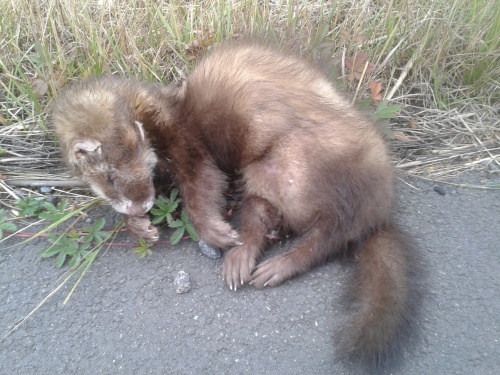
- A well defined "bandit" mask with strong dark stripes with white cheek patches and muzzle, but a dark line running from the mask to nose.
- The body is dark brown or black fur with a buff under fur showing this (this is more noticeable in winter).
- There are no white throat patches and the paws are dark** (if white patches present, likely to be a polecat ferret/ferret)
Good clear quality photographs of the face, paws and throat are required to help verification.
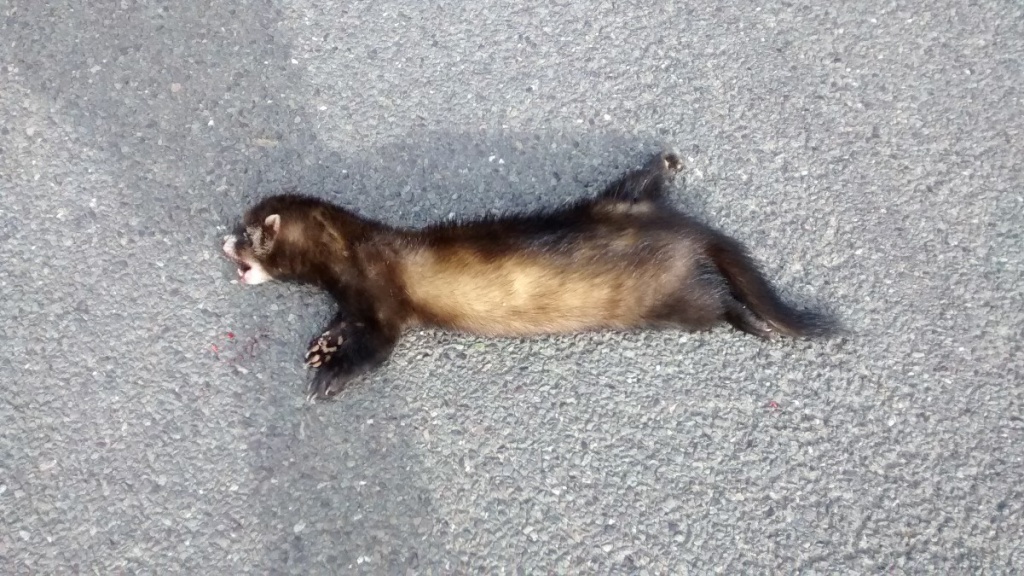
An indication of size (tape measure next to body if roadkill for example)
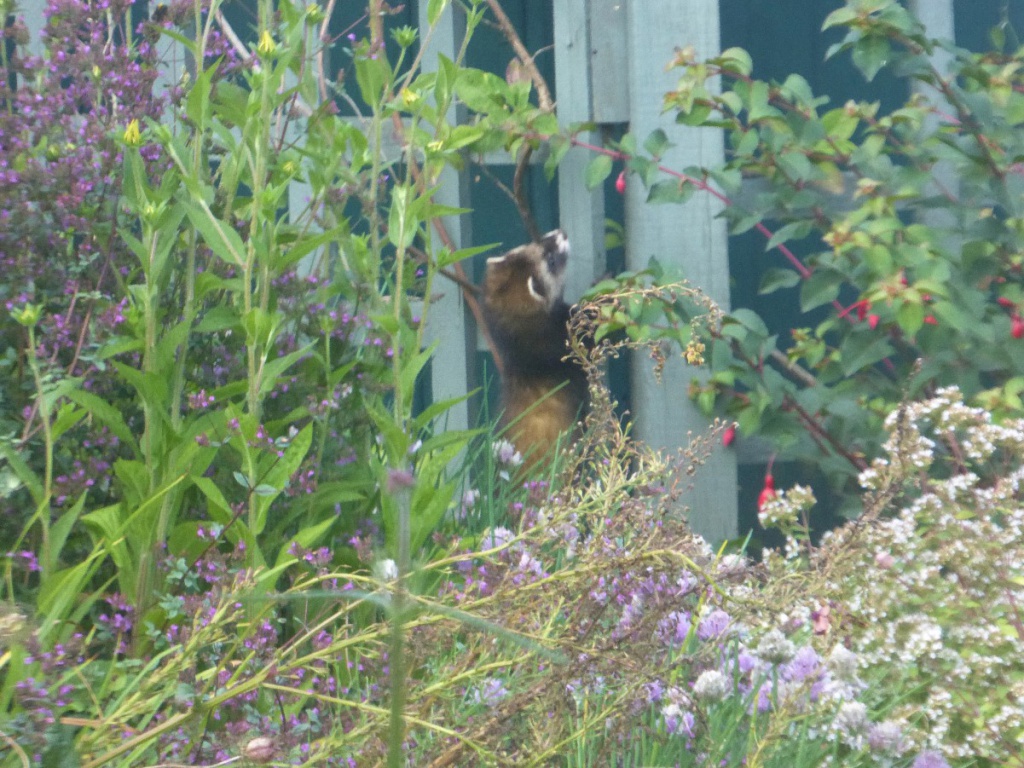
In England, farmland with hedgerows and small woods is preferred. They are sometimes spotted in gardens on the edge of villages next to agricultural land or near to farm buildings in winter and rabbit warrens in summer (main food source)
All year round. They are usually active around dusk or at night. Peak times for sightings likely to be during the mating season (Feb to March) and when the young disperse (Sept-October)
May live up to 14 years in captivity, probably five years in the wild. In summer, rabbits are a major food, and polecats are slender enough to hunt them within their burrows. In winter, common rats become a favoured food, and sites with good rat populations become usual habitats. Birds may be taken and frogs may be important in spring, when gathered to spawn.
Polecats are found throughout Wales where valleys and farms are favoured, the midlands and parts of central southern England, and are spreading steadily from these areas. There are isolated populations in Cumbria and Caithness, which probably result from unofficial releases. The Vincent Wildlife Trust have run several projects to encourage reporting of Polecat. ID from carcasses (road kills) and DNA from skin and fur has confirmed that true Polecats are making a significant comeback and have become more widespread in Britain
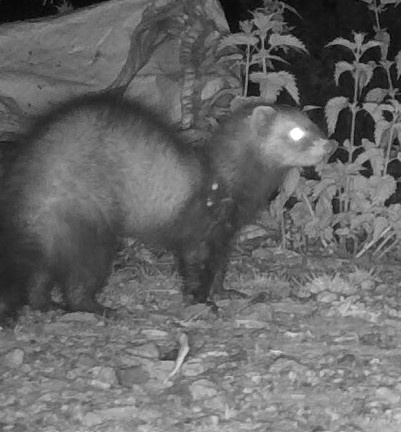
This species is expanding from its stronghold in Wales and West Midlands, moving steadily into central and eastern England. They are increasingly being caught on wildlife cameras at night or as road kills.
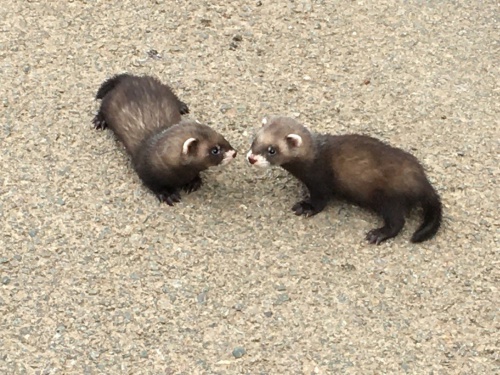 Smartymarty
Hungarton Road, Hungarton
06 June 2022
Juveniles with bandit face markings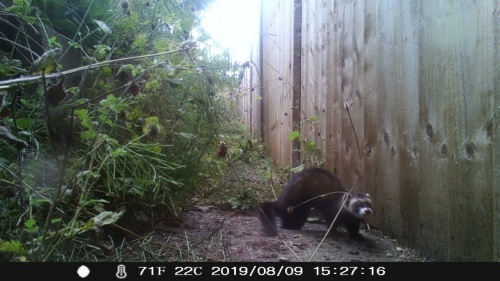 DrDaz
DrDaz
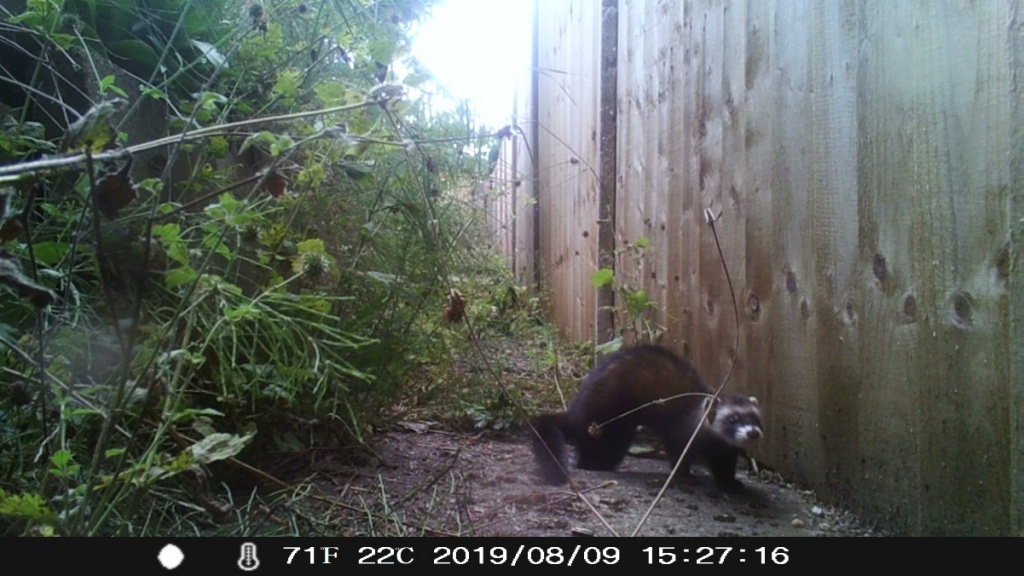
Shepshed Garden
09 August 2019
Polecat with clear bandit face markings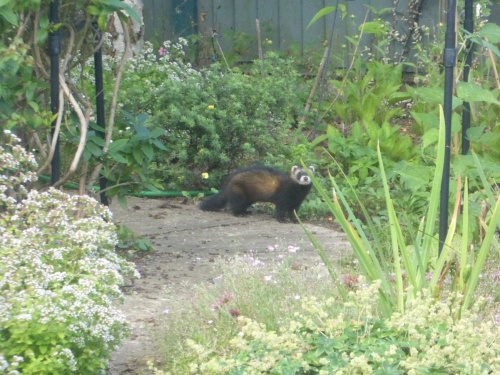 Elspeth Cranston
Shepshed
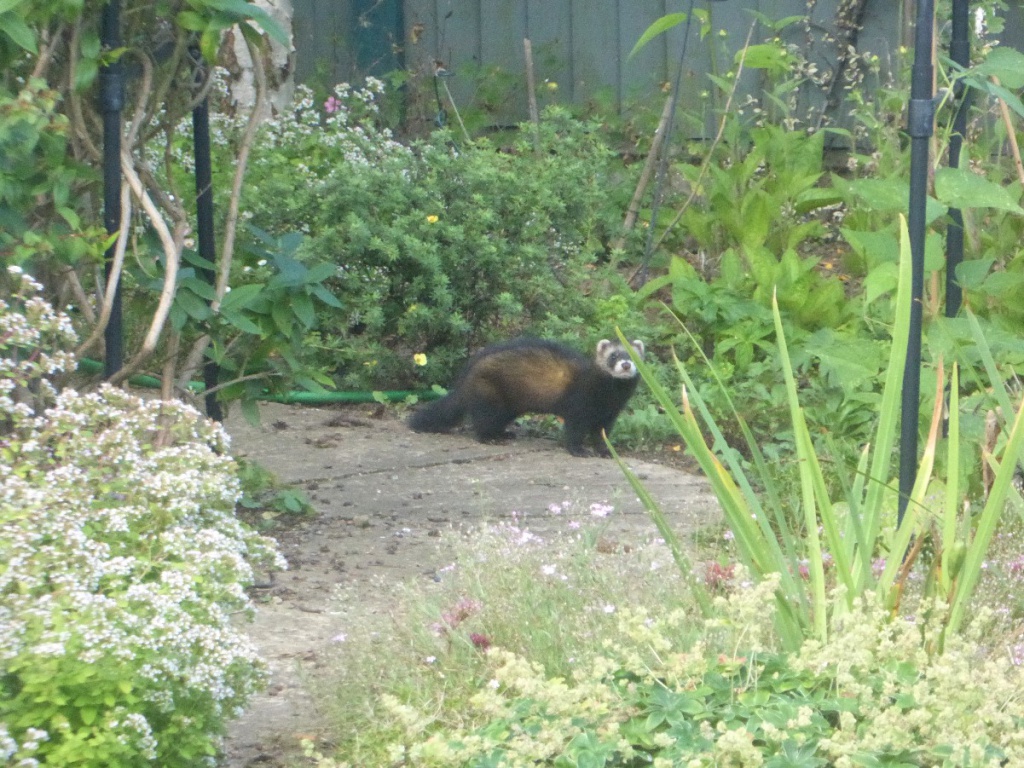
07 August 2019
Adult with bandit face markings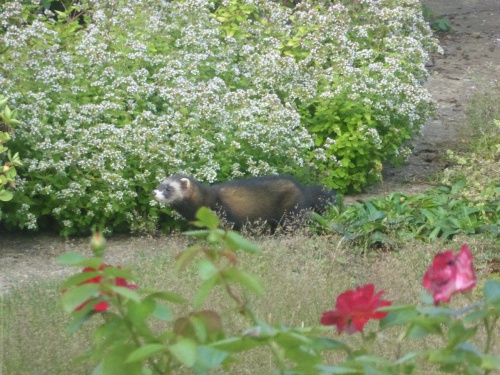 Elspeth Cranston
Shepshed
07 August 2019
Adult with bandit face markings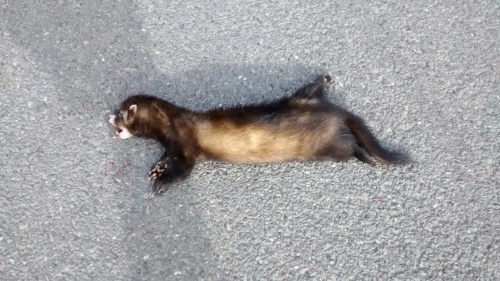 rodmcmichael
Frolesworth - Ashby Parva
08 August 2016
Adult: male 33-45 cm, females 32-39 cm


Leicestershire & Rutland Map
Enter a town or village to see local records
MAP KEY:
Yellow squares = NBN records (all known data)
Coloured circles = NatureSpot records: 2025+ | 2020-2024 | pre-2020
UK Map
Species profile
- Common names
- Polecat
- Species group:
- terrestrial mammal
- Kingdom:
- Animalia
- Order:
- Carnivora
- Family:
- Mustelidae
- Records on NatureSpot:
- 29
- First record:
- 18/06/2012 (Calow, Graham)
- Last record:
- 17/08/2025 (Rigby, Chris)
Total records by month
% of records within its species group
10km squares with records
The latest images and records displayed below include those awaiting verification checks so we cannot guarantee that every identification is correct. Once accepted, the record displays a green tick.
In the Latest Records section, click on the header to sort A-Z, and again to sort Z-A. Use the header boxes to filter the list.
Latest images
Latest records
 Orientalis
A47, Near Houghton on the Hill
22 August 2016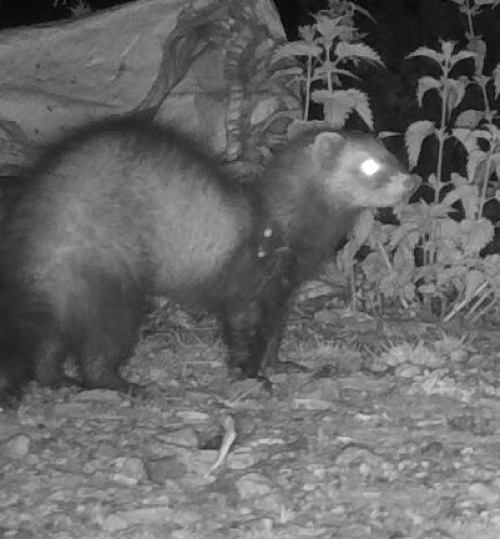 Twycross Zoo
Twycross Zoo
14 August 2023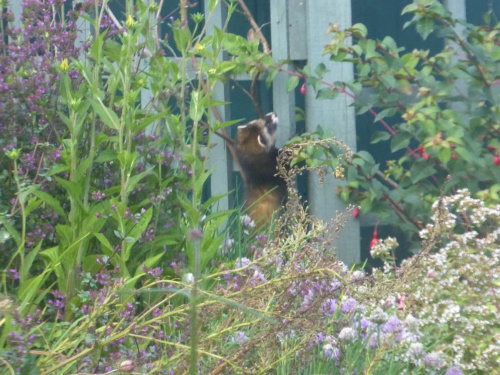 Elspeth Cranston
Shepshed
07 August 2019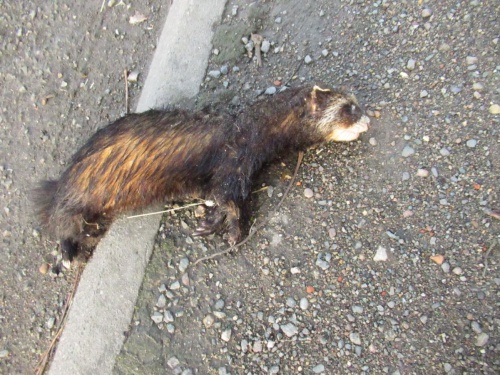 Sally Cunningham
Coventry road/Fosse Way, B4114
21 November 2020