Parornix devoniella
Hazel Slender
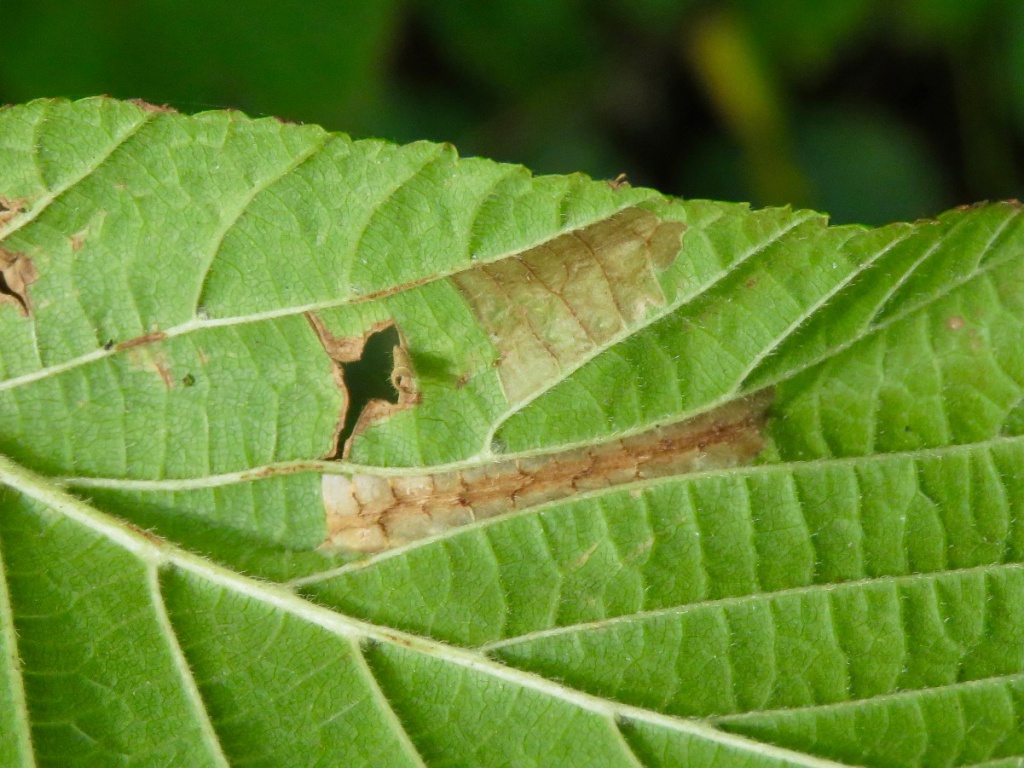
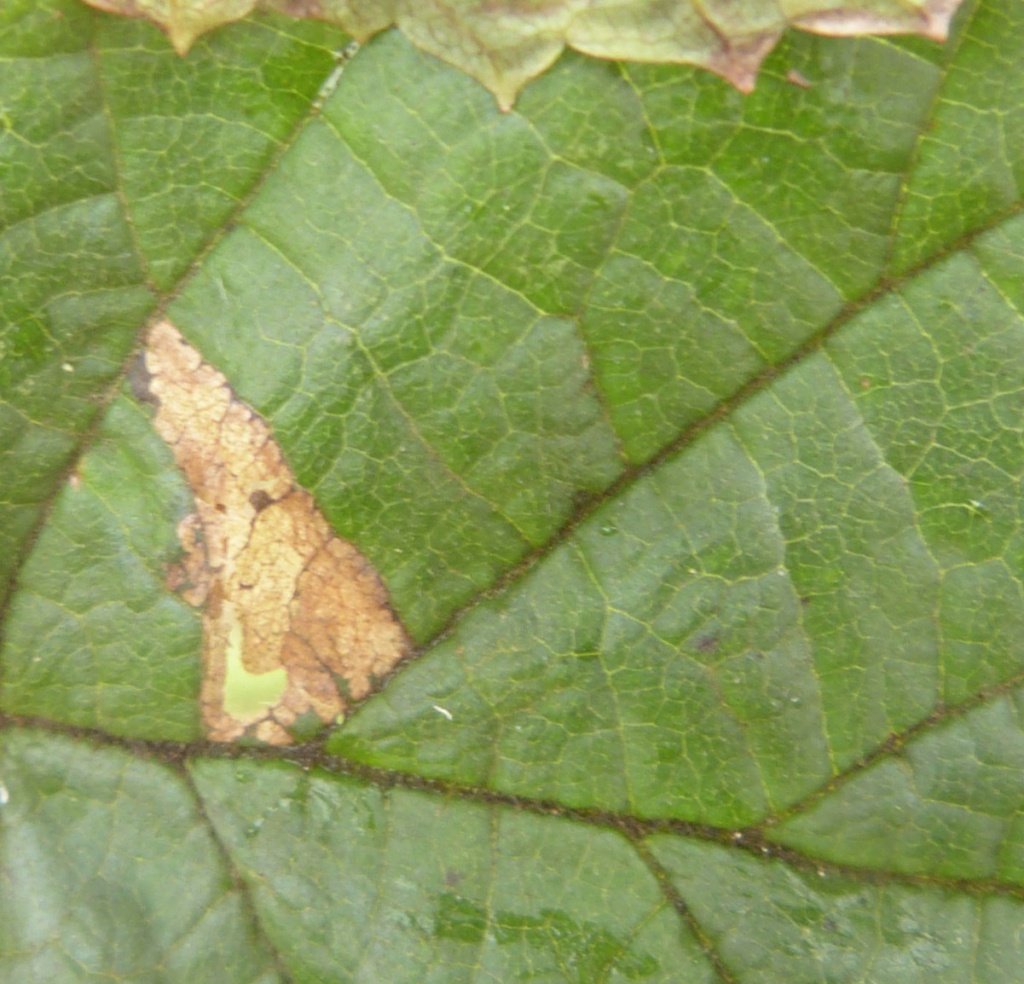
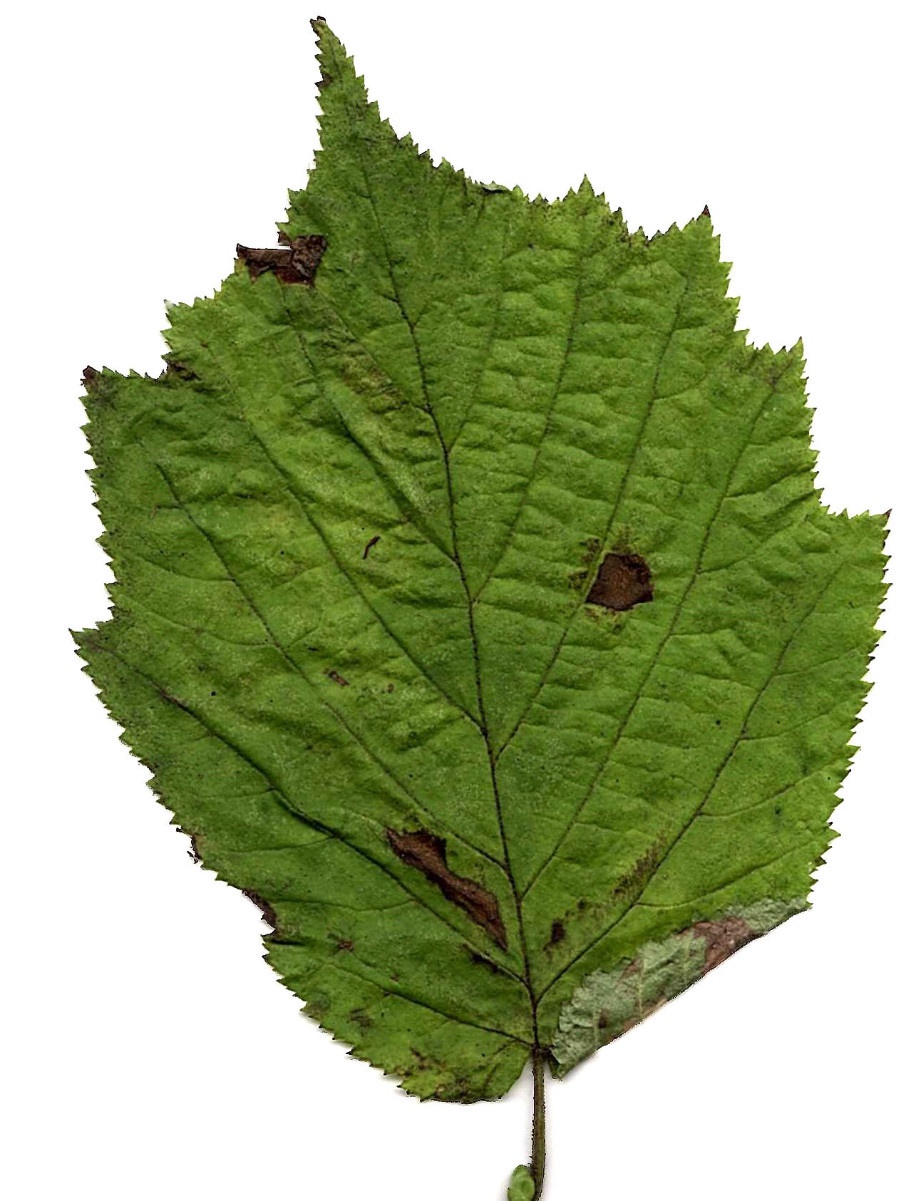
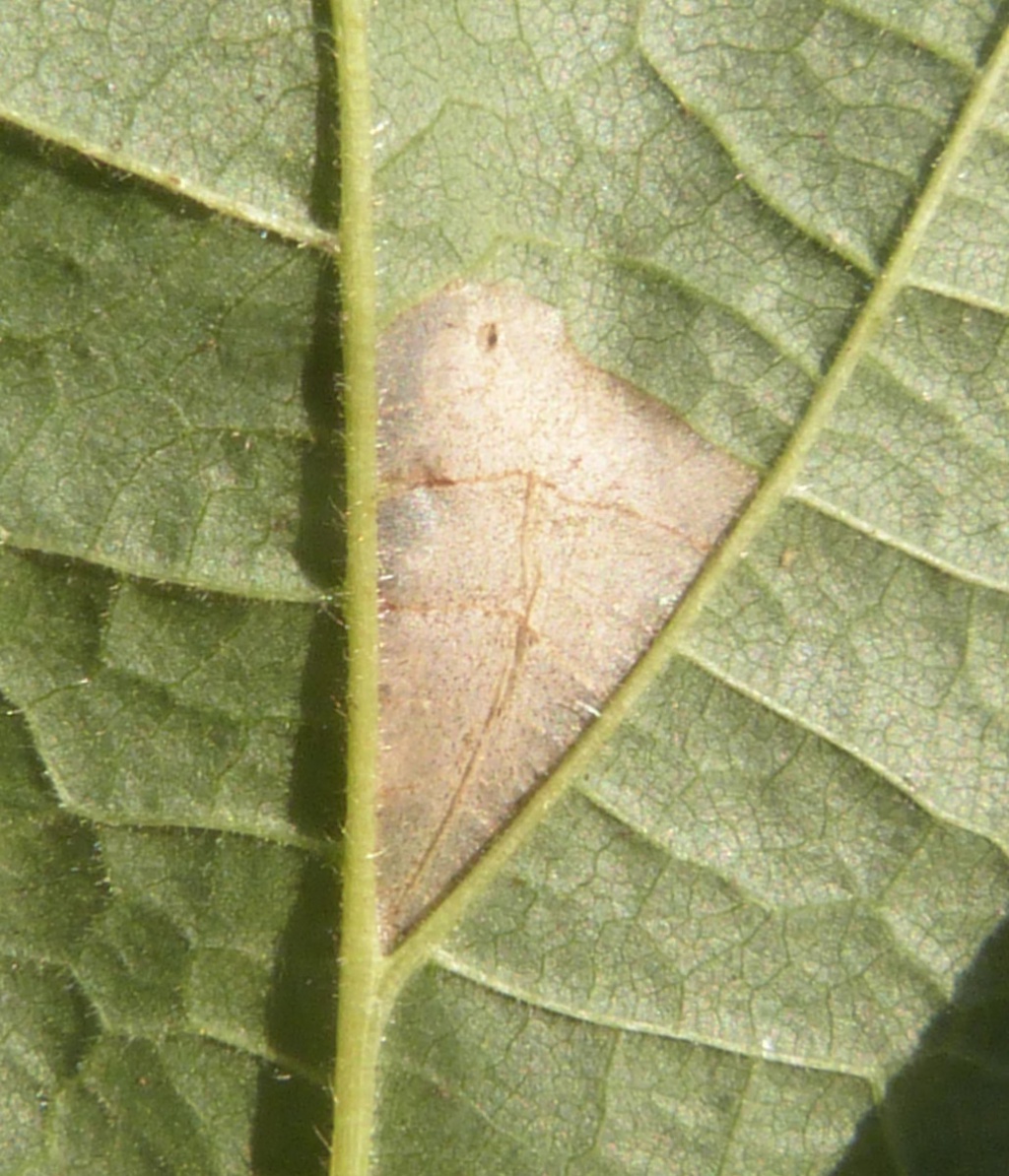
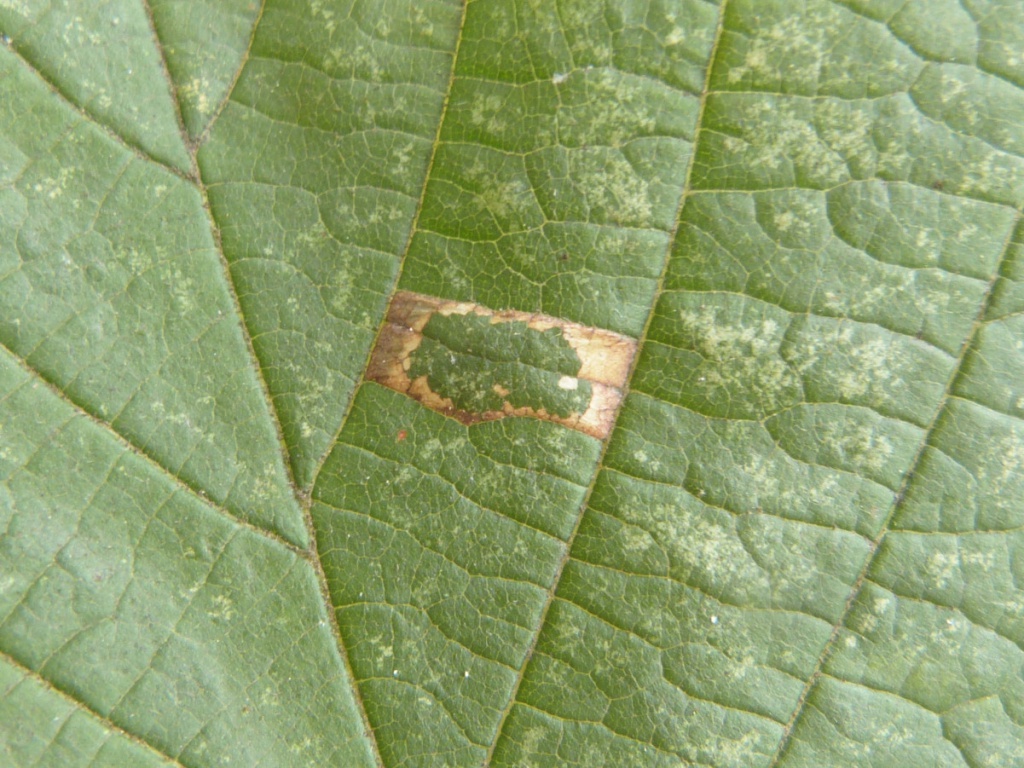
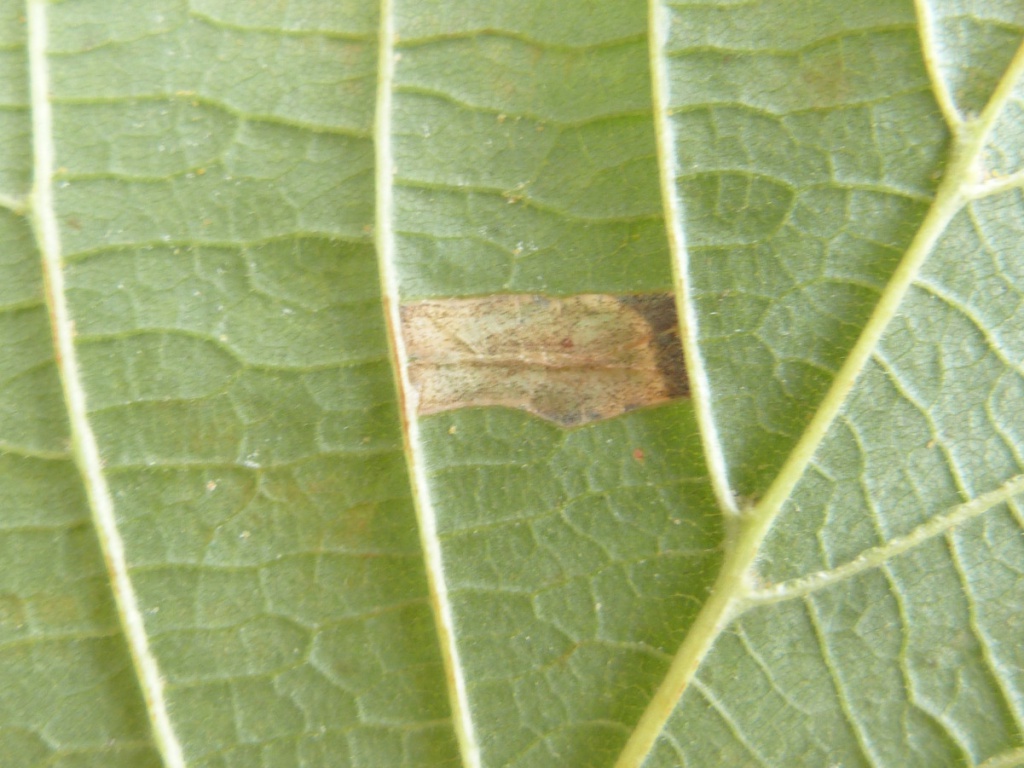
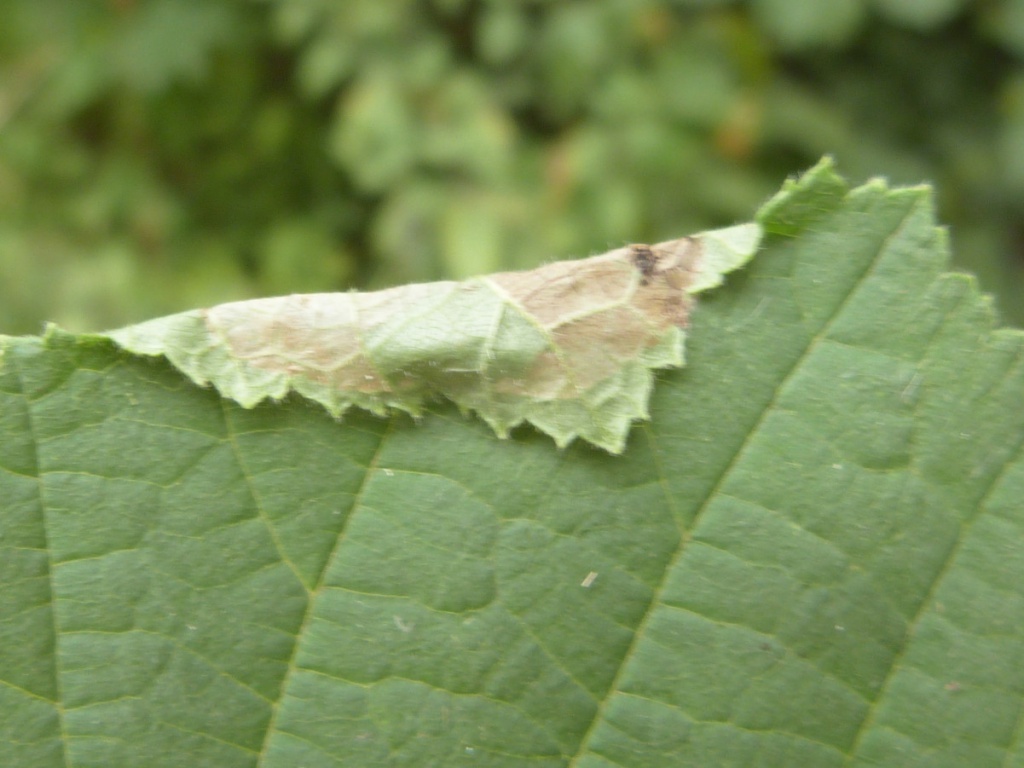
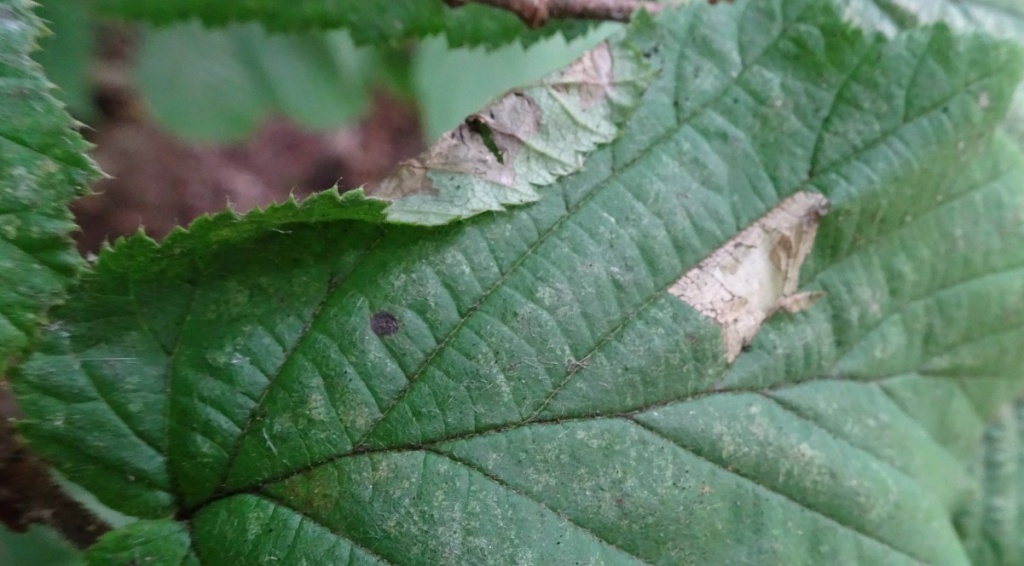
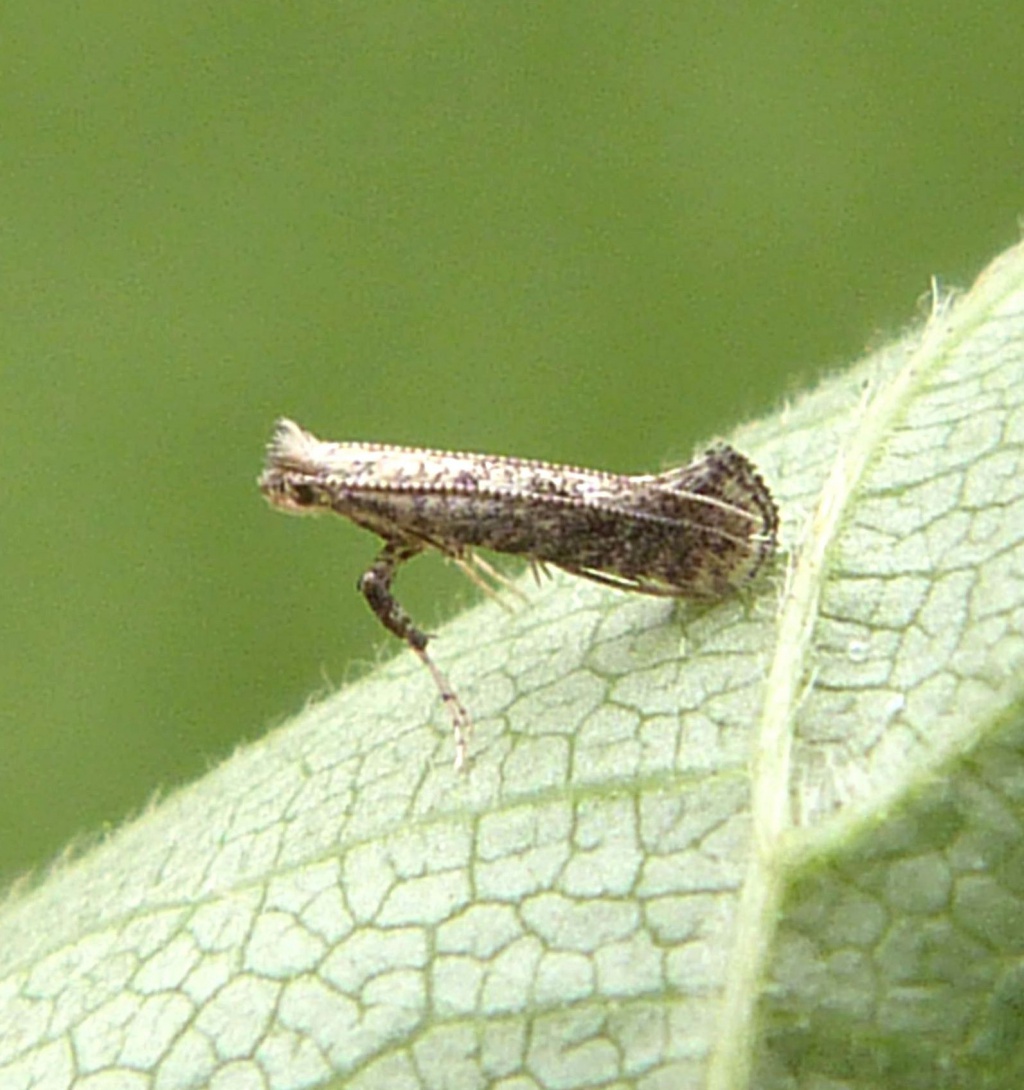
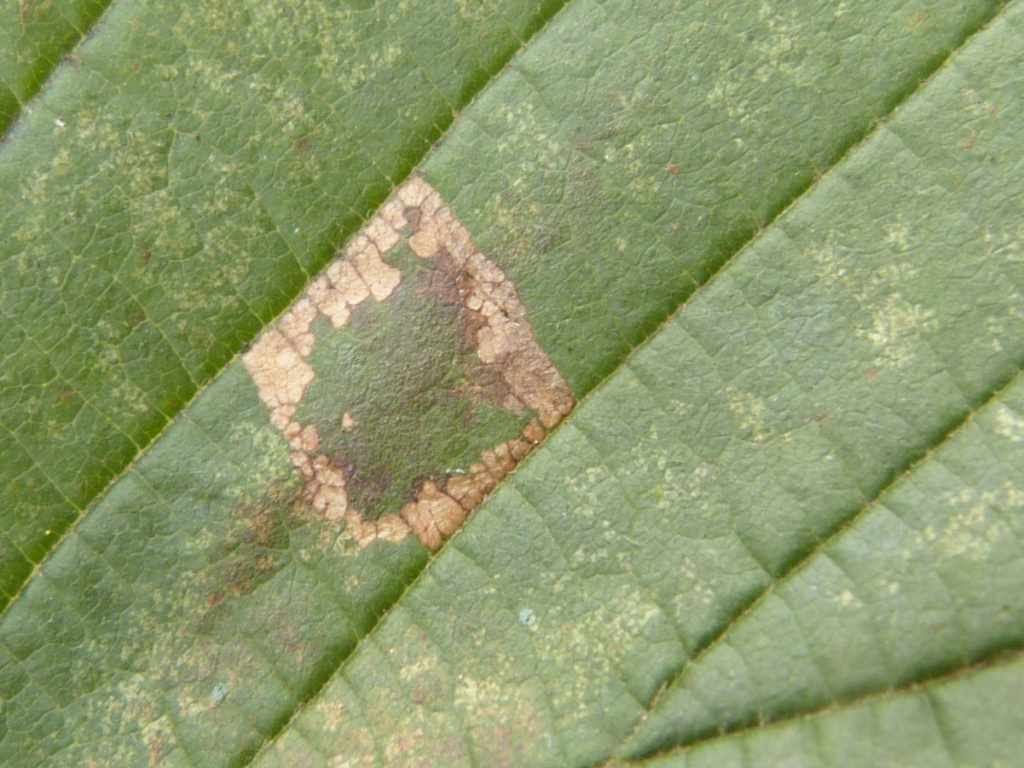
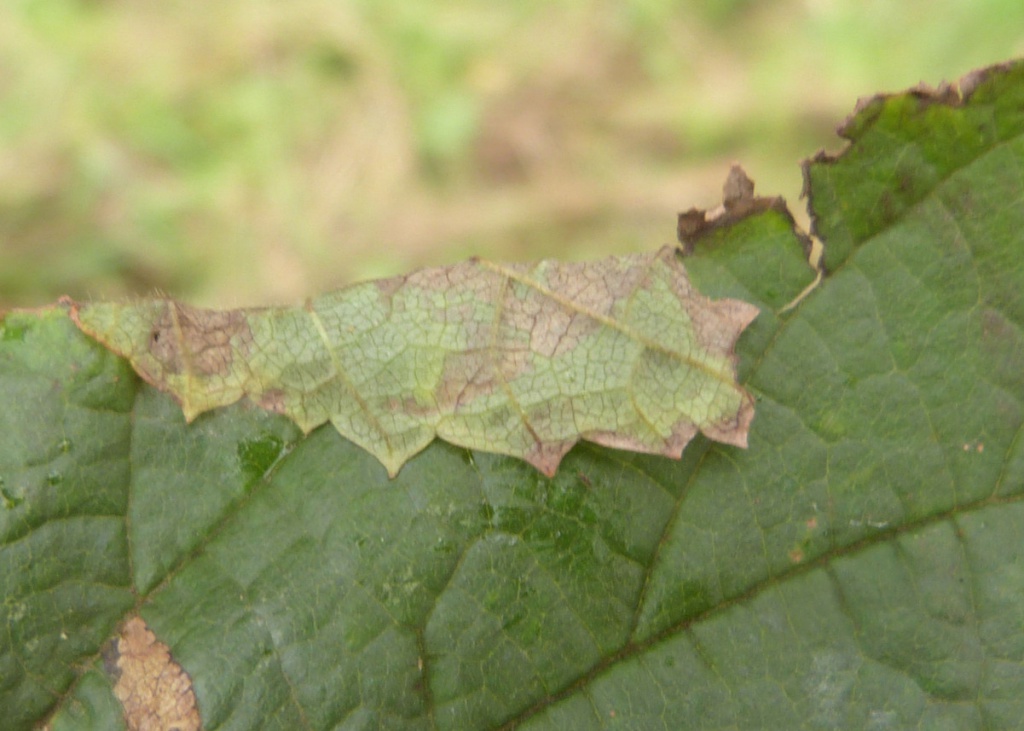
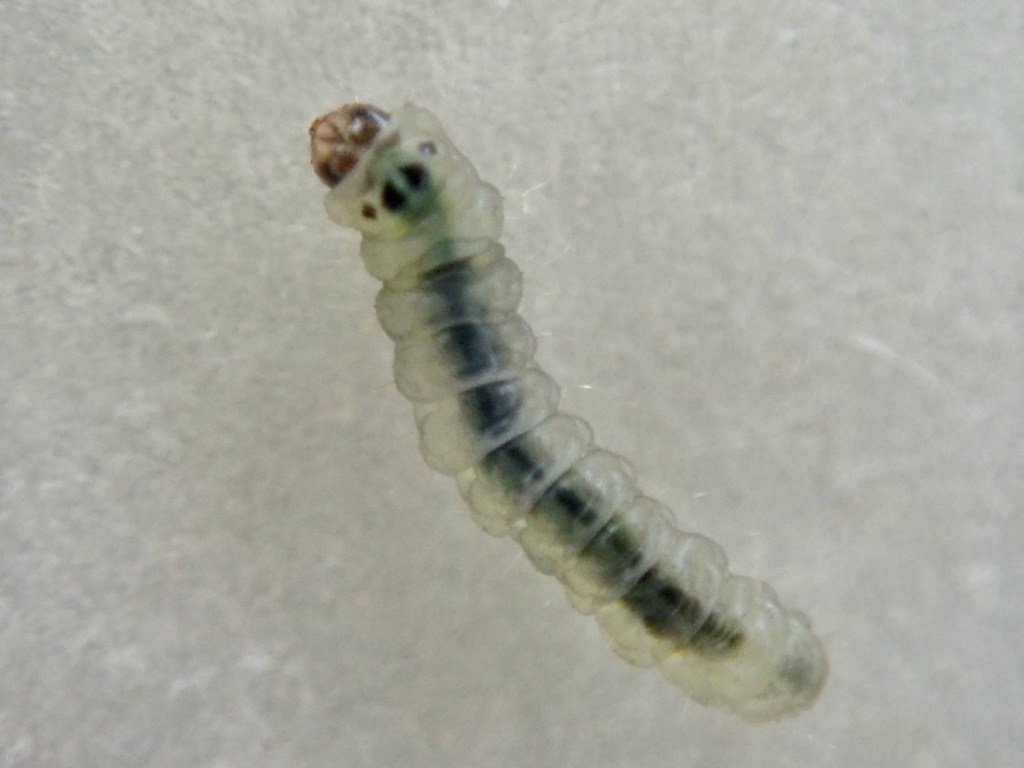
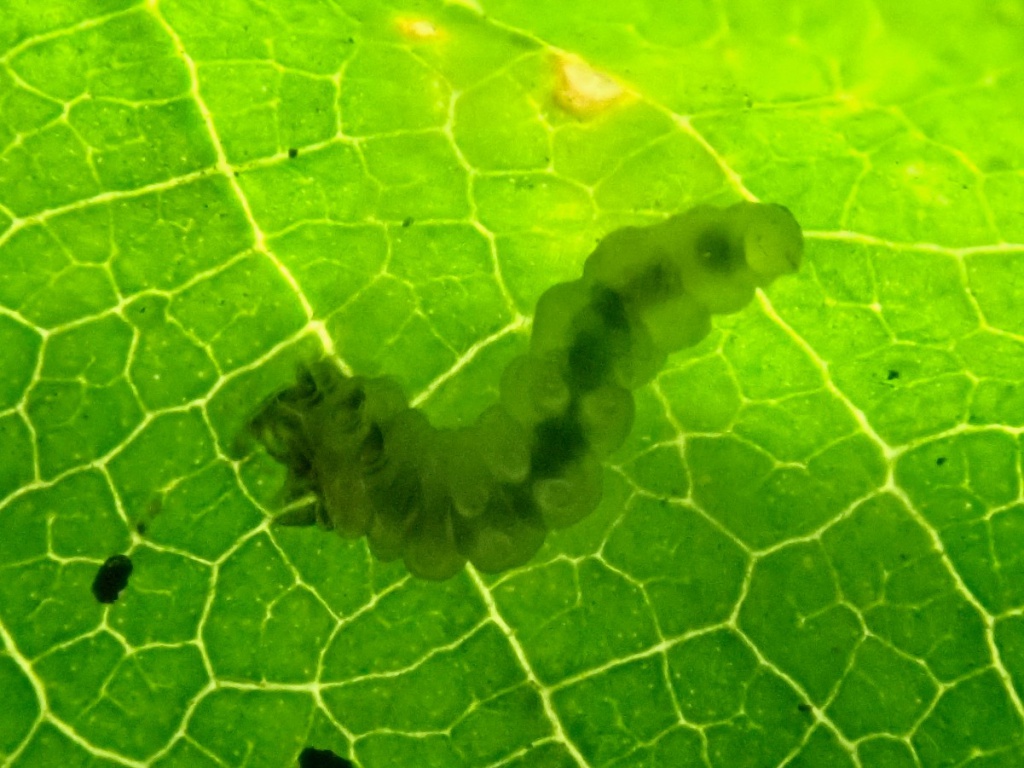
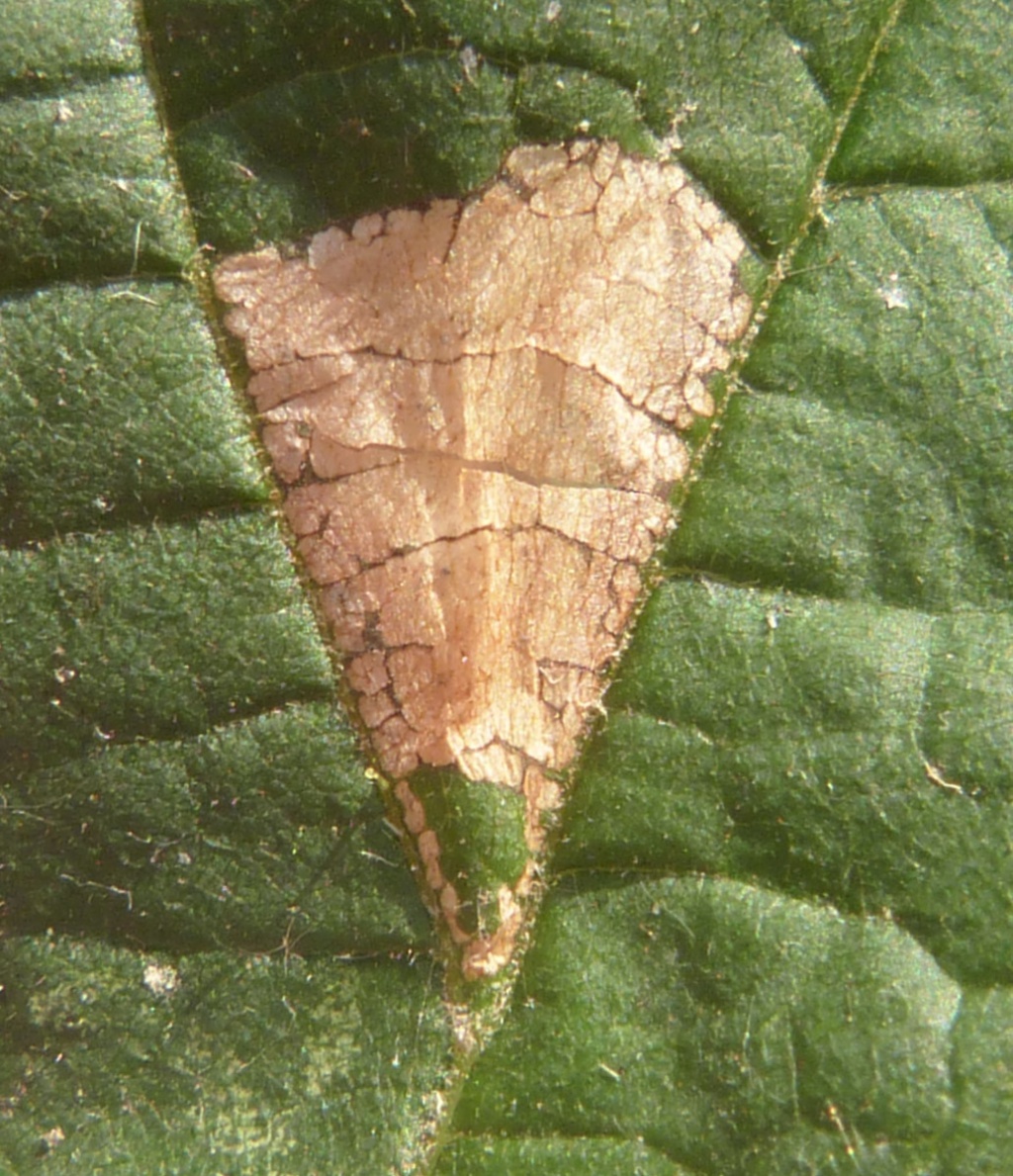
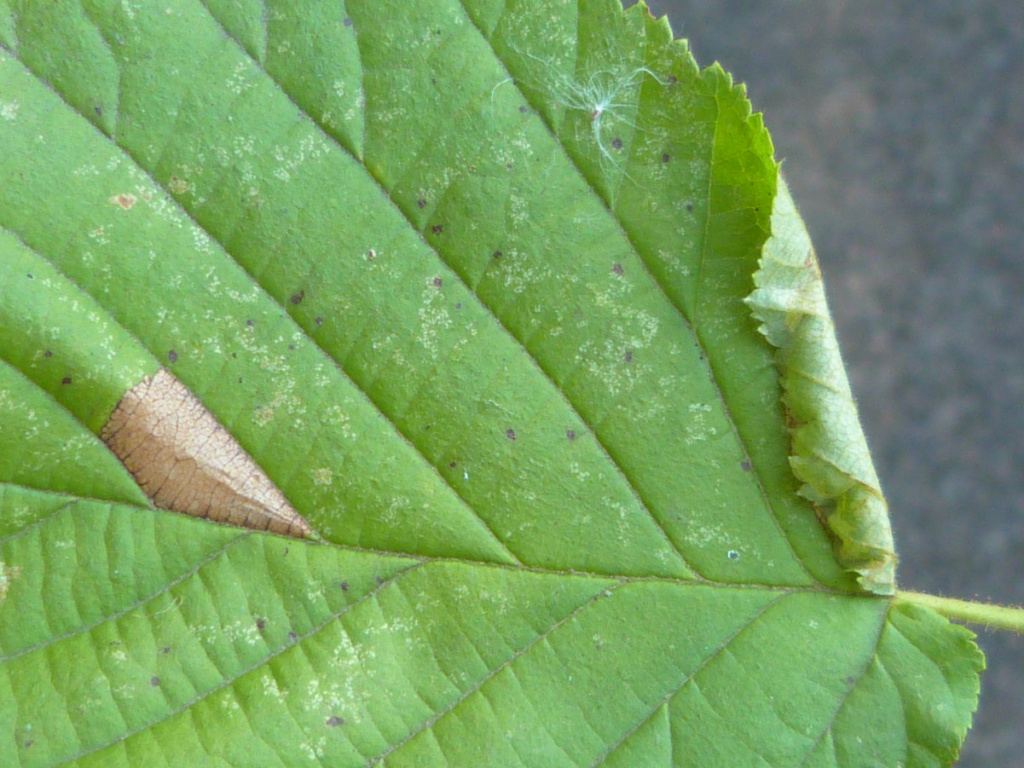
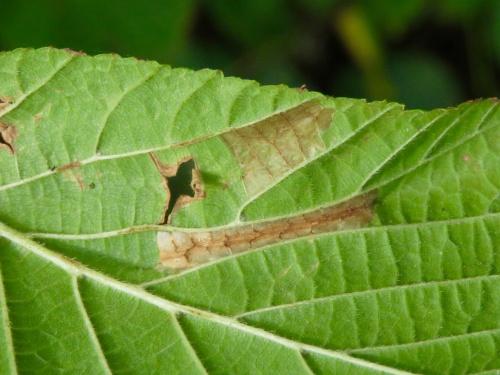
Wingspan 9 to 10 mm. All the Parornix species have a distinctive resting posture with the front part of the body raised on the forelegs, and a slightly upcurved rear. The larva mines the leaves of Hazel, initially creating a squarish or triangular tentiform mine on the underside, and then folding over the edge of the same leaf, or one nearby. In common with other Parornix larvae, the larva is whitish with 4 black spots on the pronotum
Mines can look like Phyllonorycter nicellii; if in doubt check larvae
Adult  Leafmine
Photograph the mine, upper and lower side, and leaf-fold; if possible photograph larva. Note host species.
Wherever Hazel is plentiful.
The moths fly in two generations, firstly in May and again in August.
The larvae of this species feed on Hazel (Corylus avellana)
The species is relatively common wherever its foodplant is found. In the Butterfly Conservation's Microlepidoptera Report 2011 this species was classified as common.
It appears to be uncommon in Leicestershire and Rutland, where there are few records. L&R Moth Group status = D (rare or rarely recorded).
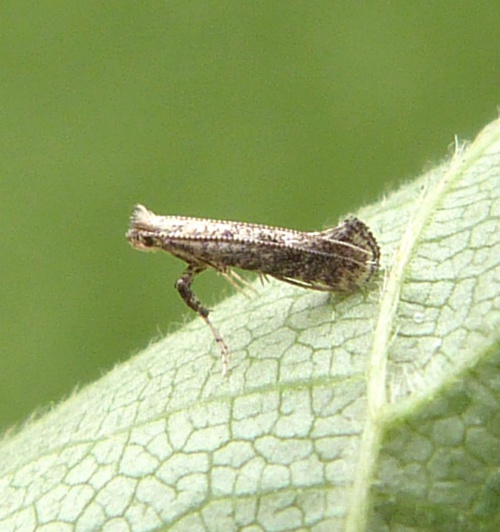 Graham Calow
Burbage, Elmesthorpe Plantation
leafmine collected 23.6.2020 hatched 4.7.2020
reared from leafmine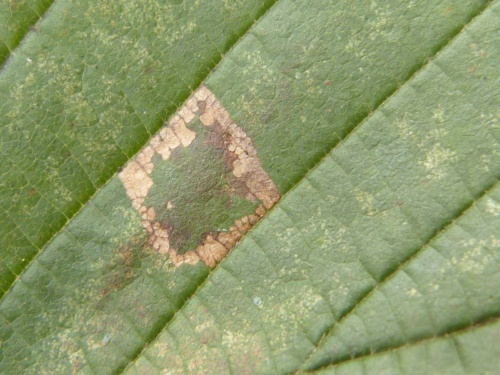 Graham Calow
Sapcote, Stanton Road
06 September 2020
leafmine on Hazel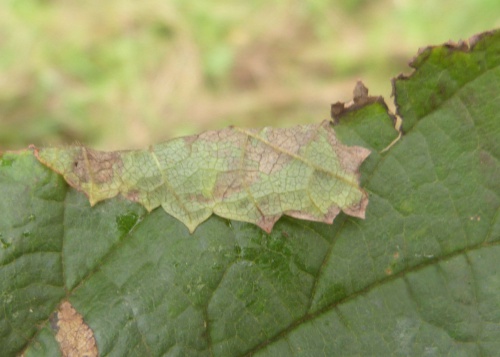 Graham Calow
High Cross, High Cross Road
05 October 2020
leaf fold on Hazel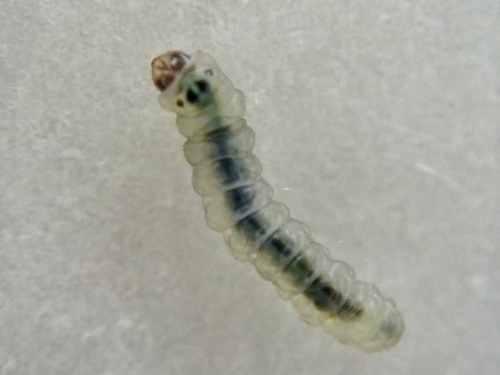 egaten
Ratby Woods
30 September 2022
larva ex. mine on hazel
4 spots on pronotum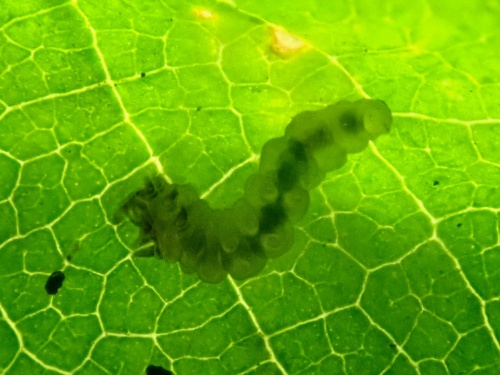 egaten
Ratby Woods
30 September 2022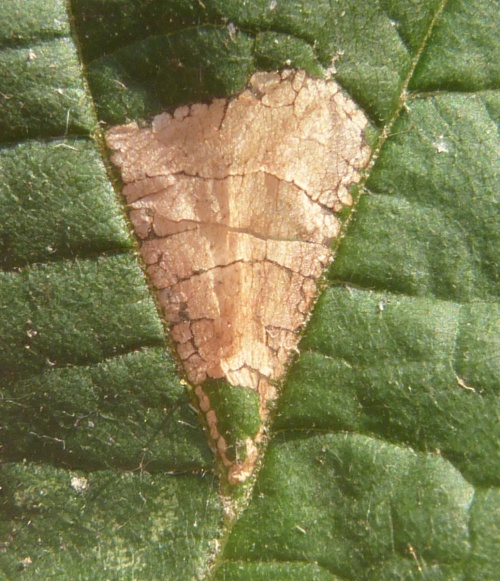 Graham Calow
Harecroft Crescent, Sapcote
13 August 2018
leafmine on Hazel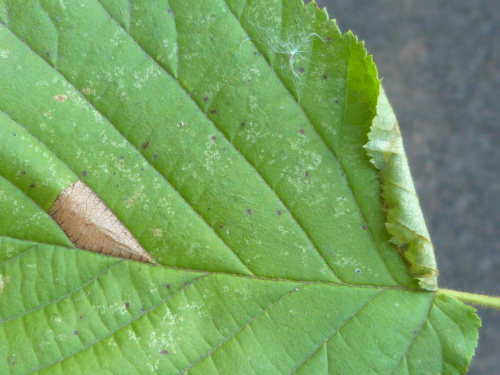 Graham Calow
Burbage, Smithy Lane
16 September 2024
leafmine on Hazel
Leicestershire & Rutland Map
Enter a town or village to see local records
MAP KEY:
Yellow squares = NBN records (all known data)
Coloured circles = NatureSpot records: 2025+ | 2020-2024 | pre-2020
UK Map
Species profile
- Common names
- Hazel Slender, Hazel Parornix
- Species group:
- insect - moth
- Kingdom:
- Animalia
- Order:
- Lepidoptera
- Family:
- Gracillariidae
- Records on NatureSpot:
- 165
- First record:
- 06/11/2015 (Russell, Adrian)
- Last record:
- 30/10/2025 (Calow, Graham)
Total records by month
% of records within its species group
10km squares with records
The latest images and records displayed below include those awaiting verification checks so we cannot guarantee that every identification is correct. Once accepted, the record displays a green tick.
In the Latest Records section, click on the header to sort A-Z, and again to sort Z-A. Use the header boxes to filter the list.
Latest images
Latest records
 egaten
Broombriggs Farm
12 October 2017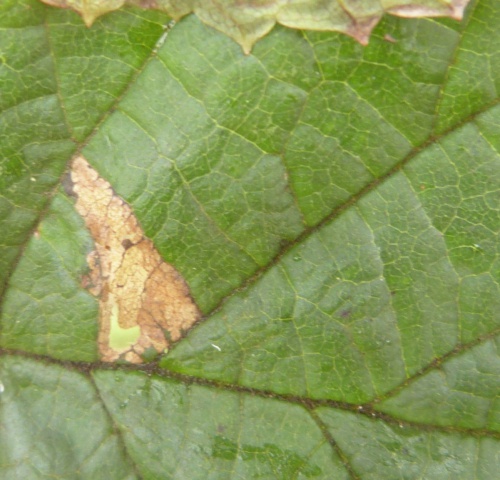 Graham Calow
High Cross, High Cross Road
05 October 2020
triangular mine and leaf fold on Hazel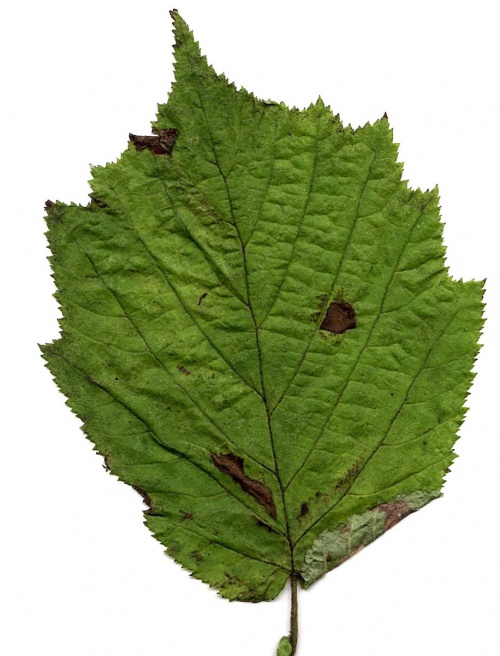 Graham Calow
Sapcote
04 October 2017
leafmine on Hazel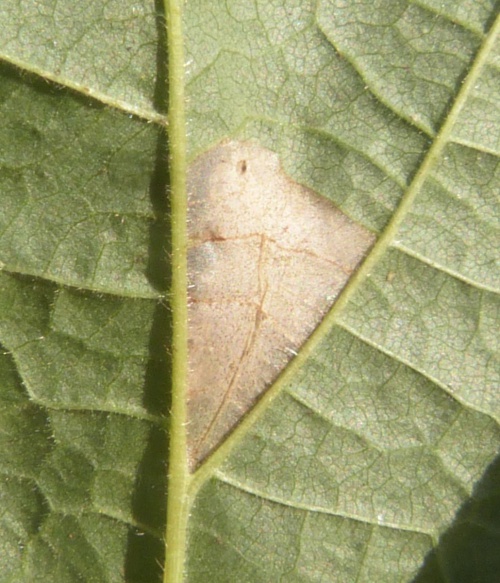 Graham Calow
Harecroft Crescent, Sapcote
13 August 2018
leafmine on Hazel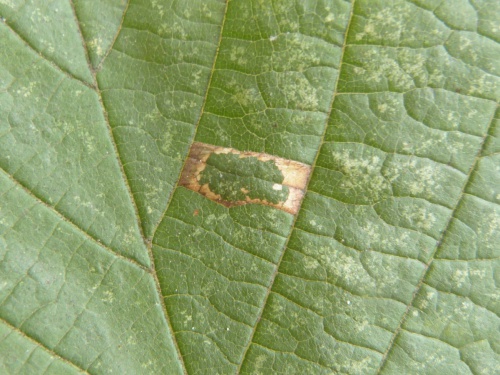 Graham Calow
Sapcote, B4114 Coventry Road
28 September 2020
leafmine on Hazel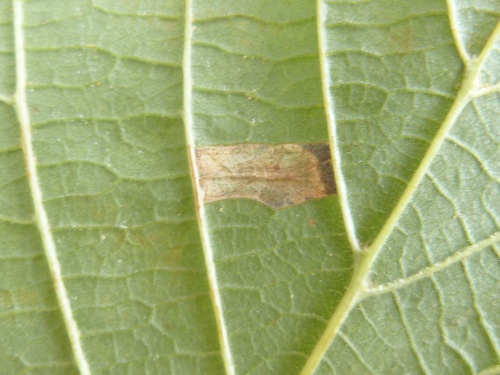 Graham Calow
Sapcote, B4114 Coventry Road
28 September 2020
leafmine on Hazel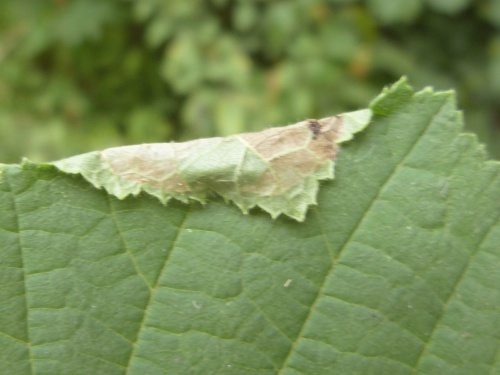 Graham Calow
Burbage, Smithy Lane
04 September 2020
leafmine on Hazel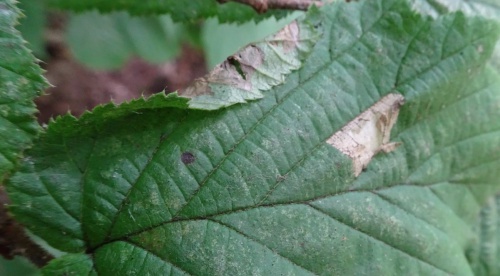 Hazel Graves
Leicester, path beside River Soar, East of Red Hill Circle
27 August 2023