Otter - Lutra lutra
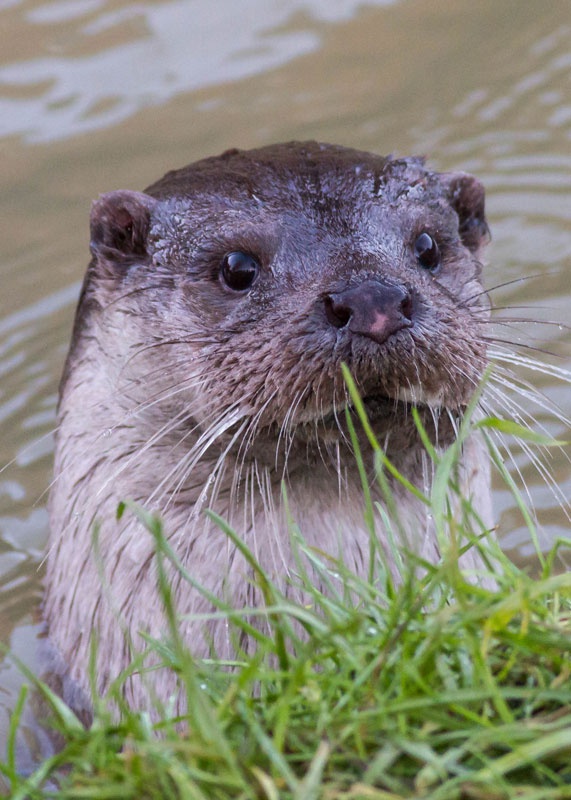
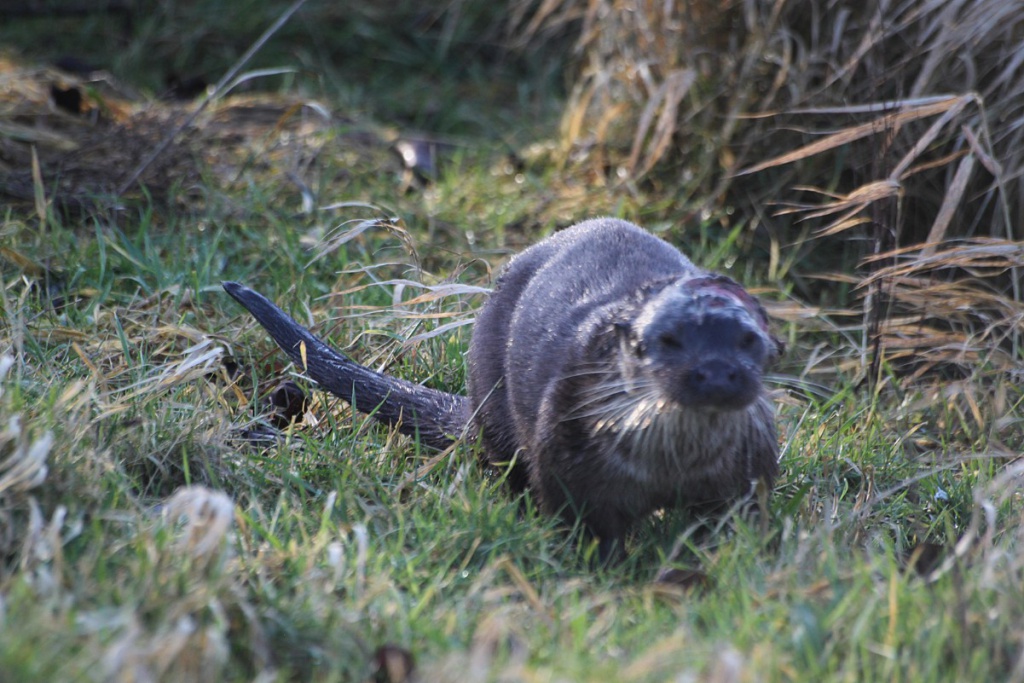
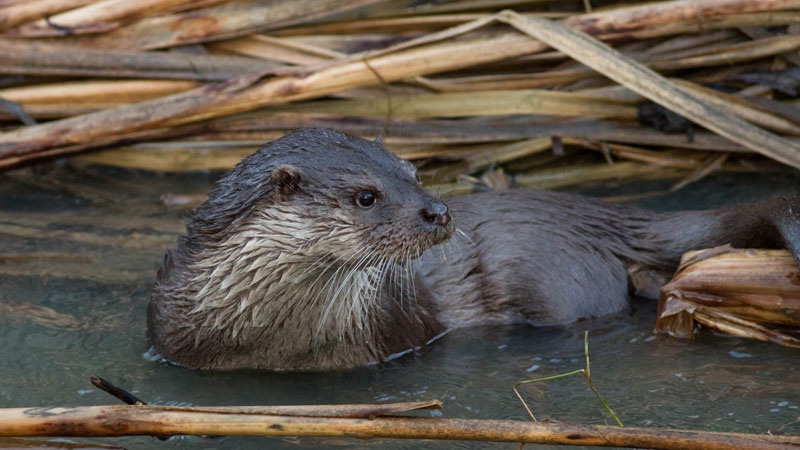
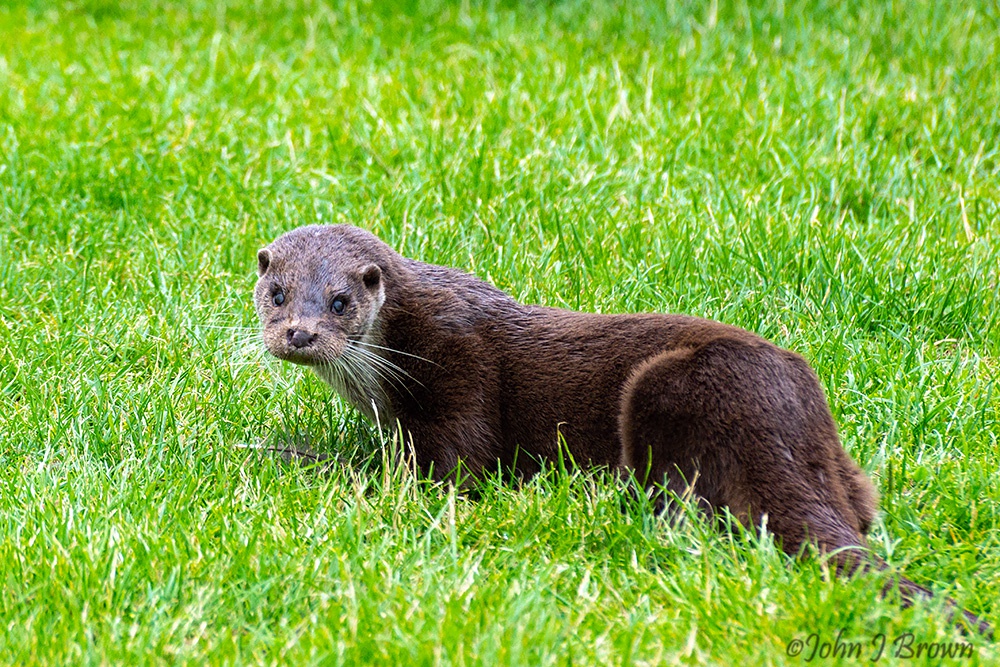
The elusive Common Otter has sleek brown fur, which is often paler on the underside, and a long lithe body with a thick tail and short legs. Adaptations for an aquatic lifestyle include webbed feet, the ability to close its small ears and its nose when under water, and very dense, short fur which traps a layer of air to insulate the animal.
See Mammal Society Page here
Otters are larger than Mink and have a black nose compared to the Mink's pink nose.
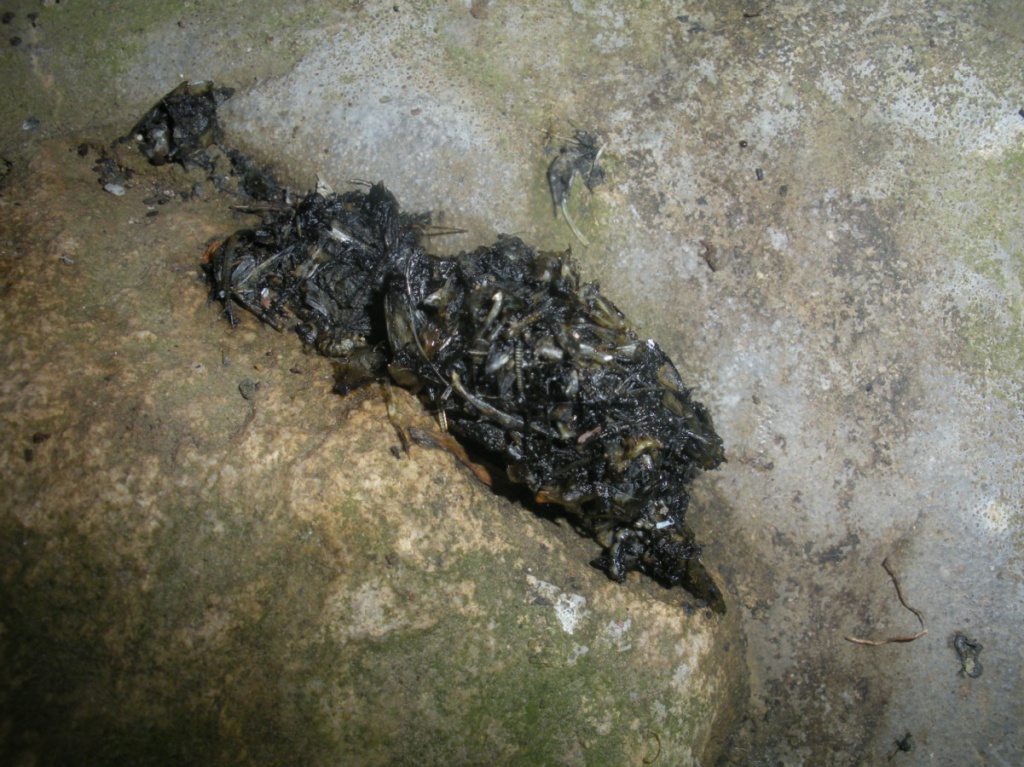
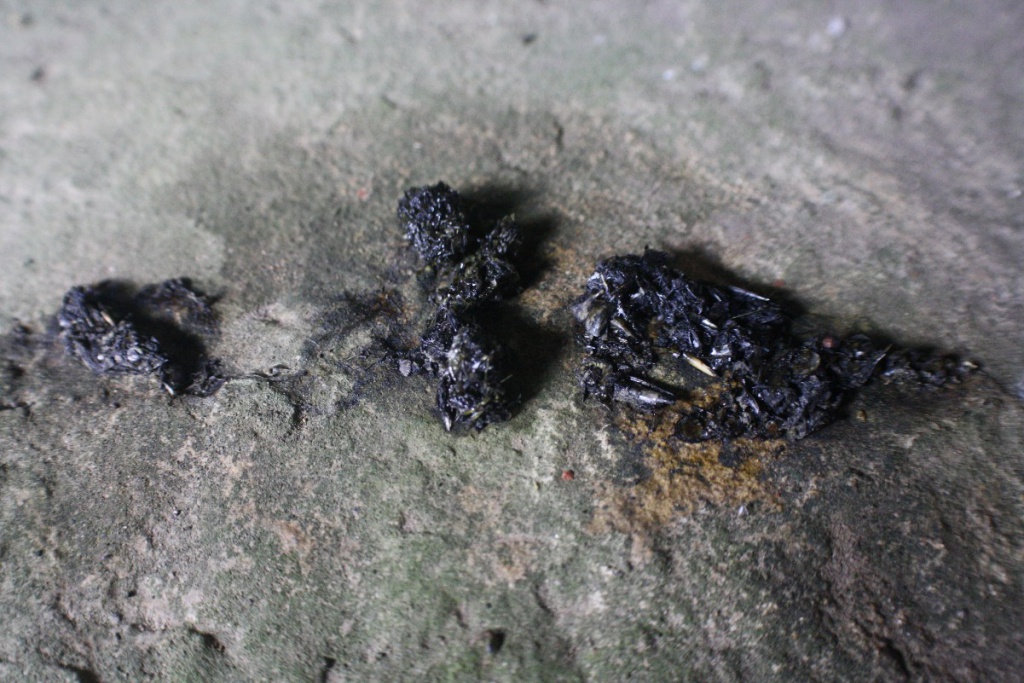
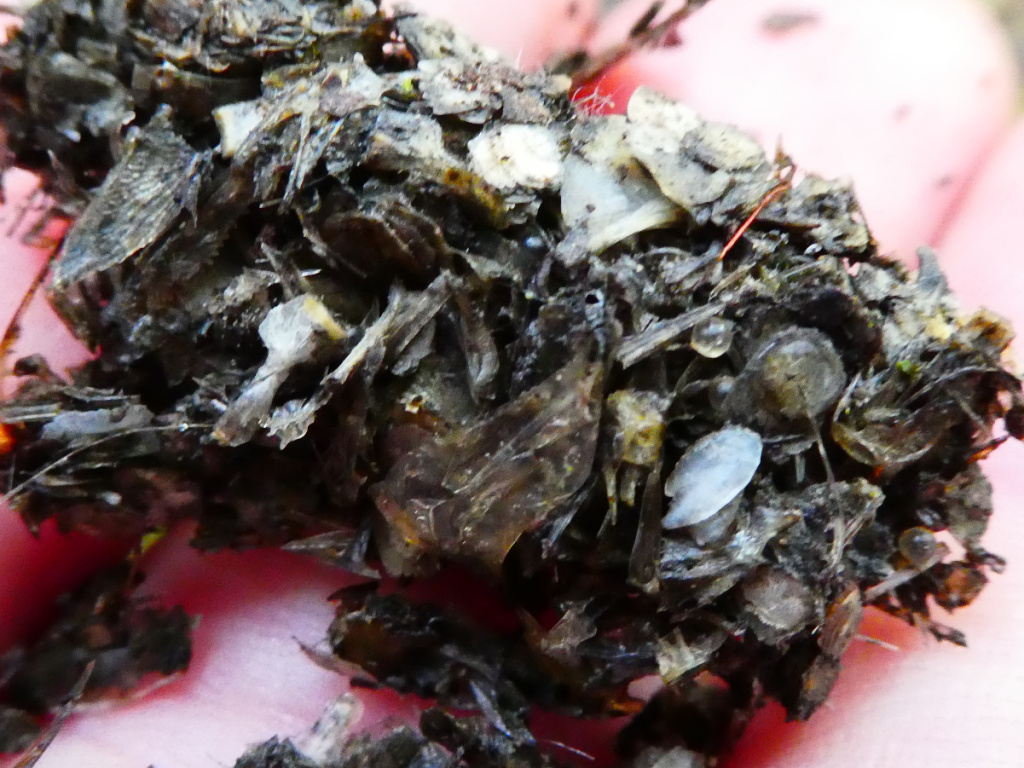
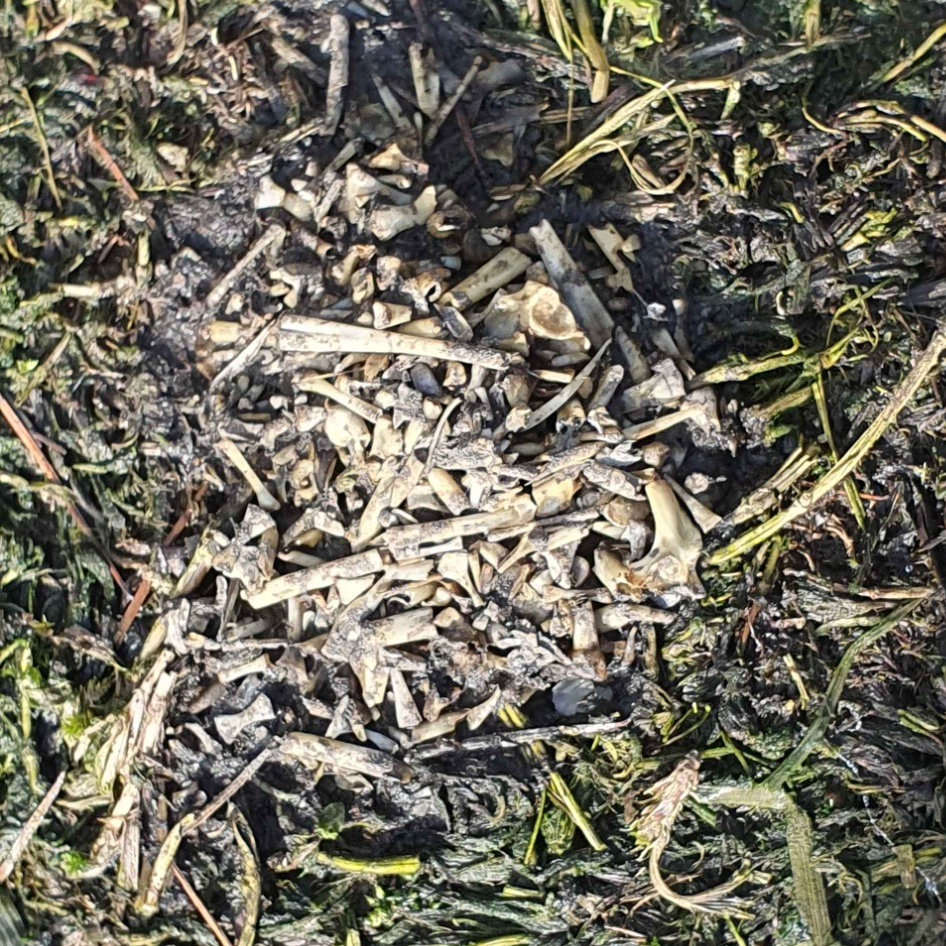
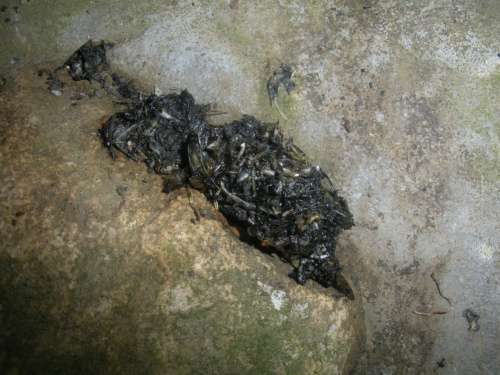
Adult  Spraint
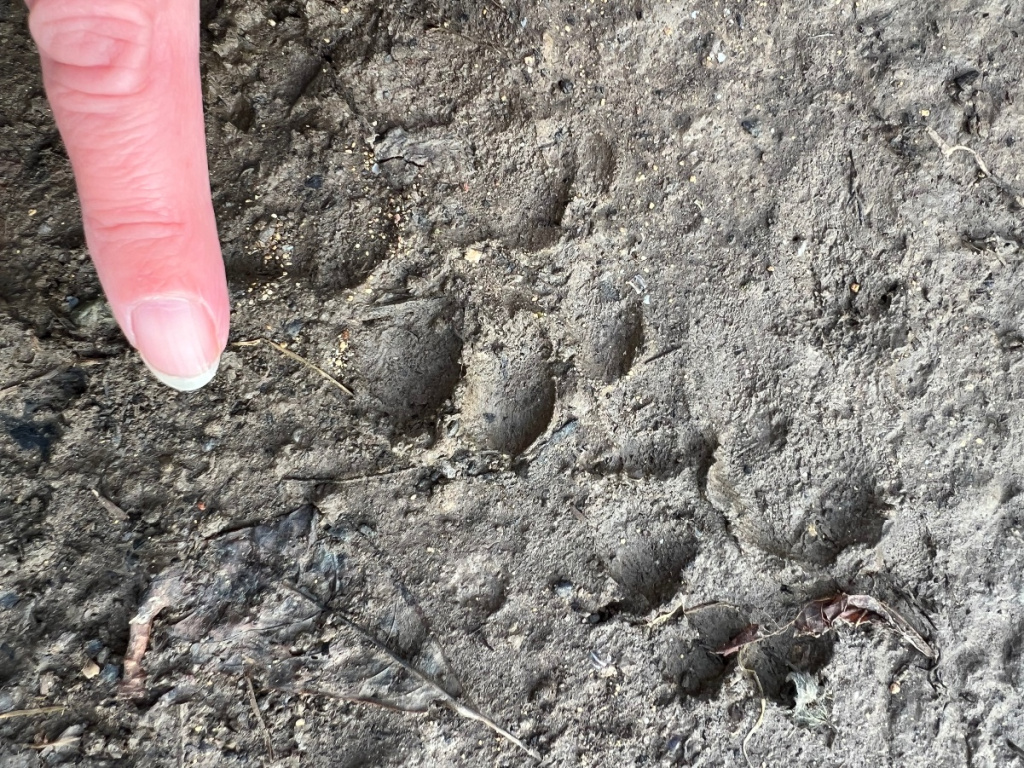
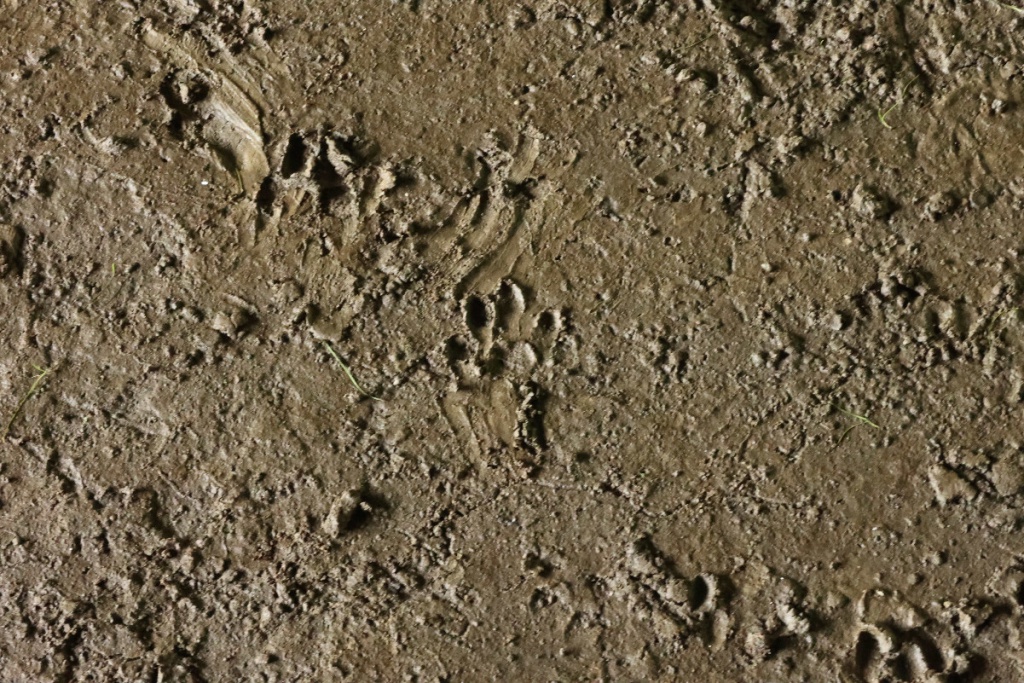
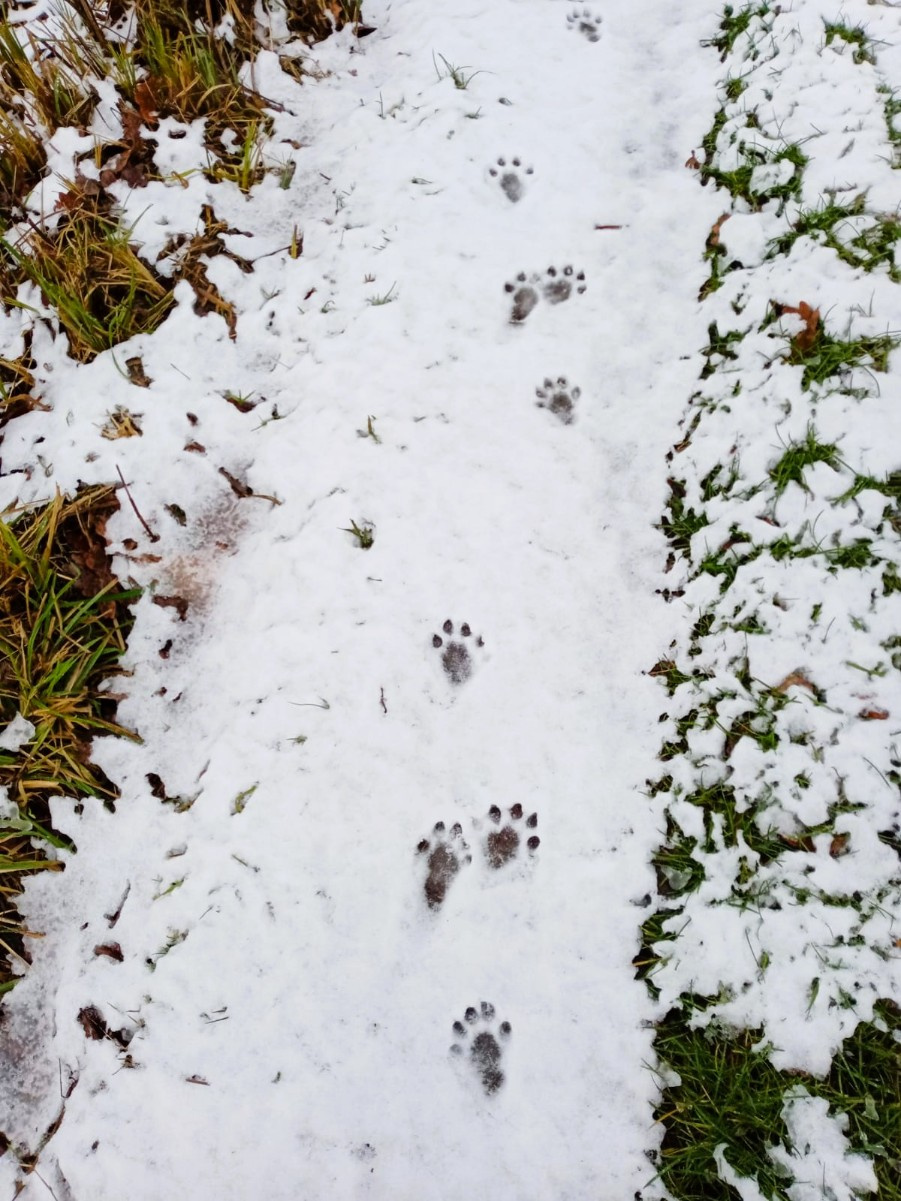
  Paw Prints
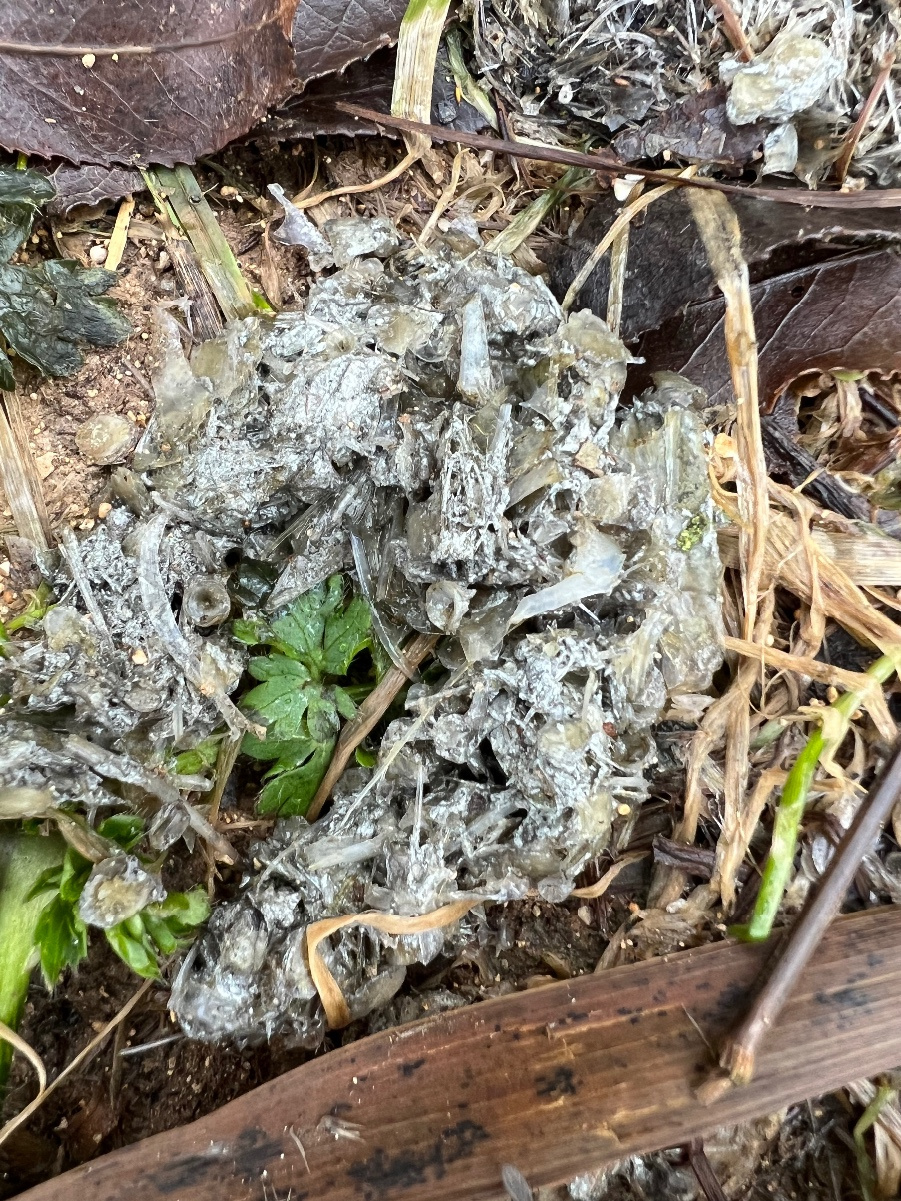
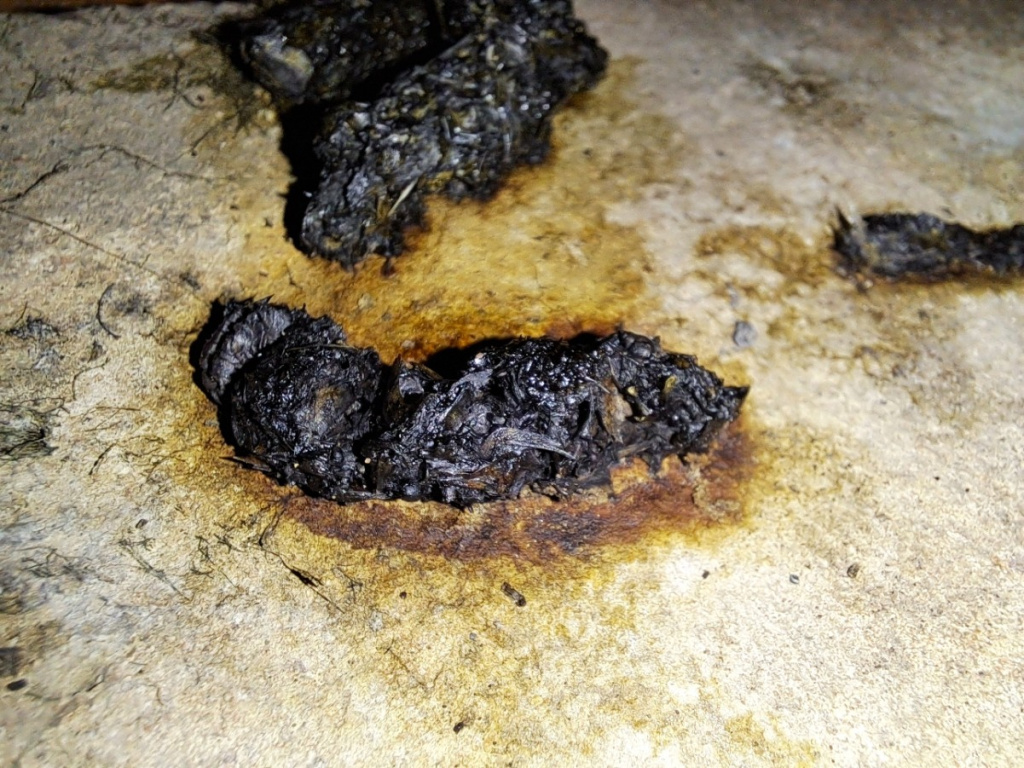
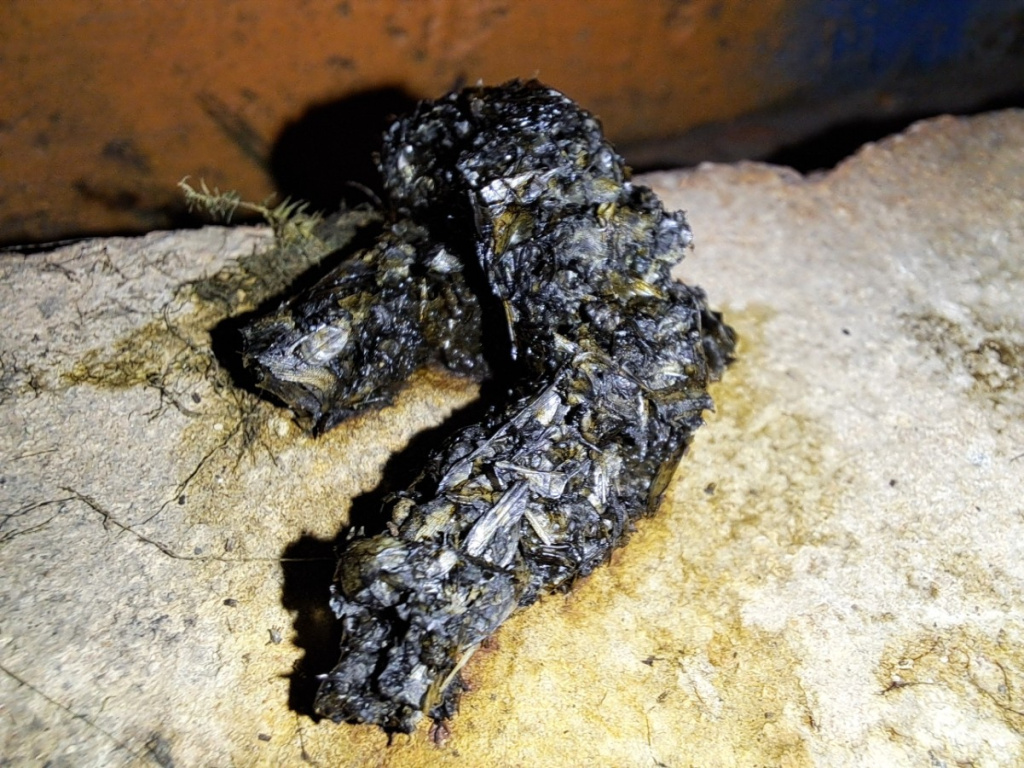
- Spraint: When fresh should be dark/black and tarry with noticeable fish scales and bones. Smells pleasant (freshly mown grass or jasmine tea)
- Paw Prints: 5 toes (but usually only four visible), tear-dropped shaped toes with a large pad and usually found next to water
A good clear photo of any field signs with an object (preferably ruler or similar) showing scale
Found by most watercourses - rivers, lakes, canals and will use small streams and ditches to move across landscape. Found in coastal areas - especially Scotland.
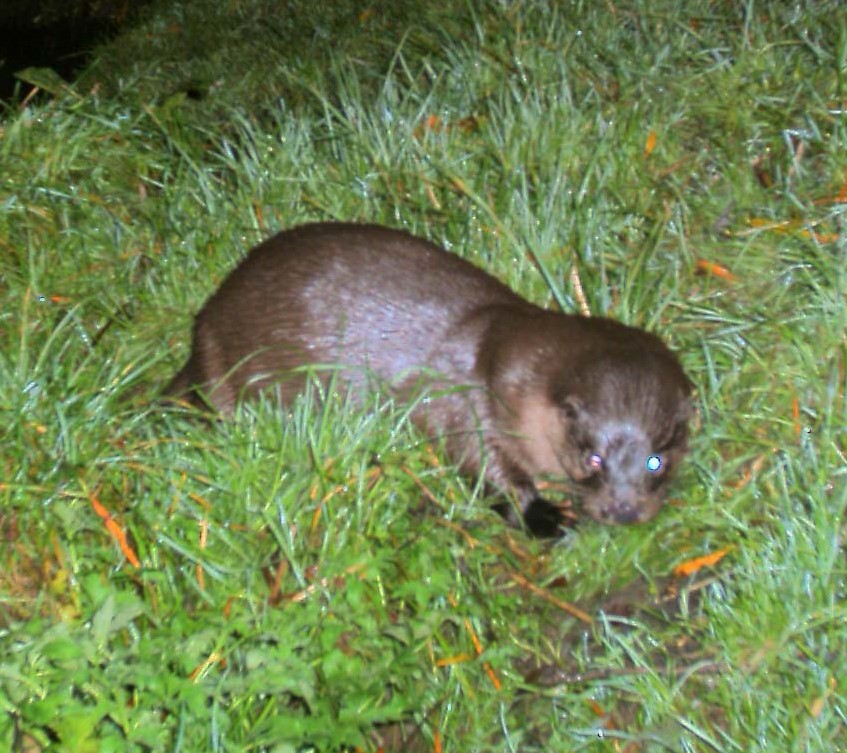
All year round. Mainly nocturnal but increasingly sightings seen during the day as become more abundant
Breeding can occur throughout the year; two or three cubs are usually born in a den known as a holt, and 10 weeks later the cubs emerge above ground with their mother. Otter mothers care for their offspring for about a year; it may take the cubs up to 18 months to learn to fish and the mother helps this learning process by releasing live fish for the cubs to re-catch. Adults can live for to up to four years in the wild but many die in the second year.
Uncommon, but widespread, nationally.
Now fairly common in Leicestershire and Rutland. A population re-established in surrounding counties during the 1990s; some animals. A reintroduction took place at Rutland Water ~ 2011 and Otters have now spread to most watercourses and reservoirs in the two counties.
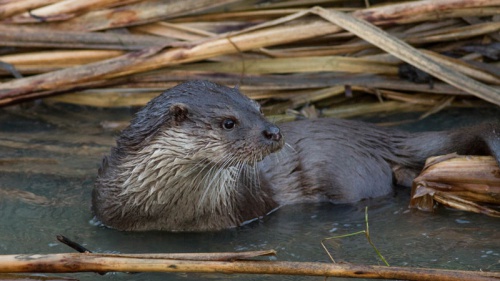 Rod Baker
Market Harborough
14 January 2014
Adult Otter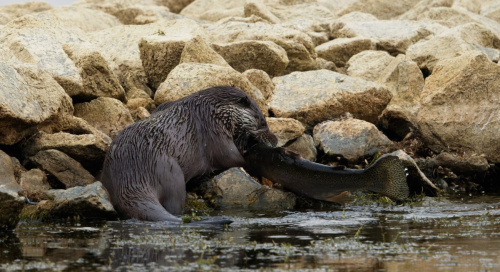 marianmarkham@btinternet.com
Rutland Water Nature Reserve Egleton
13 July 2025
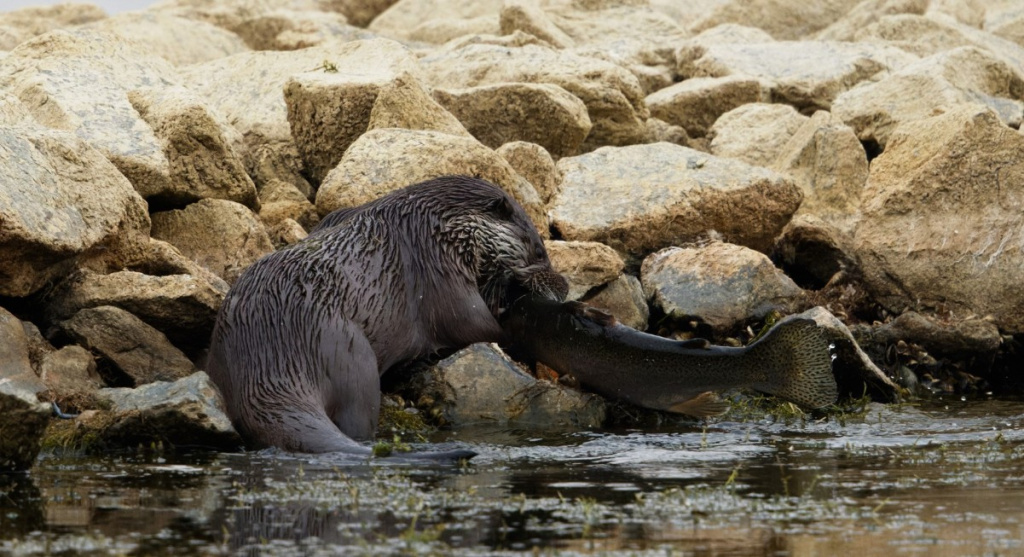
Adult Otter hunting prey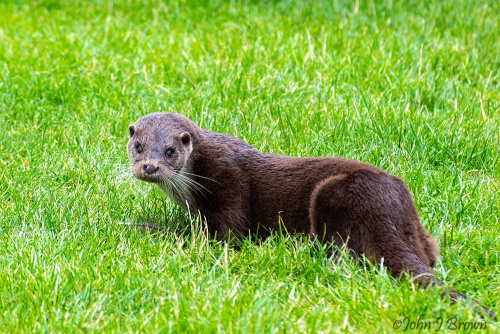 John Brown
Watermead Park North
04 August 2020
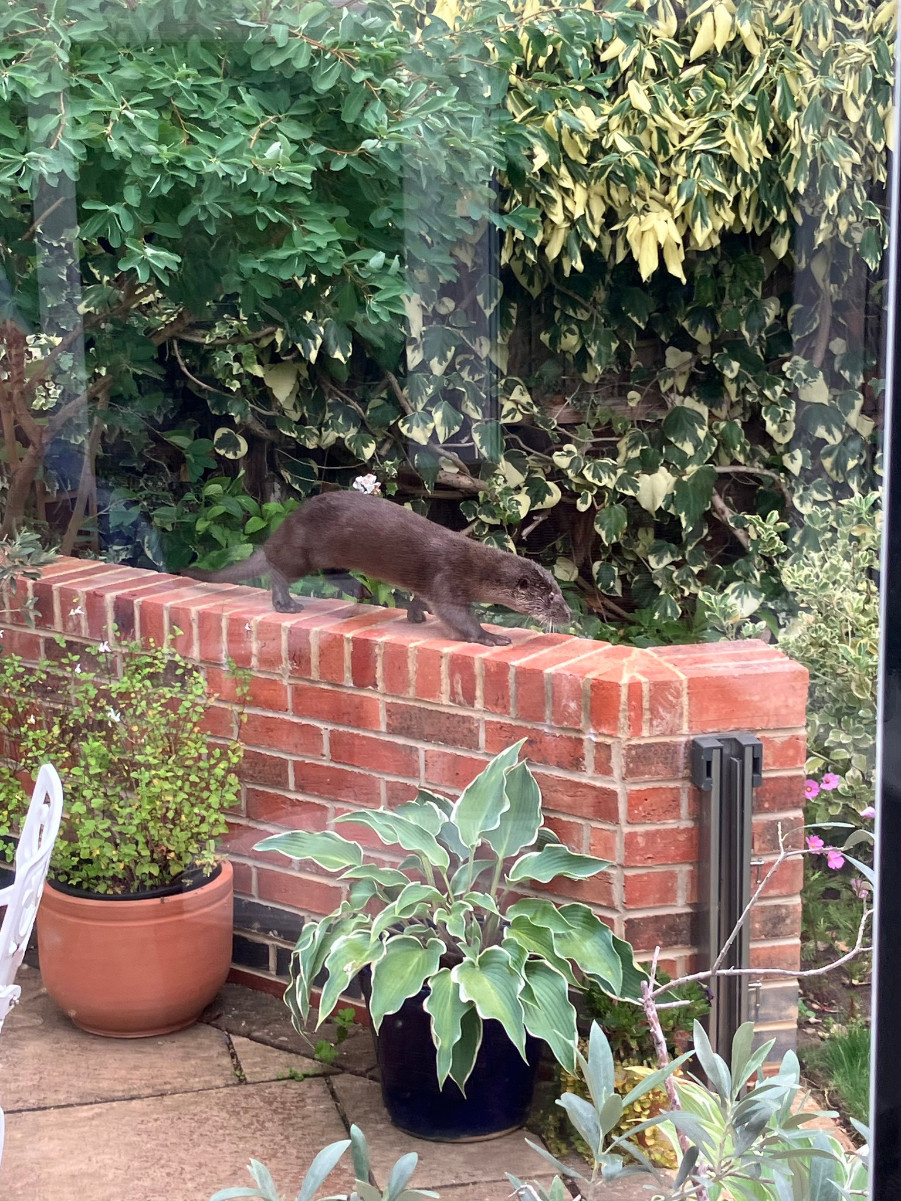
Adult Otter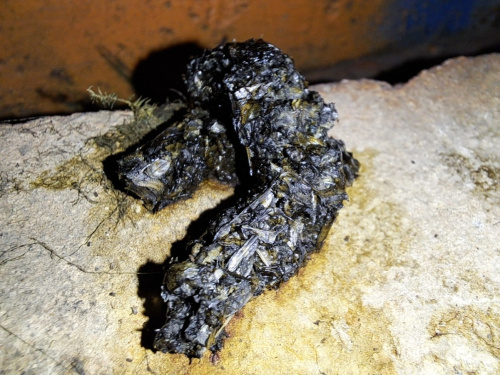 Rob Sayer
Leicester, Dawson Way
26 July 2024
Otter spraint - fresh (faeces)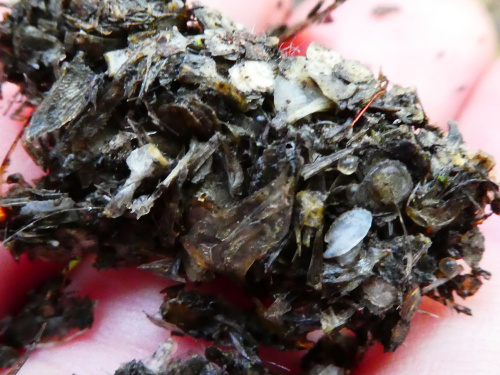 Melinda Bell
Holly Hayes Wood,Whitwick
13 October 2025
Otter spraint (faeces)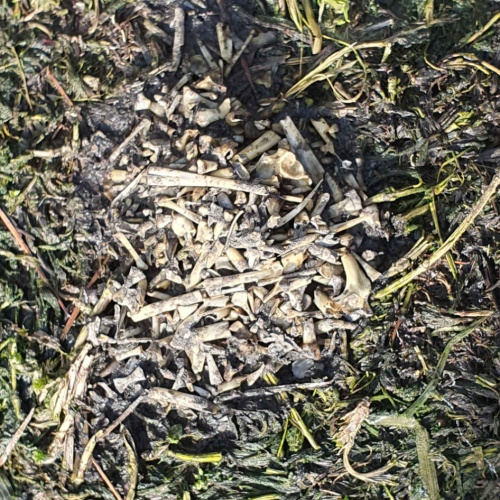 Helen O'Brien
Leicestershire Charnwood Lodge
14 February 2026
Otter spraint (faeces) old and grey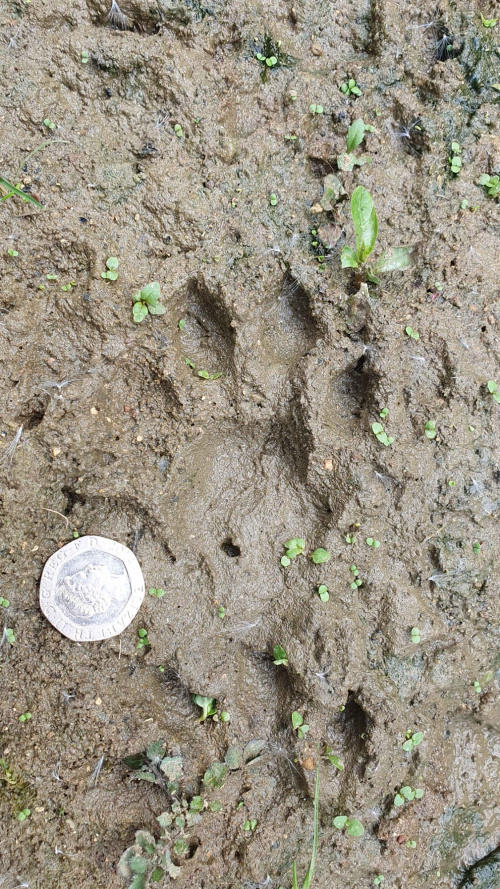 Helen O'Brien
Scalford Brook, Scalford
29 August 2024
Otter paw print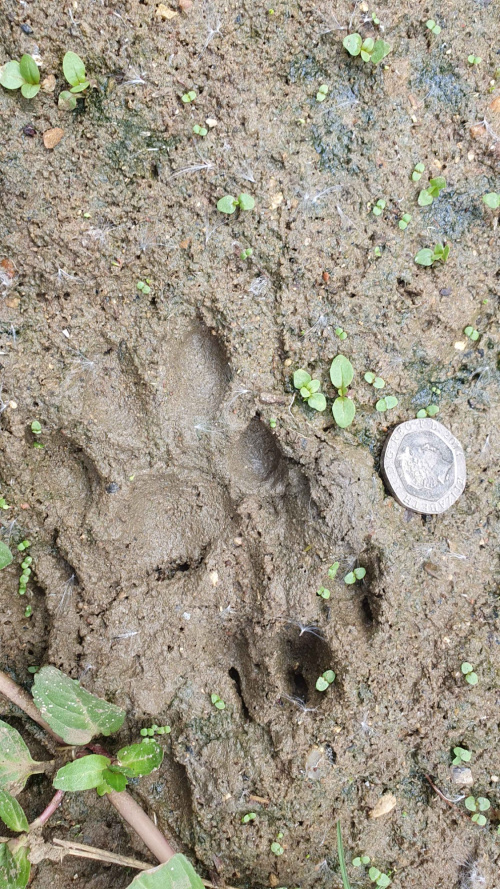 Helen O'Brien
Scalford Brook, Scalford
29 August 2024
Otter paw print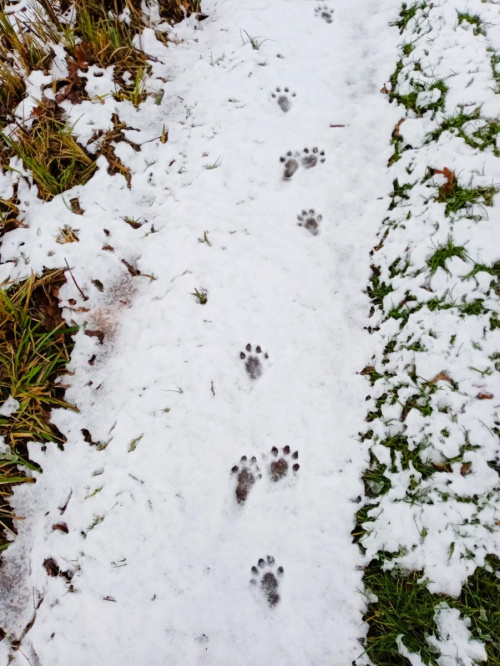 Meadoward
Newton Harcourt
09 January 2026
Otter prints in snow


Leicestershire & Rutland Map
Enter a town or village to see local records
MAP KEY:
Yellow squares = NBN records (all known data)
Coloured circles = NatureSpot records: 2025+ | 2020-2024 | pre-2020
UK Map
Species profile
- Common names
- European Otter, Otter, Eurasian Otter
- Species group:
- terrestrial mammal
- Kingdom:
- Animalia
- Order:
- Carnivora
- Family:
- Mustelidae
- Records on NatureSpot:
- 260
- First record:
- 05/09/2002 (Unknown)
- Last record:
- 06/06/2026 (Bray, Ross)
Total records by month
% of records within its species group
10km squares with records
The latest images and records displayed below include those awaiting verification checks so we cannot guarantee that every identification is correct. Once accepted, the record displays a green tick.
In the Latest Records section, click on the header to sort A-Z, and again to sort Z-A. Use the header boxes to filter the list.
Latest images
Latest records
 Craig Mabbett
Broughton Astley brook
08 May 2014
Otter spraint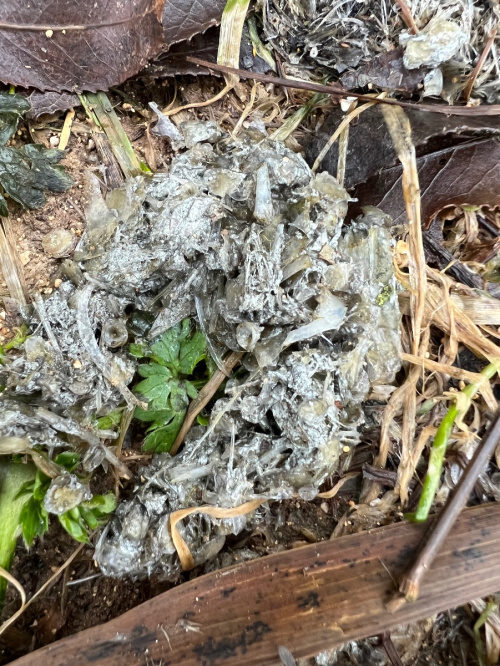 marianmarkham@btinternet.com
Rutland Water Nature Reserve Egleton
18 January 2026
Otter faeces (old - grey/white with fish bones)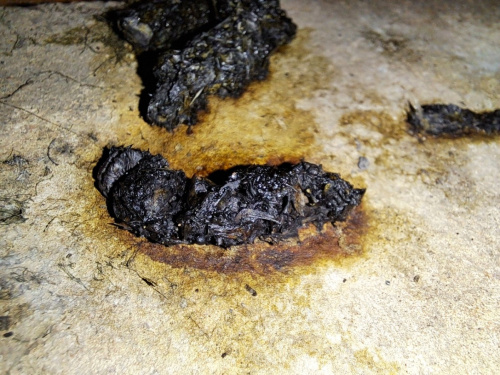 Rob Sayer
Leicester, Dawson Way
26 July 2024
Otter spraint (faeces) with anal gel staining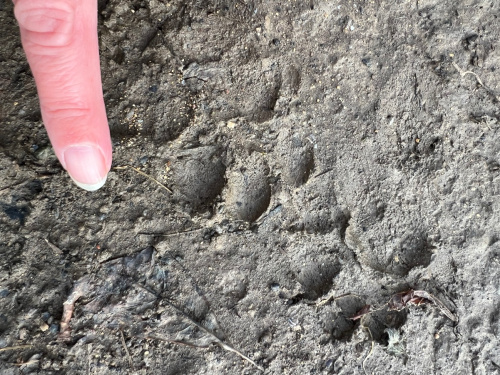 marianmarkham@btinternet.com
Rutland Water Nature Reserve Egleton
21 December 2024
Otter paw print (fore and hind)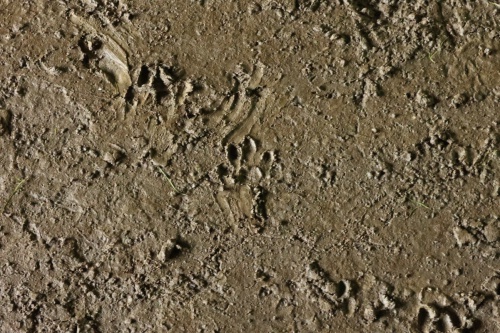 Don
Don
River Welland Market Harborough
08 August 2023
Otter paw print (left fore)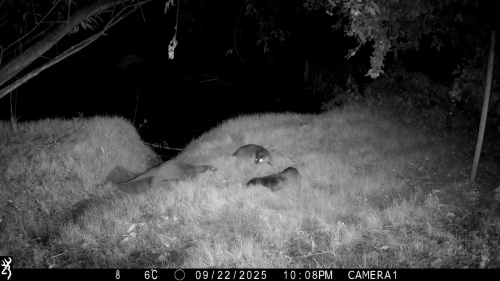 Don
Don
River Welland Market Harborough
22 September 2025
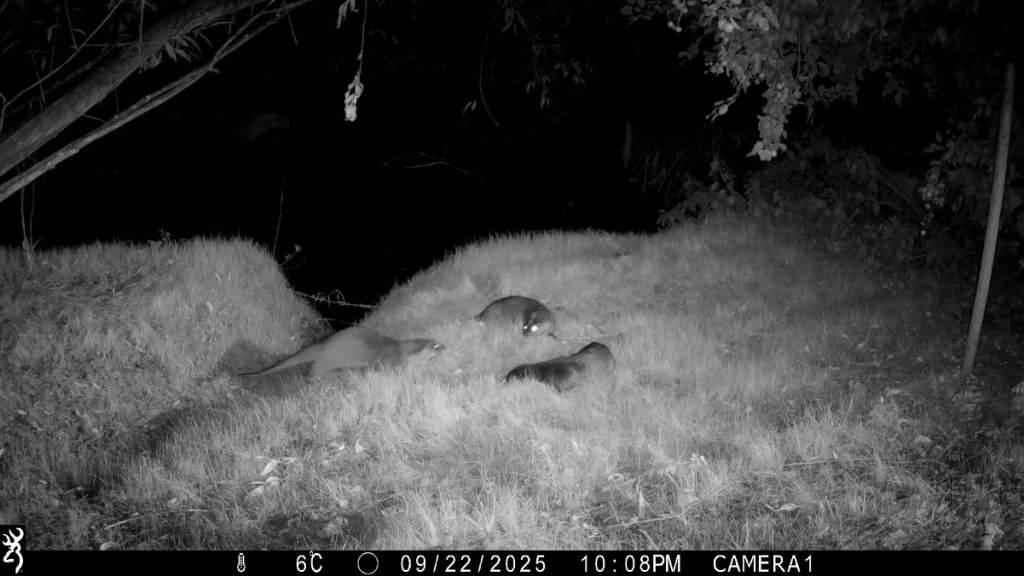
Adult Otter and 2 juvenile cubs nearing independence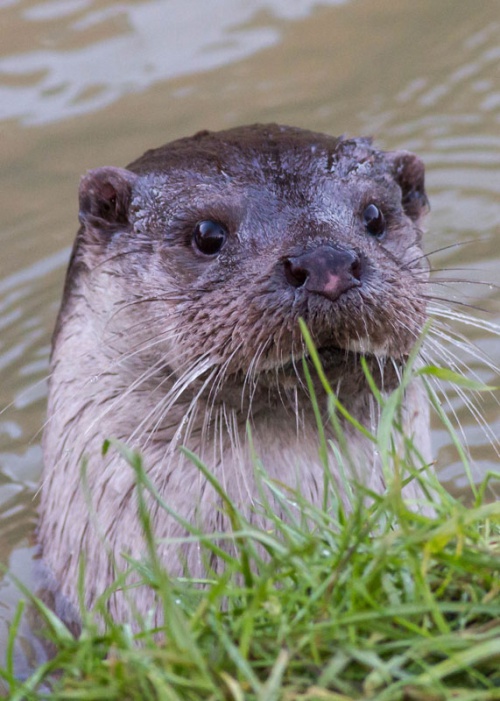 Rod Baker
Market Harborough
14 January 2014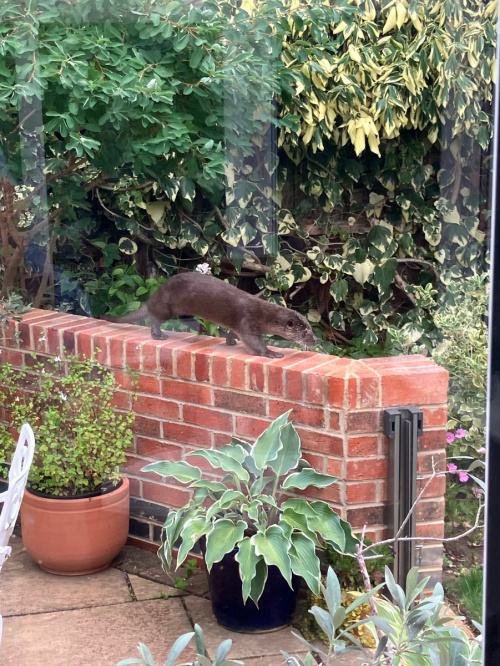 Ritchie_56
Kibworth Beauchamp
04 August 2025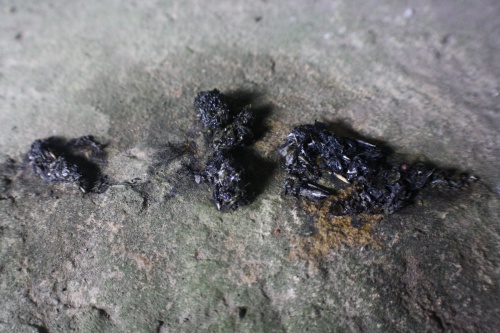 Craig Mabbett
Broughton astley brook
21 September 2014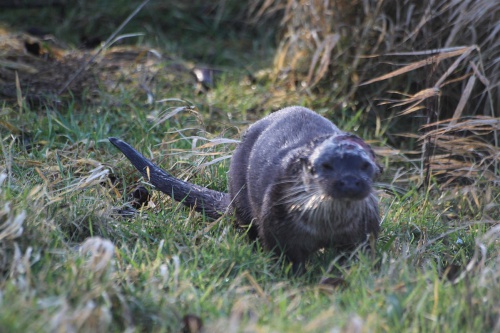 Paul Ruddoch
Melton Country Park
09 January 2014
Adult Otter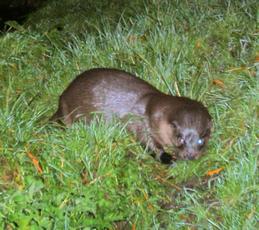 Barry Ingram
Leicester
25 November 2008