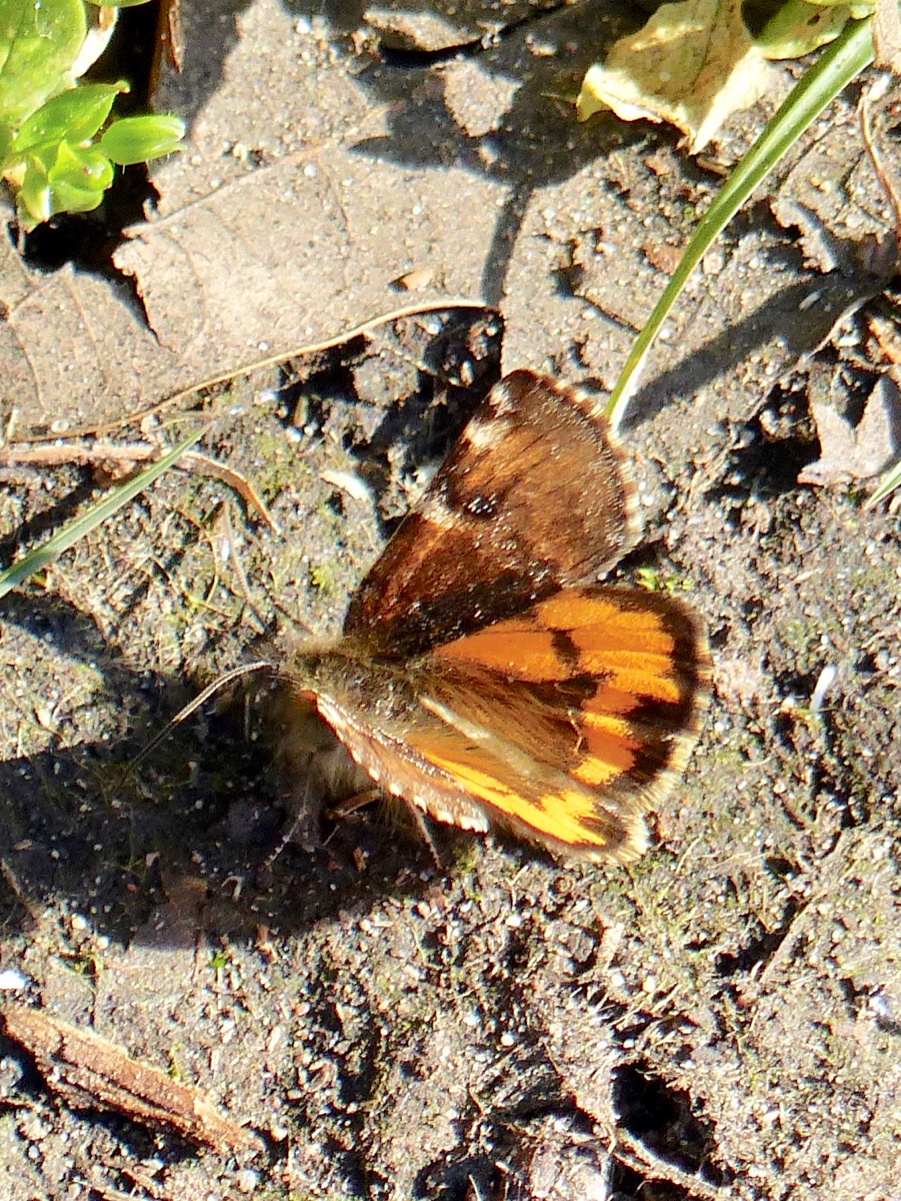
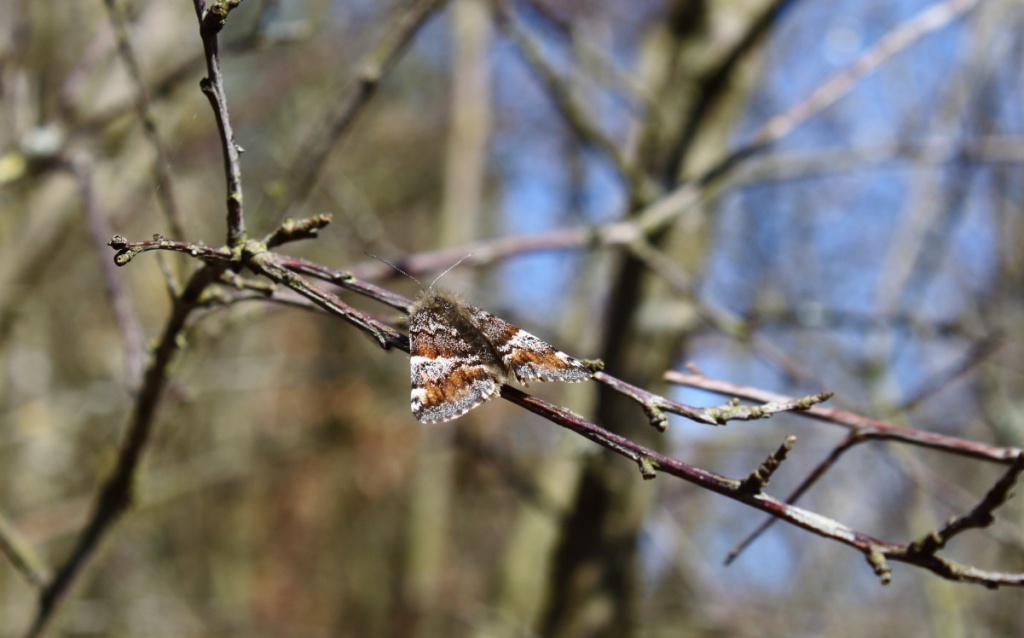
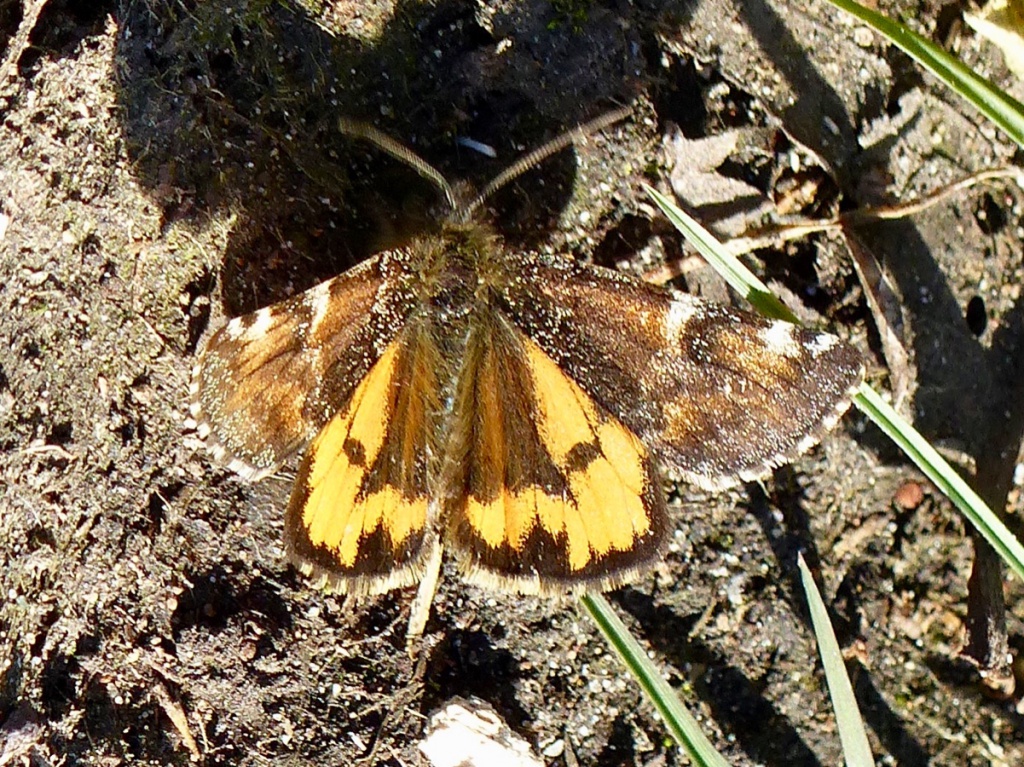
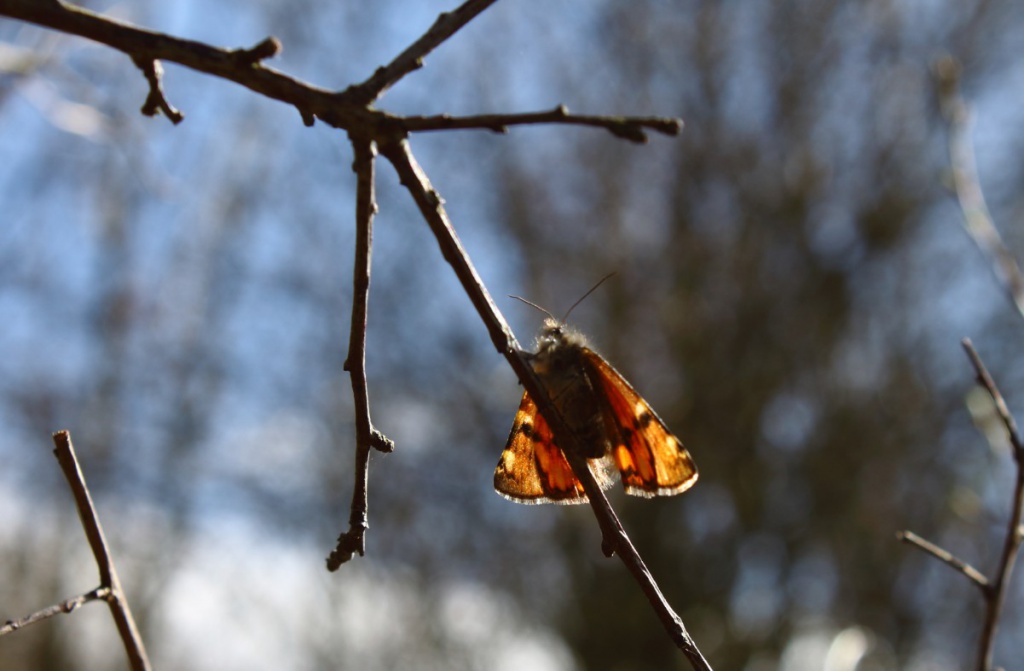
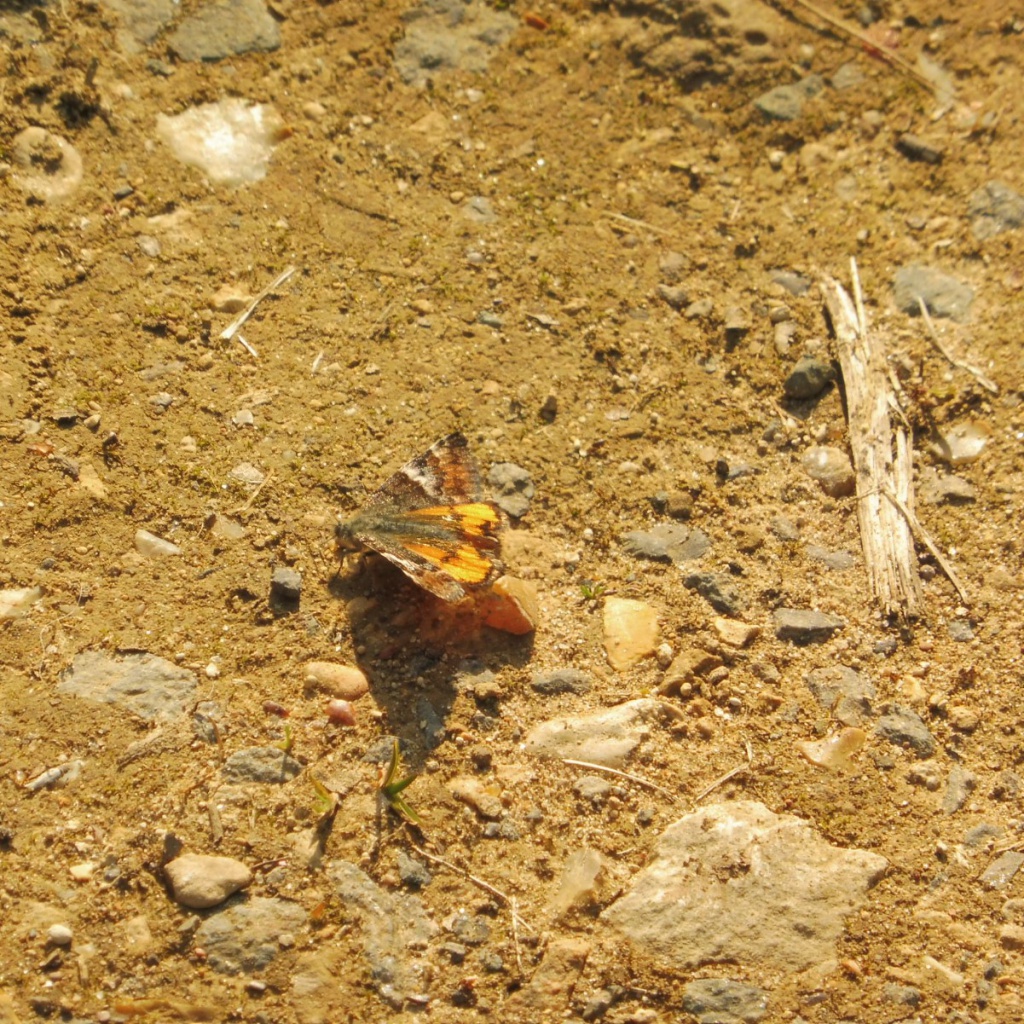
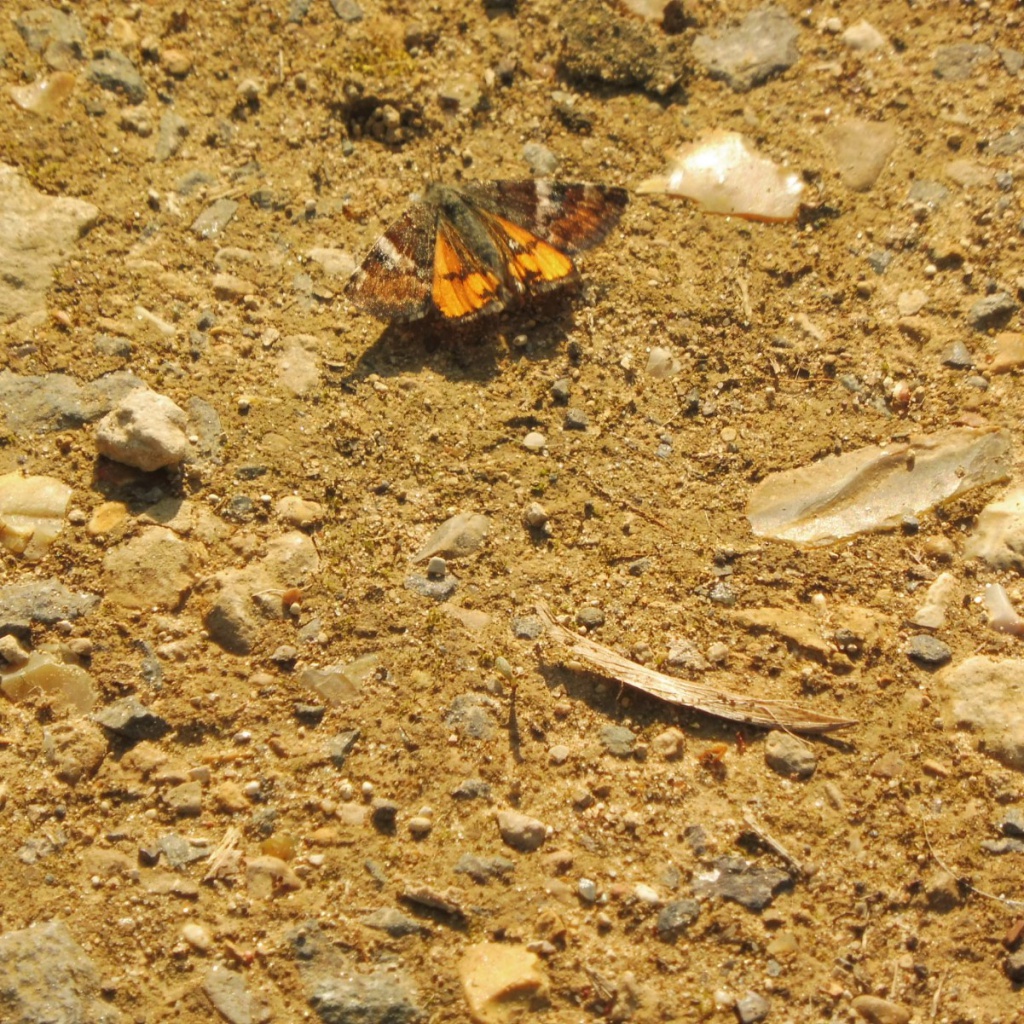
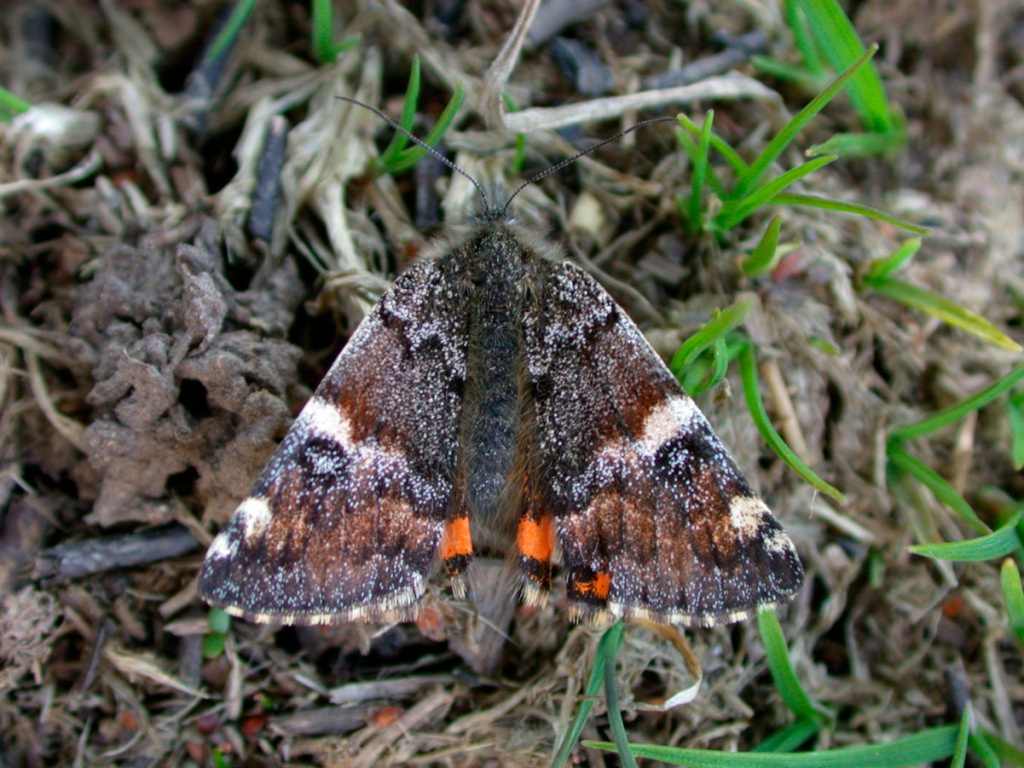
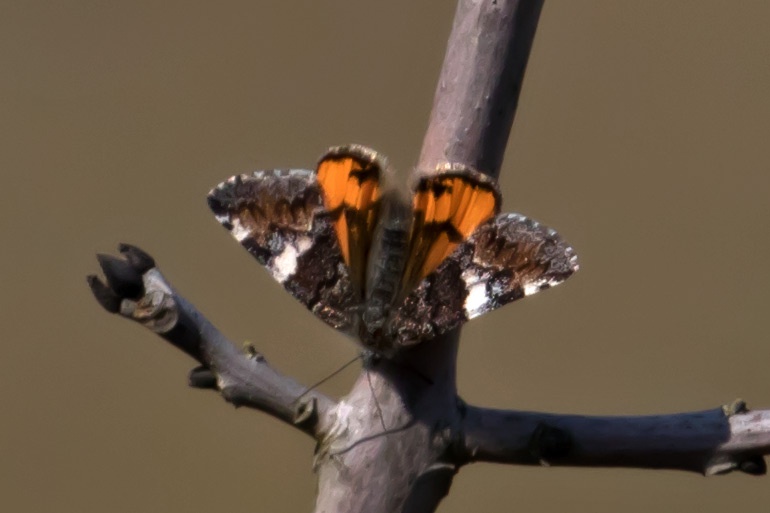
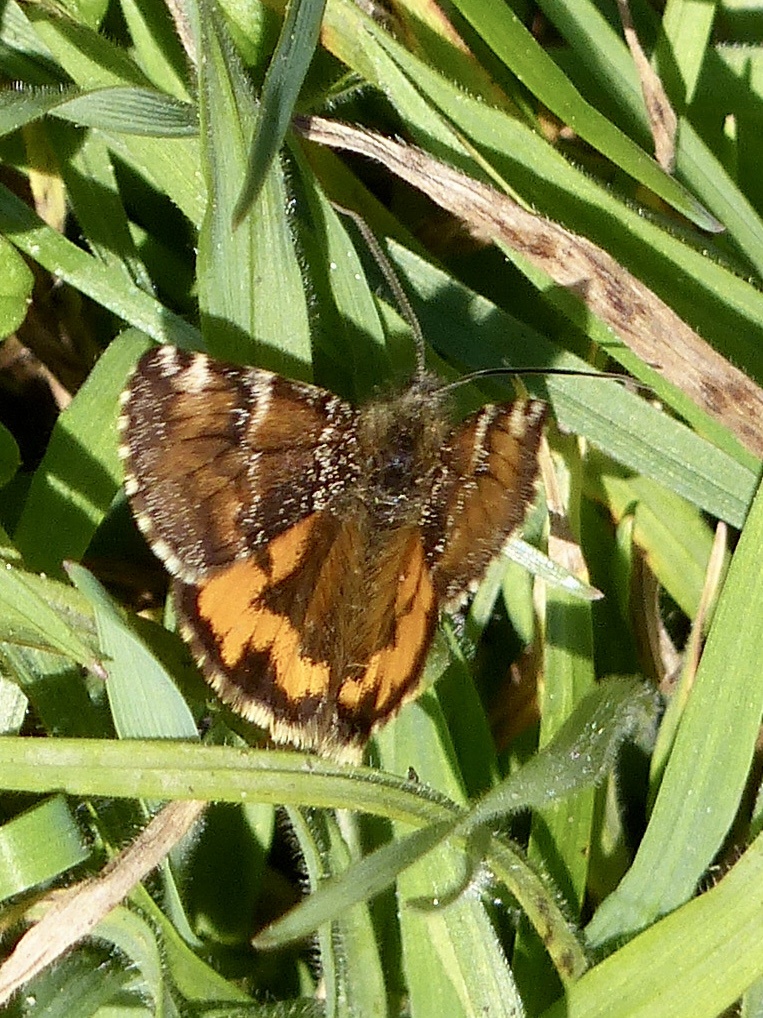
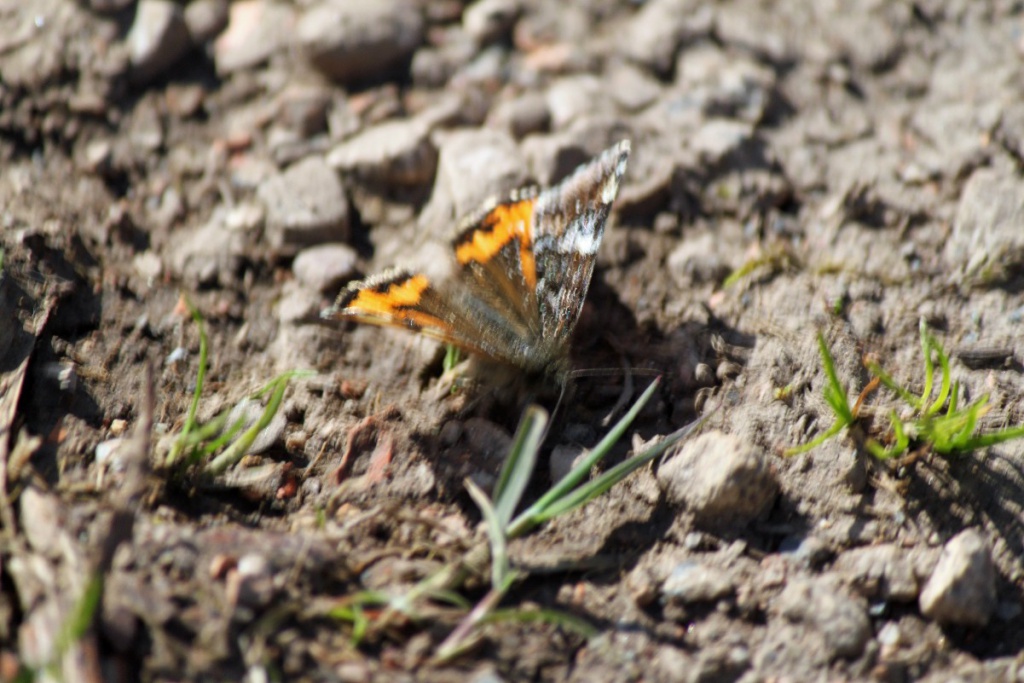
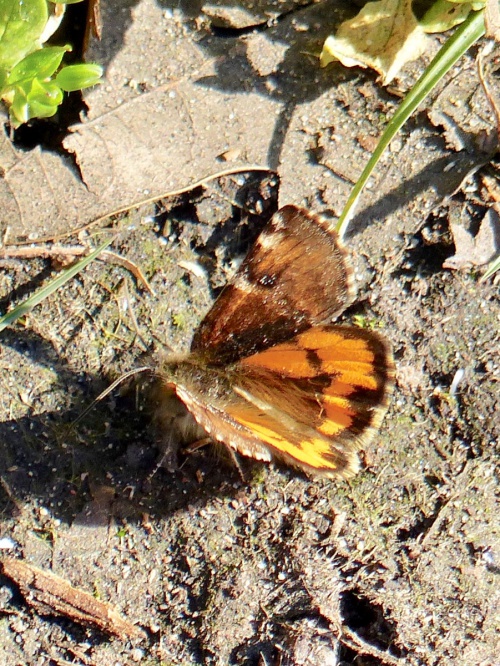
Orange Underwing - Archiearis parthenias
Wingspan 30 to 40 mm.
Light Orange Underwing (Boudinotiana notha)

Specimens need to be netted and examined closely including the hindwing – especially if taken where both Aspen and Birch are present. If the moth has bipectinate (feathery) antennae it will be a male Light Orange Underwing. If not, it could be either species and the wing markings will need to be carefully checked and either photographed or retained for closer examination.
It inhabits birch woods.
This is a day-flying moth, unusually being on the wing in the early part of the year between March and April, preferring to fly in sunshine.
The greenish caterpillar feeds firstly on the catkins, and then on the leaves of birch.
Locally distributed in England, Wales and parts of Scotland. In a recent survey to determine the status of all macro moths in Britain this species was classified as local.
Fairly frequent but not common in Leicestershire and Rutland. L&R Moth Group status = B (scarce resident or restricted distribution or regular migrant).
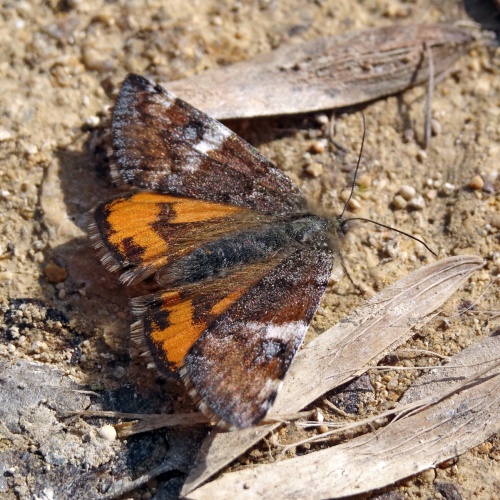 AJ Cann
Pickworth Great Wood
30 March 2019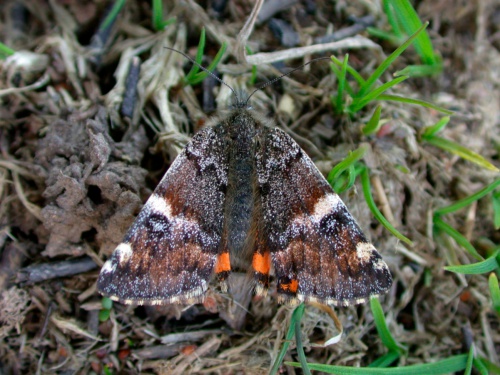 Andy Mackay
Charnwood Lodge
27 March 2003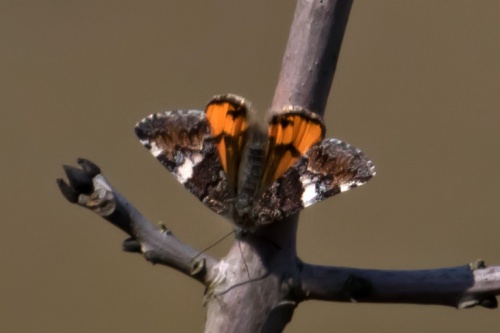 tony clarke
ketton quarry
29 March 2019
Orange Underwing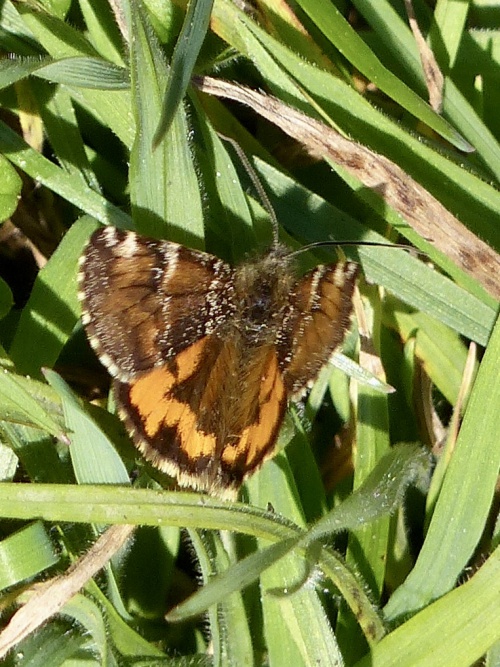 Ken Charity
Kinchley Lane.
26 February 2019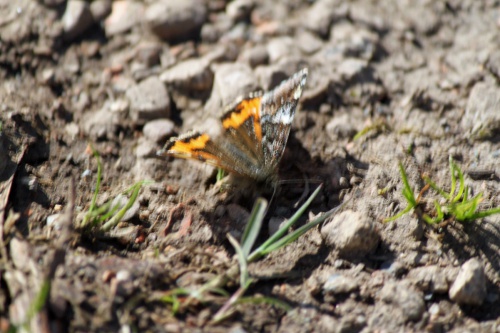 Richard Jeffery
New Lount Nature Reserve
03 April 2017

Leicestershire & Rutland Map
Enter a town or village to see local records
MAP KEY:
Yellow squares = NBN records (all known data)
Coloured circles = NatureSpot records: 2025+ | 2020-2024 | pre-2020
UK Map
Species profile
- Common names
- Orange Underwing
- Species group:
- insect - moth
- Kingdom:
- Animalia
- Order:
- Lepidoptera
- Family:
- Geometridae
- Records on NatureSpot:
- 17
- First record:
- 27/03/2003 (Andy Mackay)
- Last record:
- 09/04/2023 (Graves, Hazel)
Total records by month
% of records within its species group
10km squares with records
The latest images and records displayed below include those awaiting verification checks so we cannot guarantee that every identification is correct. Once accepted, the record displays a green tick.
In the Latest Records section, click on the header to sort A-Z, and again to sort Z-A. Use the header boxes to filter the list.
Latest images
Latest records
 Ken Charity
Kinchley Lane.
26 February 2019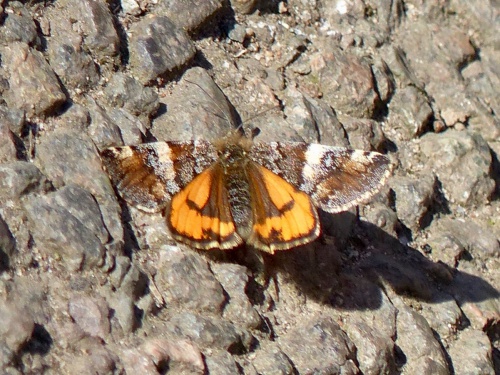 Ken Charity
Kinchley Lane.
26 February 2019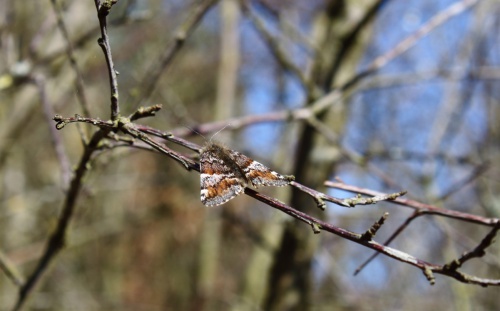 Richard Jeffery
Woodcote Wood South
25 March 2019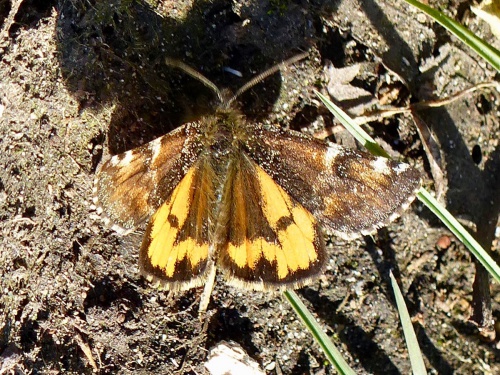 Ken Charity
Kinchley Lane.
26 February 2019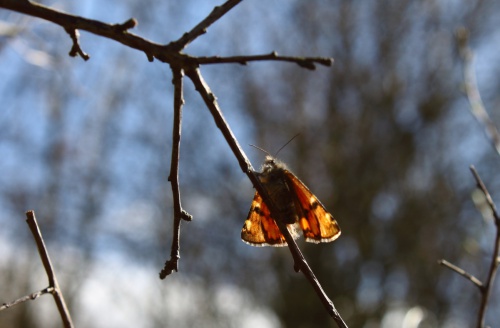 Richard Jeffery
Woodcote Wood South
25 March 2019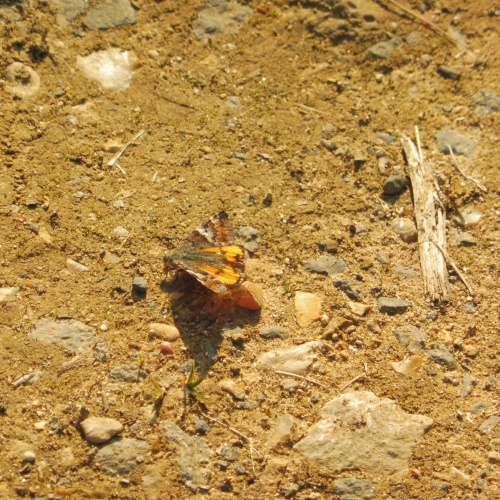 martindgrimes
Pickworth Wood
29 March 2019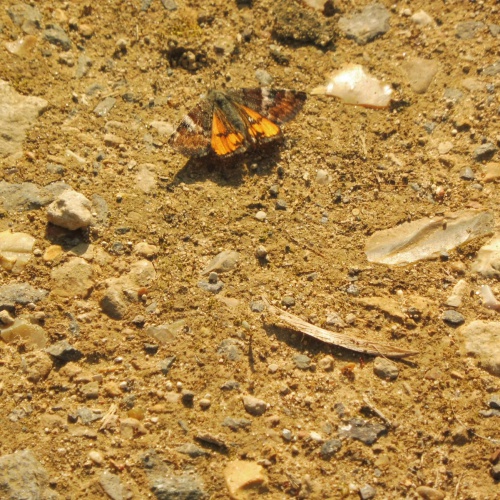 martindgrimes
Pickworth Wood
29 March 2019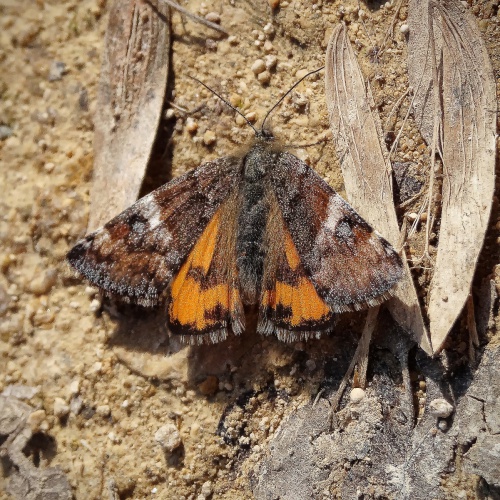 AJ Cann
Pickworth Great Wood
30 March 2019