Mink - Neovison vison
formerly Mustela vison
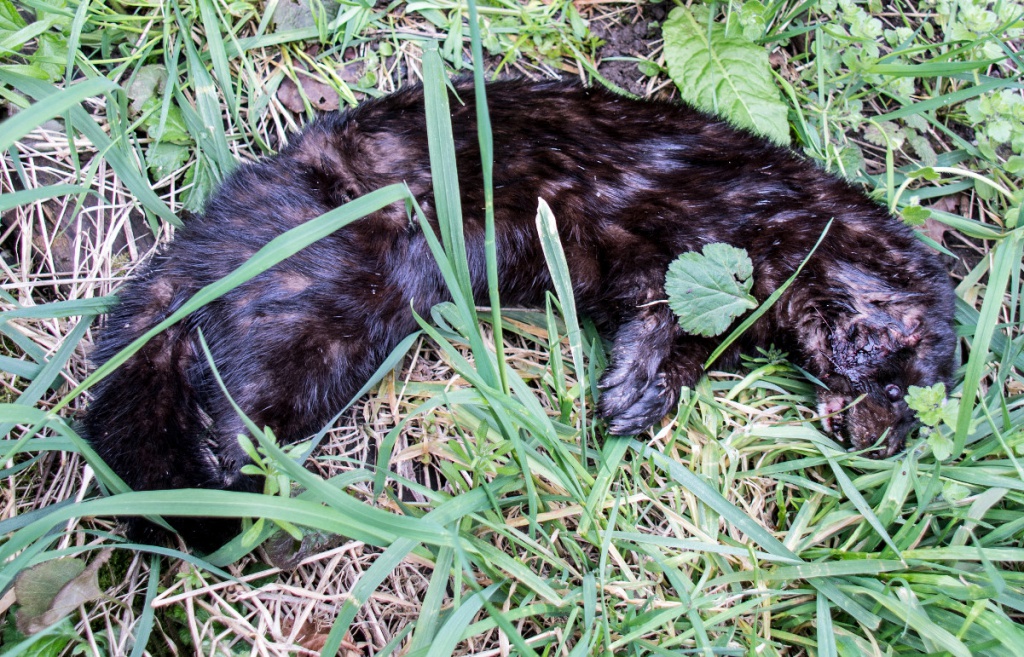
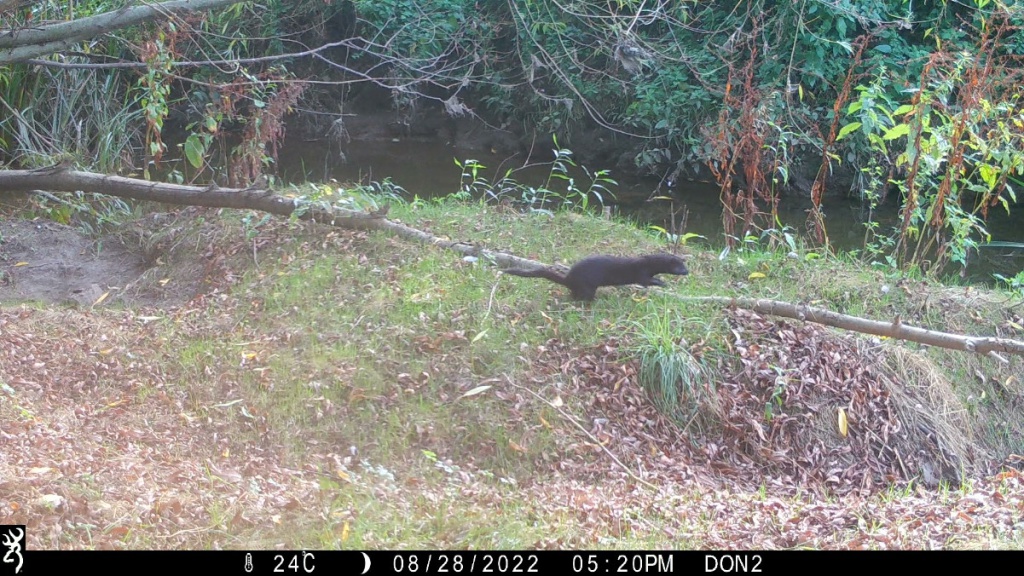
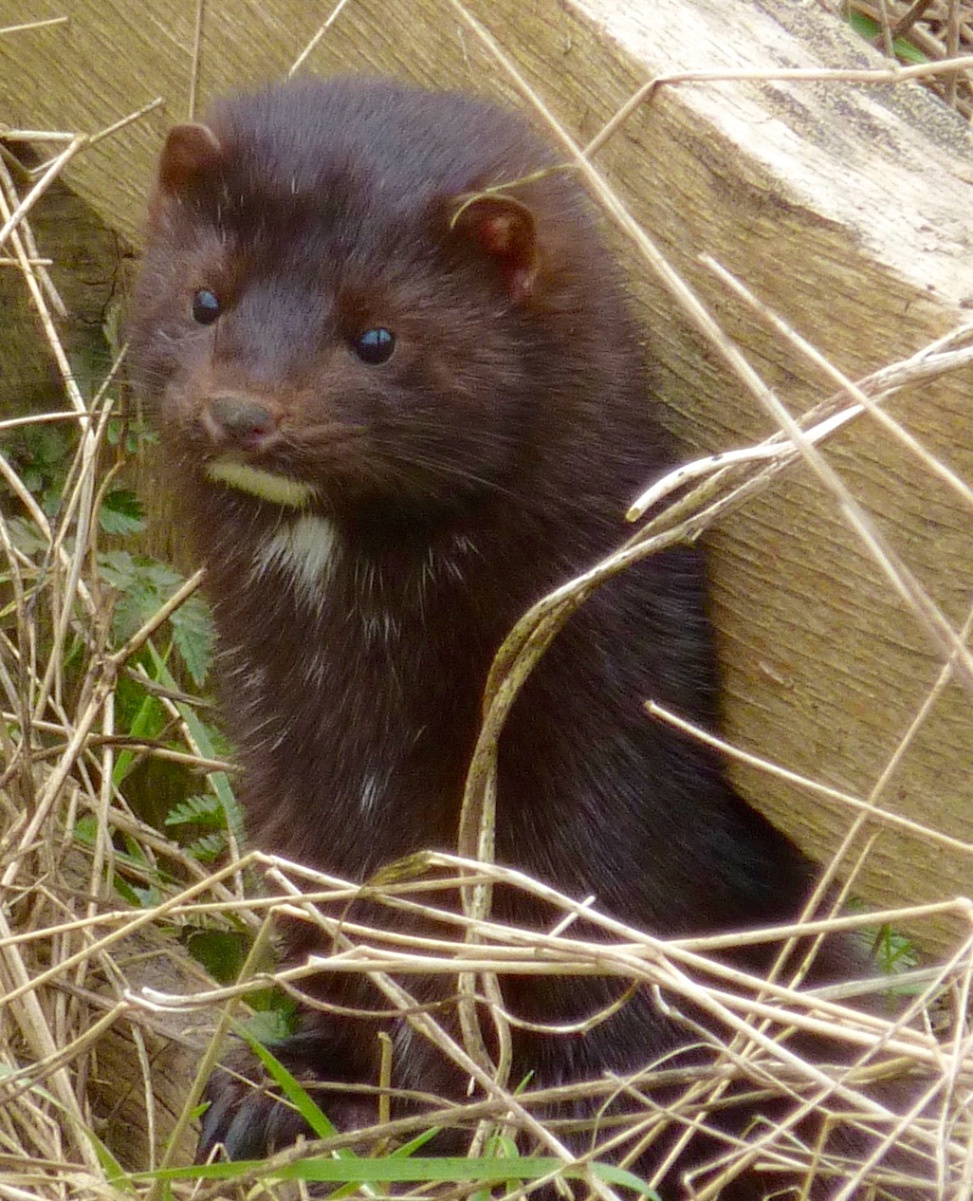
The introduced American Mink is a semi-aquatic, solitary predator with a slender body, short legs and a tail that is about a third of the body length. The thick, glossy fur can vary in colour but is generally dark brown or black and becomes darker in winter. It often has white patches on its chin or throat. It also has a pink nose. They have a diverse diet including fish, frogs, birds, crayfish and small mammals (considered main predator and reason for decline in local water vole populations)
Mink can be confused with Otters but are smaller and the pink nose of the Mink differs from the beige nose of the Otter
Adult  Scat
Scat  Paw Prints
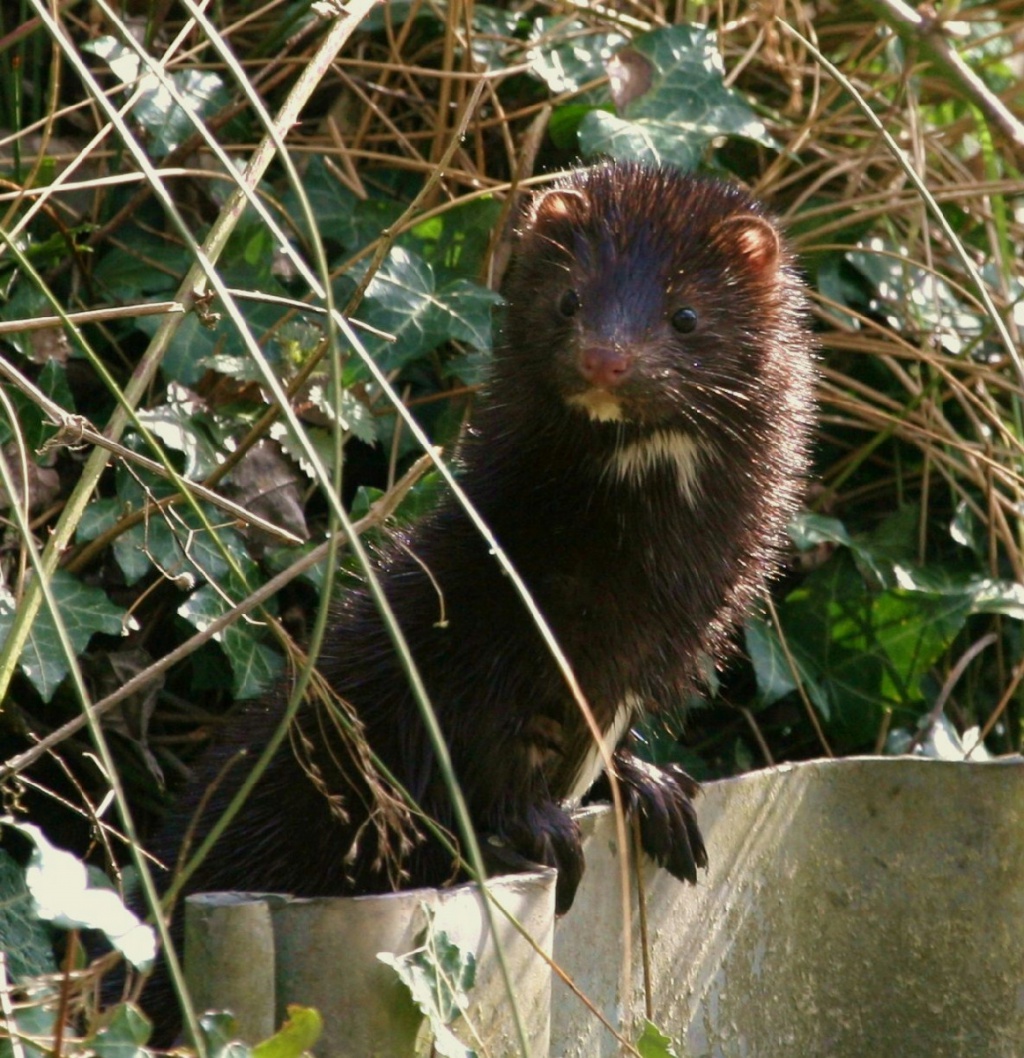
Pink nose, sleek/glossy fur, short legs, bushy tail. White patch on chin/throat. Some individuals have white patches on their pelage (body hair) and white-tipped tails but remain the same in physical appearance.
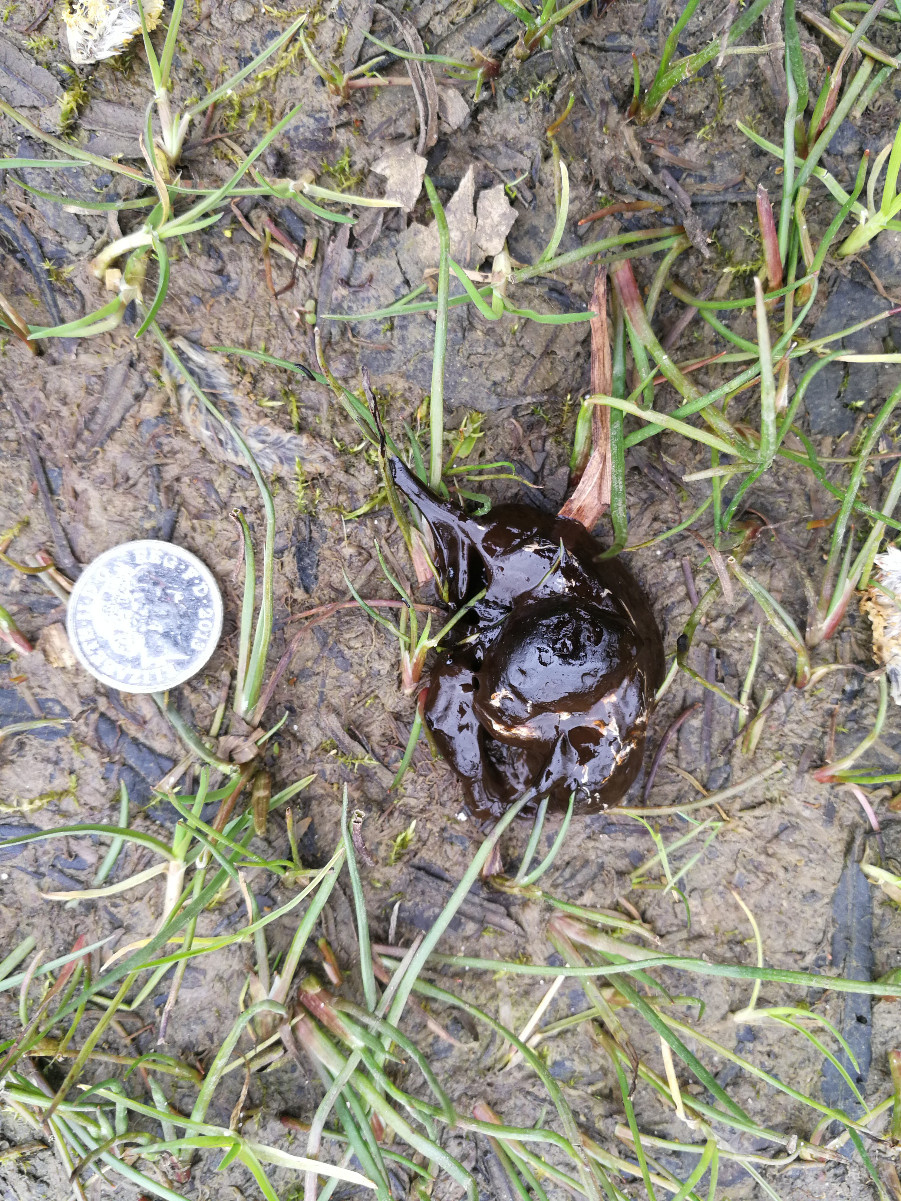
Scats are foul smelling - a sniff test should determine if it is a Mink scat
A clear photograph showing identification features should accompany your record. If not possible, please say why and include a detailed description of the observed species.
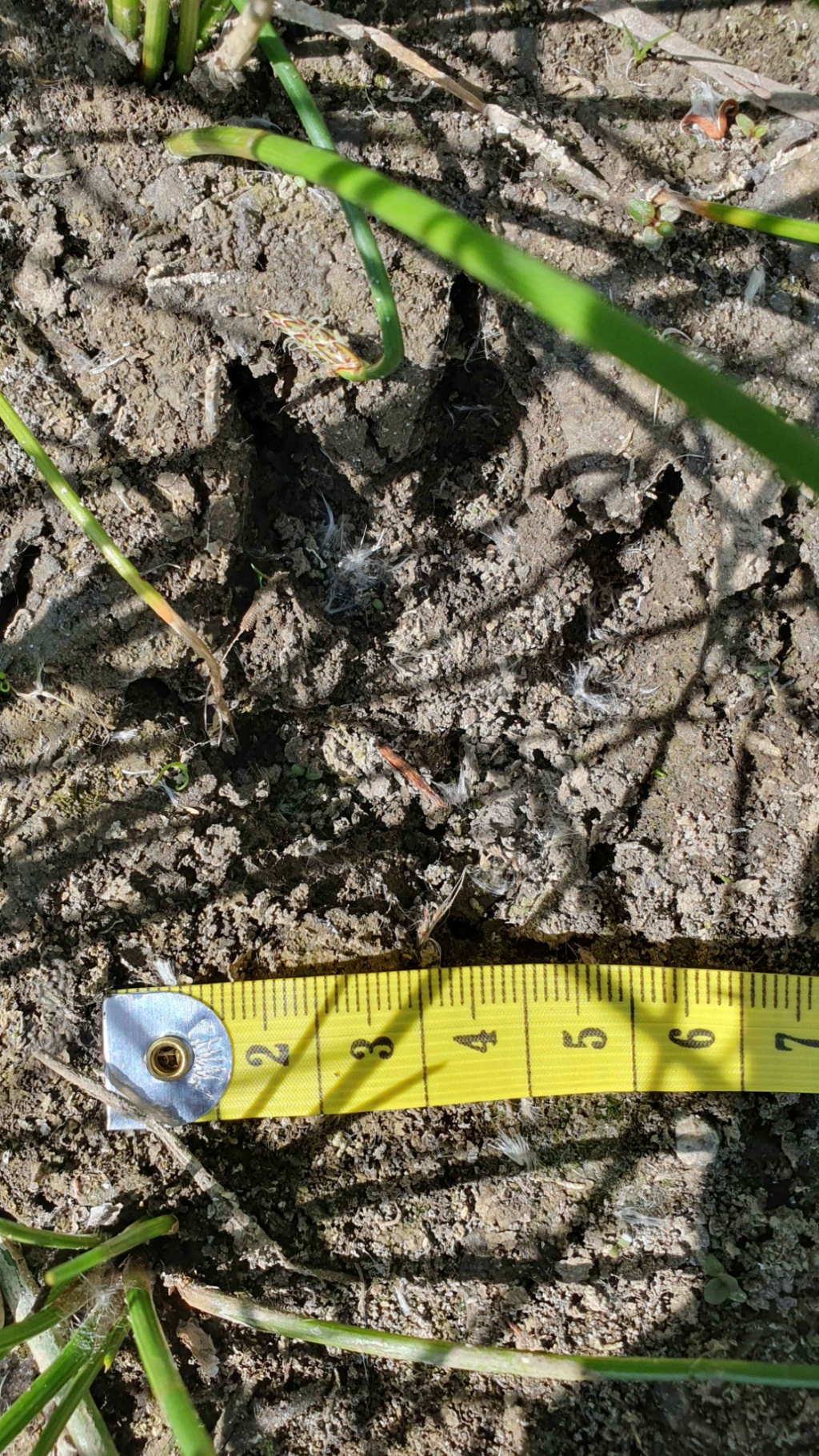
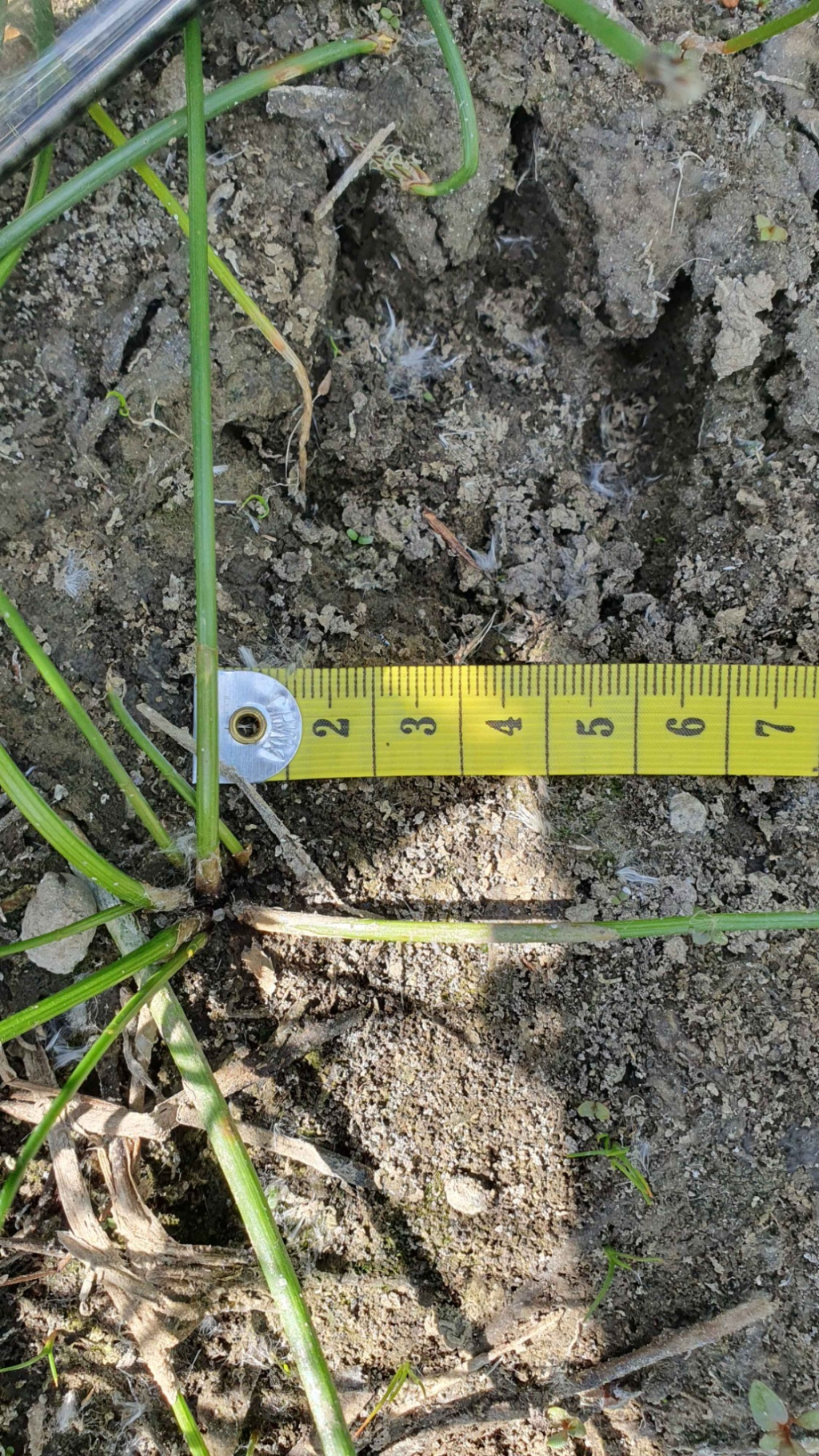
A clear photograph of any field signs is required. Paw prints require a ruler or similar to evaluate size and description of where found.
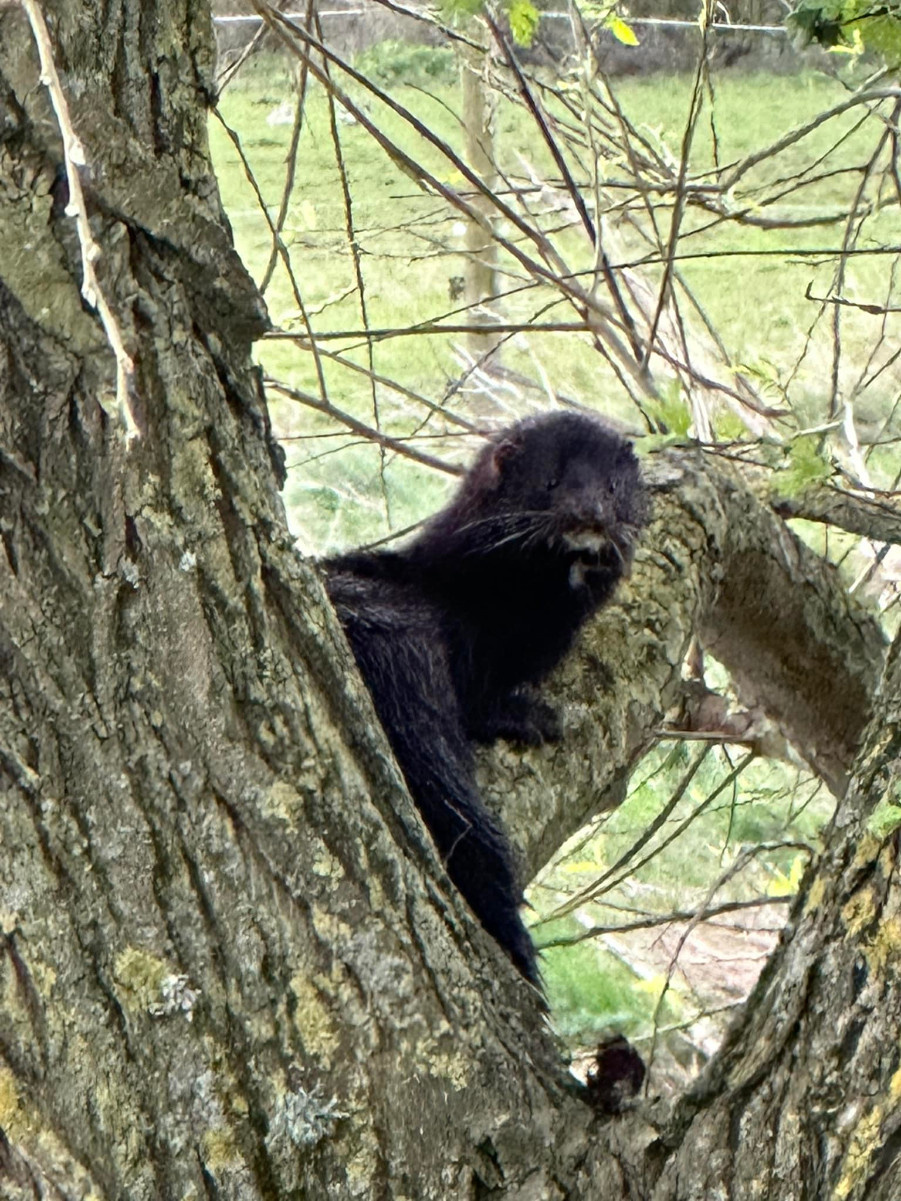
Lives generally near water (rivers, lakes, canals, and coastal areas, but is also found in meadows, woodland and in urban and rural areas around buildings where food sources are readily available. They are good climbers and readily seen in trees near to watercourses.
All year round. Kits are taught to hunt by mother in early summer and may be observed in a family group out hunting. Can be seen during the day actively hunting as well as during hours of darkness. It is primarily nocturnal/crepuscular (out at dusk and dawn).
American Mink, native to North America, were first introduced to fur farms in Britain in 1929; the first official record of escapees breeding in the wild was in 1957.
Mink live for 3 to 10 years in the wild. They breed in late winter/spring and have a delayed implantation to enable females to give birth around the same time in spring. They have an average of 4-6 kits with young dispersing by late summer and reach maturity at ~ 10 months old.
Since its escape into the wild they were quick to breed and disperse widely across the UK due to lack of predators or strategic controls. County-wide controls across the UK have resulted in significant decline across some counties.
Fairly common in Leicestershire and Rutland, especially along major waterways and adjacent wetland of the Soar, Wreake and Sence.
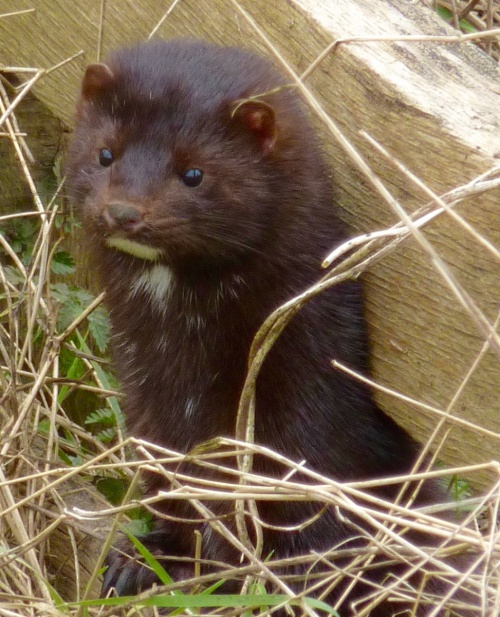 Lorraine Ellison
Watermead Park North
22 March 2016
Adult - white spot under chin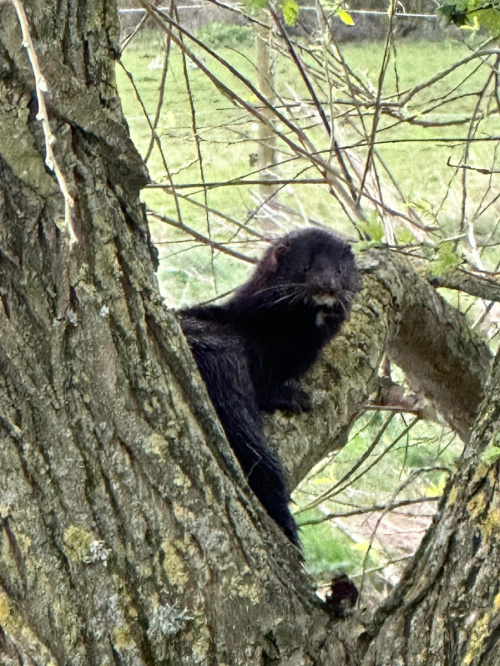 Jel
Jel
Mill Lane, frisby on the Wreake
24 March 2024
Adult - Black pelage - in tree above water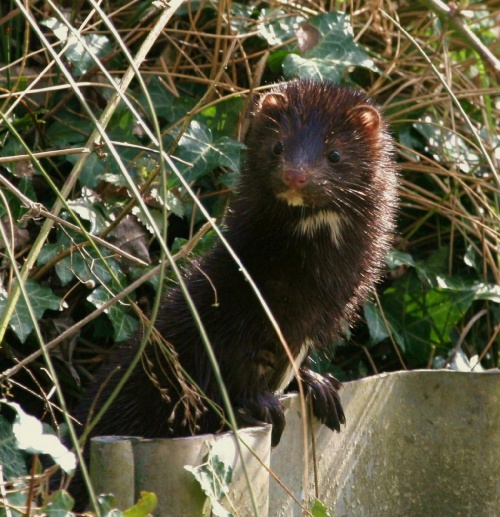 andrew johnson
Dadlington
31 January 2005
Adult - brown pelage with white throat patch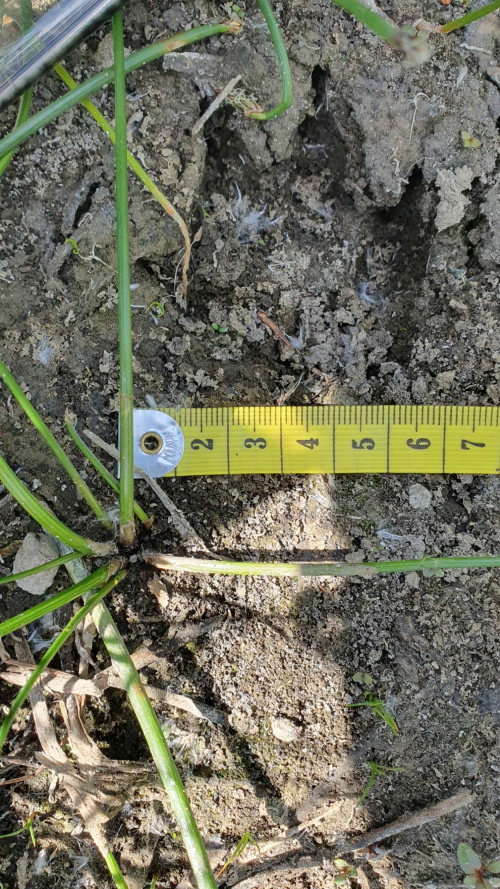 Helen O'Brien
Leicester, Loughborough Road
20 May 2025
Mink print 2.5cm W, 3.4 cm L
Leicestershire & Rutland Map
Enter a town or village to see local records
MAP KEY:
Yellow squares = NBN records (all known data)
Coloured circles = NatureSpot records: 2025+ | 2020-2024 | pre-2020
UK Map
Species profile
- Common names
- American Mink, Mink
- Species group:
- terrestrial mammal
- Kingdom:
- Animalia
- Order:
- Carnivora
- Family:
- Mustelidae
- Records on NatureSpot:
- 17
- First record:
- 01/09/2004 (Semper, Alan)
- Last record:
- 20/05/2025 (Helen O'Brien)
Total records by month
% of records within its species group
10km squares with records
The latest images and records displayed below include those awaiting verification checks so we cannot guarantee that every identification is correct. Once accepted, the record displays a green tick.
In the Latest Records section, click on the header to sort A-Z, and again to sort Z-A. Use the header boxes to filter the list.
Latest images
Latest records
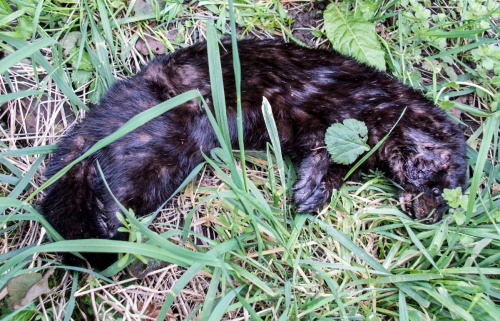 Steve Bottrill
Swithland
21 April 2016
Adult - black pelage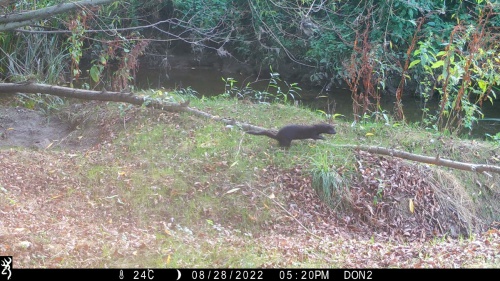 Don
Don
River Welland Market Harborough
28 August 2022
Adult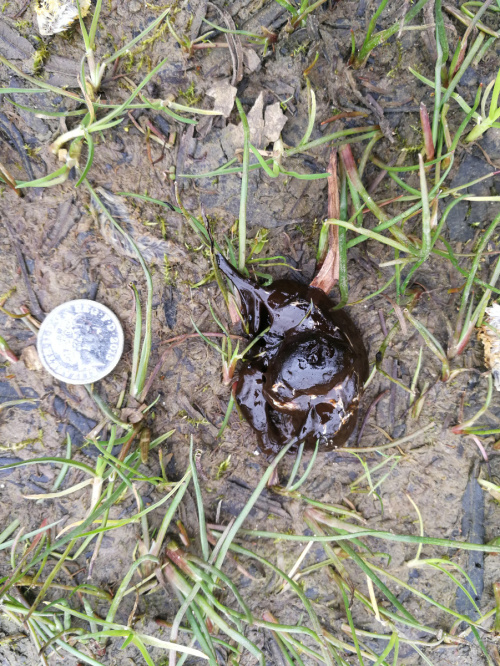 Jel
Jel
Broome Lakes, Hoby Road
25 March 2024
Mink scat - foul smell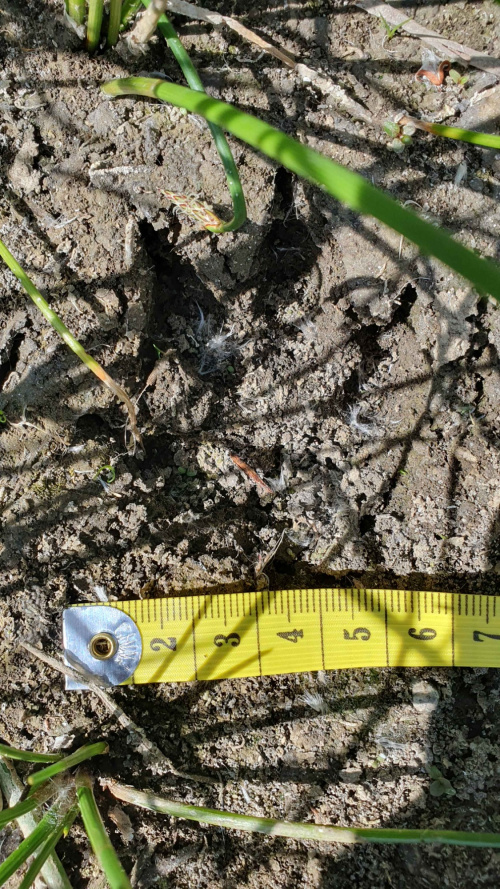 Helen O'Brien
Leicester, Loughborough Road
20 May 2025
Mink print