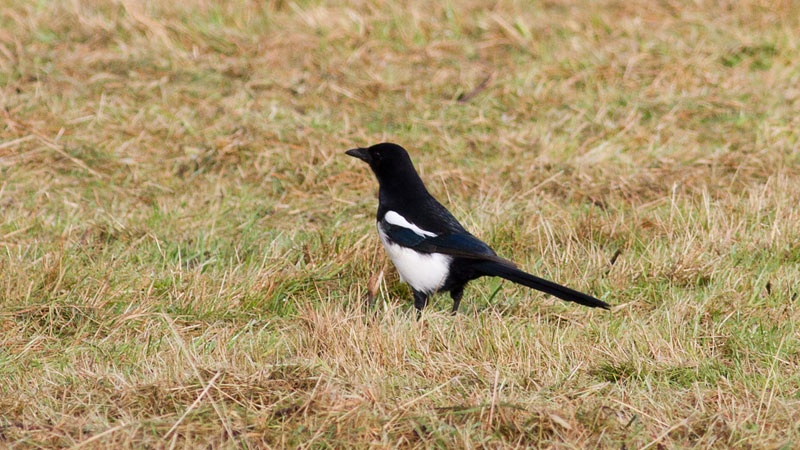
Magpie - Pica pica
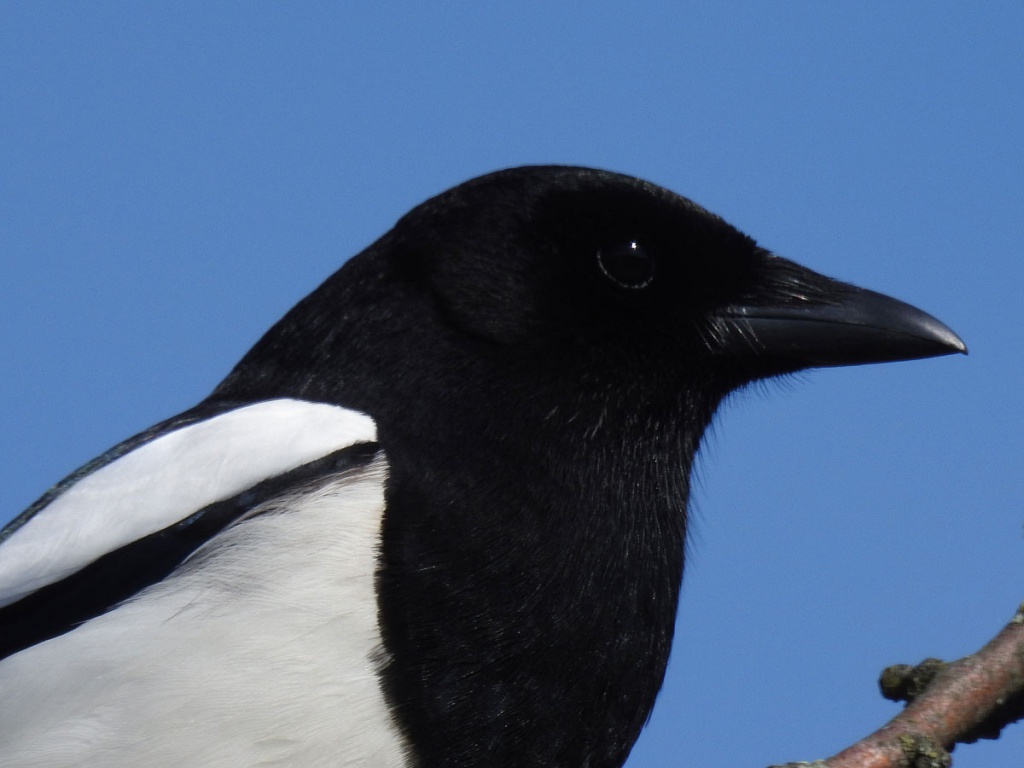
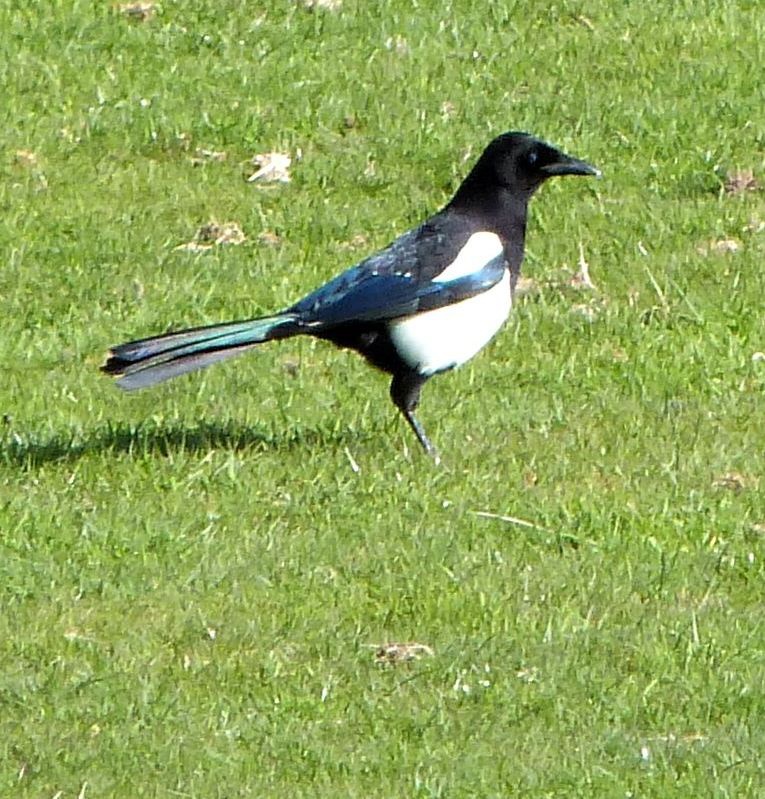
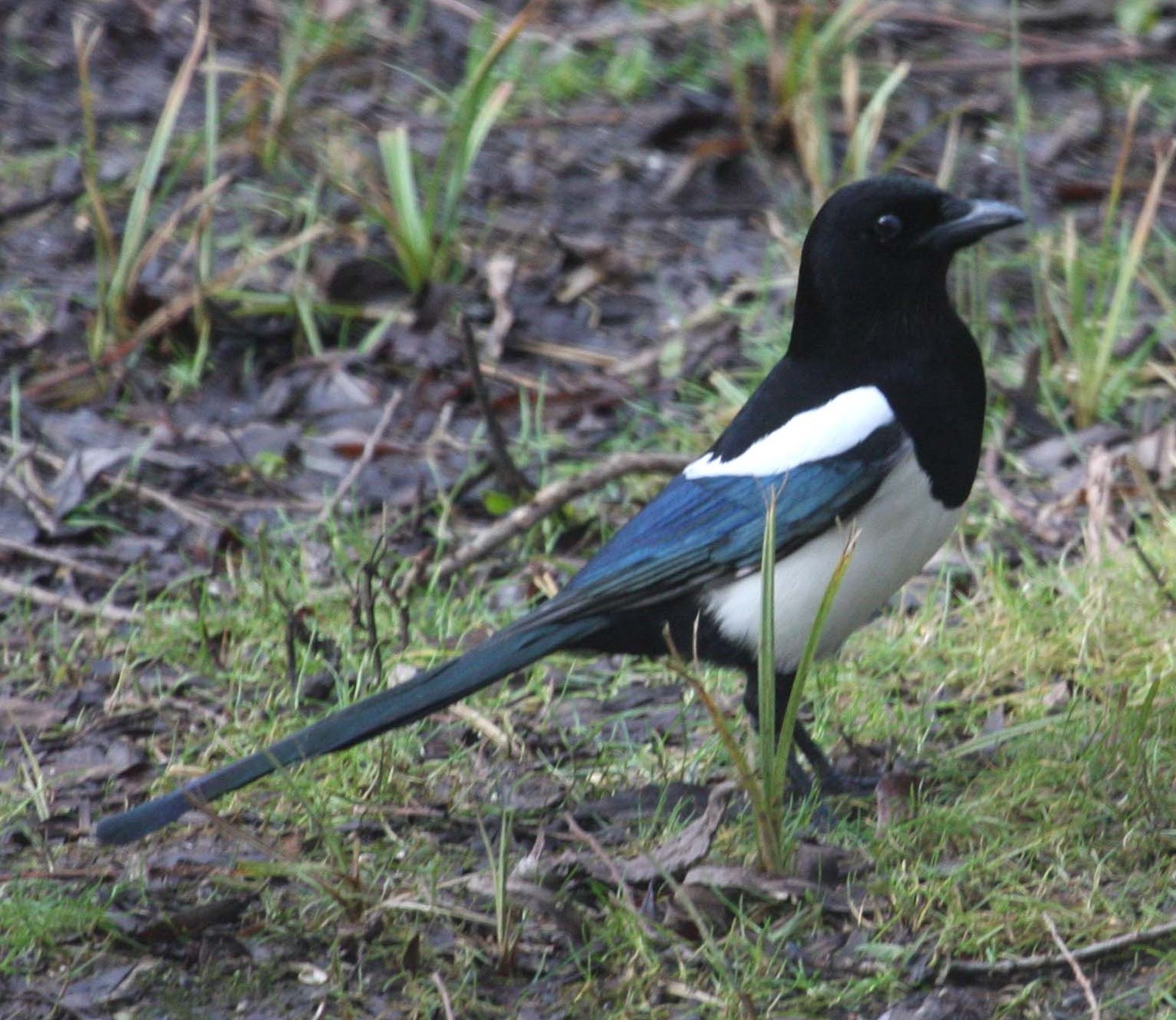
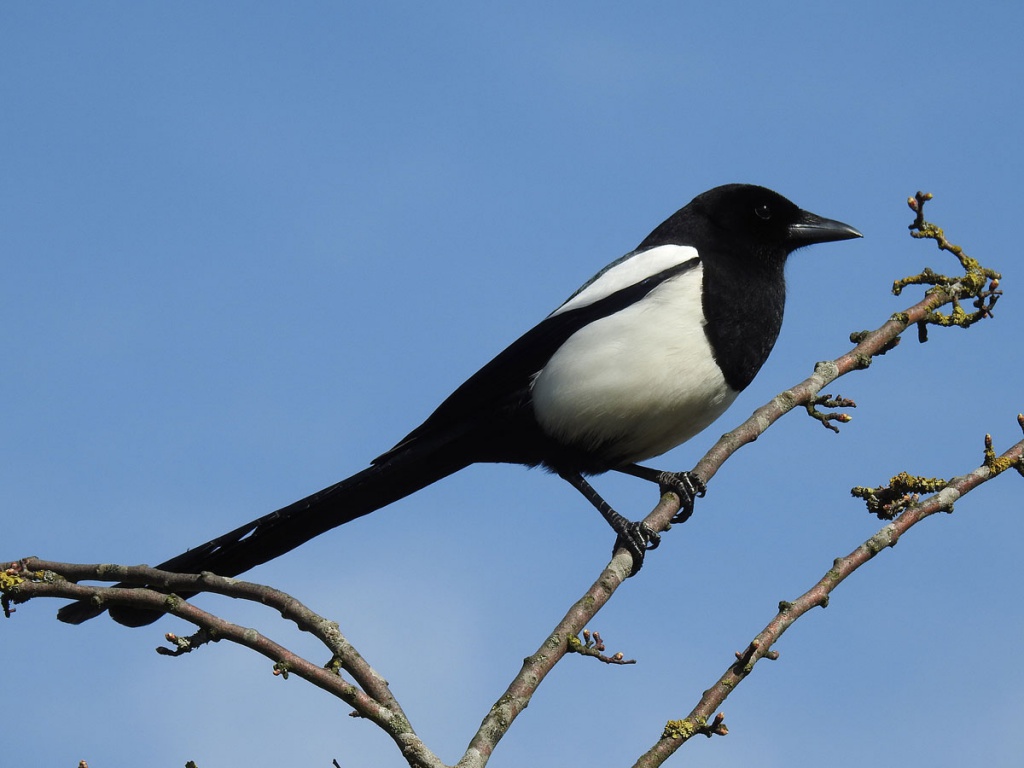
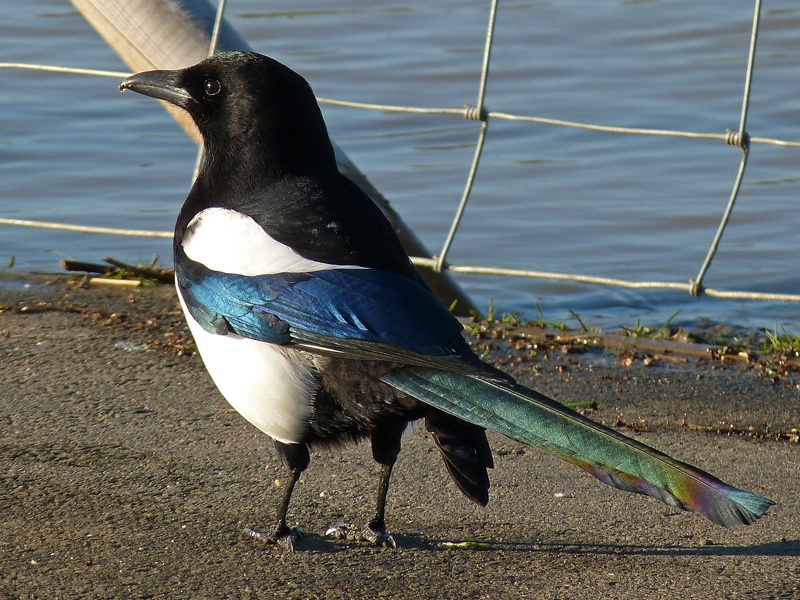
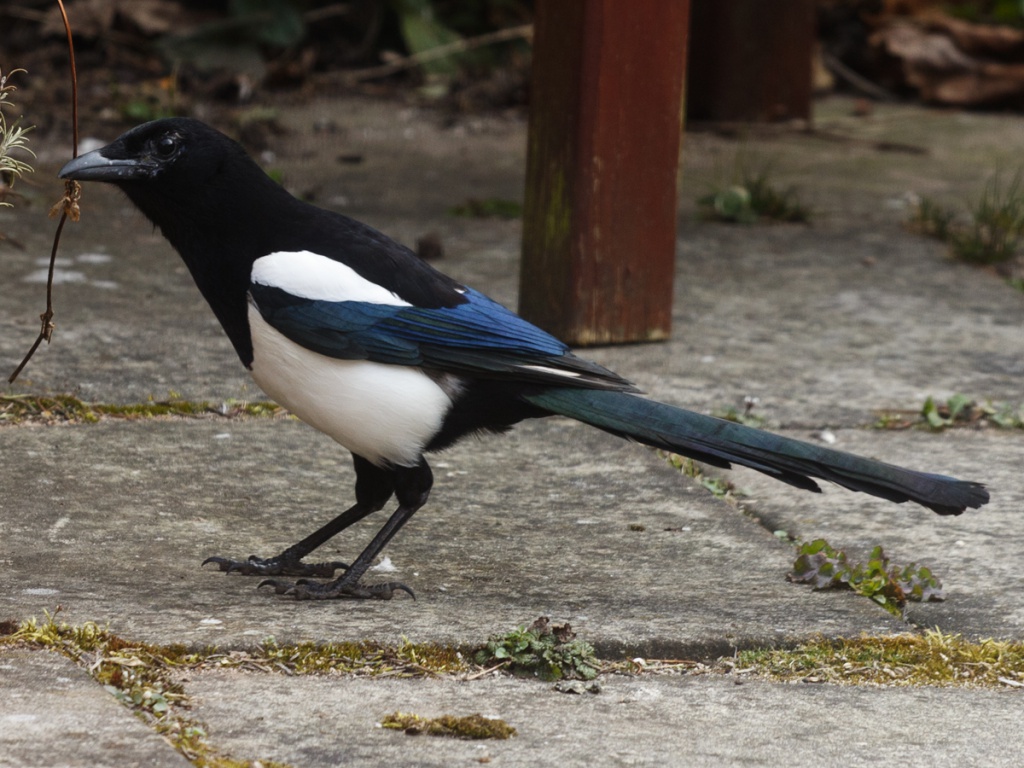
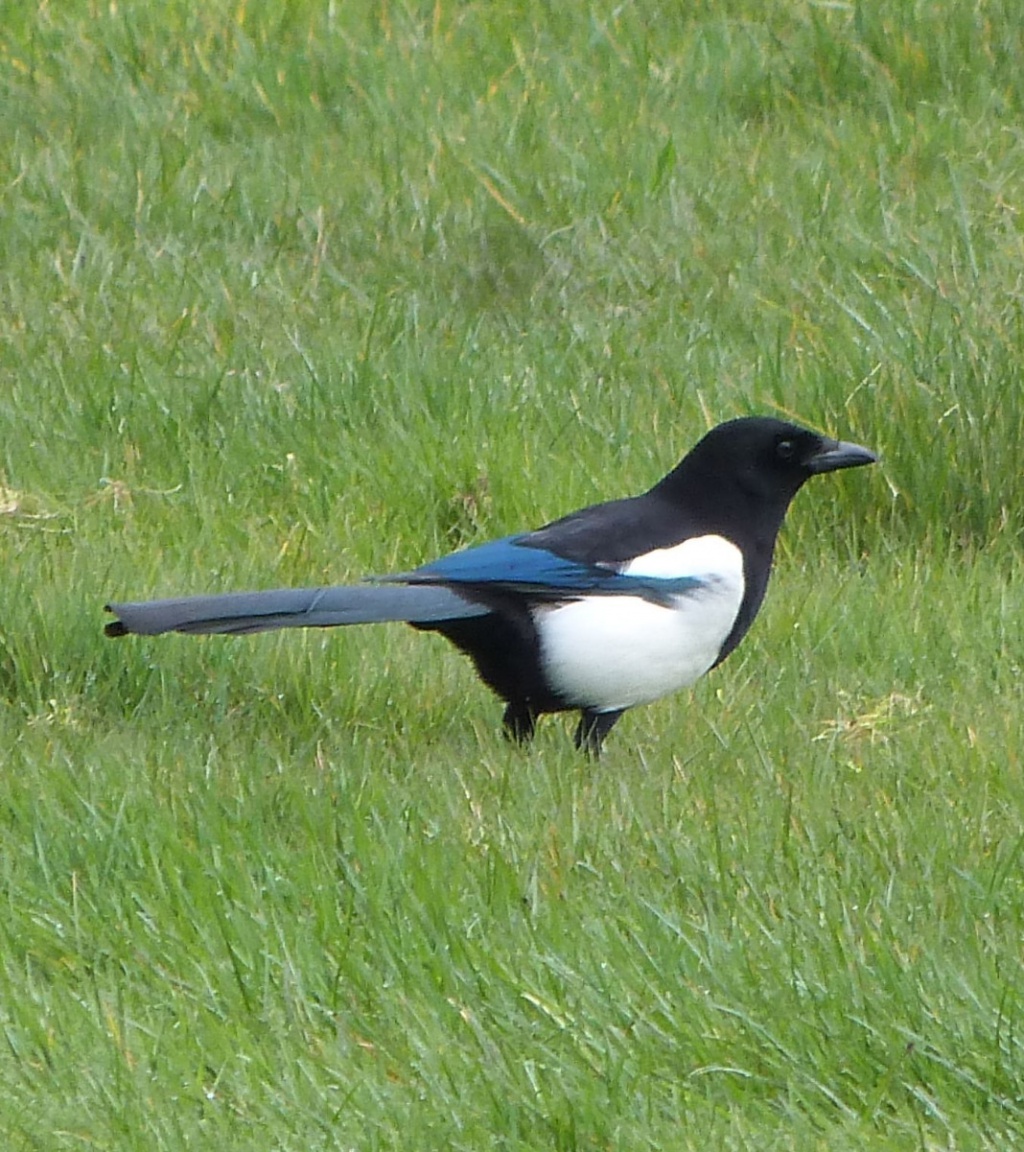
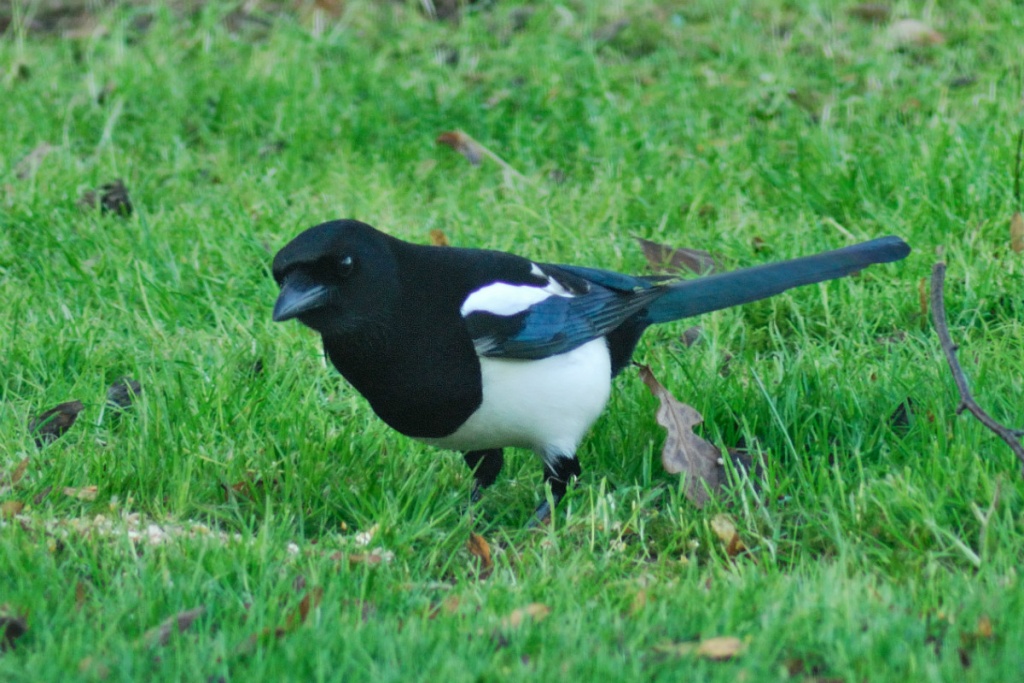
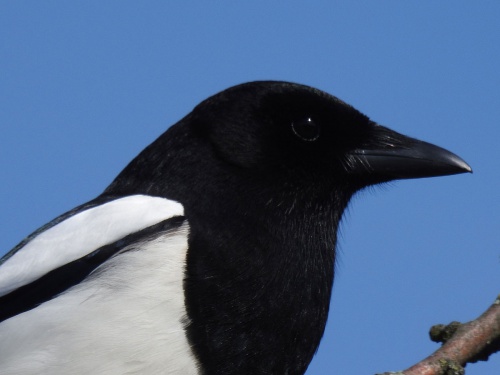
Magpies seem to be jacks of all trades - scavengers, predators and pest-destroyers; their challenging, almost arrogant attitude has won them few friends. With its noisy chattering, black-and-white plumage and long tail, there is nothing else quite like the Magpie in the UK. When seen close-up its black plumage takes on an altogether more colourful hue with a purplish-blue iridescent sheen to the wing feathers and a green gloss to the tail. Non-breeding birds will gather together in flocks.

Seen in a range of habitats from lowland farmland to upland moors.
All year round
The Magpie is one of the few non-mammal species known to be able to recognize itself in a mirror test. They are known to attack the nests of other birds and eat their fledglings. They build a tree nest from twigs, creating a domed shape.
Common across England, Wales and Northern Ireland, but more localised in Scotland, absent from the Highlands.
Common as a breeding bird in Leicestershire and Rutland.
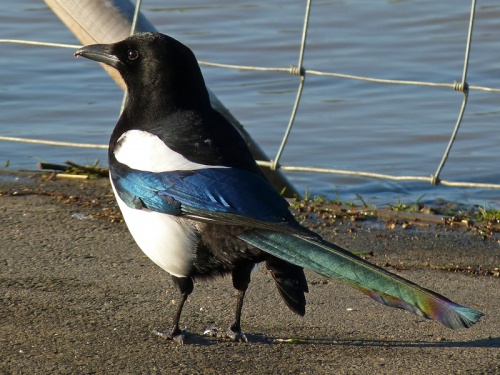 Mark Skevington
Watermead CP South
25 November 2012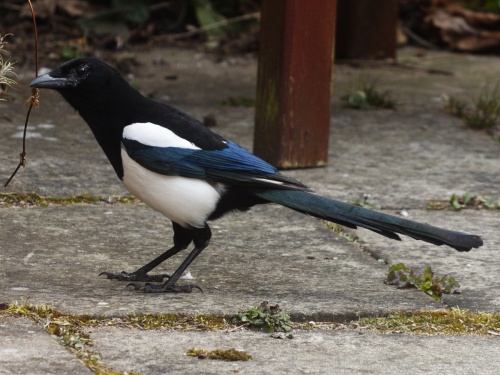 HAPeacock
Leicester Garden
07 April 2013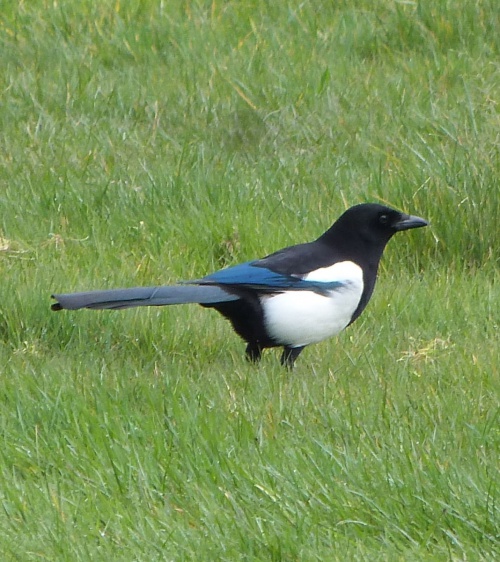 Graham Calow
Shuttleworth Lane, Cosby
14 April 2016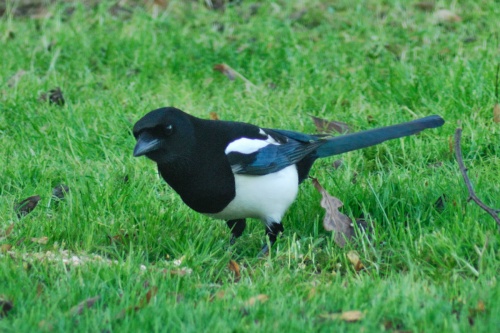 Barbara Cooper
Long Clawson
11 December 2012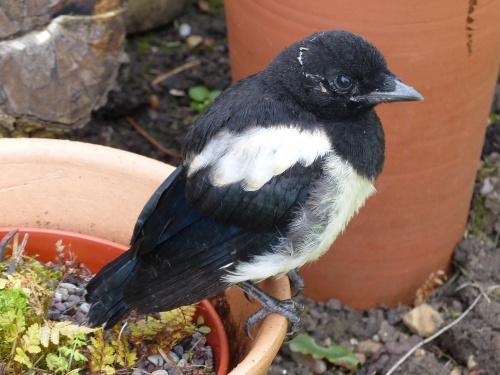 Ken Charity
GARDEN LE7 7TE
19 May 2016
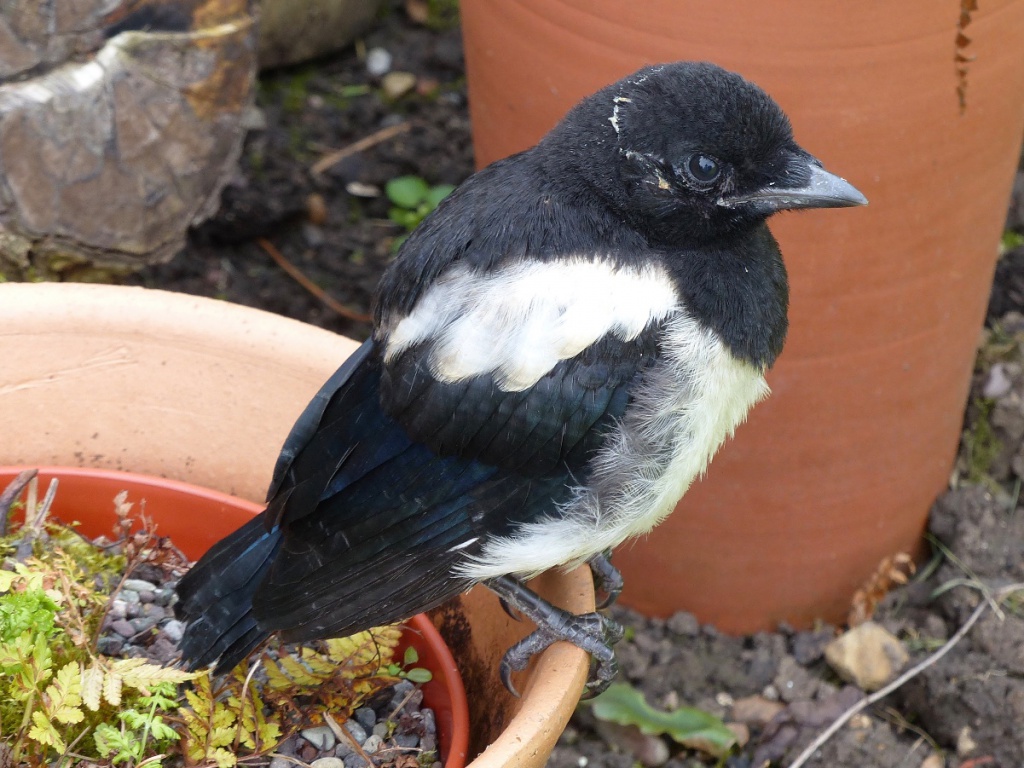
Newly-fledged Magpie
Leicestershire & Rutland Map
Enter a town or village to see local records
MAP KEY:
Yellow squares = NBN records (all known data)
Coloured circles = NatureSpot records: 2025+ | 2020-2024 | pre-2020
UK Map
Species profile
- Common names
- Eurasian Magpie, Black-billed Magpie, Magpie
- Species group:
- bird
- Kingdom:
- Animalia
- Order:
- Passeriformes
- Family:
- Corvidae
- Records on NatureSpot:
- 1643
- First record:
- 02/06/1996 (John Thickitt)
- Last record:
- 22/05/2026 (Jones, Dick)
Total records by month
% of records within its species group
10km squares with records
The latest images and records displayed below include those awaiting verification checks so we cannot guarantee that every identification is correct. Once accepted, the record displays a green tick.
In the Latest Records section, click on the header to sort A-Z, and again to sort Z-A. Use the header boxes to filter the list.
Latest images
Latest records
 David Gould
The Spearwort Fields, Aylestone, Leicester
02 April 2016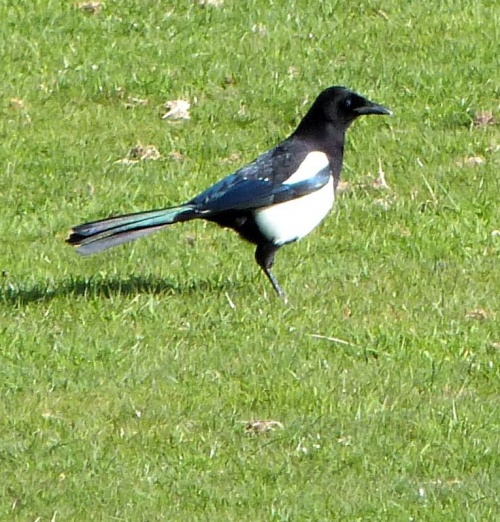 Graham Calow
Stoney Stanton
01 May 2015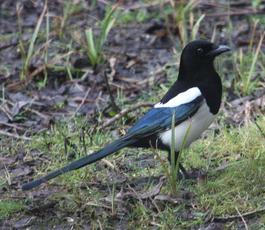 David Nicholls
Watermead Country Park
23 January 2008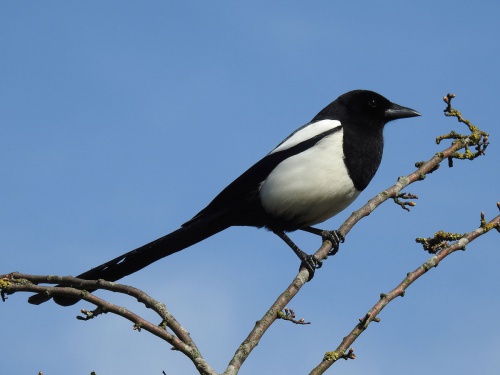 David Gould
The Spearwort Fields, Aylestone, Leicester
02 April 2016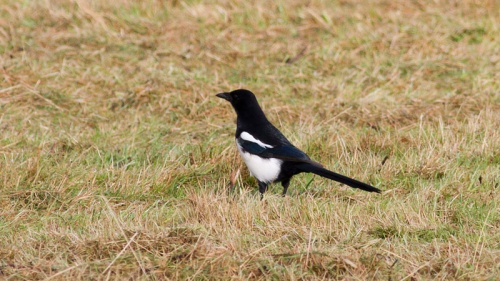 Rod Baker
Rutland Water
03 November 2012