

Lilac - Syringa vulgaris
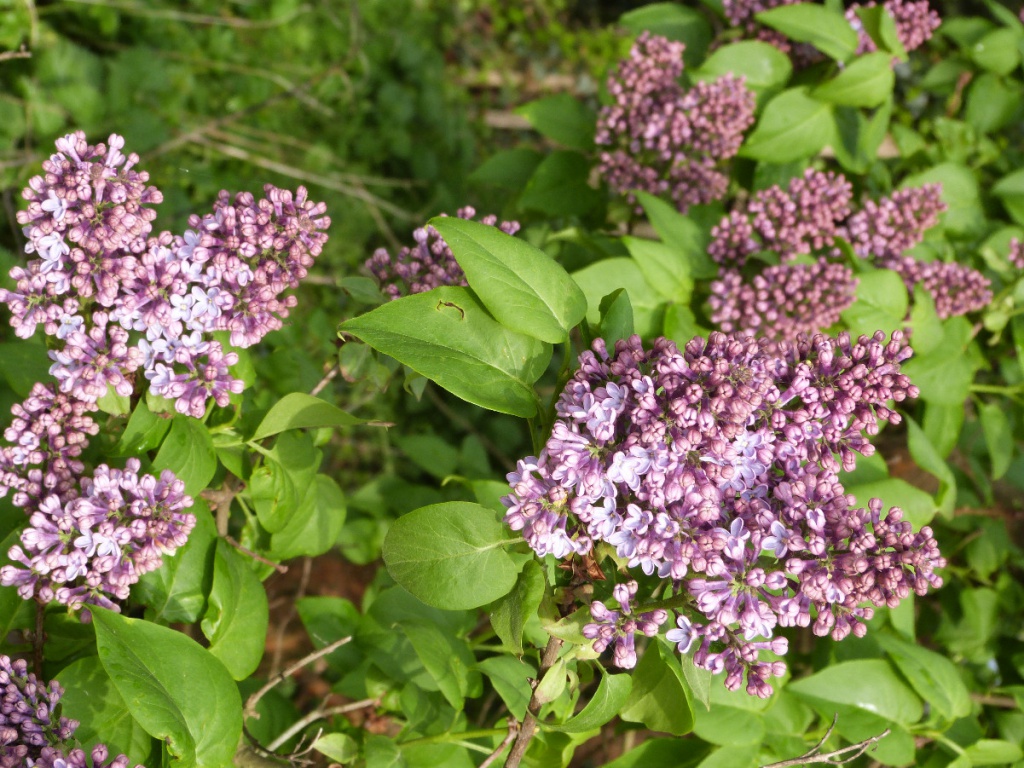
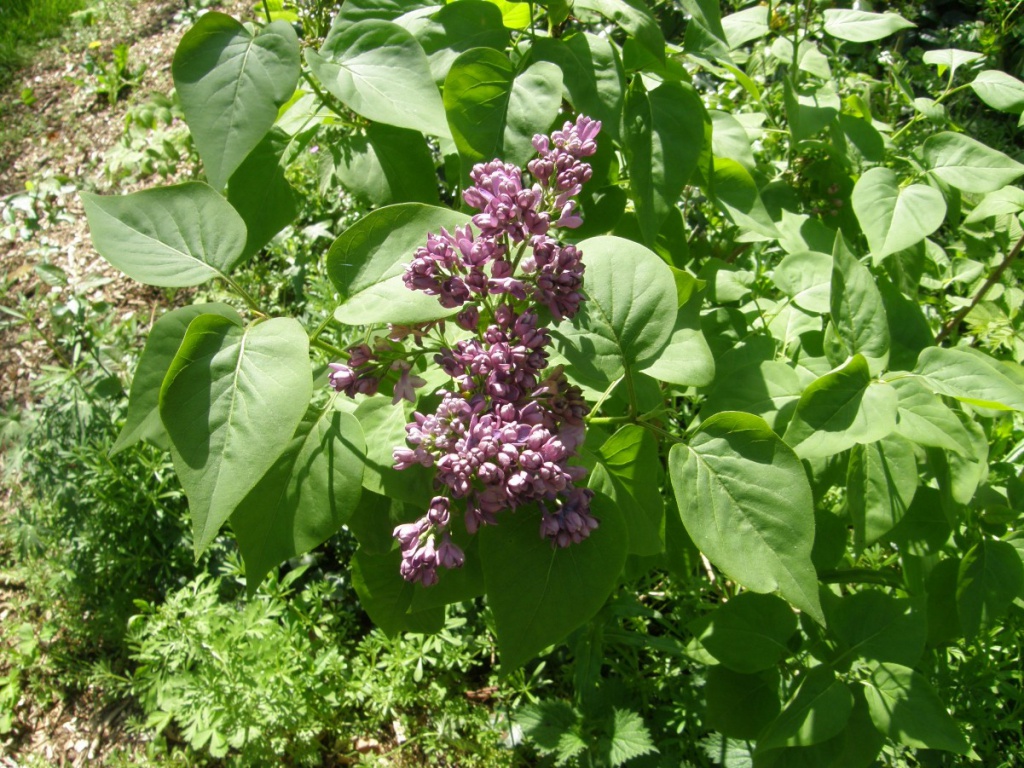
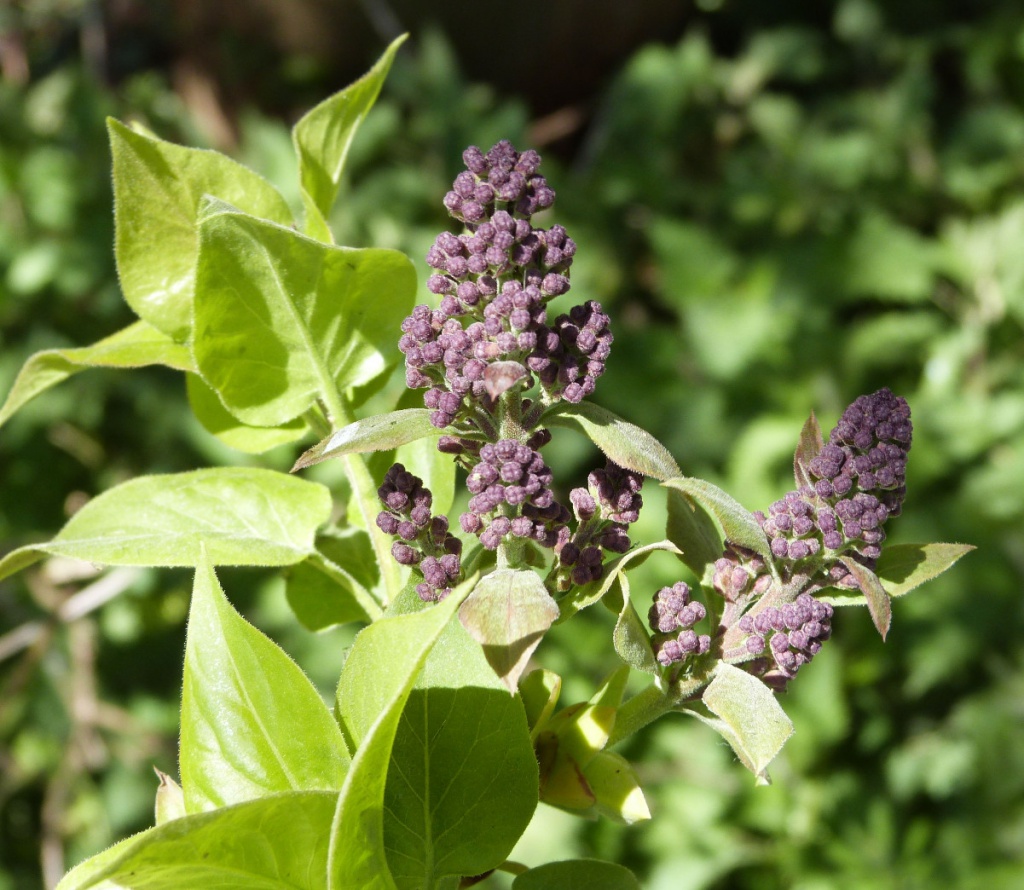
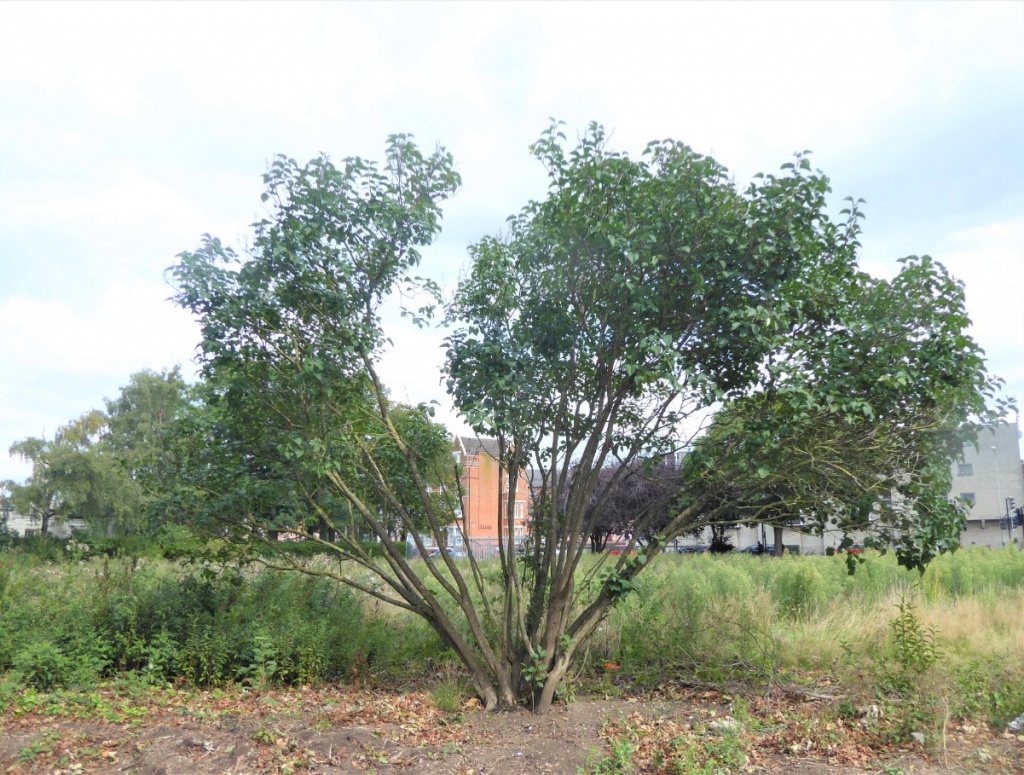
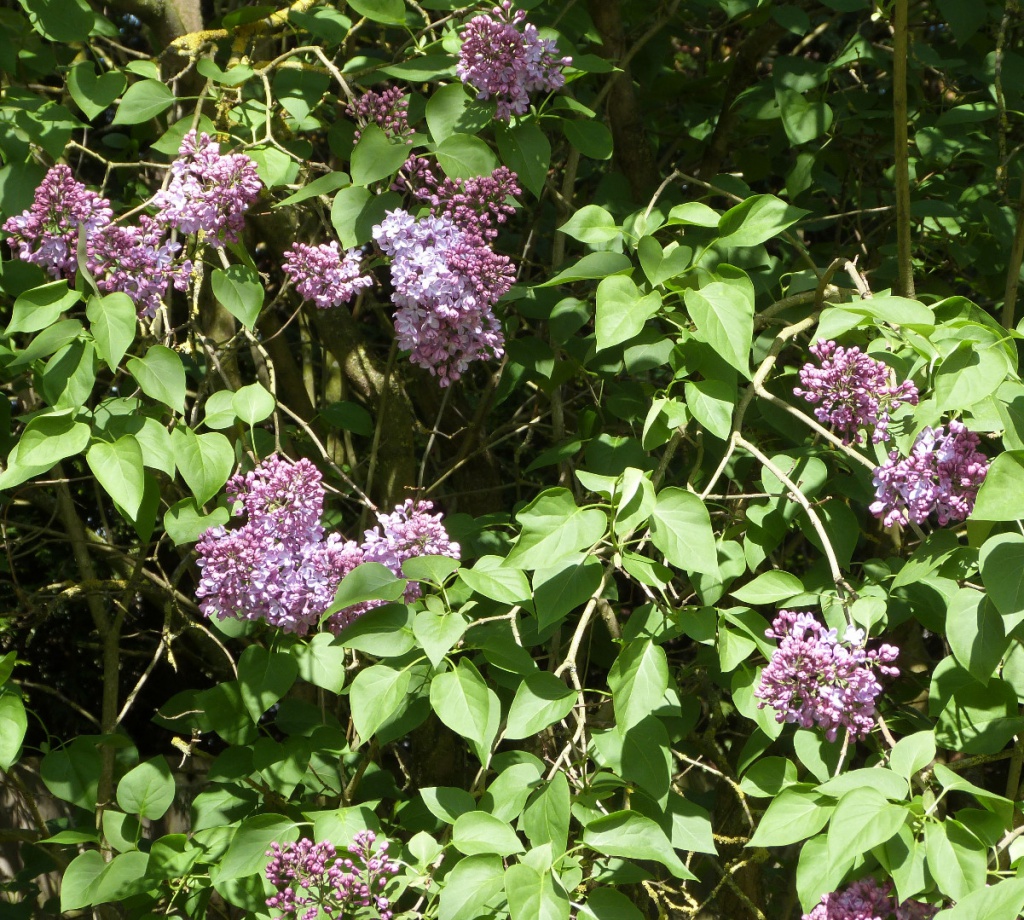
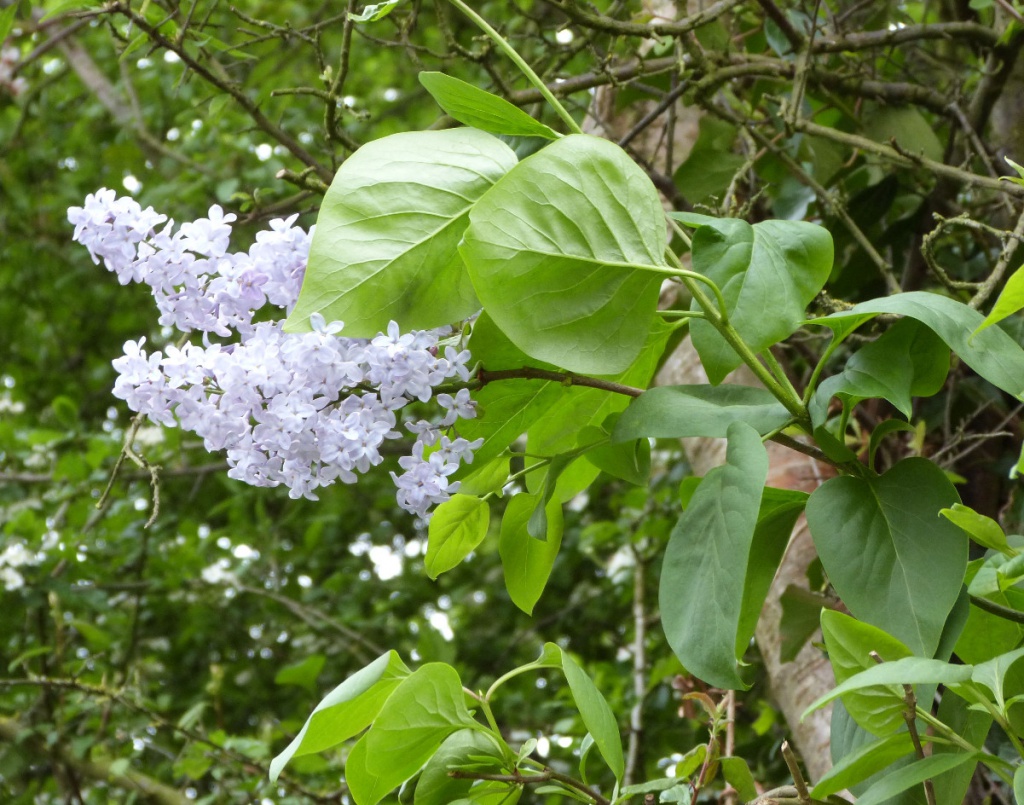
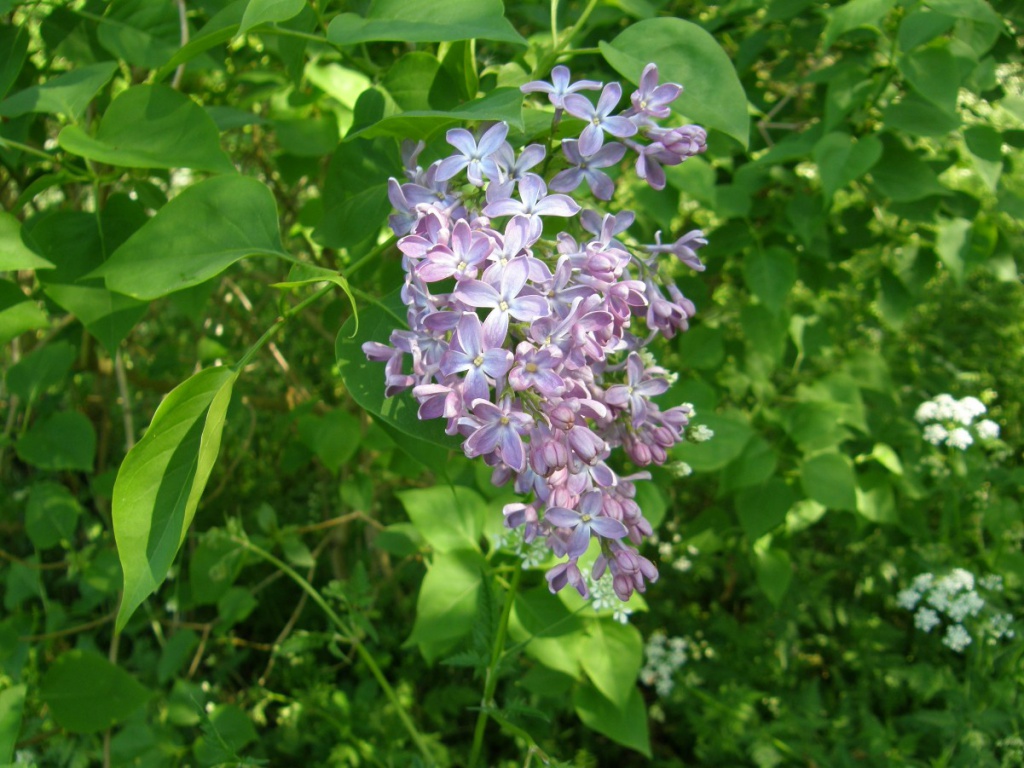
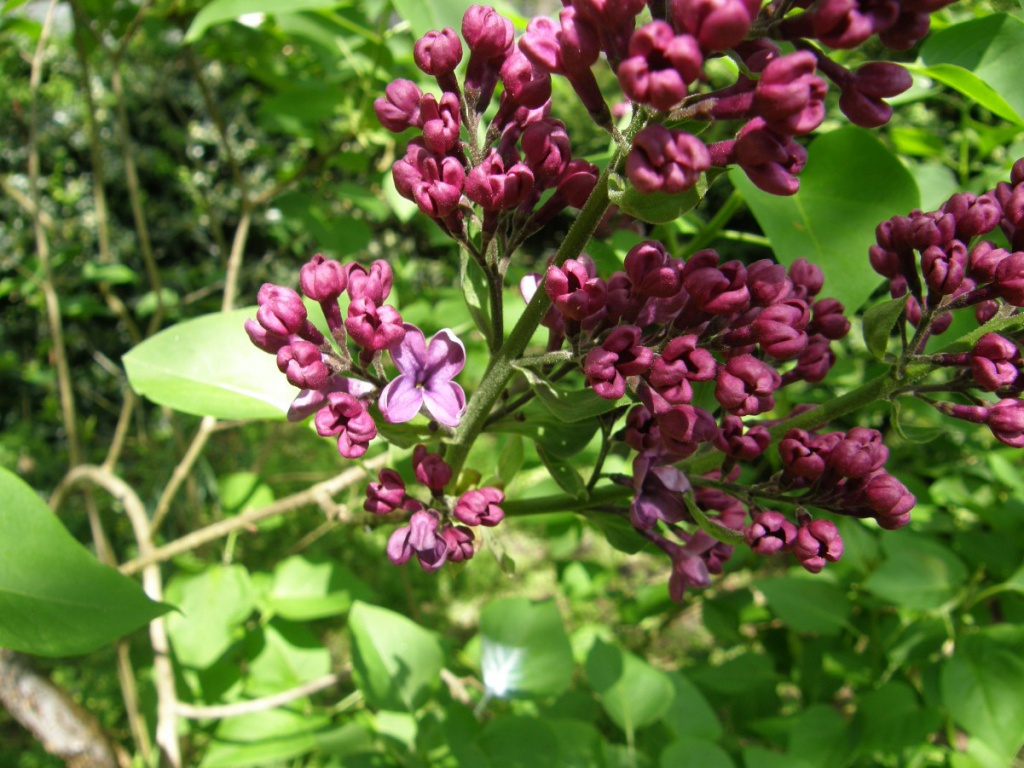
An upright, multi-stemmed, suckering shrub reaching 12 to 16 feet in height. It produces very fragrant, tubular, 4-lobed, lilac to purple flowers borne in large conical panicles which may be 6 to 8inches in length.

Hedgerows, railway verges and waste ground. It is often found as an escape from cultivation, but can readily become established and persist in the wild.
Flowering late April and May.
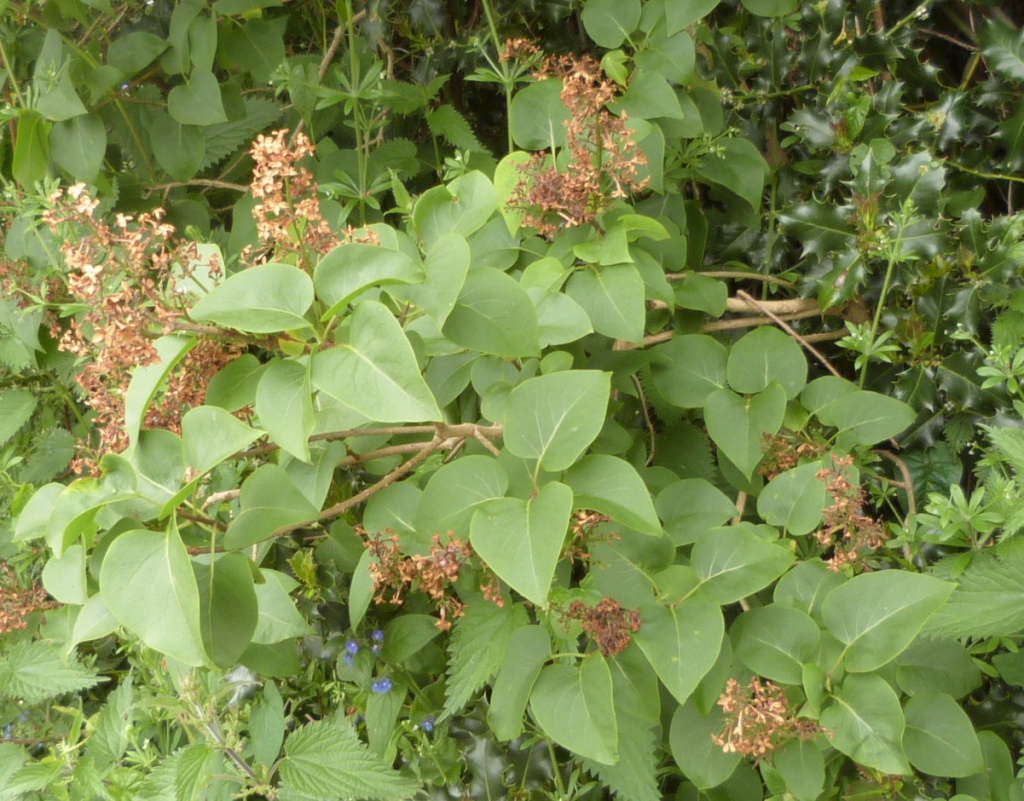
Deciduous shrub.
Widespread and fairly frequent in Britain.
Occasional in Leicestershire and Rutland. In the 1979 Flora survey of Leicestershire it was found in 34 of the 617 tetrads.
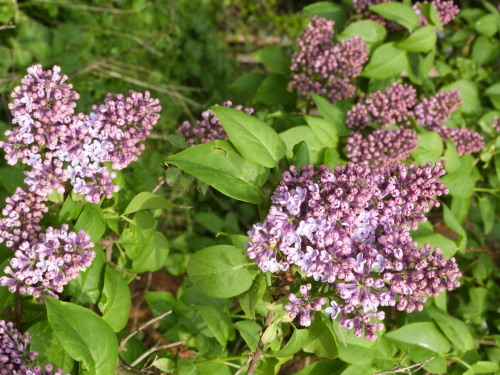 Graham Calow
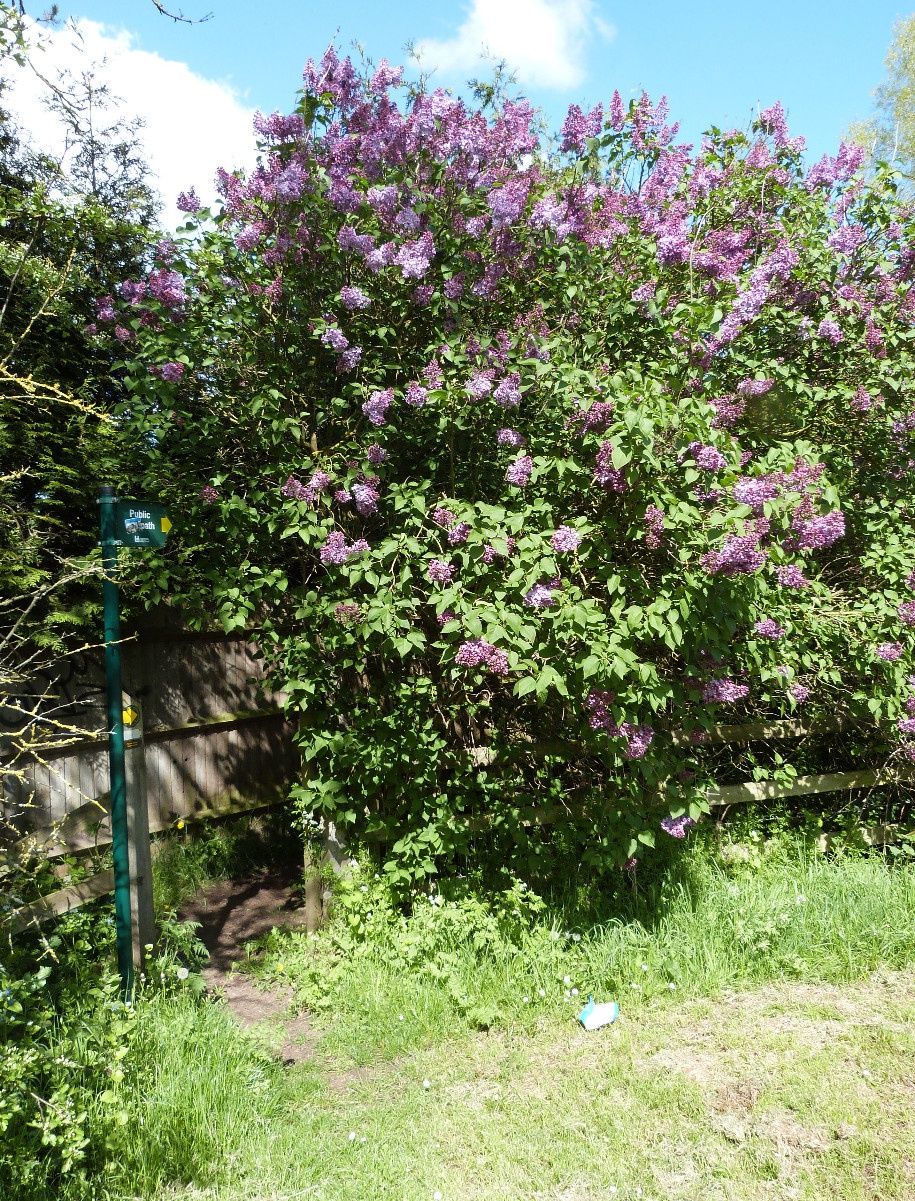
Near High Cross
09 May 2016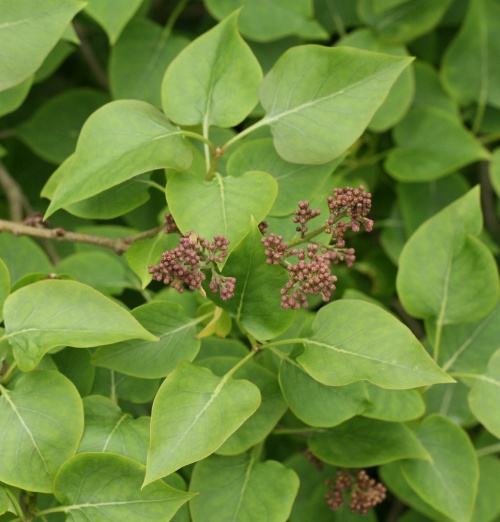 Craig Mabbett
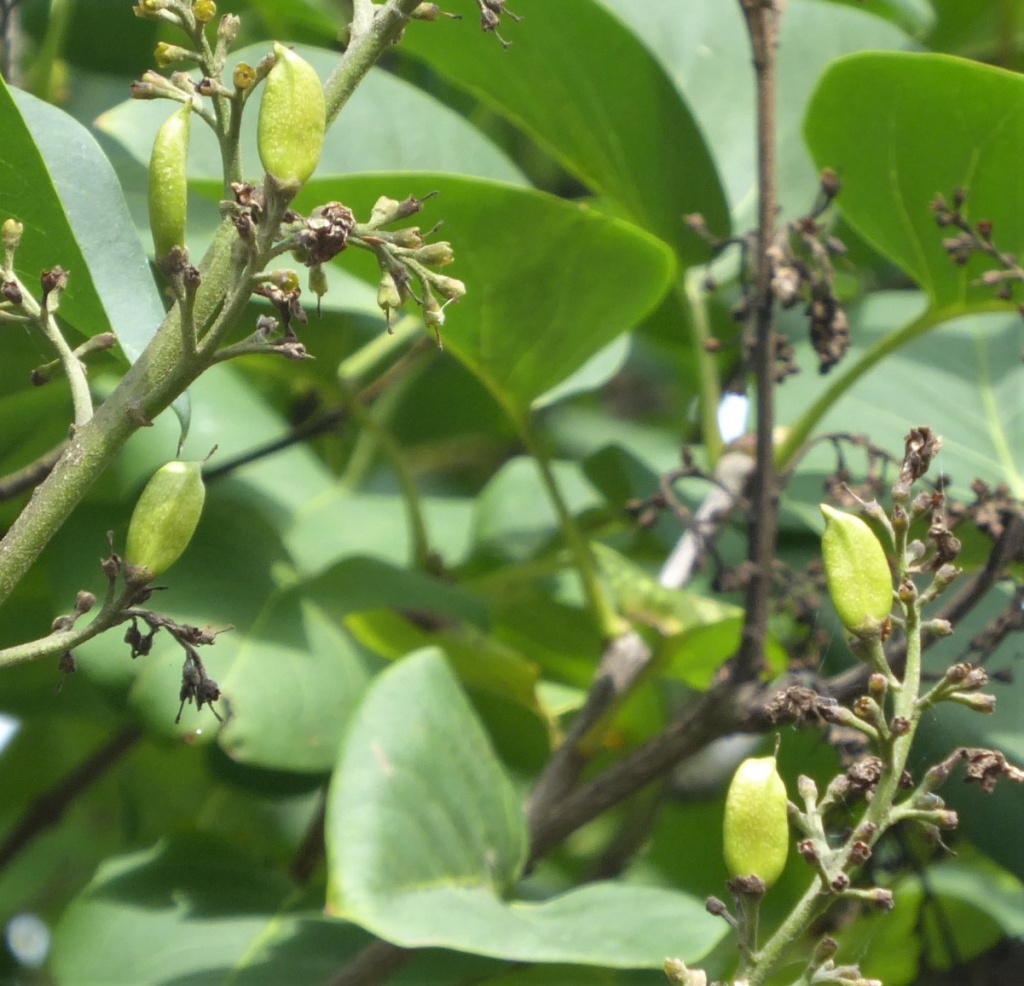
Broughton Astley Church Footpath
14 May 2021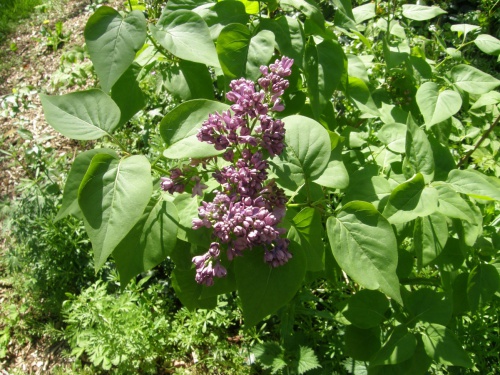 Saharima Roenisch
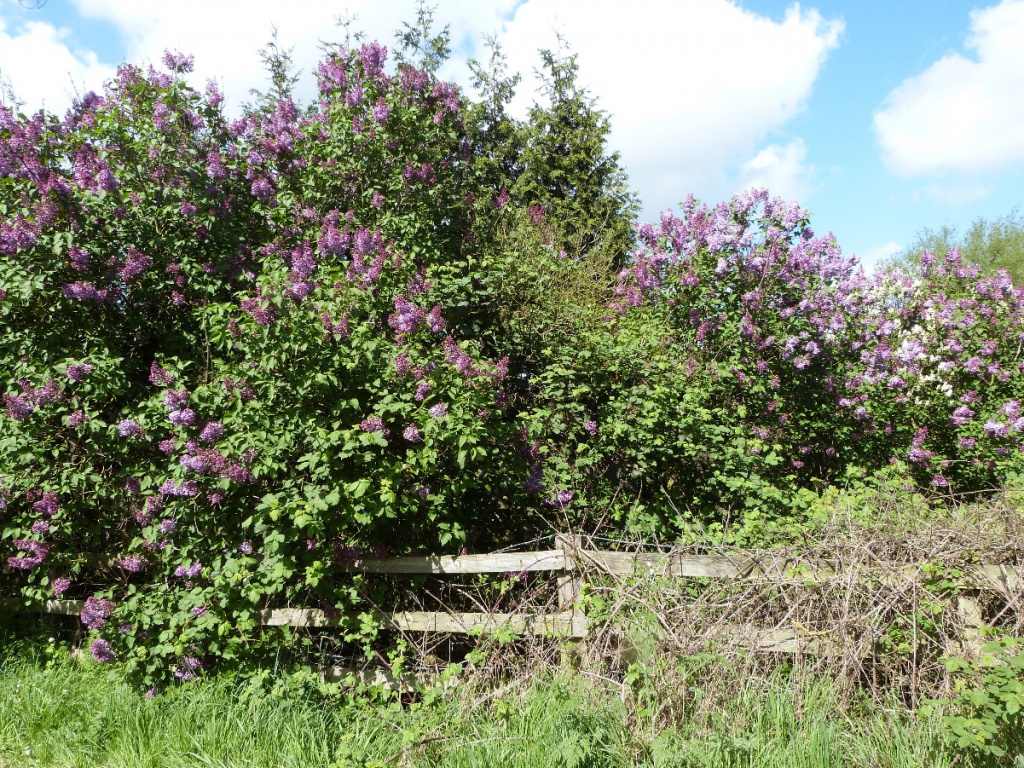
Evington Park
07 May 2018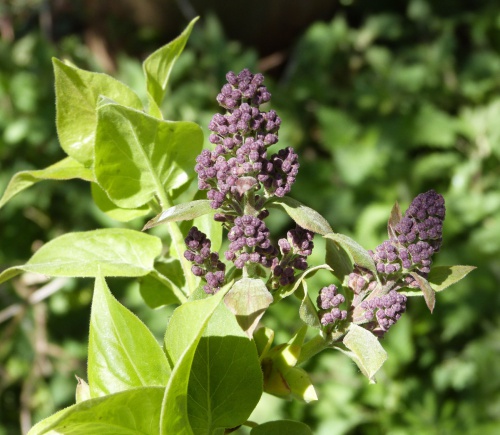 Graham Calow
Near High Cross
20 April 2016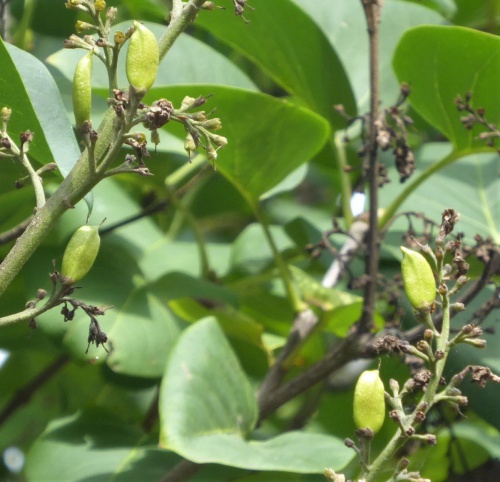 Saharima Roenisch
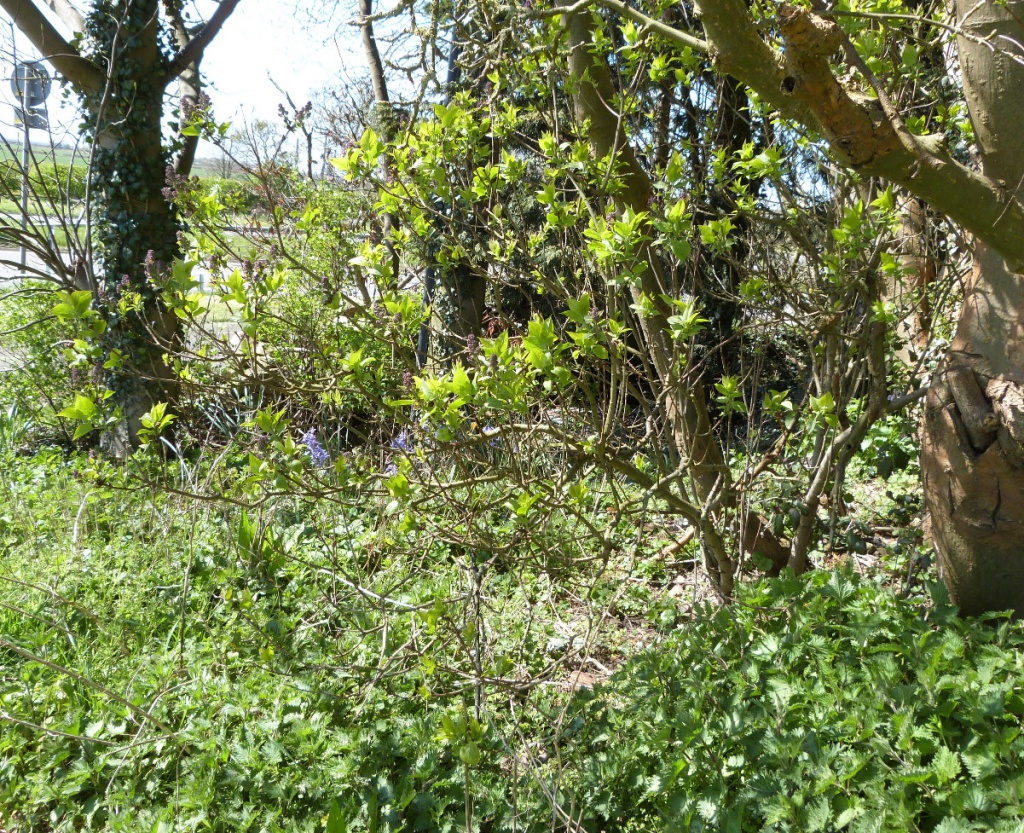
Leicester Victoria Park
31 August 2020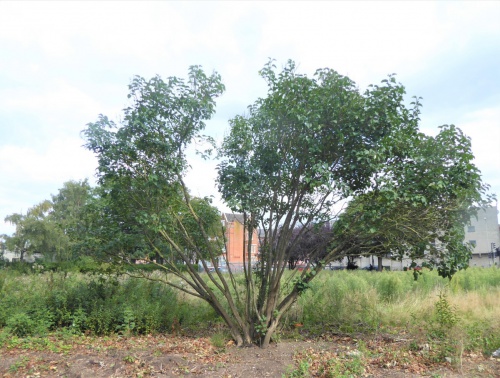 Saharima Roenisch
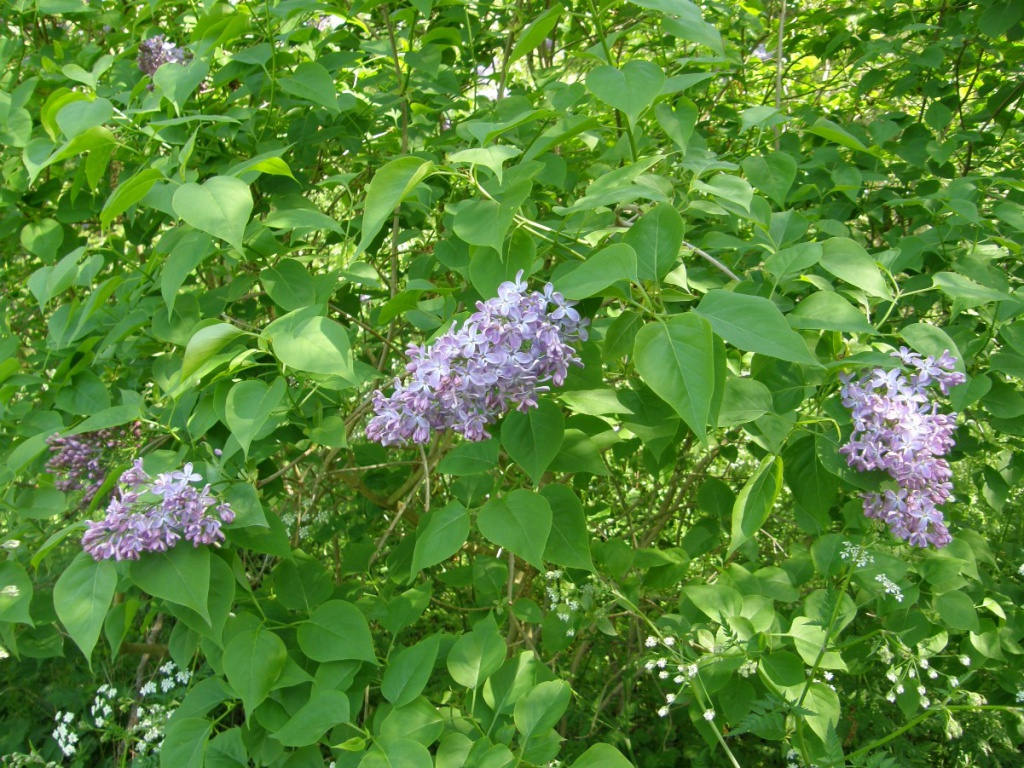
Leicester Victoria Park
31 August 2020
Leicestershire & Rutland Map
Enter a town or village to see local records
MAP KEY:
Yellow squares = NBN records (all known data)
Coloured circles = NatureSpot records: 2025+ | 2020-2024 | pre-2020
UK Map
Species profile
- Common names
- Lilac
- Species group:
- flowering plant
- Kingdom:
- Plantae
- Order:
- Lamiales
- Family:
- Oleaceae
- Records on NatureSpot:
- 51
- First record:
- 20/04/2016 (Calow, Graham)
- Last record:
- 07/04/2026 (Pugh, Dylan)
Total records by month
% of records within its species group
10km squares with records
The latest images and records displayed below include those awaiting verification checks so we cannot guarantee that every identification is correct. Once accepted, the record displays a green tick.
In the Latest Records section, click on the header to sort A-Z, and again to sort Z-A. Use the header boxes to filter the list.
Latest images
Latest records
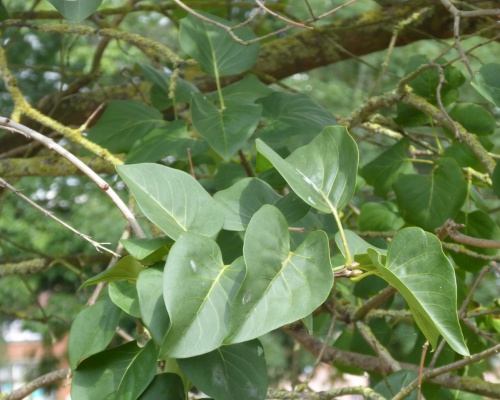 Saharima Roenisch
Leicester Victoria Park
31 August 2020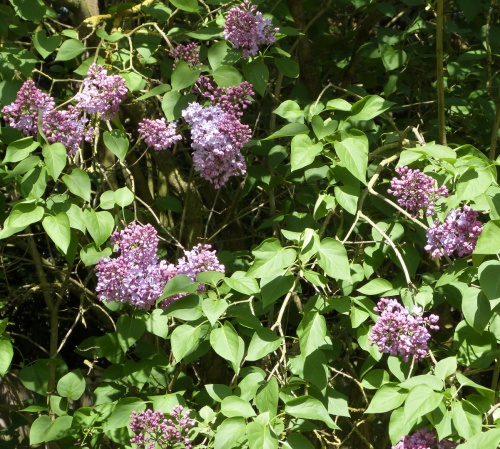 Graham Calow
Cambridge Road, Whetstone
15 May 2016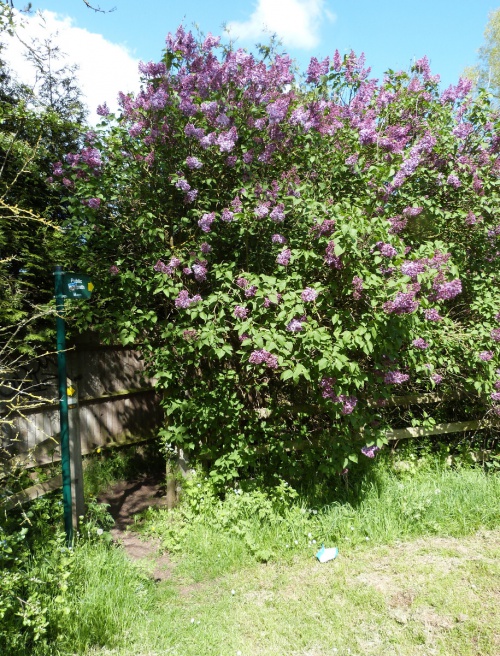 Graham Calow
Cambridge Road, Whetstone
15 May 2016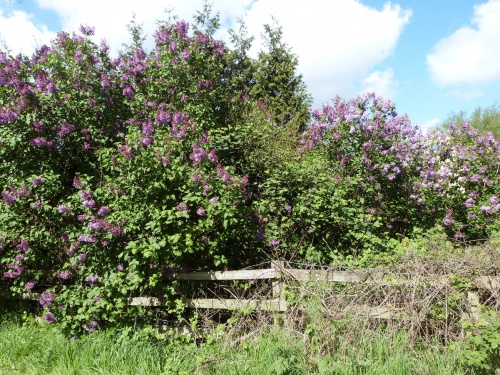 Graham Calow
Cambridge Road, Whetstone
15 May 2016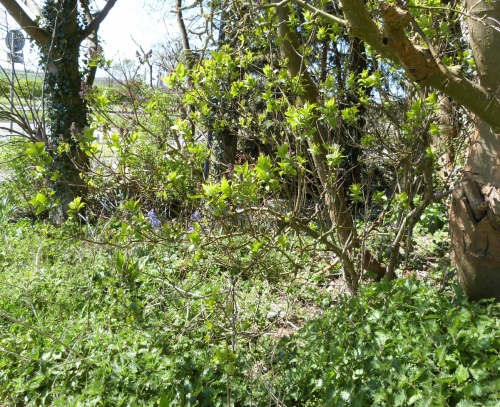 Graham Calow
Near High Cross
20 April 2016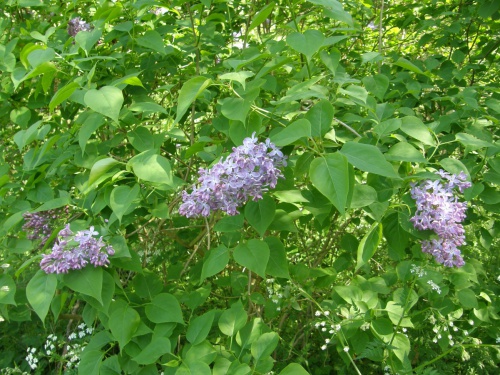 Saharima Roenisch
Knighton Park
06 May 2018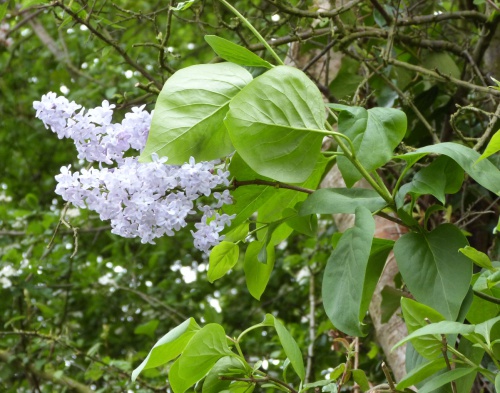 Graham Calow
corner of Tudor Drive, Cosby
20 May 2016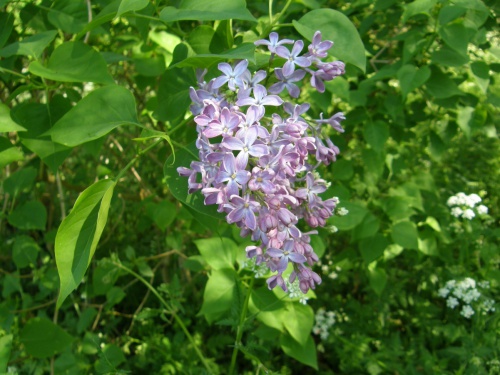 Saharima Roenisch
Knighton Park
06 May 2018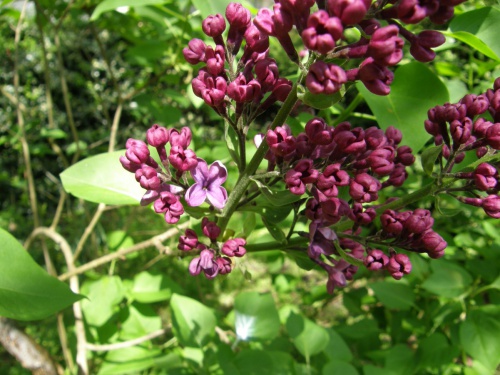 Saharima Roenisch
Evington Park
07 May 2018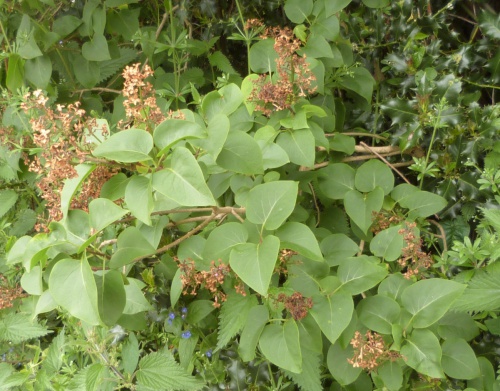 Graham Calow
Bell Street, Claybrooke Magna
02 June 2016
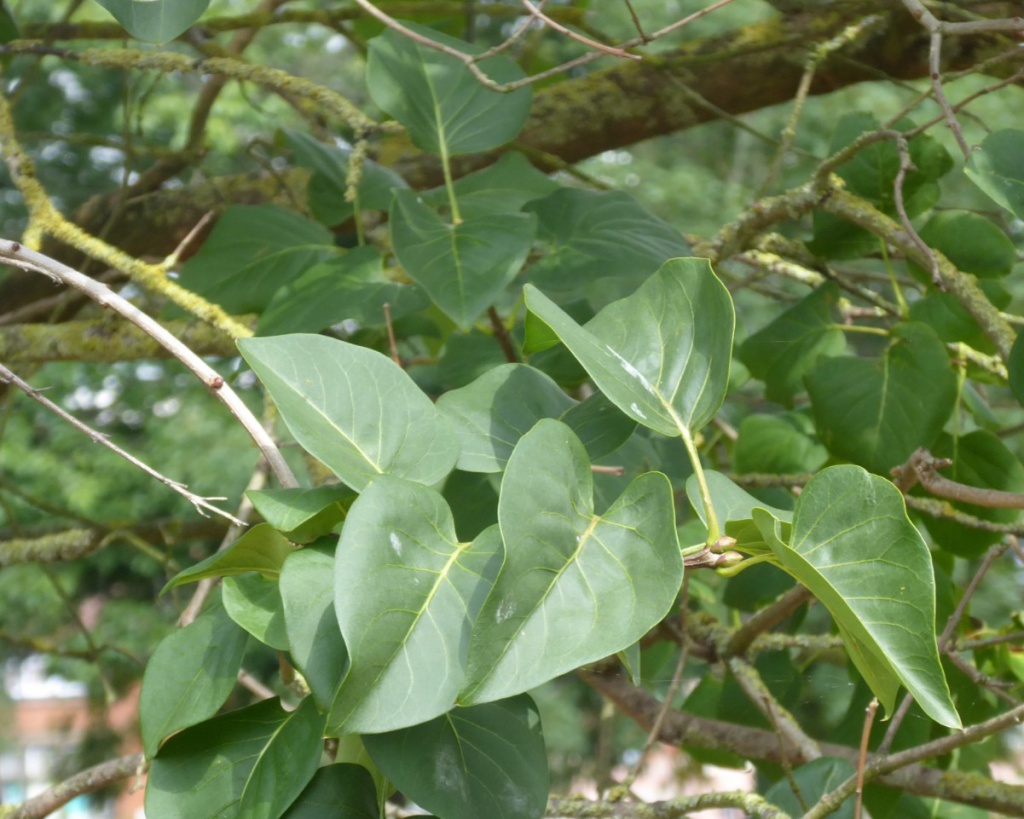
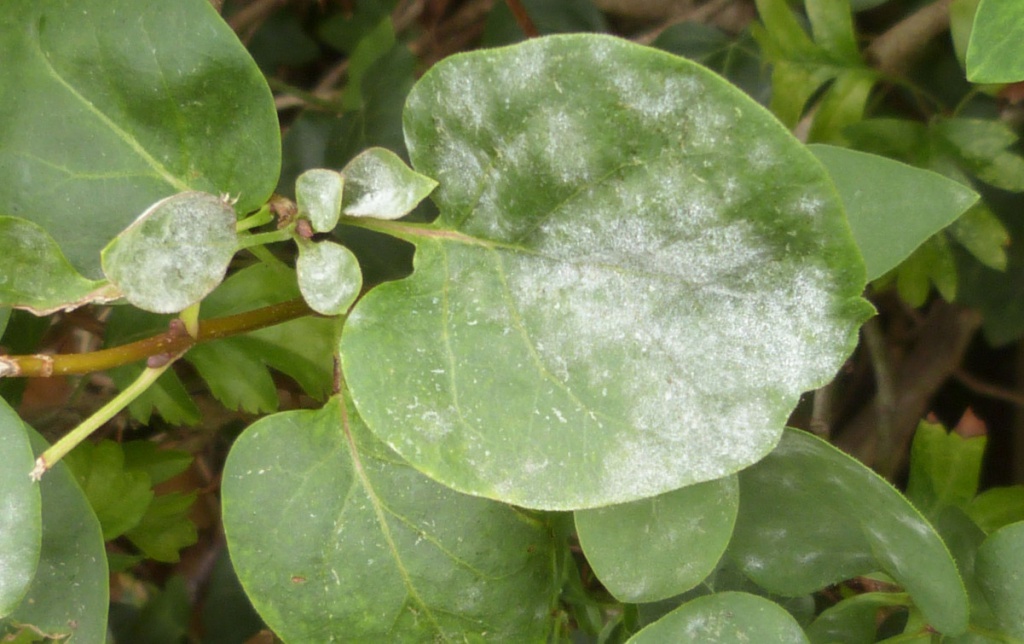
Erysiphe syringae
Erysiphe syringae is a white, powdery mildew affecting Lilac and producing an opaque-white discoloration of the leaves.
Care – there are other similar mildews that may affect Lilac and microscopic examination is necessary.
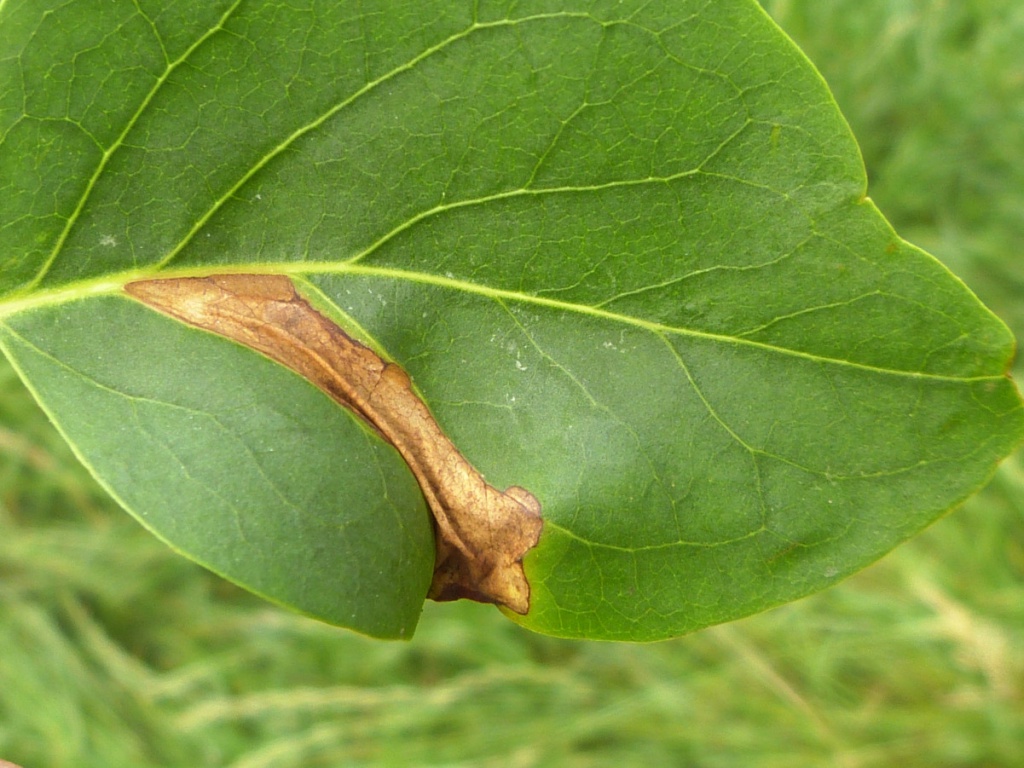
Gracillaria syringella
The larva of the moth Gracillaria syringella mines the leaves of Lilac, Ash, Privet and Jasmine, often gregariously, in a large blotch mine.