

Honey Waxcap - Hygrocybe reidii
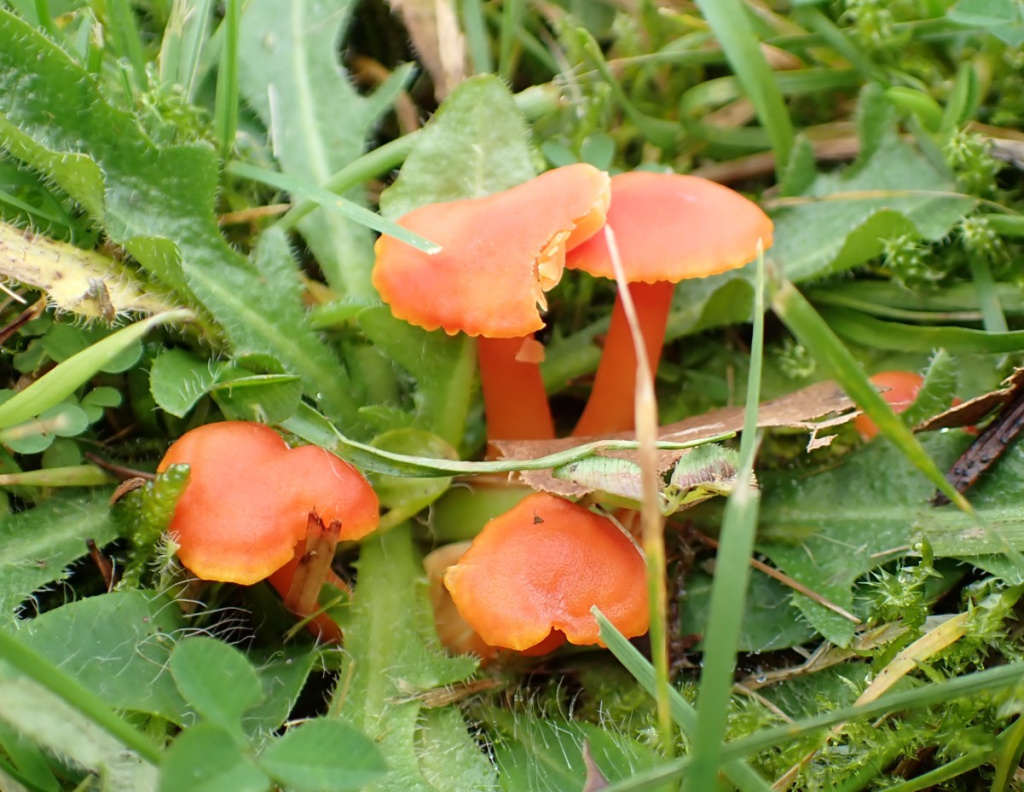
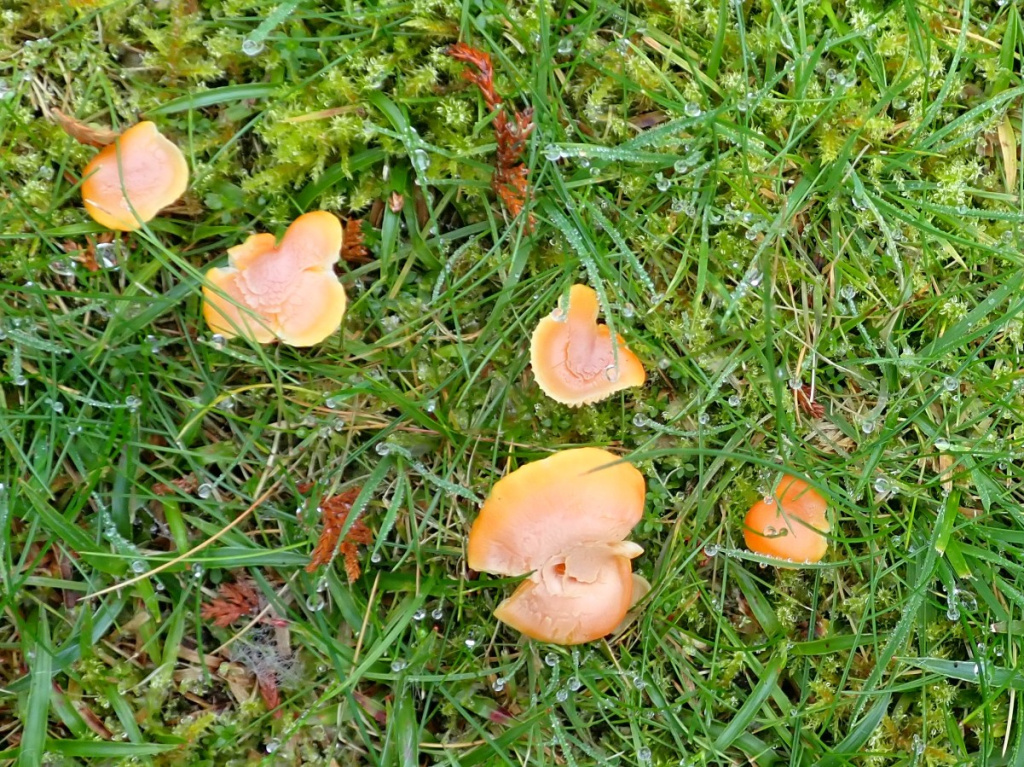
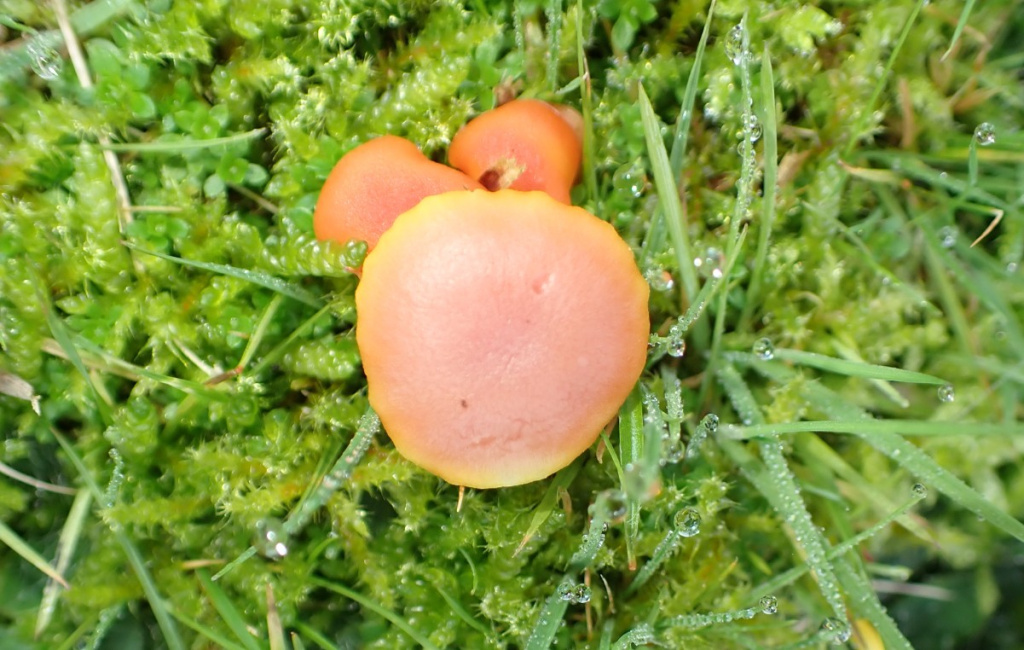
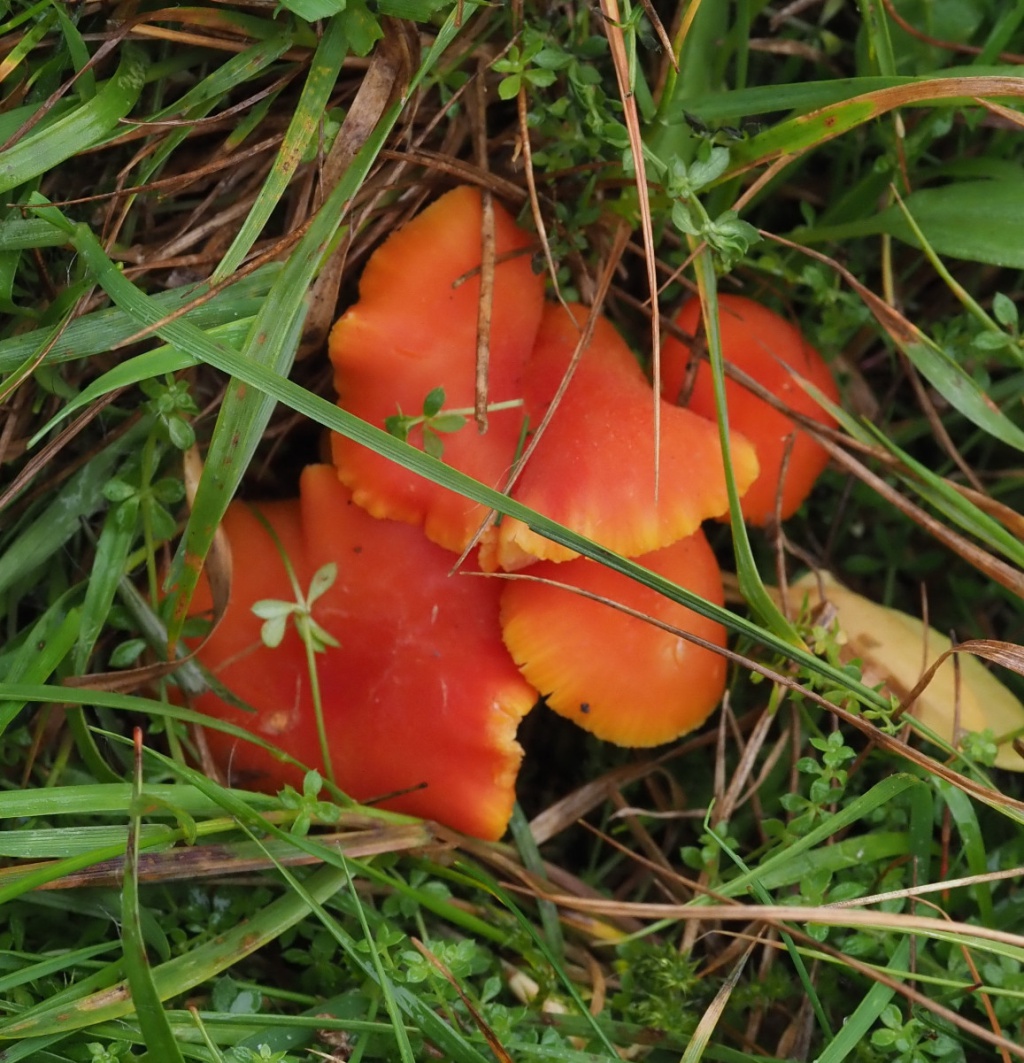
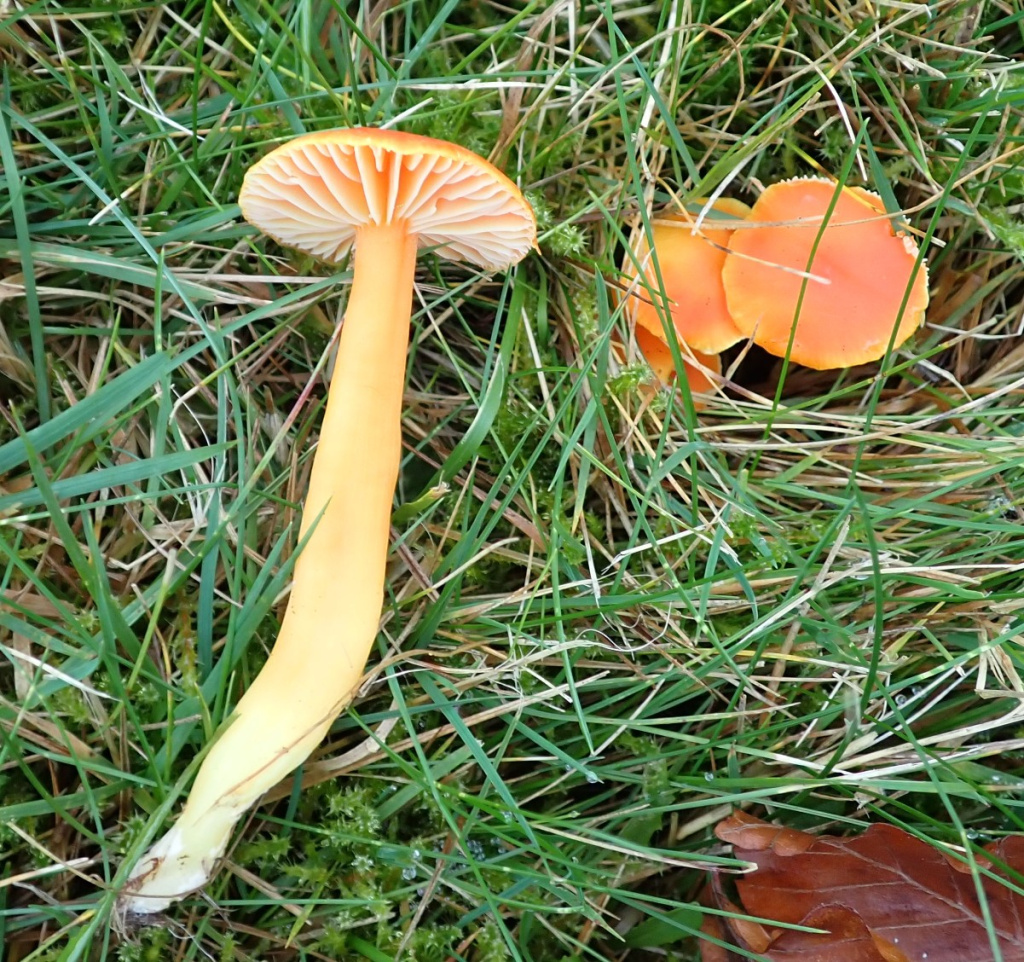
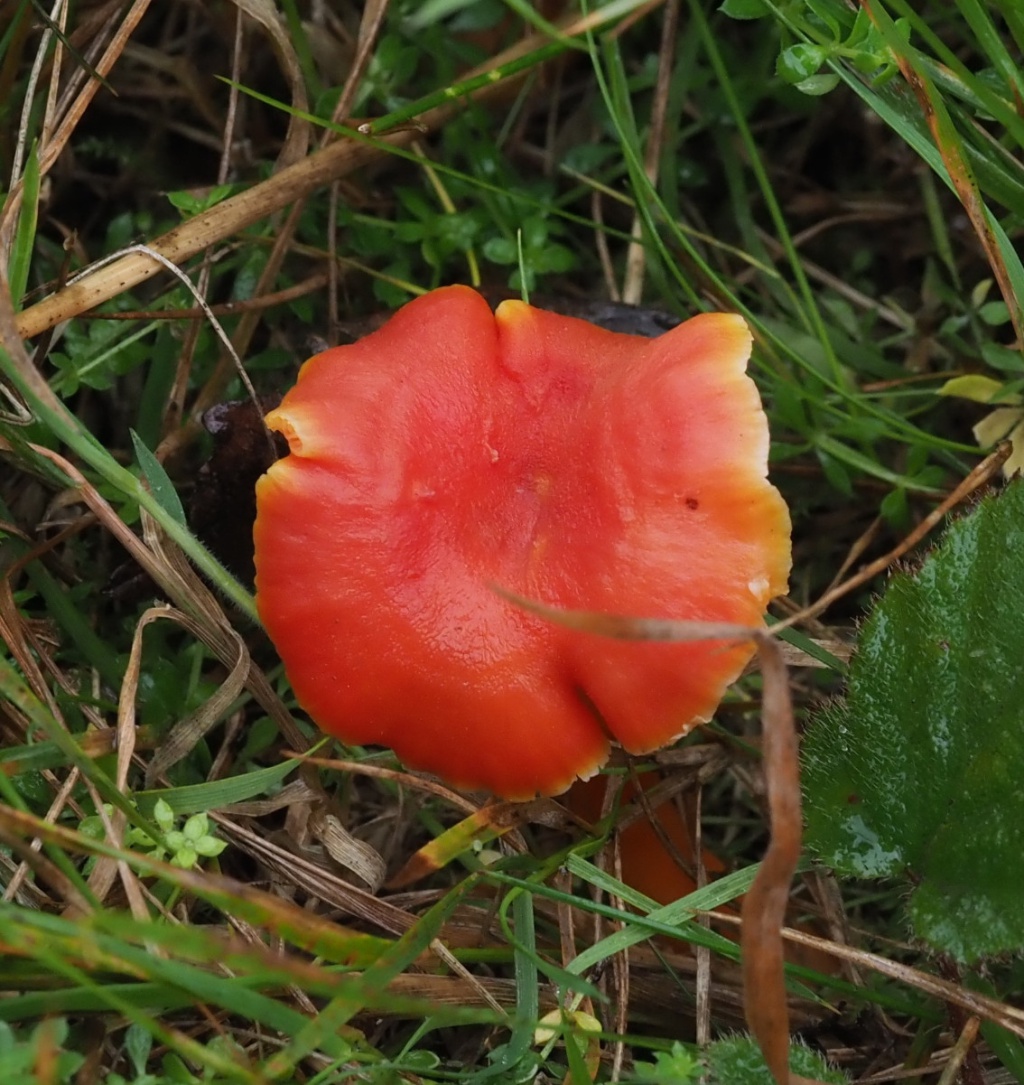
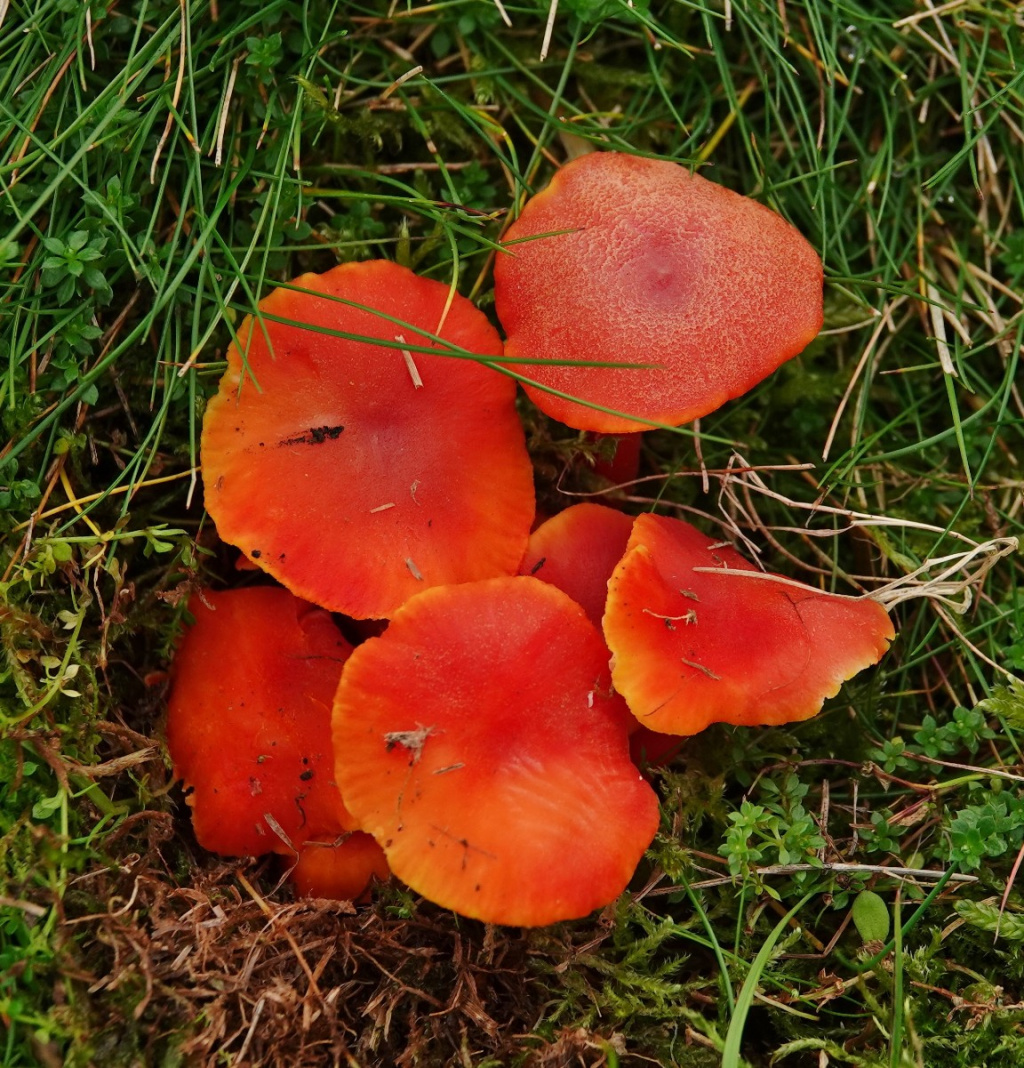
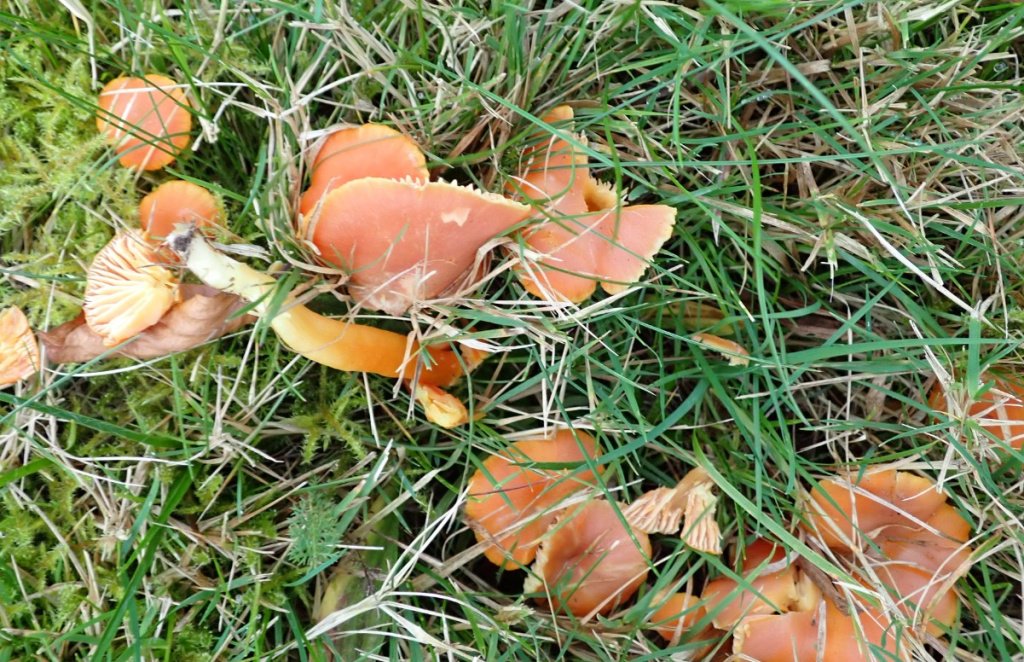
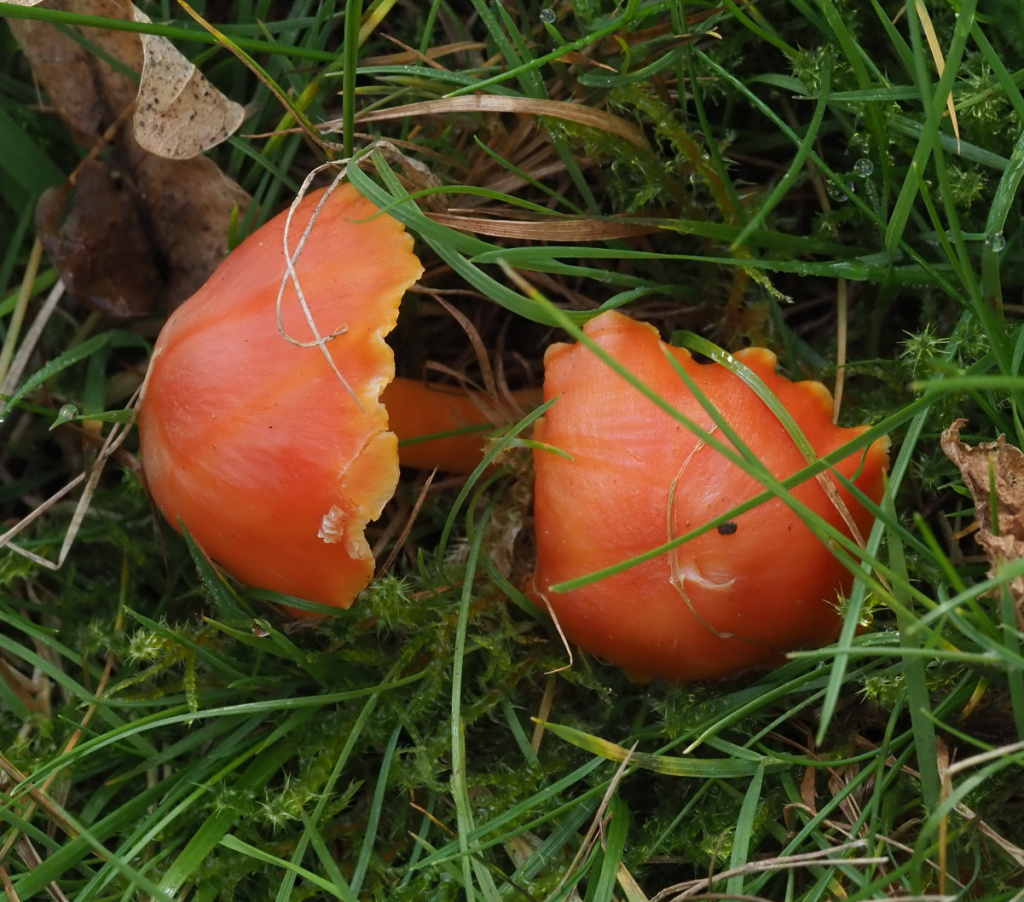
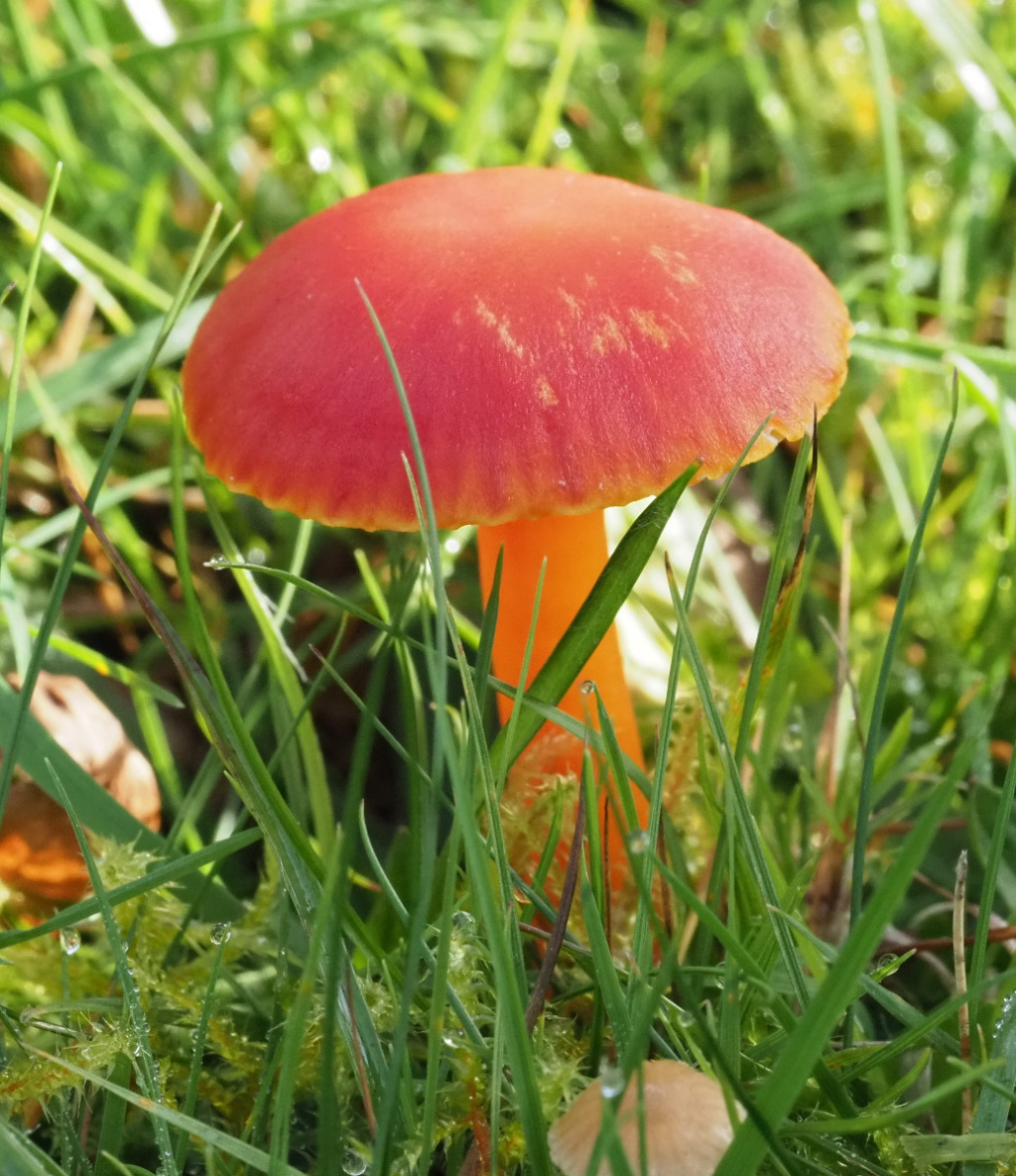
A small fungus with a cap diameter of 1 to 4.5 cm. The cap is a bright rich orange-red in colour when younger, but fading to a dull or pinkish-orange with age. Unlike many other orange and red waxcaps, it has a dry cap that become flaky with age. The cap is initially convex becoming depressed at the centre. Gills are decurrent and paler than the cap. The crushed stipe and cap have a pleasant sweet smell of honey.
There are several other similar species, but honey waxcap has a dry cap, not slimy, sticky or greasy, and honey scent
smell/texture 
Check for the dry cap and honey scent
This is difficult to identify from photos. Photograph the cap and the gills. Your notes must describe the texture of the cap (slimy/sticky/greasy/dry?) and the scent of the crushed stem/cap. To detect the smell, you may need to collect a specimen, crush it and put into a sealed container for a few minutes before opening and sniffing immediately
Found in old unimproved grassland, grazed or mown, in pastures, parklands and in close-mown turf in lawns, churchyards and cemeteries
Autumn
Infrequent but widespread in Britain.
Occasional in Leicestershire and Rutland.
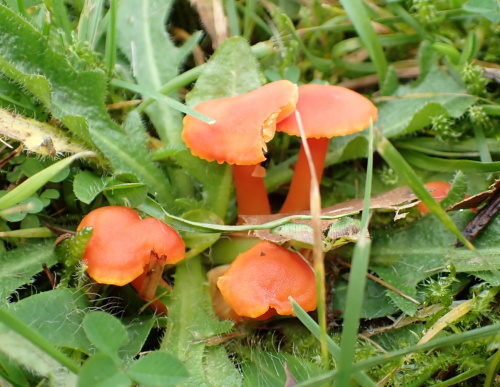 sue
sue
Sheepy churchyard
21 October 2024
Dry caps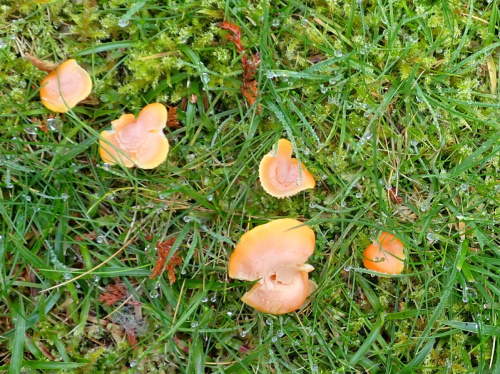 sue
sue
Donisthorpe Cemetery
26 October 2024
Old specimens are paler and often have cracked caps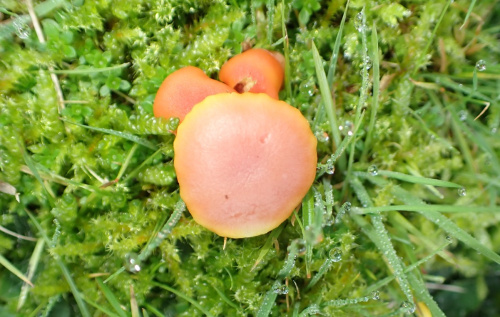 sue
sue
Measham, Cemetery
26 October 2024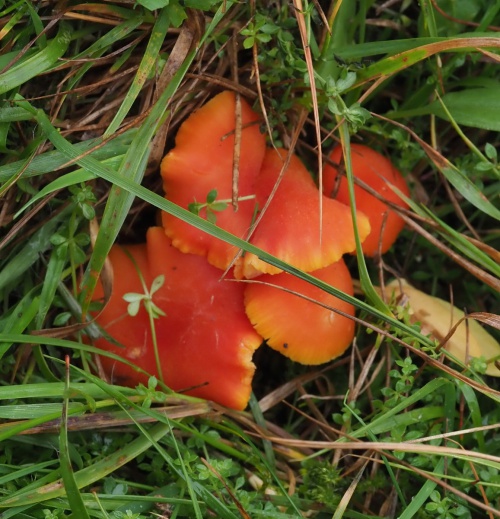 David Nicholls
Charnwood Lodge
11 October 2023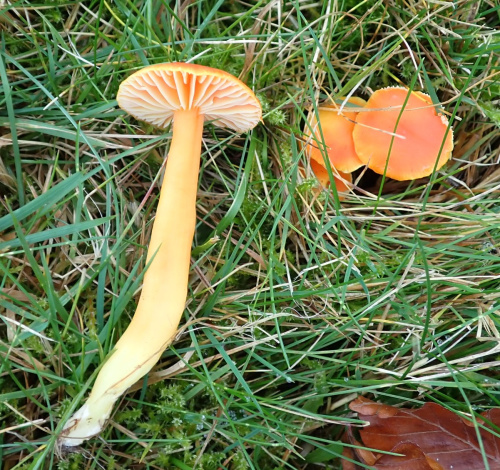 sue
sue
Loughborough Old Cemetery
05 November 2024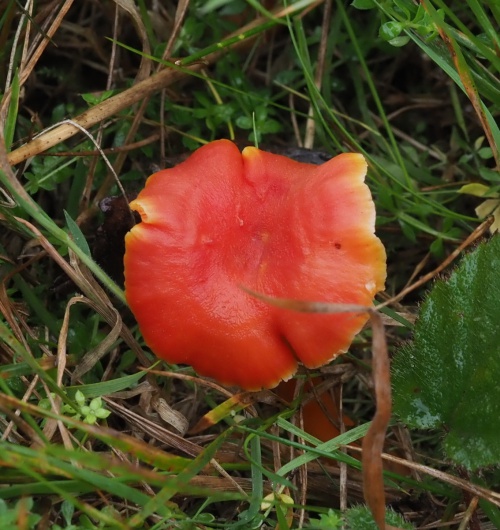 David Nicholls
Charnwood Lodge
11 October 2023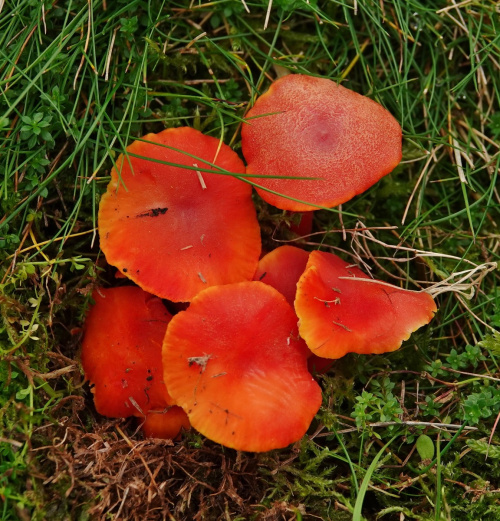 Jane Hollingworth
Beacon Hill
01 November 2024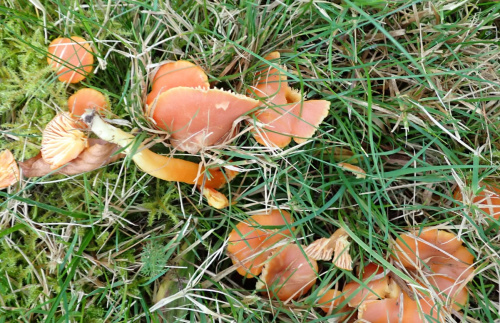 sue
sue
Loughborough Old Cemetery
05 November 2024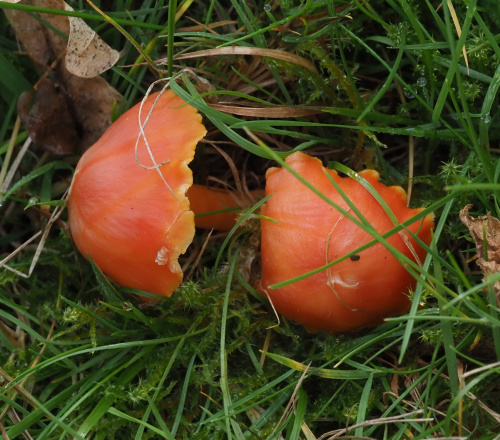 David Nicholls
Ulverscroft Manor
13 November 2024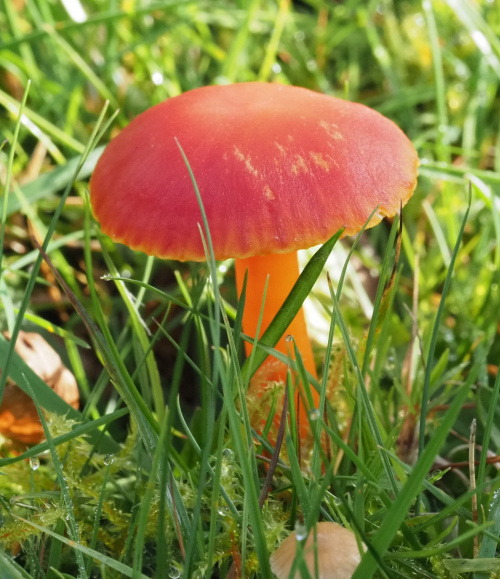 David Nicholls
Ulverscroft Manor
13 November 2024
Leicestershire & Rutland Map
Enter a town or village to see local records
MAP KEY:
Yellow squares = NBN records (all known data)
Coloured circles = NatureSpot records: 2025+ | 2020-2024 | pre-2020
UK Map
Species profile
- Common names
- Honey Waxcap
- Species group:
- fungus
- Kingdom:
- Fungi
- Order:
- Agaricales
- Family:
- Hygrophoraceae
- Records on NatureSpot:
- 7
- First record:
- 11/10/2023 (Nicholls, David)
- Last record:
- 13/11/2024 (Nicholls, David)
Total records by month
% of records within its species group
10km squares with records
The latest images and records displayed below include those awaiting verification checks so we cannot guarantee that every identification is correct. Once accepted, the record displays a green tick.
In the Latest Records section, click on the header to sort A-Z, and again to sort Z-A. Use the header boxes to filter the list.