Harvest Mouse - Micromys minutus
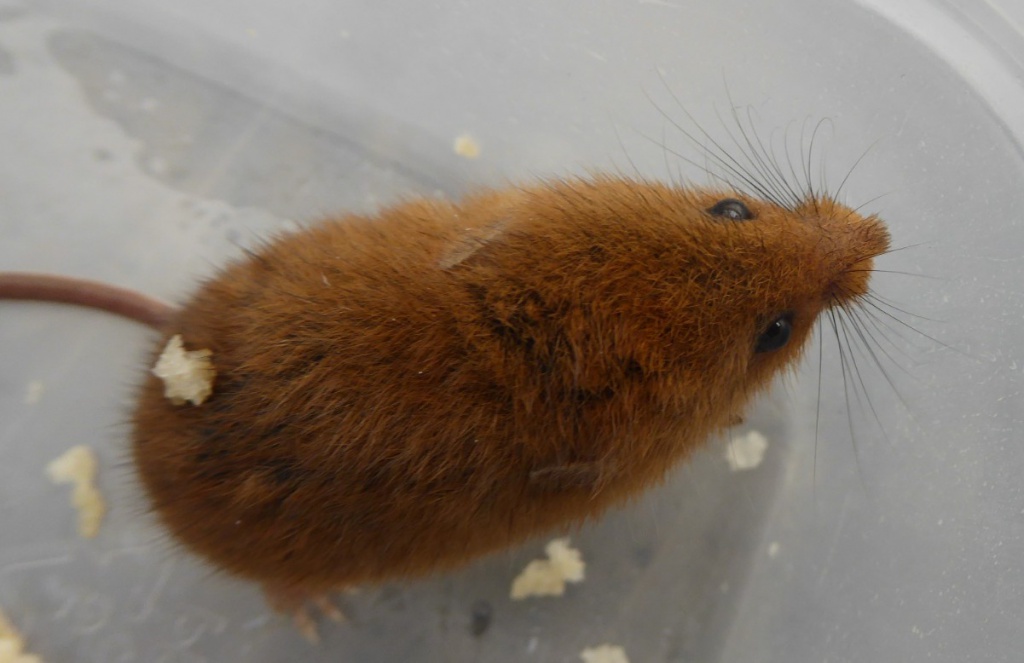
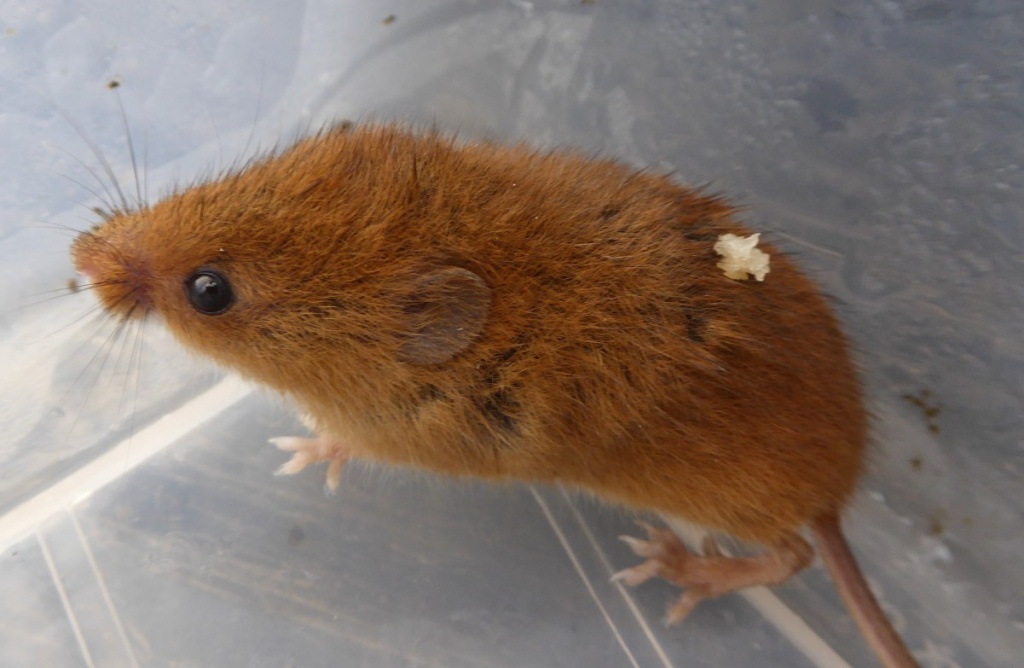
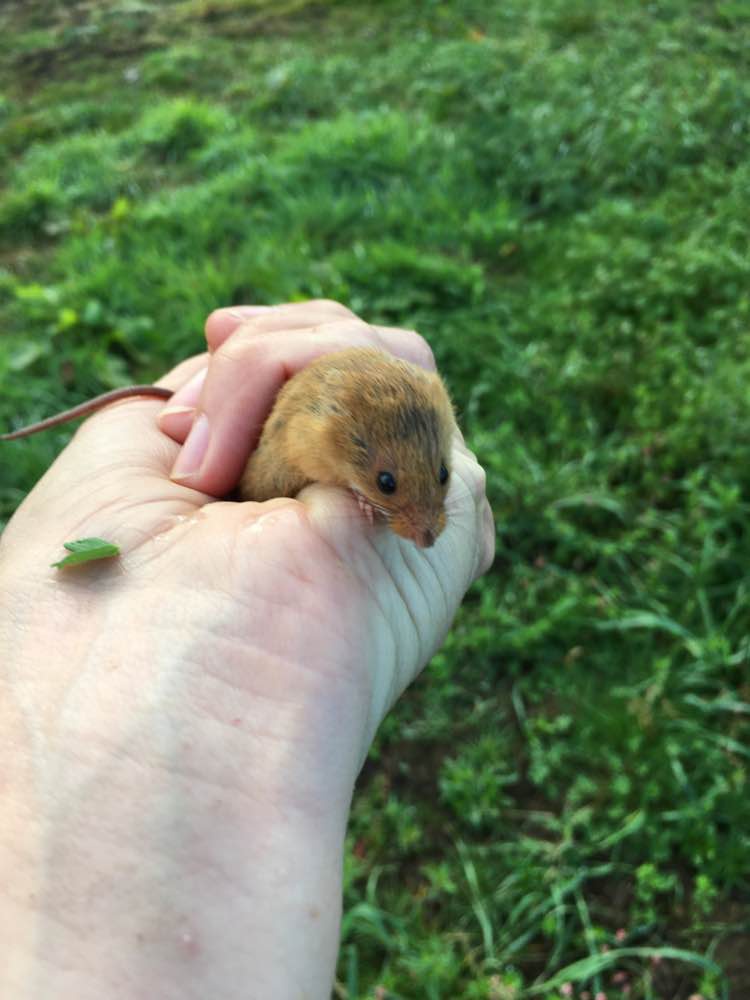
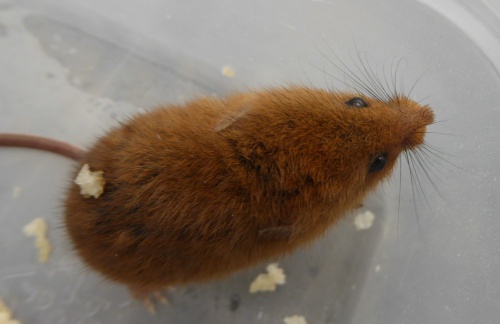
The Harvest mouse is the smallest of our British rodents with a body length no bigger than a human thumb. The fur on the upper side is generally orange-brown and contrasts sharply with the white underside. The ears are hairy and relatively small but noticeable. It has beady eyes to see well with and a blunt nose compared to other mice. It has a long prehensile tail which it uses as a 5th limb for grasping and climbing through stalks of grasses, reeds and tall vegetation.
Leicestershire, Leicester & Rutland Local Nature Recovery Strategy - Indicator Species
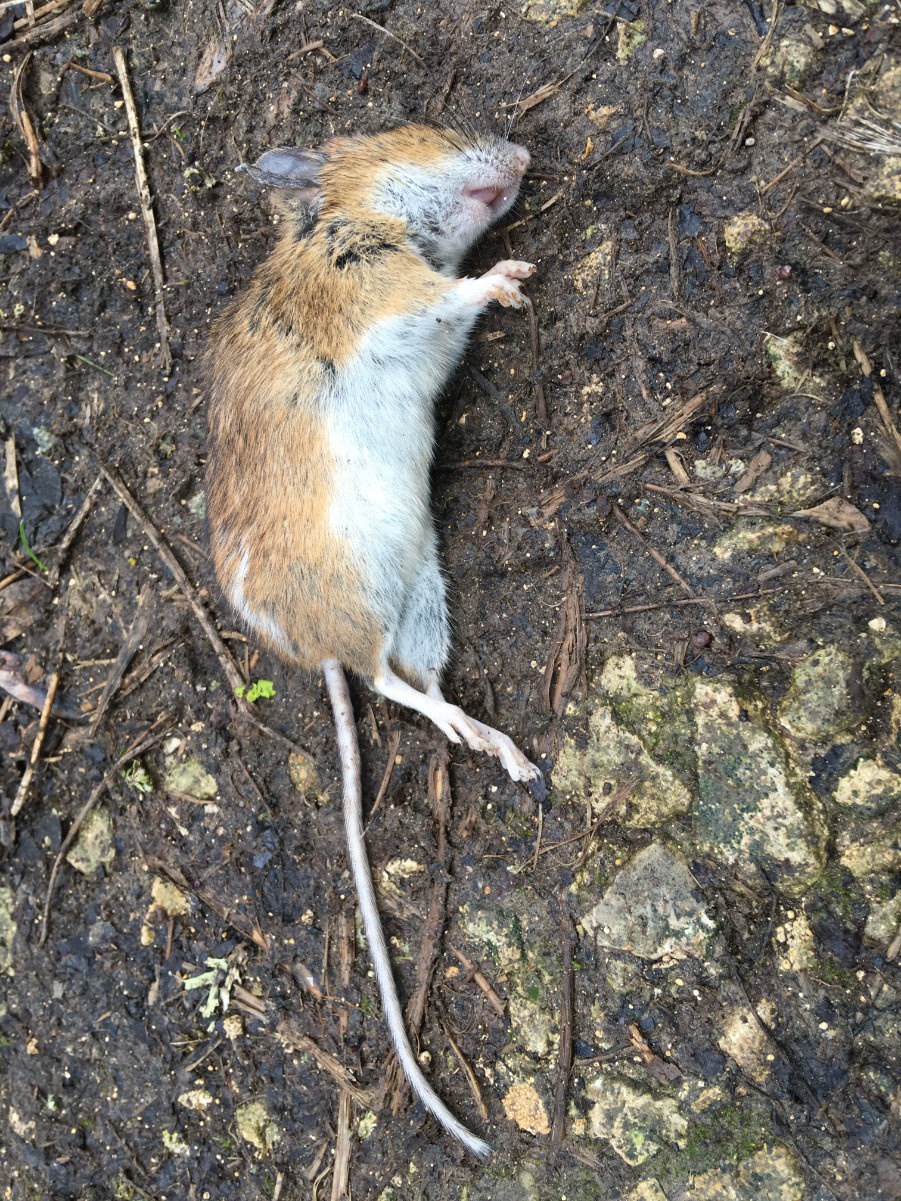
Wood mouse
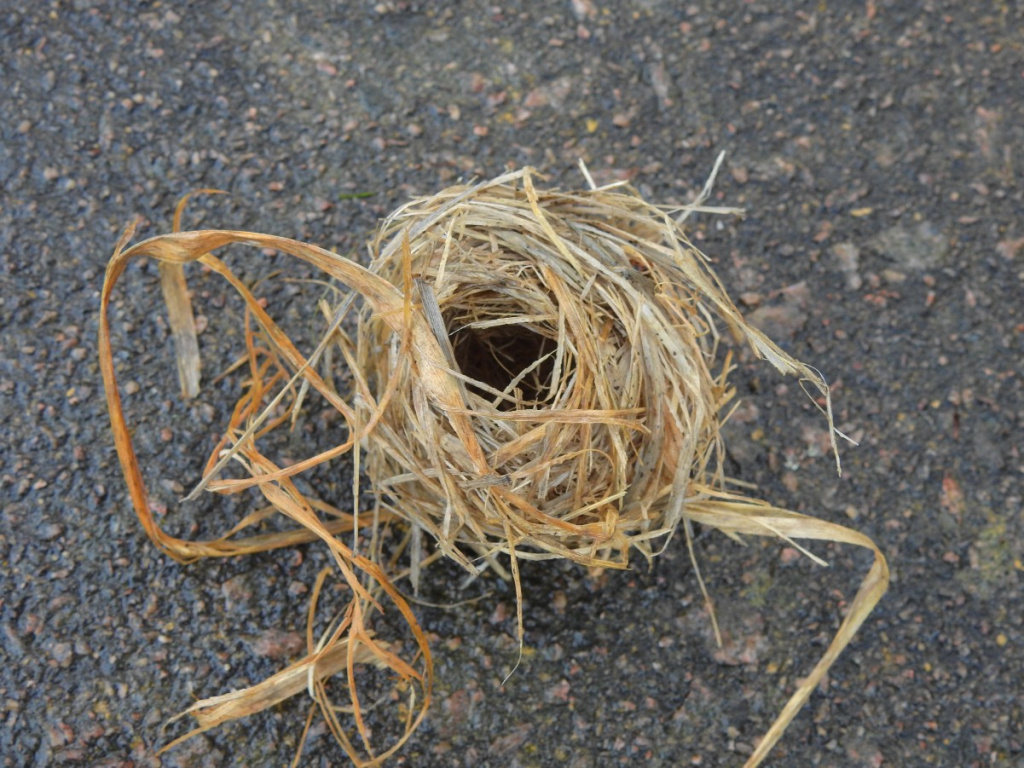
Adult  Nests
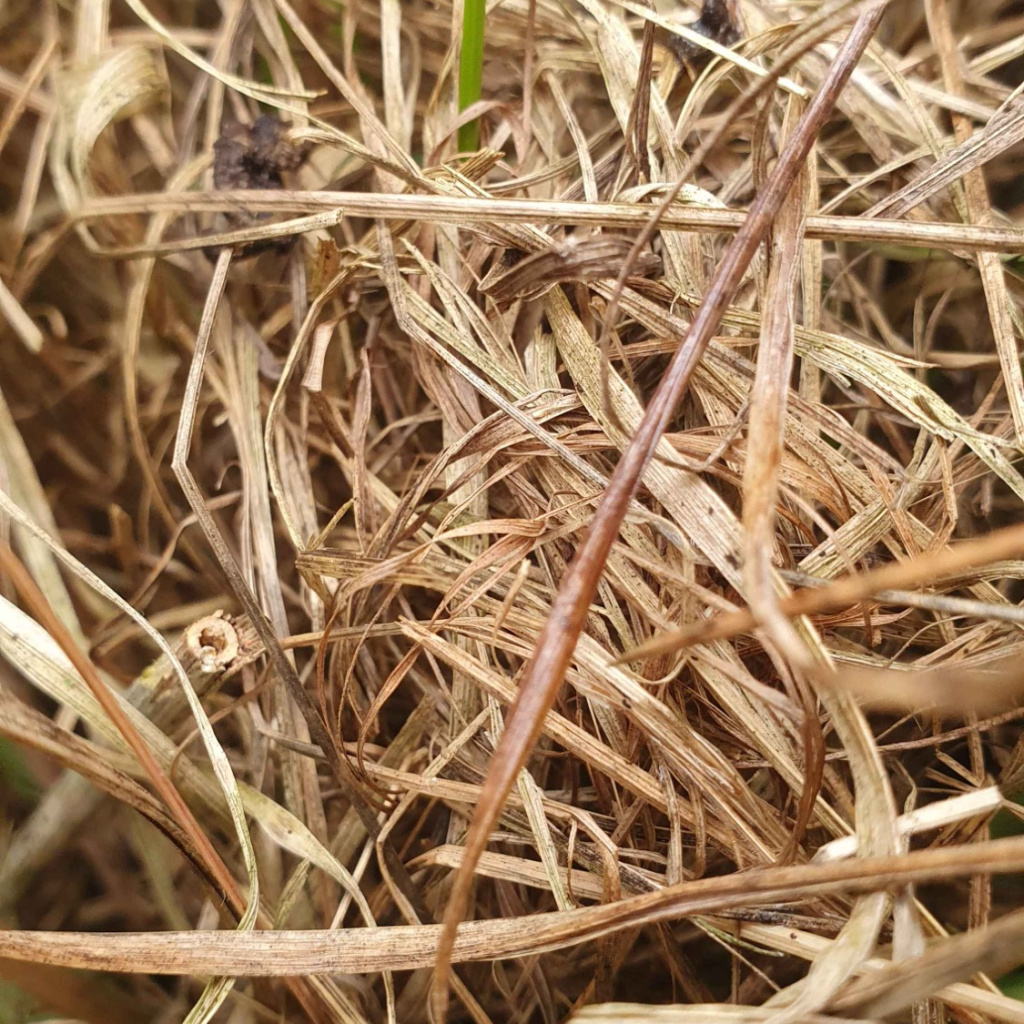
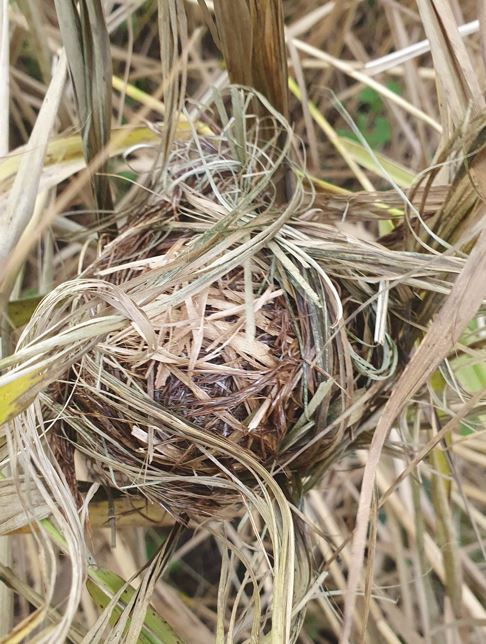
Nests
Prehensile tail is long and sparsely hairy, Small, hairy ears, Orange-brown upper coat contrasting with white underside
Very light (5g to 11g)
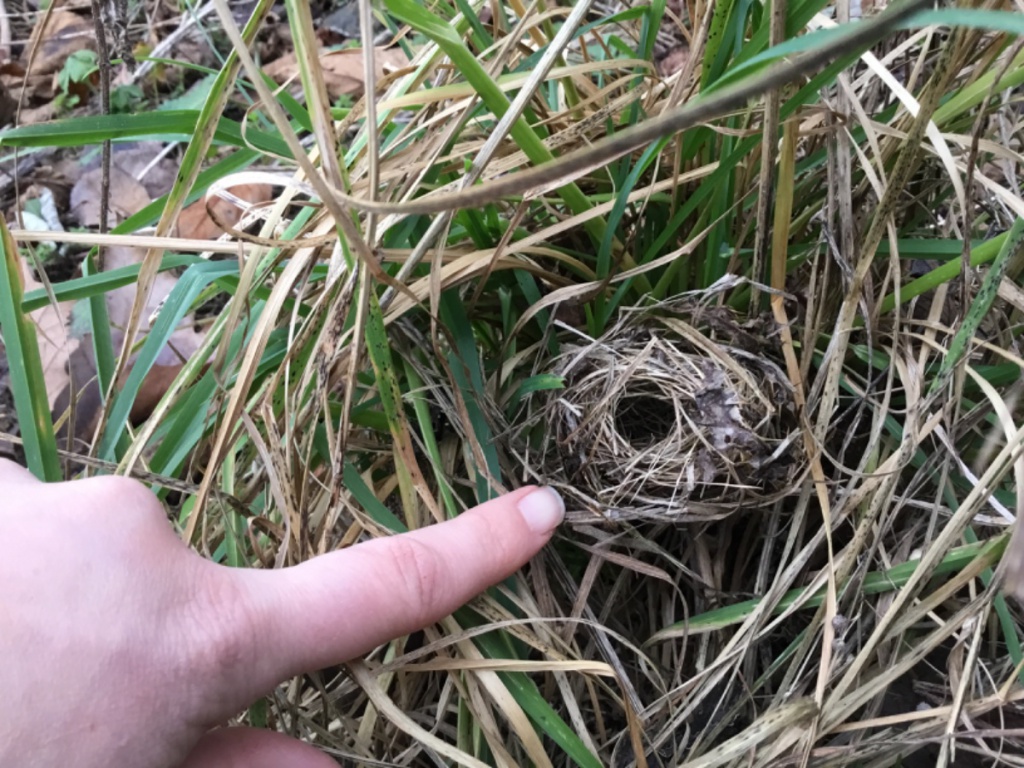
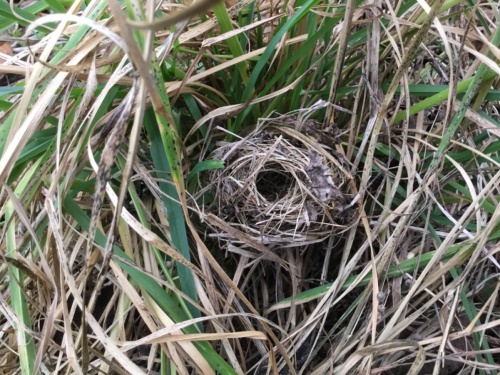
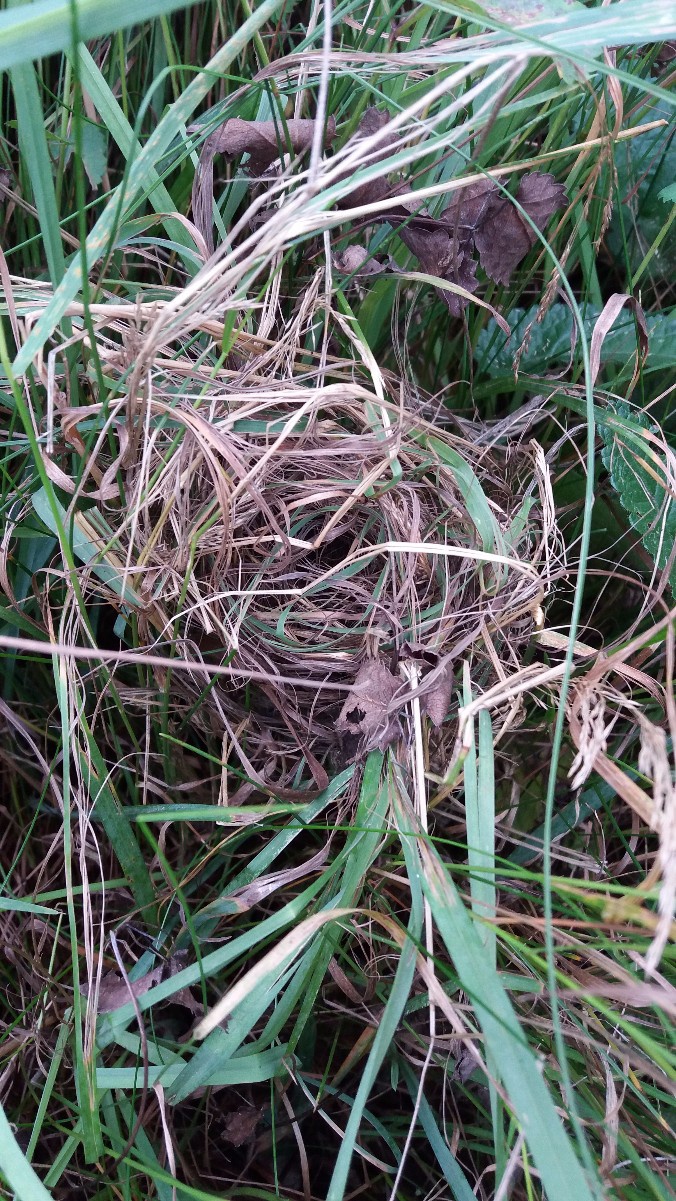
Confirmation of presence is usually done by searching for their nests. Submit details of the nest with ruler/measure to show the size, height found and if in use. DO NOT DISTURB THE NEST IF OCCUPIED
Occupies a wide range of habitats from tall herbs, rank grassland, dry reedbeds, wetlands, arable crops (especially oats, wheats and legumes), ditches and bramble patches interwoven with grasses and other tall herbs. It feeds on seeds, fruit, berries and sometimes catches moths and butterflies.
This mouse does not hibernate but is most active between May and October, however it is mainly nocturnal in the winter. Due to its size and agility, it is difficult to spot and if alarmed, it may simply drop down to the ground.
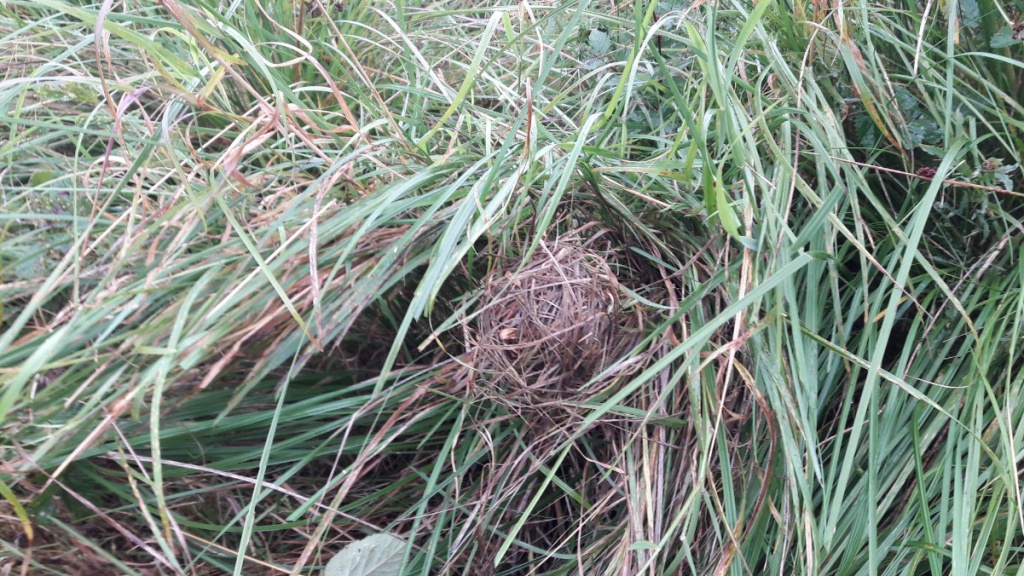
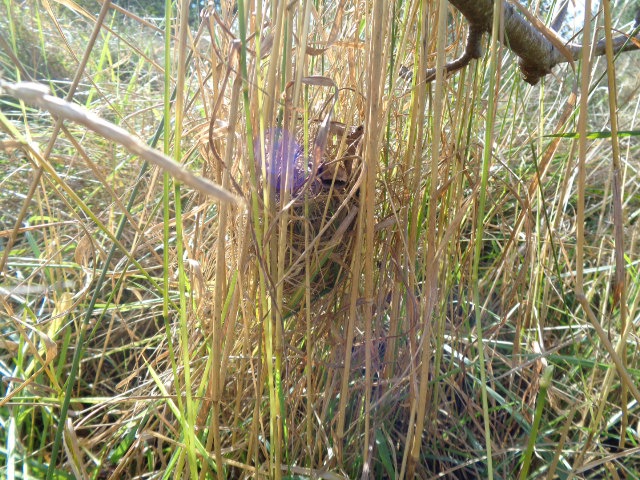
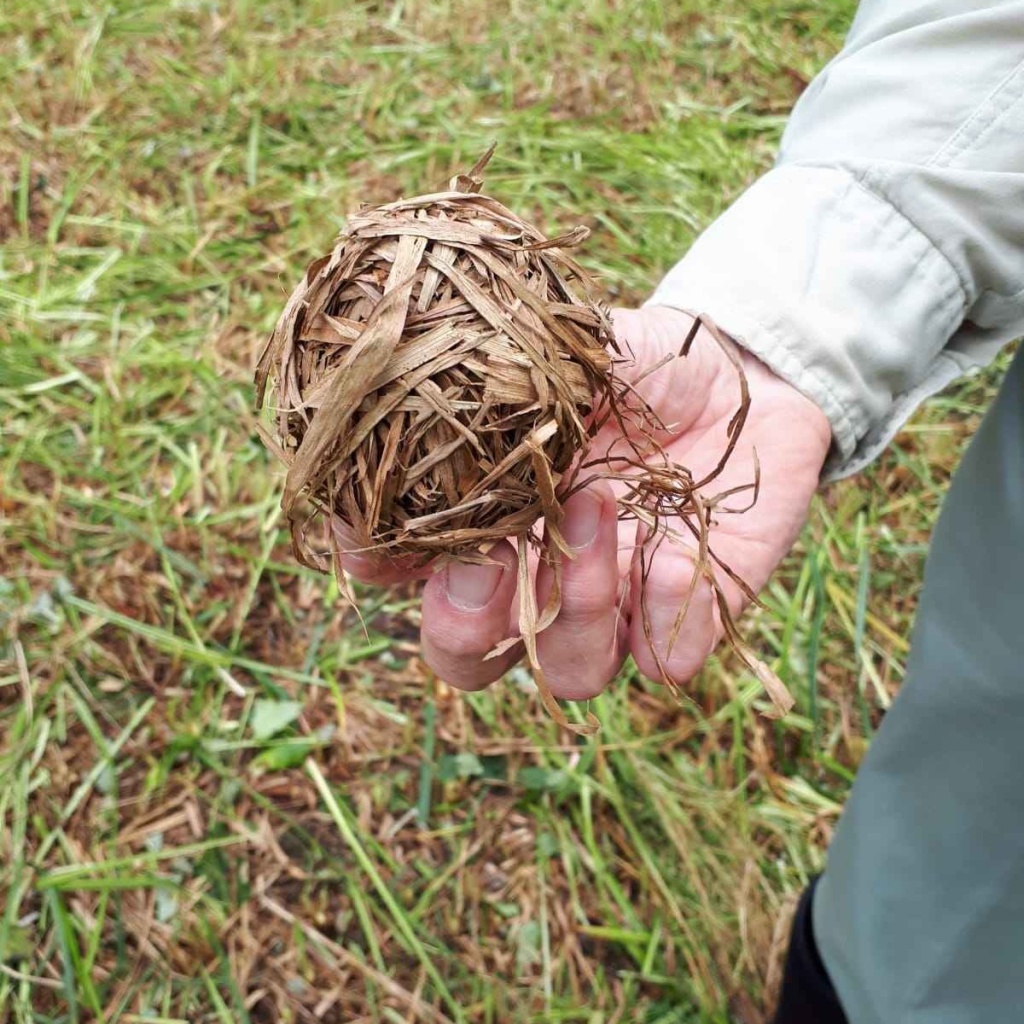
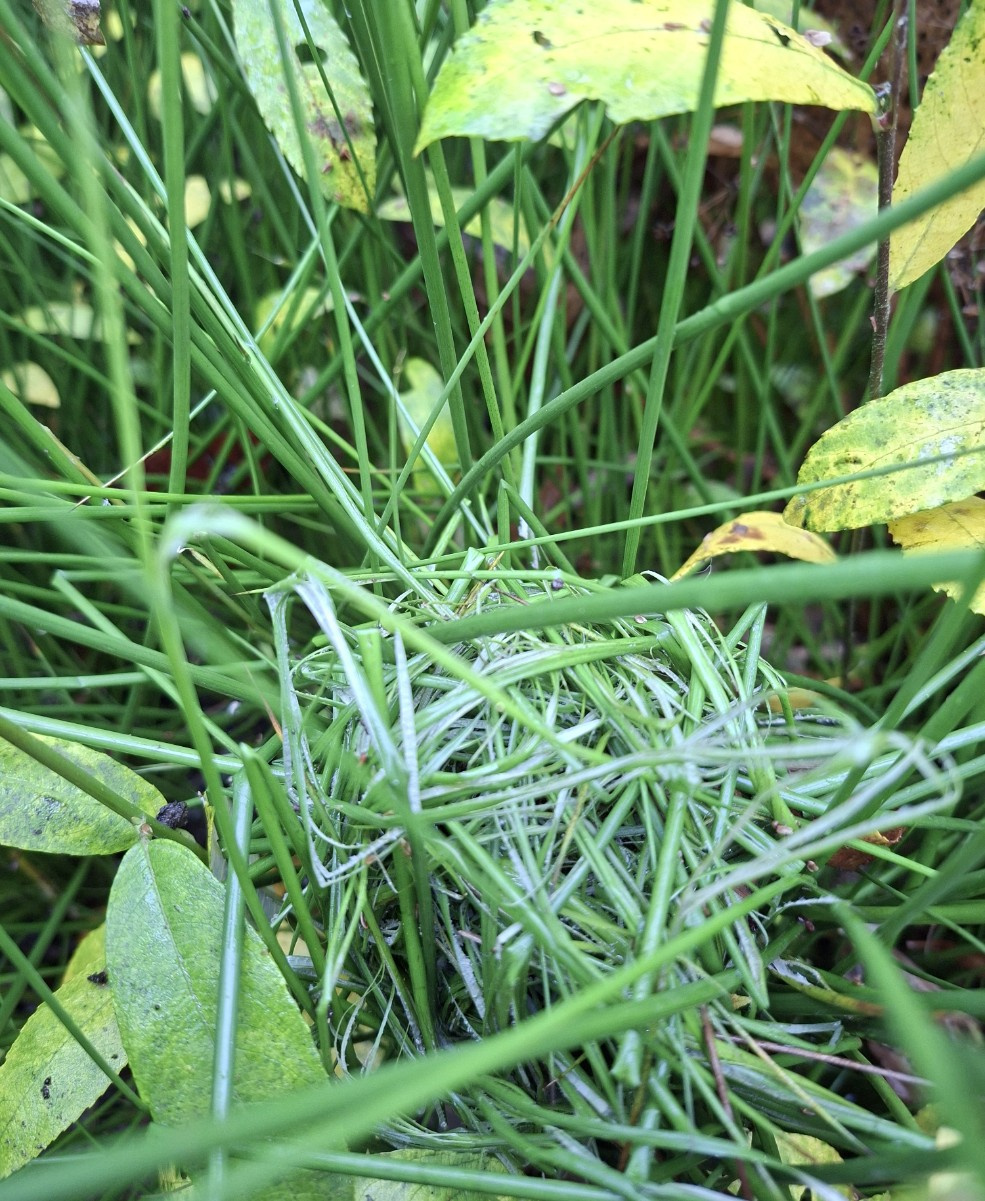
Summer nests are spherical, made from grass blades; 8-10 cm diameter and found 30-40 cm above ground. They are inter-woven firmly among vertical stems with an obvious entrance hole in the side. Breeding females will build several nests in a season which are green at first, then fade to straw-colour.
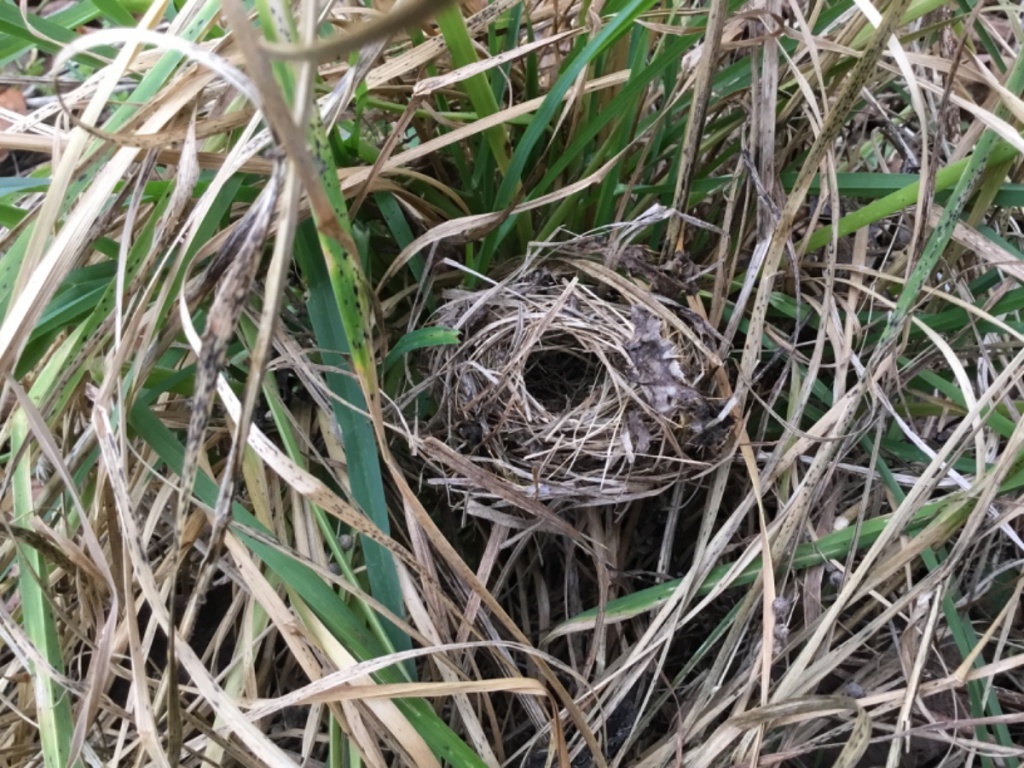
Winter nests are often near the ground - in tussocks of coarse grasses (Cock's-foot or Tufted Hair-grass) or rushes. These solitary nests and much smaller at 5cm diameter, spherical but not as neat as a summer nest.
Breeding season is May to October. Both sexes are promiscuous and the males do not tend their young. The female has a maximum of 3 litters per year, with 1-8 young in each (average 5) She will use different breeding nests to raise her young. They are fully independent after 40 days but leave the nest at 15-16 days (although they will continue to return to the natal nest until fully mature).
IUCN List = Least Concern Priority species on the Natural Environment and Rural Communities (NERC) list
Uncommon in Leicestershire and Rutland. Poorly recorded across the two counties
 JamieG
Brocks Hill Country Park
30 January 2020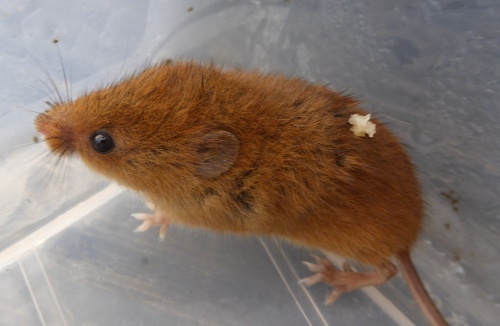 sue
sue
Bagworth
24 September 2020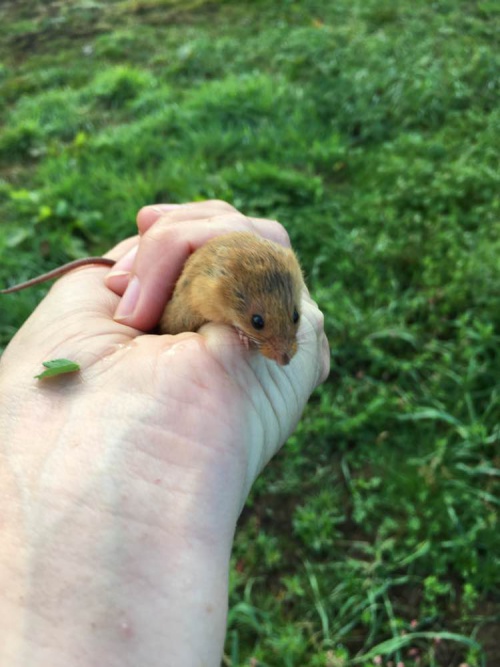 Katie Field
Wymondham
01 October 2021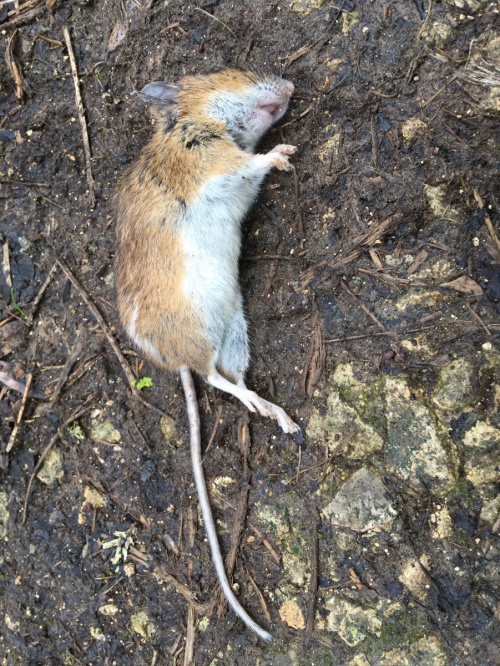 marianmarkham@btinternet.com
Rutland Water Nature Reserve Egleton
25 March 2023
whole body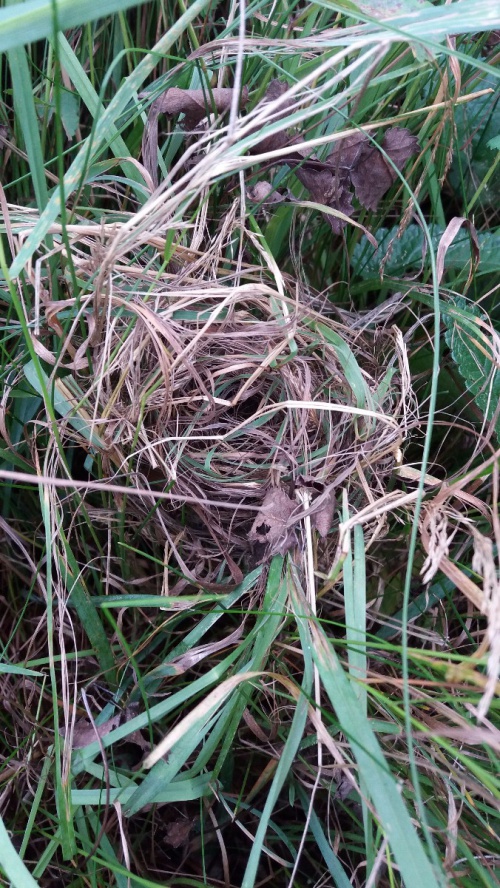 Uta Hamzaoui
Bardon Estate
25 July 2017
nest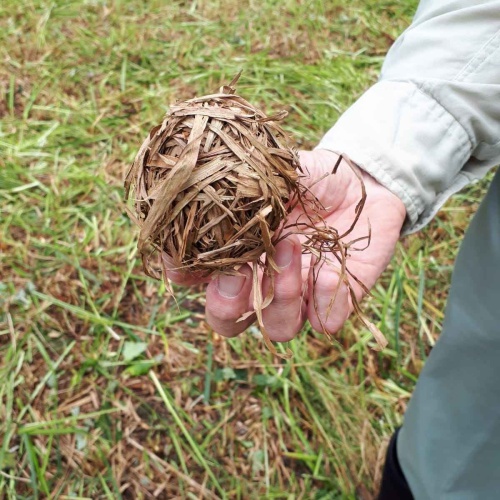 Isabel Raval
Markfield, Leicestershire
25 August 2023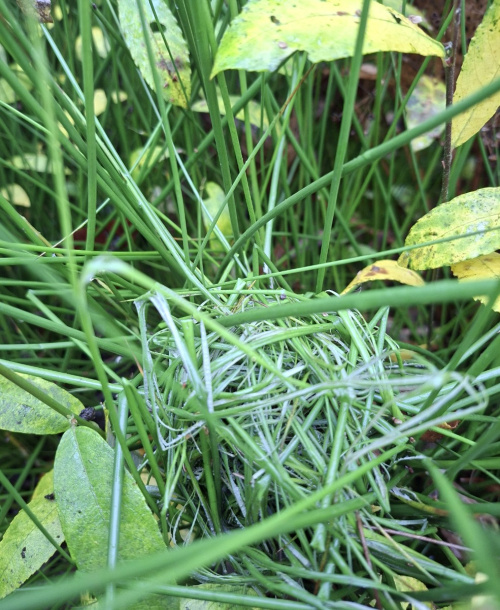 Margaret McLoughlin
Charnwood Lodge NNR
06 November 2025
Nest 1. Nest not disturbed
Leicestershire & Rutland Map
Enter a town or village to see local records
MAP KEY:
Yellow squares = NBN records (all known data)
Coloured circles = NatureSpot records: 2025+ | 2020-2024 | pre-2020
UK Map
Species profile
- Common names
- Harvest Mouse
- Species group:
- terrestrial mammal
- Kingdom:
- Animalia
- Order:
- Rodentia
- Family:
- Cricetidae
- Records on NatureSpot:
- 36
- First record:
- 20/09/2015 (ingram, barry)
- Last record:
- 06/11/2025 (McLoughlin, Margaret)
Total records by month
% of records within its species group
10km squares with records
The latest images and records displayed below include those awaiting verification checks so we cannot guarantee that every identification is correct. Once accepted, the record displays a green tick.
In the Latest Records section, click on the header to sort A-Z, and again to sort Z-A. Use the header boxes to filter the list.
Latest images
Latest records
 sue
sue
Bagworth
24 September 2020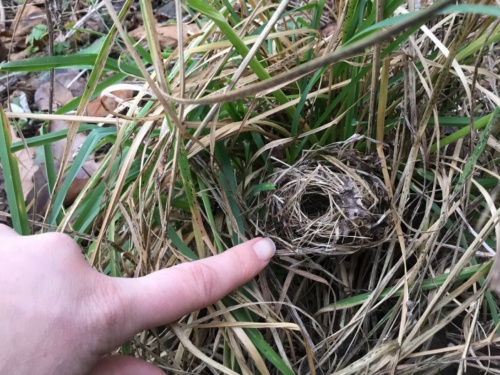 JamieG
Brocks Hill Country Park
30 January 2020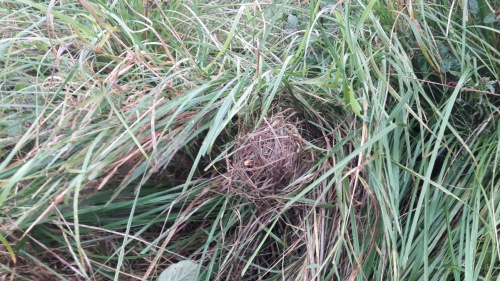 Uta Hamzaoui
Sandhills Lodge
27 August 2020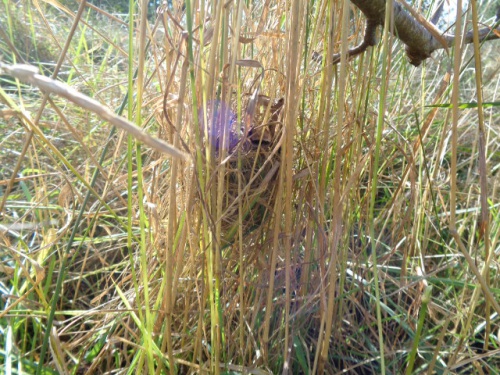 Arch Robin
Castle Hill Country Park
04 October 2021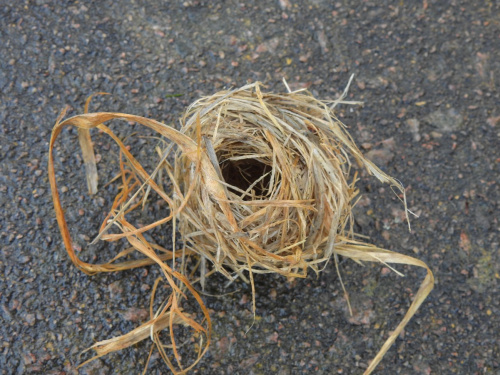 Jane Hollingworth
Memorial Garden Quorn
05 December 2023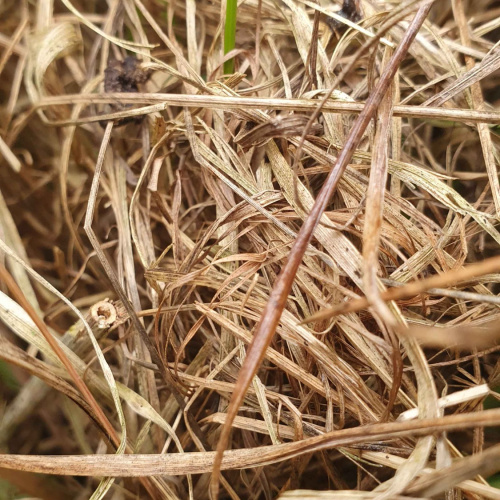 Helen O'Brien
Cotesbach, Leicestershire
12 October 2025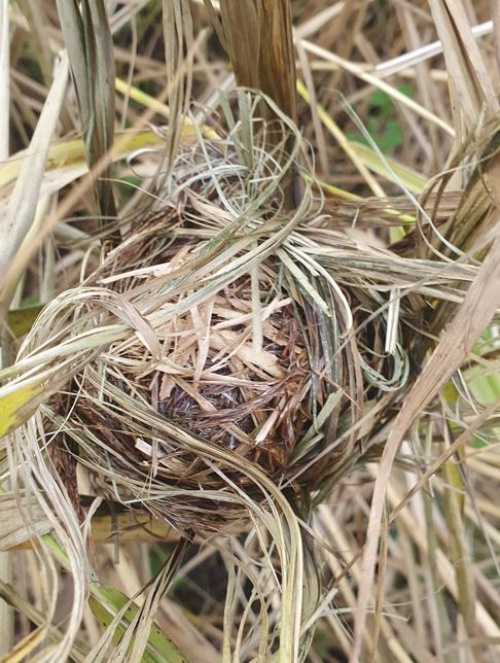 Helen O'Brien 2
Twycross Zoo Nature Reserve
09 November 2023
Harvest mouse nest