

Ground-ivy - Glechoma hederacea
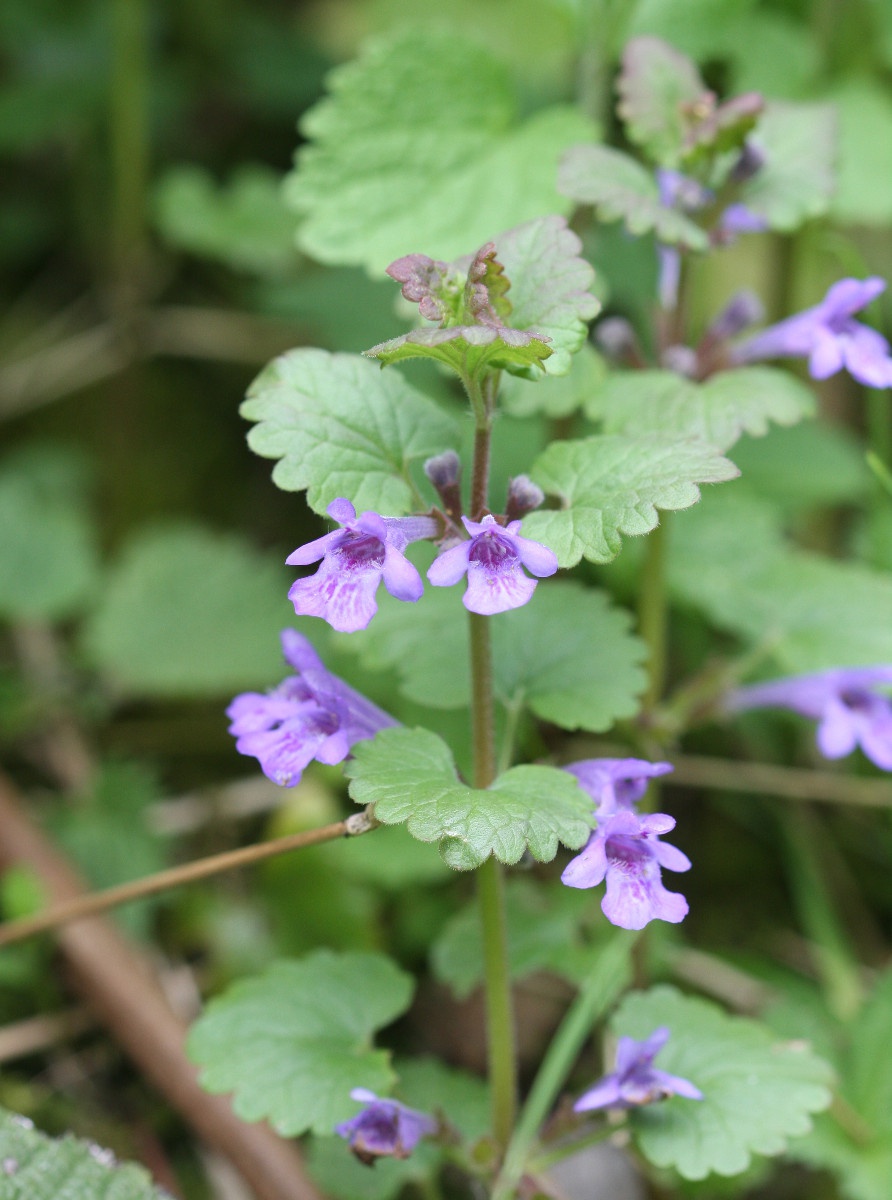
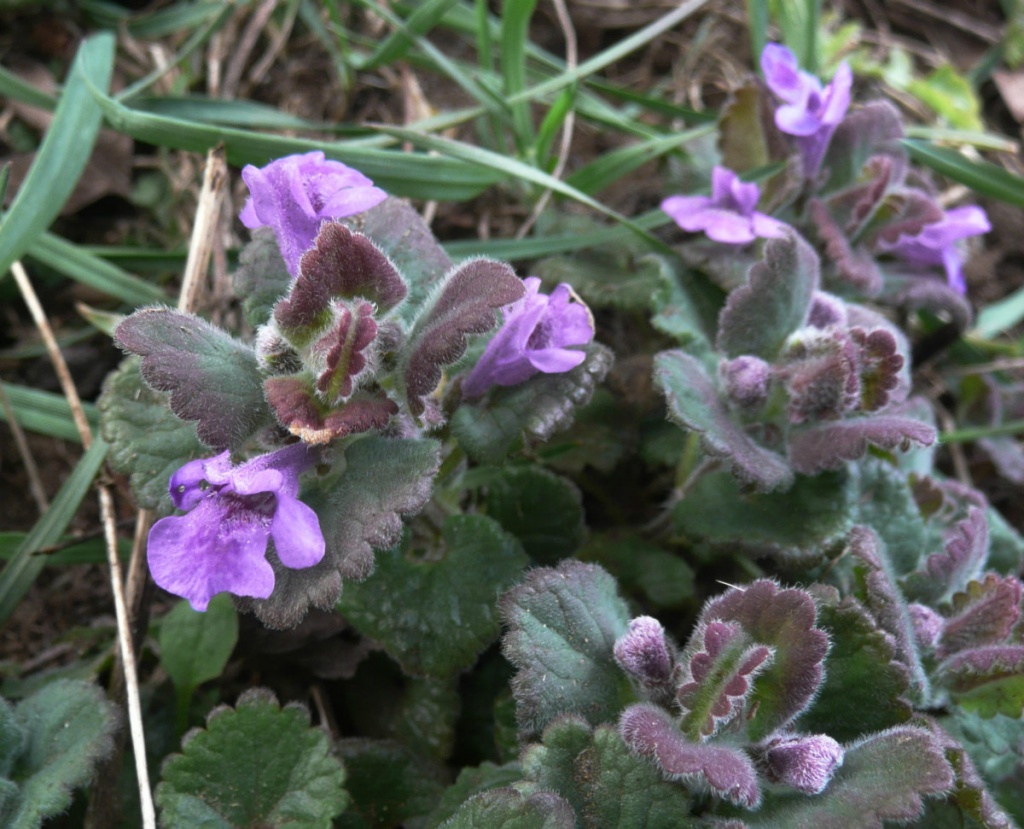
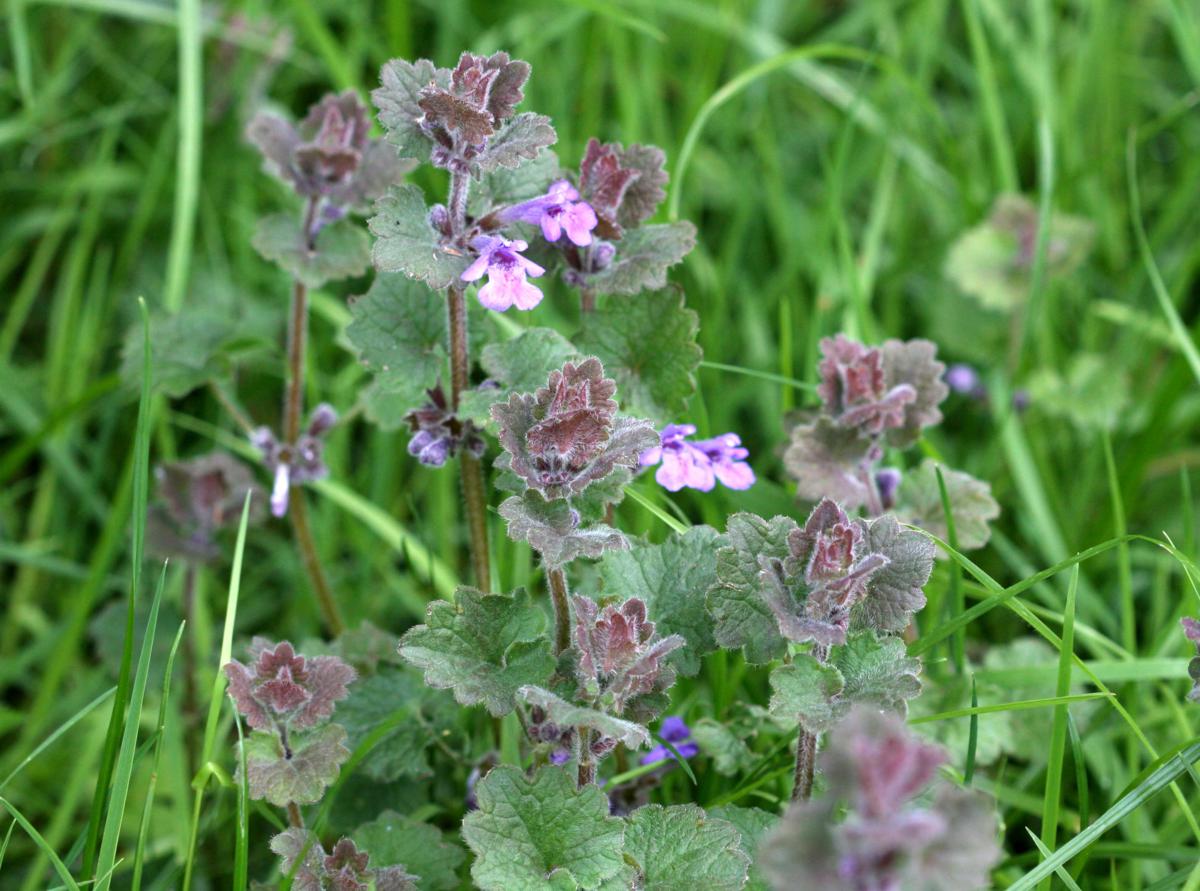
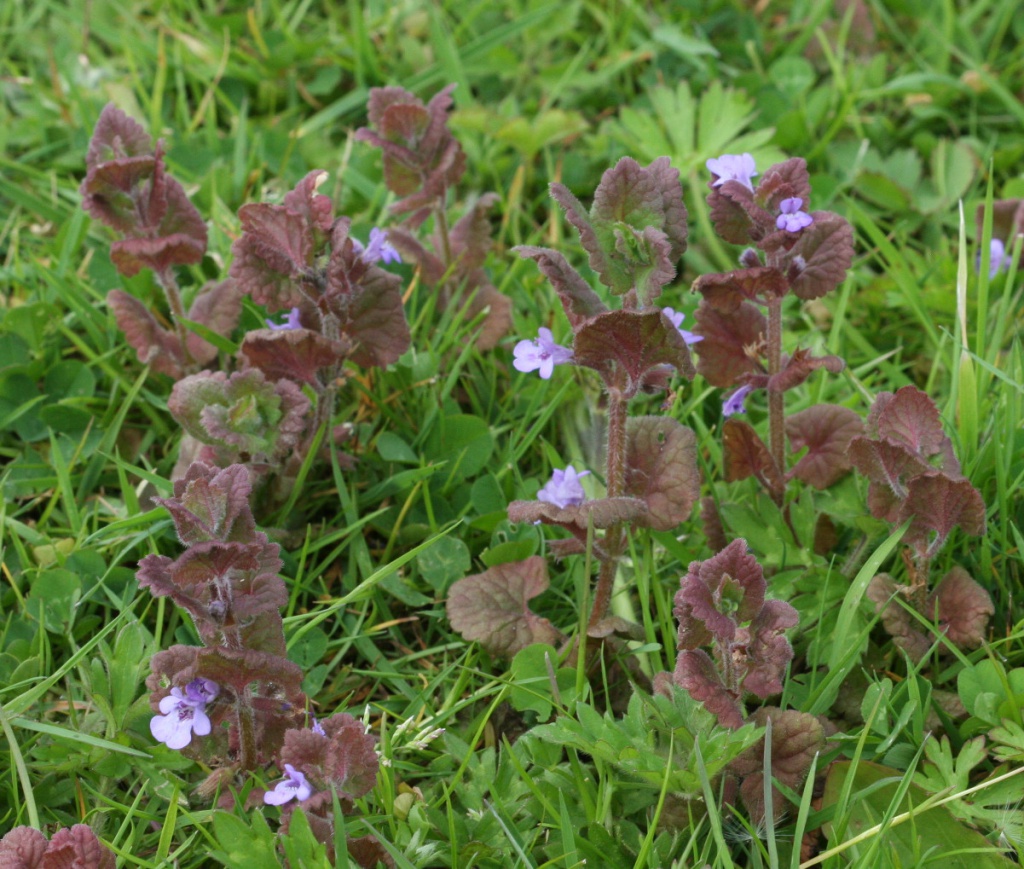
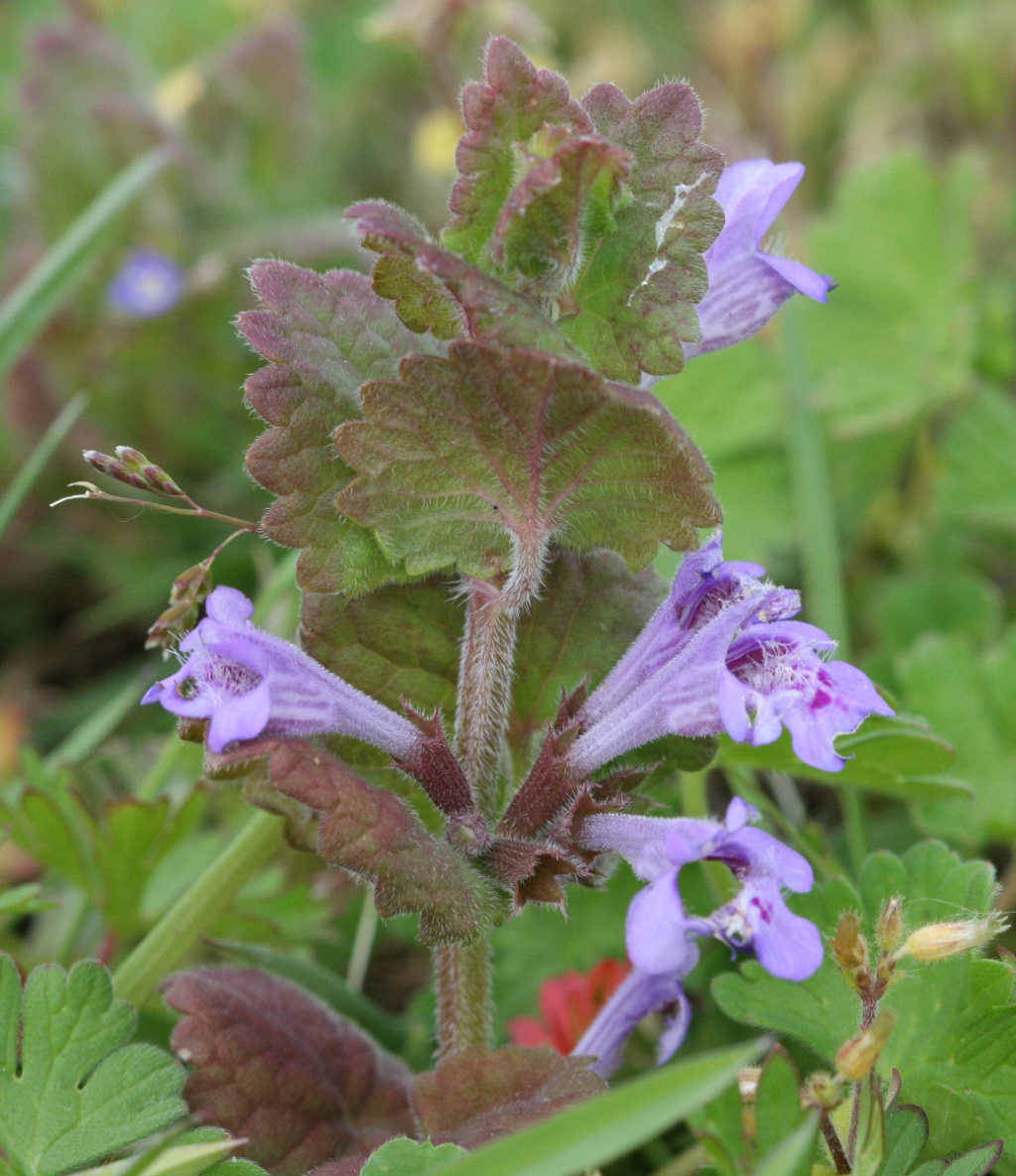
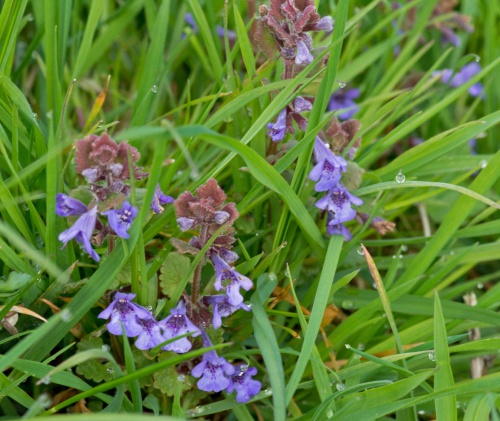
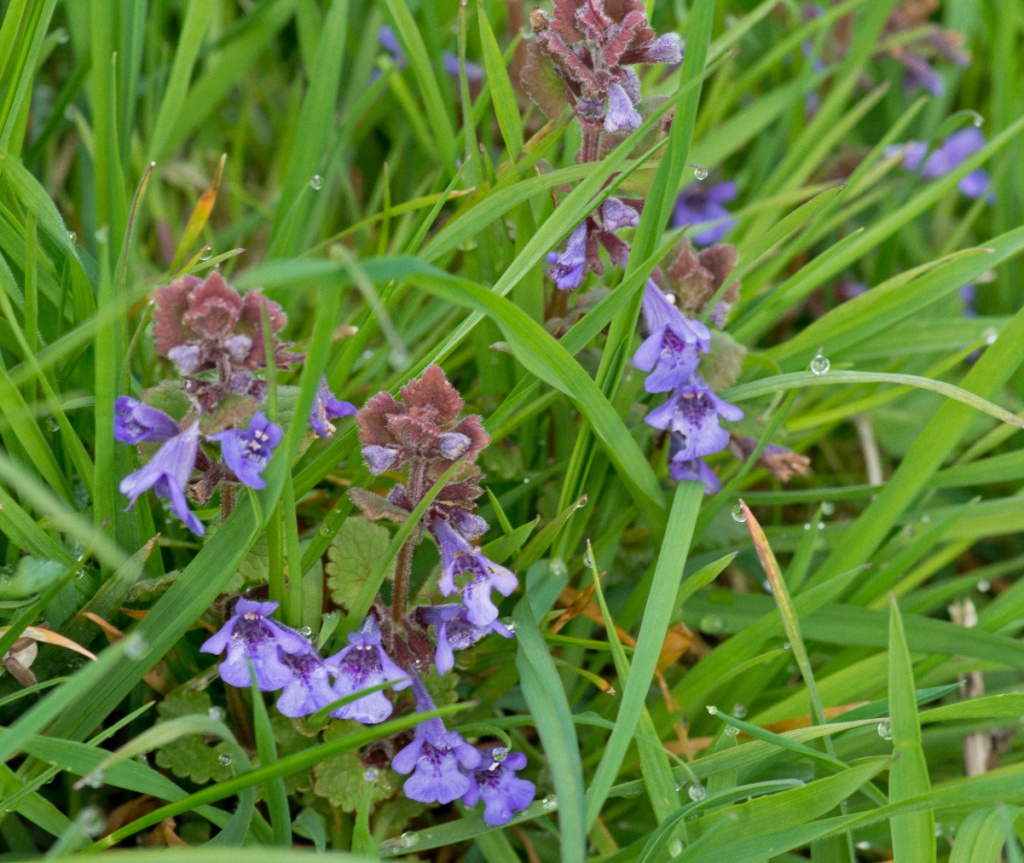
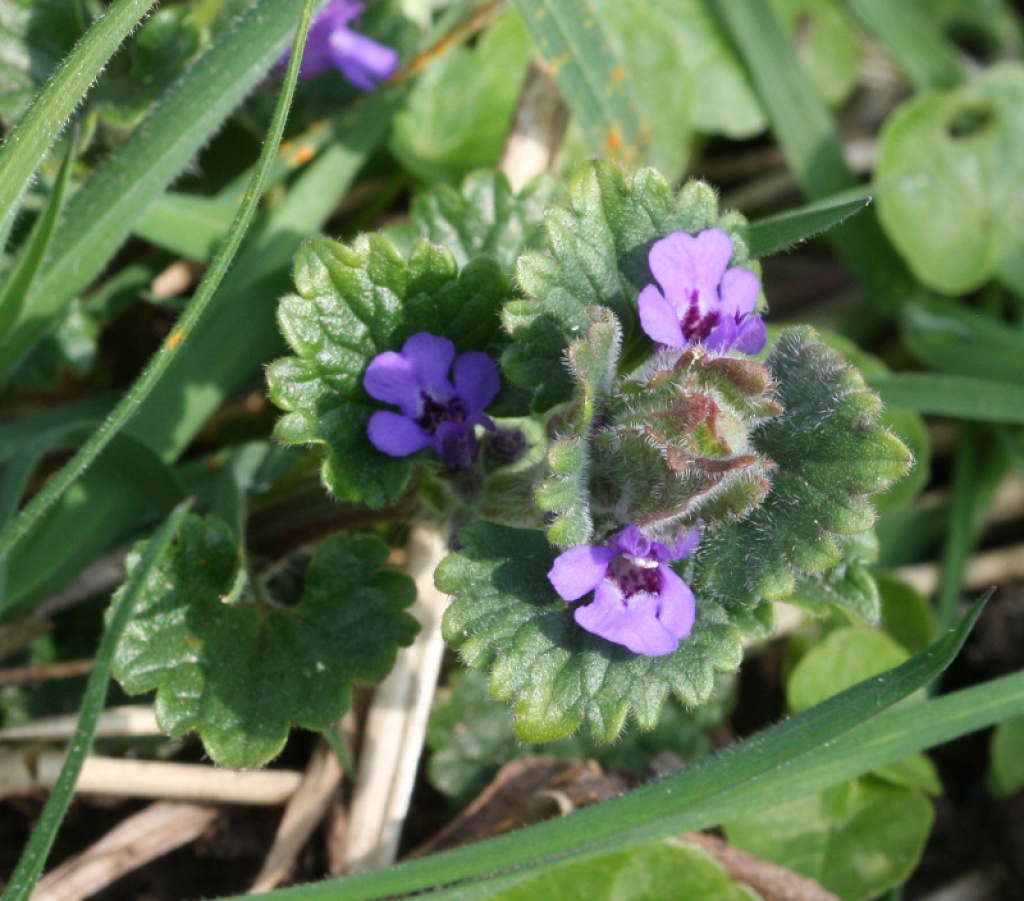
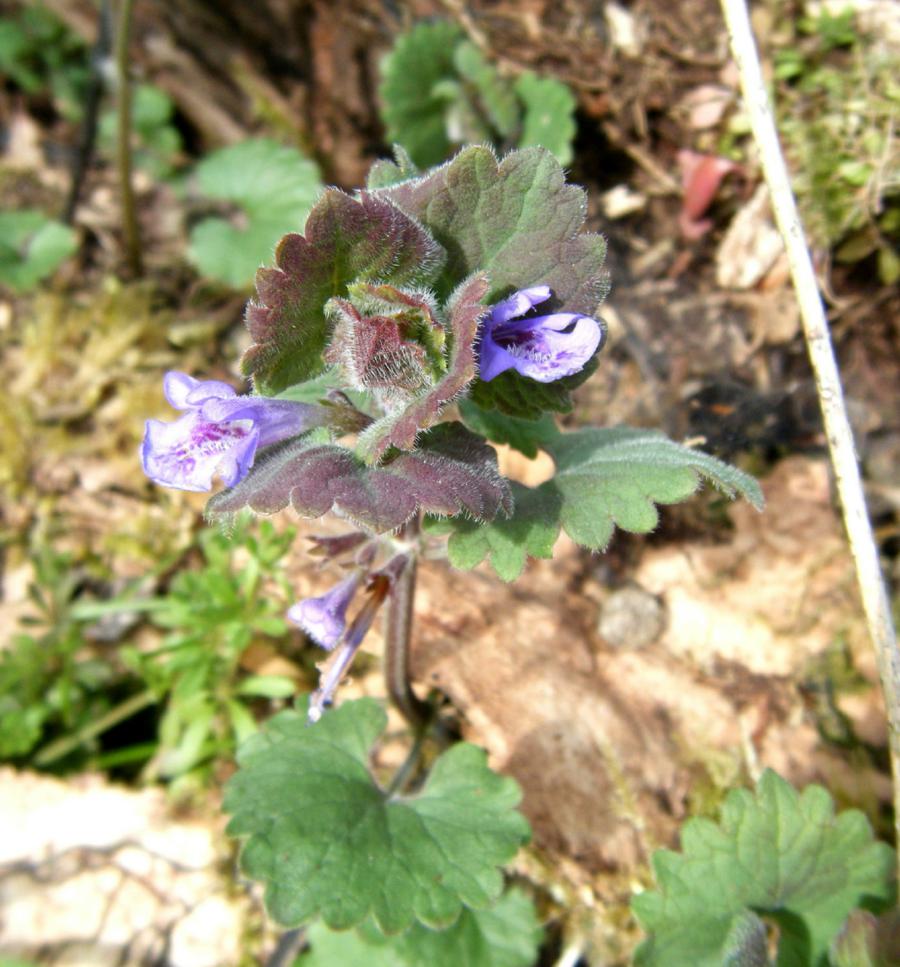
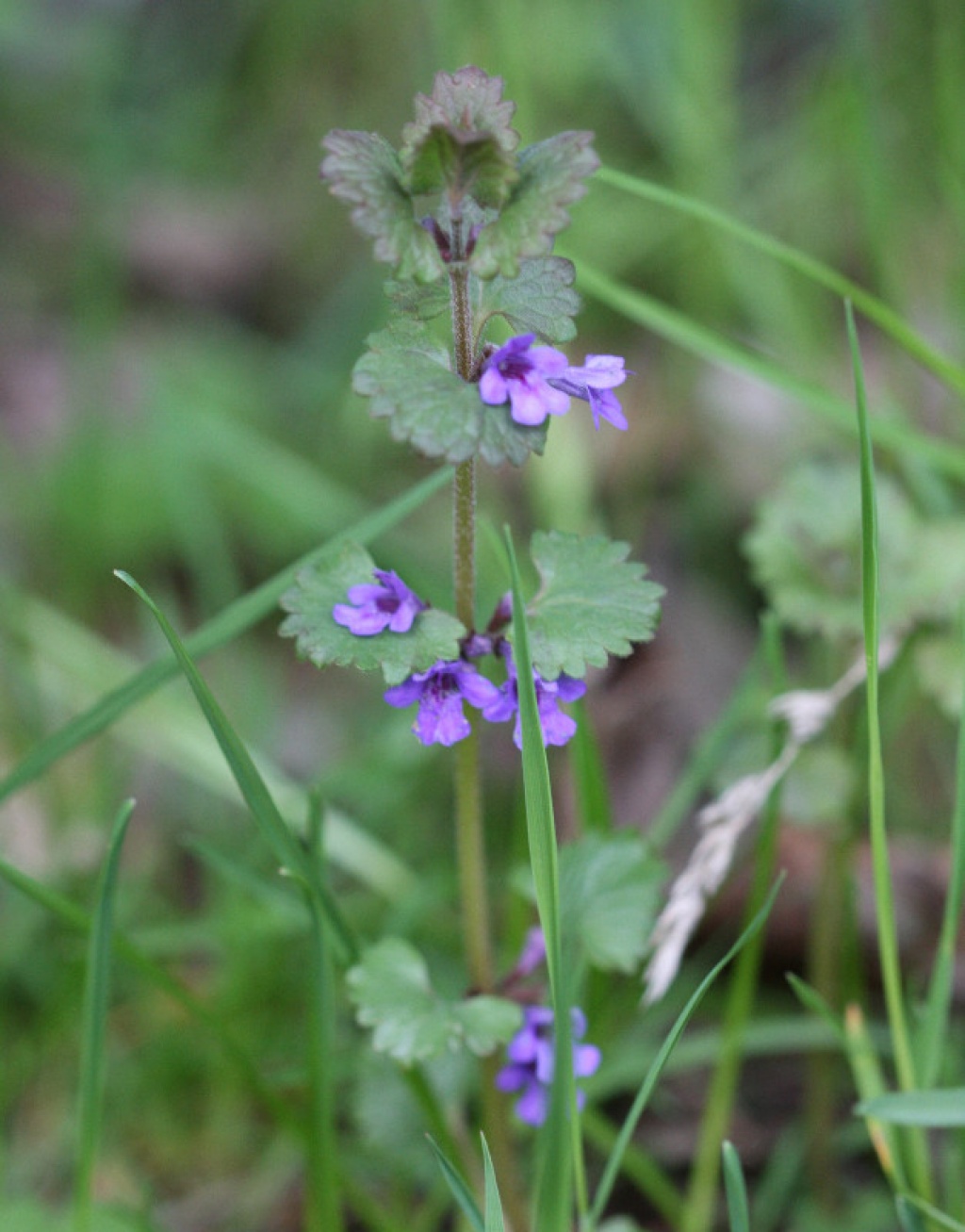
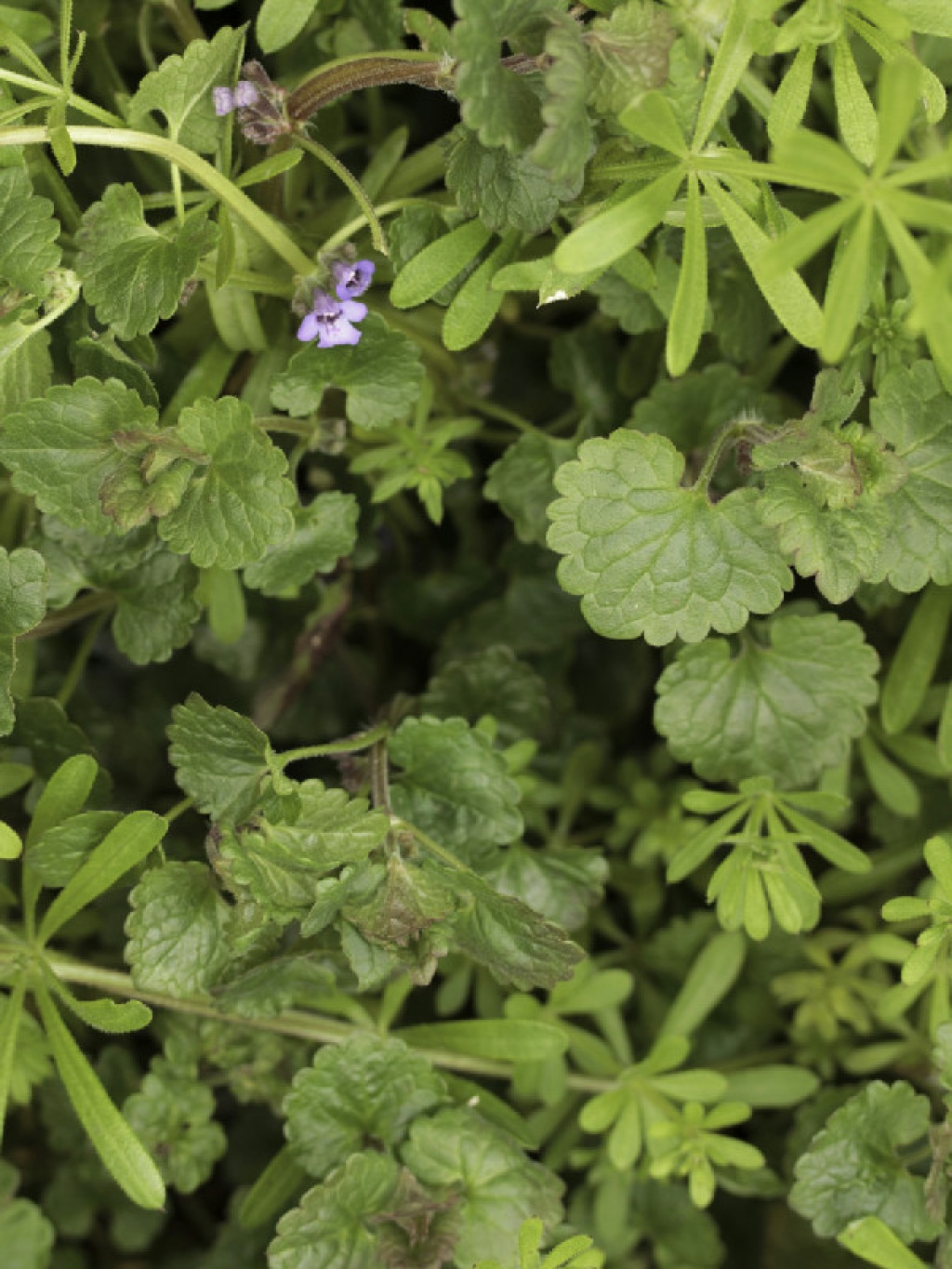
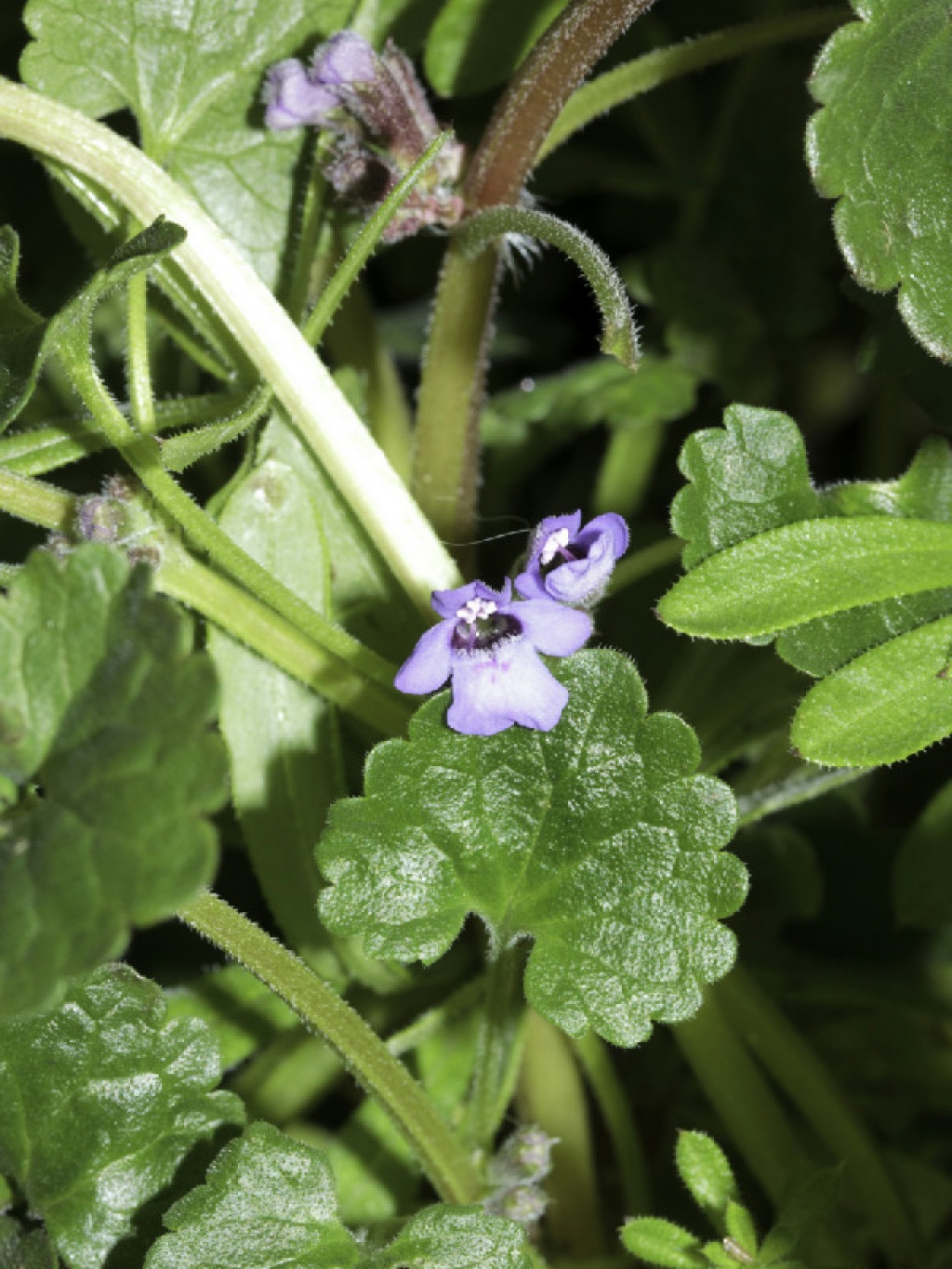
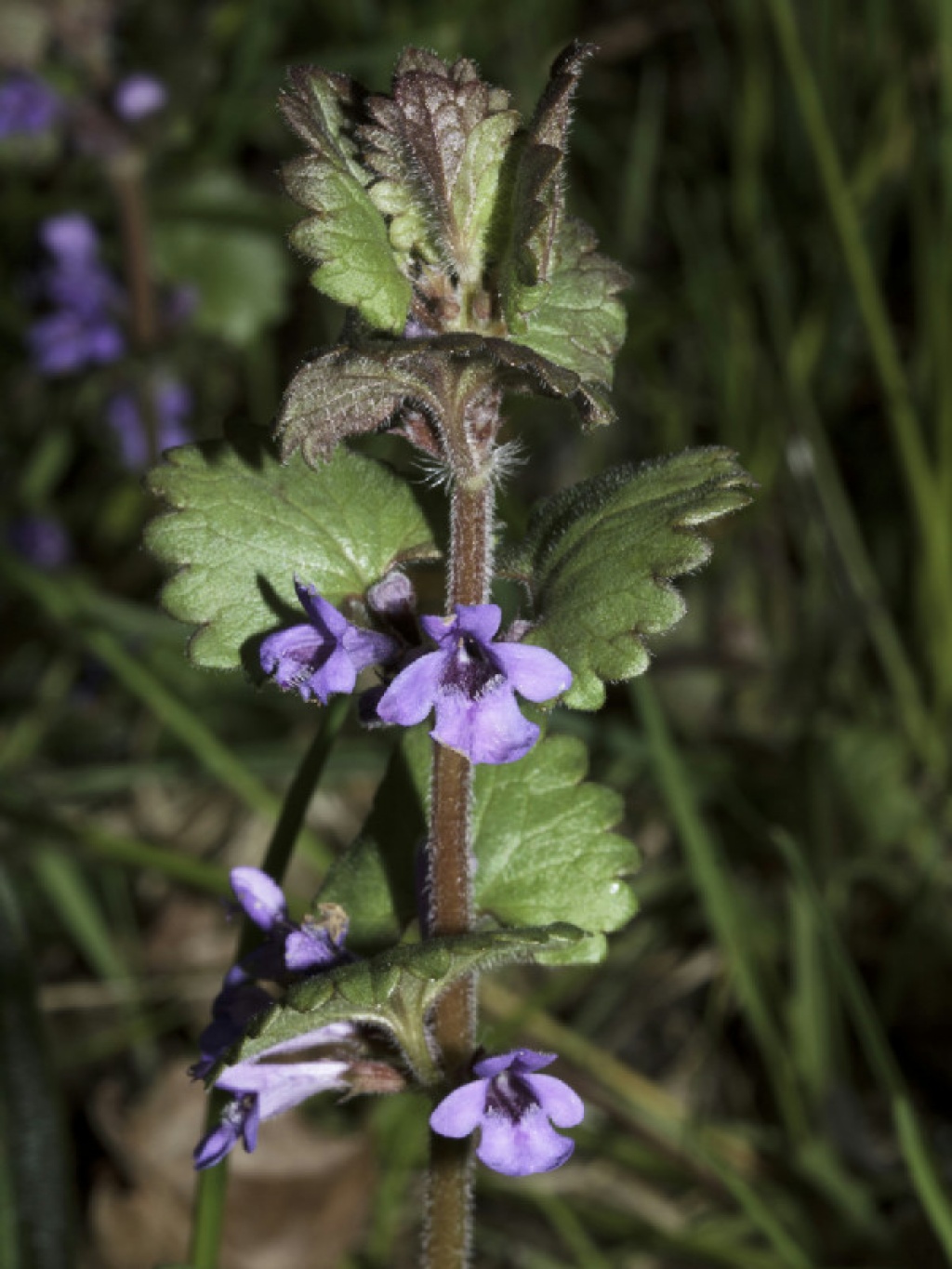
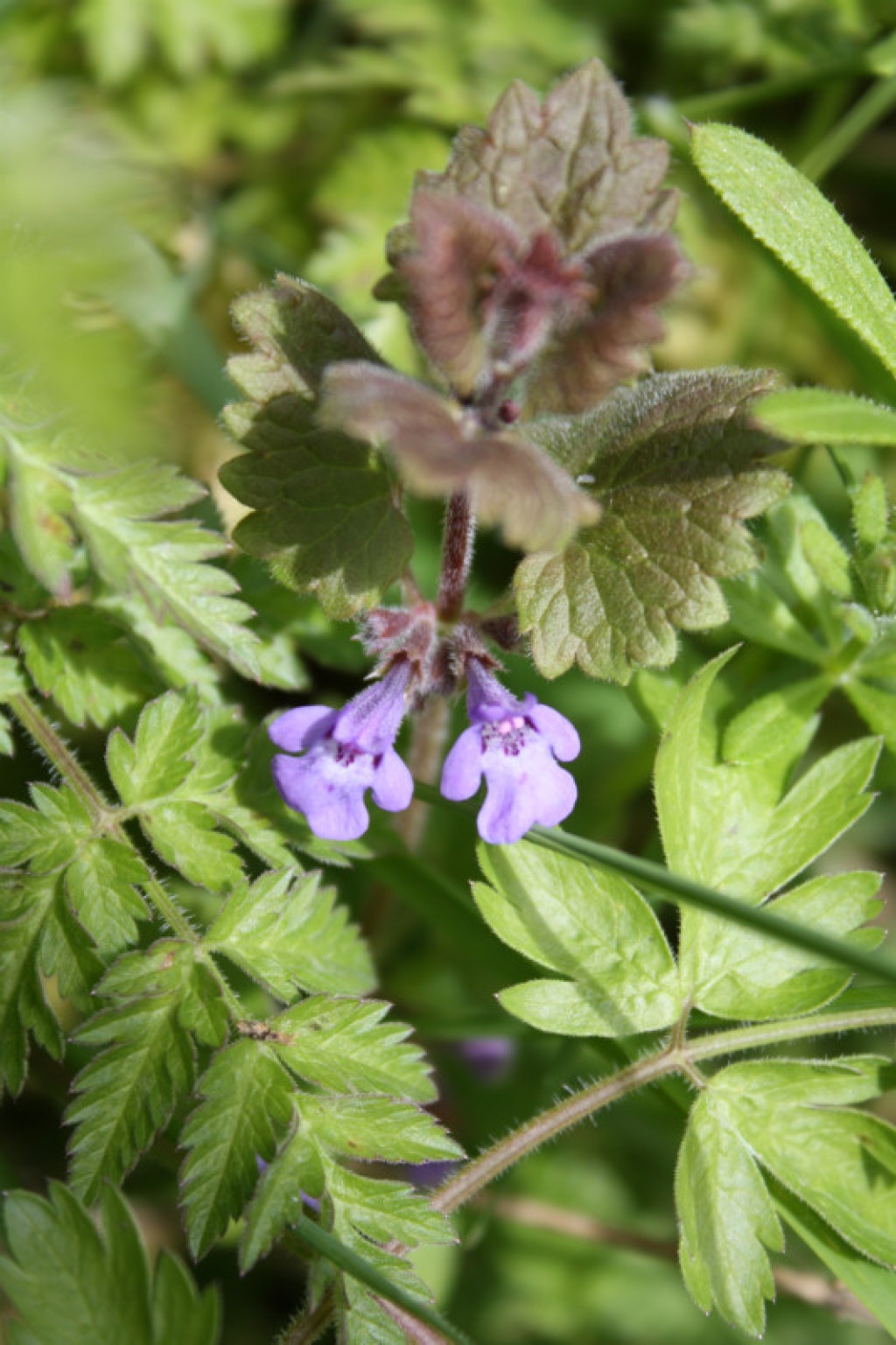
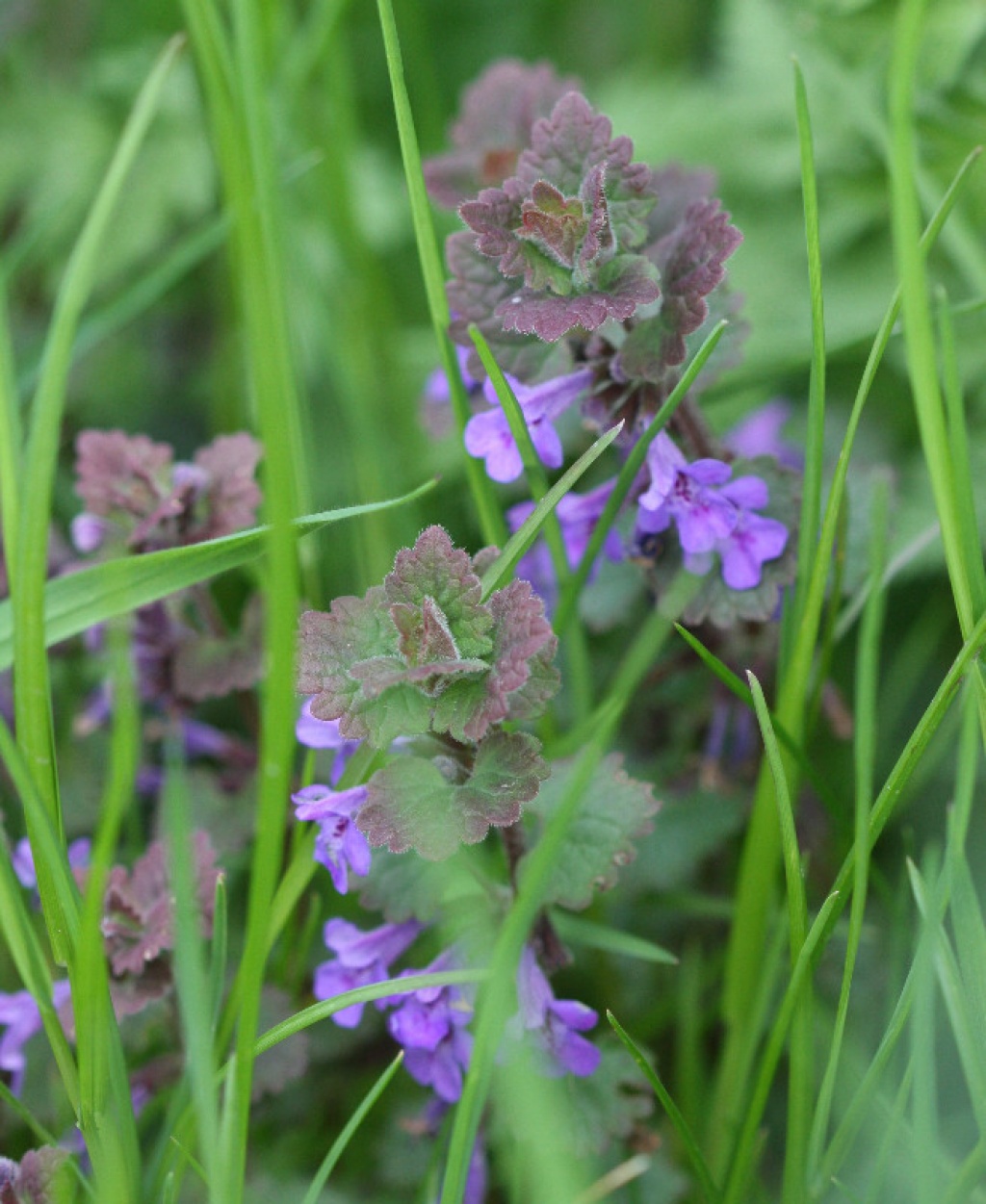
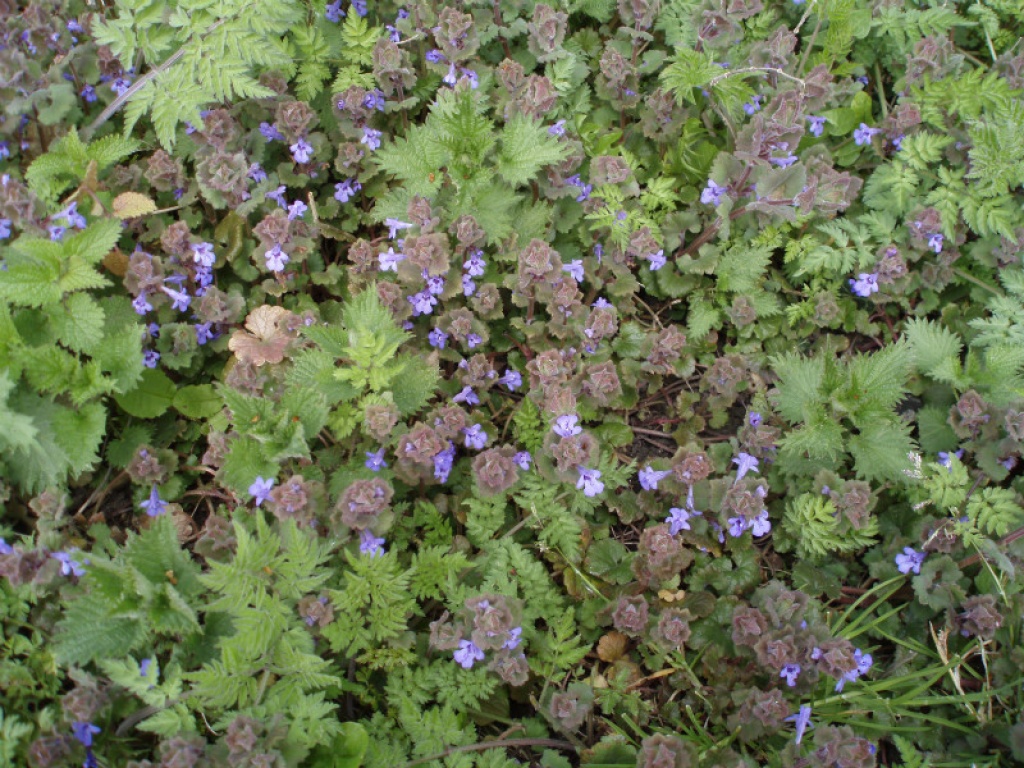
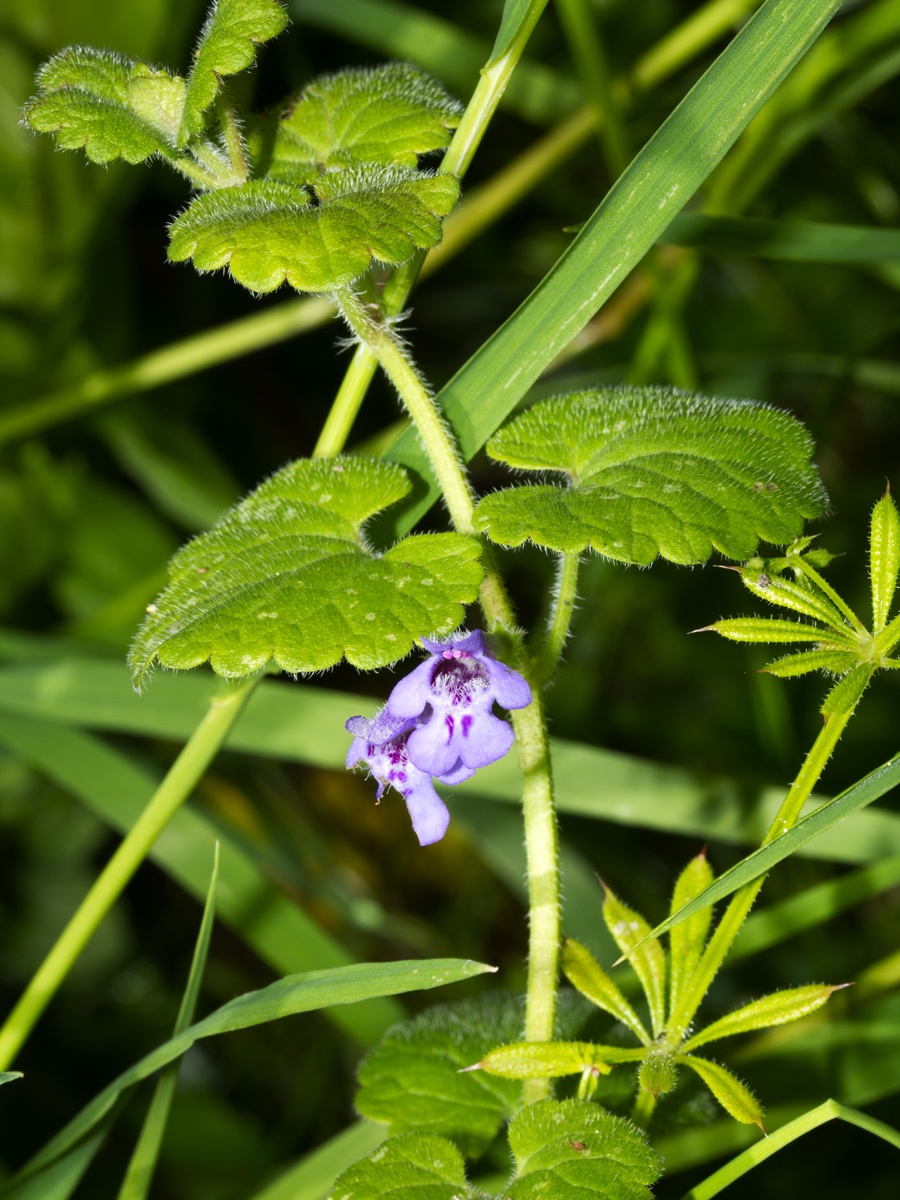
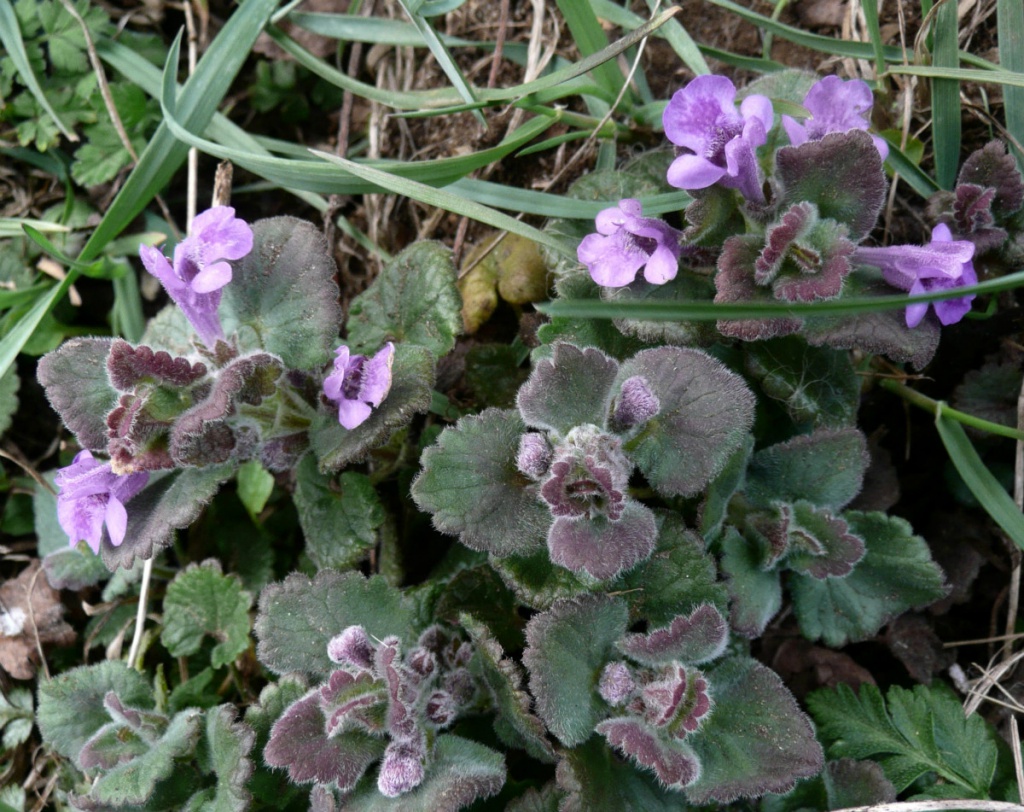
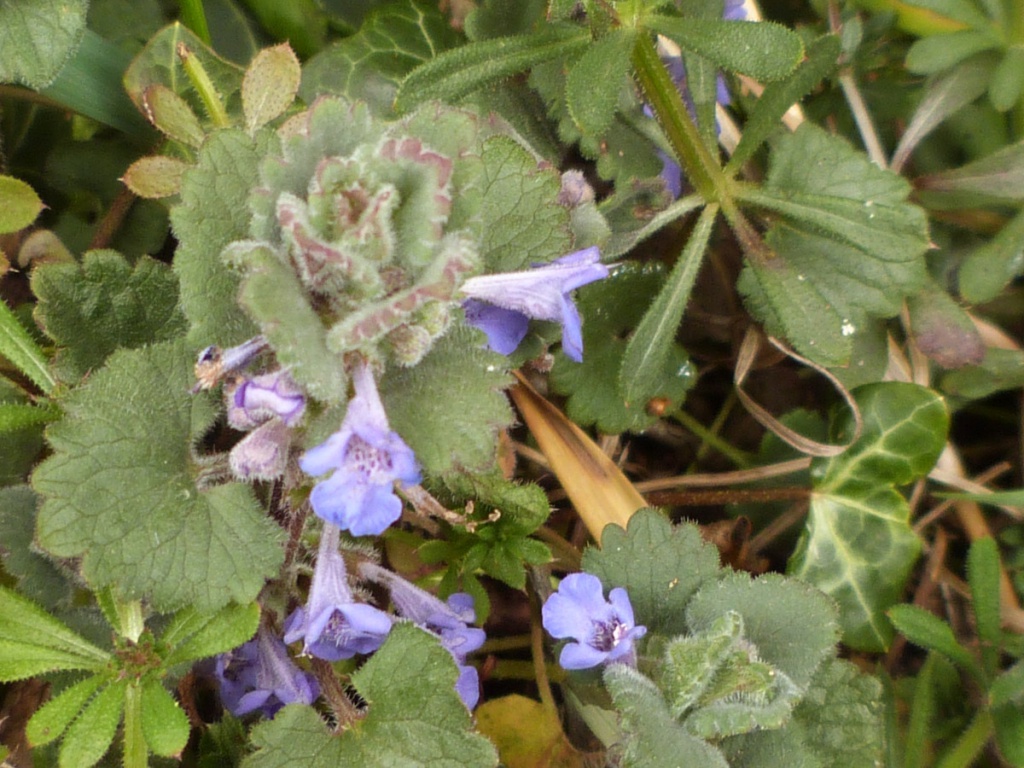
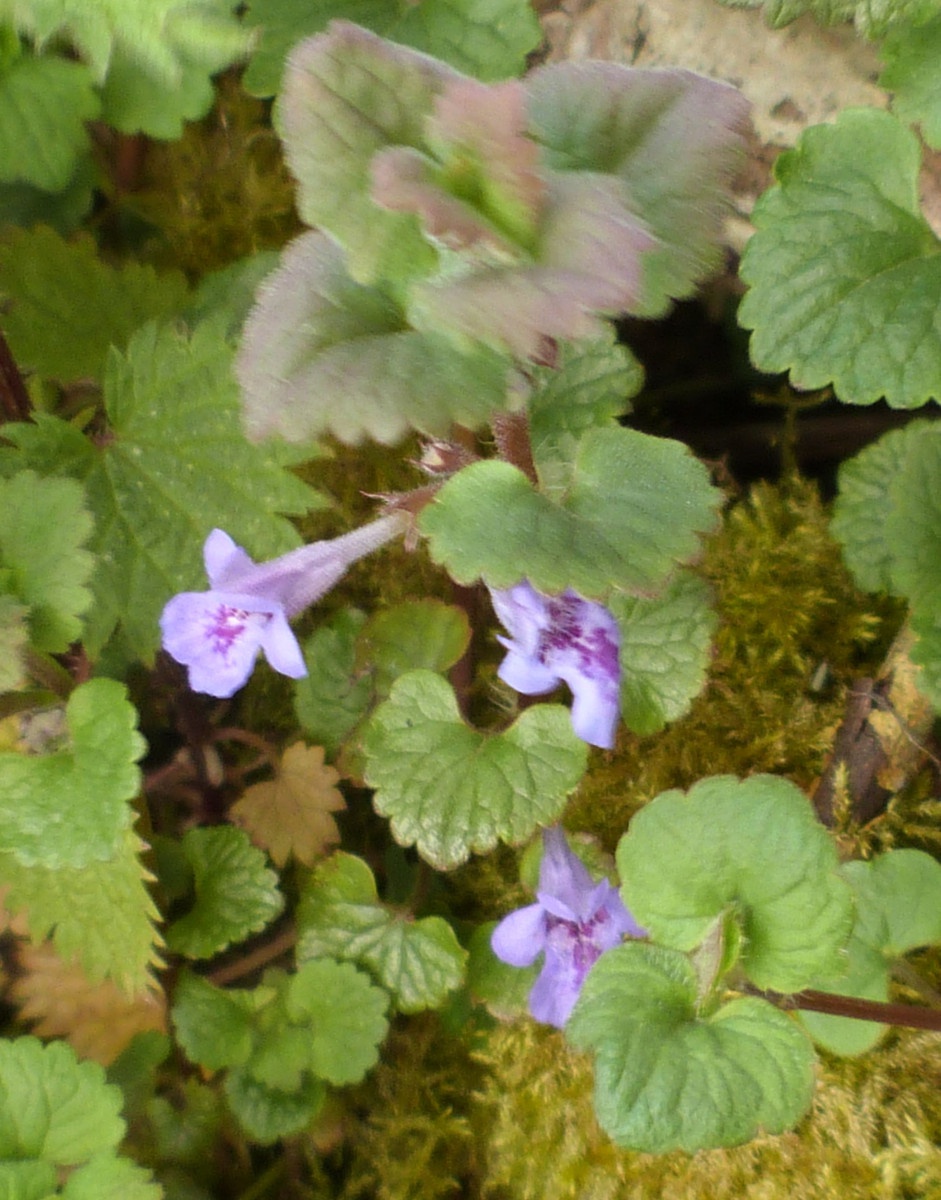
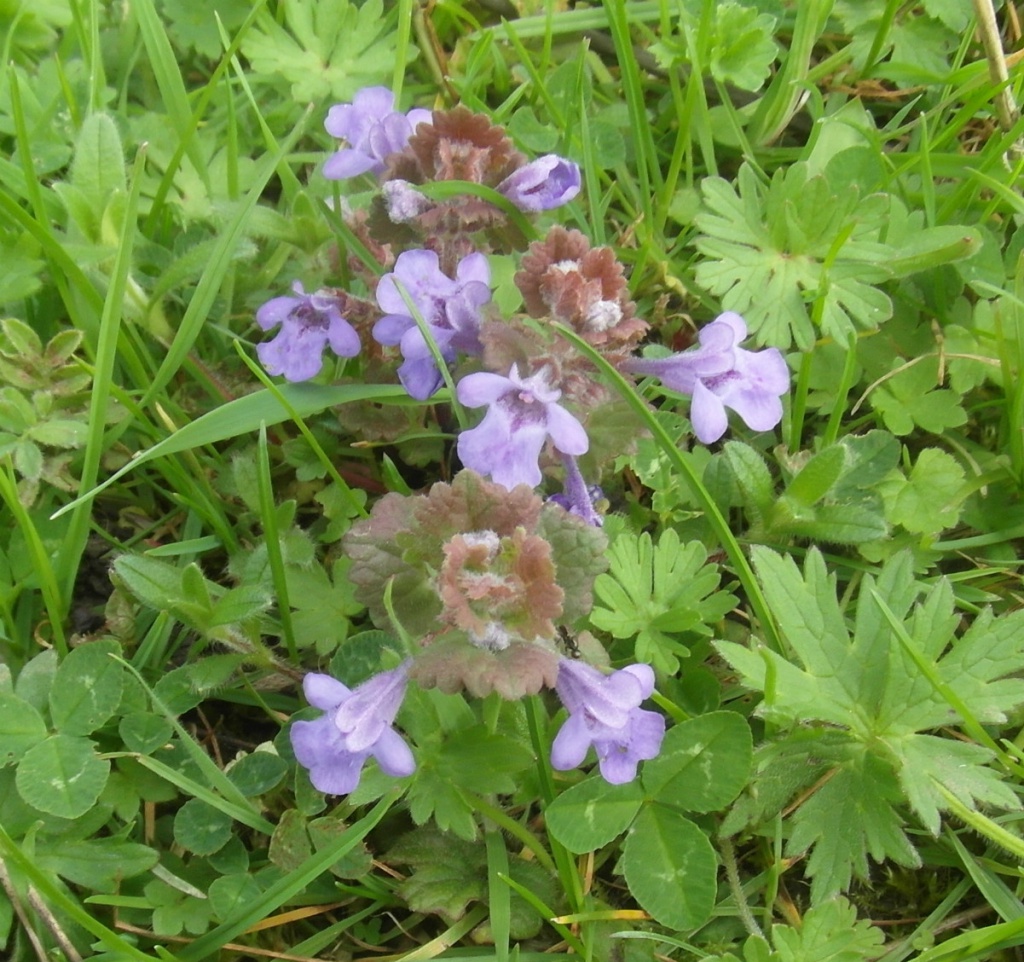
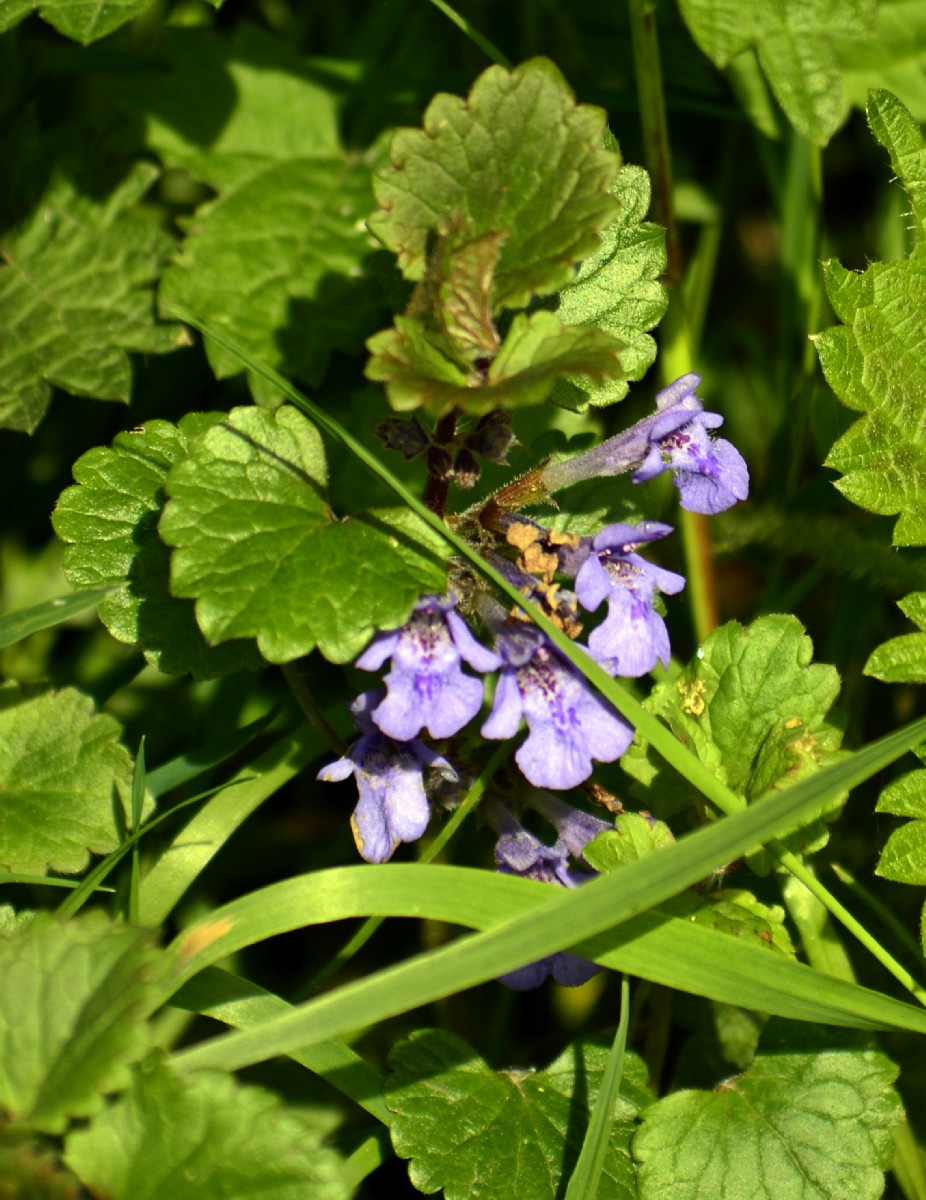
Low to short patch forming plant, aromatic, creeping and rooting at the nodes. Flowering stems ascending to erect. Leaves kidney shaped to almost heart shaped, coarsely toothed and long stalked. Flowers pale violet blue with purple spots on the lower lip, occasionally pink found at base of leaves.

Varied habitats such as hedgerows and roadside verges, waste and cultivated land.
March to May.
Perennial.
Common throughout Britain.
Very common in Leicestershire and Rutland. In the 1979 Flora survey of Leicestershire it was found in 588 of the 617 tetrads.
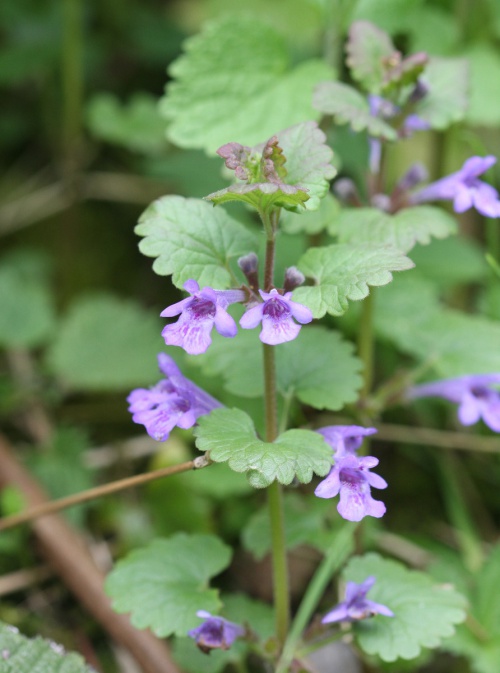 David Nicholls
Aylestone Meadows
18 May 2013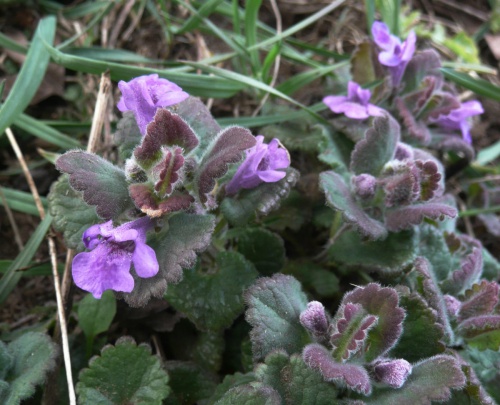 Barbara Cooper
Holwell
15 April 2013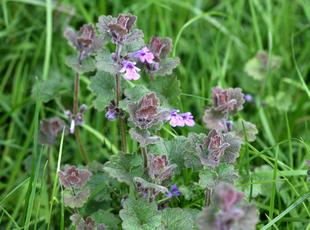 David Nicholls
Narborough Bog NR
02 May 2009 Old Fosse Sapcote SP 5023 9277 (taken 23.5.2007)..JPG) Graham Calow
Graham Calow
Sapcote
23 May 2007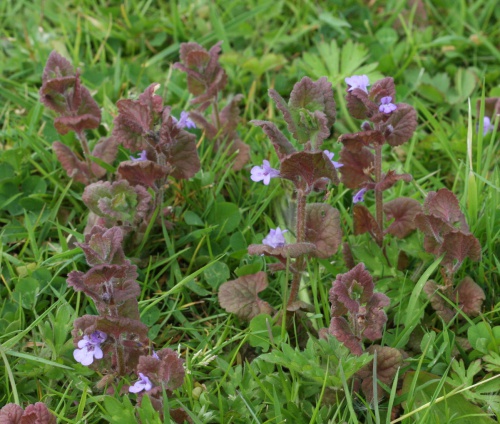 David Nicholls
Stonesby Quarry
16 May 2014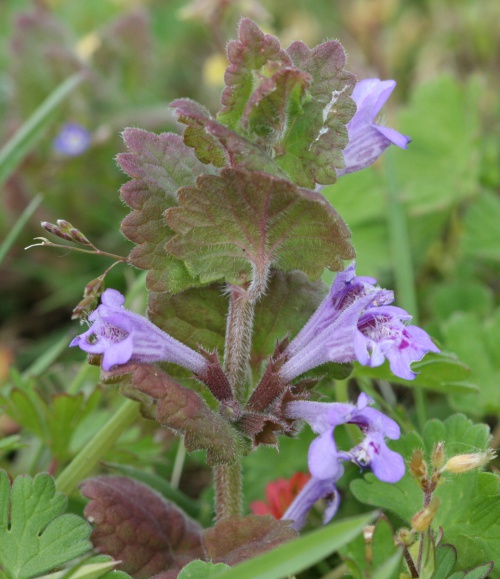 David Nicholls
Stonesby Quarry
16 May 2014
 Old Fosse Sapcote SP 5023 9277 (taken 23.5.2007)..JPG)
Leicestershire & Rutland Map
Enter a town or village to see local records
MAP KEY:
Yellow squares = NBN records (all known data)
Coloured circles = NatureSpot records: 2025+ | 2020-2024 | pre-2020
UK Map
Species profile
- Common names
- Ground-ivy
- Species group:
- flowering plant
- Kingdom:
- Plantae
- Order:
- Lamiales
- Family:
- Lamiaceae
- Records on NatureSpot:
- 654
- First record:
- 01/07/1998 (John Mousley)
- Last record:
- 17/06/2026 (Nicholls, David)
Total records by month
% of records within its species group
10km squares with records
The latest images and records displayed below include those awaiting verification checks so we cannot guarantee that every identification is correct. Once accepted, the record displays a green tick.
In the Latest Records section, click on the header to sort A-Z, and again to sort Z-A. Use the header boxes to filter the list.
Latest images
Latest records
 AJ Cann
Muston Meadows
26 April 2015 Old Fosse Sapcote SP 5023 9277 (taken 23.5.2007).JPG) Graham Calow
Graham Calow
Sapcote
23 May 2007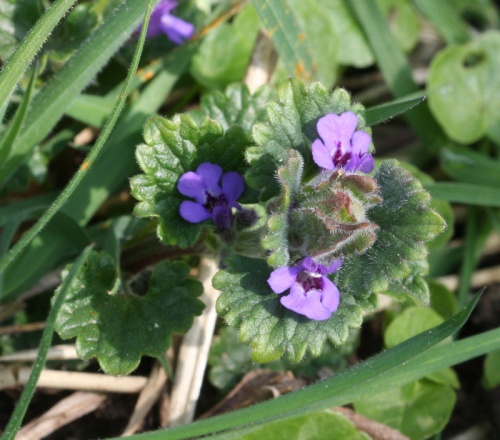 David Nicholls
Wirlybones Wood
30 March 2012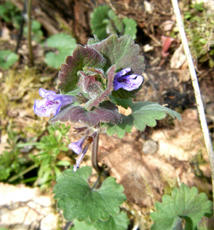 Graham Calow
Burbage Common and Woods
13 April 2011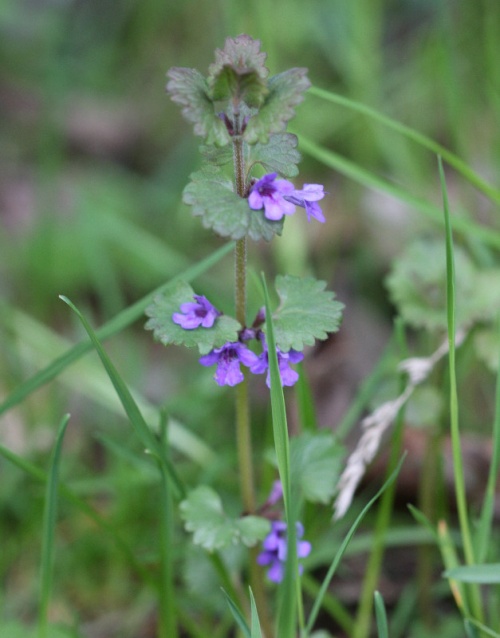 David Nicholls
Gilroes Cemetery
06 May 2012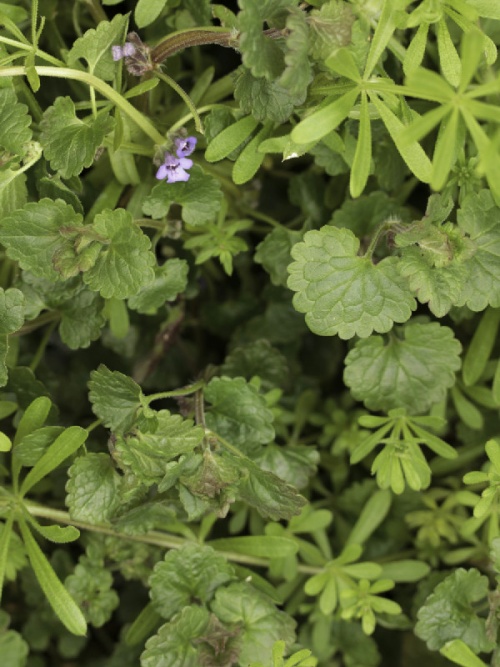 HAPeacock
Gilroes Cemetery
24 April 2012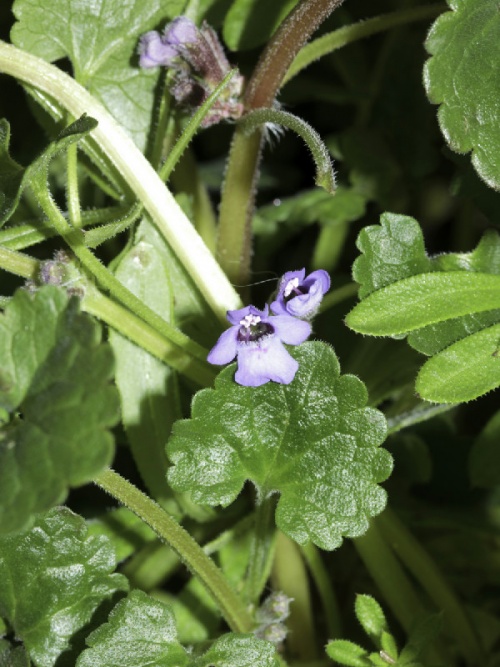 HAPeacock
Gilroes Cemetery
24 April 2012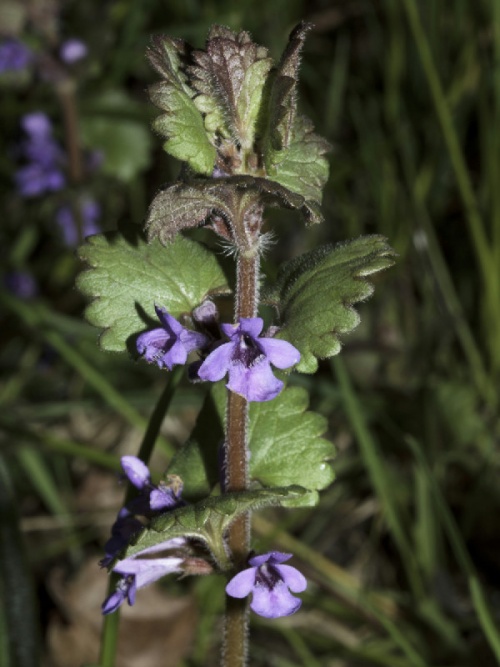 HAPeacock
Gilroes Cemetery
24 April 2012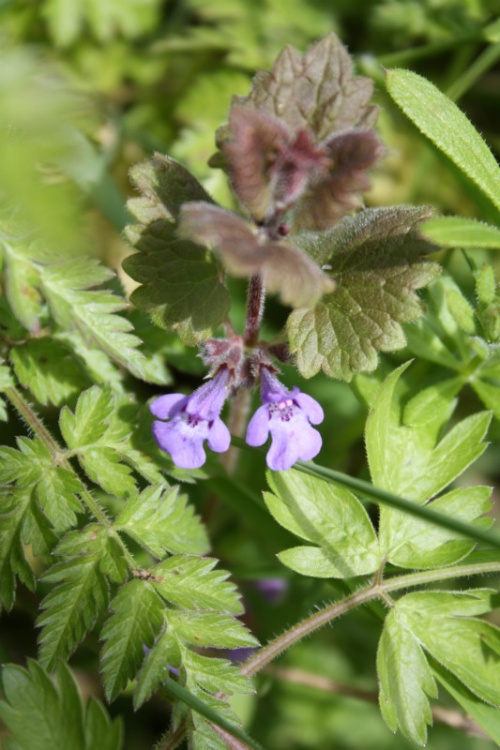 Barbara Cooper
Long Clawson
08 May 2012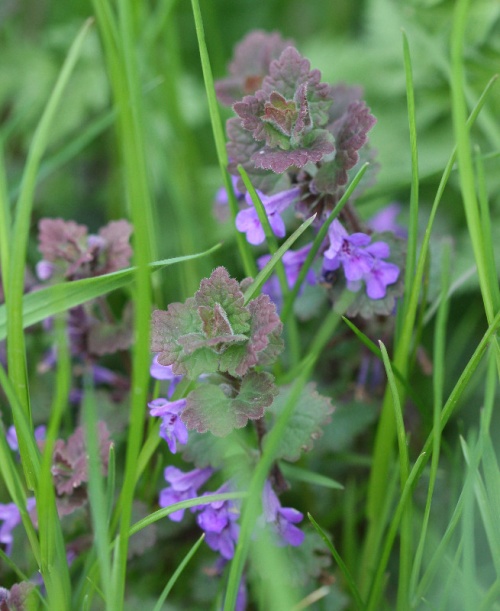 David Nicholls
Wirlybones Wood
05 May 2012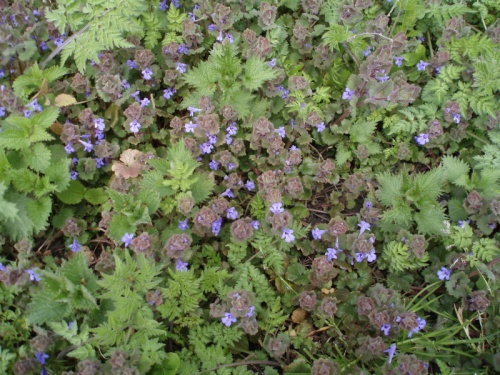 Alan Semper
Harby Stathern Lane verge
13 April 2012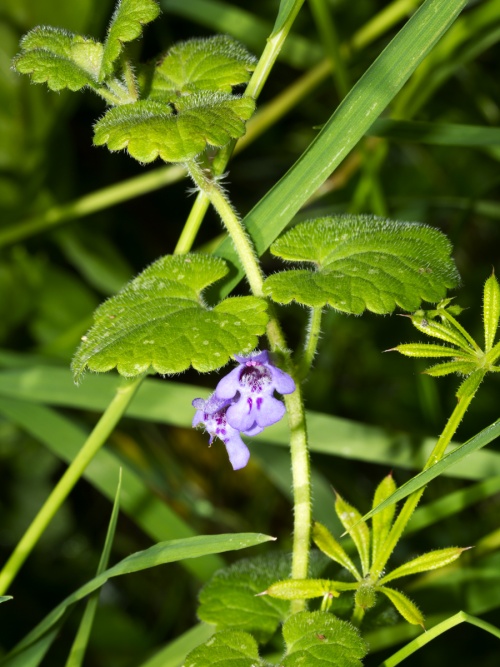 HAPeacock
The Orchards
19 June 2012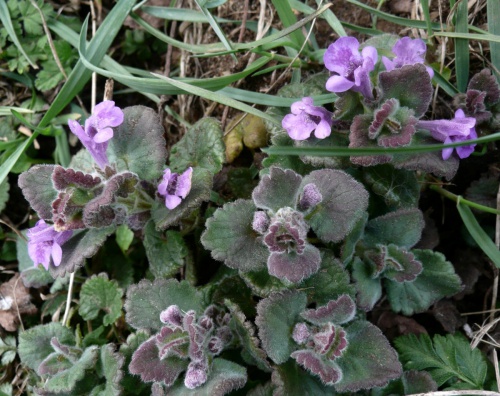 Barbara Cooper
Holwell
15 April 2013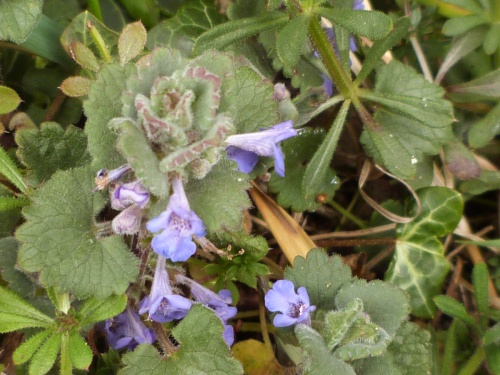 Graham Calow
Sharnford
29 April 2013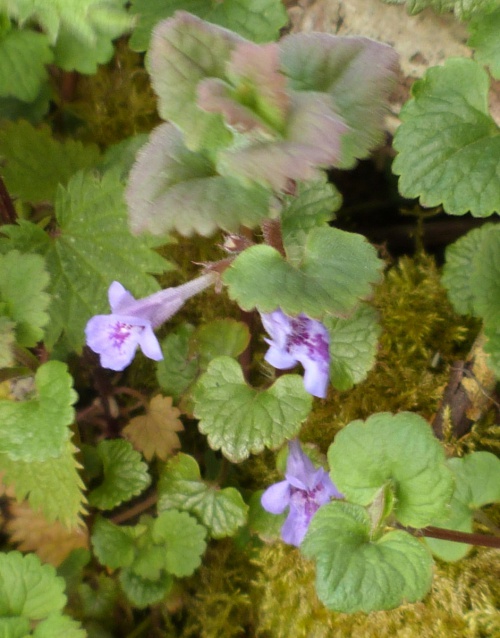 Graham Calow
Sapcote
04 May 2013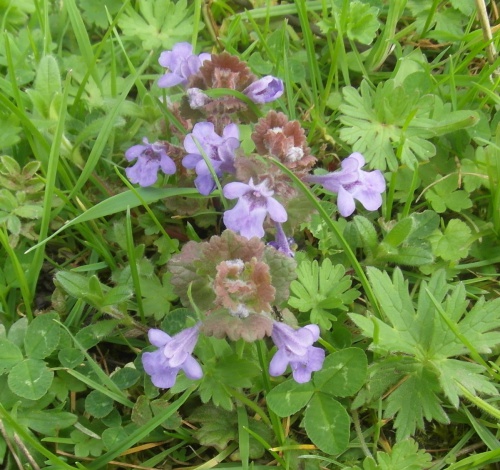 Alan Semper
Muston, roadside
06 April 2014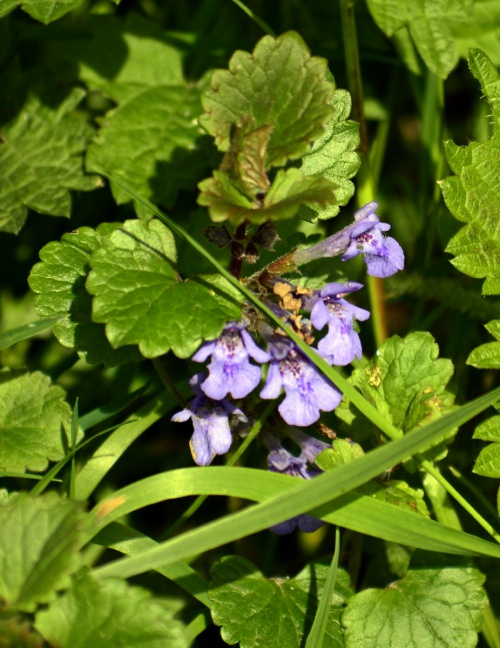 Lostash
Whetstone Fields
15 May 2014
 Old Fosse Sapcote SP 5023 9277 (taken 23.5.2007).JPG)
Agromyza flavipennis
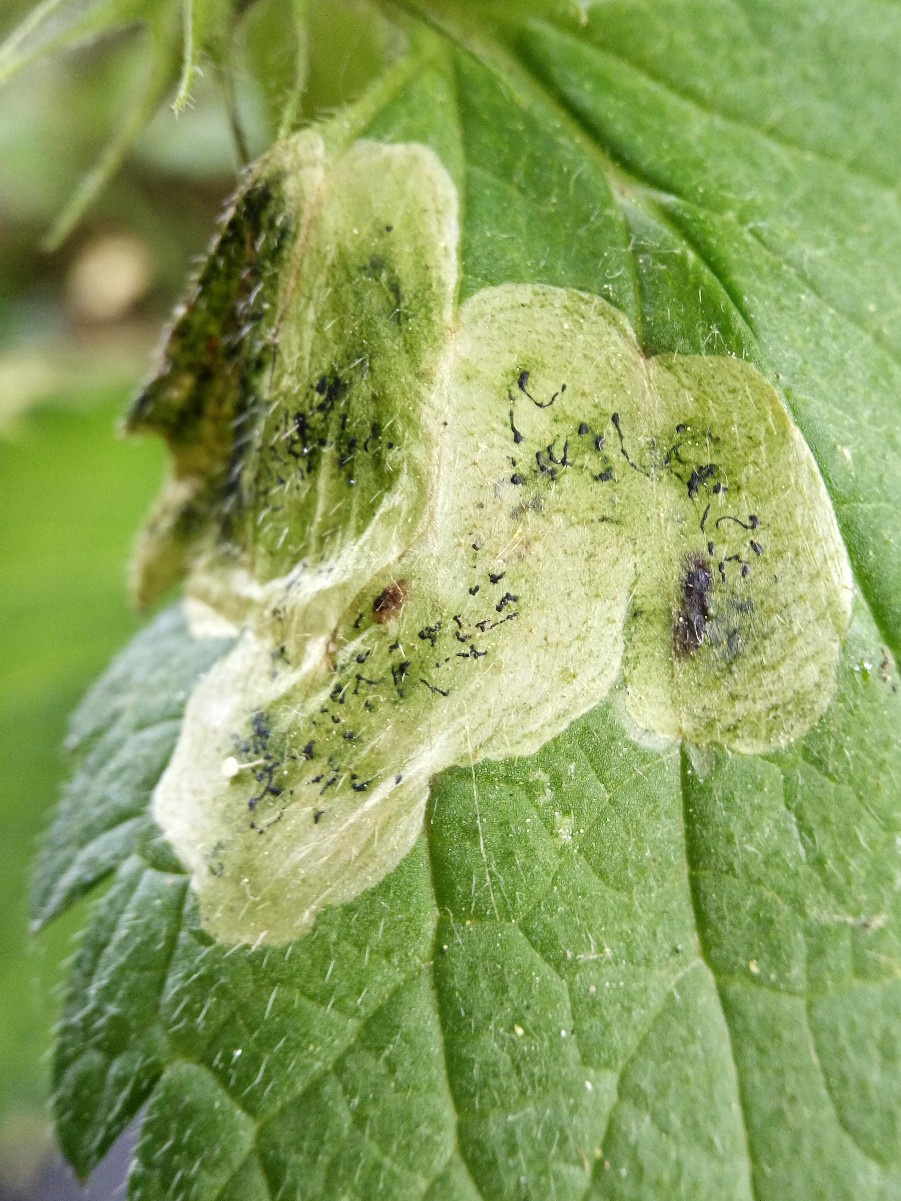
The larvae of the Agromyzid fly Agromyza flavipennis mine the leaves of Lamium species such as White Dead-nettle as well as Yellow Archangel and Ground-ivy, creating a large pale blotch at the edge of the leaf.
Phytomyza glechomae
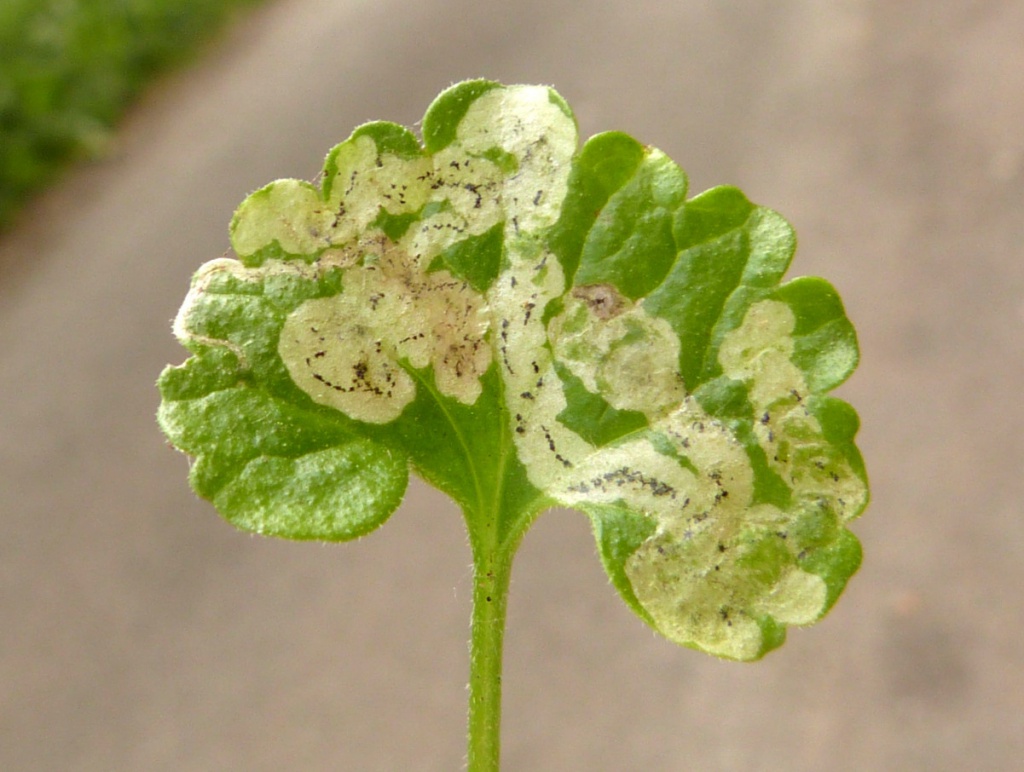
The larva of the Agromyzid fly Phytomyza glechomae mines the leaves of Ground-ivy. The leaf-mine starts with a corridor section, which widens, sometimes into a blotch, and then another corridor is made.

Lighthouse Gall
The larva of the gall midge Rondaniola bursaria causes galls (sometimes referred to as Lighthouse Galls) to form on the leaves of Ground-ivy. The gall takes the form of a hairy cylinder up to 4 mm tall, often several on the upper surface of a leaf. The galls are initially green, later light red or brown. Each gall contains a single larva. Galls fall off the leaf in late summer leaving a neat, circular hole.
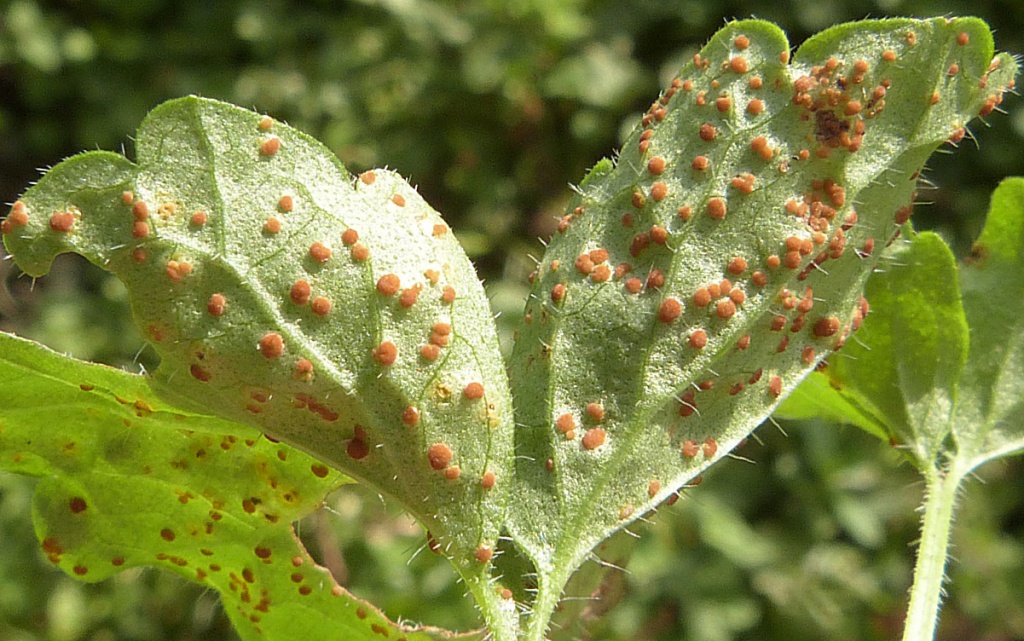
Puccinia glechomatis
The rust fungus Puccinia glechomatis galls the leaves of Ground-ivy affecting the stem, petiole or underside of the leaf veins. The yellow, brown or black swellings bear telia. There is no host-plant alternation, and only telia are produced.
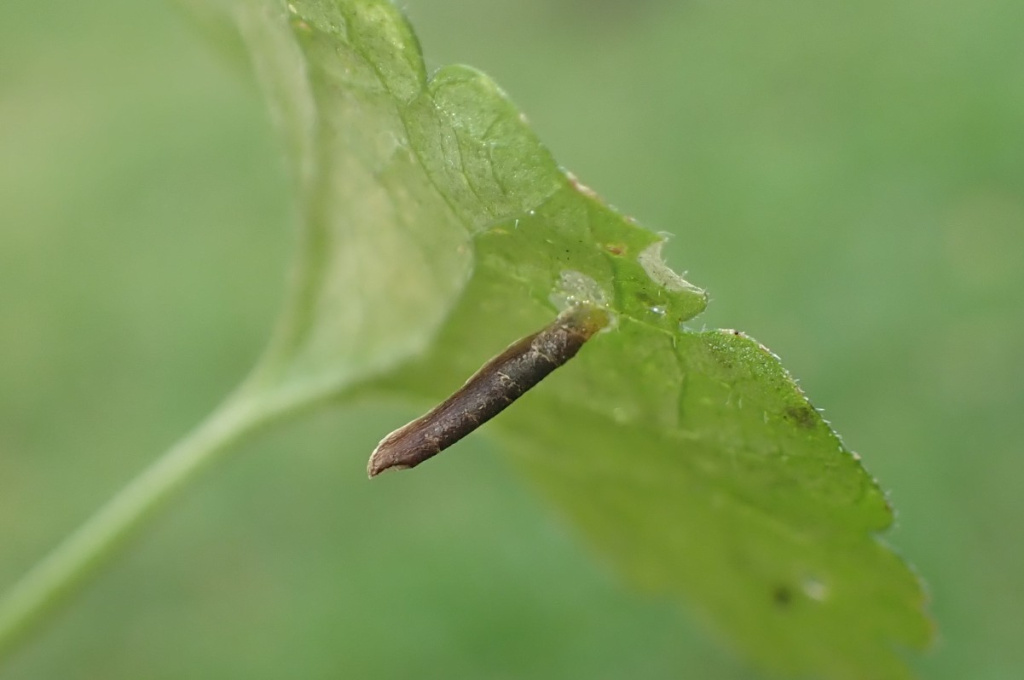
Coleophora albitarsella
The cased larva of the moth Coleophora albitarsella feeds on the leaves of Ground-ivy, leaving translucent patches in the leaves where feeding has taken place.
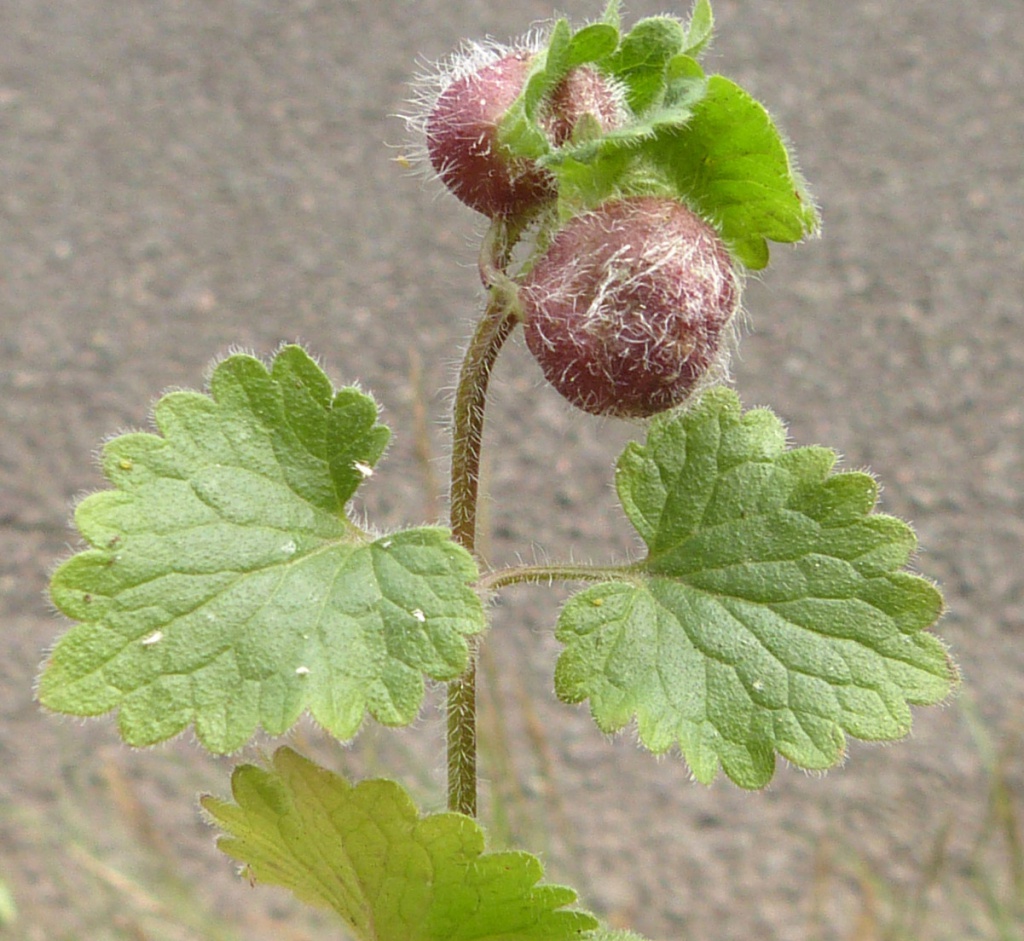
Liposthenes glechomae
Liposthenes glechomae is a cynipid gall wasp that causes galls to form on Ground-ivy. The galls are globular hairy swellings on the undersides of leaves or apparent on both sides of the stem. They are green or reddish in sunlight, soft at first becoming hard and containing a white larva.
It is a unisexual species, with males rare or absent; the females reproduce by parthenogenesis.