

Greater Knapweed - Centaurea scabiosa
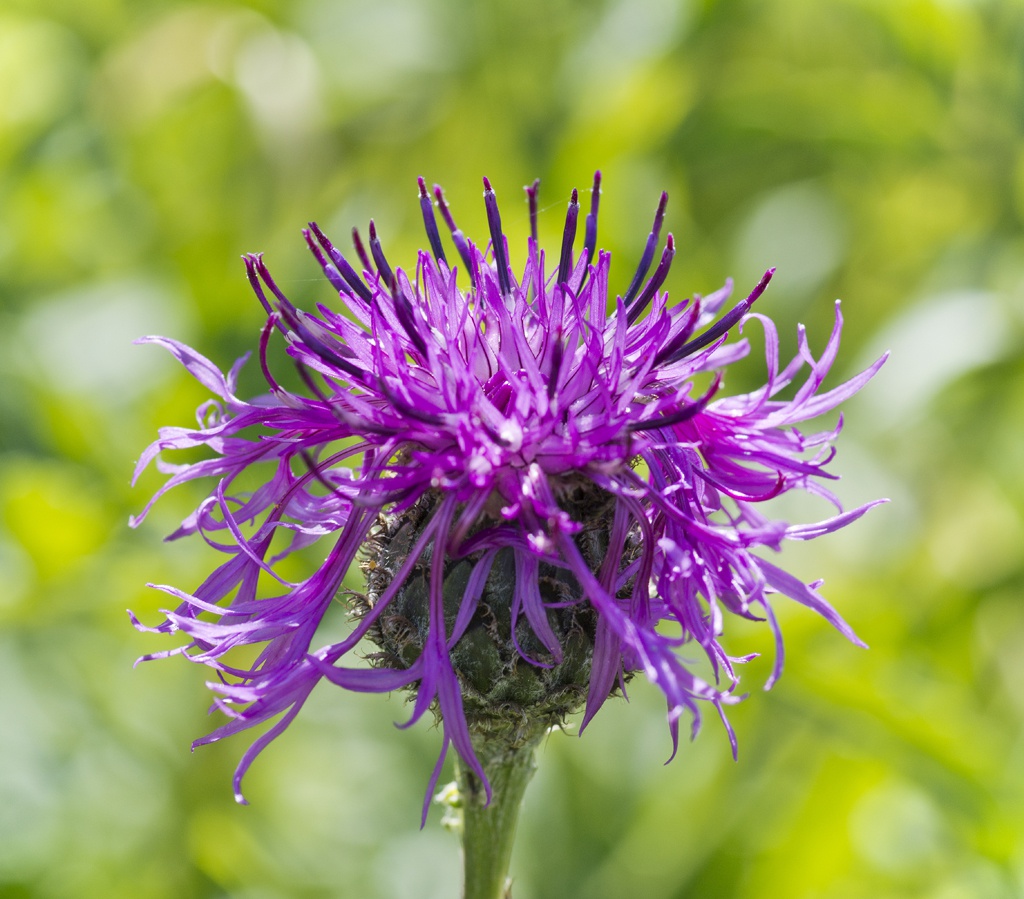
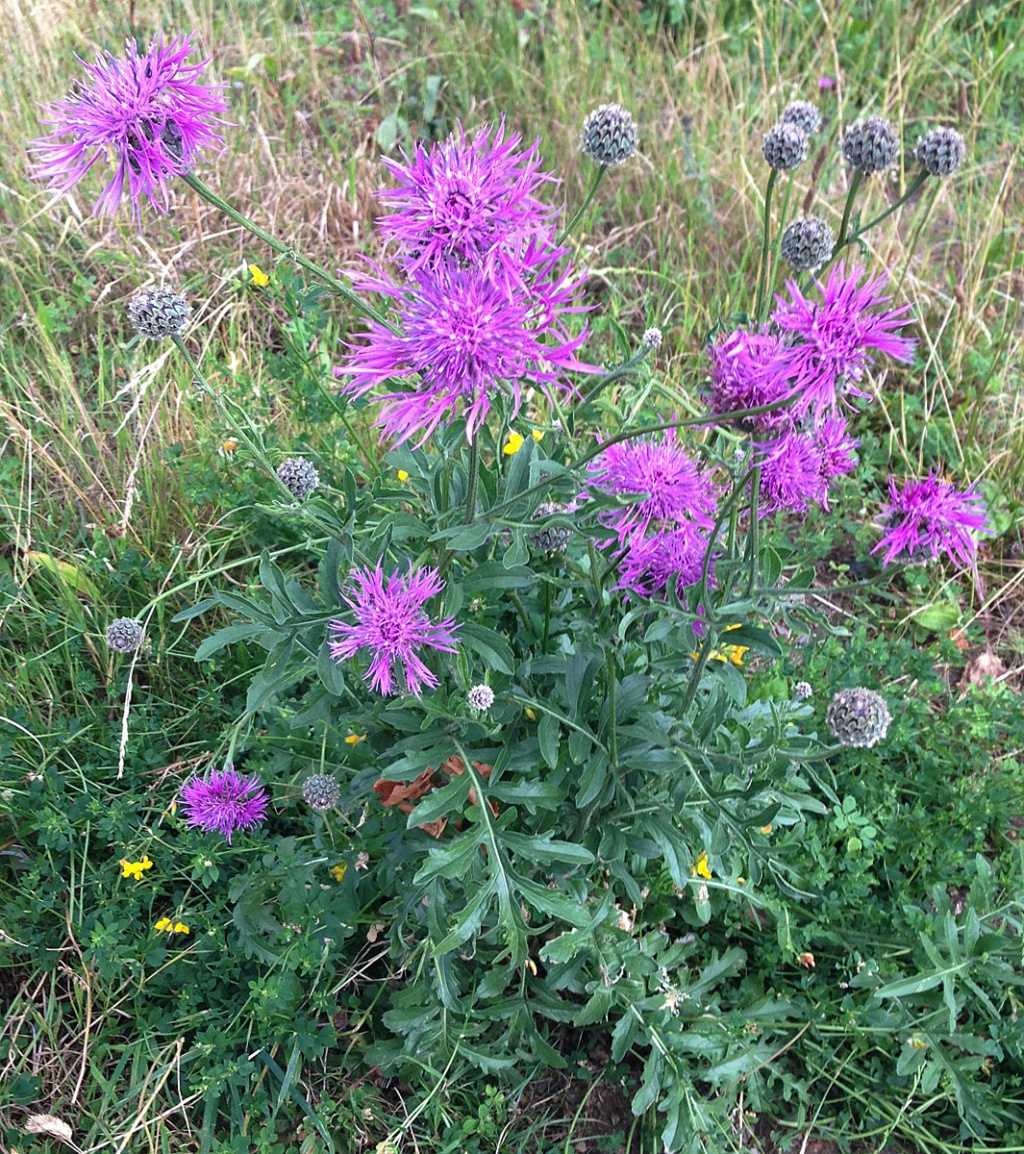
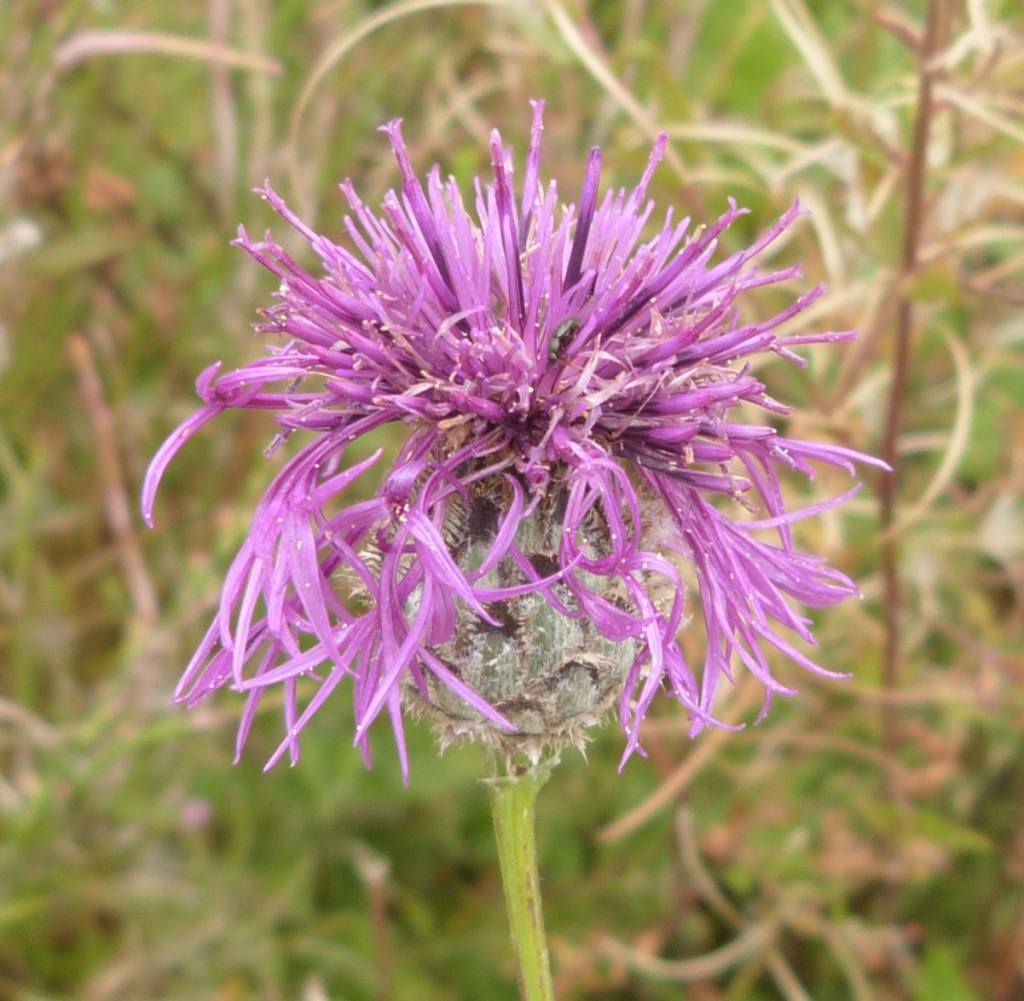
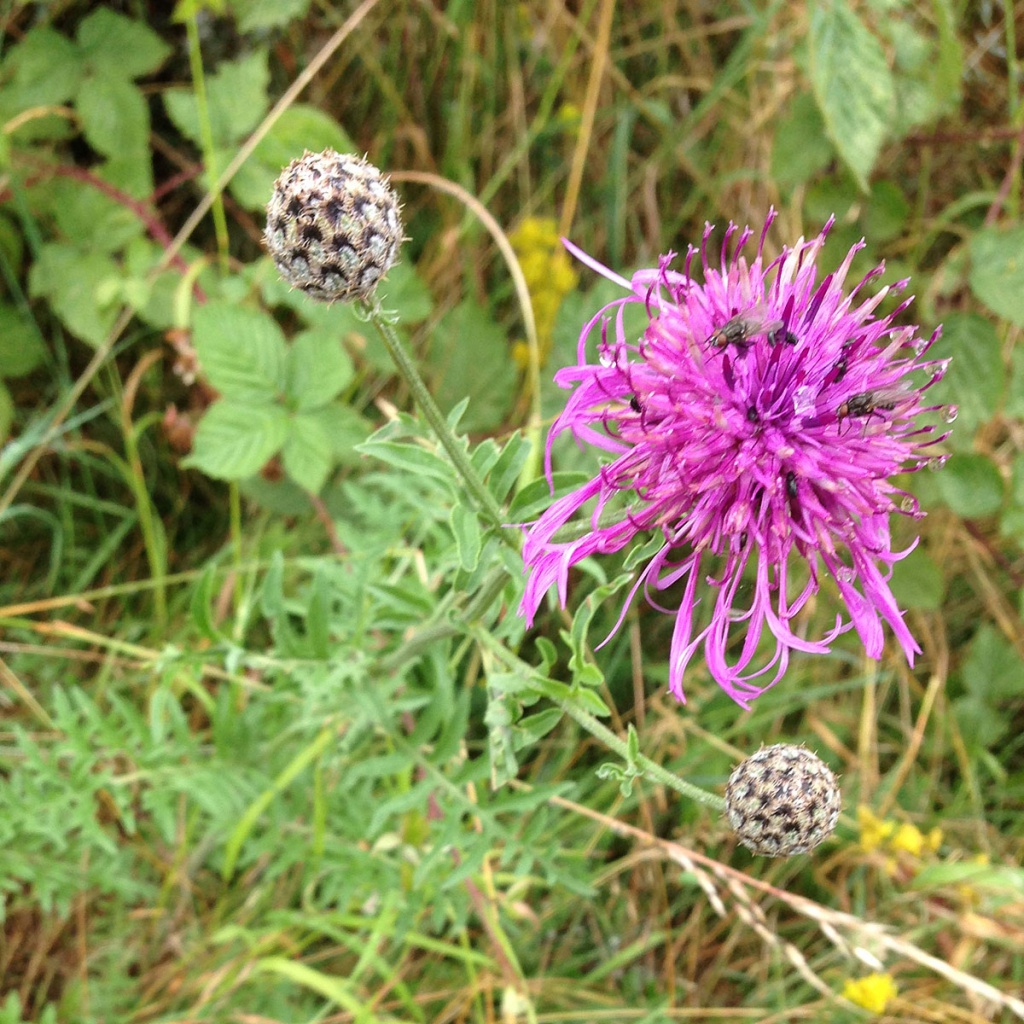
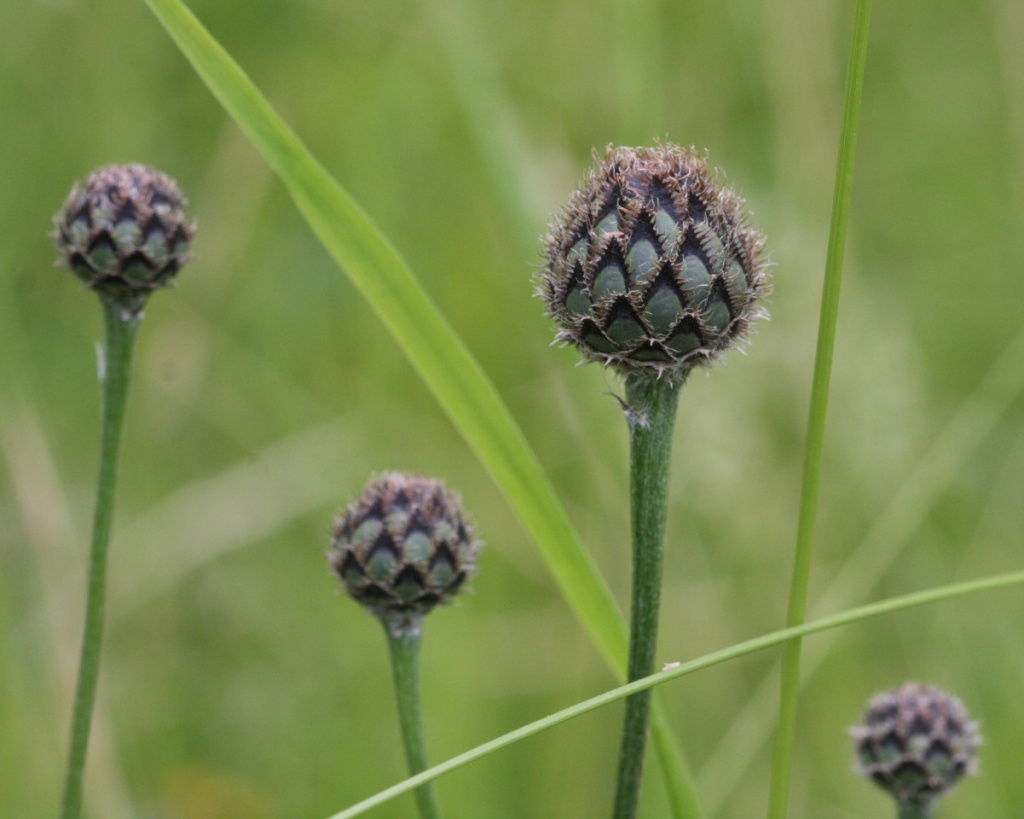
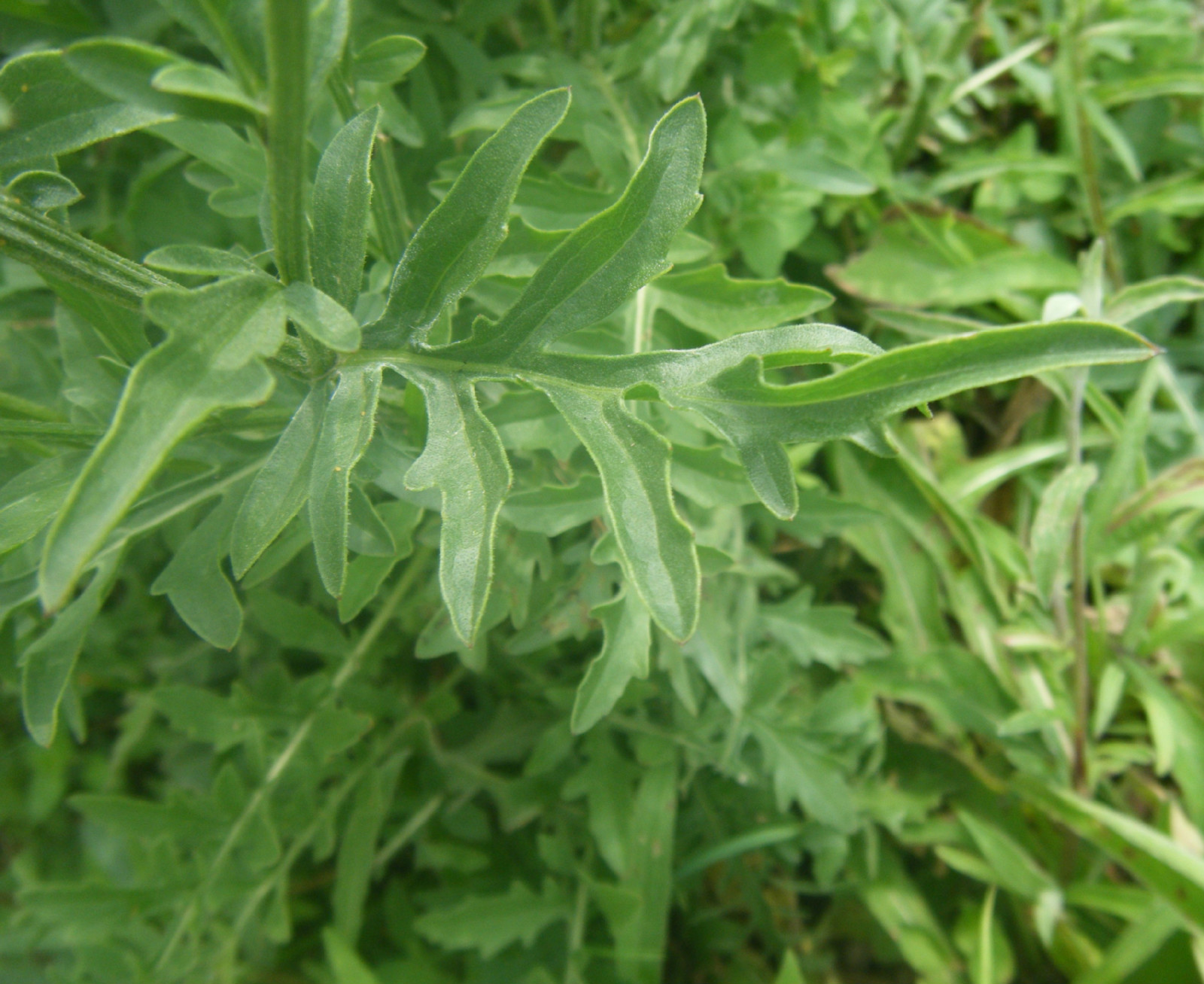
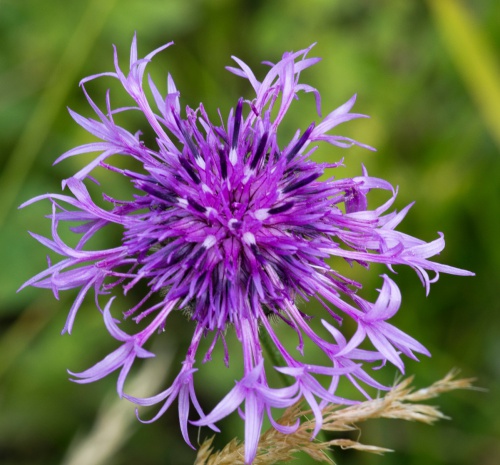
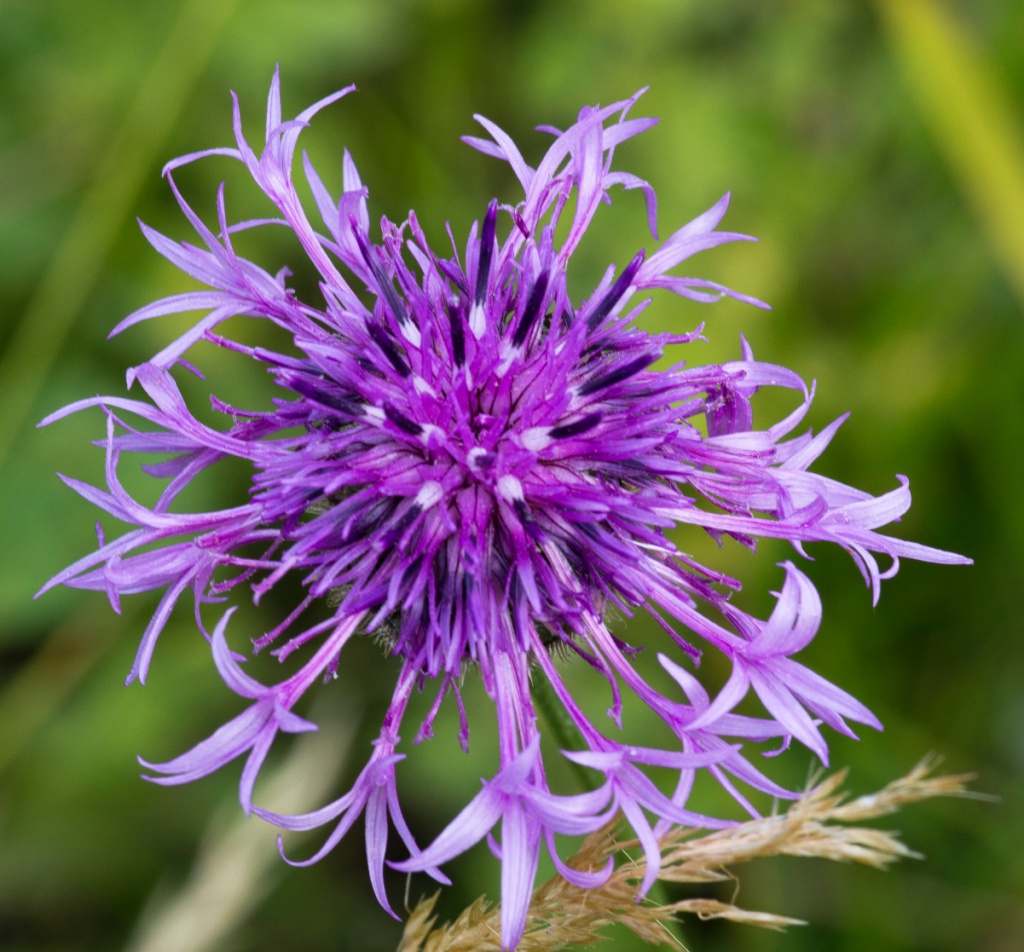
Medium to tall robust somewhat bristly plant to 1.5 metres. Stems erect, branched above. Leaves usually pinnately lobed with oblong or linear segments. Flowerheads purple, large 30 to 50 mm the outer florets much longer than the inner.
Centaurea nigra

Leaves pinnately lobed; outer florets longer than inner
Rough grassy habitats, scrub and roadsides on dry calcareous soils.
Late June to September.
Perennial.
Widespread but local in England, scarcer or more coastal elsewhere in Britain.
Occasional. Mainly found in the north east of Leicestershire and in parts of Rutland with most other VC55 records coming from railway verges. In the 1979 Flora survey of Leicestershire it was found in 26 of the 617 tetrads.
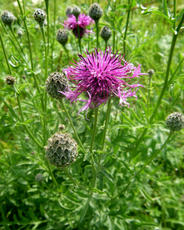 Graham Calow
Ketton Quarry
30 June 2011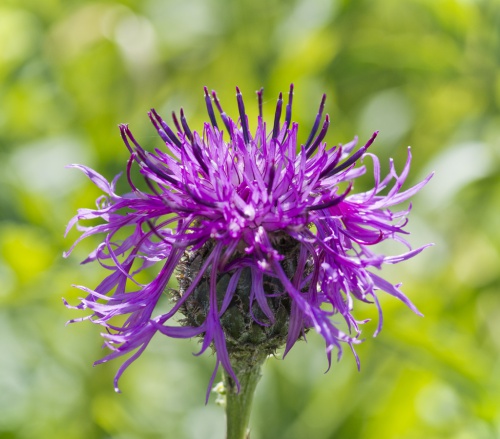 AJ Cann
Ketton Quarry
21 June 2015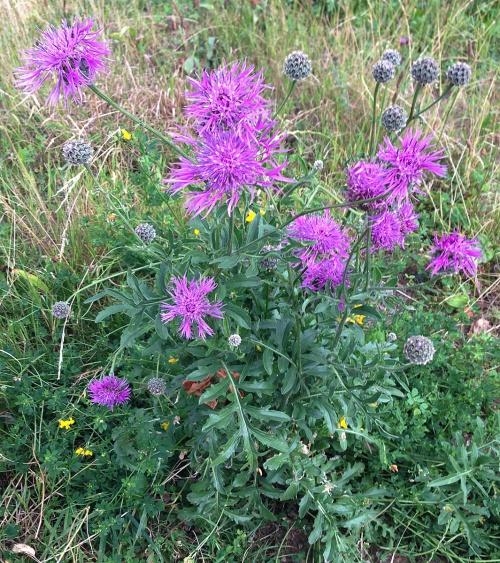 David Gould
Great Central Way, Leicester
07 July 2015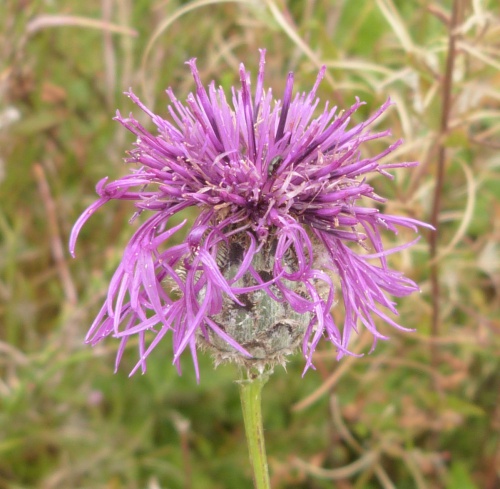 Graham Calow
Sapcote, Land behind William Spencer Ave
04 August 2020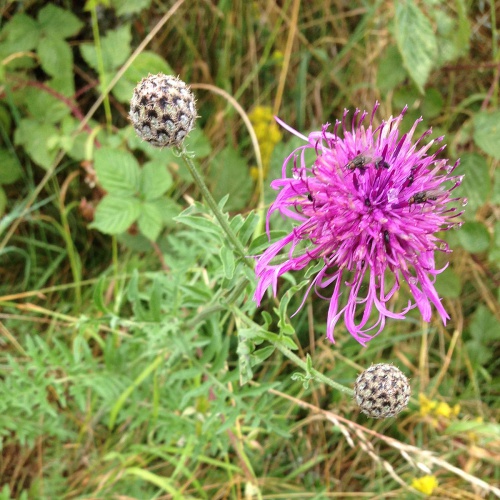 David Gould
Great Central Way, Leicester
15 July 2015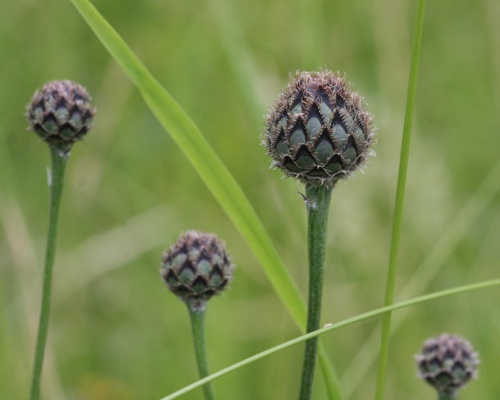 David Nicholls
Bloody Oaks
02 July 2015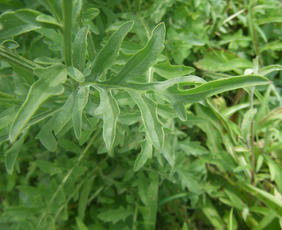 Graham Calow
Ketton Quarry
30 June 2011
leaf
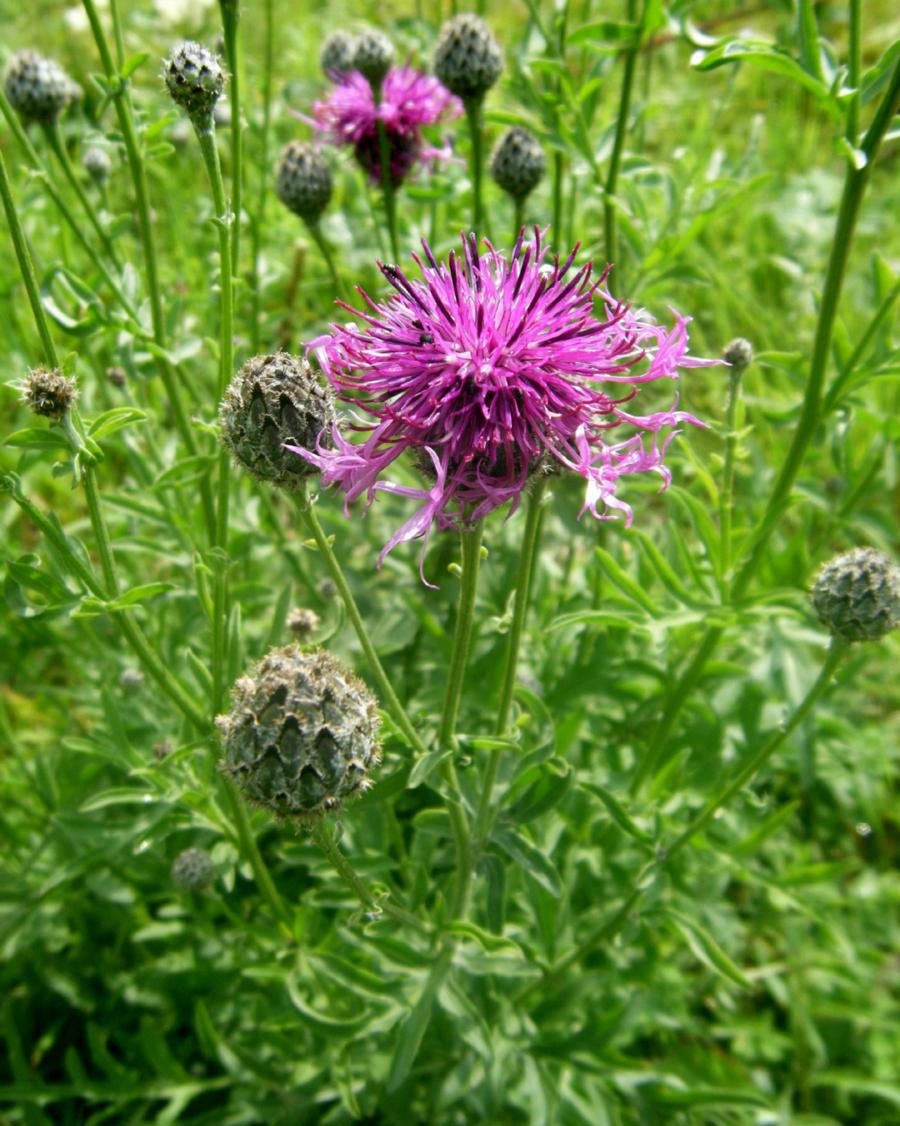
Leicestershire & Rutland Map
Enter a town or village to see local records
MAP KEY:
Yellow squares = NBN records (all known data)
Coloured circles = NatureSpot records: 2025+ | 2020-2024 | pre-2020
UK Map
Species profile
- Common names
- Greater Knapweed
- Species group:
- flowering plant
- Kingdom:
- Plantae
- Order:
- Asterales
- Family:
- Asteraceae
- Records on NatureSpot:
- 69
- First record:
- 30/06/2011 (Calow, Graham)
- Last record:
- 03/06/2026 (Colaco, Juliette)
Total records by month
% of records within its species group
10km squares with records
The latest images and records displayed below include those awaiting verification checks so we cannot guarantee that every identification is correct. Once accepted, the record displays a green tick.
In the Latest Records section, click on the header to sort A-Z, and again to sort Z-A. Use the header boxes to filter the list.
Latest images
Latest records
 AJ Cann
Bloody Oaks
08 August 2015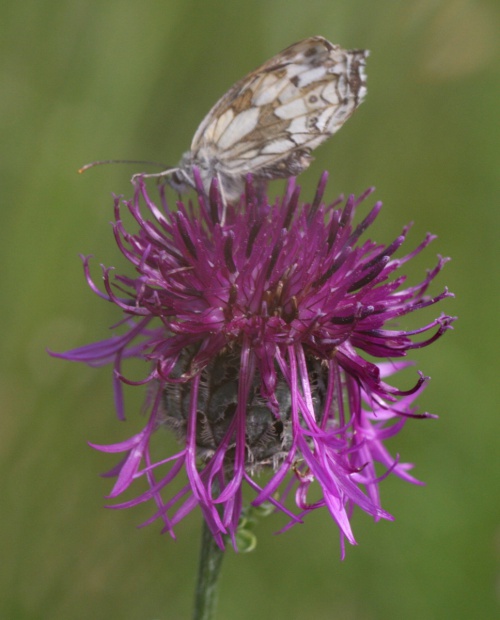 David Nicholls
Bloody Oaks Quarry
08 July 2016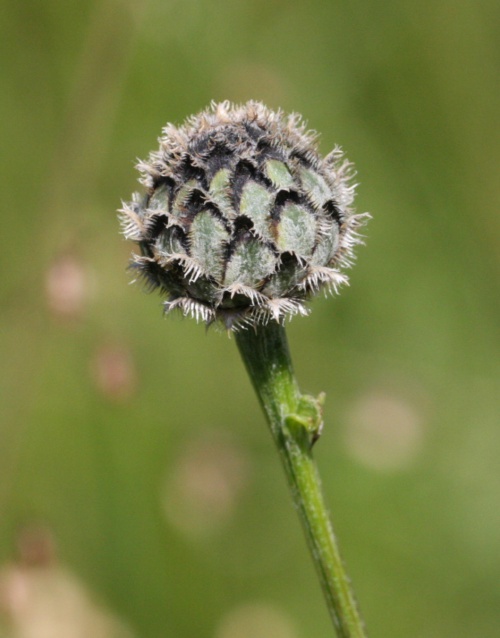 David Nicholls
Bloody Oaks Quarry
08 July 2016 Ron.stevens
Ketton Quarry NR
30 June 2011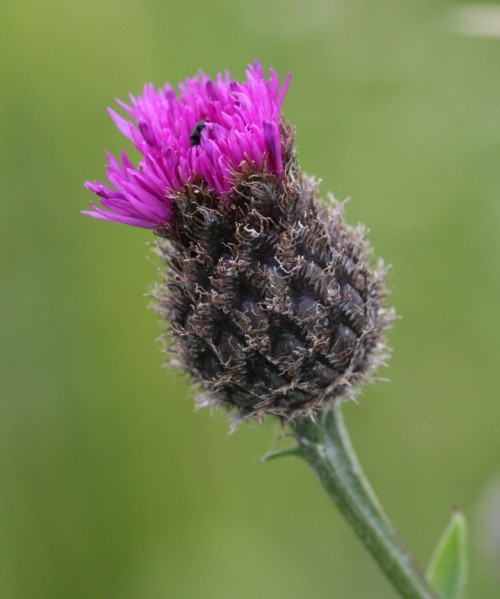 David Nicholls
Bloody Oaks
02 July 2015


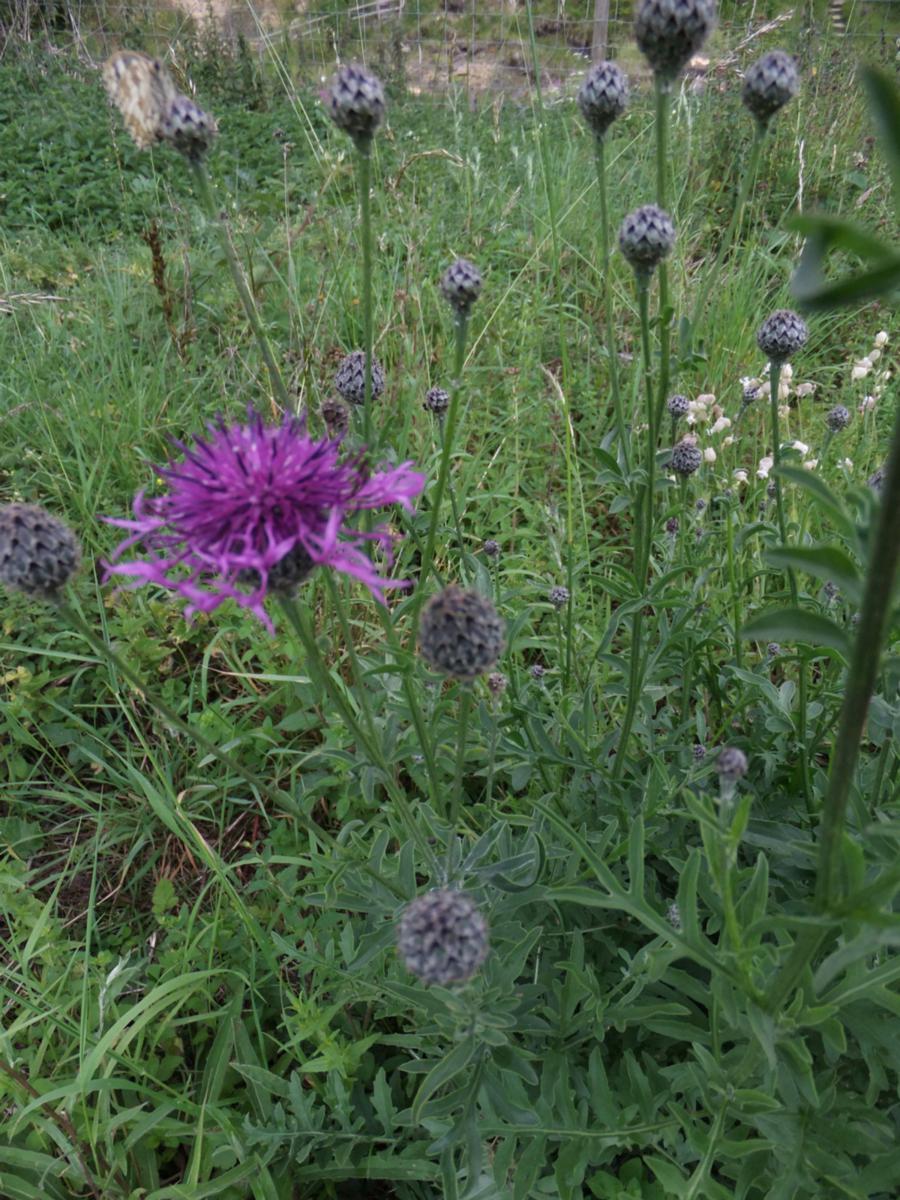
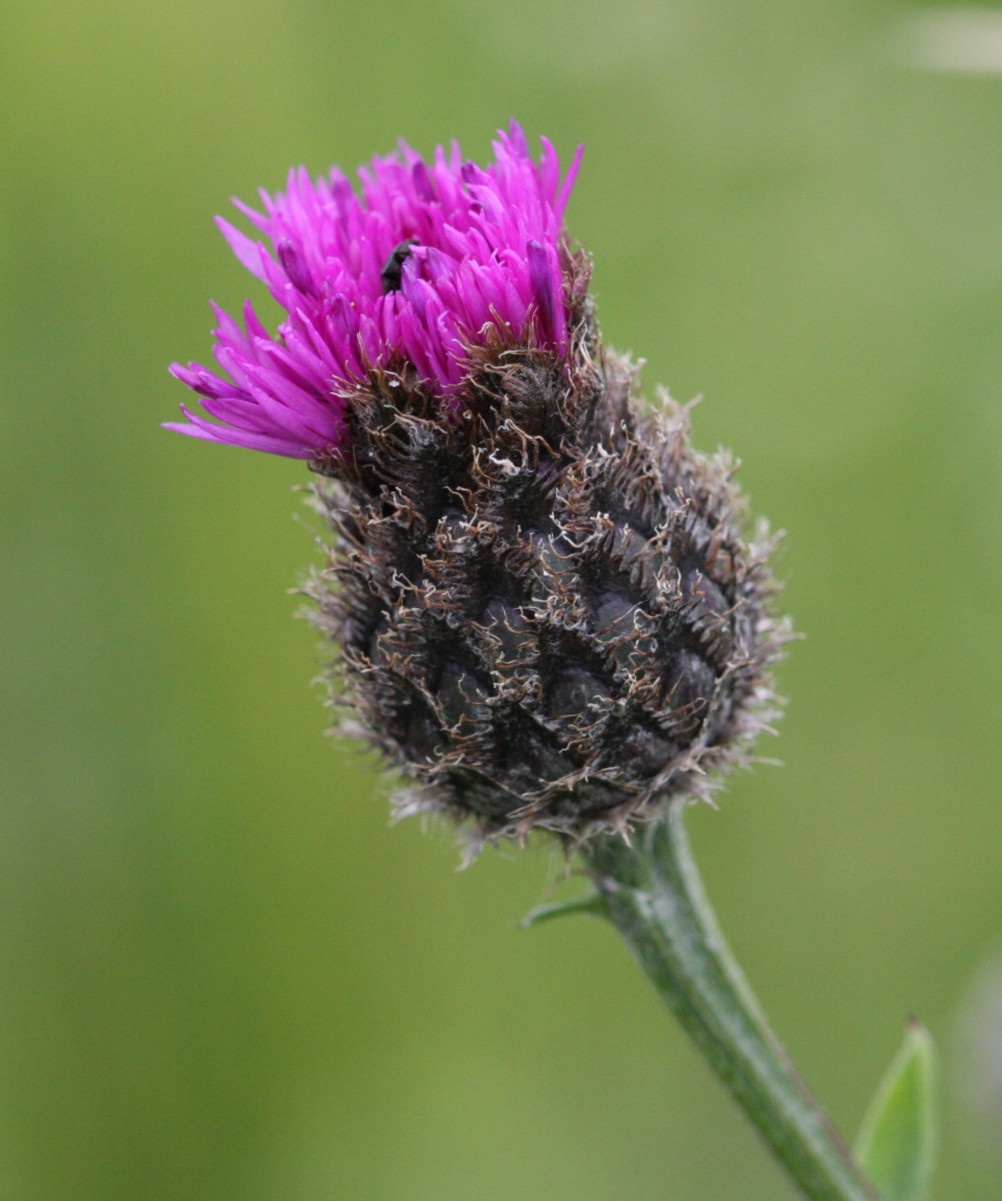
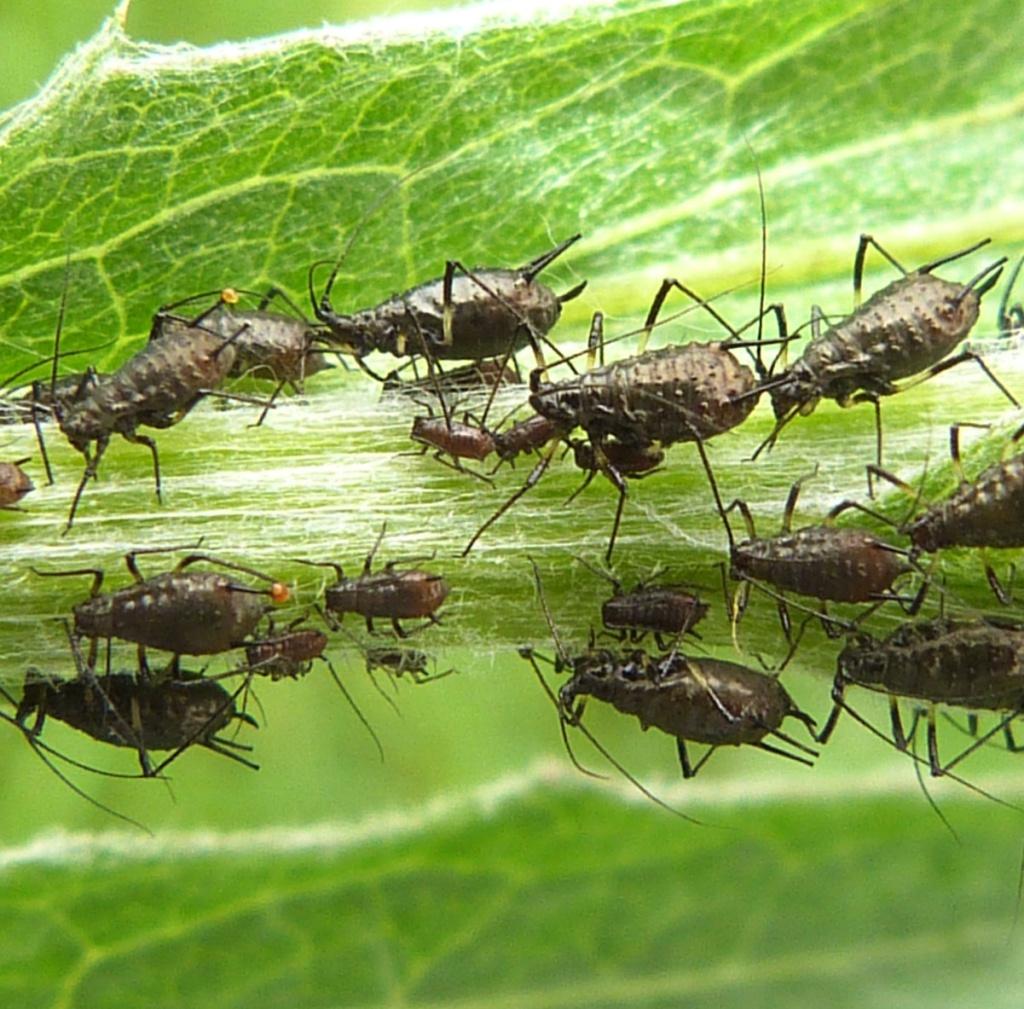
Large Knapweed Aphid
The Large Knapweed Aphid (Uroleucon jaceae) lives on various knapweeds (Centaurea spp.) and a few other species of Asteraceae, but not generally on other thistles. It is a large blackish aphid that can appear dark metallic green. The abdominal tergites 2-4 often have small marginal tubercles. The femora have the basal half pale and distal half dark, with a rather sharp transition between them. The tibiae are totally black. The siphunculi are reticulated over the distal 0.16-0.27 of their length and are 1.3-1.8 times the length of the cauda. The cauda is dark and bears 18-30 hairs. The body length of apterae is 3.0-4.5 mm long.