

Great Wood-rush - Luzula sylvatica
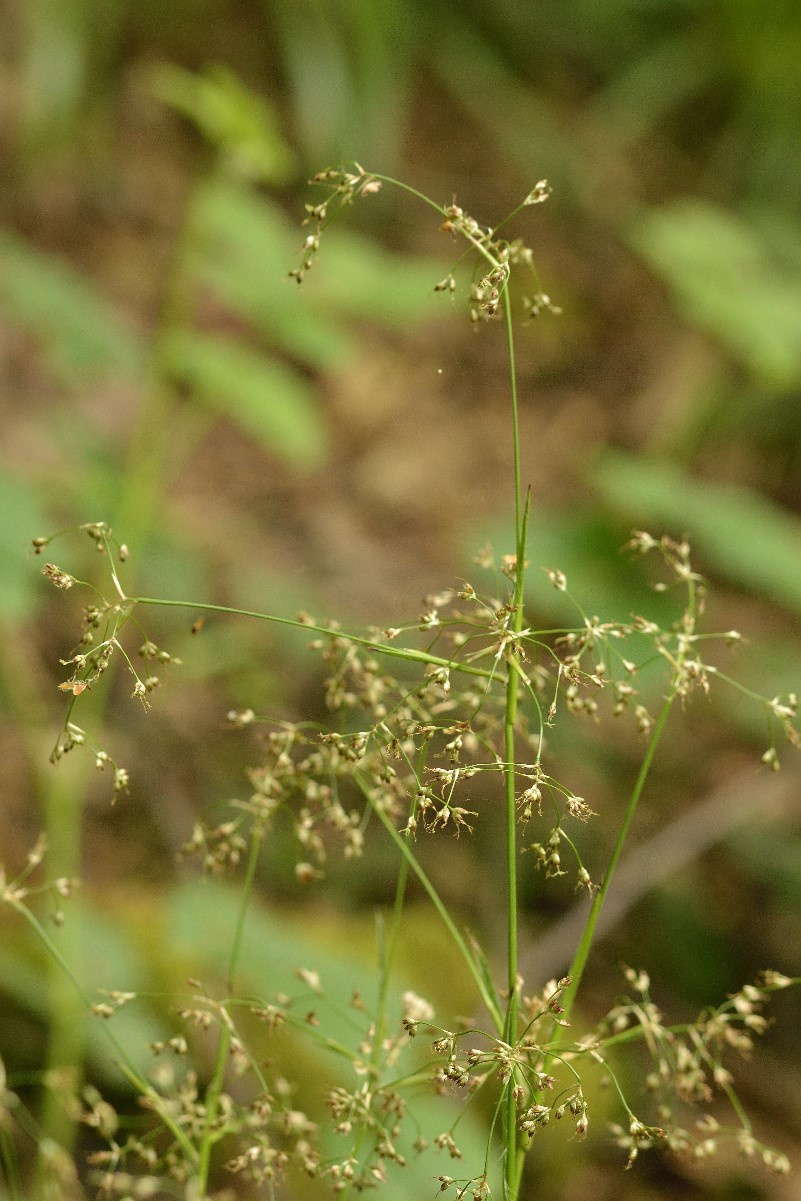
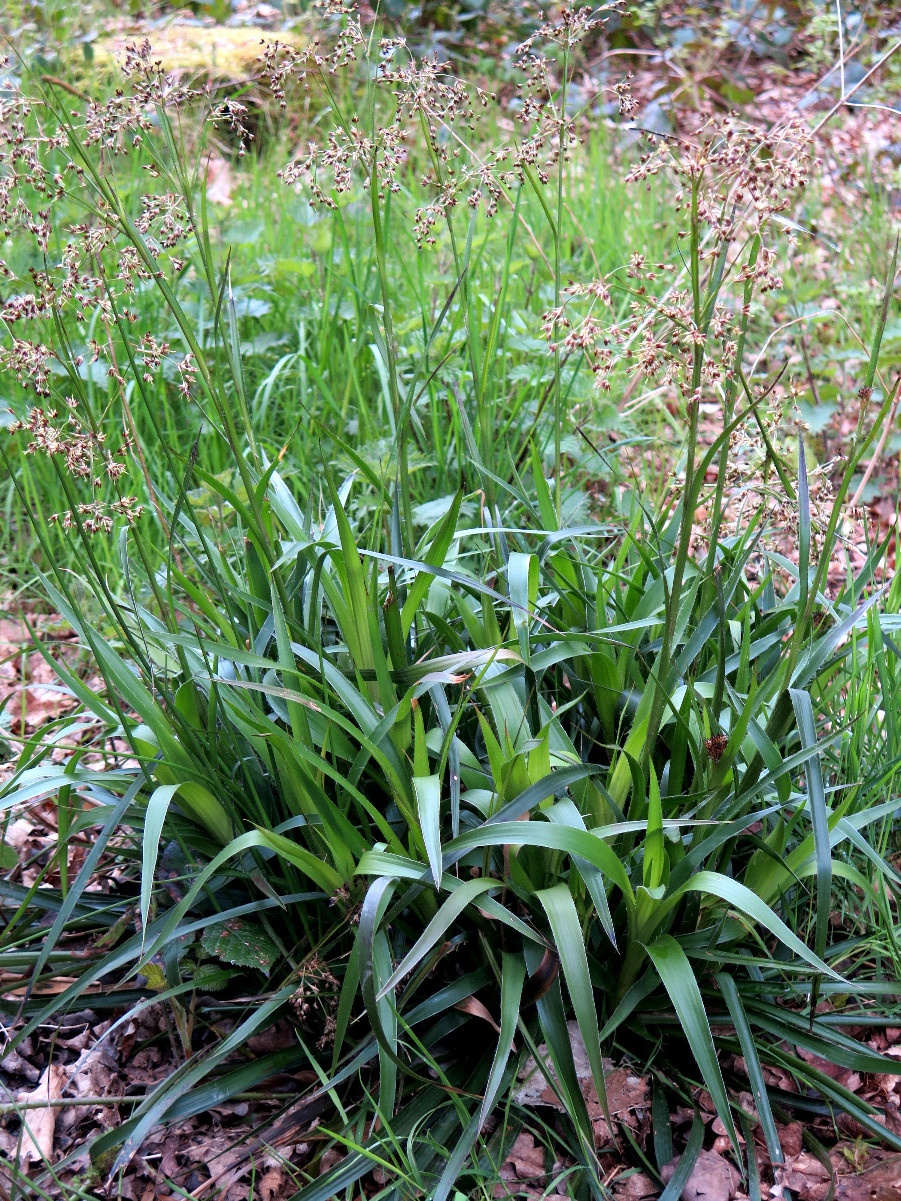
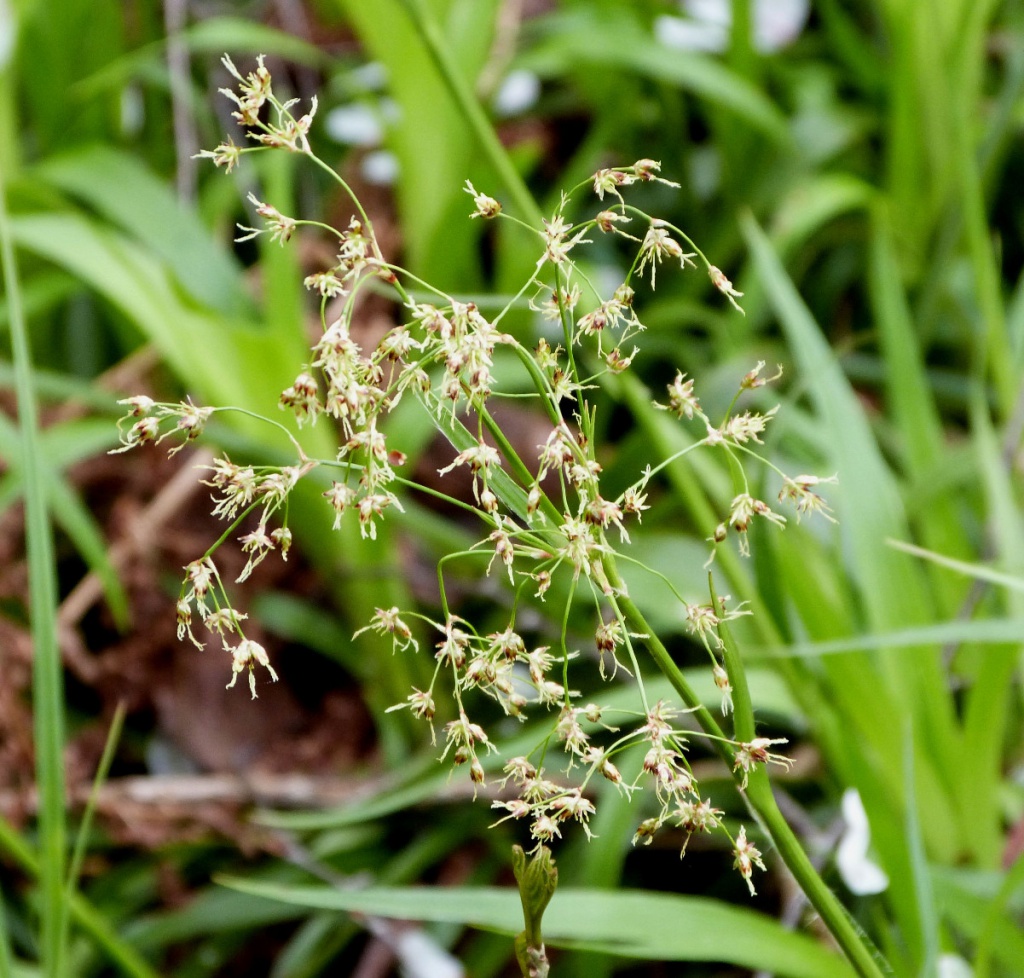
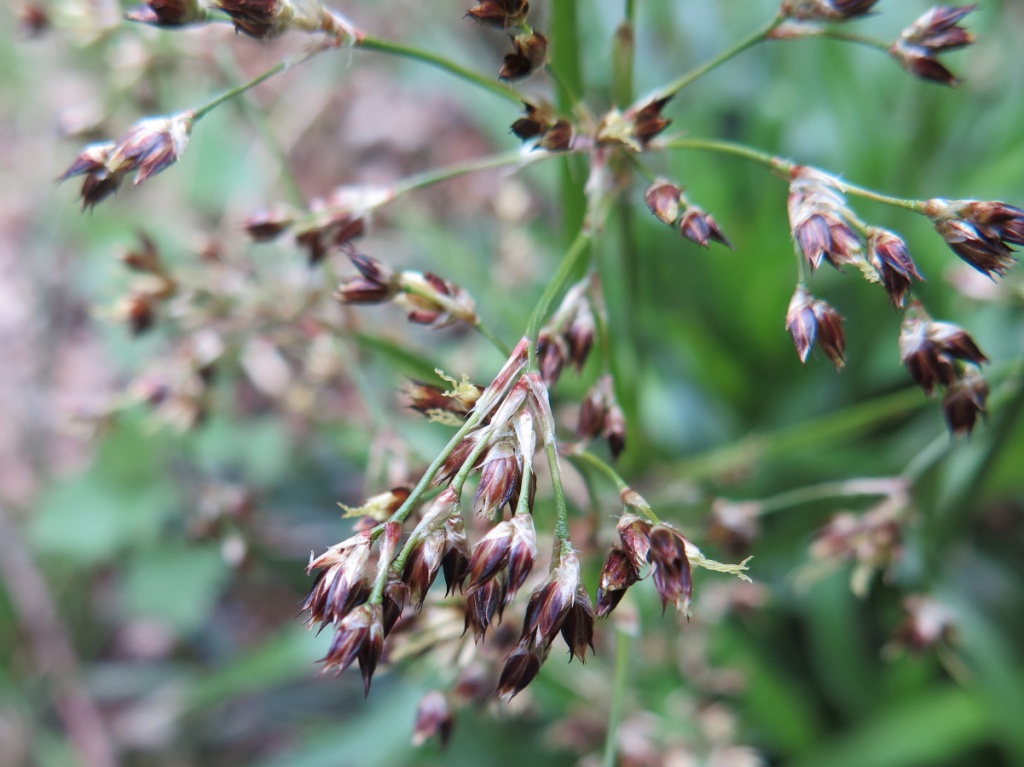
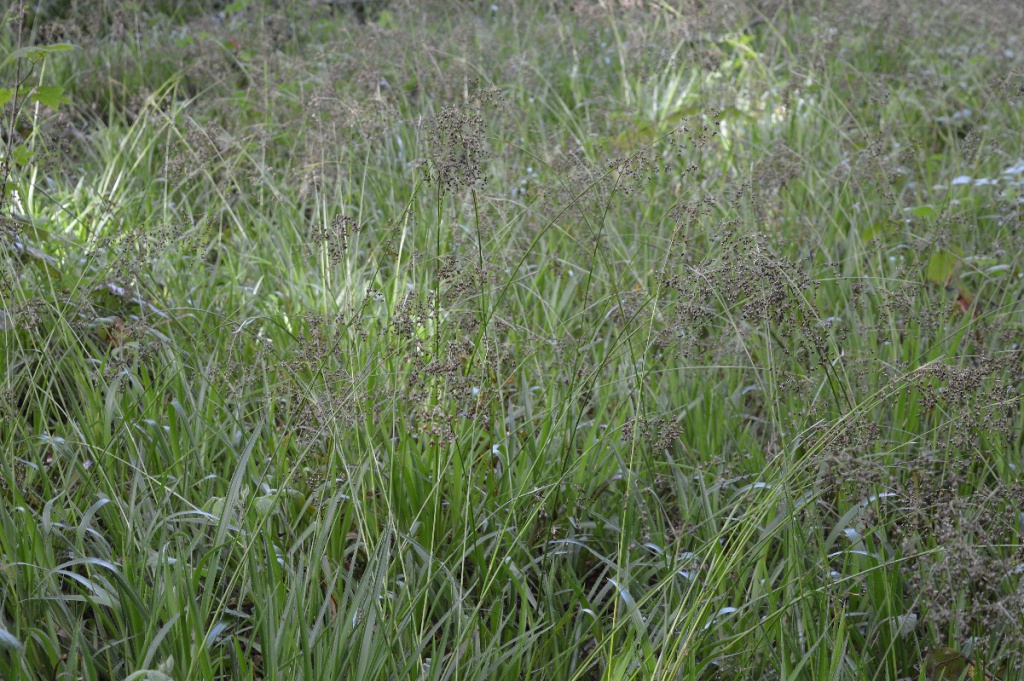
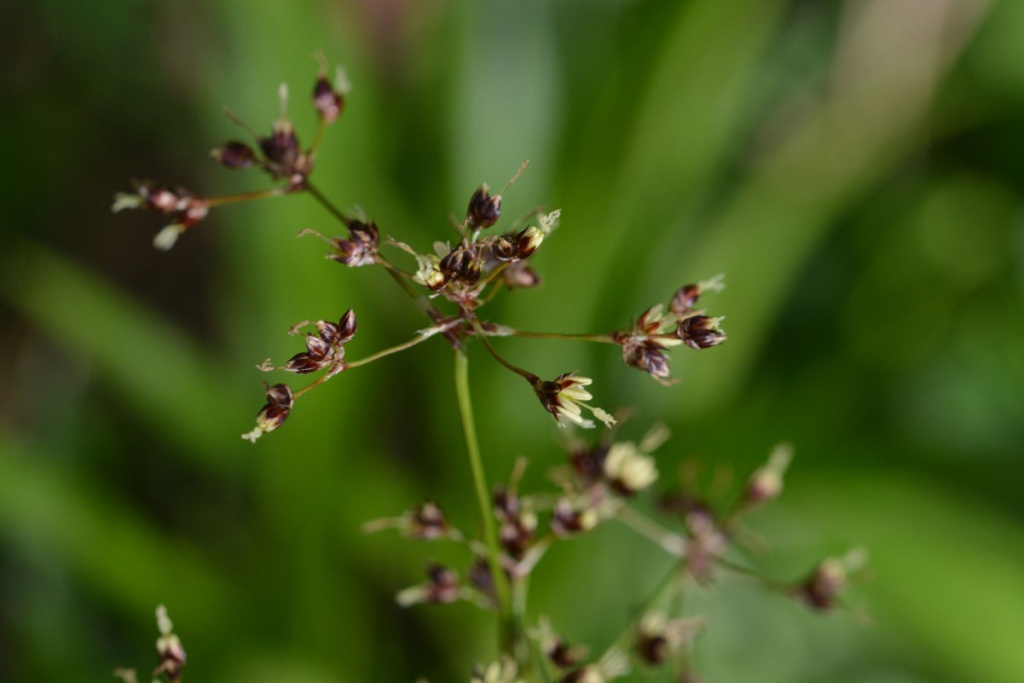
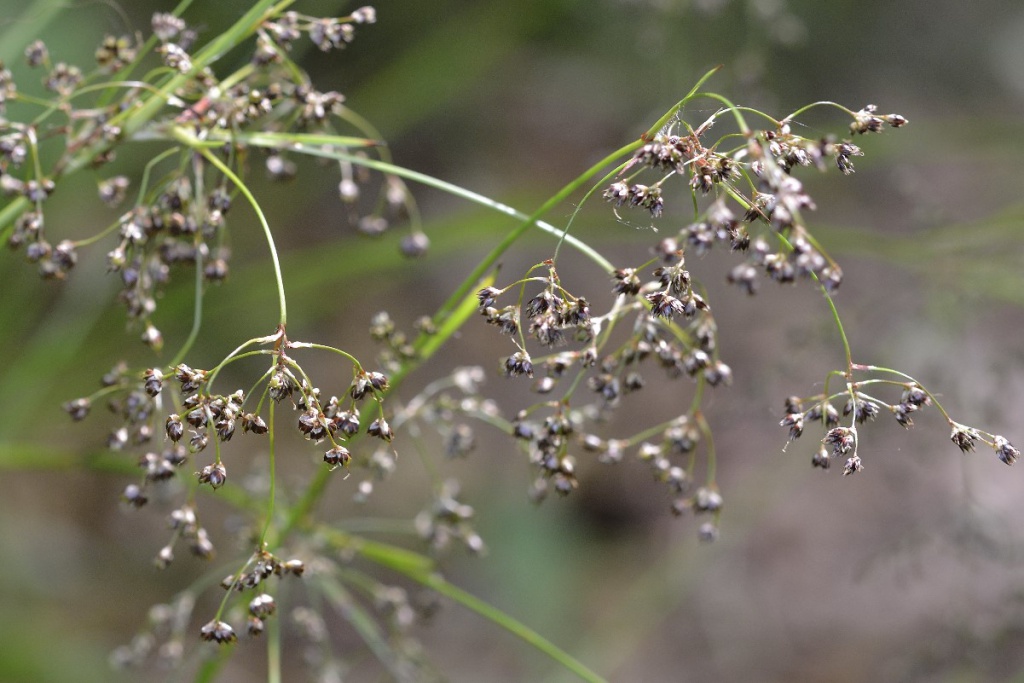
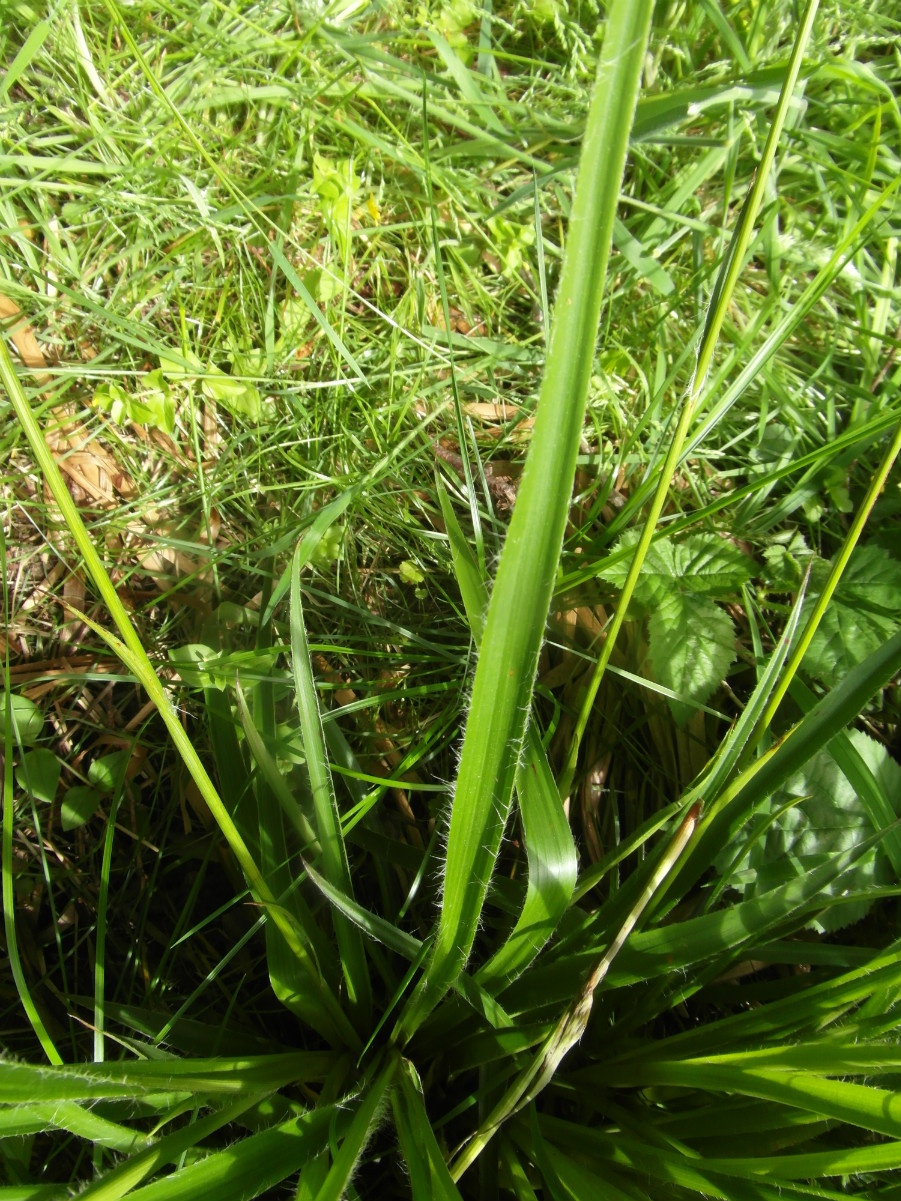
This is a grass like plant with very wide leaves and much branched inflorescences. The edges of the leaves have long white hairs. It is the largest British Wood-rush.

Woodland and damp shady places on acid soil.
Flowers in May and June.
Perennial.
Widespread but local over most of Britain, but less common around East Anglia.
Local in Leicestershire and Rutland. In the 1979 Flora survey of Leicestershire it was found in 20 of the 617 tetrads.
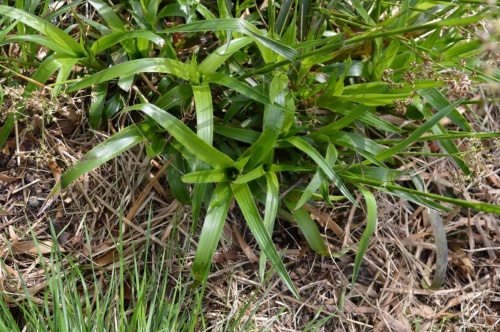 Barbara Cooper
Swithland Wood
30 April 2015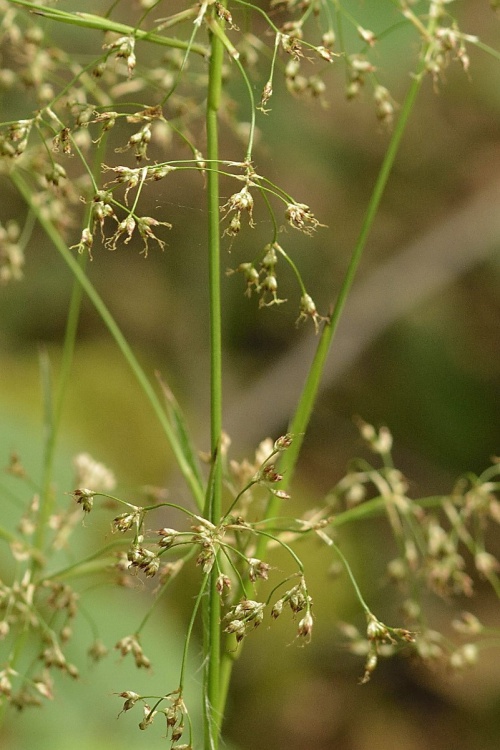 Barbara Cooper
The Outwoods
14 May 2015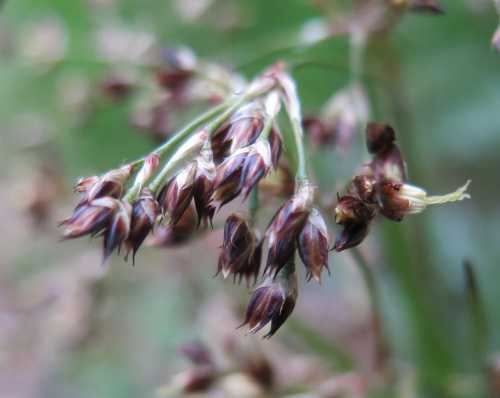 David Nicholls
Martinshaw Wood
30 April 2016 Barbara Cooper
The Outwoods
14 May 2015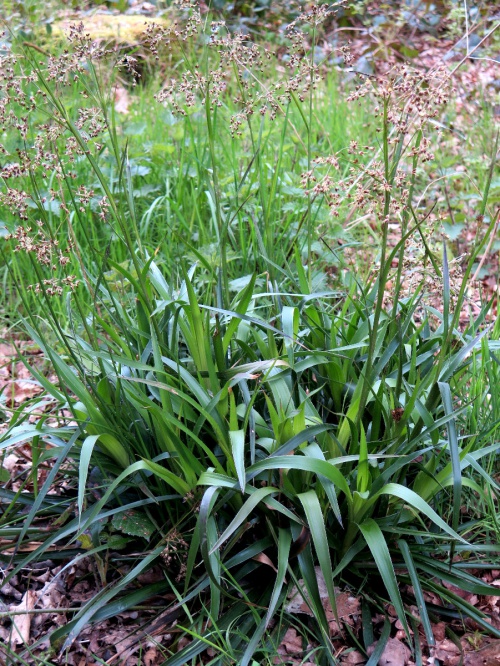 David Nicholls
Martinshaw Wood
30 April 2016 Barbara Cooper
Swithland Wood
30 April 2015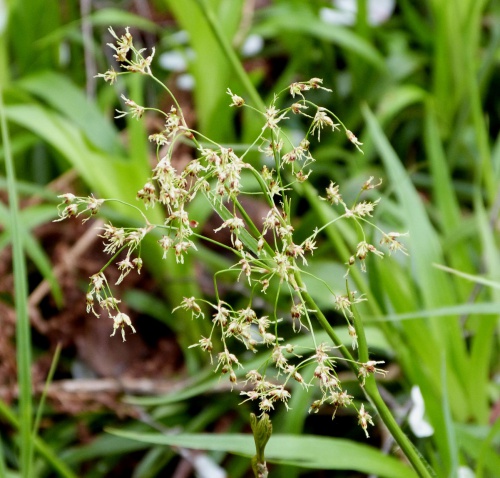 Graham Calow
Twycross Zoo
22 April 2018 Ken Charity
Near Swithland Reservoir, Kinchley Lane.
26 February 2019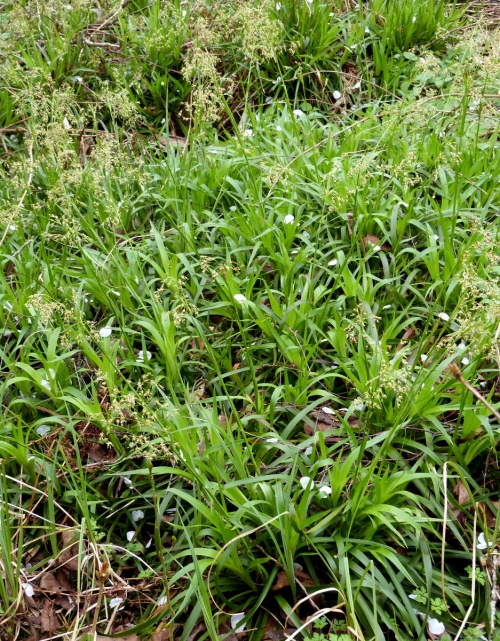 Graham Calow
Twycross Zoo
22 April 2018

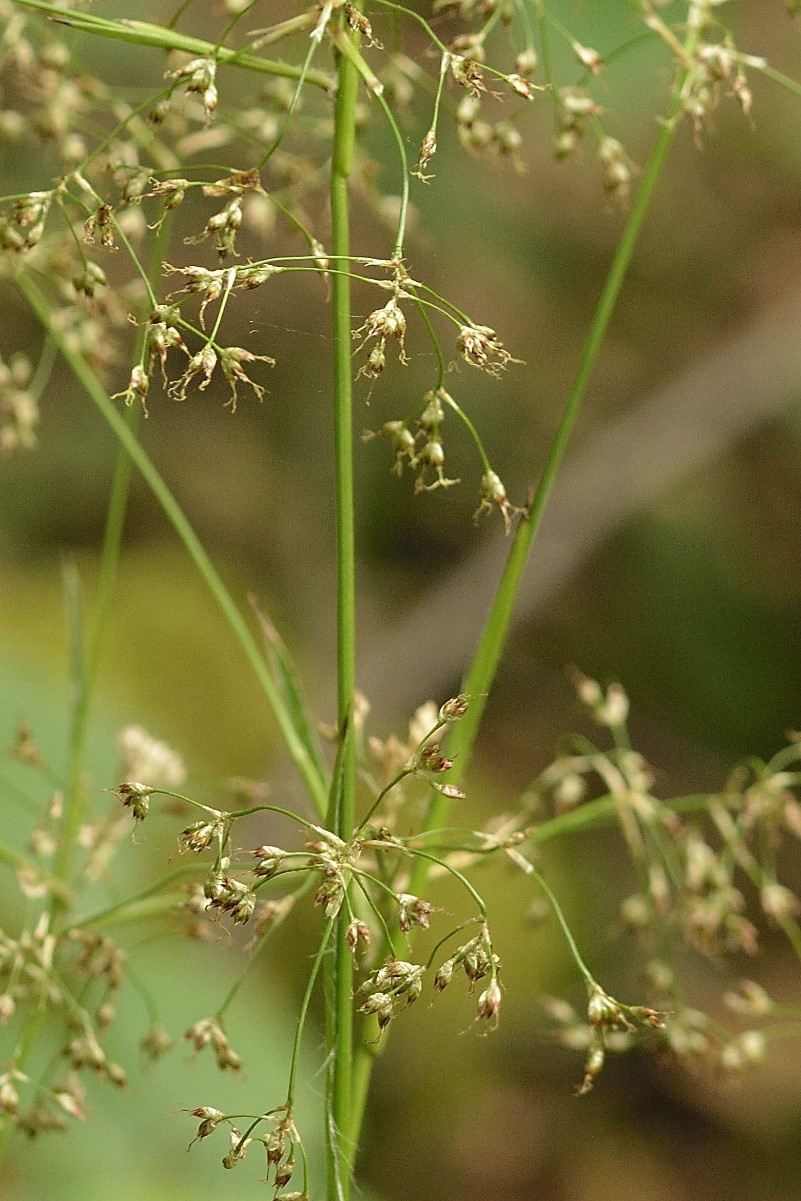
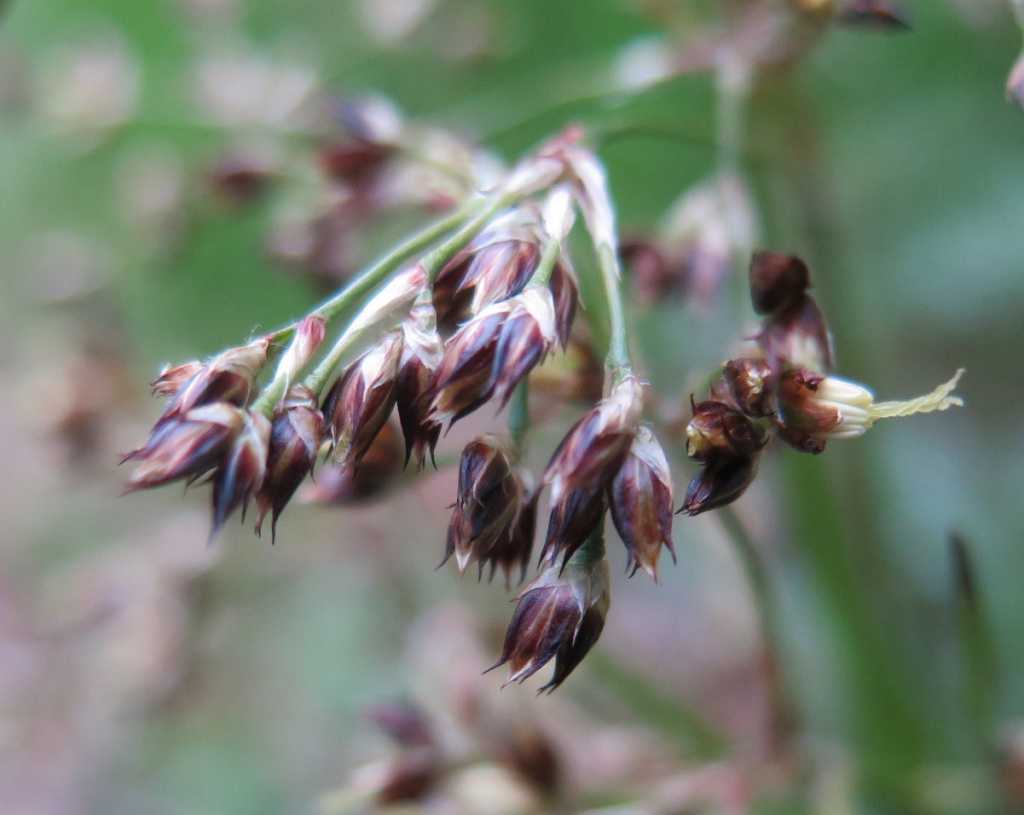



Leicestershire & Rutland Map
Enter a town or village to see local records
MAP KEY:
Yellow squares = NBN records (all known data)
Coloured circles = NatureSpot records: 2025+ | 2020-2024 | pre-2020
UK Map
Species profile
- Common names
- Great Wood-rush, Great Woodrush
- Species group:
- flowering plant
- Kingdom:
- Plantae
- Order:
- Poales
- Family:
- Juncaceae
- Records on NatureSpot:
- 54
- First record:
- 11/11/2012 (Nicholls, David)
- Last record:
- 22/03/2026 (Nicholls, David)
Total records by month
% of records within its species group
10km squares with records
The latest images and records displayed below include those awaiting verification checks so we cannot guarantee that every identification is correct. Once accepted, the record displays a green tick.
In the Latest Records section, click on the header to sort A-Z, and again to sort Z-A. Use the header boxes to filter the list.
Latest images
Latest records
 David Nicholls
Martinshaw Wood
30 April 2016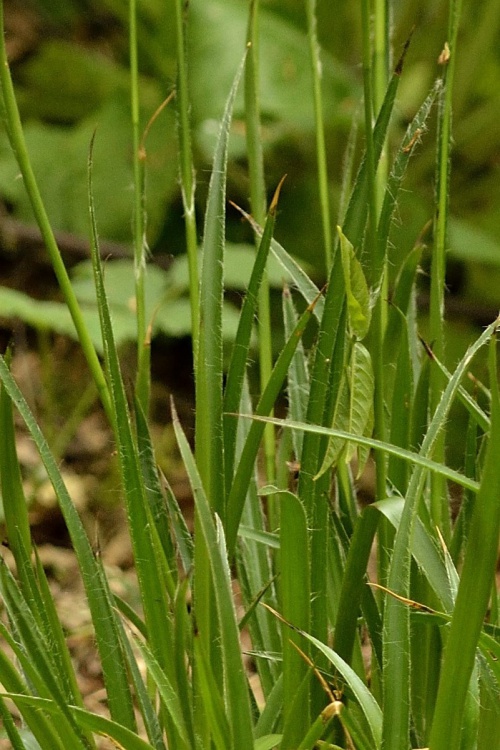 Barbara Cooper
The Outwoods
14 May 2015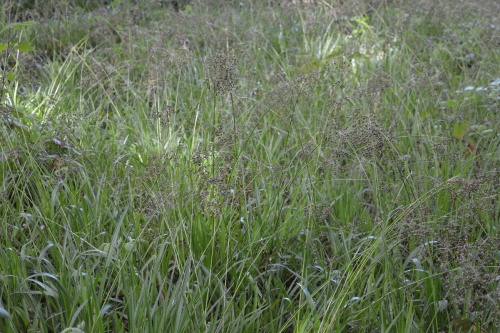 Barbara Cooper
Jubilee Wood
21 May 2015 Barbara Cooper
The Outwoods
14 May 2015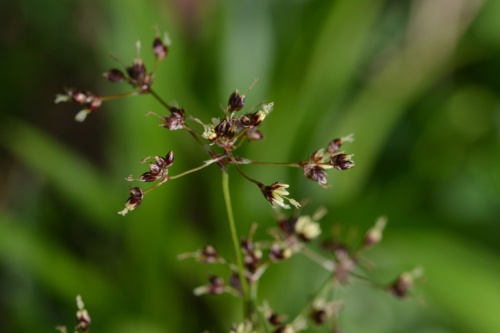 Barbara Cooper
Swithland Wood
30 April 2015 Barbara Cooper
Swithland Wood
30 April 2015 Barbara Cooper
Jubilee Wood
21 May 2015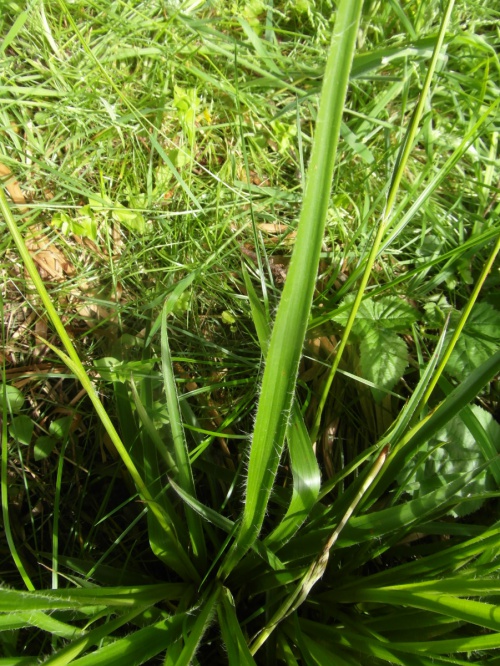 Alan Semper
Swithland Wood
16 June 2015 Alan Semper
Swithland Wood
16 June 2015




Elachista regificella
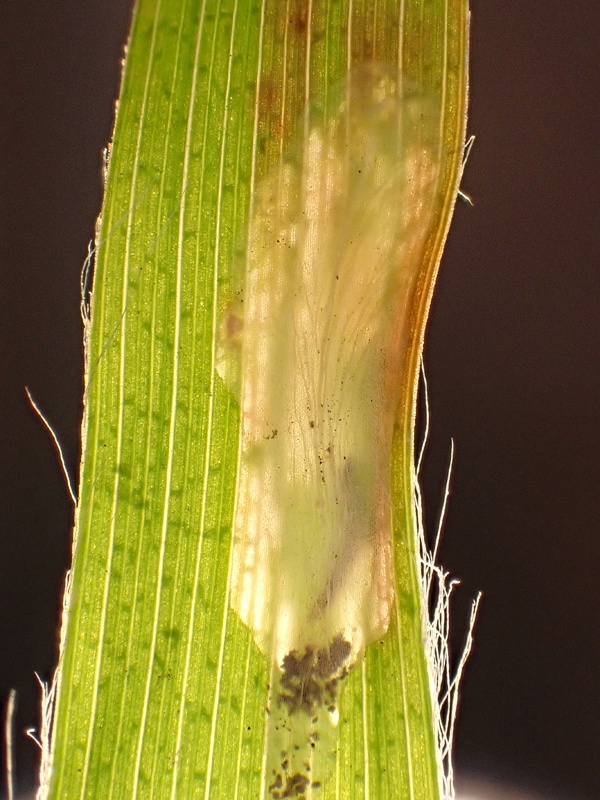
The larva of the moth Elachista regificella mines the leaves of Wood-rush species forming a blister mine that often causes the leaf blade to pucker. Other Elachista species and also some fly species may also mine Wood-rush, so care is needed with identification of the mines.