

Great Burnet - Sanguisorba officinalis
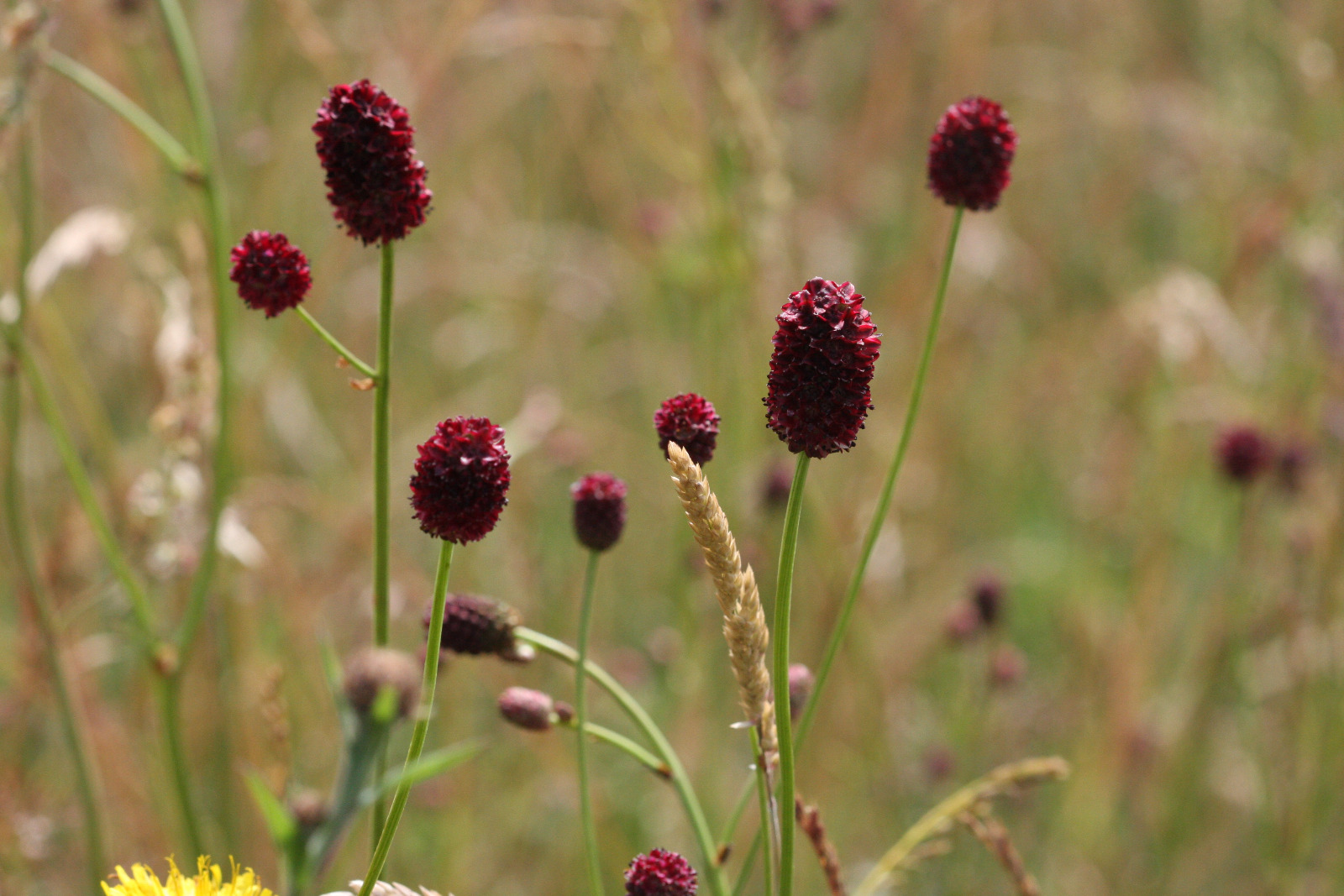
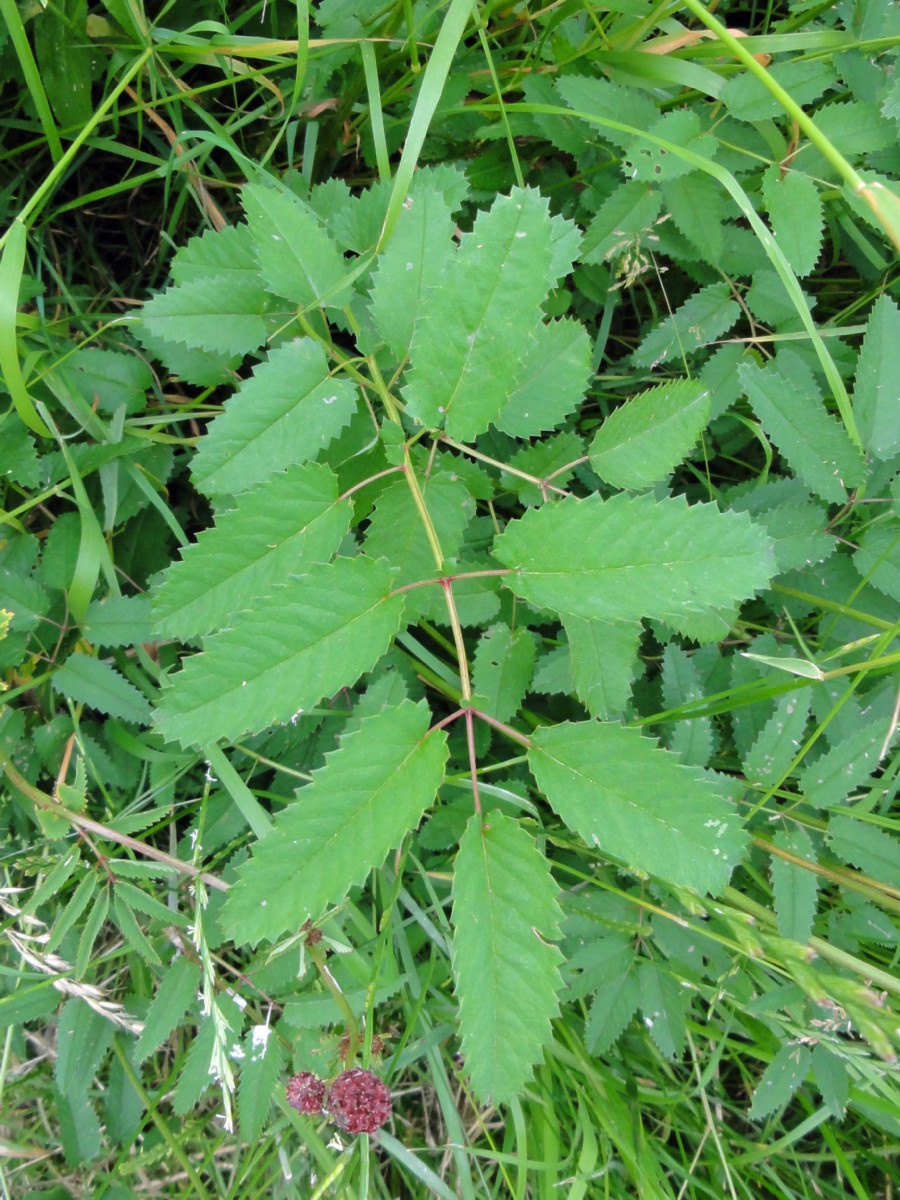
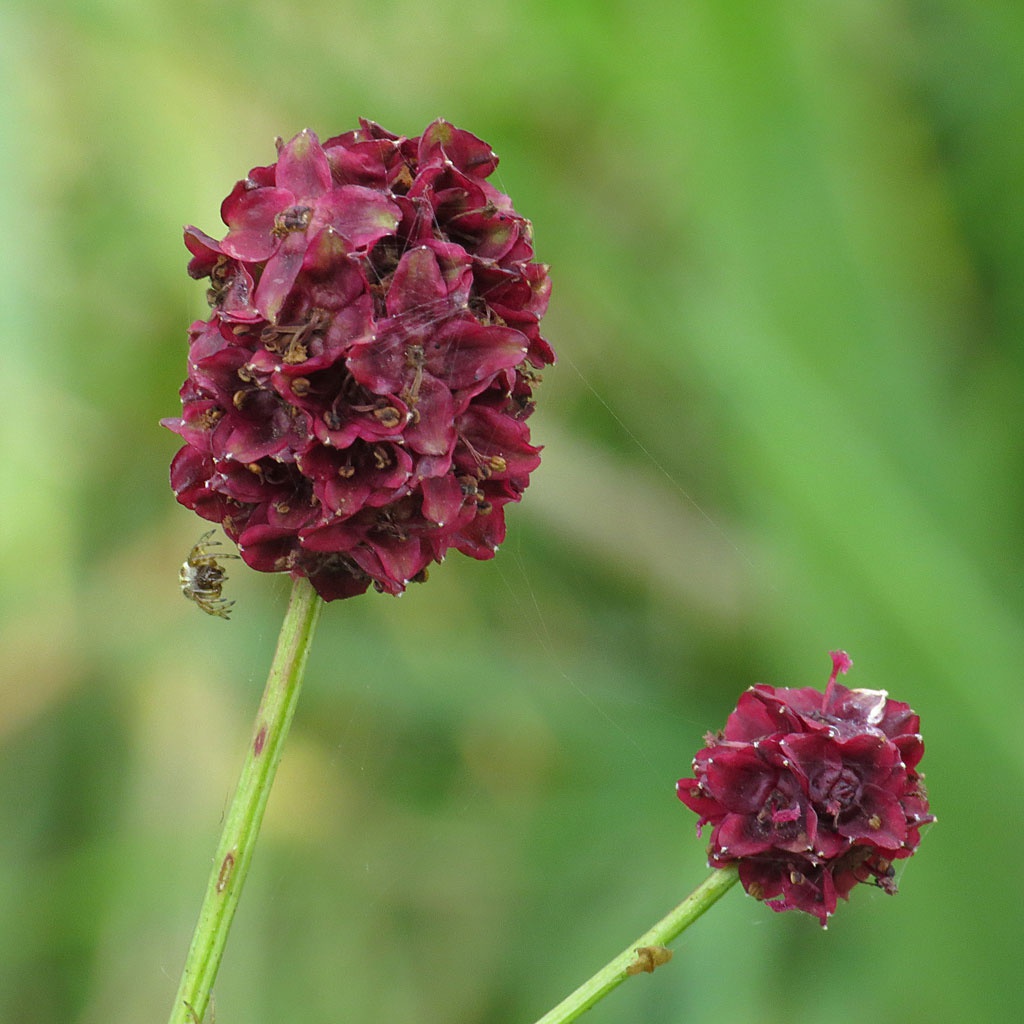
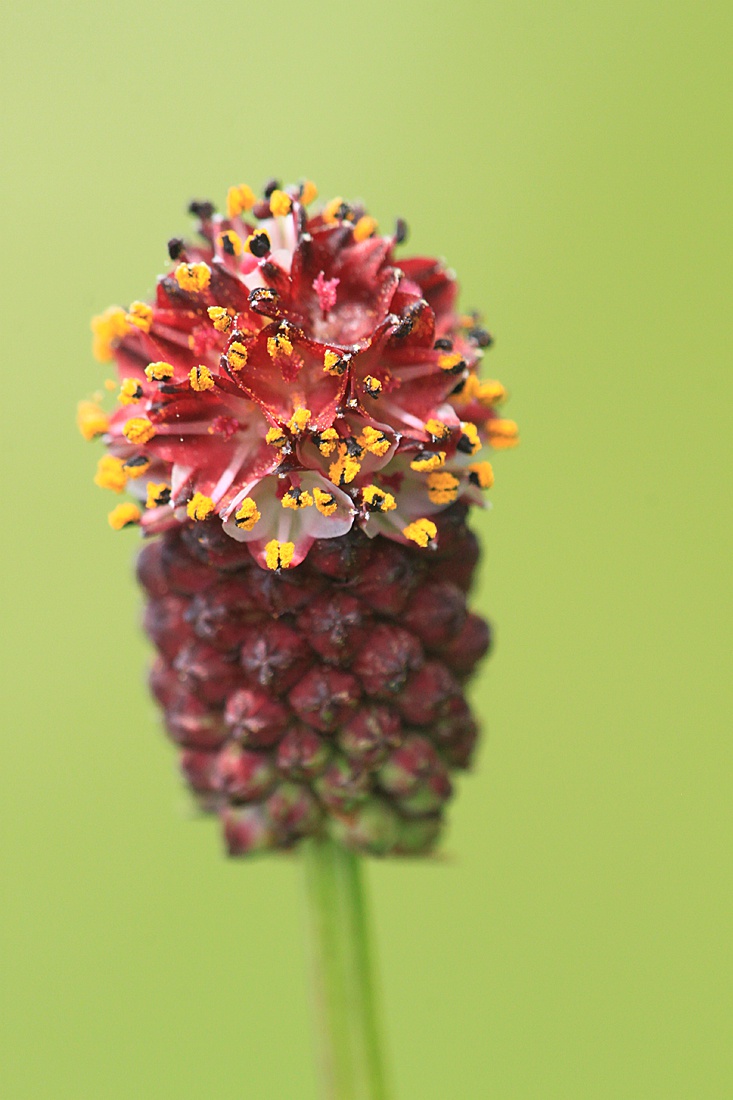
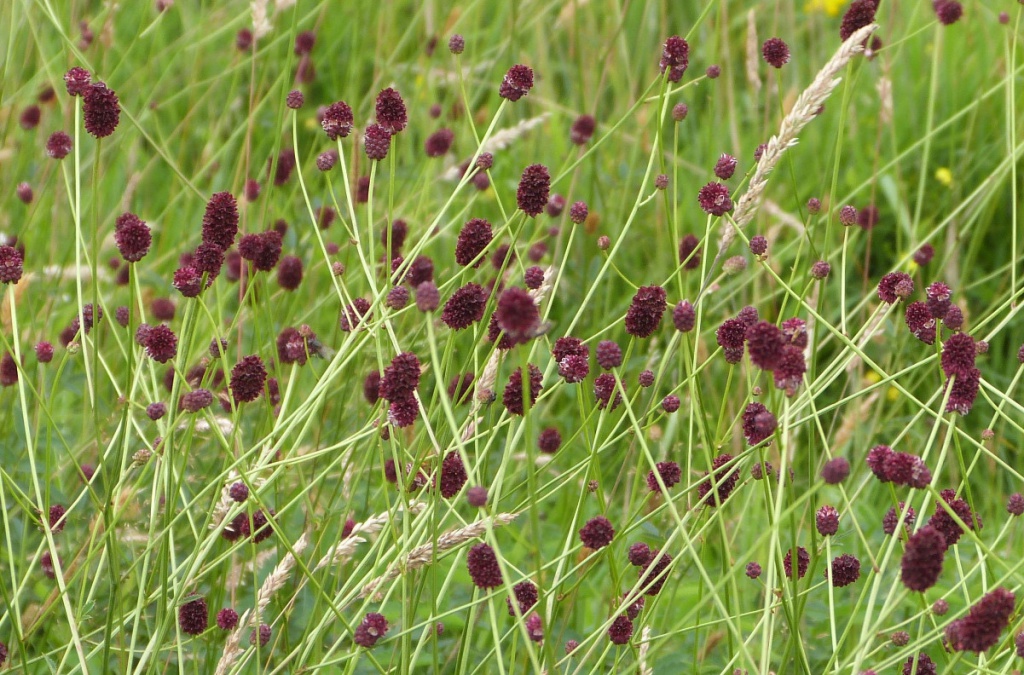
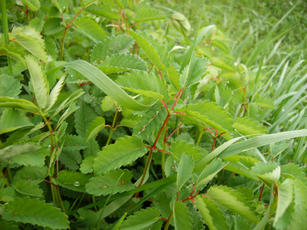
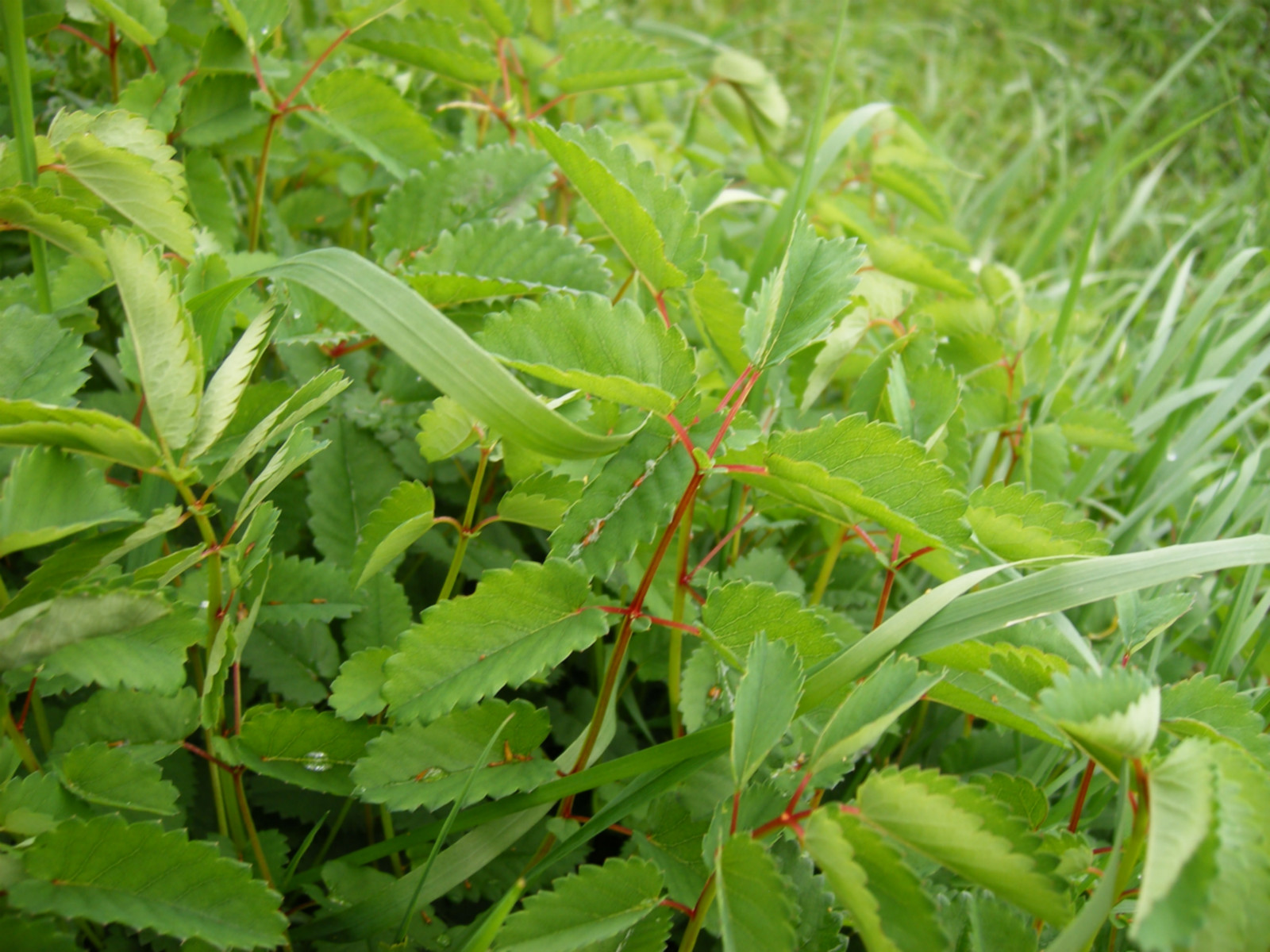
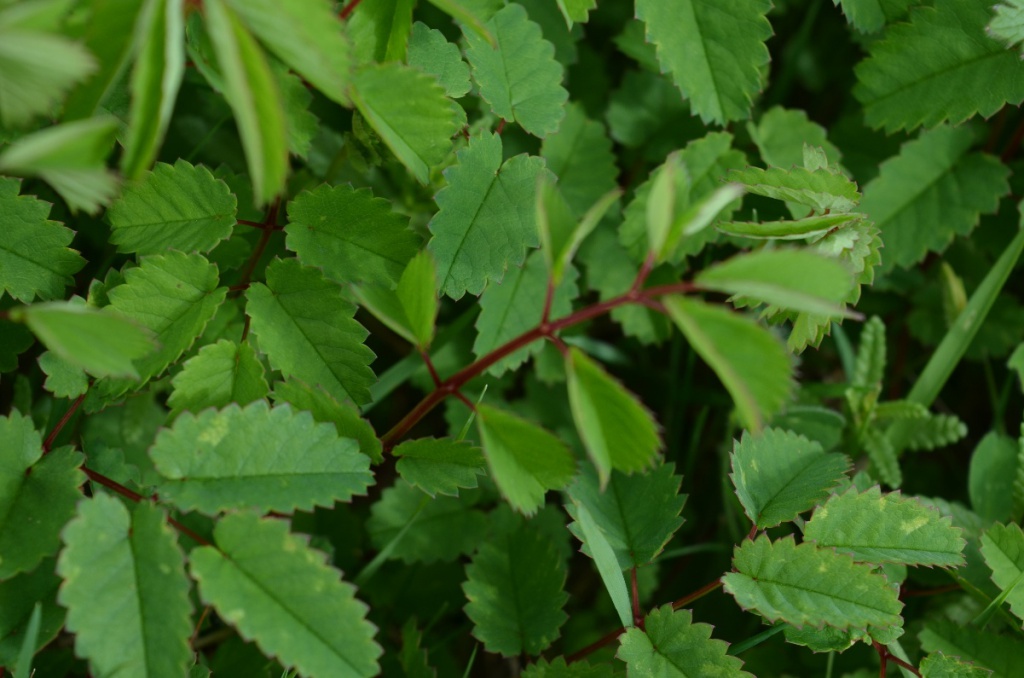
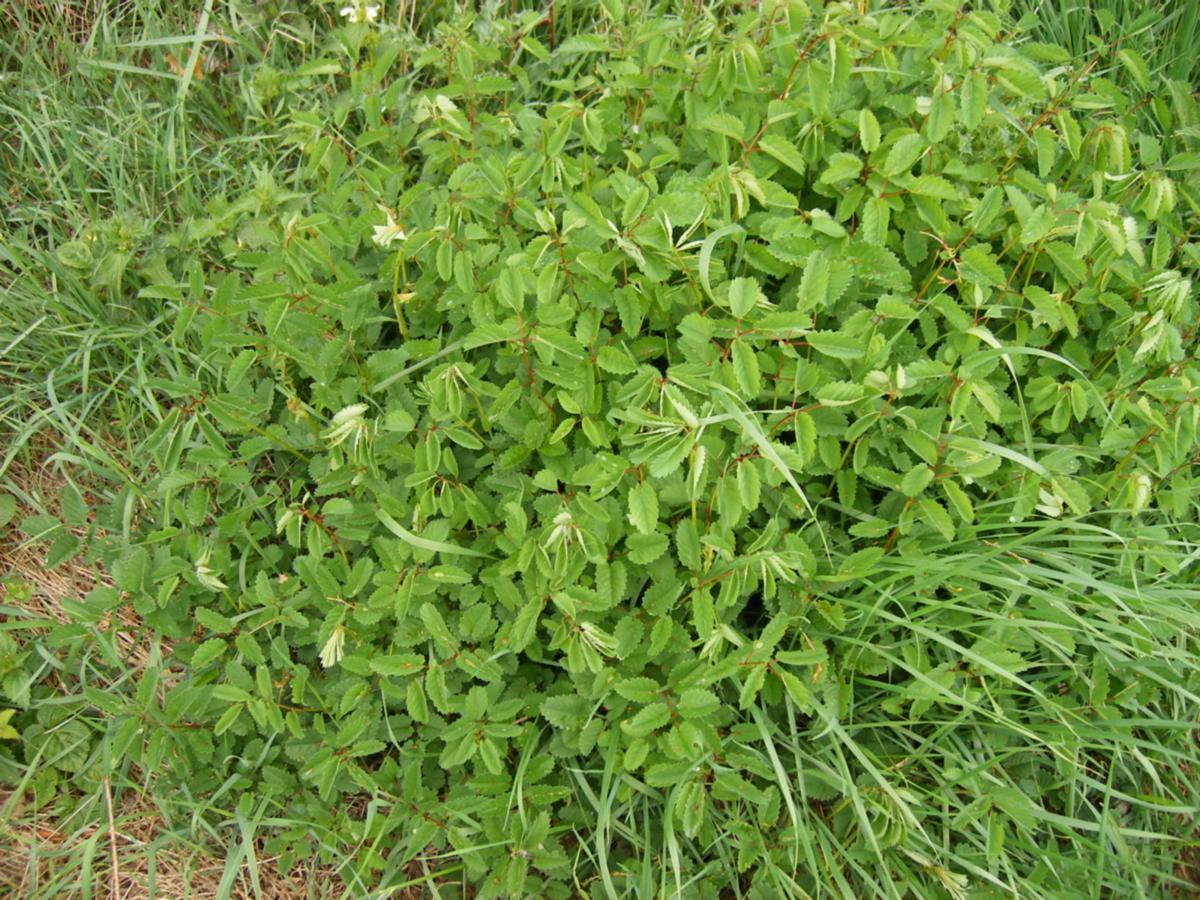
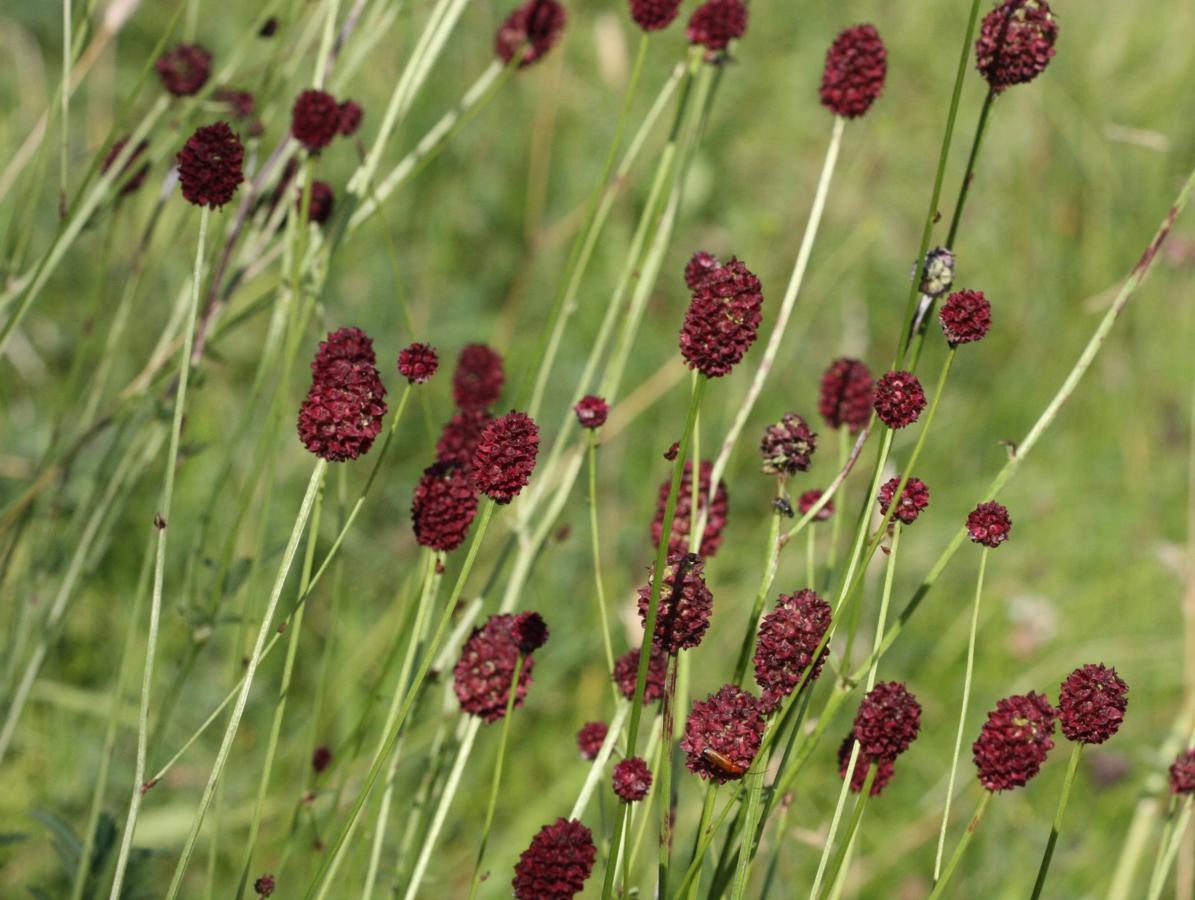
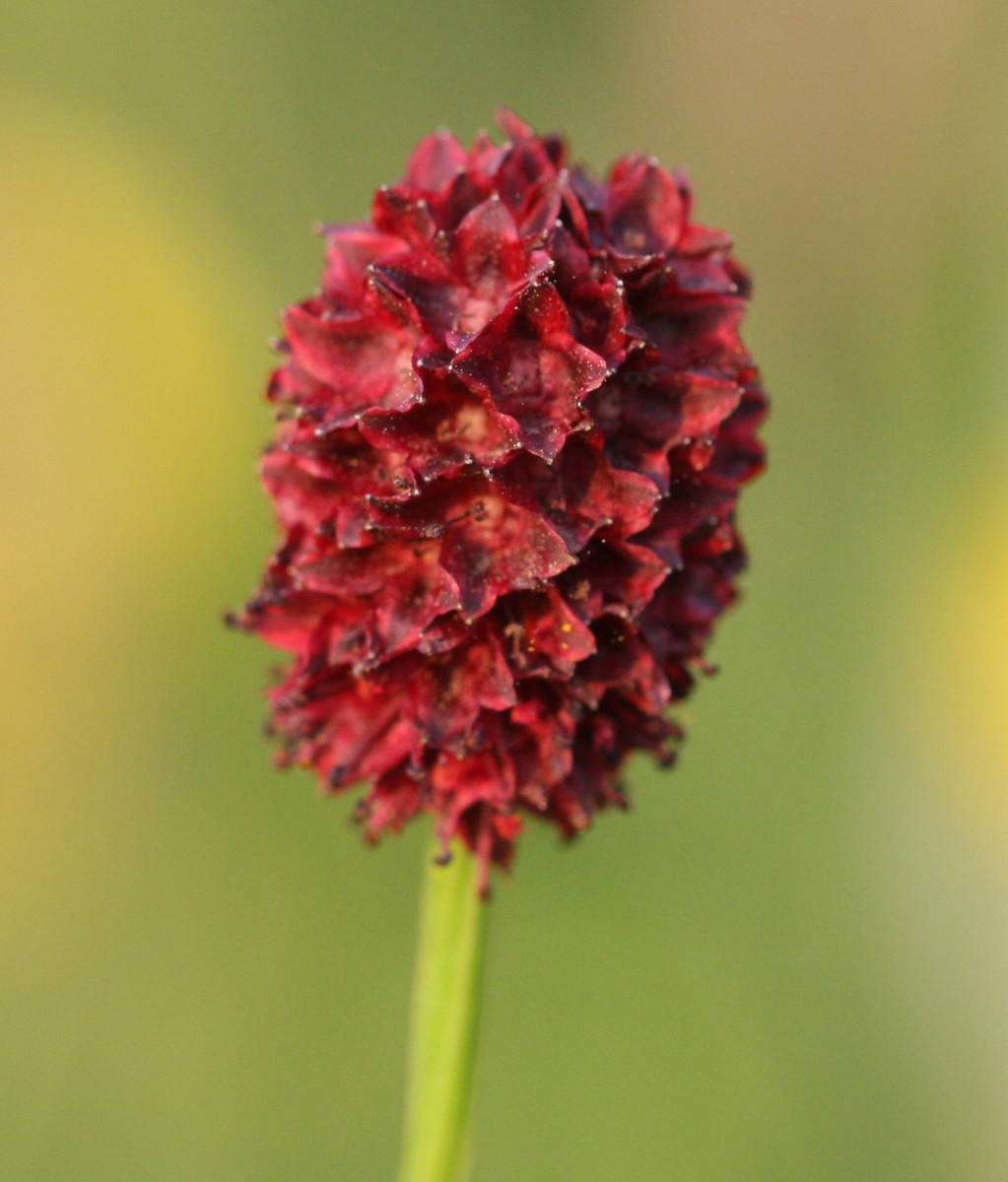
A medium to tall tufted hairless plant. Leaves pinnate, the lower with 3 to 7 pairs of oval leaflets greyish beneath. Flowers, tiny, dull crimson in dense oval heads 10 to 30 mm long, with no petals, but with stamens (4) and styles.
Salad Burnet (Poterium sanguisorba subsp. sanguisorba) and Fodder Burnet (Poterium sanguisorba subsp. balearicum) - both with rounded leaves

Tall plant, usually in damp grassland, leaflets with cordate (heart-shaped) bases
Damp habitats and base rich soils.
June to September.
Perennial.
Fairly common in the Midlands and northern England but less frequent elsewhere in Britain.
Quite common in Leicestershire and Rutland. In the 1979 Flora survey of Leicestershire it was found in 353 of the 617 tetrads.
In the current checklist (Jeeves 2011), it is listed as locally abundant
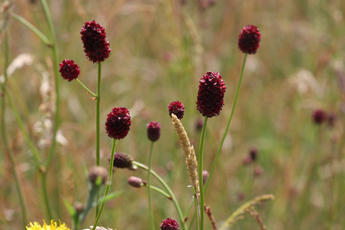 David Nicholls
Lea Meadows
07 July 2011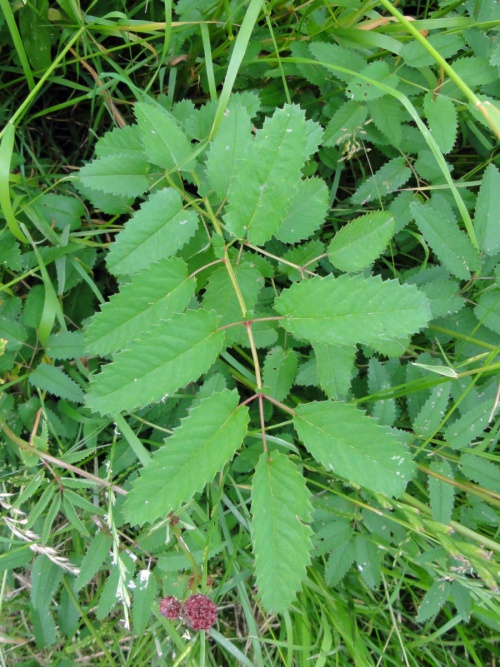 Peter Smith
Aylestone Meadows
10 July 2013 Footpath field near to Donkey Lane Sapcote SP 4857 9288 (taken 16.7.2008).JPG) Graham Calow
Graham Calow
Sapcote
16 July 2008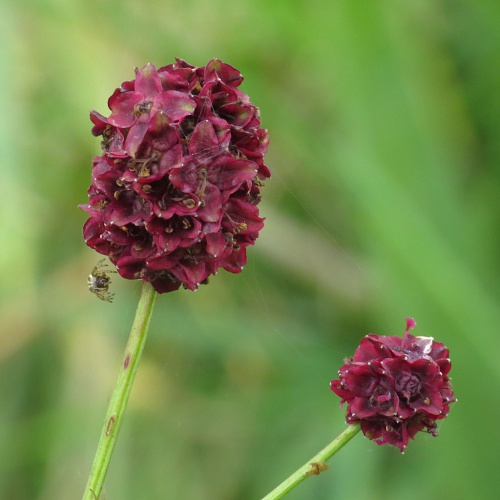 David Gould
Aylestone Meadows
15 August 2014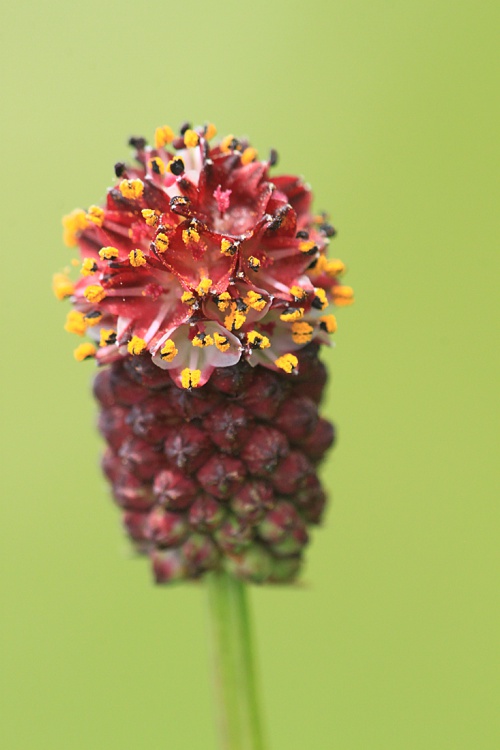 Paul Ruddoch
Melton Country Park
29 June 2015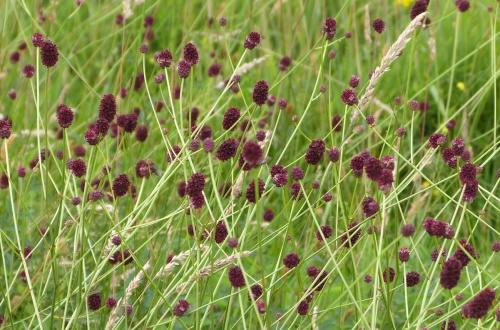 Graham Calow
Burbage Common
31 July 2016
 Footpath field near to Donkey Lane Sapcote SP 4857 9288 (taken 16.7.2008).JPG)
Leicestershire & Rutland Map
Enter a town or village to see local records
MAP KEY:
Yellow squares = NBN records (all known data)
Coloured circles = NatureSpot records: 2025+ | 2020-2024 | pre-2020
UK Map
Species profile
- Common names
- Great Burnet
- Species group:
- flowering plant
- Kingdom:
- Plantae
- Order:
- Rosales
- Family:
- Rosaceae
- Records on NatureSpot:
- 297
- First record:
- 07/06/2006 (Calow, Graham)
- Last record:
- 19/06/2026 (Bruce, Ebony)
Total records by month
% of records within its species group
10km squares with records
The latest images and records displayed below include those awaiting verification checks so we cannot guarantee that every identification is correct. Once accepted, the record displays a green tick.
In the Latest Records section, click on the header to sort A-Z, and again to sort Z-A. Use the header boxes to filter the list.
Latest images
Latest records
 Ron.stevens
Broughton Fields
15 May 2011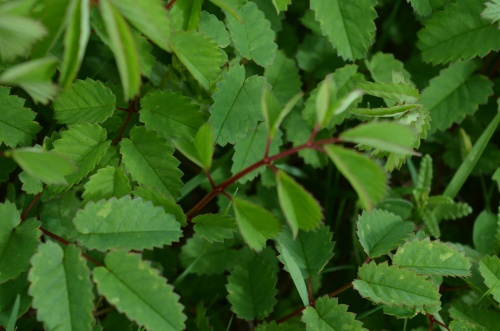 Steve Mathers
Muston Meadows
23 April 2017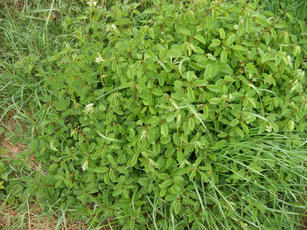 Ron.stevens
Broughton Fields
15 May 2011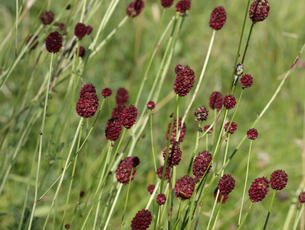 David Nicholls
Ratby Village Pond
09 July 2011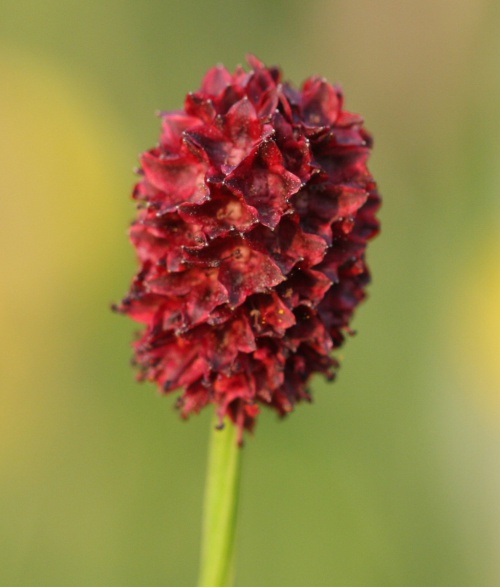 David Nicholls
Charity Fields, Desford
25 June 2013
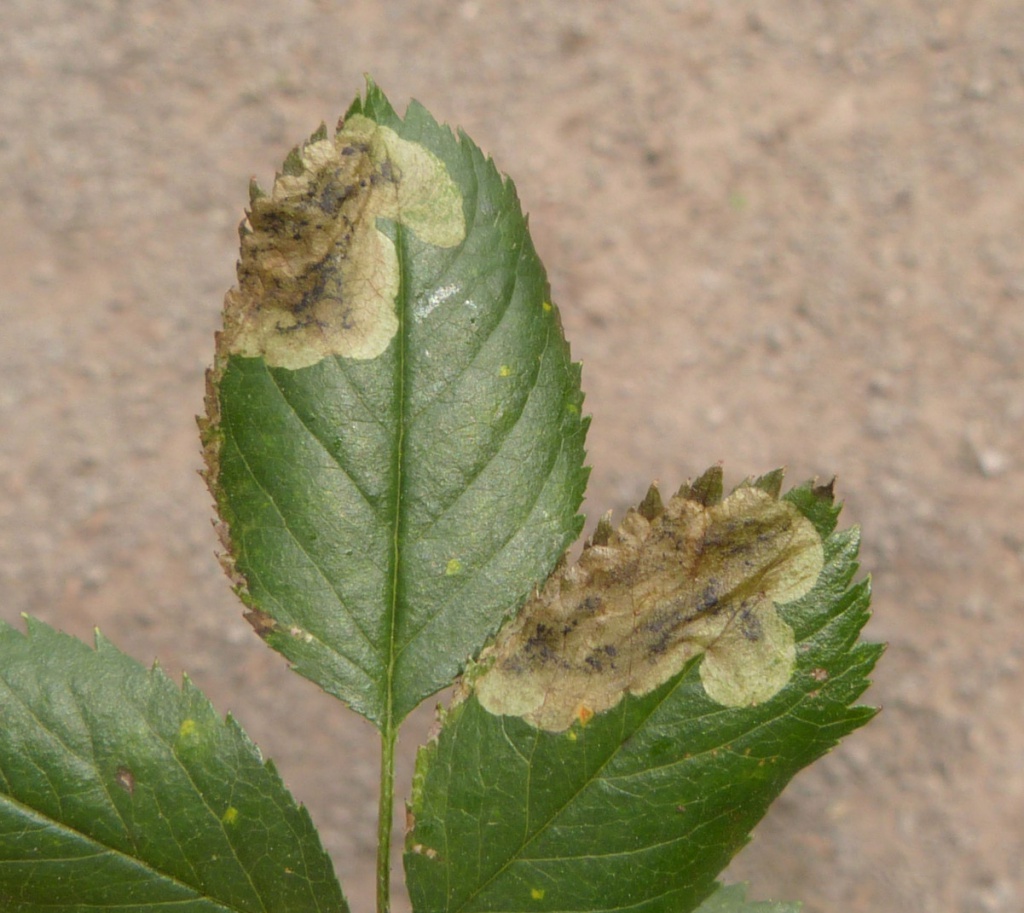
Agromyza sulfuriceps
The larva of the Agromyzid fly Agromyza sulfuriceps mines the leaves of various species in the Rosaceae family including Roses, Meadowsweet, Strawberry, Silverweed, Cinquefoil, Raspberry and Burnets. The mine starts as a long corridor, its initial part often along the leaf margin or a thick vein. Rather suddenly the corridor widens into a broad blotch. The corridor contains much frass, often in two distinct patches or lines.
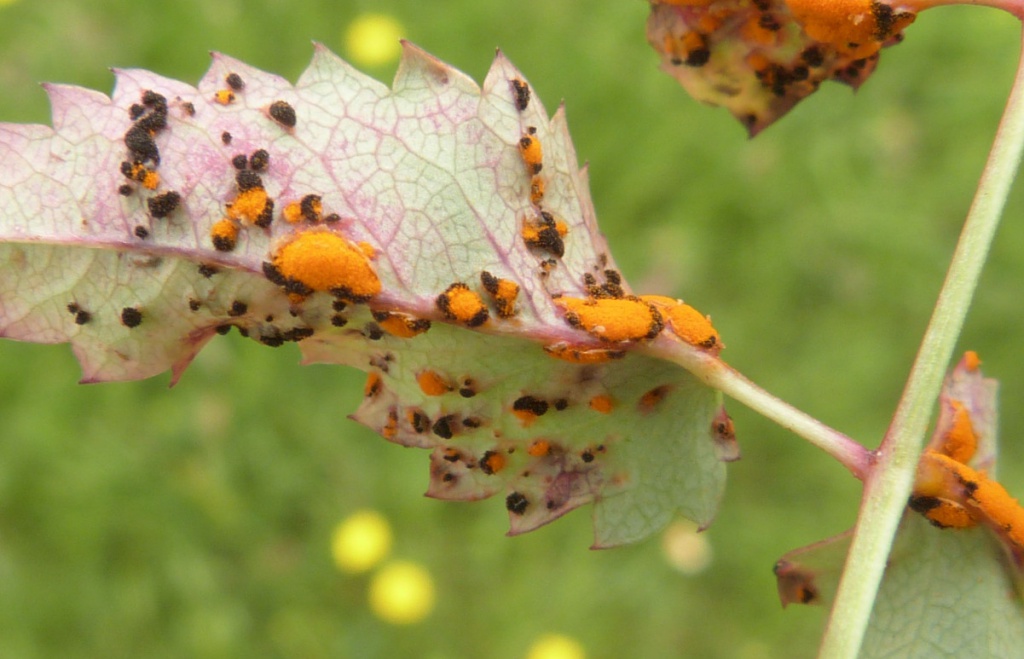
Great Burnet Rust
Great Burnet Rust (Xenodochus carbonarius) causes galls on the leaves of Great Burnet (Sanguisorba officinalis). There is no host-pant alternation. Swollen purple spots on leaf undersides and petioles bear orange aecia; later, black telia are produced on both surfaces of leaves.