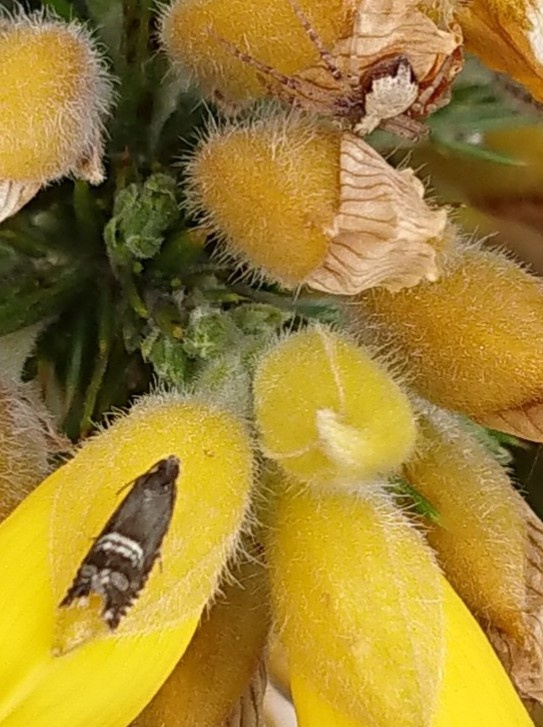
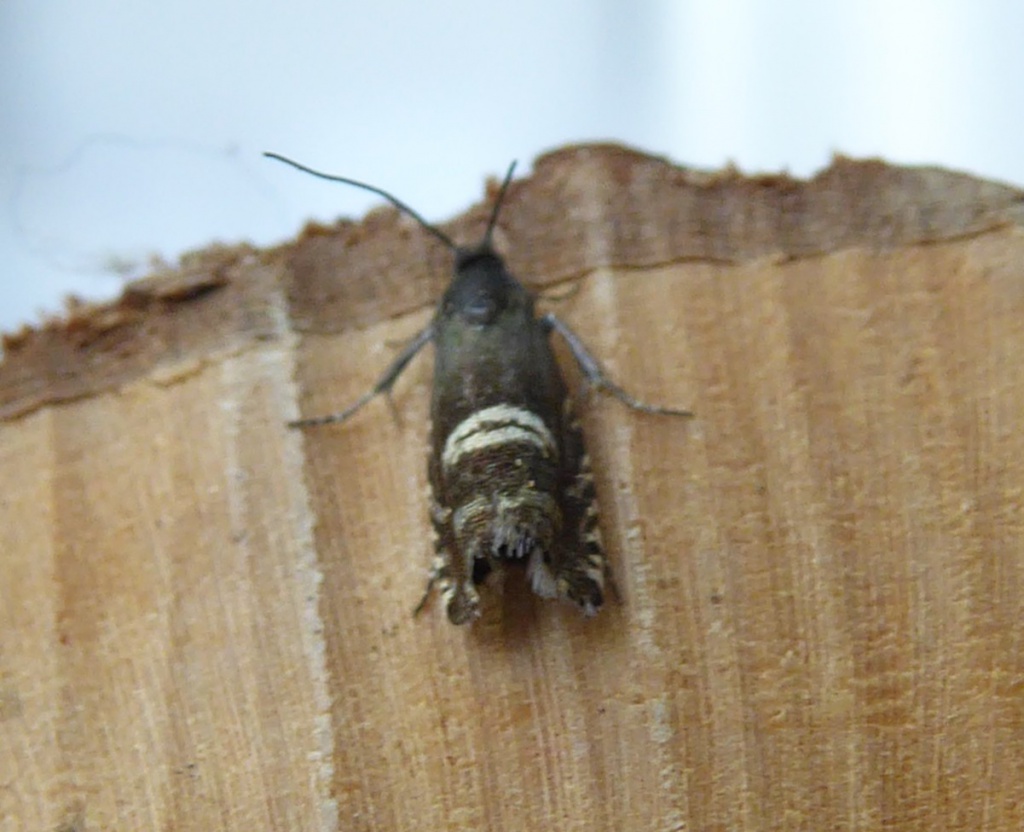
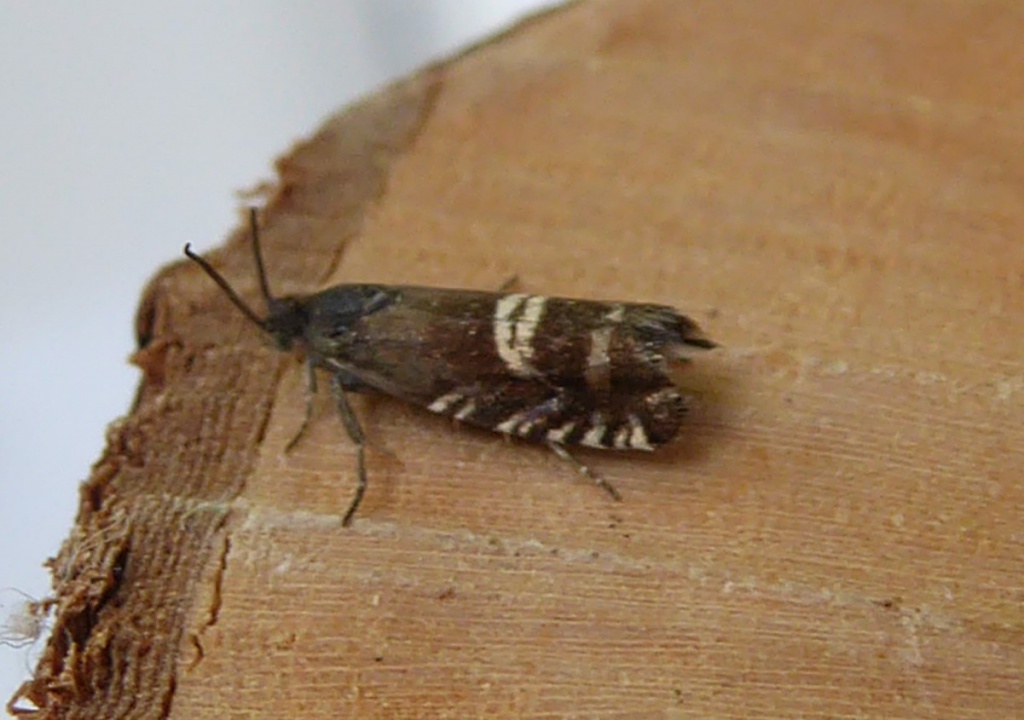
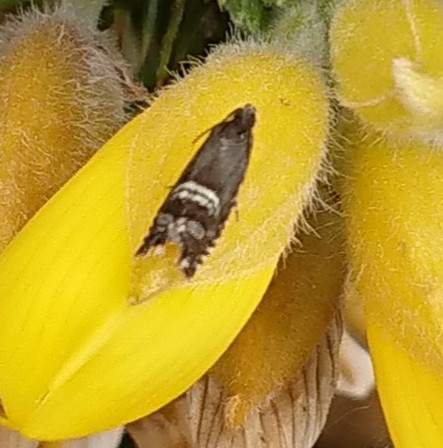
Grapholita internana
Dark Gorse Piercer
Wingspan 9 to 10 mm.

Unless identified by a recognised expert, a photo is required. If the photo doesn't show the key ID features then in the comments box describe the size and identifying characters you have observed. If recorded on, or near to, Gorse please state this in your record.
Areas with plenty of Gorse.
Flying between April and June, the males in particular can be observed around gorse bushes during the day, where their whitish hindwings are quite noticeable. The females are less active and have dusky hindwings.
The foodplant is gorse (Ulex europaeus), and the larvae live inside the seedpods feeding on the seeds.
Distributed widely but locally throughout Britain, this moth is generally more frequent in the southern counties. In the Butterfly Conservation's Microlepidoptera Report 2011 this species was classified as local.
Rarely recorded in Leicestershire and Rutland.
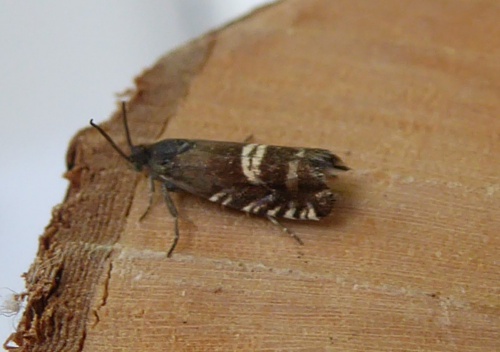 Margaret McLoughlin
Charnwood Lodge NNR
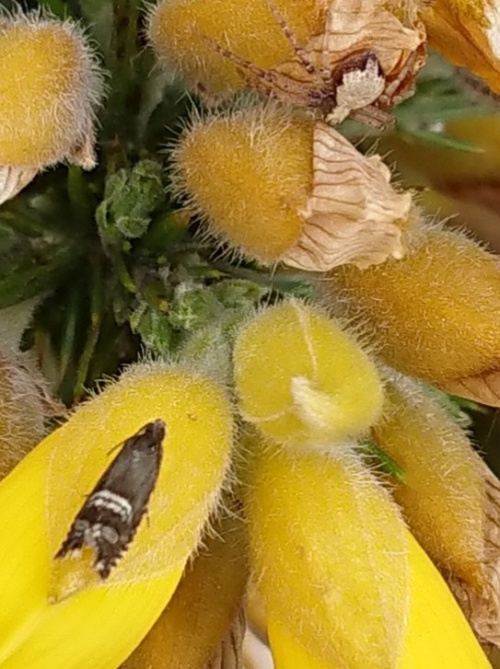
17 May 2020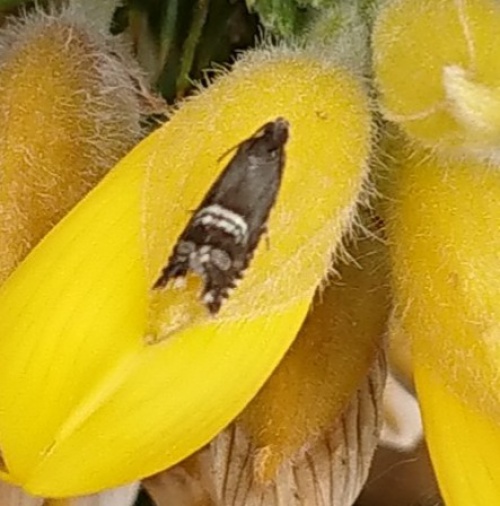 steven lewis
Eastwell, Ironstone Banks
19 May 2020
Leicestershire & Rutland Map
Enter a town or village to see local records
MAP KEY:
Yellow squares = NBN records (all known data)
Coloured circles = NatureSpot records: 2025+ | 2020-2024 | pre-2020
UK Map
Species profile
- Common names
- Dark Gorse Piercer, White-underwing Piercer
- Species group:
- insect - moth
- Kingdom:
- Animalia
- Order:
- Lepidoptera
- Family:
- Tortricidae
- Records on NatureSpot:
- 4
- First record:
- 17/05/2020 (McLoughlin, Margaret)
- Last record:
- 11/05/2025 (Smith, Peter)
Total records by month
% of records within its species group
10km squares with records
The latest images and records displayed below include those awaiting verification checks so we cannot guarantee that every identification is correct. Once accepted, the record displays a green tick.
In the Latest Records section, click on the header to sort A-Z, and again to sort Z-A. Use the header boxes to filter the list.
Latest images
Latest records
 steven lewis
Eastwell, Ironstone Banks
19 May 2020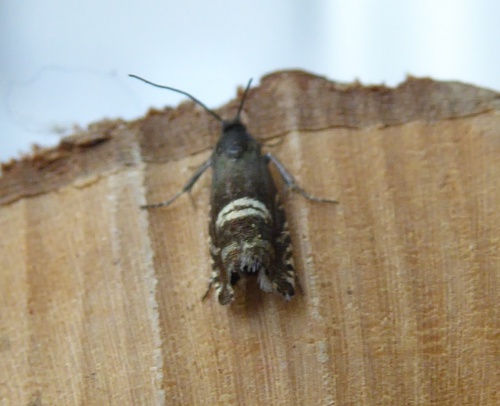 Margaret McLoughlin
Charnwood Lodge NNR
17 May 2020