Ferret - Mustela putorius subsp. furo
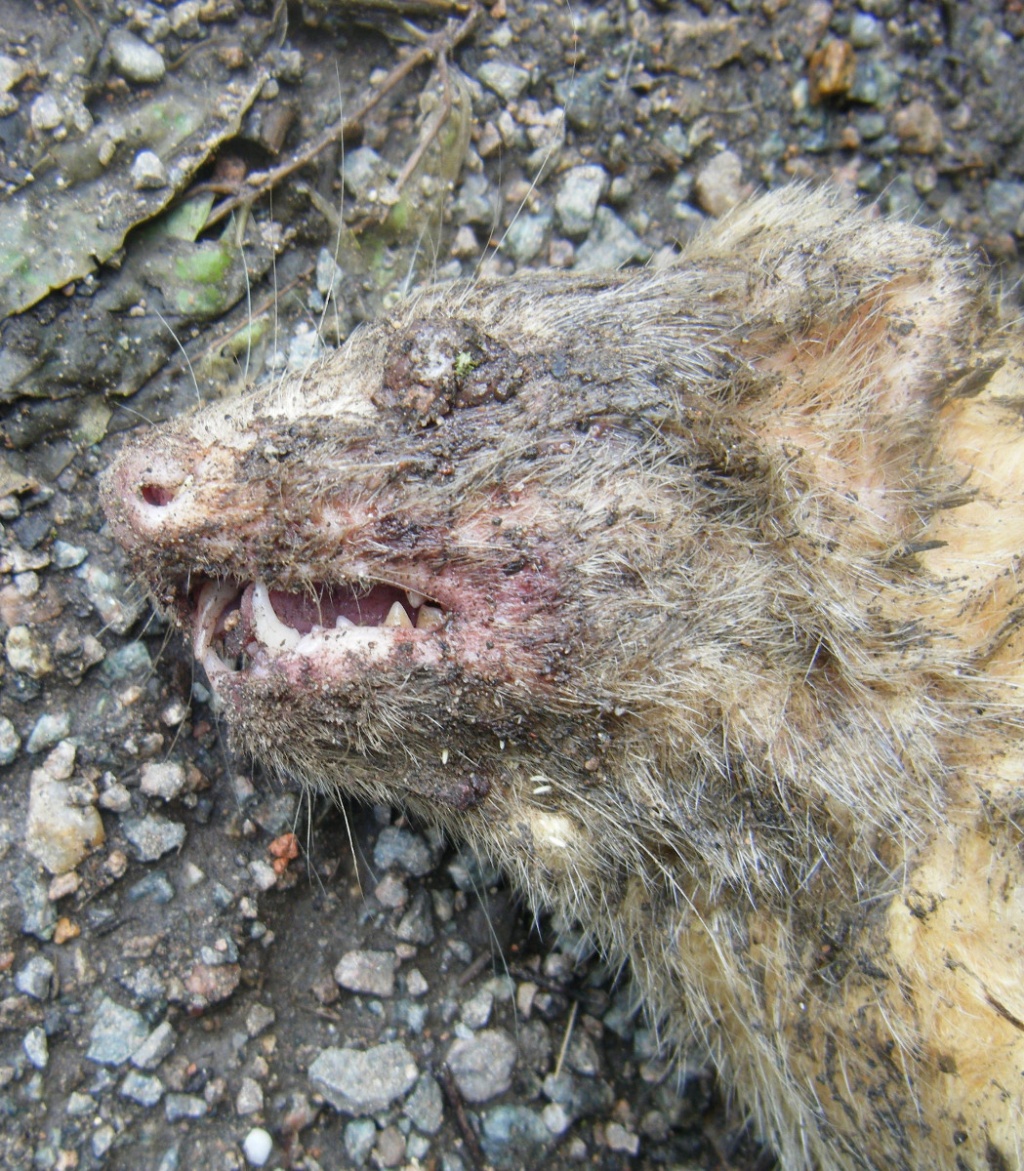
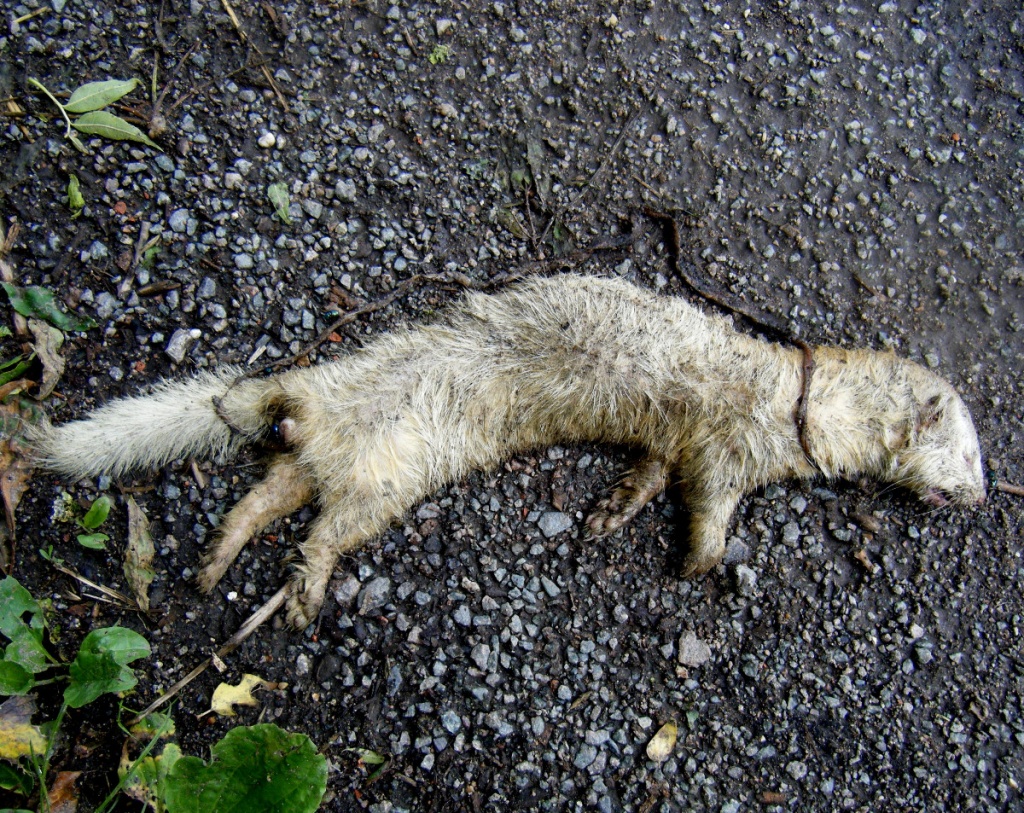
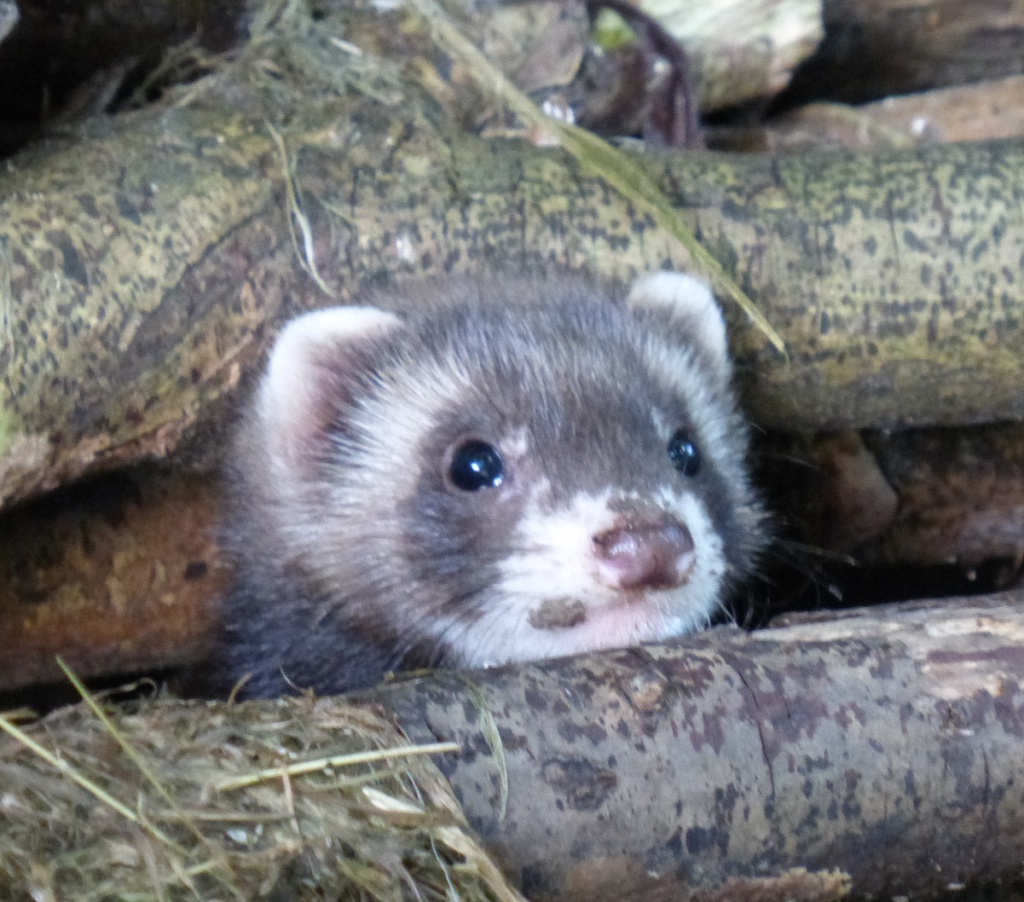
Ferrets are sexually dimorphic predators with males being substantially larger than females. Nose pink, thin white band below face mask and tip of nose. They typically have brown, black, white, or mixed fur - white patches indicate ferret or a hybrid. They have an average length of 20 inches including a 5 inch tail, and weigh about 1.5 to 4 pounds.
Polecat

Generally they have a lighter, less distinct mask on their face compared to a pure polecat. Sometimes the cheeks are paler or white, the body fur is lighter. The throat and paws can have a pale throat patch or white paws which pure polecats don't have
They are wanderers and move about in search of prey. They can be found in both urban (gardens and parks) as well as more rural environments. They will typically be located where their prey is abundant, but may be out competed by larger predators.
Unlikely to be seen during the daytime, they are carnivores and hunt prey such as rabbits around dawn and dusk.
Ferrets are crepuscular, which means they spend 14 to18 hours a day asleep and are most active around the hours of dawn and dusk.
They have a natural lifespan of 7 to 10 years.
Widespread records of feral animals throughout Britain, probably mostly domestic animals that have escaped into the wild. There is an established colony on the Shetland Isles where there is no competition from other predators.
Recorded locally and more frequently on camera traps at night in Leicestershire and Rutland
 katienan
Newbold Verdon Garden
27 July 2014
Adult - pink nose, indistinct face mask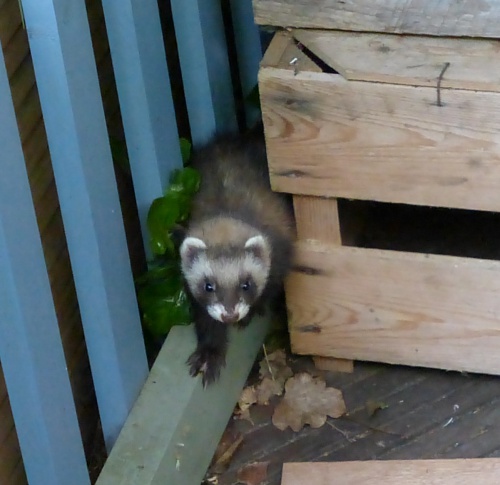 katienan
Newbold Verdon Garden
27 July 2014
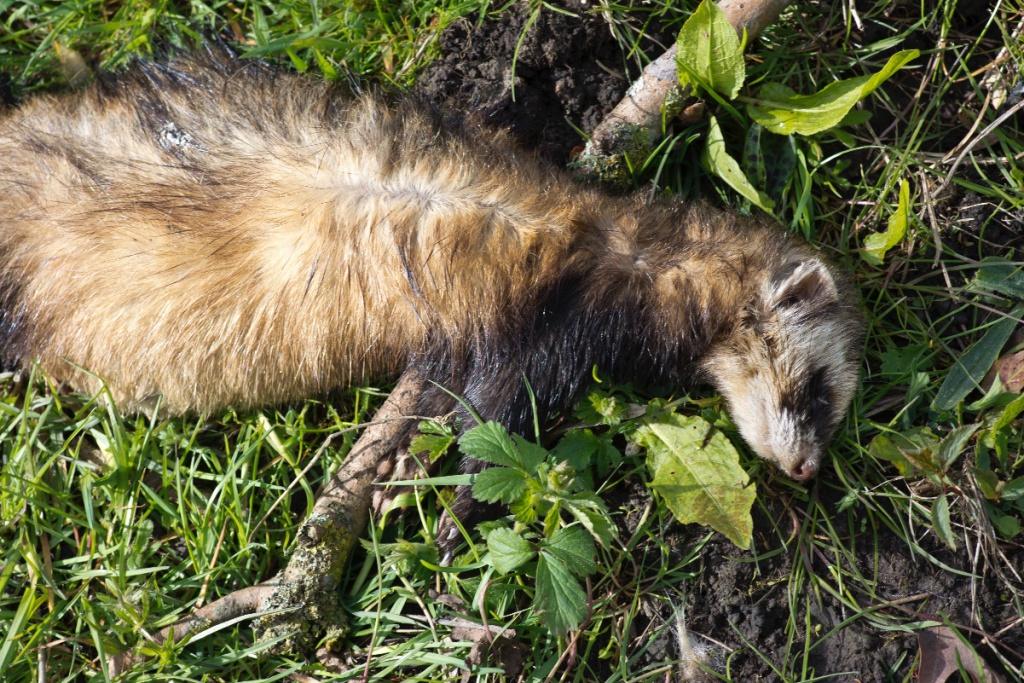
Adult - indistinct face mask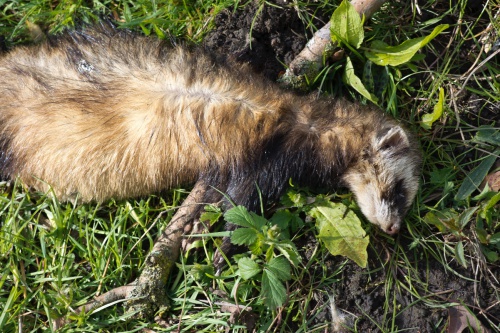 AJ Cann
Cribbs Meadow
30 April 2016
Adult - white pelage

Leicestershire & Rutland Map
Enter a town or village to see local records
MAP KEY:
Yellow squares = NBN records (all known data)
Coloured circles = NatureSpot records: 2025+ | 2020-2024 | pre-2020
UK Map
Species profile
- Common names
- Feral Ferret, Ferret
- Species group:
- terrestrial mammal
- Kingdom:
- Animalia
- Order:
- Carnivora
- Family:
- Mustelidae
- Records on NatureSpot:
- 6
- First record:
- 18/06/2012 (Calow, Graham)
- Last record:
- 17/08/2025 (Rigby, Chris)
Total records by month
% of records within its species group
10km squares with records
The latest images and records displayed below include those awaiting verification checks so we cannot guarantee that every identification is correct. Once accepted, the record displays a green tick.
In the Latest Records section, click on the header to sort A-Z, and again to sort Z-A. Use the header boxes to filter the list.
Latest images
Latest records
 Graham Calow
Sapcote
18 June 2012
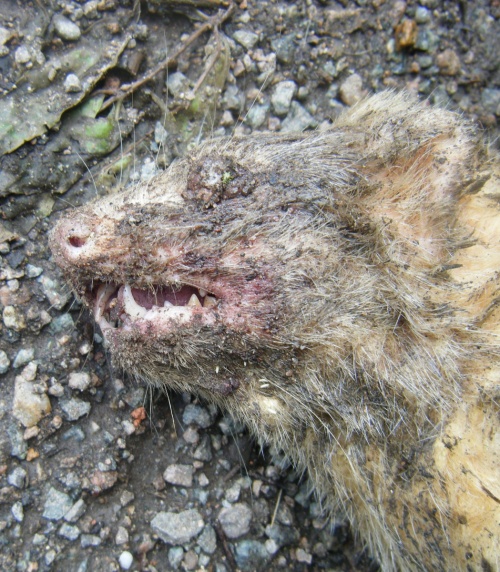
road kill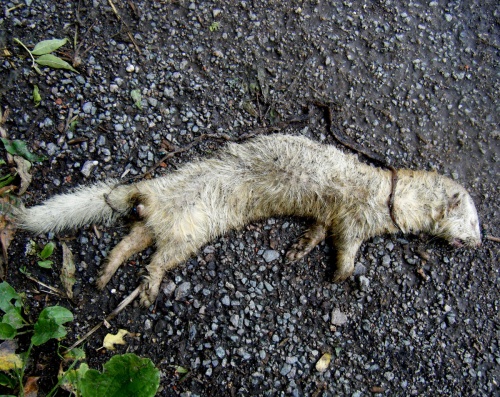 Graham Calow
Sapcote
18 June 2012
Ferret - adult, white pelage