

Evergreen Oak - Quercus ilex
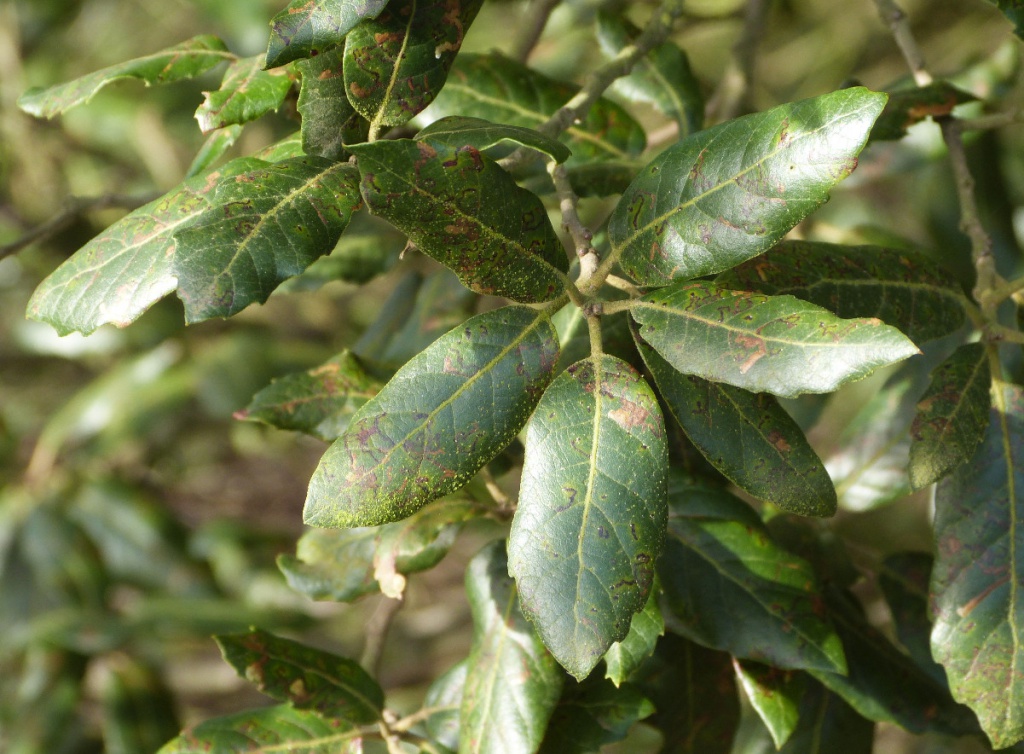
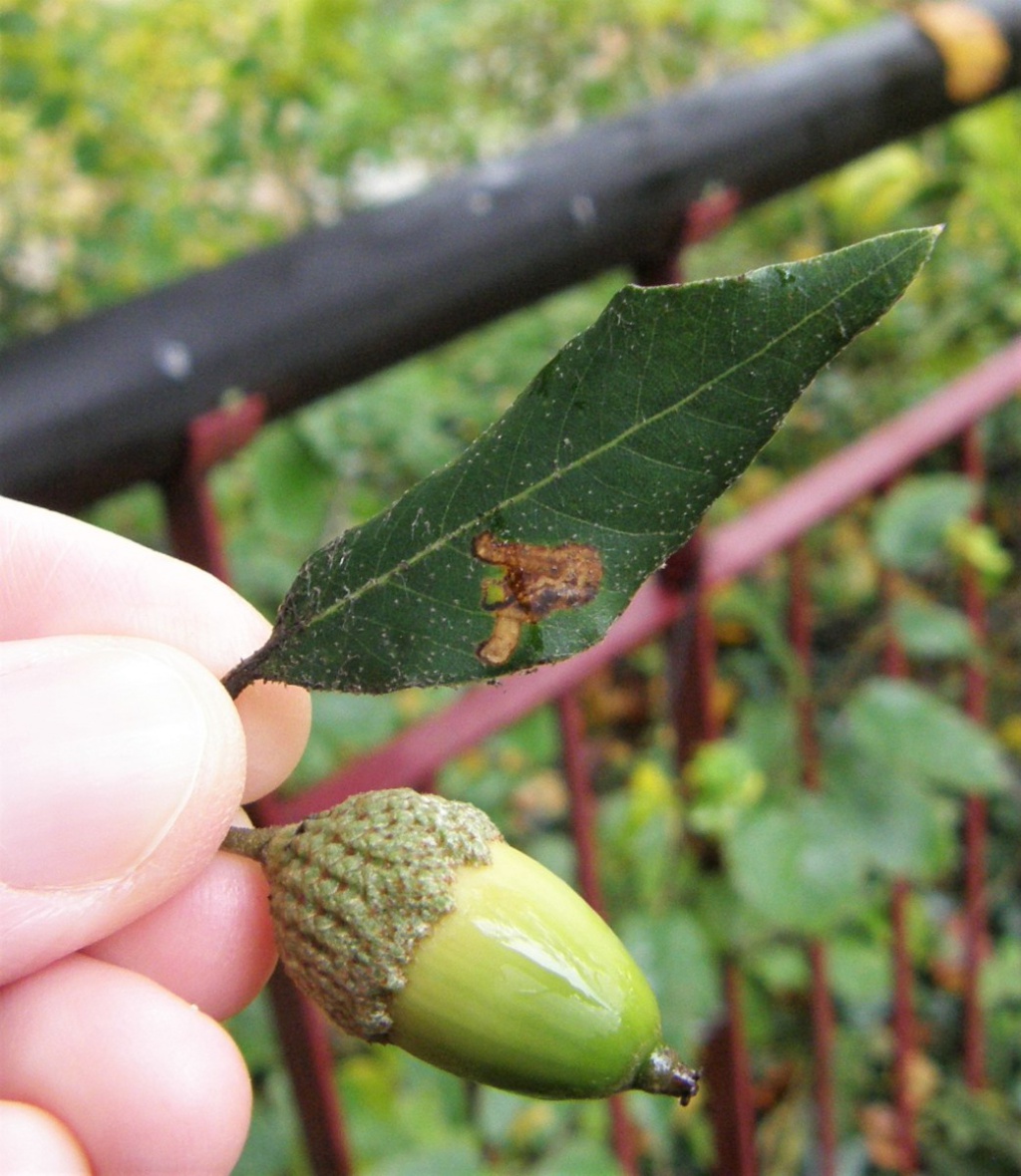
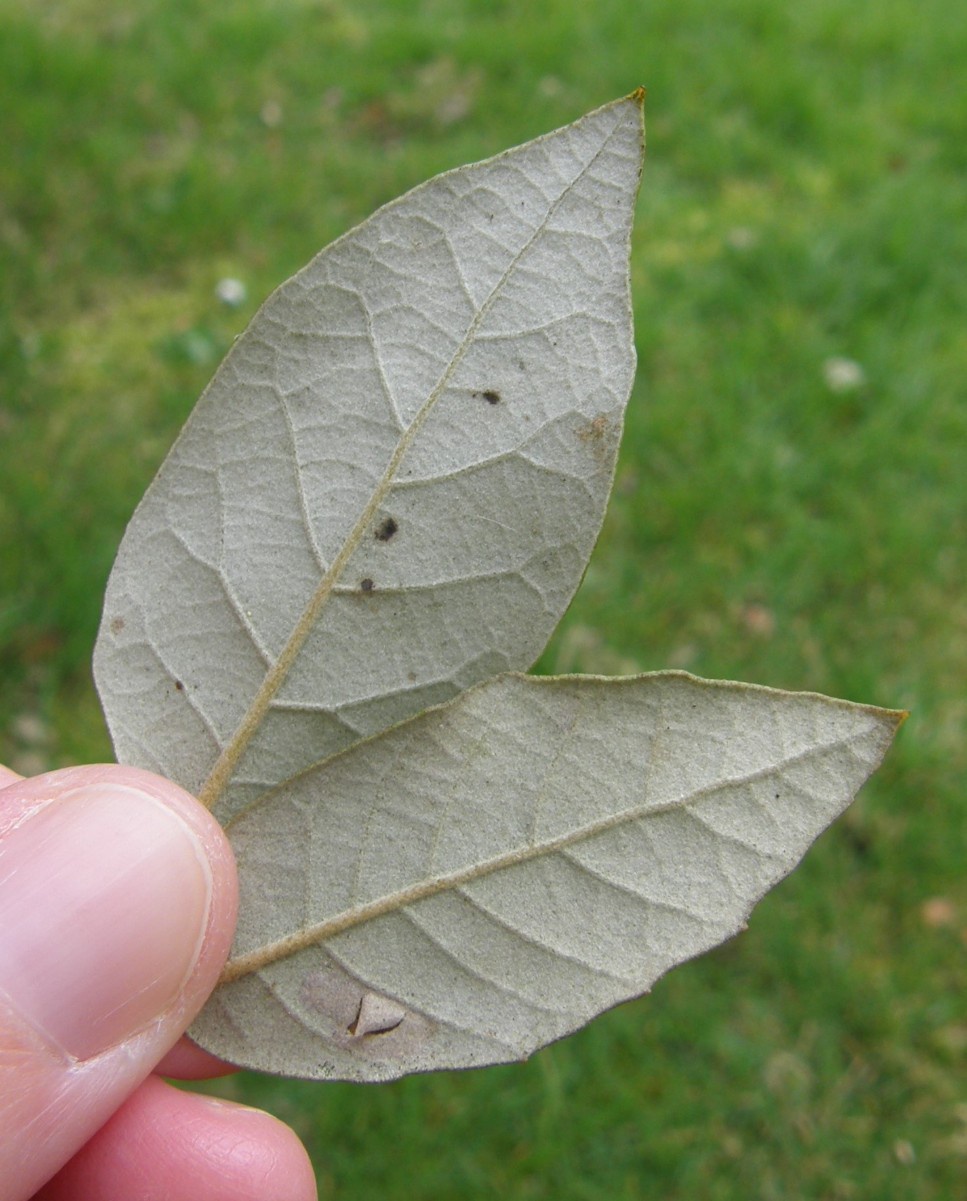
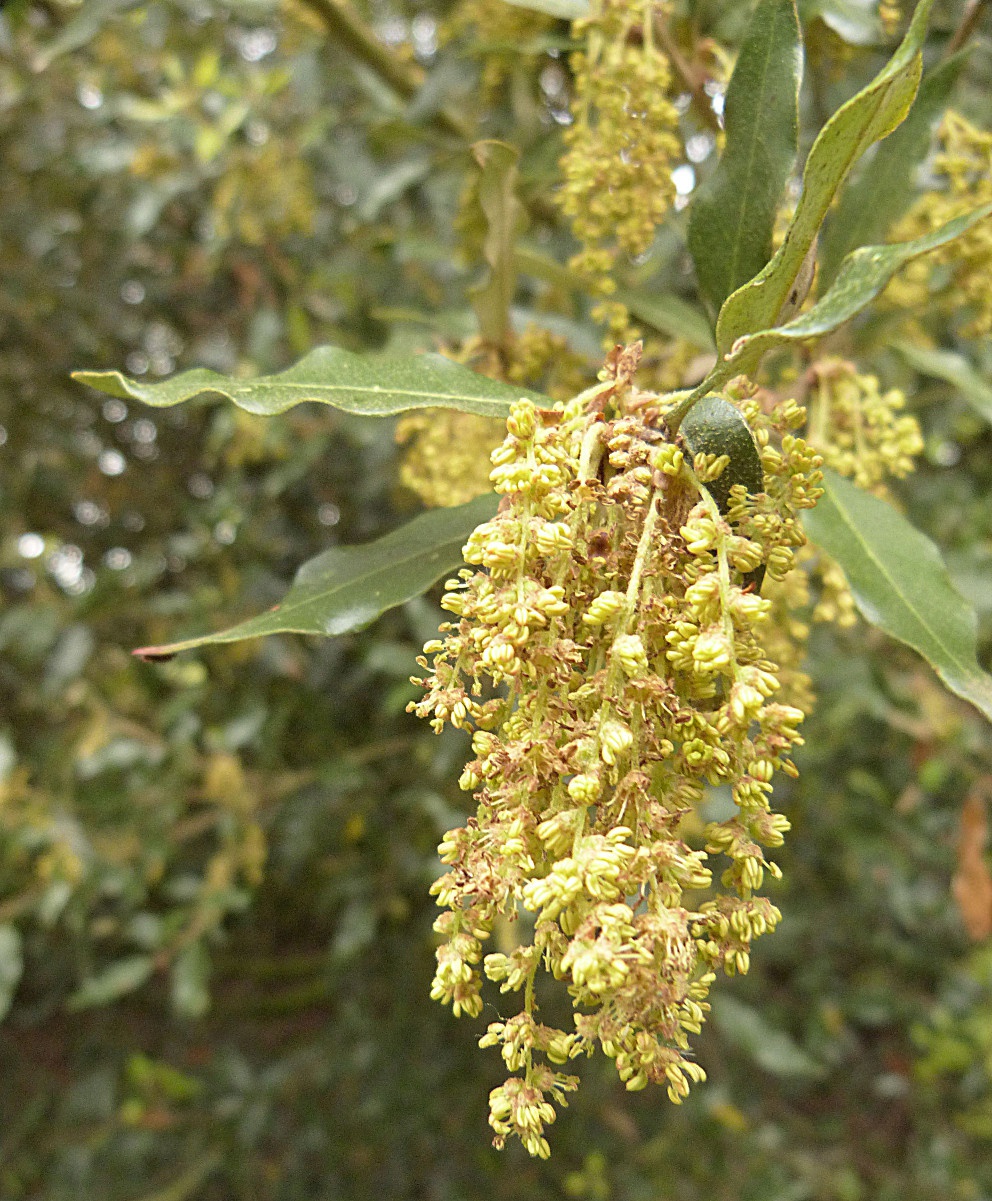
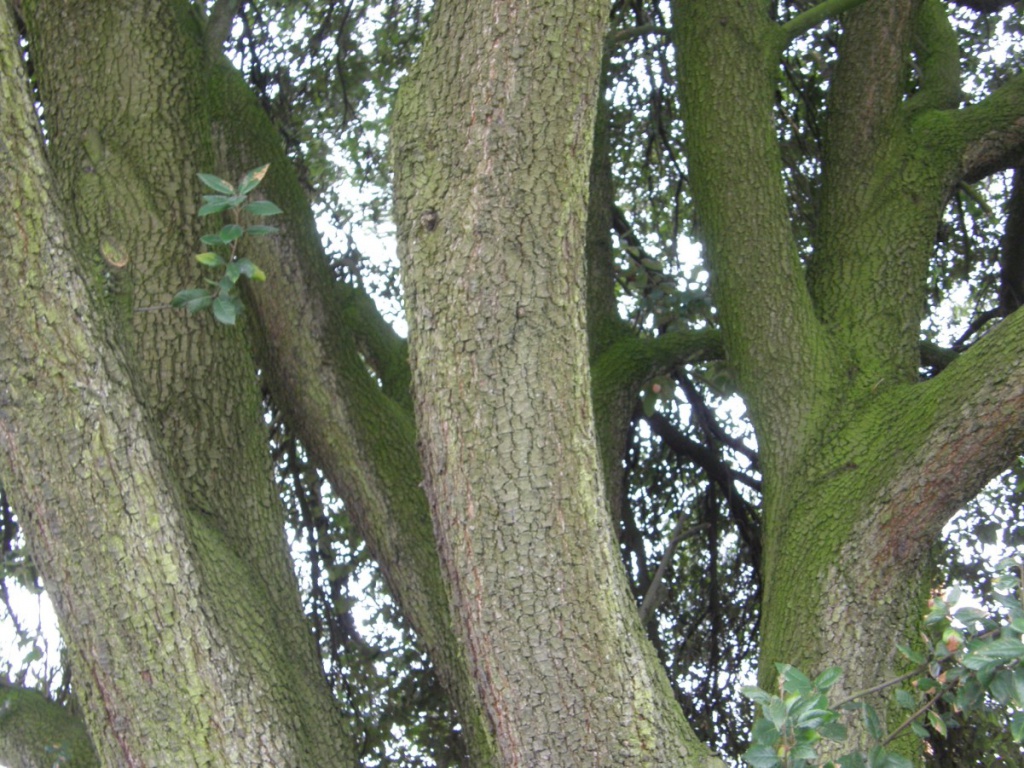
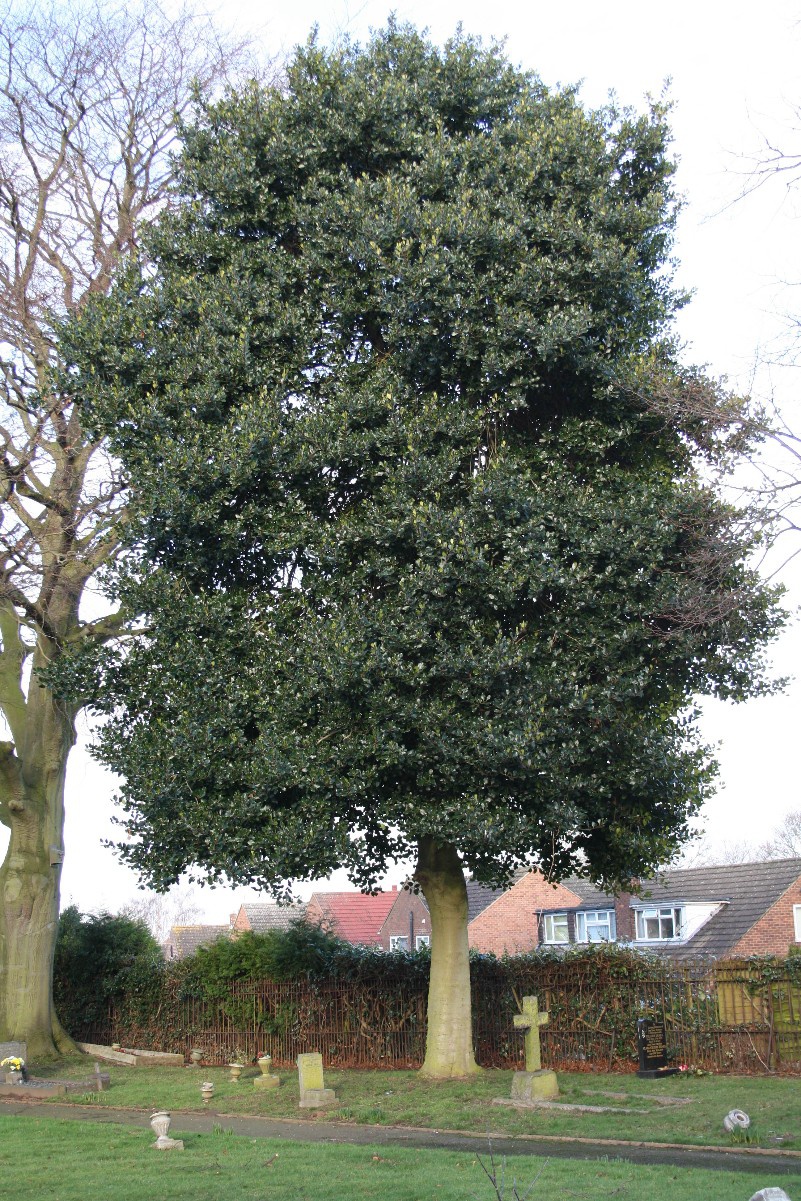
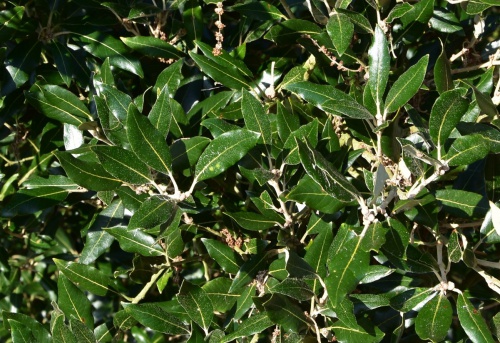
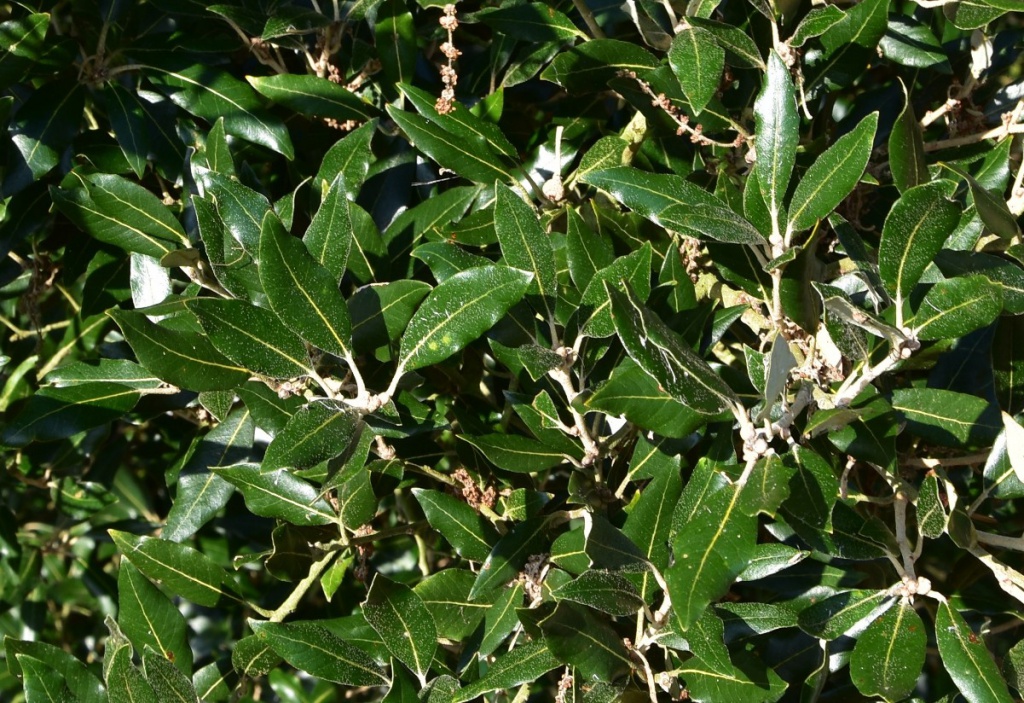
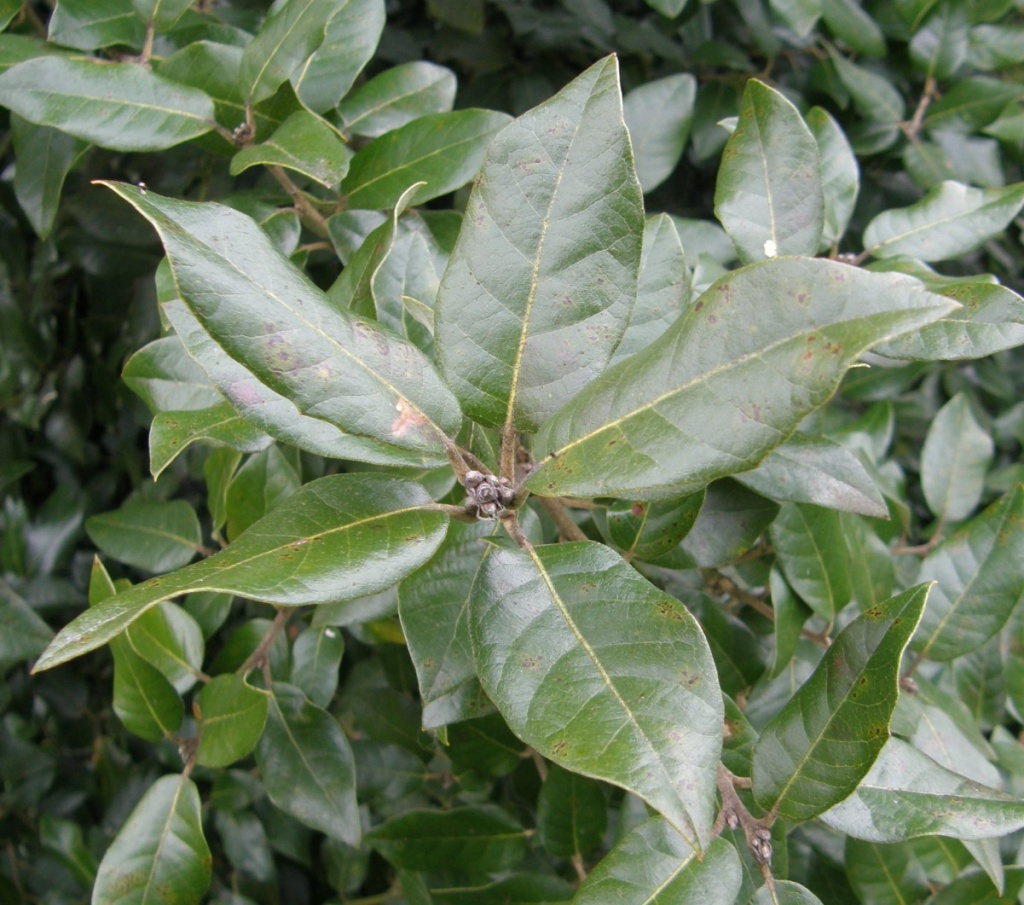
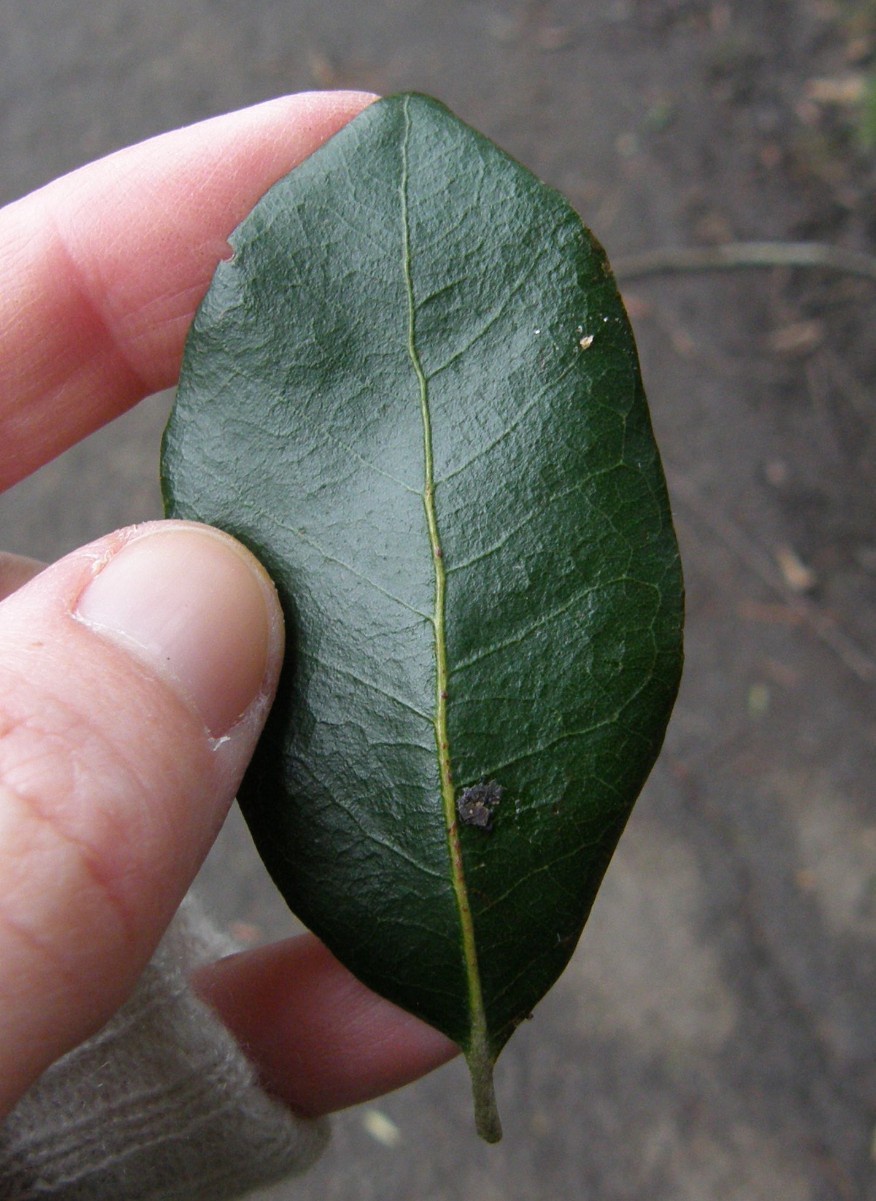
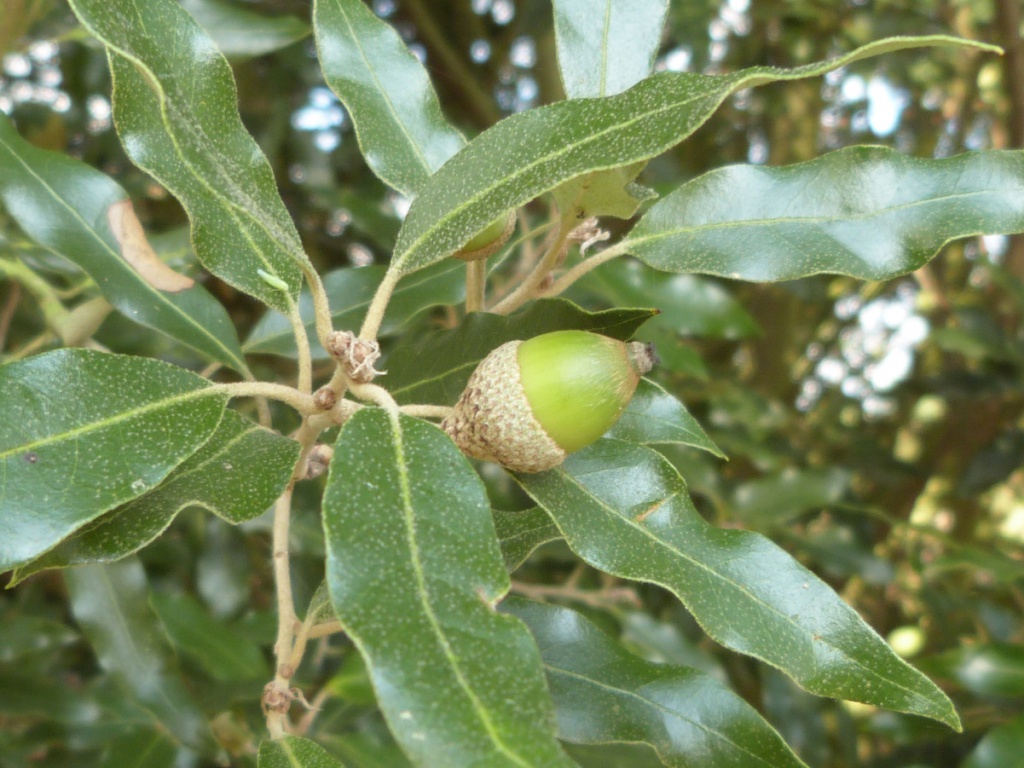
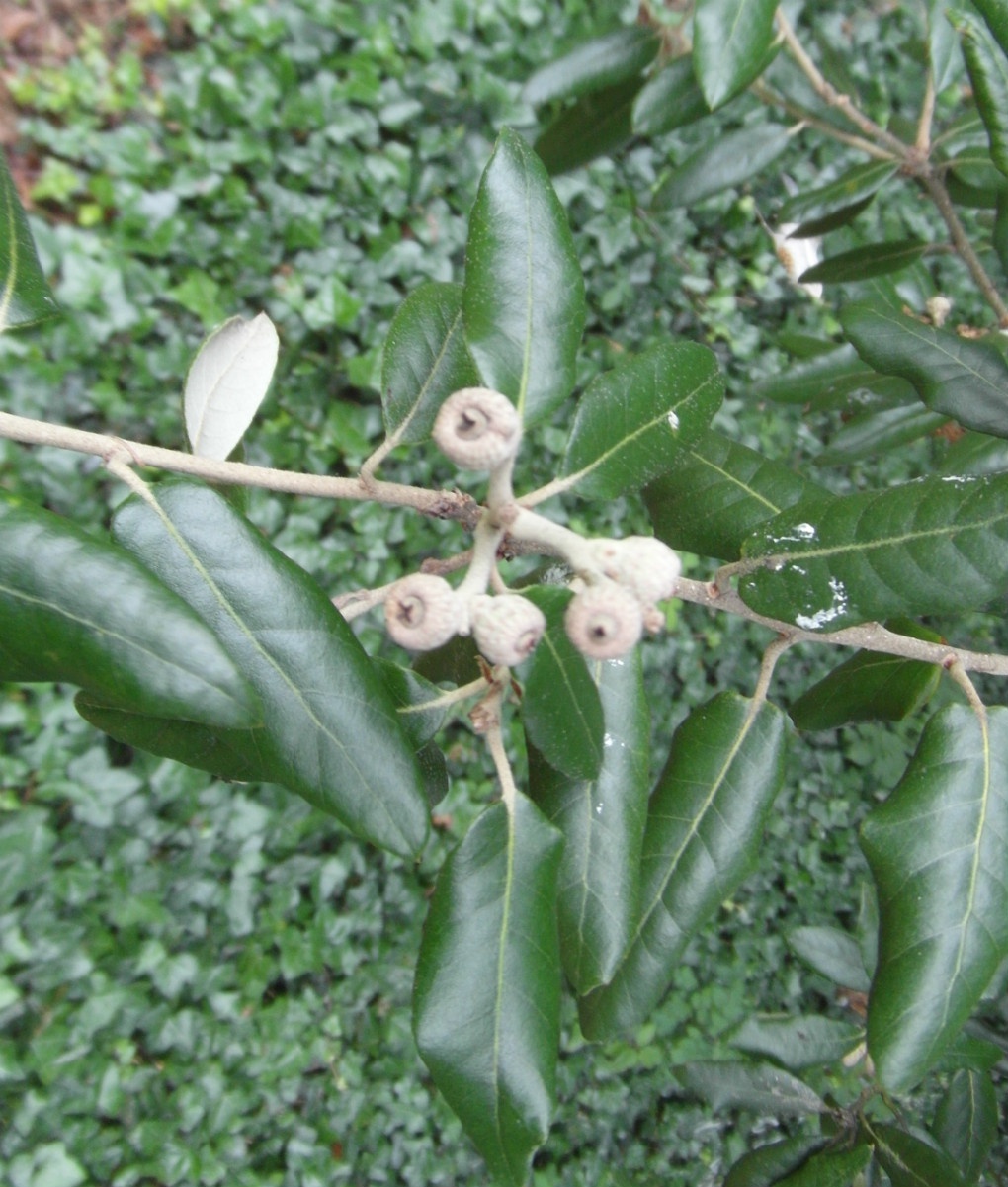
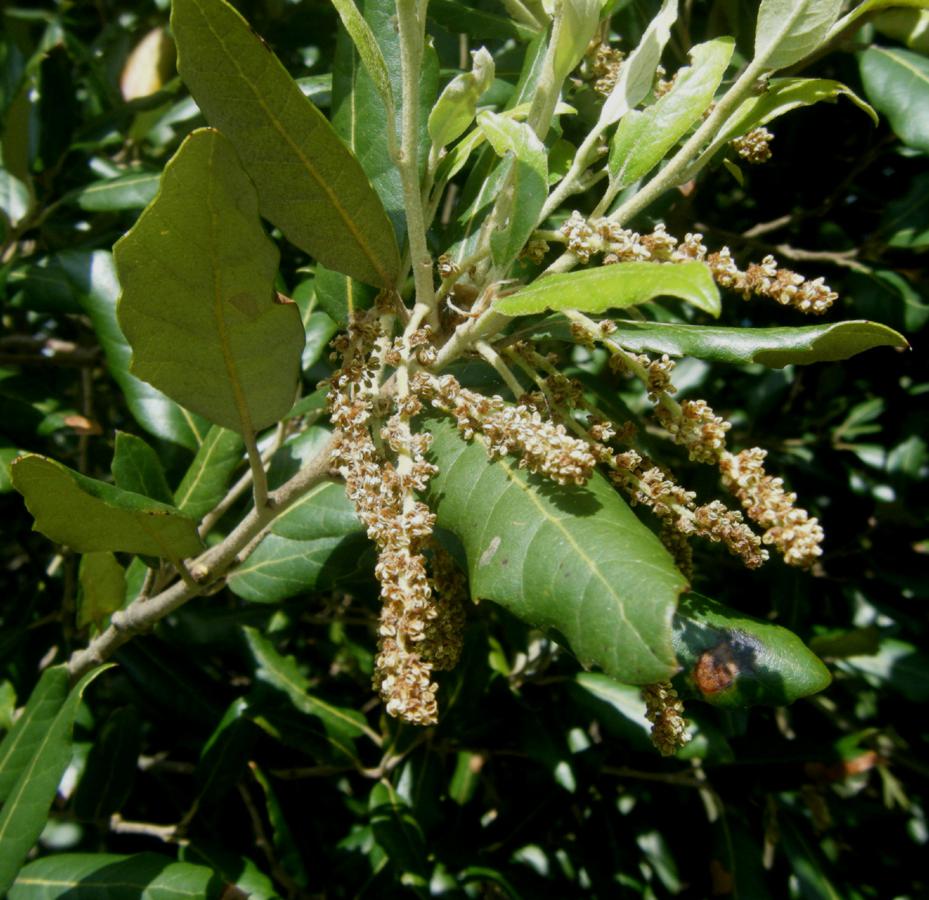
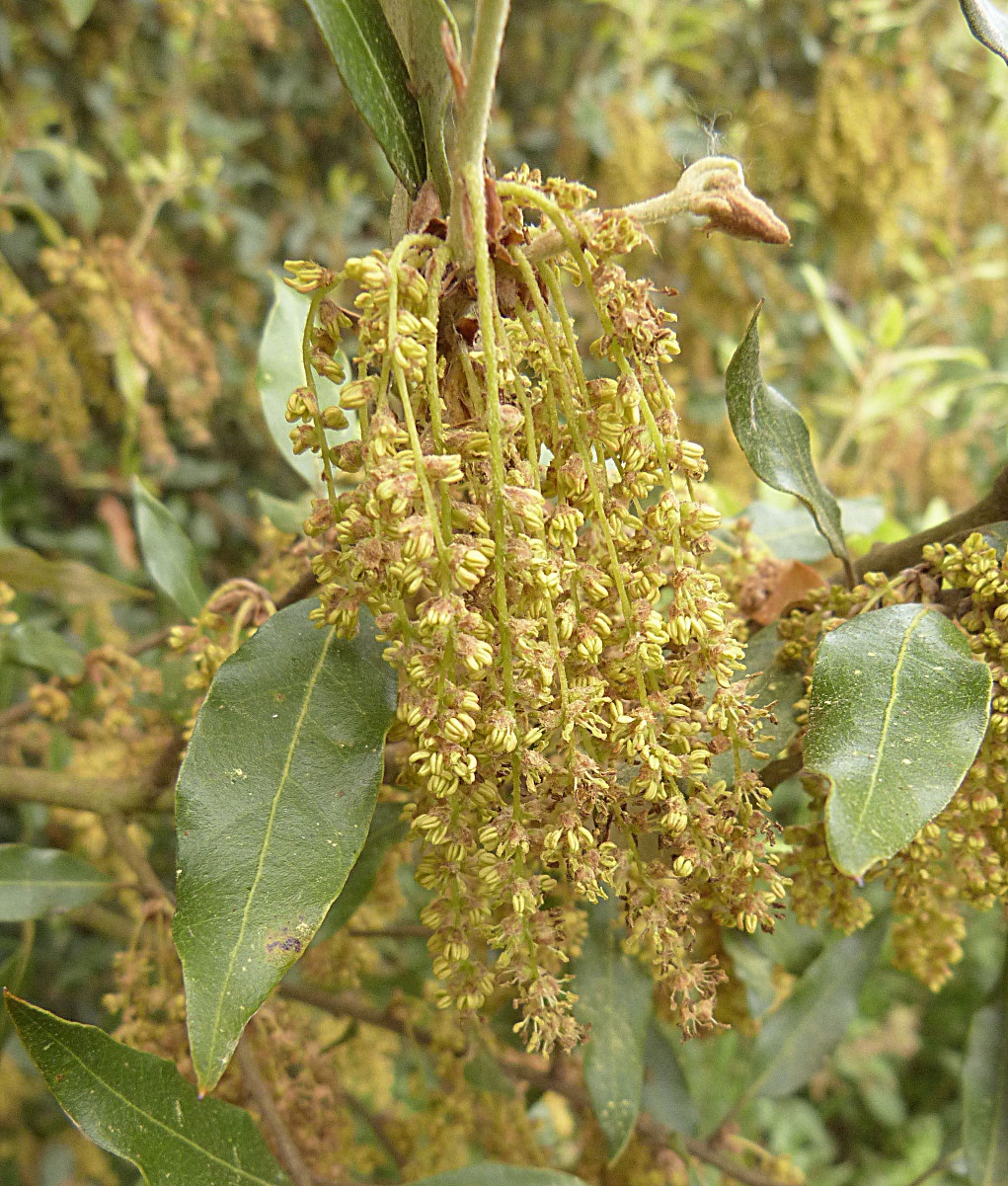
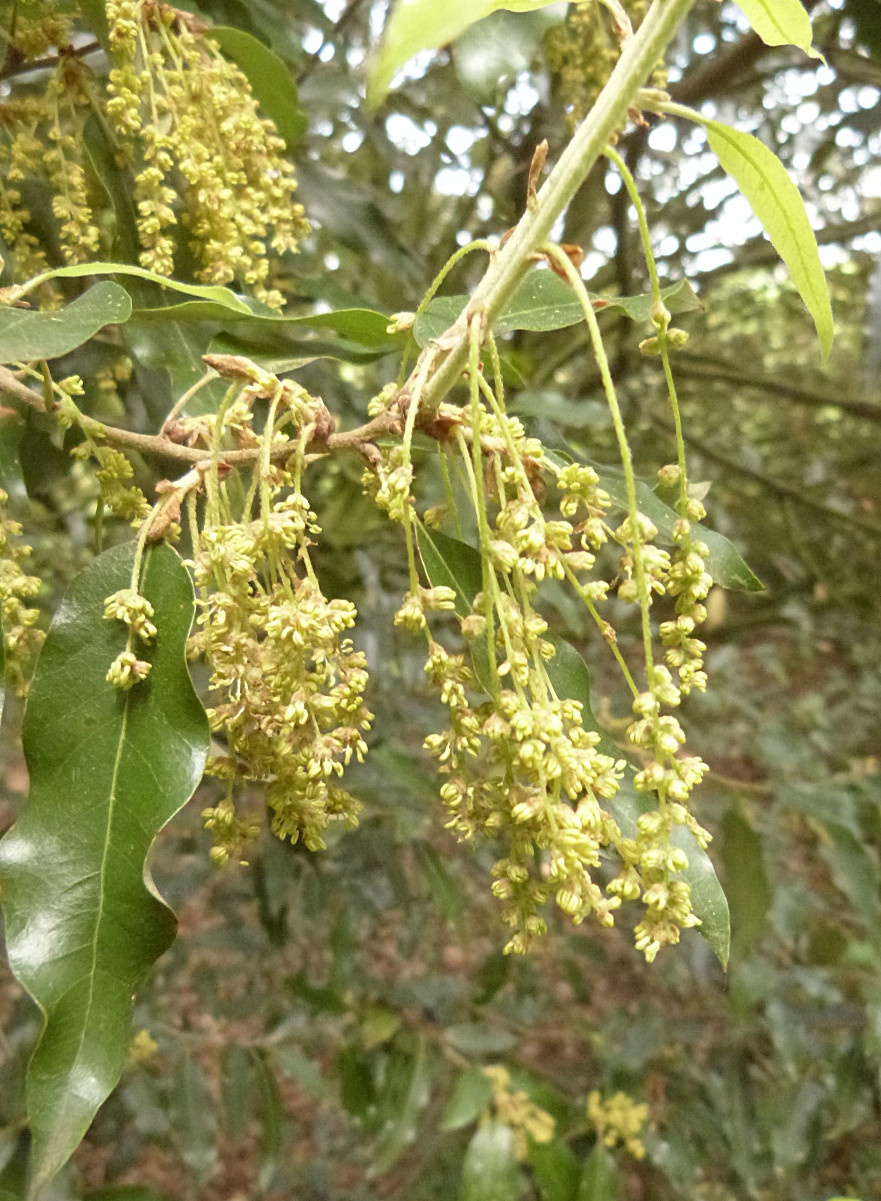
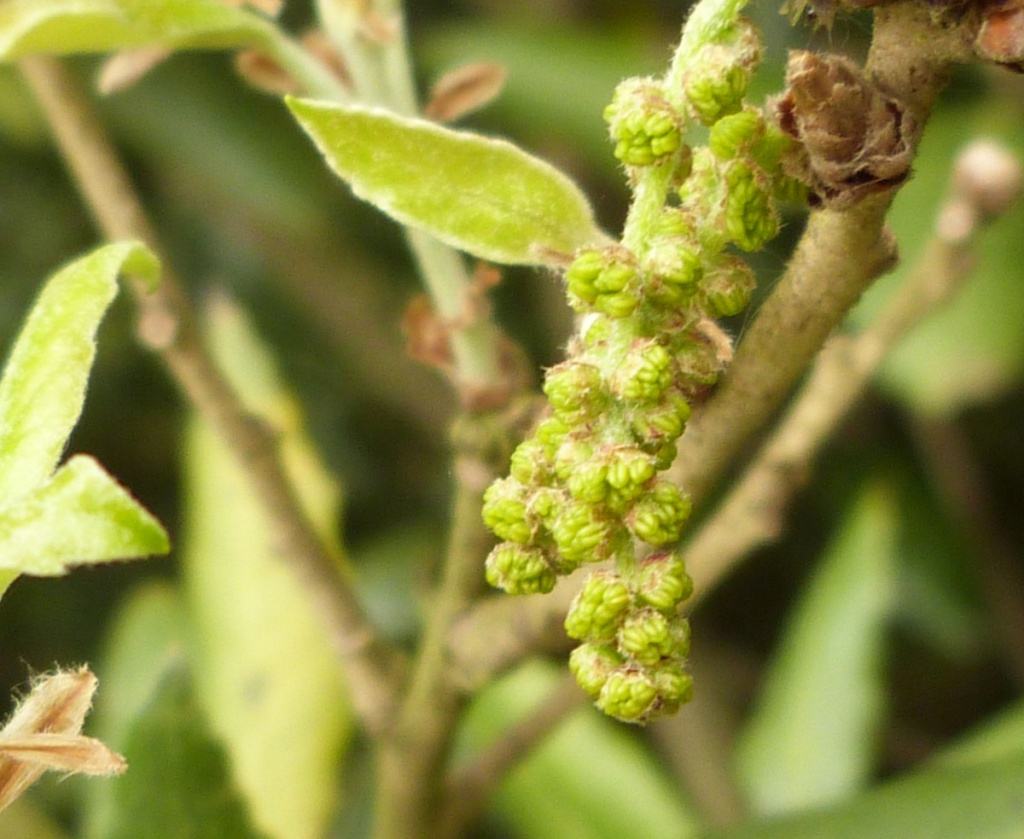
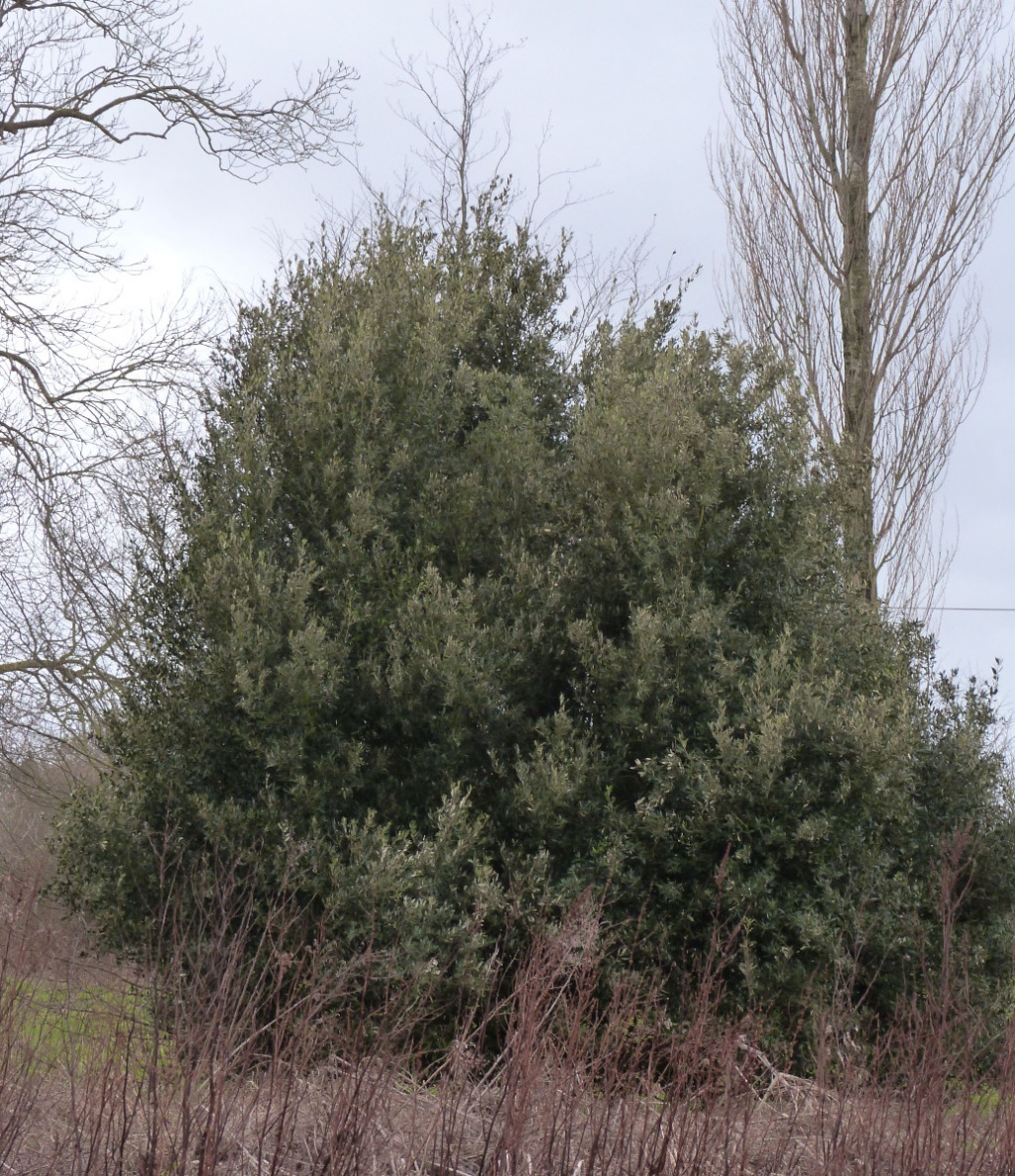
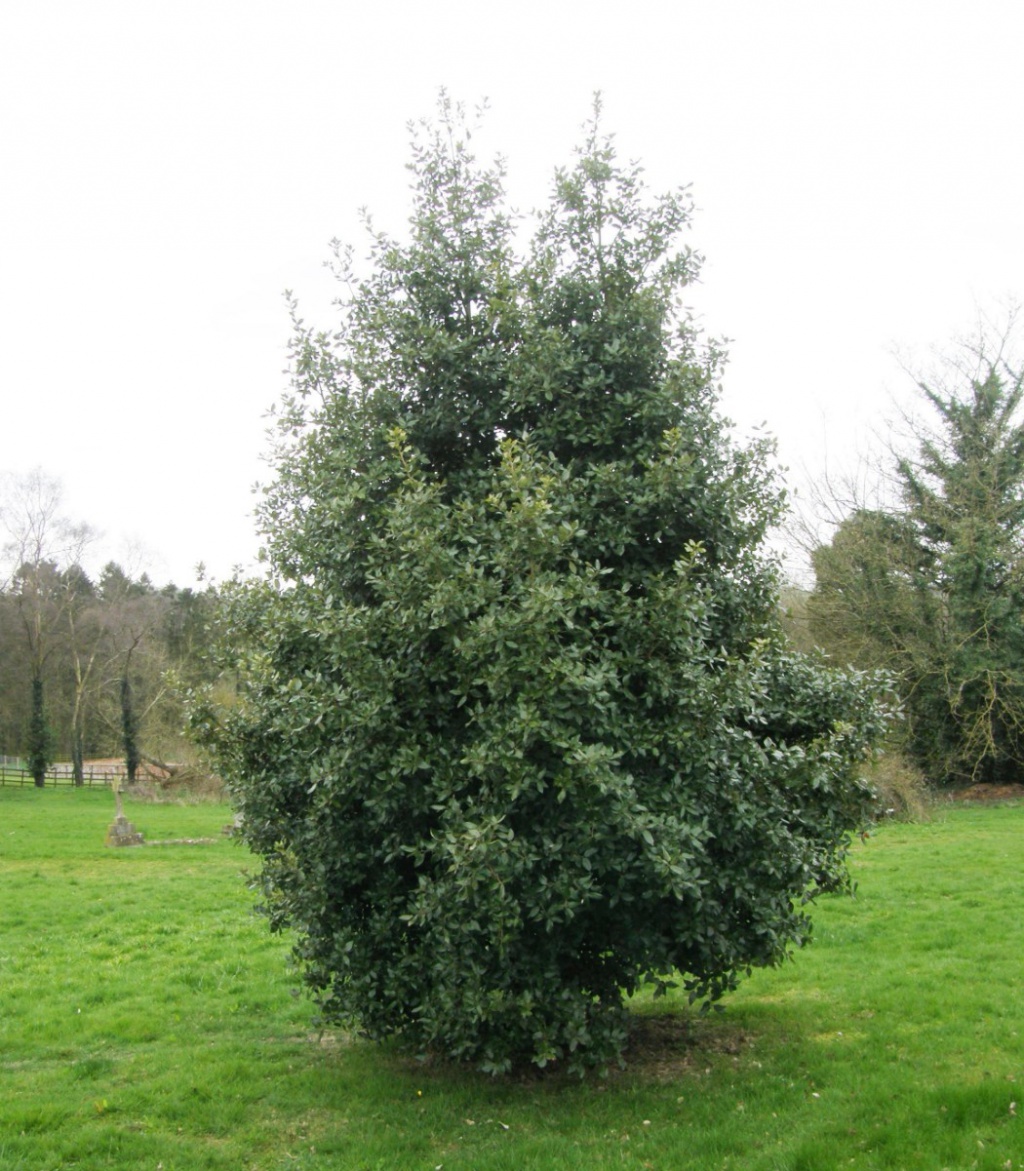
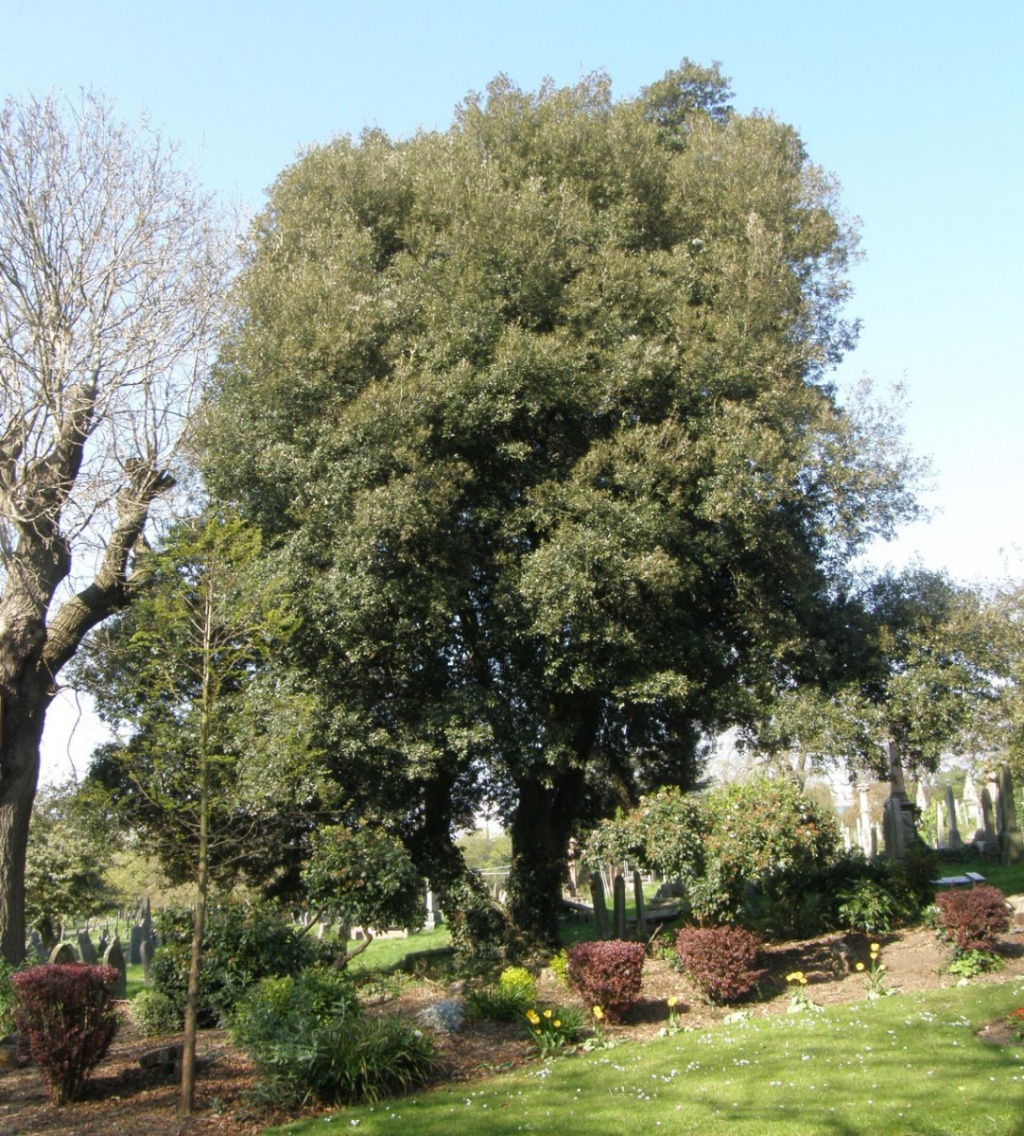
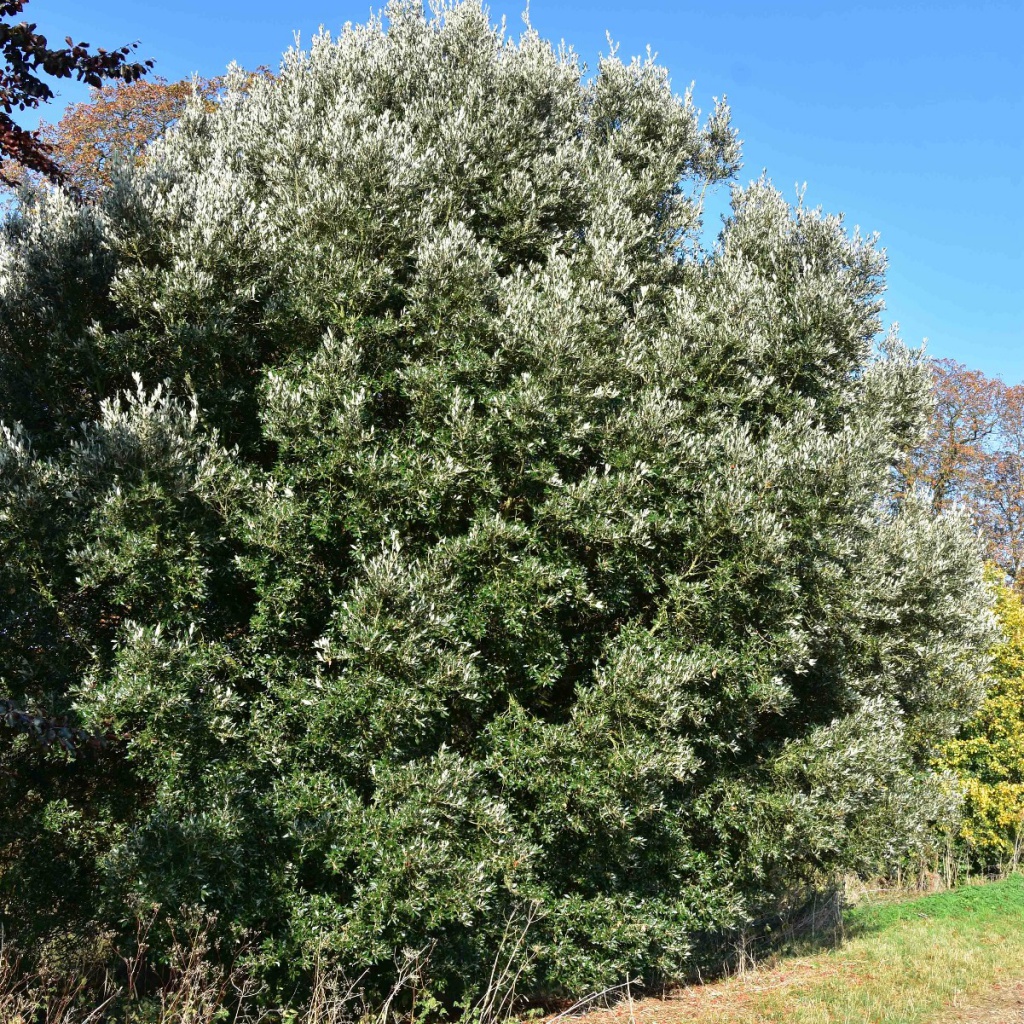
A tree to 20 metres. Leaves thick and leathery, deep green, oval finely toothed or with shallow spines, grey downy beneath. Catkins greenish yellow. Acorns small ripening in the first year.

Most British records are probably of previously planted specimens.
Flowering in May and June.
Widespread but occasional in Britain, mainly occurring as a planted tree, sometimes naturalised.
Uncommon in Leicestershire and Rutland. In the 1979 Flora survey of Leicestershire it was found in 4 of the 617 tetrads.
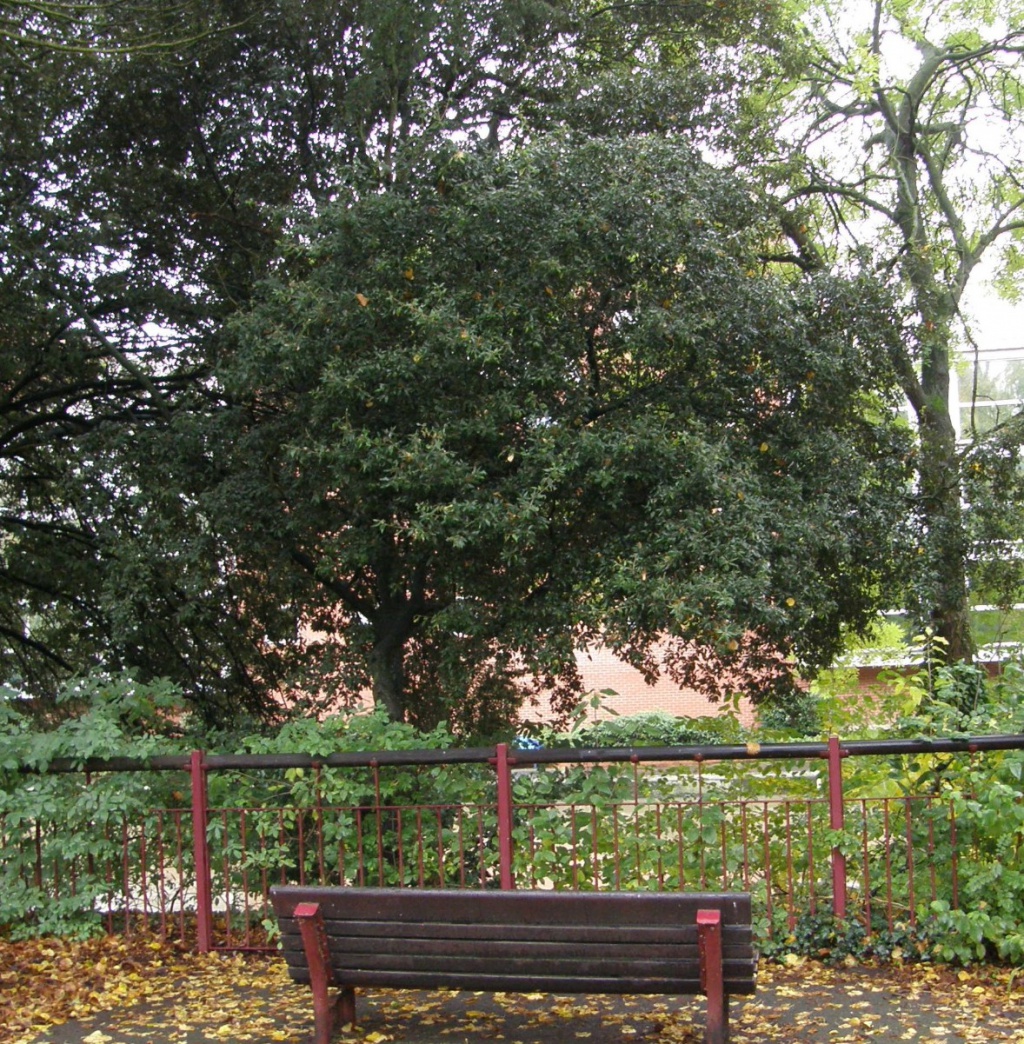
 junction of B4114 and Leicester Road Sapcote SP 5033 9306 (taken 5.10.2007).JPG) Graham Calow
Graham Calow
Sapcote
05 October 2007
acorn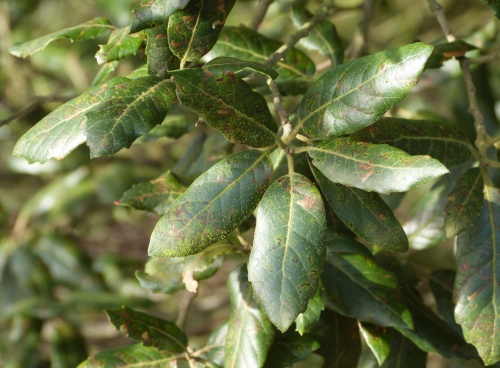 Graham Calow
Sapcote, bottom of Leicester Road near B4114
05 February 2020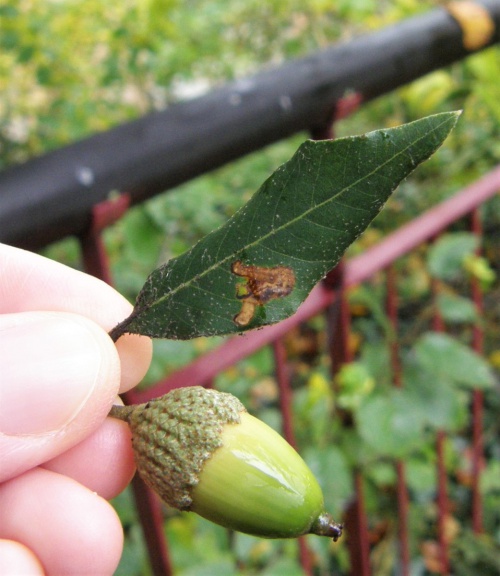 Saharima Roenisch
Leicester Castle Gardens
07 November 2019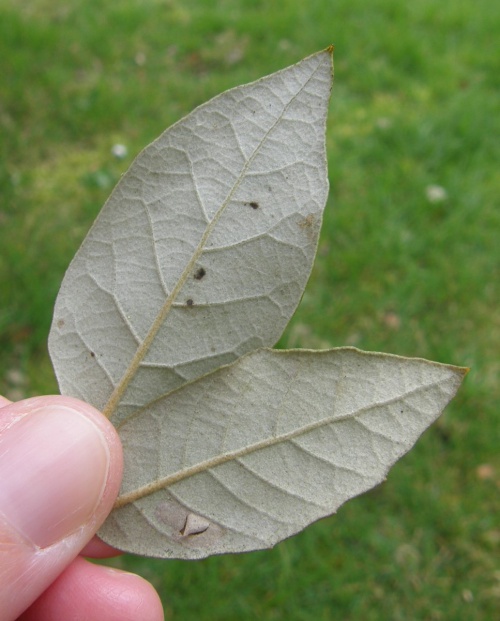 Saharima Roenisch
Lowesby church
26 March 2019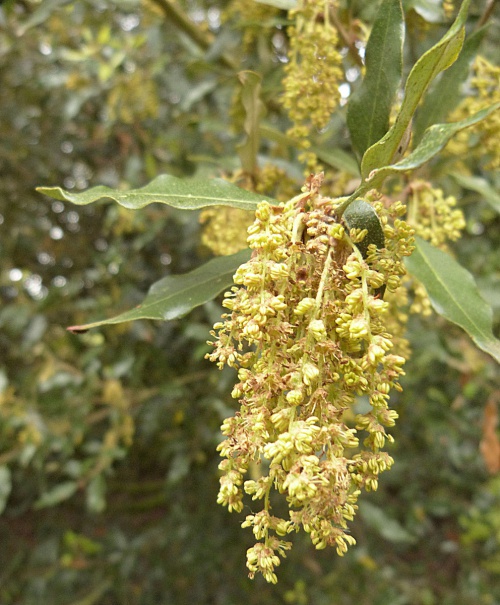 Graham Calow
Stoney Stanton
09 June 2019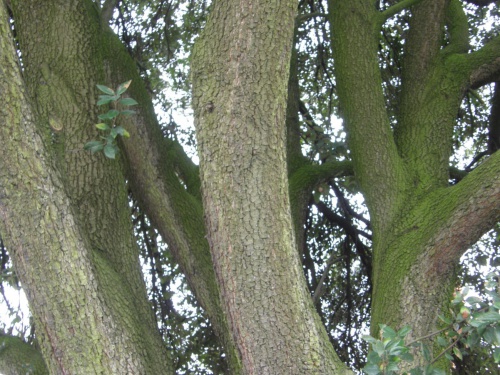 Saharima Roenisch
Leicester, Abbey Park (near Abbey Park Rd entrance)
15 March 2019
bark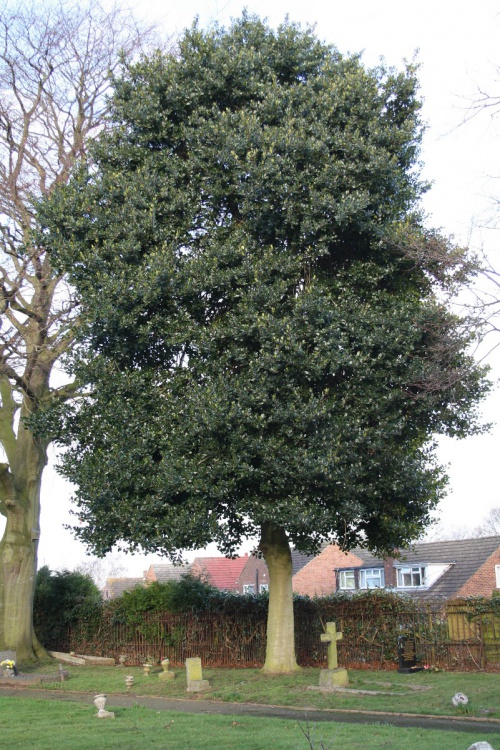 Ray Pearce
Shepshed Cemetery
05 February 2018
 junction of B4114 and Leicester Road Sapcote SP 5033 9306 (taken 5.10.2007).JPG)
Leicestershire & Rutland Map
Enter a town or village to see local records
MAP KEY:
Yellow squares = NBN records (all known data)
Coloured circles = NatureSpot records: 2025+ | 2020-2024 | pre-2020
UK Map
Species profile
- Common names
- Evergreen Oak, Holm Oak
- Species group:
- flowering plant
- Kingdom:
- Plantae
- Order:
- Fagales
- Family:
- Fagaceae
- Records on NatureSpot:
- 30
- First record:
- 05/10/2007 (Calow, Graham)
- Last record:
- 14/06/2025 (Nicholls, David)
Total records by month
% of records within its species group
10km squares with records
The latest images and records displayed below include those awaiting verification checks so we cannot guarantee that every identification is correct. Once accepted, the record displays a green tick.
In the Latest Records section, click on the header to sort A-Z, and again to sort Z-A. Use the header boxes to filter the list.
Latest images
Latest records
 Andy's Rutland
Fort Henry Lake-Exton Estate
10 October 2018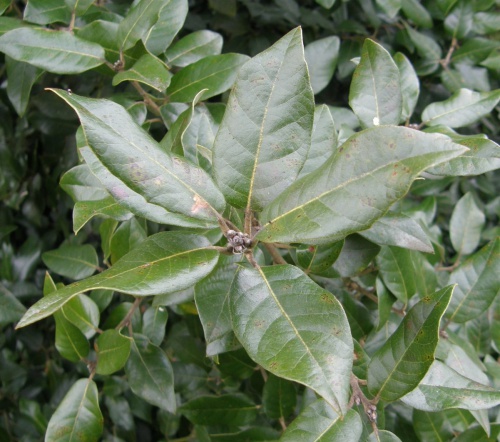 Saharima Roenisch
Lowesby church
26 March 2019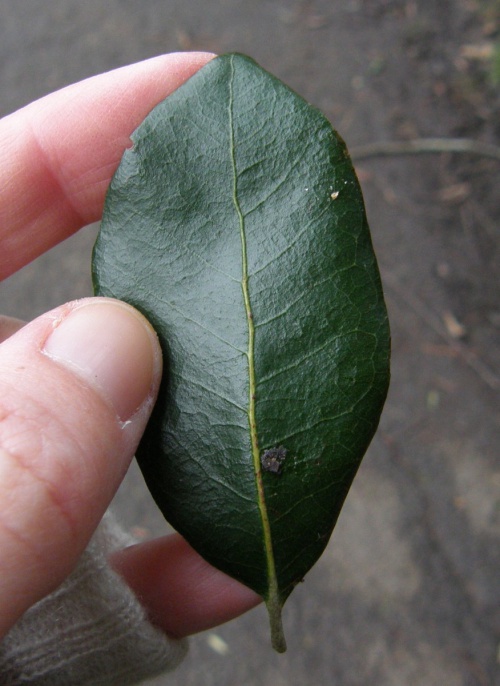 Saharima Roenisch
Knighton Park
08 January 2018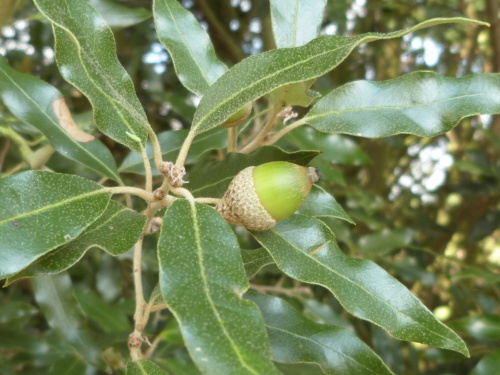 Graham Calow
Stoney Stanton
02 October 2014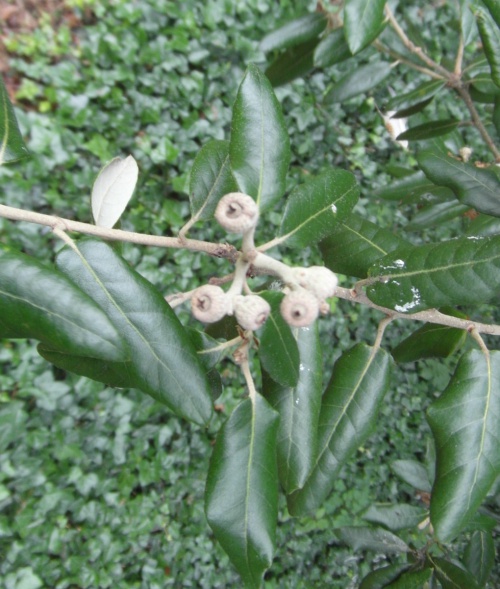 Alan Semper
Melton PERA
04 September 2015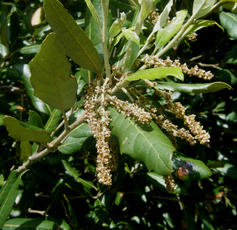 Graham Calow
Sapcote
27 May 2011
catkins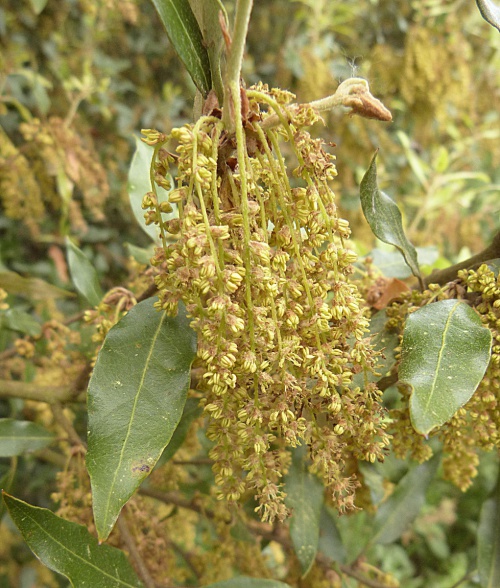 Graham Calow
Stoney Stanton, Highgate Lodge Farm open access land
09 June 2019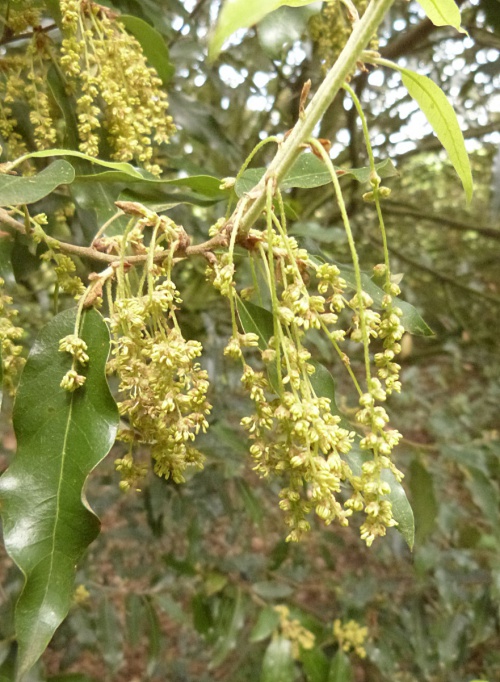 Graham Calow
Stoney Stanton, Highgate Lodge Farm open access land
09 June 2019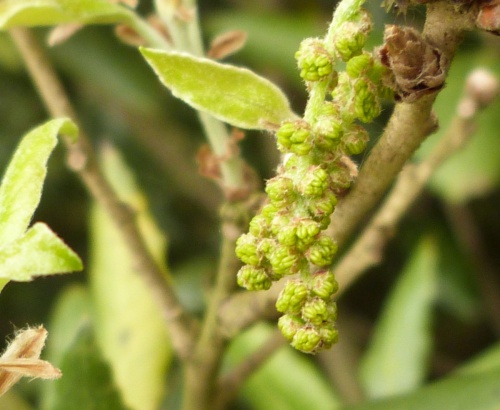 Graham Calow
Sapcote
11 June 2013
catkins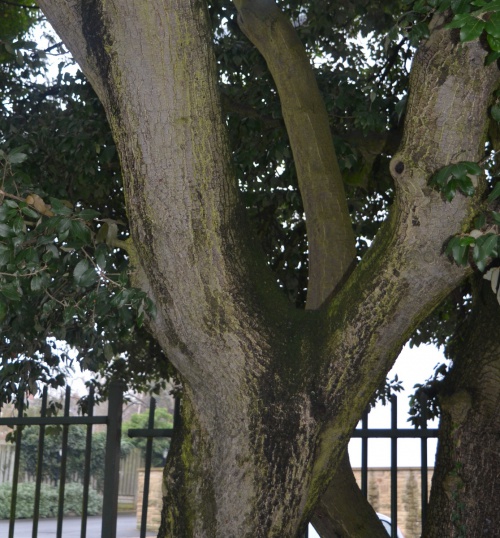 Steve Mathers
Melton Mowbray
11 January 2018 junction of B4114 and Leicester Road Sapcote SP 5033 9306 (taken 13.2.2008).JPG) Graham Calow
Graham Calow
Sapcote
13 February 2008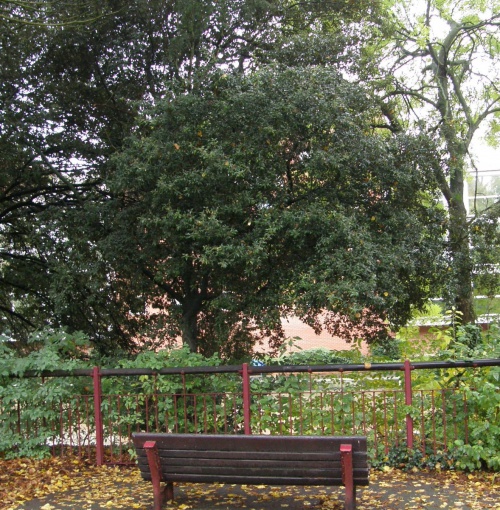 Saharima Roenisch
Leicester Castle Gardens
07 November 2019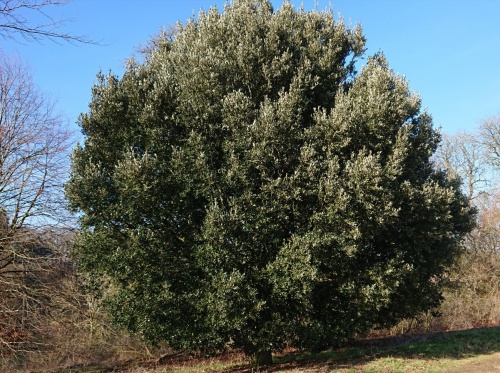 steven lewis
Fort Henry
14 February 2019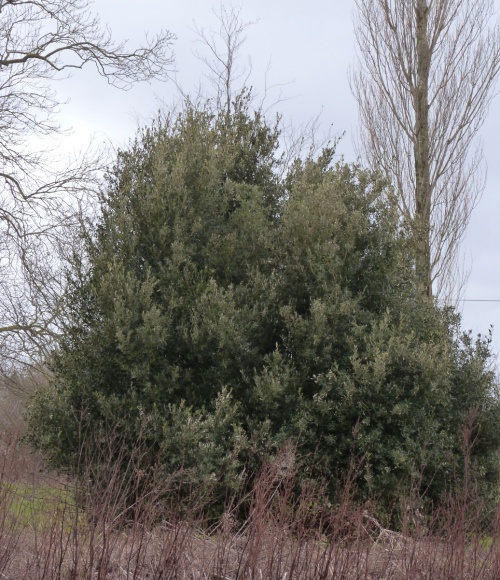 Graham Calow
Stoney Stanton
01 February 2016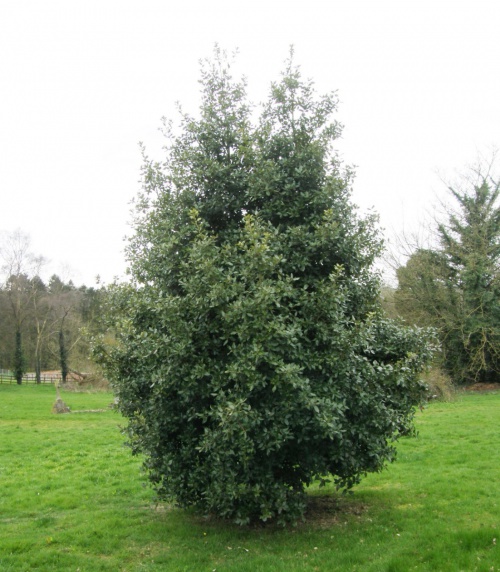 Saharima Roenisch
Lowesby church
26 March 2019
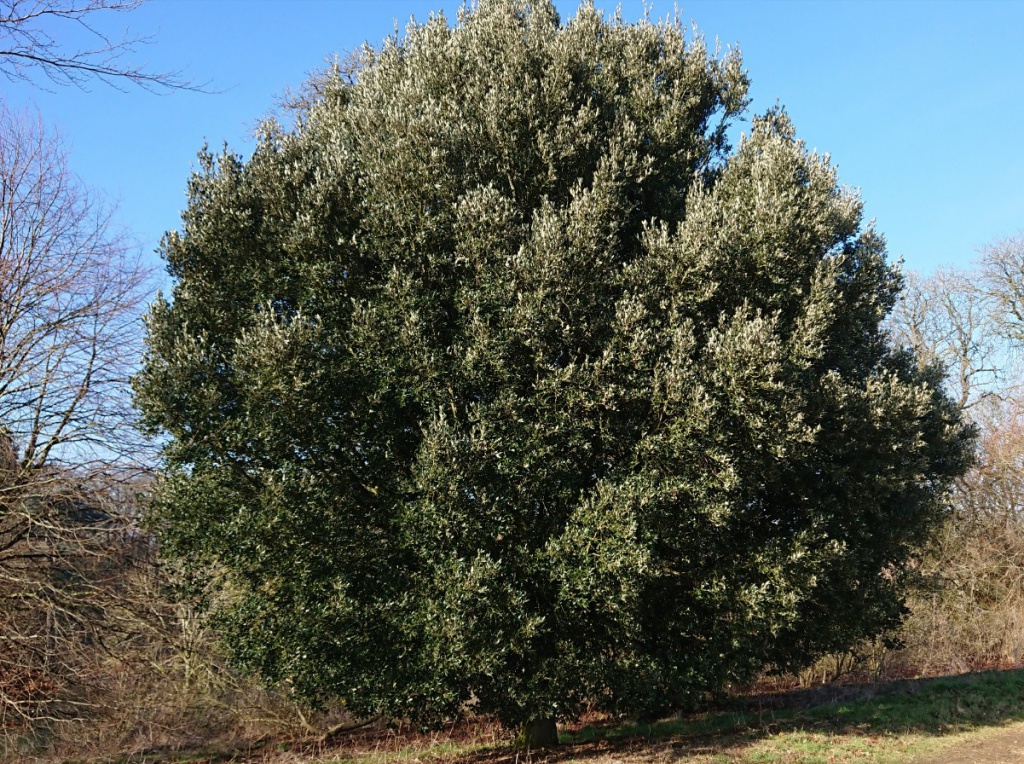
overall form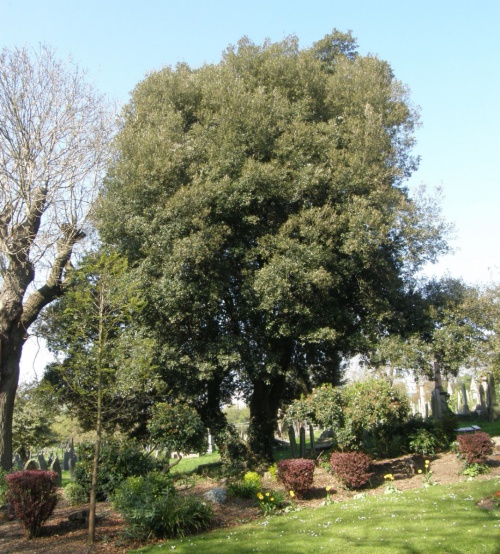 Saharima Roenisch
Leicester Welford Road Cemetery
19 April 2019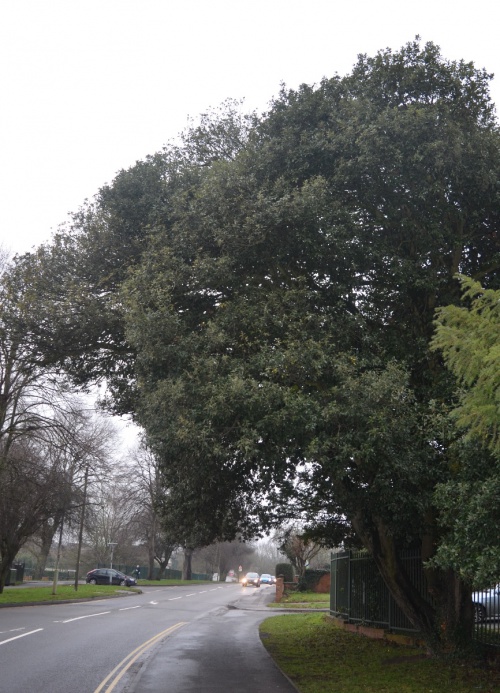 Steve Mathers
Melton Mowbray
11 January 2018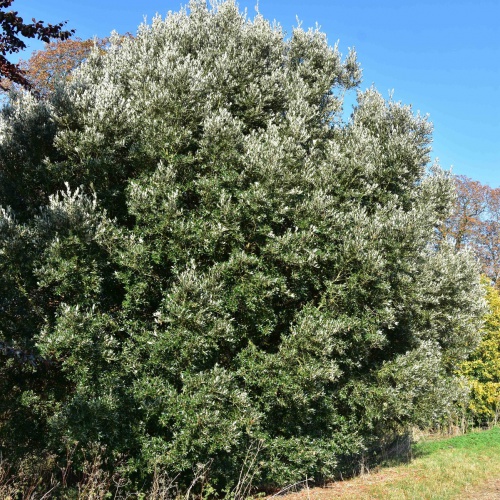 Andy's Rutland
Fort Henry Lake-Exton Estate
10 October 2018

 junction of B4114 and Leicester Road Sapcote SP 5033 9306 (taken 13.2.2008).JPG)

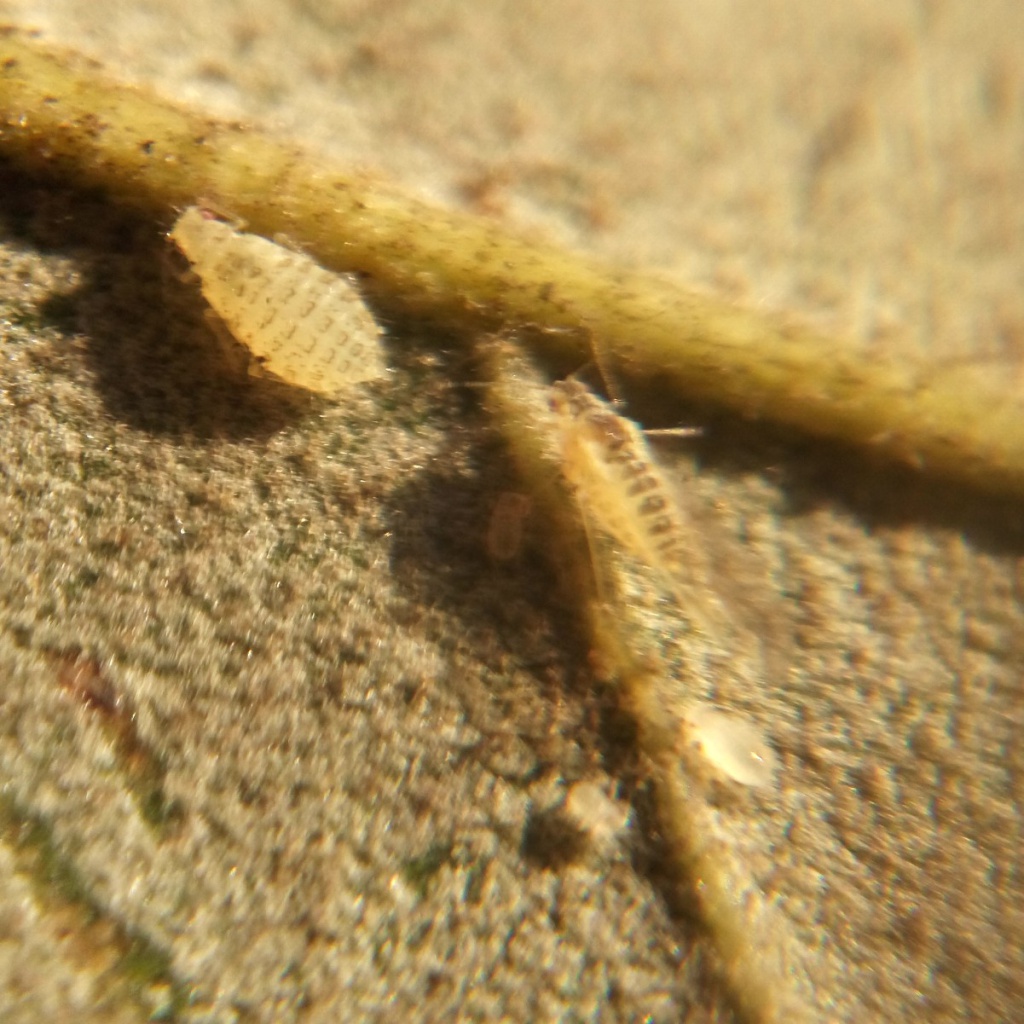
Hoplocallis picta
The Evergreen Oak Aphid (Hoplocallis picta) feeds on the underside of the leaves of Everhgreen Oak (= Holm Oak). The winged adults are rather elongate and are pale yellow-green. They have banded antennae and the abdomen has a series of dark spinal markings with pale centres. The body length of Hoplocallis picta is 1.8 to 2.1 mm. Immature specimens are broader and flatter than adult alates and have four longitudinal rows of pale-centred brown sclerites bearing clusters of hairs.
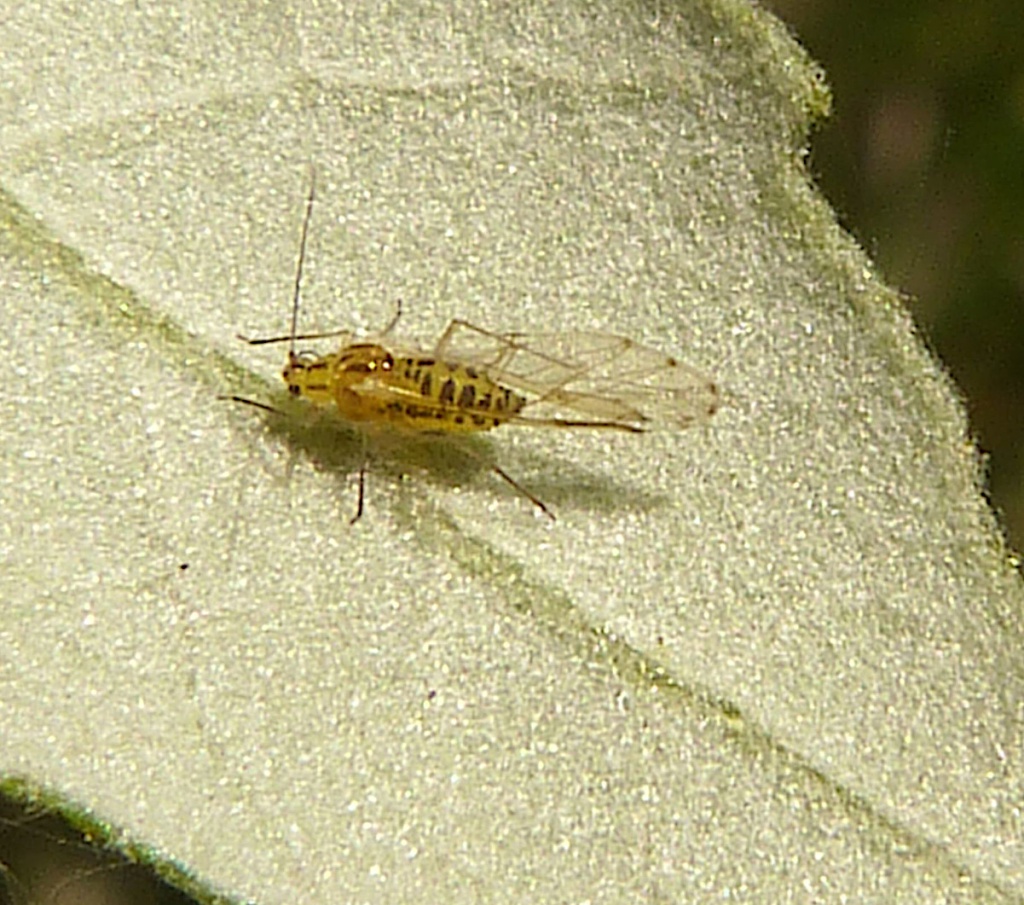
Myzocallis castanicola
Found on the undersides of leaves of many chestnut (Castanea) and oak (Quercus) species. It is often abundant on Sweet Chestnut. Immature Myzocallis castanicola are yellowish-white or greenish-white with some brown-black dorsal markings. All adults are winged, yellow with paired black spots on the abdomen and a central dark median line on the head. The wing venation distinctly outlined in brown and forewing veins ending in brown spots. The brown wing outline distinguishes it from other Oak feeding aphids in this genus.
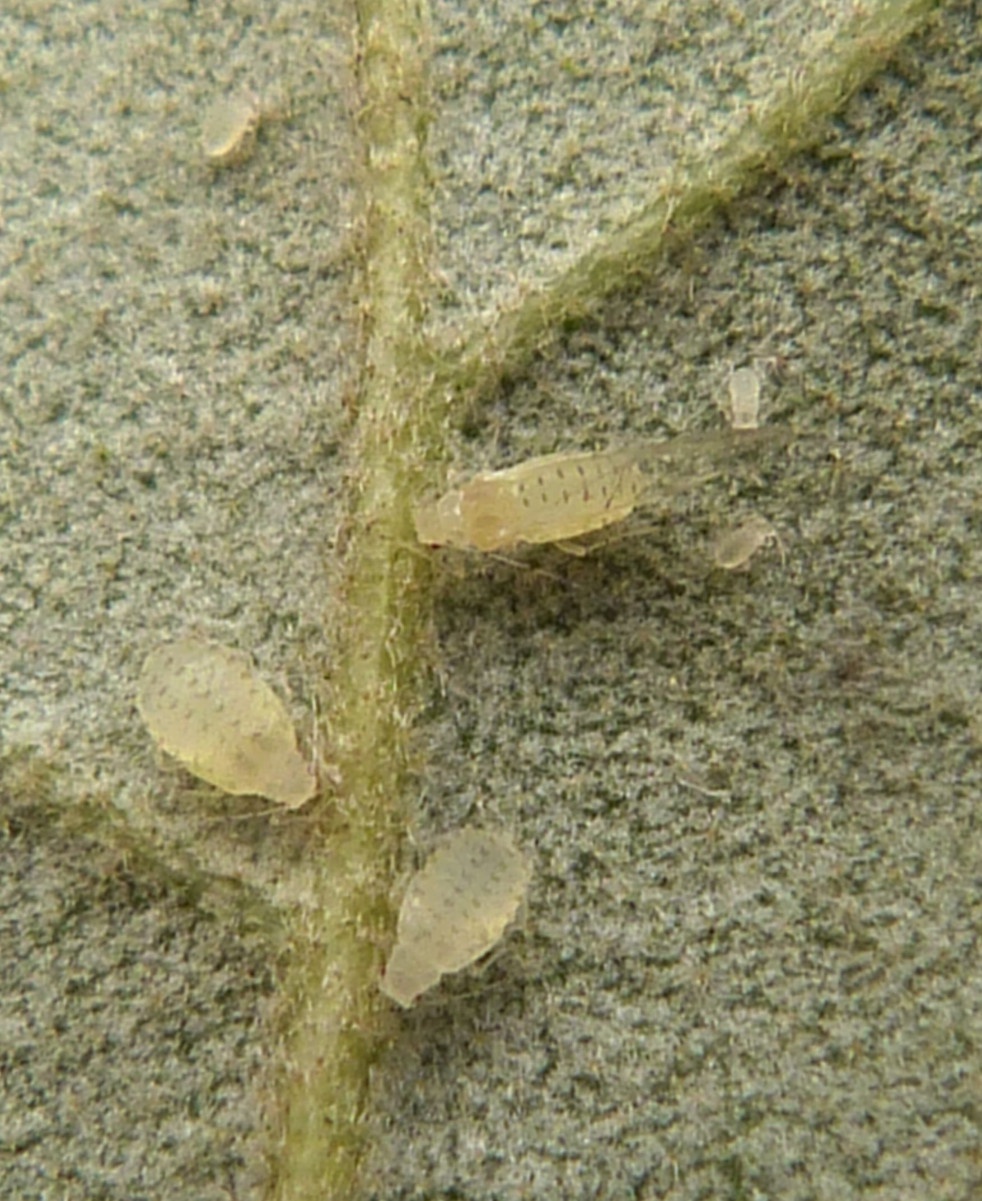
Myzocallis schreiberi
The aphid Myzocallis schreiberi feeds on Evergreen Oak (Quercus ilex), on the underside of the leaf. Immature Myzocallis schreiberi are whitish to pale straw yellow with four longitudinal rows of dark spots and long body hairs. Winged adult viviparae of M. schreiberi are pale yellow, with the head and the thorax slightly darker. The prothorax often has short lateral streaks of dark pigment. The dorsal abdomen has small transversely oval, dark spinal spots.
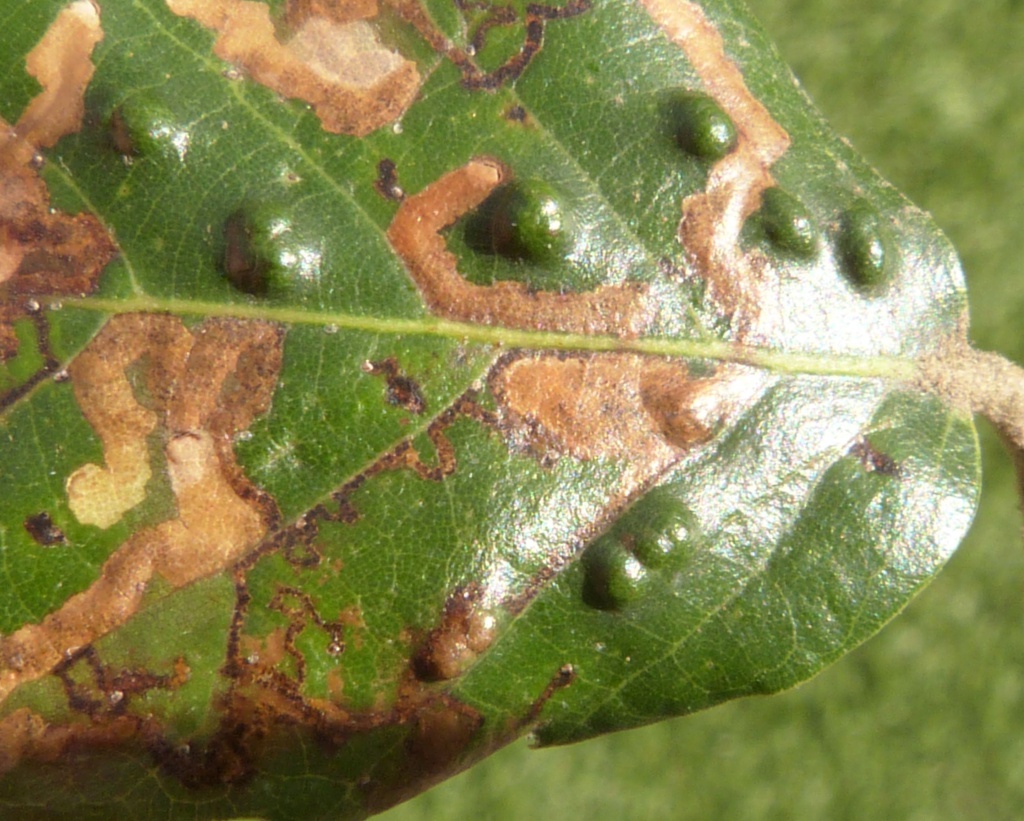
Aceria ilicis
Aceria ilicis is a mite which causes felt galls to form on the leaves of Holm Oak. The upperside of the leaf may have a bulge about 2 to 3mm high, with a corresponding depression on the underside with a rusty brown erineum; usually several galls on a leaf; mites live amongst the hairs.
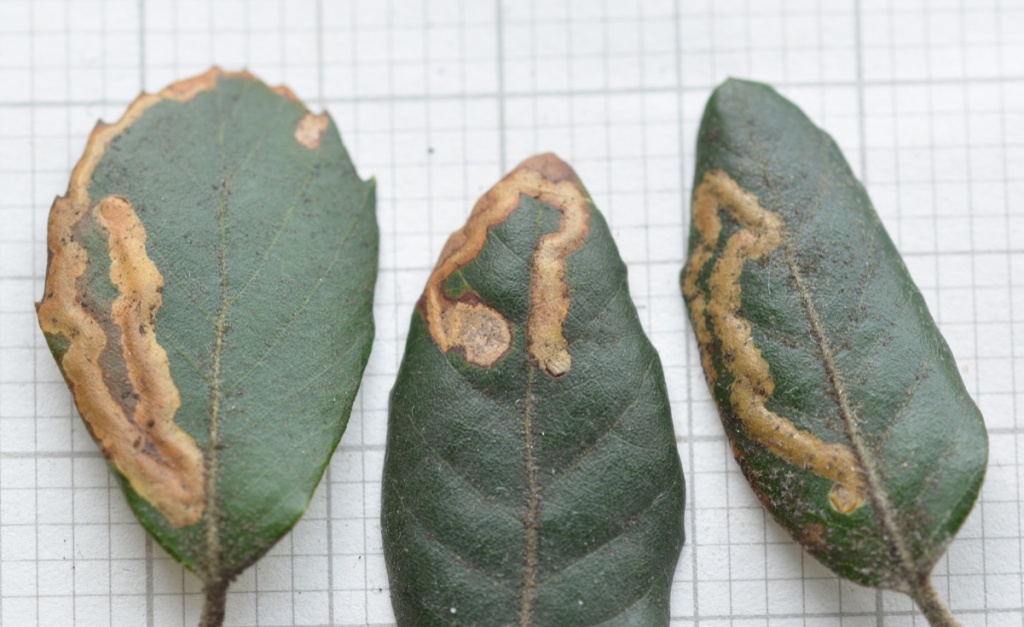
Stigmella suberivora
The larvae of the moth Stigmella suberivora mine the leaves of evergreen oaks produving a wide gallery, usually along leaf-edge before turning towards midrib. There is a broad band of frass in the middle, leaving clear margins.
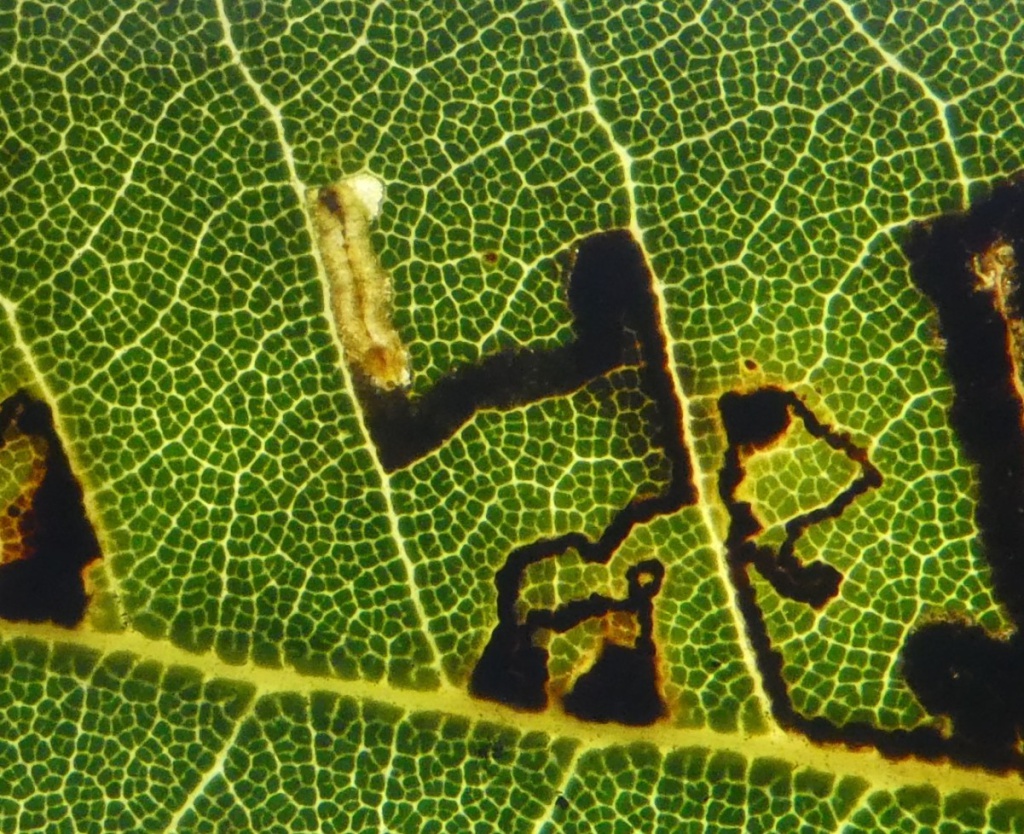
Ectoedemia heringella
The larvae of the moth Ectoedemia heringella mine the leaves of Evergreen Oak creating a contorted gallery mine filled with dark frass. The first part is very narrow, but it widens abruptly in the later part. Usually there are several larvae mining a single leaf and it can be extremely abundant.