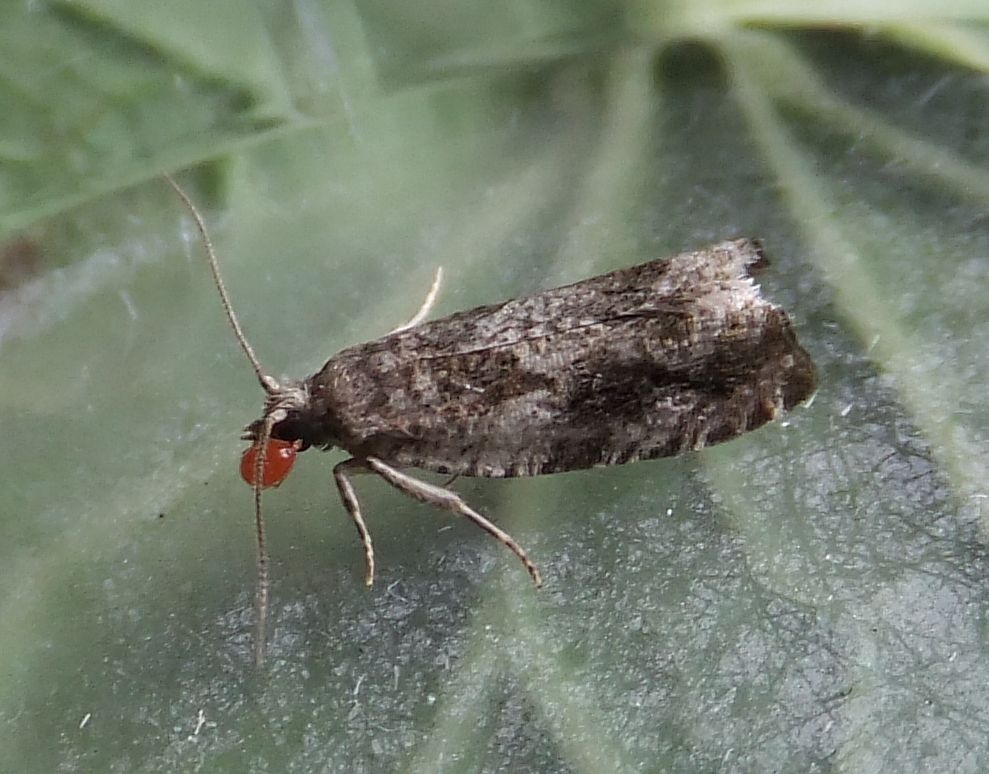
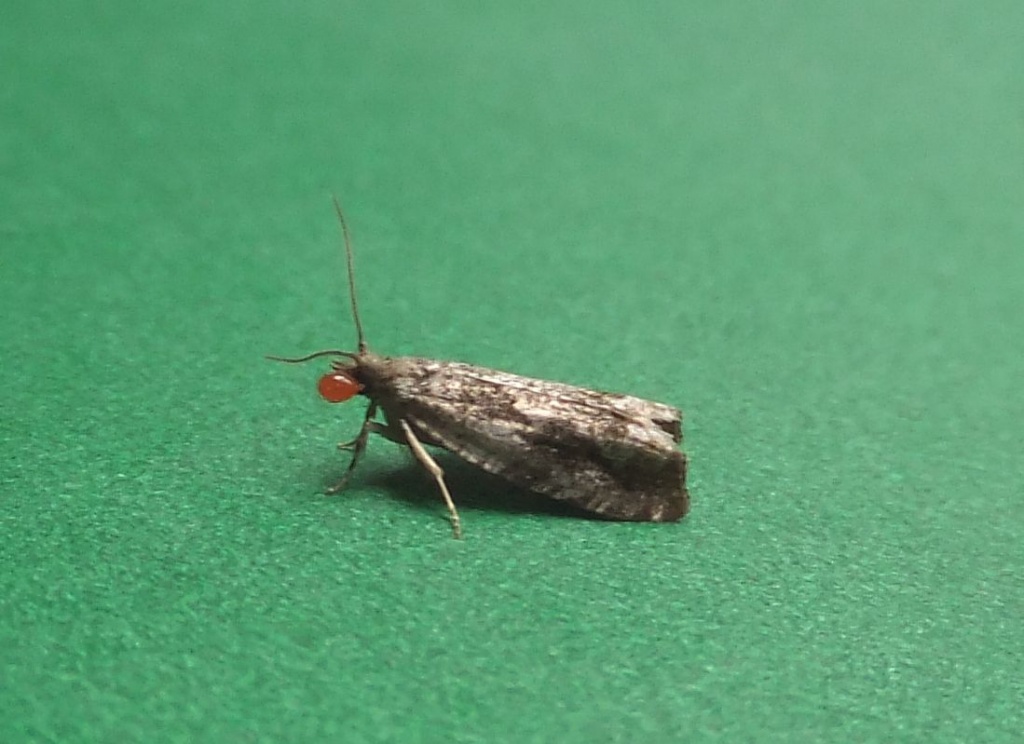
Epinotia signatana
Black-brindled Bell
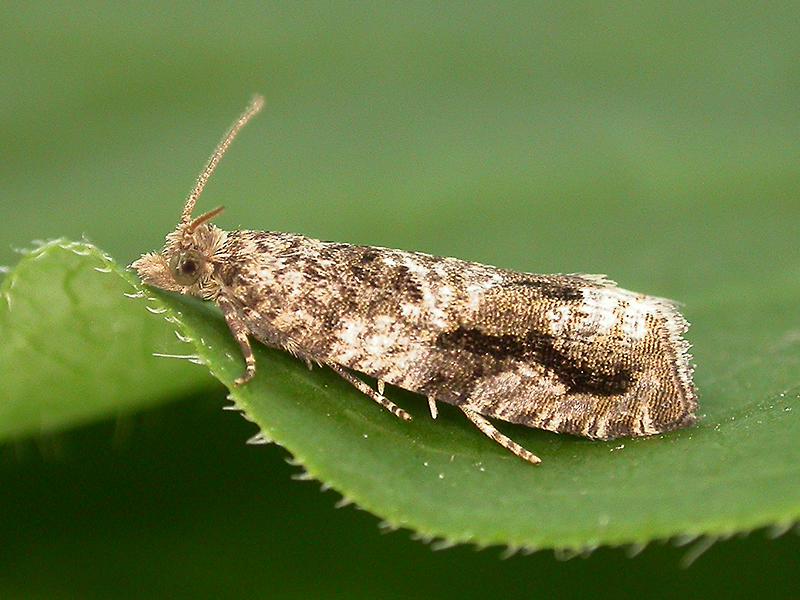
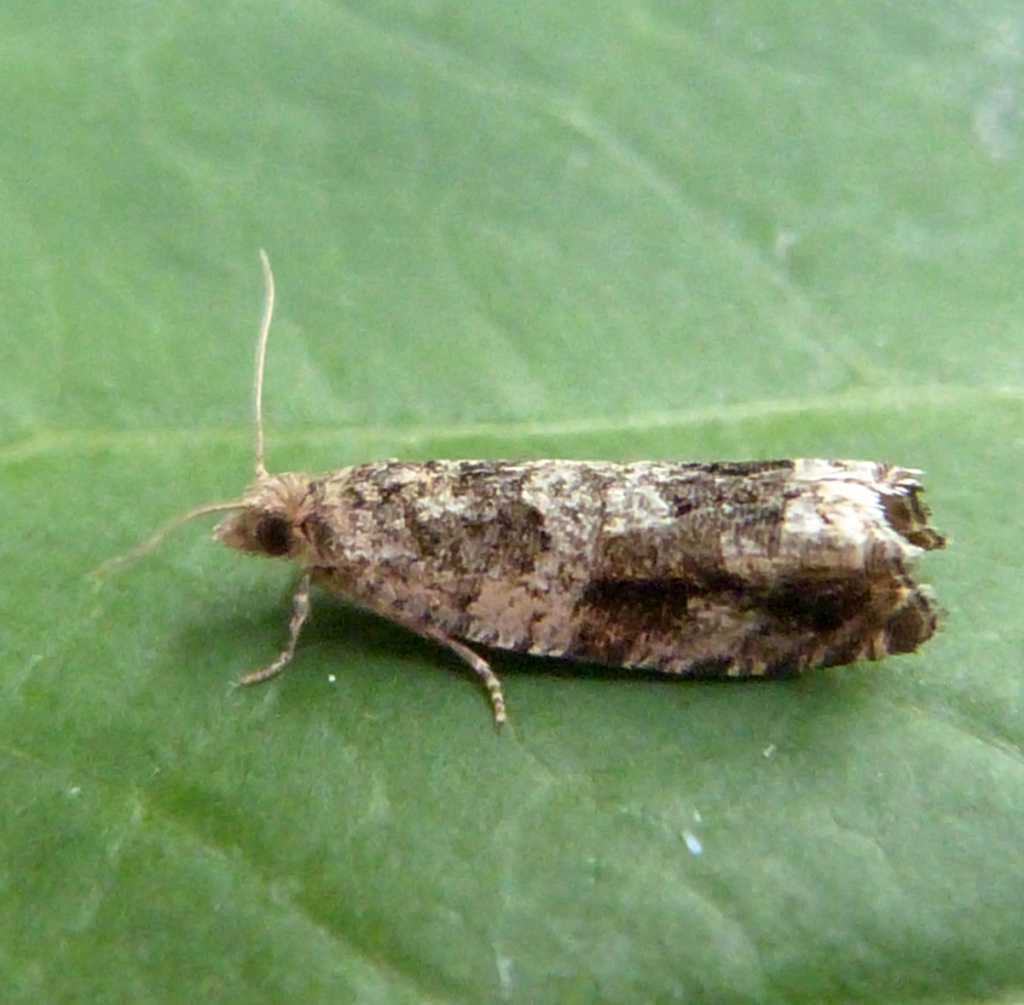
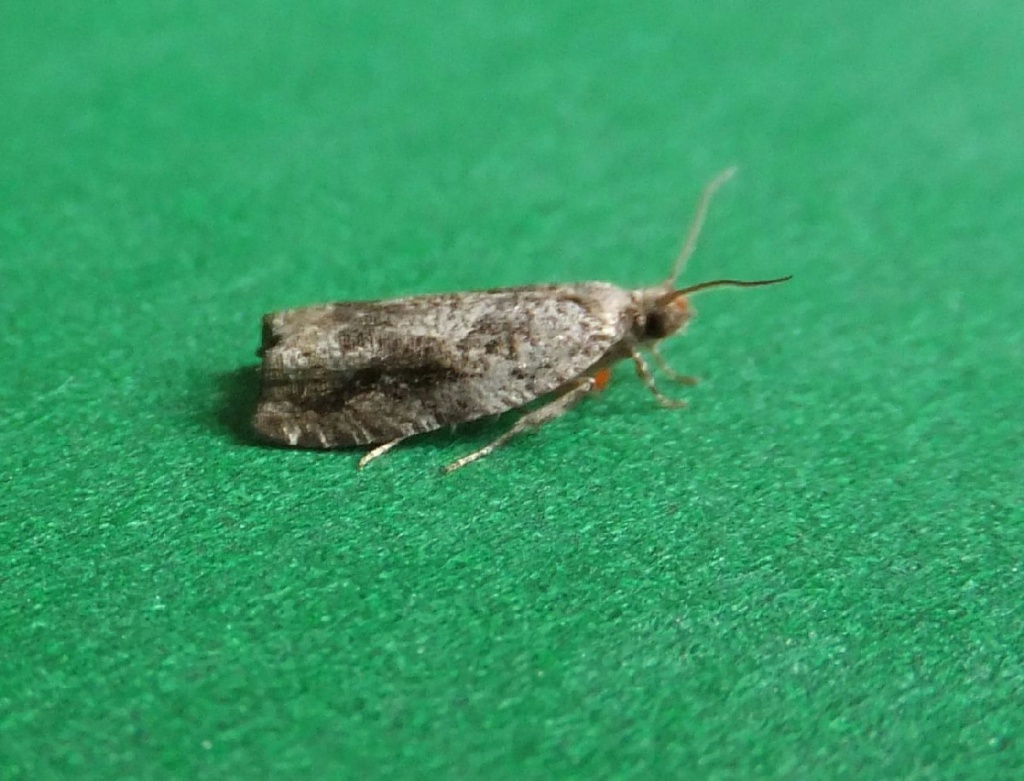
Wingspan 15mm. Rather obscurely-marked brownish species.

Inhabits woods, thickets and hedgerows.
Flying in a single generation, moths are on the wing in June/July.
The larvae feed on Prunus, particularly Blackthorn but also other related foodplants occasionally.
This is relatively uncommon and found locally in south and south-east England, with a few records from further north into Scotland and in Wales. In the Butterfly Conservation’s Microlepidoptera Report 2011 this species was classified as local.
It appears to be uncommon in Leicestershire and Rutland, where there are few records. L&R Moth Group status = D (rare or rarely recorded).
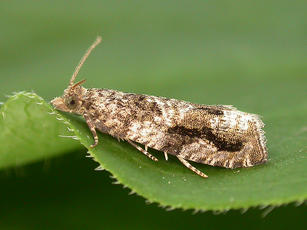 Mark Skevington
Ketton Quarry NR
26 June 2010
first record for VC55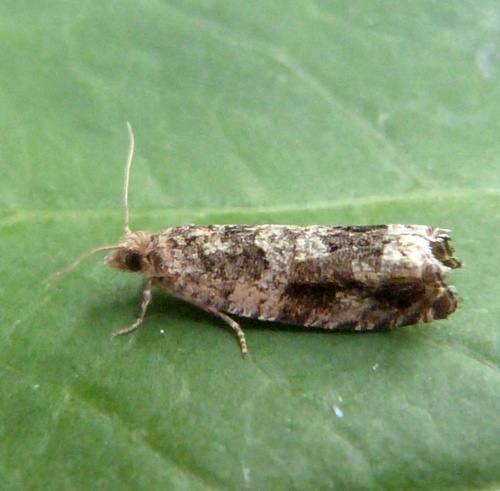 Graham Calow
Sapcote garden1
05 July 2018
Confirmed by gen det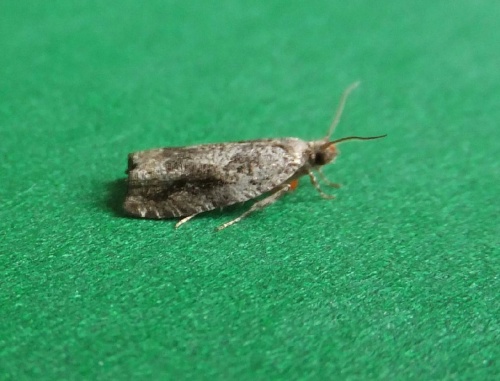 Ron.stevens
Broughton Astley
22 July 2012
Leicestershire & Rutland Map
Enter a town or village to see local records
MAP KEY:
Yellow squares = NBN records (all known data)
Coloured circles = NatureSpot records: 2025+ | 2020-2024 | pre-2020
UK Map
Species profile
- Common names
- Black-streaked Tortrix, Black-brindled Bell
- Species group:
- insect - moth
- Kingdom:
- Animalia
- Order:
- Lepidoptera
- Family:
- Tortricidae
- Records on NatureSpot:
- 5
- First record:
- 26/06/2010 (Skevington, Mark)
- Last record:
- 12/07/2021 (Calow, Graham)
Total records by month
% of records within its species group
10km squares with records
The latest images and records displayed below include those awaiting verification checks so we cannot guarantee that every identification is correct. Once accepted, the record displays a green tick.
In the Latest Records section, click on the header to sort A-Z, and again to sort Z-A. Use the header boxes to filter the list.
Latest images
Latest records
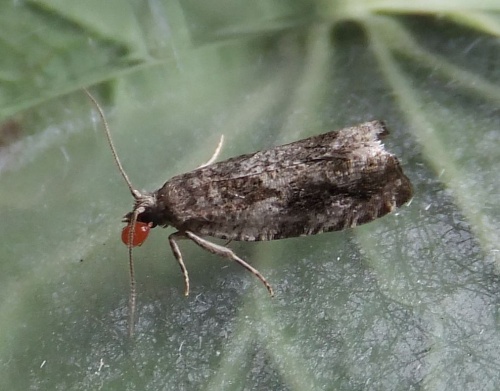 Ron.stevens
Broughton Astley
22 July 2012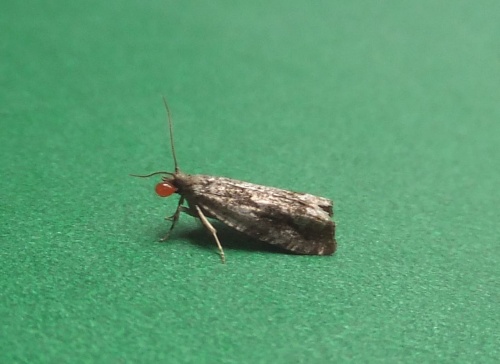 Ron.stevens
Broughton Astley
22 July 2012