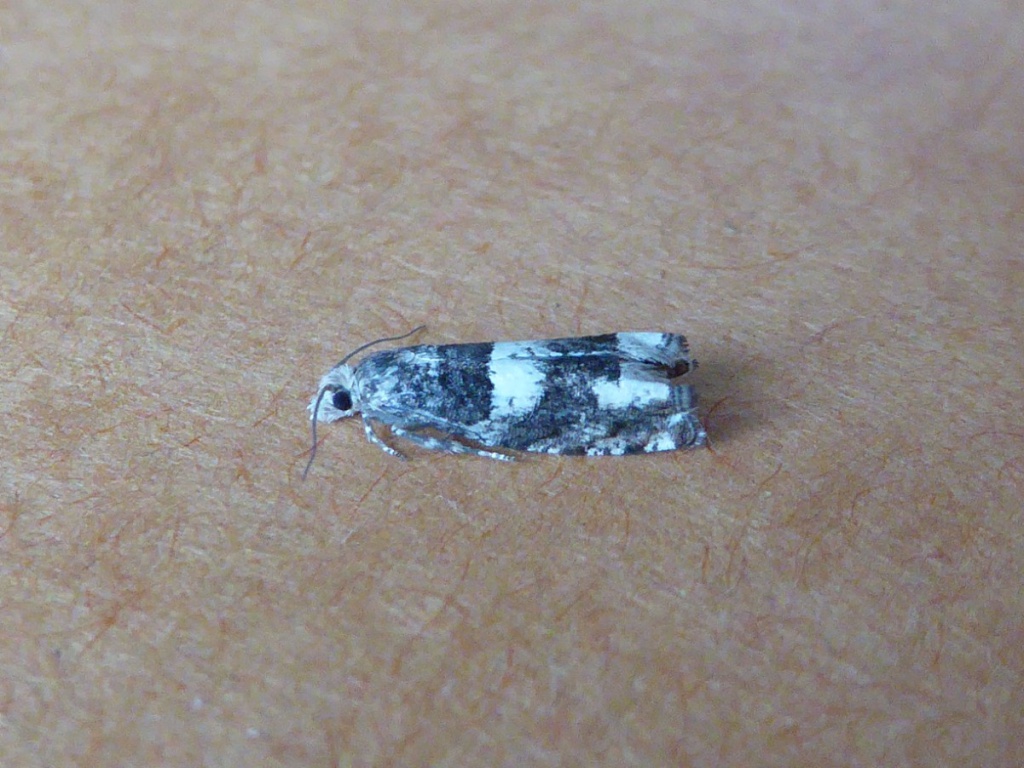
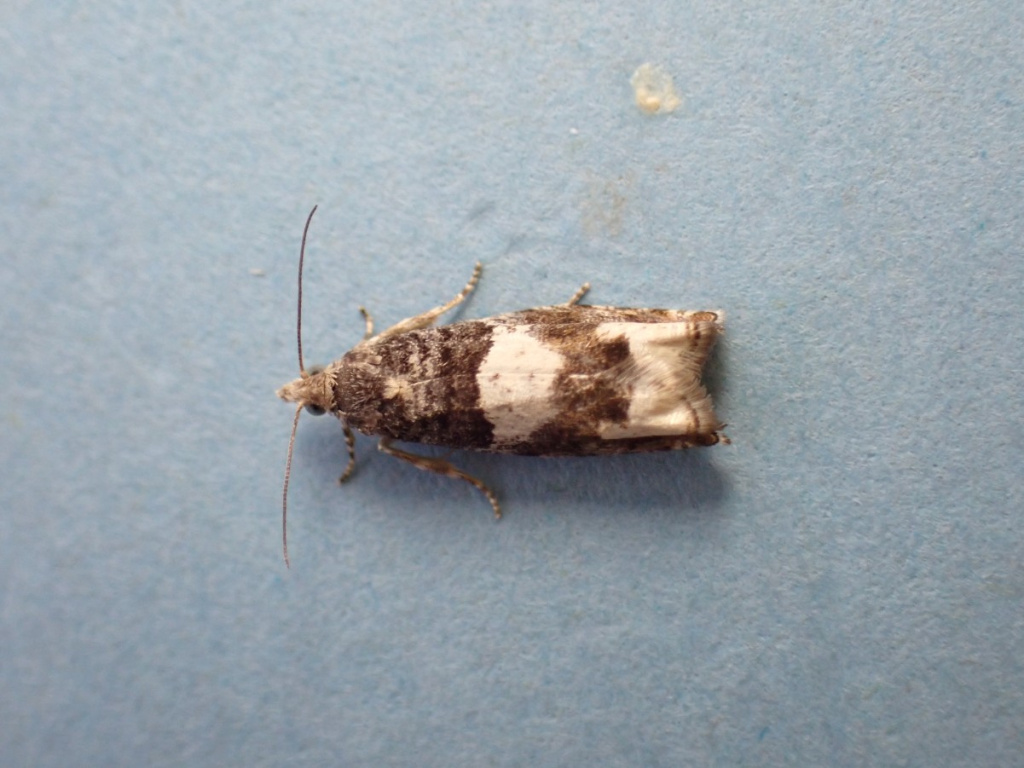
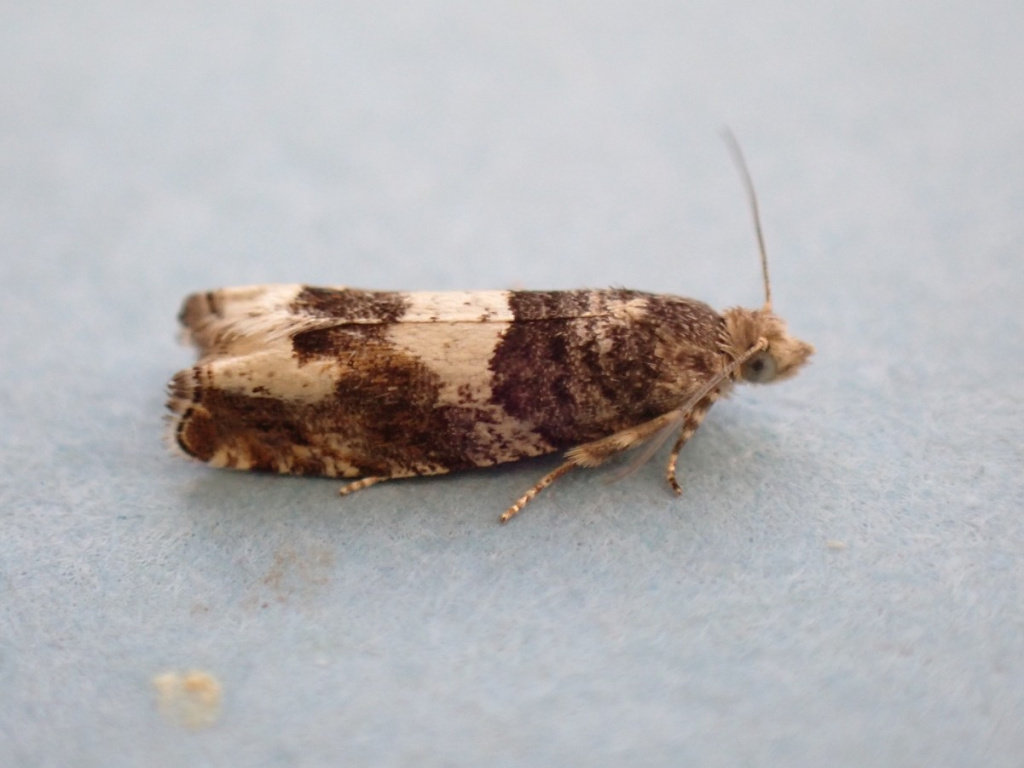
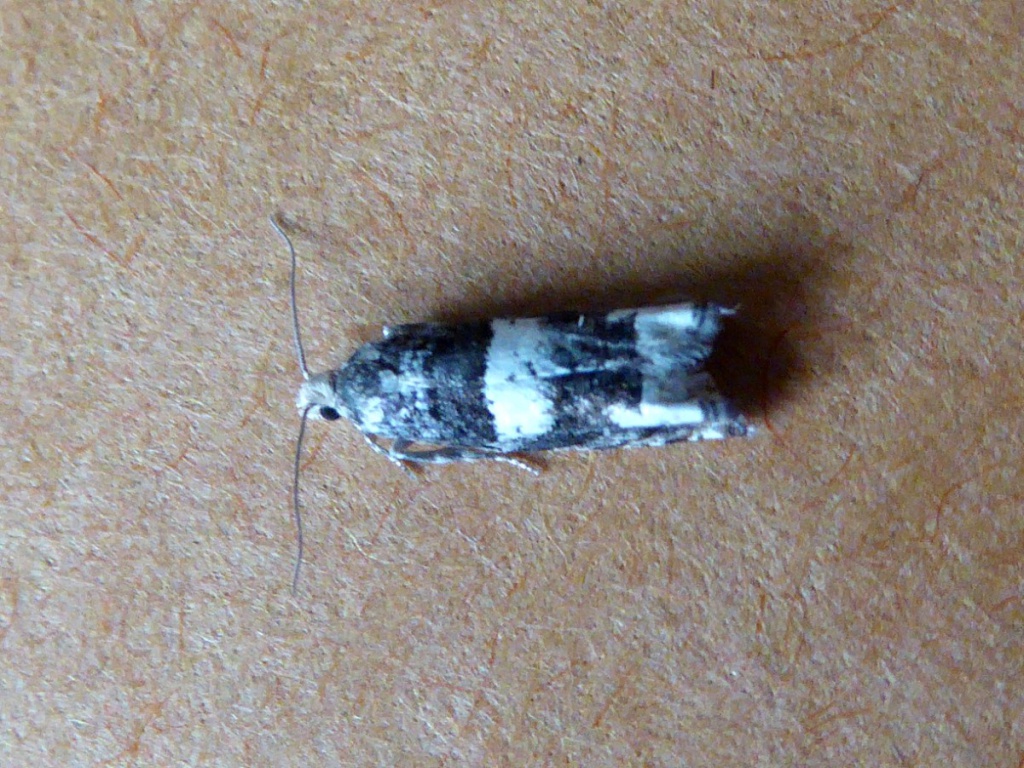
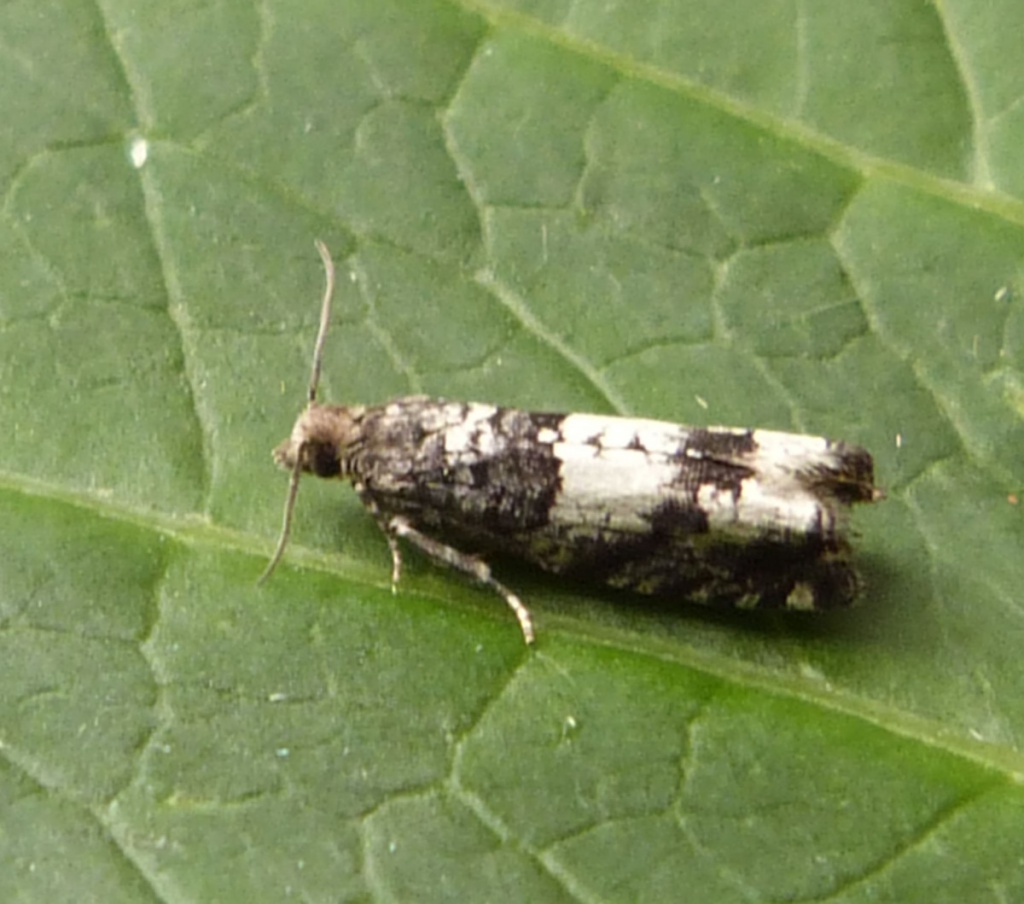
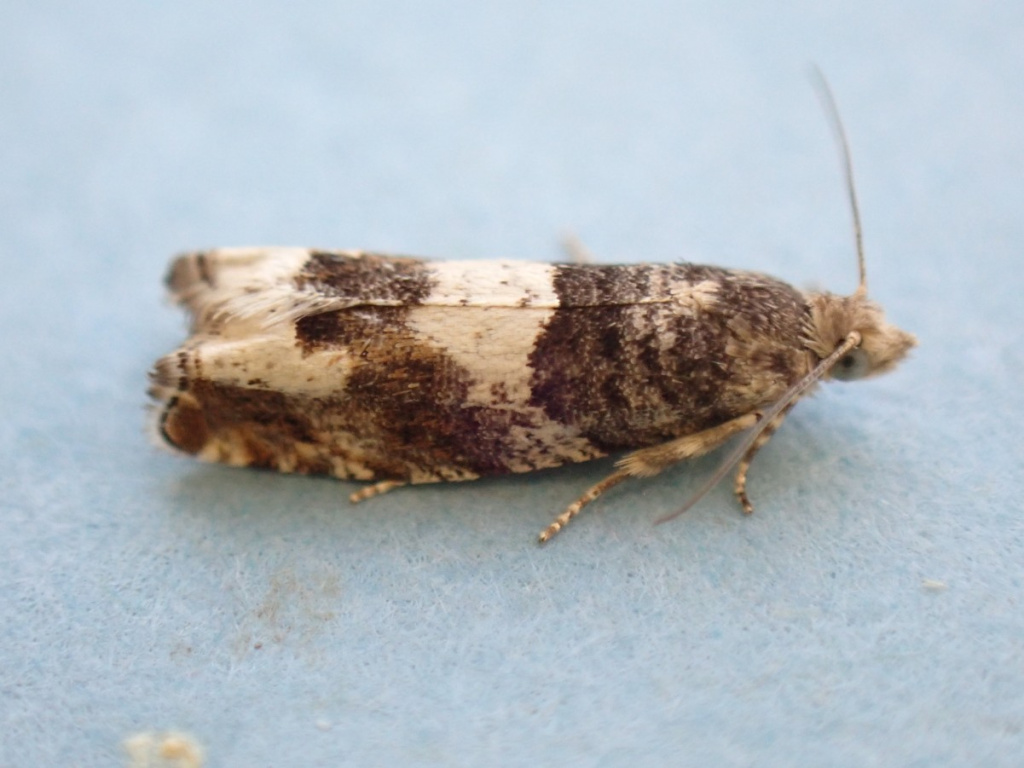
Epinotia demarniana
Birch Bell
Wingspan around 14 mm.

E. demarniana inhabits woodland, heathland and damper habitats such as fens and bogs.
The adult moths fly in a single generation during June and July, when they can be attracted to light.
The larvae feed within the catkins of birch, alder and goat willow, and then pupate on the ground in a cocoon amongst leaf litter.
Distributed rather locally in the southern and eastern parts of England, with a few records from Wales. In the Butterfly Conservation's Microlepidoptera Report 2011 this species was classified as local.
Fairly frequent but not common in Leicestershire and Rutland. L&R Moth Group status = B (scarce resident or restricted distribution or regular migrant).
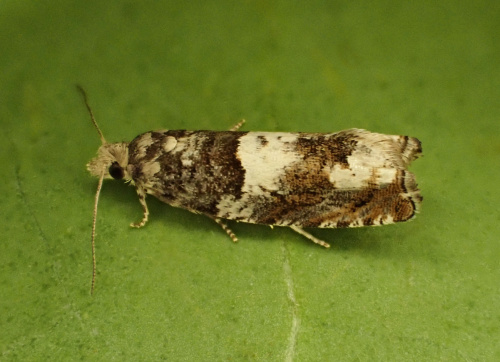 Pete Leonard
Burley Wood
30 May 2026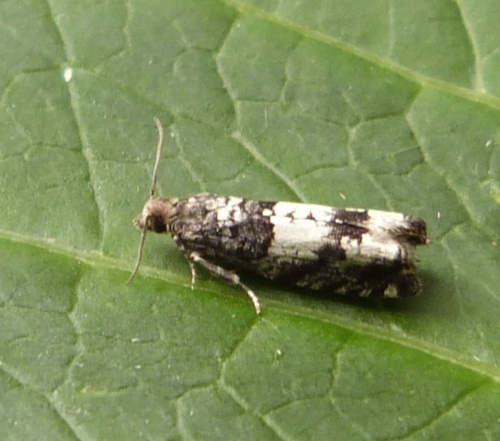 Graham Calow
Sapcote garden1
29 June 2013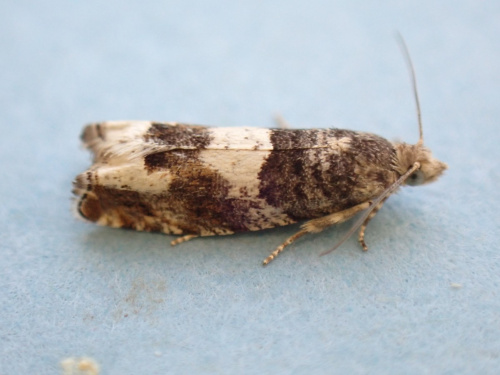 Elspeth Cranston
Shepshed Garden
28 May 2025
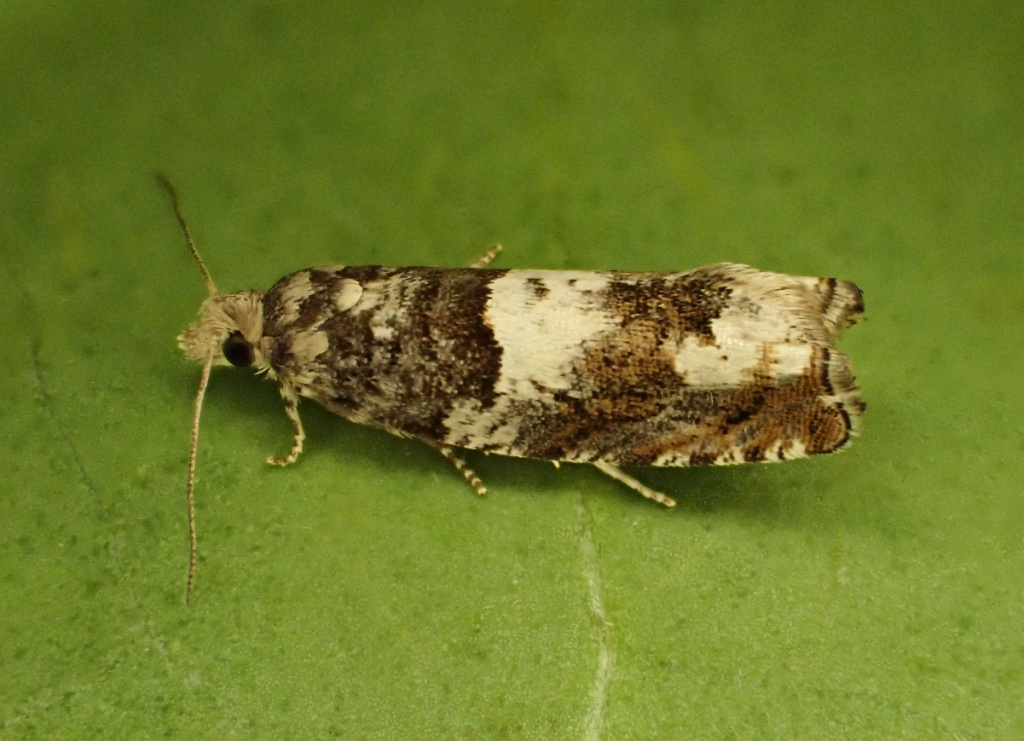
Leicestershire & Rutland Map
Enter a town or village to see local records
MAP KEY:
Yellow squares = NBN records (all known data)
Coloured circles = NatureSpot records: 2025+ | 2020-2024 | pre-2020
UK Map
Species profile
- Common names
- Birch Bell, Blotched Tortrix
- Species group:
- insect - moth
- Kingdom:
- Animalia
- Order:
- Lepidoptera
- Family:
- Tortricidae
- Records on NatureSpot:
- 6
- First record:
- 29/06/2013 (Calow, Graham)
- Last record:
- 30/05/2026 (Leonard, Pete)
Total records by month
% of records within its species group
10km squares with records
The latest images and records displayed below include those awaiting verification checks so we cannot guarantee that every identification is correct. Once accepted, the record displays a green tick.
In the Latest Records section, click on the header to sort A-Z, and again to sort Z-A. Use the header boxes to filter the list.
Latest images
Latest records
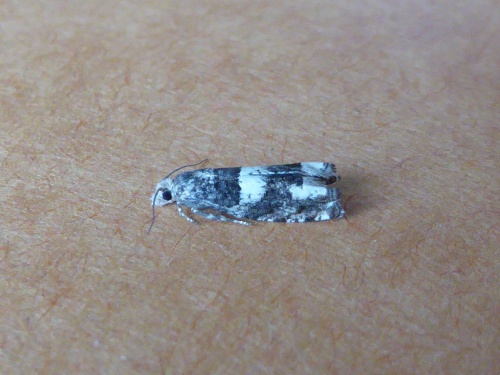 Elspeth Cranston
Shepshed Garden
13 June 2021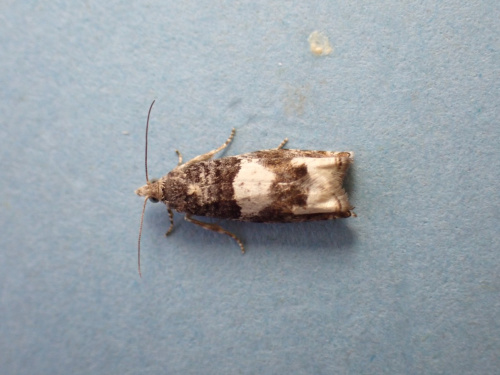 Elspeth Cranston
Shepshed Garden
28 May 2025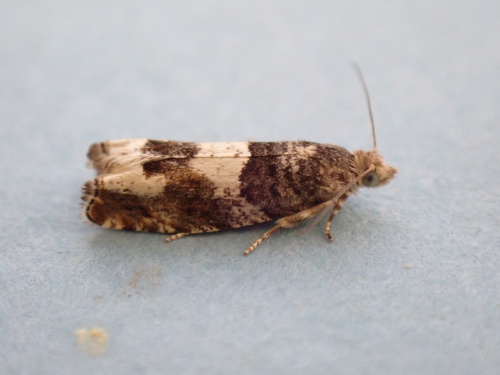 Elspeth Cranston
Shepshed Garden
28 May 2025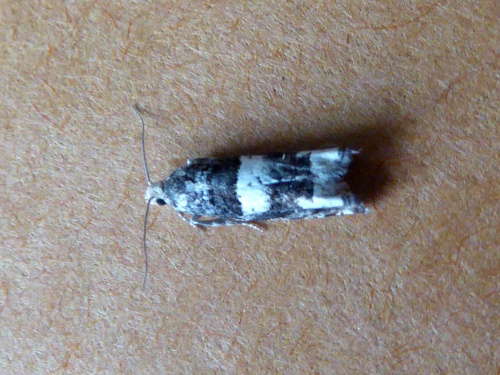 Elspeth Cranston
Shepshed Garden
13 June 2021