

Elder - Sambucus nigra
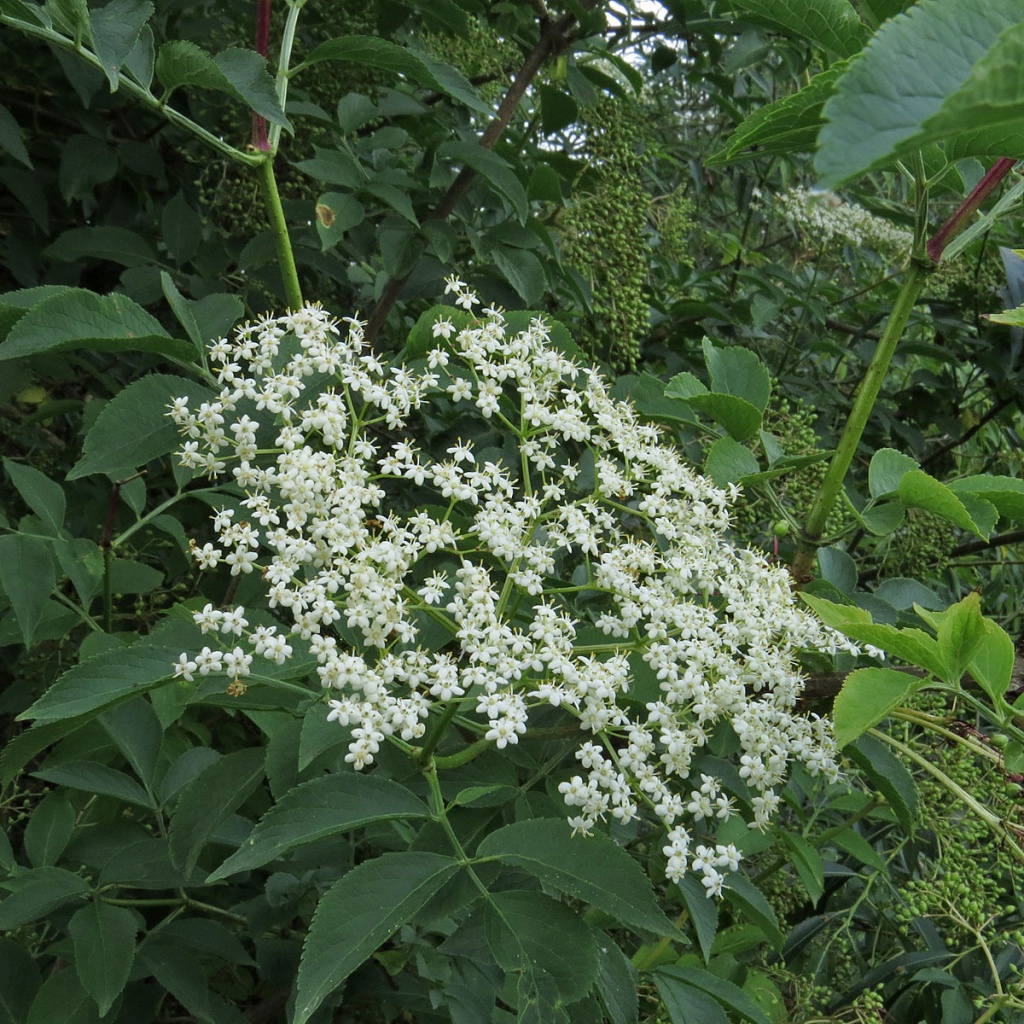
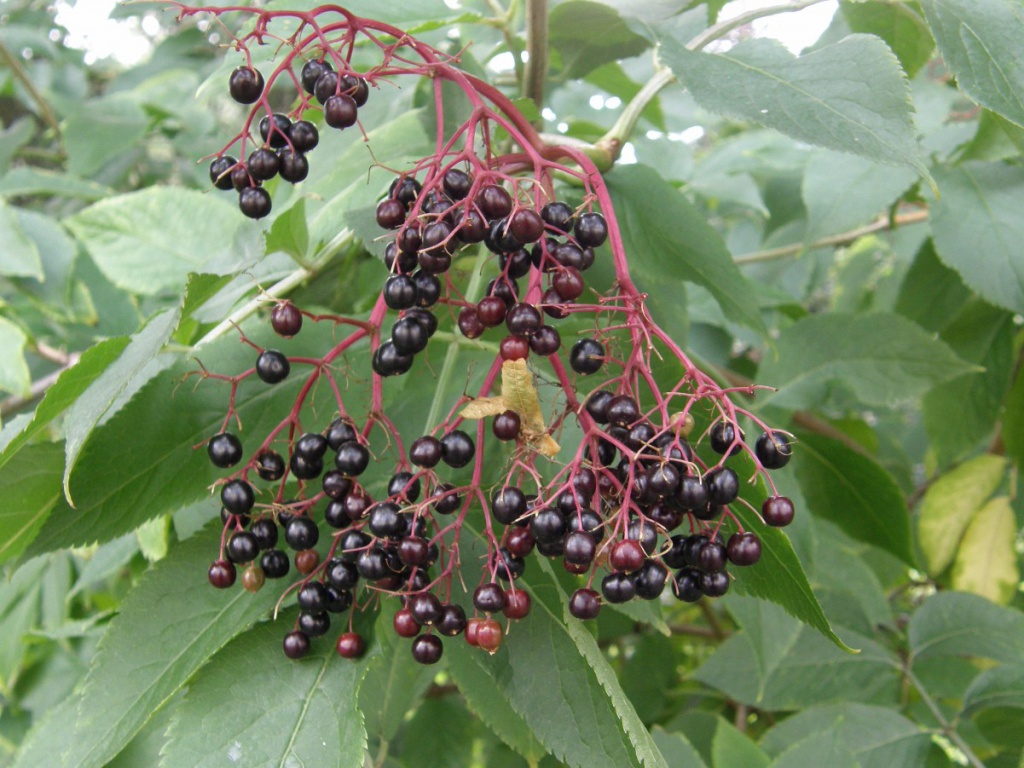
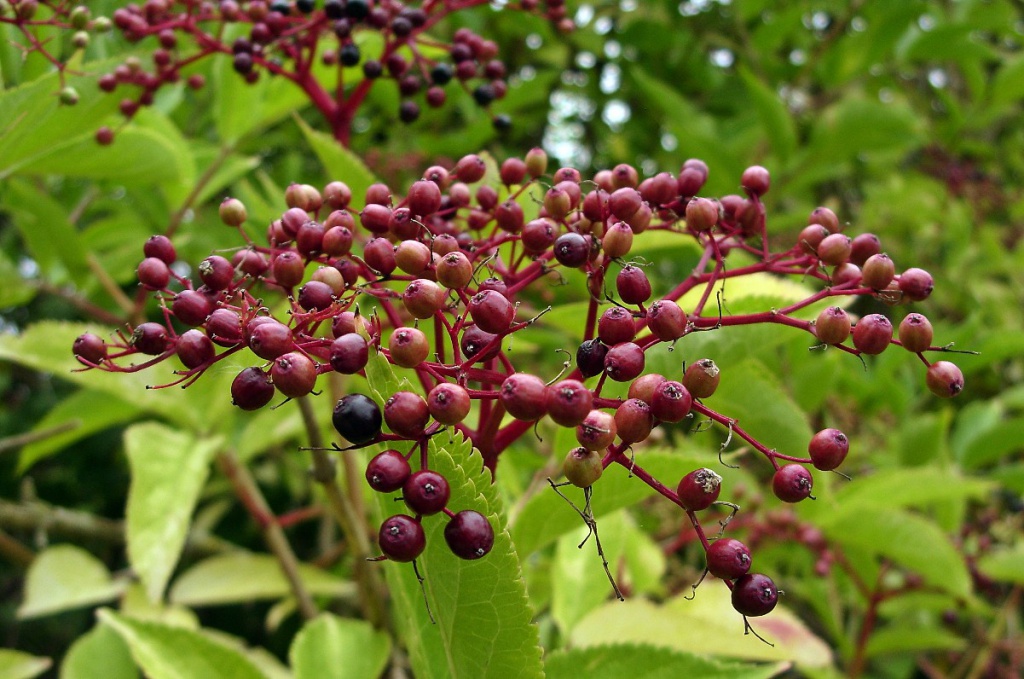
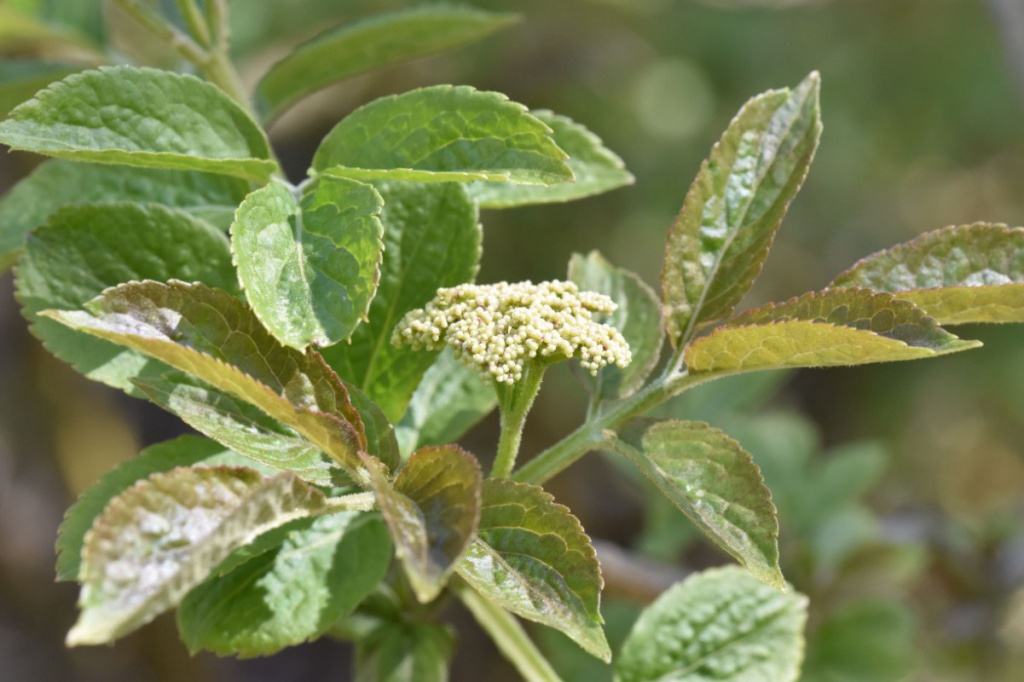
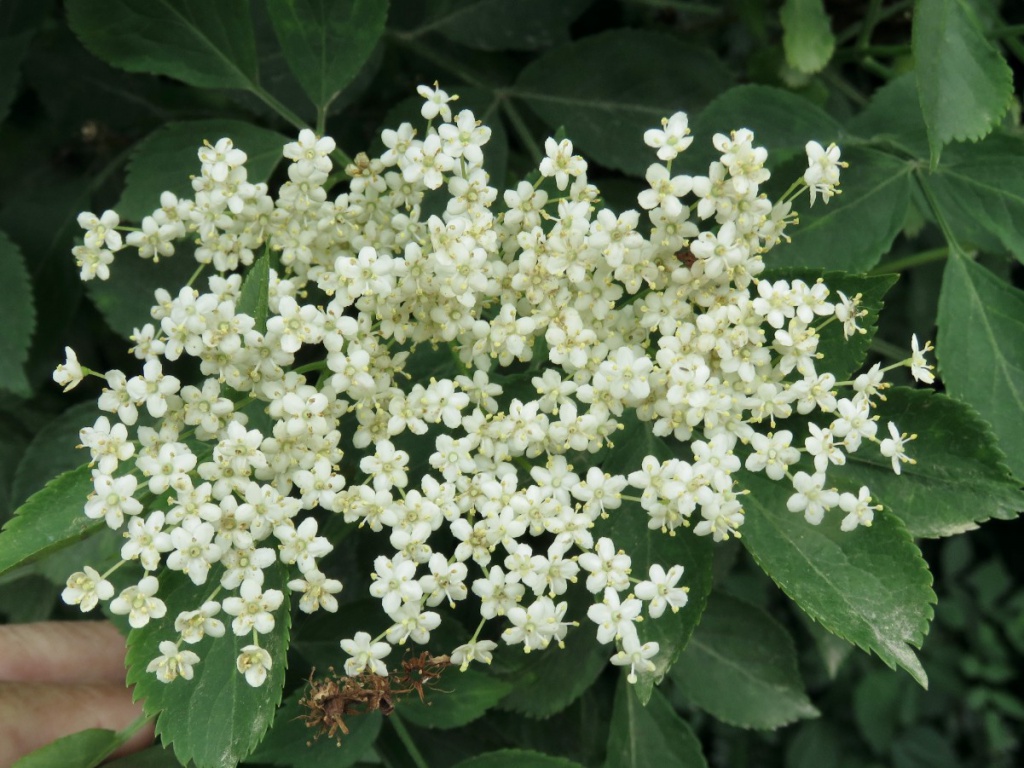
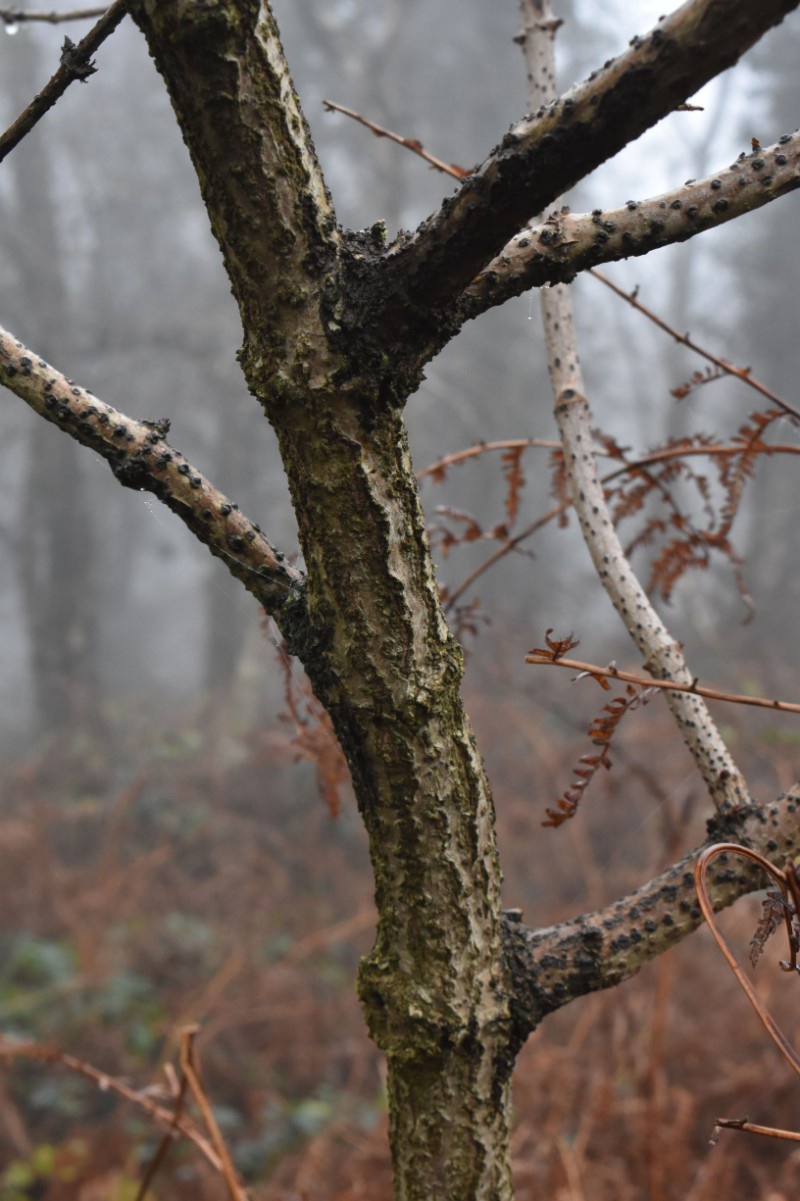
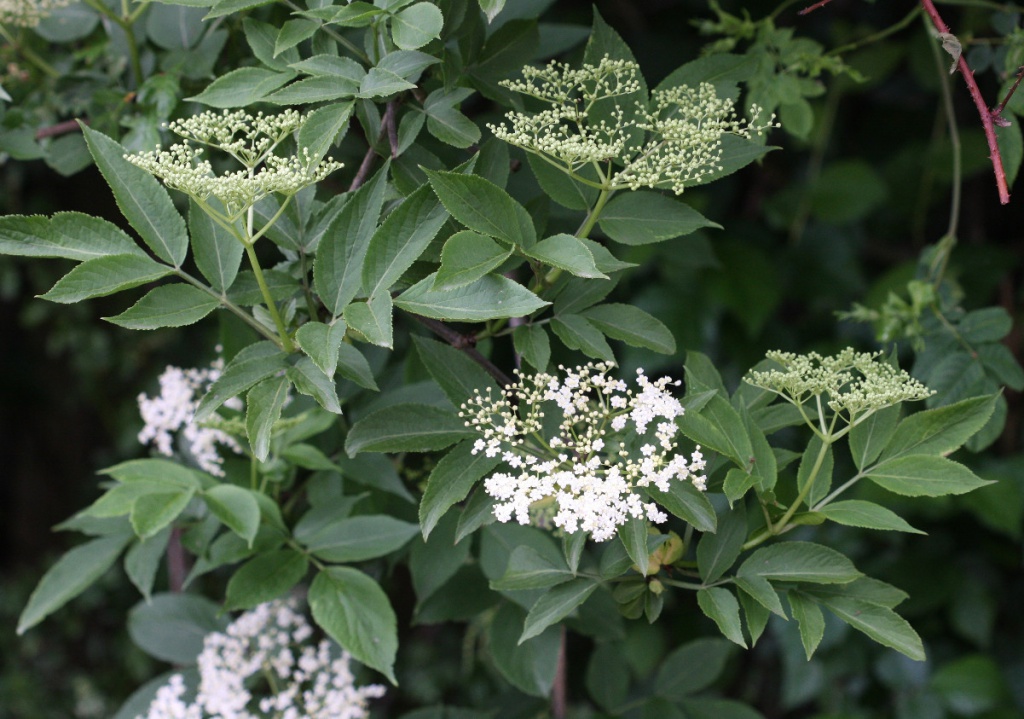
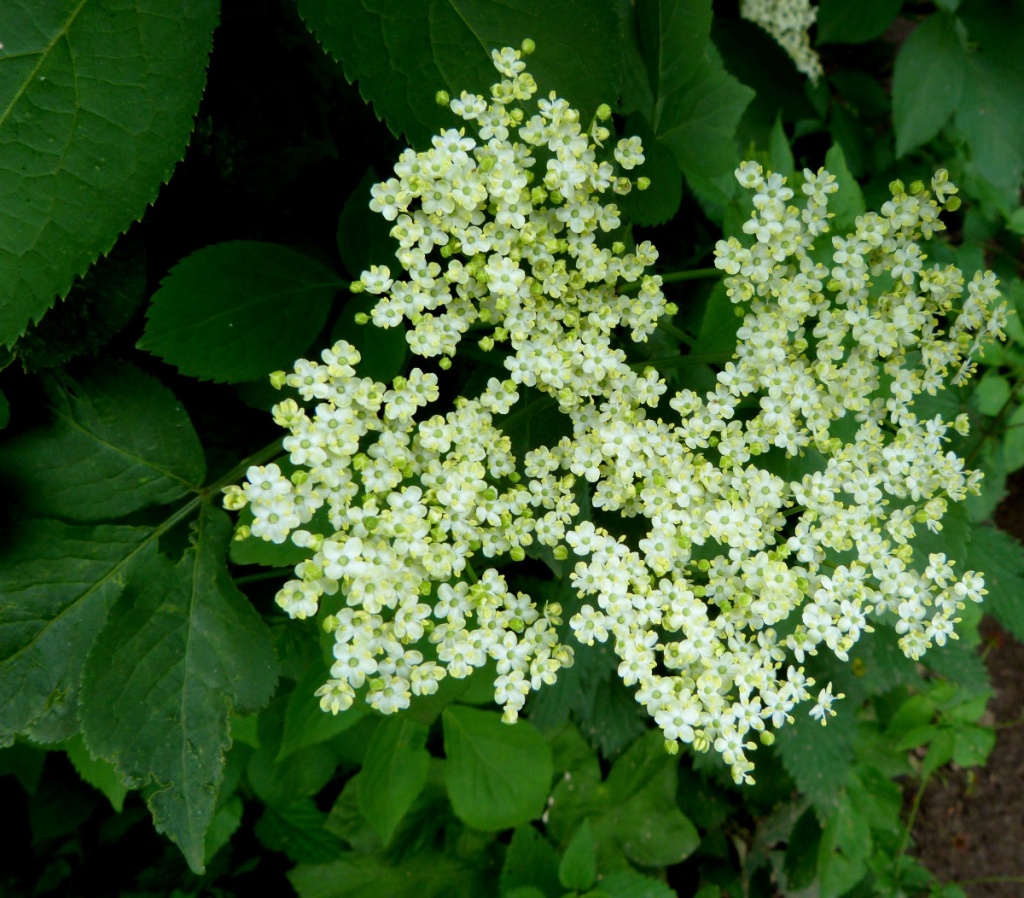
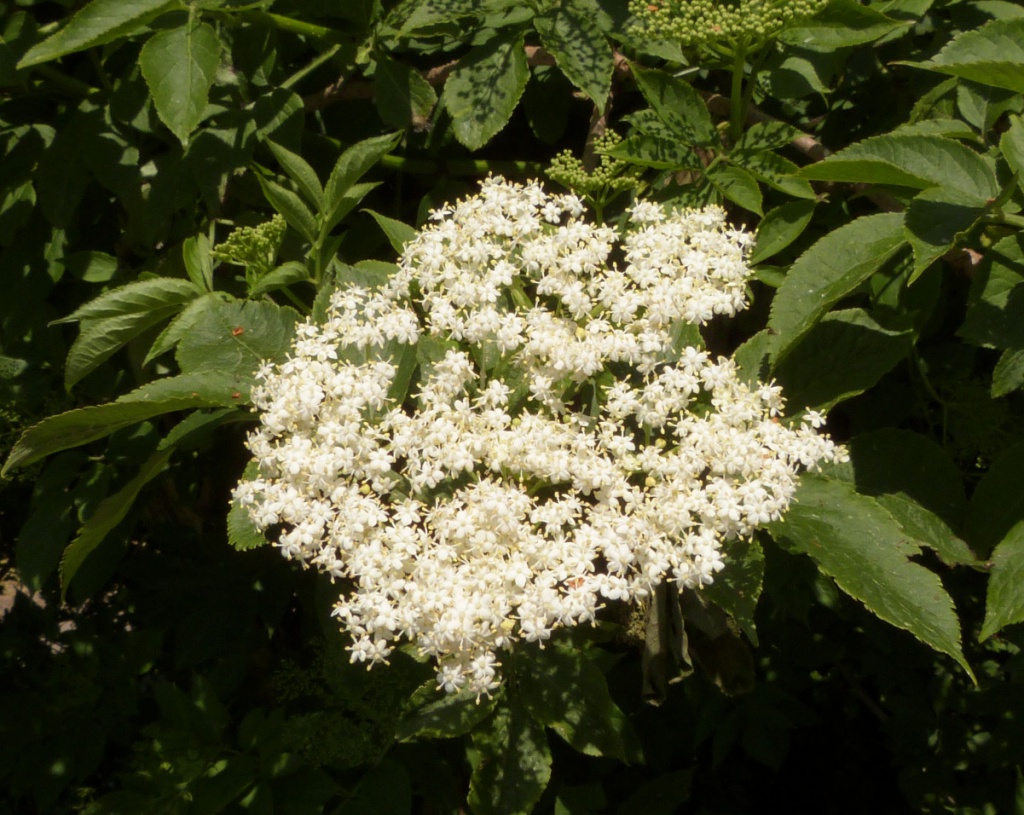
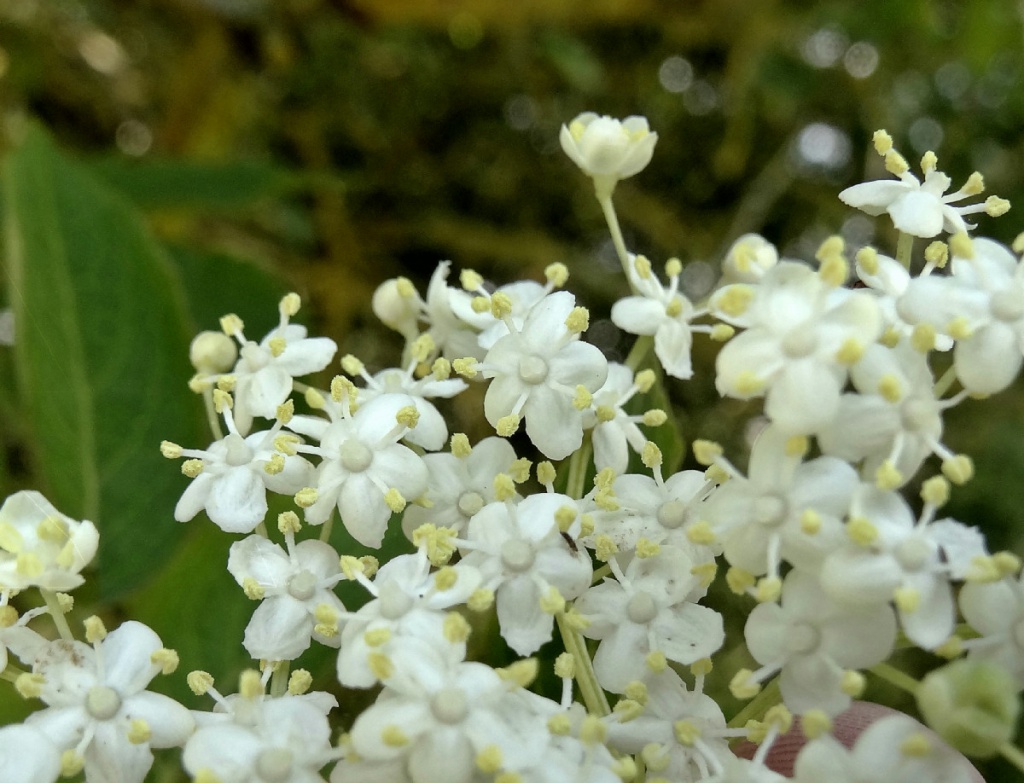
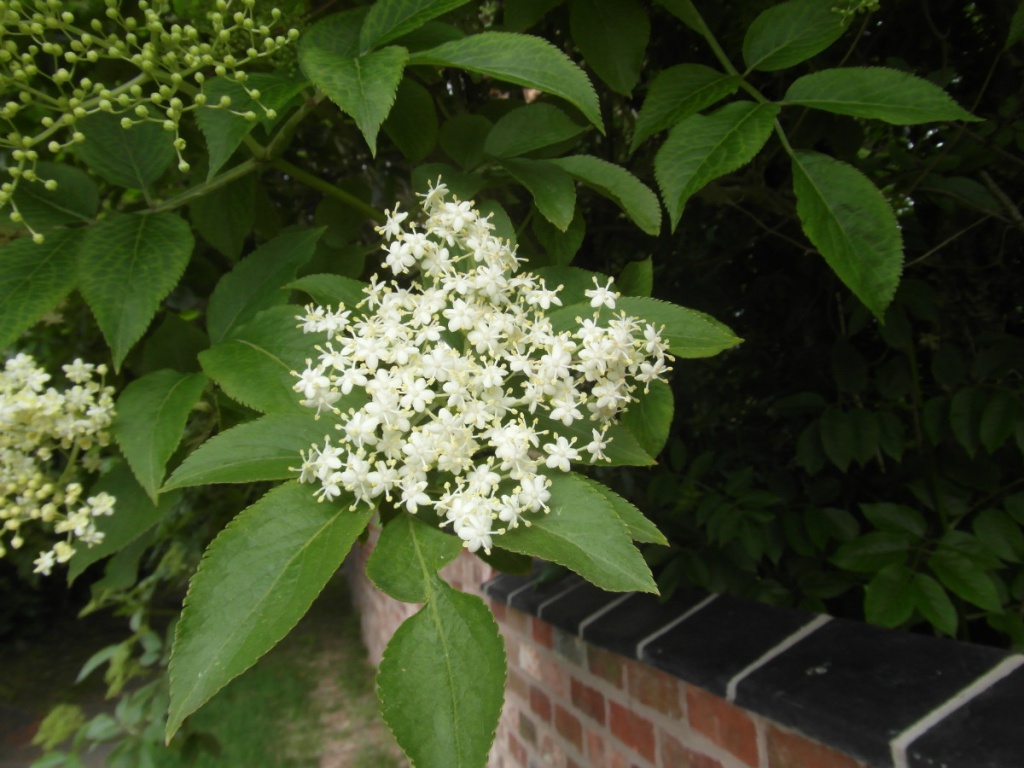
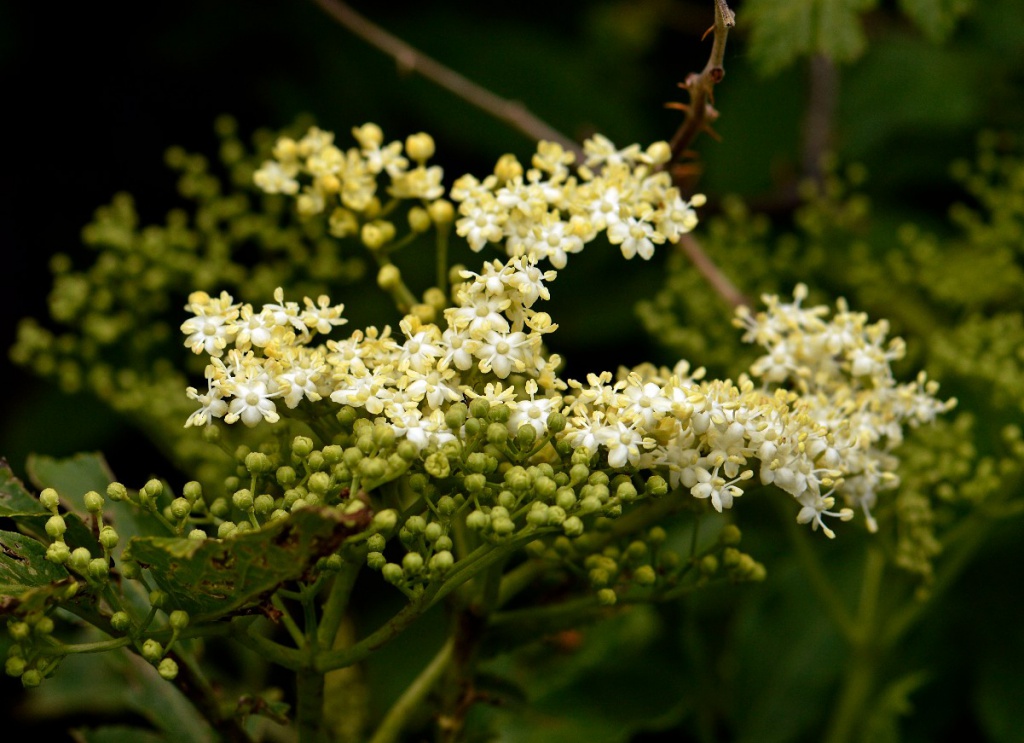
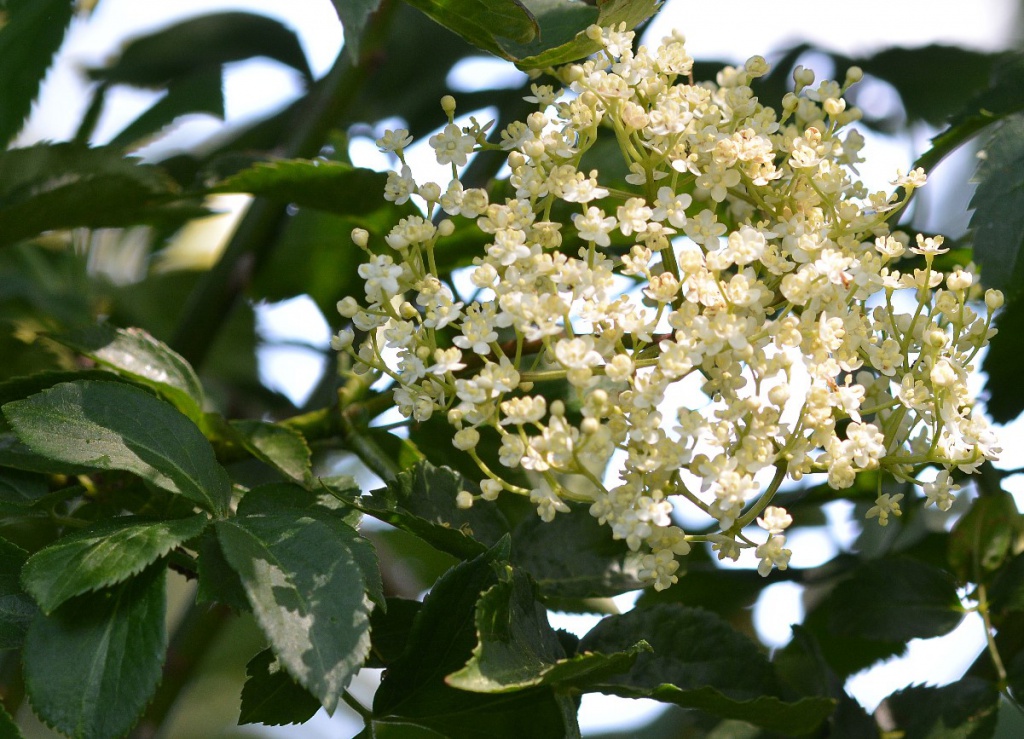
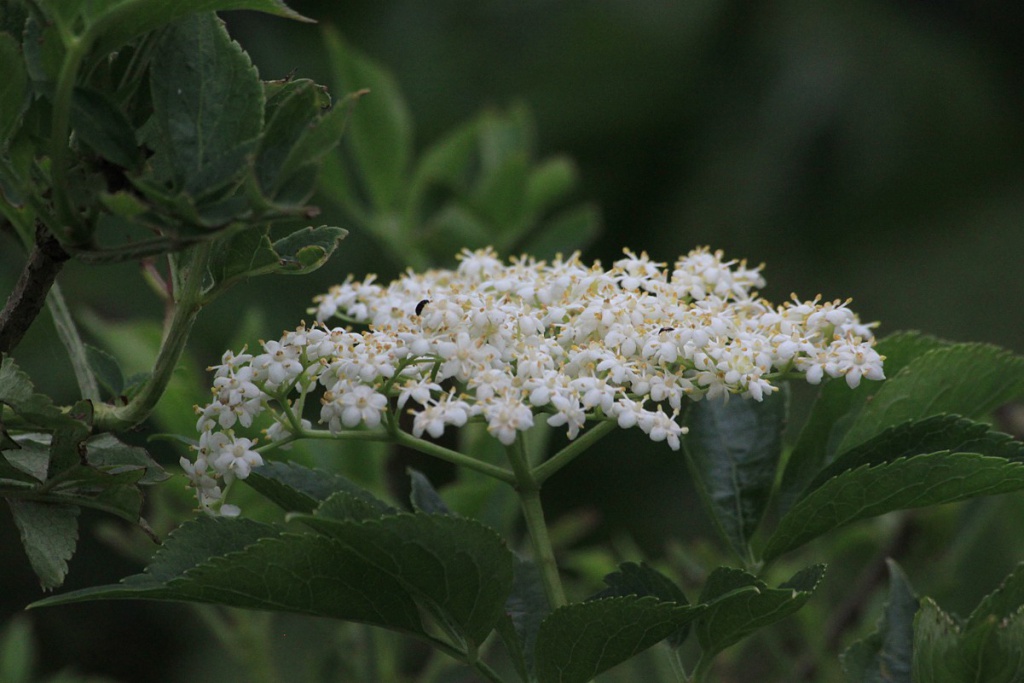
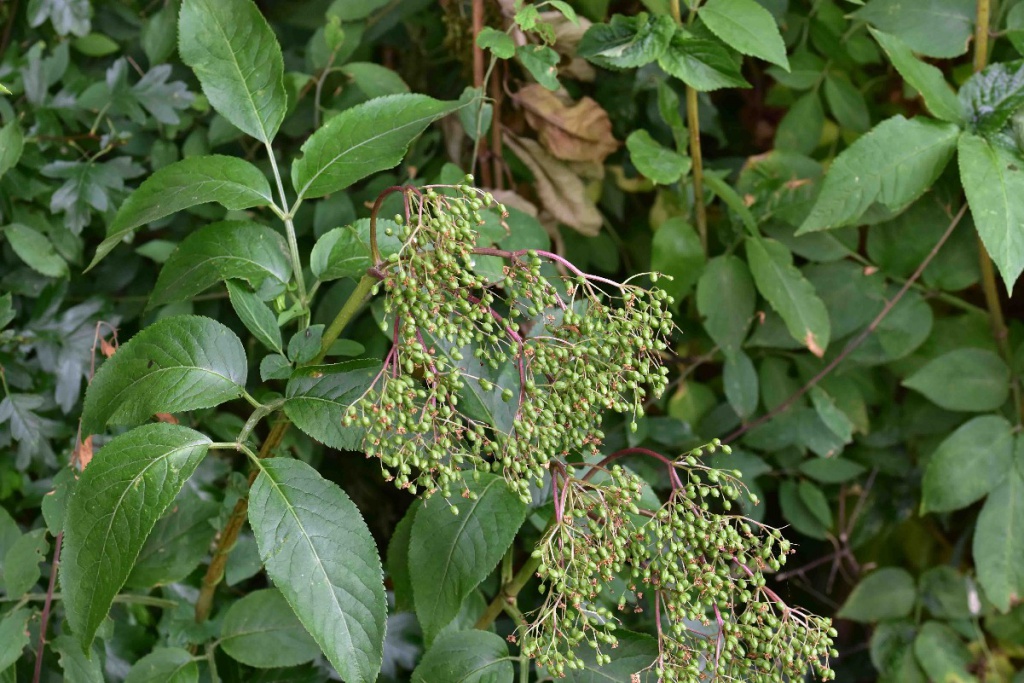
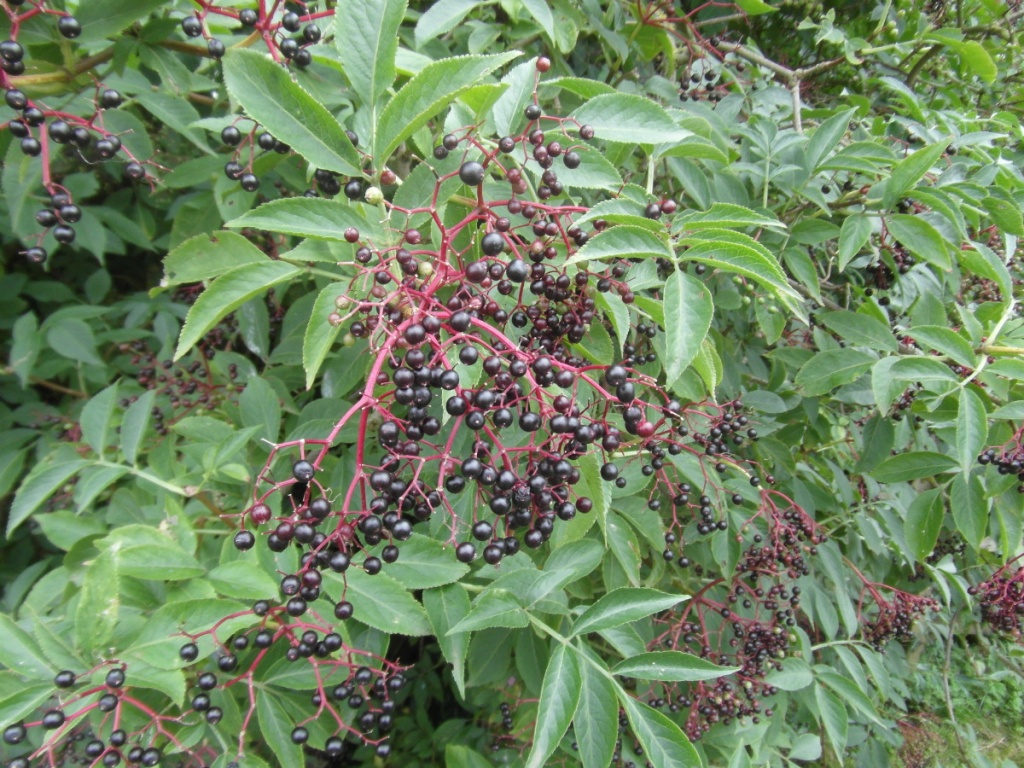
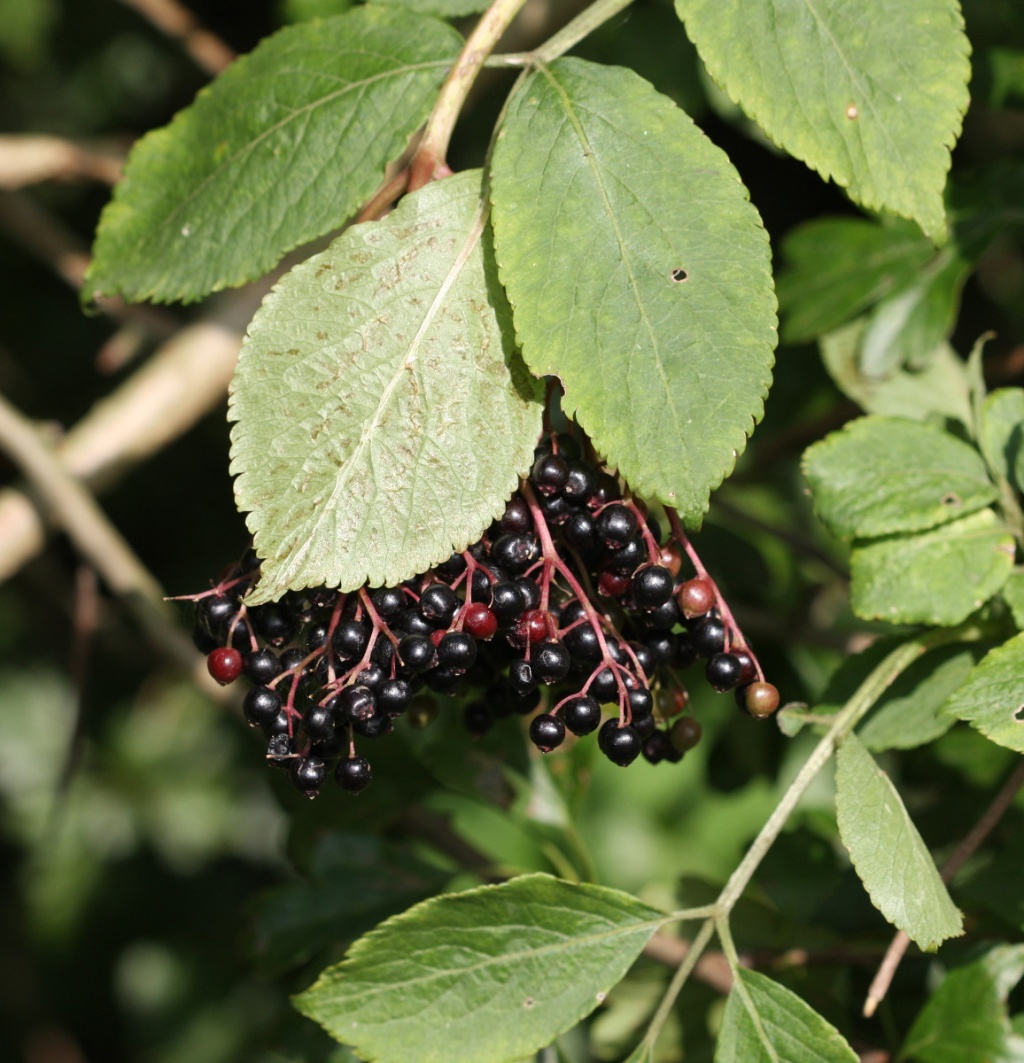
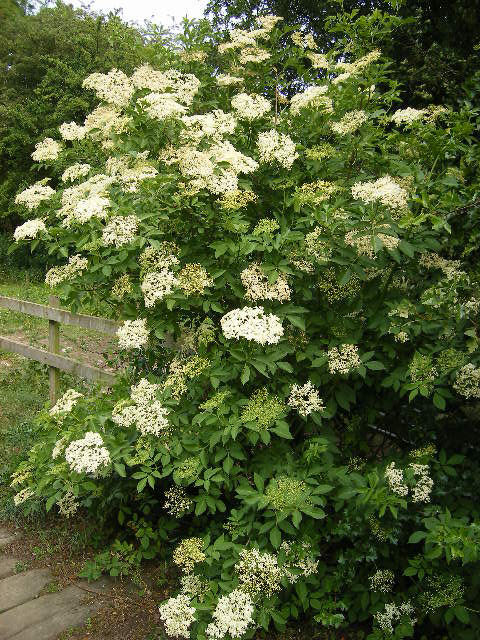
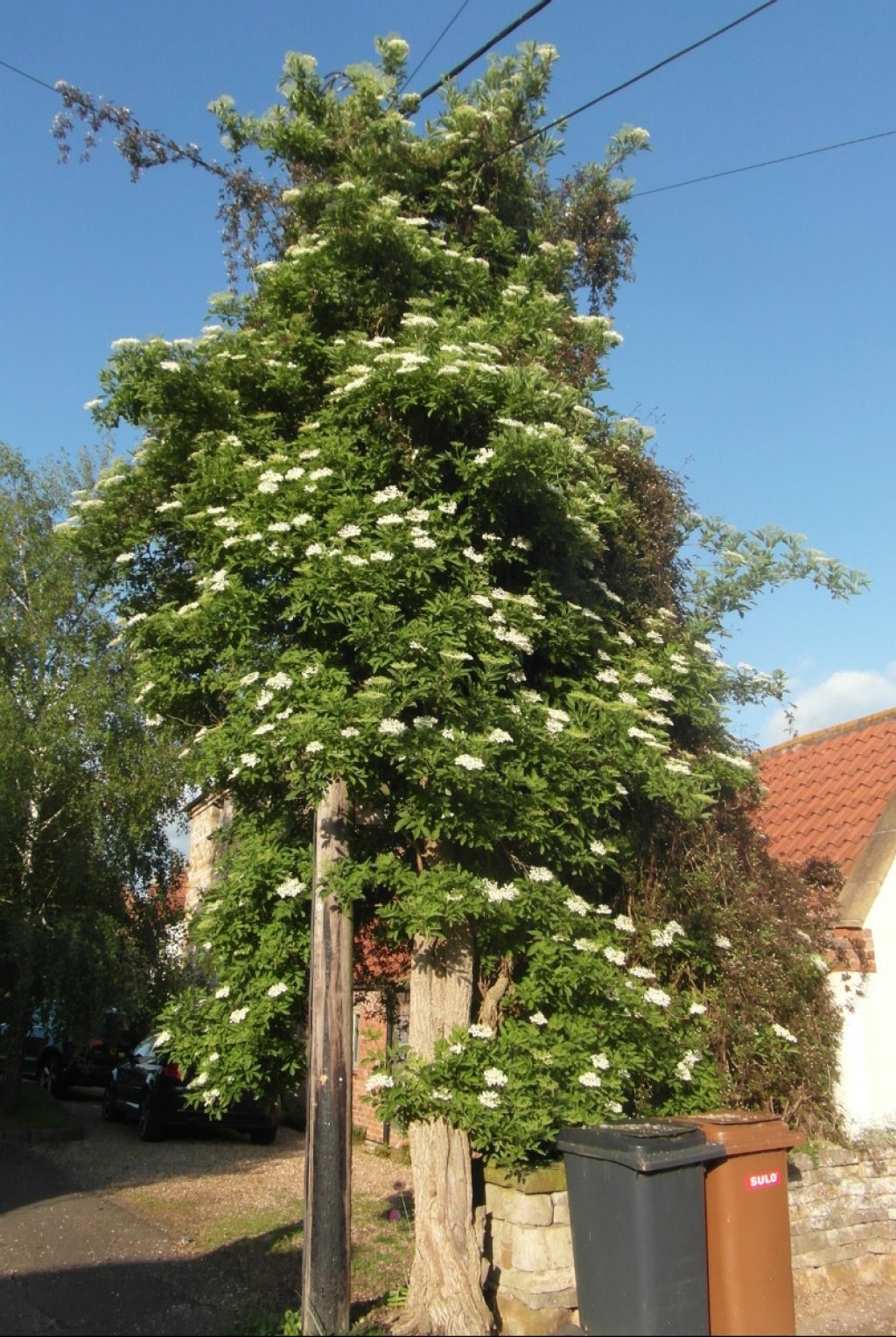
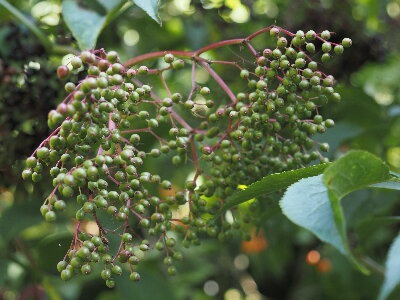
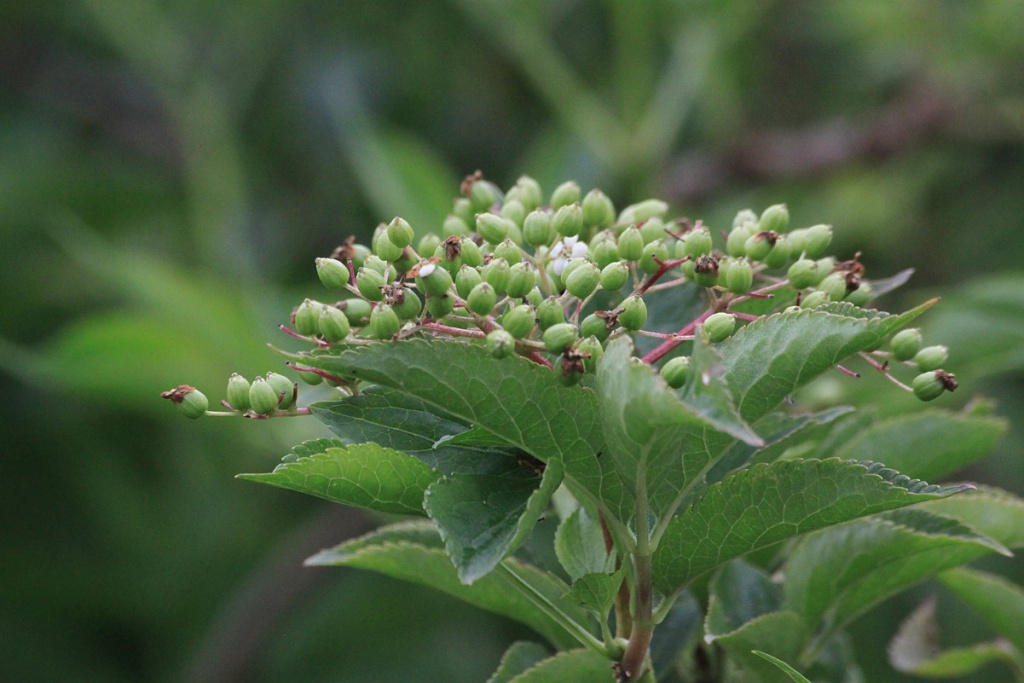
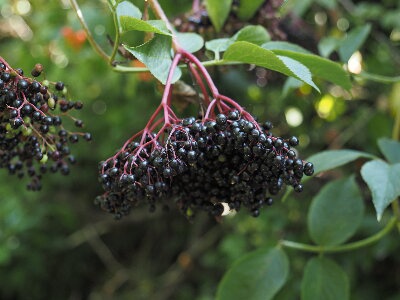
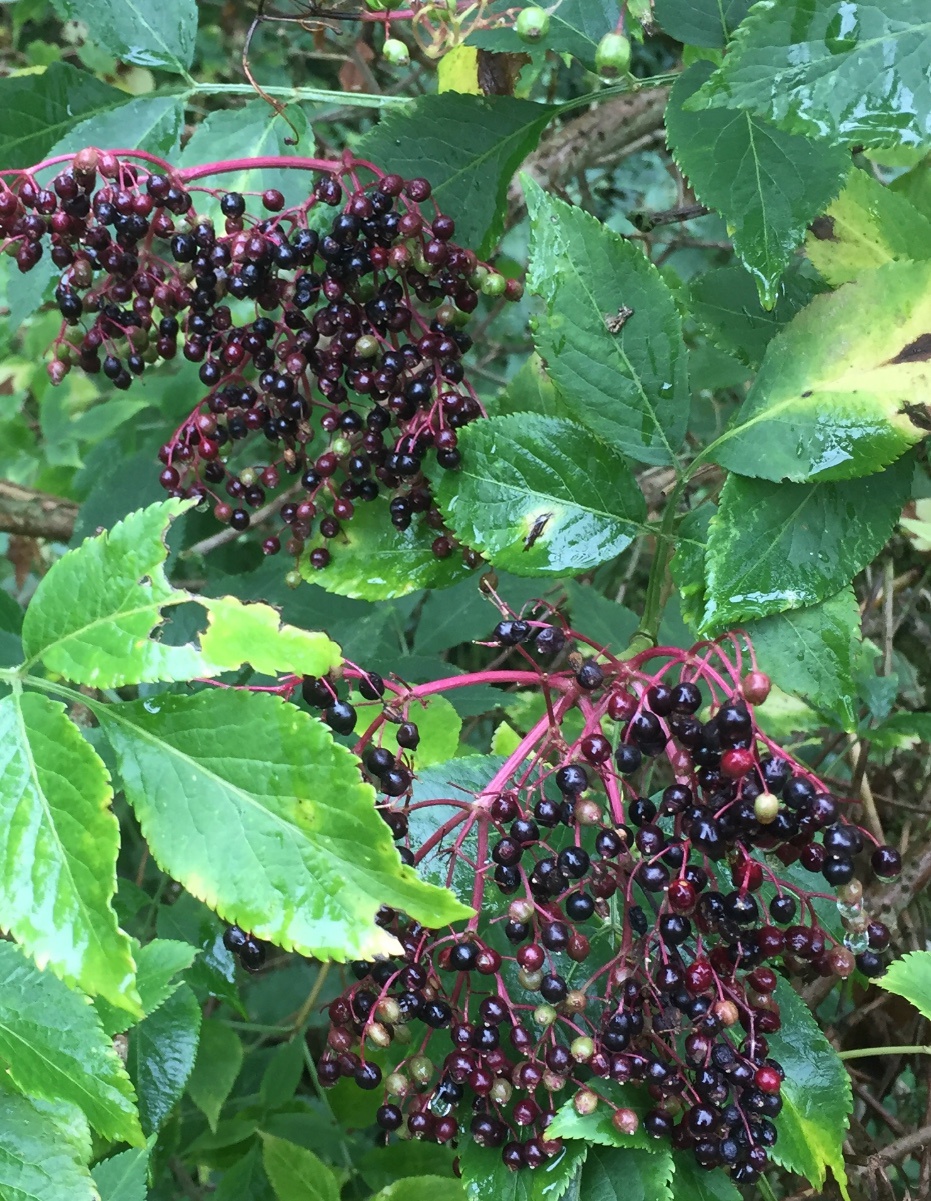
Shrub or tree to 10 metres, with grey-brown corky bark and white pith. Branches arching, rather brittle. Flowers creamy white, with yellowish white anthers in flat topped cluster 14 to 24 mm across, scented. Berry turning red and eventually black when ripe.

Various. Woods, hedgerows, old walls and around farms.
June and July.
Deciduous.
Very common throughout Britain
Very common in Leicestershire and Rutland. In the 1979 Flora survey of Leicestershire it was found in 602 of the 617 tetrads.
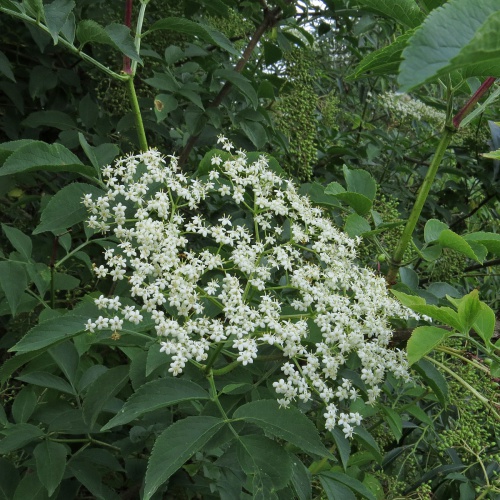 David Gould
Aylestone Meadows, Leicester.
18 July 2015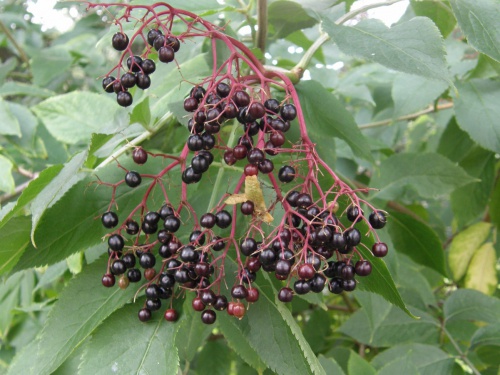 Saharima Roenisch
Spinney Hill Park
20 August 2017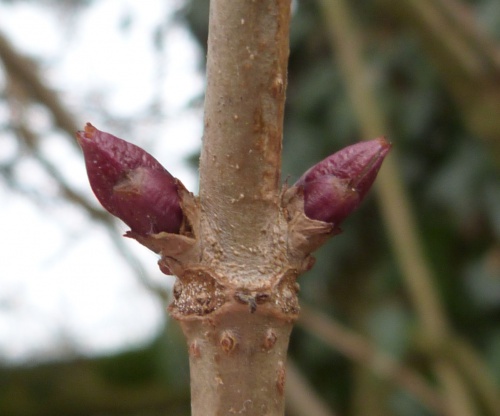 Graham Calow
Wigston Parva
22 January 2016
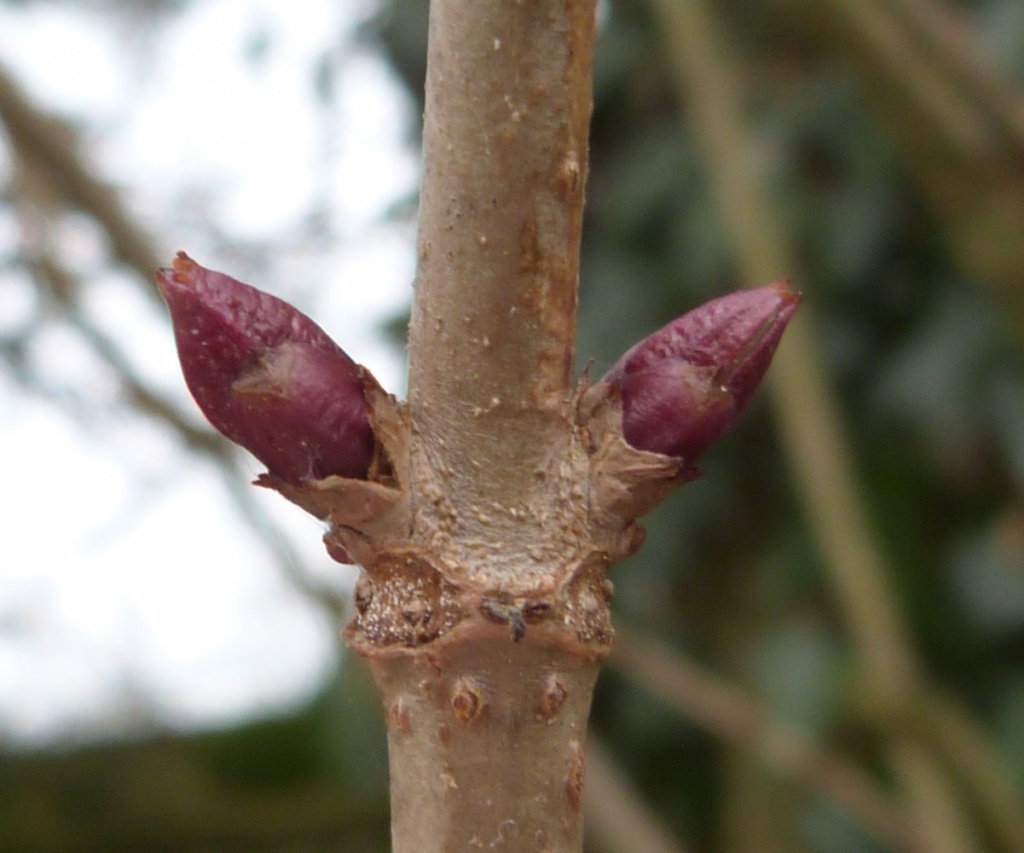
buds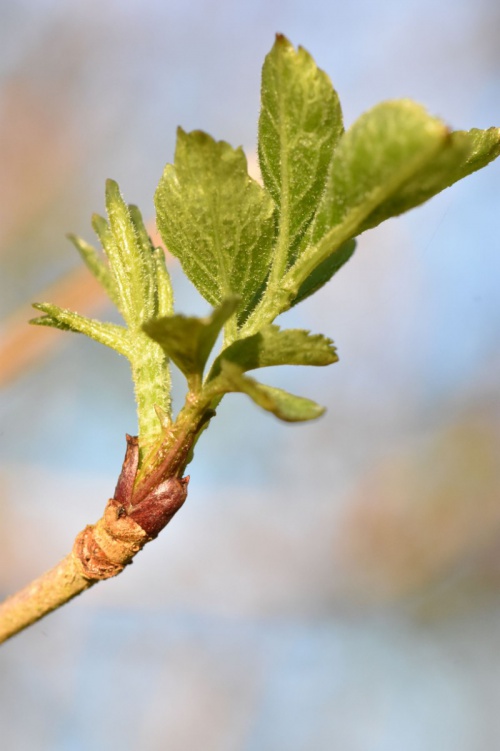 stepgray4
Wymeswold Woodland
26 February 2021
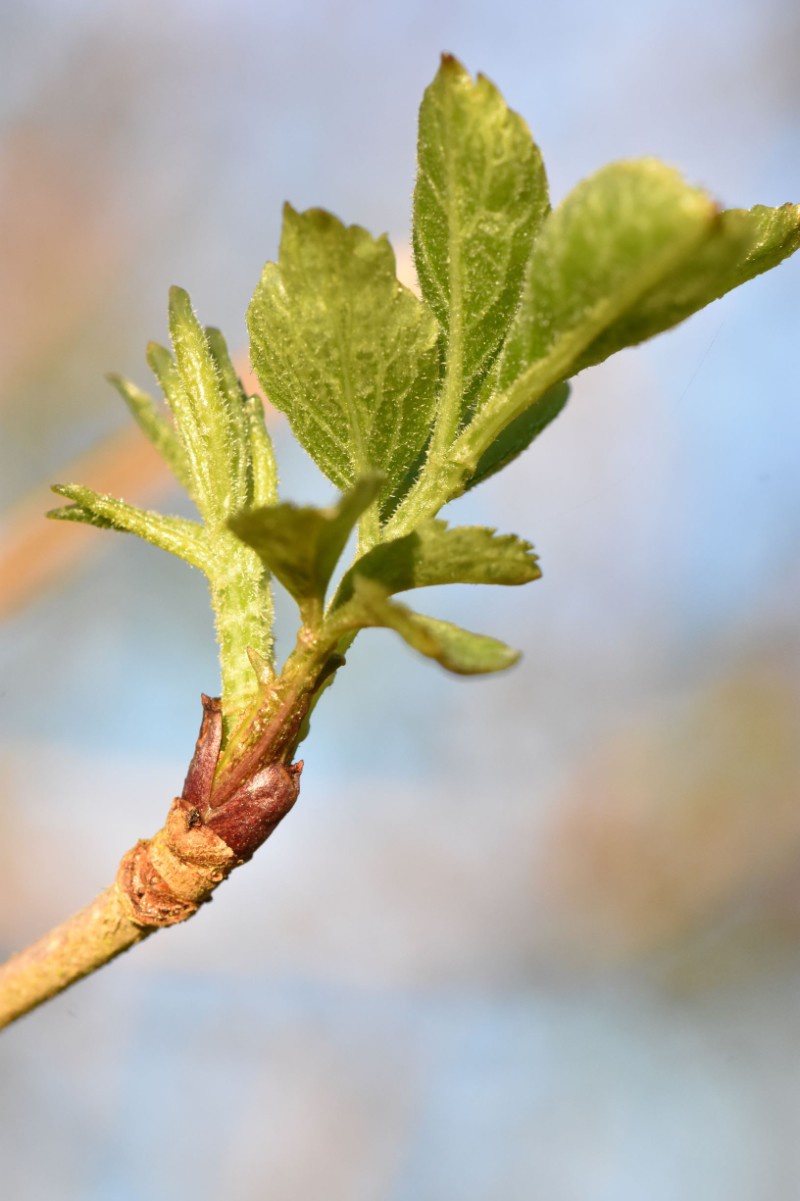
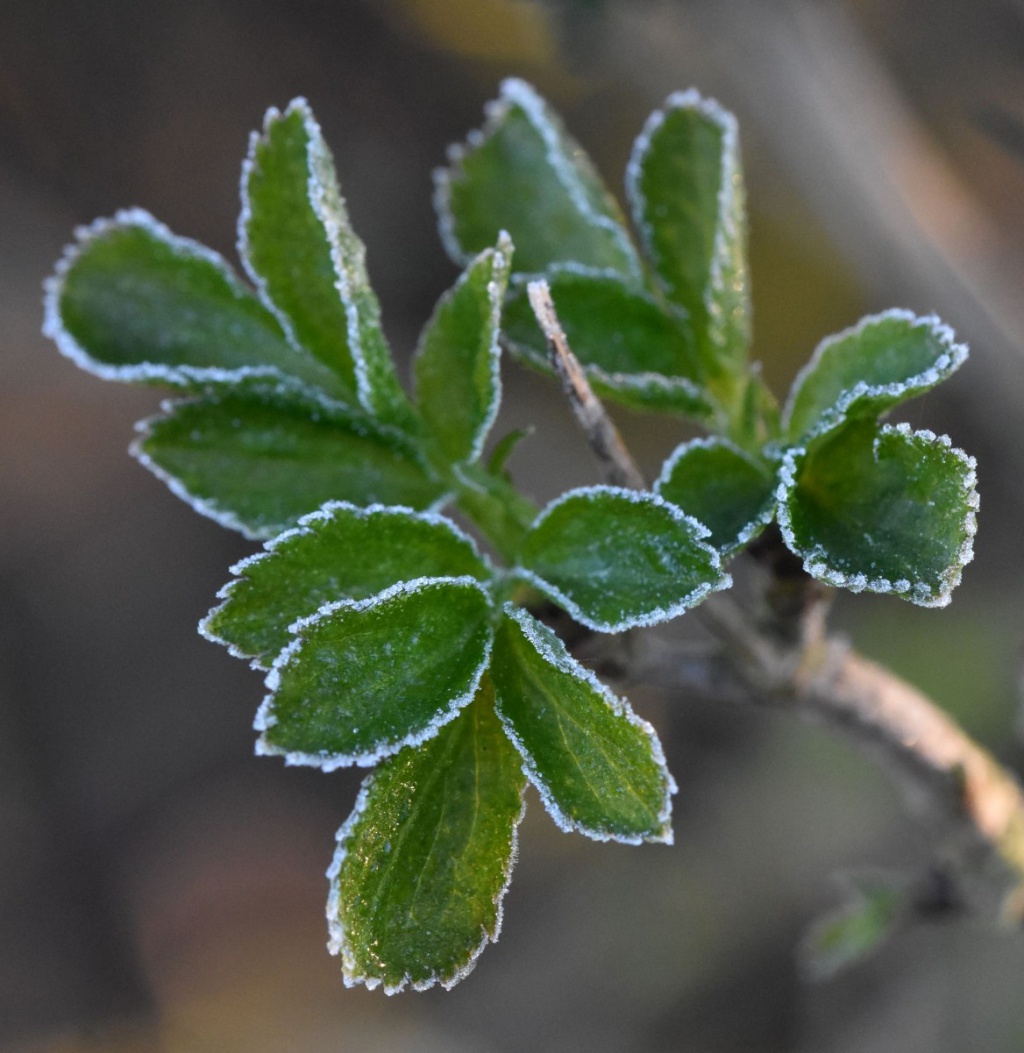
Emerging leaves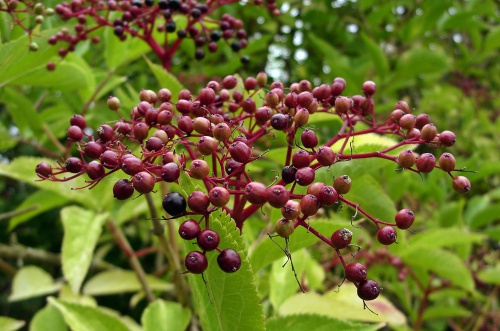 Lostash
Whetstone GCR Footpath
21 August 2015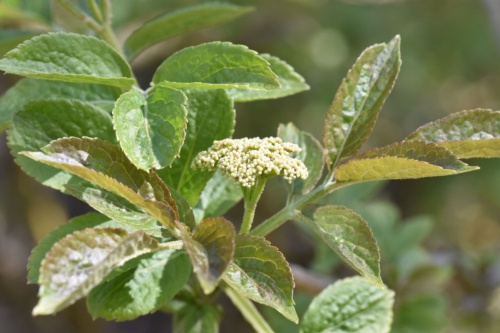 stepgray4
Launde Big Wood
19 April 2021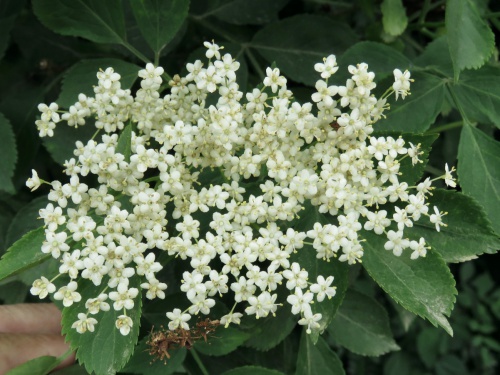 egaten
Shenton
21 June 2021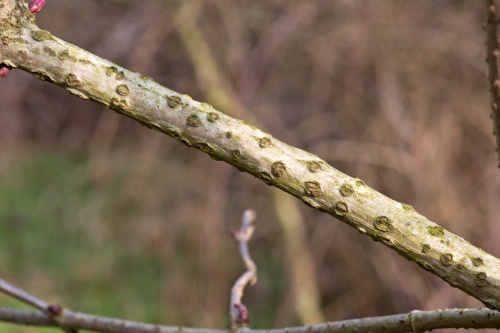 AJ Cann
Croft Glebe
13 January 2018
Lenticels on bark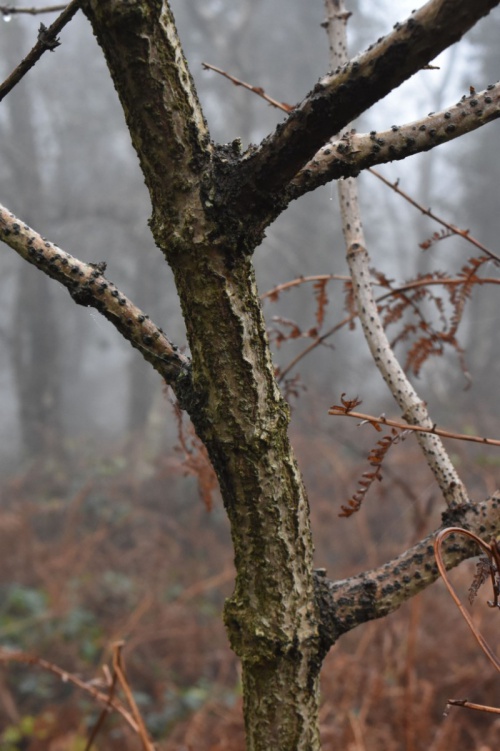 stepgray4
Ulverscroft NR
29 November 2020
Corky growth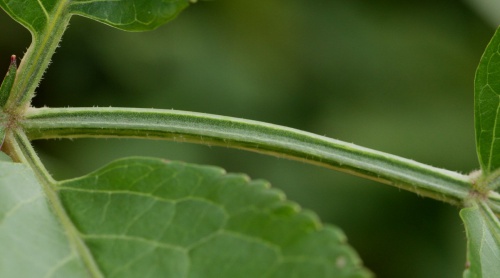 Craig Mabbett
Leire Footpath From Broughton Astley To Leire
14 August 2021

Leicestershire & Rutland Map
Enter a town or village to see local records
MAP KEY:
Yellow squares = NBN records (all known data)
Coloured circles = NatureSpot records: 2025+ | 2020-2024 | pre-2020
UK Map
Species profile
- Common names
- Elderberry, Elder
- Species group:
- flowering plant
- Kingdom:
- Plantae
- Order:
- Dipsacales
- Family:
- Adoxaceae
- Records on NatureSpot:
- 800
- First record:
- 01/01/1979 (Patricia Evans)
- Last record:
- 20/05/2026 (Smith, Peter)
Total records by month
% of records within its species group
10km squares with records
The latest images and records displayed below include those awaiting verification checks so we cannot guarantee that every identification is correct. Once accepted, the record displays a green tick.
In the Latest Records section, click on the header to sort A-Z, and again to sort Z-A. Use the header boxes to filter the list.
Latest images
Latest records
 stepgray4
Wymeswold Meadows
25 March 2021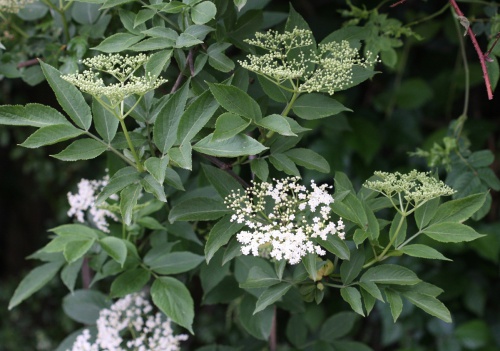 David Nicholls
Ratby
24 May 2014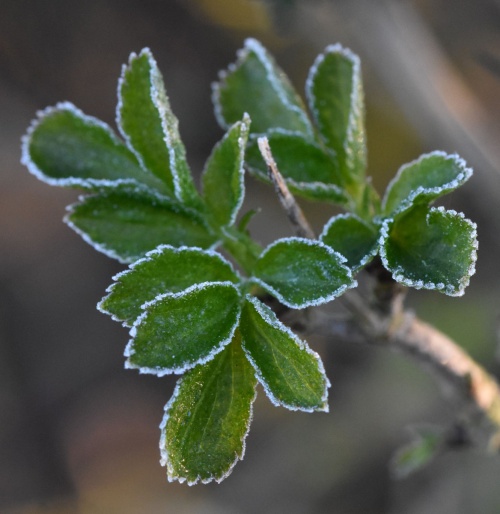 stepgray4
Wymeswold Woodland
26 February 2021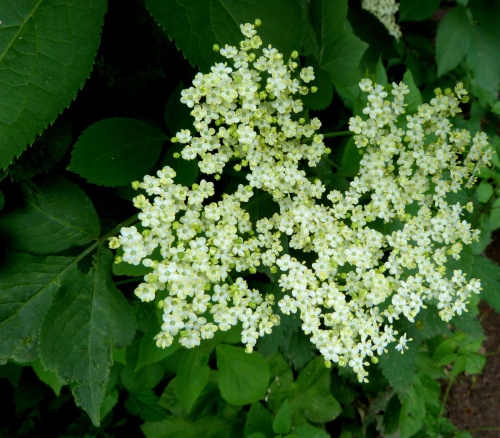 Graham Calow
Burbage Common and Woods
23 June 2012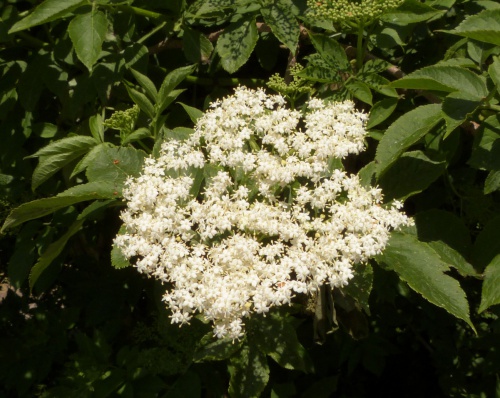 Graham Calow
Higham on the Hill
11 June 2015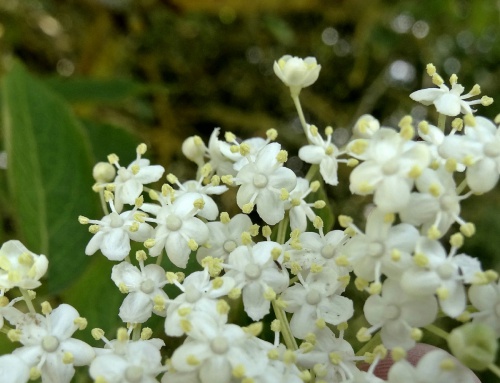 Lostash
Whetstone GCR Footpath
30 June 2013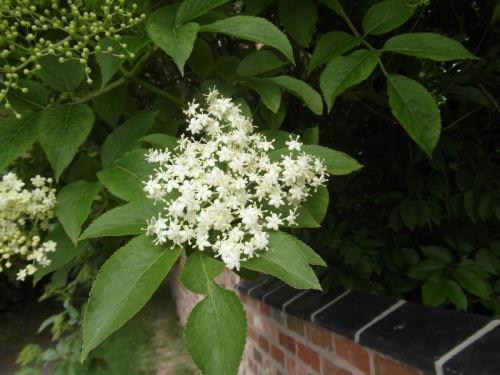 Alan Semper
Harby footpath
17 June 2013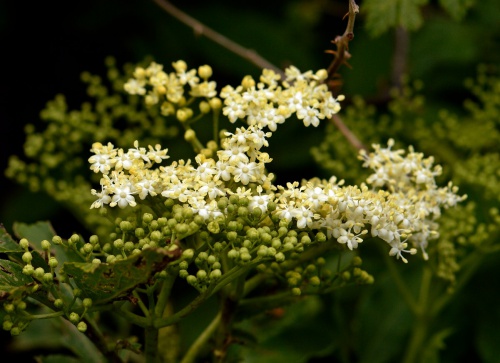 Lostash
Whetstone GCR Footpath
24 May 2015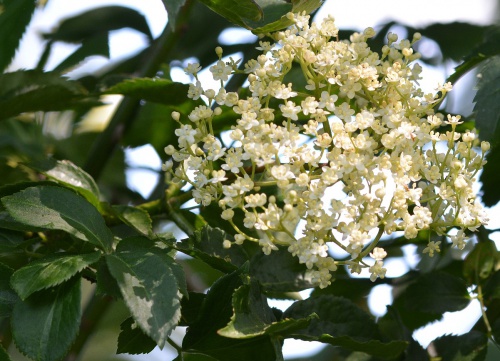 Barbara Cooper
Walton on the Wolds
11 June 2015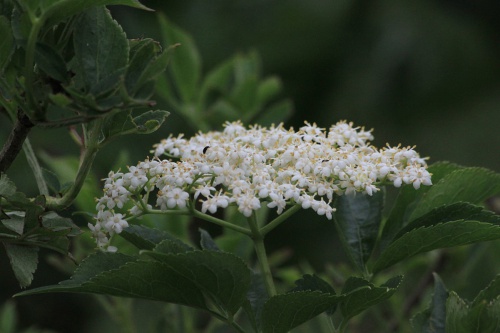 Paul Ruddoch
Melton Country Park
20 July 2015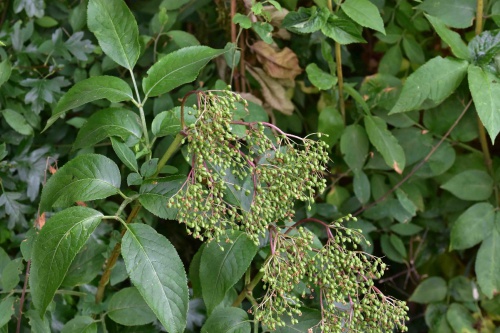 Andy's Rutland
Headland/Footpath-Love's Lane to Gunnel Lane Meadow-Empingham
17 July 2018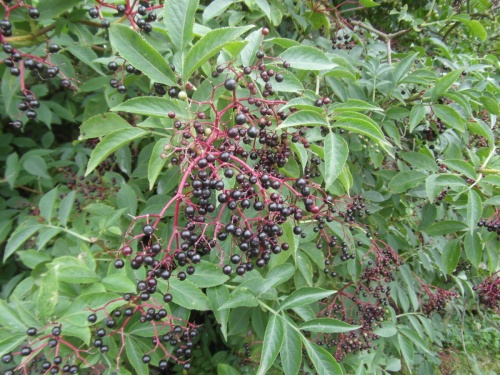 Alan Semper
Harby, Green La
31 August 2012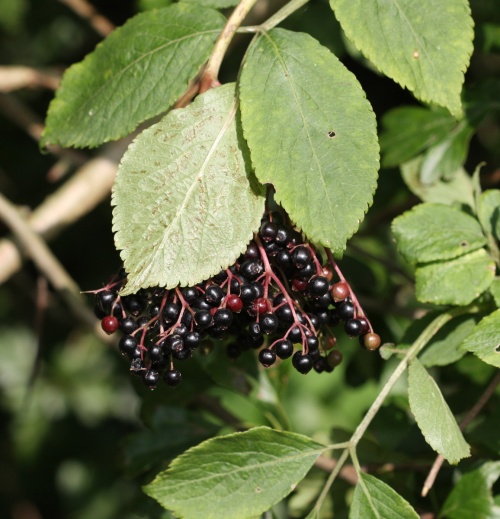 David Nicholls
Ashby Canal, Shackerstone
15 September 2012 autumn colours Leicester Road Sapcote SP 4956 9333 (taken 4.11.2007)..JPG) Graham Calow
Graham Calow
Sapcote
04 November 2007
autumn colours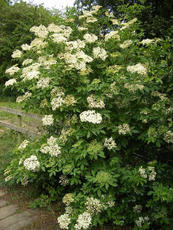 Ron.stevens
Broughton Astley
05 June 2011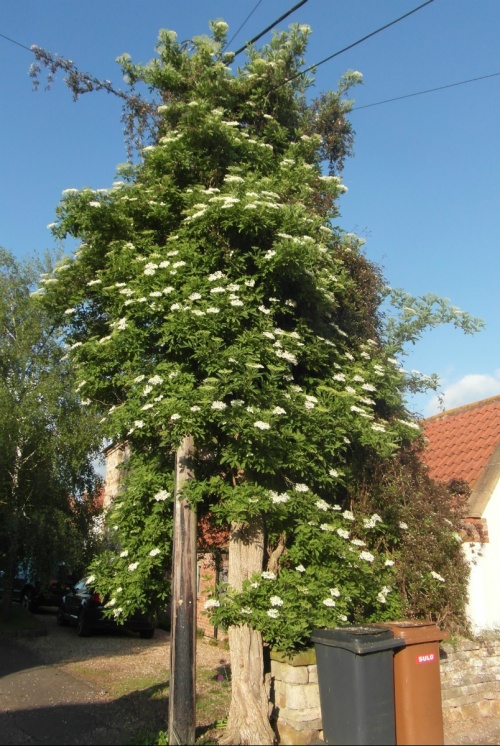 Alan Semper
Harby garden
04 June 2012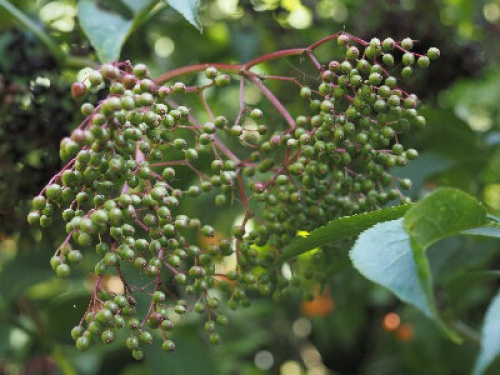 CC
CC
Bath Street
07 September 2021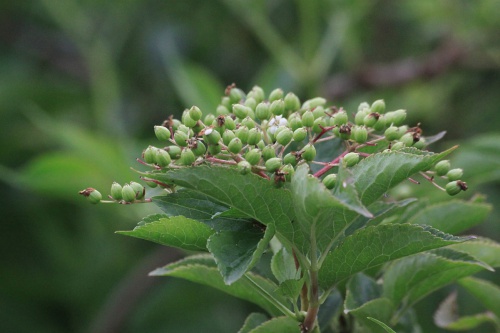 Paul Ruddoch
Melton Country Park
20 July 2015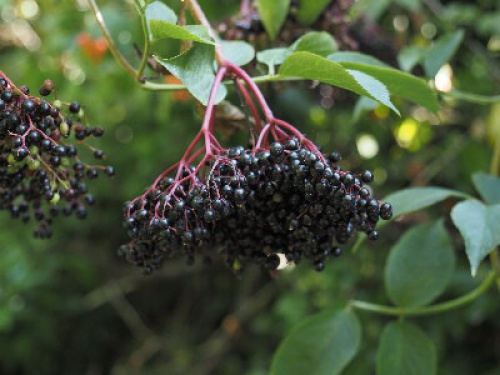 CC
CC
Bath Street
07 September 2021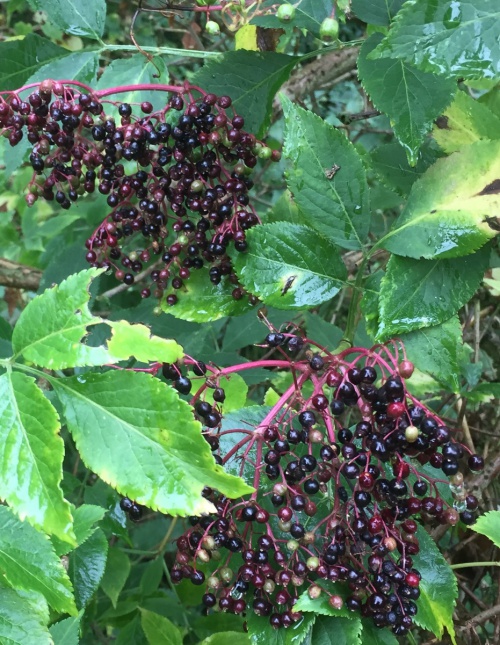 Dylan
Dylan
Melton Mowbray
17 August 2021
Elder

 autumn colours Leicester Road Sapcote SP 4956 9333 (taken 4.11.2007)..JPG)
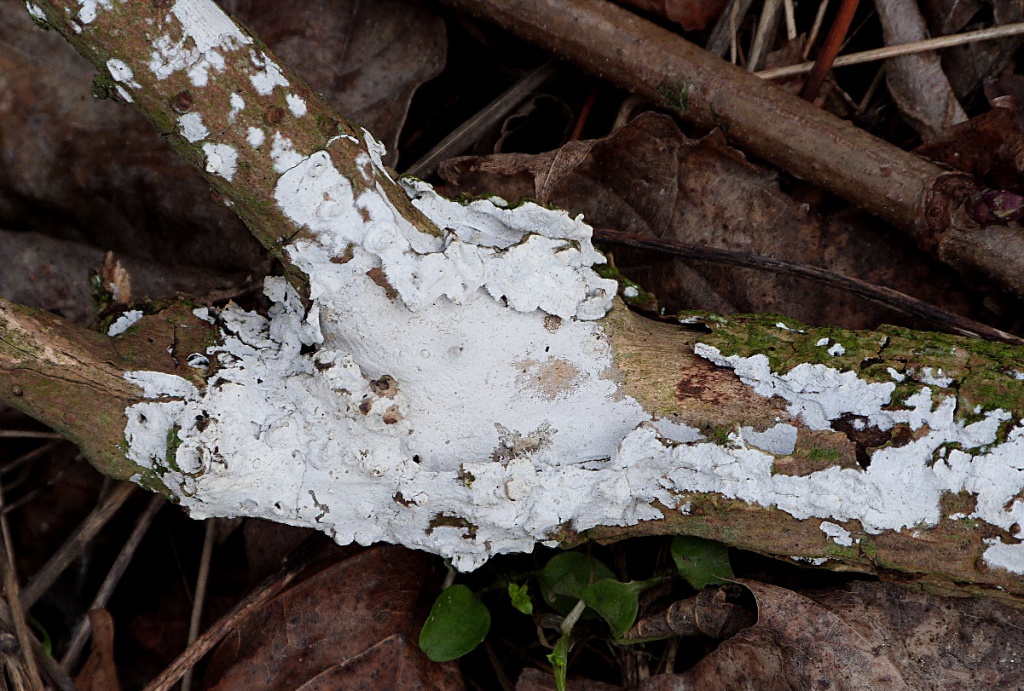
Elder Whitewash
Elder Whitewash (Hyphodontia sambuci) is a chalky white or greyish fungal pathogen found on the dead wood of branches of Elder that are still attached to the tree.
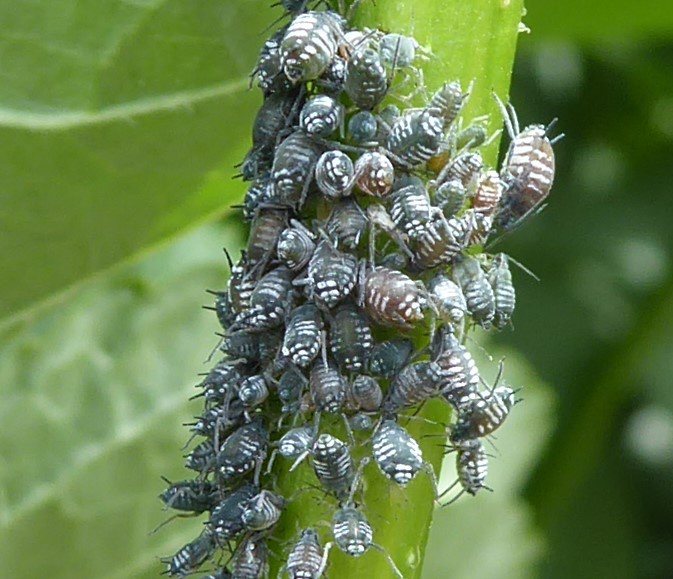
Elder Aphid
Elder Aphid (Aphis sambuci) is a variable aphid species, but the usual form is dark grey marked with white. It is usually associated with Elder, although it may use other plants.
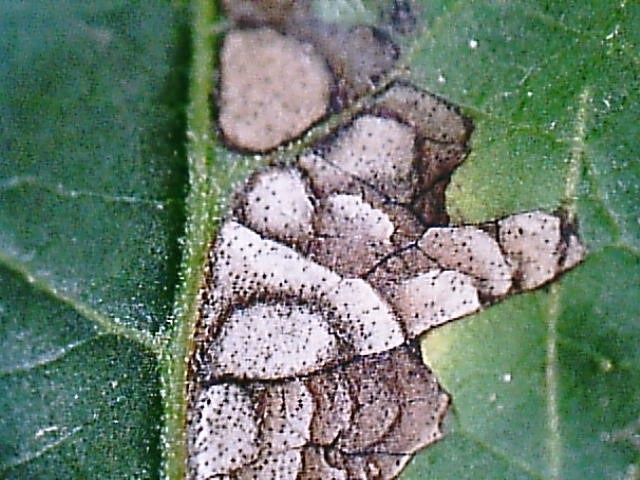
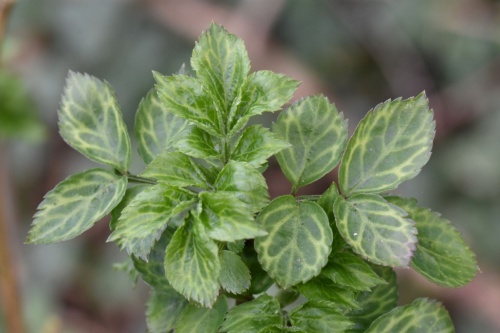
Pseudocercospora depazeoides
Cercospora depazeoides is a fungus which attacks the leaves of Elder, creating a strange, pale, scale like appearance on the upper surface of the leaves, and tiny black spots beneath.
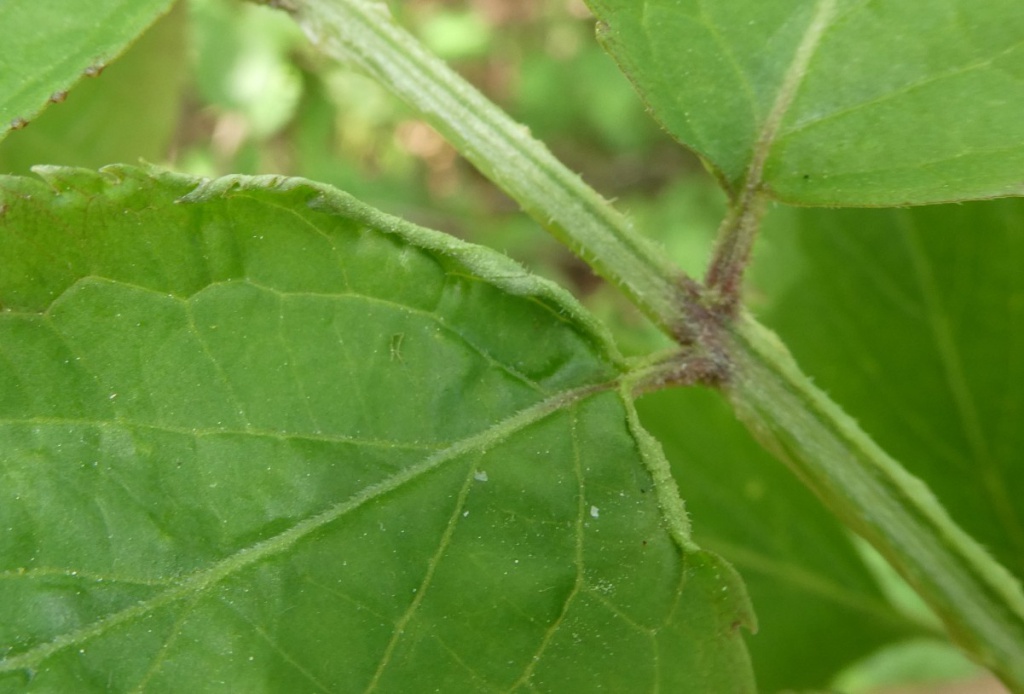
Epitrimerus trilobus
Epitrimerus trilobus is a mite that causes galls to form on the leaves of Elder. The leaf margin rolls upwards and becomes slightly thickened. The roll is 1 - 5mm wide, tight, short or extending around most of the leaf; the leaf may be creased or buckled and reduced in size; the gall contains mites.
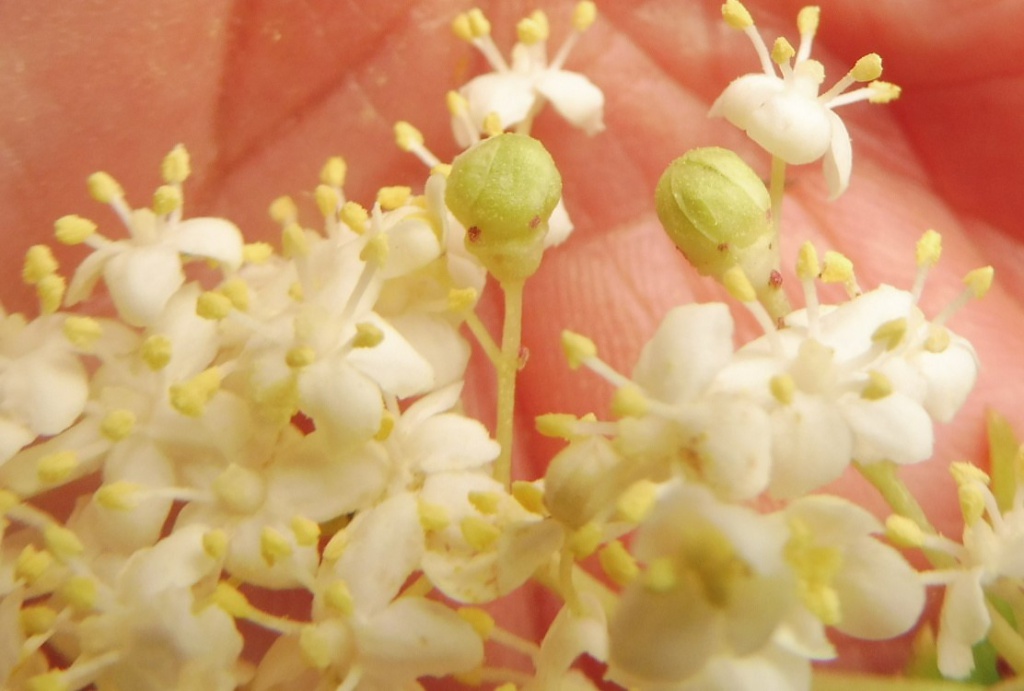
Placochela nigripes
The larvae of Placochela nigripes produce galls on the flower buds of Elder, Wild Privet and occasionally on Garden Privet causing the buds to remain closed and swollen. The galls contain an orange larva.
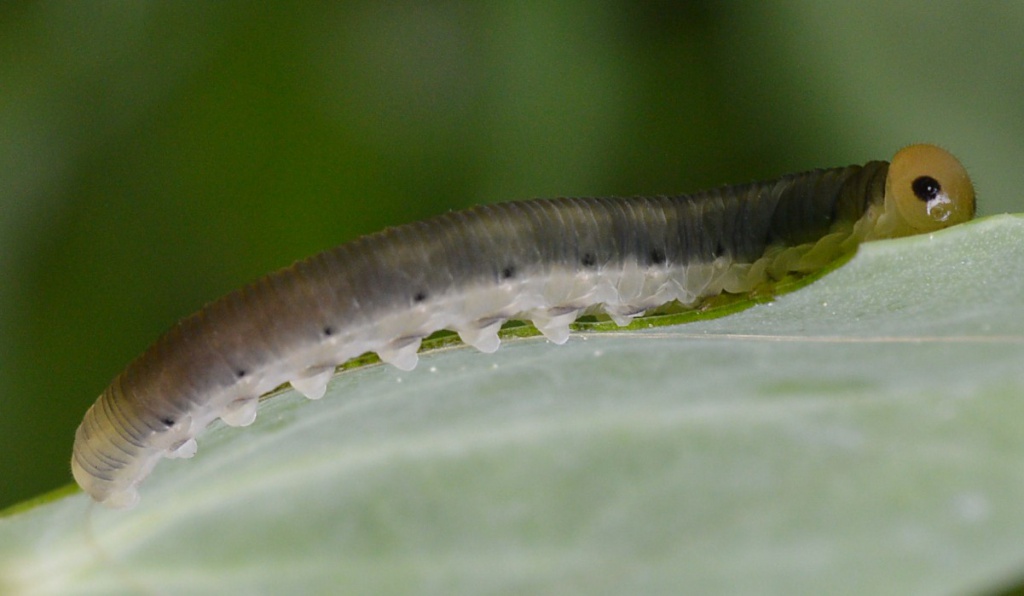
Macrophya albicincta
The larvae of the sawfly Macrophya albicincta feed on Elder as do those of Macrophya ribis and Macrophya alboannulata. If found on Elder this species should be recorded as Macrophya albicincta sensu lato.
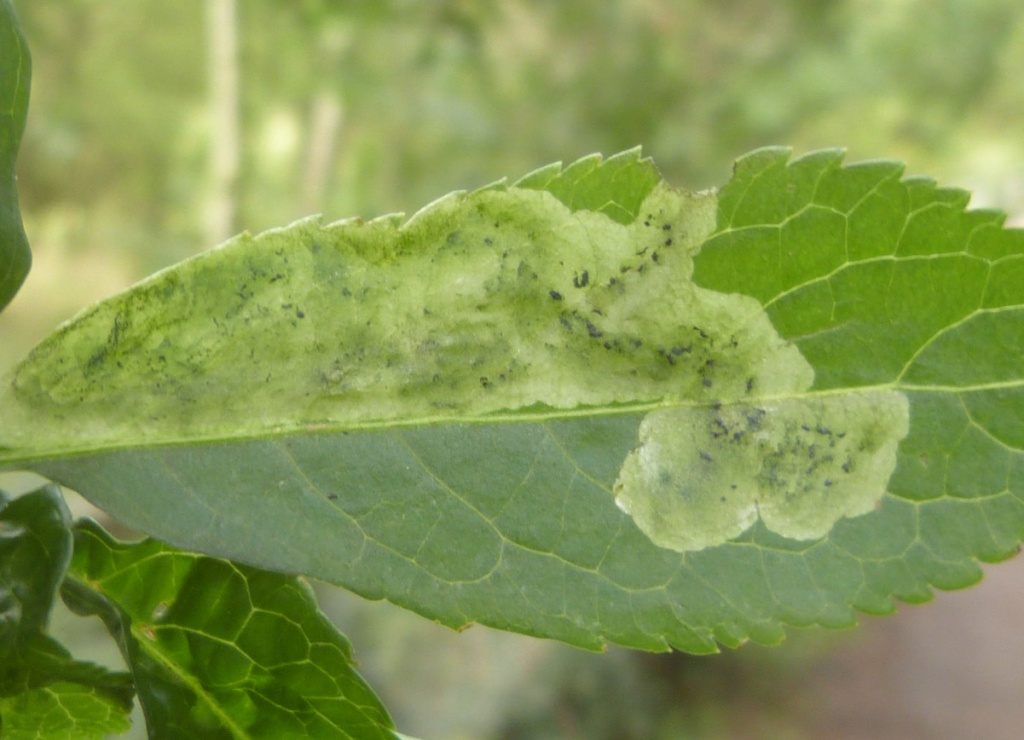
Liriomyza amoena
The larva of the Agromyzid fly Liriomyza amoena mines the leaves of Elder, creating a large blotch mine with conspicuous frass.