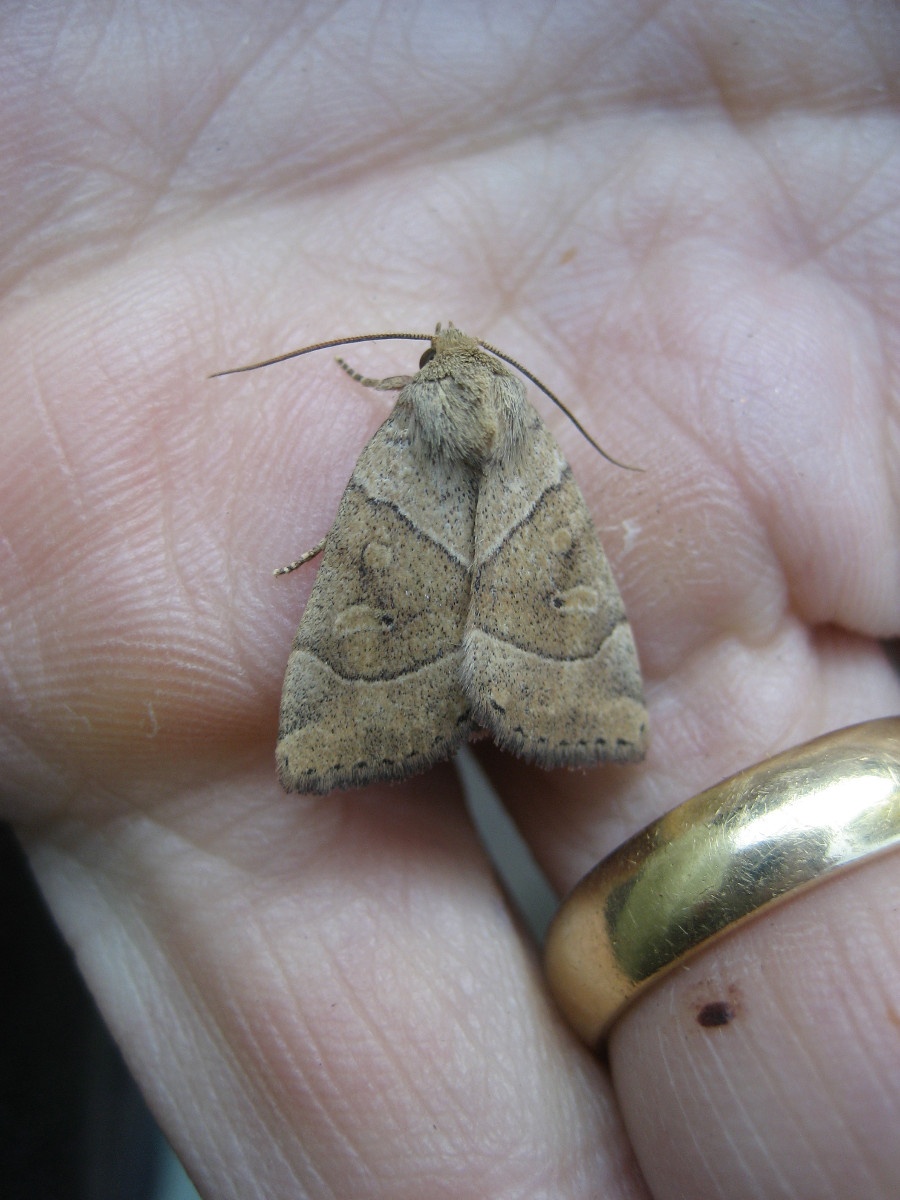
The Dun-bar - Cosmia trapezina
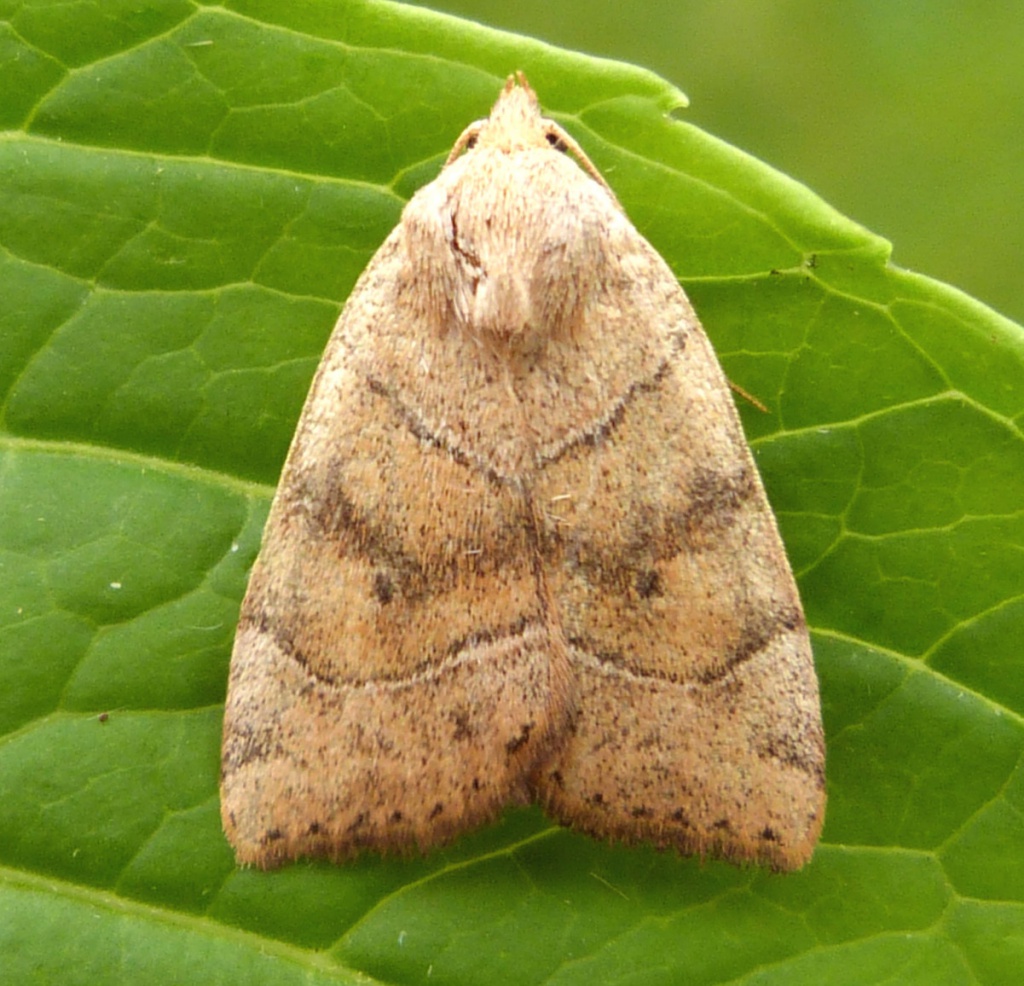
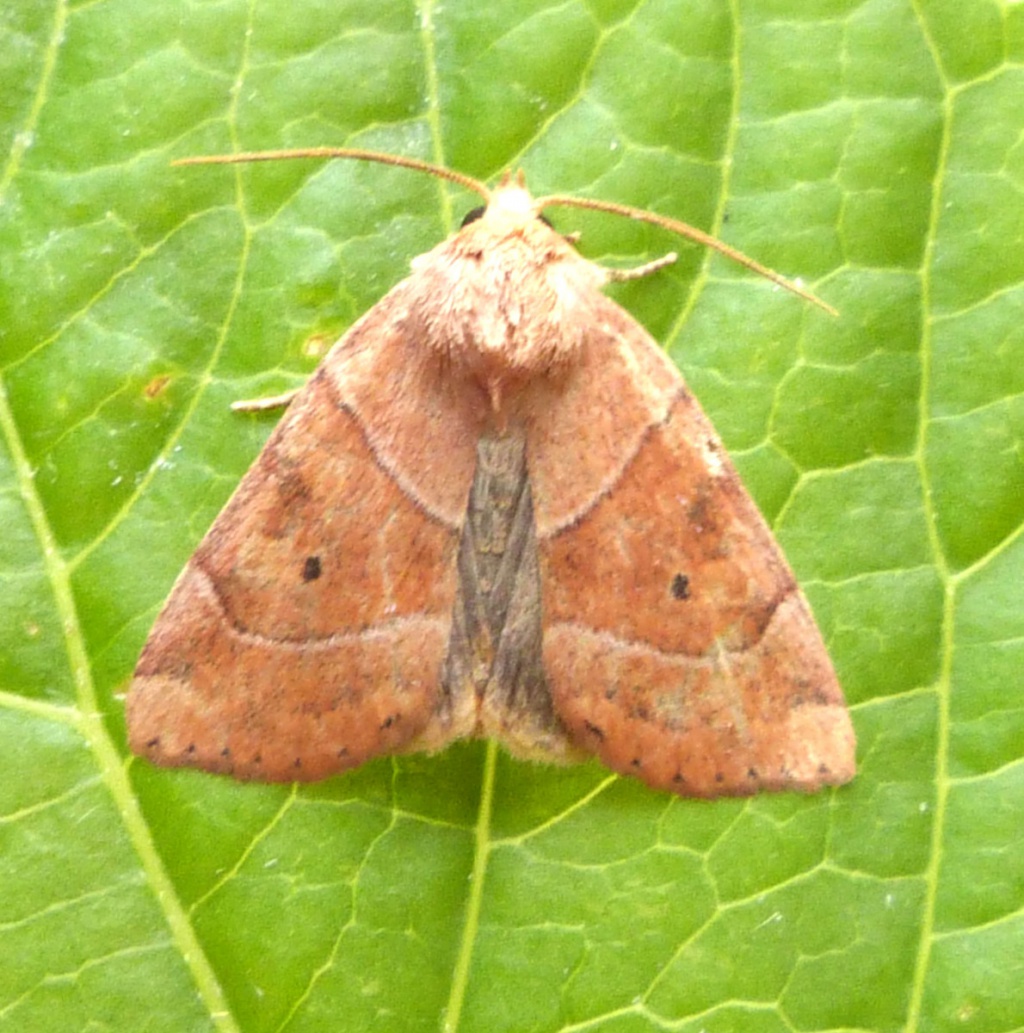
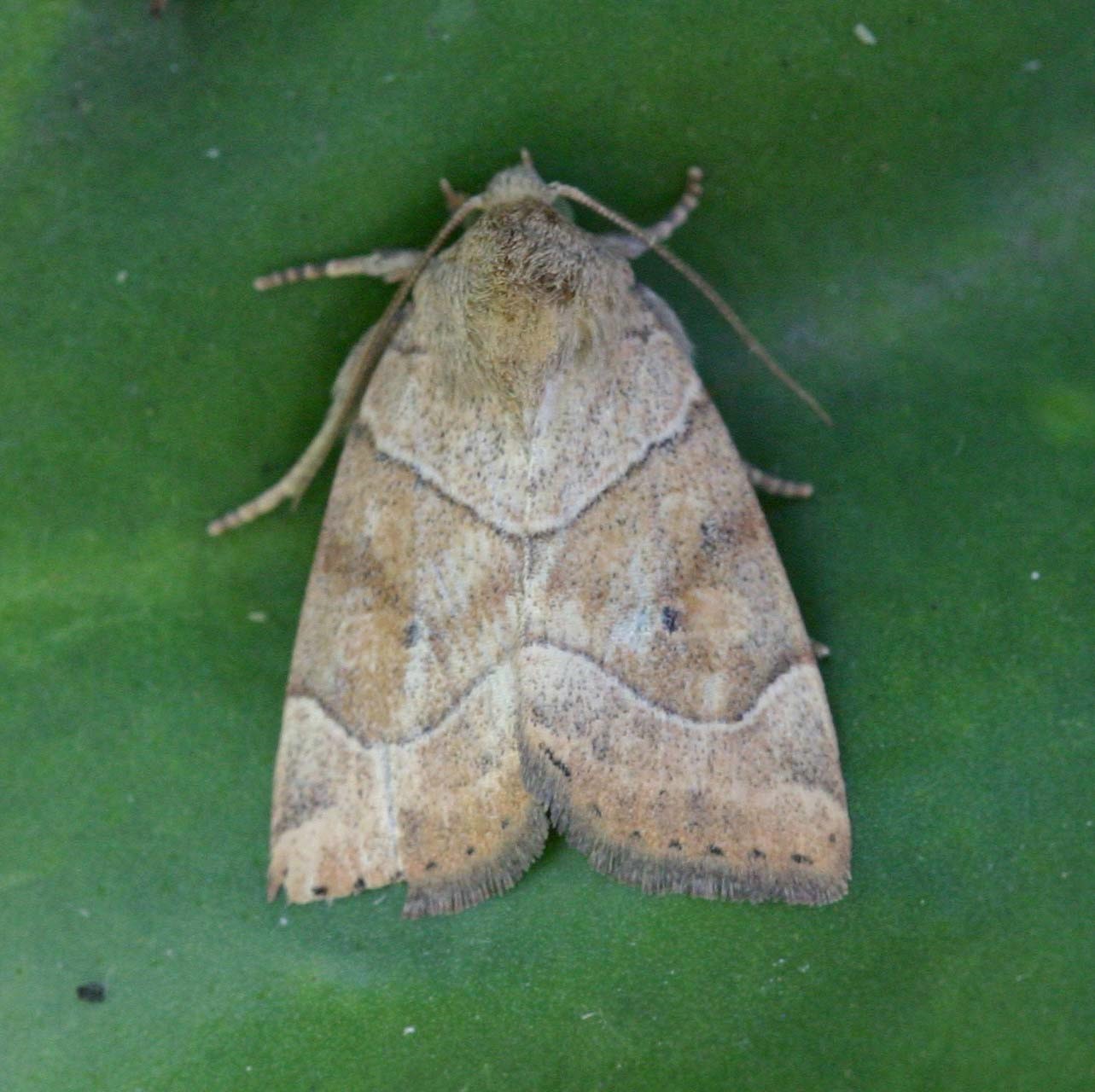
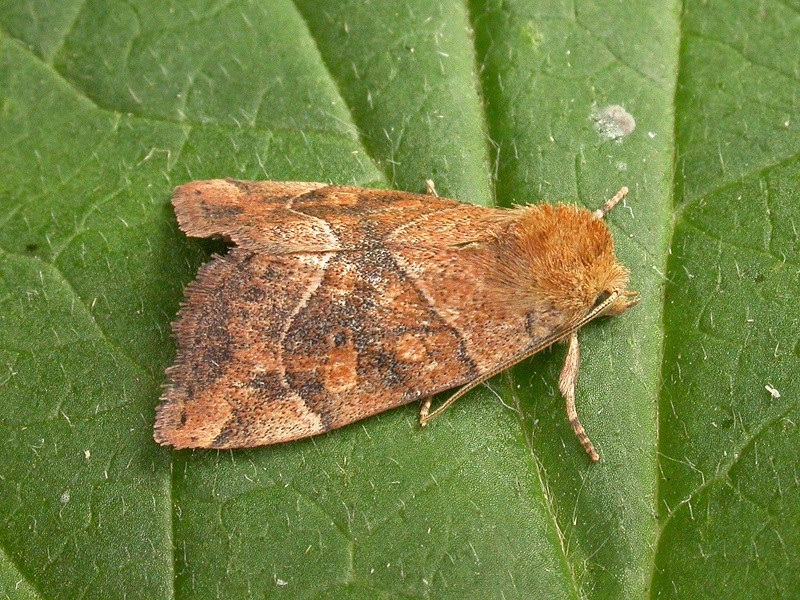
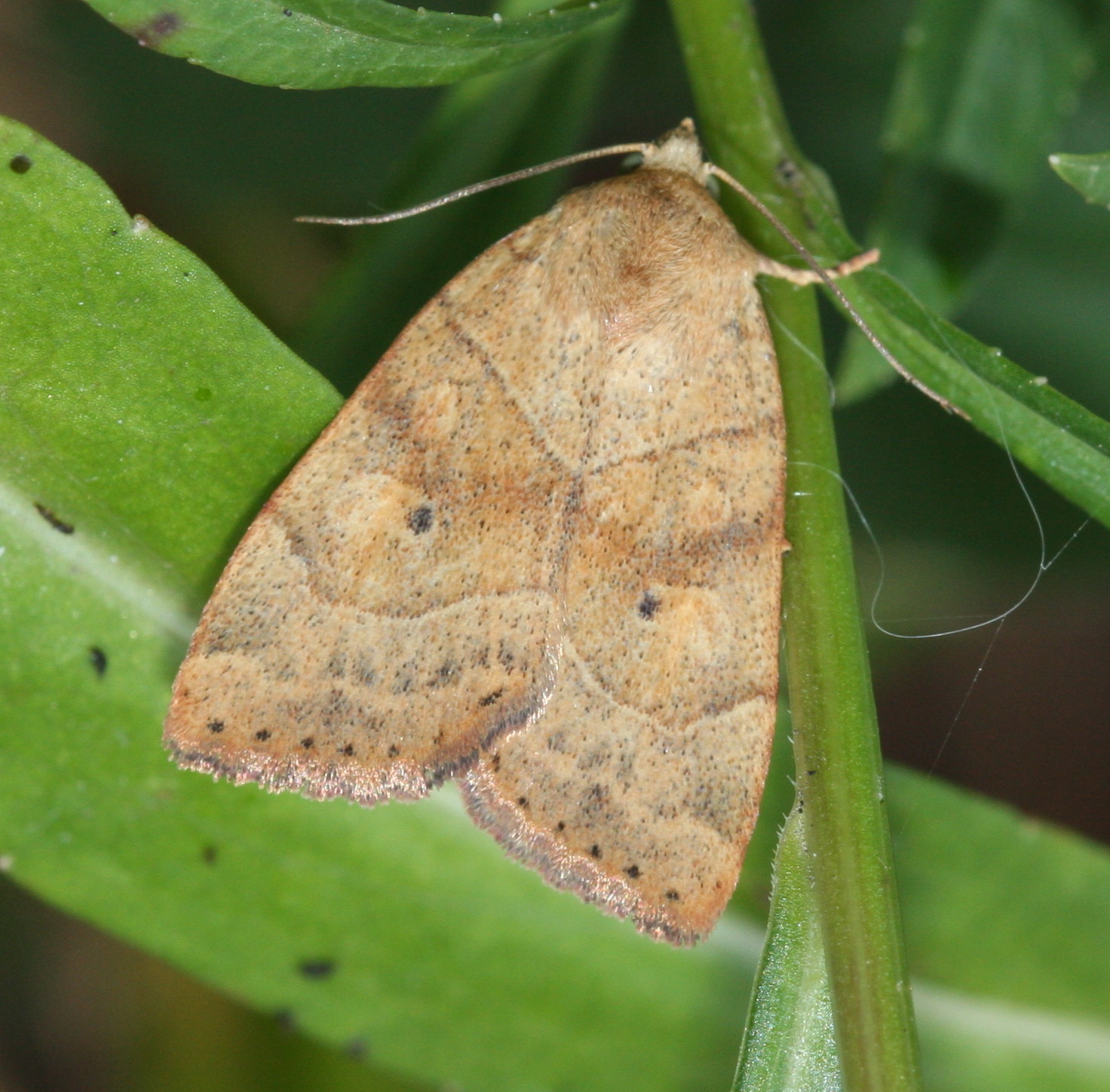
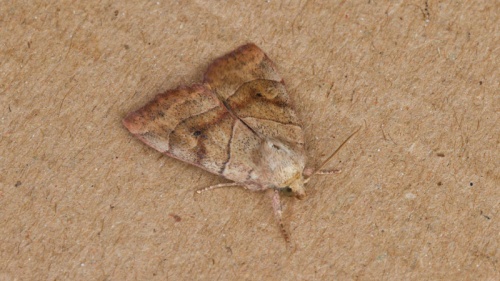
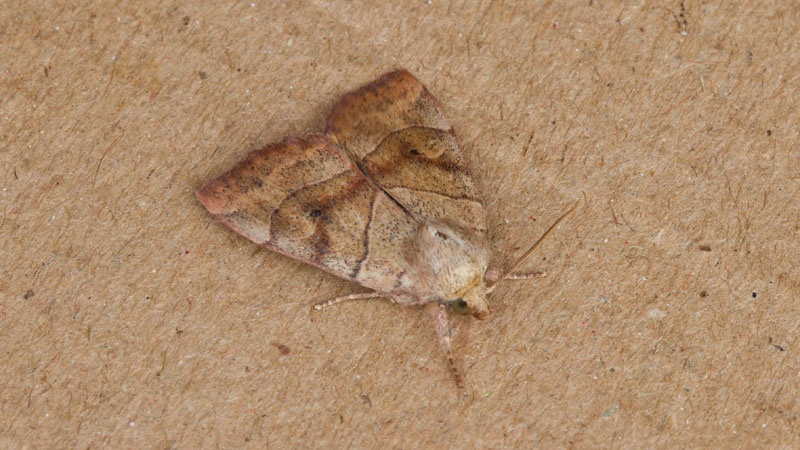
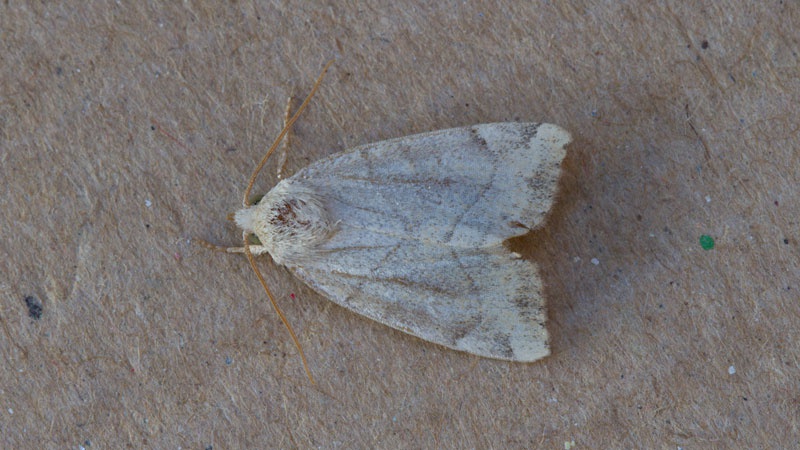
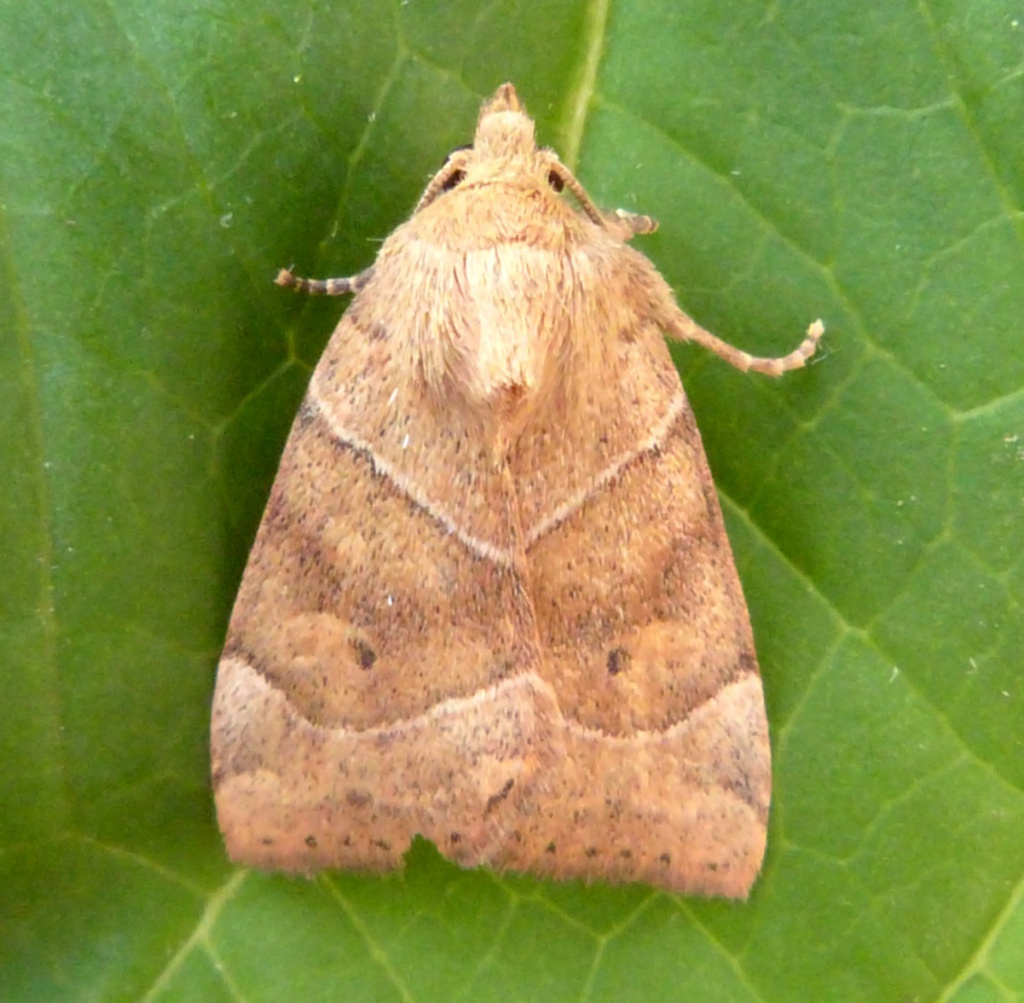
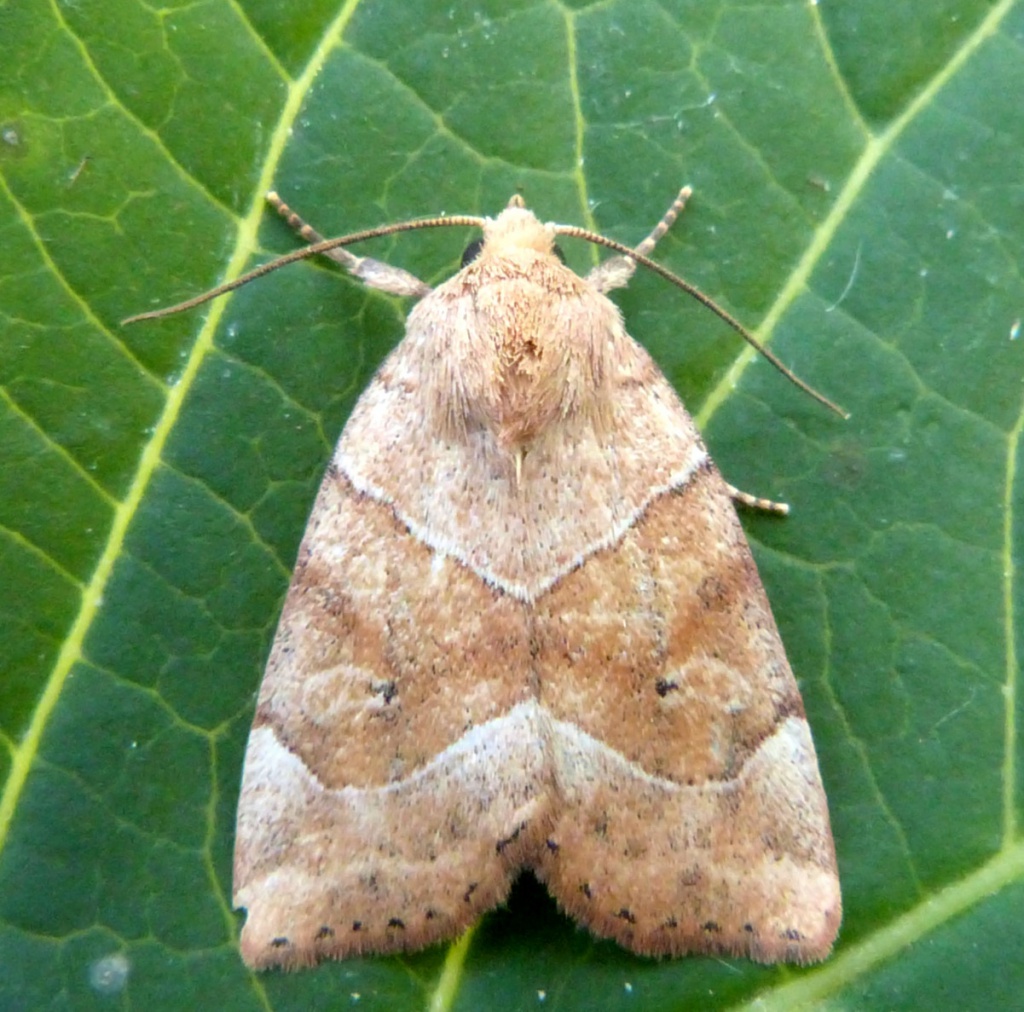
Wingspan 25-33 mm. A variable species, with the ground colour ranging from ochreous-yellow to dark brown, with a varyingly contrasting band on the forewing. However it is distinctly different from the other British Cosmia species, and not difficult to identify.

Woodland, gardens and hedgerows.
The moths fly from July to September and come to both light and sugar.
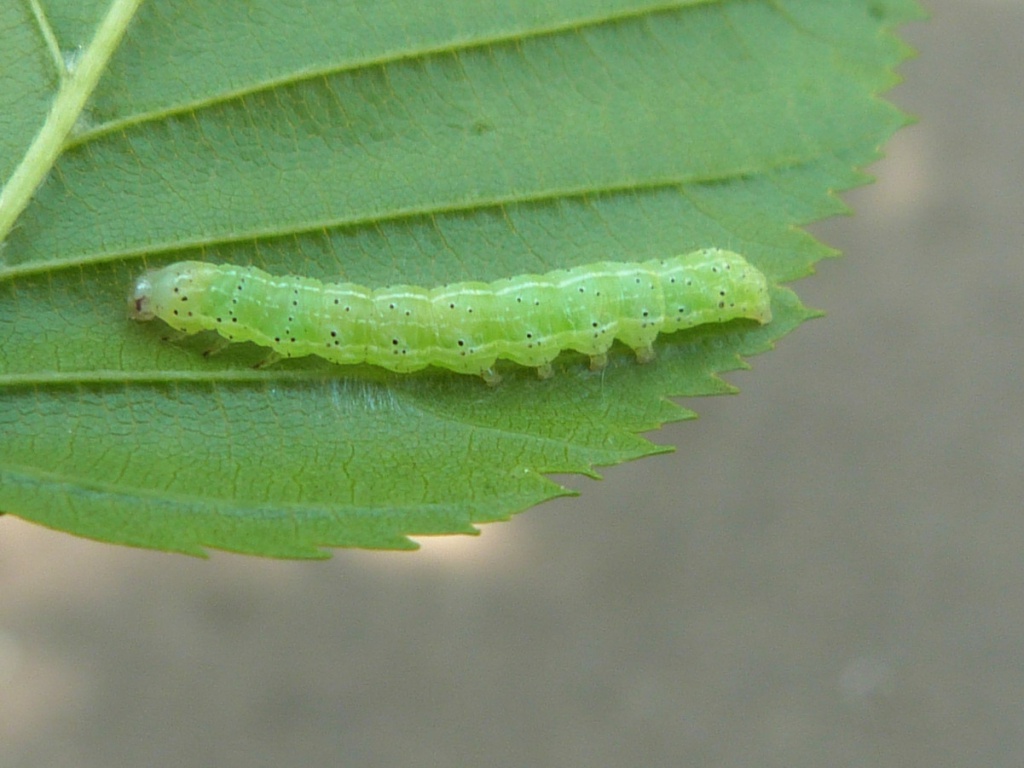
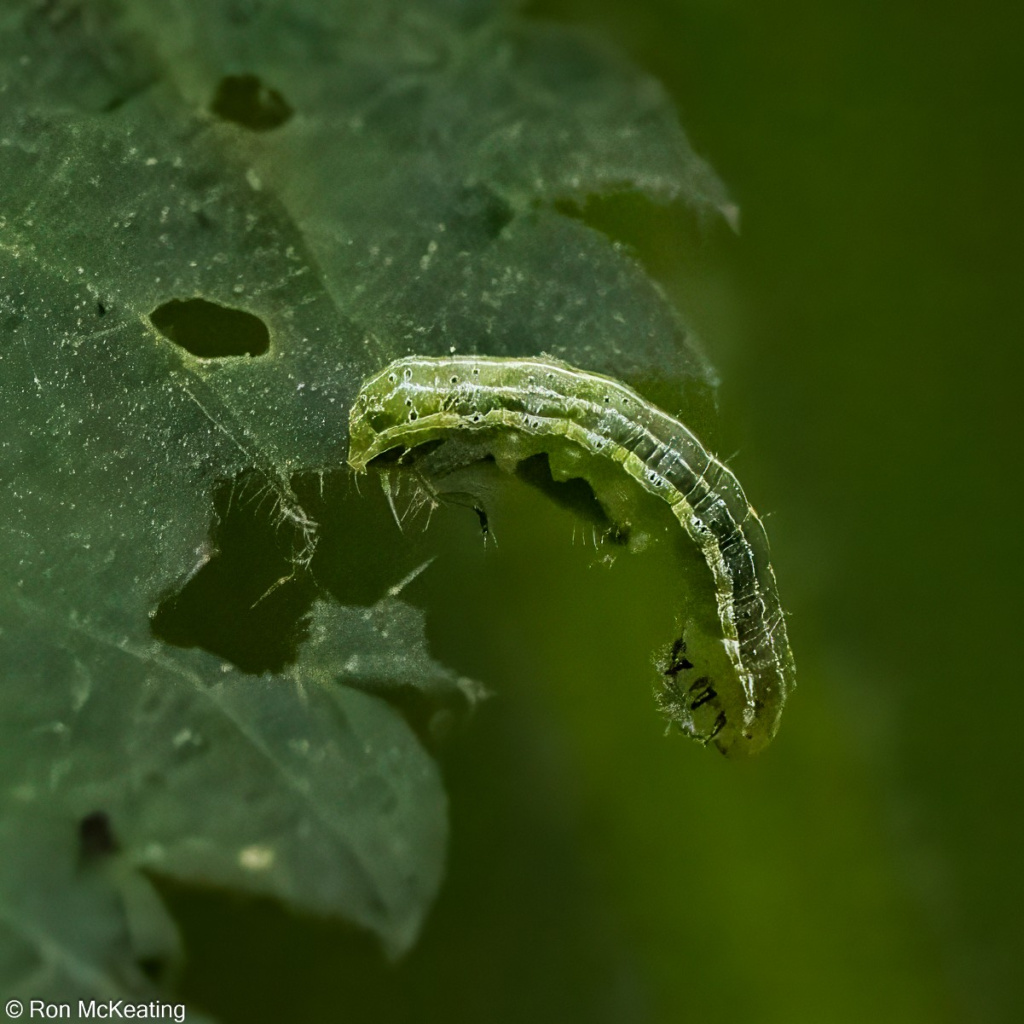
Larva polyphagous on various broad-leaved trees and shrubs including Elm, Oak, Birch, Blackthorn, Hawthorn, Hazel, Willow and Field Maple. They are also well-known for their cannibalistic tendencies towards larvae of other moths, and to their own species in captivity. In a recent survey to determine the status of all macro moths in Britain this species was classified as common.
It is commonly distributed over much of Britain. In a recent survey to determine the status of all macro moths in Britain this species was classified as common.
Quite common in Leicestershire and Rutland. L&R Moth Group status = A (common and resident)
 Harecroft Crescent Sapcote SP49019371 (taken 9.7.2010),.JPG) Graham Calow
Graham Calow
Sapcote garden1
09 July 2010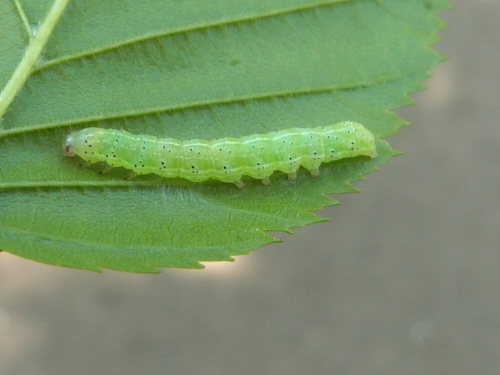 Graham Calow
Sapcote, Donkey Lane
24 May 2023
larva on Elm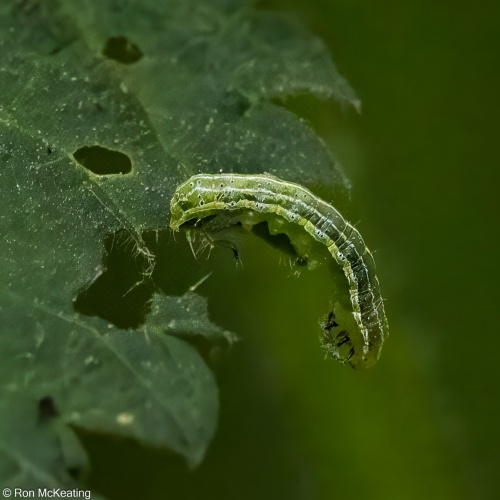 Ronmck01
Charnwood Lodge
15 May 2025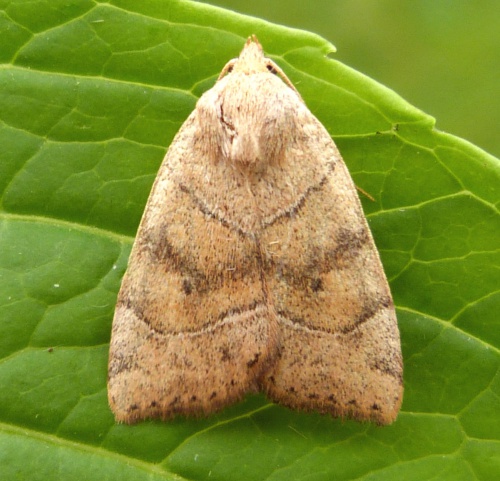 Graham Calow
Sapcote garden1
25 August 2013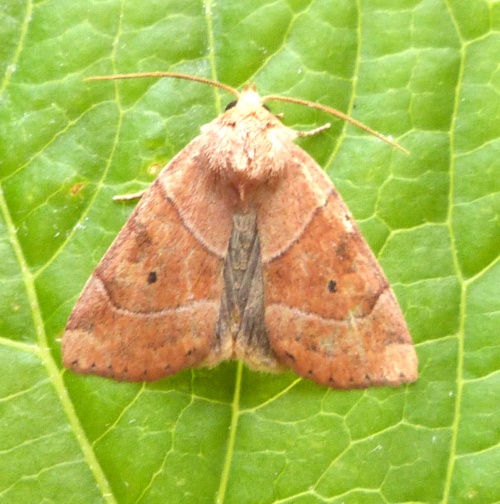 Graham Calow
Sapcote garden1
16 July 2013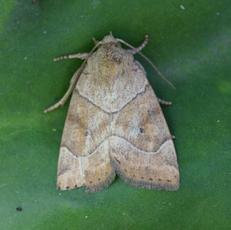 David Nicholls
Ratby garden1
14 July 2006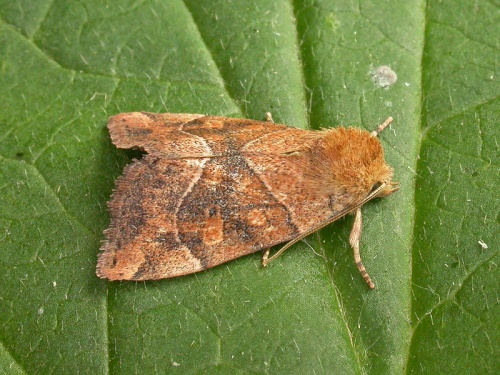 Mark Skevington
Ketton Quarry
27 July 2012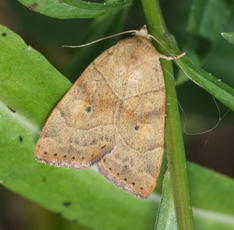 David Nicholls
Ratby garden1
25 July 2010
 Harecroft Crescent Sapcote SP49019371 (taken 9.7.2010),.JPG)
Leicestershire & Rutland Map
Enter a town or village to see local records
MAP KEY:
Yellow squares = NBN records (all known data)
Coloured circles = NatureSpot records: 2025+ | 2020-2024 | pre-2020
UK Map
Species profile
- Common names
- Dun-bar
- Species group:
- insect - moth
- Kingdom:
- Animalia
- Order:
- Lepidoptera
- Family:
- Noctuidae
- Records on NatureSpot:
- 445
- First record:
- 01/01/1998 (Adrian Russell)
- Last record:
- 04/05/2026 (Smith, Peter)
Total records by month
% of records within its species group
10km squares with records
The latest images and records displayed below include those awaiting verification checks so we cannot guarantee that every identification is correct. Once accepted, the record displays a green tick.
In the Latest Records section, click on the header to sort A-Z, and again to sort Z-A. Use the header boxes to filter the list.
Latest images
Latest records
 Rod Baker
Newton Harcourt
26 July 2012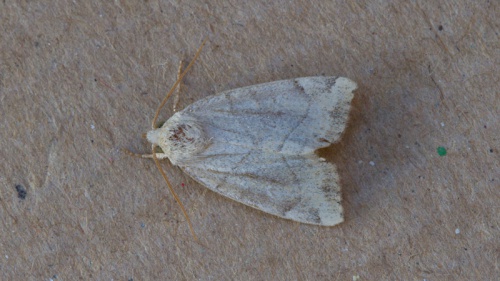 Rod Baker
Newton Harcourt
12 August 2013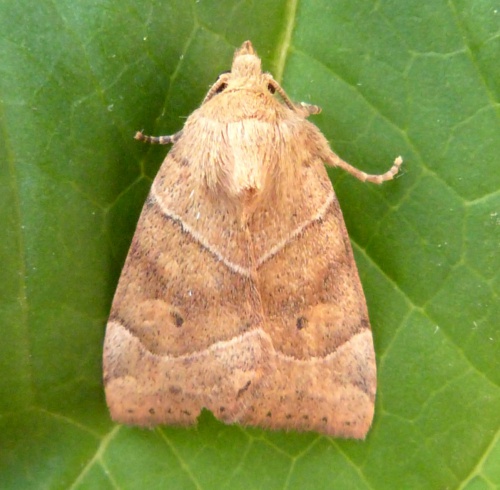 Graham Calow
Sapcote garden1
29 June 2014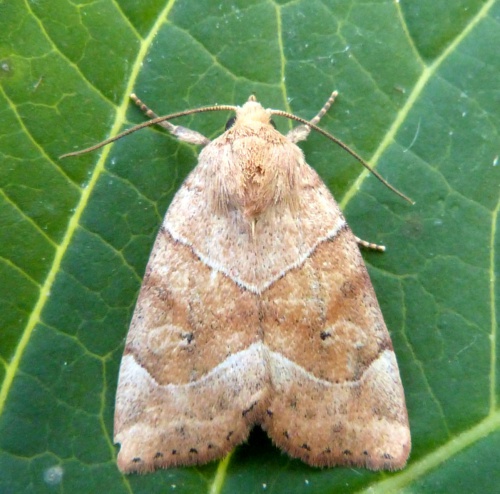 Graham Calow
Sapcote garden1
11 July 2014 Harecroft Crescent Sapcote SP49019371 (taken 9.7.2010).JPG) Graham Calow
Graham Calow
Sapcote garden1
09 July 2010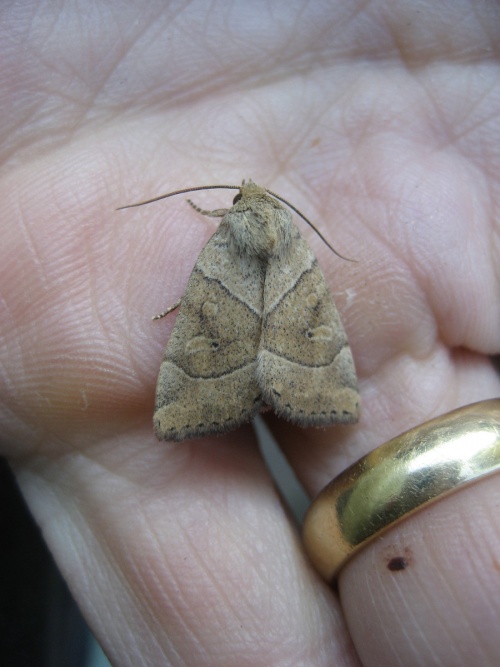 Pete Leonard
Harby
25 July 2012
 Harecroft Crescent Sapcote SP49019371 (taken 9.7.2010).JPG)