

Dark-based Clusterfly - Pollenia labialis
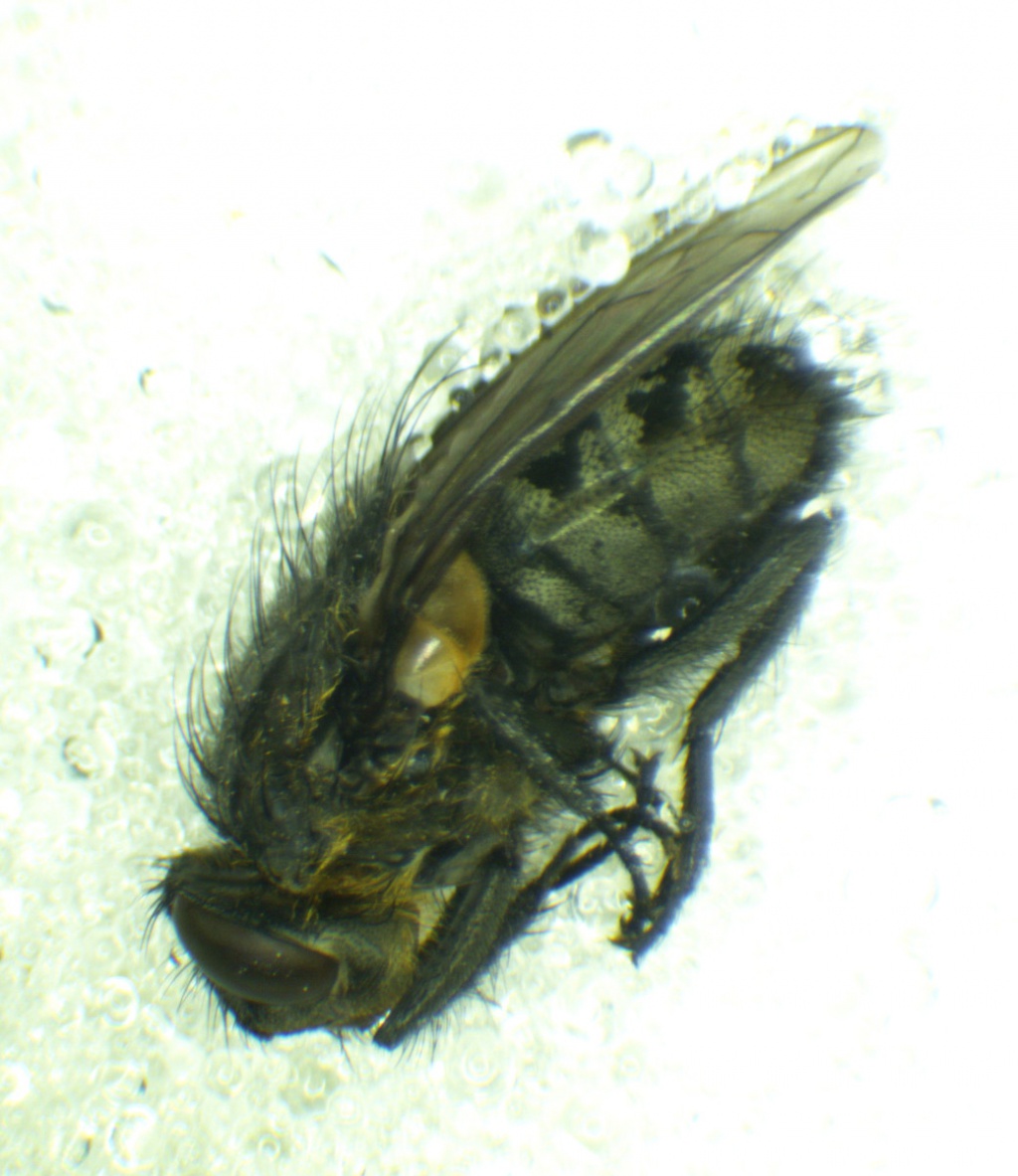
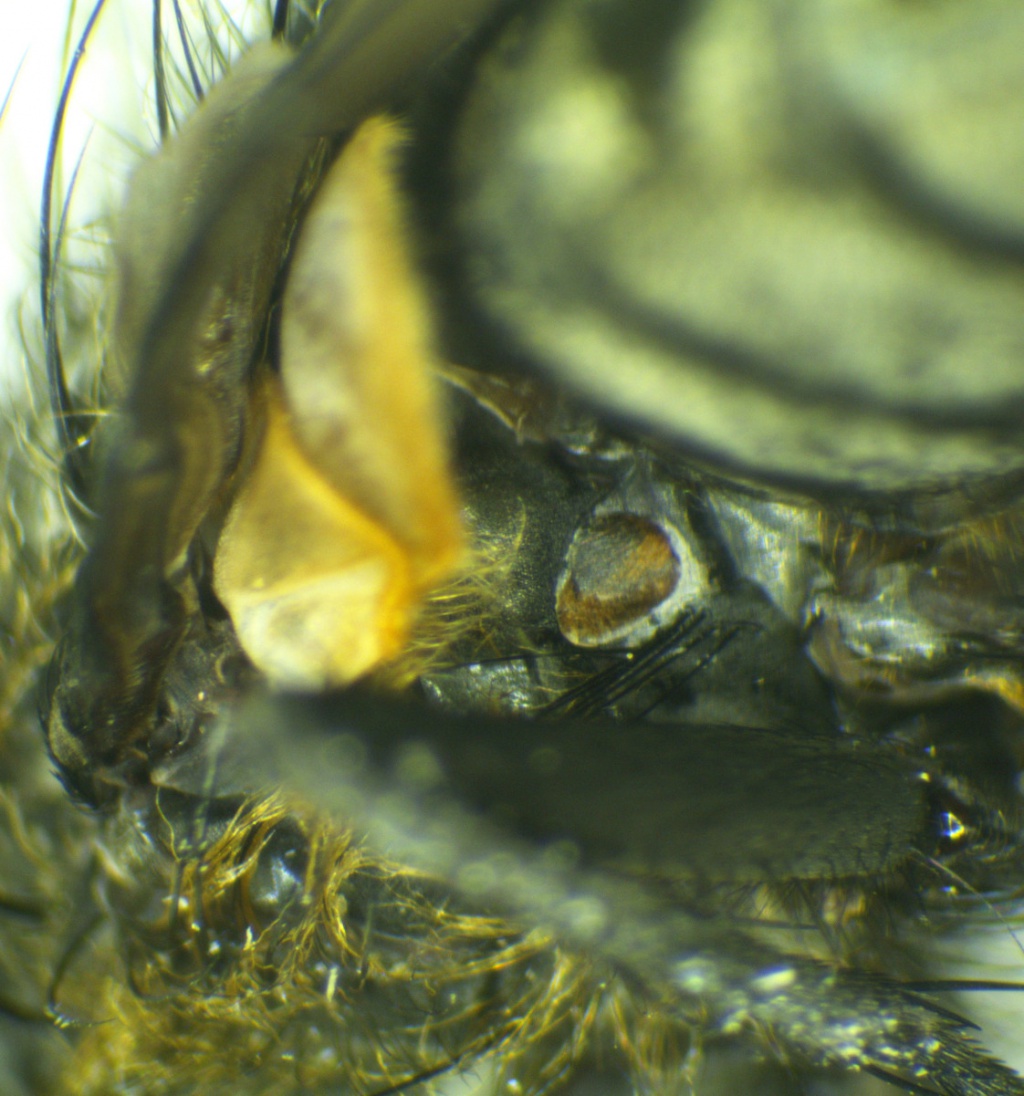
It can be distinguished from P. rudis and all other Pollenia species except P. amentaria (which has a black abdomen) by the dark hind thoracic spiracle and dark basicosta at each wing base.
There are 8 Pollenia species recorded in Britain, most of which can't be identified without microscopic examination to key out complex features.

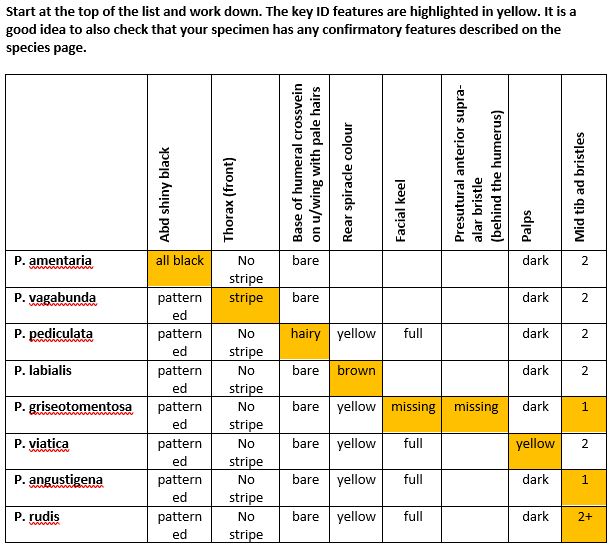
Unless identified by a recognised expert, a photo is required and the specimen should be examined with a microscope. In the comments box, state the key or ID method used and describe the size and identifying characters.
Associated with peaty, base-poor areas such as valley mires, old dune slacks, edges of bogs, grazing marshes of places like west Hampshire and the Norfolk Broads.
Spring to autumn.
The larvae are presumed to attack snails.
This is a widespread but localised species.
Status in Leicestershire and Rutland not known.
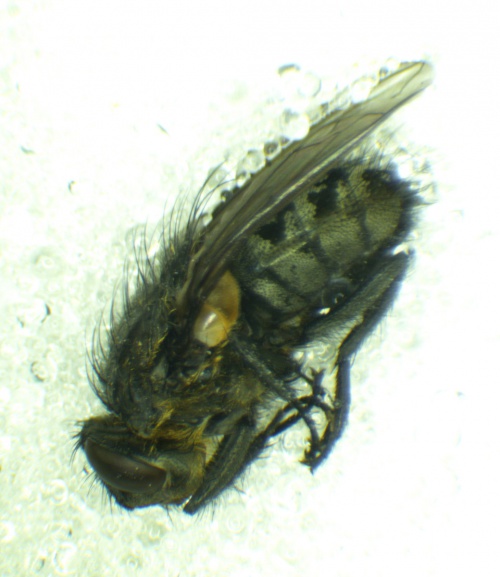 David Nicholls
Ratby garden
26 March 2020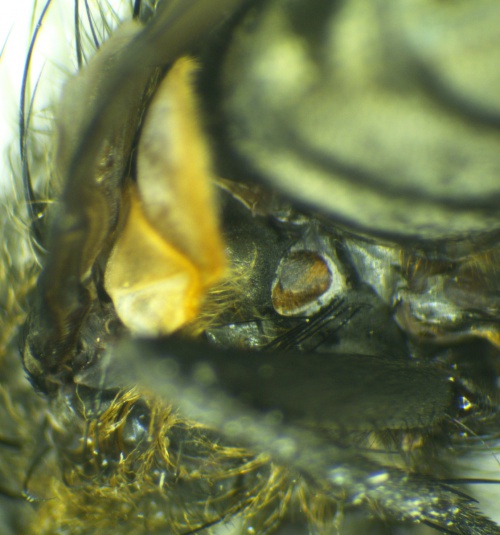 David Nicholls
Ratby garden
26 March 2020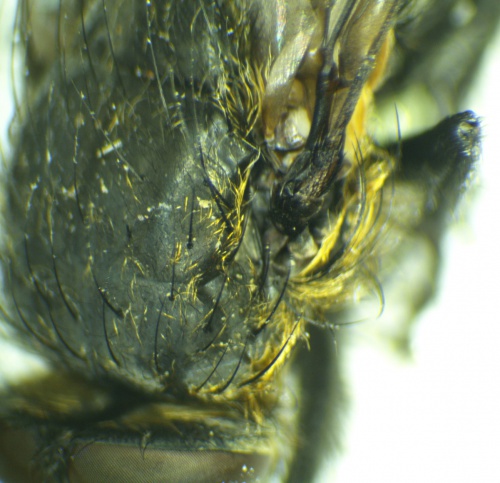 David Nicholls
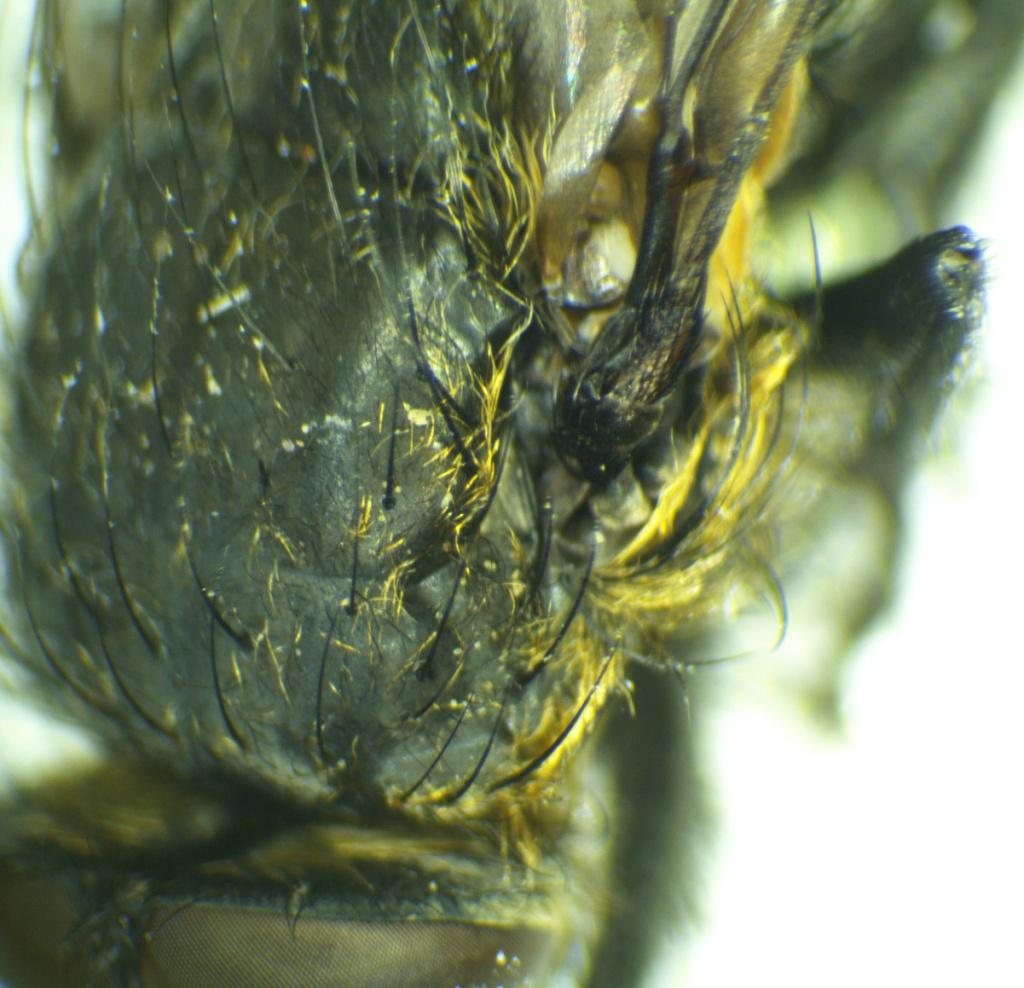
Ratby garden
26 March 2020
Leicestershire & Rutland Map
Enter a town or village to see local records
MAP KEY:
Yellow squares = NBN records (all known data)
Coloured circles = NatureSpot records: 2025+ | 2020-2024 | pre-2020
UK Map
Species profile
- Species group:
- insect - true fly (Diptera)
- Kingdom:
- Animalia
- Order:
- Diptera
- Family:
- Polleniidae
- Records on NatureSpot:
- 1
- First record:
- 26/03/2020 (Nicholls, David)
- Last record:
- 26/03/2020 (Nicholls, David)
Total records by month
% of records within its species group
10km squares with records
The latest images and records displayed below include those awaiting verification checks so we cannot guarantee that every identification is correct. Once accepted, the record displays a green tick.
In the Latest Records section, click on the header to sort A-Z, and again to sort Z-A. Use the header boxes to filter the list.